
Most people walk past the quiet, curled-up dog in the back corner of the kennel and think the same thing: “Too shut down. Not for me.” They keep moving toward the dog doing backflips at the gate, the one who feels like an easier bet.
But shelter behaviorists will tell you something most visitors never guess: the shyest dogs are often the ones who bond the hardest once they finally feel safe. That “shyness” usually isn’t broken temperament – it’s hopeful focus aimed at one specific person, and they just haven’t met that person yet. When they do, the shift happens in small, easy-to-miss ways most adopters walk right past. Here’s what the people who read dogs for a living actually watch for.
#1 – They Watch You From the Corner of Their Eye
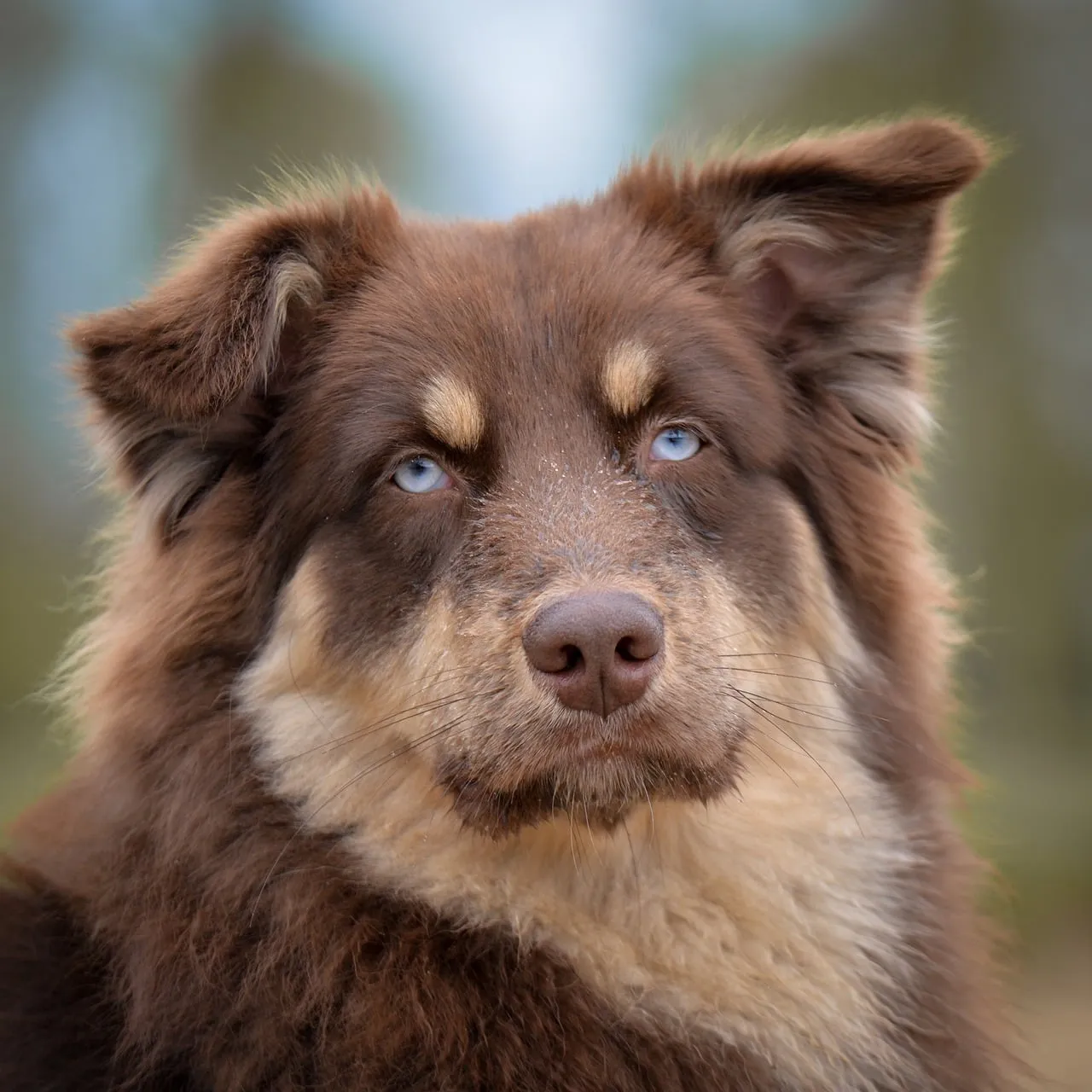
The shy dog who’s meant for you rarely rushes the kennel door. Instead, they pretend to ignore you completely – while tracking your every move. Head low, body turned away, but their eyes keep sneaking back toward you.
That side-eye tracking is curiosity fighting through fear. They want to know you; they just don’t know yet if they’re allowed to. Watch for tiny glances that snap back the second you notice, or ears flicking toward your voice even while their head stays turned away. If they hold that quiet visual contact the whole time you’re in the room, you’re not imagining it – their brain has already flagged you as important. That quiet watching is just the opening move.
#2 – They Relax When You Sit Down
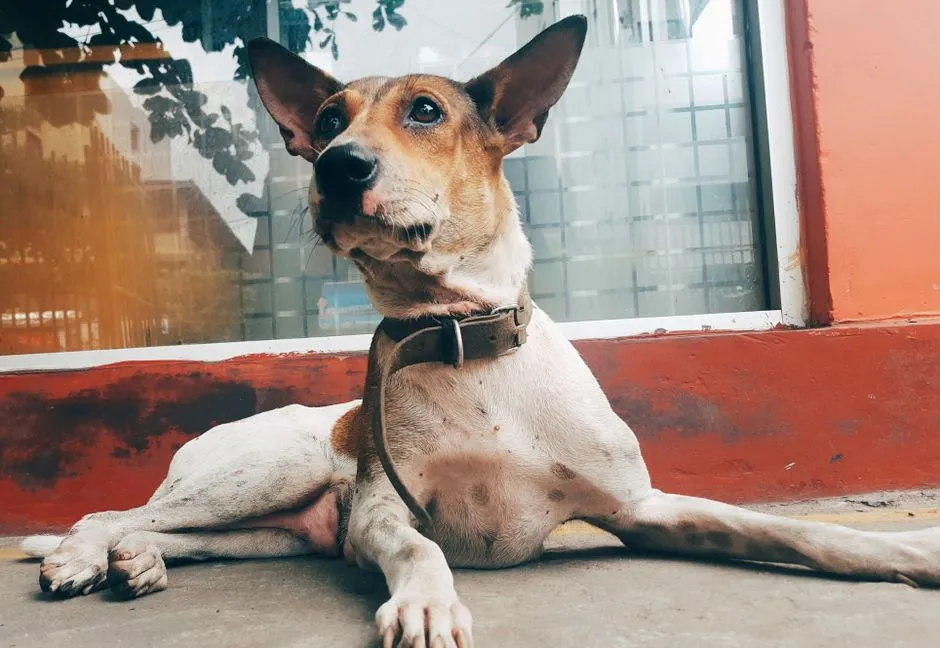
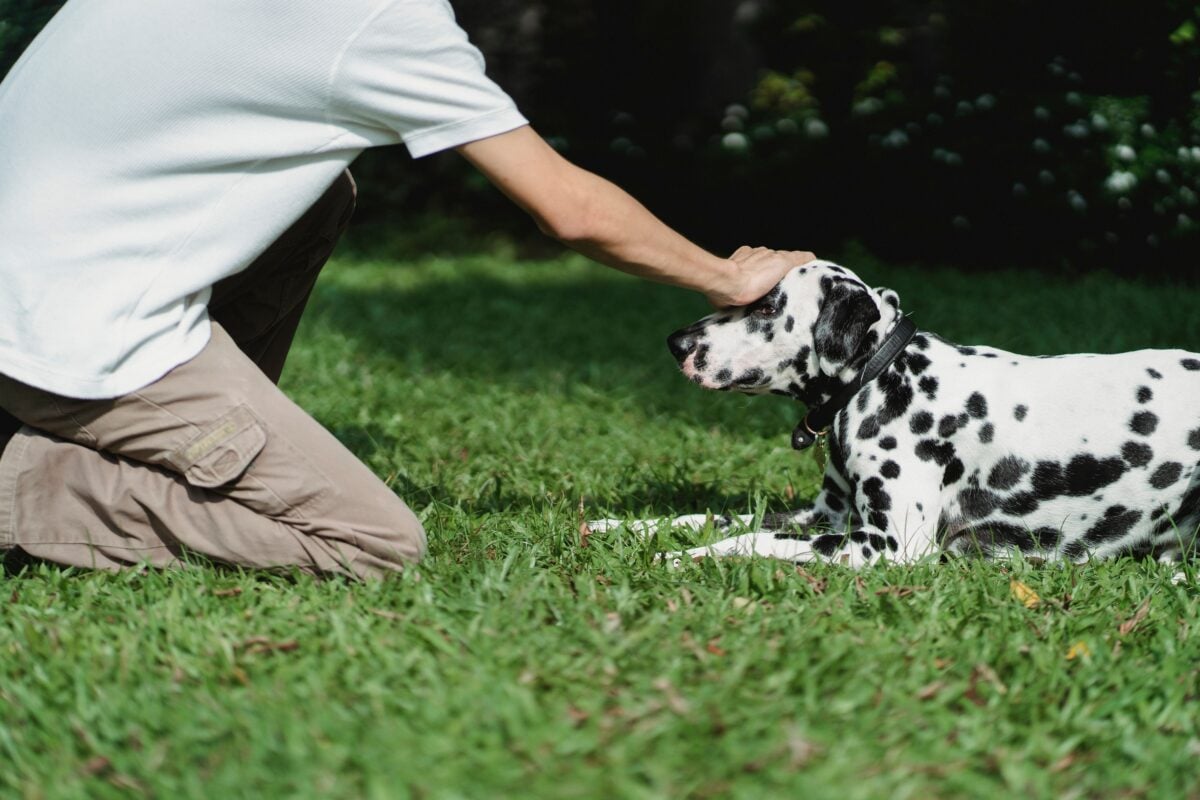
Most visitors stand at kennels, talk loud, tap the glass, move fast. The right dog for you might only show themselves once you drop to their level. Sit on a bench or squat quietly, and a truly shy dog’s whole body often softens – a slow exhale, dropped shoulders, maybe a careful scoot closer.
For a dog who’s been overwhelmed by towering strangers, you sitting down is a test: “Are you safe when you’re not in control?” Look for a frozen dog who suddenly stops licking their lips, or a subtle weight shift toward you even if they don’t touch you yet. When they only relax like that around you and not everyone else, it isn’t random. It’s targeted trust, and full relaxation is just the warm-up for what happens near the food bowl.
Fast Facts
- Turning the head away while still watching from the corner of the eye is a classic canine calming signal, not rejection.
- Lip licking and yawning often signal mild stress rather than boredom.
- Sitting or crouching lowers your perceived size and threat level in a dog’s eyes.
- Shelter behaviorists often track how close a dog allows a person before backing away, watching that distance shrink over repeat visits.
#3 – They Choose You Over the Treats
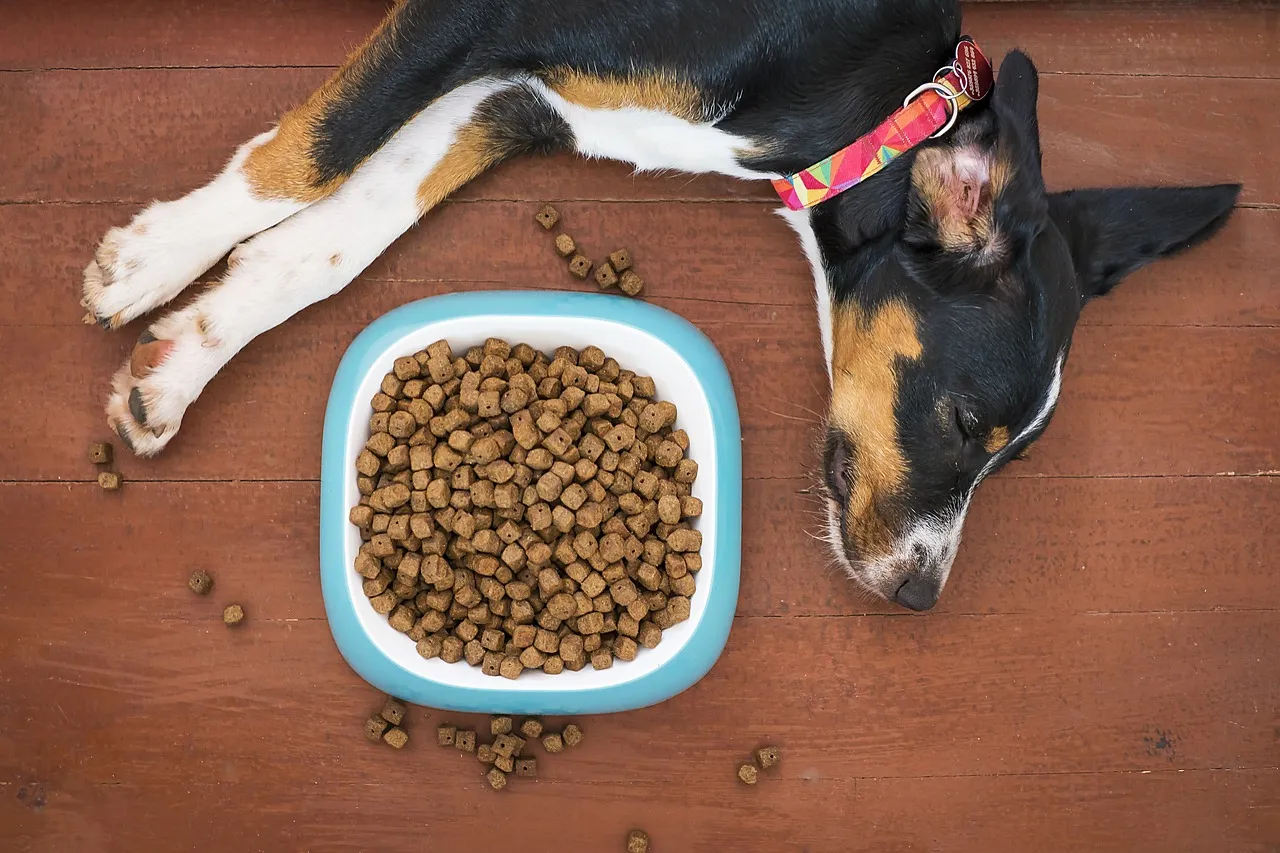
Shelters are full of smells and snacks, and volunteers walk by with treats all day. Most dogs snap them up from anyone. The shy dog who might be “your” dog does something different: they hesitate to take food from others but edge closer when you offer it.
Eating is a vulnerable act for a scared dog, so choosing to eat near you is basically them saying, “I feel safest right here.” Notice if they eat closer to the front only when you’re there, or inch toward you with each bite instead of retreating. If a staffer mentions, “He usually won’t take treats from strangers,” while he’s gently nibbling from your fingers, don’t brush it off – choosing your hand over free food is its own quiet vow.
#4 – They Mirror Your Movements Without Thinking
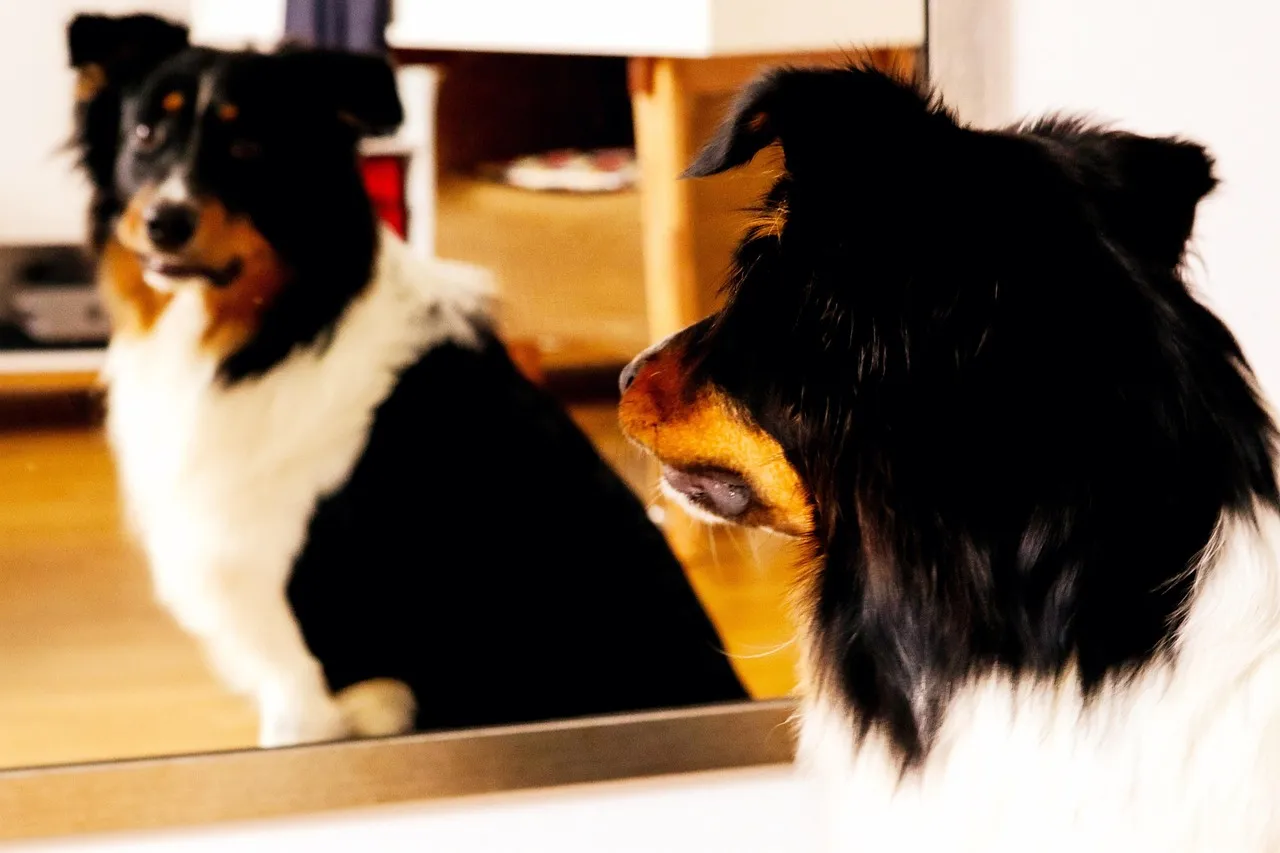
A lot of people assume only “confident” dogs mirror humans, but quietly attached dogs do it too, just in softer ways. If you shift left and they subtly shift left, or you lean back and they ease forward, that’s not coincidence. Mirroring is one of the clearest, science-backed signs of social bonding in mammals.
Try it in a calm area: stand, then slowly crouch, and watch whether they lower their body a beat later. Turn slightly sideways and see if they angle their body to match your stance. With a shy shelter dog, mirroring rarely looks flashy – it might be a slow paw adjustment or a tiny head tilt when you tilt yours. If it keeps happening around you and not everyone else, their nervous system is quietly syncing to yours, and once that starts, following isn’t far behind.
#5 – They Follow You With Their Whole Body, Not Just Their Head
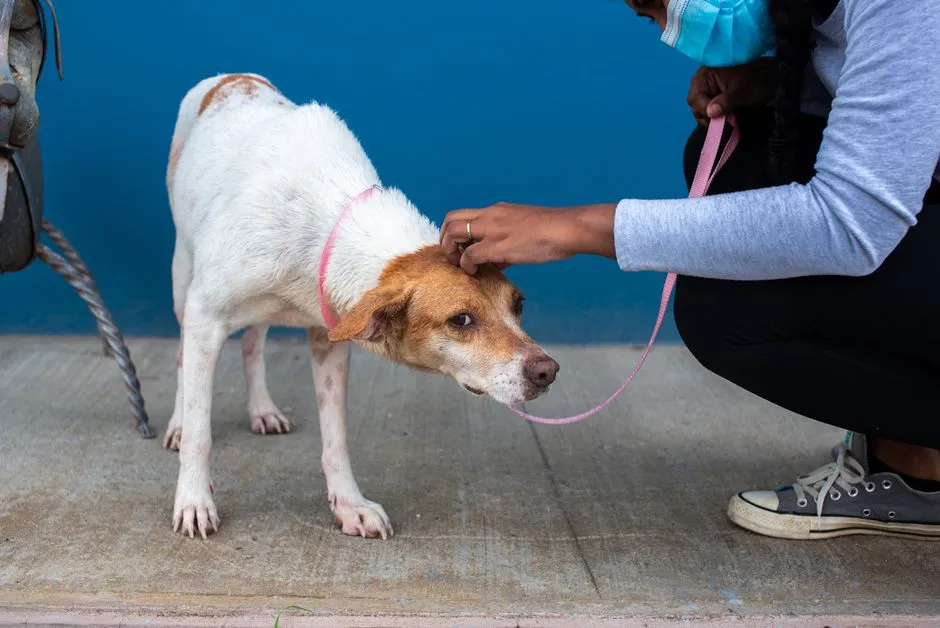
Most visitors think “following” means tailing you like a shadow. With a fearful dog, the first sign is much smaller: their body subtly tracks you wherever you go, even while they stay planted. Shuffle left, they slightly pivot. Step back, they creep forward one paw length, then freeze.
Once you’re out of the kennel, watch from a distance or through a window if you can. Do they get up just for you when they stayed lying down for everyone else? Do they quietly trail you along the back wall, matching your route? It’s not dramatic, and that’s exactly why most people miss it. A dog spending its limited courage to keep you in view is deciding you might be worth the risk – and that kind of quiet tracking often shows up in small, private gestures too.
#6 – They Offer Tiny “Polite” Gestures Just for You
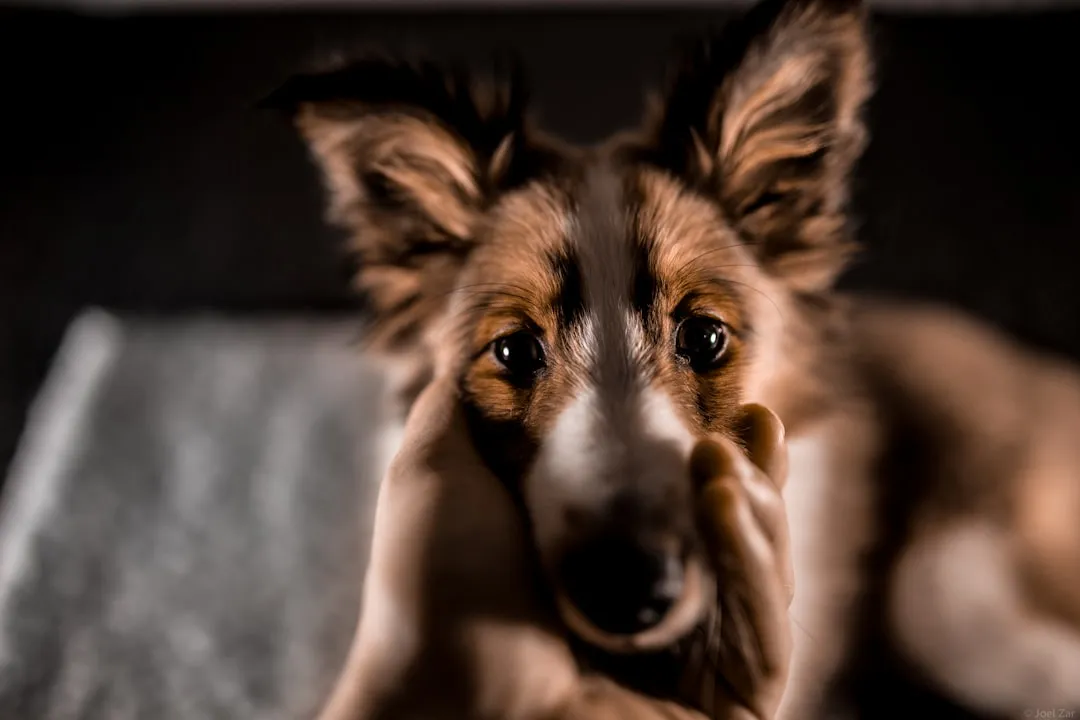
The shy dog who was “shut down” five minutes ago suddenly gives you a small play bow, a gentle paw lift, or a quick sniff and retreat. To anyone else it’s nothing. To a behaviorist, it’s huge – these micro-gestures are the dog version of a shy person cracking a private joke with someone they secretly like.
Look for a brief tail wag that only appears when you speak, a soft blink or head tilt when you say their name, or a tiny, almost embarrassed attempt at play that stops the moment others crowd in. If staff say, “Wow, we’ve never seen her do that,” believe them. Dogs don’t waste brave moments on humans who are just passing through, and sometimes trust looks like hiding, not performing.
#7 – They Hide Behind You Instead of From You
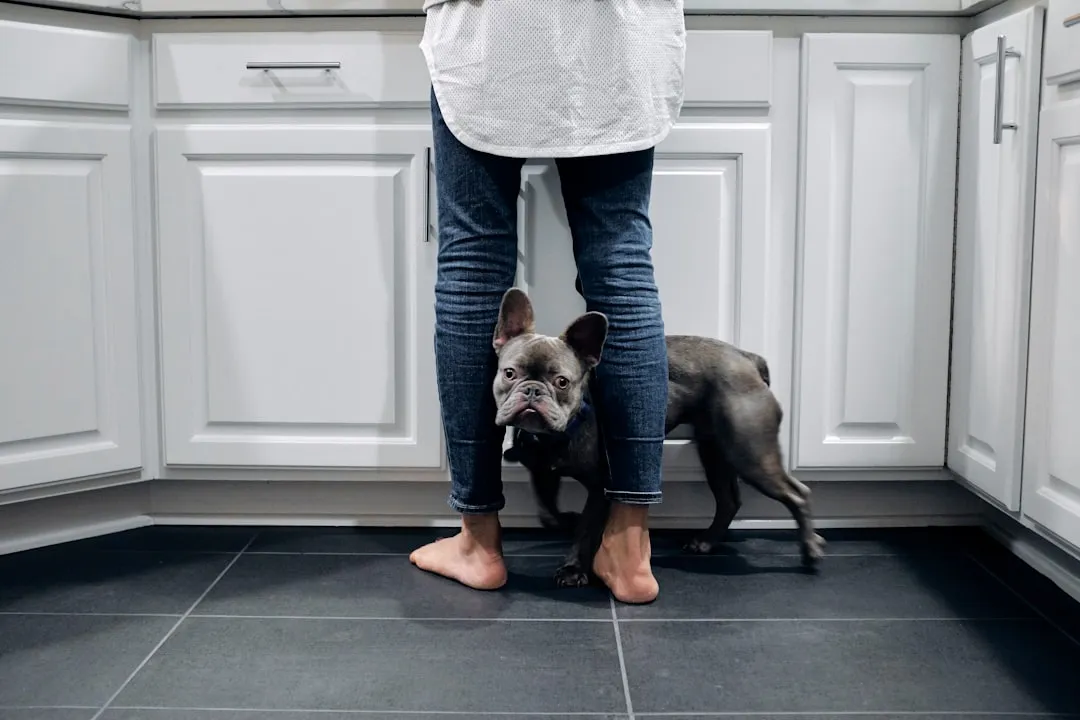
Here’s a controversial one: some of the most loyal “forever dogs” start out as total cowards in the meet-and-greet room. A visitor walks in and the dog scurries behind the nearest legs – sometimes yours. If they’re using your body as a shield instead of diving under a chair alone, that’s a real attachment choice.
Many adopters misread this as a bad sign and walk away, chasing “confident” from day one. But a dog who sees you as safety in a scary moment has already assigned you the role of protector. Watch for them pressing their side lightly against your calf, or peeking around your leg at others and then tucking back behind you. They’re telling you, “I pick you to stand between me and the world,” and feeling safe with you shows up in how fast they recover, too.
#8 – They Calm Down Faster With You Than With Staff
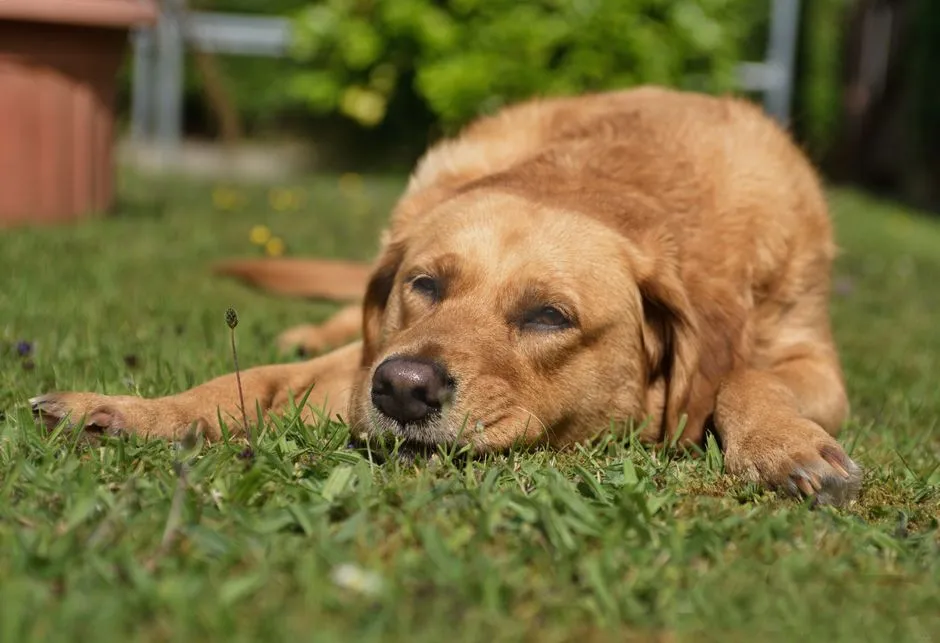
Shelter workers are heroes, but they’re also part of the chaos – feeding time, cleaning, barking, schedules. Sometimes a dog actually recovers faster from stress with a brand-new visitor who feels different. If a dog goes from panting and pacing to sighing and lying down the moment you arrive, your presence is regulating them.
Ask staff what’s typical: “Does he usually settle this quickly with new people?” or “Is she normally this quiet when someone comes in?” If the answer is no, that contrast matters. Dogs read our body language, breathing, even our scent, and when their nervous system “clicks” with yours, it shows up as slower breathing, loosened muscles, less trembling. And that calm doesn’t fade – it often deepens the next time you visit.
Quick Compare
| Stress Signal | Trust Signal |
|---|---|
| Tucked tail, frozen posture | Loose, wiggly body |
| Panting and pacing | Slow breathing, lying down |
| Avoiding all contact | Leaning toward one specific person |
| Refusing food | Eating calmly near you |
#9 – They Remember You… and Make a Different Choice Next Time
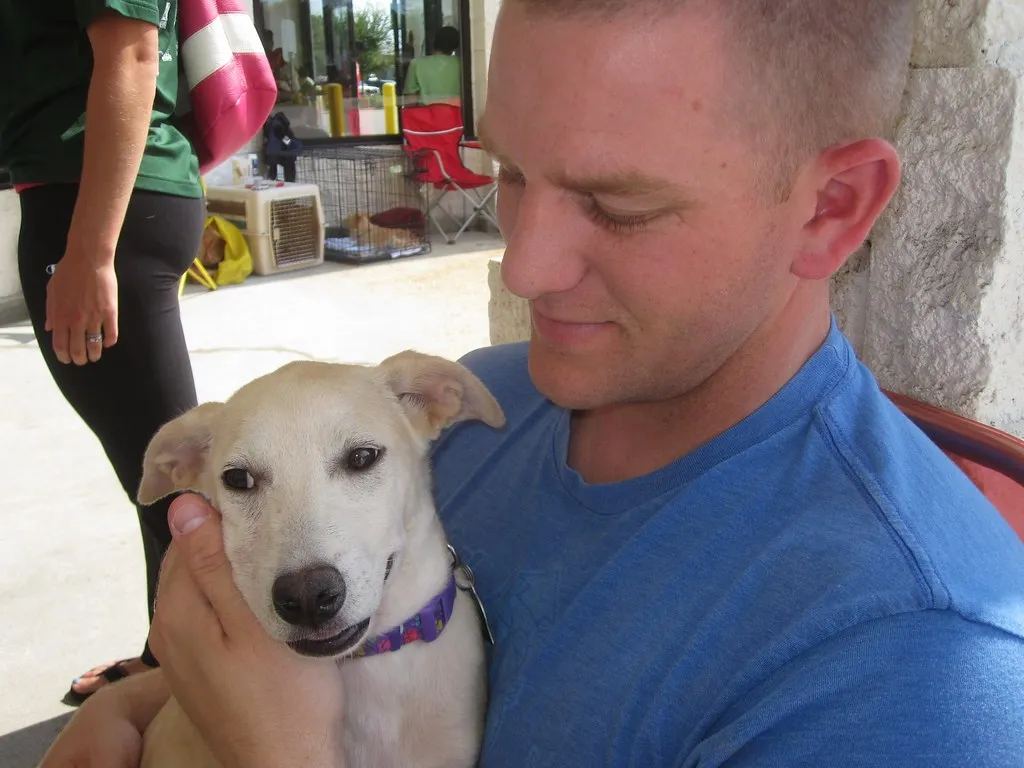
Here’s where it stops being random. You visit once. The dog is unsure, curious, distant. You come back a day or a week later, and the moment they spot you, something shifts – they move toward the front, wag a little sooner, vocalize softly for the first time.
That change between visit one and visit two is the loudest “yes” a shy dog can give. Watch for a once-silent dog suddenly whining or softly “woo-wooing” as you approach, or them abandoning their bed spot just to stand closer to the gate for you. Most people think the magic happens in one dramatic meeting. In reality, the strongest bonds start with a slow burn, and sometimes that memory rewrites what the shelter thought they knew about the dog.
#10 – They Seem “Shy”… but Only on Paper
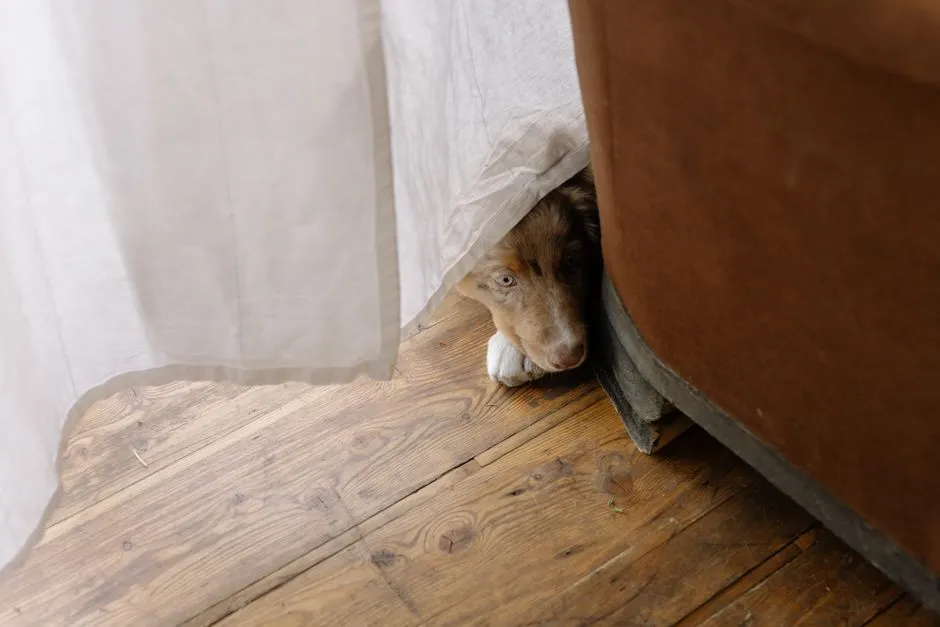
Sometimes the file says “fearful,” “shut down,” or “needs experienced home.” Then you walk in, sit quietly, and the “unadoptable” dog melts like butter in your hands. If staff are genuinely surprised at how quickly they open up to you, you’re not imagining the connection.
Dogs absolutely show different versions of themselves to different people. Ask the team bluntly: “Is this normal for him?” or “Have you seen her cuddle like this with anyone else?” If the answer is, “Honestly, no,” don’t chalk it up to luck. Some dogs were simply waiting for their person to show up so they could drop the act – and even that easing tension has a harder edge once you try to leave.
#11 – They Struggle to Leave You, Even in the Shelter
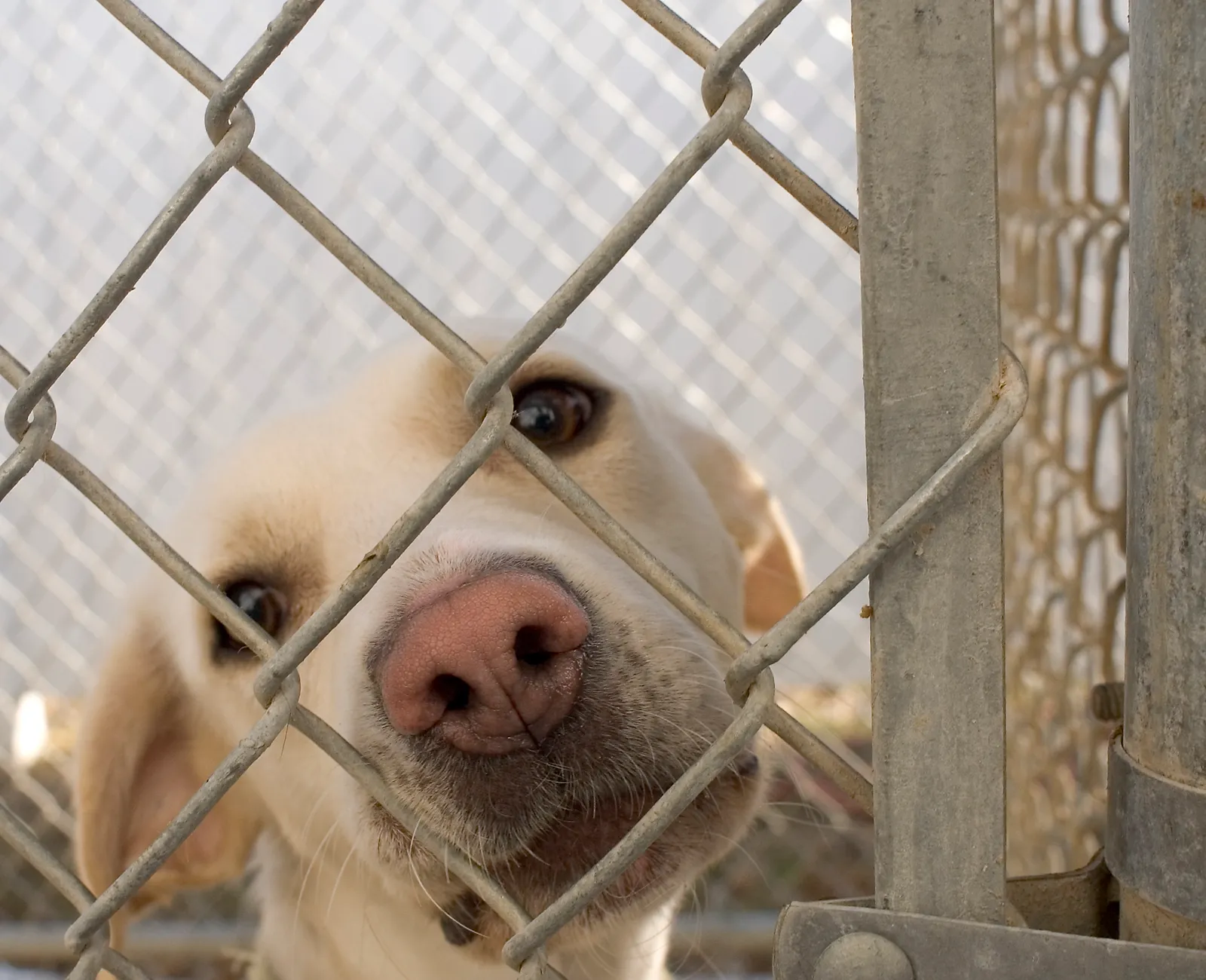
You stand up to go. Most casual dogs wander off, distracted by smells or roommates. The dog who’s been quietly orbiting you suddenly looks stuck. They hover near the gate, paw once, whine softly, or watch you walk all the way down the aisle without breaking eye contact.
That’s not basic friendliness; that’s fear of losing a good thing again. Notice whether they ignore other passing people just to keep watching you, or circle anxiously when you reach for the door and then freeze and stare. In a life defined by people leaving – previous owners, staff shift changes, volunteers – choosing your departure as the one that hurts is a massive tell. That grief over your goodbye has a gentler flip side too.
#12 – They Show You Their “Off-Duty” Self
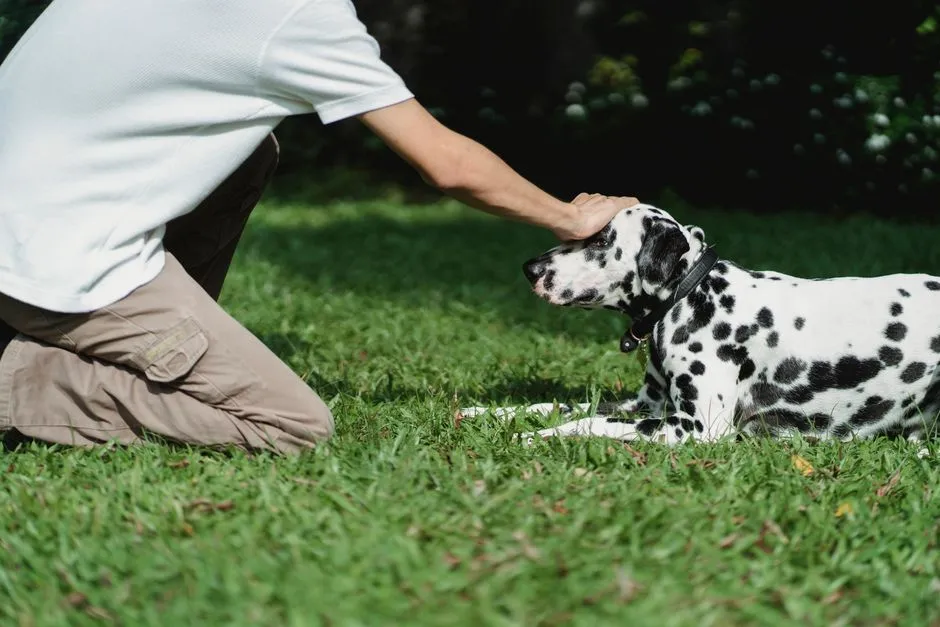
In shelters, many dogs are always on edge: stiff, alert, braced for noise. If, after a bit of time with you, they roll onto their side, stretch out with a groan, or even show you their belly slowly and loosely instead of in frantic appeasement, that’s massive. Relaxed, floppy body language is a privilege they don’t hand out to just anyone in that environment.
Watch whether their face softens, eyes half-close, and breathing slows when you pet them, or whether they choose to nap near you instead of pacing. This is them practicing what life might feel like in a quiet living room with you, not on display in a kennel. Real trust doesn’t just relax – it also gets a little brave.
#13 – They Test Boundaries… but Only Because They Trust You
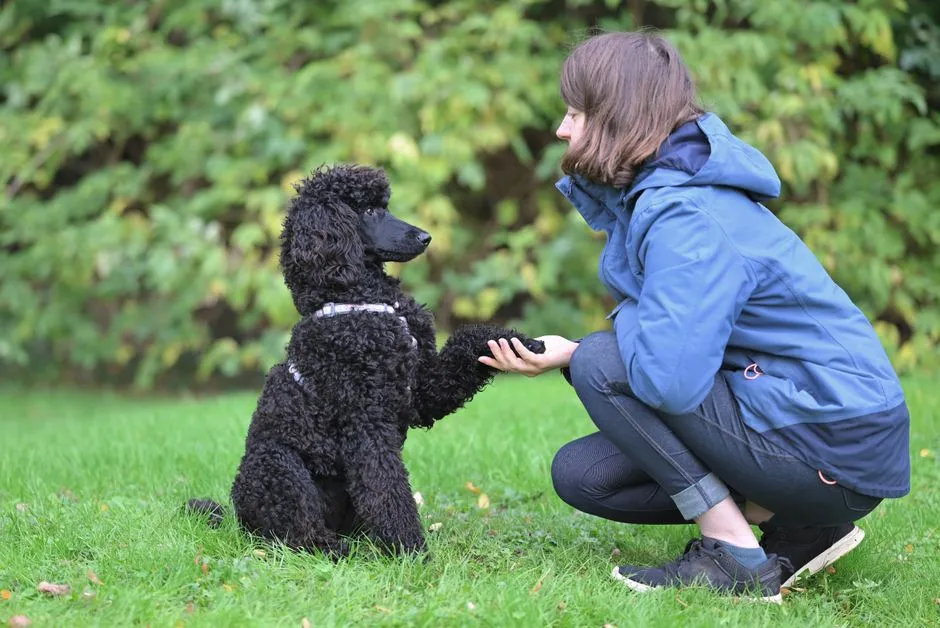
Here’s the part that makes some adopters balk: once you bring them to a visiting yard or room, the shy dog who clung to you may suddenly ignore you, sniff everything, tug the leash, or act stubborn. Many people think, “Oh, they don’t care about me.” In reality, dogs only bother testing boundaries when they feel safe enough to do so.
Watch for a dog who checks back in with you after brief bursts of independence, or mild pushback about going back inside followed by a quick recovery when you reassure them. Shelter pros will tell you the ones who never test, never explore, are sometimes the most shut down of all. The dog brave enough to ask, “What happens if I do this?” in front of you already believes you’ll stick around for the answer – and if all of this is happening, there’s one more sign, and it’s happening inside you, not them.
Worth Knowing
- Many shelters allow multiple visits over several days so you can watch a bond build, not just spark once.
- Sitting sideways instead of facing a dog head-on reads as far less threatening in canine body language.
- A calm walk on a long line in a yard often reveals genuine trust versus simple obedience.
- Staff notes like “needs experienced home” sometimes just mean the dog hasn’t met the right person yet.
#14 – You Can’t Stop Thinking About Them – and That Matters More Than You Think
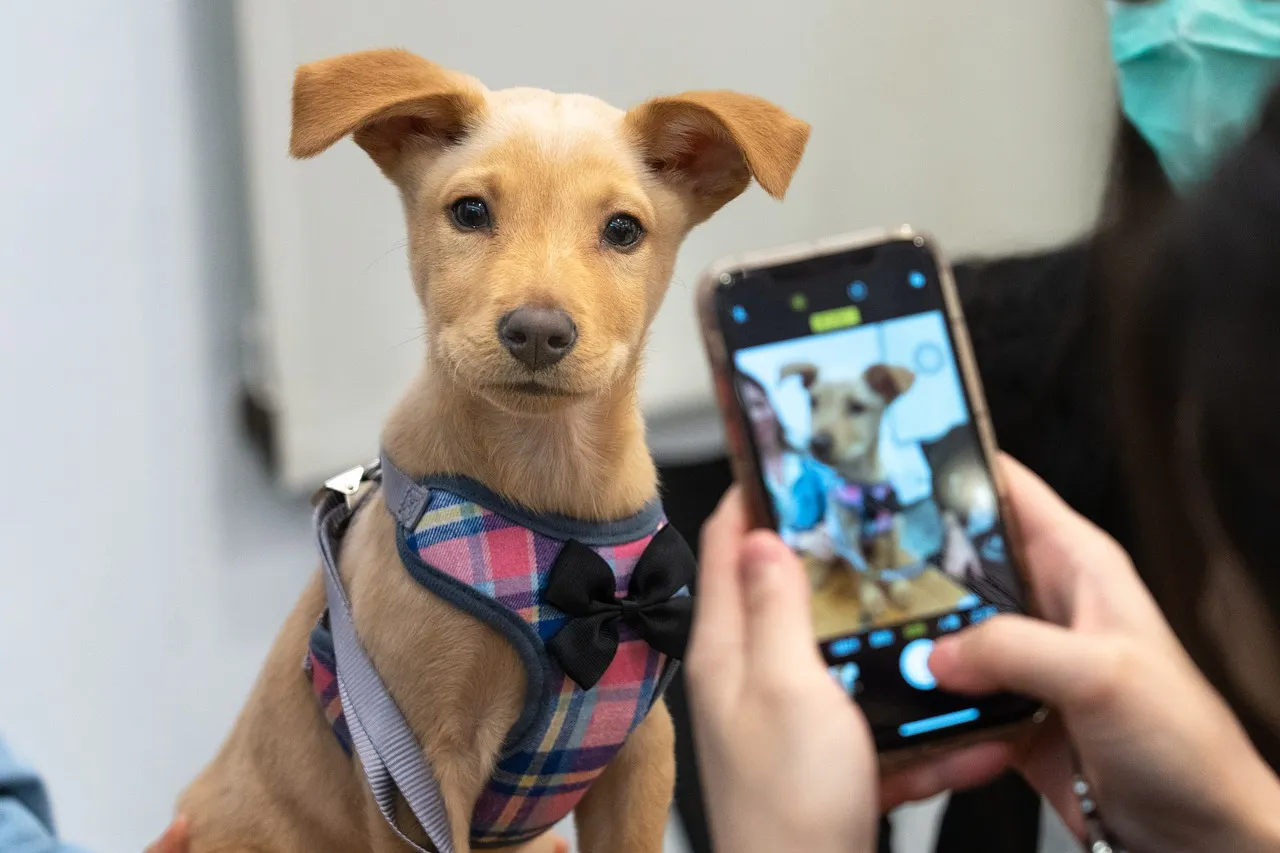
Here’s the twist almost nobody talks about: sometimes the biggest sign the shy dog was waiting for you is what happens inside you. You leave the shelter and their quiet face keeps popping into your mind. You find yourself defending them in your head against every “logical” reason not to adopt.
You start imagining their bed in your house, their name on their tag. That’s not just sentimentality. Dogs are experts at evoking care from the right humans, and the fact that their specific fear, posture, or tiny leaning-in woke up your protective side is data – good, important data. If you’re replaying how they finally took that treat, or wondering if anyone else will “get” them the way you did, there’s a real argument that you’re part of their missing piece as much as they’re part of yours.
The Bottom Line
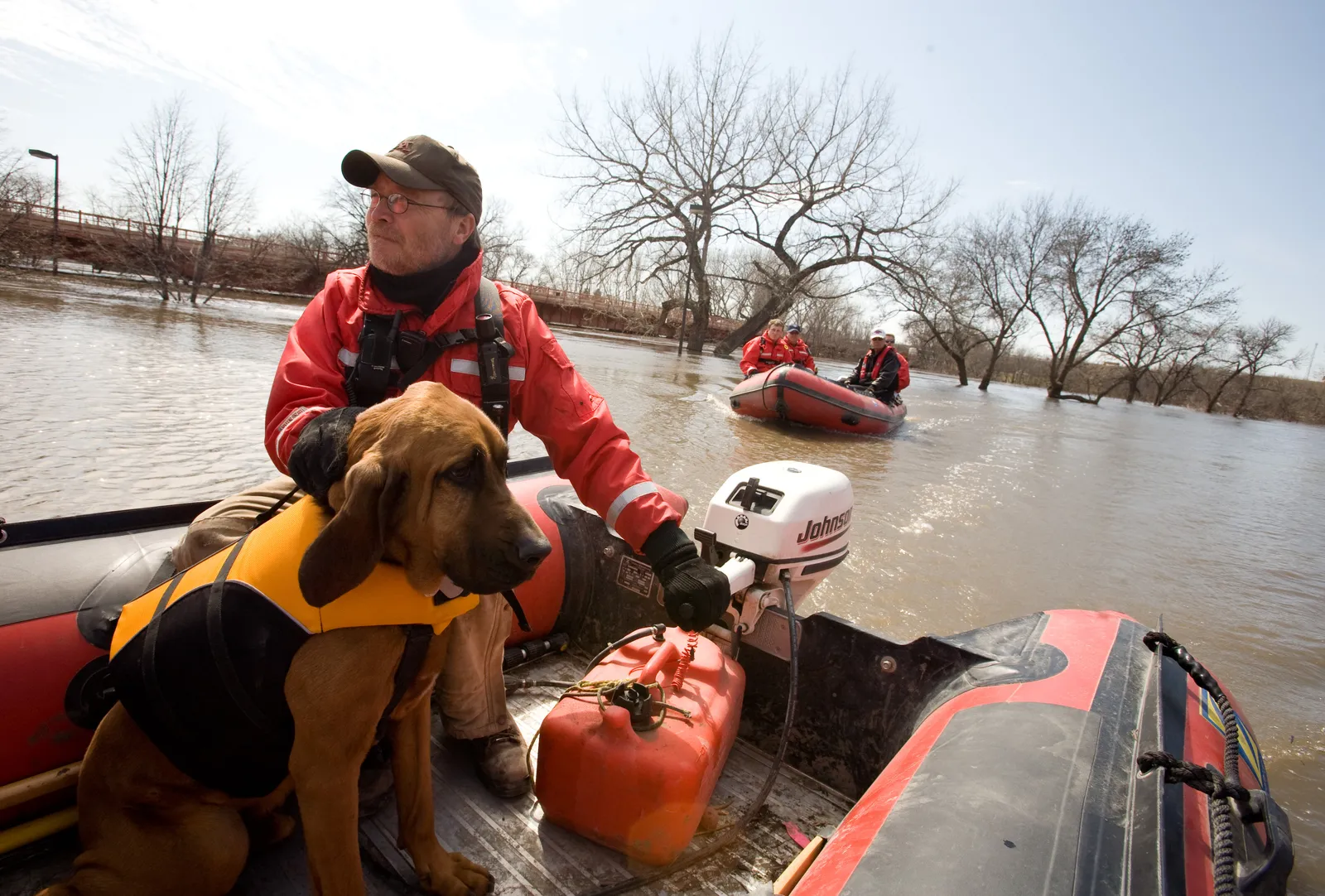
Shy shelter dogs aren’t broken; they’re careful. The most revealing signs they were only ever waiting for you are small and quiet and easy to miss: the sideways glances, the faster calming, the way they hide behind you instead of from you.
These aren’t random quirks. They’re attachment choices made in a place where trust is expensive. Too many people walk away chasing instant, tail-wagging perfection and then complain that their “easy” dog never really bonded.
The dogs who ask the most of your patience often give the most back.
Shelter behaviorist wisdom, echoed by rescue workers everywhere
If one nervous little soul is already betting what’s left of their courage on you, are you willing to bet your next decade on them? Did we miss a sign you’ve seen with your own rescue, or would you argue with any of these? Drop it in the comments.

- 14 Tender Signs an Old Dog Is Grateful for Every Day It Spends With You - July 22, 2026
- 14 Signs the Shy Dog at the Shelter Was Only Ever Waiting for You - July 22, 2026
- 14 Signs Your Dog Picked You the Very Day You Two Met - July 22, 2026