
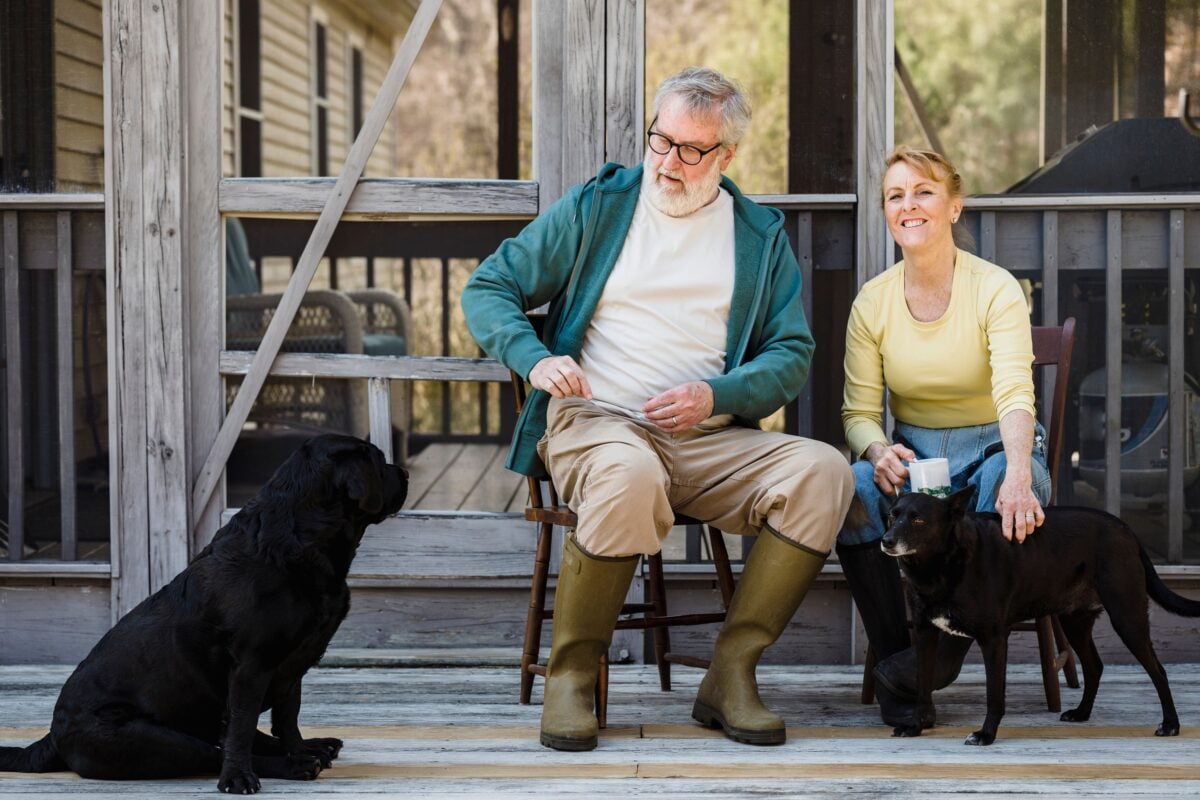
Most people think you can read a dog’s happiness in the obvious stuff – the wagging tail, the goofy grin, the frantic spin at the sound of a leash. But if you’ve ever lived with an old dog, you know that’s only half the story. There’s a second, quieter language that shows up once the puppy energy fades: slow blinks, soft sighs, the weight of a graying head settling onto your knee like it’s the only safe place left in the world.
None of these moments make it onto anyone’s Instagram feed. They’re too small, too quiet, too easy to miss if you’re not paying attention. But longtime owners and animal behaviorists agree on something surprising – these tiny rituals are actually a senior dog’s version of saying thank you. Here are 14 of the most tender, easy-to-overlook ways an aging dog quietly expresses gratitude for every day it still gets to spend with you.
#1 – The Slow “Melt” Into Your Side
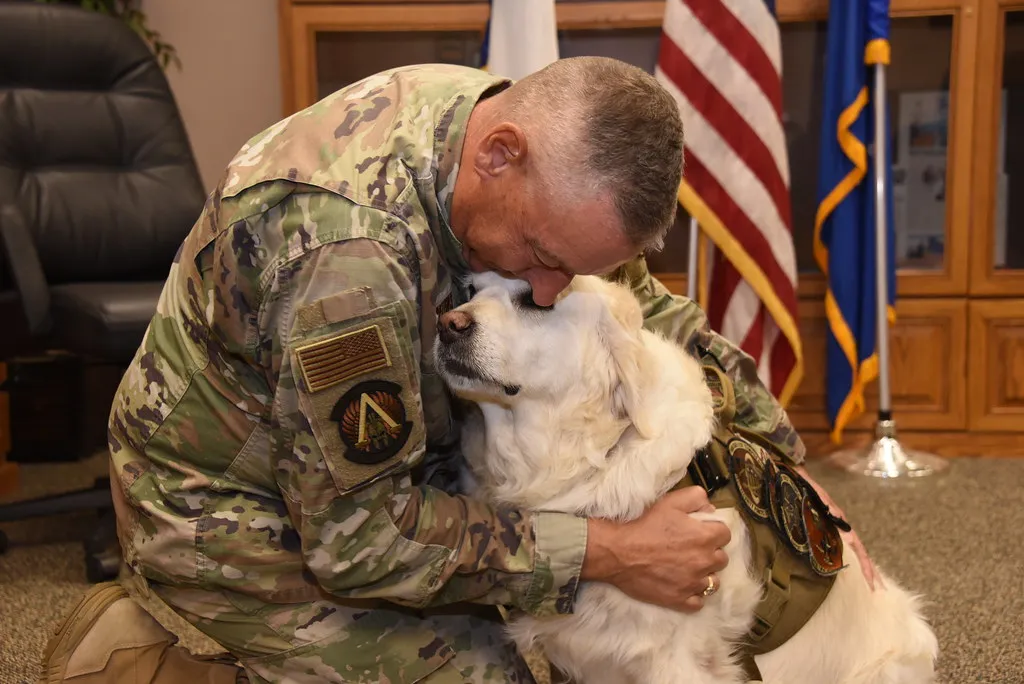
When an old dog is grateful, it doesn’t just sit next to you – it melts into you. Instead of bouncing around the room, a senior dog will shuffle over, turn its body just so, and gently rest its full weight against your leg or chest. That soft lean is trust made physical.
Their hips might ache and their steps might be unsure, but they still choose your body as the one place they’d rather rest than anywhere else. Dogs don’t lean into people they don’t feel safe with. You’ll notice it most at the end of the day, when they exhale, their whole body loosens, and they hand over their aging bones to you completely. That surrender isn’t weakness – it’s confidence that you’ll hold them up.
Fast Facts
- Small dogs usually become seniors around 10–12 years old, while large and giant breeds may be seniors as early as 6–8 years old.
- Medium breeds are considered senior dogs when they hit 8 to 9 years old.
- Dogs are considered seniors in the last 25% of their lives.
- That means every lean, sigh, and slow blink on this list is coming from a dog who knows time is precious.
#2 – Following You Slowly From Room to Room
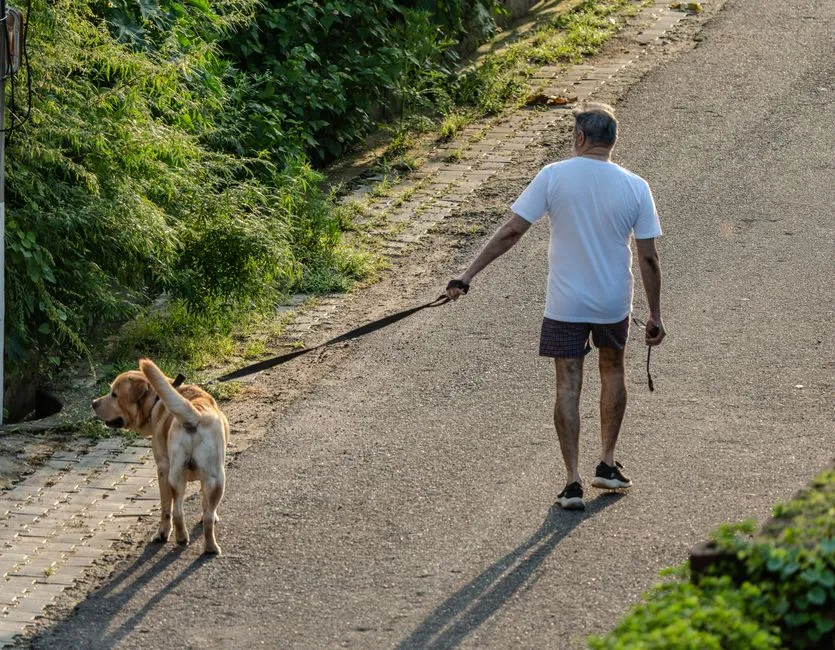
Puppies follow you because they’re nosy. Seniors follow you because they don’t want to miss a minute with you. Watch how an old dog shadows you around the house – the pace is different now. They’re not racing ahead or bouncing at your feet.
They trail behind like a slow, fuzzy shadow, pausing to rest, then catching back up. Even when walking is harder, they still choose to be near you. Sometimes they don’t even need to be right on top of you anymore – they’ll just park themselves in the doorway or on “their” spot in the same room, as if to say, “As long as I can see you, I’m okay.” For many senior dogs, that quiet, persistent following is how they treasure every shared hour they have left.
#3 – The Soft Eye Contact and Slow Blinks
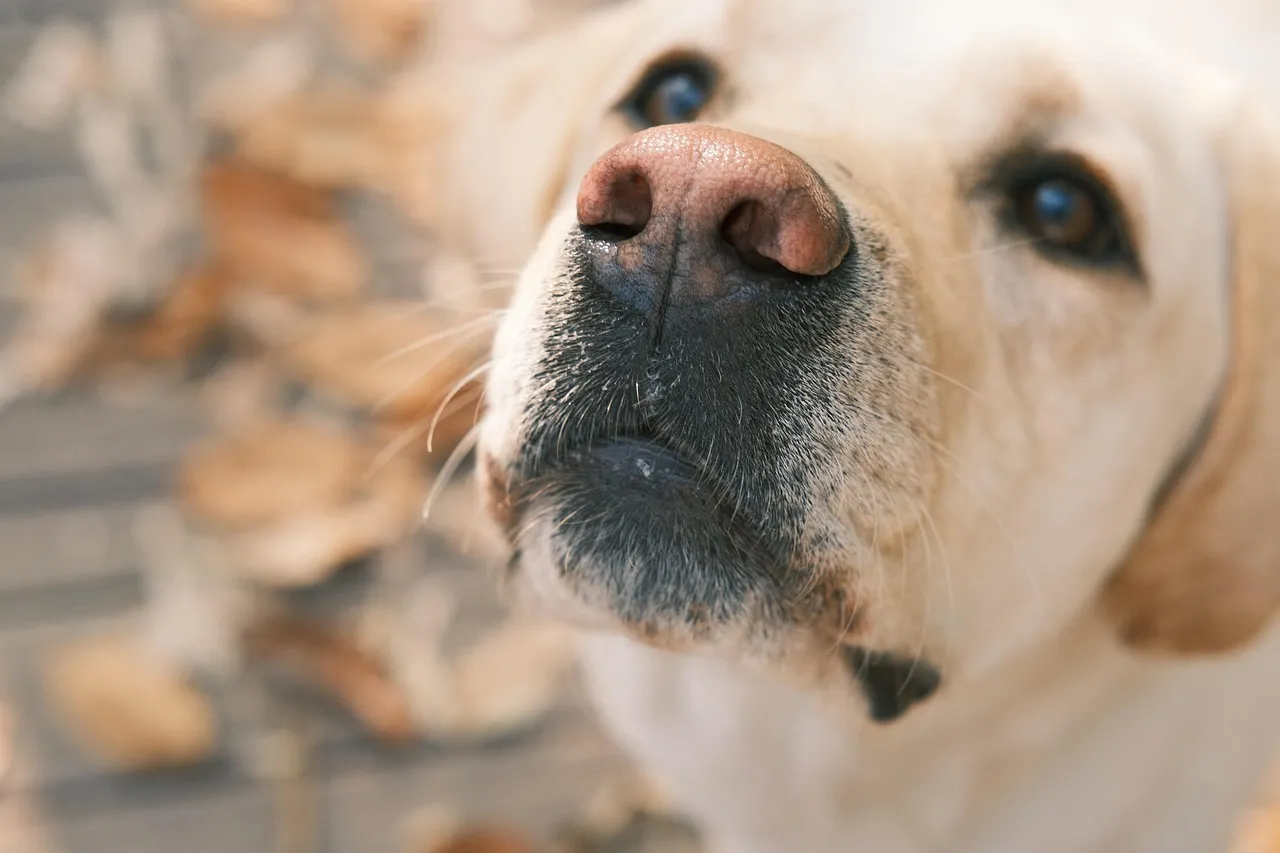
Most people miss this completely: grateful old dogs don’t stare, they soften. Senior dogs who feel secure give what behaviorists call “soft eyes” – half-lidded, relaxed, almost sleepy. You’ll catch them gazing at you from across the room, then offering a slow blink before resting their head back down.
In dog language, that relaxed eye contact is a massive trust signal. They’re not on alert, not bracing for anything. You might notice it while you’re scrolling your phone or watching TV – you glance over, and there they are, eyes warm, tail giving one lazy wag. Some owners say those looks from an old dog feel almost human. They’re not wrong.
Worth Knowing
- Loving looks cause both dog and human brains to secrete the hormone oxytocin, the same bonding chemical released between parents and infants.
- Researchers found that gazing behaviors from dogs, but not from wolves, increased oxytocin concentrations in owners, which in turn increased oxytocin concentrations in dogs.
- Dogs have evolved to hijack the same mechanisms in our brains that create the strongest social bonds, including those between mother and child.
- So that slow blink isn’t just cute – it’s biology confirming the bond is real.
#4 – Choosing Your Old Routine Over New Excitement
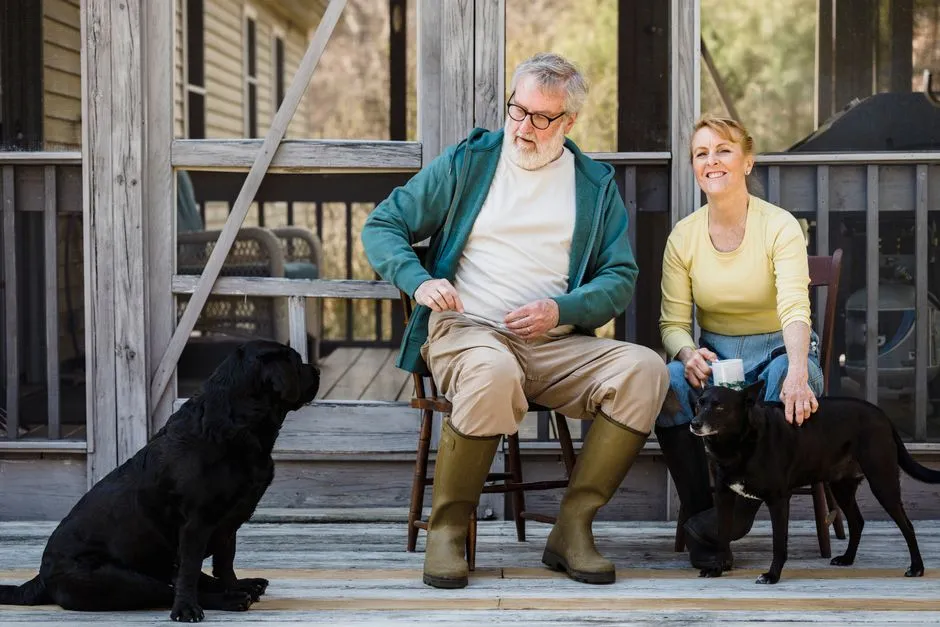
People assume dogs always want new toys or new adventures. Grateful seniors often want the opposite: the comfort of your shared rituals. Invite them on a long hike and they might politely decline, but they’ll still perk up for your regular short walk around the block.
They’re voting with their paws, and they’re choosing the life you’ve built together. Behaviorists point out that older dogs value predictability because it lowers their stress – a dog that leans happily into routine is essentially saying, “I trust what happens here.” That same “boring” walk, that same couch cuddle, that same bedtime? That’s not dullness. That’s deep contentment.
#5 – Letting You Help With the Hard Stuff
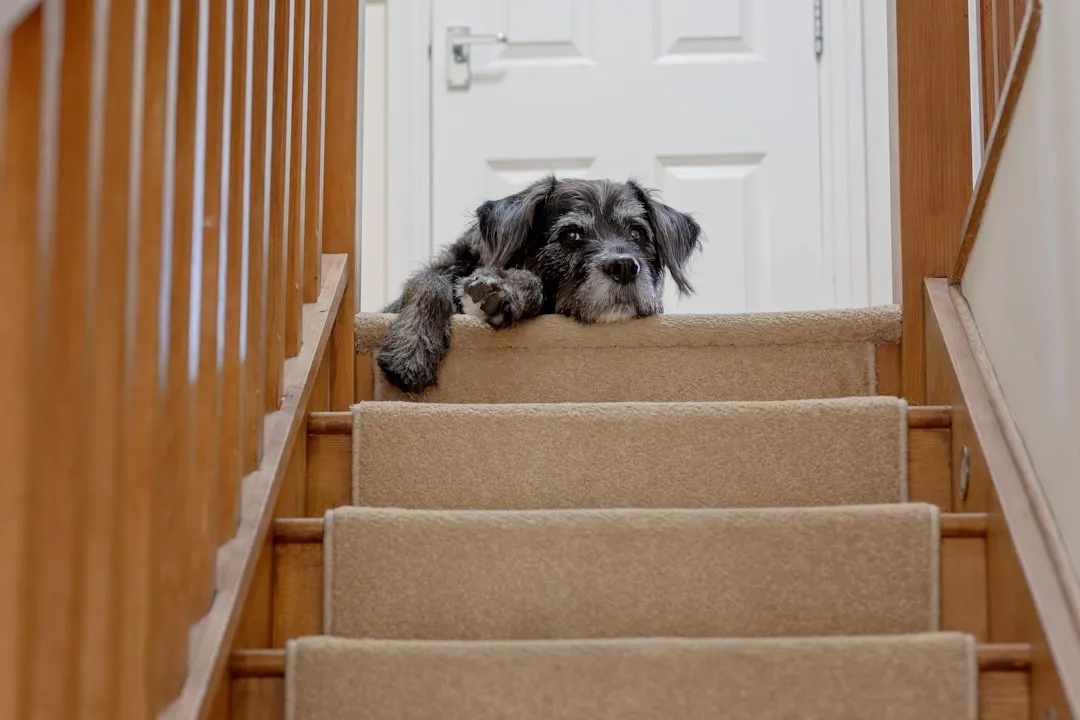
Some people get quietly heartbroken when their dog starts needing help with stairs, the car, or even standing up. But here’s the uncomfortable truth: a senior dog who lets you help is showing enormous trust. Dogs are wired to hide weakness – it’s survival instinct. So when an older dog allows you to lift their back end or guide them up steps, they’re choosing vulnerability over pride.
They wouldn’t accept that help from just anyone. You’ll notice how they relax into your hands when you slide a towel under their belly, or how they wait for you at the bottom of the stairs instead of trying and failing alone. It’s hard to watch, yes – but it’s also one of the clearest signs that they see you as a partner, not just an owner.
#6 – Staying Calm at the Vet Because You’re There
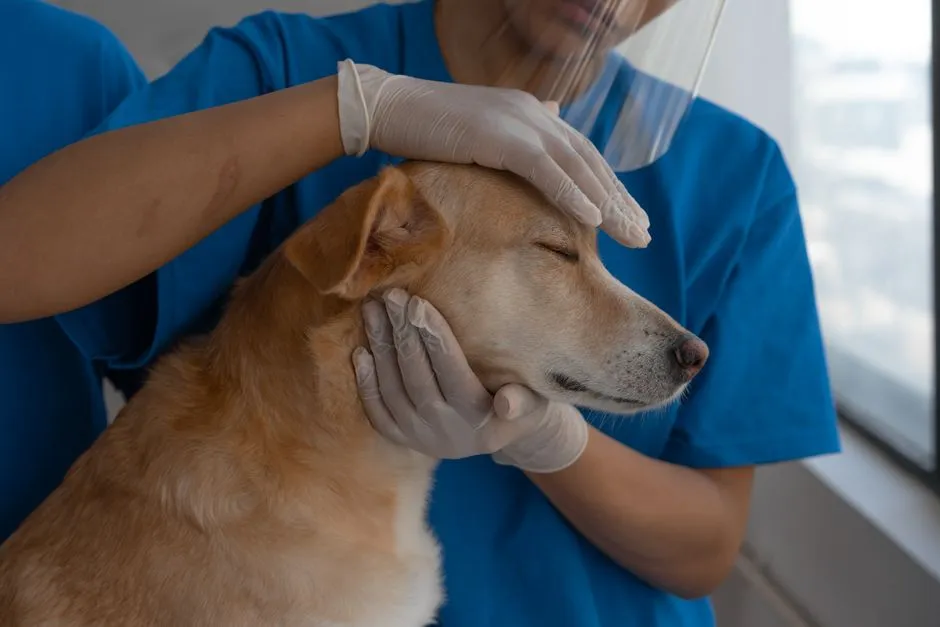
Here’s where the bond really shows itself: the vet’s office. Most dogs hate it, and older dogs end up there more often. Yet a senior dog that leans into you, relaxes at the sound of your voice, or fixes on your face during an exam is revealing something huge – your presence is literally regulating their stress.
Their breathing slows, their tail softens, their body stops fighting so hard, as long as you’re close. Some will look back at you during a blood draw, searching your eyes the way a child scans a parent’s face for reassurance. A grateful dog isn’t only happy during treats and walks – they’re calmer in the ugly moments too, because you’ve never once left them there alone.
#7 – Melting Into Gentle Grooming and Touch
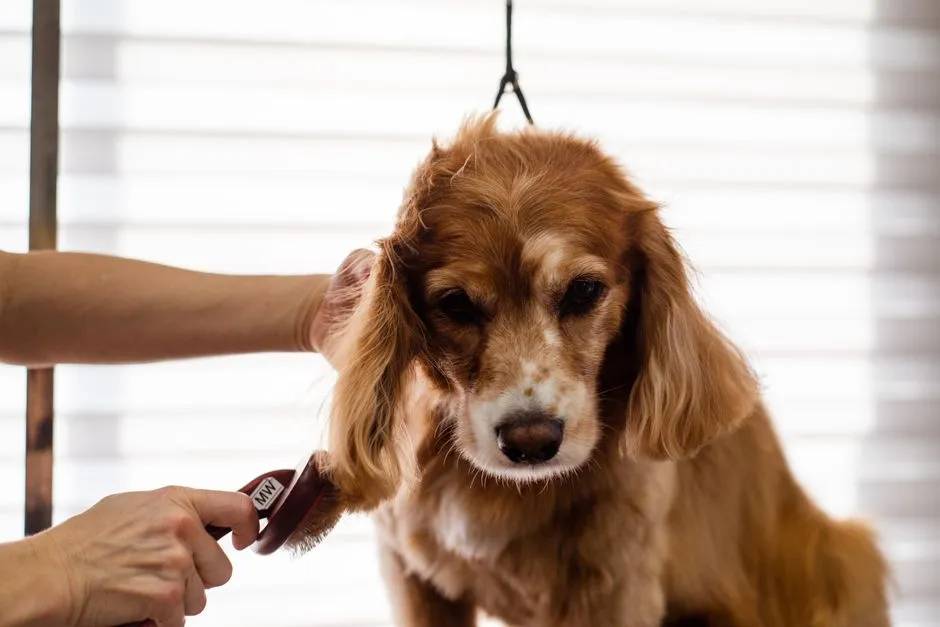
Most people think grooming is just about hygiene. For senior dogs, it’s also about intimacy and appreciation. As dogs age, brushing, nail trims, and wiping their face can become genuinely uncomfortable – yet many older dogs will quietly tolerate, even lean into, the process when it’s done by their person.
They might close their eyes when you clean the goop from their eyes, or sigh when you massage an arthritic joint. That’s not just compliance – that’s trust soaked in gratitude. Watch how differently they react to a stranger’s hands versus yours: stiff and flinching with the groomer, loose and limp with you. Your dog doesn’t understand the concept of aging, but they absolutely understand that your hands make their body feel better, not worse.
#8 – Perking Up for “Your” Words, Even as Hearing Fades
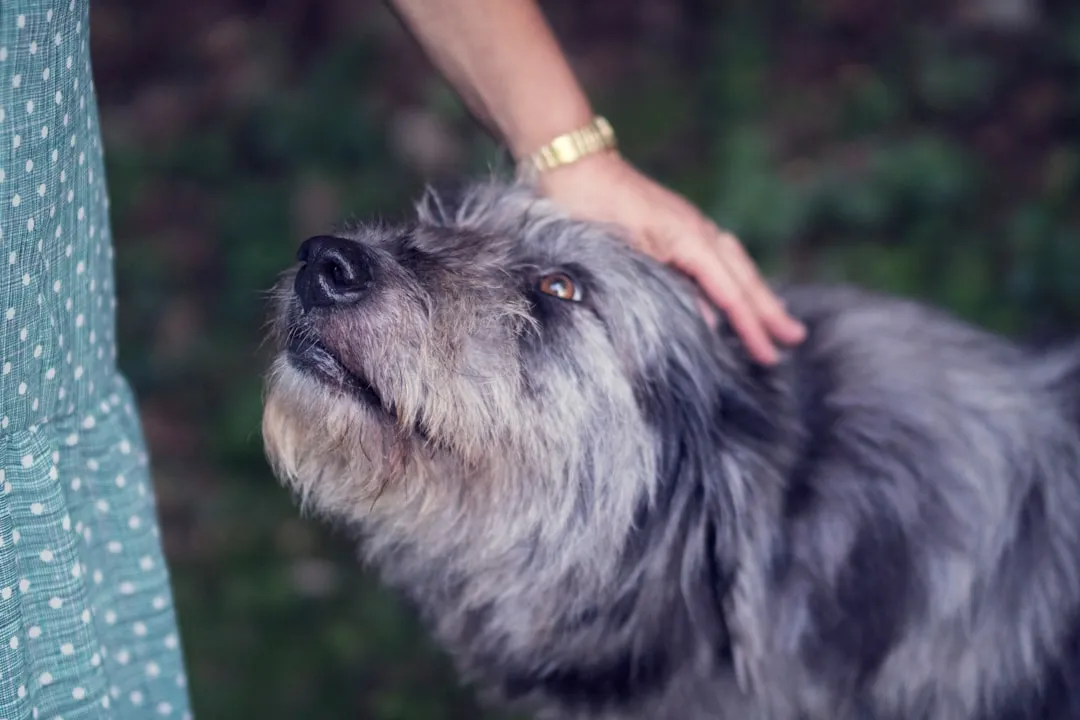
One of the saddest changes in old dogs is hearing loss – and also one of the most revealing. Your dog might stop reacting to the doorbell or noises down the street. Yet somehow, they still respond when you say their name in that certain way, or use the silly phrase you’ve always used.
They may not even “hear” the word clearly anymore. They’re reacting to your tone, your rhythm, the familiarity built over years. Their ears tilt, their eyes brighten, their tail gives that slow, meaningful wag. When almost nothing gets a response but your soft call, that’s a grateful brain choosing to spend its remaining attention on the one voice that mattered most.
At a Glance
- Age-related hearing loss in dogs often begins gradually, with high-pitched sounds fading first.
- Dogs are exceptionally skilled at reading body language, which is why hand signals often work even after hearing declines.
- Vibration and tone frequently register long after specific words no longer do.
- A dog that still responds to your particular cadence is relying on memory and bond, not just hearing.
#9 – Choosing to Sleep Where Your Smell Is Strongest
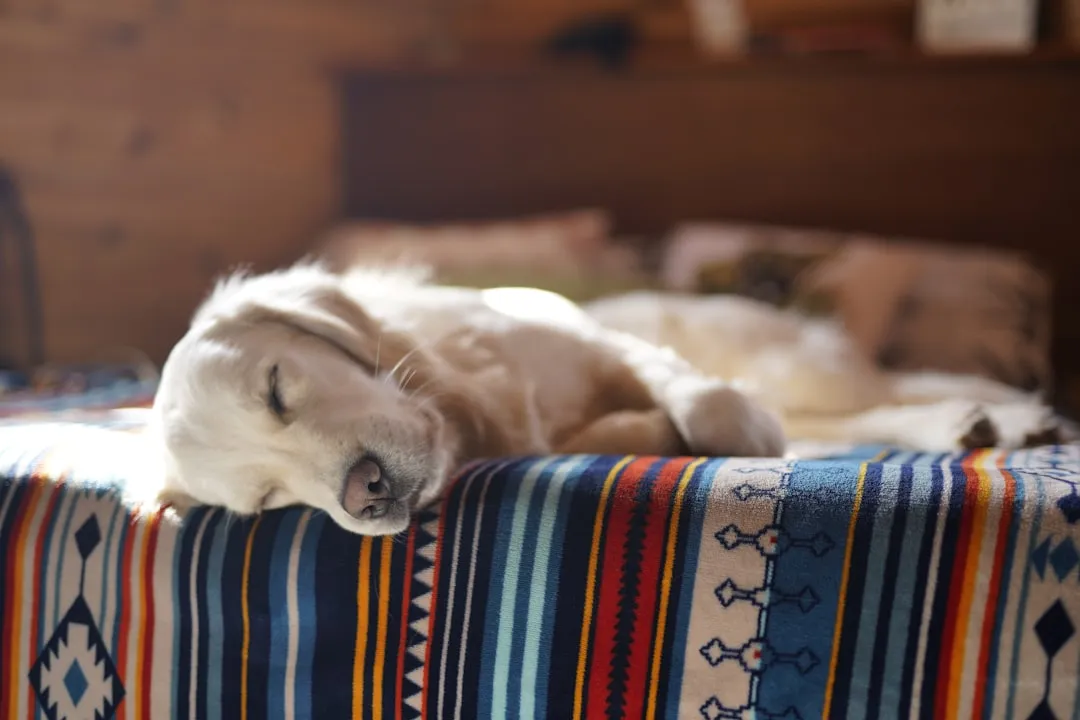
Dogs live in a world of scent first, sight second – and that becomes obvious with seniors. Older dogs with fading vision or hearing often start sleeping closer to the laundry basket, your pillow, or the spot on the couch where you always sit. They’re anchoring themselves with your smell.
For them, your scent means home, safety, food, and warmth all at once. Curling up in your unwashed sweatshirt isn’t gross to them – it’s comfort. You might notice they abandon the fancy orthopedic dog bed for a worn rug near your side of the bed. Some people call this clinginess. It’s more honest to call it gratitude in scent form.
#10 – Turning Extra Gentle When You’re Sad or Sick
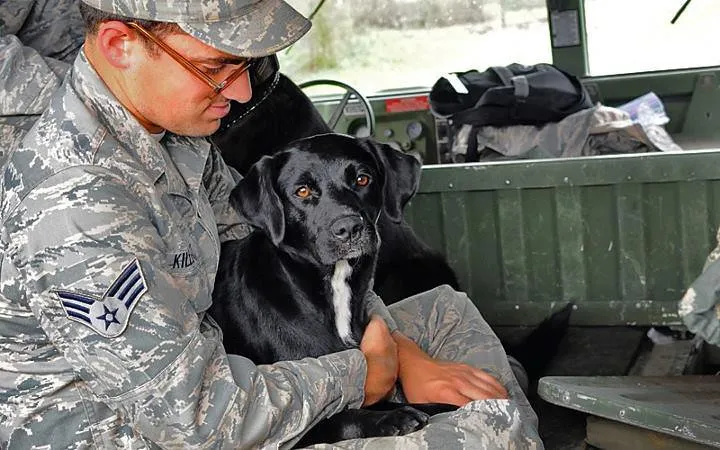
Some people still insist dogs can’t sense human emotion. Senior dog owners almost universally disagree. Older dogs often become noticeably gentler and more attentive when their person is struggling – crying on the couch, recovering from surgery, or just having a brutal week.
Your senior dog might slowly approach, rest their head on your knee, or simply lie at your feet without demanding a thing. They’re not asking for a walk or a toy – they’re offering quiet company. Longtime owners report their old dogs acting differently around sick kids or stressed partners too: less jumping, more watching. It may not be provable in a lab, but the pattern is consistent – as dogs age, many seem to repay years of care by becoming steady, calm emotional anchors for the people they love.
“Dogs are not our whole life, but they make our lives whole.”
Roger Caras
#11 – The Deep, Contented Sigh When They Settle Beside You
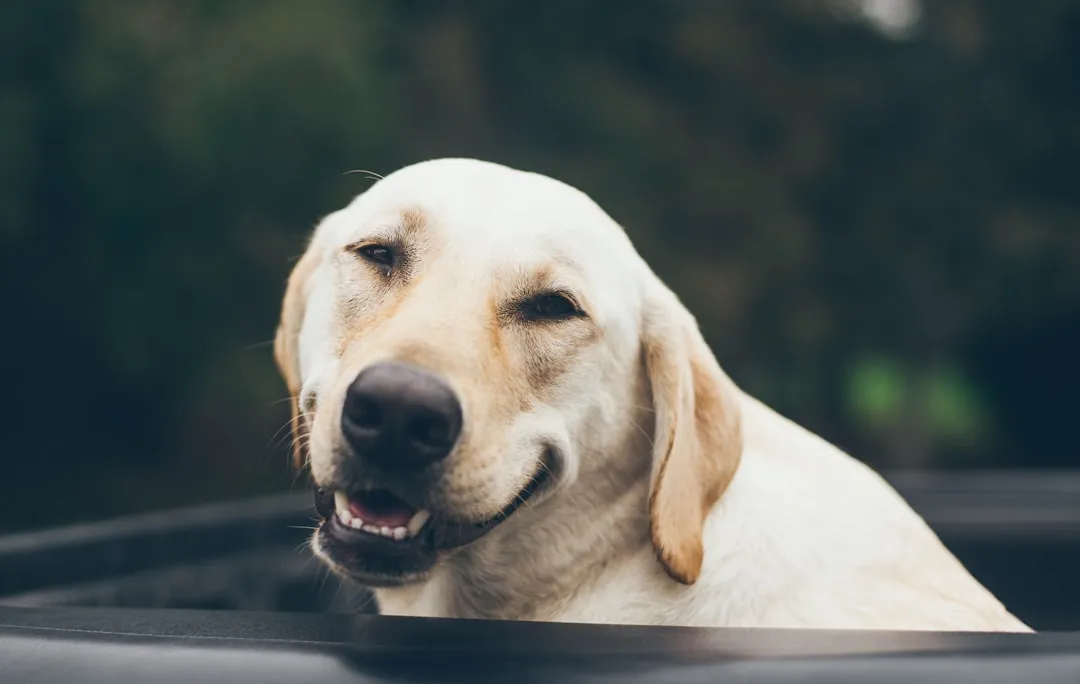
Not all gratitude is loud. Sometimes it’s a barely audible “oof” as they settle down next to you. Pay attention to the sounds your senior dog makes after they circle, nudge into you, and finally find that perfect spot – there’s often a deep, throaty exhale that only shows up when they’re truly at ease.
That sound is their nervous system switching off high alert. You’ll hear it on lazy Sunday mornings or after a short walk when they’re pleasantly tired. They don’t sigh like that in unfamiliar places nearly as often. When an old dog settles beside you and lets out that long, happy breath, they’re not just comfortable – they’re grateful to have landed exactly where they are.
#12 – Still Wanting to Play, But Only With You
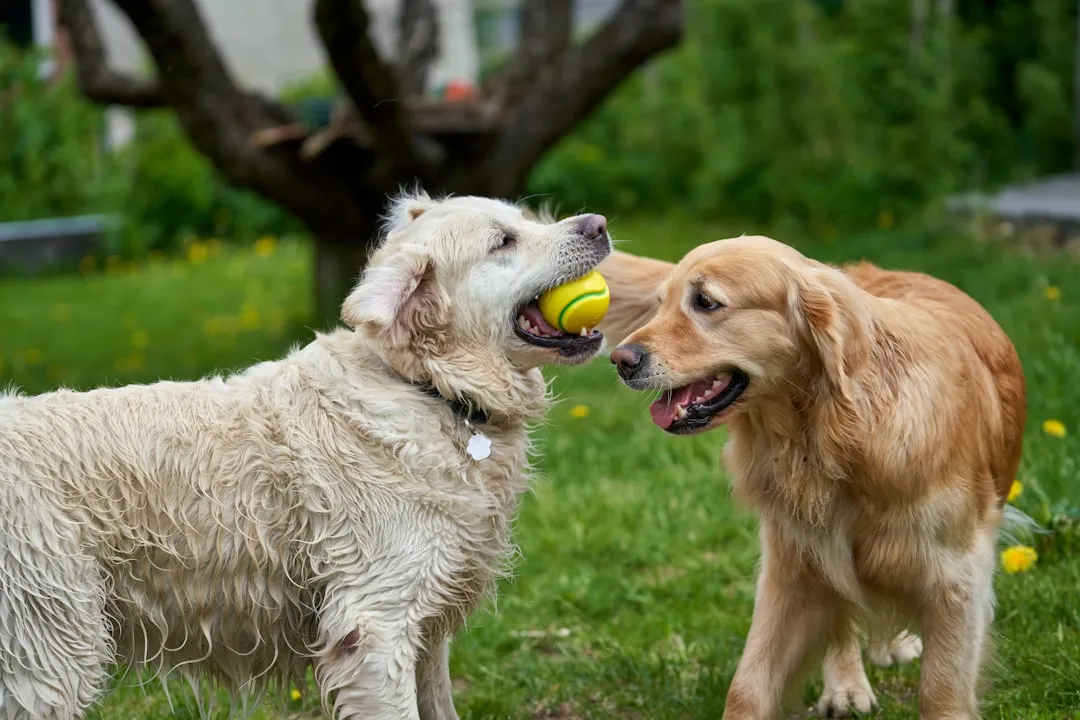
Old dogs don’t stop playing – they just get particular about who and how. You might notice your senior dog completely ignoring the younger, bouncier dogs at the park, yet still getting a little spark in their eyes the moment you grab their favorite toy.
The zoomies are slower and the fetch sessions shorter, but the joy hasn’t gone anywhere. Choosing to spend their limited energy playing with you is a massive compliment. Maybe they “play” by nudging a toy your way or trotting over with that ancient stuffed animal you’ve sewn back together three times. That’s nostalgia in dog form, rooted in gratitude for all the years you’ve made life interesting.
#13 – Sprawling Belly-Up or Deep Asleep Beside You
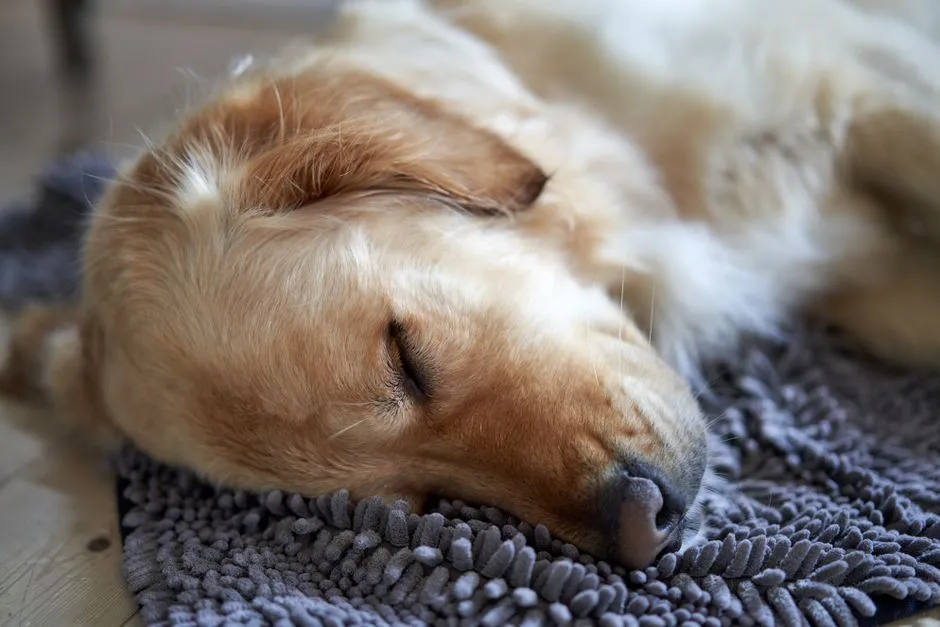
From a dog’s perspective, lying flat on their back or falling into a deep side-sleep is like switching off every defense system they have. It’s risky for any animal to expose its belly – especially one that’s grown physically weaker with age. When a senior dog sprawls belly-up near you, or sleeps so deeply their paws twitch mid-dream, they’re doing something incredibly vulnerable.
A dog that freely shows you their belly in sleep is broadcasting absolute trust. They’re not half-watching the door anymore, not bracing to jump up. You’ve handled that job for years – so they finally let themselves off duty. That messy, unguarded sleep is one of the purest signs of security and appreciation a dog can offer.
Why It Stands Out
- Exposing the belly is one of the most physically vulnerable positions in a dog’s entire body language.
- Twitching paws and soft whimpers during sleep signal deep REM cycles, which only happen when a dog feels fully secure.
- Dogs rarely sleep this openly in unfamiliar rooms, kennels, or around people they don’t fully trust.
- Choosing to power down completely next to you is one of the highest compliments a senior dog can pay.
#14 – The Way They Watch You in the Most Ordinary Moments
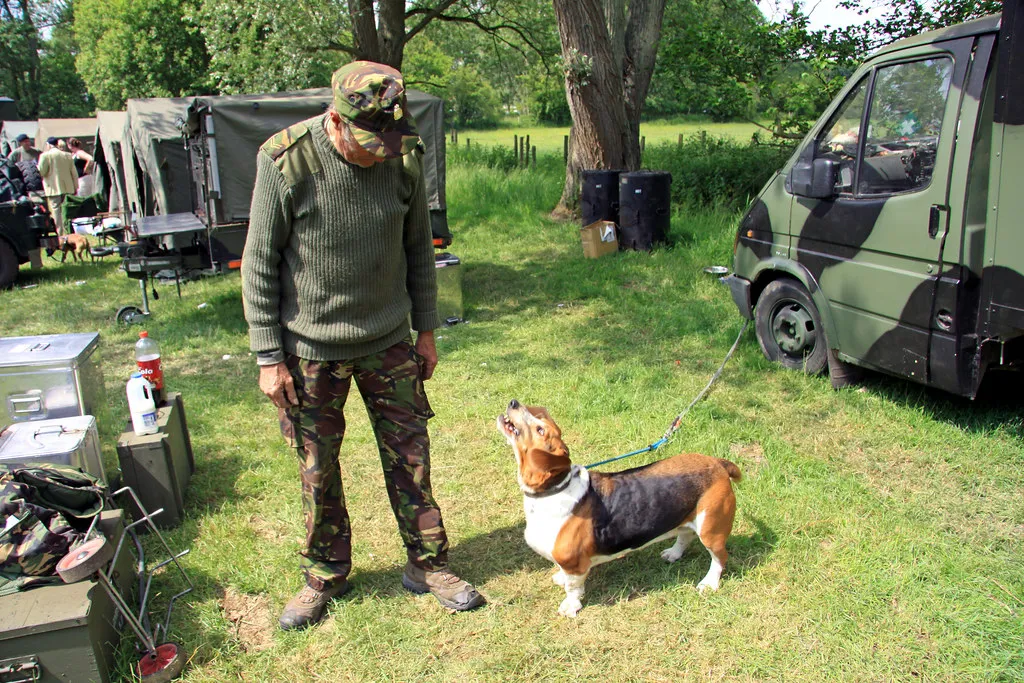
If there’s one sign that hits owners the hardest, it’s this. In their later years, many dogs develop a specific gaze reserved just for their person – not the wild, excited look before a walk, but something softer, longer, almost reflective.
They seem to study your face, memorize your voice, soak up every second. That look shows up in the most unremarkable moments: brushing your teeth, answering emails, folding laundry. Some owners describe it as their dog “checking in” more often as they age, as if to say, “We’re still here. We still have this.” When an old dog spends its quiet minutes simply watching you with that deep, steady affection, that’s gratitude, plain and simple.
The Bottom Line
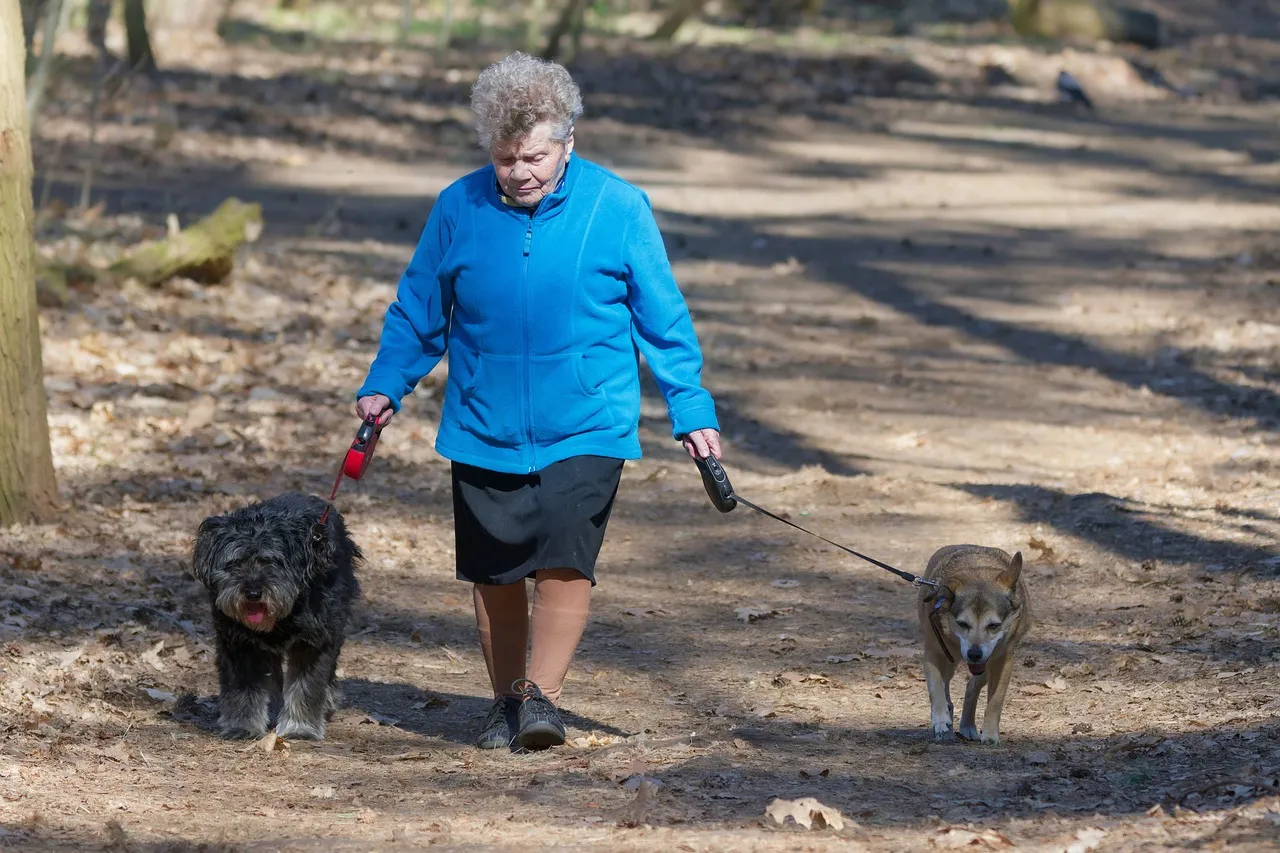
Old dogs rarely thank you with fireworks. They thank you in slow walks, quiet sighs, heavier leans, and those long, searching looks across the room. The more years you share, the smaller and more powerful the signals become.
A senior dog that still chooses your routine, your voice, your smell, and your touch – despite pain, confusion, or fading senses – is telling you everything you need to know: you made their life good. Anyone who says “it’s just an animal” has never sat on a couch with an old dog’s head on their lap at 2 a.m. This is a two-way deal. You care for their aging body, and somewhere along the way, they end up steadying your heart right back.

- 14 Tender Signs an Old Dog Is Grateful for Every Day It Spends With You - July 22, 2026
- 14 Signs the Shy Dog at the Shelter Was Only Ever Waiting for You - July 22, 2026
- 14 Signs Your Dog Picked You the Very Day You Two Met - July 22, 2026