

Most dog owners believe their pet will show something loud and dramatic when death is close. A collapse. A cry. A moment so obvious there’s no mistaking it. But veterinarians and hospice caregivers say the real warnings almost never look like that.
They’re quiet. Small. Easy to explain away as “just getting older.” A change in how your dog looks at you. A new habit of trailing you from room to room. A silence where there used to be barking. Most owners miss every one of these signals because they’re waiting for an emergency, not a whisper. Here’s what hospice-care specialists say to actually watch for.
#1 – The Sudden, Unexplained Clinginess

A dog who suddenly won’t leave your side isn’t just being needy. It may be a signal that something inside them has shifted in a way they can’t explain, so they’re doing the only thing they know how to do: staying close to you.
Veterinarians and hospice-care professionals describe dogs who become unusually clingy, seeking constant reassurance and physical contact almost around the clock. This isn’t a dog wanting a belly rub. This is a dog following you into the bathroom, pacing when you leave the room, pressing against your leg like it’s the only stable thing left. Trainers describe this as a dog feeling vulnerable and searching for security, not simply being affectionate. If your usually independent dog suddenly can’t stand to be alone, it’s worth paying close attention.
#2 – The Opposite Reaction: Total Withdrawal

Here’s the twist most owners never expect: some dogs do the exact opposite of clinginess. Instead of clinging tighter, they disappear.
Choosing to hide or isolate may reflect fatigue, a desire for quiet, or an instinct to separate from others when the end is near. Owners often assume a withdrawing dog wants to be left alone entirely, but that’s not quite right. The dog isn’t rejecting you – its body is simply running out of resources to engage. Experts suggest sitting nearby quietly instead of forcing play or affection, since many owners mistake this shift for indifference when it’s really exhaustion.
#3 – Losing Interest in the Things They Used to Love

A dog who ignores their favorite toy, skips the car ride, or turns down a walk is telling you something important, even if it looks like nothing at all.
Dogs near the end often grow disinterested in favorite activities and people, at first just seeming to sleep more, with fewer usual greetings or tail wags. This is one of the earliest and quietest signals – long before any dramatic physical decline, the enthusiasm simply fades. Most owners chalk this up to “getting older” rather than recognizing it as a real shift. A permanent drop in enthusiasm for once-beloved routines is one of the most reliable quiet signals that something has changed internally, and it’s easy to miss because it happens gradually, not overnight.
#4 – Appetite Changes That Go Beyond Pickiness
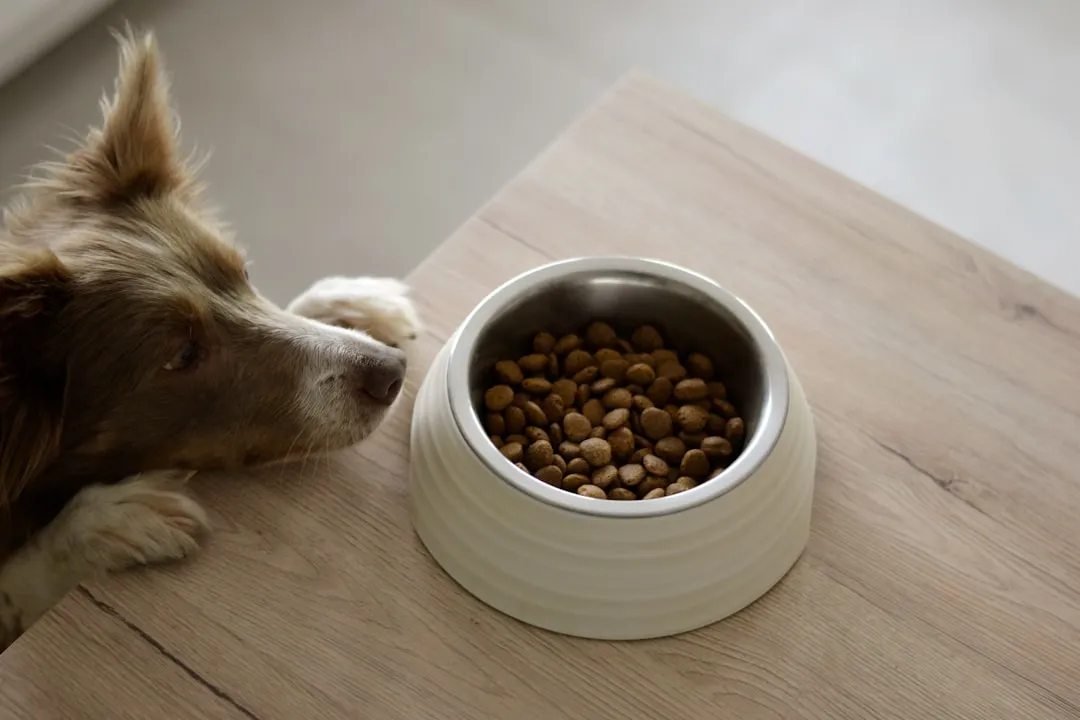
Refusing food isn’t just stubbornness. It’s frequently one of the first physical signs that a dog’s body is slowing down from the inside.
A common sign that a dog is close to death is when they start refusing to eat or become fussy with certain foods, sometimes because they feel sick or because medication has dulled their sense of smell or taste. Some owners try switching brands or flavors, assuming boredom with the same bowl of kibble. The mistake most owners make is waiting too long to mention appetite loss to their vet, assuming it will resolve on its own. Persistent refusal, especially paired with weight loss, is rarely just a phase.
Fast Facts
- Loss of appetite is one of the first symptoms hospice vets ask owners to track closely
- Vets often flag weight loss beyond 10% of body weight as clinically significant
- A dulled sense of smell from illness or medication can make even favorite foods unappealing
- Small, high-value treats sometimes tempt a dog when full meals are refused
#5 – Sleeping Far More Than Usual

Every dog naps, but there’s a difference between contentment and exhaustion, and most owners never learn to tell them apart until it’s too late.
Weight loss, dehydration, duller eyes, less grooming, and gastrointestinal upset like diarrhea or vomiting often show up near the end of a dog’s life, but fatigue is often one of the very first dominoes to fall. Loss of appetite, extreme fatigue, labored breathing, incontinence, and disinterest in surroundings tend to follow close behind. What surprises most owners is how easily extreme fatigue gets excused as “just being lazy.” A dog sleeping twenty hours a day, difficult to rouse for meals or walks, is showing something deeper than laziness – it’s the body conserving what little energy it has left.
#6 – Confusion That Looks Like Forgetfulness

A dog staring blankly at a wall or getting “stuck” in a corner isn’t being clumsy. It might be a cognitive red flag most owners laugh off instead of tracking.
Staring at walls, getting stuck in corners, or hesitating at familiar thresholds tend to point to cognitive decline in aging dogs, and this goes beyond simple forgetfulness. Veterinary neurologists link this pattern to canine cognitive dysfunction, which affects roughly 14% of senior dogs. Some cases improve with diet changes or medication, but persistent confusion, especially combined with other changes, deserves a vet visit instead of a shrug.
#7 – A Shift in Breathing Patterns
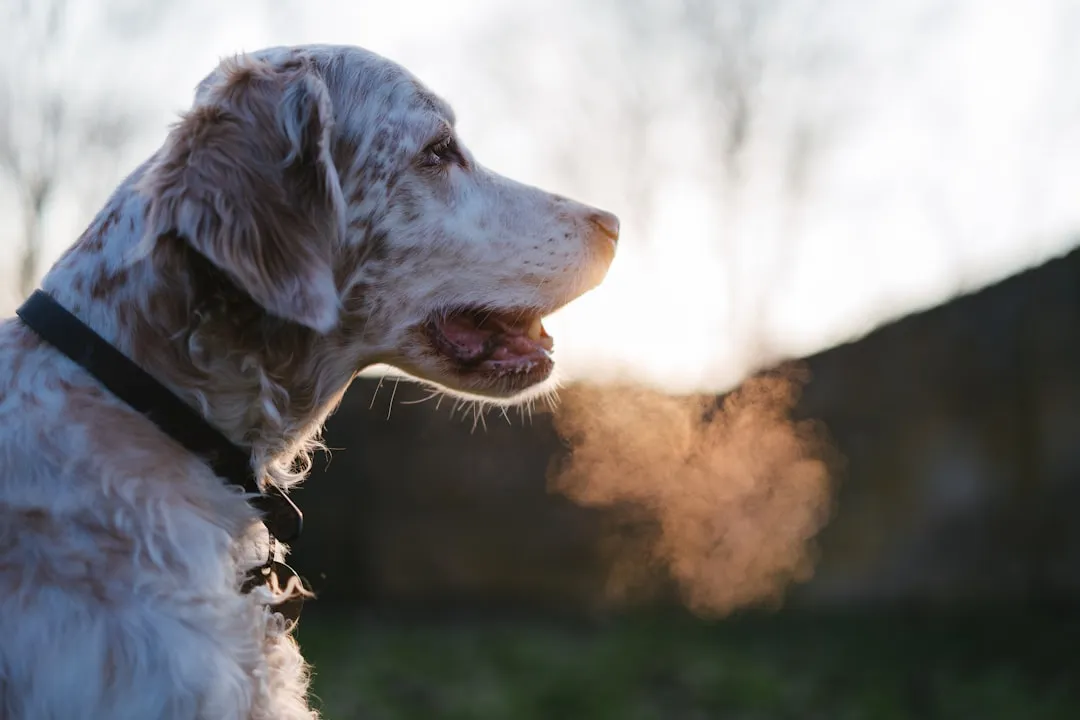
Breathing is something most owners never think to monitor until it becomes irregular, and by then it’s often a late-stage signal already flashing red.
Breathing is controlled by muscles and nerves that aren’t immune to the slow breakdown of the body, so a dog nearing the end may show a respiratory rate that fluctuates even at rest, sometimes pausing and resuming. This is one of the harder signs to catch because it can look almost like ordinary panting at first glance. The detail most owners miss is that irregular breathing during rest – not exercise – is the real warning sign. Watching for shallow, labored, or pausing breath while your dog is calm can reveal problems long before a crisis hits.
Quick Compare
- Normal panting: follows exercise, heat, or excitement, then settles quickly
- Warning sign: rapid, shallow, or pausing breath while fully at rest
- Also watch for: visible effort in the chest or belly with every breath
#8 – Sudden Accidents in the House

A perfectly house-trained dog having repeated accidents isn’t being naughty. It’s often the body losing control it once had, and it can feel devastating to witness.
Dying pets may lose control of their bladder or bowels in the days before passing, and accidents can occur due to weakness, decreased mobility, nervous system problems, or organ failure, even after years of perfect housetraining. Most people assume this means their dog is “acting out” – the opposite is usually true. The dog isn’t choosing to have an accident; recognizing that distinction changes everything about how owners respond, with patience instead of frustration.
#9 – A Noticeably Cooler Body
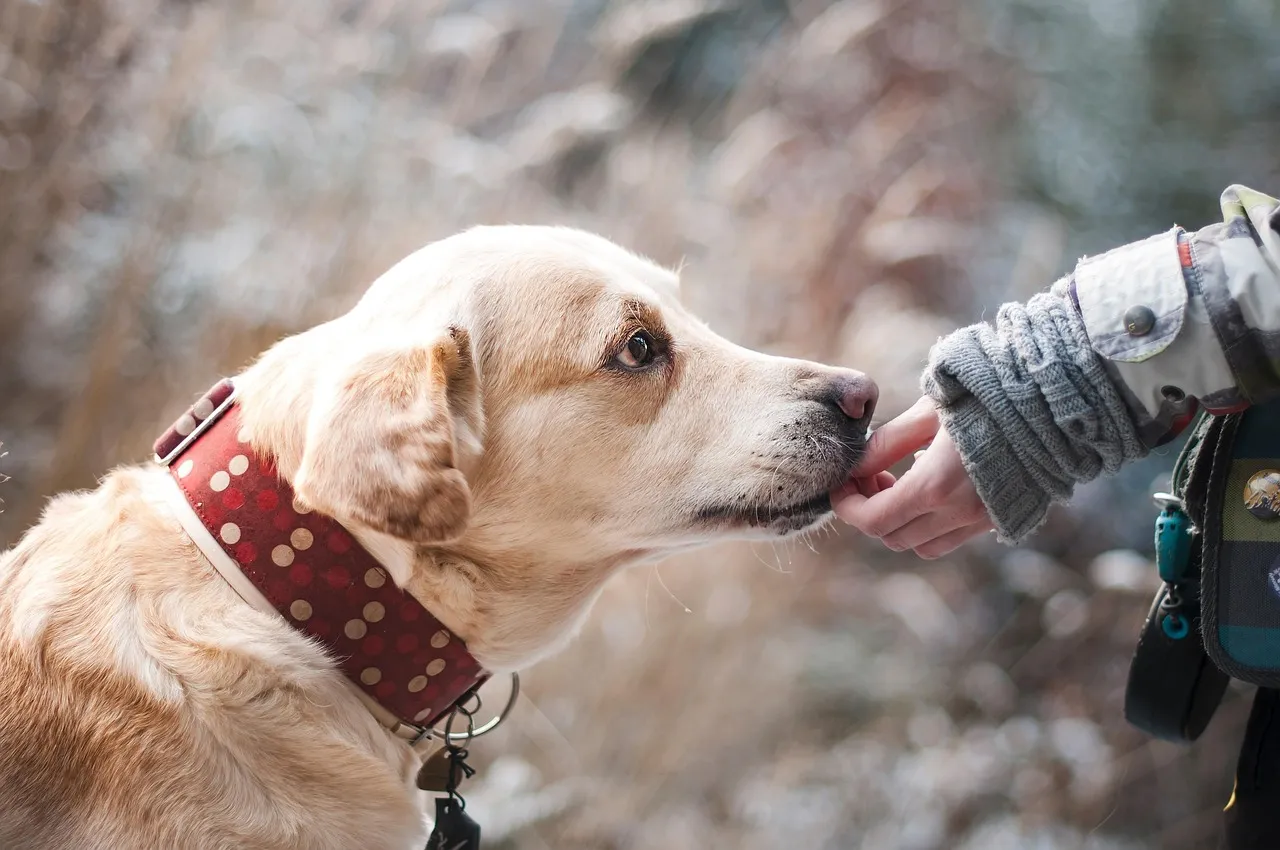
If your dog’s ears, paws, or belly feel colder than usual, that’s the body quietly rerouting its limited resources away from the extremities.
A dying pet’s body may develop cardiovascular shock, causing poor circulation and low blood pressure, so the pet may become cold or appear pale or bluish from lack of oxygen – changes that can mean the end is very near, possibly within minutes. This sign is rarely checked because most owners simply don’t think to feel their dog’s extremities. The unsettling truth is that this particular sign often means time is measured in minutes, not days. This is one sign that should prompt an immediate call to your vet rather than a wait-and-see approach.
At a Glance
- Check the ears, paws, and belly first – they cool fastest
- Pale or bluish gums can signal poor oxygen circulation
- A weak or irregular pulse often accompanies a cooling body
- This combination of signs can mean minutes matter more than hours
#10 – A Dull Coat and Cloudy Eyes

The shine in your dog’s coat and the clarity in their eyes says more about their internal health than most owners ever realize.
Duller eyes and less grooming are commonly reported alongside weight loss, dehydration, and gastrointestinal signs near the end of life. This sign creeps in slowly, which is exactly why it’s so easy to overlook – a coat doesn’t lose its shine overnight. Grooming decline is one of the most underrated signals of all, because it reflects a dog literally running out of energy for self-care. A dog who once kept themselves immaculately clean but now looks unkempt is showing you, quite literally, where their remaining energy is going.
#11 – Unusual Vocal Changes

A dog who suddenly whines constantly, or one who goes eerily silent, is communicating in the only way left available to them.
Your dog might bark excessively, whine, or in some cases stop barking altogether, and a shift toward a lower, unusual tone may indicate stress or pain. Owners often misread this completely, assuming a suddenly quiet dog is simply “calmer” rather than in discomfort. Many owners wait too long to treat vocal changes as a medical symptom rather than a personality shift. If your normally chatty dog goes silent, or your quiet dog starts whining persistently, that shift deserves a vet’s attention, not dismissal.
#12 – Seeking Out a Quiet, Hidden Spot

Some dogs, instead of clinging or crying, simply go looking for somewhere still and dark to rest, away from the noise of the household.
Some dogs prefer to be alone as they near the end, going off to a quiet spot and staying there – a behavior often read as a natural instinct to isolate when they feel vulnerable. This is different from general withdrawal; it’s a deliberate search for a specific hiding place, sometimes a closet, under furniture, or a corner of the yard. Most owners find this instinct instantly recognizable once they know to look for it – it mirrors how wild animals behave when vulnerable. Rather than pulling your dog out of their chosen spot, many hospice vets recommend simply staying nearby without forcing them back into the open.
#13 – A Sudden, Unexpected Burst of Energy
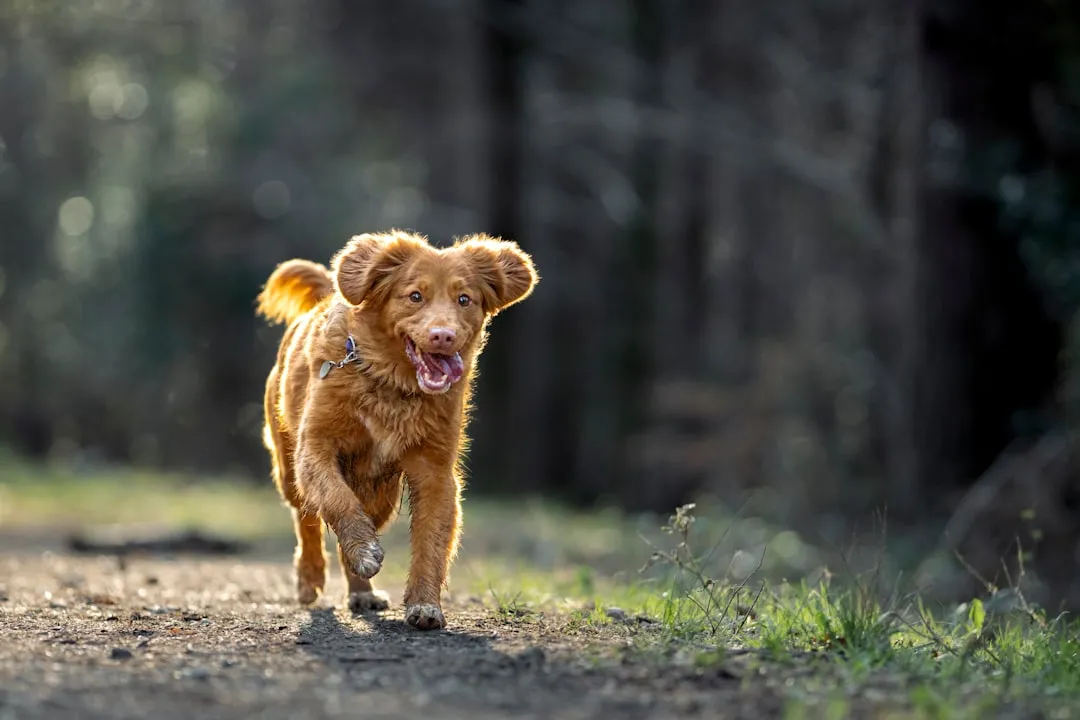
Just when a decline seems steady and predictable, some dogs do something that catches every owner completely off guard.
Known informally in hospice circles as a “rally,” this burst can look like a full recovery – a dog who hasn’t eaten in days suddenly wants a walk, or a dog who’s been sleeping constantly suddenly seems alert and playful. A rally is often temporary, not a genuine turnaround. It can feel like a miracle, and understandably many owners cling to hope during this window, but hospice professionals consistently caution against reading too much into a short-lived surge of energy, since it frequently precedes further decline rather than reversing it.
Worth Knowing
- Hospice vets sometimes call this a “rally,” similar to terminal lucidity described in human hospice care
- It’s often driven by a short burst of adrenaline, not genuine recovery
- These windows typically last hours to a day or two, rarely longer
- Many hospice professionals suggest using the time for connection, not new treatment decisions
#14 – A Long, Lingering Gaze Into Your Eyes
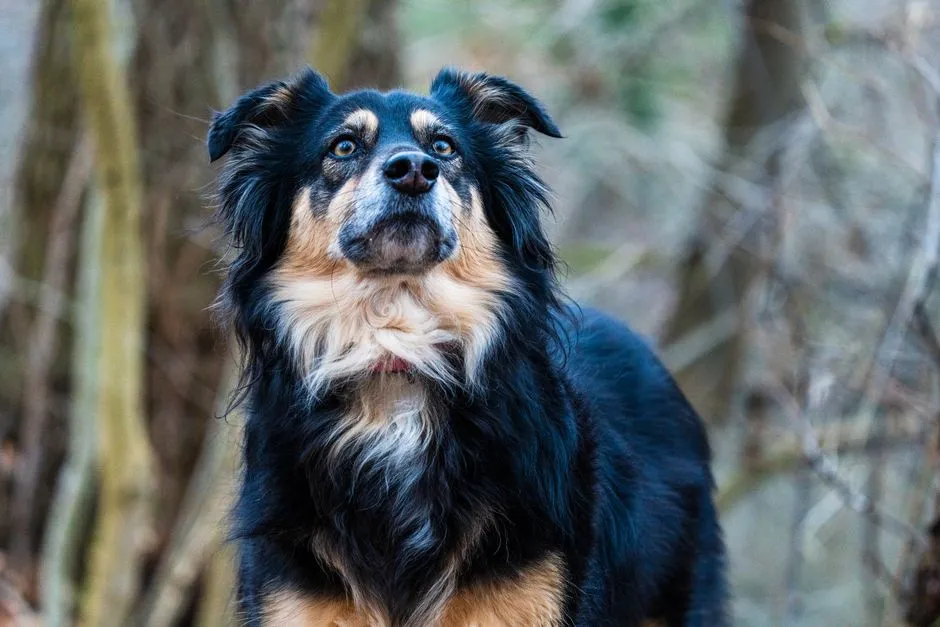
Of every sign on this list, this is the one hospice caregivers describe as the most emotionally unmistakable, and the one owners remember years later.
Owners across countless accounts describe a moment where their dog simply looks at them – longer, quieter, and more intently than ever before – as though searching for reassurance. Some dogs show a final look that can seem loving, tired, sad, or confused. Whether or not dogs consciously understand death is scientifically unproven, but the emotional weight of this moment is undeniable to anyone who’s experienced it. Some veterinarians and animal behaviorists believe dogs may sense their impending death through changes in their own bodies, though there is no scientific consensus. Regardless of the science, staying close, calm, and present in that gaze is the one thing every expert agrees matters most.
The Bottom Line
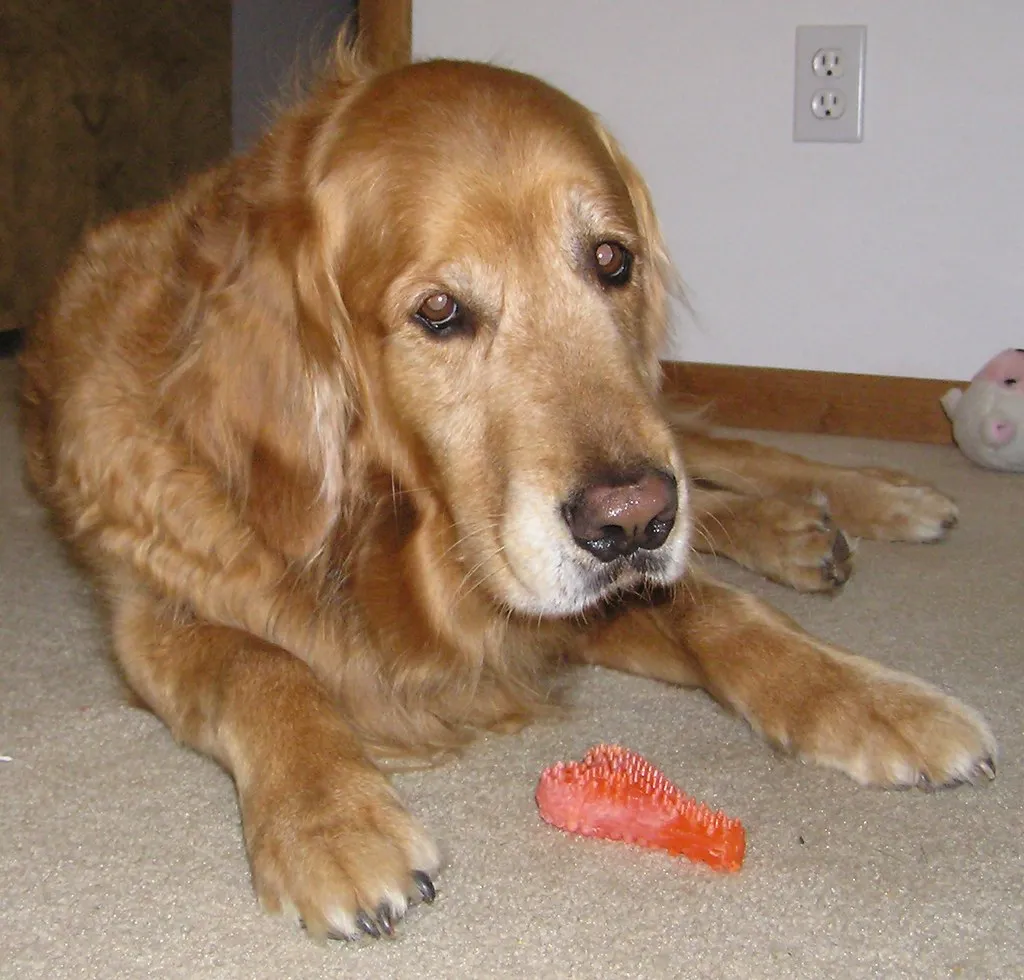
Most of these signs aren’t dramatic. They’re quiet, easy to dismiss, and constantly mistaken for “just getting older.” That’s exactly why they go unnoticed until it’s too late to act with any real intention.
Clinginess, withdrawal, changes in appetite, breathing, and that unmistakable lingering gaze are the body’s way of communicating what words never could. I don’t think dogs need to consciously “know” what’s coming for these signs to matter. Their behavior changes in ways that deserve our attention, not our dismissal, and waiting for something loud and obvious is how too many owners miss the window to say goodbye with intention instead of regret.
If your dog is showing several of these signs at once, don’t wait on “getting older” as an explanation – talk to your vet sooner rather than later. Have you noticed any of these signs in your own dog? Tell us in the comments – your story might help another owner recognize it in time.

- 14 Quiet Signs Your Dog Knows Its Time Is Near and Wants You Close - July 22, 2026
- 10 Falcon Facts That Will Blow Your Mind - July 22, 2026
- 5 Incredible Migratory Journeys Animals Make Every Year - July 22, 2026