
Everyone loves to say dogs “live in the moment” and forget almost everything the second it happens. That’s the story people tell themselves when their dog’s muzzle turns gray and the hips get stiff. But watch that same slow, half-blind old dog the second your key hits the lock, and the myth falls apart in real time.
Something in that aging brain didn’t forget a thing. Senior dogs lose plenty as the years pile up – quick reflexes, sharp hearing, maybe even a step or two on the stairs. But the emotional memory of the people they love doesn’t fade the same way. It gets deeper. Here are 13 things your old dog is almost certainly still carrying around in that loyal brain of theirs, and a few of them will hit harder than you expect.
#1 – The Sound Of Your Voice
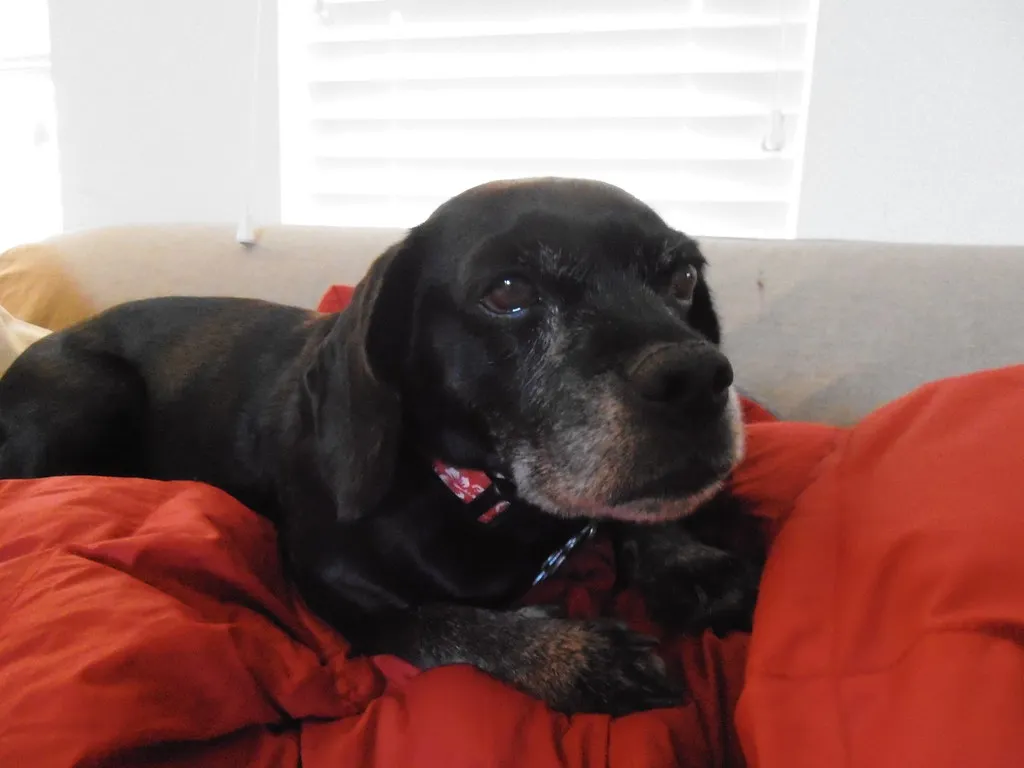
Your old dog’s eyes might be clouding over, but they can still pick your voice out of a noisy room in half a second. Dogs are wired to track tone and rhythm, and over years together you’ve built a “sound fingerprint” they follow like GPS. That’s why a lazy “Hey, buddy” from across the house can still make a stiff old tail thump against the floor.
Even when their hearing has faded at the edges, the feel of your voice still lands. The vibrations, the way you say their name, the silly nickname you’ve repeated ten thousand times – those are emotional bookmarks, not just sounds. A calm tone tells them “we’re okay.” A bright one tells them “good things are coming.” And if you think that’s sweet, wait until you see what they remember about your smell.
#2 – Your Smell (Yes, Even On Your Worst Days)
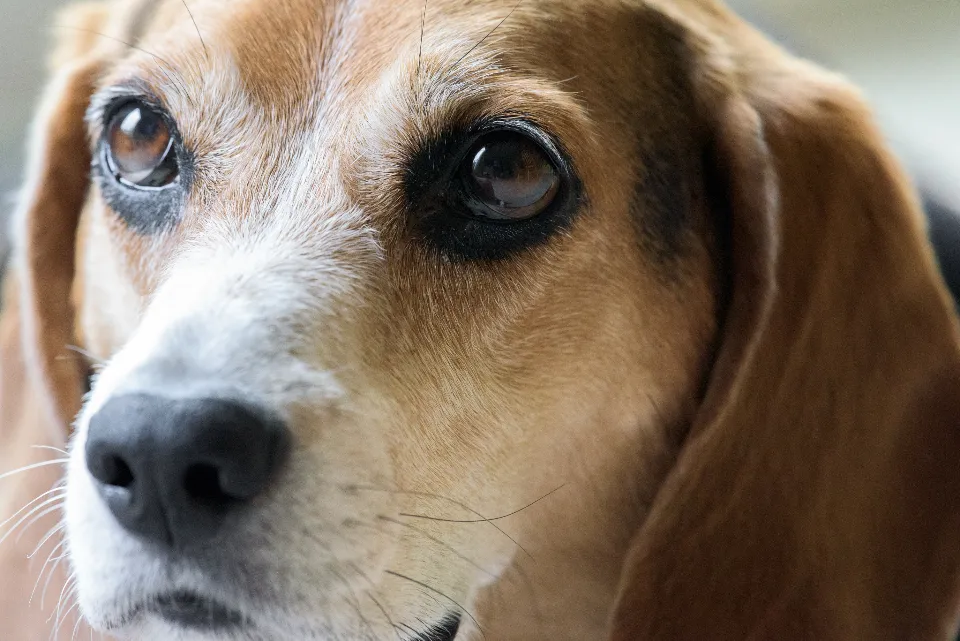
Humans underestimate this one badly. For a dog, smell isn’t a poetic detail – it’s the main event. Your dog’s nose is tens of thousands of times more sensitive than yours, which makes you a walking scent novel they’ve been reading for years. Your old dog doesn’t just know “you.” They know “you when you’re sad,” “you after work,” and “you on vacation mode.”
As eyesight and hearing fade, many senior dogs start navigating the world almost entirely by scent. That worn T-shirt you left on the bed becomes emotional home base. Shelter dogs have been shown to relax noticeably when given something that smells like their person, which tells you exactly how powerful this sense really is. Your old dog remembers the smell of your hands when you’re cooking, and the “coming home” scent that hits before the door even opens. But scent isn’t the only thing burned into their memory – your daily habits are practically a religion to them.
Fast Facts
- They possess up to 300 million olfactory receptors in their noses, compared to about six million in us.
- A dog’s sense of smell can run anywhere from 1,000 to 10,000 times more powerful than a human’s.
- The part of a dog’s brain devoted to analyzing smells is roughly 40 times larger than ours.
- Scent signals travel straight to the brain’s memory and emotion centers, bypassing the more analytical cortex first.
#3 – Your Daily Routine (Even The Parts You Forgot)
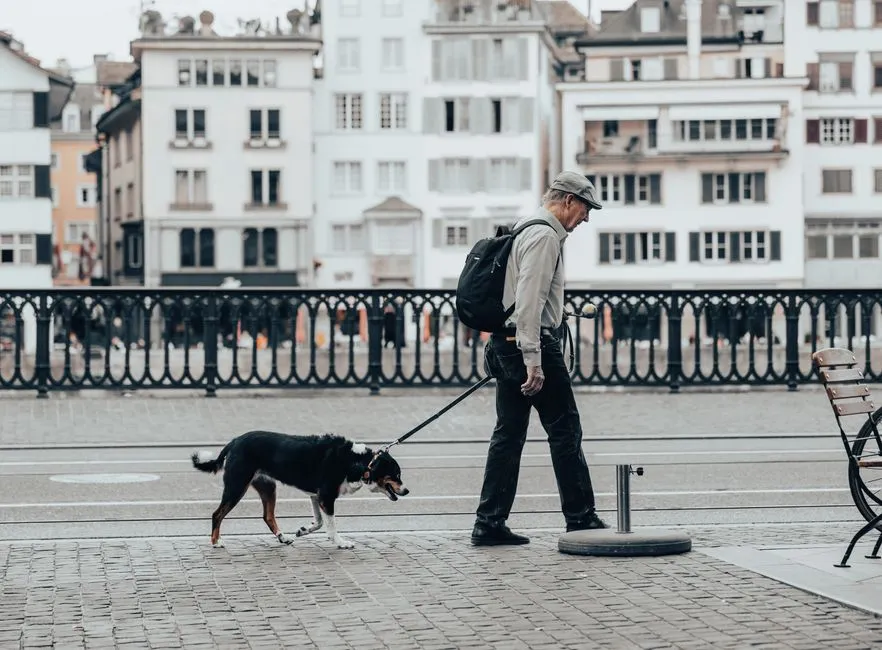
You might think your life is chaos. To your dog, it’s a pattern with rules. Walks, meals, work hours, TV time – after a few years, your dog can often predict your next move better than you can predict it yourself. Old dogs lean on this rhythm even harder as their bodies and senses start slipping.
They remember when the alarm usually goes off, when the kids come through the door, when the treat jar “mysteriously” opens right after dinner. You trained them without ever meaning to. That’s exactly why seniors get visibly anxious when a routine suddenly changes. It isn’t stubbornness – it’s confusion, a quiet “the world isn’t matching what I know.” And that cozy predictability turns emotional fast once you realize they also remember how you treated them at their most vulnerable.
#4 – How You Reacted When They Were Scared Or Hurt
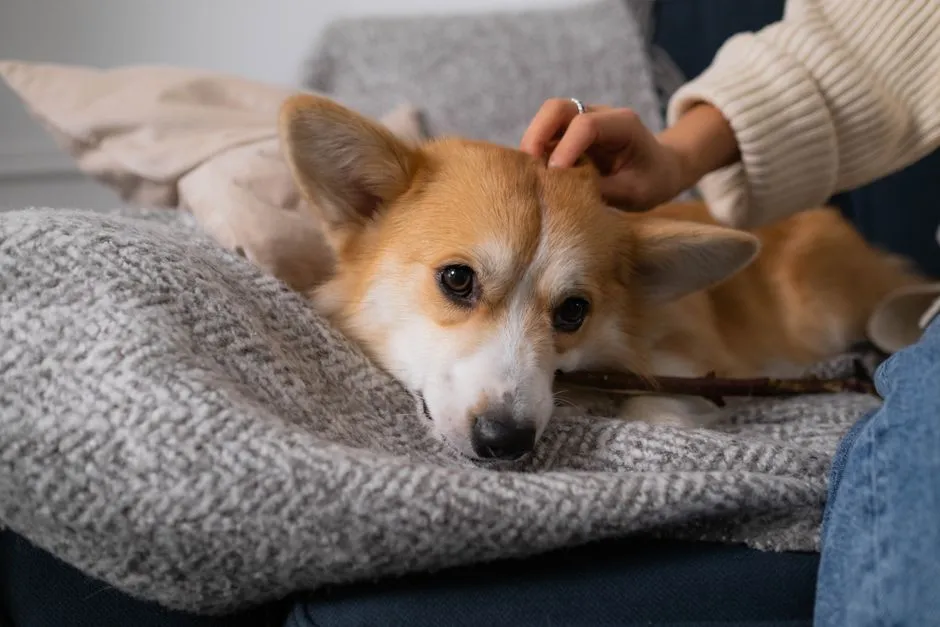
Most people don’t realize how deeply one big, scary moment can imprint on a dog forever. A thunderstorm when they were a puppy. A painful vet visit. Fireworks that sent them shaking under the bed. What matters most isn’t the scary event itself – it’s what you did about it.
Dogs are constantly answering one question: “Can I lean on you when I’m afraid?” If you scooped them up during storms or sat calmly through a rough surgery recovery, that became part of their core file on you – this human shows up when I’m not okay. Senior dogs who got that support tend to seek their person out even more intensely as anxiety creeps in with age. On the flip side, dogs who were yelled at when scared can carry that confusion for years. They may still love you, but that early data point stays written in ink.
#5 – Your Bad Days, Arguments, And Tense Energy
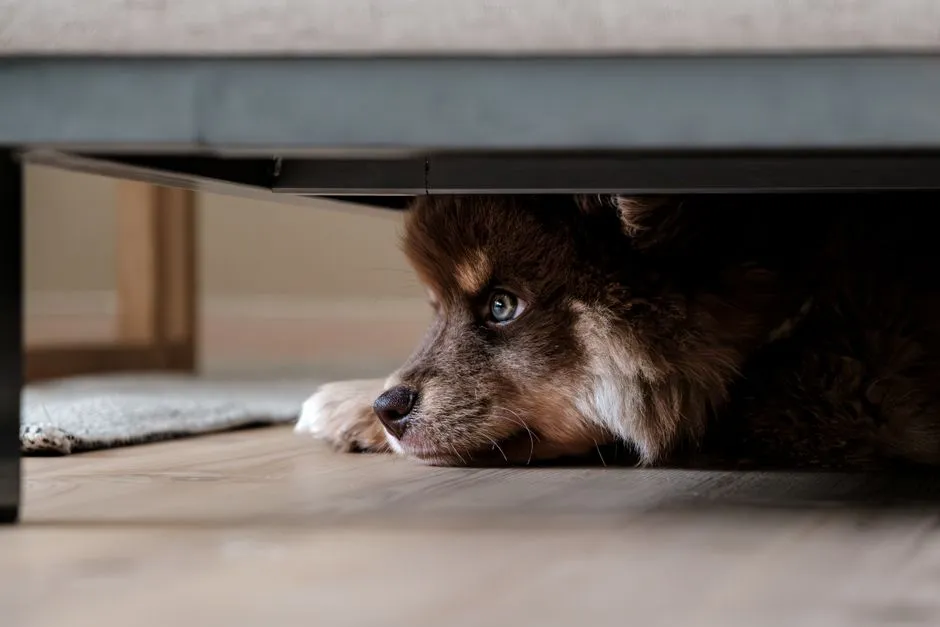
Here’s the uncomfortable truth: your dog probably remembers the energy in the room on your worst days more clearly than you do. Slamming doors, raised voices, that silent, icy tension after a fight – dogs read all of it. They don’t need to understand the words to remember exactly how it felt.
Senior dogs get even more tuned in to mood as their world shrinks. Less running and exploring means more lying quietly nearby while you live your messy human life in front of them. If you’ve ever noticed your old dog slip out of the room during an argument, that’s not coincidence. That’s a memory firing: when voices go sharp, this room stops feeling safe. It’s not meant to guilt you – it’s a reminder that your dog’s emotional hard drive has quietly recorded the nights you cried on the couch and the stretches when you were more stressed than usual. Thankfully, they also remember the times you made up for it.
#6 – The Games You Played (Even If You Haven’t In Years)
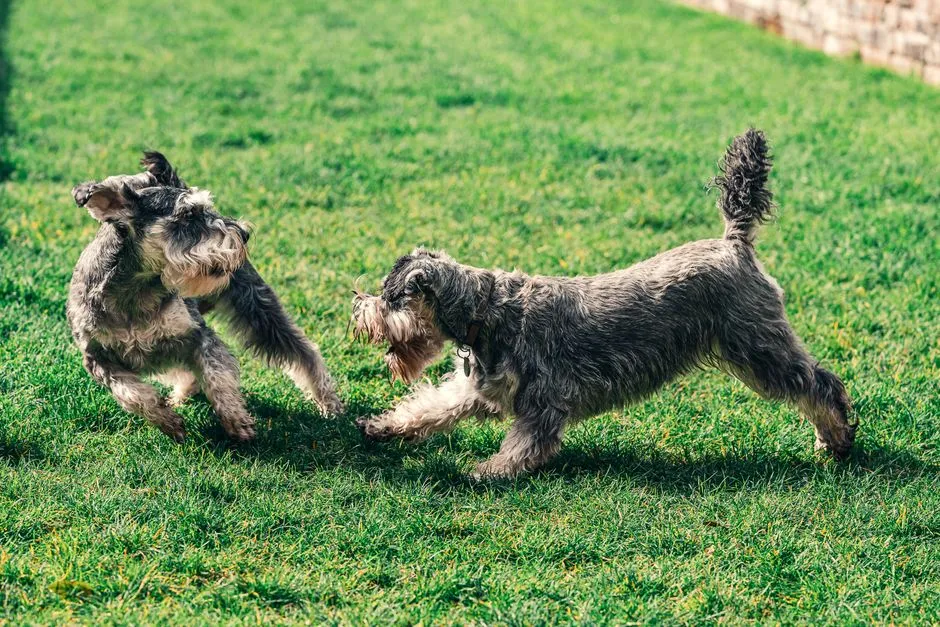
It might have been ten years ago, but your old dog still remembers the goofy voice you used during tug-of-war, or the exact sound of a tennis ball hitting the hallway wall. Play creates some of the strongest positive memories in a dog’s life, and those imprints don’t disappear just because their legs have slowed down.
They remember the cues – the word you used for fetch, the toy’s name, the way you’d suddenly bolt down the hallway to start a chase. Even too arthritic to join in now, plenty of seniors visibly light up at an old toy or a hint of the old “game voice.” That’s not nostalgia. That’s recognition: this is when we have fun. Some dogs still perk up at the cabinet where the balls are kept, or the squeak of a favorite toy. But the most powerful “game” memory of all isn’t physical – it’s how you touched them when the world went quiet.
#7 – Your Touch, Scratches, And That One Spot They Love
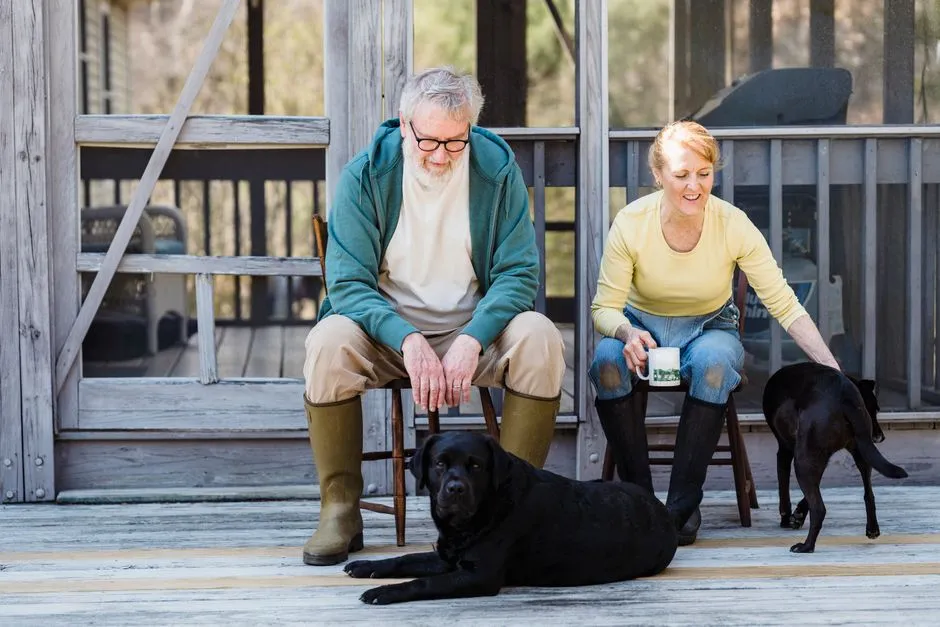
You probably have one or two “default” ways you touch your dog – a chest rub, a shoulder scratch, a slow ear massage while the TV plays in the background. To you, it’s automatic. To your dog, it’s a deeply conditioned signal that they are safe and loved, repeated hundreds, even thousands of times over the years.
Senior dogs may not handle roughhousing anymore, but they never forget the one magic spot that makes them melt. Many will shift their stiff, aching bodies just to present it to you – leaning their head under your hand, turning their hips at just the right angle. They know the difference between your rushed, distracted pats and your slow, present petting. They remember the way you hold their face when you talk to them. And while that physical comfort matters enormously, it’s nothing compared to what they remember about the day you first brought them home.
Worth Knowing
- Gentle, slow touch can visibly calm a dog within minutes, easing tense muscles and breathing.
- Arthritis often shifts a senior dog’s “favorite spot” over time, even if the person doesn’t notice the change.
- Dogs can tell an affectionate touch from an accidental bump almost instantly.
- Familiar touch is often one of the last comforts an aging dog still fully responds to.
#8 – The Day Their Life Changed (When You Became “Home”)
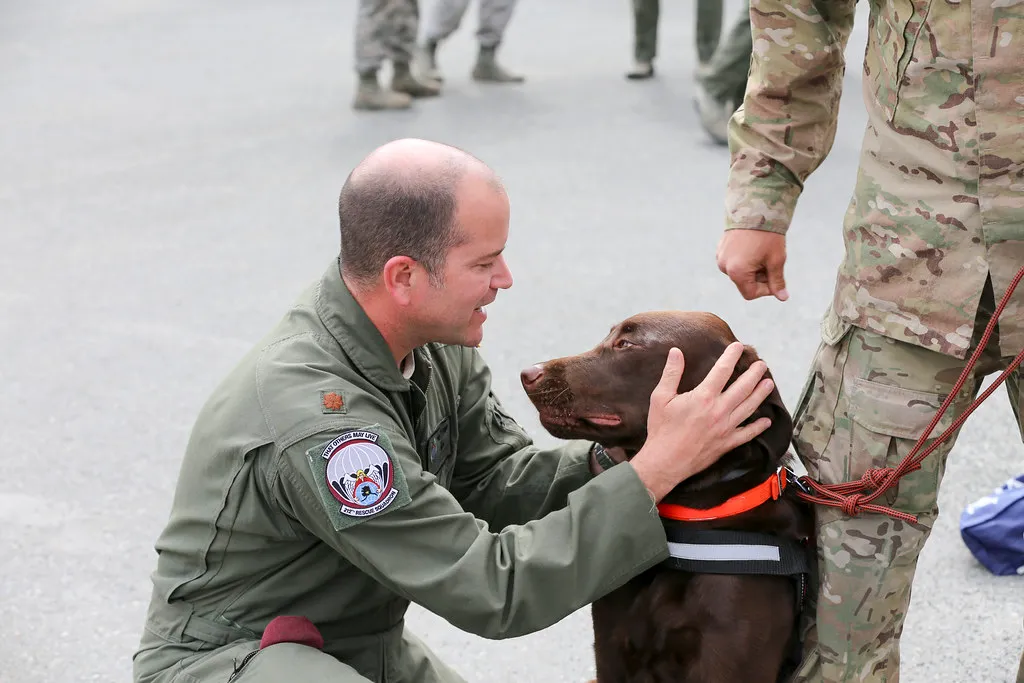
Ask any longtime owner and they’ll tell you: a dog’s origin story never really fades. The first car ride. The first night in a strange new house. The first time they tested the boundaries and nothing terrible happened. Your dog may not remember the exact date, but they remember the feeling of “before you” and “after you.”
If they came from a shelter or a rough situation, that contrast can be enormous. The first full bowl of food, the first soft bed, the first time someone spoke gently instead of shouting – all of it permanently linked your presence with safety. That’s one reason so many rescues stay “velcro dogs” for life. They learned, quite literally, that you were the plot twist that saved them. They still carry the smell of your car and the sound of your keys from that very first week. But as intense as that beginning was, they’re just as locked in on who showed up when their own body started failing them.
#9 – Who Stayed Patient As They Got Older And Slower
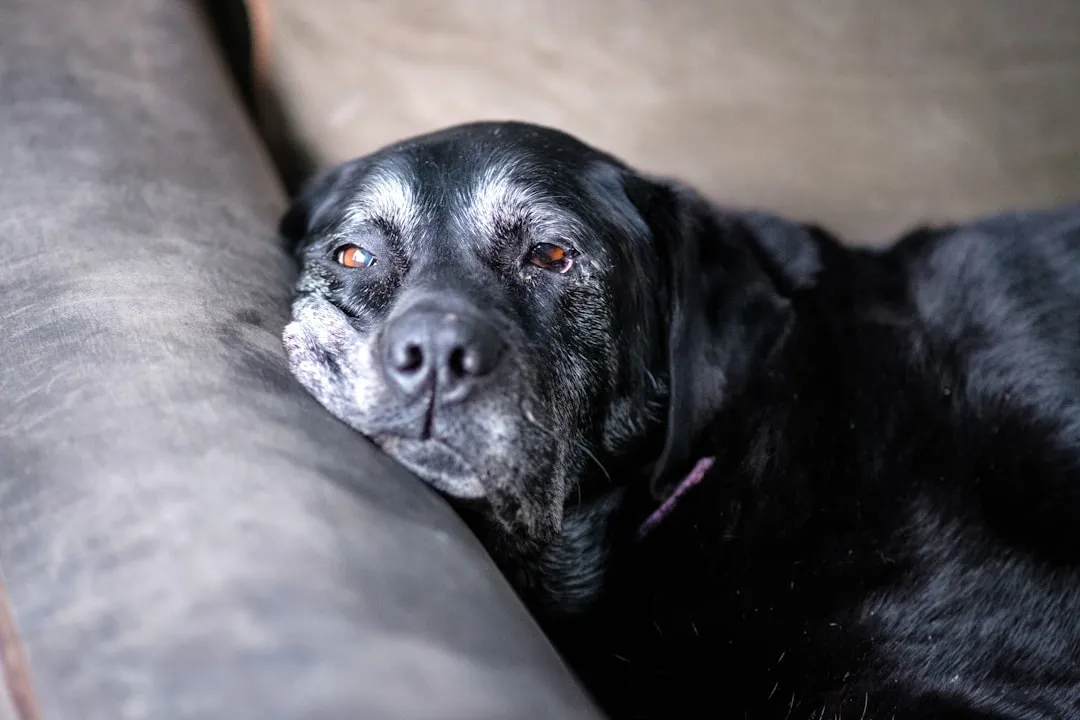
This part is hard to hear, but it matters: your old dog knows you’re adapting to their age, even if they can’t put it into words. Fewer stairs, more ramps. Shorter walks. Extra towels for accidents. The way you now lift them into the car instead of calling them to jump in like they used to.
Every one of those small adjustments tells your dog: you’re still worth the effort. Senior dogs are extremely sensitive to frustration – they remember who sighs loudly when they can’t hold their bladder, who yanks the leash when they lag behind, who gets annoyed when they can’t hear a command anymore. But they also remember who keeps their voice soft, who cleans up the mess calmly, who never makes them feel like a burden. That difference writes one of two very different lines into a dog’s internal story: “this person loved me when I was fun,” or “this person loves me even when I’m inconvenient.” And if you think that kind of loyalty is one-sided, wait until you see how hard they track your comings and goings.
Quick Compare
- Reads as impatience: heavy sighs, sharp tugs on the leash, rushed lifting or handling.
- Reads as patience: slower pace, calm voice, waiting without visible frustration.
- Long-term effect of impatience: hesitation, flinching, or pulling away when help is offered.
- Long-term effect of patience: deeper trust and a dog that leans in more, not less, with age.
#10 – The Ritual Of You Leaving… And Coming Back
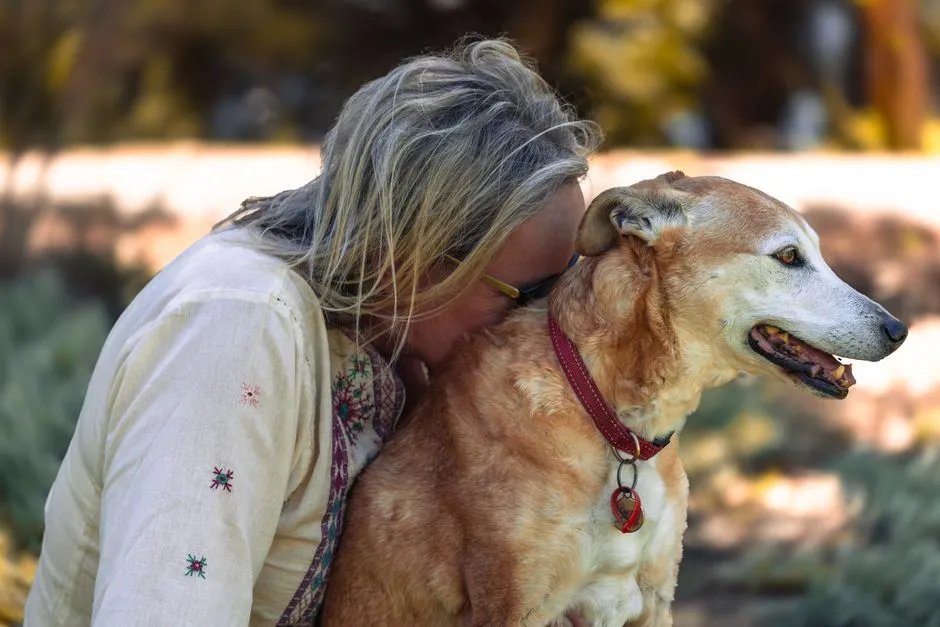
Everyone jokes about it, but for a dog, your departures and returns are genuinely massive emotional events. Dogs are one of the only animals that consistently celebrate a reunion, no matter how often it happens. Your old dog might not leap the way they used to, but that spark when you walk through the door? That’s pure muscle memory.
They know the pre-leaving cues by heart – slippers on, keys jingling, that one jacket. Over the years they’ve run the “you leaving” routine thousands of times. Some pace, some sleep, some sit by the door like clockwork. Coming back is just as scripted in their mind: your greeting word, the first room you walk into, whether you drop down to the floor to say hello. They remember the vacations and hospital stays that felt too long, and the rare afternoon you came home early – a bonus miracle they didn’t see coming. Daily reunions are only part of it, though. They’re also quietly keeping score of every promise you’ve made.
#11 – The Promises You Kept (And The Ones You Broke)
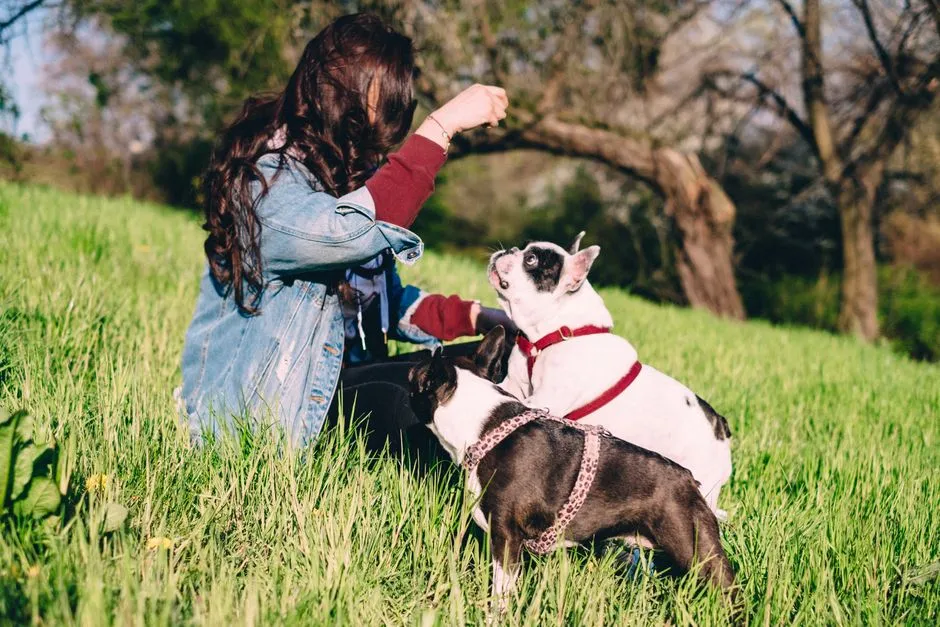
No, your dog doesn’t understand full English sentences the way you do, but they absolutely understand the pattern of “you said we were doing X, and then we did.” Consistency is a promise in their world. If “Do you want to go for a walk?” has meant a walk within two minutes for ten straight years, that phrase is basically a signed contract.
Senior dogs notice hard when their world shrinks and words stop matching actions. If “later” always meant “never,” they learned that too, and it changes how eagerly they ask. On the other hand, if you’re the person who almost never breaks routine – who still tosses at least one ball, still walks the slow loop around the block even when you’re tired – your dog has decades of evidence that says: this human shows up. They’ve filed away every walk you didn’t skip and every scary vet visit you followed through on anyway. But all of those promises come down to one thing your dog clings to more than anything else: how you loved them when nobody else was watching.
#12 – The Quiet Moments When You Thought They Weren’t Paying Attention
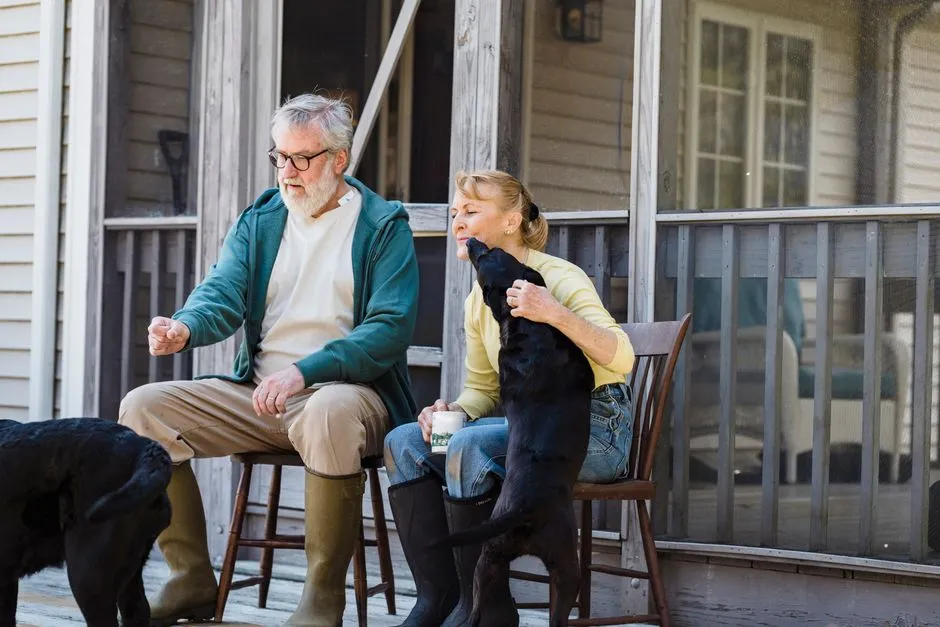
Not the Instagram moments. The 11 p.m. kitchen floor sits. The times you rubbed their back with one hand while scrolling your phone with the other. The morning you were already running late but stopped anyway to kiss the top of their head. Those “nothing” moments are actually the bulk of what your dog remembers about you.
Dogs live in patterns, and your smallest habits make up their entire emotional climate. Do you look at them when you walk into a room, or step over them like furniture? Do you talk to them even when you’re busy? Do you pull them close when you’re sad, or push them away? Your old dog has watched this play out thousands of times and reached one simple conclusion: this is how much I matter here. They remember the days you sat on the floor instead of the couch just to be closer, and the mornings you let them sleep in instead of dragging them out into the cold. And all of it feeds into the single heaviest memory they will ever carry.
At A Glance
- Dogs read body orientation and eye contact more closely than most owners realize.
- A senior dog’s sense of being noticed often matters more than toys, treats, or new gadgets.
- Tiny daily gestures – a glance, a pat, a soft word – accumulate into a dog’s core sense of belonging.
- Consistency in small moments tends to outweigh occasional grand gestures in a dog’s memory.
#13 – That You Were Their Person, Start To Finish
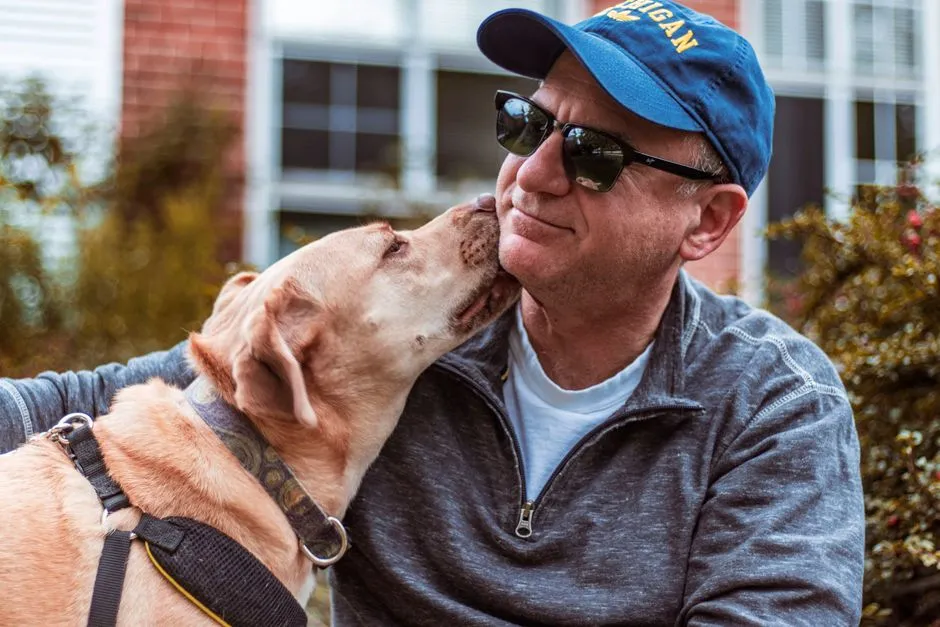
This is the part most people don’t want to think about – but your old dog already has. Dogs seem to accept their own aging faster than we accept it for them. As the body gives out, their world contracts down to the essentials: food, comfort, pain levels, and you. You become the constant everything else orbits around.
In the final chapter of a dog’s life, what sticks isn’t perfect training or the most expensive toys. It’s whether you stayed. Whether you held them at the vet instead of “waiting for a call.” Whether you sat on the hard floor when it hurt your own knees to get back up. Whether your voice stayed soft even while your heart was breaking. Those last weeks, days, even minutes hardwire into whatever version of memory a dog carries out with them. Your dog may forget a command. They may lose the route of their favorite hike. But they don’t forget who walked them home to the very end.
The Bottom Line
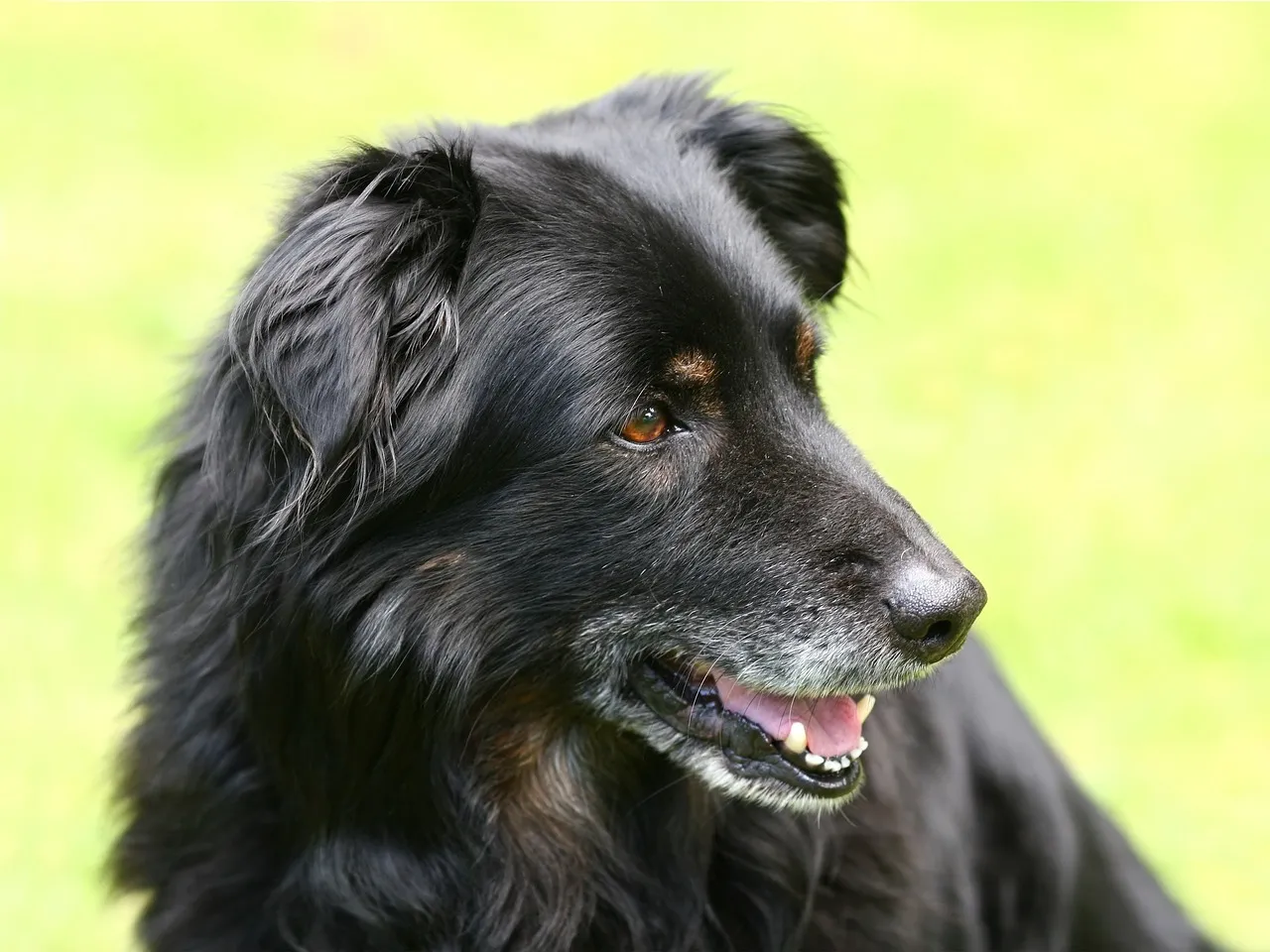
People love to say “dogs live in the moment,” as if that proves they don’t remember anything. That’s half true at best. Old dogs forget the unimportant stuff – yesterday’s mailman, last week’s houseguest. But they cling fiercely to emotional history: your voice, your scent, your patience, your bad days, your good ones, and whether you were actually there when it counted.
If that makes you a little uncomfortable, good. It should. It means your choices with them still matter today, not just “back when they were young and fun.” Your senior dog is carrying a quiet, honest archive of your life together, and you don’t get to edit it in hindsight. You only get to add to it – one more walk, one more slow scratch, one more promise actually kept.
So here’s the real question worth sitting with: what does your old dog remember most about you, and are you okay with that answer?
