
Most cat owners assume a slowing-down senior cat is a cat in decline. Turns out, that’s often backwards. Veterinary behaviorists say many of the changes we panic about – longer naps, quieter days, a sudden obsession with sunny windowsills – are actually signs of a cat aging comfortably, not falling apart.
The confusion happens because normal aging and early disease can look almost identical on the surface, which is exactly why so many owners misread the wrong signals. Here are the 14 signs vets say actually separate a cat gracefully settling into her golden years from one quietly struggling – and a few of them will completely flip how you look at your cat’s naptime.
#1 – She’s Sleeping More, But Waking Up Easily
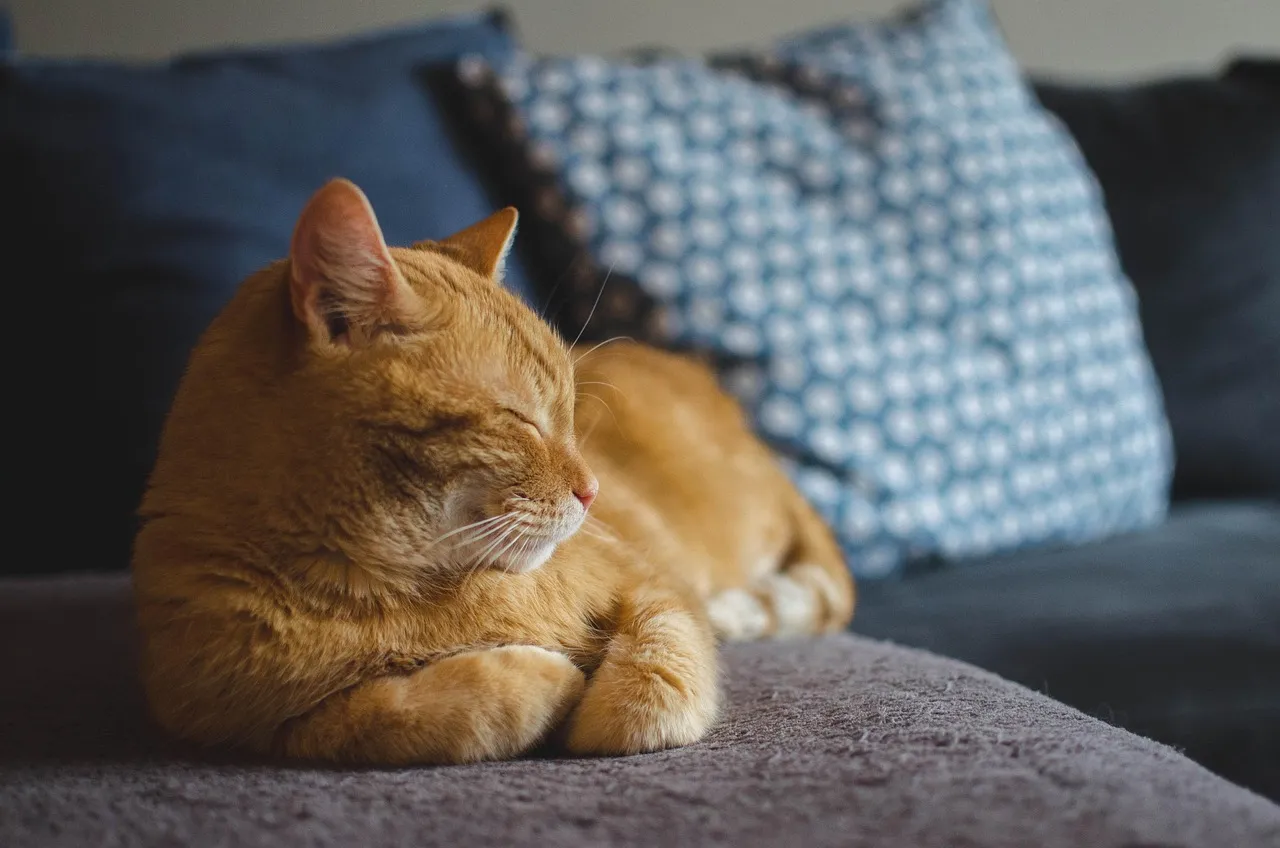
A senior cat clocking serious nap hours isn’t necessarily a red flag. Cats in their golden years can sleep 16 to 18 hours a day, noticeably more than younger adult cats, and this is considered a normal part of aging rather than a symptom on its own.
The real marker of comfort isn’t the amount of sleep – it’s how she responds when she’s not sleeping. A cat aging with grace still rouses for meals, greets you at the door occasionally, and engages fully once she’s up.
Fast Facts
- Most cats are considered senior around age 11, and geriatric once they pass 14 or 15
- Vision and hearing decline gradually, which can make some cats startle more easily when approached
- Reduced sense of thirst can raise dehydration risk in older cats
- A cat who wakes instantly to food cues or her name is showing strong sensory function
Difficulty waking up is the actual concern, especially once hearing and vision start to fade. The sign worth celebrating is a cat who sleeps hard but still responds instantly to her name or the crinkle of a treat bag – which sets up an easy trap most owners fall into with #2.
#2 – She’s Moving Slower – Not Stiffly
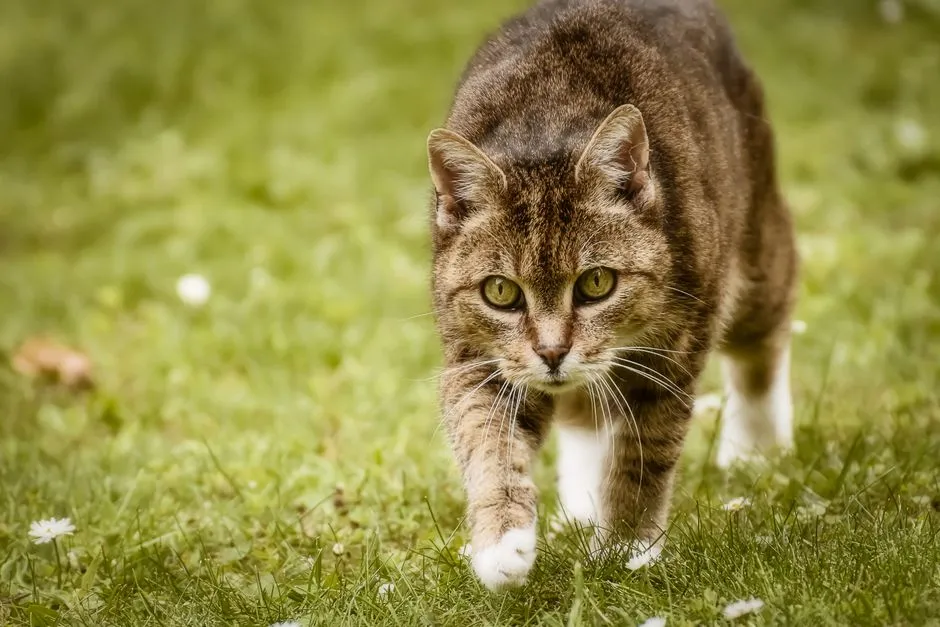
There’s a massive difference between “slower” and “sore,” and most owners never learn to tell them apart. A graceful-aging cat has simply traded sprinting for strolling; she still moves with ease, just at her own unhurried pace.
The warning line is stiffness. If she seems sore getting up, or struggles with jumps and stairs, that’s worth mentioning to a vet – stiffness signals a health issue, not just age.
A cat comfortably aging still climbs her favorite chair, just with a little more effort and a pause halfway up. No limp, no wince, no flinching when her hips get touched – and that same distinction between ‘slow’ and ‘suffering’ is exactly what makes #3 so easy to misread.
#3 – She’s Become More Affectionate, Not Less
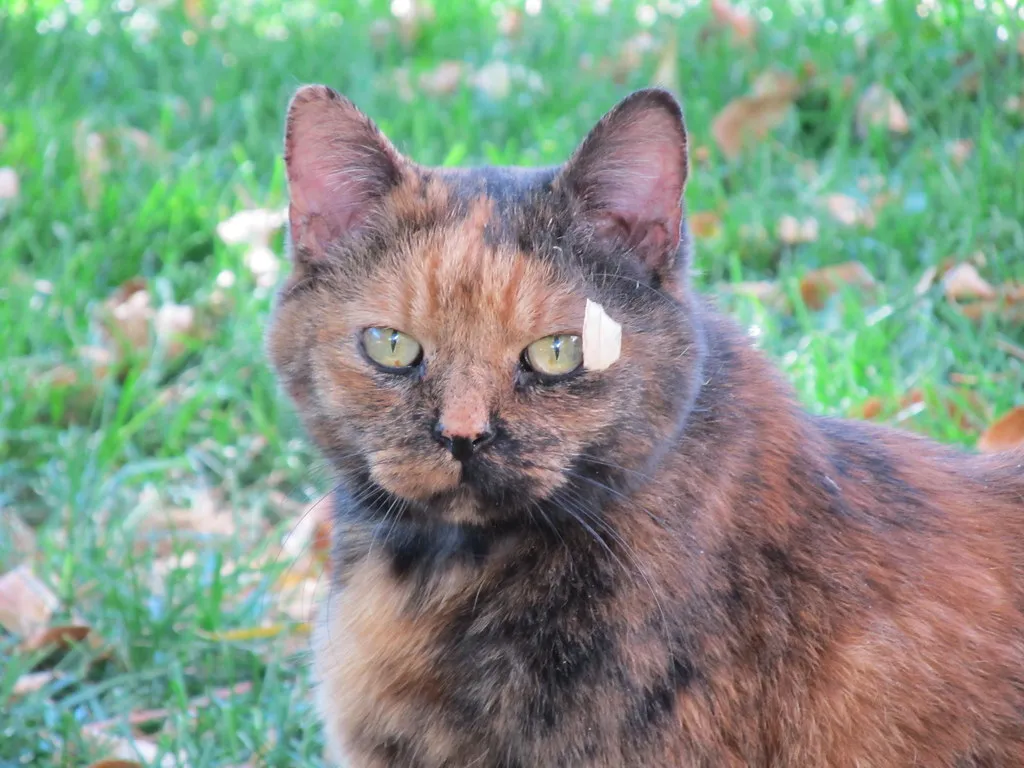
Contrary to the “independent cat” stereotype, aging often makes cats clingier – and that’s actually a great sign. Cats are known for their independence, but as they age, they often become more affectionate and seek closeness with their humans, following them from room to room, curling up beside them more often, or purring contentedly in their lap.
This shift isn’t confusion or neediness – it’s comfort-seeking behavior rooted in trust. A senior cat is leaning into the bond you’ve built over the years, and finding real comfort in your presence.
Owners often misread new clinginess as a problem. Most vets see it the opposite way: a senior cat who wants more lap time is a cat who feels secure, not one that’s declining – and that same closeness shows up in an even stranger way in #4.
#4 – She Purrs More Often, Even When Alone
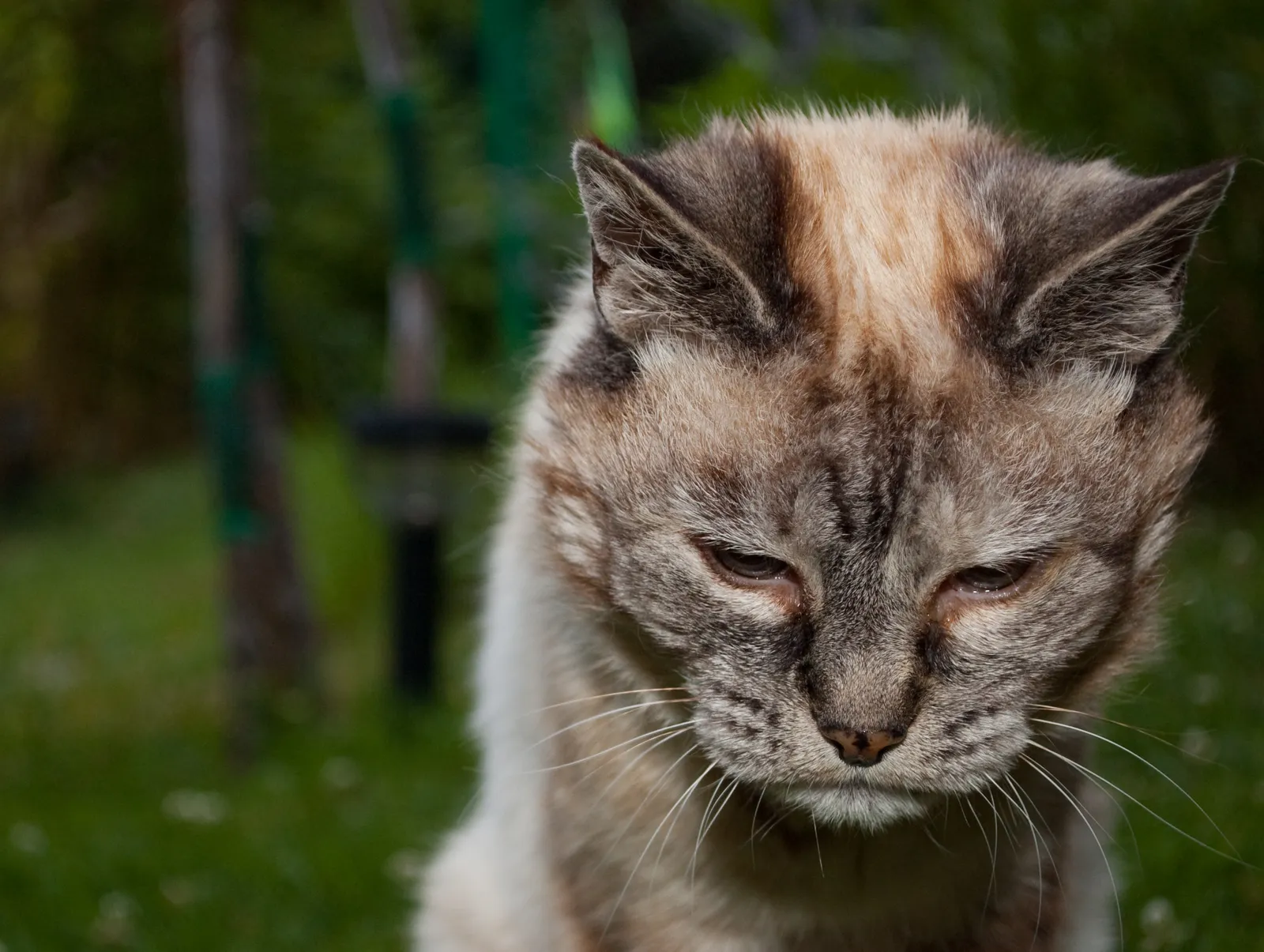
Most people assume purring only happens during petting sessions, but senior cats often purr solo – and it’s not random. Senior cats might purr more frequently, using this as a comfort mechanism for themselves and their owners, since purring can signify contentment or be a self-soothing behavior.
That dual meaning is exactly why context matters so much here. A cat purring while stretched out in a sunbeam is almost certainly content, while a cat purring hunched up, avoiding movement, or hiding may be self-soothing through discomfort.
The situation around the purr tells you more than the purr itself ever will. Keep that in mind, because #5 is a behavior most owners find mildly insulting – and shouldn’t.
#5 – She’s Suddenly Picky About Company
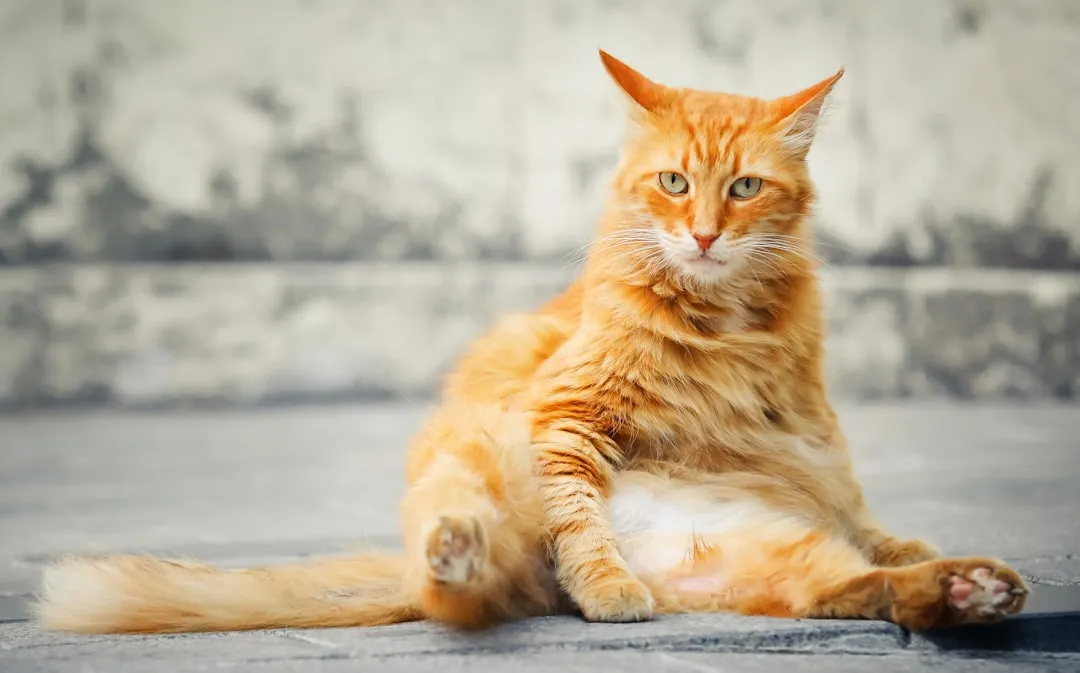
If your senior cat has started ignoring the kitten, ducking the dog, or straight-up avoiding certain people, don’t take it personally – it’s developmental, not rude. As cats age, they become more selective in their social interactions, preferring familiar company over unfamiliar individuals, and may exhibit preferences not noticeable in their youth.
This is a subtle but real sign of graceful aging – a cat who knows exactly what she wants and isn’t afraid to enforce it. Older cats sometimes grow less patient, and waking one from a nap is a fast way to get on her bad side.
A little feline sass in old age isn’t decline – it’s a cat who’s earned the right to curate her own social calendar. Up next, a habit that’s easy to mistake for laziness.
#6 – She Seeks Out Warm Spots – Aggressively
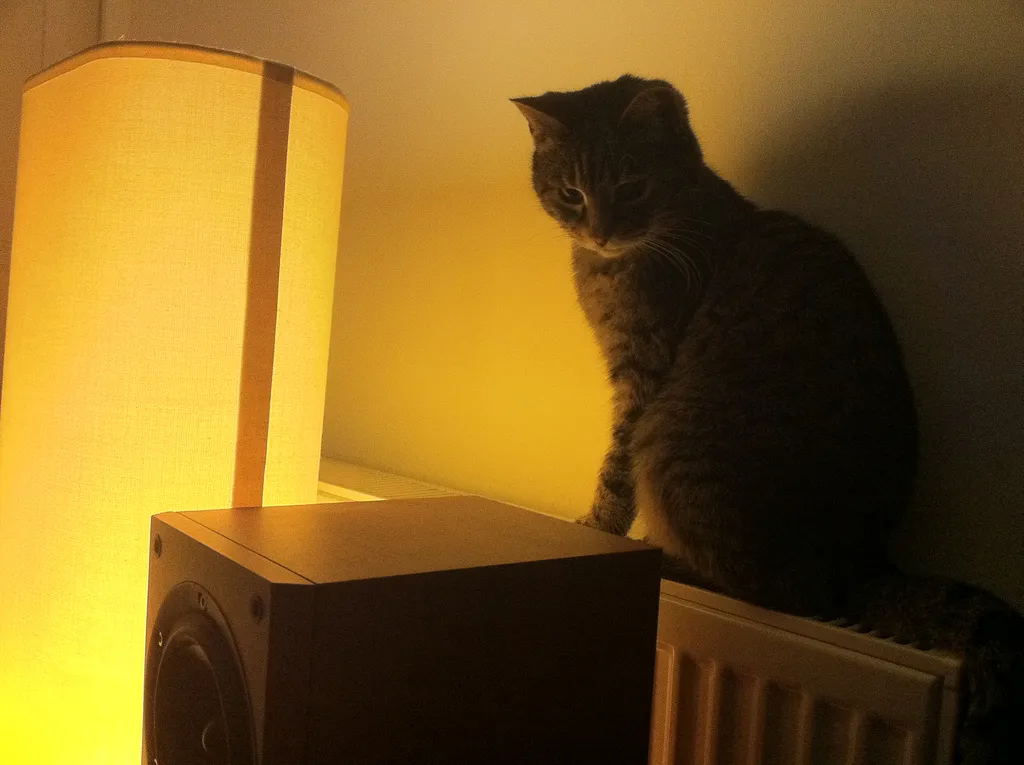
If your senior cat has suddenly become a radiator-hugging, sunbeam-chasing heat-seeker, that’s not laziness – it’s physiology. Cats love warm places, and senior cats especially will seek out a warm spot.
Warmth genuinely soothes aging joints, which is why a comfortable senior cat gravitates toward heating vents, laptop chargers, and any patch of afternoon sun she can find. This is one of the easiest comfort signs to support at home – a heated cat bed or a warm blanket near her favorite window can make a visible difference in how relaxed she looks. It’s a small environmental fix with an outsized payoff, similar to the adjustment behind #7.
#7 – Her Weight Is Holding Steady
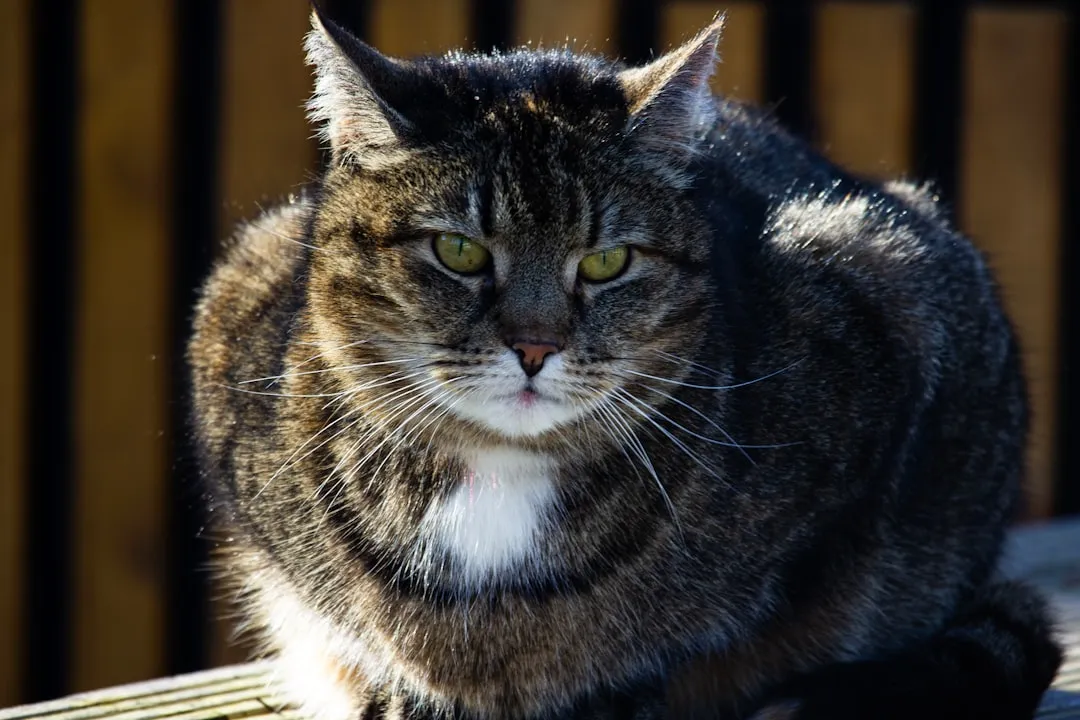
A lot of owners think weight loss in old cats is inevitable. It isn’t – and steady weight is actually one of the strongest comfort indicators there is. The goal is for cats to enter their senior years at appropriate weights and stay there as they age, since older cats shouldn’t lose or gain weight even though metabolic changes may shift how much they need to eat.
A cat maintaining a stable, healthy body condition is quietly telling you her organs, appetite, and digestion are all still working the way they should. That stability matters because several diseases common in senior pets – cancer, hyperthyroidism, diabetes, kidney disease, dental problems, heart disease – can all trigger unexplained weight loss.
Quick Compare
- Normal aging: weight stays steady, appetite stays consistent from month to month
- Cause for concern: noticeable weight loss even with a normal or bigger appetite
- Also watch: unexplained weight gain, often tied to slower activity or metabolic shifts
- Best practice: a quick monthly weigh-in catches changes long before they’re visible to the eye
No drama on the scale is, ironically, one of the most dramatic wins in senior cat care. Next up: a grooming detail almost every owner overlooks.
#8 – Her Coat Still Looks Smooth, Not Matted
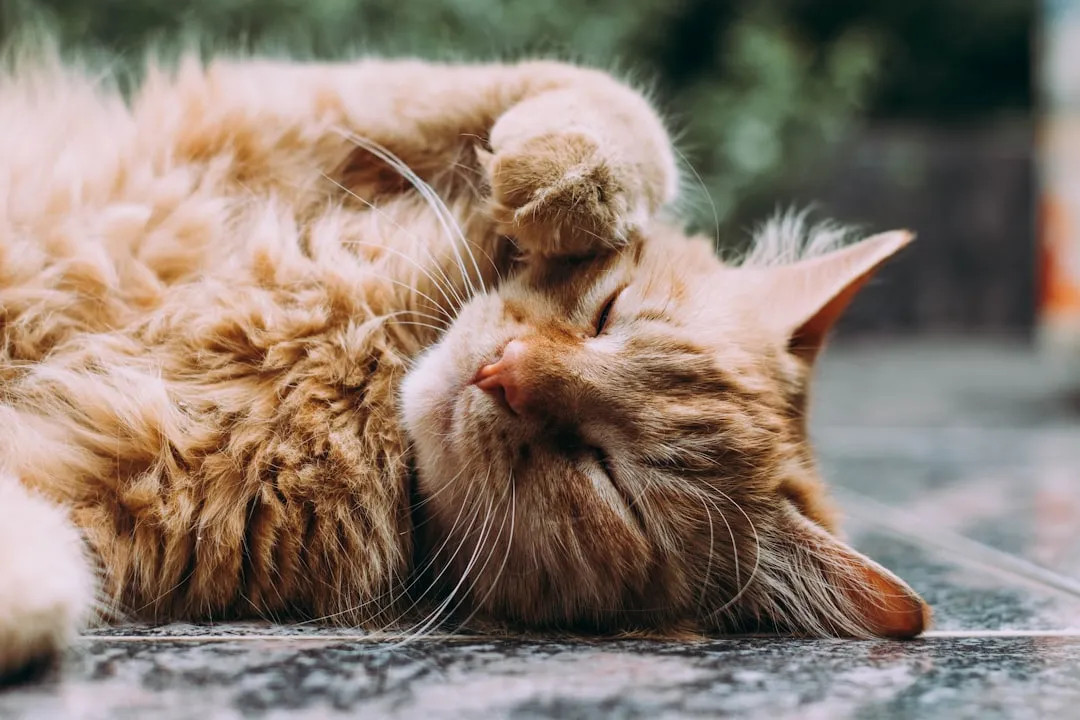
Run your hand down her back. What you feel says more about her comfort level than almost anything else. A healthy senior cat’s coat should still feel smooth, but if it becomes matted, dull, or coarse, it could mean she’s in pain or feeling unwell.
Grooming takes real flexibility, and a cat aging comfortably still manages to keep herself relatively presentable, even if she needs a little brushing help these days. Regular brushing keeps her coat smooth and glossy, and a quick ear check matters too, since ears tend to get waxier with age.
A cat who lets you brush her – and still looks halfway decent between sessions – is telling you her joints and her mood are both in a good place. Sign #9 is one vets say gets dismissed as “just getting old” way too often.
#9 – She’s Eating and Drinking Consistently
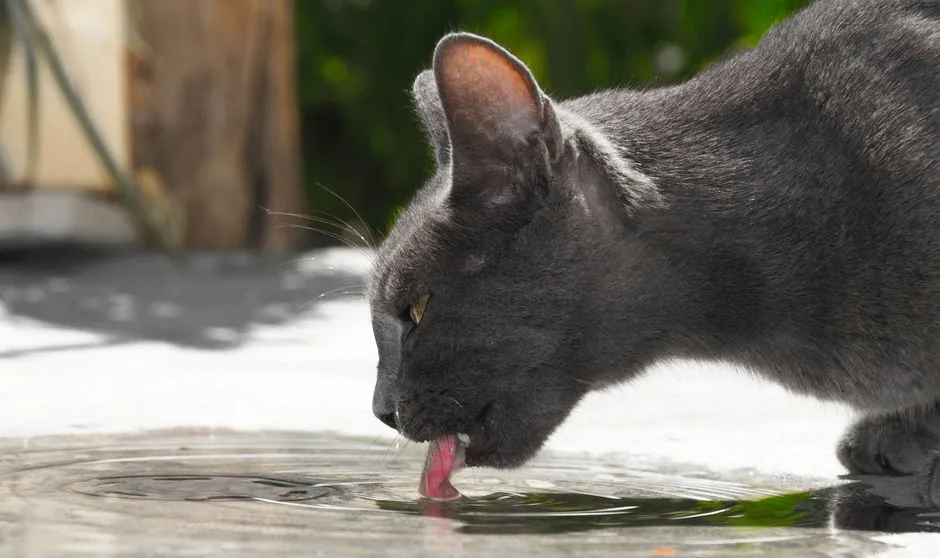
Consistency is the underrated hero of senior cat wellness. A cat aging gracefully eats around the same amount at the same times, and drinks water without dramatic spikes or drop-offs.
That predictability matters because deviations are often the earliest clue something’s wrong. Eating noticeably more or less than normal can both signal illness, and thirst changes deserve just as much attention.
Dehydration is common in older cats, especially those with kidney disease. A quick check: gently pull up the skin between her shoulder blades – if it takes more than a couple of seconds to settle back, or her eyes look sunken or glassy, dehydration may be the cause. Boring, steady eating and drinking habits are genuinely a great sign, and they set up the comfort-driven behavior in #10.
#10 – She’s Comfortable With a Few Environmental Tweaks
A cat who adapts easily to ramps, low-sided litter boxes, and easier-access food bowls is showing you real behavioral flexibility – and that flexibility is a comfort win, not a defeat. Environmental modifications like ramps and extra litter boxes improve senior cat comfort significantly.
Here’s the mildly controversial part: many owners resist making these changes because it feels like giving up on the cat’s independence. Most vets argue the opposite – waiting too long to adapt the home is the real mistake.
Senior cats sometimes struggle to navigate stairs just to reach their bowls, so easy access to food and water matters more than pride does. A cat who settles into her ramp or her new low-entry litter box without a fight is aging exactly the way she should – and sign #11 is the flip side of a behavior everyone assumes is “just cat weirdness.”
#11 – Her Vocalizing Has a Clear Pattern
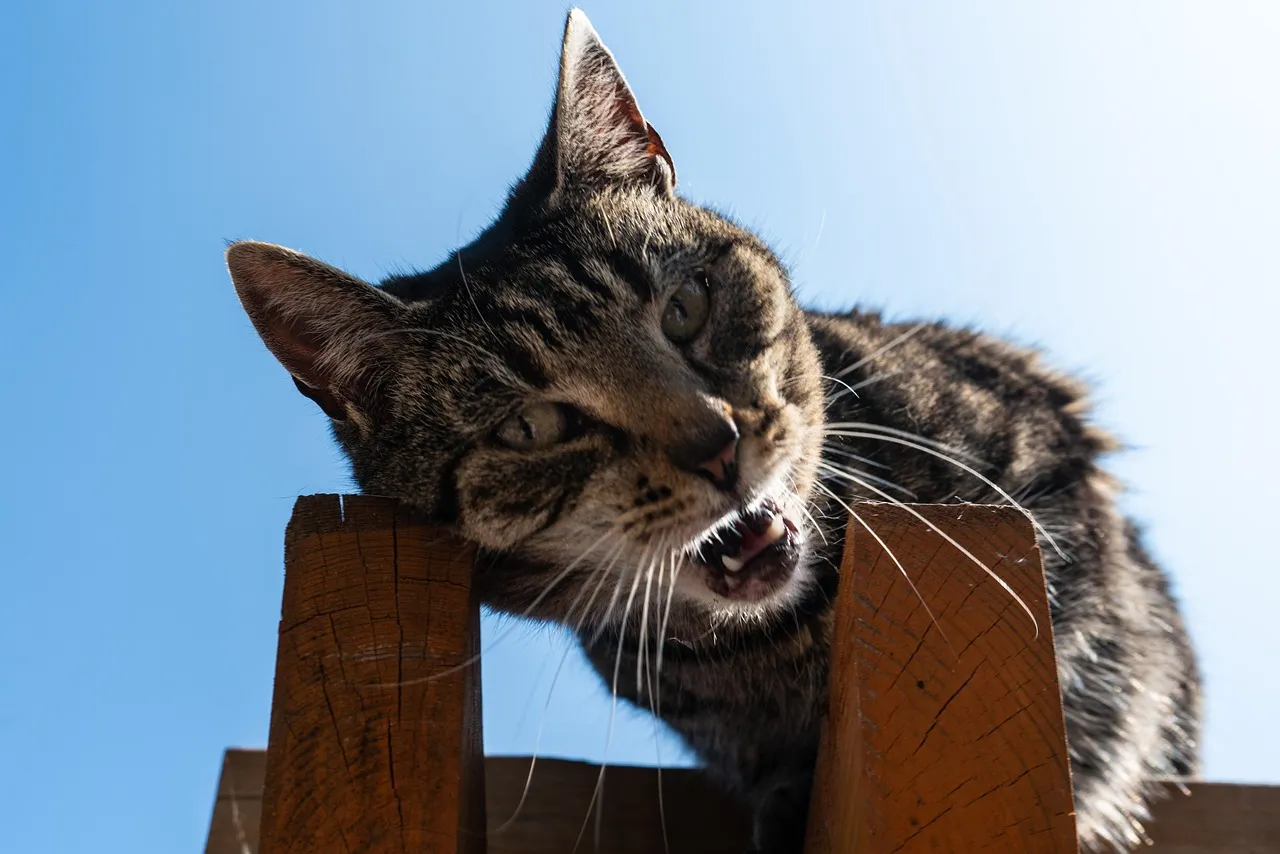
Senior cats often get chattier, and that alone isn’t alarming – context is everything. Some older cats become more vocal as they age, which may be a way to express discomfort, especially if they’re experiencing cognitive decline or pain.
A cat comfortably aging tends to vocalize in predictable moments – mealtime, greeting you at the door, or asking to be let outside. The concerning version looks different: yowling that starts for no obvious reason, especially at night, paired with trouble settling down.
Worth Knowing
- Clinical signs of cognitive decline appear in roughly 28% of cats aged 11 to 14
- That figure climbs to over half of cats aged 15 and older
- Nighttime yowling paired with disorientation is a common early cognitive symptom
- Purposeful meowing tied to routines like mealtime or greetings is a normal aging trait, not a red flag
That distinction matters more than owners realize. Purposeful, patterned meowing is genuinely reassuring compared to random nighttime yowling, and that same “purposeful versus random” test applies to #12.
#12 – She Still Plays – Just Gentler
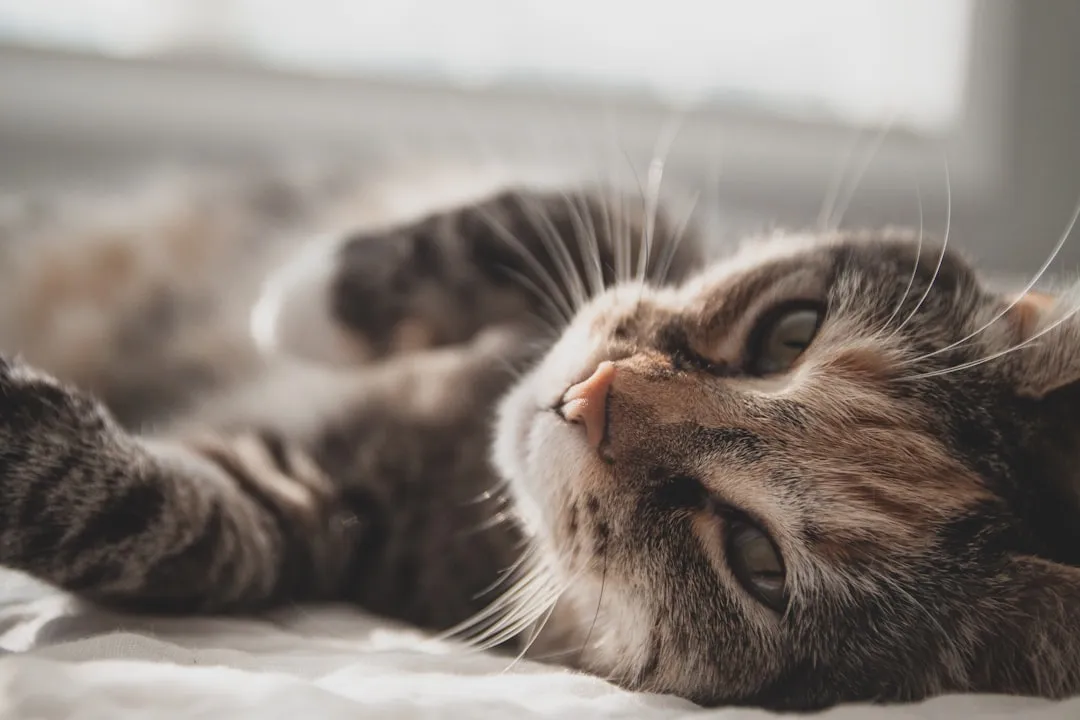
A senior cat who’s lost all interest in toys isn’t automatically fine, and a senior cat who still swats at a feather wand isn’t automatically healthy – but gentle, occasional play is one of the clearest signs of comfortable aging there is.
Most people assume senior cats should just be left alone entirely, but that’s arguably the wrong call. It’s important to respect her slower pace while still encouraging gentle activity to keep her fit and engaged.
A short, low-intensity play session that ends with her walking away satisfied – not limping, not overly winded – is a strong sign she’s aging well rather than shutting down. This is one of the more debated points among cat owners, and it leads straight into #13.
#13 – She’s Sticking to a Predictable Routine
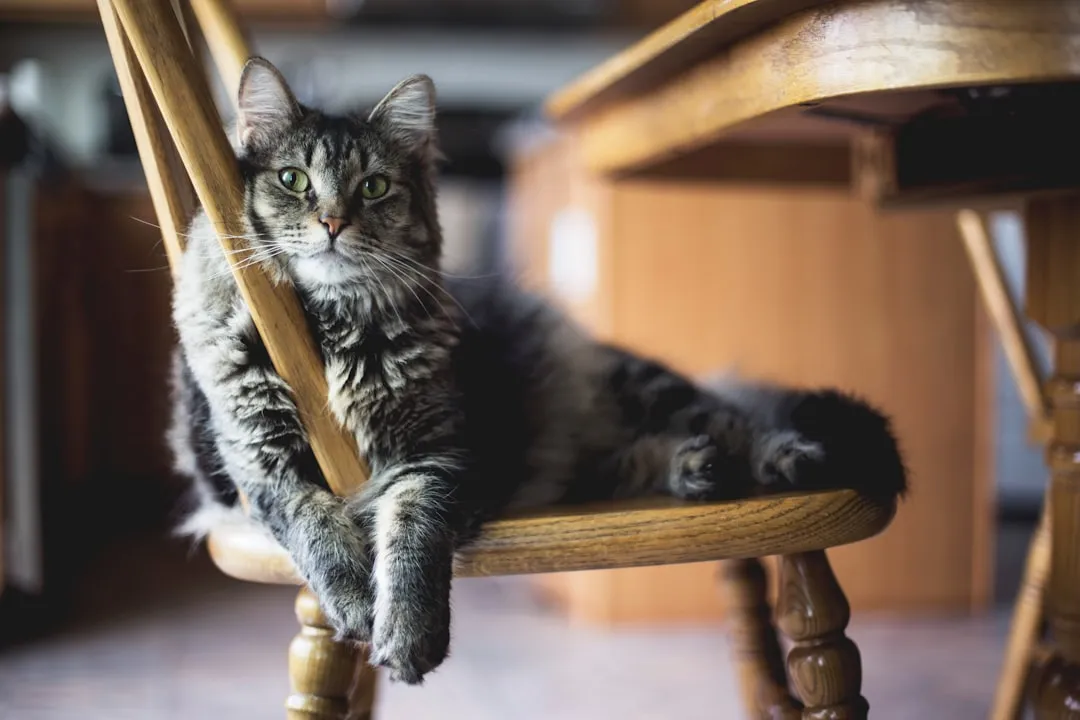
Cats thrive on predictability at any age, but for seniors it becomes almost medicinal. Older cats become strongly attached to their environment and routines – they are bonded to them, comforted by them, and reassured by predictable days.
A cat aging with grace tends to keep a consistent schedule – same nap spots, same feeding times, same greeting rituals. Senior cats often ask for care in very quiet ways, and a little more support, easier access to essentials, and a warmer resting place can make a real difference.
Disruptions to that routine – new furniture, a moved litter box, unfamiliar guests – tend to hit senior cats harder than younger ones. A cat who calmly settles back into her routine after a small disruption is showing genuine resilience, which brings us to the sign most vets call the single best comfort indicator there is.
#14 – Her Eyes Are Bright and Engaged
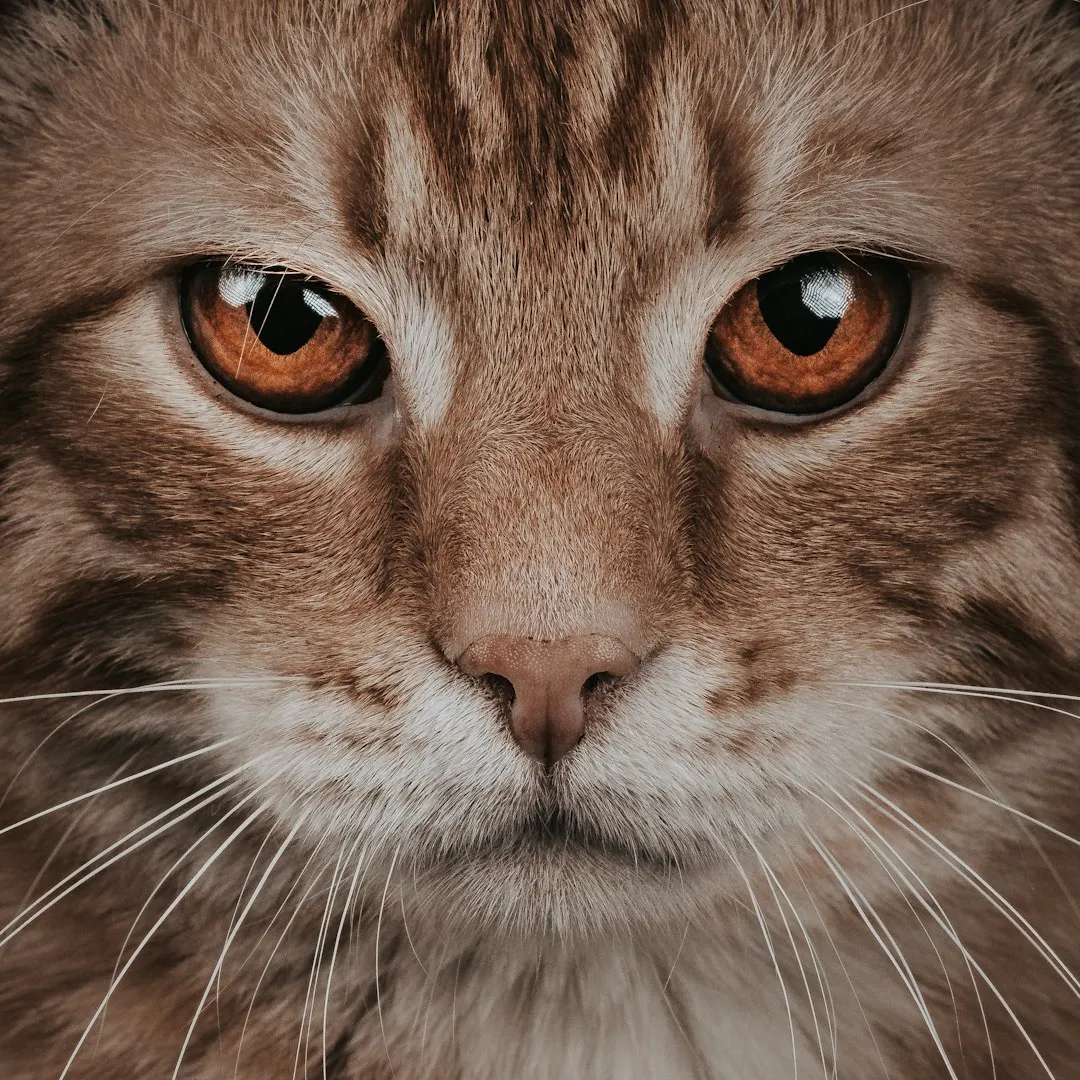
Forget the coat, the appetite, even the weight – many veterinarians say the eyes tell the real story. A senior cat aging comfortably still tracks movement across the room, still watches birds out the window, and still meets your gaze with genuine curiosity rather than a glazed, disoriented stare.
That alertness matters because visual and cognitive decline often show up subtly first. Pawing at the eyes more often, excessive blinking, or bumping into things can all be primary signs of aging, or medical conditions such as heart disease, glaucoma, or even cancer. A cat whose eyes stay clear, responsive, and genuinely interested in her surroundings is arguably showing the single most reassuring sign of all – that despite the slower body, the mind and spirit are still very much present.
Why It Stands Out
- Bright, tracking eyes suggest intact vision and cognitive engagement
- Excessive blinking or bumping into furniture can hint at underlying disease
- Eye changes often surface before other visible symptoms of illness show up
- Consistent eye contact and curiosity are among the strongest signs of overall wellbeing
The Bottom Line
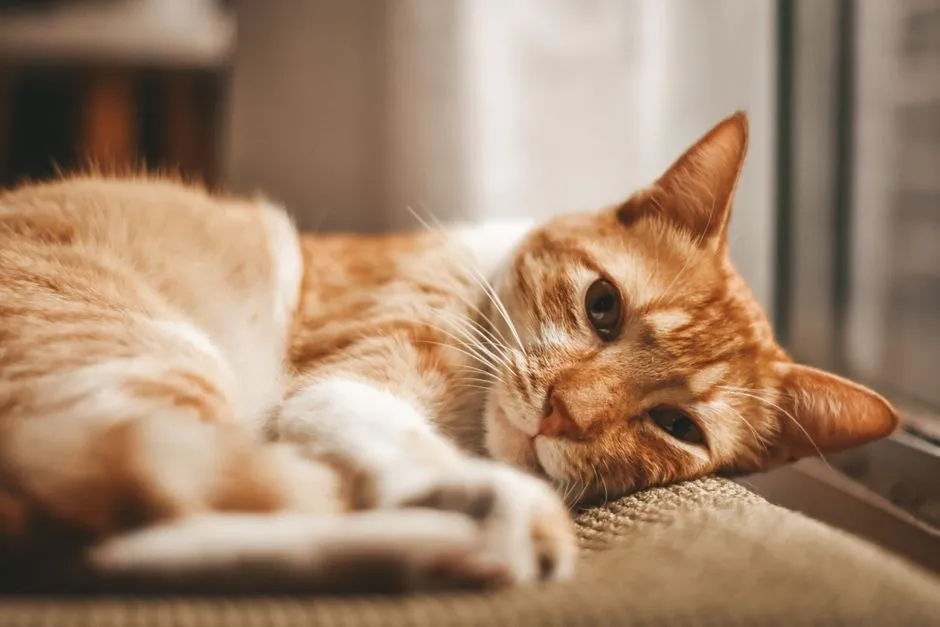
Aging cats aren’t fragile – they’re adapting, and most owners misread that adaptation as decline. The real dividing line was never about slowing down; it’s whether the slowdown comes bundled with stiffness, weight loss, confusion, or pain.
A senior cat who sleeps hard but wakes easily, purrs in sunbeams, eats consistently, and still meets your eyes with real curiosity is aging exactly the way nature intended – with comfort, not crisis. We’d argue too many owners rush to the vet over completely normal aging while ignoring the handful of subtle signs that actually matter. Which of these did your cat show first? Tell us in the comments.
