
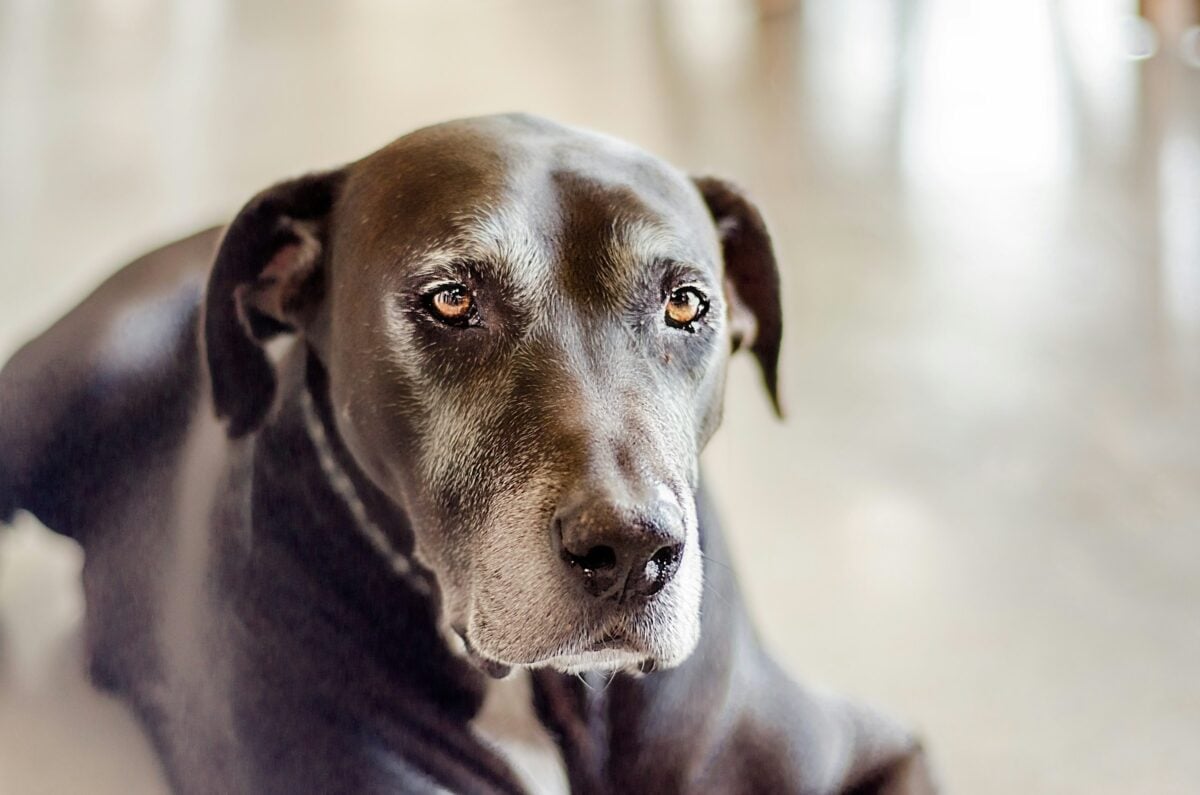
Most people assume a dog’s slowing steps and cloudy eyes mean he’s forgetting you a little more every day. The truth is almost the opposite. Veterinary behaviorists have long noticed that senior dogs don’t lose their emotional memory – they lean into it harder, using small, deliberate habits to stay tethered to the person who raised them.
That head resting on your knee. That specific spot by the door he still refuses to give up. That stubborn insistence on sleeping next to your shoes instead of his own bed. None of it is random, and once you know what’s actually behind these habits, you’ll never look at your old dog’s quirks the same way again.
#1 – He Follows You From Room to Room Like Your Shadow
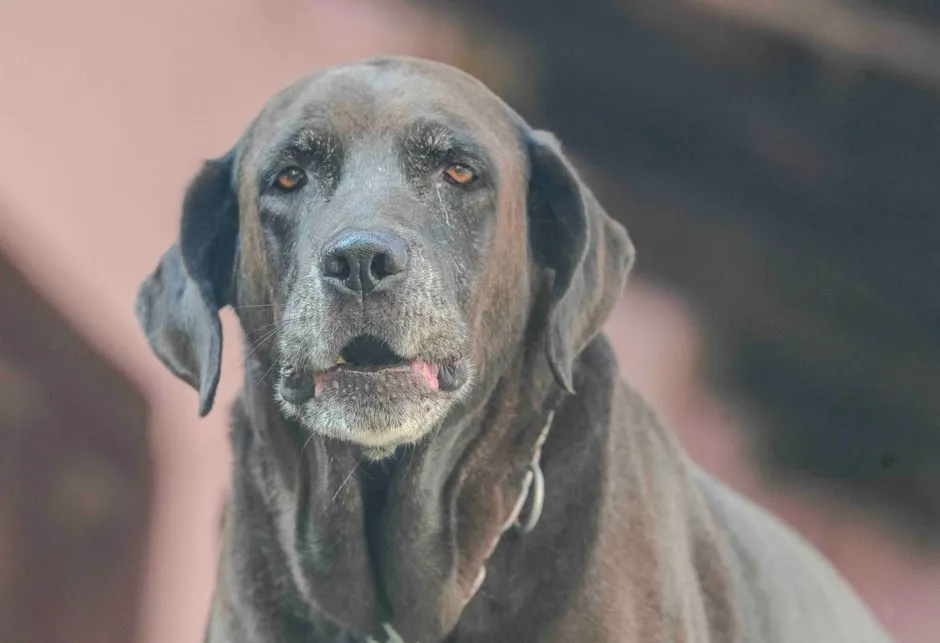
An old dog trailing behind you on every errand around the house isn’t confusion – it’s devotion in motion. This behavior, sometimes called “Velcro dog syndrome,” tends to intensify with age rather than fade, and many owners notice it becomes almost constant in a dog’s senior years. The surprising part is that this clinginess often has nothing to do with anxiety at all.
Instead, trainers point to it as a dog reinforcing his sense of security by staying physically close to the person he associates with safety. Younger dogs might wander off to chase a squirrel or investigate a new smell. It’s less about needing supervision and more about wanting proximity to the bond that’s mattered most his whole life. Next, though, comes an even smaller gesture that many behaviorists call one of the purest signs of trust a dog can offer.
Fast Facts
- Dogs are typically considered “senior” somewhere between age 6 and 10, with large breeds aging faster than small ones.
- Attachment behaviors like shadowing an owner often increase, not decrease, in a dog’s final years.
- Oxytocin, the same bonding hormone tied to human relationships, rises in both dogs and owners during affectionate contact.
- Trainers often describe senior clinginess as security-seeking rather than separation anxiety.
#2 – He Rests His Head or Paw on You Without Being Asked
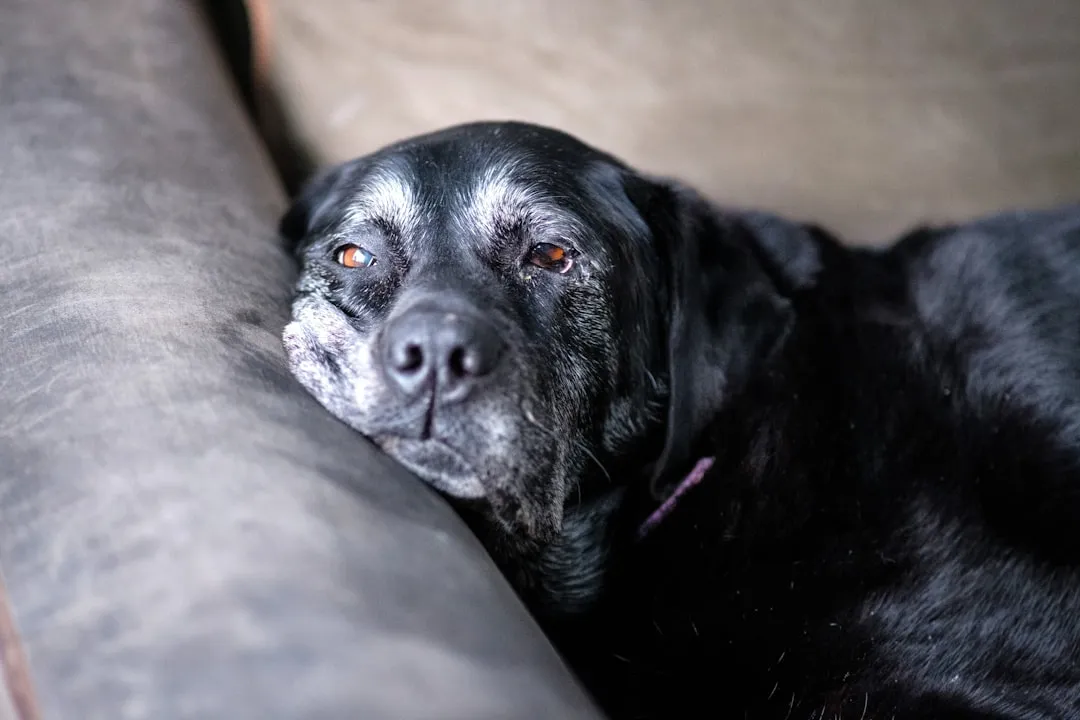
This small, deliberate gesture is one of the clearest physical signs of trust an aging dog can offer. A paw placed on your leg or a head dropped gently onto your lap isn’t a request for food or attention – it’s often simply contact for contact’s sake. Many behaviorists consider this one of the purest displays of canine affection, distinct from attention-seeking behaviors tied to hunger or boredom.
Older dogs, having spent years learning your rhythms, tend to initiate this contact more selectively than younger dogs still figuring out the relationship. It usually happens during quiet moments – while you’re reading, watching television, or simply sitting still. Some owners even report their senior dog choosing this exact spot over a soft bed nearby. That kind of loyalty gets even stranger once you notice how precisely his internal clock tracks you.
#3 – He Still Waits by the Door at the Same Time Every Day
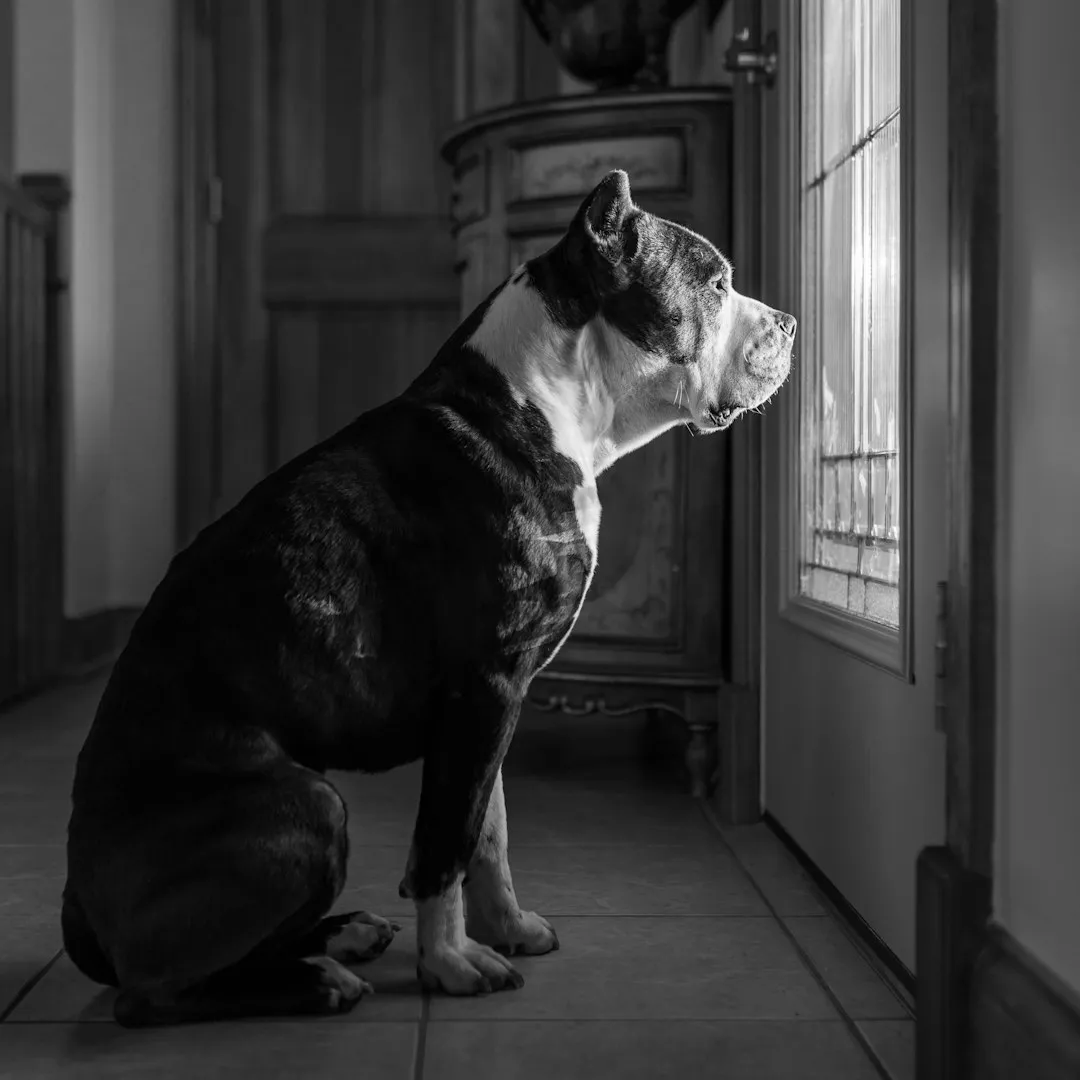
Old dogs are creatures of remarkable routine, and few behaviors reveal a strong bond quite like consistent, time-based waiting. Whether it’s the sound of your car, the click of a particular door, or simply the internal clock built from years of repetition, senior dogs often anticipate your arrival with startling precision. This isn’t guesswork – it’s a memory pattern built from thousands of repeated cues.
Dogs are highly attuned to schedule and routine, and years of reinforcement only sharpen this skill in older age. While puppies might miss the signal entirely, distracted by new stimuli, senior dogs have had a lifetime to lock in on your patterns. Some owners even notice their older dog shifting positions minutes before they’re due home, as if the anticipation itself is a comfort. That same precision shows up in something even more surprising – the way he can pick your voice out of a crowded room.
#4 – He Recognizes Your Voice From Another Room
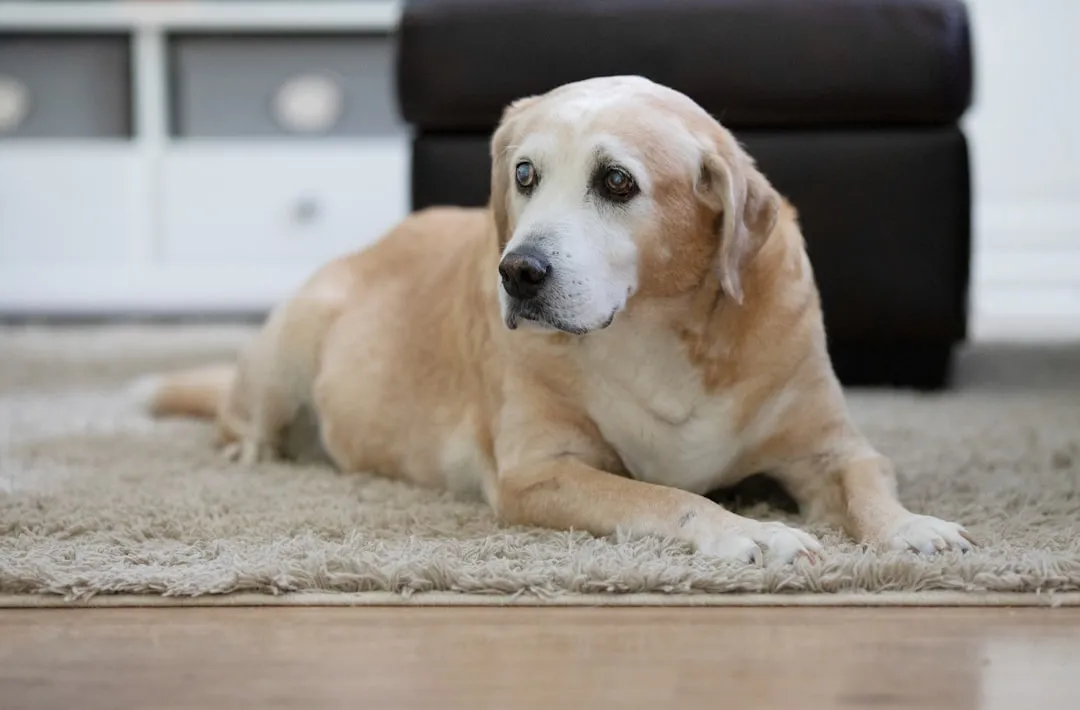
An old dog’s ears may not catch every sound anymore, but his recognition of your specific voice often stays remarkably sharp. Many owners notice their senior dog’s ears perk instantly at the sound of their voice, even amid other noise or conversation, distinguishing it from strangers’ voices with ease. This selective recognition tends to sharpen, not dull, with age and years of familiarity.
Unlike younger dogs still learning to differentiate between household voices, older dogs have had years to build an acoustic map of the people they trust. This is why a senior dog might sleep through a doorbell but instantly wake at the sound of your specific footsteps or your particular tone of voice. It’s a small reminder that hearing loss doesn’t erase emotional memory. And if you think that’s impressive, wait until you see what his memory does with old commands.
#5 – He Still Remembers Commands From Years Ago
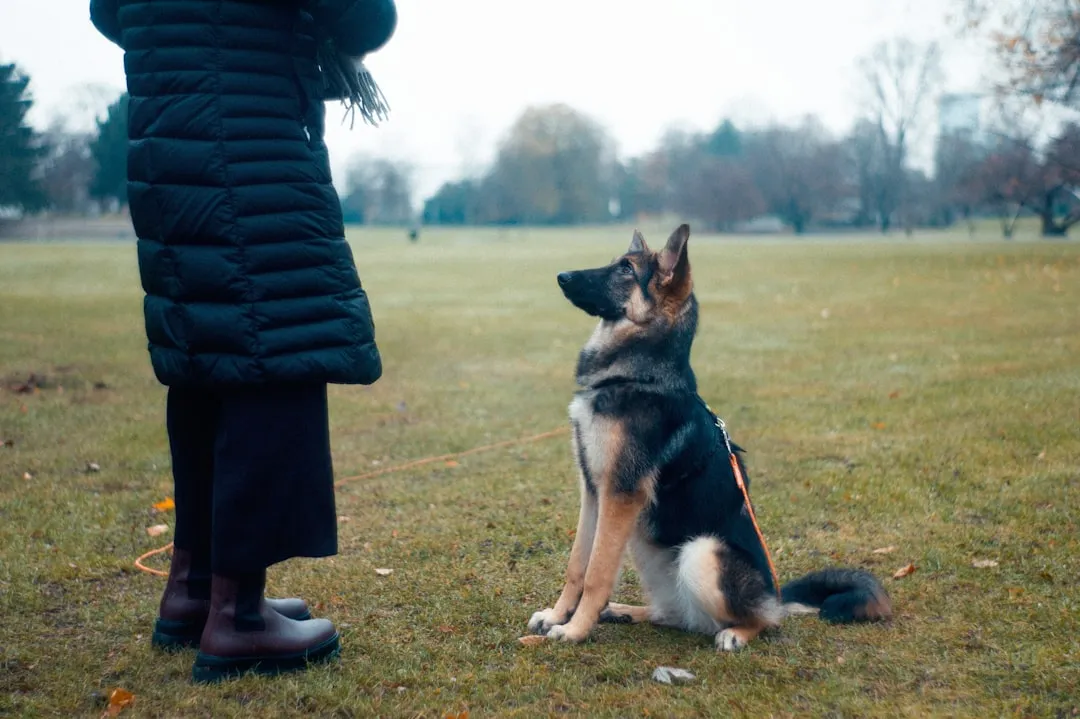
It’s a common myth that old dogs forget their training, but the truth is usually the opposite – commands learned early often stick the longest. Long-term memory in dogs tends to be far more durable than short-term memory, which is why a senior dog might struggle to remember where he just put a toy but instantly respond to a “sit” cue from a decade ago.
This is especially true for commands tied to strong positive reinforcement, like sit, stay, or come, which were repeated hundreds or thousands of times throughout a dog’s life. Some trainers argue this reveals something slightly controversial: that consistency in early training matters far more than most new owners realize. An old dog responding instantly to an old command isn’t muscle memory alone – it’s emotional memory tied to you specifically, and that same emotional wiring shows up again in something almost every owner has noticed but rarely thinks twice about.
#6 – He Greets You the Same Way Every Single Time
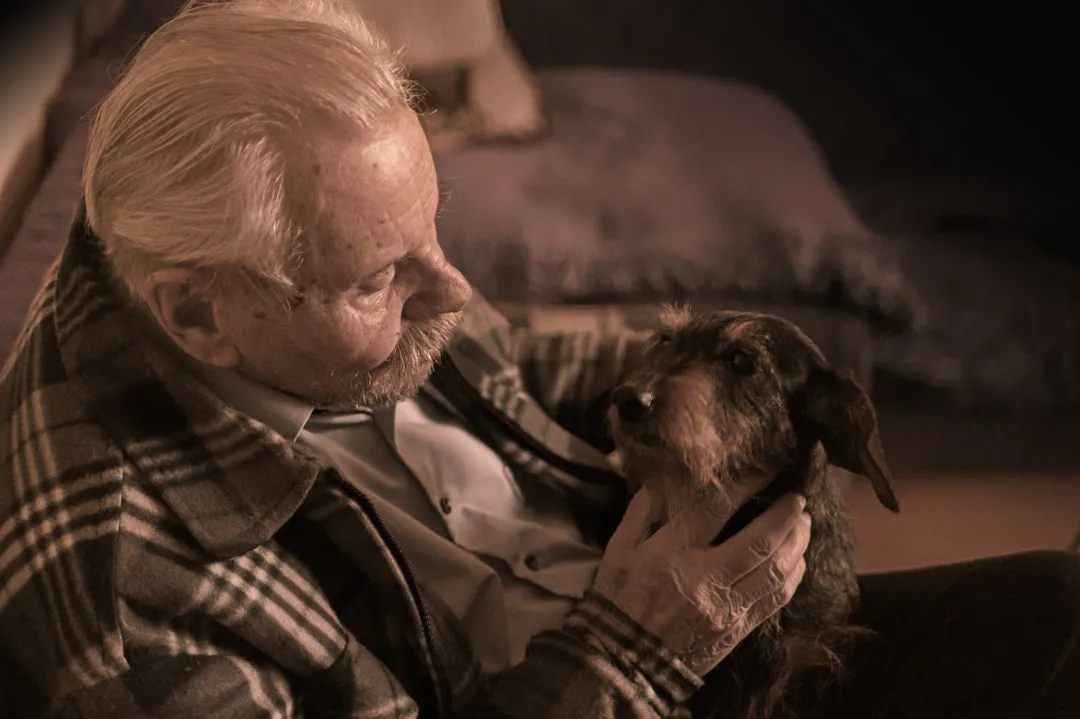
Watch closely, and you’ll notice an old dog often has one signature greeting ritual that never changes – a specific spin, a particular grumble, a nose-to-hand nuzzle he’s done since he was young. This repetition isn’t accidental; it’s a comforting pattern he’s built specifically around you.
Younger dogs often greet everyone the same enthusiastic way, but older dogs frequently develop a distinct greeting reserved almost exclusively for their primary person. Some owners say this is the moment they feel the bond most clearly, because the routine never wavers, no matter how much time has passed or how the dog has aged physically. But greetings are nothing compared to what happens during a thunderstorm.
#7 – He Seeks You Out Specifically During Storms or Loud Noises
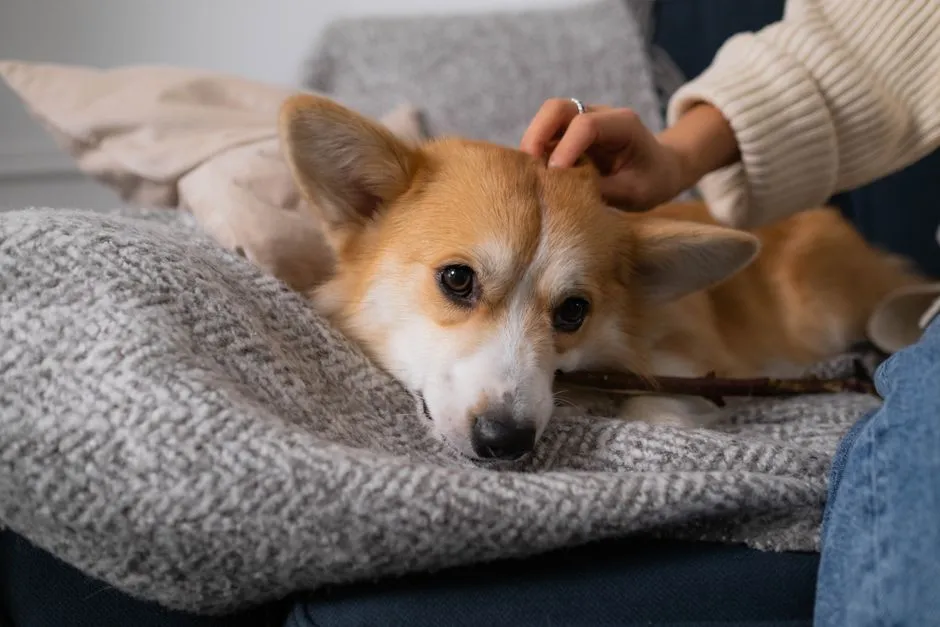
While it’s tempting to assume any anxious dog will cling to whoever’s nearest during a thunderstorm, older dogs are often far more selective, seeking out one specific person for comfort. This targeted behavior suggests something deeper than simple fear – it points to a learned association between you and safety.
Many owners of multi-person households report that their senior dog bypasses other family members entirely during stressful moments, heading straight for the one person who has consistently provided reassurance over the years. This isn’t about convenience; it’s a preference built from a long history of trust. Strangely enough, that same devotion seems to follow him straight into his dreams.
#8 – He Twitches and “Runs” in His Sleep More Often
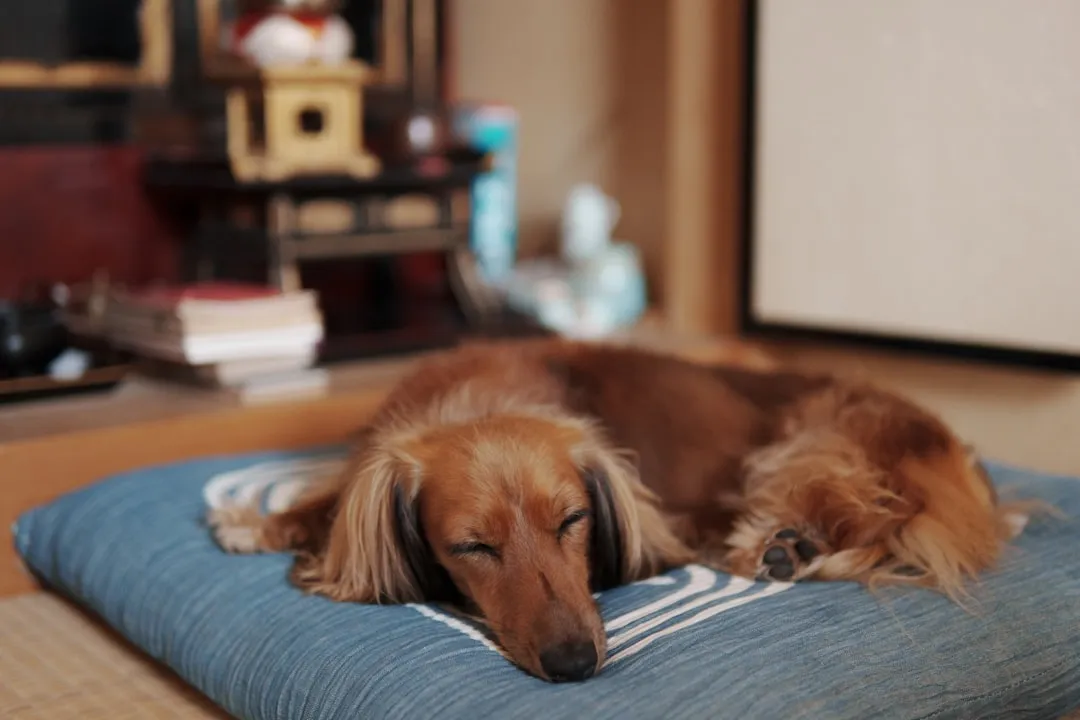
Older dogs often dream more visibly than younger ones, with twitching paws, soft barks, and rapid eye movement becoming more noticeable as they age. Some researchers believe these dream states may replay familiar routines and relationships, not just chasing squirrels.
While no one can prove exactly what a dog dreams about, the increase in visible REM activity in senior dogs has led some experts to speculate that long-term memories, including those tied to their favorite humans, may resurface during rest. It’s a slightly controversial theory, but one gaining traction among behaviorists who study canine cognition. That inner world becomes even more visible in the way he physically leans on you now.
Worth Knowing
- Dogs experience REM sleep cycles similar to humans, which is when most vivid dreaming occurs.
- Senior dogs typically sleep 16 to 20 hours a day, giving them far more opportunity for REM activity than younger dogs.
- Twitching paws, soft vocalizations, and rapid eye movement are classic external signs of a dog in active REM sleep.
- Some canine cognition researchers believe dreams may help reinforce long-term memories, including emotional ones.
#9 – He Leans Into You More Than He Used To
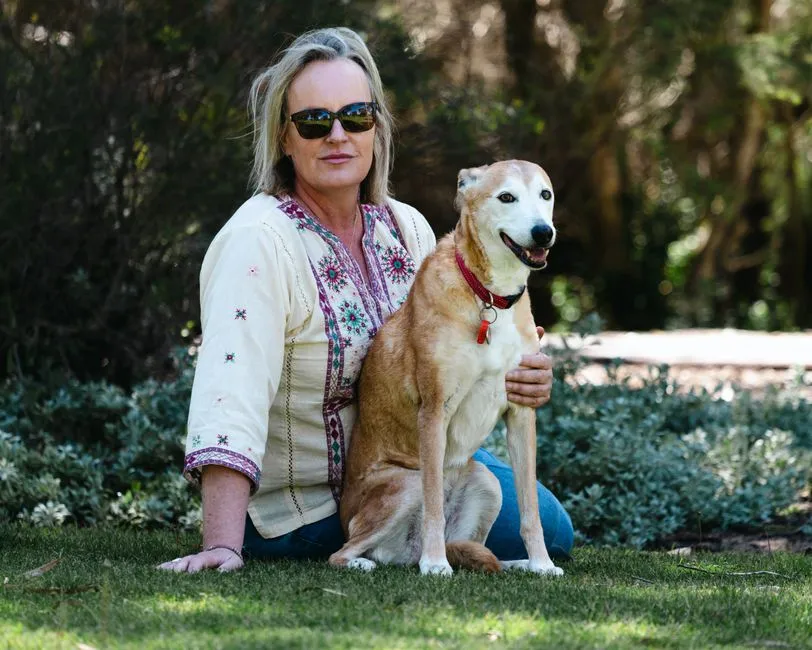
A gentle, sustained lean against your leg is one of the more physical ways an aging dog communicates trust, and it’s a behavior that tends to increase – not decrease – with age. This isn’t about losing balance; it’s a deliberate choice for contact.
Younger dogs are often too busy or too energetic to hold still for sustained physical contact, but older dogs, especially those who’ve spent years by your side, frequently choose to lean rather than simply sit nearby. Some trainers describe this as one of the clearest non-verbal signals a dog can give, a way of saying “I feel safe here” without needing any command or cue. Yet even brief goodbyes can trigger something far more emotional than you’d expect.
#10 – He Reacts Strongly When You Leave, Even Briefly
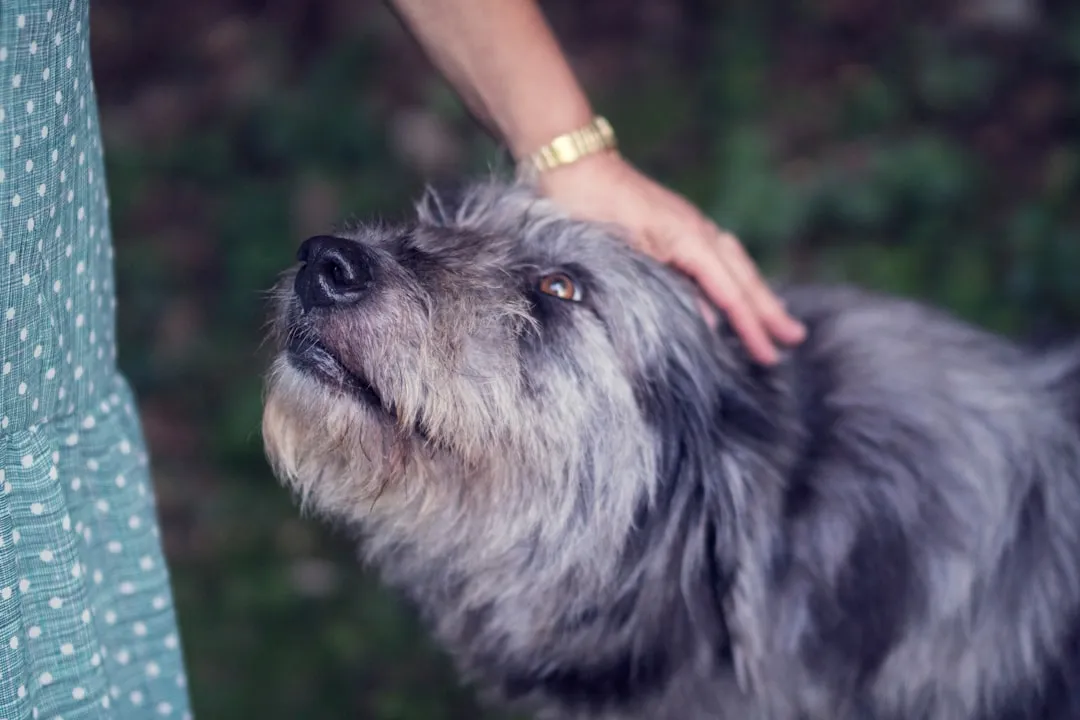
Old dogs often develop heightened sensitivity to your departures, sometimes whining or pacing even for short absences that never used to bother them. This shift isn’t always about anxiety – it’s frequently about a deepened awareness of time and separation built over years together.
While separation-related behavior can have medical explanations in some senior dogs, many behaviorists note that emotional attachment intensifies naturally with age, particularly in dogs who’ve spent a decade or more with the same person. Owners sometimes misread this reaction as regression, when it’s often simply proof of how much the relationship has grown over time. And while his heart clearly remembers you, so does his nose – in a way that rarely fades.
#11 – He Still Recognizes Your Scent Instantly
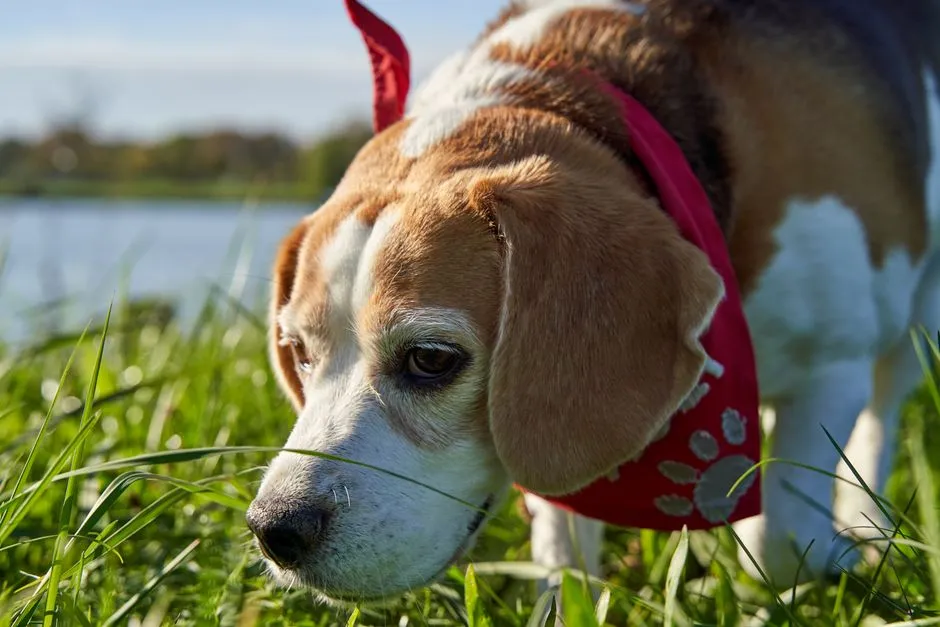
A dog’s nose remains one of the sharpest tools in his aging body, and recognizing your specific scent is something that rarely fades, even when other senses decline. This is one of the most underrated ways an old dog stays connected to you, using scent memory that can last a lifetime.
Unlike hearing or eyesight, which commonly weaken with age, a dog’s sense of smell tends to remain remarkably intact well into his senior years. This means your specific scent – on clothing, bedding, or skin – continues to serve as a powerful anchor point for comfort and recognition. Some owners notice their older dog gravitating toward worn clothing or unwashed blankets specifically because the scent offers reassurance during moments alone. Just as fascinating is what happens when he finally looks you dead in the eye.
Why It Stands Out
- A dog’s sense of smell is estimated to be tens of thousands of times more sensitive than a human’s.
- Dogs have up to roughly 300 million scent receptors, compared to about 6 million in humans.
- Scent memory is often one of the last senses to decline with age, frequently outlasting hearing and vision.
- Familiar scents, like an owner’s worn clothing, can calm an anxious or aging dog faster than sound alone.
#12 – He Makes More Eye Contact Than He Did as a Puppy
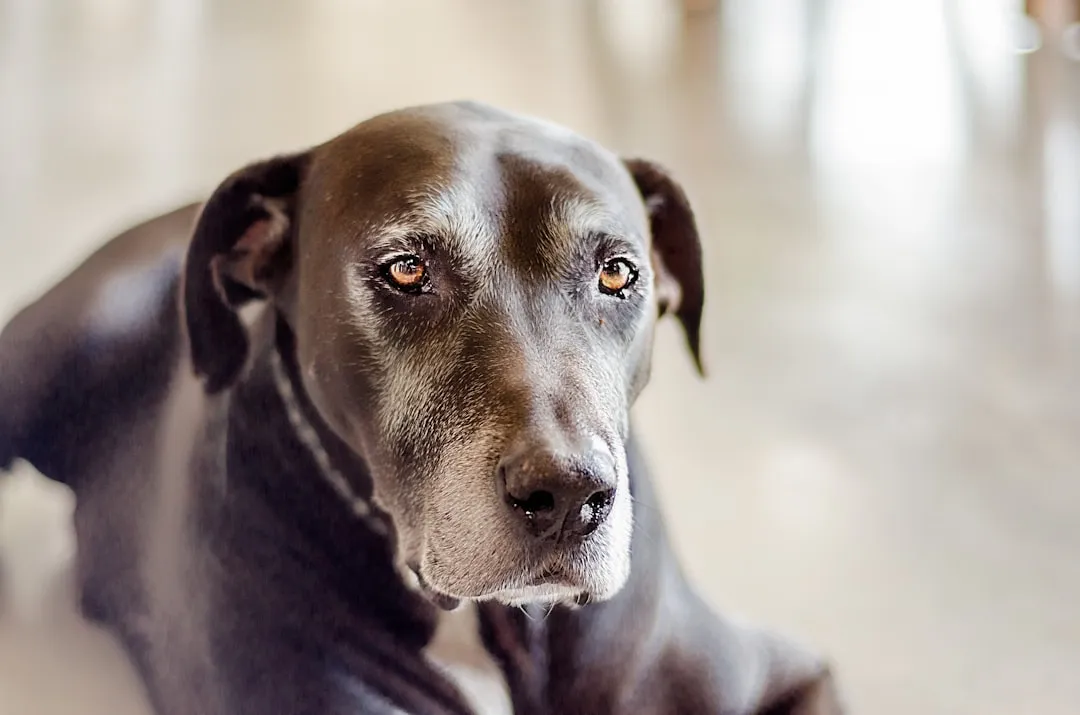
Sustained eye contact between dogs and their owners has been linked to bonding hormones, and many owners of senior dogs report this behavior becoming more frequent, not less, with age. This is a notable shift, since eye contact in dogs is typically a learned social behavior rather than an instinctive one.
Puppies often avoid prolonged eye contact, treating it as mildly confrontational, a holdover from wolf ancestry. Older dogs, however, having spent years learning that human eye contact is safe and even rewarding, tend to seek it out far more deliberately. A long, soft gaze from an old dog isn’t nothing – it’s a learned behavior years in the making, and that same trust shows up in a quieter sound many owners hear every single evening.
#13 – He Sighs Contentedly When You Sit Beside Him
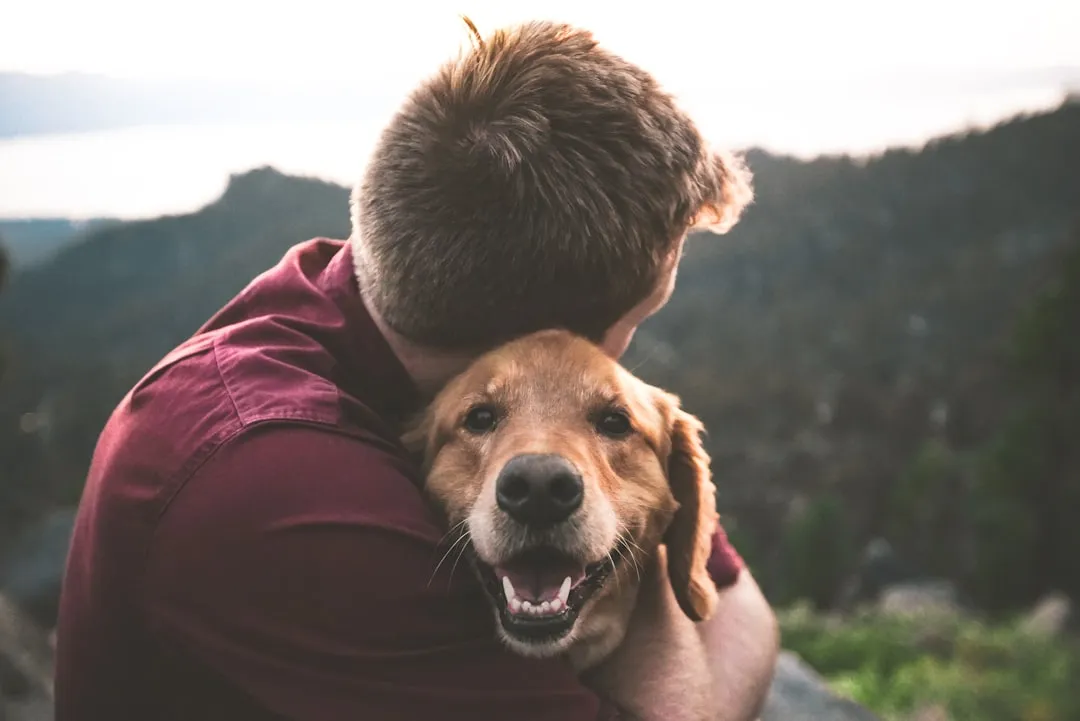
That soft, drawn-out sigh an old dog releases when you finally sit down next to him is often dismissed as simple tiredness, but many trainers read it differently. It’s frequently interpreted as a sign of relaxed satisfaction, a physical release tied directly to your presence.
This sound, paired with a full-body relaxation – ears dropping, muscles loosening – tends to appear specifically when the right person sits close by, not just anyone. Older dogs, having spent years distinguishing your presence from background noise, often reserve this particular response for you alone. It’s a wordless acknowledgment that everything, in this moment, is exactly as it should be. But nothing compares to what happens the instant he hears your name.
#14 – He Still Gets Visibly Excited at the Mention of Your Name
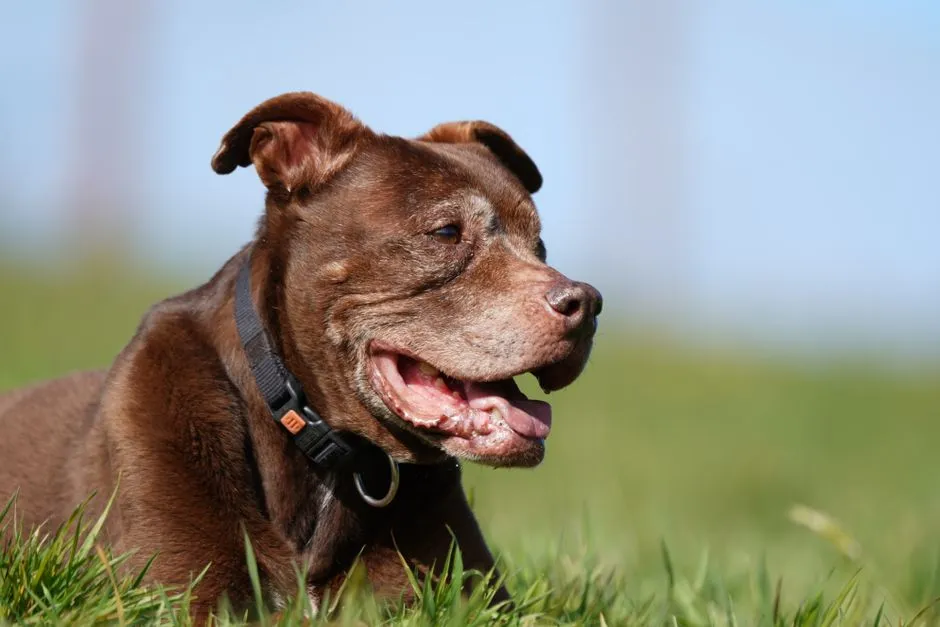
Even in his final years, many old dogs retain a startlingly sharp response to hearing their favorite person’s name spoken aloud – ears perking, tail thumping, eyes darting toward the door. This reaction, more than almost any other, reveals just how deeply memory and bond remain intertwined in an aging dog’s mind.
This isn’t simple word recognition; it’s an emotional association built from years of that name being paired with joy, comfort, and attention. Unlike commands, which are functional, a name carries pure emotional weight, and dogs seem to retain that weight long after other memories have started to fade. For many owners, this is the single most moving proof that their old dog hasn’t forgotten a thing – he’s simply saving his sharpest reactions for the person who matters most.
The Bottom Line: He Hasn’t Forgotten a Single Thing
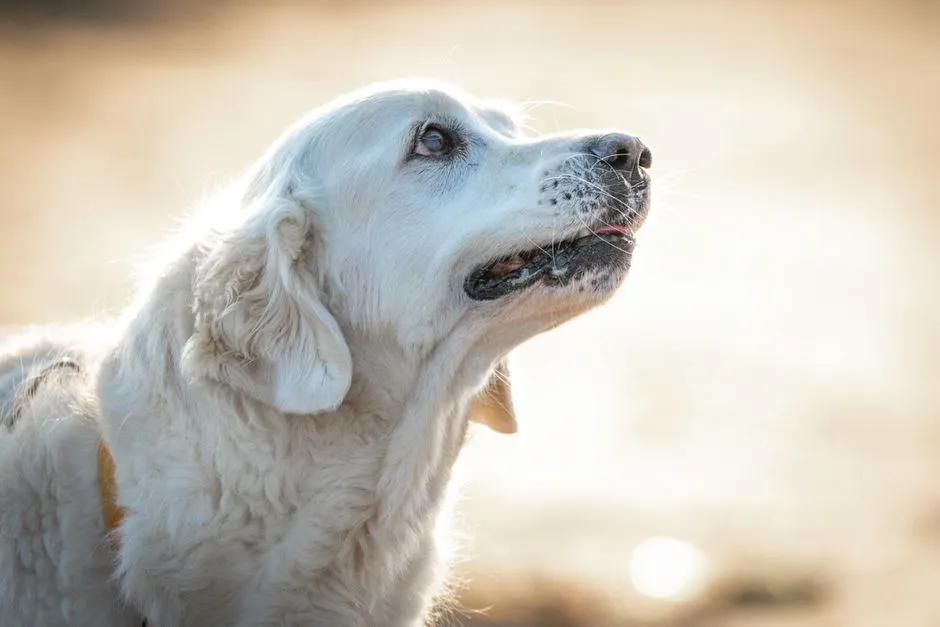
The idea that old dogs slowly forget their people is, frankly, a myth that doesn’t hold up. What actually fades is energy, not emotional memory. From scent recognition to selective eye contact to that unmistakable reaction to hearing your name, senior dogs consistently prove they remember exactly who mattered most, often more intensely than they did as puppies.
Dogs are not our whole life, but they make our lives whole.
Roger Caras
If anything, aging sharpens the bond rather than eroding it – and honestly, that’s the part most people get backwards. The slower steps and the cloudy eyes were never signs of forgetting. They were signs of a dog who’s spent his whole life memorizing you. So which of these behaviors does your old dog show the most? Drop it in the comments and tell us which one hit you the hardest.

- 14 Ways an Old Dog Keeps the Memory of Your Bond Close to Its Heart - July 24, 2026
- 10 Fascinating Facts About the Amazing Osprey - July 23, 2026
- The Impact of Heatwaves on Animal Behavior and Survival - July 23, 2026