
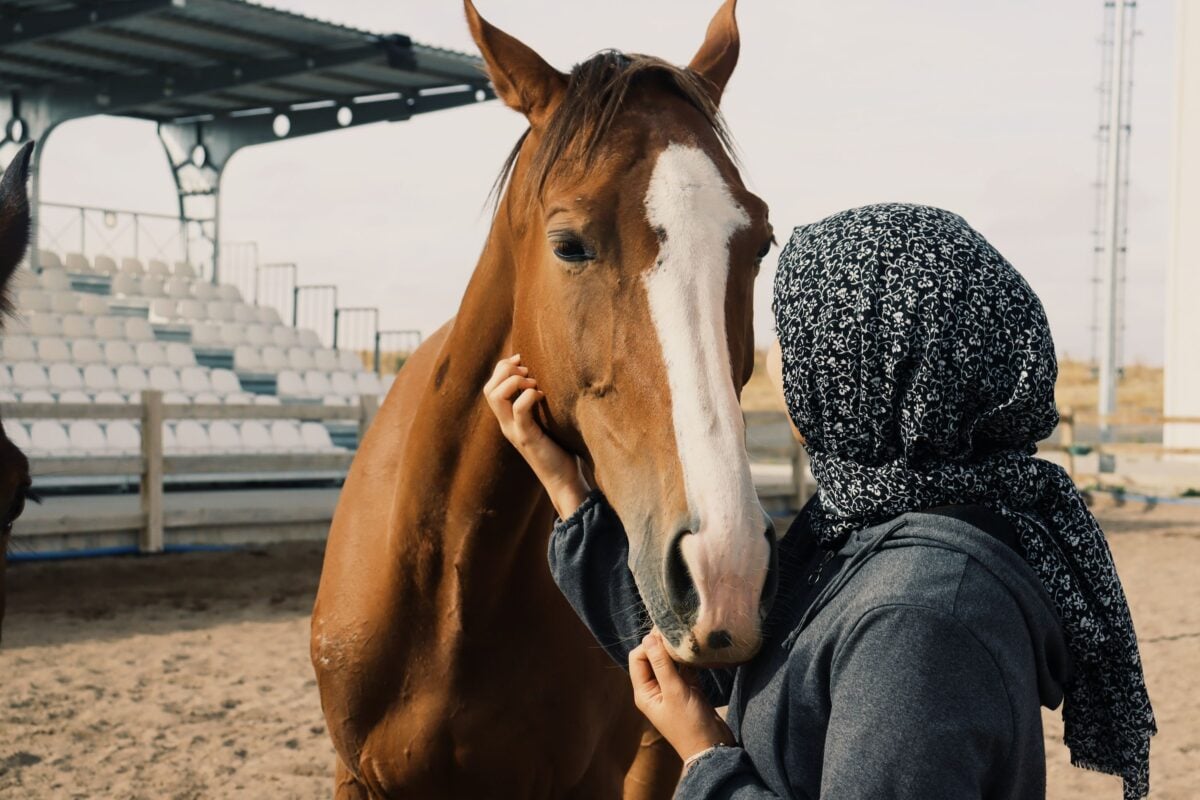
Most people picture a rescued horse as instantly grateful – nuzzling a new owner in some tearjerker movie moment within the first five minutes. The truth is stranger and a lot more uncomfortable. A horse that actually survived abuse usually shows up shut down, glassy-eyed, and eerily still, like something behind their eyes has gone quiet on purpose.
That stillness isn’t peace. It’s survival. The real love story with these horses doesn’t announce itself – it sneaks in through tiny, cautious behaviors that are easy to miss if you’re not watching closely. Stack enough of those small changes together, though, and you get one undeniable truth: this animal has decided, against every instinct wired into its body, that you’re finally safe. Here’s what experienced trainers and rehab rescues actually look for when a once-abused horse has learned to love again.
#12 – The Ears That Finally Point Toward You
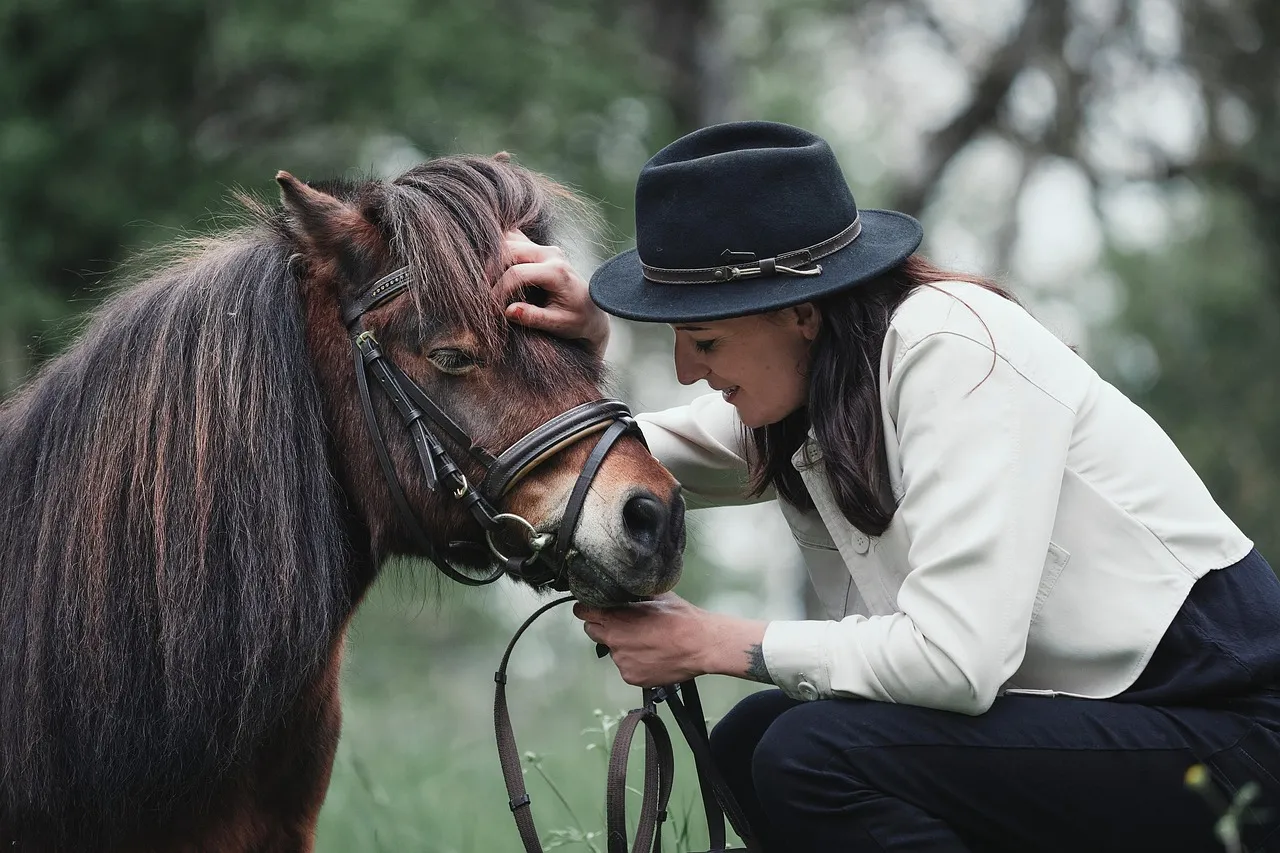
When a traumatized horse first arrives, their ears tell the whole story before you even touch them. Pinned back in warning. Locked rigid in one direction. Flicking constantly in a hyper-vigilance that never seems to switch off, even at rest.
Then, without any big dramatic turning point, those same ears start tipping gently toward you as you walk up. It’s easy to miss. But that soft, forward ear set is often the first honest signal that you’ve moved from “threat” to “interest” in that horse’s mind – and it usually shows up long before anything else does.
Fast Facts
- A horse uses roughly 10 different muscles in each ear – compared to just three in a human ear – to swivel them almost independently.
- That muscle power lets a horse rotate an ear up to 180 degrees without ever turning its head.
- If the ears are held forward and the horse is attentive, it means the horse is listening.
You’ll catch it in small, repeatable moments most visitors would walk right past:
- You step into the barn, and the ears flick toward your voice instead of away from it.
- You rustle a halter, and the horse turns one ear, then the other, tracking you instead of the exit.
A horse who once froze or bolted at the sound of footsteps now chooses to “tune in” to you instead of scanning for a way out. That listening posture is their version of saying, I’m watching you, but I’m not scared right now. Quiet, yes. But in trauma-recovery terms, it’s enormous – and it sets up something even more telling.
#11 – The Eye That Softens Instead of Shutting Down
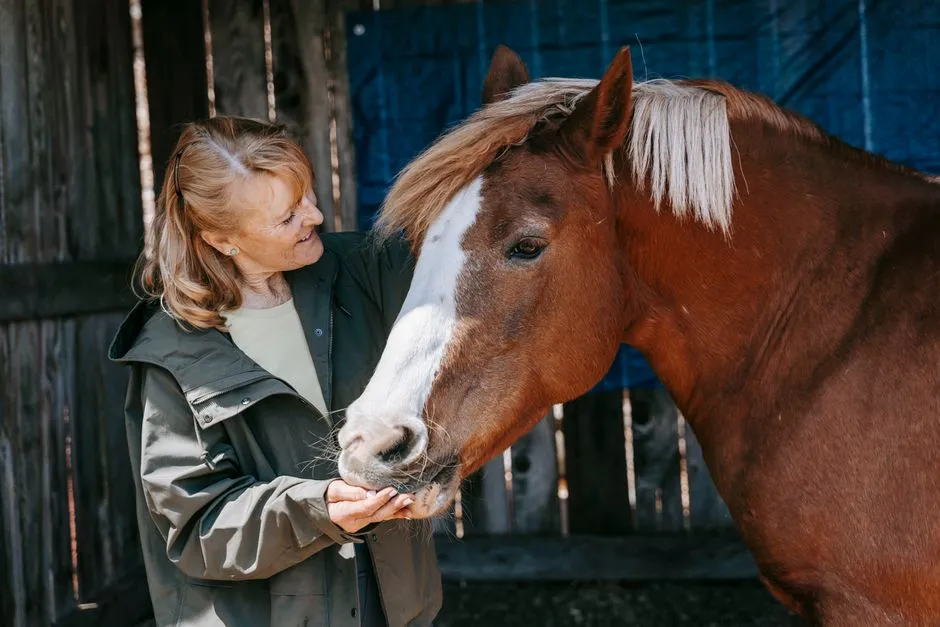
Ask anyone who’s worked in a rehab barn and they’ll tell you they can spot trauma in a horse’s eye from across the arena. It’s tight, hard, and distant. Some abused horses develop a “shut down” stare that looks calm to amateurs but is actually learned helplessness – the horse has simply stopped fighting.
The shift you’re really waiting for is that eye softening: more blinking, less staring, a rounder, calmer expression settling into the face. When a horse starts holding a relaxed lower eyelid around you, it’s often a sign they finally feel safe enough to be present instead of braced.
This doesn’t happen overnight. You’ll see it in flashes at first:
- During grooming, the eye goes from wide and watchful to half-lidded and relaxed.
- In the stall, the horse tracks you with curiosity instead of suspicion.
A once-abused horse that used to brace against every approach now lets the tension melt out of their face. Most visitors never notice it. Horse people do – and once that eye softens, the next shift in body language gets even harder to fake.
#10 – The Body That Chooses to Stand Closer, Not Farther
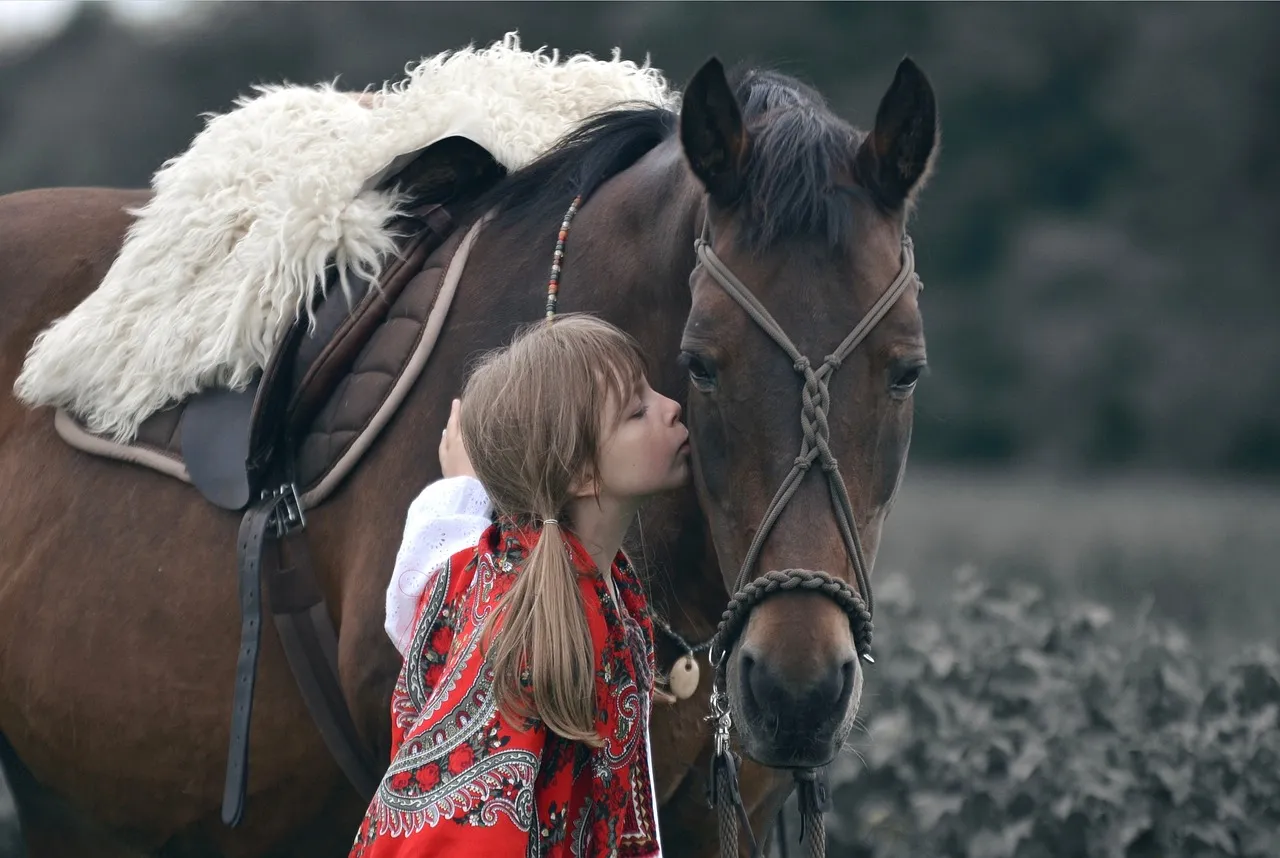
Abused horses learn one rule fast: distance equals safety. Plenty of them will swing their hindquarters away, sidestep from a reaching hand, or glue themselves to the far side of the stall the moment a person walks in.
That’s exactly why it’s such a serious milestone when the same horse quietly starts choosing to stand closer instead of farther. When a horse consistently steps into your space and stays there without tension, it’s one of the clearest signs they now see you as comfort, not danger.
You’ll notice it in everyday routines, not staged moments:
- They drift toward you in the paddock instead of turning their back.
- At the mounting block, they line themselves up instead of inching away.
Some rehab trainers argue that who a horse chooses to stand next to in a field tells you more about trust than any trick or cue ever could. While some owners chase tricks and liberty work for proof of connection, the simple act of quiet proximity is the real love letter – and it makes the next act of trust feel almost reckless by comparison.
#9 – The First Curious Sniff Instead of a Flinch
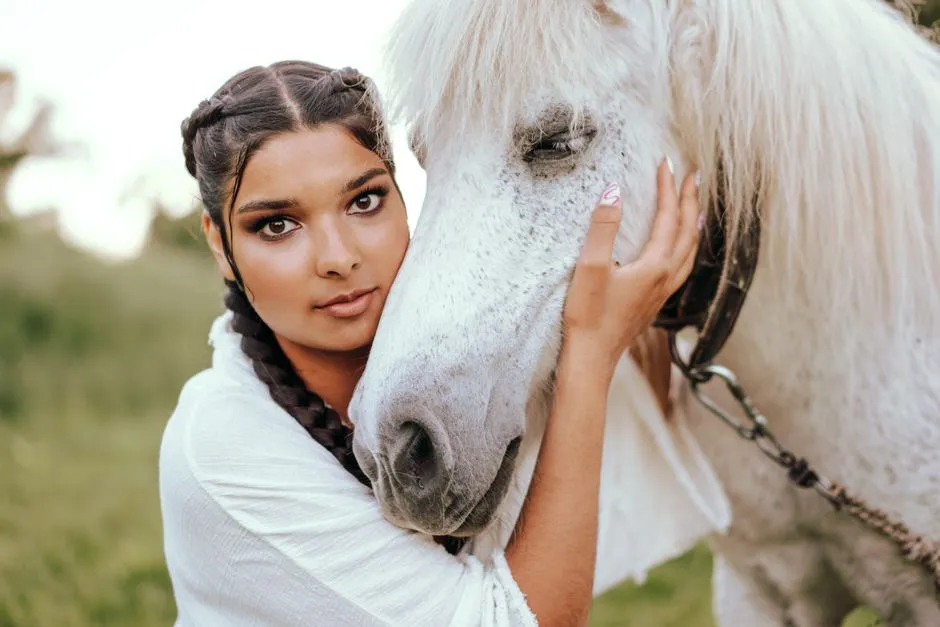
People assume horses are naturally curious. Abuse can beat that curiosity right out of them. A badly handled horse learns to treat every new object, hand, or sound as a potential threat, because curiosity once got them hurt.
That’s why the first genuine, voluntary sniff can feel almost sacred to the people watching for it. The moment a once-fearful horse stretches their nose out to investigate your hand, your jacket, or that noisy brush, they’re choosing curiosity over fear – a genuinely radical act for a prey animal with a trauma history.
Watch the details closely, because they build slowly:
- At first, they reach out, then jerk back the second you move.
- Over time, the stretch gets longer, the nostrils soften, and the neck relaxes.
Some owners write this off as “cute.” In trauma-recovery terms, it’s huge. It means the horse is starting to believe the world – and you – might not always hurt. That tiny sniff is the first flicker of playfulness returning.
#8 – The Playful “Baby” Behaviors Sneak Back In
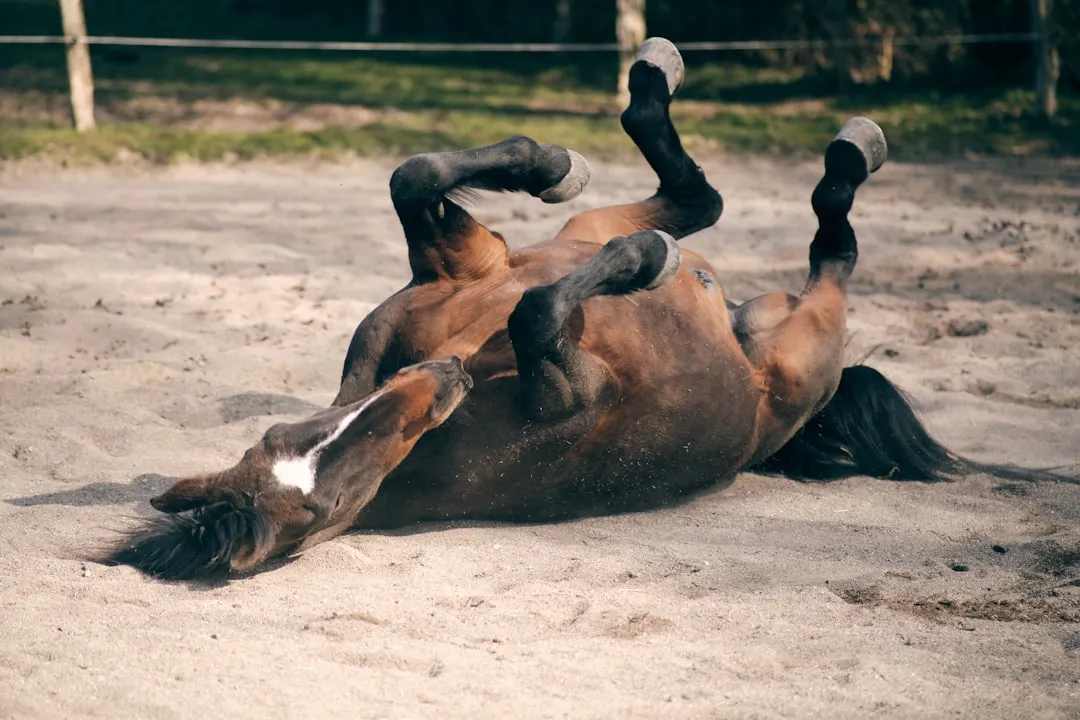
Here’s a controversial truth: a lot of behavior people label as “naughty” in a rescued horse is actually a sign of healing. Abused horses often become overly shut down and robotic, offering zero personality because personality once got noticed – and punished.
So when they start tossing their head, nudging your pockets, or experimenting with little games, many rehab professionals quietly celebrate. Play, when it isn’t aggressive, is a major indicator that the horse finally feels safe enough to be themselves again.
You might see it show up as:
- A gelding who starts following you around the paddock like a big dog.
- A mare who tries to “help” by mouthing the lead rope or your zipper.
Boundaries still matter, of course – play can’t turn into dangerous pushiness. But if you correct every spark of personality out of a rescued horse, you can unintentionally rebuild the same emotional prison they just escaped. The goal is to channel that curiosity, not crush it. And when that playfulness eventually shows up under saddle, it usually arrives alongside a much bigger breakthrough.
#7 – The Moment They Stop Bracing Against the Halter
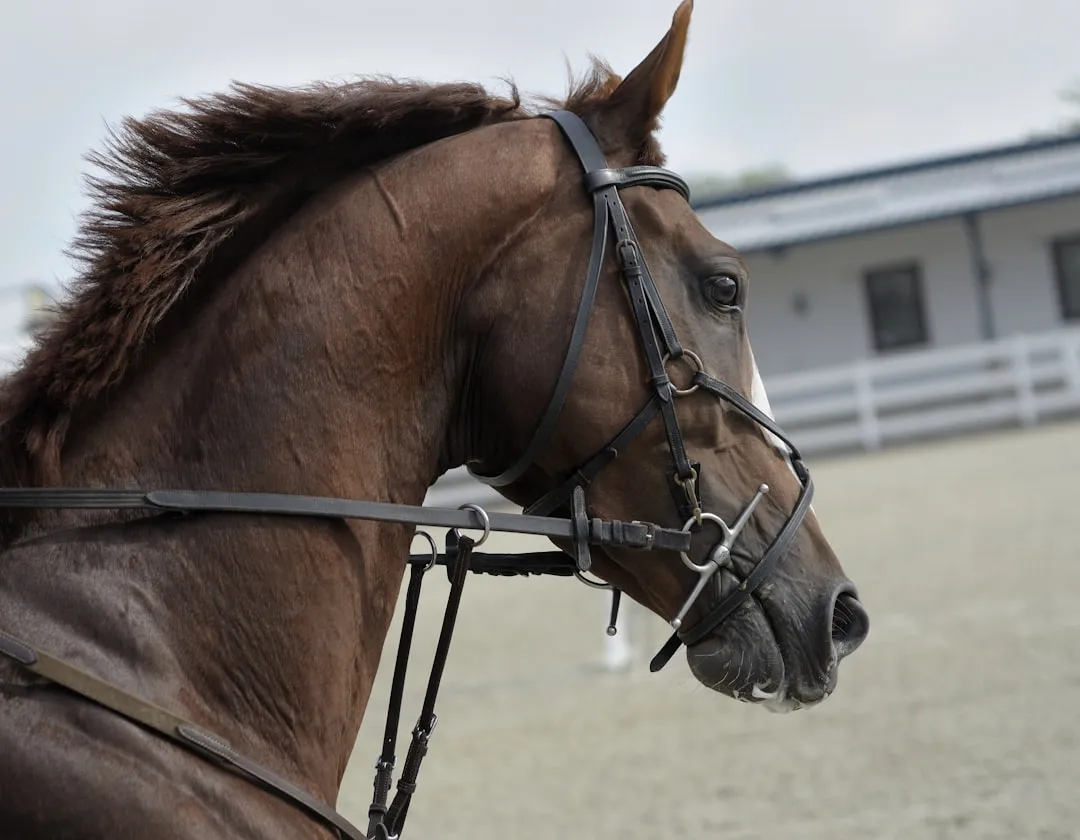
Abused horses often carry a complicated relationship with equipment. Halters, bits, and ropes may all be tangled up with old pain. You can feel it the instant you ask them to lead: head high, jaw set, body leaning away, even while their feet keep moving.
That’s why rehab trainers obsess over the smallest change in lead-rope feel. When a once-abused horse finally walks beside you with a loose lead and a relaxed poll, they’re telling you, in their own language, that they no longer expect every ounce of pressure to hurt.
Look for these shifts as trust builds:
- They stop rushing ahead or lagging six feet behind to “escape” the contact.
- Their stride starts to sync with yours, and they breathe out instead of holding their breath.
Casual observers only celebrate the “big” milestones, like riding again. Horse people know a soft, willing lead often signals a far deeper emotional shift. That new softness on the ground sets the stage for something even more vulnerable.
#6 – The Vulnerable Spots They Finally Let You Touch
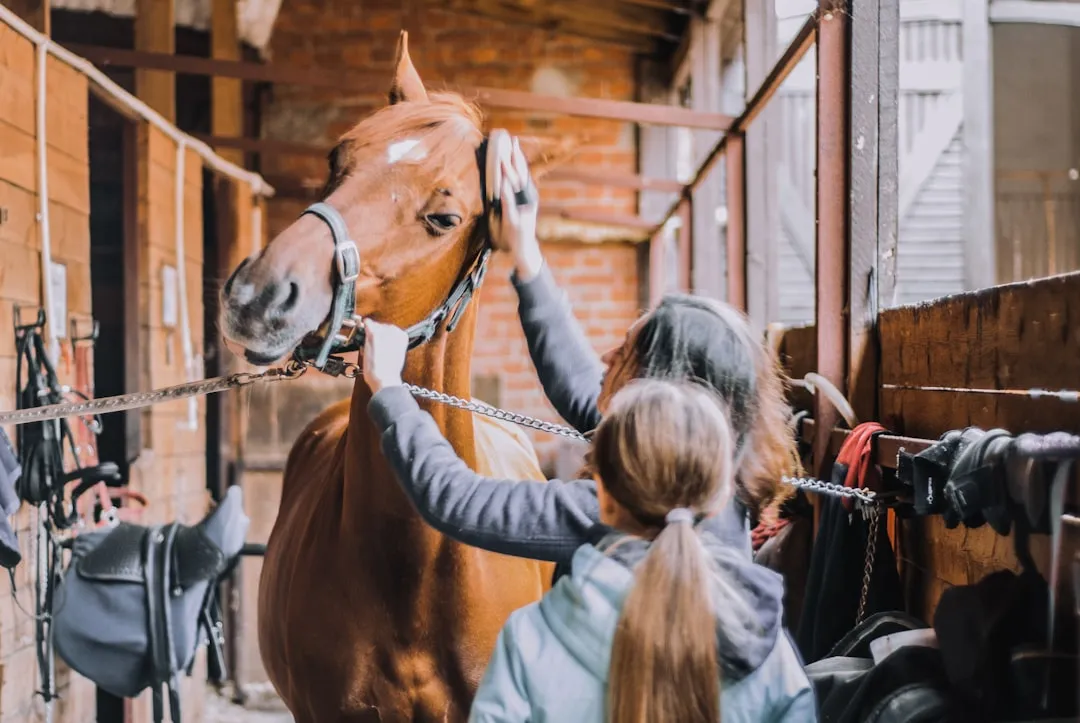
If you really want to know whether a horse trusts you, don’t watch their tricks – watch where they let your hands go. Abused horses often guard specific “no-go” zones: ears, belly, flank, hind legs, or anywhere near the mouth. They may tolerate quick, surface grooming while tensing or lashing out the moment you get near old memories of pain.
The day a previously reactive horse quietly lets you scratch a once off-limits spot without freezing or flinching is usually the day your relationship turns a real corner. This isn’t just desensitization. It’s consent.
Quick Compare
- Guarded body: stiff neck, clamped tail, weight pulled away from your hand.
- Healing body: loose neck, relaxed tail, weight leaning gently into your touch.
- Guarded grooming: tolerated in short, braced bursts near “safe” areas only.
- Healing grooming: stretches longer, spreads to old off-limits zones, ends in a lowered head.
Common milestone areas include:
- Gently cupping the nose and lips without head-throwing.
- Running your hand over the girth area without a defensive bite or tail swish.
For a prey animal, exposing vulnerable zones to a predator-shaped human is a massive risk. When they stop just “putting up with it” and actually lean into a scratch or lower their head into your hand, that’s an emotionally loaded yes – and it doesn’t take long for the body to start confirming it in other ways.
#5 – The Deep Sighs, Licks, and Chews Around You
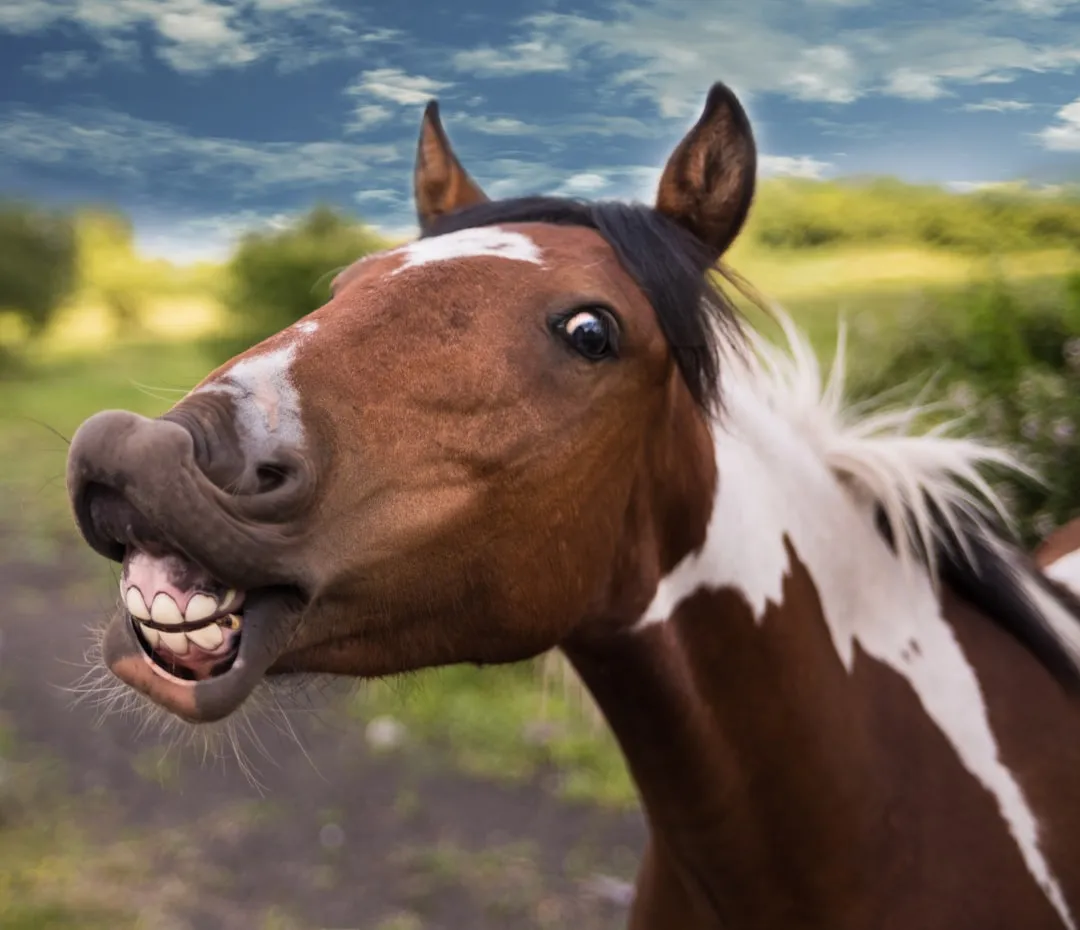
Horse people argue endlessly about what licking, chewing, and sighing actually mean. Processing? Release? Here’s what experienced trauma-rehab folks tend to agree on: when a horse only starts licking, chewing, or letting out big sighs in your presence – especially after being guarded for months – it usually means their nervous system is finally down-shifting around you.
Their body is telling on them, whether they mean it to or not. Watch for patterns like:
- After a scary sound, they look at you, then lick and chew instead of bolting.
- During groundwork, they go from tight and robotic to yawning, blowing out, and relaxing.
Worth Knowing
- When a horse has been under some degree of pressure, this behavior marks the moment it begins to relax.
- Licking and chewing that happens after pressure is removed fits the relaxation interpretation, while the same behavior mid-stress can mean something else entirely.
- Slow blinking, loose tail carriage, and quiet yawning are usually grouped with lick-and-chew as calming signals.
Is it technically “love”? Not exactly – it’s regulation. But for a horse that once expected every interaction to hurt, learning they can complete that stress cycle with you standing right there is a serious attachment marker. And when that regulation turns into actively seeking you out, the story shifts again.
#4 – The Horse That Starts to Choose You in the Field
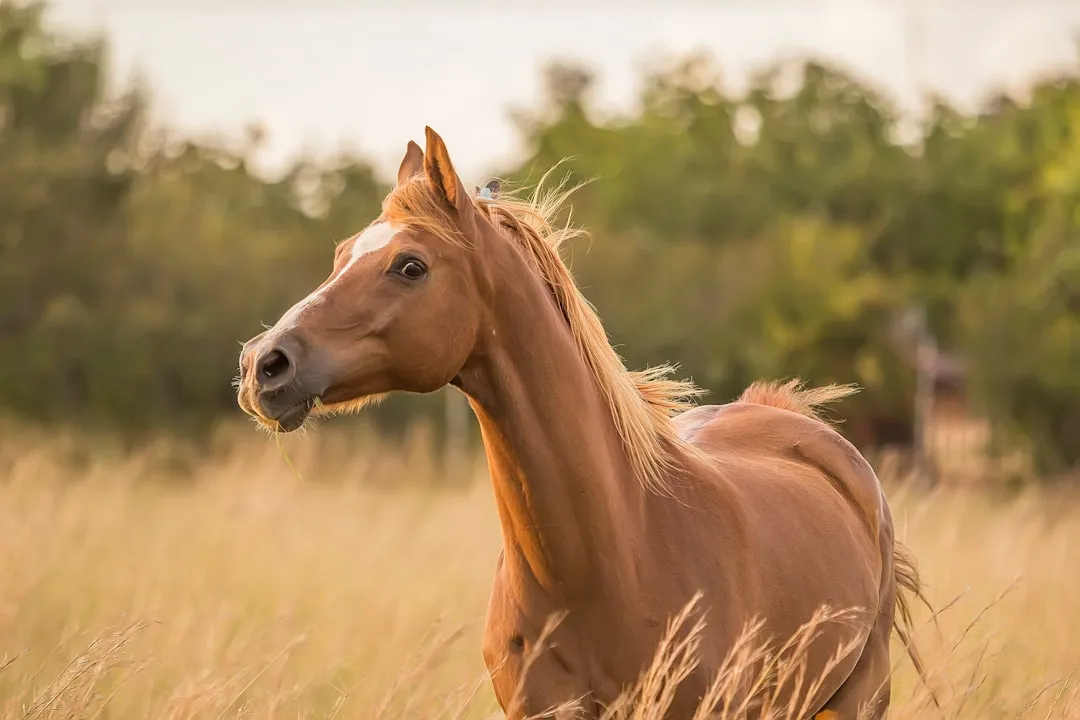
This is the behavior that makes non-horse people cry: you walk into a pasture, don’t call, don’t shake a bucket, and the horse chooses to walk to you anyway. With abused horses, that moment can take months, sometimes years, to arrive.
Early on, they may bolt to the far corner or hide behind herd mates. The first time they lift their head, evaluate you, and calmly walk the whole way over – ears soft, neck low – you’re watching genuine attachment, not food training.
You never own a horse. You board their trust one day at a time.
Common saying among horse rehabilitation trainers
Watch the pattern build over days and weeks:
- At first, they only approach if the other horses do.
- Then they start peeling off the herd the moment they see your car.
- Eventually, they wait by the gate at roughly the same time each day.
Skeptics dismiss this as “resource guarding the human.” Many rehab professionals see repeated, voluntary approach behavior as one of the clearest love signals a prey animal is capable of offering.
#3 – The Head That Drops Into Your Chest
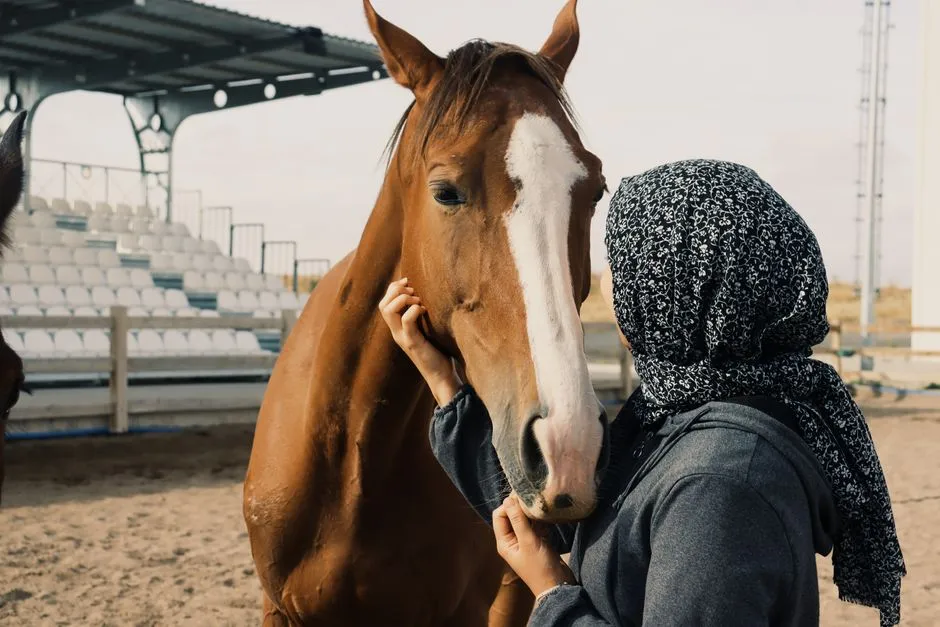
In the horse world, people talk a lot about “lowering the head” as a sign of relaxation. With a once-abused horse, it can mean far more than that. There’s a specific, intimate behavior rehab owners never forget: the day their horse gently rests their forehead or muzzle against your chest or shoulder – and just stays there.
For a prey animal whose survival depends on constant, 360-degree awareness, choosing to close that gap and rest on you is a radical kind of trust. You’ll notice their eyes half-close, the lower lip may droop slightly, and their breathing can even sync with yours for a few seconds.
Is it anthropomorphic to call that “love”? Maybe. But even the most hard-nosed trainers admit abused horses don’t do this with just anyone. They do it with the people who have proven, over and over, that hands can mean safety – and that trust only deepens once sleep enters the picture.
#2 – The Horse That Lies Down While You’re Nearby
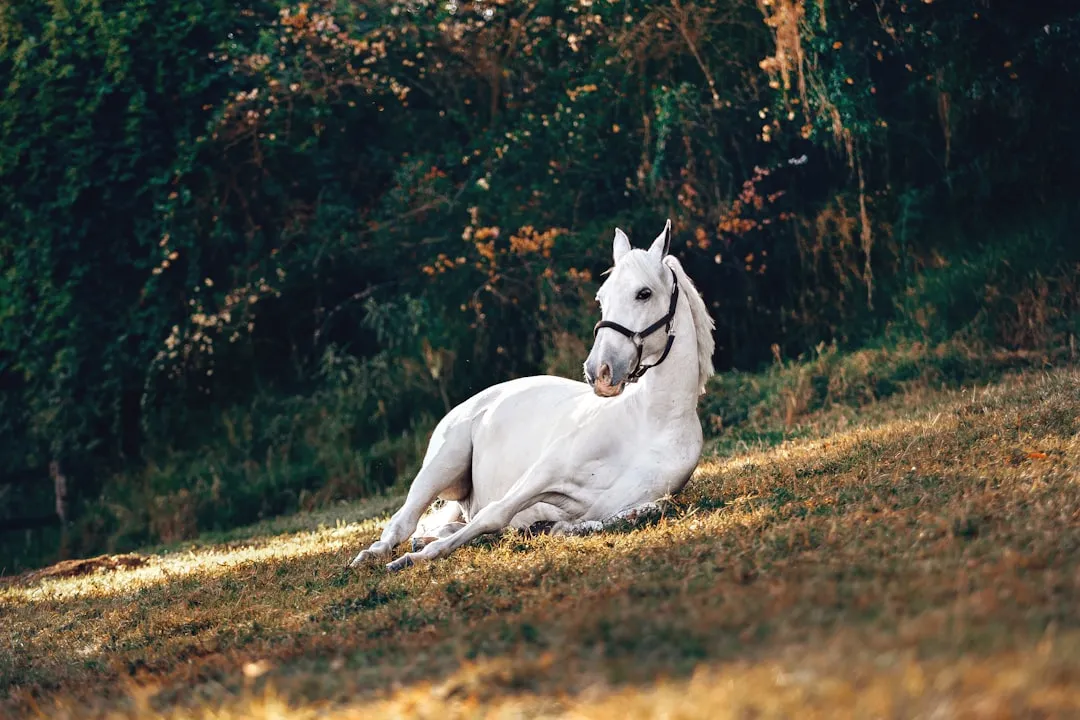
Healthy horses spend surprisingly little time fully lying down; it’s one of their most vulnerable positions. Many abused horses never relax enough around humans to lie flat out in their presence. Instead, they doze standing, always ready to bolt at the first sound.
So when a once-abused horse chooses to lie down while you’re in the pasture or arena – and stays down as you move around – that’s a serious, high-risk trust signal. You cannot force a prey animal to sleep near a predator; that choice only appears once their nervous system has fully re-evaluated you.
Watch for moments like:
- They roll, then settle on their side and watch you calmly instead of jumping back up.
- You walk past, and they only flick an ear, maybe even close their eyes again.
Some experts consider this a stronger sign of safety than any fancy training maneuver ever performed in an arena. And there’s one final behavior that might be the clearest signal of all.
#1 – The Subtle Way They “Guard” You in Stressful Moments
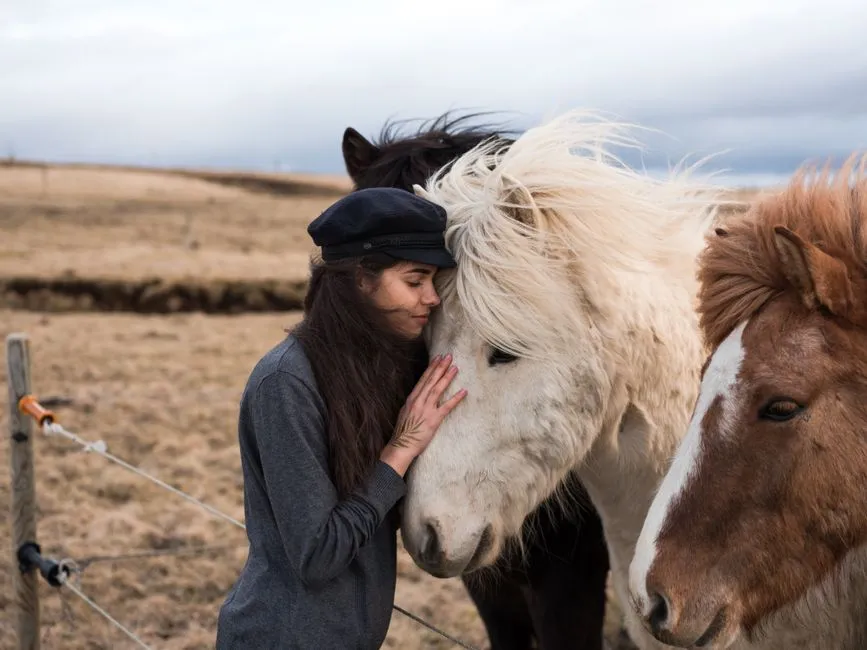
Here’s the behavior that sparks the biggest debates in the horse world: protective behavior. No, horses aren’t dogs, and nobody should romanticize aggression. But many rehab owners quietly report the same pattern in chaotic or scary situations – their once-abused horse positions themselves between danger and their human, or stays glued to them instead of fleeing.
For an animal whose survival instinct screams “every creature for themselves,” that choice is not nothing. You might see it play out as:
- In a noisy, flapping environment, they step toward you instead of away.
- When another horse charges the fence, they pivot to face it but keep you behind their shoulder.
- During a storm, they pace until you arrive, then settle near you.
At a Glance: A Rough Trust Timeline
- Days to weeks: softer ears, more blinking, less bracing at the halter.
- Weeks to months: voluntary sniffing, tolerance of once off-limits touch spots, licking and chewing around you.
- Months to a year-plus: choosing you in the field, resting the head on your chest, lying down nearby.
- No fixed timeline: protective, “stay close to you” behavior in scary moments – often the last piece to click into place.
Is this “love,” herd instinct, or both? Serious behaviorists argue every side of it. What’s hard to argue with is this: a horse that used to see humans as pain sources now includes you inside their bubble of “things worth staying close to when the world gets scary.” For many owners, that’s exactly what love looks like in horse language.
The Bottom Line
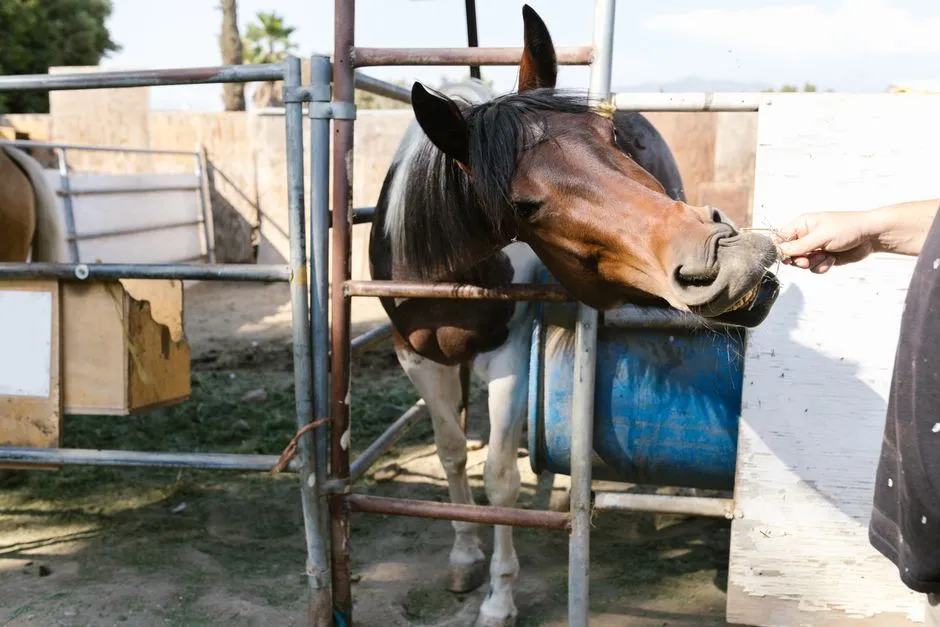
Once-abused horses don’t say “I love you” in Hollywood ways. They say it in ears that finally tilt toward you, in eyes that soften, in bodies that choose closeness instead of escape. Every tiny behavior – approaching in the field, dropping their head onto your chest, lying down while you’re near – is a high-stakes decision for an animal whose brain was wired for survival, not sentiment.
The uncomfortable truth is that not every rescued horse will reach all twelve milestones, and not every owner has the patience to wait years for them to arrive. But stack the behavior science on top of what thousands of rehab barns quietly witness every day, and a pattern emerges: love, for a once-abused horse, is spelled T-I-M-E, consistency, and safety – nothing flashier than that.
These horses don’t owe anyone affection. They choose it, deliberately, after being given every reason not to. That’s exactly what makes their trust worth more than any ribbon on a wall. Which signs have you seen in your own horse – and which ones do you push back on? Say it in the comments; this is exactly where the horse world loves to argue.
