
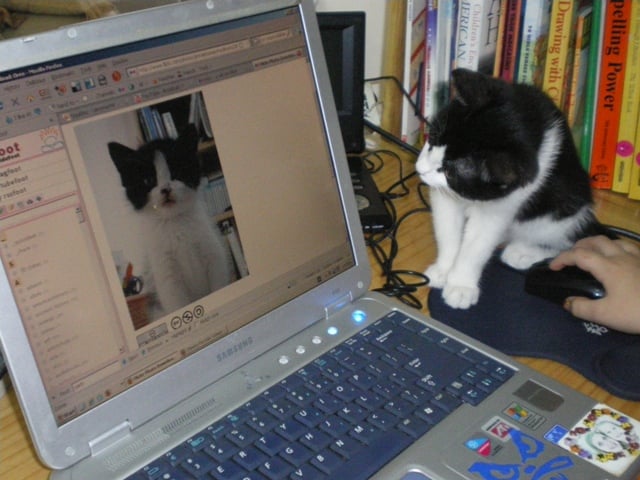
Everyone assumes a rescue cat has “settled in” the moment it stops bolting under the bed every time someone sneezes. That’s not settling in – that’s just surviving with slightly less panic. The real transformation is bigger, stranger, and honestly a lot more entertaining than most new owners expect.
When a formerly terrified, shut-down cat finally decides your home is their home, its whole personality can flip overnight. Suddenly you’re living with a small, opinionated roommate who talks back, claims furniture, and sleeps like it owns the deed. Here are the 15 real signs – the ones rescuers and behaviorists actually watch for – that your cat has stopped merely surviving and started truly living.
#1 – They Stop Hiding And Start Owning The Room
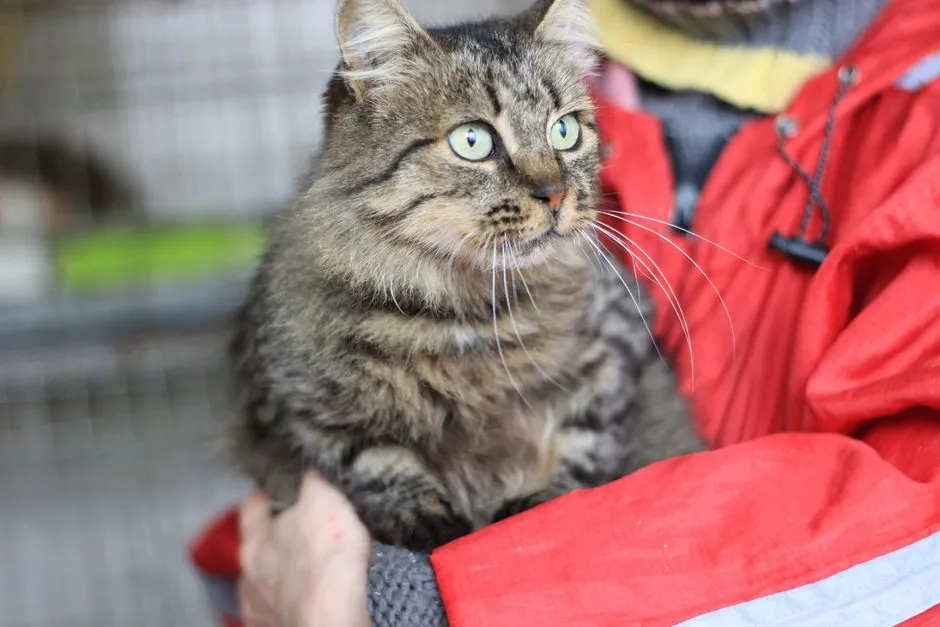
At first, most rescue cats become experts at disappearing. One loud noise and they’re gone under the couch for hours, sometimes days. The real shift happens when your cat starts choosing to be out in the open even when life gets a little chaotic.
Vacuum running? Guests laughing too loud? Instead of vanishing, they pick a perch where they can see everything – and they stay put. That’s not “being brave for a minute.” That’s a nervous system finally deciding, I’m safe here.
- Napping in the middle of the living room floor.
- Stretching out fully instead of curling into a tiny, defensive ball.
This matters more than people realize, because prey animals only expose their belly or sprawl out in open spaces when they genuinely trust their surroundings. Some owners chalk this up to “getting used to the house.” Behaviorists call it something deeper: felt safety, the foundation everything else on this list is built on.
#2 – They Claim “Their Spot” And Defend It Politely
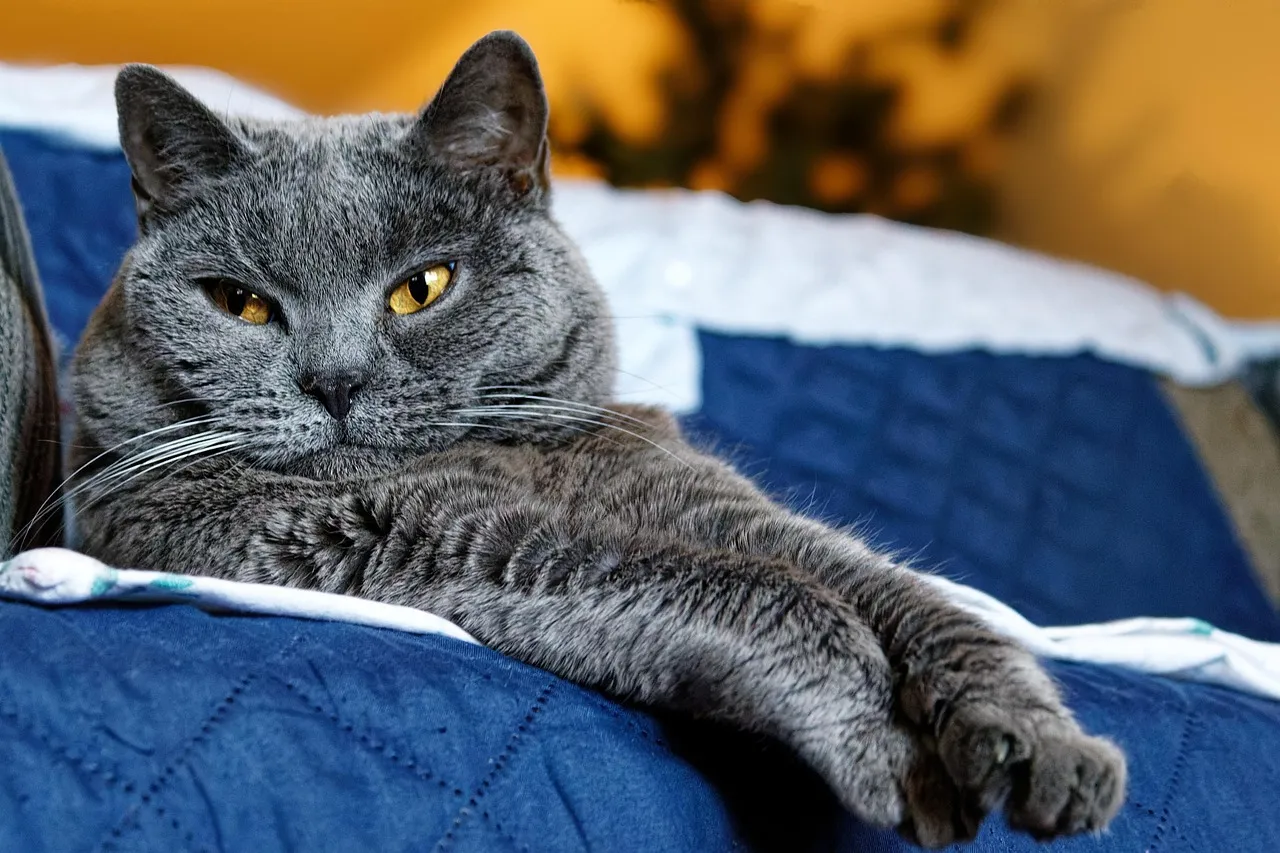
Once a rescue cat feels secure, it doesn’t just exist in your home – it starts claiming territory like a tiny landlord with whiskers. Suddenly the back of the couch, one specific chair, or that sun patch on the rug becomes theirs.
You’ll notice they return there daily, almost at the same time, like a routine they invented themselves. Early on, a scared cat hides wherever feels safest in the moment. A settled cat picks a favorite spot because it wants to be there, not because it has to.
You might catch a little side-eye or tail flick if another pet – or even you – invades that sacred space. It’s not aggression; it’s confidence. Some owners misread this as spoiled behavior, but most feline experts see it as one of the clearest signs of emotional security taking root.
Worth Knowing
- Favorite spots are usually warm, elevated, or positioned with a clear view of the room.
- A settled cat tends to return to the same spot at roughly the same time each day.
- Mild tail flicks or side-eye toward “intruders” signal confidence, not aggression.
#3 – They Start “Talking Back” And Expect You To Listen
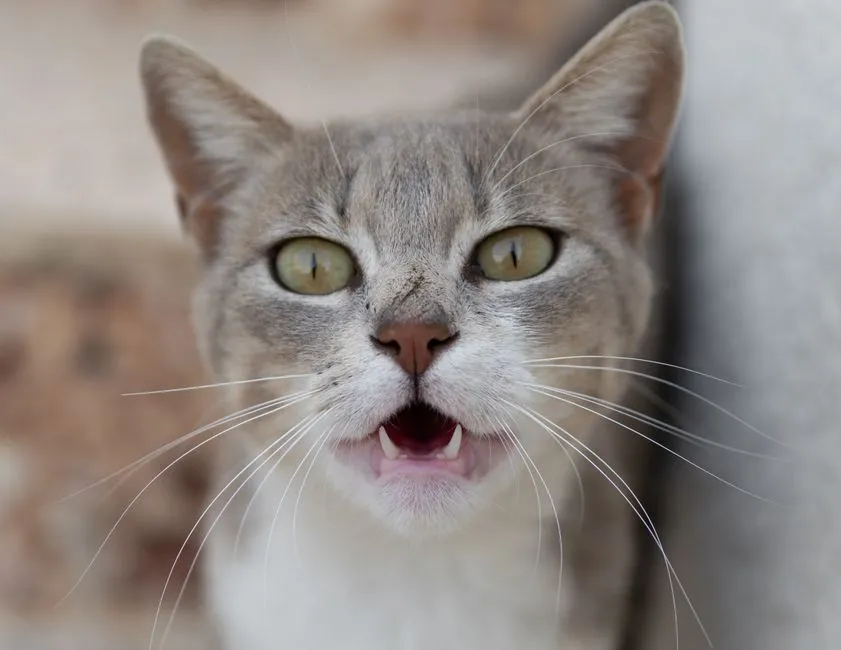
Most new rescues are eerily quiet at first. They’re in survival mode, not social mode, and survival mode doesn’t waste energy on conversation. So when your cat starts meowing at you, answering you, or “arguing” when dinner is five minutes late, that’s not a diva phase.
It means they believe their voice actually matters in this house.
- Different meows for food, attention, or protest.
- Chirps and trills the second you walk into a room.
Behaviorists point out that adult cats vocalize mostly for humans, not for each other. If your rescue suddenly has a lot to say, it’s because they’ve figured out you’re listening – and just as important, that you’re predictable. Some people complain the “noisy” phase is annoying. In reality, it’s a compliment: your cat has decided you’re a safe partner, not a threat.
#4 – The Slow Blink Turns Into A Full-On Stare Of Trust

Most people have heard of the “slow blink” as a cat’s way of saying I trust you. What they don’t realize is that a rescue cat giving you this look regularly is about as intimate as it gets in cat language.
Predators don’t close their eyes around danger. So when your rescue squints at you, blinks slowly, and even drifts half-asleep while watching you, they’re telling you everything at once.
- They blink back when you slow-blink first.
- Their whole face softens – whiskers, ears, everything relaxes.
Here’s what surprises new owners: some deeply shut-down rescues won’t slow-blink for months. Then, once it starts, it becomes a daily ritual, especially during quiet moments on the couch or right before bed. That’s not random. That’s an emotional wall finally coming down – some experts even call it a cat’s version of a smile.
#5 – They Turn Their Back On You… And That’s A Good Thing
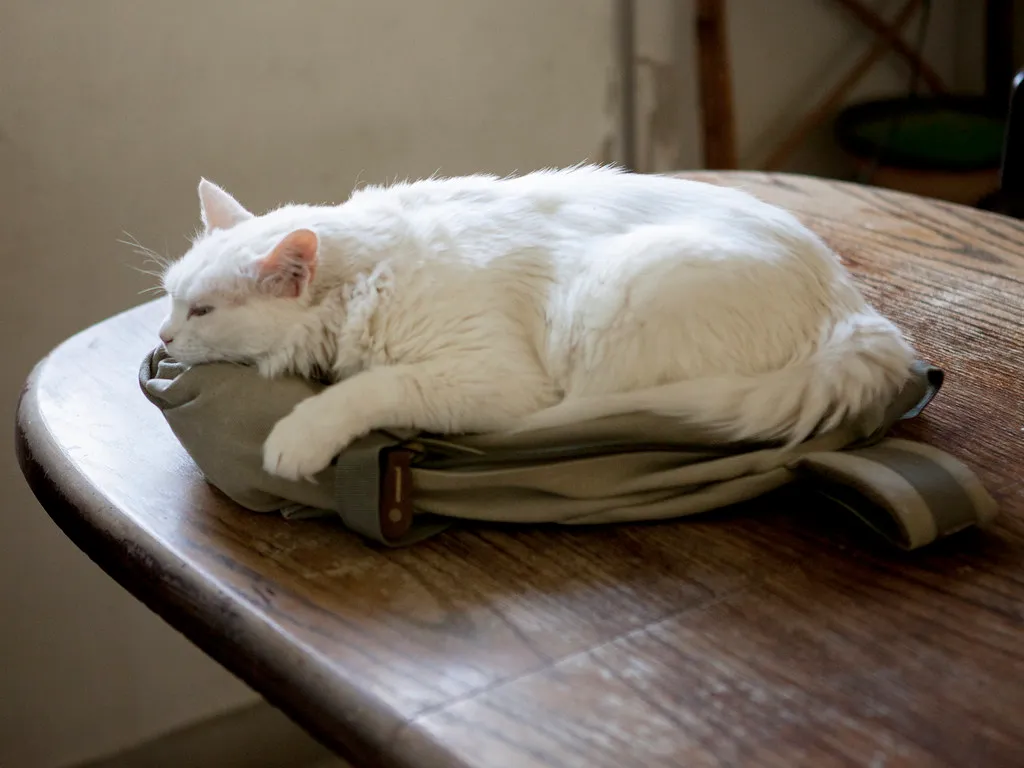
In almost any other context, turning your back on someone is rude. In a rescue cat, it’s one of the loudest, most misunderstood signs of trust there is. When a formerly fearful cat sits with its back to you, tail resting near your leg, it’s doing something incredibly vulnerable – letting you stand guard for them.
Watch for moments like sitting on the bed facing the door while you’re behind them, or perching in the window with their back leaning lightly against your arm.
A truly anxious cat always wants to see where potential threats might come from. A secure cat has decided you’re not one of those threats – you might even be their backup security detail. Some people mock this as “typical cat disrespect.” Experienced rescuers know it’s the opposite: quiet, powerful trust.
#6 – Playfulness Comes Back Like They’re A Kitten Again
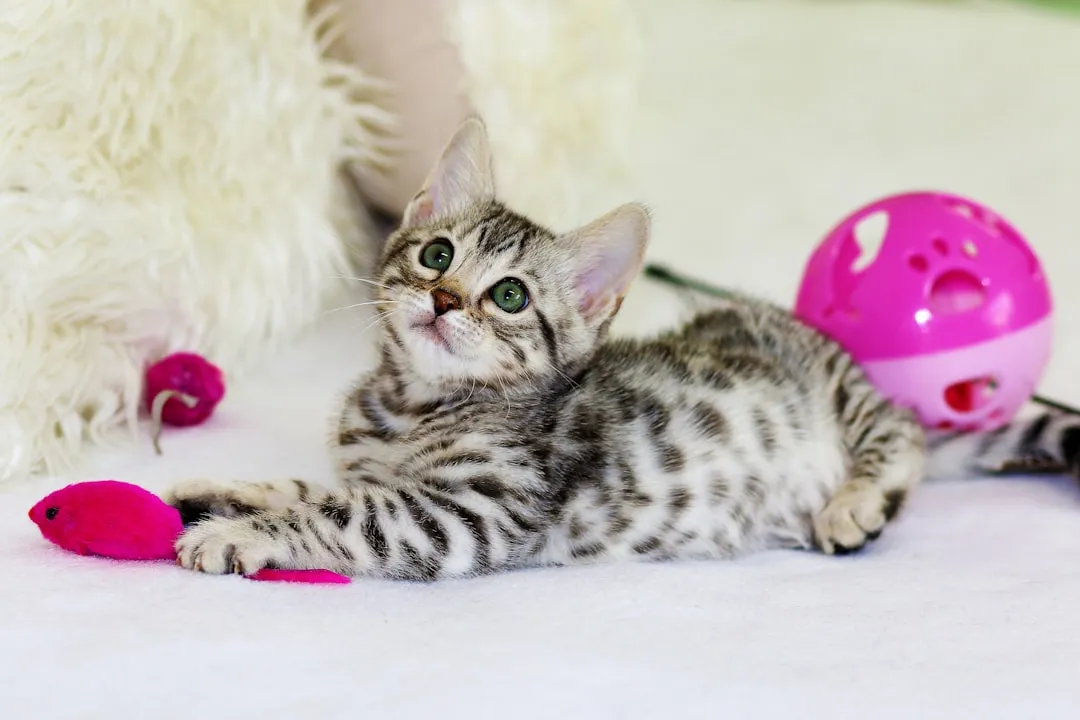
When you first bring a rescue home, toys often sit completely untouched. A stressed-out brain doesn’t have spare room for fun. So when your cat suddenly chases a feather wand, ambushes a crinkle ball, or launches into chaotic zoomies at 11 p.m., that’s not “bad behavior.”
That’s a nervous system healing enough to finally prioritize play again.
- Full-body pounces and dramatic bunny kicks.
- Random “ambushes” on your feet or the other pets.
Play is a luxury animals don’t indulge in when they believe they’re in danger, so that wild streak is actually a health metric worth celebrating. Many owners shut it down too early because it feels chaotic. The smarter move is channeling it with structured play sessions – the more they play, the more confident and connected they tend to become.
#7 – They Choose Physical Contact On Their Own Terms
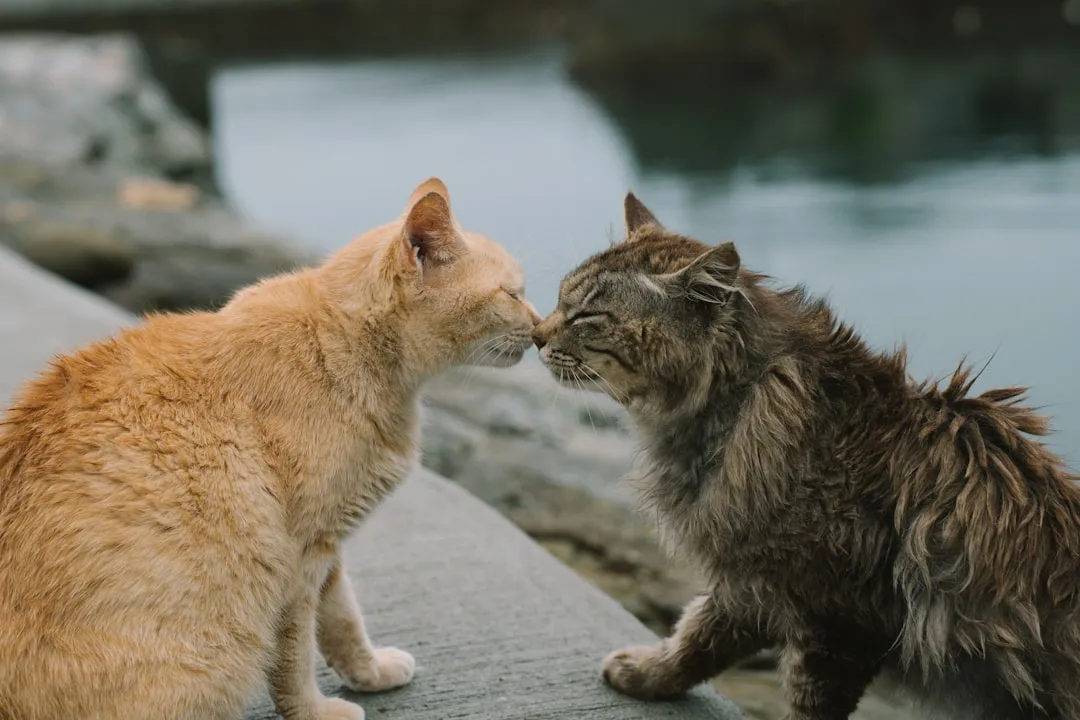
In the beginning, most rescues tolerate touch at best. They freeze, flinch, or slip away the moment you stop petting. When your cat has truly come home, you’ll see a major upgrade: they initiate contact, and they’re picky about exactly how it happens.
Head-butting your hand or face, pressing against your legs and circling back for more – this isn’t about needing cuddles around the clock. It’s about consent and control.
A cat that feels safe comes and goes freely, returning to you again and again because the interaction feels good, not scary. The head-butt in particular is huge: cats deposit scent from glands on their face, essentially tagging you as “mine” in the friendliest way possible. People who think cats are cold almost always miss how affectionate this really is.
#8 – The Belly Trap Appears (And Sometimes It’s Not A Trap)
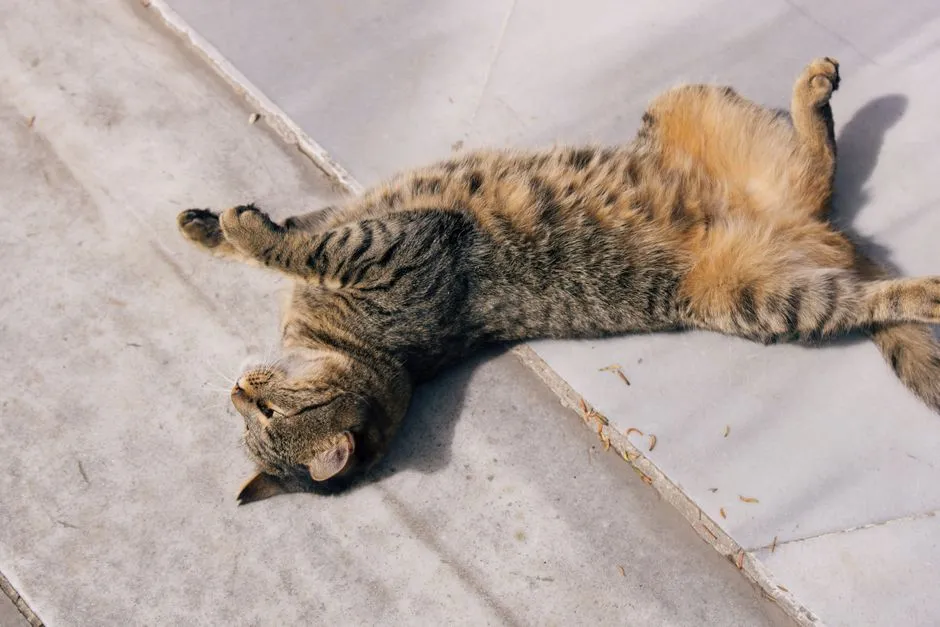
For a long time, your rescue kept its most vulnerable area – the belly – carefully protected. So the day it flops on its side, stretches out, and flashes its stomach like it’s sunbathing on a beach, that’s trust on full display.
Yes, sometimes it’s still a trap if you touch it wrong. But the pose itself matters more than the outcome.
- Side or back sleeping right in the middle of the floor.
- A dramatic flop when you walk by, as if to say, “Look at me.”
Here’s the nuance: a cat doesn’t expose its belly purely to invite pets. It’s usually a sign of deep relaxation and security in the space itself. Whether they’ll actually let you touch it is just personality – the real story is that they feel safe enough to be that unguarded in the first place.
#9 – Routine Becomes Sacred, And They “Schedule” You
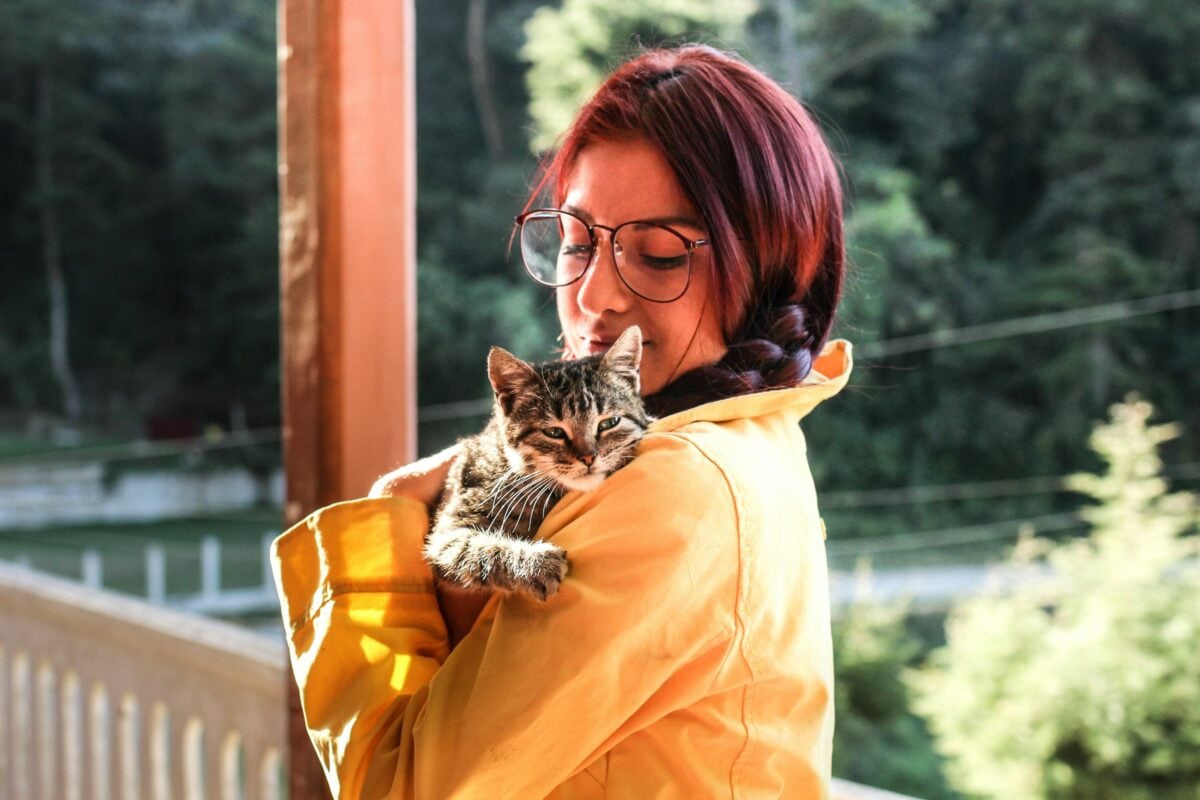
New rescues often eat, sleep, and wander at random hours, still running on old shelter or street survival instincts. When they truly settle in, your cat locks into a daily rhythm – and fully expects you to stick to it too.
Breakfast at 7? They’re on your chest at 6:50. Bedtime at 11? They’re already parked in the bedroom, staring at you like you’re late.
- A predictable “zoomie hour” every single evening.
- Waiting by the door right around the time you normally get home.
This isn’t just habit; it’s trust in predictability. Animals with unstable early lives often cling hard to consistency once they finally have it, because routine equals safety. Some owners call their cat “the alarm clock” and roll their eyes. In truth, your rescue is telling you it fully believes you’ll keep showing up.
Fast Facts
- Cats are naturally routine-oriented, especially around feeding and sleeping times.
- A consistent daily schedule tends to ease anxiety in cats with rough histories.
- Anticipating your homecoming or mealtime down to the minute is a learned trust signal, not just habit.
#10 – They No Longer Panic When You Leave (But They Still Notice)
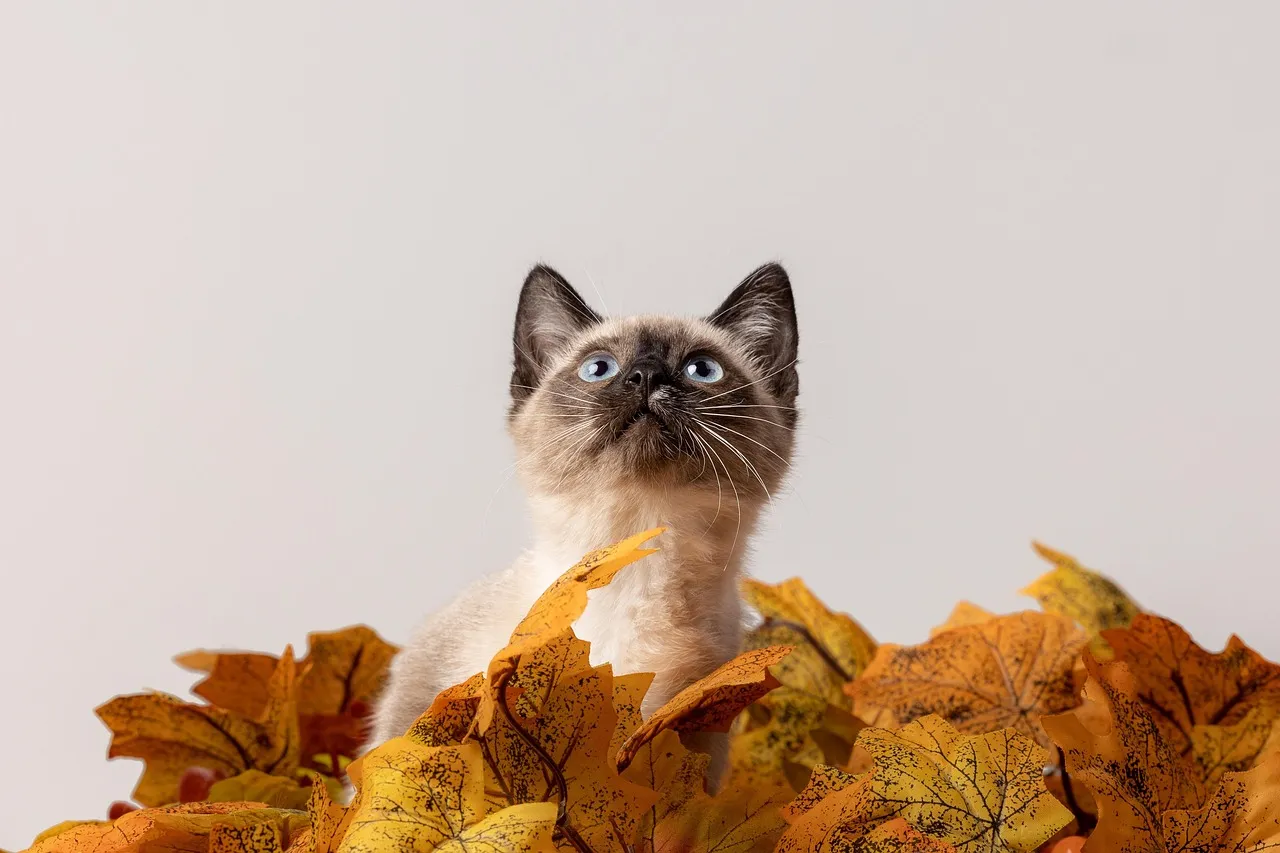
In the early days, many rescue cats either hide the moment you leave or spiral into stress once they realize they’re alone. When they’ve truly settled in mentally, your departures become a mild inconvenience, not a crisis.
They might watch you go, meow once, then wander off to nap in their usual spot like nothing happened.
- A quick, happy greeting when you return, then calm behavior.
- No more destructive scratching or frantic crying while you’re out.
The balance here matters. A cat that shows zero reaction when you come or go may still be emotionally shut down. One that screams for hours is still anxious underneath it all. The sweet spot is a cat that registers your absence but trusts you’ll come back – because history has proven you always do.
#11 – They Start “Helping” With Your Daily Tasks
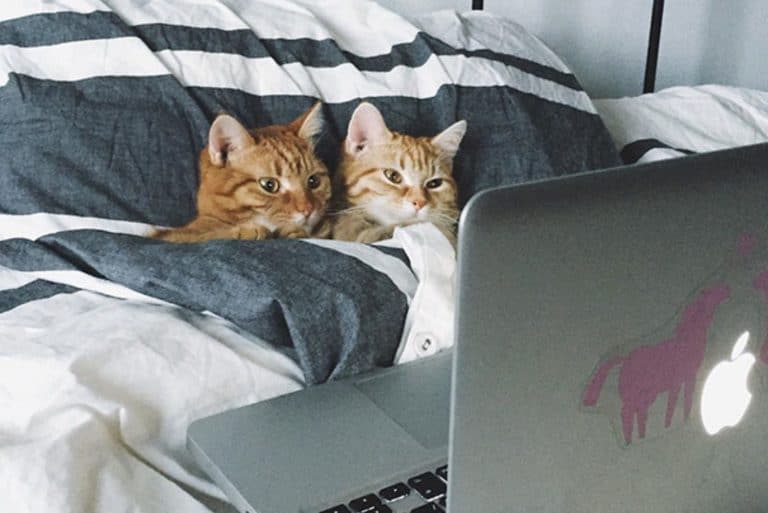
You know you’re in trouble – the good kind – when your rescue cat decides your chores are now a team sport. Suddenly they’re sitting on your laptop, inspecting the grocery bags, or supervising every single load of laundry.
This isn’t random chaos. It’s social curiosity, and it usually only shows up once a cat feels genuinely secure in the home.
- Sitting exactly where you’re trying to read or type.
- Following you from room to room like a tiny foreman.
Experts point out that cats are naturally curious, but fear suppresses curiosity almost entirely. So when your rescue shows up for every mundane task, it means they’re no longer in self-protection mode – they’re in relationship mode. Yes, it’s annoying when they close your laptop mid-email. The alternative, a cat too scared to even enter the room, is far worse.
#12 – Grooming Becomes Relaxed, Not Obsessive Or Neglected
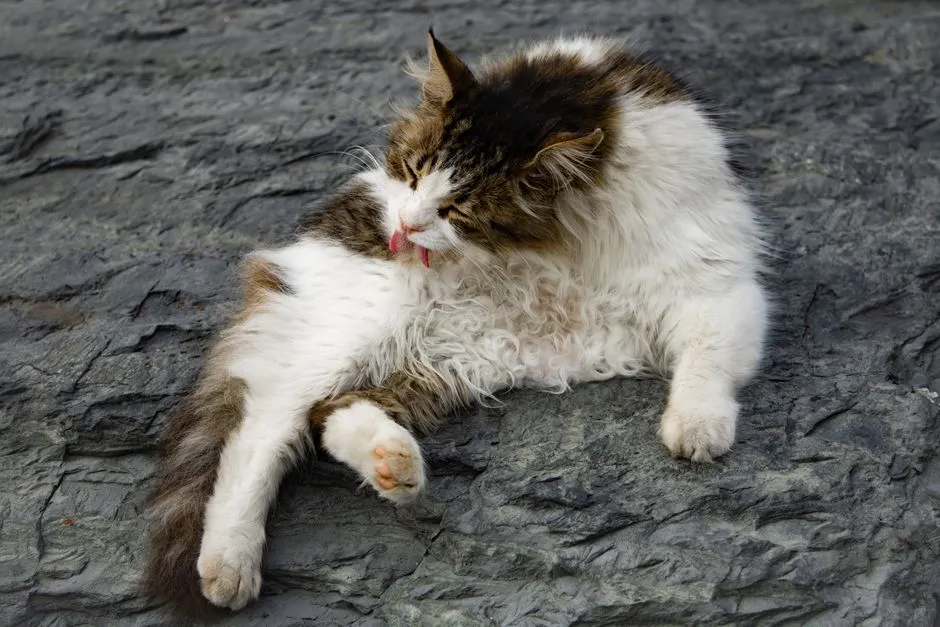
A lot of people overlook grooming as a window into a rescue cat’s mental state. Insecure, stressed cats either over-groom to the point of bald patches or barely groom at all, ending up looking greasy and unkempt.
When your cat has truly settled, grooming tends to level out into something regular, thorough, but never frantic.
- Long, lazy grooming sessions in their safest spots.
- Mutual grooming with another pet, or gentle licks on your hand.
Healthy grooming is more than vanity – it’s a self-soothing ritual. A stable cat treats it like a spa day, not an emergency coping mechanism. If they start grooming you or another pet, that’s an even bigger leap: in cat world, that’s family-level affection, not just hygiene.
#13 – They Use Scent Marking To Say, “This Is My Family”
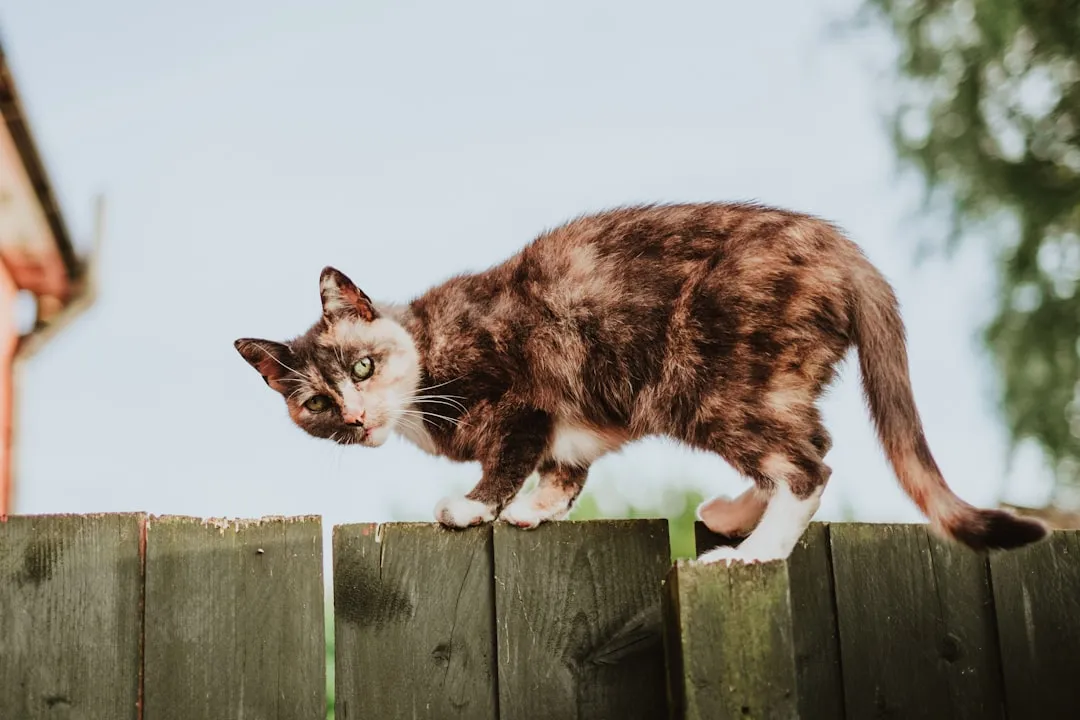
Cats live in a world built on scent far more than sight. So one of the most powerful signs your rescue has come home is when they actively work to make everything smell like shared territory – cheek-rubbing furniture, weaving around your legs, sleeping on your clothes.
Watch for rubbing on doorways, chair legs, and shoes, or choosing to nap exactly where your scent is strongest: your pillow, your hoodie, your office chair.
To a cat, mixing their scent with yours is how they build a group identity – it roughly translates to “we live here.” That’s why insecure or newly rehomed cats often over-mark or avoid certain areas entirely. When marking turns calm and routine instead of frantic, it usually means they feel ownership without fear. People complain their clothes are “covered in cat smell.” What they don’t realize is that, to your rescue, this is the highest form of inclusion they know how to give.
Quick Compare
- Insecure marking: Frantic rubbing, avoiding certain rooms, marking then quickly retreating.
- Settled marking: Calm, casual rubbing on furniture, doorways, and your belongings.
- Insecure sleeping spots: Avoids areas that smell strongly of you.
- Settled sleeping spots: Seeks out your pillow, hoodie, or chair on purpose.
#14 – They Show You Their “Ugly” Emotions And Bounce Back Fast
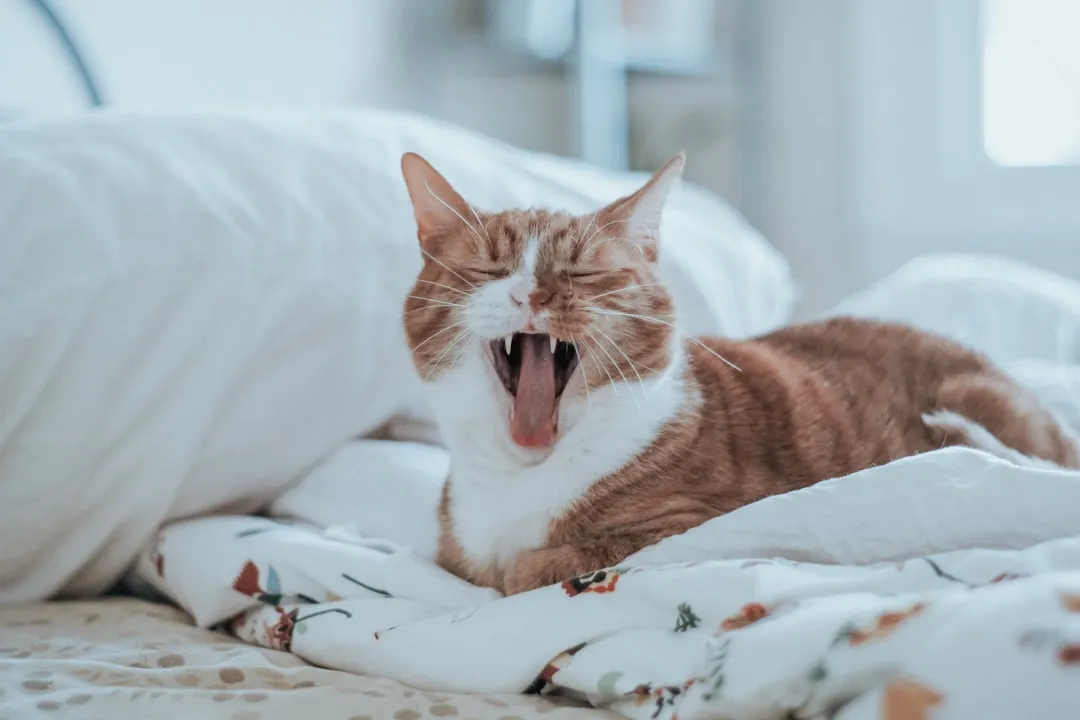
Most new rescues walk on eggshells. They hide anger, fear, or frustration because they genuinely don’t know how you’ll react to it. A surprisingly hopeful sign is when your cat gets comfortable enough to be grumpy, jealous, or demanding – and then recovers quickly.
A quick hiss at another pet near “their” spot, followed by settling right back down. A swat when you cross a boundary, followed by normal, affectionate behavior minutes later.
Chronic aggression and biting are genuine red flags, but occasional attitude from a formerly shut-down cat usually means they trust the relationship enough to show their full range of feelings. The real marker of security is the bounce-back – they snap, reset, and move on, because deep down they believe the bond can handle a little conflict. Punish it too harshly and you risk undoing that trust. Handled calmly, it’s actually a milestone worth celebrating.
#15 – They Sleep Deeply Near You, Not Just Beside You
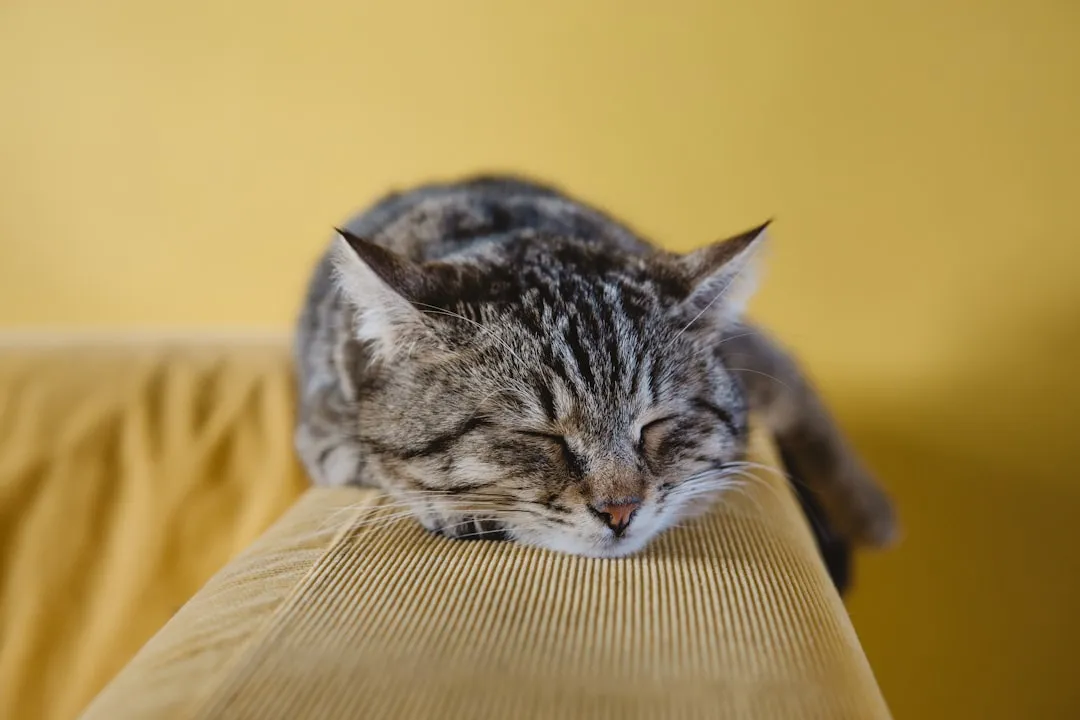
There’s a difference between a cat that happens to be in the same room and a cat that lets itself fully power down in your presence. When your rescue has truly come home, you’ll notice them sleeping so deeply near you that their paws twitch, their mouth opens in tiny snores, and you could practically walk past without waking them.
Choosing to sleep pressed against you or at your feet, or slipping into full REM sleep on your lap or beside you in bed – these are the signs to watch for.
For a small predator that’s also technically prey, deep sleep is the ultimate act of vulnerability. Doing it next to a human is an enormous vote of confidence, and it’s usually one of the last things to appear, especially in cats with a rough past. Long-time rescuers quietly agree on this one: the day your cat falls into that heavy, unbothered sleep pressed right against you is the day they’ve decided, for good, that they’re home.
The Bottom Line
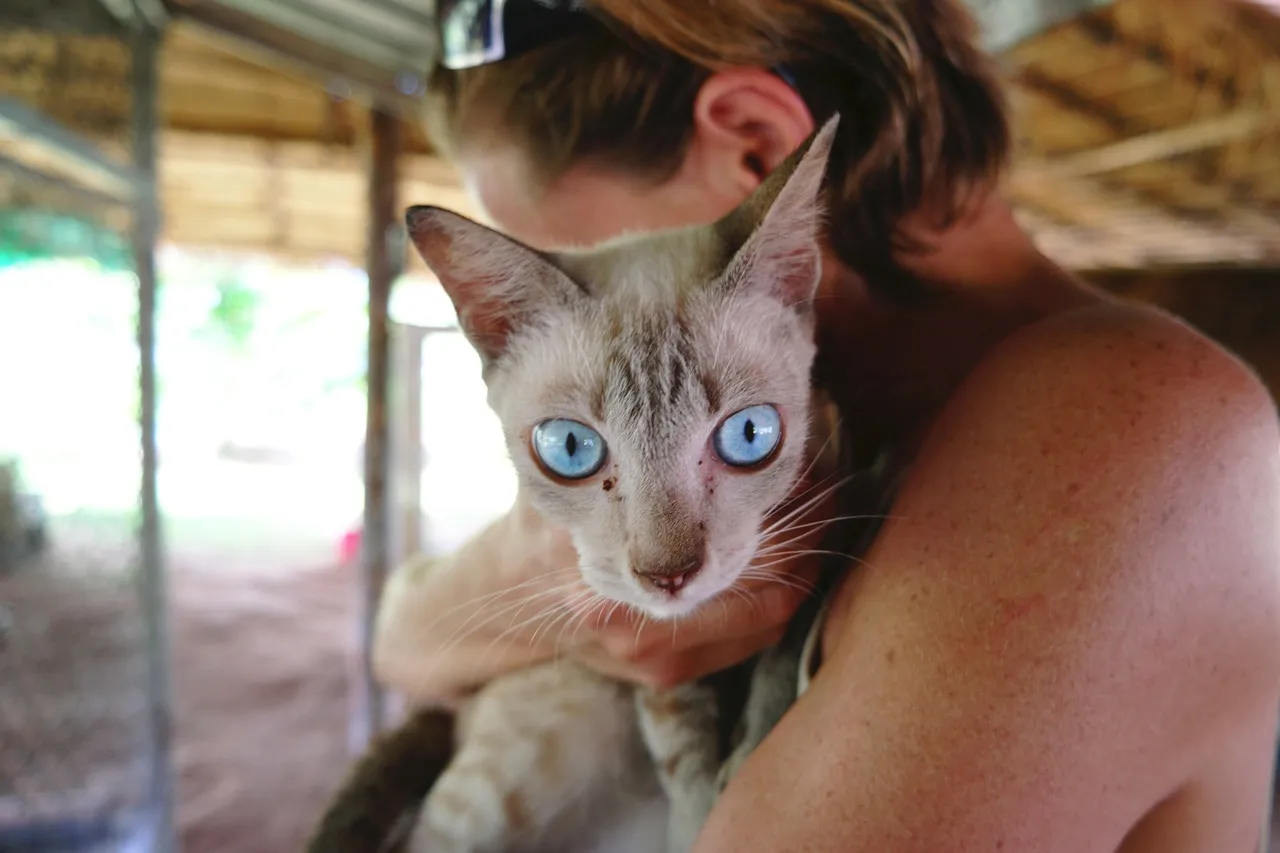
Most people think a rescue cat “loving you” is about how much it cuddles. The truth is more nuanced than that, and honestly, more interesting.
The real signs your rescue has come home are all about control, safety, and choice: choosing open spaces over hiding, choosing to “argue” with you because they trust you’ll listen, choosing to sleep deeply with their guard completely down inches from your face.
At a Glance
- Choosing open spaces over hiding spots.
- Talking back, head-butting, and claiming a favorite spot.
- Deep, guard-down sleep pressed right against you.
- A quick emotional “bounce-back” after a hiss, swat, or grumpy moment.
None of this happens overnight, and no two cats will show every sign the same way or on the same timeline.
Here’s the uncomfortable take: if your rescue never shows these behaviors, that’s probably not just “their personality.” It might mean they still don’t feel fully safe in their own home. That’s hard to hear, but it’s also empowering – because it means the story isn’t finished, and you still have the power to change it.
Which of these signs have you seen in your own rescue cat, and which ones do you think people get most wrong? Drop it in the comments – we want to hear the weird, specific moments that told you your cat finally chose you back.
