
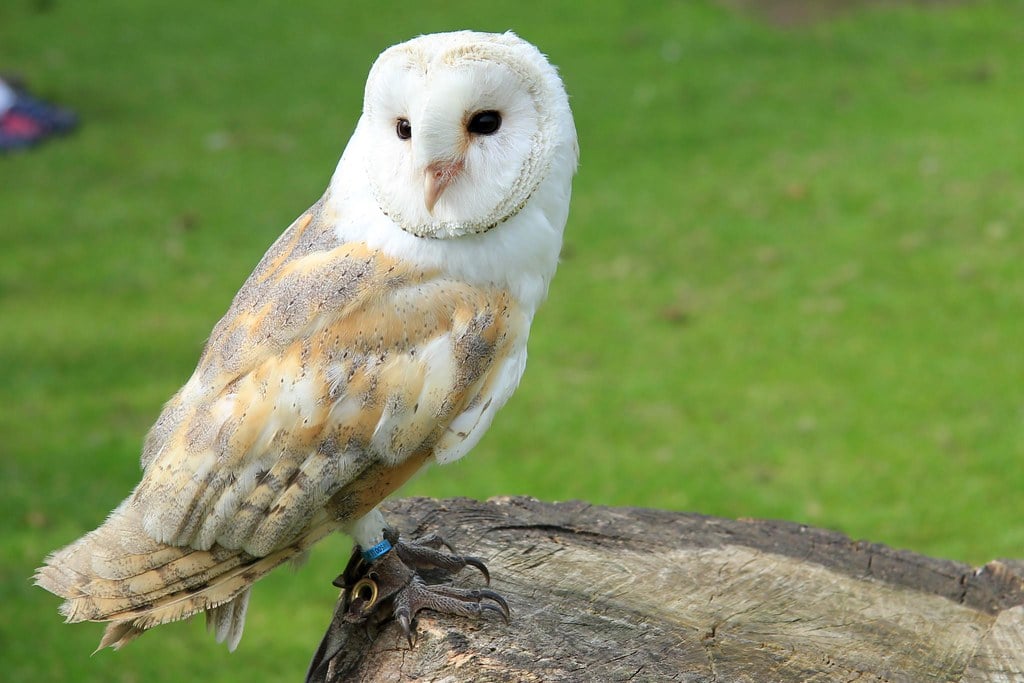
If you have ever heard a soft hoot drift across your yard at night and felt a tiny shiver of excitement, you are not alone. Owls have that effect on people; they make an ordinary backyard feel wild, mysterious, and alive. What most folks do not realize, though, is that whether an owl sticks around often comes down to something very simple: which trees are growing in your yard.
Different owl species look for different things, but they all want some mix of height, cover, safety, and nearby hunting spots. The trees below show up again and again in research and field observations wherever owls live near people. You obviously cannot “guarantee” an owl by planting one of these, but you can stack the deck in your favor in a way that is both scientifically sound and surprisingly beautiful.
1. White Oak: The Classic Owl Apartment Block
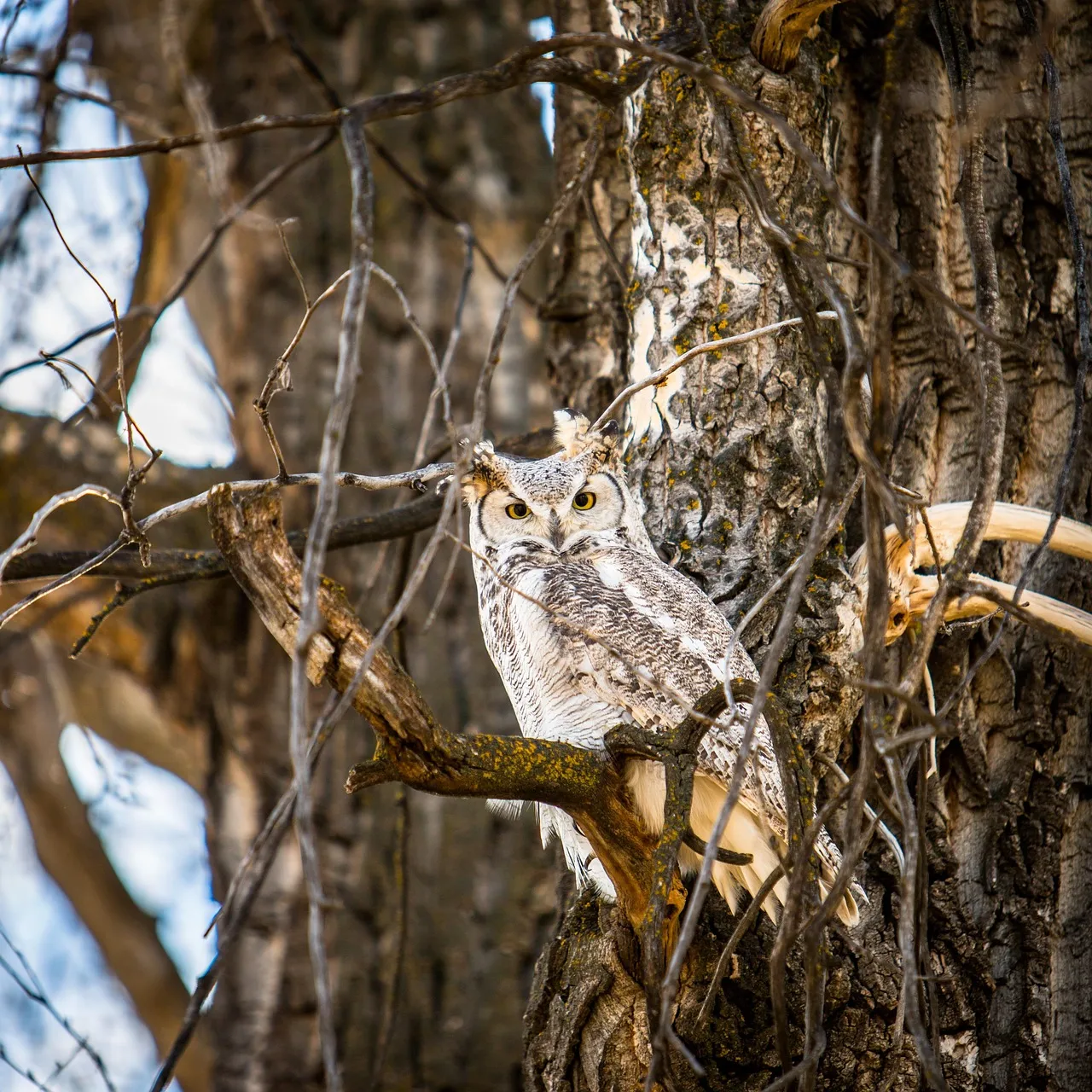
Here is a slightly shocking truth for such a familiar tree: a mature oak can host hundreds of other species, from insects and fungi to birds and mammals, and owls are very happy to be among them. White oaks tend to grow wide, with strong, sturdy limbs that can hold heavy birds like Great Horned or Barred Owls without swaying too much, which matters when you are trying to sleep through a windy night. The thick, branching canopy also gives them excellent concealment, so a roosting owl can stay hidden from crows, hawks, and curious humans during the day.
Another big plus is that oaks age in interesting ways. As they get older, they form hollows, cavities, and broken branch stubs that slowly rot out into perfect natural nest chambers. Those cavities are prime real estate not just for owls but for woodpeckers and squirrels, which in turn attract predators like owls even more. If your backyard can handle the size, a white oak is like building a long‑term, multi‑story wildlife neighborhood, with owls often claiming the penthouse.
2. Eastern Cottonwood: The Riverside High-Rise
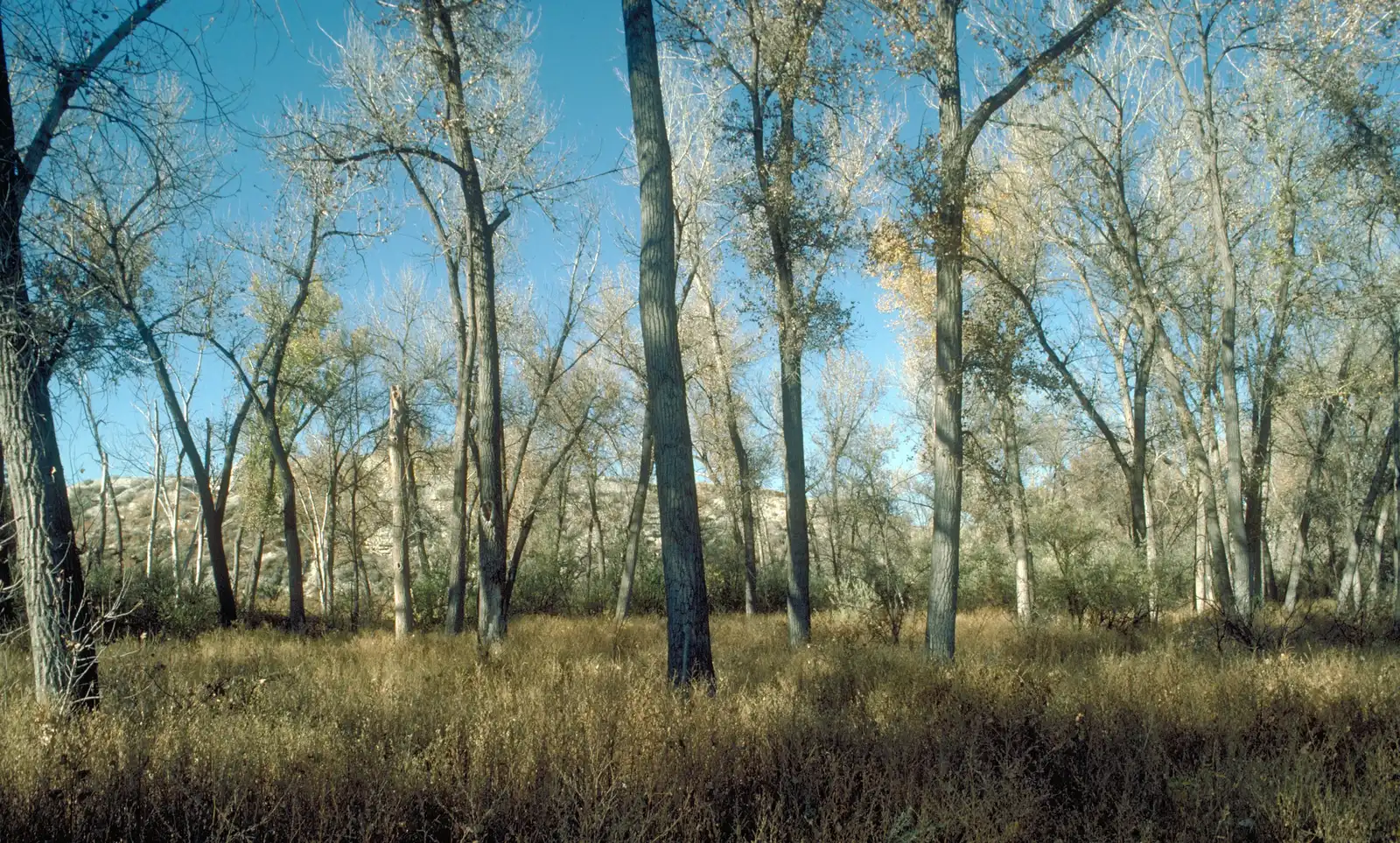
If you live near a stream, pond, or low wet area, you might already have cottonwoods towering over your property like leafy skyscrapers. Many owl species gravitate toward this exact mix of height and proximity to water because wetlands tend to support tons of rodents, frogs, and small birds – easy nighttime prey. Cottonwoods grow fast and tall, offering high vantage points where an owl can scan open ground below with almost no effort.
As cottonwoods mature, they commonly develop large, broken limbs and trunk cavities from wind and weather, which become potential nesting and roosting sites. Even when they are not hollow, their massive horizontal branches create solid perches with open sightlines, perfect for silent ambushes. Some people dislike the mess and fluff of cottonwoods, but from an owl’s point of view, that slightly scruffy look is the sign of a perfect hunting base camp.
3. Douglas-Fir and Other Tall Conifers: The Evergreen Hideout
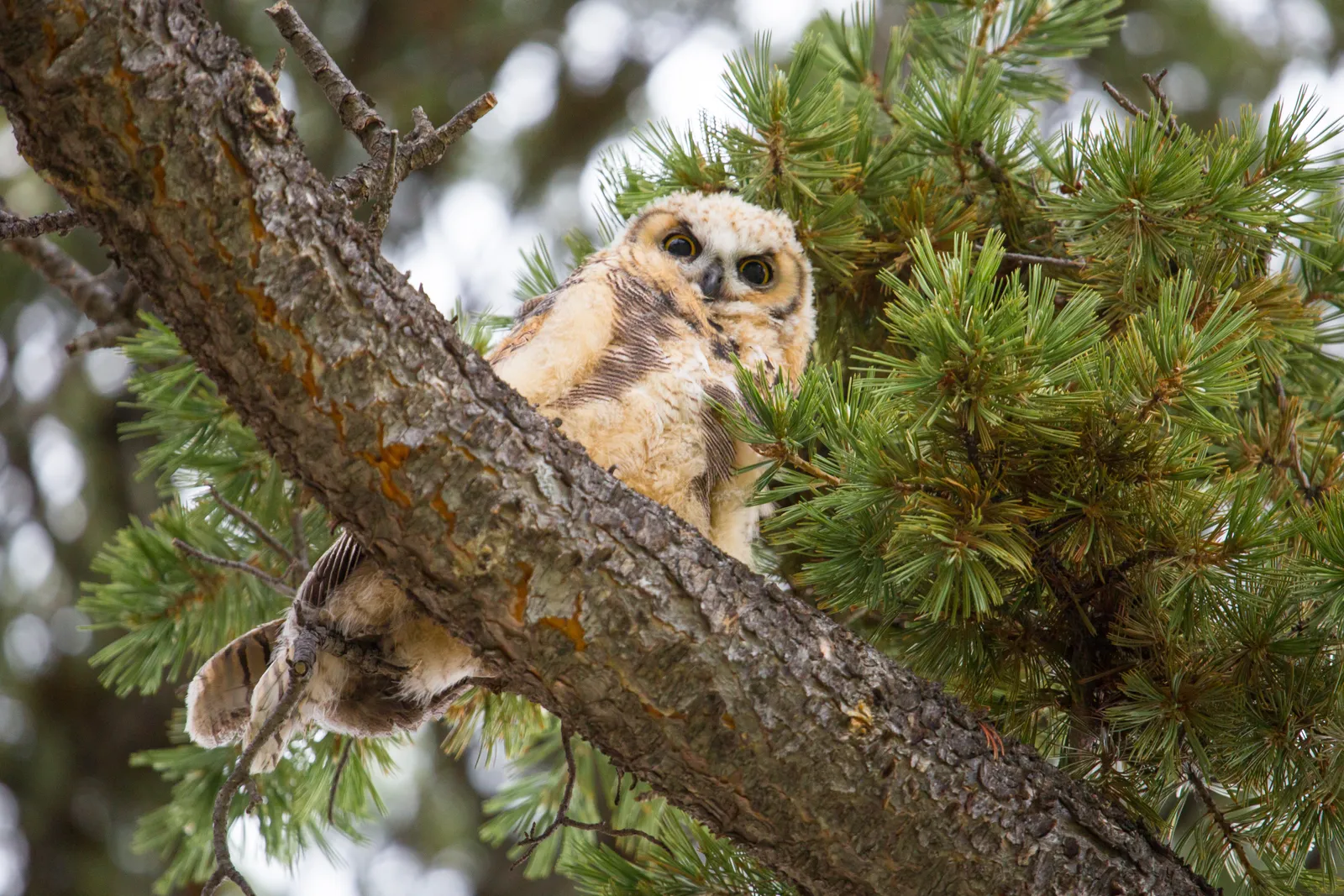
Where winters are long and cold, evergreen cover is a lifesaver for many birds, and owls are no exception. Species like Douglas-fir, white pine, and similar conifers provide dense, year-round foliage that blocks wind, snow, and prying eyes. An owl tucked close to the trunk inside a conifer canopy can be almost impossible to spot in daylight, which is exactly what a nocturnal hunter wants while it rests.
Conifers tend to grow vertically with strong central trunks, giving owls multiple height options for roosting or watching over nearby fields and lawns. In suburban and rural neighborhoods, owls sometimes use conifers as “daytime bunkers,” then fly out to hunt over more open spaces after dark. If your yard feels too exposed or windy, planting a conifer or two can feel like adding thick curtains to a drafty room – and the owls often appreciate that same cozy effect.
4. Sycamore: The Flaky-Barked Giant With Secret Cavities
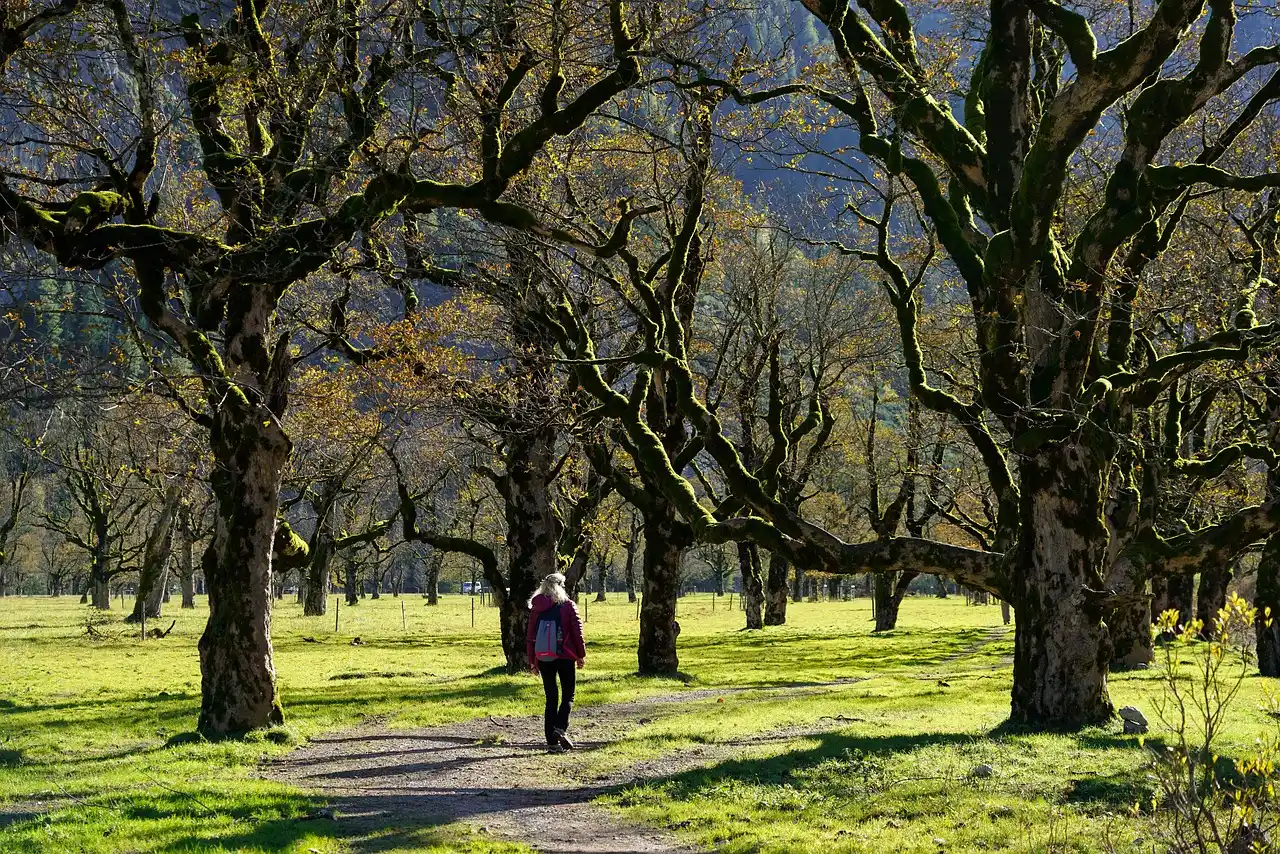
Sycamores are hard to miss: that patchy, peeling bark and massive trunk make them look like they belong in a storybook. From an owl’s perspective, the real magic is inside. Large sycamores are famous for developing deep cavities, some big enough to shelter raccoons, wood ducks, or even multiple owl broods over the years. Those hollows keep nests out of reach of many ground predators and buffer against temperature swings, which can be crucial for eggs and young chicks.
These trees also tend to grow near water or in moist soils, another pattern owls seem to favor because of the rich food webs around riparian zones. During daylight, the big dark openings and heavy limbs give owls plenty of places to hunker down, while at night they can move from the sycamore canopy out to nearby open areas to hunt. If your yard can support such a large tree, a sycamore is like a hollowed‑out fortress that quietly invites in some of the most secretive night hunters around.
5. Mature Maple: The Suburban Owl Favorite
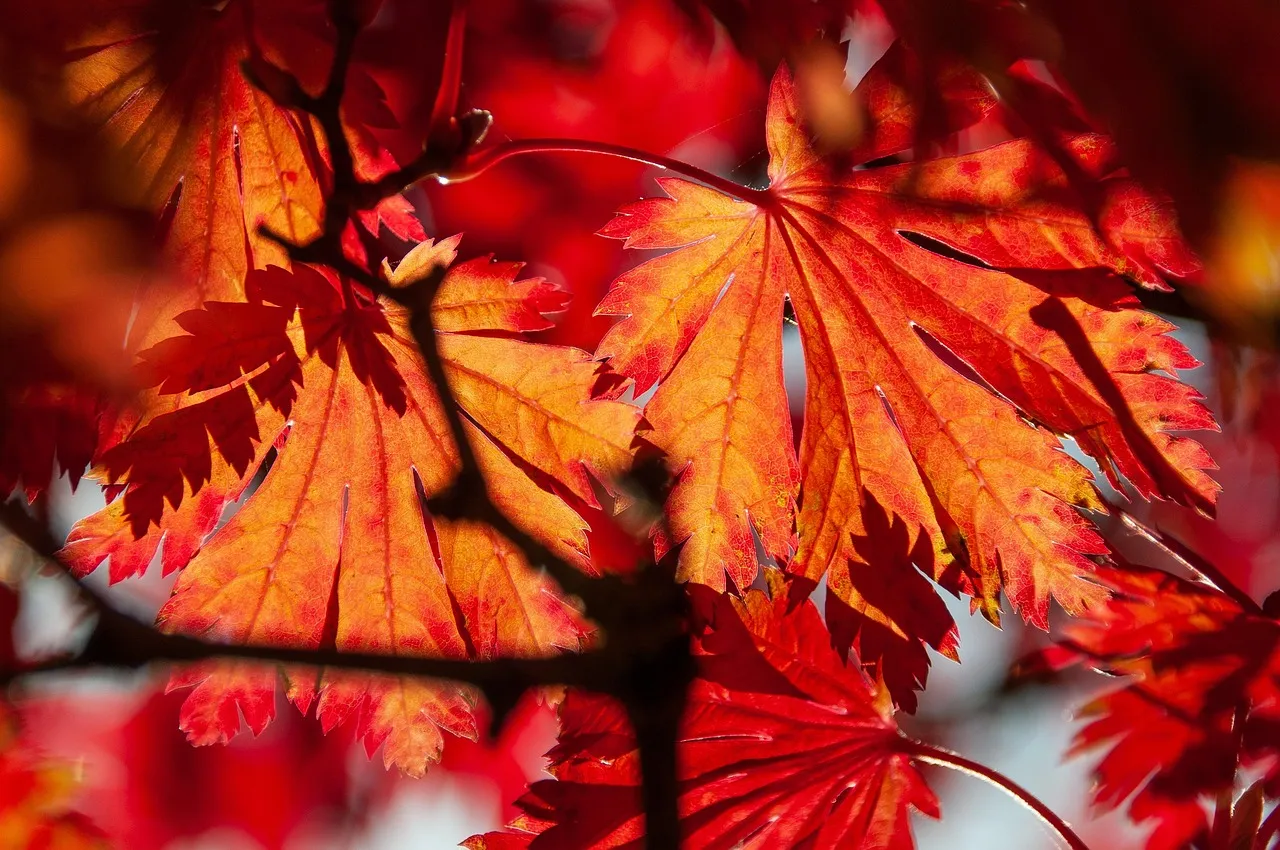
Maples are some of the most planted shade trees in North American neighborhoods, which unintentionally makes them a major part of how owls adapt to human spaces. Sugar, red, and silver maples all share a tendency to develop strong lower limbs and, as they age, a decent number of cracks, hollows, and broken branch stubs. Those imperfections are exactly what cavity‑nesting owls and perching owls are looking for, especially in areas where old forests are scarce.
Another quiet advantage: maples support a rich insect community, which boosts the number of songbirds and small mammals feeding and nesting in their branches and nearby lawns. More prey means a more attractive hunting ground for backyard owls. If you already have a mature maple, you might be closer than you think to hosting an owl; often the difference is simply leaving some leaf litter, avoiding heavy pesticides, and allowing the tree to develop naturally instead of aggressively “tidying” every dead limb.
6. Aspen and Poplar: The Fast-Growing Starter Forest
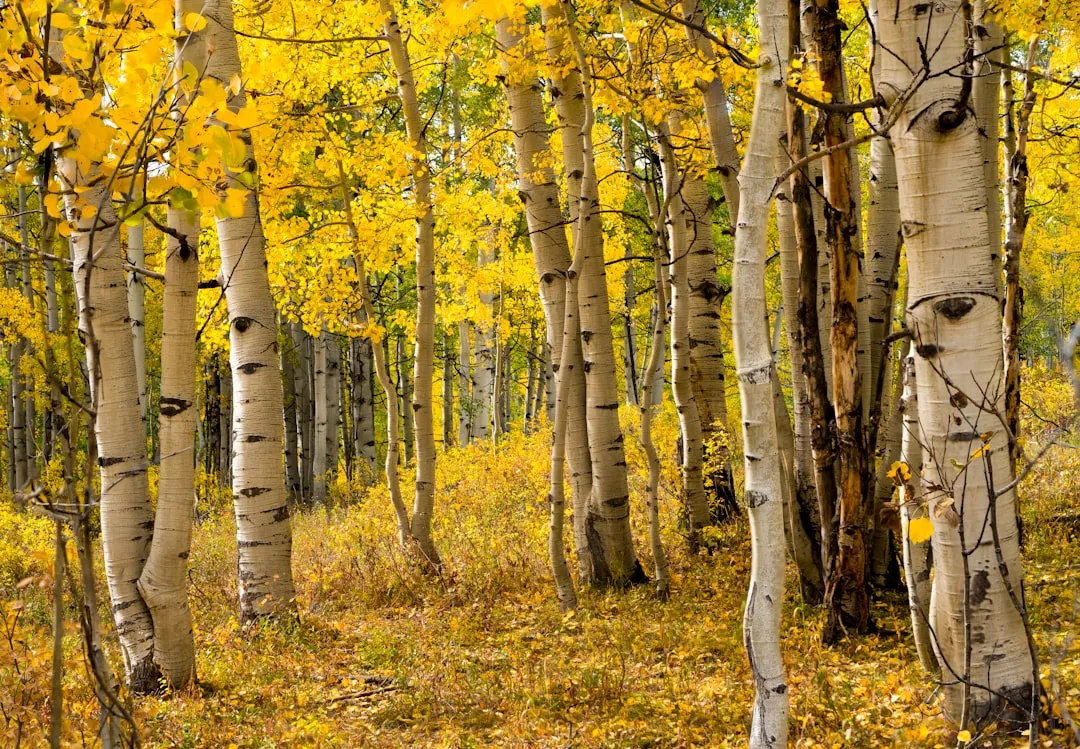
Not every yard can wait decades for an oak or sycamore to reach owl-worthy size. That is where aspens and poplars come in. These trees grow quickly, often forming small groves that create a mini-forest feel in just a handful of years. Woodpeckers are particularly fond of softer aspen and poplar wood, boring nest holes that later get reused by small owl species once abandoned.
Because aspens often spread in clusters, they can offer a mix of young and older stems in a tight area, giving owls both cover and potential cavity sites. The fluttering leaves also create constant background movement and sound, which can help hide the slight rustle of an owl shifting on a branch. If you want relatively fast results and are okay with a slightly wild, natural look, a patch of aspens or poplars can turn a plain backyard into an intriguing, owl-friendly thicket.
7. Large Fruit Trees and Old Orchards: The Unexpected Owl Cafeteria
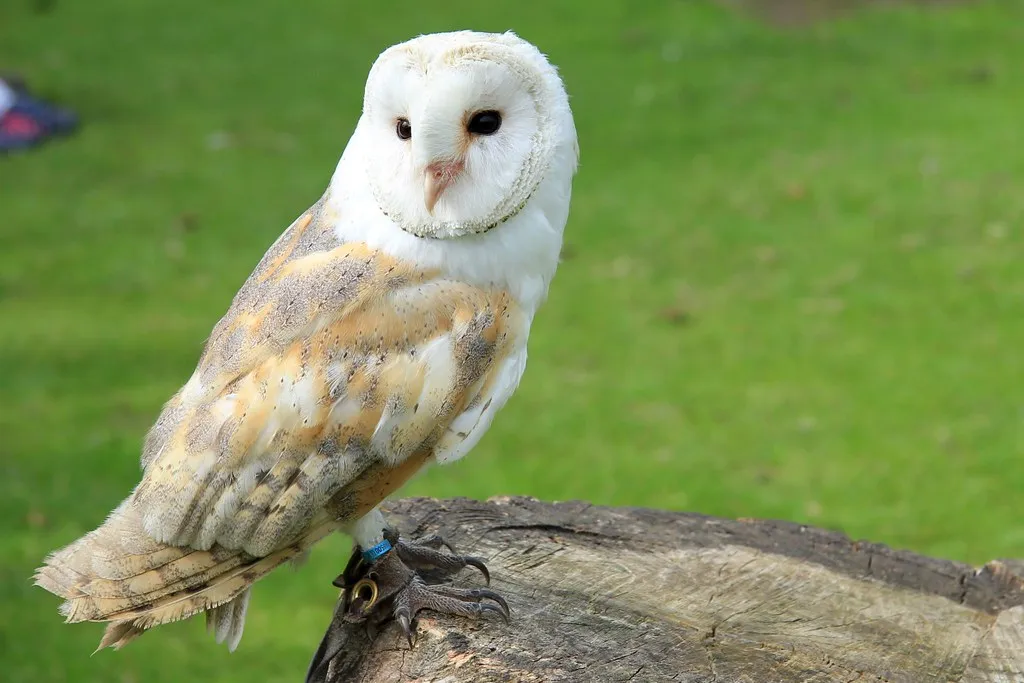
Most people plant fruit trees for themselves, but owls see them more as all‑night diners. Old apples, pears, and similar trees often develop crooked limbs, knotholes, and rough bark that provide both perches and potential roost sites. Just as important, fallen or leftover fruit attracts rodents and insects, which in turn draw in hungry owls looking for an easy meal after dark.
In older or semi-abandoned orchards, the combination of open ground, scattered trees, and abundant prey can create perfect hunting habitat. Even a single large backyard fruit tree near a patch of tall grass or a compost area can function as a miniature version of this. If you have ever noticed how quiet a frosty orchard feels at dusk, it is easy to imagine an owl slipping in and claiming the highest, gnarliest branch as its night watchtower.
8. Dead or Partially Dead Trees (Snags): The Overlooked Owl Magnet
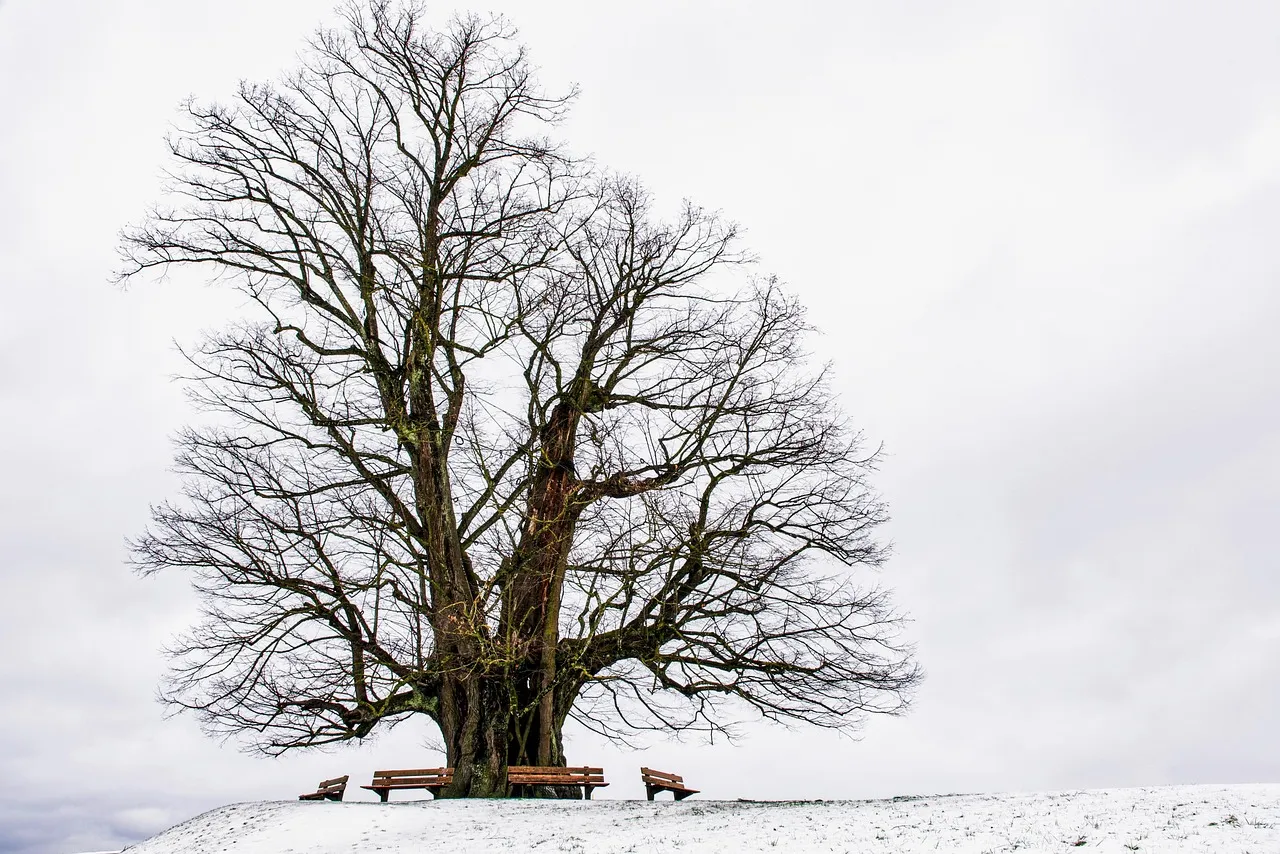
This one surprises a lot of people: sometimes the best owl tree in a yard is not the healthiest-looking one. Standing dead or partially dead trees, often called snags, are incredibly valuable for wildlife. As wood softens, cavities form more easily, and those become nesting and roosting sites for small and medium-sized owls. The lack of leaves also means wide, unobstructed views, which can be perfect for spotting prey on the ground below.
Of course, there is an important safety caveat: only leave a snag if it does not threaten your house, power lines, or pathways. A good compromise some homeowners use is to have an arborist safely reduce the height of a dead tree, leaving a stable trunk section and a few main branches. That stripped-down silhouette might look a little eerie at dusk, but to an owl, it is a nearly perfect blend of lookout tower and apartment building.
Conclusion: Planting for Owls Is Really Planting for Life
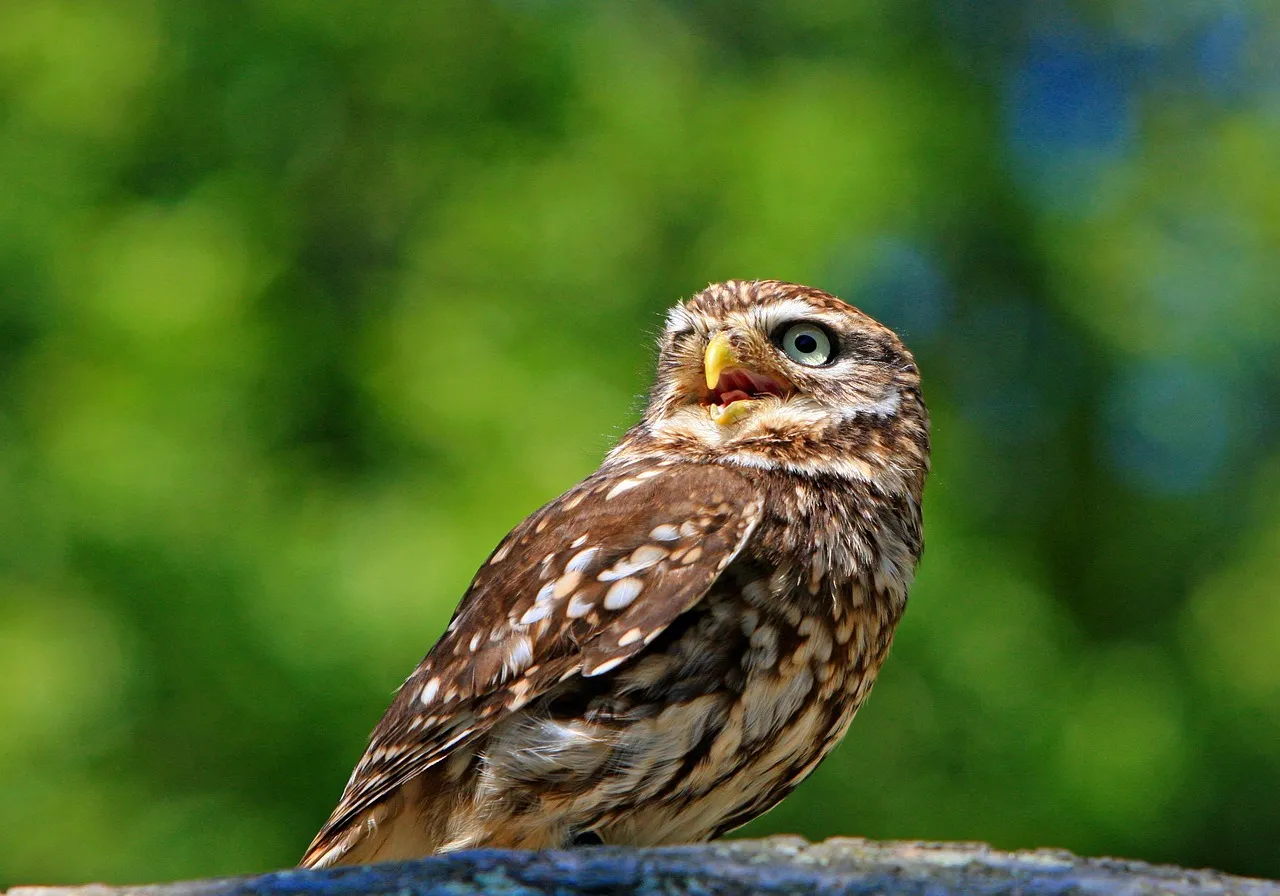
Looking across all these tree types, a clear pattern emerges: owls are not picky about fancy species names; they care about structure, safety, and food. Tall trunks, strong limbs, dense cover, and – especially – natural cavities and imperfections make a tree inviting. The more your backyard looks like a layered, slightly messy slice of real habitat instead of a manicured parking lot, the more likely it is that an owl will eventually claim it after sunset.
My own bias is obvious: I think leaving a dead limb standing or planting a big, long‑lived tree is worth far more than another spotless patch of lawn. At the end of the day, you are not just decorating a yard, you are deciding whether creatures like owls will simply fly past or actually move in. So if you had to choose, would you rather have a perfectly neat backyard – or one where a wild pair of eyes watches you from the shadows, reminding you that you share this place with something a little magical?

- 8 Reasons Cedar Waxwings Pass Berries From Beak to Beak - July 26, 2026
- 8 Backyard Trees That Owls Prefer After Sunset - July 26, 2026
- 9 Things Chickadees Remember About Reliable Backyard Feeders - July 26, 2026