
You didn’t bring home a monster. You brought home a dog who flinches at a raised hand, won’t eat while you’re watching, and circles the living room like the floor might give out beneath him. And somewhere in your first few weeks together, something you did with total love in your heart might quietly convince him you can’t be trusted either.
Behaviorists who spend their careers with shelter dogs will tell you the damage almost never comes from cruelty. It comes from kindness delivered too fast, in the wrong order, without reading the dog in front of you. Here are 15 small, well-meaning mistakes that break a rescue dog’s trust – and exactly what earns it back instead.
#15 – Rushing Physical Affection (Hugs, Kisses, Grabbing)
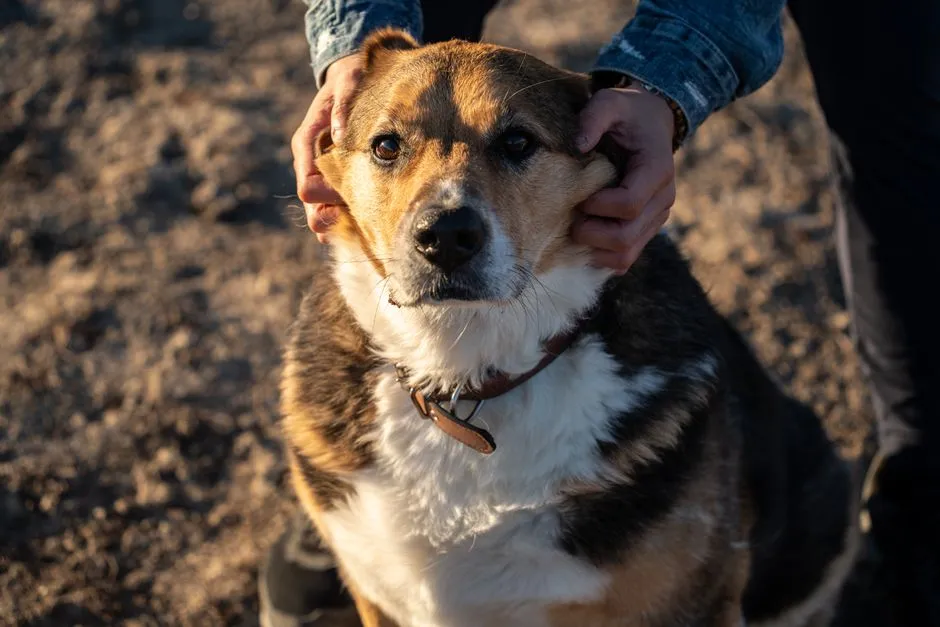
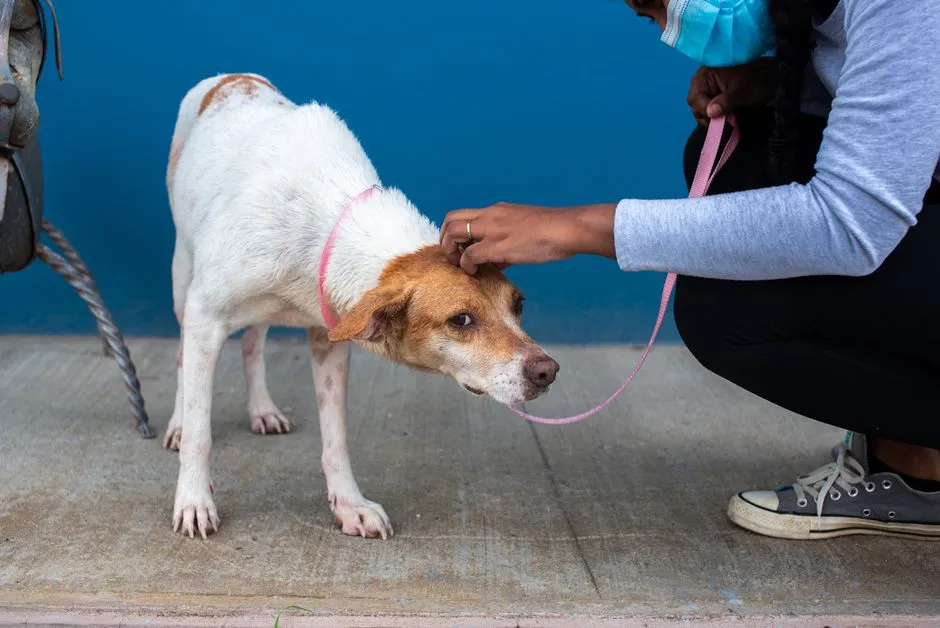
New owners think constant cuddling proves love. For a lot of rescue dogs, it proves you’re not listening. Dogs coming out of shelters, off the street, or out of abusive homes are often running on pure sensory overload, and a tight hug or a kiss on the face can feel less like affection and more like a hold they can’t escape.
Let the dog choose contact instead of forcing it. Sit nearby, angle your body away, skip the direct eye contact, and wait for them to come to you. A dog that leans into your hand is telling you “I trust you” in the only language he has. A dog that stiffens, licks his lips, or turns his head away is begging for space you’re not giving him – and ignoring that quietly teaches him his feelings don’t count.
#14 – Overwhelming Them with Visitors and Outings
Everyone wants to show off the new dog immediately – friends, kids, neighbors, the dog park, all in week one. For a rescue dog whose nervous system is still scanning for danger everywhere, that’s not a welcome party. It’s a social explosion.
Keep the world small at first: one calm visitor at a time, short quiet walks close to home, and absolutely no petting parties or dog parks. Flooding a scared dog with new faces can hard-wire fear instead of confidence. He doesn’t learn that people are wonderful; he learns that people are unpredictable and that you’re the one who keeps throwing him into chaos – which is exactly where leash reactivity and fear-biting start.
#13 – Inconsistent Rules from Day One
“Just this once” is how most behavior problems begin. Guilt over what the dog’s “been through” leads to a night on the couch here, a bite of food off your plate there, a little jumping because it’s cute. Two weeks later you’re correcting behavior you personally taught him was fine.
Dogs don’t understand exceptions – they understand patterns. If jumping sometimes gets attention, he’ll keep trying it. Every inconsistency chips away at trust, because your dog can no longer predict what you’ll do. Decide your rules before he ever walks through the door – couch or no couch, begging tolerated or never – and hold the line calmly every single time. Consistency is what safety feels like to a nervous dog.
Fast Facts
- Dogs thrive on predictable routines, not flexible ones.
- A single “exception” can take dozens of repetitions to undo.
- Consistent rules reduce anxiety-driven behaviors like jumping and begging.
- Every family member needs to enforce the same boundaries.
#12 – Skipping Crate or Safe-Spot Training
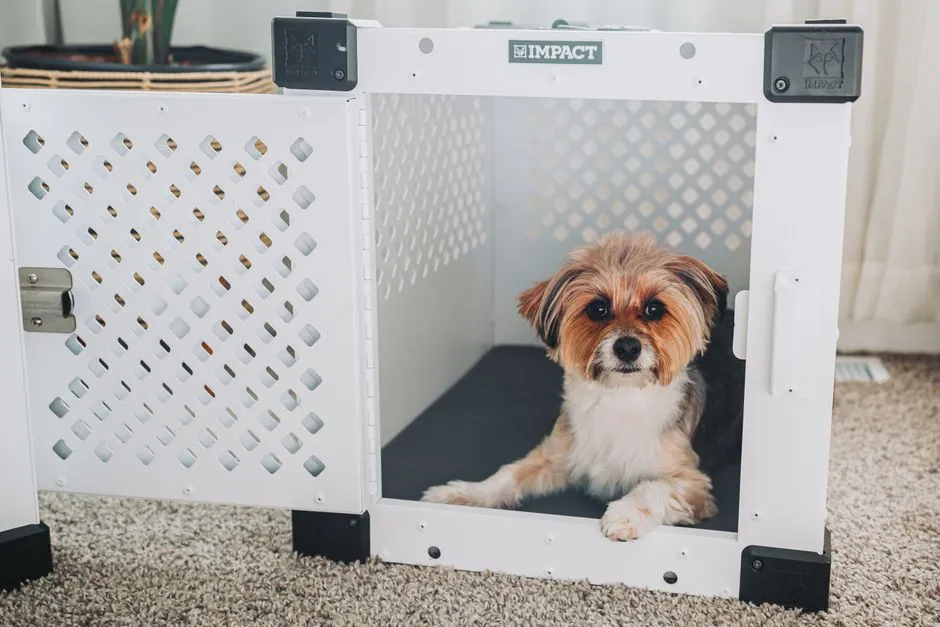
Plenty of new owners think crates are cruel, especially for a dog who’s already suffered. Used correctly, though, a crate or a designated safe corner works like a bedroom door the dog gets to close on the rest of the world. Traumatized dogs often crave exactly that: a small, predictable space where nothing can reach them.
The mistake is skipping it entirely, or only using it as punishment – both send the message that nowhere is truly his. Make it sacred instead: soft bedding, a chew, part of the crate covered, no kids reaching in, no one pulling him out. Given time, many rescues start choosing the crate on their own when they’re overwhelmed. That’s not a dog hiding in a cage. That’s a dog who finally found somewhere safe.
#11 – Using Harsh Discipline or “Alpha” Techniques
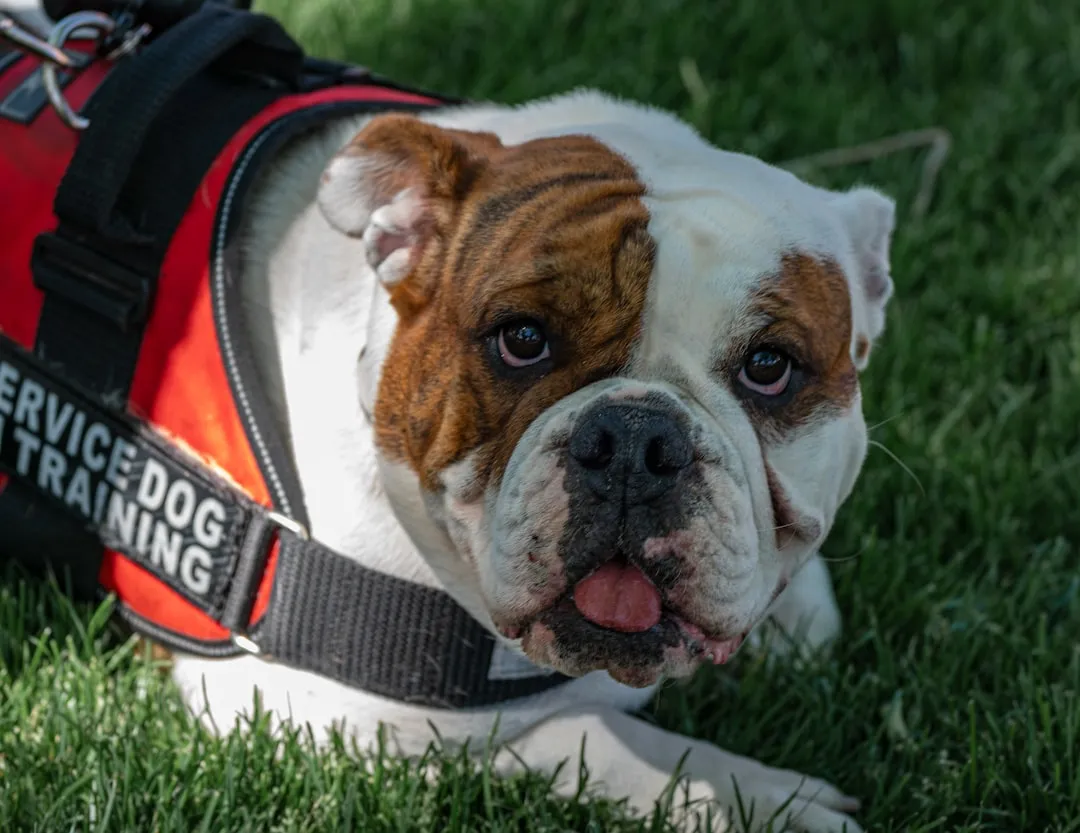
Rescue dogs are the last animals on earth that need a rolled-up newspaper or an alpha roll, yet some owners still reach for outdated “pack leader” advice. For a dog who’s already been yelled at or hit, punishment doesn’t correct behavior. It confirms every fear he ever had about people.
Harsh corrections often shut a behavior down on the surface while the anxiety underneath keeps climbing. You think you fixed the problem; really you taught him to never show how he feels – which is exactly how you end up with a dog who seems fine until he suddenly bites without warning.
The best trainer I know isn’t the one with the harshest hand – it’s the one the dog runs toward, not away from.
Patricia McConnell, applied animal behaviorist
#10 – Ignoring Subtle Stress Signals
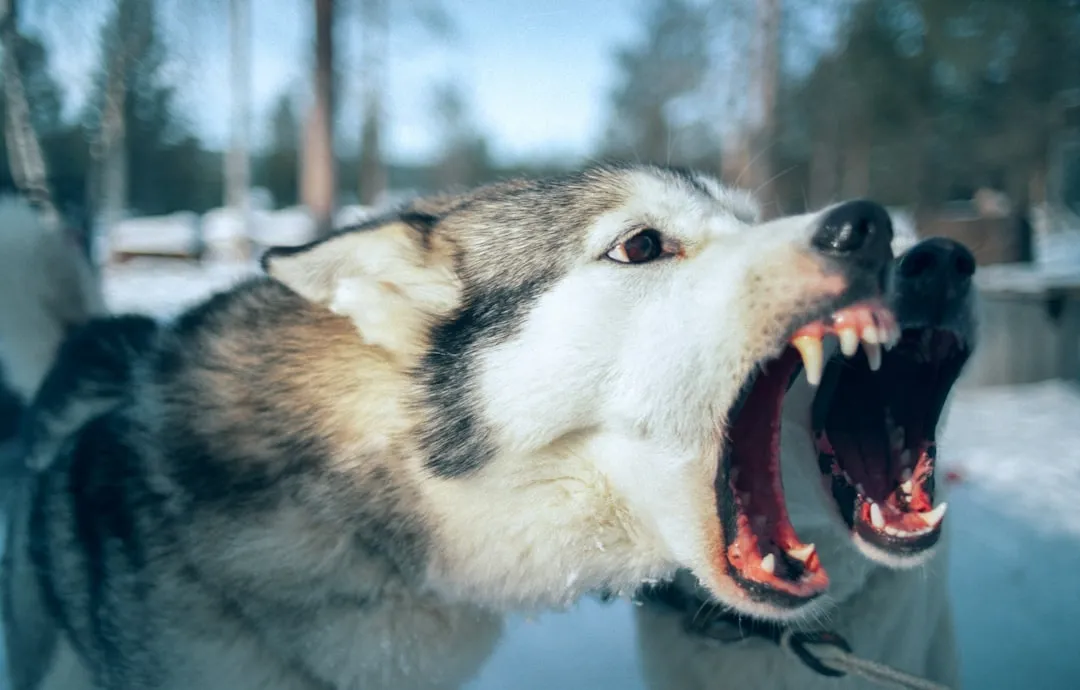
Most new owners only react once the dog growls or snaps – by then, he’s already given ten quieter warnings that got ignored. Rescue dogs speak softly first: lip licking with no food around, yawning when they’re not tired, turning their head away, showing whale eye, freezing into that eerie statue stillness.
Those are all early versions of “I’m not okay.” Push through them anyway – hug tighter, force the greeting, drag him closer – and you teach him that whispering doesn’t work here, so he escalates to growling and eventually biting. Respect the early signals instead, and you teach him the opposite lesson: I communicate, and you listen. That’s the whole foundation of trust in one sentence.
#9 – Changing Food, Routines, and Environment Too Fast

You rescued him, so you want to upgrade everything at once – new food, new bed, new schedule, new toys, new people, all in the first week. It feels generous. To a nervous system stuck in survival mode, it feels like the ground keeps shifting.
Stability is the number one currency of trust for a lot of rescue dogs. Keep the same shelter food for a week before transitioning slowly, keep feeding times consistent, keep walks and bedtime roughly the same every day. Predictability sounds boring to us; to an anxious dog, it’s medicine. He learns nothing bad jumps out of nowhere here – and only then can his brain risk actually bonding with you.
#8 – Forcing Dog-Dog Interactions and Dog Parks
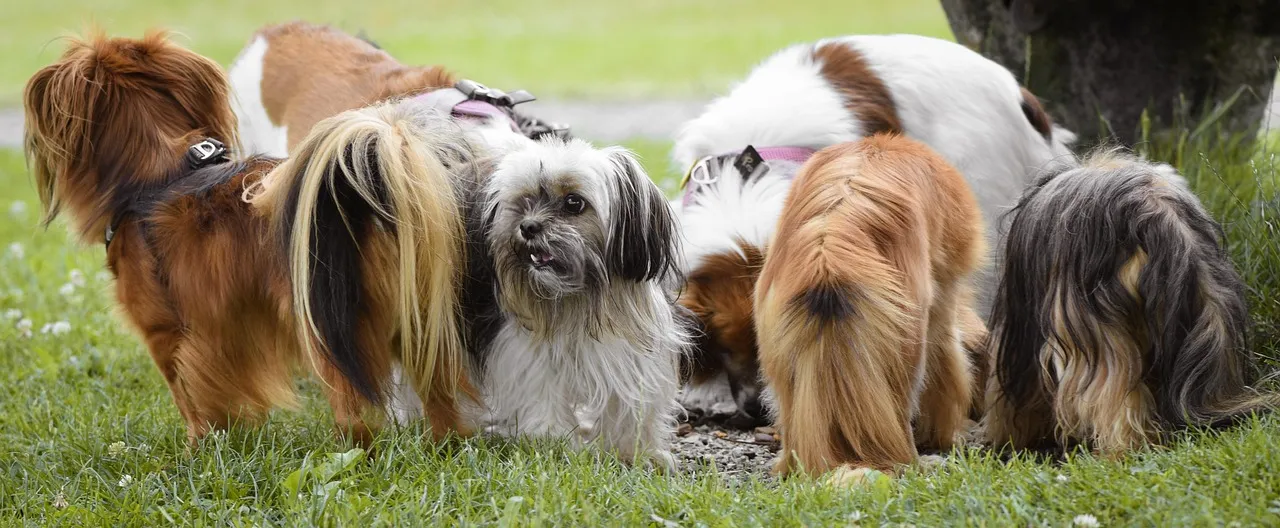
New owners hear “socialization” and think dog park, immediately. For a rescue with an unknown history, that’s like dropping a traumatized kid into a chaotic playground with zero rules and a pack of strangers.
One bad dog-park experience can undo weeks of careful trust-building in about ninety seconds. Skip the mob of off-leash dogs, the ignored stiff bodies and raised hackles, the “they’ll work it out” gamble. Do parallel walks with one calm, known dog instead, keep greetings short and structured, and actually watch your dog instead of your phone. You earn trust by proving you’ll protect him from situations he isn’t ready for – not by throwing him in and hoping for the best.
#7 – Expecting Gratitude Instead of Grief
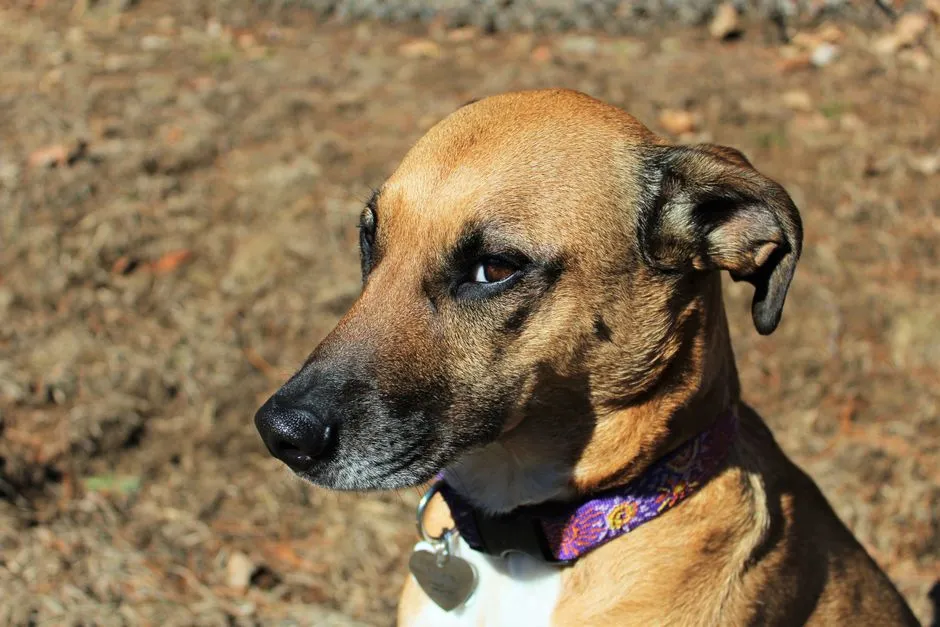
Here’s the uncomfortable truth nobody wants to say out loud: most newly adopted dogs aren’t happy at first. They’re grieving. They just lost everything familiar, even if that old life was imperfect, and owners often mistake the shutdown for ingratitude or stubbornness.
Rescue dogs typically cycle through shock (quiet, low energy, sleeping constantly), confusion (testing boundaries, clingy one minute and distant the next), and grief (pacing, whining, seeming genuinely sad). He’s not failing you – he’s processing a loss you can’t see. Pressuring instant love turns his grief into your ego trip. Trust grows when he’s allowed to heal on his own timeline, not the speed of your Instagram reveal.
At a Glance: The 3-3-3 Rule
- First 3 days: Overwhelmed and decompressing, often not eating normally.
- First 3 weeks: Settling in, testing boundaries, learning the routine.
- First 3 months: Building real trust and showing true personality.
#6 – Skipping Professional Help Until Things Explode
Most owners wait for a bite, a serious fight, or a furious neighbor before they ever call a trainer. By then the patterns are deep and the trust is already fractured. With rescue dogs, the small early red flags are actually your best window to fix things while they’re still small.
Persistent fear of a certain type of person, guarding food or space, or extreme panic when left alone are not “quirks he’ll grow out of.” Waiting to see if it improves is exactly how minor issues turn into rehoming conversations. A good force-free trainer isn’t just fixing the dog – they’re teaching you how to stop accidentally breaking the trust you’re trying so hard to build.
Worth Knowing
- Growling over food or toys is a warning sign, not “just attitude.”
- Persistent fear of one type of person often signals unresolved trauma.
- Extreme panic when left alone rarely resolves without guidance.
- Force-free trainers focus on confidence-building, not just obedience.
#5 – Leaving Them Alone Too Soon (or Never Leaving at All)

Some owners go back to work the next day and leave a terrified rescue alone for eight straight hours. Others swing to the opposite extreme, never leaving his side for weeks, then vanishing for a full workday out of nowhere. Both patterns tell a dog who’s already lost everyone once that you, too, are unpredictable.
Build alone time in seconds and minutes before you ever try hours. Pair every departure with something good – a stuffed Kong, a chew – and keep your comings and goings boring, not emotional. Sudden long absences after constant togetherness are a textbook recipe for separation anxiety. That’s not clinginess. That’s a brain convinced abandonment is happening all over again.
#4 – Over-Labeling Them as “Abused” or “Broken”
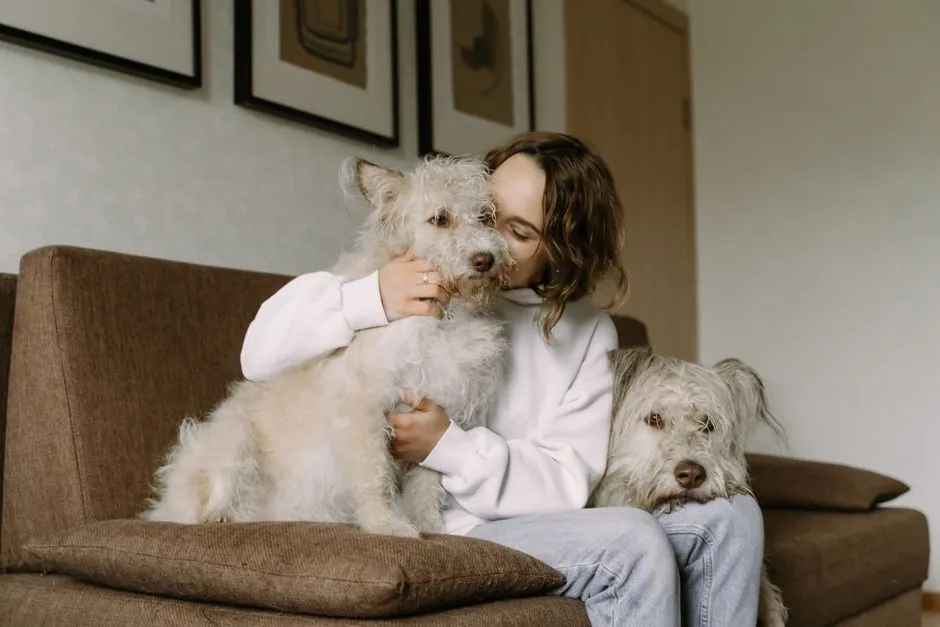
This one tends to start arguments, but it needs saying: constantly calling your dog “abused” or “traumatized” can quietly box him in. Plenty of rescues are actually just undersocialized or under-exposed, not permanently damaged – and the label sticks longer than the truth does.
See him only as fragile, and you’ll either overprotect him or excuse behavior that actually needs gentle guidance. Treating him like a porcelain statue is one trap; treating him like a problem project is the other. Your dog needs you to see his potential, not just his file. “Rescue” explains where he came from – it should never define where he’s allowed to go.
#3 – Talking About Them Negatively While They’re Right There
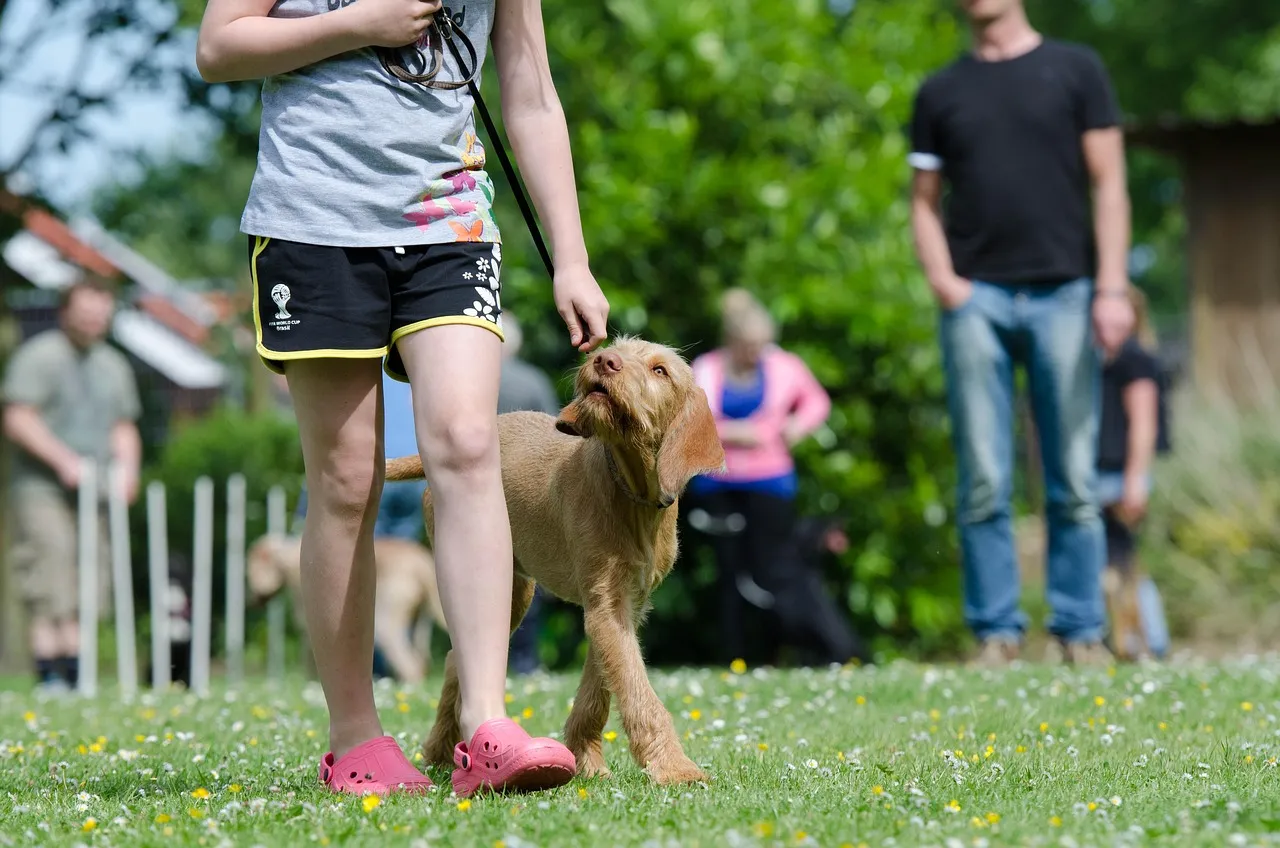
People underestimate how much of this a dog absorbs. He may not know every word, but he reads your tone, your posture, your energy with startling accuracy. Stand over him saying “he’s so stubborn” or “she’s just aggressive,” and what he actually hears is one message, loud and clear: you are a problem to me.
That attitude reshapes how you treat him without you even noticing – shorter patience, assuming the worst, missing tiny improvements because you’re not looking for them anymore. Sigh in frustration every time he messes up and you teach him he can never win with you. Trust grows when he can feel, in your voice and your body, “I’ve got you. We’ll figure this out together.”
#2 – Expecting Them to Be Your Old Dog
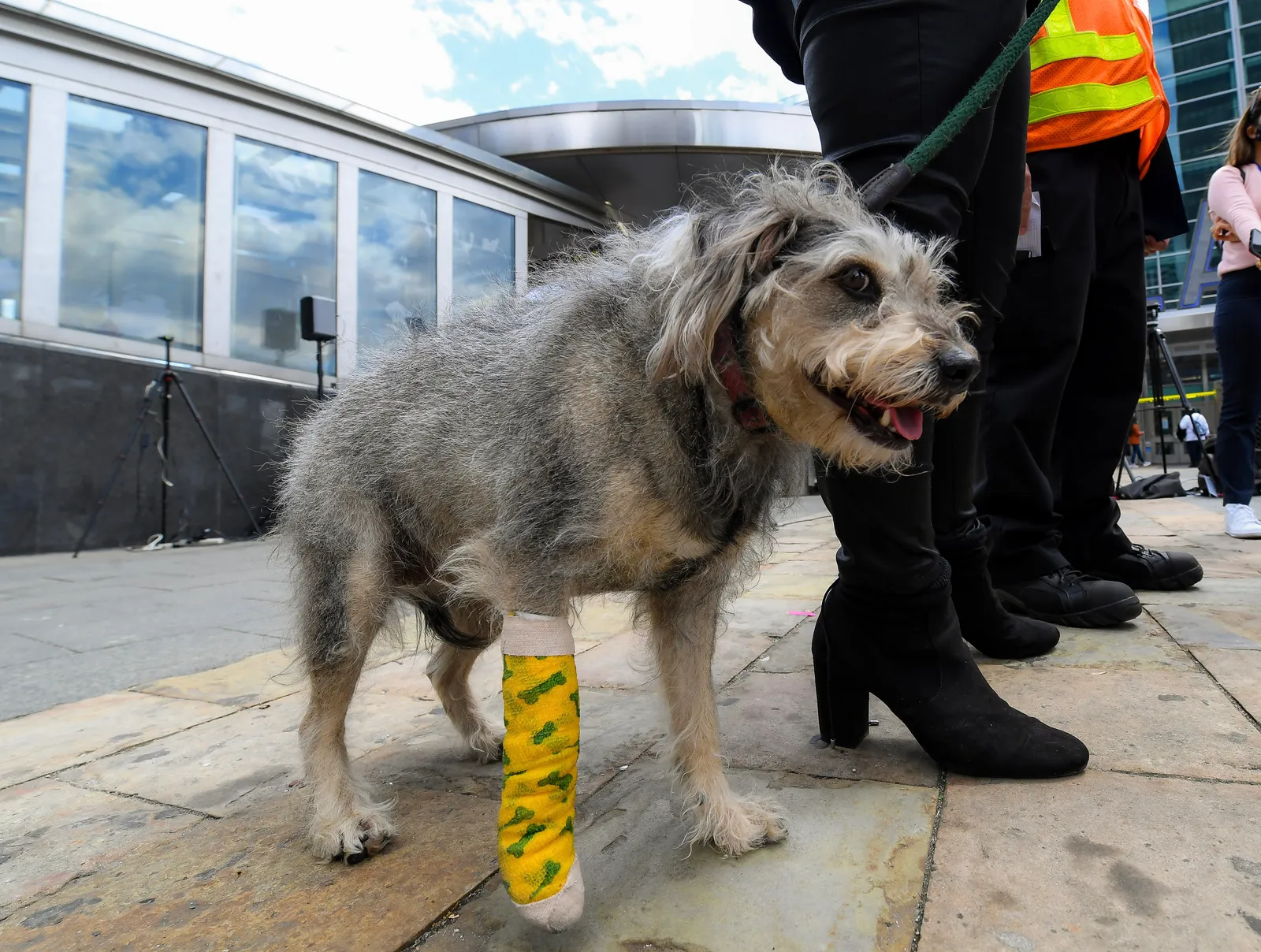
One of the quietest trust-killers: comparing your new rescue to a dog you already lost. “My last dog never did this.” “She’s not as affectionate as he was.” For a dog trying to decode a brand-new home, that comparison energy is devastating – he’s competing against a ghost he never even met.
Different genetics, different history, a completely different timeline to trust – none of that is a flaw. Holding him to a standard he can never reach means he starts his new life already failing. Notice who he actually is instead – the small brave choices, the first soft eye contact – because trust can’t grow in a home where he’s never allowed to just be himself.
Quick Compare
- Old dog: Years of history, established trust, familiar quirks.
- New rescue: Zero history with you, trust still unearned, quirks still unknown.
- Fair approach: Judge him against his own progress, not someone else’s memory.
#1 – Moving Too Fast Emotionally and Calling It “Love”
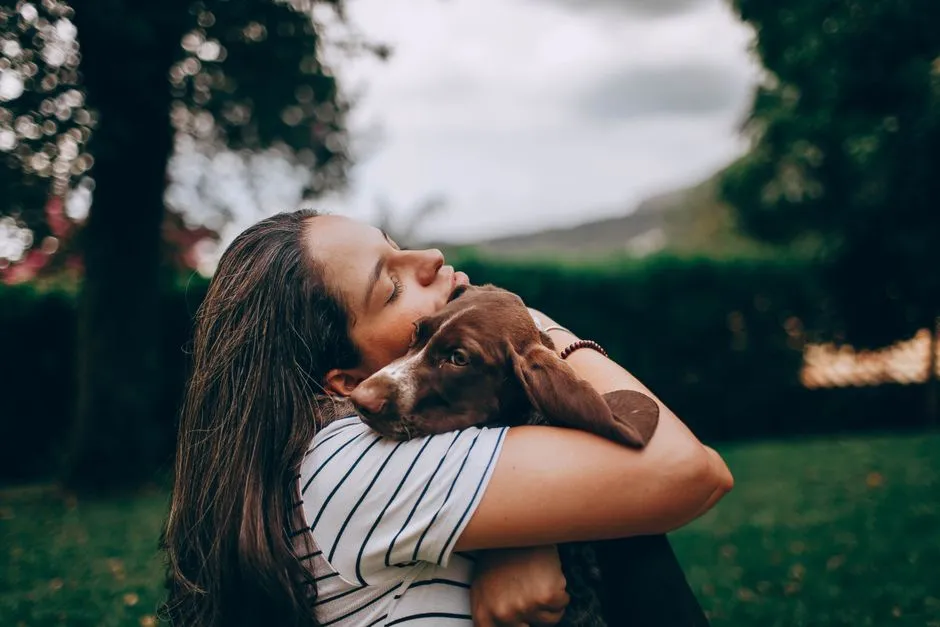
Here’s the hardest truth on this whole list: the single biggest trust-breaker is emotional rushing. You fall in love on adoption day. He can’t – not yet, and maybe not for months. Push for instant soulmate status and you end up forcing everything: affection, obedience, social life, that perfect-family-dog photo.
You’re measuring success in weeks. His nervous system is measuring safety in repeated, boring, uneventful days where nothing bad happens. That mismatch is where resentment and rehoming quietly start. Real rescue love looks like restraint – going slower than you want to, letting him say no, celebrating the tiny wins nobody would ever post online. That’s what finally makes a dog who had every reason to give up on people choose you back.
The Bottom Line
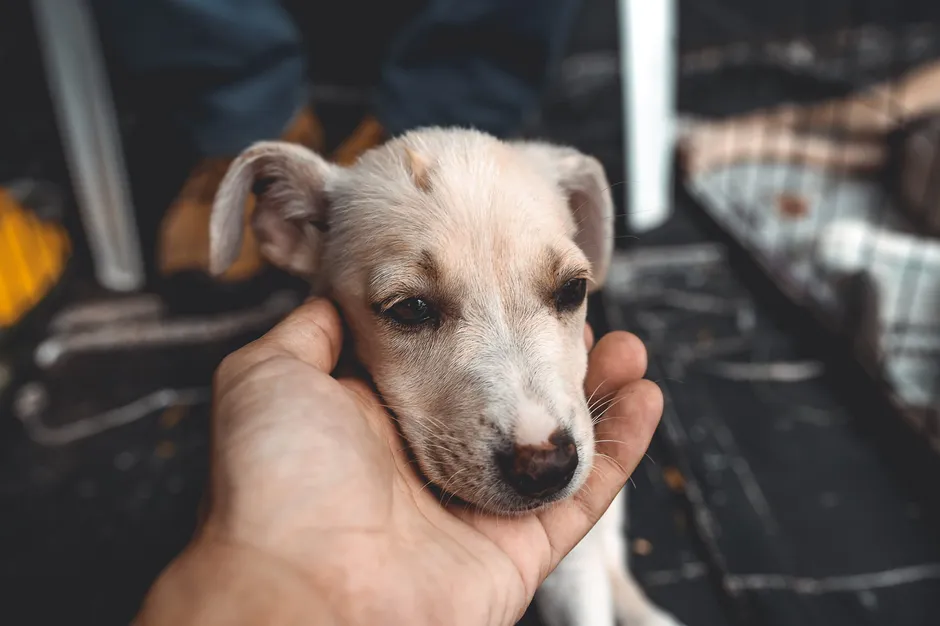
The pattern behind all 15 of these mistakes is almost embarrassingly simple: humans rush, and dogs need time. New owners mistake intensity for love – more affection, more people, more outings, more expectations – then feel personally betrayed when a scared, displaced animal shuts down or lashes out instead of falling into their arms on cue.
Rescue trust was never built in the cinematic moment. It’s built in the small, unremarkable proof that you are predictable, gentle, and safe, day after day after day. Trade the fantasy of the instantly grateful rescue dog for the slower, less Instagrammable reality of earned trust, and you get something rarer: a bond that dog actually chose. That’s precisely why so many of the most loyal, rock-solid dogs on earth are former strays and shelter cases. They remember exactly who showed up for them – and who didn’t.

- 15 Small Mistakes New Owners Make That Break a Rescue Dog's Trust - July 29, 2026
- 14 Early Warning Signs in Older Dogs That Owners Brush Off Too Long - July 29, 2026
- 10 Most Famous Ghost Towns in The USA - July 28, 2026