
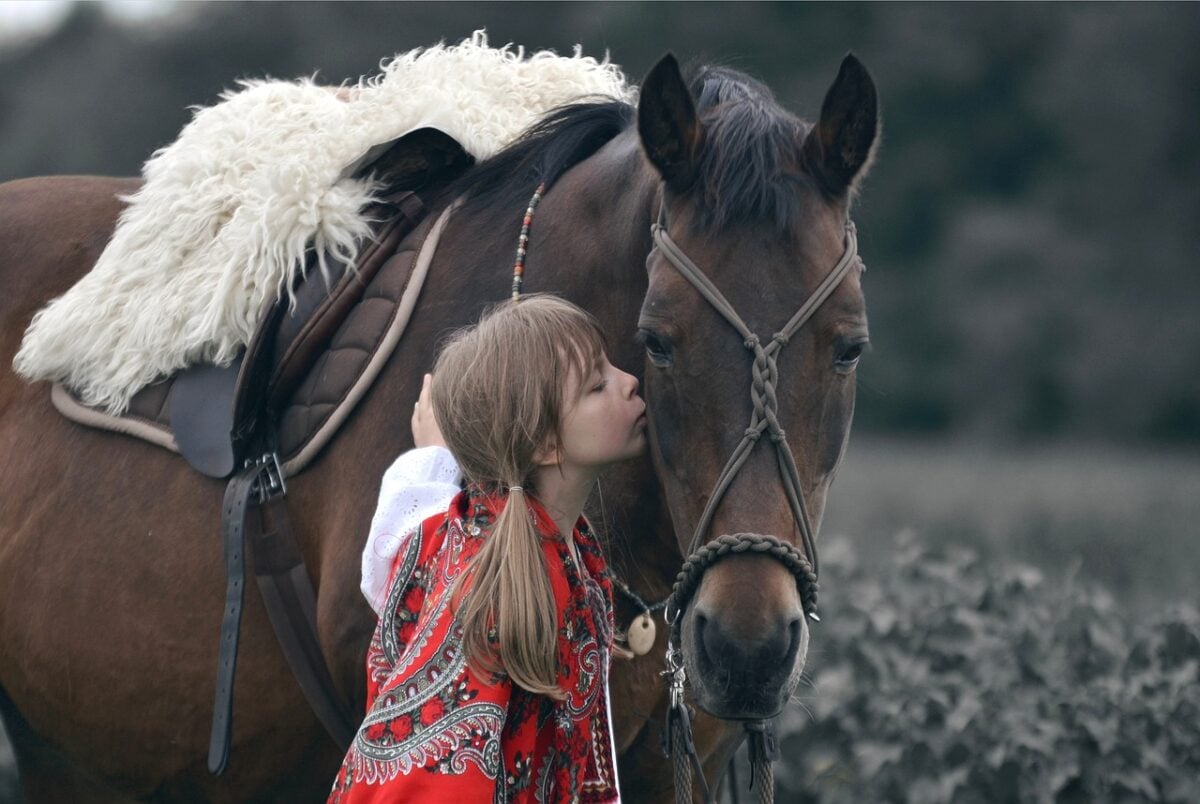
Everyone assumes a horse proves it trusts you with big, dramatic gestures – a bareback ride, a wild gallop, a leap over a fence with total abandon. Ask the people who’ve spent decades reading horses for a living, and they’ll tell you something almost embarrassing: those big moments prove almost nothing.
The real signs live somewhere quieter, in the half-second choices a horse makes when it thinks nobody’s grading it. A sigh. A shifted hip. An ear that never quite stops pointing your way. Most riders scroll right past these moments chasing bigger tricks, never realizing they just missed the truest compliment their horse can give. Here’s what fourteen of those quiet, easy-to-miss signals actually look like – starting with the one hiding in plain sight every time your horse stands beside you.
#14 – They Breathe Out and “Deflate” Beside You
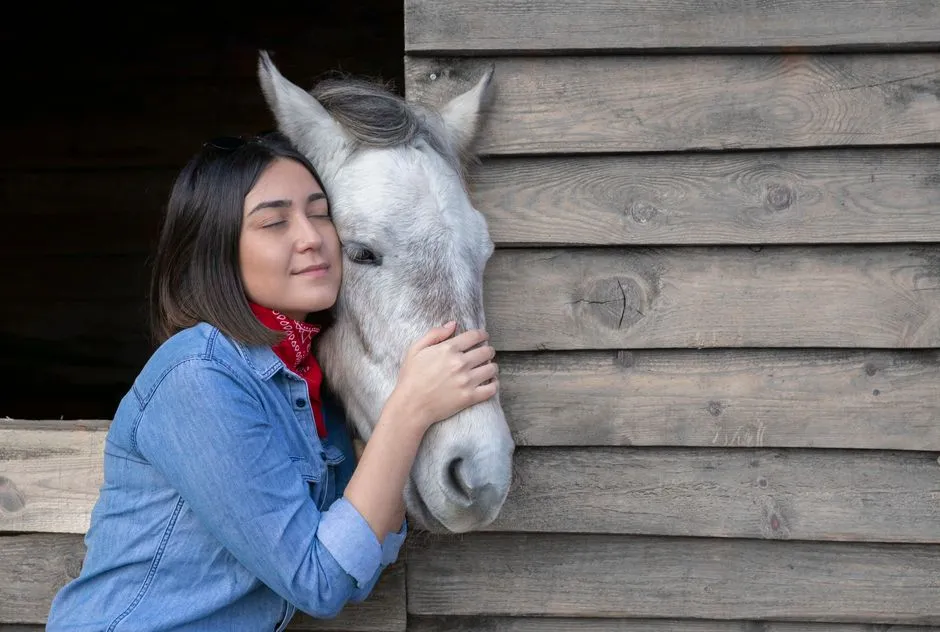
A horse that trusts you doesn’t just stand still – it lets its whole body soften when you’re near. You’ll feel it: the ribcage lowers, the head sinks a little, and then comes that long, audible sigh.
This isn’t laziness. It’s a horse switching off “ready to react” mode because it believes you’ve got this.
Many riders chase flashy maneuvers and completely miss this moment, even though it’s one of the clearest stress-release signals in equine behavior. When a horse feels exposed, its muscles stay slightly braced, ready to spin, spook, or bolt.
When it trusts you, it quietly cancels that plan. You’ll notice softer eyelids, slower blinking, maybe a drooping lower lip – small proof that says, “I don’t have to be on guard right now.” It’s easy to miss, and more meaningful than any ribbon.
#13 – They Keep One Ear on You, Even When They Seem to Be Ignoring You
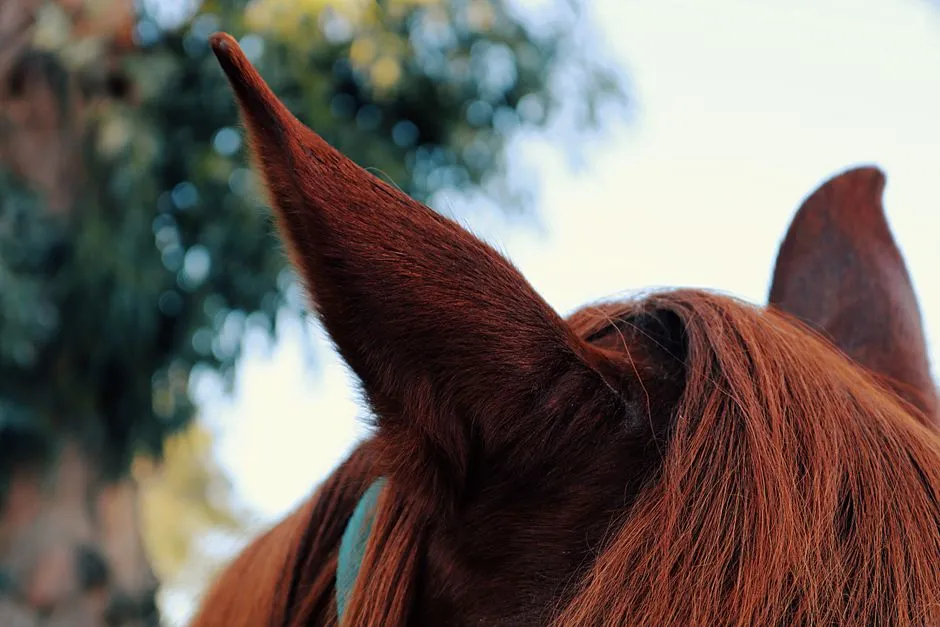
Here’s the quiet truth: a horse that trusts you doesn’t need to stare at you to stay connected. It can graze, watch the trail, or eye the other horses – but one ear stays swiveled in your direction.
That ear works like a private radio channel, always checking, “What are you doing? Are we still okay?” Riders often misread this as distraction, when it’s actually relaxed awareness.
In a tense horse, both ears lock forward like radar on whatever feels threatening. In a trusting horse, one ear casually “belongs” to you almost all the time, even at liberty or on a loose rein.
It means you’ve become part of its safety system, not something to monitor. That’s why experienced handlers feel comfortable walking behind a horse whose ear is tuned to them – they know the horse is mentally still with them.
Fast Facts
- A horse’s ears can move 180 degrees using 10 different muscles, compared to just three muscles for the human ear.
- Its hearing spans roughly 14 Hz to 25 kHz, a noticeably wider range than the human 20 Hz to 20 kHz.
- That combination gives a horse nearly 360-degree hearing without turning its head, so it can point one ear at you and one at a noise across the field.
#12 – They Let Their Hindquarters Drift Toward You
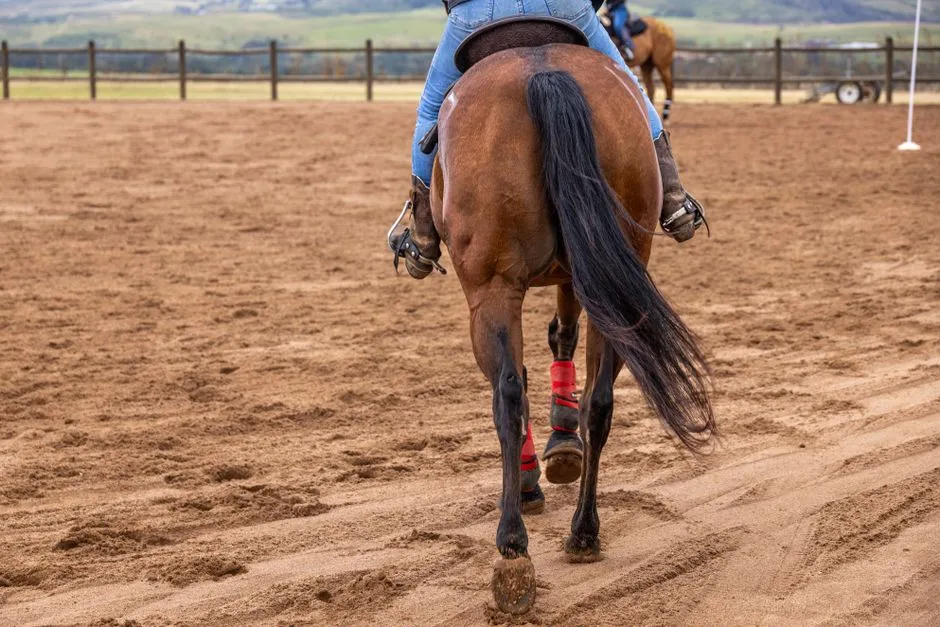
Most people are taught to fear the back end of a horse, and for good reason – that’s where the kick lives. But ironically, a truly trusting horse will often park its hip closer to you instead of away.
This isn’t rudeness when the horse is relaxed and soft. It’s vulnerability. The horse is exposing its most dangerous asset and choosing not to use it.
Watch two bonded horses in a pasture: they rest hip-to-hip, shoulder-to-shoulder, overlapping space with zero tension. When your horse mirrors that with you, standing with a hind leg cocked and its hip angled toward you, it’s quietly naming you herd.
A horse that fears you keeps its hindquarters ready for a quick exit, not parked beside you like an old friend on a porch swing. Many riders correct this position out of habit, never realizing it was a compliment.
#11 – They Drop Their Head and Blink Slowly in Your Space
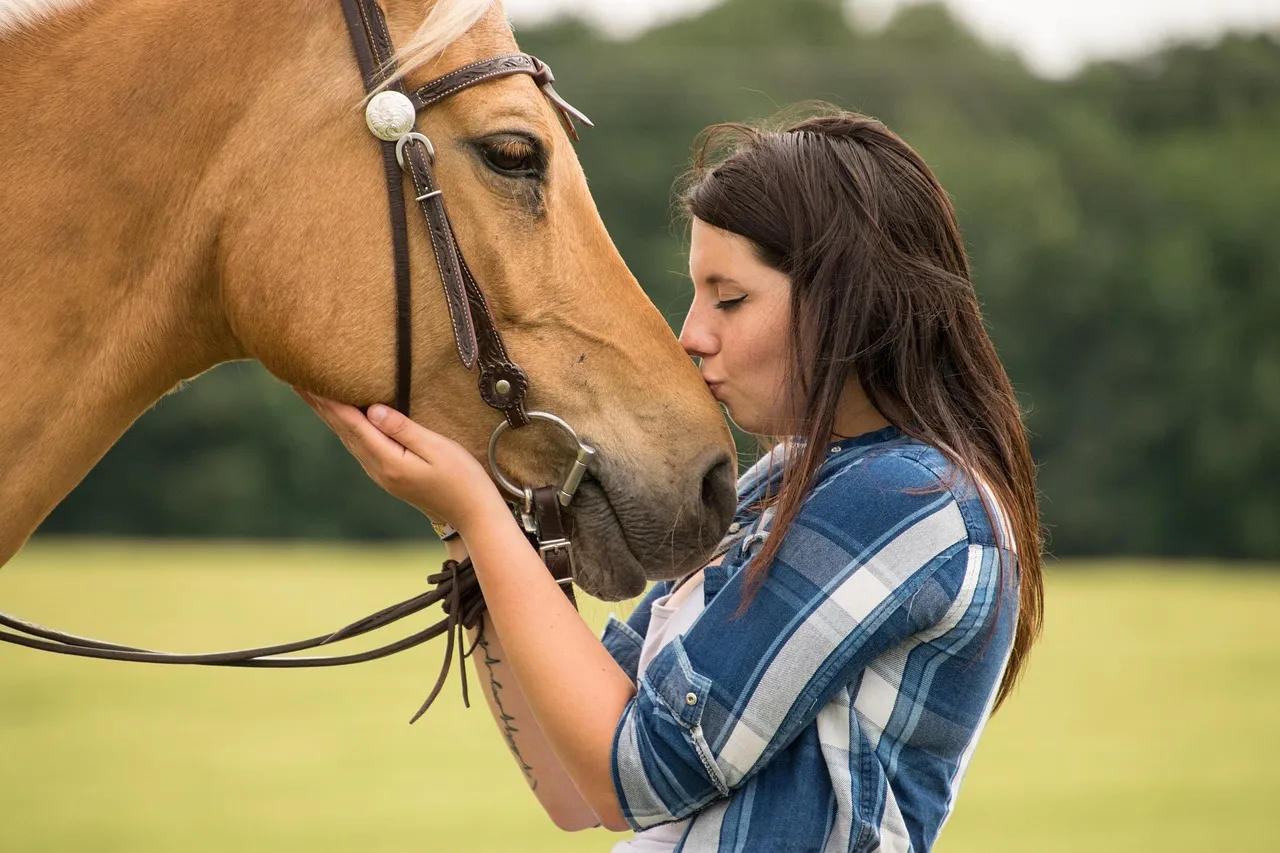
Most riders chase a “low headset” under saddle, then completely ignore what a lowered head means on the ground. A horse that trusts you will often let its head drop right into your bubble.
The poll softens, the nose hovers near your chest or shoulder, and the eyes fall into that slow, heavy blink. It’s the opposite of the high-headed, white-eyed look of a horse ready to flee.
In prey animals, a raised head and rapid blinking mean “I’m scanning for danger.” A horse that lets its head sink while standing close enough to touch is saying something bigger: “If something happens, I’m betting you’ll notice before I do.”
That’s an enormous concession for an animal hardwired to watch for threats every second. It’s why some trainers simply stand with a hand resting on the halter, doing nothing at all – they’re honoring that drop into trust.
#10 – They Match Your Footsteps Without Being Asked
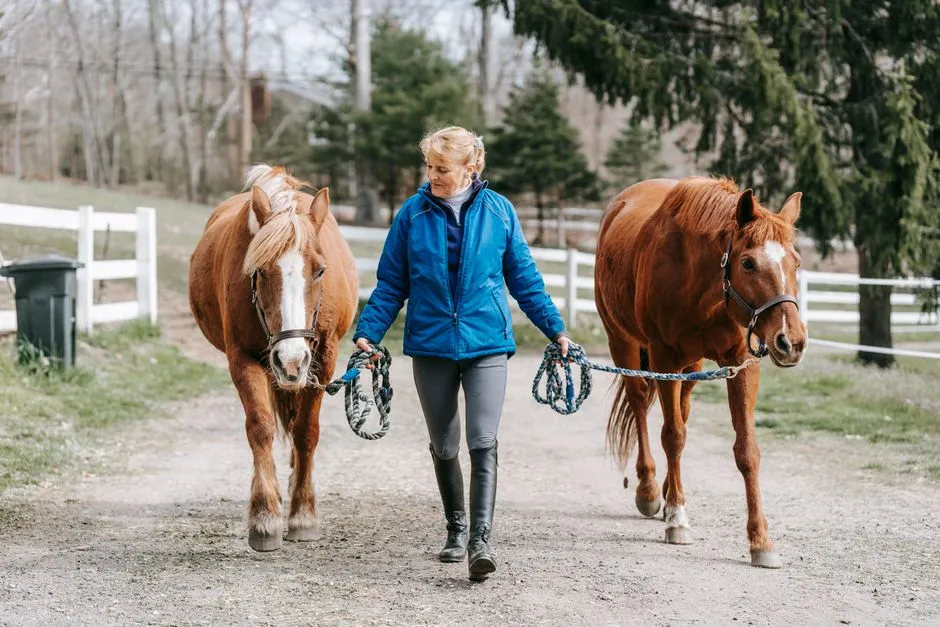
You can fake obedience with a strong bit and sharp spurs, but you can’t fake a horse choosing to sync its steps with yours on a loose line. That subtle “mirror walk” is one of the clearest signs a horse sees you as a calm, reliable leader.
There’s no dragging, no crowding, just an easy rhythm where your stride and its stride fall into the same pattern. In the wild, horses match the movement of whoever they trust to keep them safe.
Nervous or disconnected horses lag behind, rush ahead, or veer off entirely. A trusting horse does neither.
- It slows down the instant you slow down, without a tug on the lead.
- It stops when you stop, sometimes exhaling at the exact same moment.
This isn’t flashy, so most social media clips skip right past it. But professionals quietly judge a connection by this one detail more than by any trick in the arena.
#9 – They Quietly Guard Your Space From Other Horses
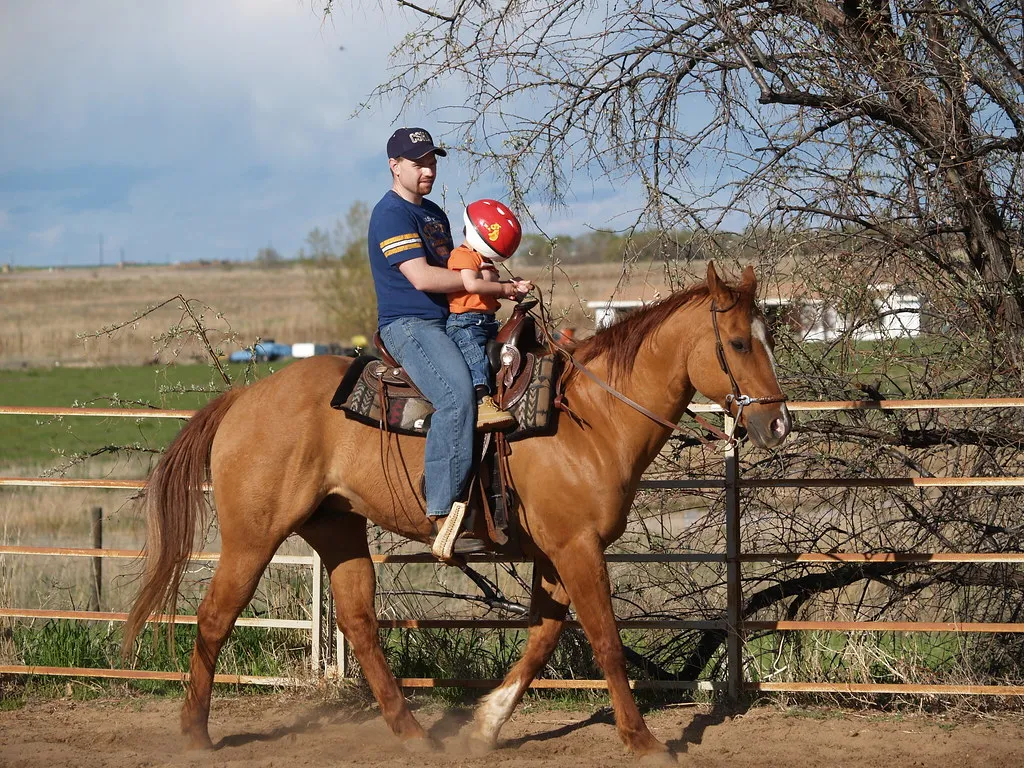
Here’s a behavior that sparks arguments in every barn: a horse that steps between you and other horses. Plenty of amateurs call it pushy or jealous, but seasoned horsemen know there’s often a trust story hiding underneath.
A horse that feels safe and bonded with you may subtly position itself as a buffer whenever other horses crowd in, especially in tight spaces or chaotic moments. The devil is in the details.
If the horse pins its ears, snakes its neck, or shoves into you, that’s dominance and needs correcting. But if it calmly shifts its body so you end up on the inside, its ribcage or shoulder between you and the herd, that’s something closer to a protective herd dynamic.
Some horses genuinely treat their favorite human like a lower-ranking herd mate worth watching over. It’s controversial, and plenty of trainers dislike the theory – but this behavior simply doesn’t show up around people the horse doesn’t care about.
Quick Compare
- Dominant push: ears pinned, teeth bared, shoving into your space no matter how calmly you react.
- Protective position: ears relaxed, body shifts smoothly so you land on the inside, away from the herd’s chaos.
- Dominant push: keeps happening even when you’re the only other creature around.
- Protective position: mostly shows up when other horses crowd in – rarely when it’s just the two of you.
#8 – They Offer Their Face for the Halter Instead of Avoiding It
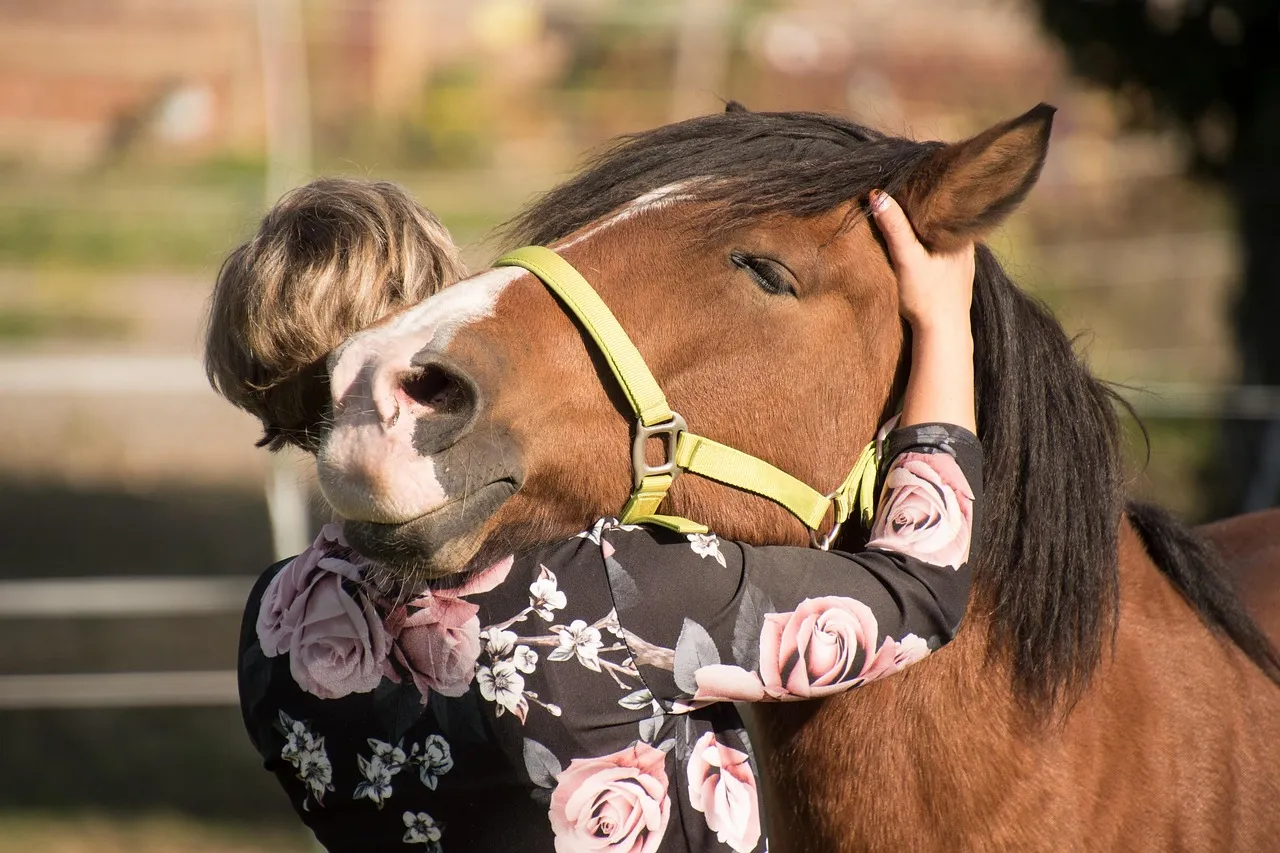
Most horses merely tolerate the halter. A trusting horse participates. You’ll see it the moment you walk in: instead of turning away, the horse tips or lowers its head into the loop, or gently pushes its nose toward your hands.
That’s not submission – it’s cooperation. It’s the horse silently saying, “Going with you has never ended badly for me.”
- The horse doesn’t fling its head down defensively; it eases into range on its own terms.
- The eye stays soft, without that spike in blink rate that signals stress.
Horses that have been yanked, chased, or caught only to be worked hard will often dodge the halter even while standing still under pressure. A horse that trusts you may meet you halfway across the pasture, or at least stand and actively help you slide that noseband over its muzzle. It’s easy to take for granted, but this quiet “I volunteer” is a real relational milestone.
#7 – They Stand Loose for Touch in Their Most Vulnerable Spots
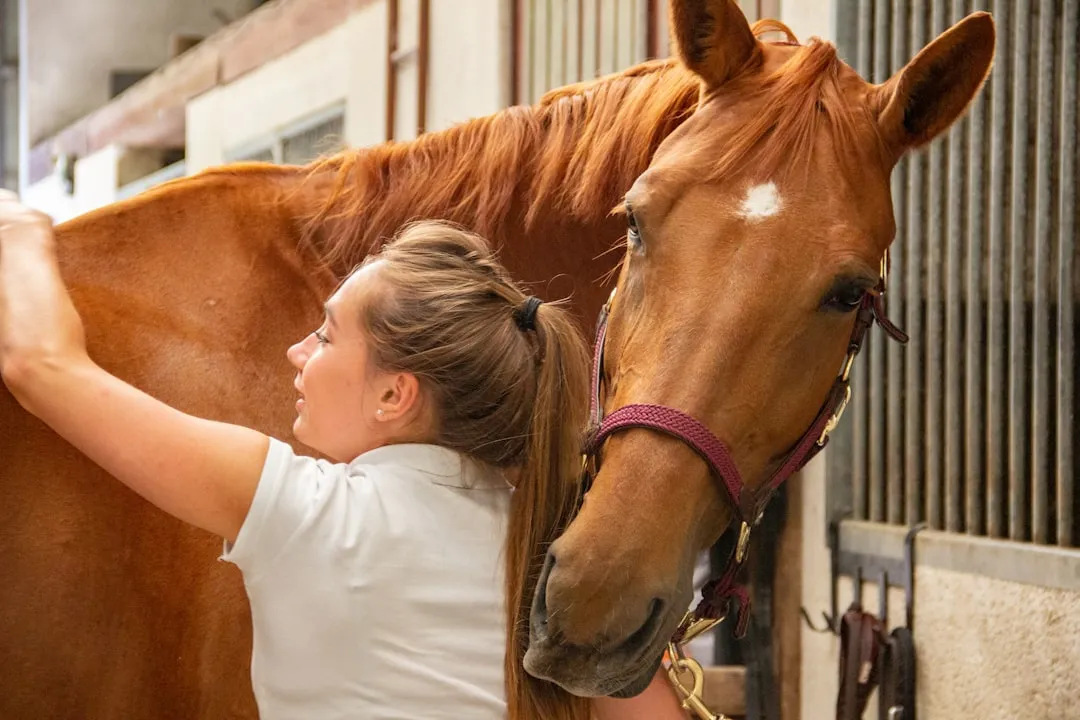
A horse doesn’t have to tie quietly to be safe with you; it has to choose to stay when nothing is holding it there. One of the clearest trust tests is grooming or touching vulnerable areas – inside the hind legs, under the belly, around the sheath or udder – on a loose lead or at liberty, without fidgeting or clamping muscles.
Prey animals protect their softest spots by instinct. If your horse flinches at every brush stroke, that’s not drama – it’s a boundary being enforced.
- A trusting horse shifts its weight to let you clean a hoof, then settles again instead of snatching it away.
- It relaxes its tail slightly while you comb the dock and inside legs.
The absence of resistance isn’t submission – it’s a decision. That’s why some bodyworkers insist on working horses untied: they want the horse free to vote no. When the horse votes yes and stays anyway, that trust was earned, not forced.
#6 – They Choose to Rest Near You, Even When They Don’t Have To
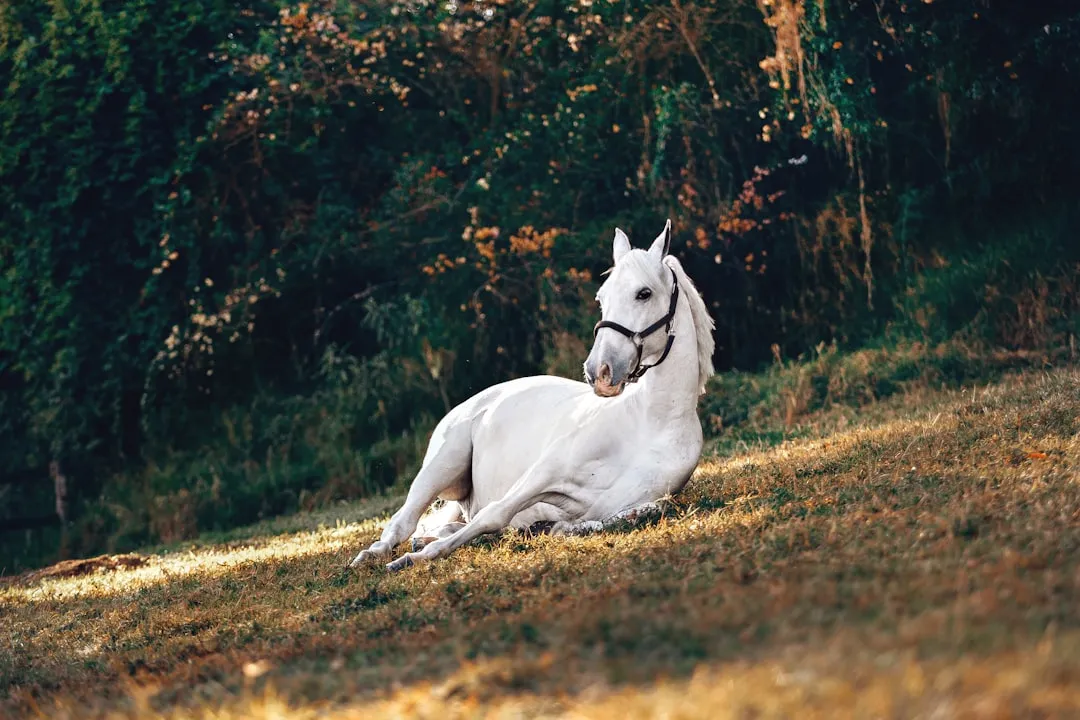
Anyone can make a horse stand still with a rope. What you can’t fake is a horse lying down or dropping into deep rest with you in the same space.
Horses only go flat or slip into REM sleep when they believe someone, or some horse, is standing watch. If that someone is you, you’re not just a rider anymore – you’re part of its security detail.
- Your horse naps in the exact corner of the arena where you happen to be standing.
- Out in the pasture, it drifts closer, drops a hip, and half-dozes near you.
A horse that doesn’t trust you will always keep you in its peripheral vision while resting, or scramble up the second you approach. A horse that keeps sleeping as you walk by is making an extremely vulnerable choice in your favor – and some trainers rank it above any liberty trick in the book.
#5 – Their Startle Response Checks In With You First
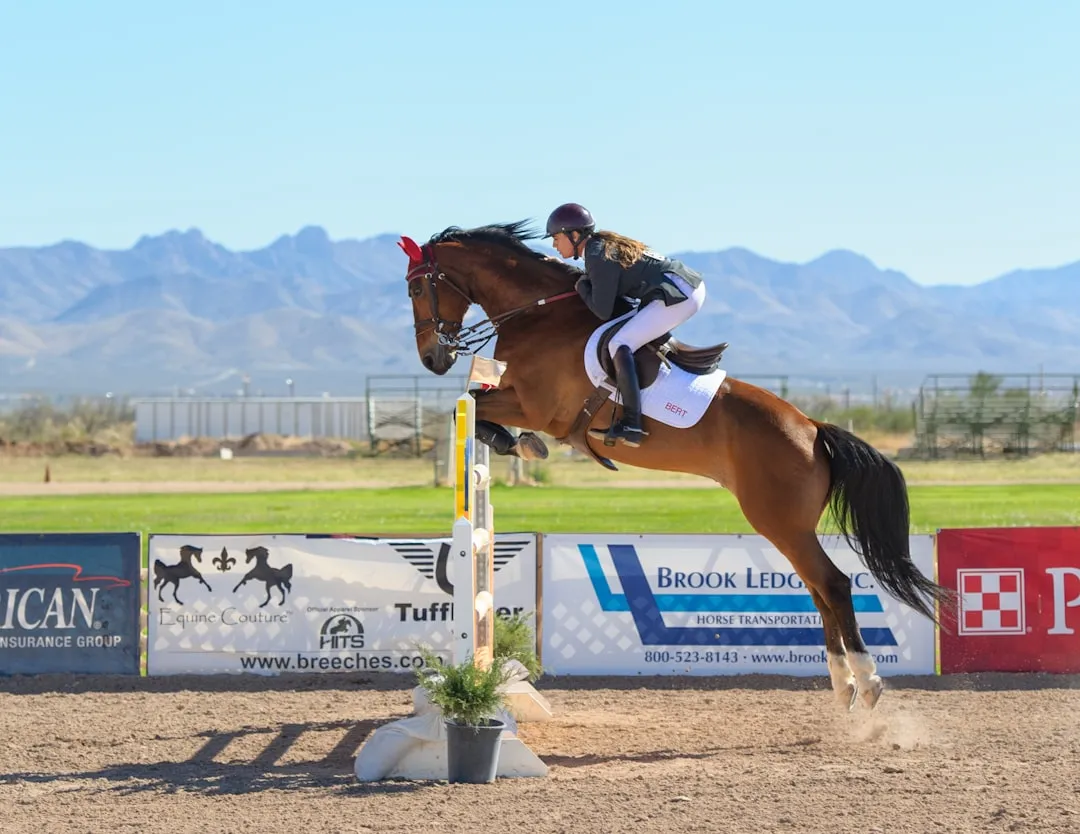
Here’s a subtlety only calm, trusting partnerships share: the spook that never quite becomes a spook. When something sudden happens – a door slams, a tarp flaps – most horses flinch, snap their head up, and prepare to run.
A horse that trusts you may still startle, but it glances at you before deciding what to do next. That half-second check-in is everything. It’s your horse silently asking, “Are we running, or is this actually fine?”
- It snorts once, then drops its head again.
- It steps closer to you instead of away.
Some riders brag that their horse “never spooks.” That’s fantasy – every prey animal startles. But when the second move after the jolt is toward you, or straight back to work, that’s trust and training colliding in the best possible way. It’s quiet, and you’ll miss it entirely if you’re busy scrolling or yanking the reins.
#4 – They Let You Interrupt Their Eating Without a Fight
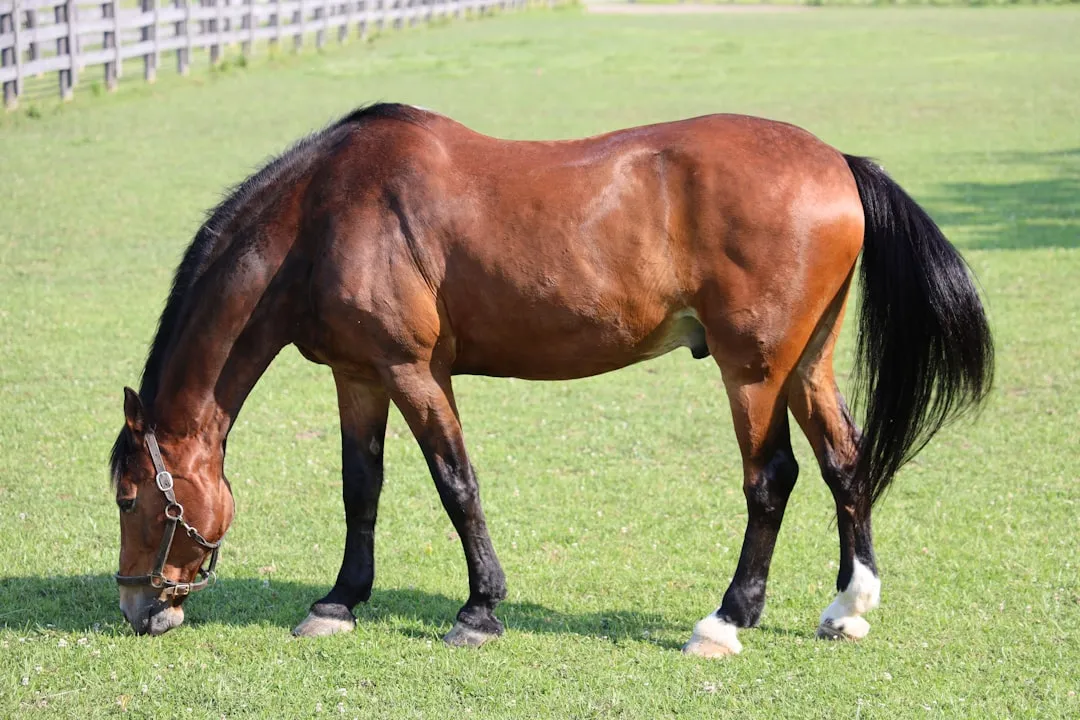
Horses are grazing animals, and food is survival. So pay close attention when a horse calmly pauses its hay or pasture time the moment you step in – that’s a different kind of trust entirely.
It’s not about dominance. It’s about feeling safe enough to lose focus on the environment for a second.
- A distrustful horse pins its ears, swings its hindquarters, or guards the pile as you approach.
- A trusting horse keeps chewing but shifts just enough to make room, or actually pauses and gives you a soft-eyed look.
The real sign isn’t that you can drive it away from food with pressure. It’s that you don’t have to. Some trainers quietly test new relationships by asking a horse to take one step back from a hay pile, then inviting it right back – horses that truly trust a rider’s fairness do this with almost no drama at all.
#3 – They Stay Mentally With You on a Loose Rein
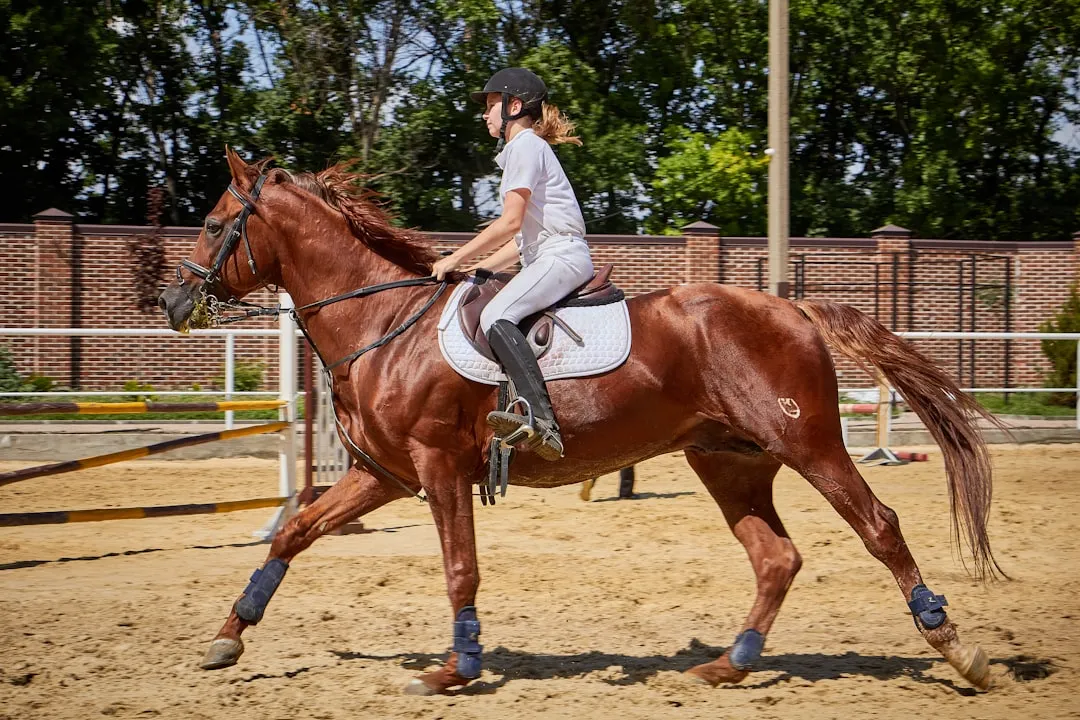
Everyone loves the image of a horse ridden on the buckle, rein draped, head low. But here’s what actually matters: does the horse stay tuned into you when it technically could make its own choices?
A trusting horse doesn’t treat a loose rein as an excuse to check out. It treats it as proof it doesn’t have to.
- You lengthen the rein, and the horse keeps the same tempo instead of speeding up.
- You shift your weight slightly, and the horse responds as if you’d used the rein at all.
This shows a real confidence that your cues will stay fair and predictable. Nervous horses cling to strong contact; resentful ones test every inch of slack they’re given. A horse that trusts you actually relaxes more when you hand it that freedom, because nothing bad consistently follows your softness. It’s a small, quiet agreement between the two of you that says more than any ribbon ever could.
#2 – They Offer Little Check-Ins Without Being Summoned
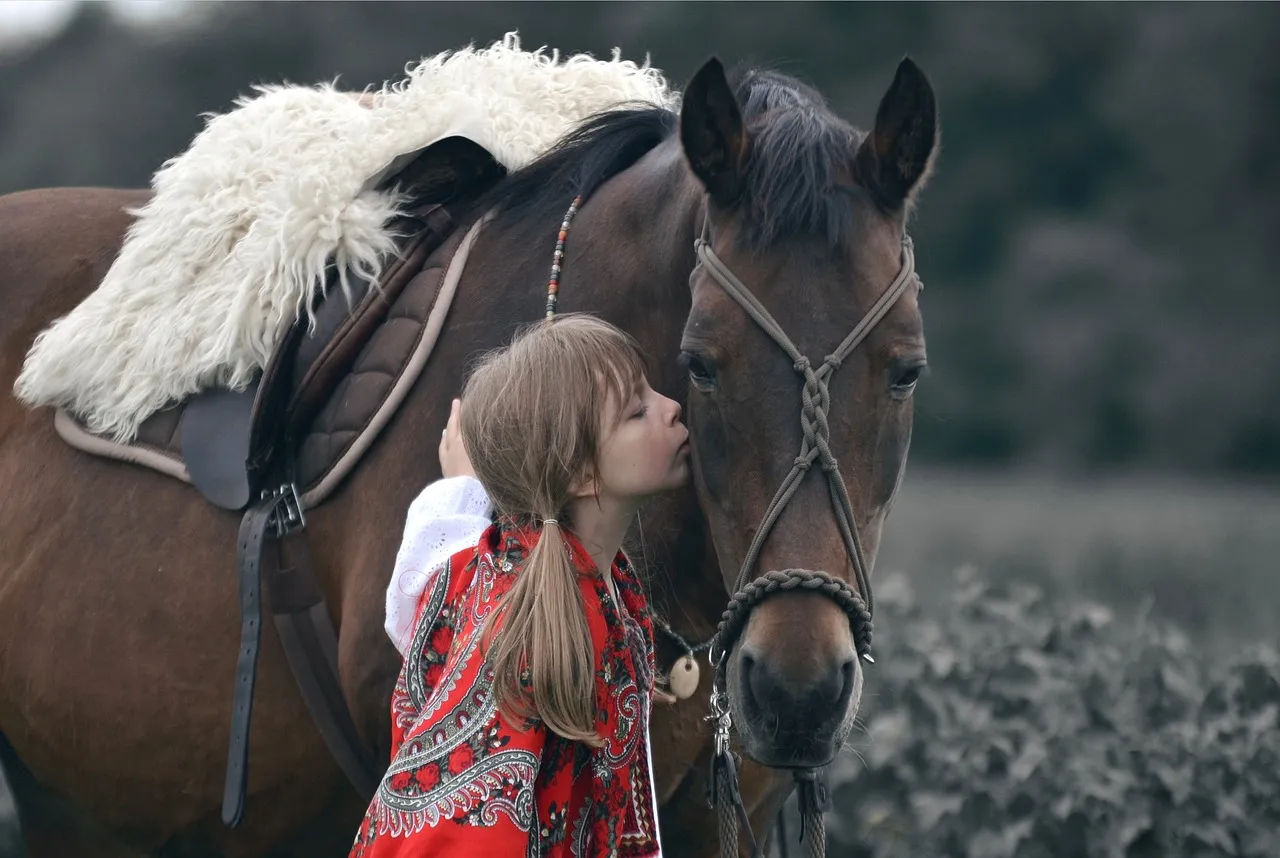
Some of the purest signs of trust are micro-moments that never make it onto anyone’s Instagram. You’re cleaning the paddock, scrolling your phone by the rail, or chatting with someone nearby – and your horse simply walks over, pauses, sniffs your shoulder or hand, and goes right back to whatever it was doing.
No treat bribe. No halter. No expectation attached.
In a herd, bonded horses do exactly this: brief passes, nose touches, ten-second stands side by side. They don’t cling – they just reconnect and move on. Horses that don’t trust you avoid your reach, or only approach when they want something specific.
Horses that do trust you treat you like a herd mate, not a vending machine. Many riders ignore these check-ins, or even shoo the horse away – which is a real mistake. This quiet drop-in is some of the clearest proof the relationship means something to the horse, not just to you.
Why It Stands Out
- No treat, task, or command triggered it – the visit is completely unprompted.
- It mirrors the brief nose touches and quick check-ins bonded herd mates trade all day.
- It usually lasts only a few seconds before your horse wanders back to grazing or dozing.
- It tends to happen most when you’re relaxed and not asking for anything at all.
#1 – They Let Their Real Personality Out Around You
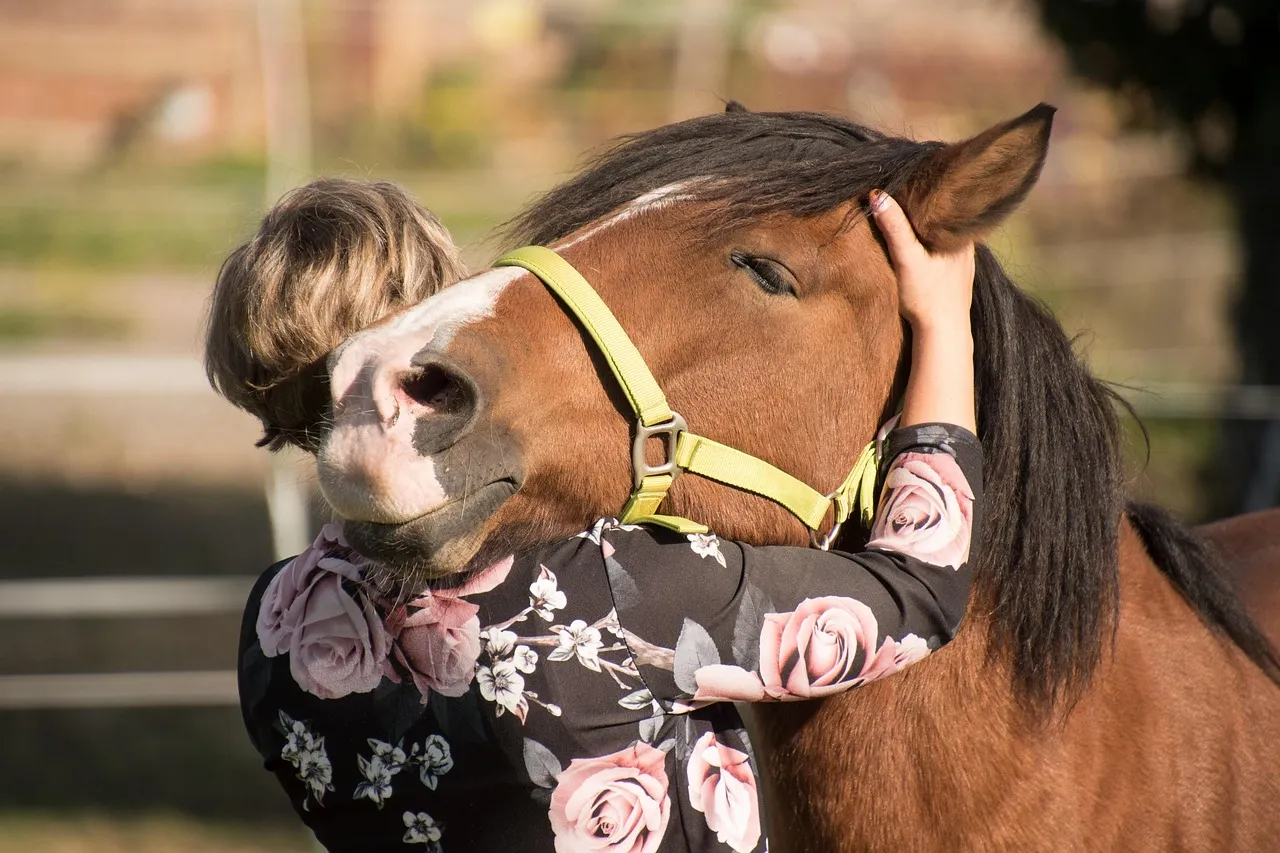
The ultimate, hardest-to-fake sign of deep trust isn’t obedience at all – it’s the opposite. It’s the goofy, opinionated, vulnerable side of your horse that only shows up when it feels completely safe.
Maybe it lips your jacket zipper, plays with the lead rope, sighs dramatically while you’re tacking up, or rests its chin on your shoulder when you’re not asking for a single thing. Around people they don’t trust, horses tend to go flat: shut down, robotic, or explosively “naughty.”
- A usually guarded horse suddenly starts exploring new objects when you’re nearby.
- A stoic horse finally shows relaxation signals nobody else ever sees.
Some riders mistake this for bad manners and crush every bit of spontaneity out of the horse. But the bravest thing a prey animal can do is be unguarded – and if your horse chooses that with you, you’ve earned something rare that no clinic, no gadget, and no amount of money can buy.
The Bottom Line
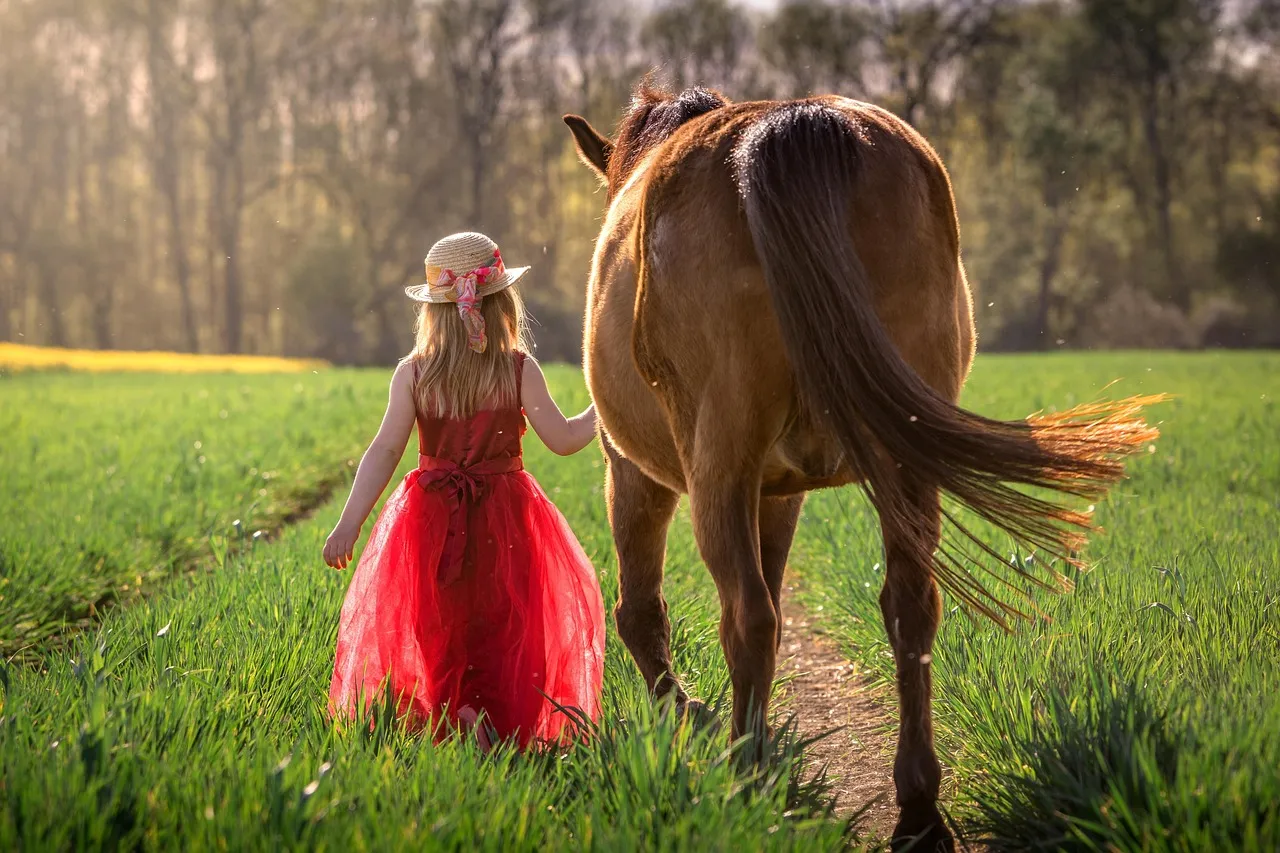
Quiet, trusted behavior doesn’t look like a movie scene or a clinic advertisement. It looks like sighs, half-steps, slow blinks, and tiny choices your horse makes when no one’s watching.
A horse that breathes out beside you, interrupts its own worry to check on you, or naps within arm’s reach is voting for you with its survival brain – and that matters more than any perfect circle or shiny piece of tack ever will.
Some riders will insist that respect is only about instant obedience. I think the horses themselves tell a different story, if you’re willing to slow down enough to listen.
So ask yourself honestly: in your barn, which matters more – a horse that fears making a mistake, or one that feels safe enough to just be itself around you? Did we miss a quiet trust sign your horse only shows you? Drop it in the comments.
