
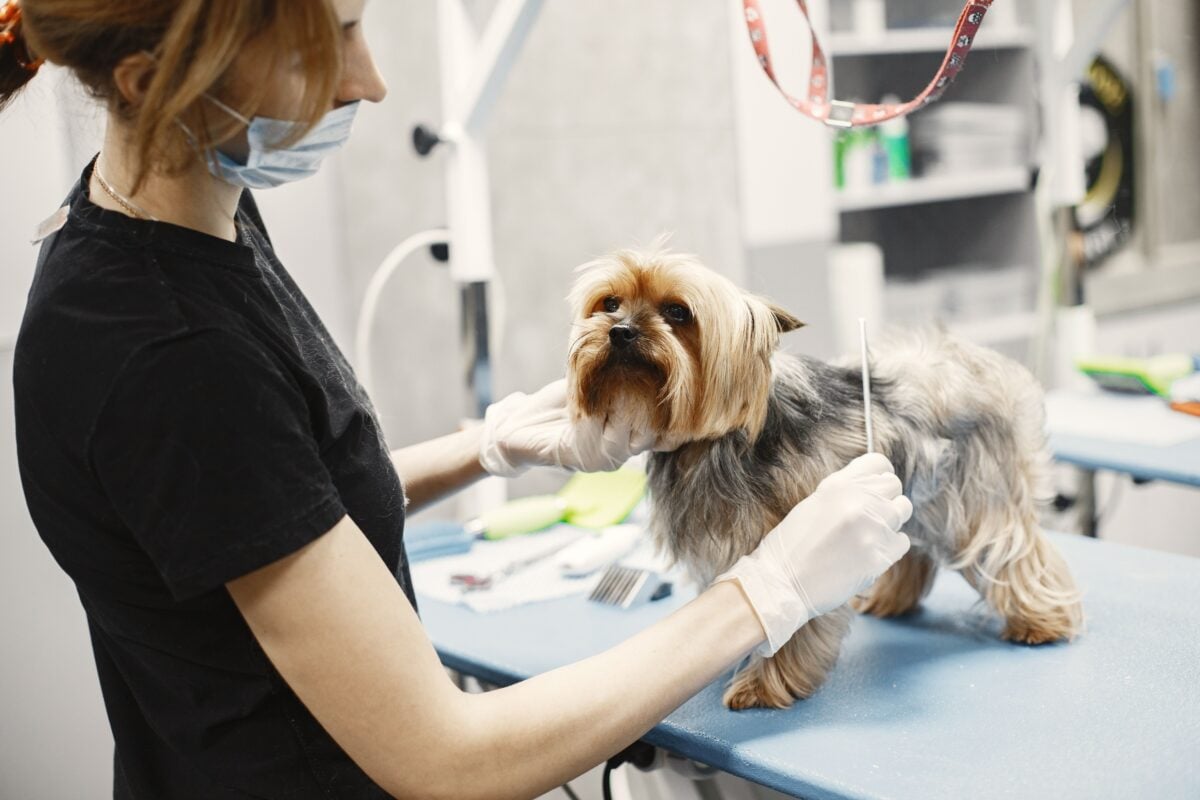
Picture the glossy Instagram version of dog grooming: fluffy pups getting spa treatments, tails wagging, everyone smiling for the after-photo. Now picture a groomer quietly refreshing tomorrow’s schedule, seeing one specific breed name pop up, and feeling their stomach drop.
That gap between the fantasy and the reality is real, and it has nothing to do with “bad dogs.” It’s about genetics, coat chaos, size, and owners who show up expecting a miracle after months of zero brushing. Some of the most beloved family breeds in America are the exact ones making professionals brace themselves behind the front desk. Here’s the list groomers whisper about to each other, and the reasons might make you rethink your next appointment.
#17 – Shih Tzu
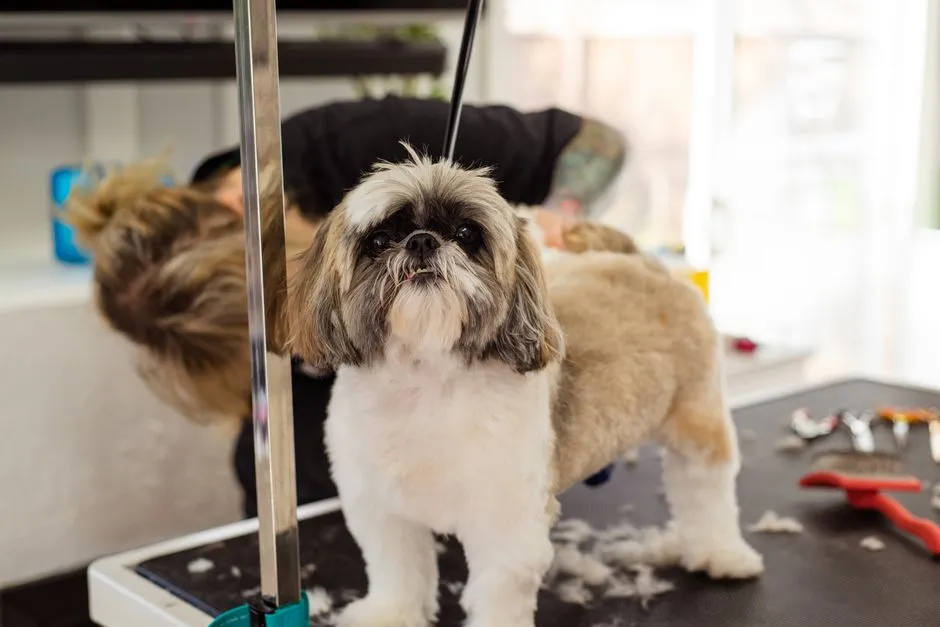
Groomers quietly brace themselves when a Shih Tzu shows up for a “full groom” and the owner insists, “we like him fluffy.” This breed’s long, fine, continuously growing coat mats if you so much as glance at it wrong. A neglected Shih Tzu can arrive pelted with solid mats down to the skin, especially in the armpits, ears, and tail, no matter how confidently the owner swears he “just got brushed.”
At a Glance
- Coat type: long, fine, continuously growing with no natural shed cycle
- Highest-risk mat zones: armpits, behind the ears, and the tail base
- Daily brushing is the only real defense against matting
- Maintenance cuts are typically needed every 4 to 6 weeks
The real dread isn’t the coat itself, it’s the conversation that follows. Owners want the teddy-bear look but skip the daily maintenance, then get upset when a shave-down is the only humane option left. Add a set of big, protruding eyes that turn simple face-trimming into a genuine risk, and you’ve got a small dog that’s secretly one of the hardest bookings of the day.
#16 – Bernese Mountain Dog
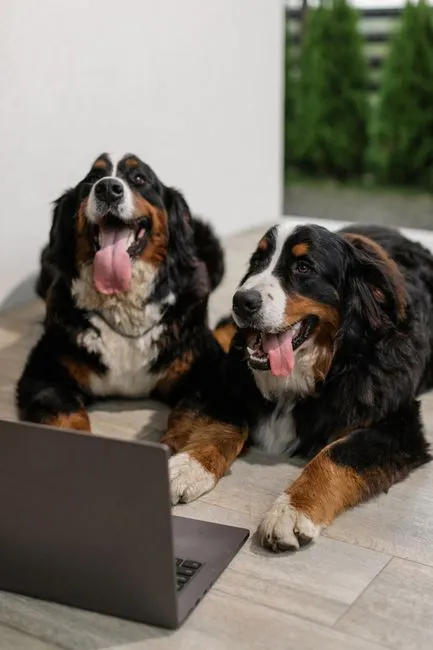
On social media, a freshly bathed Bernese Mountain Dog looks like a living stuffed animal. In the tub, it’s a different story entirely. Their double coat can hold a shocking amount of water, loose undercoat, and trapped dirt, which means bathing and drying routinely takes twice as long as a normal-sized dog.
A single blowout can turn the grooming room into a blizzard of fur, clog drains, and choke equipment that isn’t cleaned constantly. Then there’s the size problem: lifting a hundred-plus-pound dog onto a table is a two-person job on a good day, and a nightmare if the dog is anxious, arthritic, or just doesn’t feel like cooperating.
#15 – Bichon Frise
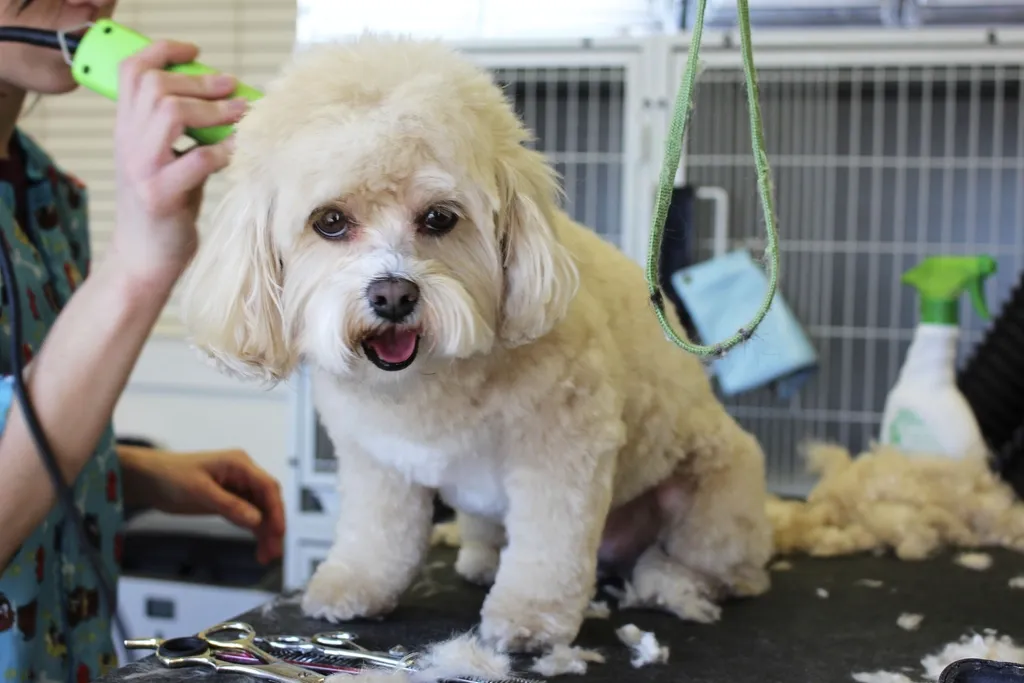
The cloud-like show Bichon everyone admires online takes hours of careful scissoring to create. The pet Bichon walking through the door, though, often hasn’t seen a comb in weeks. Their soft, curly coat tangles fast, and combined with eye discharge, saliva staining, and tear marks, it becomes one of the most deceptively high-maintenance small coats in the business.
Groomers quietly dread the “we want the Bichon cut” request from clients who book once a quarter. By then you’re dealing with dense mats at the legs and chest sitting directly on sensitive skin, and dematting that process is uncomfortable enough to make a dog fear grooming for life. Most professionals would rather clip short and start fresh, but people get genuinely emotional about losing that powder-puff look.
#14 – Chow Chow
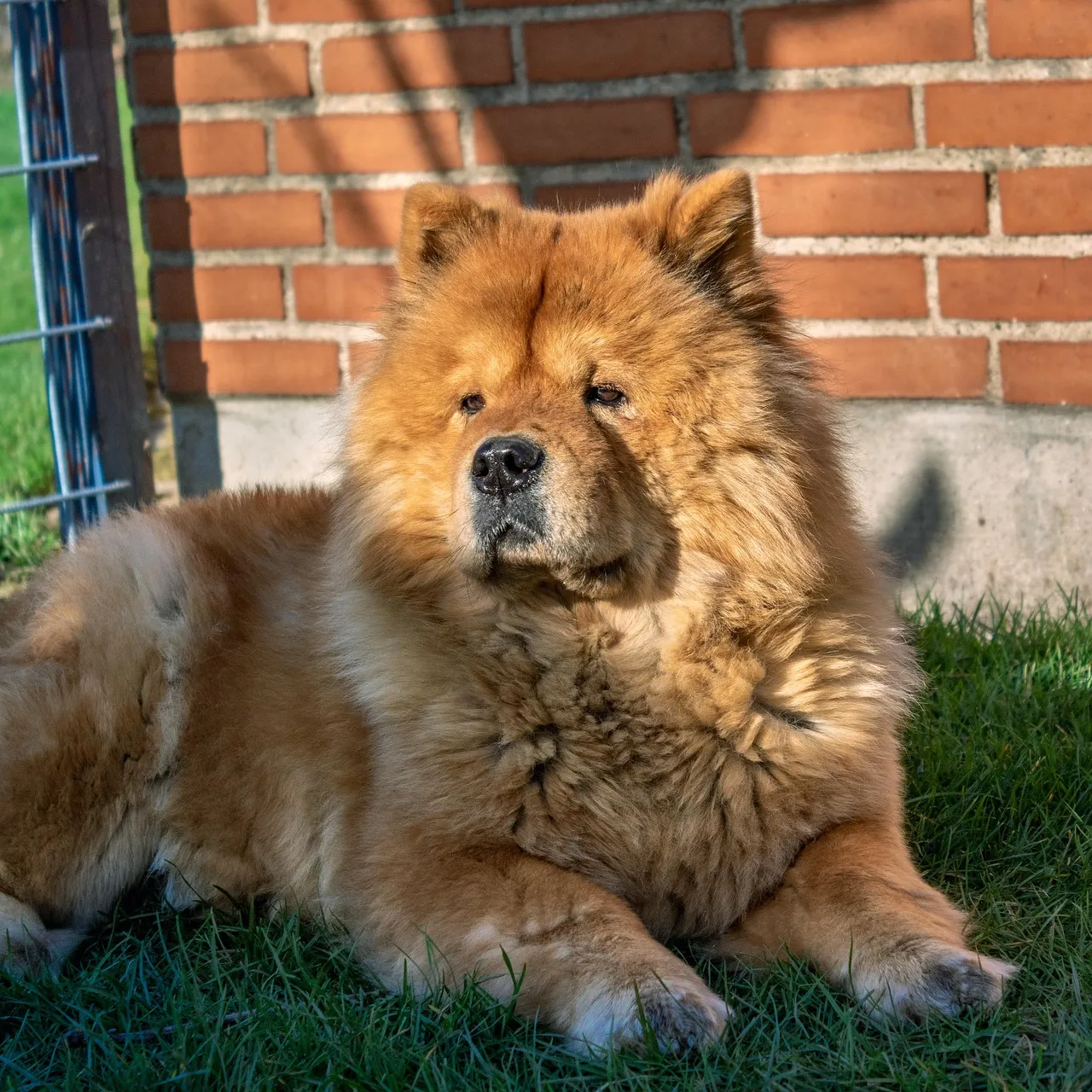
Chows look like lions, and plenty of them act like they know it. Their thick double coat paired with a naturally aloof, sometimes suspicious temperament turns them into a serious challenge for anyone without experience. Under all that fluff can be a dog that genuinely hates being touched by strangers, especially if early socialization never happened.
Add a blue-black tongue, a stoic personality that flips without warning, and real bite risk, and you understand the tension in the room. Coat-wise, Chows are basically an impaction waiting to happen: if the undercoat is packed tight to the skin, a routine bath can turn minor tangles into a felted mess that takes hours of line brushing, drying, and trimming to undo.
#13 – Old English Sheepdog
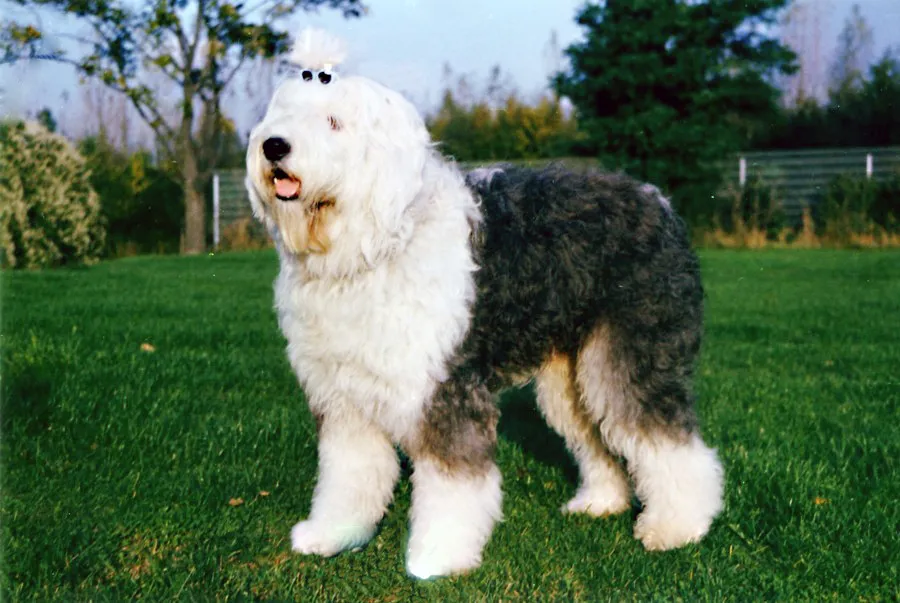
That shaggy, cartoonish look hides a brutal truth: Old English Sheepdogs are walking mat factories. Their coat is dense, profuse, and built to snag every burr, twig, and clump of mud they encounter outside. Owners fall for the “big fluffy bear” look without realizing how much daily upkeep it demands, and skipping brushing for even a week during shedding season can leave solid mats down to the skin.
Beyond the coat, these dogs are big, strong, and often goofy, which makes standing still on the table a battle of wills. They lean, spin, and sit through the entire process while a curtain of hair over their eyes makes face work genuinely risky. Between the size, the density, and the near-guaranteed matting, one Old English Sheepdog can feel like grooming three medium dogs back to back.
#12 – Goldendoodle (and Other “-doodles”)
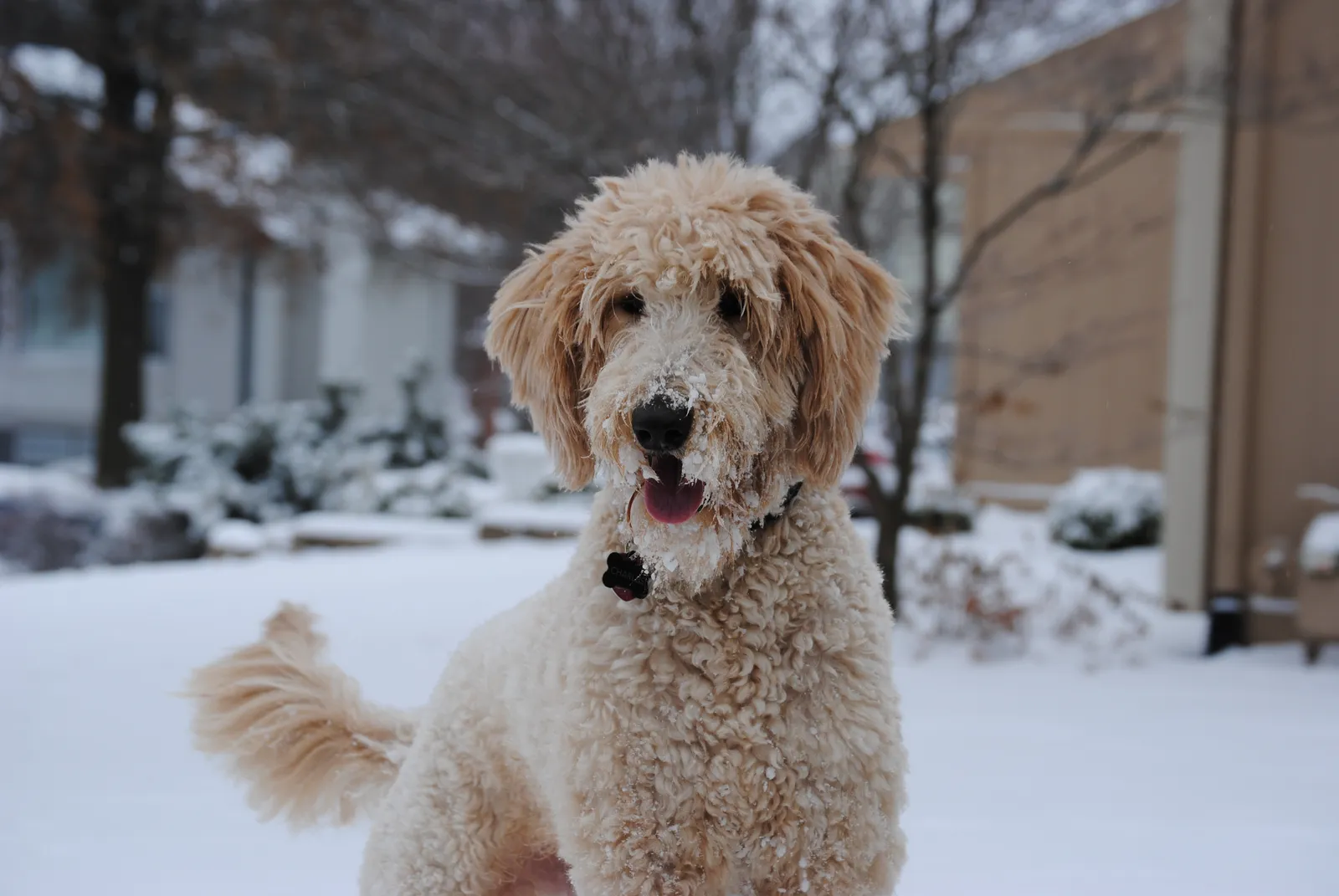
Groomers won’t always say it out loud, but many quietly dread the doodle block on the schedule. These designer mixes were marketed as low-shedding, low-maintenance, almost magical family dogs. The truth is messier: their coats combine the tangling tendencies of a Poodle with the density and debris-collecting habits of a retriever, and no two doodle coats behave exactly alike.
The bigger issue is expectation versus reality. Owners pay a premium for that cute, sculpted teddy-bear look while showing up every three or four months and admitting they don’t own a comb. Underneath, the coat is often tightly matted through painful areas like the ears, groin, and armpits, leaving shaving down as the only humane option, and groomers as the ones unfairly blamed for “ruining” the look.
#11 – Samoyed
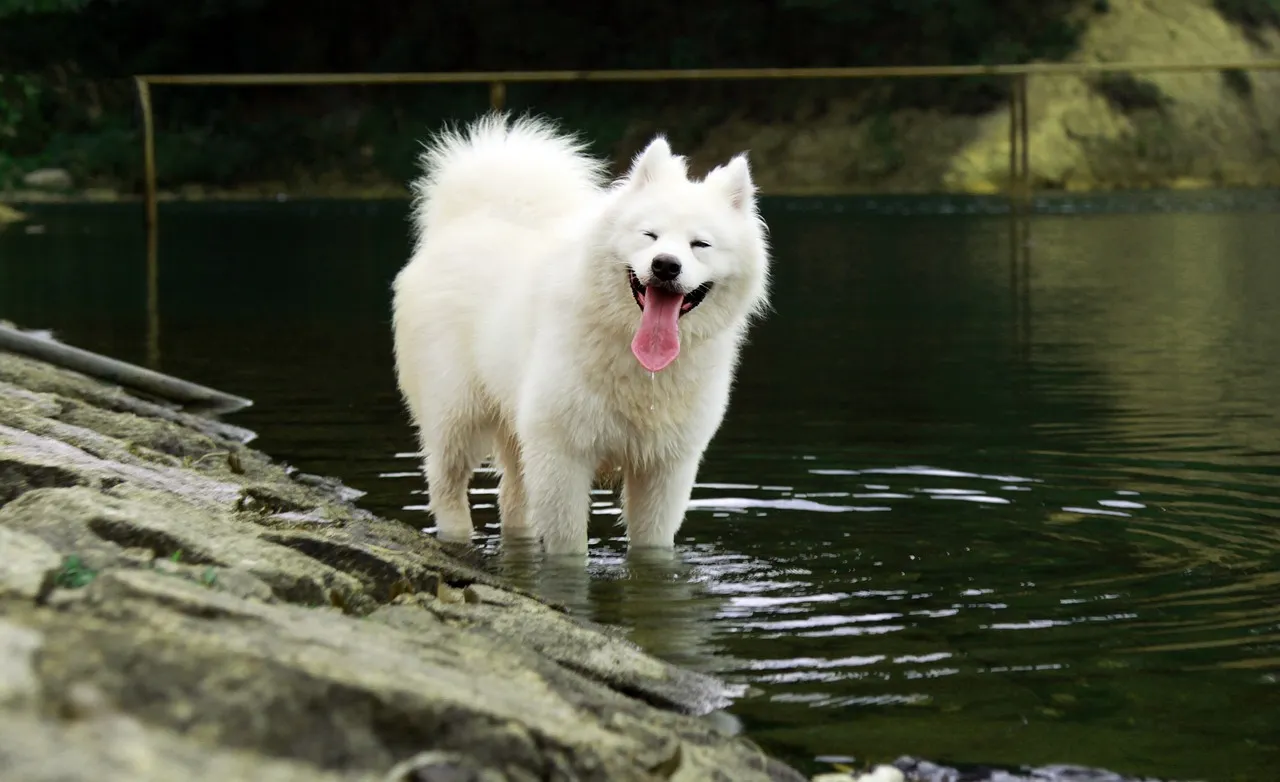
“Smiling” Samoyeds look like snowy angels in photos, but that pure white double coat is a full-time job behind the scenes. A single deshedding session can fill multiple trash bags with fur and still leave loose hair drifting through the salon for days afterward. Their water-resistant outer coat sounds convenient, but it also means rinsing and drying take forever, with hotspots waiting to happen if the undercoat isn’t dried completely.
Fast Facts
- Typical adult weight: roughly 35 to 65 pounds
- Dense double coat sheds heaviest twice a year, but blows fur constantly
- Full deshed-and-dry sessions can run well over two hours
- Best kept on a 4 to 8 week grooming schedule depending on the season
Their friendly, enthusiastic energy can actually work against them here. A sixty-pound fluff rocket spinning and lunging to kiss your face while attached to a high-velocity dryer is a legitimate hazard. Many Samoyeds only visit a few times a year instead of every four to six weeks, which turns each appointment into a marathon of deshedding and detangling.
#10 – Afghan Hound
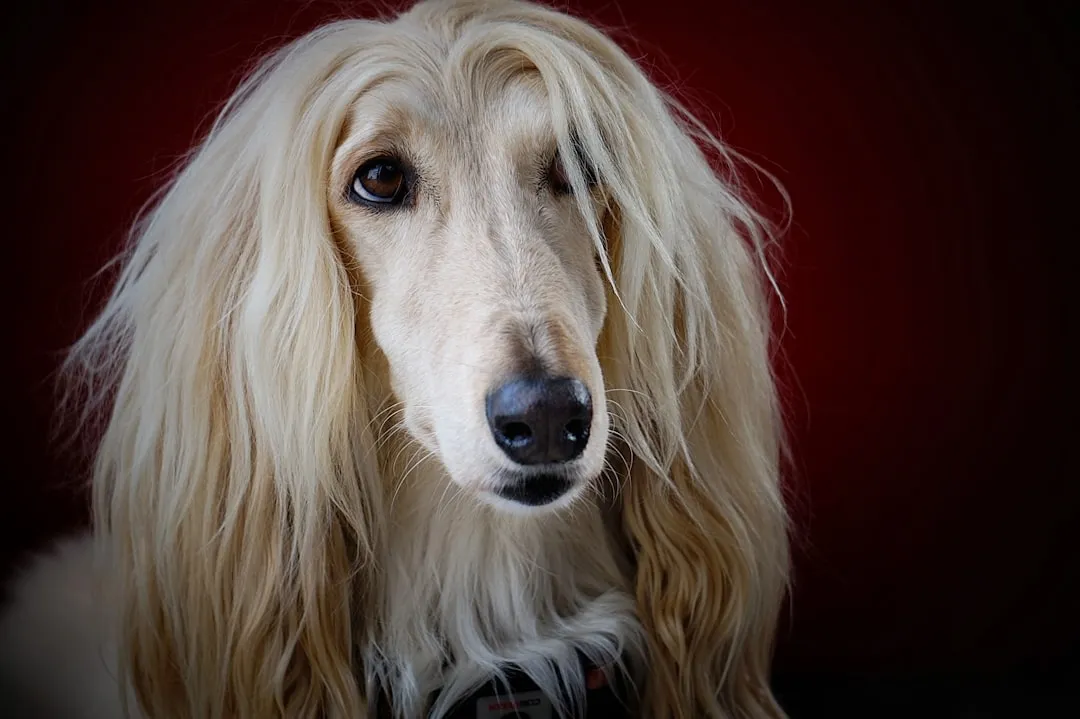
Afghan Hounds look regal and effortless in photos, but groomers know better. That hair is long, silky, and impossibly fine, which means it tangles, breaks, and knots with astonishing speed. One missed brushing session, a bit of moisture, or a quick romp in the yard can turn a glamorous coat into a disaster zone.
Afghans can also be aloof or sensitive about strangers touching their legs, feet, or ears. Clipper work is minimal, but the scissoring never ends, and every missed line shows up instantly on such a dramatic silhouette. Hours spent bent over, working through skirt and furnishings, take a real physical toll on a groomer’s back and shoulders.
#9 – Cocker Spaniel
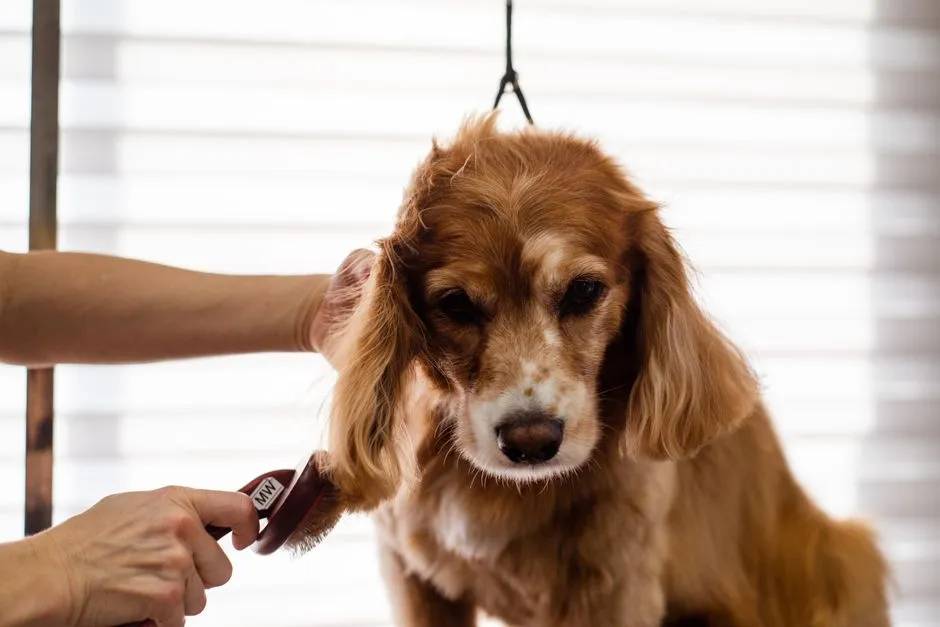
Ask a groomer which breed has traumatized them the most, and Cocker Spaniels come up constantly. It’s a brutal combination: problem-prone ears, oily skin, and a coat that mats and packs down fast. Under those pretty feathered legs and big ears often live yeast, bacteria, and serious tangles that have gone unaddressed for months.
A dog that’s been allowed to avoid grooming for years can become a potential biter the moment you touch a painful ear.
Common warning shared among professional groomers
Cockers are another breed where owners fall in love with the show-ring look without understanding the upkeep it requires. Many arrive every few months in full coat with instructions like “just tidy him up,” forcing groomers to choose between the dog’s comfort and the owner’s vanity.
#8 – Siberian Husky
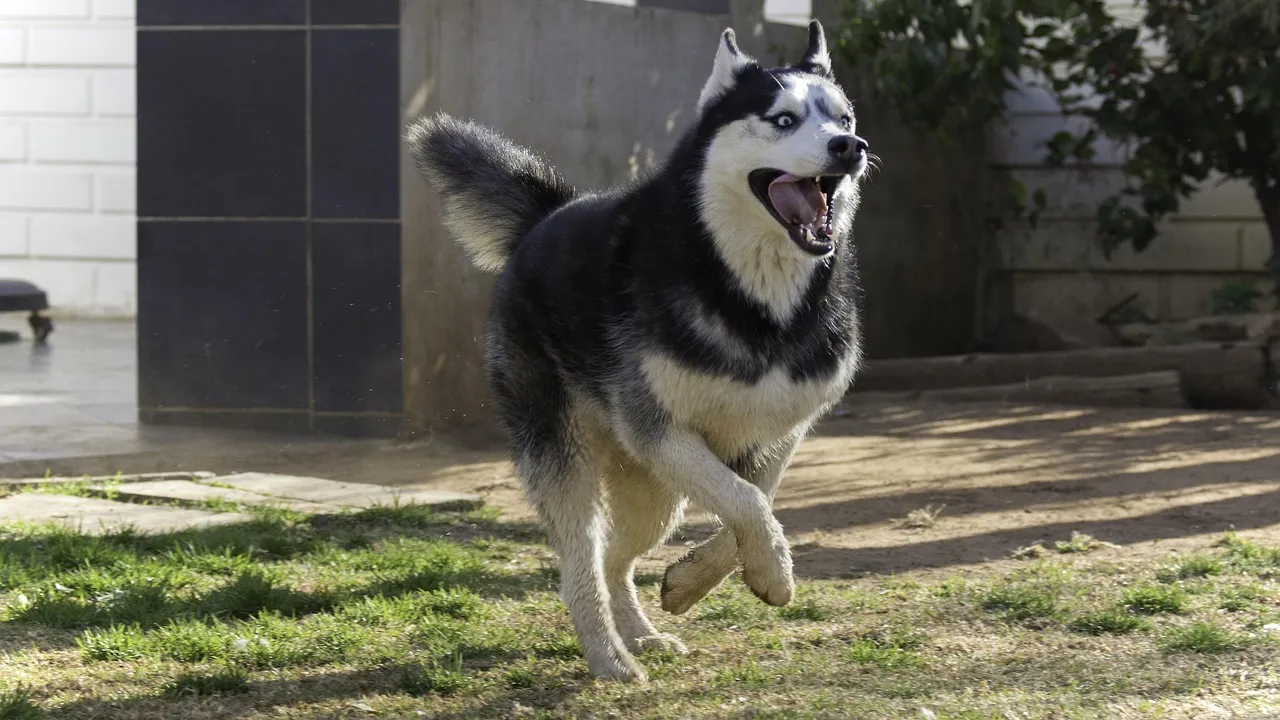
To many groomers, “Husky bath and deshed” basically translates to “cancel your lunch break.” These dogs blow undercoat in astonishing volume, and you can rake and blow for an hour and still pull handfuls of loose fur. Their thick, weather-resistant coat clings on tight, making deep cleaning, rinsing, and drying a genuine production.
Worth Knowing
- Coat blows out heavily twice a year, often called “coat blow” season
- Rake-and-blow deshedding can take an hour or more per dog
- Known for vocalizing, howling, or dramatizing the grooming process
- Escape-artist tendencies mean leash and crate security matter as much as coat care
Behavior is the other half of the dread. Huskies are famous for howling and dramatizing every step of the process, even the gentle ones, and a fifty-pound dog flailing and vocalizing like it’s being murdered is exhausting to manage. Add a reputation for stubbornness and escape-artist skills, and many groomers mentally prepare for a wrestling match before the leash is even off.
#7 – Maltese
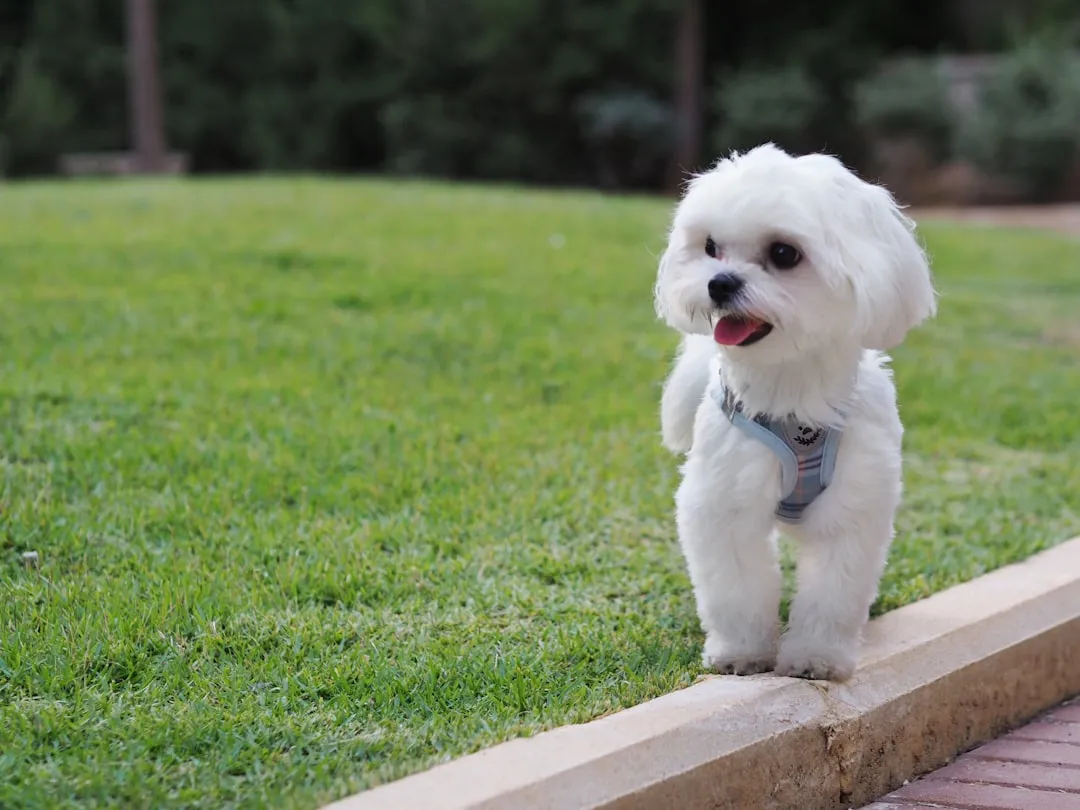
Maltese are tiny, but they create outsized problems when their coat is left without proper care. Their hair is long, fine, and silk-like, which means it mats into tight, painful tangles around the legs, armpits, ears, and face. Because they’re so small and delicate, you can’t power through knots the way you might on a bigger dog without risking real injury.
Owners often want the princess look, complete with bows and a flowing topknot, but skip the frequent brushing that makes it possible. Tear staining and eye gunk build up in the face hair and cause sore, tender skin underneath, and many Maltese become wiggly and nervous from bad past experiences, turning simple scissor work into a tense, high-stakes task.
#6 – Poodle (Standard, Miniature, and Toy)
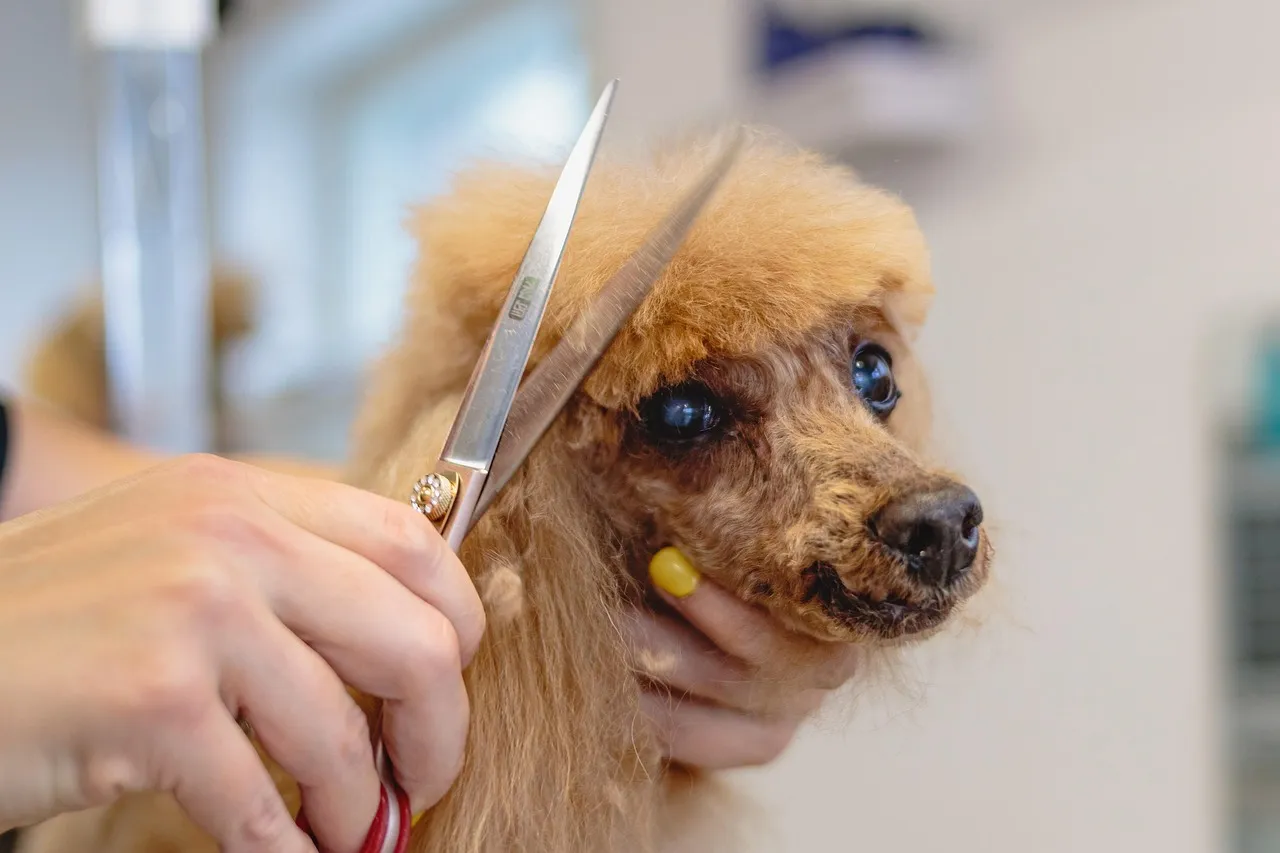
Yes, grooming is technically what Poodles are “for,” but that doesn’t mean groomers celebrate seeing a neglected one on the books. Poodle hair is dense, curly, and continuously growing, and it doesn’t naturally shed, so dead hair stays trapped and forms mats right at the skin. Owners who want elaborate patterns and sculpted faces but book sporadically create a high-pressure situation where every line is visible and no mistake can hide.
Quick Compare
- Standard Poodle: 45+ pounds, longest scissor time, generally steadier on the table
- Miniature Poodle: roughly 15 to 17 pounds, dense curl, moderate fidgeting
- Toy Poodle: typically under 6 pounds, prone to ticklishness around the face and feet
- All three share the same trap: continuously growing hair that mats without regular upkeep
Standard Poodles bring their own physical toll, since a full scissor groom on a tall dog demands careful attention to feet, face, tail, and topknot for hours at a stretch. Toy and Miniature Poodles tend to be fidgety and ticklish, especially around the face, and many have developed strong opinions about clippers after rough handling in the past.
#5 – Akita
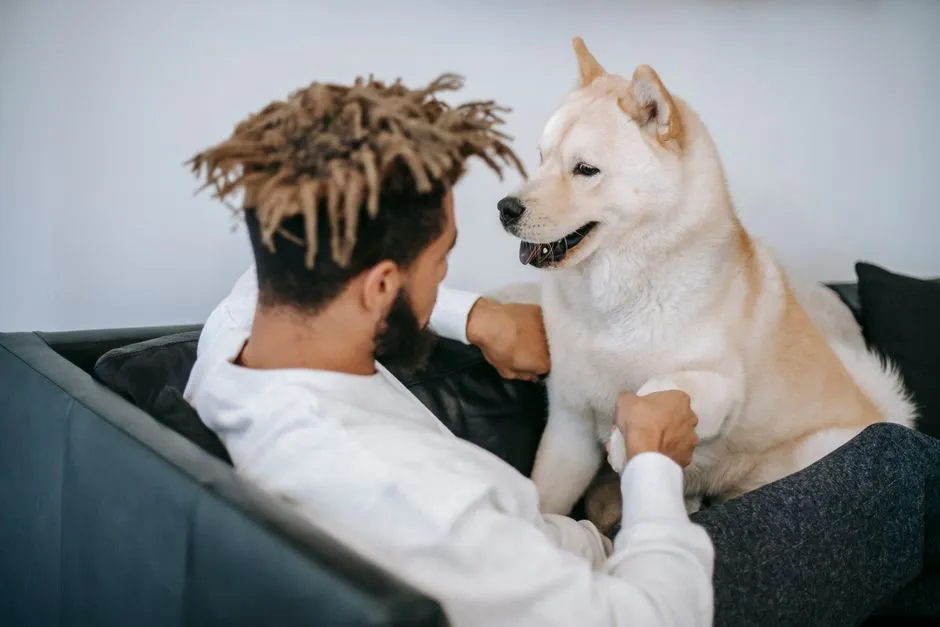
Akitas combine raw physical power, a dense double coat, and a naturally suspicious temperament, a combination that puts many groomers on edge before the leash even comes off. Their coat blows seasonally in massive sheets, and brushing out a fully coated Akita can feel like raking a dense wool rug for hours while trapped moisture and debris hide close to the skin.
Temperament is the bigger factor here. Many Akitas are deeply loyal to their families but reserved or outright intolerant of strangers, and grooming requires the kind of intimate handling of feet, tail, and face that some Akitas simply won’t allow. A growl from a dog this size and strength is never something to brush off, and some groomers will only accept them under strict conditions.
#4 – Yorkshire Terrier
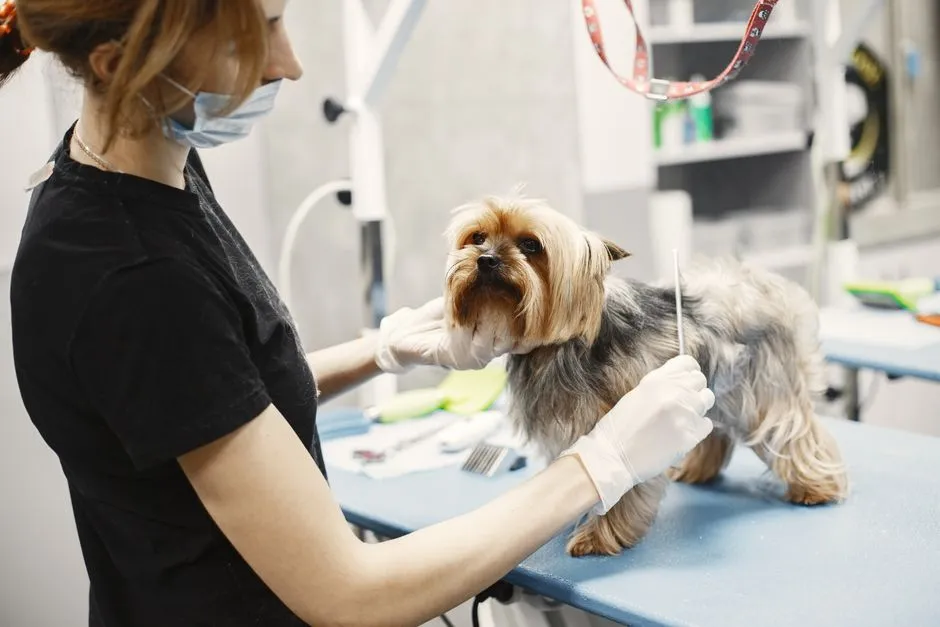
People see a tiny Yorkie and assume “easy groom.” Groomers know better. Yorkie hair behaves more like human hair than typical dog fur, fine, silky, and prone to tangling, and left in a long style without daily brushing it mats into rock-hard clumps pressed right against fragile skin.
Because they’re so small, even one mat can cover a large percentage of the dog’s body, and dematting hurts enough that many Yorkies become defensive after just a few bad sessions. They’re also famously opinionated about having their faces, feet, or tails handled, exactly the areas the classic Yorkie style requires the most work in, which turns a cute topknot into a genuinely stressful project.
#3 – Newfoundland
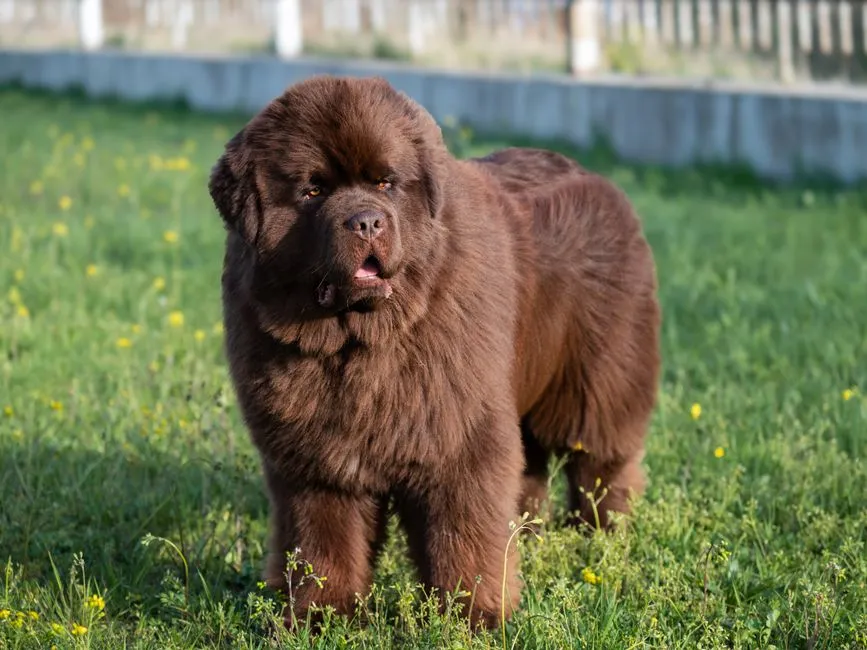
Newfoundlands are sweet-natured giants, but their grooming needs are intense. A full-grown Newf can tip the scales at 120 to 150 pounds, all of it wrapped in a heavy, water-resistant double coat that holds dirt, oil, and undercoat like a sponge. Bathing one properly requires serious water pressure, multiple rinses, and a dryer strong enough to push air all the way down to the skin.
Worth Knowing
- Adult weight commonly ranges from about 100 to 150 pounds
- Water-resistant double coat requires full soak-through rinsing, not a quick spray
- Heavy drooling means near-constant face and neck wiping during appointments
- Hip and elbow sensitivity common in giant breeds can complicate handling and positioning
Physically, they’re brutal on the body, and even with hydraulic tubs and tables, moving a reluctant Newf is a full workout. Many carry hip or elbow issues common in giant breeds, making sanitary work and trimming difficult, and their constant drooling means nonstop wiping just to keep the neck and face manageable throughout the appointment.
#2 – Lhasa Apso
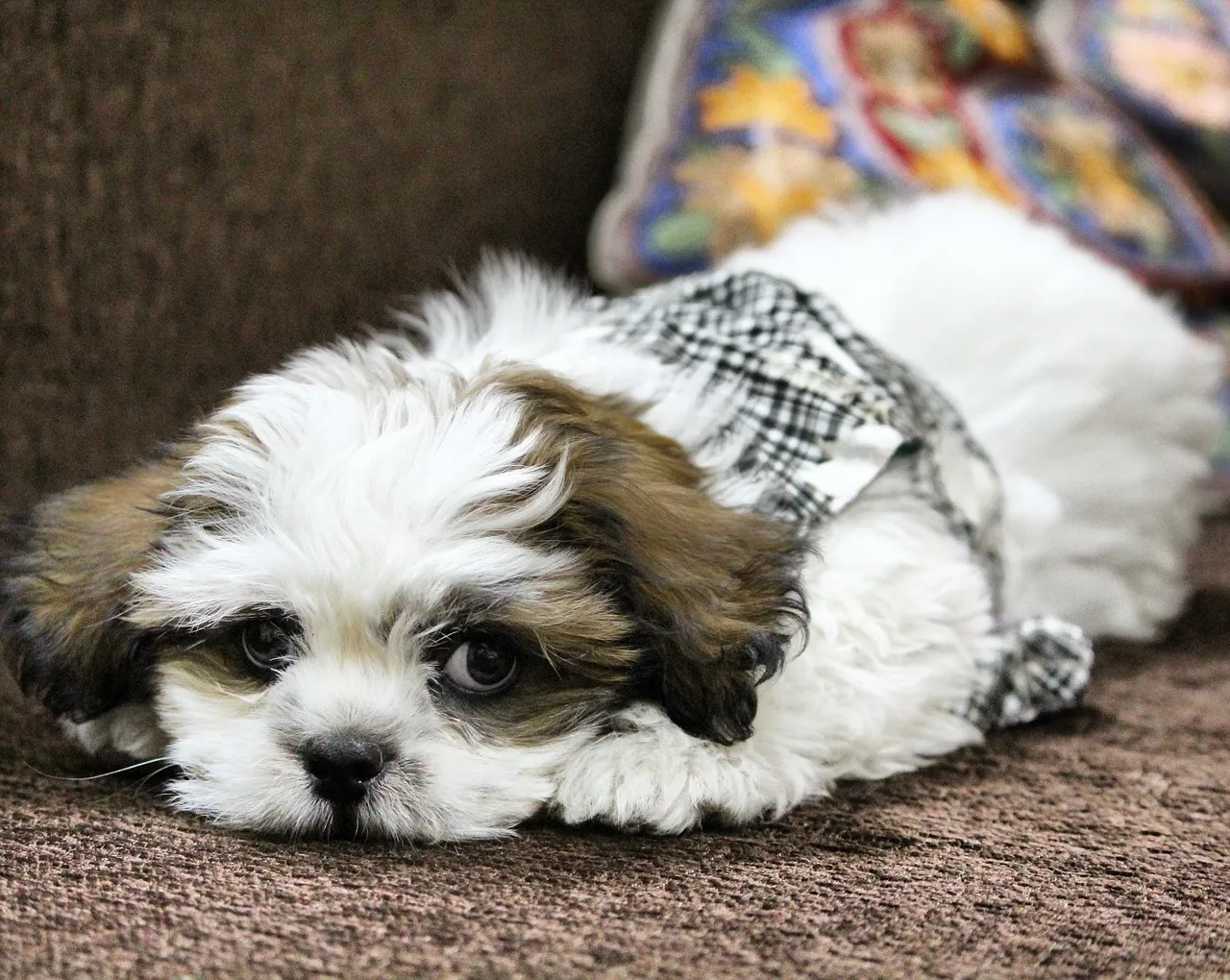
Lhasas are often mistaken for Shih Tzus, but plenty of groomers will tell you they’re the tougher customer overall. Their coat is long, dense, and loves to tangle, and when it goes neglected it can form plate-like mats that are nearly impossible to save without causing real pain. Owners often insist on keeping the length because “he looks like a puppy this way,” even when the dog is clearly uncomfortable underneath it.
Temperament adds another layer of dread. Lhasas are watchdogs at heart, aloof, suspicious, and not always tolerant of handling, and one that’s been pushed too far during grooming can turn snappy for every visit afterward. Face work is especially risky since those thick beards and mustaches hide the mouth completely, and a bite can come out of nowhere with almost no warning.
#1 – English Springer Spaniel
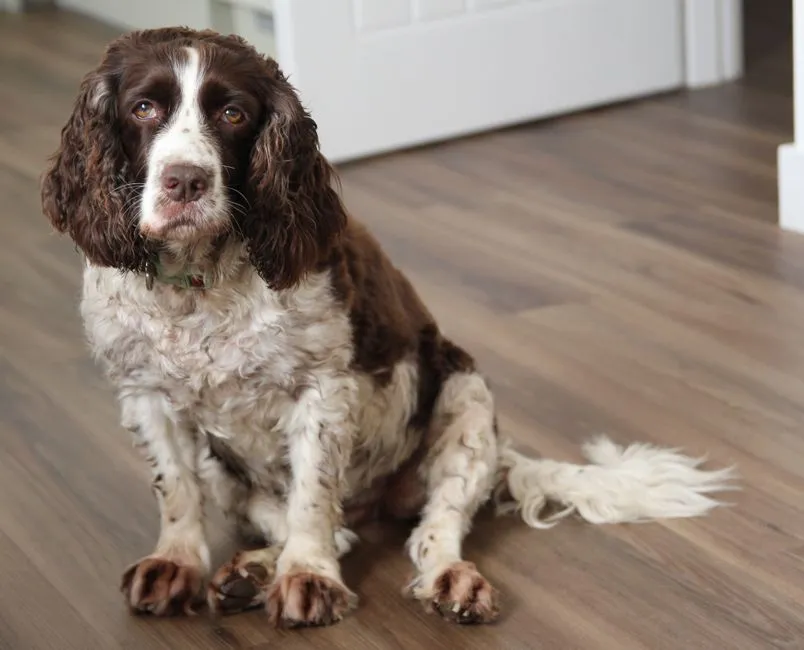
If there’s one breed that combines nearly every headache a groomer can have, it’s the English Springer Spaniel. On paper they’re medium-sized, friendly bird dogs. In the grooming room, they become a perfect storm of thick, constantly regrowing feathering, oily and allergy-prone skin, gnarly ear infections, and a reputation for suddenly refusing to be handled.
That silky feathering on the ears, chest, belly, and legs mats fast and hides skin problems until it’s too late to ignore, with ear leather sometimes arriving so inflamed and matted that groomers are shaving right down to raw, angry skin. Behaviorally, a Springer who was allowed to fidget and nip as a puppy can decide by adulthood that grooming is simply off-limits, and bites to the hands and face aren’t rare. Combine that risk with owners who cling to traditional haircut expectations no matter what, and you’ve got the exact reason this breed tops so many groomers’ most-dreaded lists.
The Bottom Line
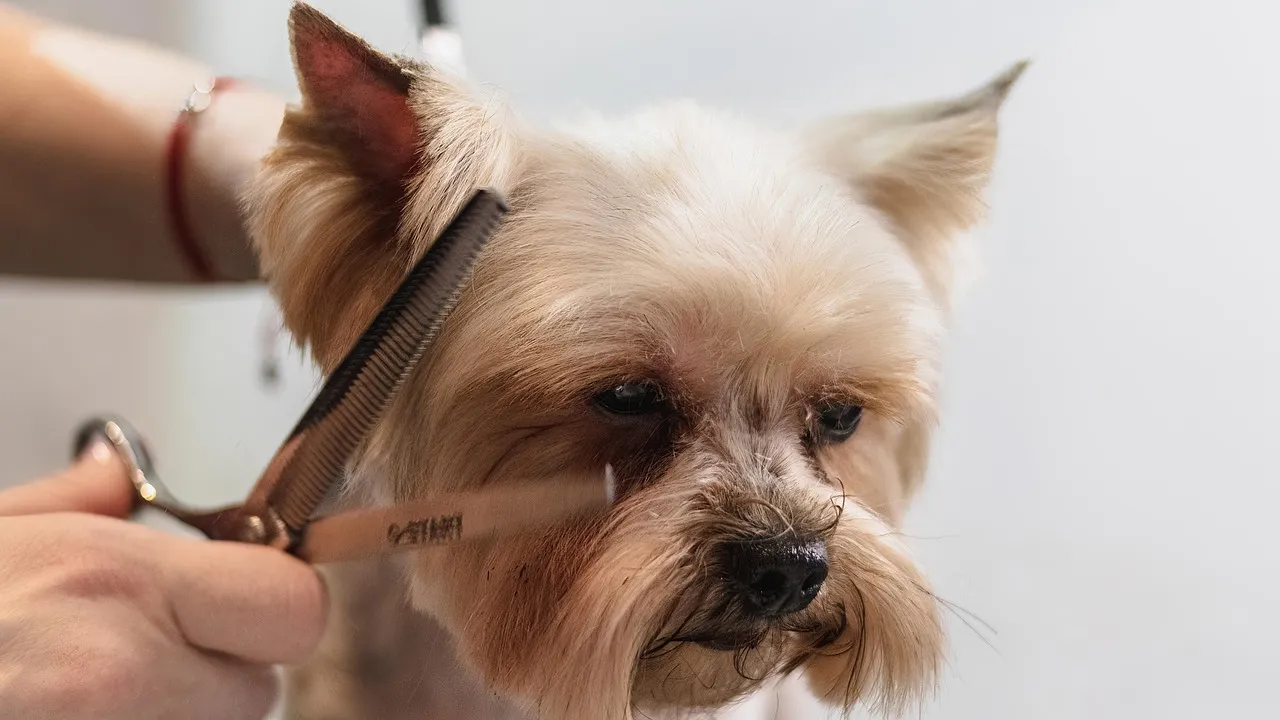
None of these are “bad breeds.” The real problem is a collision of genetics, coat type, size, and owner expectations that were never realistic to begin with. Springer Spaniels, Lhasa Apsos, doodles, and Huskies can all be perfectly groomable with early training, honest styling choices, and real maintenance between visits.
But when owners chase Pinterest looks, stretch appointments out for months, or skip basic brushing entirely, they turn a routine session into an exhausting, sometimes dangerous marathon. Groomers see the fallout up close, painful mats, skin infections, and dogs who learn to fear the table. If this list proves anything, it’s that the hardest part of grooming was never the dog. Want to be your groomer’s favorite client? Pick a style your lifestyle can actually support, book on time, and teach your dog that hands and clippers are nothing to fear. Think we got your breed wrong, or missed a coat that deserves a spot on this list? Say so in the comments.

- 17 Dog Breeds Groomers Quietly Dread Seeing on the Schedule - July 29, 2026
- 17 Dog Breeds Groomers Quietly Dread Seeing on the Schedule - July 29, 2026
- 15 Surprising Signs of Loyalty Only a Horse Gives the Rider It Trusts - July 29, 2026