
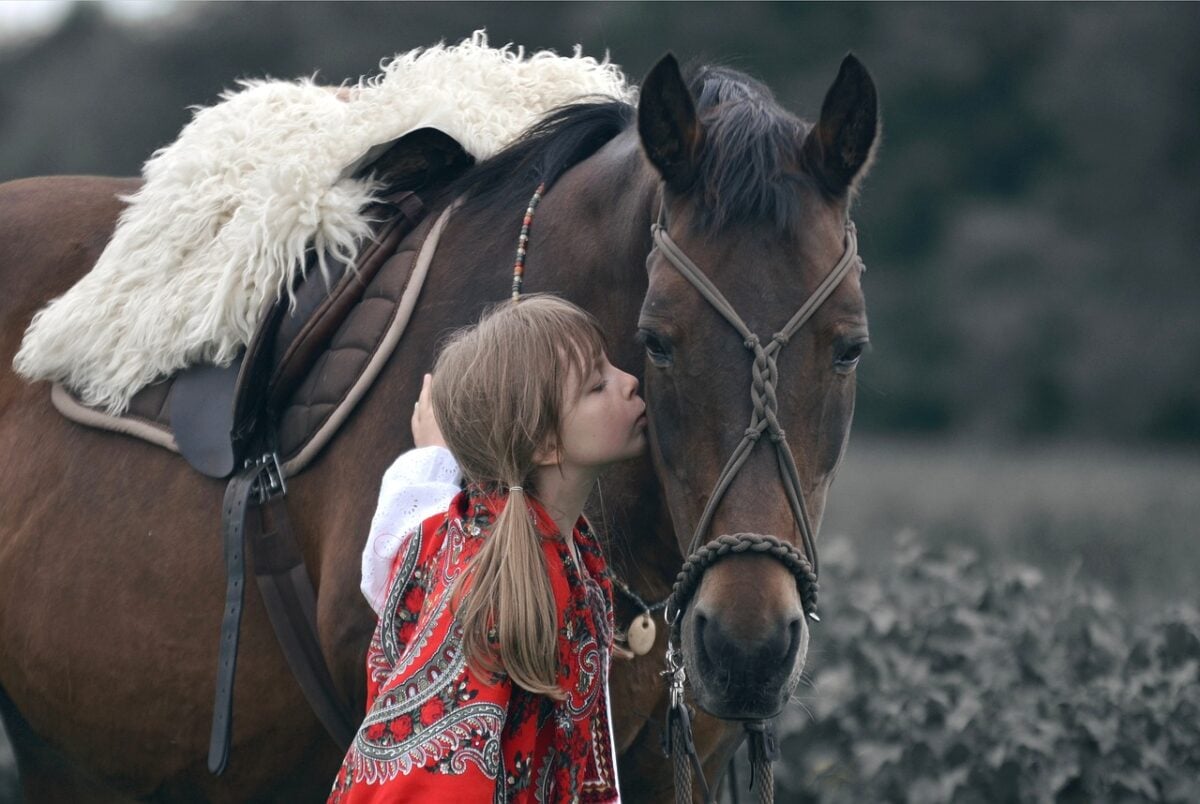
Everyone assumes a horse that doesn’t buck, bolt, or bite is simply “a good horse.” That’s the myth. The reality is quieter and a lot more interesting: a horse that truly trusts you is constantly telling you so, in ways so subtle that most riders ride right past them for years.
These aren’t the tricks that show up in glossy riding photos or win ribbons at a show. They’re the small, almost private moments – a flicked ear, a held breath, a choice to stay when leaving would’ve been just as easy. Once you know what to look for, you’ll never see your horse the same way again.
#15 – The Horse Walks To You, Not Just Lets You Catch It
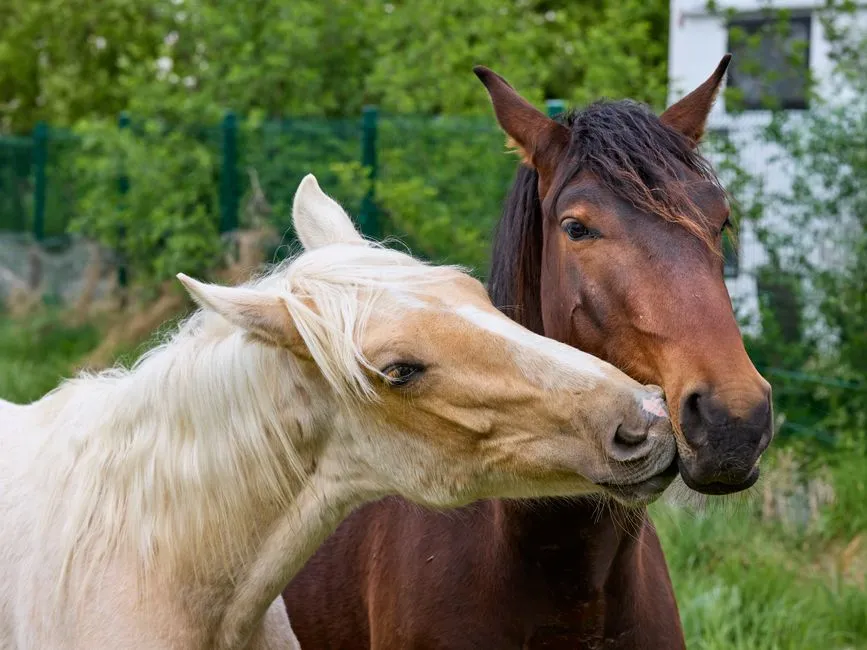
There’s a real difference between a horse that tolerates being caught and one that chooses you. A loyal horse will often lift its head, flick an ear, and start drifting toward you the second it spots you at the gate – even while its pasture mates keep grazing like nothing happened.
This isn’t about grain. Feed-only horses tend to come in hot, crowding your space and pockets. A trust-based approach looks softer, almost deliberate. Does your horse step away and then reluctantly stop, or does it change direction on its own and line up so you can halter it with barely any fuss? Over time, bonded horses often start leaving their herd mates earlier and faster for “their” person – a quiet way of saying, “I’d rather be with you than them.”
#14 – Ears That Check Back With You Constantly
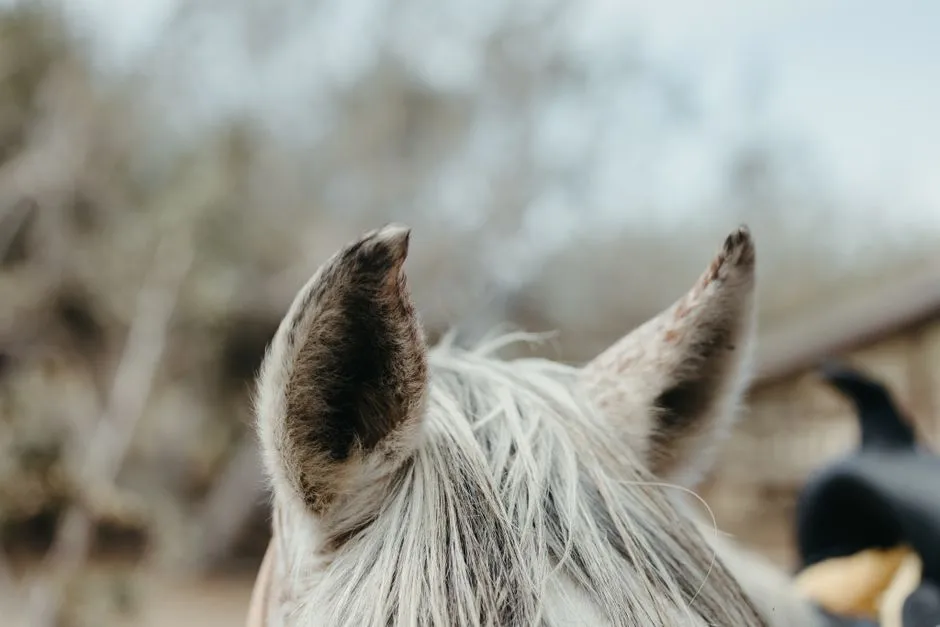
Everyone learns that pinned ears mean trouble. Almost nobody learns the ear language that actually signals trust. As you ride, watch for one ear staying loosely turned back toward you – not stiff, not snapped, just softly listening. That “one ear on the world, one ear on you” posture is one of the biggest tells there is.
The horse is literally splitting its attention between potential threats and your cues, which only happens when it doesn’t feel like it has to handle everything alone. A trusting horse’s ears drift back to you after scanning a noise or a shadow, then relax again. It’s quietly sharing the job of staying safe instead of white-knuckling through the ride solo.
Fast Facts
- A horse has roughly ten muscles per ear, letting each one rotate almost independently and up to 180 degrees.
- Ears pinned flat and rigid signal irritation or warning; a loosely turned-back ear signals listening, not threat.
- A droopy, sideways ear during standing rest usually just means the horse is dozing, not disengaged.
- Horses use ear position to communicate with herd mates the same way they use it with riders.
#13 – Relaxing Its Neck and Back Under Saddle
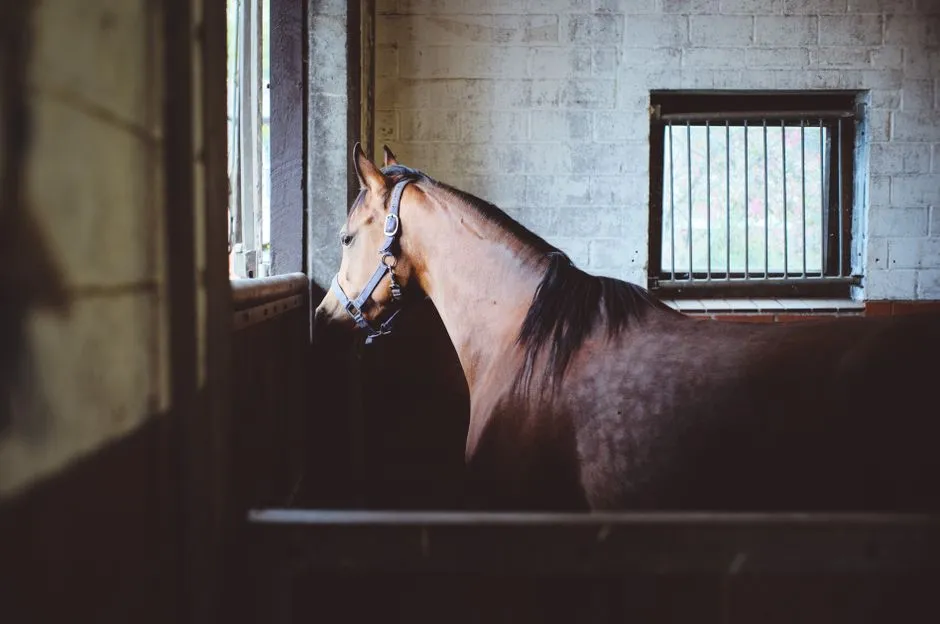
Most riders chase a pretty headset and completely miss the real prize underneath it: a soft, swinging back and a loose, unbraced neck. A horse that lets its back lift and its stride swing with you on top isn’t just well-trained – it’s being vulnerable, and it knows it.
Look for a neck that lengthens instead of bracing like a 2×4, a back that feels like a moving bridge rather than a plank, and a tail that swings easily instead of clamping or swishing in irritation. A horse can fake a pretty frame for a few strides, especially under pressure. It cannot fake full-body relaxation with a rider on its back. That physical letting-go means, “I believe you won’t hurt me if I soften,” and for a lot of trainers, that’s worth more than any trick.
#12 – Choosing to Stand Still After You Dismount
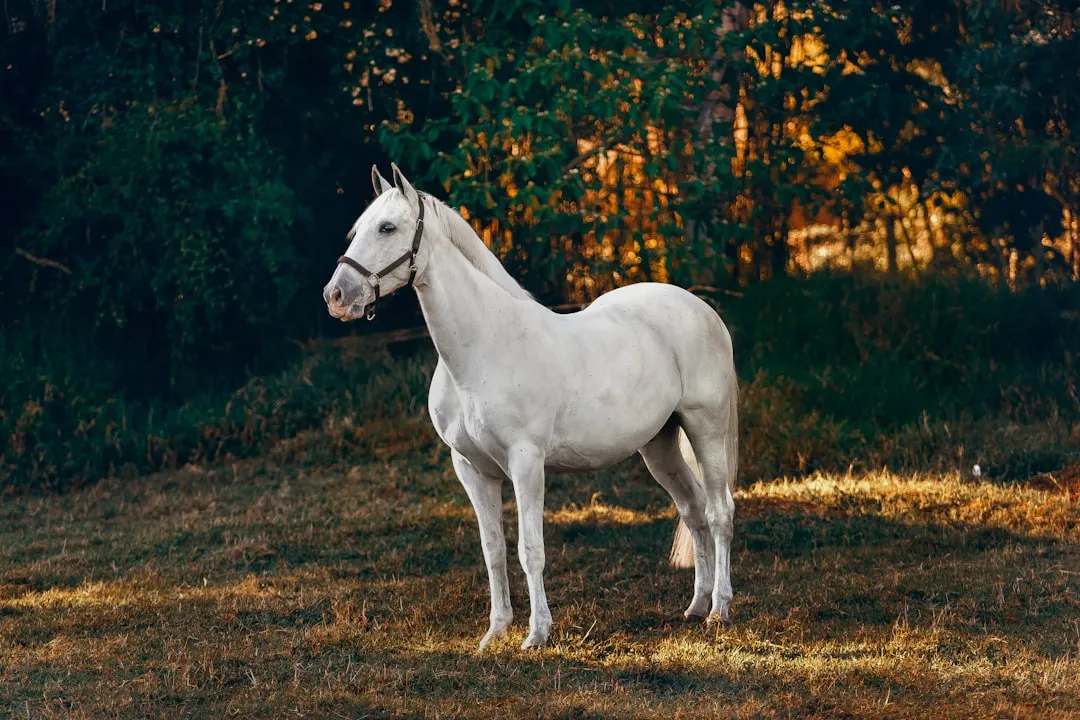
This one catches new riders off guard: the moment right after you swing a leg off says more than the entire ride before it. A horse that immediately barges forward, drags you toward the gate, or swings its hindquarters away is basically counting down the seconds until you’re gone.
A trusting horse does the opposite. It often stands quietly, head relaxed, almost waiting to see what you’d like to do next. Does it plant its feet and breathe, or yank the reins loose the moment your foot hits the ground? Does it lower its head softly while you fuss with stirrups and gear? Loyal horses tend to linger in that in-between moment instead of bolting for freedom, because time with you isn’t something they’re trying to escape.
#11 – Following Your Lead on the Ground Without Tension
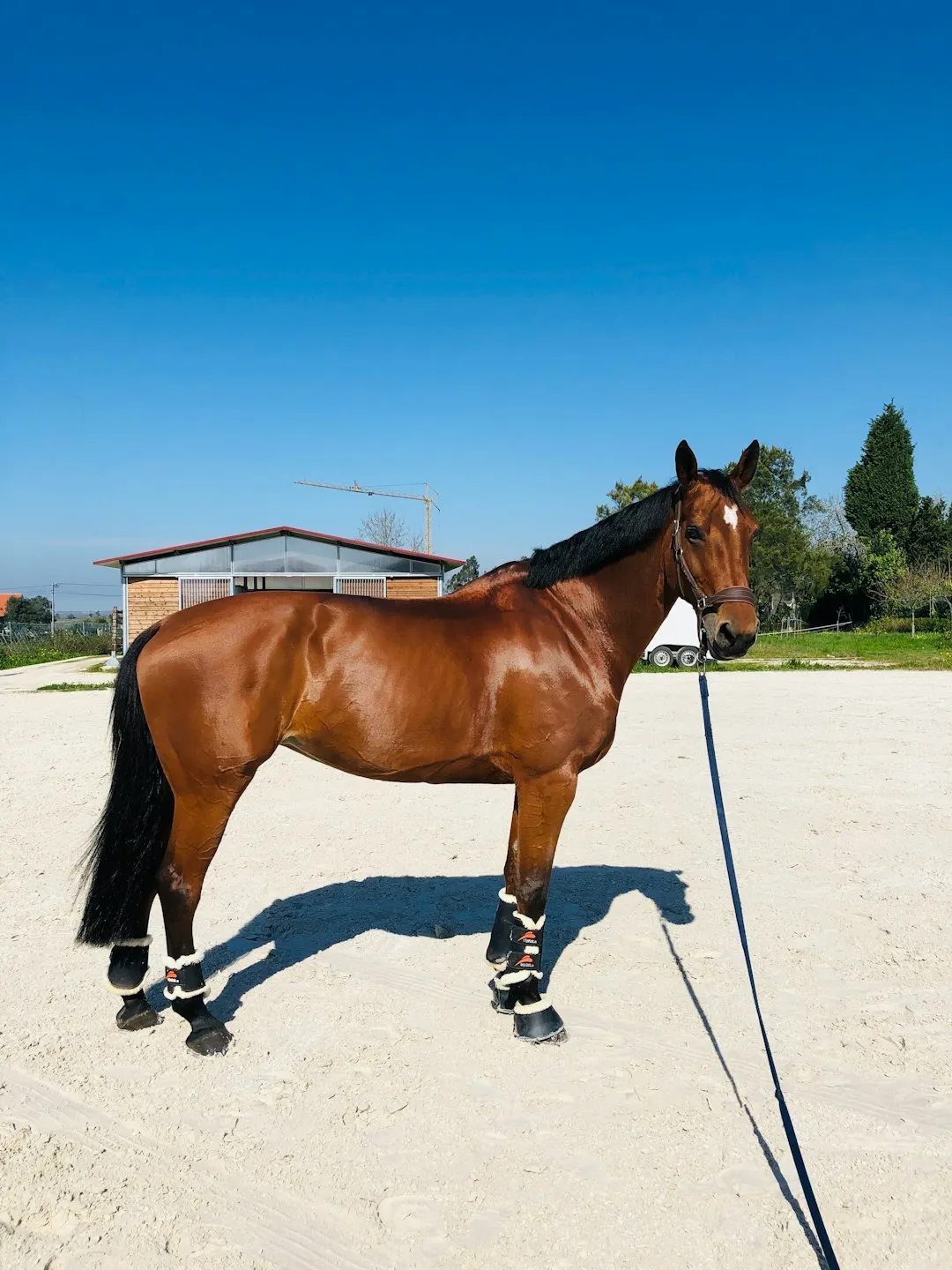
Anyone can drag a horse along on a tight lead rope. Real loyalty shows up the moment that rope goes slack. A trusting horse matches your stride, your speed, even your direction changes with barely any pressure at all – because you’ve become the herd leader it willingly shadows, not the boss it’s forced to obey.
Watch whether the horse crowds your shoulder or respects your space effortlessly, and whether you can walk, stop, back up, and turn using nothing but fingertip pressure. That same calm focus tends to follow you into new environments – trails, shows, clinics. Some experienced riders quietly admit they’d trade a dozen ribbons for this exact feeling: a horse that has decided, “I’ll let you navigate this for both of us.”
#10 – Soft Eyes, Even in Stressful Situations
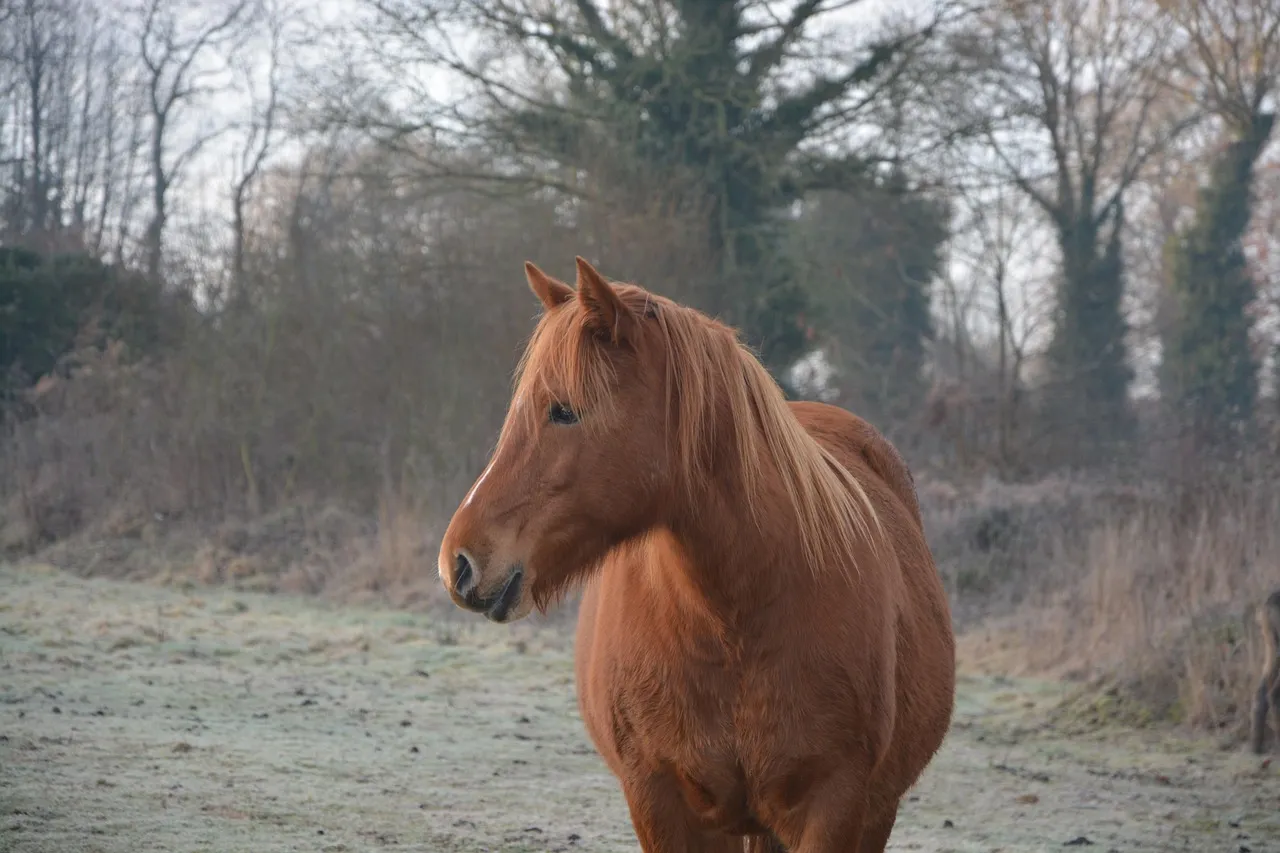
Riders obsess over flashy movement and completely ignore the most honest signal on the entire horse: the eye. A loyal, trusting horse often keeps a round, blinking, almost sleepy eye even when the environment is giving it every reason to worry – wind, a new arena, strange horses nearby.
That soft eye is basically saying, “I’m alert, but I’m not panicking, because I trust your judgment.” Compare that to wide, white-rimmed eyes and rapid blinking, or a glassy, checked-out stare that signals shutdown rather than calm. A truly loyal horse doesn’t just go numb to survive training – it stays present and curious, willing to process scary things alongside you instead of alone.
#9 – Letting You Into Its Personal Bubble at Vulnerable Moments
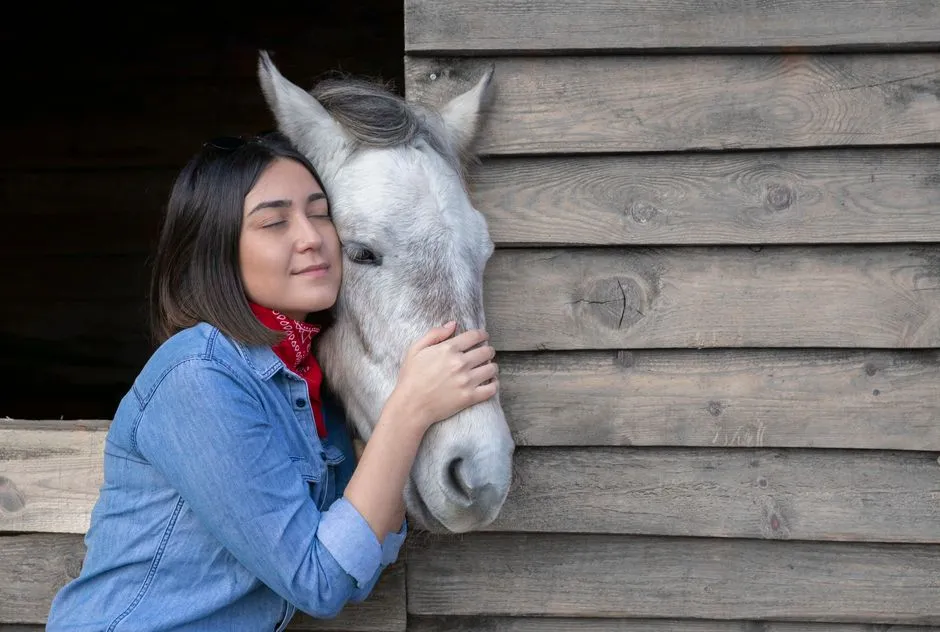
Most people assume grooming is automatically bonding. It isn’t – plenty of horses tolerate a brush while staying completely checked out mentally. Real loyalty shows up when a horse lets you into its space during moments it could easily say no: while it’s eating, resting, or dealing with discomfort.
Can you walk up quietly while it’s lying down without it scrambling to its feet? Will it let you gently check a sore spot, lift a stiff leg, or clean somewhere sensitive? A horse that trusts you might even shift its weight to help you curry an itchy spot or lower its head for the halter without being asked. Those “little” permissions are actually enormous – the horse is telling you, “I know you touch me to help, not to hurt.”
#8 – Turning Back Toward You After a Spook
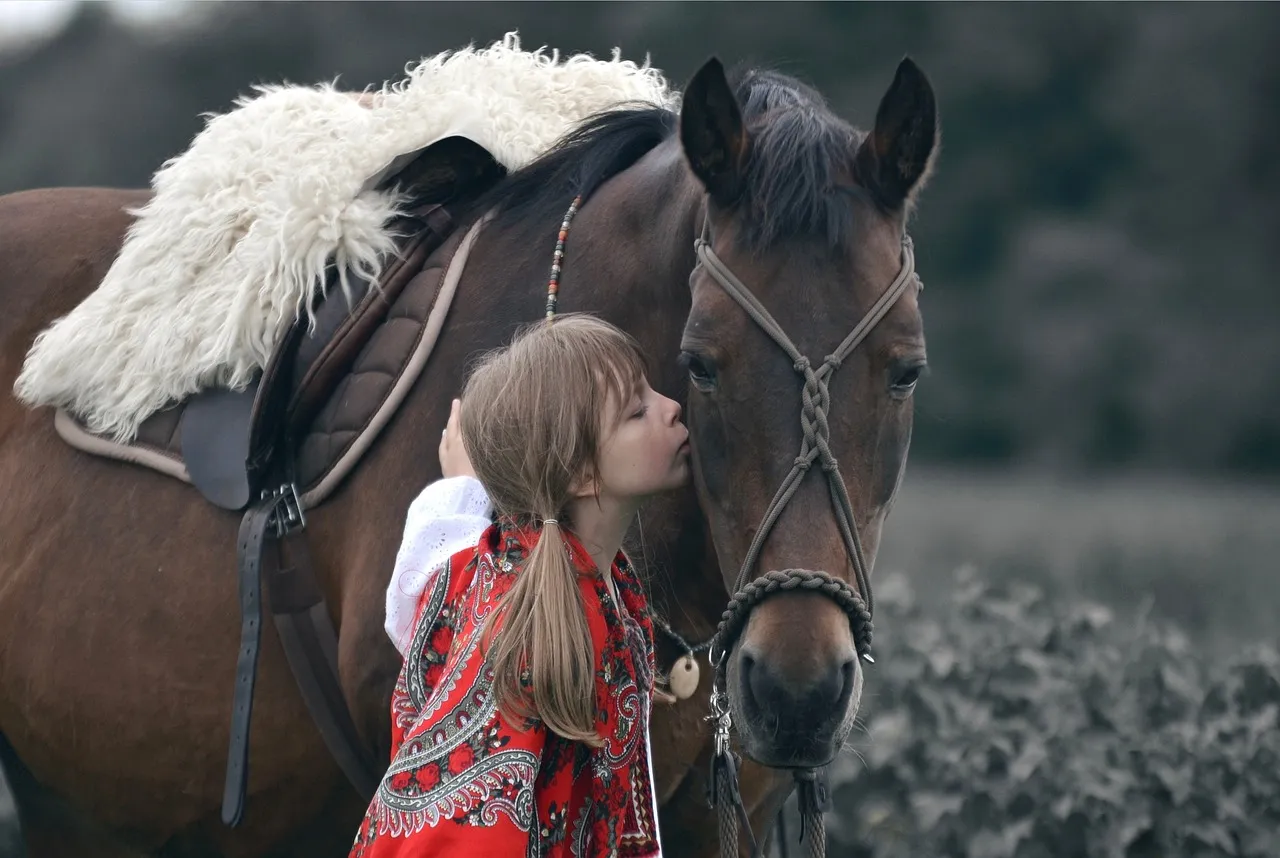
Every horse spooks. The real loyalty test is what happens in the three seconds afterward. Plenty of horses spin, bolt, and mentally check out of the conversation entirely. A horse that truly trusts its rider might startle and move its feet, but then its ear, its eye, or its whole body turns back toward you for direction.
A fearful or disloyal horse pulls away from the reins like you don’t exist. A trusting horse tenses for a second, then looks at you as if to ask, “What now?” Riders who punish every spook accidentally destroy this check-in reflex. The smarter move is rewarding the horse for coming back mentally, even after a big spook – over time, that horse learns its safest choice is with you, not away from you.
Worth Knowing
- Horses have nearly 350-degree vision thanks to eyes set on the sides of the head, with small blind spots directly in front and behind.
- As prey animals, flight is almost always their first instinct – freezing or checking in is a learned, trust-based override.
- A startled horse’s heart rate can spike in an instant but may take several minutes to fully settle again.
- Punishing a spook tends to teach a horse to hide fear, not to feel less of it.
#7 – Adjusting Its Own Movement to Protect You
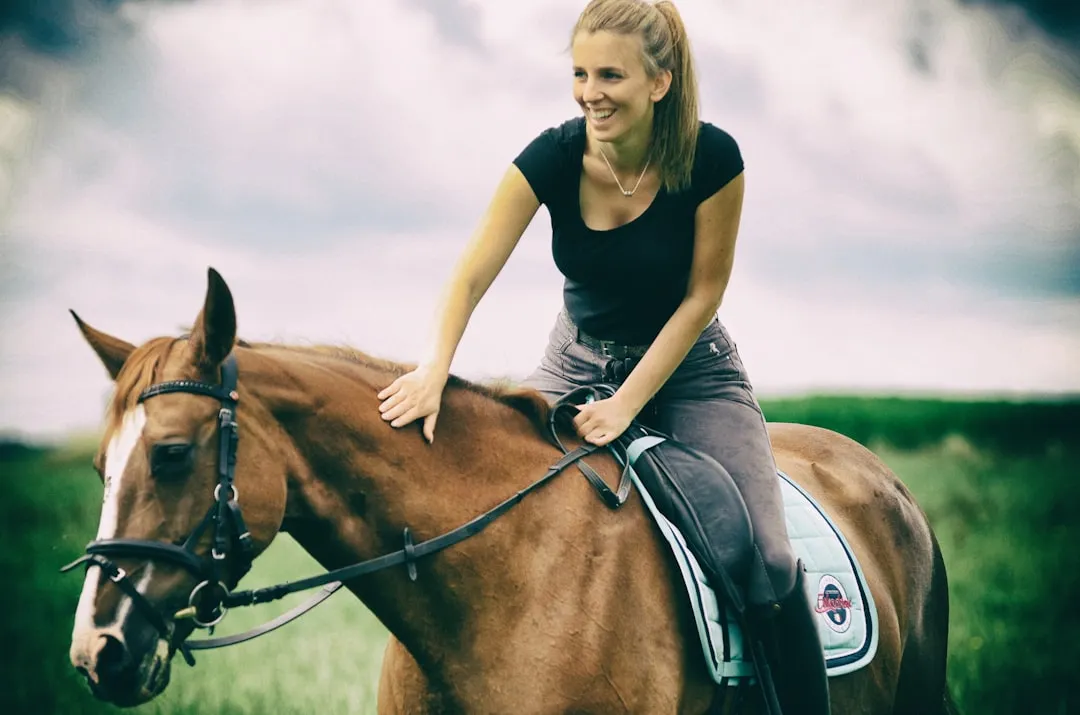
This is one of the clearest “I’ve got you” behaviors, and not every horse ever offers it. Some loyal horses will alter their own balance, pace, or path to keep you safer – even when you never cued them to do it. Think shortened strides when they feel you go off-balance, skirting slick or uneven footing instead of plowing through it, or slowing down before a sharp turn or hill.
These horses aren’t just responding to rein and leg pressure. They’re reading your seat, your tension, even your breathing, and riding like they’re carrying something precious rather than just weight. Plenty of trail riders will quietly tell you their best horse “saved their life” more than once by refusing a bad step no one asked it to refuse. That instinct doesn’t come from fear of punishment. It comes from a bond where the horse has decided your safety actually matters to it.
#6 – Willing to Leave the Herd for You, But Not Just Anyone
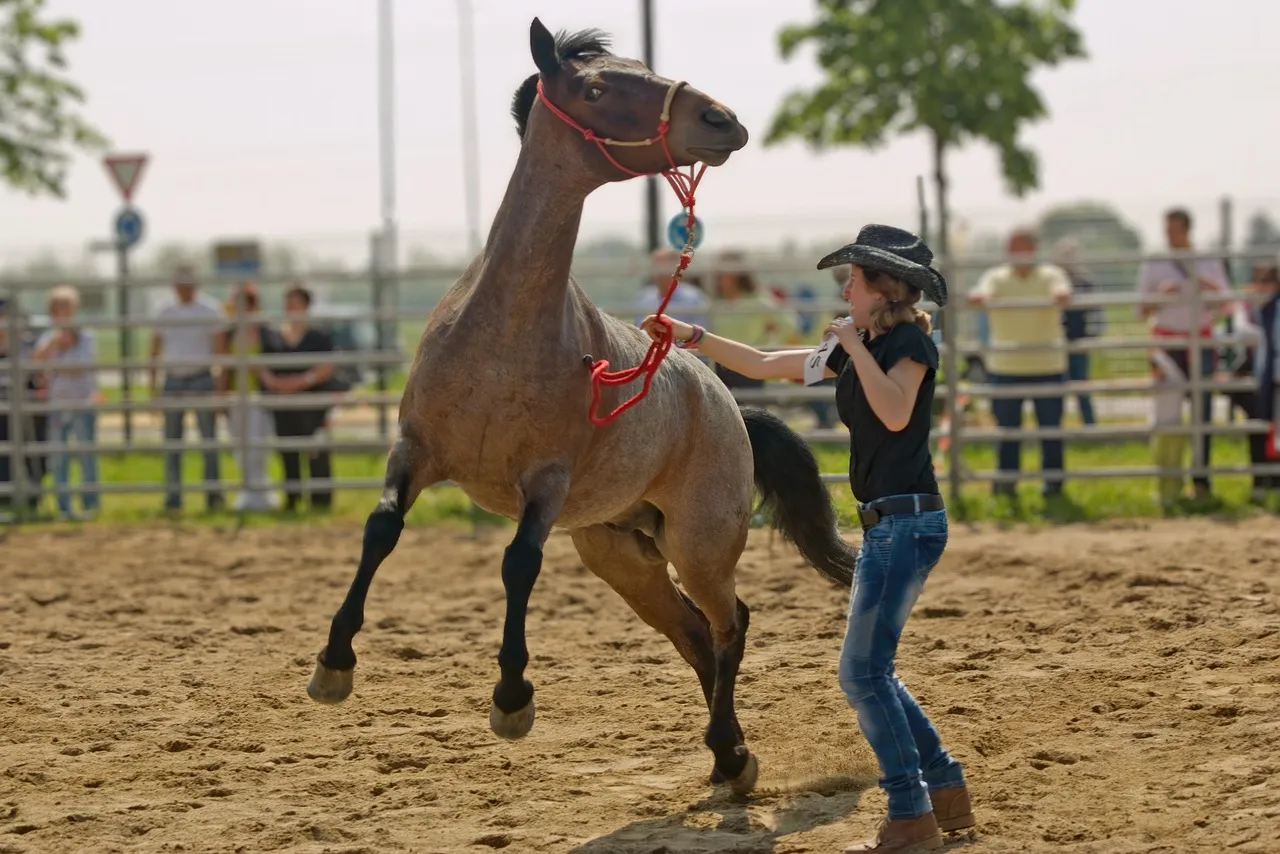
Horses are herd animals first and riding partners second, so when a horse calmly walks away from its buddies without drama, that’s already a hint of confidence. The real loyalty giveaway is more specific: it’ll do this for you, and maybe not for anyone else.
With you, it walks out of the pasture with minimal calling and no desperate spinning. With a stranger, it might plant its feet, refuse to move forward, or scream for its friends. This isn’t spoiled behavior – it’s a sign your presence has become a mobile comfort zone. For trail riders especially, this is gold: the horse may hesitate to leave the group at first, but once it registers that you’re in charge, it settles faster and looks to you for security instead of the herd.
#5 – Honest Complaints Instead of Silent Resistance
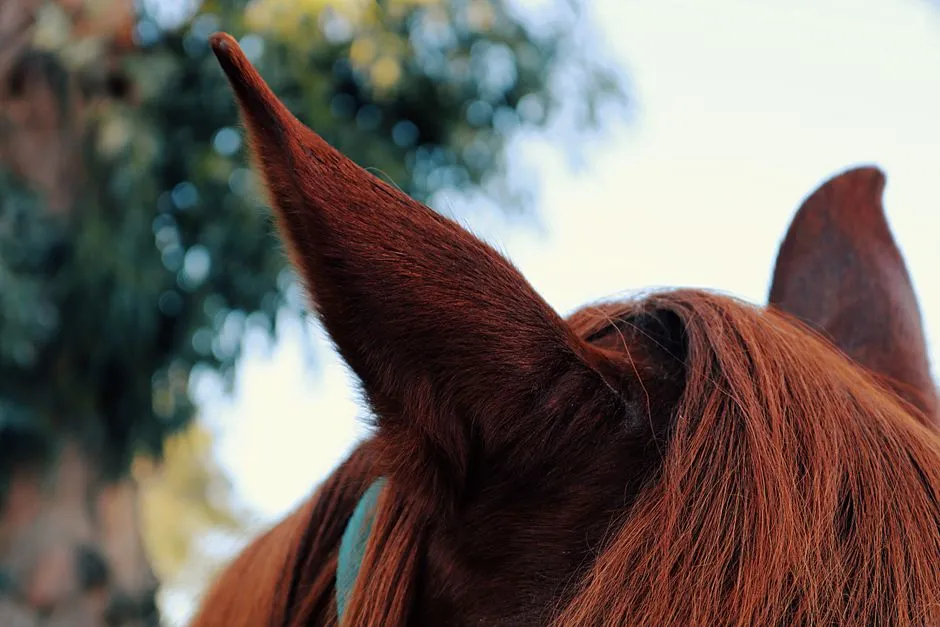
Here’s a controversial one: some of the most loyal horses are a little opinionated. Instead of quietly shutting down, they tell you when something hurts, doesn’t fit, or scares them – and then still try anyway. Trainers often call these horses “honest,” and it’s meant as a compliment.
Maybe the ears go back for a second when the girth pinches, but the horse stands and lets you finish. Maybe there’s a tail swish or a head shake when you bounce in the saddle, followed by a steady gait right after. Many advanced riders actually prefer this over the “angel” horse that never reacts, because that shut-down horse can suddenly blow up with zero warning. Loyalty doesn’t mean your horse never objects – it means it trusts you enough to show discomfort without expecting to be punished for it.
Quick Compare
- At the gate: a trusting horse walks toward you; a guarded horse keeps grazing or turns away.
- After a spook: a trusting horse checks back with an ear or eye; a guarded horse bolts and stays checked out.
- During grooming: a trusting horse leans into contact or lifts a leg for you; a guarded horse braces or swishes its tail sharply.
- On the ground: a trusting horse matches your pace on a loose lead; a guarded horse drags, crowds, or lags behind.
#4 – Choosing You for Comfort in New or Scary Places
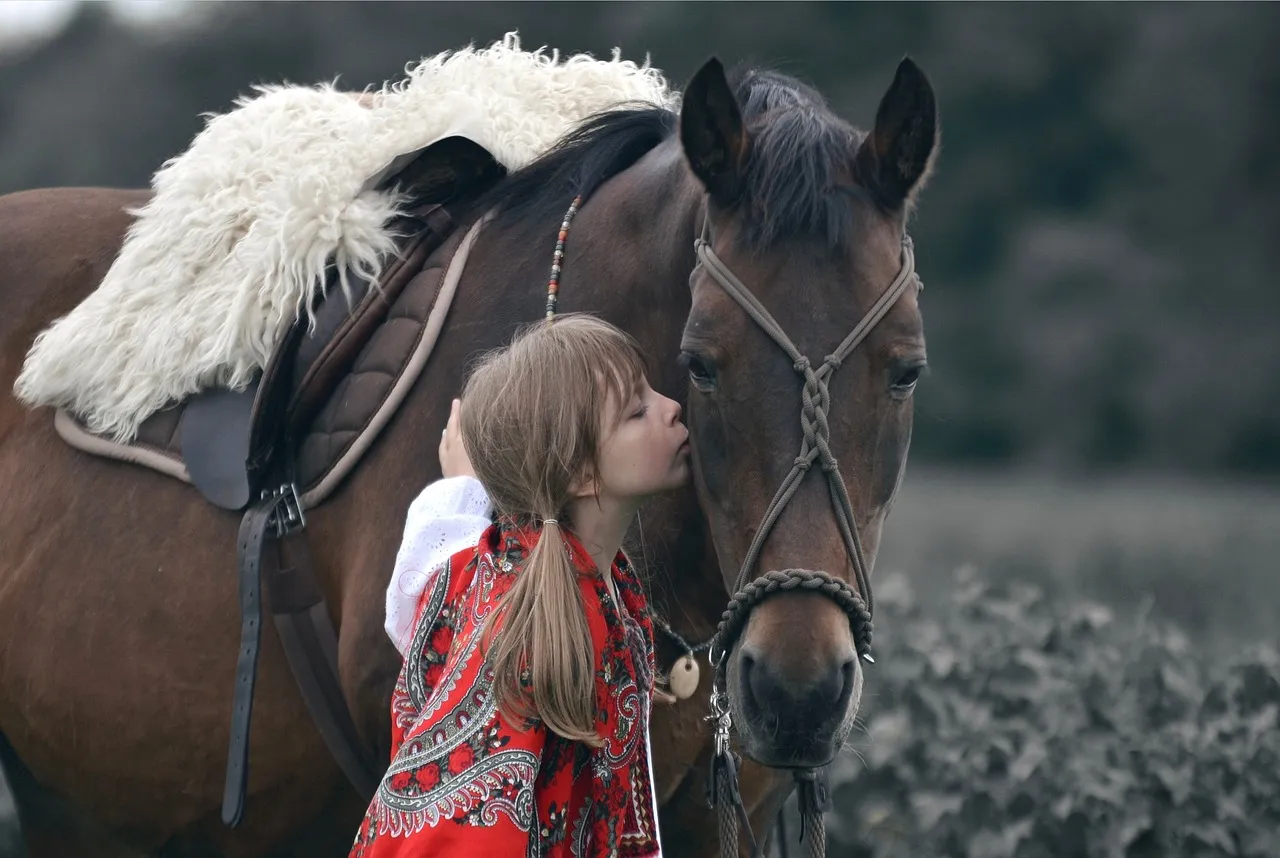
Watch your horse closely at a clinic, a show, or a new trailhead. Where does it go looking for comfort? A horse with shallow loyalty will drag you toward other horses, the trailer, or the nearest exit. A horse that truly trusts you does the opposite – it shifts closer to you, lowers its head near your shoulder, or bumps your hand when it’s unsure.
Look for a body angled slightly toward you instead of away, or sniffing at your pockets and clothing when tension rises, almost like it’s grounding itself through you. Some horses will even rest their muzzle against your chest or arm when they’re overwhelmed. Critics call this clingy. Experienced horse people call it exactly what it is: the horse using you as its safe object, the same way a foal uses its dam. That’s not training. That’s attachment.
#3 – Letting You Handle the No-Go Zones
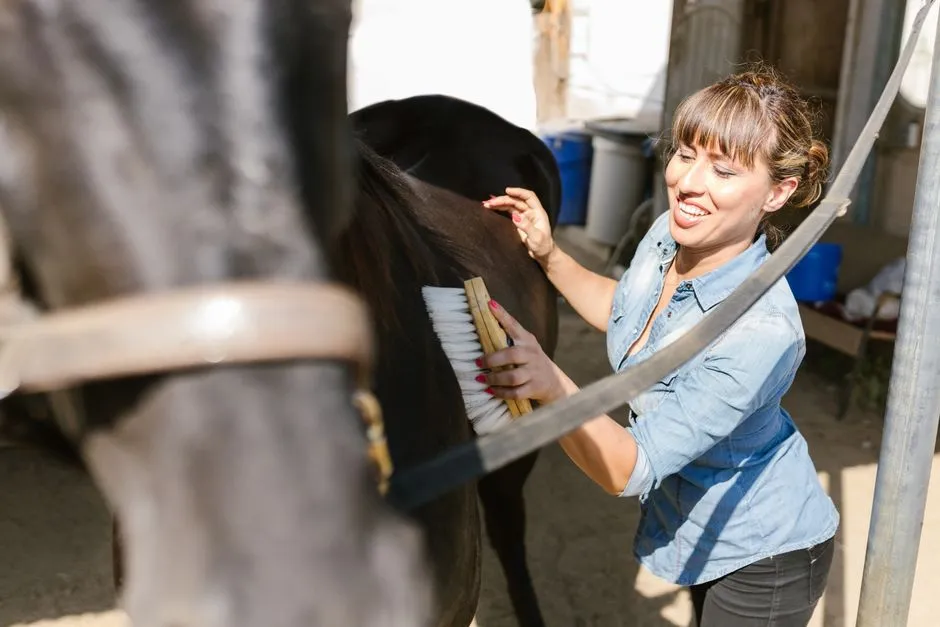
Every horse has a history, and some carry very clear off-limits areas – ears, flank, sheath or udder, an old injury site. When a horse that used to guard those spots finally lets you touch, groom, medicate, or clip them without panic, that’s not just progress. That’s earned loyalty.
The horse might still brace slightly, but it chooses not to kick, bite, or yank away. It might exhale deeply, blink, and gradually soften into your hand instead. These are enormous emotional decisions for a prey animal – by giving you access to its most vulnerable areas, it’s silently betting that you’ll help rather than hurt. Rehab and rescue riders often say this exact moment, not the first ride and not the first show, is when they know the partnership is finally real.
#2 – Matching Your Emotional State, Not Just Your Cues
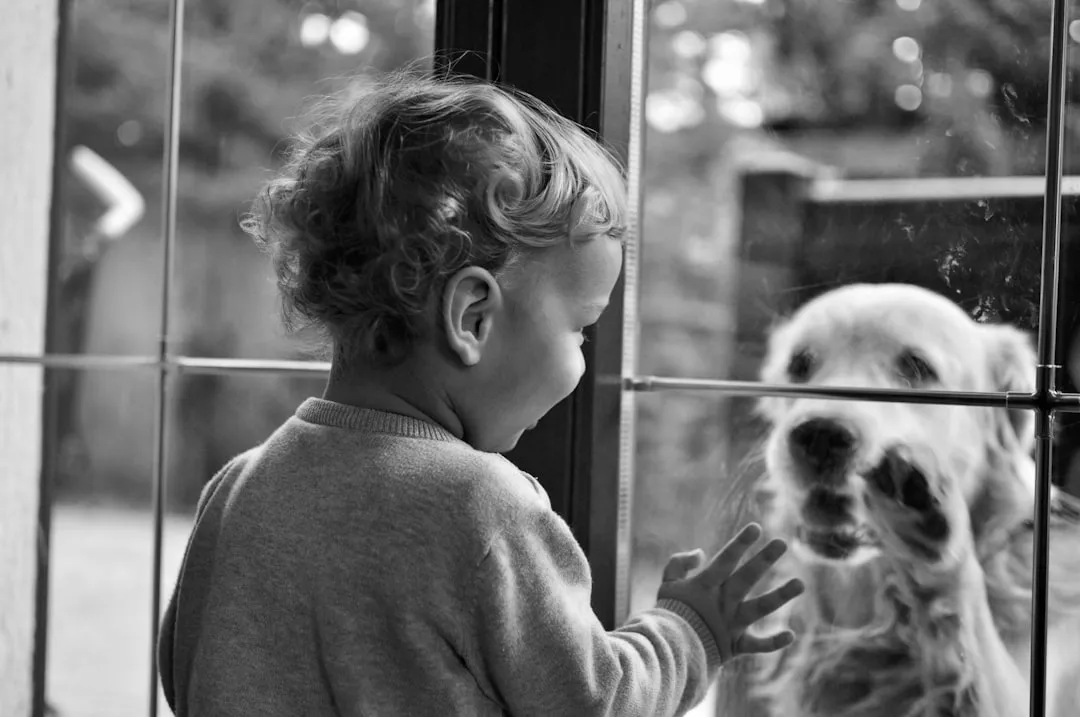
One of the rarest signs of deep loyalty is emotional mirroring. Some horses tune into your nervous system directly, matching your calm or your focus far beyond anything a simple cue could explain. When you relax and breathe, they soften. When you square your shoulders and get determined, they get more purposeful too – like you’re suddenly sharing one mood between two bodies.
You’ll see it most in high-stress moments, when your own calm settles a horse faster than any training drill ever could. You’ll also see it on quiet days, when your slower energy naturally leads to a softer, more ambling ride. This isn’t magical thinking – horses are wired to read micro-signals in others. But loyal horses don’t just read you defensively to protect themselves. They start syncing with you voluntarily, and that co-regulation is what makes certain pairs look almost telepathic in the arena or out on the trail.
At a Glance
- Soft, blinking eyes in new or stressful settings
- One ear checking back with you during work
- Standing quietly and relaxed after you dismount
- A relaxed neck and swinging back under saddle
- Coming back to you when set loose with no incentive at all
#1 – Coming Back to You After Freedom
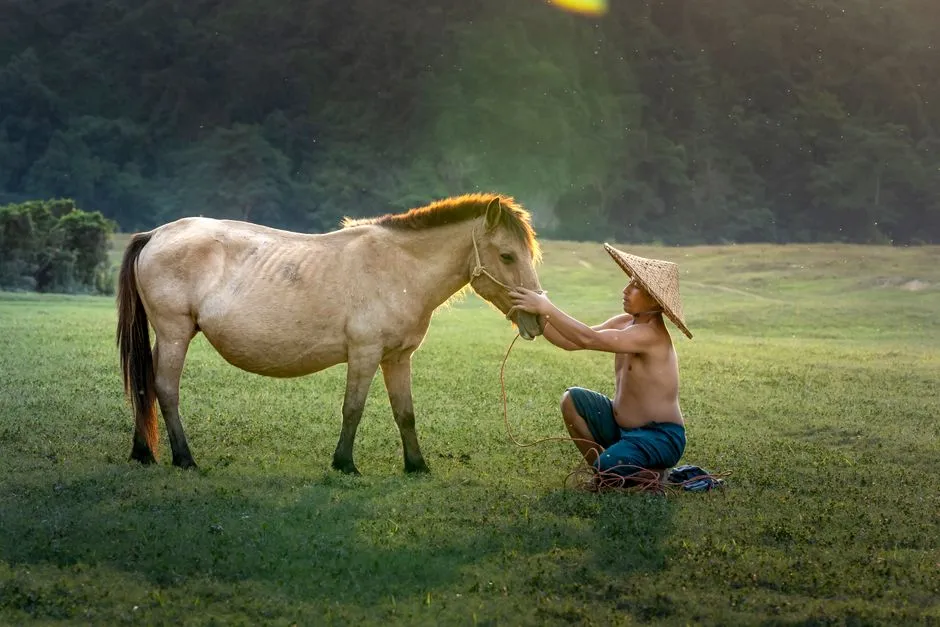
Here’s the sign almost every seasoned horse person secretly values above all the rest: what the horse does the moment it could leave and simply doesn’t. A deeply loyal horse, turned loose in a safe space, will circle back to you – sometimes slowly, sometimes with a little playful kick-out along the way – and re-engage even though nothing is forcing it to.
Maybe it turns away for a moment, then chooses to walk or trot back to your side anyway. Maybe it leaves the herd just to stand near you in the pasture, no halter, no bucket, no reason except wanting to. This doesn’t mean your horse will never run off if it’s scared or excited – it will. But when everyday freedom still includes you as a chosen destination, that’s the clearest, most honest vote of confidence a horse can give. It’s not perfect training. It’s preference. And it’s the horse saying, as loudly as a silent animal possibly can, “You are home base.”
The Bottom Line
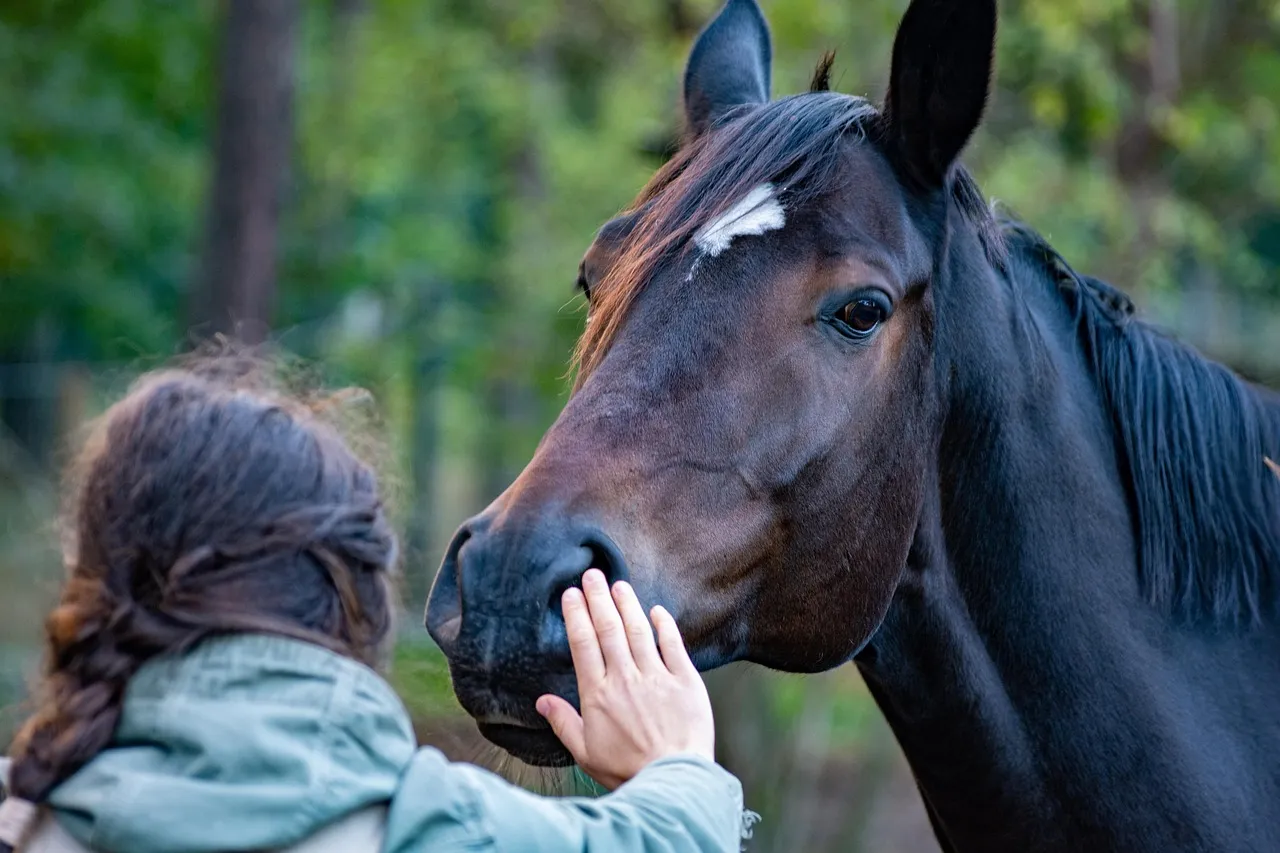
Most riders measure success in ribbons, a soft bridle, or how little a horse “acts up.” But the real story of loyalty is written somewhere quieter – in soft eyes, small choices, and those in-between moments when a horse could easily ignore you and chooses not to.
A loyal horse walks toward you, checks back with an ear after a spook, adjusts its own stride to protect your balance, and comes home to you even when it’s free to walk away. Call it training if you want. Anyone who has spent enough years in the saddle knows better – conditioning doesn’t explain a horse that leaves its herd just to stand next to you for no reason at all.
Where do you stand: do you believe horses can be genuinely loyal to one rider, or is it all conditioning dressed up as emotion? Share your own moments in the comments – the quiet ones are usually the best stories.
