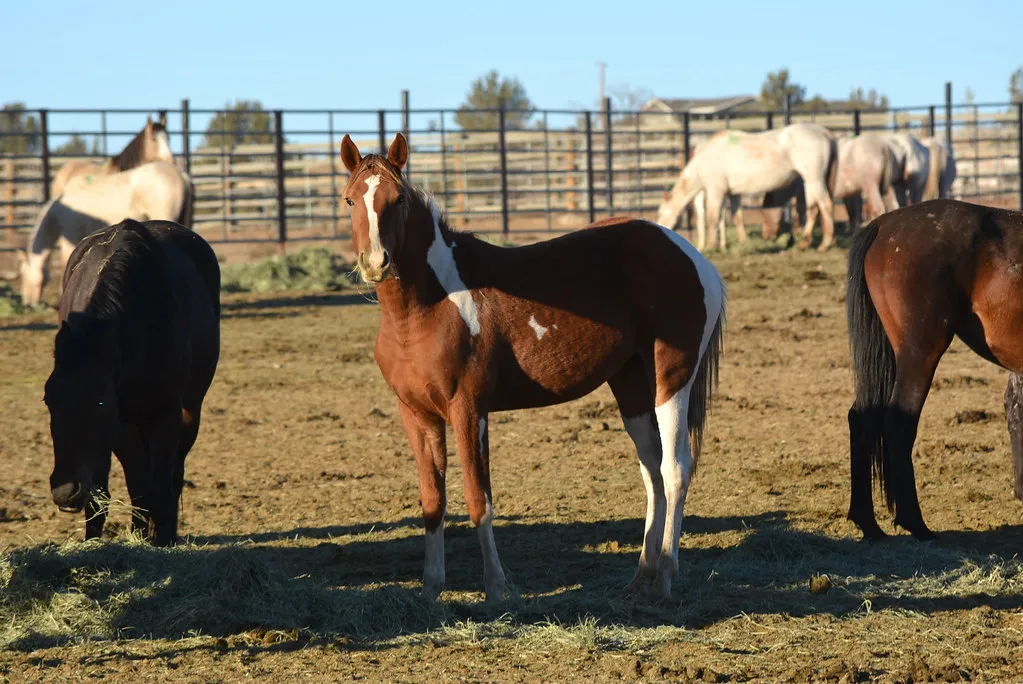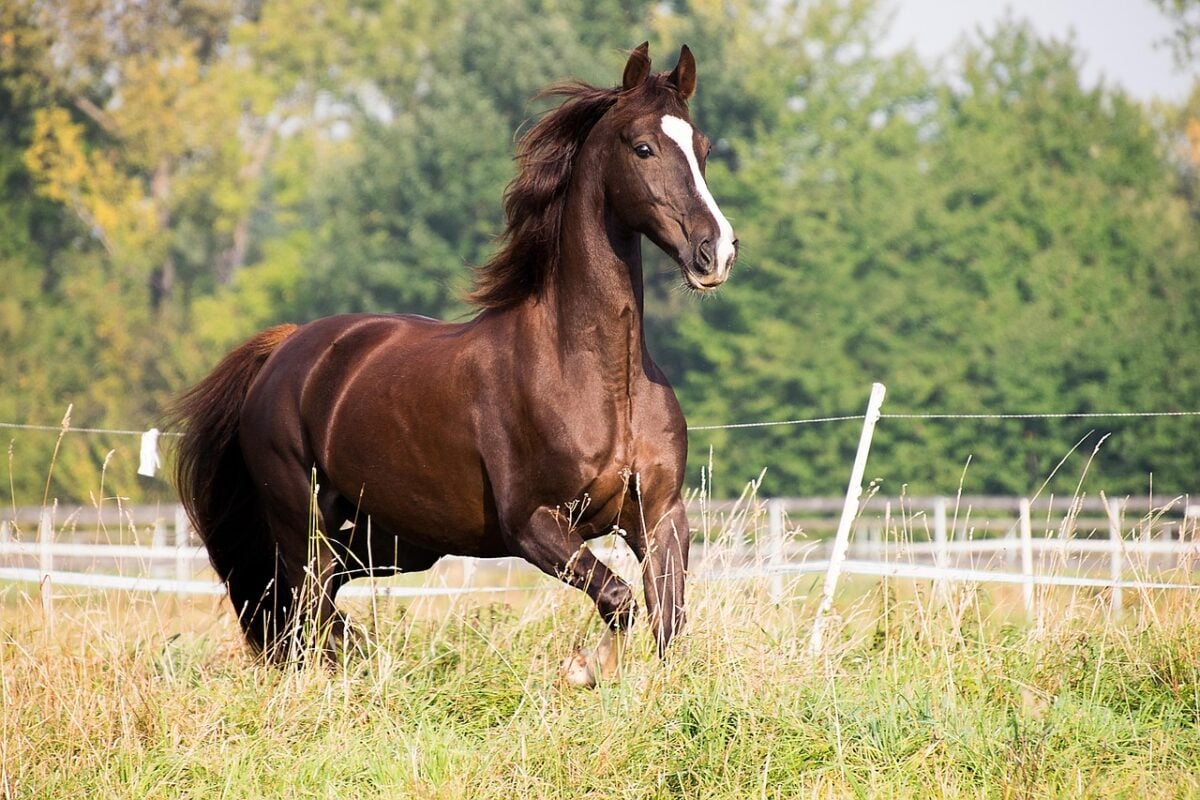
#1 American Quarter Horse
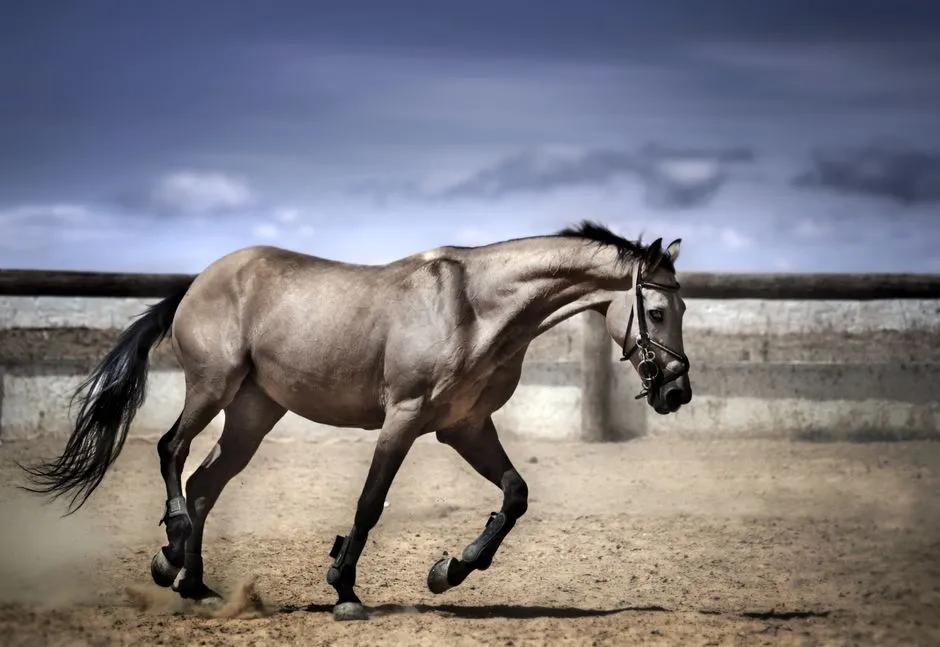
The Quarter Horse is America’s most popular breed, which also means it’s one of the most frequent faces at auction. Some bloodlines, particularly those tracing to the stallion Impressive, carry a mutation for Hyperkalemic Periodic Paralysis, a condition characterized by episodes of muscle tremors, spasms, or paralysis triggered by high potassium levels, with affected horses presenting mild to severe muscle weakness.
Two other conditions worth knowing about before you bid include HERDA, which causes hyper-stretchable skin, severe scarring, and painful lesions primarily along a horse’s back, and PSSM, a muscle disorder that manifests as stiffness, muscle pain, or reluctance to move after exercise. None of these show up in a quick visual scan of a horse standing in a pen. A simple hair sample sent to a genetics lab can rule them out long before money changes hands.
#2 Arabian
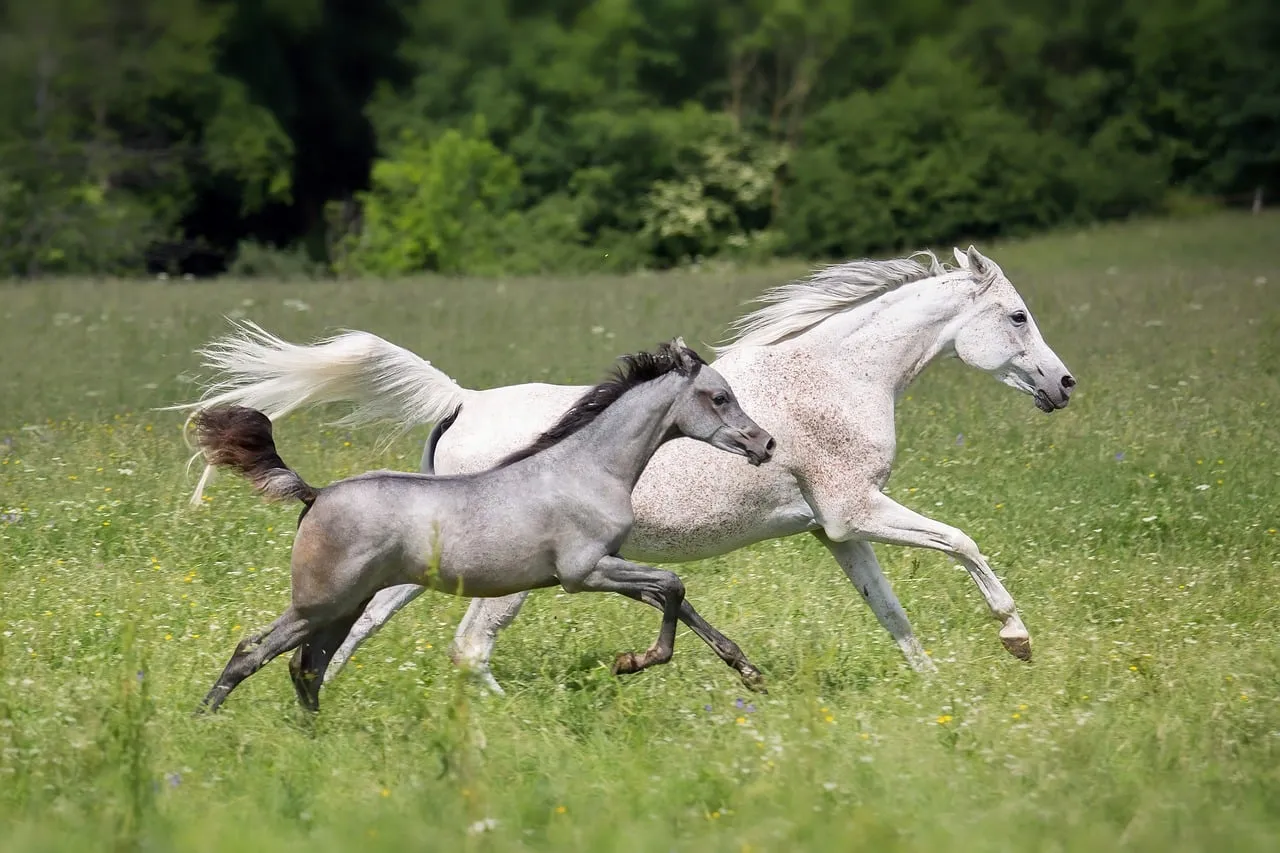
Arabians have a reputation for stamina and refined good looks, but the breed also carries an unusually long list of inherited conditions. Vets who specialize in the breed point to problems including severe combined immune deficiency, an extreme suppression of the immune system at birth with fatal consequences, and occipito-atlantoaxial malformation, leading to an abnormally shaped neck and gait problems.
Foals can also be born with lavender foal syndrome or cerebellar degeneration, both of which are heartbreaking to discover after a purchase rather than before one. What makes this tricky at auction is that carrier horses often look completely normal themselves. It’s the breeding history, not the horse’s appearance, that tells the real story, and that history rarely travels with the sale slip.
#3 Friesian
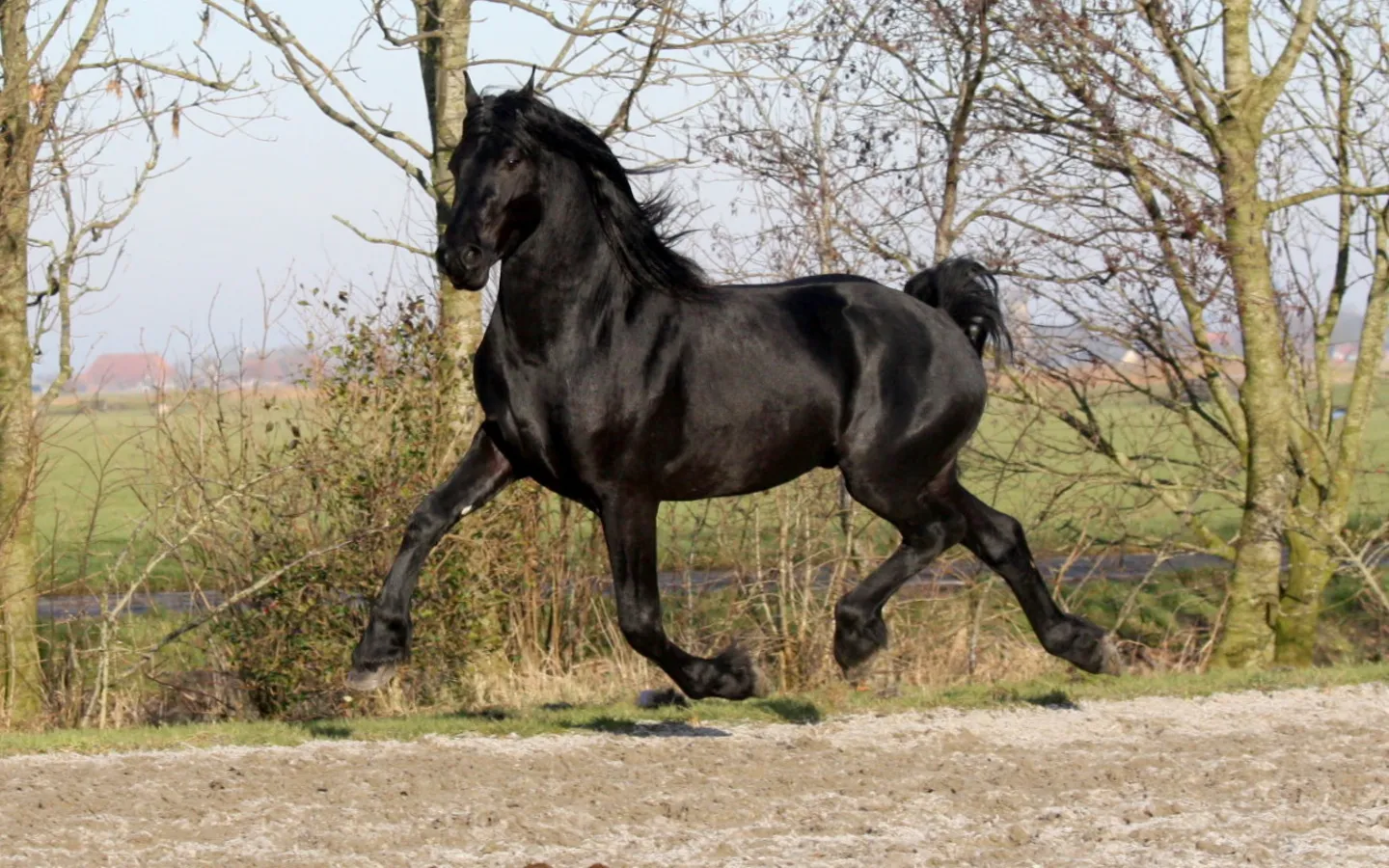
Few breeds turn heads at auction quite like a jet black Friesian with a flowing mane. That striking uniformity, though, comes from a small founding population, and it carries a price. Friesians are prone to aortic rupture, a condition where the aortic arch can rupture and cause sudden death, believed to be caused by a connective tissue disorder in the breed.
The average horse affected is young, around four years old, and otherwise appears healthy right up until the event occurs. Add in dwarfism and hydrocephalus, both linked to the breed’s limited genetic diversity, and it becomes clear why vets say a Friesian purchased sight unseen from an auction pen is one of the riskier impulse buys in the horse world.
#4 American Saddlebred
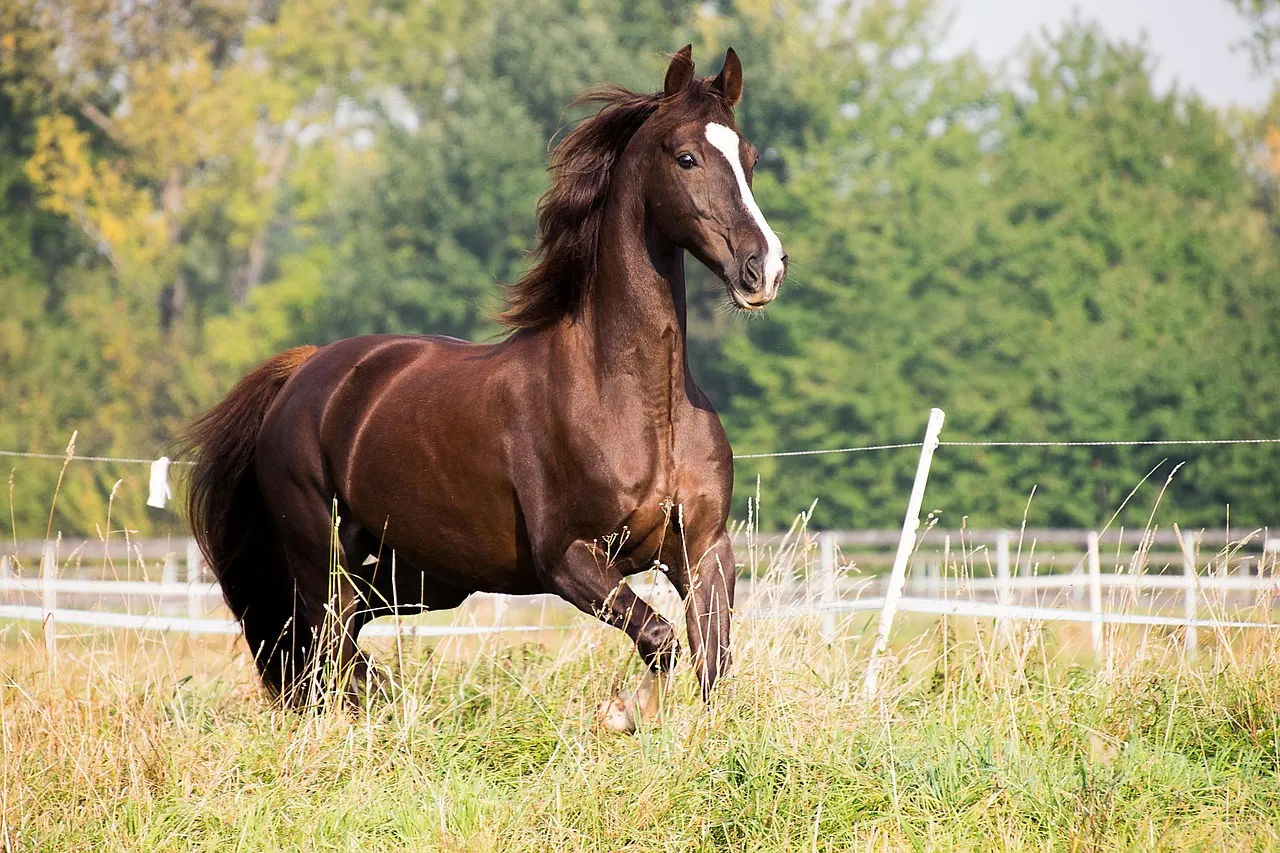
The Saddlebred’s high-stepping gait and elegant carriage make it a showring favorite, but there’s a genetic shadow attached to some bloodlines. Junctional epidermolysis bullosa, a fatal skin condition, is primarily seen in American Saddlebred and Belgian foals. Affected foals develop blistering skin almost immediately after birth.
The disease is recessive, meaning two carrier parents can produce a foal that develops blisters and open sores especially on pressure points, with hooves beginning to slough off, requiring euthanasia as soon as the condition is discovered. It’s a rare condition, but a devastating one, and it underscores why breeding paperwork matters even for a using horse bought at a sale barn.
#5 Belgian Draft Horse
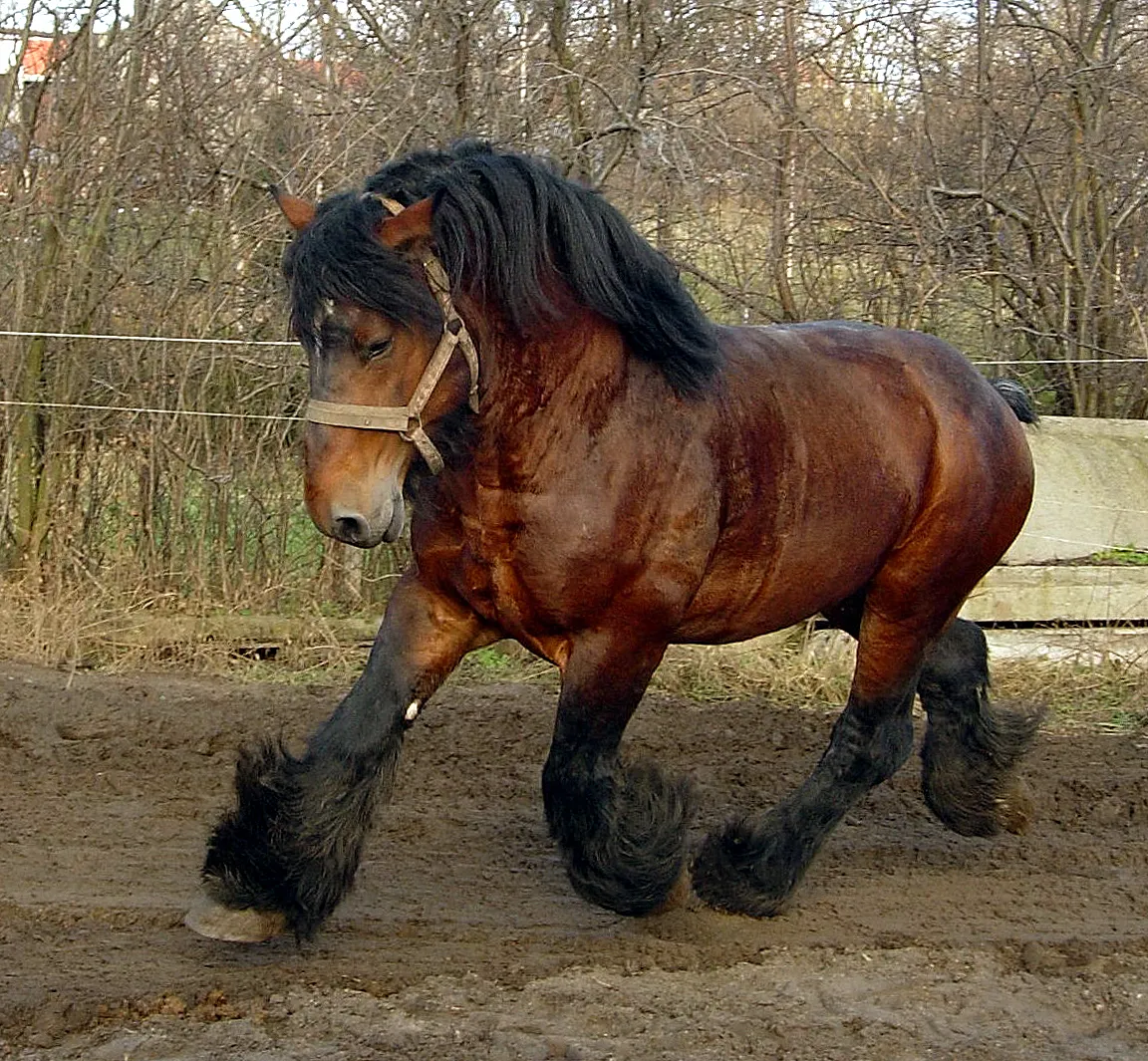
Gentle giants though they may be, Belgians come with their own set of size related concerns. Like Saddlebreds, some Belgian lines carry the same fatal junctional epidermolysis bullosa mutation mentioned above, a fact that surprises many buyers who associate the disease only with lighter breeds. Beyond that genetic risk, draft breeds in general face chronic progressive lymphedema, shivers, eye problems, upper respiratory disorders, obesity, laminitis, and increased risk of complications under general anesthesia.
Their sheer body mass adds another layer of concern, since their heavy body mass can place extra stress on the lower limbs and hooves. A Belgian bought cheap at a livestock sale because it’s “just a big sweet horse” may need considerably more farrier attention and weight management than a lighter breed would.
#6 Clydesdale
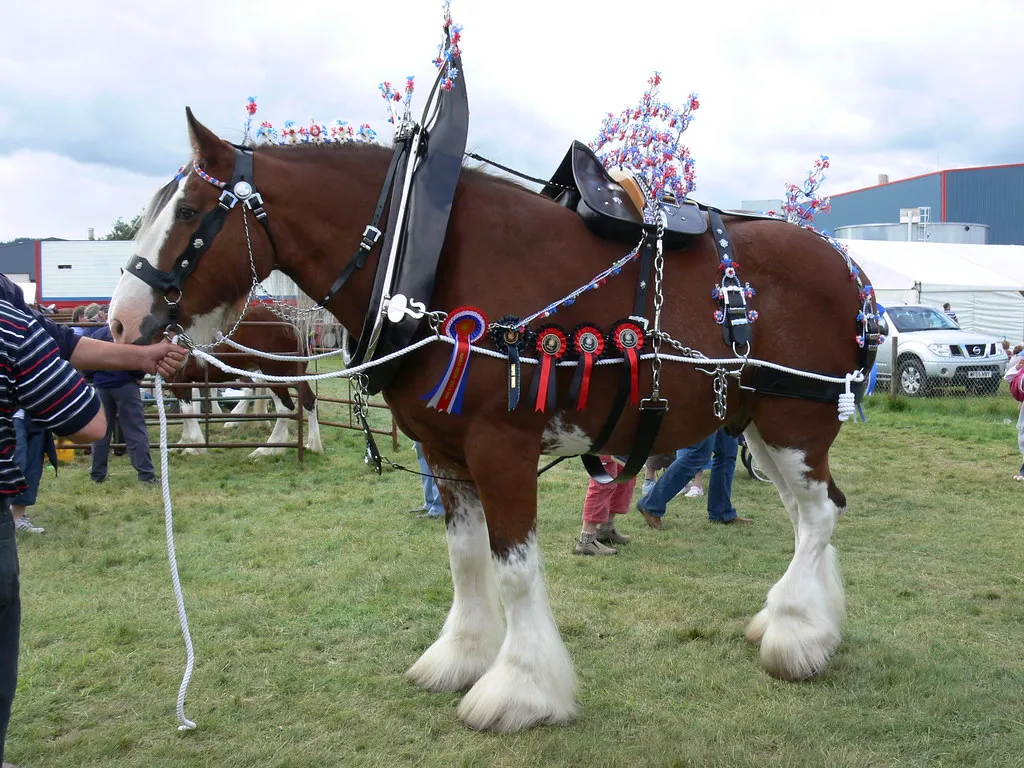
Clydesdales share much of the same risk profile as other feathered draft breeds, particularly around their lower legs. Chronic progressive lymphedema is a recurring concern in heavily feathered breeds, and it’s a slow, progressive condition that’s much easier to manage early than to reverse once swelling and skin thickening have set in. Vets who work with drafts routinely check for early leg changes that an inexperienced buyer might mistake for simple mud fever.
Beyond the legs, Clydesdales inherit the general draft horse tendencies toward laminitis and obesity noted earlier, since their metabolism didn’t evolve for the rich pasture many are kept on today. A Clydesdale purchased at auction without a leg and hoof evaluation is essentially a gamble on a breed known for hiding early symptoms under all that hair.
#7 Percheron
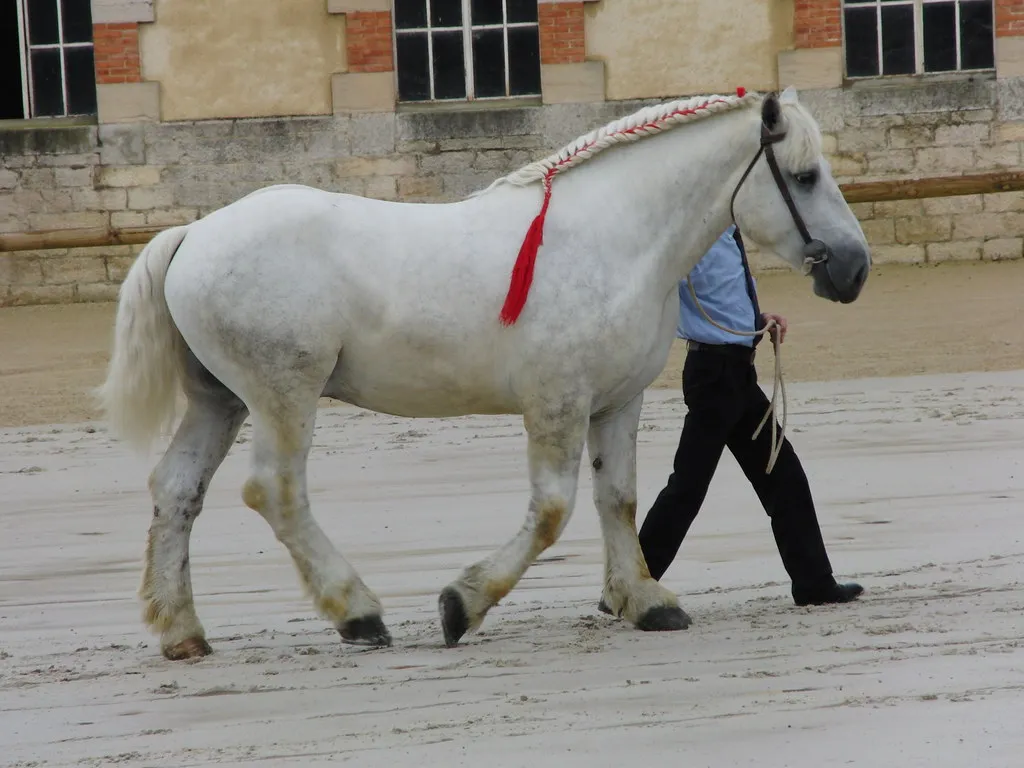
Percherons carry many of the same draft horse vulnerabilities as their cousins, but their cleaner leg lines mean lymphedema is less of an issue than it is for feathered breeds. What they do share is the broader draft horse pattern of obesity, laminitis, and joint stress tied to their large body mass. Buyers drawn to a Percheron’s calm temperament sometimes overlook how much careful nutrition management that calm, easy keeper body type actually requires.
Polysaccharide storage myopathy also shows up in draft lines, a muscle condition that affects muscle metabolism and can cause stiffness, tying-up episodes, and poor performance. It’s a condition managed largely through diet, but only if it’s diagnosed, and diagnosis rarely happens in the fifteen minutes a horse spends in an auction ring.
#8 Appaloosa
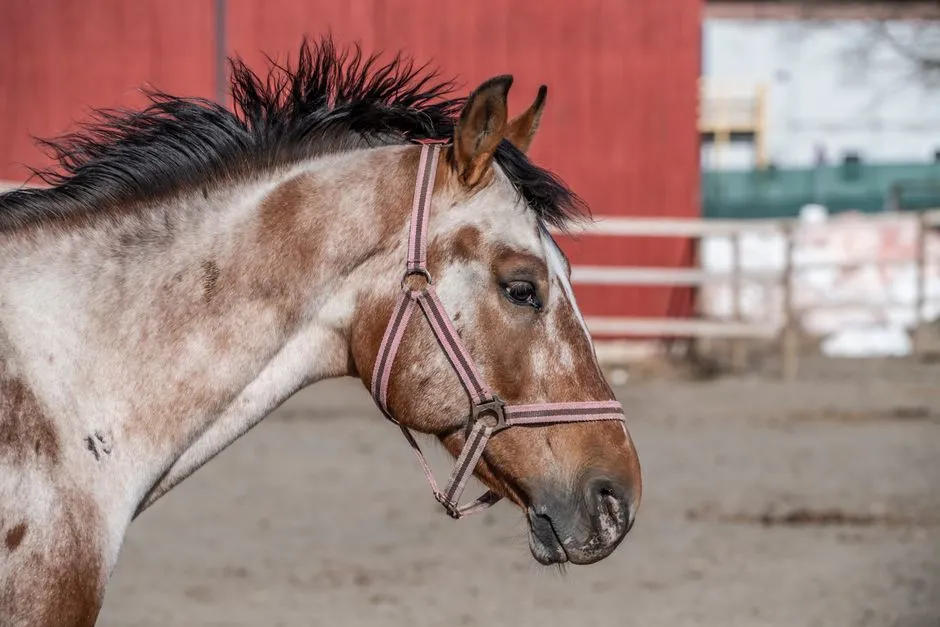
The Appaloosa’s spotted coat is a genetic package deal, and not all of what comes with it is cosmetic. Horses homozygous for the leopard complex gene are prone to develop equine recurrent uveitis and congenital stationary night blindness. Uveitis, often called moon blindness, is the leading cause of blindness among horses.
This isn’t a minor inconvenience either. Research on the breed found that the majority of affected horses could not return to pre-disease performance roles, with fifteen to fifty three percent euthanized as a direct result, and diagnostic and treatment costs commonly reaching one thousand to five thousand dollars per case. A flashy spotted coat at auction is exactly the moment to ask about eye health, not skip past it.
#9 Paint Horse
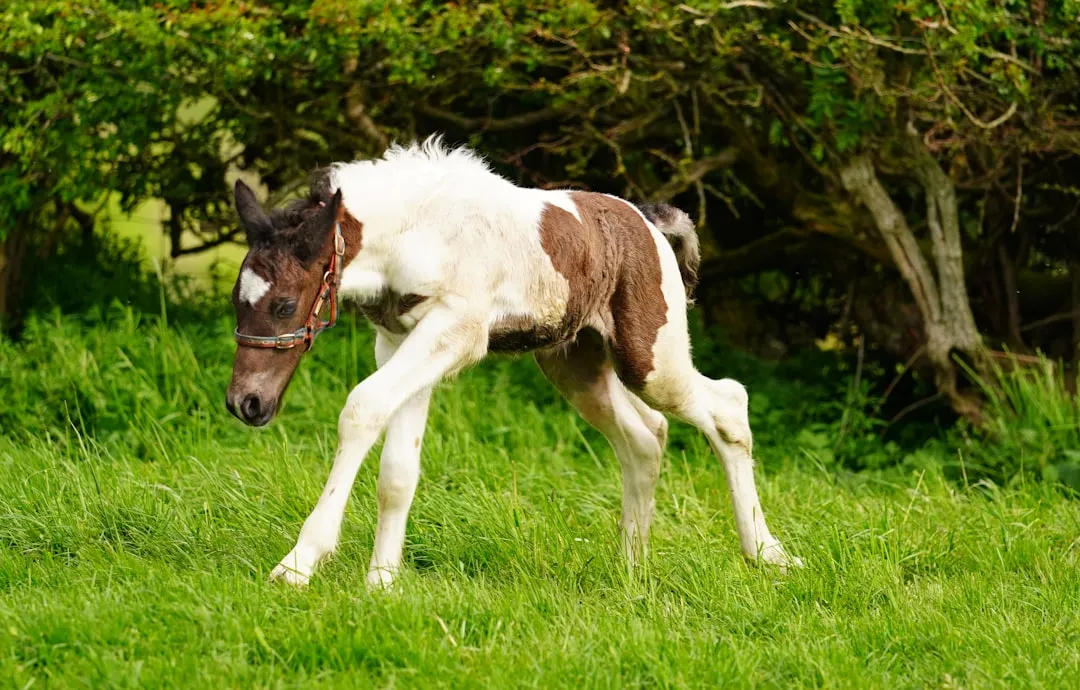
Paint Horses are beloved for their bold color patterns, but one specific pattern carries a devastating risk. Frame overo horses can produce foals with Lethal White Syndrome, and according to breed genetics research, two carriers have a twenty five percent chance of producing a lethal white foal. These foals appear healthy at birth but cannot survive due to an underdeveloped digestive tract, and euthanasia is the only humane option.
The frame overo allele shows up at meaningfully higher rates in this breed than in most others, with allele frequency studies finding it as high as 0.10 in the Paint Horse compared to 0.0020 in the Quarter Horse. Anyone considering breeding a pregnant Paint mare bought at auction, or planning to breed her later, should get that overo status tested before making any plans.
#10 Tennessee Walking Horse
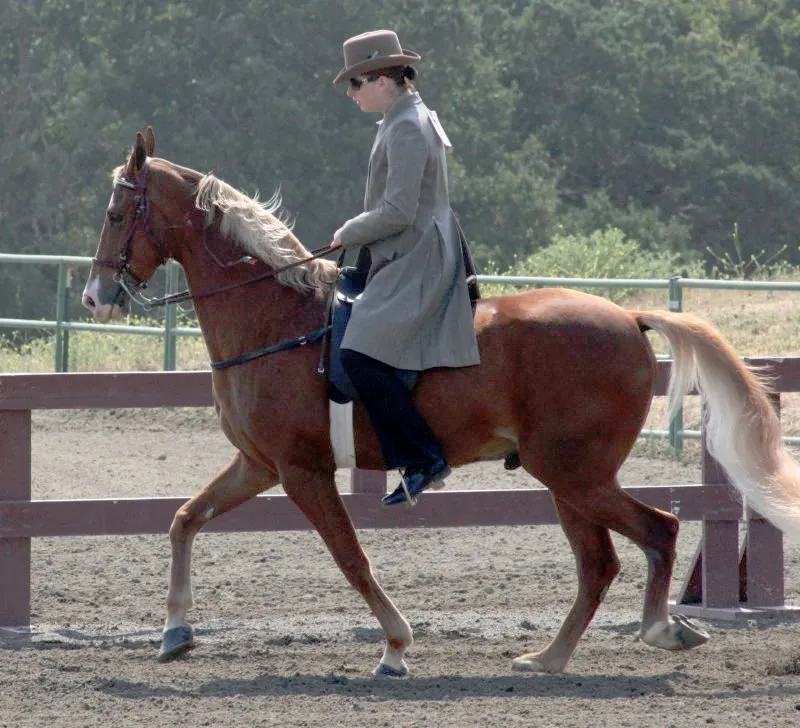
The Tennessee Walking Horse’s smooth, gliding gait is genuinely one of the more comfortable rides in the horse world, but the breed’s show history has a dark chapter attached to it. Soring, the practice of intentionally inflicting pain to a horse’s legs or hooves to force an exaggerated gait, has plagued the breed’s competitive circuit for decades. Federal law now requires all Tennessee Walking Horses and Racking Horses entered in shows, exhibitions, or sales to be inspected for soring prior to entering the ring.
Buyers at auction won’t always see obvious signs, since caustic chemicals like mustard oil, diesel fuel, and kerosene are applied to the limbs, causing pain whenever the horse puts weight on the hoof, and scarring can fade or be concealed. A pasture bred, non show line Walking Horse is usually a wonderful family mount. One coming straight off the performance circuit deserves a much closer look at its legs and gait history.
#11 Gypsy Vanner and Gypsy Cob
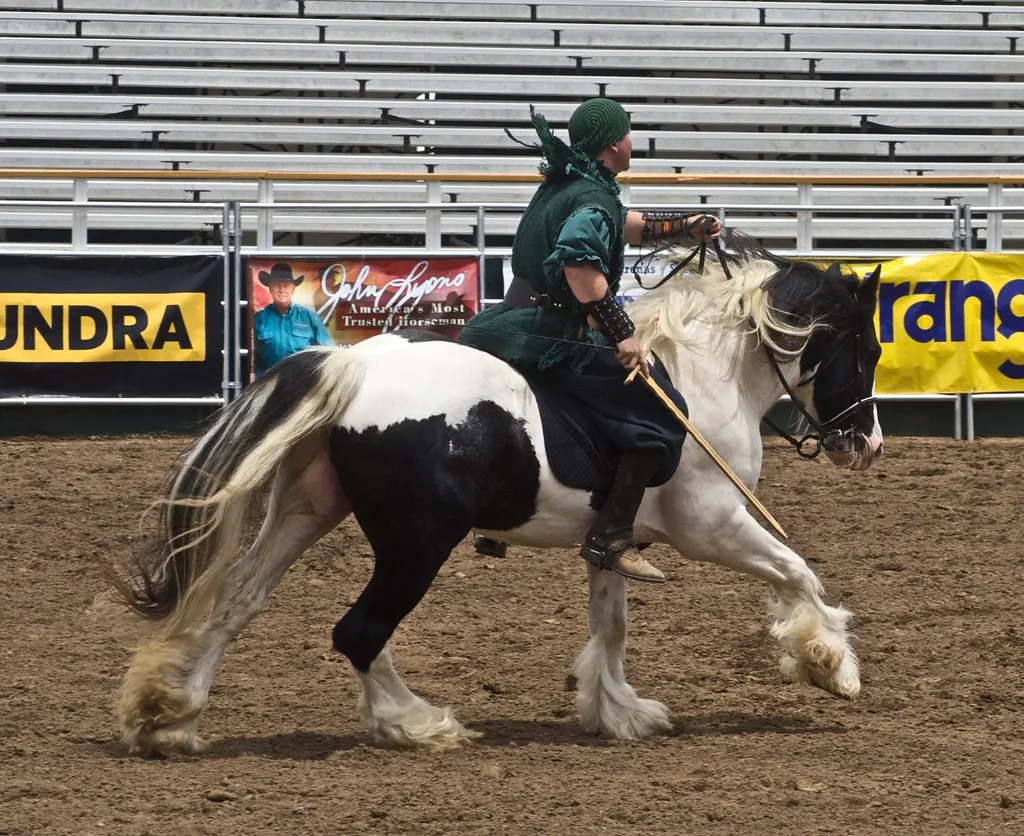
The Gypsy Vanner’s feathered legs and cobby build have made it a social media darling, and that popularity has pushed prices at some sales sky high. What often gets lost in the excitement is that heavily feathered breeds share a real risk of skin and lymphatic issues in the lower leg, the same chronic progressive lymphedema concern that shows up in Clydesdales and other draft type breeds.
Feathering also traps moisture against the skin, creating an environment where fungal and bacterial infections can take hold unnoticed until swelling becomes visible. A Gypsy Vanner that looks stunning under auction lighting can be hiding early leg issues under all that hair, which is exactly why vets recommend a hands on leg exam rather than a photograph based decision.
#12 Miniature Horse
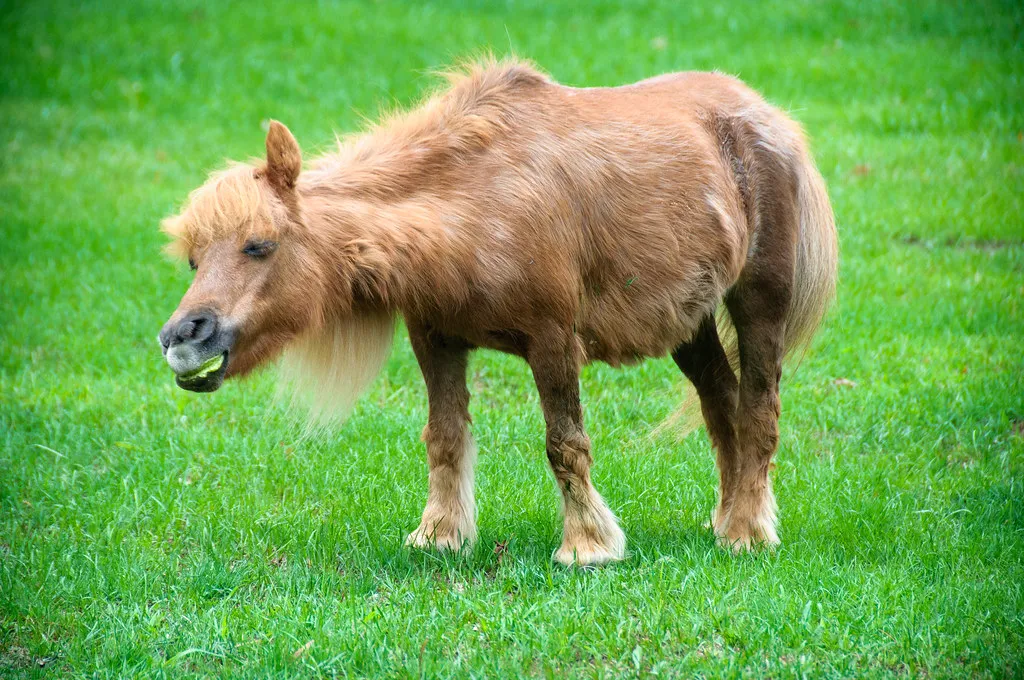
Miniature Horses are often bought on impulse because they seem like the low maintenance, low risk option, small, cute, and easy to keep. In reality, their compact skulls frequently lead to dental crowding and malocclusion issues that require more frequent floating than a full sized horse would need. Their metabolism is also notably efficient, which sounds like a good thing until it results in rapid, dangerous weight gain on a normal pasture diet.
That efficient metabolism raises the risk of hyperlipemia, a serious and sometimes fatal fat metabolism disorder that can be triggered by stress or reduced feed intake, something an auction environment provides in abundance. A Miniature Horse bought as a pasture pet or child’s companion still needs the same nutritional planning as any other equine, arguably more, given how quickly they tip into laminitis and metabolic trouble.
#13 Warmbloods
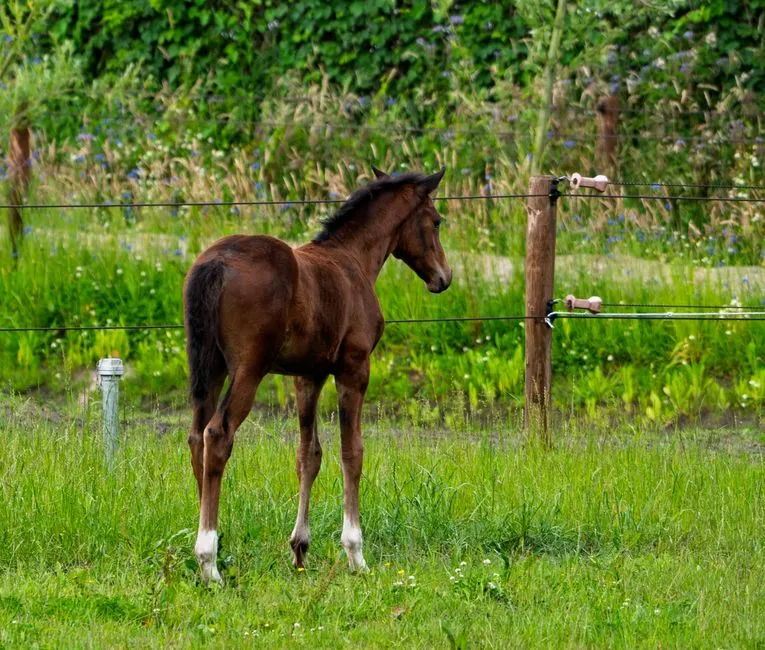
Warmbloods, the broad category covering Hanoverians, Dutch Warmbloods, Holsteiners and similar sport horse lines, dominate the dressage and jumping world, and increasingly show up at general auctions when careers end or funds run short. One condition specific to this group is Warmblood Fragile Foal Syndrome, a connective tissue disorder resulting in joint laxity and extremely thin skin that is only loosely connected to the body.
Affected foals rarely survive long, and carrier adults show no outward symptoms at all, which is precisely the problem for anyone buying breeding stock without genetic testing. A Warmblood mare purchased at auction with breeding intentions is a coin flip without that test, no matter how correct her conformation looks standing in the ring.
#14 Icelandic Horse
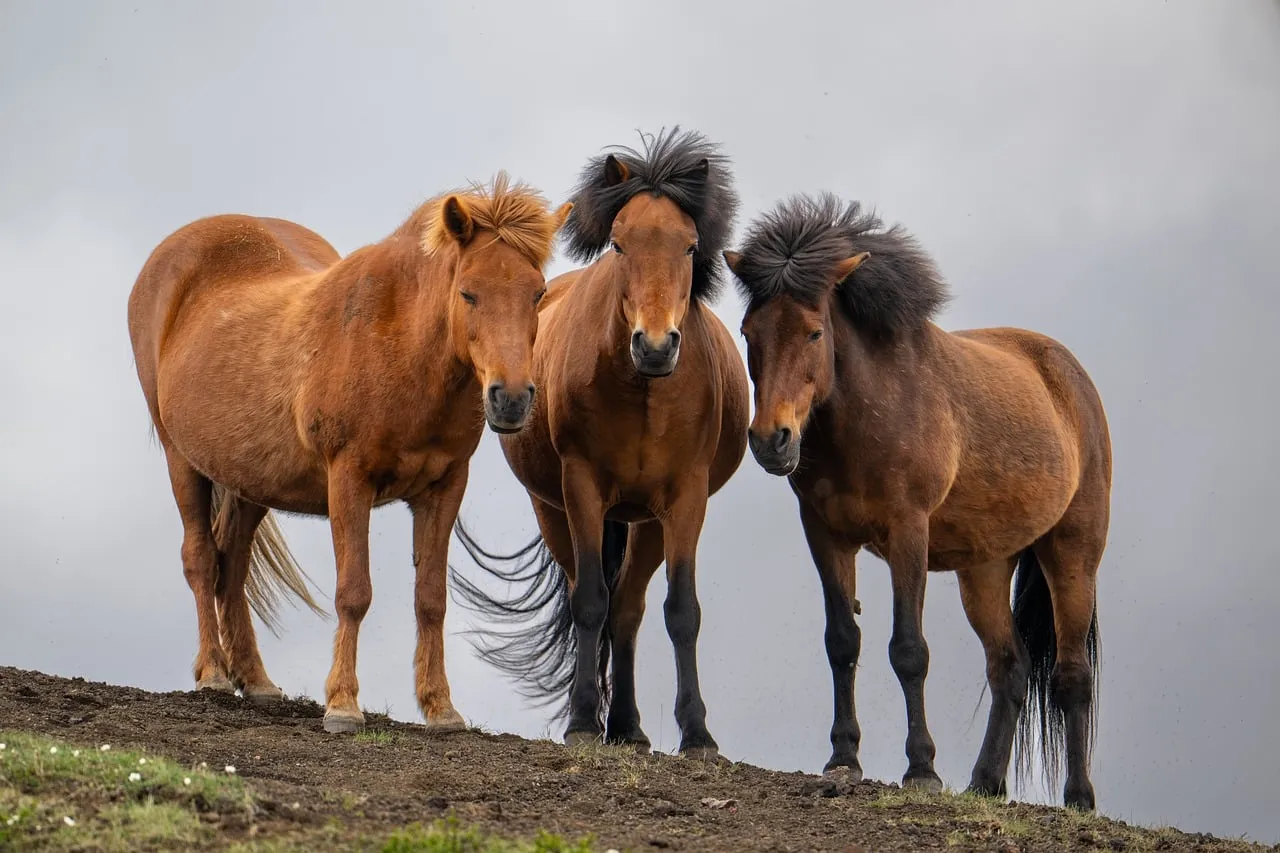
Icelandic Horses occupy a strange niche in the auction world because import and export around this breed is unusually strict. Iceland has maintained a closed door policy on returning horses for generations specifically to protect the population from diseases that native Icelandic horses have never been exposed to and therefore have little natural resistance against.
For buyers outside Iceland, the practical concern is different but related: this breed’s small, tightly managed gene pool historically limited outside blood, which means health records and import documentation matter more here than with almost any other breed at a mixed auction. A horse marketed simply as “gaited and friendly” without paperwork tracing its import history is a harder animal to vet properly after the fact.
#15 Standardbred
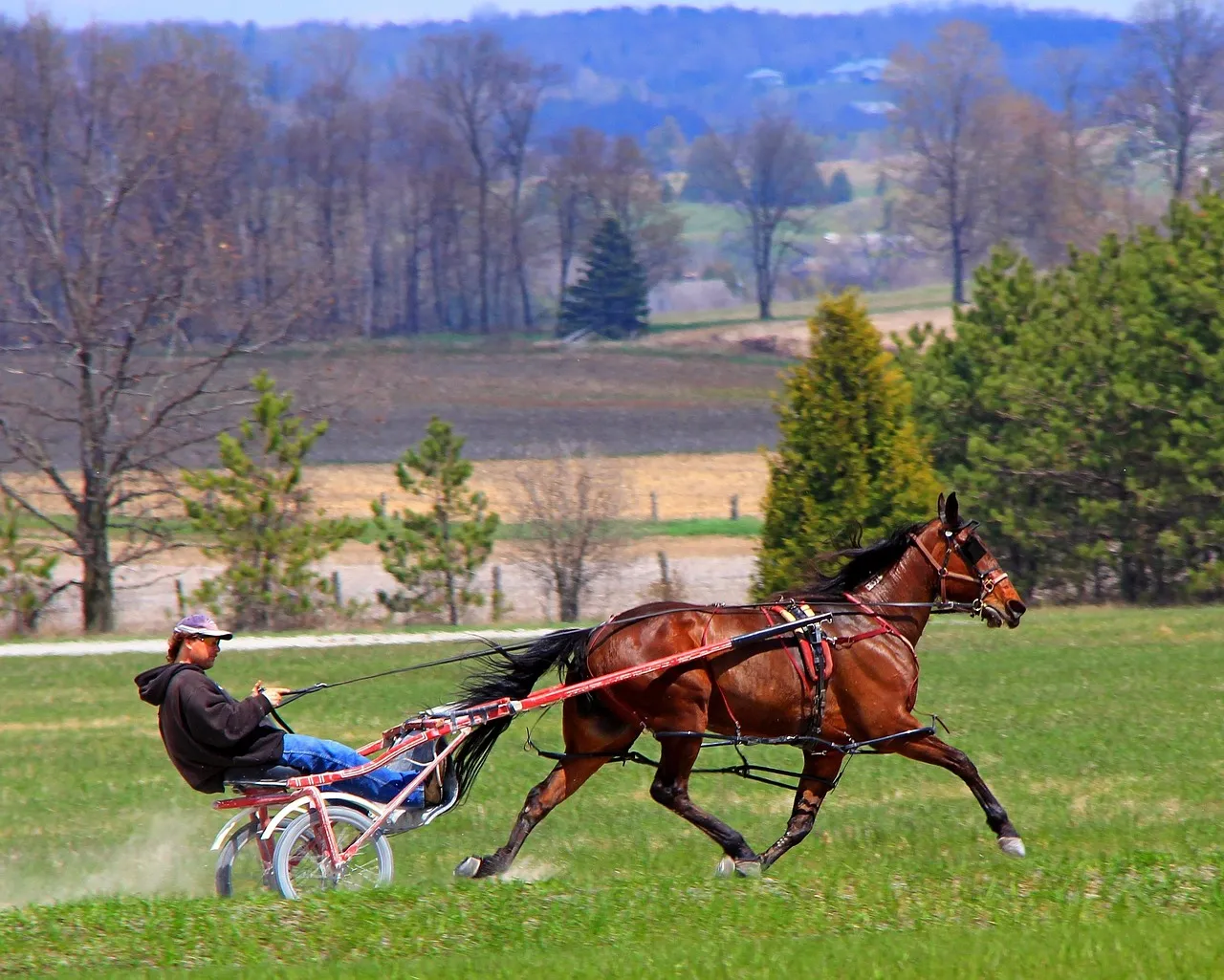
Standardbreds off the racetrack are a genuinely popular and often sensible auction find, known for sturdy legs and a level head compared to some of their Thoroughbred racing cousins. That said, the breed isn’t entirely free of inherited quirks. Congenital stationary night blindness, more commonly associated with Appaloosas, has also been reported in the Thoroughbred, Standardbred, and Paso Fino breeds.
Racing injuries are the more common practical concern though, since a horse’s competitive history at the track doesn’t always travel with it to a sale barn months or years later. Old suspensory or tendon injuries can look fine standing still and reveal themselves only under saddle, which is exactly why a soundness evaluation matters more than the horse’s pedigree page.
#16 Thoroughbred
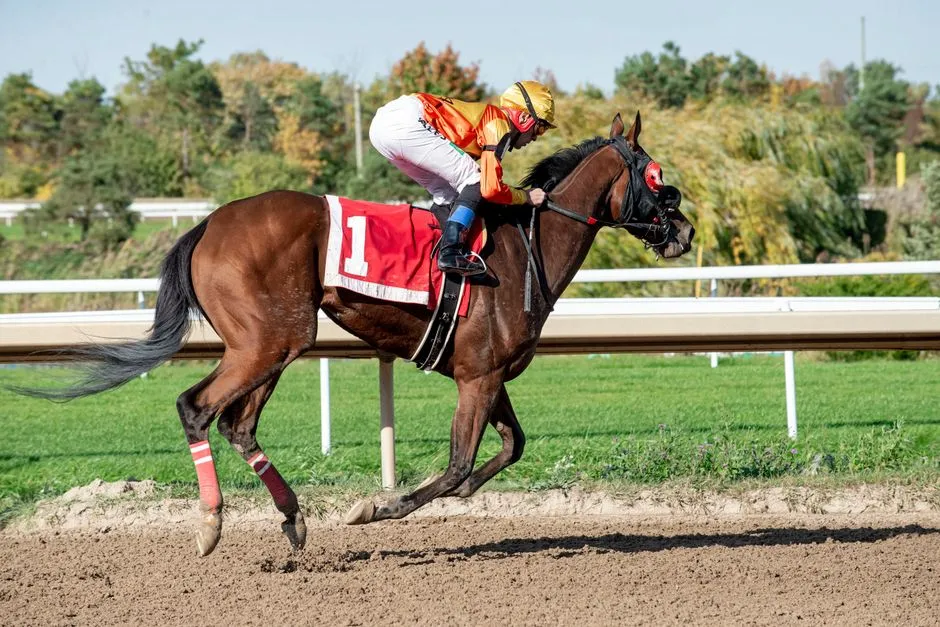
Off track Thoroughbreds, often shortened to OTTBs, flood auctions every year as racing careers wind down, and many go on to become excellent second career horses. The challenge is that racing puts enormous strain on young, still developing joints and tendons, and the physical toll doesn’t always show up until a horse is asked to work in a new discipline.
Ulcers are another common carryover from the stress of stall confinement and race training, and they’re easy to miss in a horse standing quietly in an auction pen. A Thoroughbred bought purely on breeding or racing name, without a soundness check reflecting its actual post track condition, is one of the more common regret purchases vets hear about after the fact.
#17 Mustang
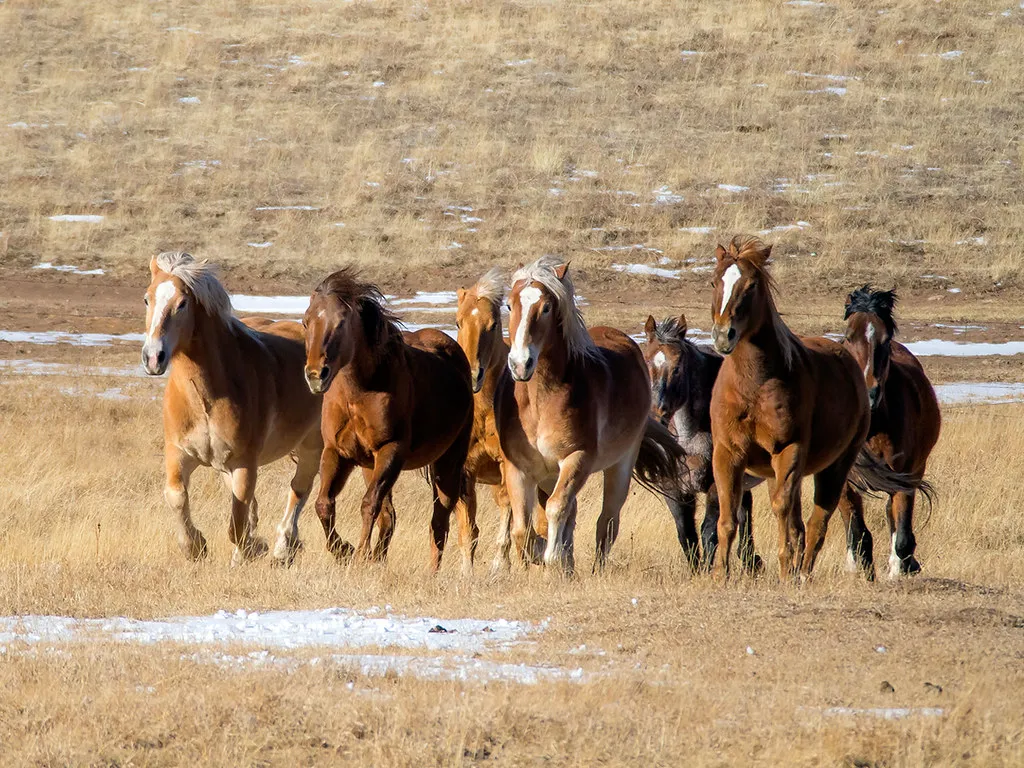
Mustangs sold through government administered gathers carry a different kind of unknown than a domestically raised breed: temperament and handling history rather than genetics. Horses gathered from the range as adults have typically had zero human contact before capture, which means the gentling process is slow, skilled, and not something every buyer is prepared for.
Health wise, Mustangs are often remarkably sound thanks to natural selection pressures in the wild, but that same rugged origin means dental issues and parasite loads can go unaddressed for years before capture. A Mustang purchased with the expectation of an already broke trail horse is usually a mismatch. The breed rewards patient, experienced hands far more than it rewards a quick auction day decision.
#18 Rocky Mountain Horse
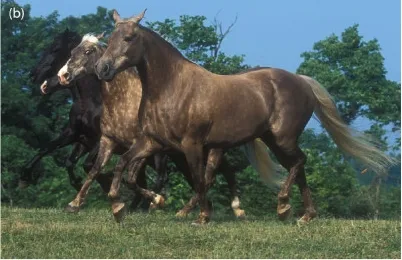
The Rocky Mountain Horse’s smooth gait and striking chocolate coat with flaxen mane owe both traits to the same genetic package, the silver dapple gene. That same gene family is linked to Multiple Congenital Ocular Anomalies, a condition where homozygotes show more severe ocular disease including cataracts, iris stromal hypoplasia, abnormal pectinate ligaments, megaloglobus, and iridociliary cysts.
Horses with just one copy of the gene tend to show milder cyst formation and often function normally throughout life. The concern really surfaces in breeding decisions, since pairing two silver carriers raises the odds of a foal with the more serious form of the condition. It’s a good reminder that a beautiful, unusual coat color is sometimes a visible marker for something happening in the eye that a casual buyer would never think to check.
#19 Shetland Pony
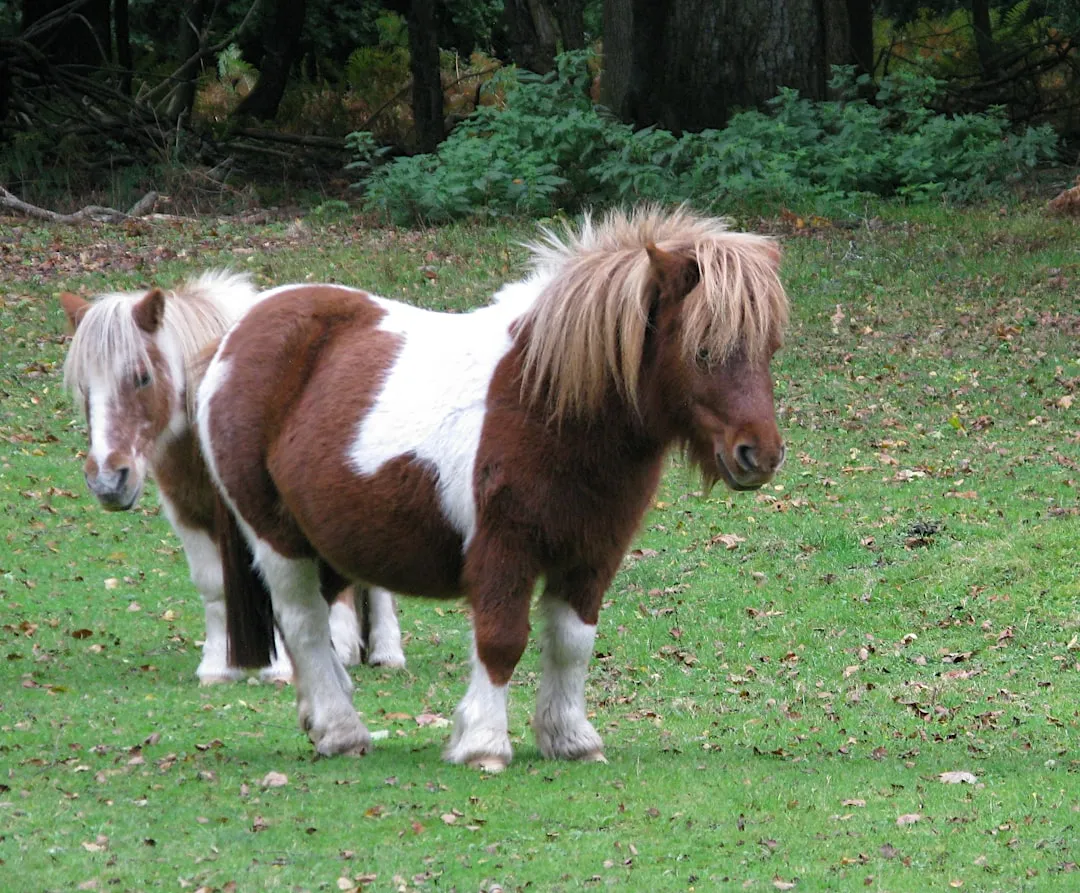
Shetland Ponies are a childhood staple at auctions everywhere, small, sturdy, and seemingly indestructible. Genetically though, the breed has a notably tight gene pool, and equine researchers studying other closely bred horses have specifically noted that similar to the Shetland pony, breeds with a high inbreeding coefficient are predisposed to single gene recessive conditions.
Practically speaking, the more common issue vets see in Shetlands is metabolic, since their hardy, easy keeper build makes them prone to insulin resistance, obesity, and laminitis on rich pasture. Parents buying a Shetland for a child often focus entirely on temperament, which matters, but overlook that this breed needs its diet managed almost more carefully than a full sized horse’s.
#20 Haflinger
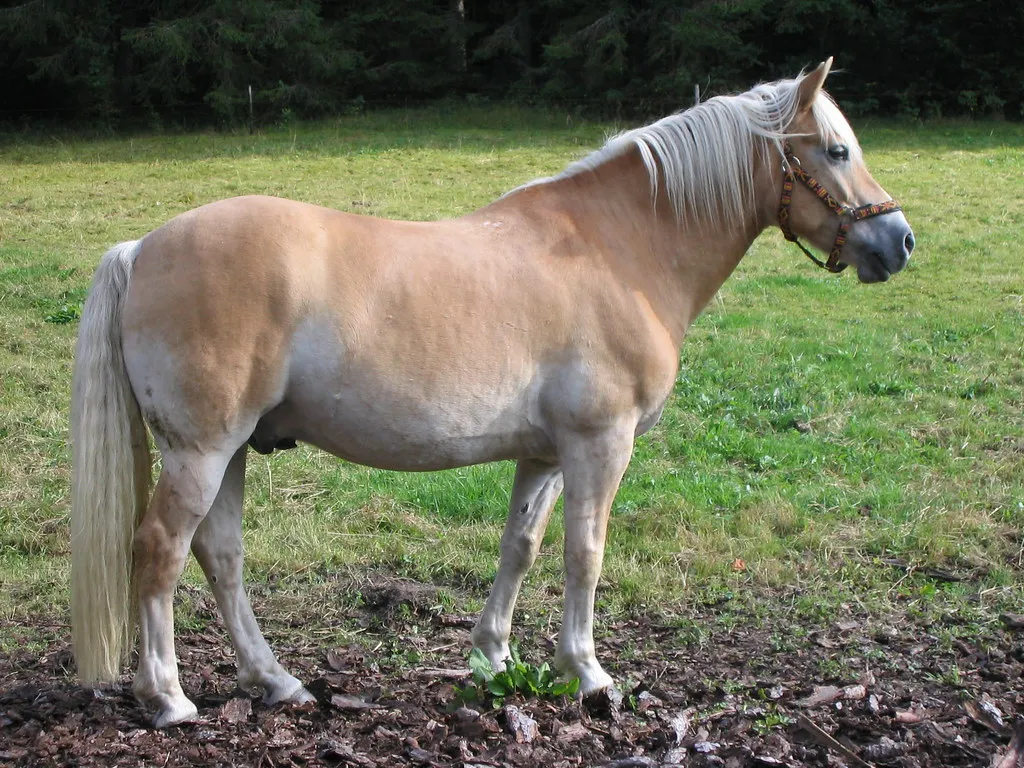
Haflingers combine a docile temperament with striking golden chestnut coloring, making them a frequent crowd favorite at mixed breed auctions. Like several other muscularly compact breeds, Haflingers carry an elevated risk of polysaccharide storage myopathy, the same tying up and stiffness prone muscle condition that shows up in draft breeds and Quarter Horses.
Their easy keeper metabolism also predisposes them to obesity and, by extension, equine metabolic syndrome and laminitis, particularly on lush grass. A Haflinger bought as a beginner’s pony because of its gentle reputation still needs a carefully managed forage based diet, something that’s easy to overlook when the horse looks perfectly healthy standing in a sale ring.
#21 PMU Rescue Horses and Foals
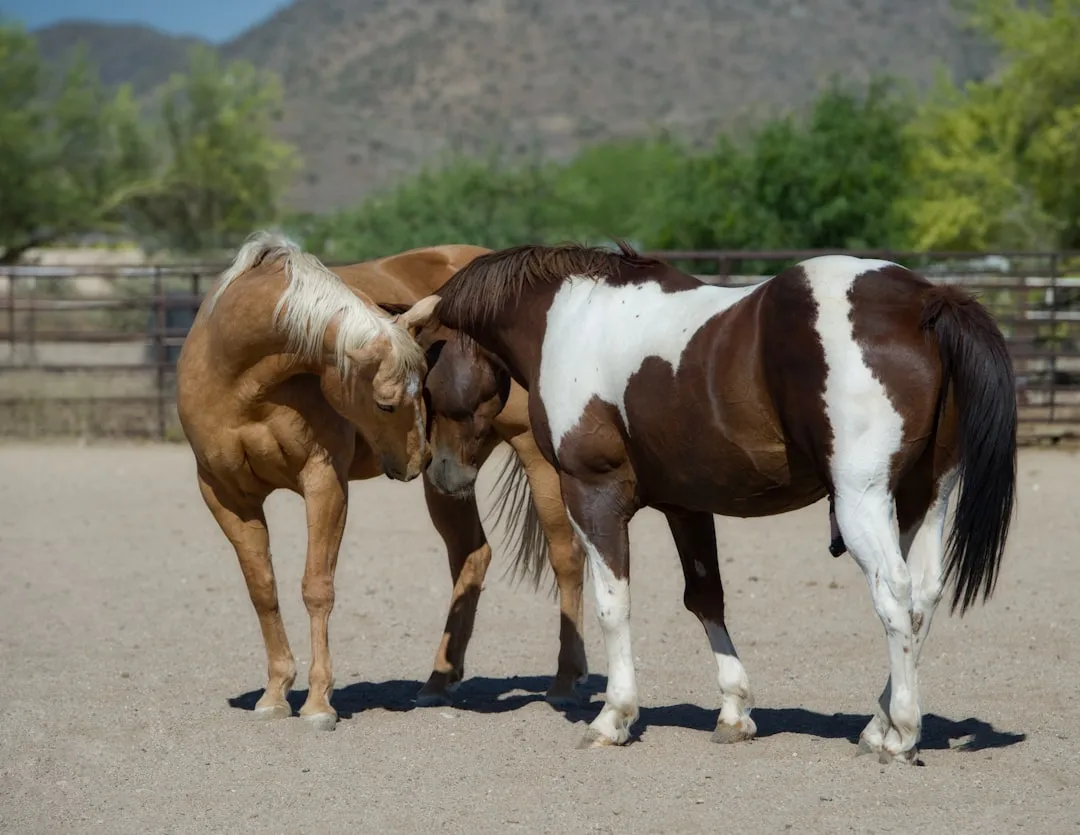
Horses connected to the pregnant mare urine industry, along with their orphaned or surplus foals, still turn up at general livestock auctions, often as draft or draft cross animals sold with almost no background information. These horses frequently arrive with limited human handling, inconsistent nutrition history, and no documented veterinary record at all, making them one of the hardest categories to evaluate at a sale.
Orphan raised foals in particular can develop behavioral quirks from being weaned early or raised without a normal herd structure, issues that don’t show up in a five minute look across a pen. Buyers drawn in by a low price and a sympathetic backstory should budget for an unusually thorough vet check, since the animal’s actual history is often the biggest unknown in the entire sale.
Final Thoughts