
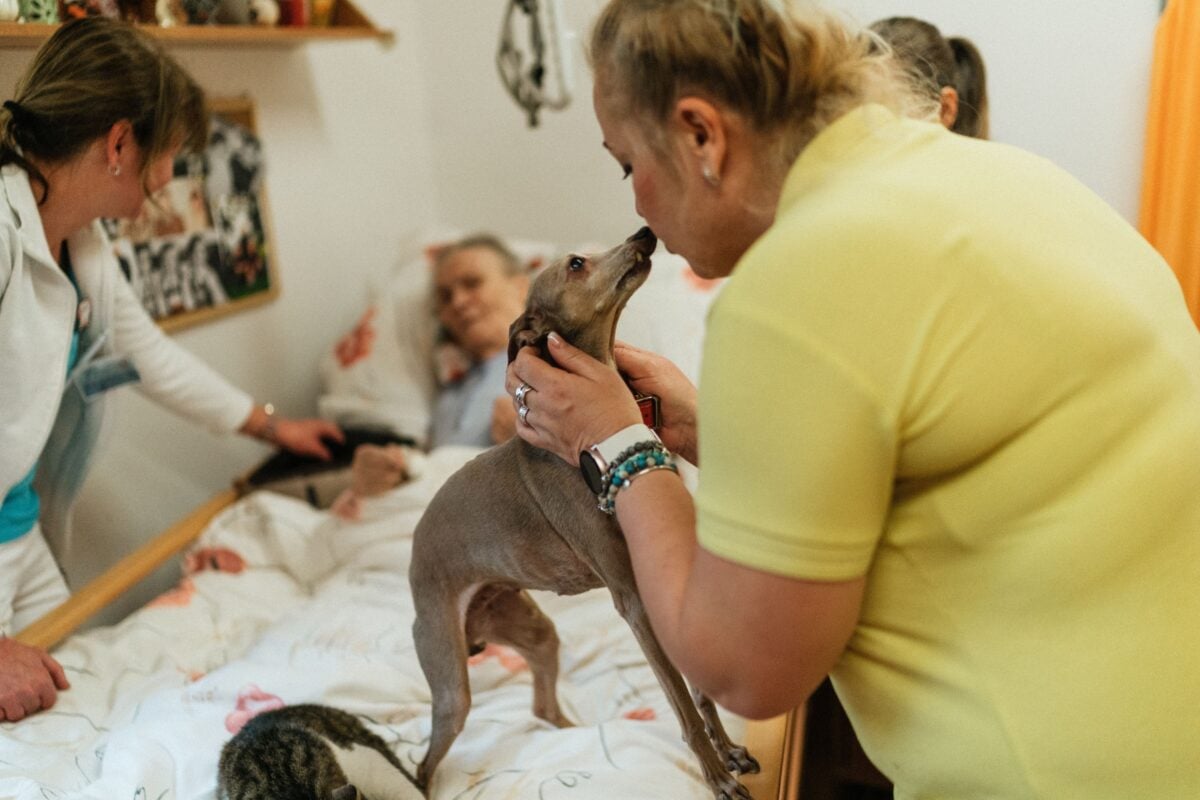
Most people picture a dog’s goodbye as something loud and obvious – collapsing, refusing food entirely, crying out in pain. That’s the myth. The reality is almost the opposite: the real signs are quiet, slow, and so easy to mistake for “just old age” that even devoted owners miss them for weeks.
Veterinarians say the body and brain start whispering long before they ever have to shout. The good news? Once you know what to listen for, you get something priceless – time. Time to make their last chapter softer, calmer, and full of comfort instead of confusion. Here are the 13 quiet signs experts and longtime dog owners say mean an old dog may be gently saying goodbye.
#13 – The Sudden “Velcro” Dog Who Won’t Leave Your Side
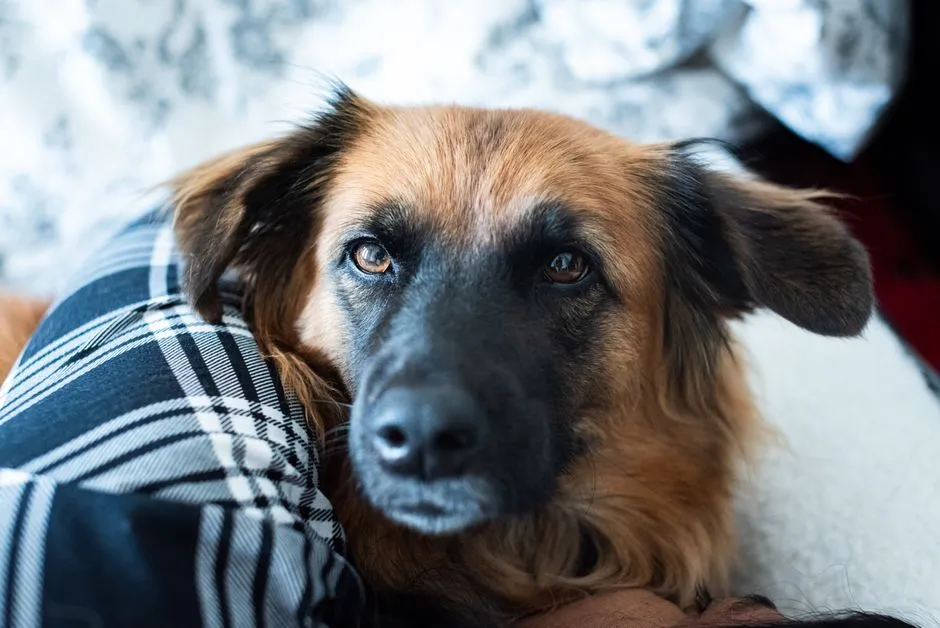
One of the earliest quiet signs is a sudden, intense clinginess in a dog who used to be perfectly happy on their own. Some seniors turn into “velcro dogs” almost overnight – trailing you room to room, pressing their body against your leg, even whining the second you shut the bathroom door.
It isn’t just sweet attachment. As dogs age, anxiety, vision loss, and pain can make their favorite person feel like the only safe anchor in a world that suddenly feels confusing. It may feel flattering at first, but it’s often your dog quietly saying, “I don’t feel okay being alone anymore.” When your shadow starts acting afraid to let you out of sight, pay attention – because that’s nothing compared to what’s happening at mealtime.
#12 – The Food Vacuum Who Suddenly Leaves Food Behind
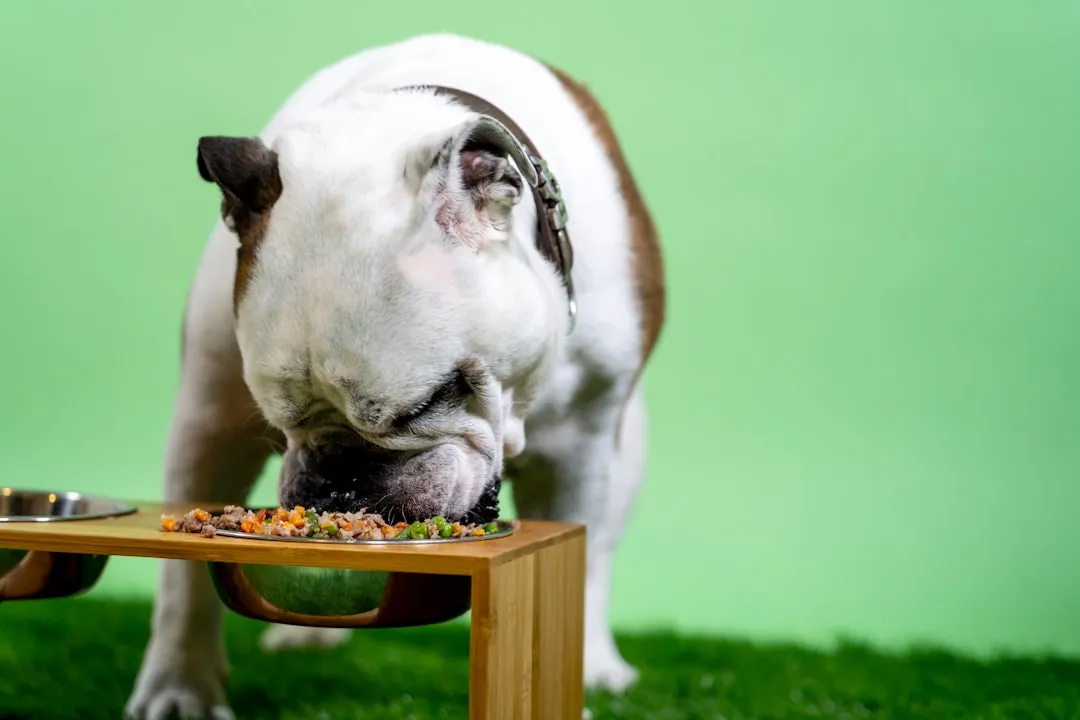
Everyone knows appetite loss can be serious, but in old dogs it rarely arrives all at once. The dog who once inhaled dinner and raided the trash may start taking longer to eat, walking away from a half-full bowl, or “saving” food for later.
They might still snap up treats, which tricks owners into thinking everything’s fine. But chronic pain, nausea from kidney or liver disease, dental problems, or cancer can turn a normal meal into a chore. In seniors, a shift in appetite is one of the most reliable signs the body is struggling – not pickiness, not spoiling. If your lifelong food vacuum turns into a polite grazer, it may be their gentle way of saying their body can’t keep up anymore.
Fast Facts
- Appetite changes are one of the most common concerns vets hear about at senior wellness checks
- Dental disease, kidney and liver issues, and nausea are frequent hidden culprits
- Many dogs still take treats even when regular meals become difficult to finish
- A gradual shift in eating habits usually tells you more than a single skipped meal
#11 – A Deep Exhaustion That Sleep Never Fixes
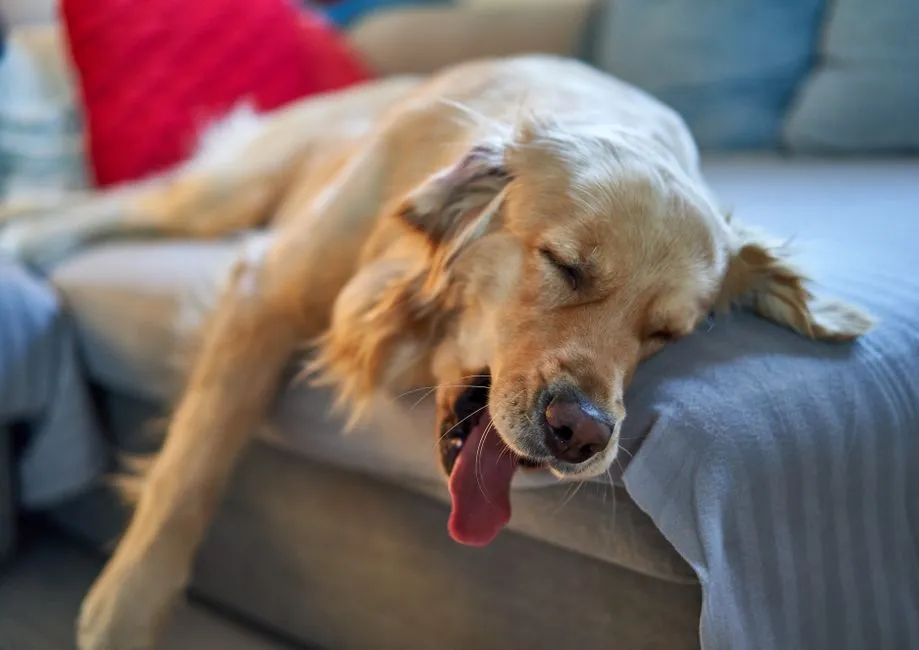
Old dogs nap more – everyone expects that. But there’s a difference between a cozy snoozer and a dog so exhausted that basic life feels like a mountain to climb.
You might catch your dog staring at the couch like it’s Everest, hesitating before a single step, or lying down halfway through a walk they used to crush. Owners often say, “He’s just lazy now,” but chronic illness, heart disease, and deep joint pain can turn simple movement into a marathon. When rest stops restoring their spark, and they seem to exist only between naps, it can mean their body is nearing its limit – and the emotional shift coming next is even harder to watch.
#10 – The Social Butterfly Who Starts Drifting Away
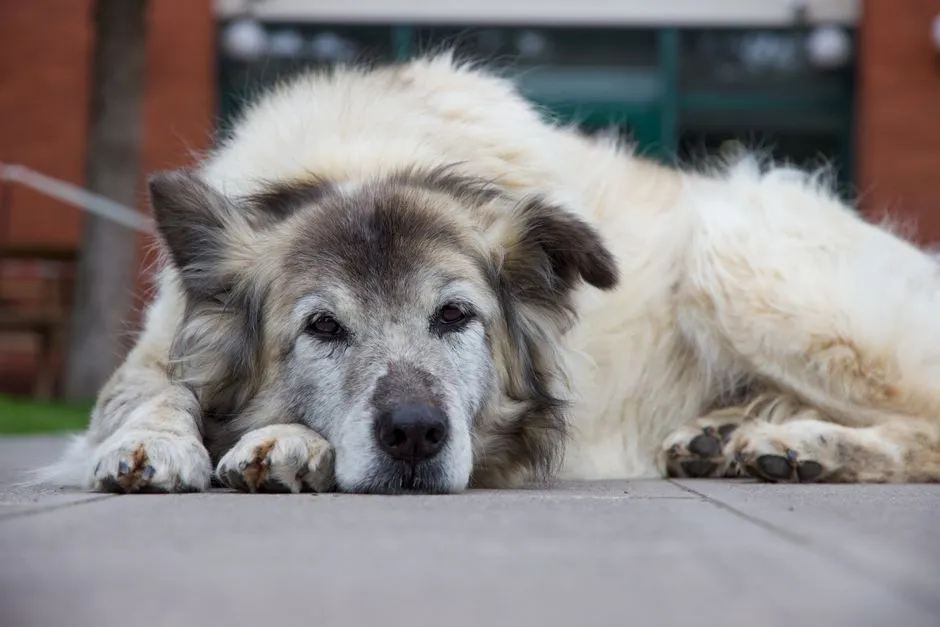
One of the most heartbreaking quiet signs is a dog who was always in the middle of everything suddenly checking out. Dogs are wired to be social, so when an old dog starts choosing isolation – another room, no more play, leaving family time to lie alone – that’s a real emotional red flag.
It’s not grumpiness. Pain, cognitive decline, or plain exhaustion can make interaction feel like too much to handle. Some owners take it personally – “he doesn’t love us like he used to” – but that’s rarely the truth. More often, withdrawal is self-protection when the world feels louder and more demanding than their body can manage. When your social butterfly quietly becomes a wallflower, they may simply be saying, “I don’t have much energy left.”
#9 – Bathroom Habits Quietly Falling Apart
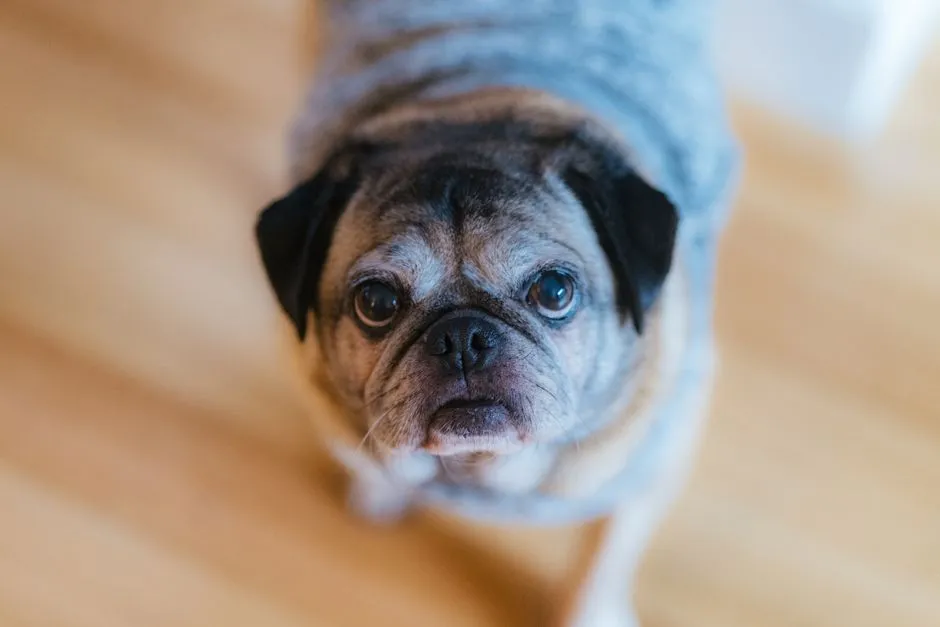
House accidents get blamed on stubbornness or bad training, but in old dogs they’re usually a soft alarm bell. A senior who was rock-solid house-trained for years and suddenly starts peeing indoors, leaking while asleep, or struggling to “go” on walks is almost never being naughty.
It can point to kidney disease, urinary infections, diabetes, spinal issues, or cognitive decline that makes them forget where – or when – to go. Some dogs squat, then look confused, or cry because their body won’t posture the way it used to. Chronic, unexplained accidents almost always signal something deeper, and in a very old dog, that something is often serious and progressive. When basic body functions stop working smoothly, it may be their gentlest way of showing you they’ve entered the final stretch.
At a Glance
- Kidney disease, diabetes, and urinary infections are frequent causes of new house accidents
- Cognitive decline can make a senior dog forget familiar potty routines
- Spinal or joint pain may prevent dogs from posturing normally to go
- Sudden, unexplained accidents deserve a vet visit rather than a training reminder
#8 – Restless, Anxious Nights That Come Out of Nowhere
One of the most exhausting signs for owners is the senior dog who suddenly stops sleeping at night. They pace, pant, whine, stand frozen staring at walls, or wake you up hourly just to wander.
This isn’t acting out – it’s often cognitive dysfunction, sometimes called doggy dementia, along with pain that worsens while lying down or simple disorientation once the lights go out. Their internal clock starts to break down; day becomes nap time, night becomes confusion time. Persistent nighttime restlessness is one of the most common changes vets hear about right before end-of-life conversations. When your dog seems lost in your own living room after dark, their brain and body may be entering a fragile new stage.
#7 – Pain That Shows Up as “Quirks,” Not Cries
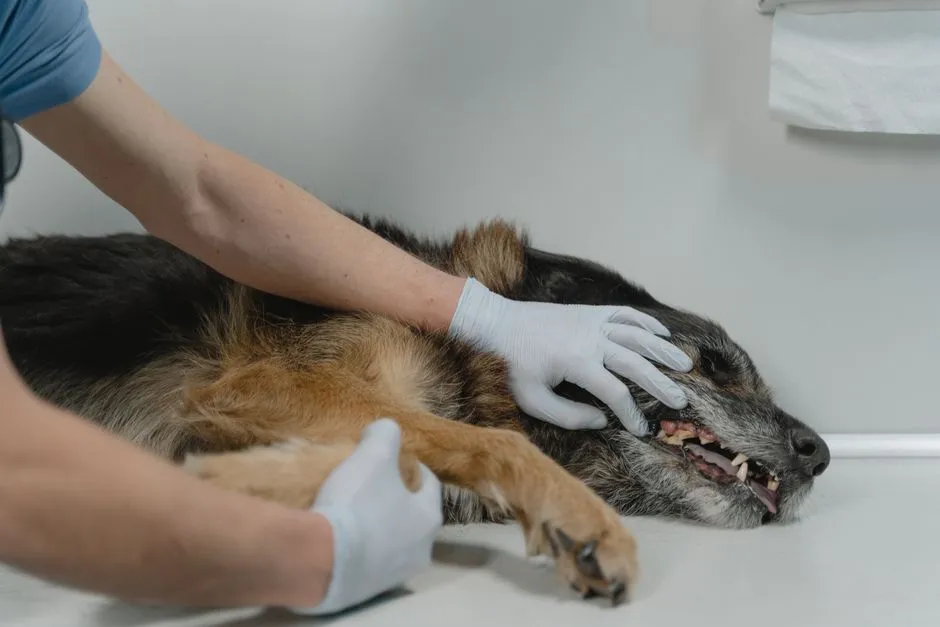
Most people assume a dog in real pain would scream, limp dramatically, or refuse to move. That’s rarely how old dogs play it. Instead, pain hides in tiny behavior tweaks – hesitating at the stairs, stalling halfway onto the couch, licking one joint obsessively, or suddenly hating being picked up.
You might notice a flinch when you touch one spot, or a slow, careful sit that looks like it hurts to bend. Some dogs snap when kids hug them – not because they’ve turned mean, but because the hug presses somewhere sore they can’t explain. Dogs are wired to hide weakness, and that instinct doesn’t disappear just because they’re on your couch. When even medication can’t fully control that pain anymore, the goodbye conversation often becomes heartbreakingly real.
#6 – Personality Flips You Can’t Explain Away
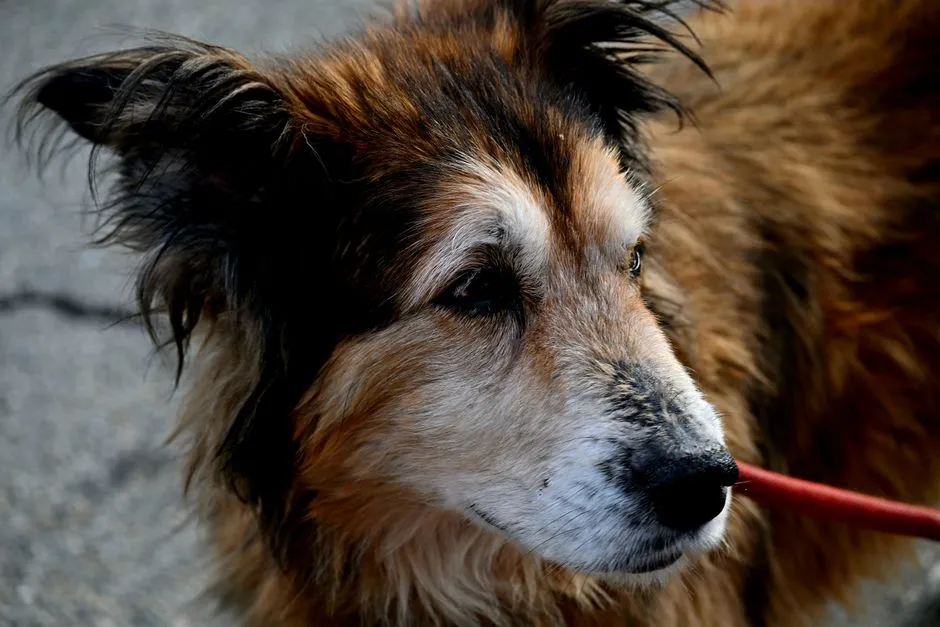
You know your dog’s “normal” better than anyone alive, which is exactly why sudden personality changes in old age feel so jarring. The sweet, tolerant dog who never met a stranger may start growling at visitors or acting suspicious of people they used to adore. Others swing the opposite way, becoming clingy, whiny, or suddenly afraid of sounds that never bothered them before.
Vets rarely see this as a dog “getting cranky.” More often it’s pain, sensory loss, or brain changes talking. This is where owners often carry unfair guilt – “he bit my kid, he’s a bad dog now” – when really, that out-of-character behavior is a last, desperate language for discomfort or fear. When your old dog stops acting like themselves, it’s less about attitude and more about a body and brain quietly struggling to cope.
Quick Compare
- Normal aging: slower reactions, more naps, mild grumpiness when startled awake
- Possible red flag: sudden aggression, new fearfulness, or unpredictable mood swings
- Normal aging: occasional stiffness after a long rest
- Possible red flag: flinching, snapping, or growling when touched in one specific spot
#5 – The World Slowly Going Dim: Vision and Hearing Fading
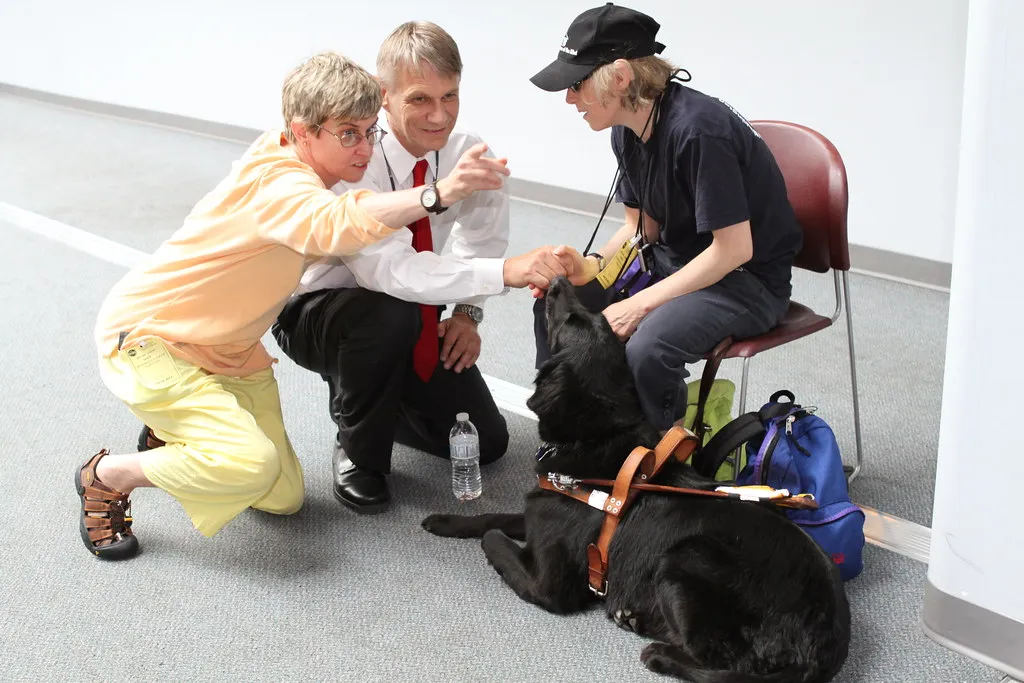
Losing sight and hearing won’t kill a dog on its own, but it quietly drains their quality of life. You might notice them startle when you approach, ignore being called, or walk right past you without reacting. They may bump into furniture, misjudge doorways, or freeze in corners, unsure what they’re seeing or hearing.
Some stop wanting walks altogether because they can no longer track the world around them and it feels unsafe. These changes alone don’t spell the end, but they compound everything else on this list. A dog already managing pain, fatigue, and organ decline while also navigating a blurry, muffled world is carrying more than most people realize – and that’s often when owners start quietly asking, “Is life still comfortable for them?”
#4 – The Dog Who Stops Doing Their One Favorite Thing
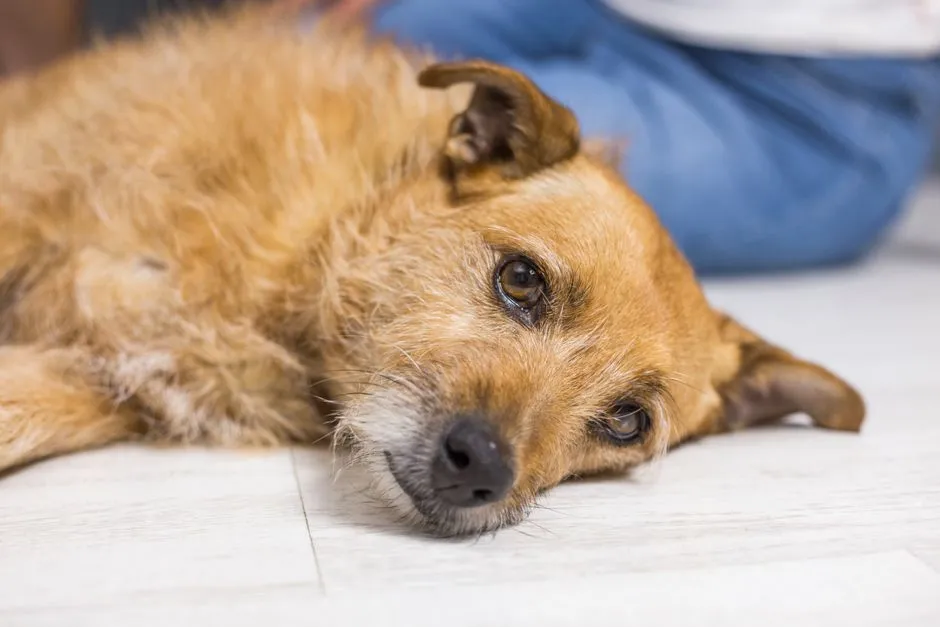
Every dog has a core joy – the ball, the car ride, the squeaky toy, the trip to the park. When an old dog looks at that favorite thing and simply doesn’t care anymore, it’s one of the most important signs on this entire list.
They might take the ball politely, then drop it. Ride in the car but lie still instead of watching the world fly by. Stand at the park fence and just sit down instead of running. Dogs live entirely in the moment, which is exactly what makes this shift so meaningful – losing interest in their #1 joy doesn’t mean they’ve stopped loving you. It usually means the physical or mental cost of that joy has gotten too high, and it’s often the moment vets gently start talking about overall quality of life.
#3 – Subtle Weight Loss You Only Notice in Old Photos
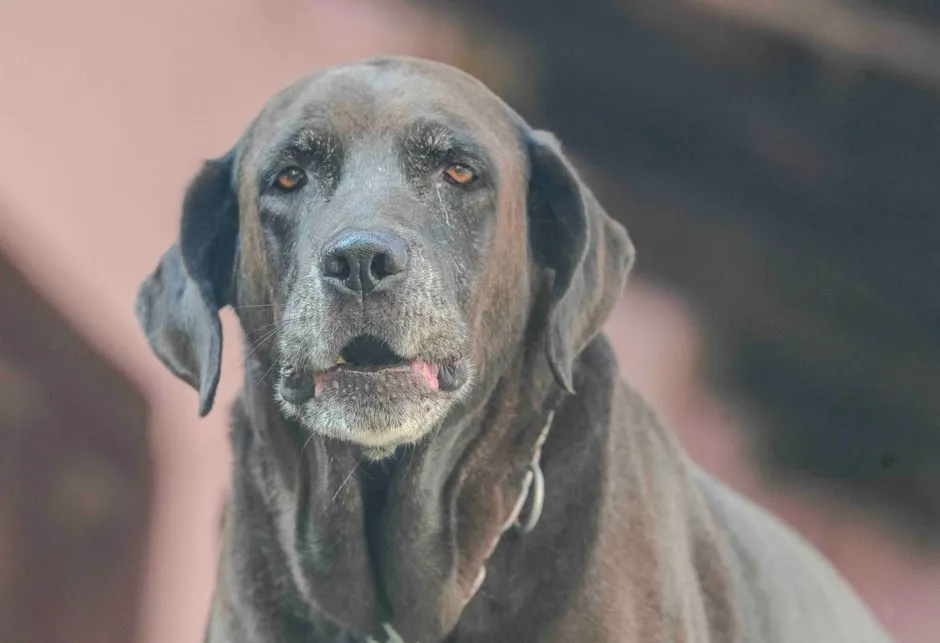
Here’s the one that sneaks up on almost everyone: slow, steady weight loss. Because you see your dog every single day, you may not clock that their ribs feel sharper or the padding over their spine has quietly melted away – until you scroll back through photos from a few months ago and the difference hits you like a gut punch.
Weight loss in seniors can trace back to cancer, organ disease, chronic inflammation, or muscle wasting from inactivity. Sometimes they’re eating “fine” but no longer absorbing nutrients properly. We tend to wave it off as “thinning out with age,” but unplanned, sustained weight loss is never just cosmetic – it’s usually the body burning more than it can take in. When you can suddenly feel bones you never could before, the underlying disease has often already advanced.
Worth Knowing
- Cancer, organ disease, and chronic inflammation are common drivers of senior weight loss
- Some dogs lose weight even while eating normally due to poor nutrient absorption
- Muscle wasting from reduced activity can mimic fat loss along the spine and ribs
- Steady, unexplained weight loss is considered a red flag at any age, but especially in seniors
#2 – Choosing Quiet, Safe Corners Over the Heart of the Home
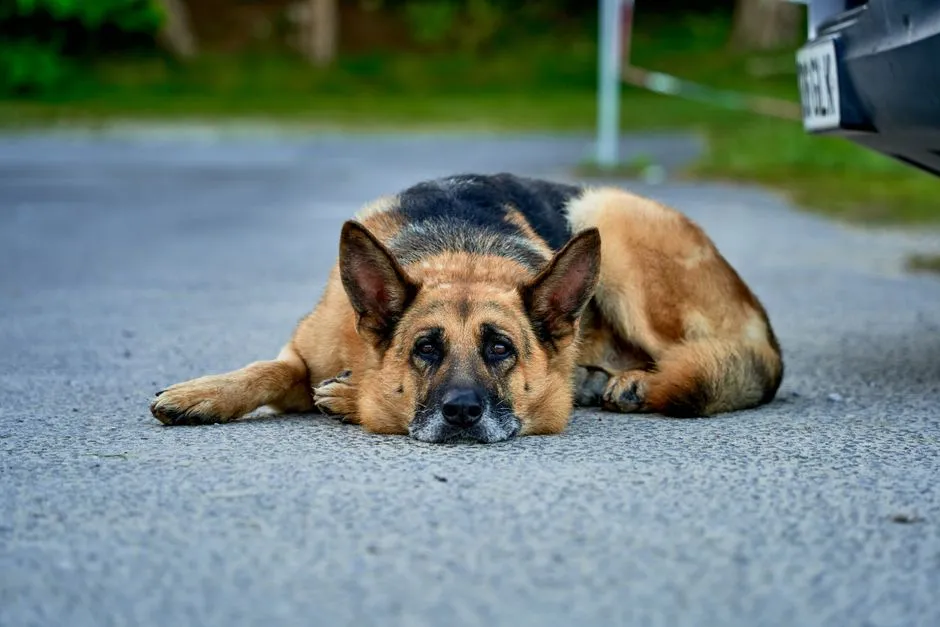
Near the end, many old dogs instinctively seek out quieter, more protected spaces. A dog who always slept sprawled across your bed may start curling up in the bathroom, under a table, or in a far corner away from the noise and traffic of daily life.
This isn’t rejection. In nature, animals often isolate when they’re very sick, both to feel safe and to avoid burdening the group – and your dog may be following that same ancient script without either of you realizing it. Bright lights, loud TVs, kids, constant movement – all of it can become overwhelming when the body is fragile. When your dog quietly trades the center of family life for a shadowy corner, that gentle retreat may be one of the clearest ways they can say, “I’m tired now.”
#1 – When the Good Days Stop Outnumbering the Bad Ones
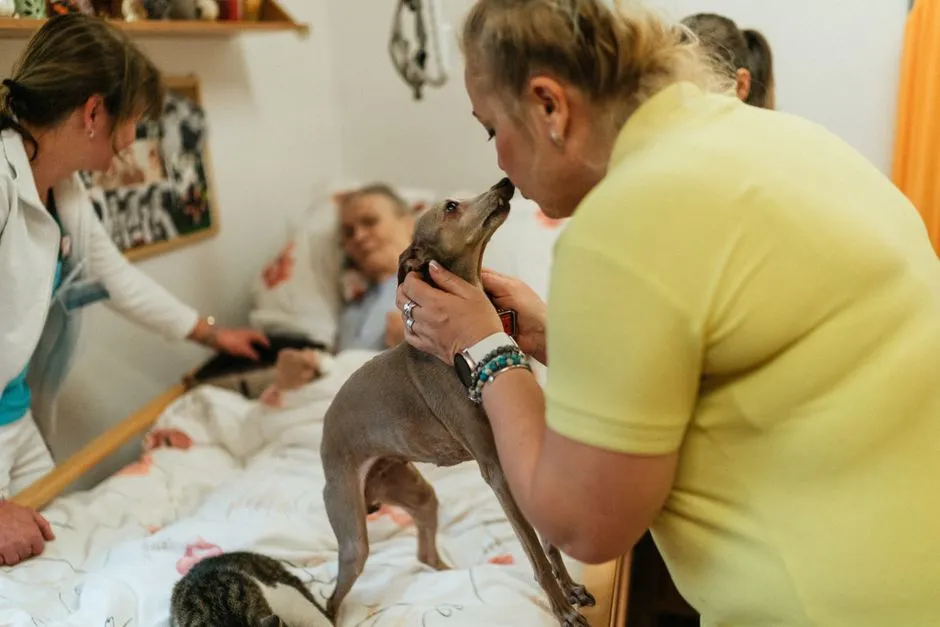
The quietest sign of all isn’t a symptom on a chart. It’s the moment the good days stop outnumbering the bad ones – and you know it, even if you can’t bring yourself to say it out loud.
Maybe your dog still eats “okay,” but their eyes look dull. Maybe they still walk, but every step looks like effort. There’s no emergency, just a background hum of discomfort, confusion, and fatigue, and you find yourself planning your whole day around meds, accidents, and restless nights. This is where love gets heavy – when keeping them here starts to feel more for you than for them.
Quality of life is more important than quantity of life.
Dr. Alice Villalobos, veterinary oncologist and pioneer of pet hospice care
When your gut, your vet, and your dog’s quiet signals all start pointing the same direction, it may be their softest way of asking you to let them go with dignity.
The Bottom Line
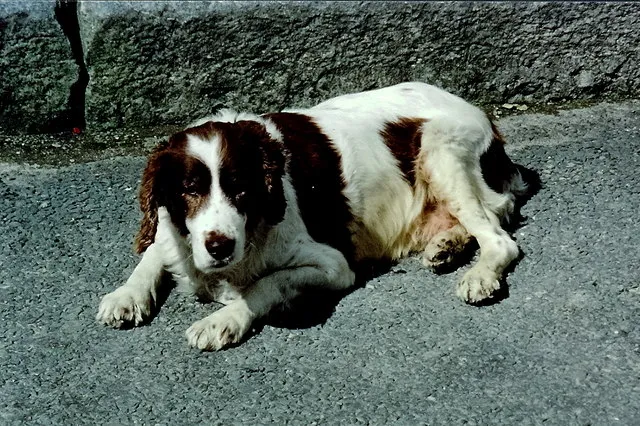
Old dogs rarely announce the end with one dramatic moment. They whisper it – through clinginess, withdrawal, weight loss, accidents, restless nights, and a haunting lack of joy in the things they once loved most.
No single sign on this list means it’s time. But together, they sketch an honest picture of a body and mind slowly laying down the job. The hardest truth is this: waiting for absolute certainty almost always means waiting until they’ve suffered more than they had to.
The kindest goodbyes happen when you actually see these quiet signs, talk honestly with your vet, and choose comfort over clinging – even when clinging is all you want to do. Which of these signs did you notice in a dog you loved, and what do you wish someone had told you sooner?

- 13 Quiet Signs an Old Dog Is Gently Saying Goodbye - July 30, 2026
- 10 Remarkable Facts About the African Cheetah: The Lightning of the Grasslands - July 29, 2026
- 10 Most Heroic Horses in History - July 29, 2026