
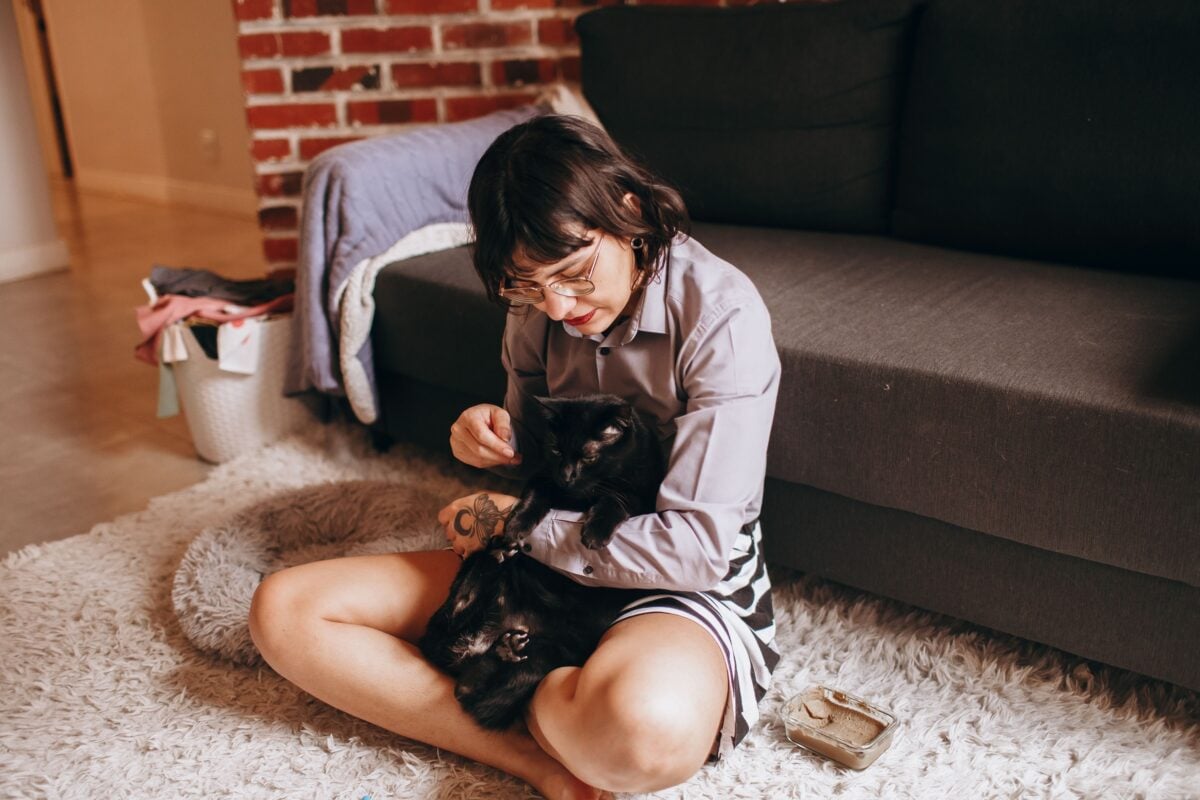
Most people think a cat “choosing” you looks like a dog’s greeting – tail wagging, sprinting to the door, that unmistakable joy every time you walk in. Cats don’t work that way, and that’s exactly why so many owners miss it completely. The truth is quieter, weirder, and honestly more flattering: your cat has probably already decided you’re theirs, and they’ve been telling you in ways you never learned to read.
Feline behaviorists and longtime cat owners agree on something most people never notice – the real proof isn’t in the cuddles, it’s hidden in habits so small you’d walk right past them. Where your cat sleeps. Which direction they run when they’re scared. What they do with their “ugly” moments in front of you. Once you know what to look for, you’ll never read your cat’s silence the same way again.
#12 – They Start Choosing Your Orbit, Not Your Lap
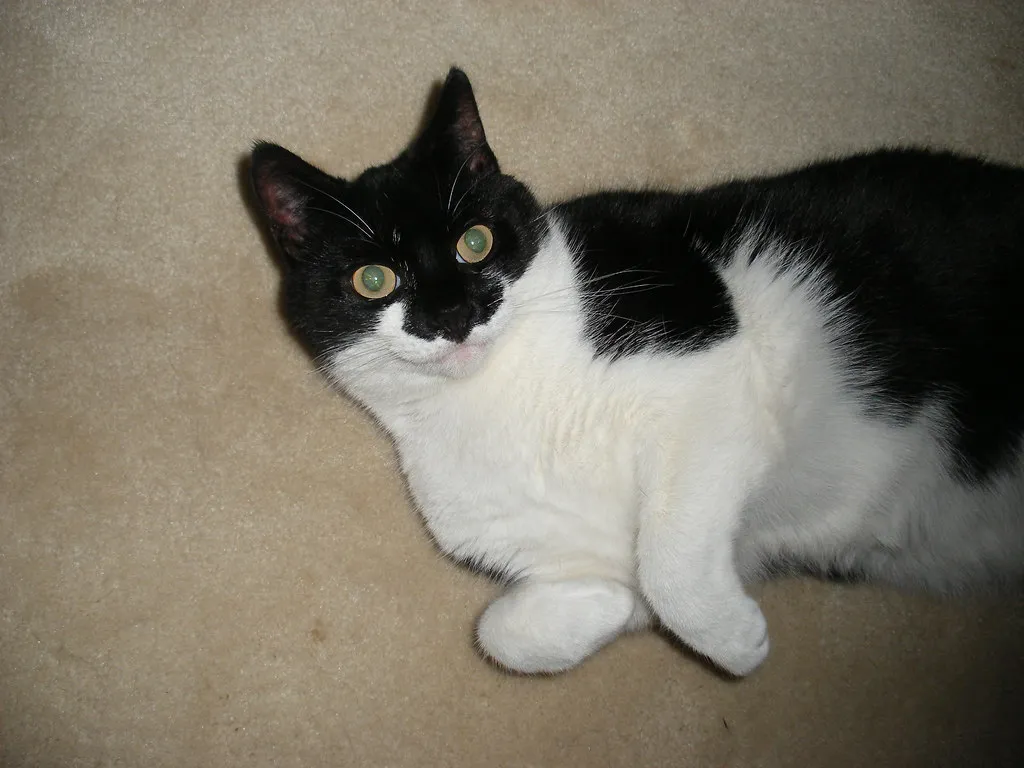
When a cat truly picks you, they don’t necessarily leap into your lap first. Instead, they start choosing your orbit – your space, your presence, your routine. You’ll notice them appear in whatever room you’re in, even if they keep their distance. They nap on the chair near your desk, the arm of your couch, or the foot of your bed instead of the sunniest spot in the house.
That’s not laziness. It’s controlled trust: close enough to monitor you, far enough to feel safe. The real tell is that they keep doing it no matter what else is available, ignoring a quieter room or a warmer patch of sun just to stay in your orbit. Cats don’t accidentally trail the same human around all day. That’s a choice, and it’s usually the first quiet sign that something has already been decided.
#11 – They Sleep Near You in Their Most Vulnerable Positions
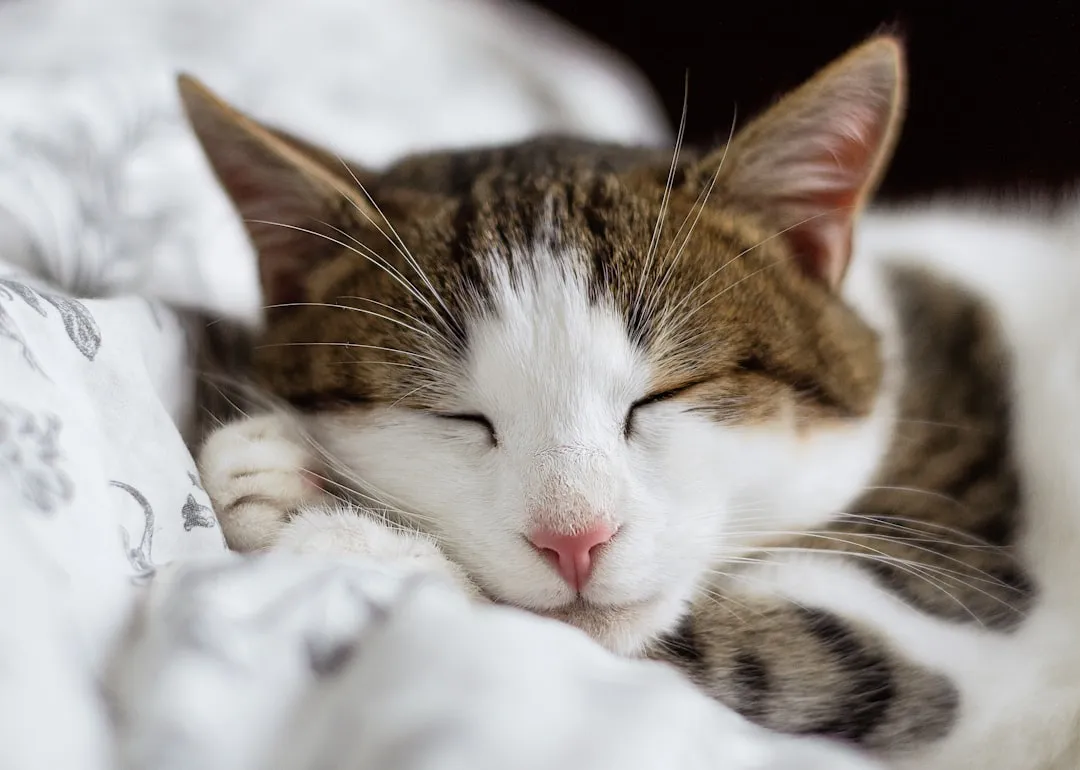
Cats sleep up to 16 hours a day, and where they choose to do it is never random. When a cat has quietly decided you’re their person, you’ll catch them sleeping near you in positions that expose their belly, throat, or back – curled up facing away from you on the bed, or sprawled sideways at your feet on the couch.
That’s not rudeness, that’s confidence. Turning their back to you is a cat’s way of saying you’re not a threat, and doing it consistently, not just once when they’re exhausted, is the real proof. Many behaviorists consider this a bigger deal than lap time, since sleep is the one moment a cat can’t defend itself. A cat willing to be that unguarded next to you is speaking in the closest thing they have to “I trust you with my life.”
Fast Facts
- Cats sleep 12 to 16 hours a day, more than almost any other common household pet.
- A relaxed, exposed belly is a deliberate trust signal, not an invitation to pet it.
- Sleeping back-to-back or facing away shows a cat feels no need to watch for threats.
- Many behaviorists rank vulnerable sleep positions above lap time as a trust indicator.
#10 – Their Slow Blink Is Aimed at You, Not the Whole Room
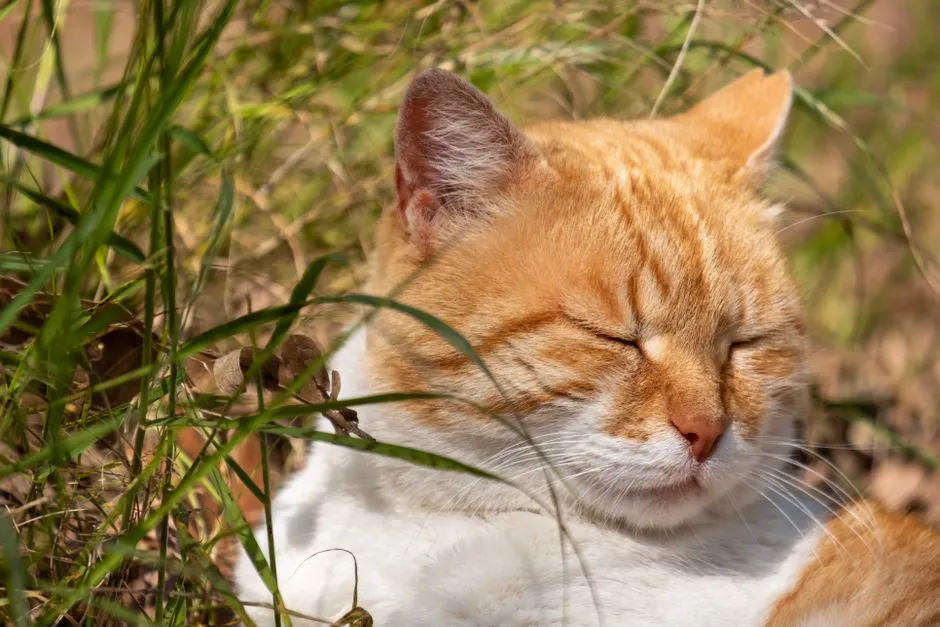
Everyone’s heard about the cat “slow blink” as a sign of feeling safe. What most people miss is who it’s actually aimed at. When a cat has secretly picked you, their slow blinks stop being random and start becoming targeted – a private little language reserved for you.
They’ll catch your eye across the room, soften their gaze, and give you that deliberate, lazy close-and-open. Two details give it away as something special: they don’t do it with every human they see daily, and they usually wait until you’re calm and quietly looking their way. Direct eye contact is loaded in cat body language, sometimes even threatening, so choosing to hold your gaze and then disarm it with a slow blink is a genuine vote of confidence. Pair it with a relaxed body and a soft tail, and you’re not imagining things. You’re in.
#9 – They “Accidentally” Groom You (Or Your Stuff)
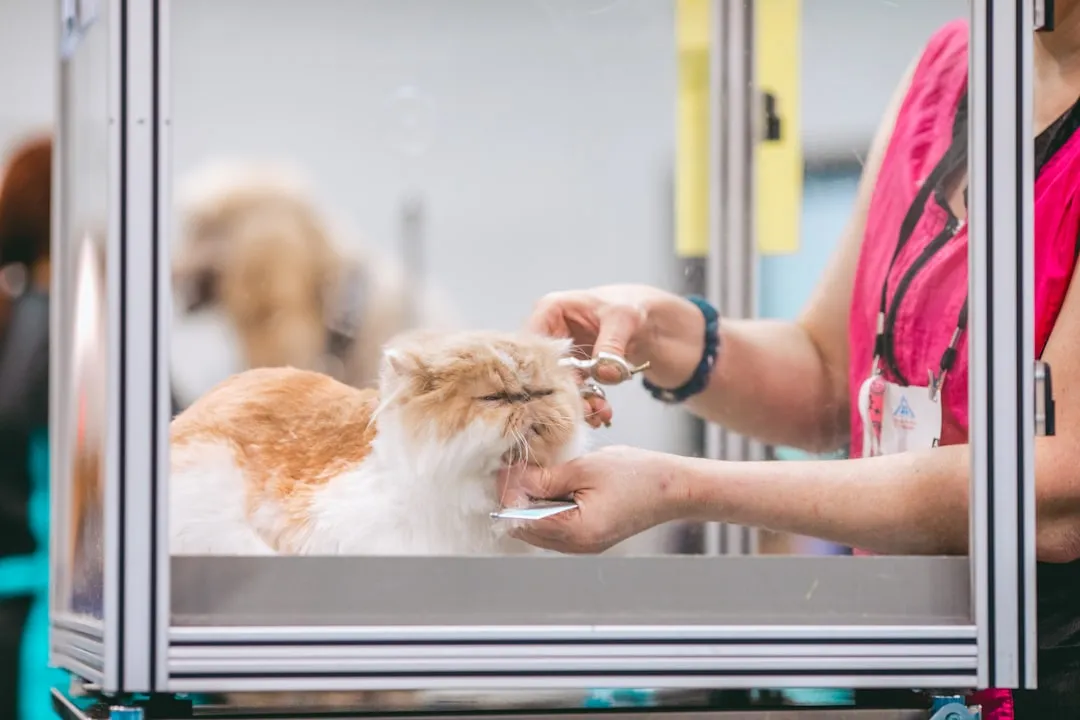
Cats are obsessive groomers, but the real secret is who they extend that ritual to. When a cat decides you’re theirs, they start including you in it, even if you never clock it as grooming. A lick on your hand, a nuzzle into your hair while you’re lying down, a few passes on the sleeve of the hoodie you always wear.
Sometimes it’s subtler still. They rub their mouth, loaded with scent glands, against your phone, your laptop, your pillow. They bury their face in your shoes or knead your sweatshirt before curling up on it. That’s a cat “laundering” you in their scent the same way they do with other cats they’ve fully accepted. If your belongings smell like part of their world, you’re not a roommate to them. You’re family.
#8 – They Break Their Own Rules Just for You
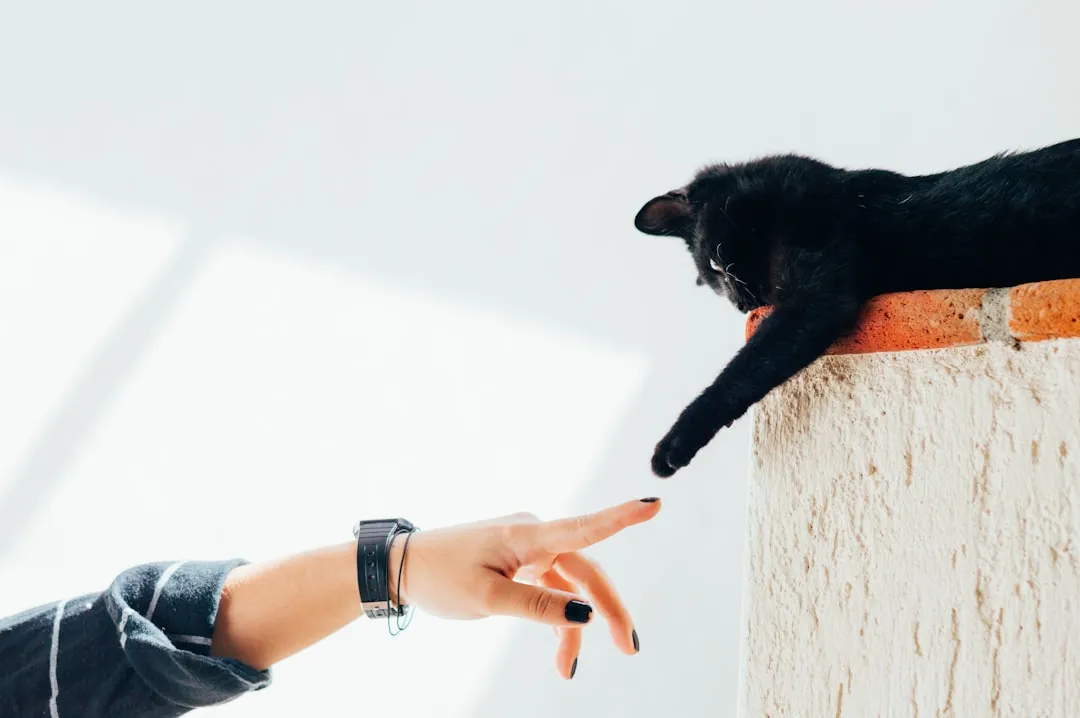
Every cat has boundaries. Don’t touch the belly. No picking up. Head scratches only, and only for ten seconds. When a cat quietly decides you’re their person, those rules start bending, just slightly, and just for you.
Maybe they usually hate being held but tolerate a few extra seconds in your arms. Maybe they let you touch the base of their tail before swatting your hand away. The tell is that nobody else gets that same leeway – a friend tries the identical move and gets a warning bite or a dead sprint out of the room. With you, the cat hesitates, thinks about it, and lets it slide anyway. That’s not random mood. That’s a cat selectively lowering its guard for exactly one person.
Quick Compare
- With you: hesitates, hovers, and sometimes lets a rule slide.
- With strangers: swats, bolts, or shuts the interaction down immediately.
- With other family members: often keeps stricter boundaries than with their chosen person.
#7 – Their Greeting Ritual Is Weirdly Specific, and Only for You
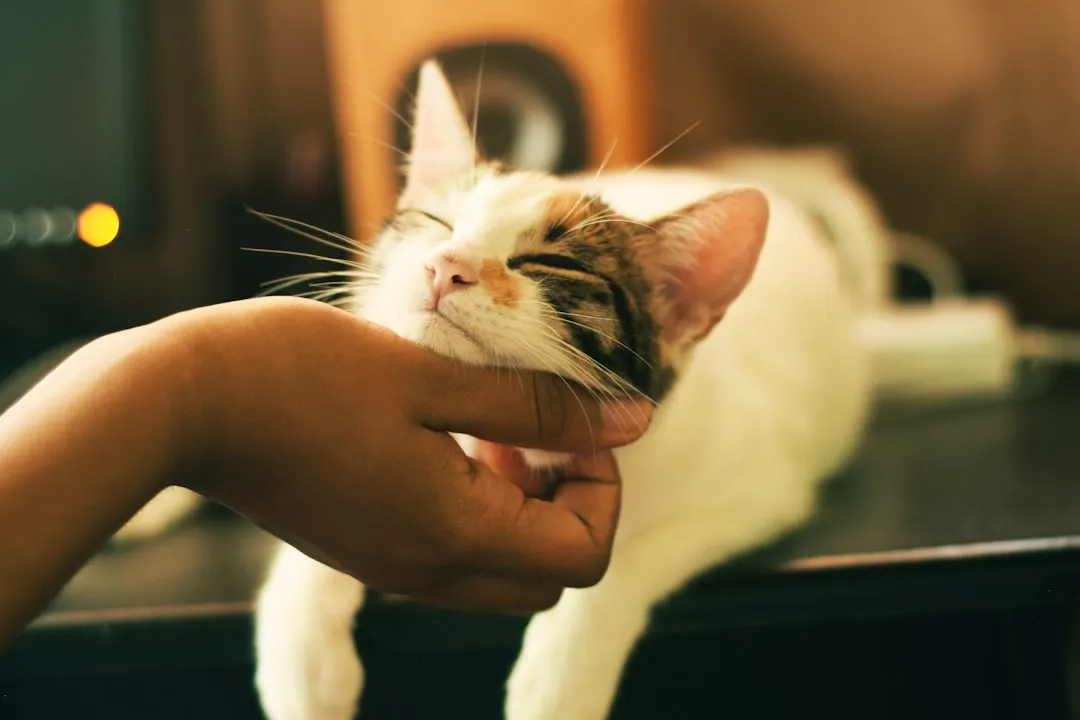
If you assume a cat meeting you at the door is only about food, you’re only half right. Routine and feeding schedules matter, sure, but when a cat has truly chosen you, their greeting turns into something weirdly specific that they don’t do for anyone else. A chirp instead of a meow. A dramatic side-flop in the hallway. Leading you to the couch before the kitchen.
Watch for the details: does their tail go straight up with a little hook at the tip when they spot you? Do they head-butt or rub your legs before even glancing toward the food bowl? Tail-up greetings and rubs are classic “I know you, I trust you” signals in cat body language, and when they’re reserved for one person, that’s relationship, not resources. Some behaviorists argue a truly bonded cat will seek contact even when no food is involved, at least some of the time. If yours does, you’re not just the walking fridge.
#6 – They Use You as a Social Shield
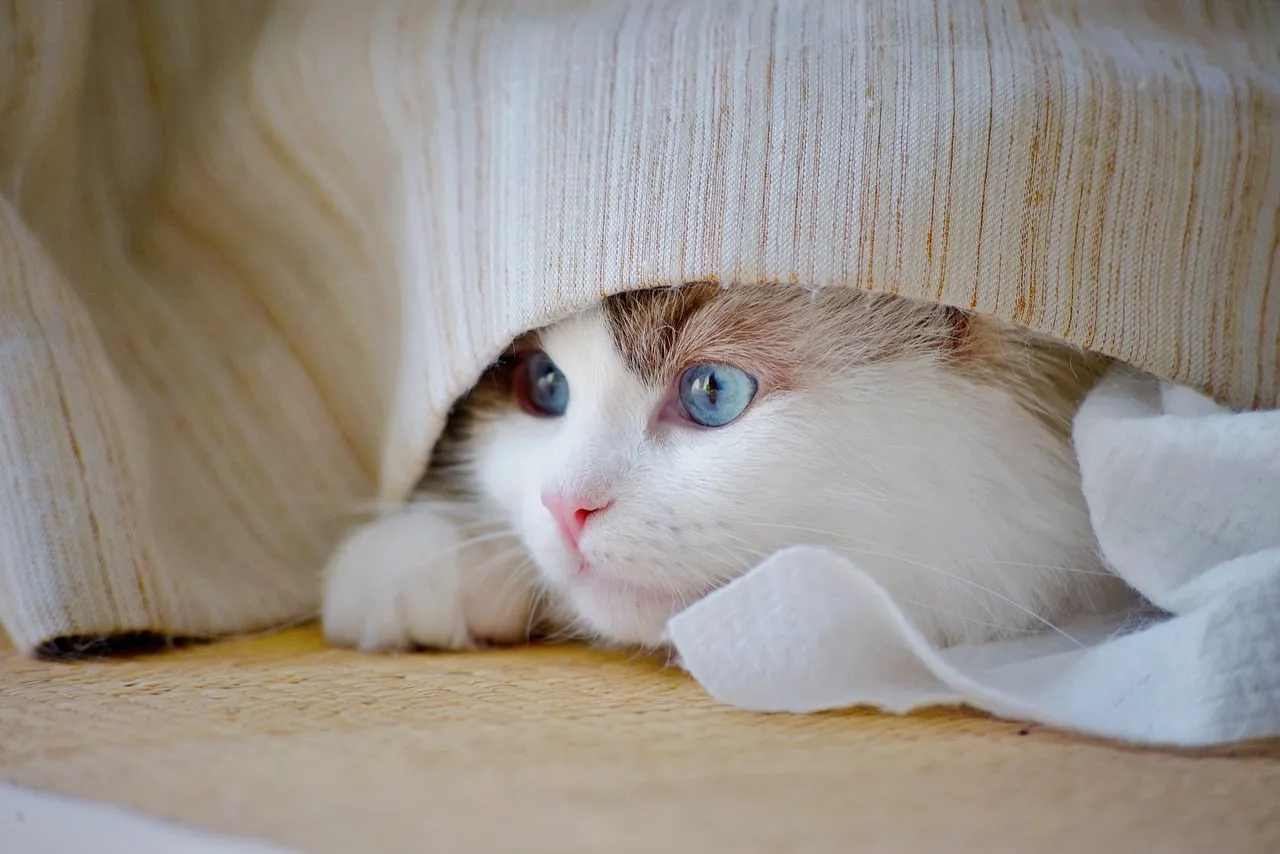
This one gets misread constantly as “my cat is just shy.” When a cat hides behind you the moment strangers walk in, peeks out from around your legs, or perches near you instead of bolting under the bed, they’re not simply scared. They’re using you as a social shield, the one safe object in the room. In feline terms, that’s a serious compliment.
Even bold, confident cats do a softer version of this. They’ll sit on the back of your chair during a chaotic dinner party, or hover near your feet during a thunderstorm or a loud argument. The pattern is simple: when the world feels unpredictable, they retreat to you specifically. Owners often mistake this for anxiety, but it’s closer to a kid hiding behind a parent in a crowded store. They’re not just hiding from something. They’re hiding with someone, and that someone had to earn the role.
#5 – Their Play Style Changes When It’s Just You
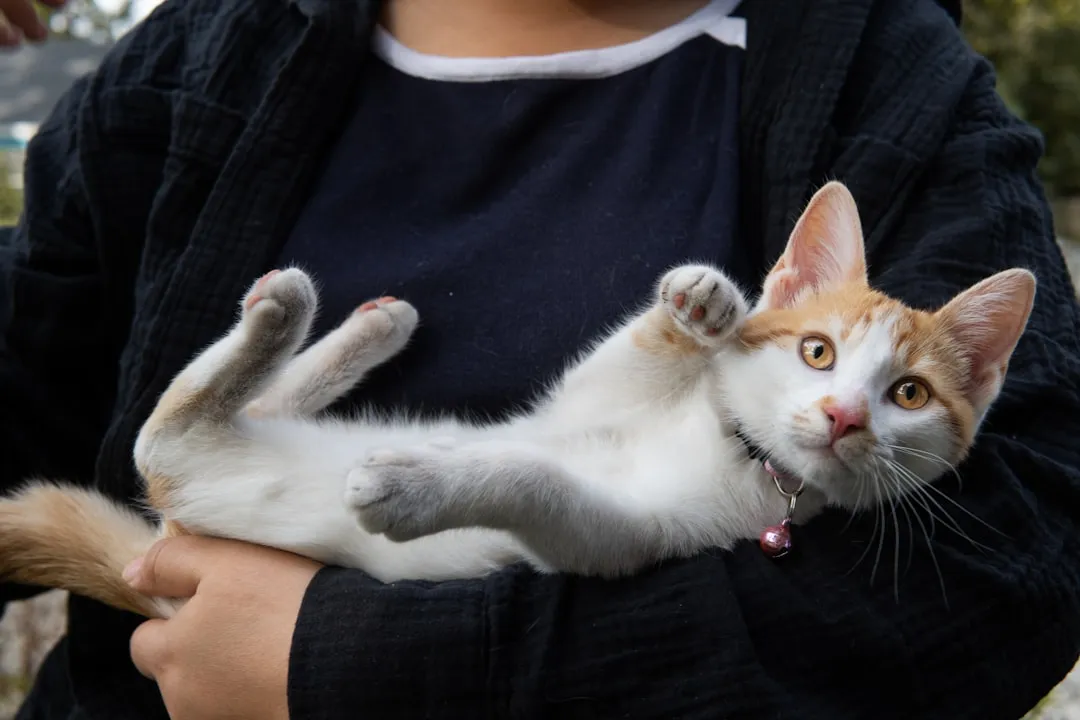
Most people assume play is play. It isn’t – cats adjust how they play based on how safe they feel in the moment. When a cat has secretly picked you, their play with you turns looser, goofier, more unguarded. Full-body flops mid-chase. Exaggerated bunny kicks. Zoomies that loop around you instead of away from you.
They might drop a favorite toy mouse right on your pillow, or sit and stare at you expectantly until you pick up the wand toy. With other people, the same cat might only tolerate quick, cautious interactions, if any at all. That matters because play is practice hunting, and cats don’t rehearse survival instincts around someone they don’t fully trust. Unguarded, belly-exposed play is one of the clearest tells that you’re the person, not just a person.
Why It Stands Out
- Play is rehearsal for hunting, so a relaxed play style signals real safety, not just fun.
- Full-body flops and exposed bellies during play rarely happen around unfamiliar people.
- Toys dropped directly on you or near you are a small but deliberate “gift” behavior.
- Zoomies that loop toward you, instead of away, show comfort, not chaos.
#4 – They Check In on You for No Practical Reason
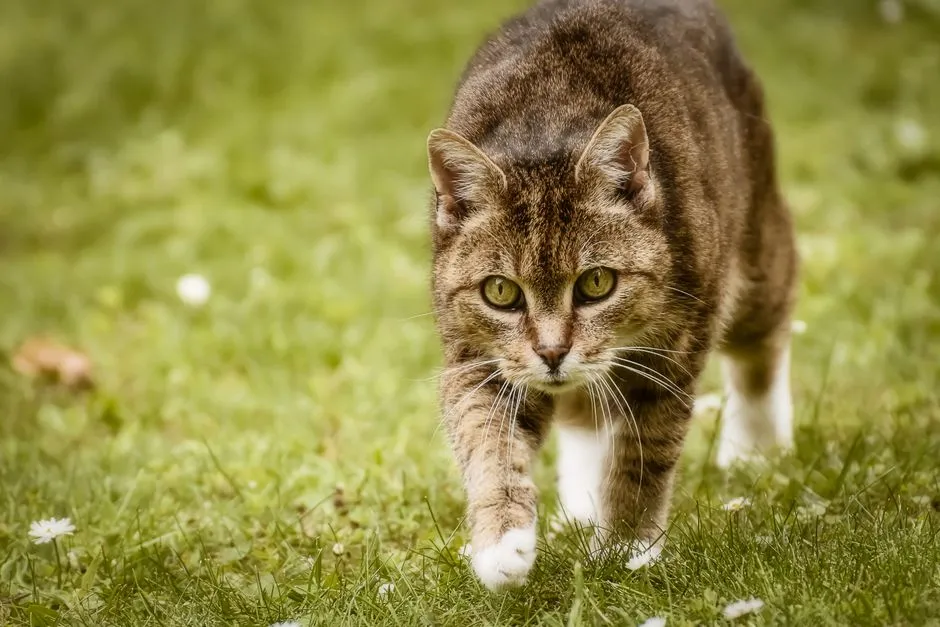
This is the detail that drives the “cats are aloof” crowd crazy. When a cat has genuinely bonded to you, they start doing what can only be described as random welfare checks throughout the day. They’ll wander into the bathroom, the office, the bedroom, just to look at you for a second. No meow, no agenda, no demand.
They clock your position, maybe sniff the air near you, then wander off or settle nearby. It’s the same brief visual-and-scent check bonded cats do with each other to confirm everyone’s accounted for. The “dog people” argument is that only dogs do this kind of check-in, but cats just do it more quietly, with much better PR. If your cat is tracking your location in the house more than anyone else’s, you’re their reference point, whether they show it loudly or not.
#3 – They Mirror Your Energy, Even When It’s Inconvenient
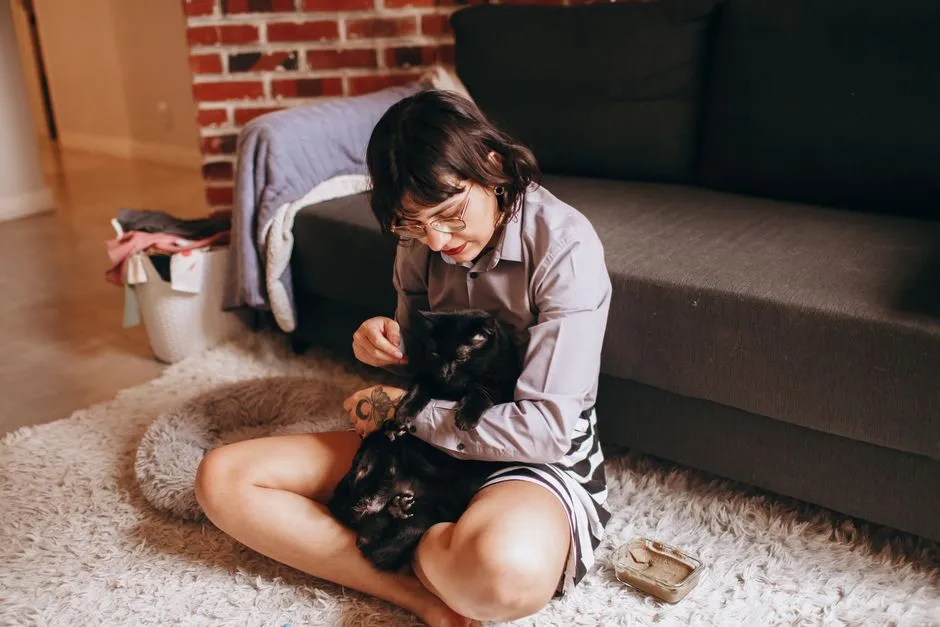
One of the least appreciated signs of feline attachment is mood mirroring. A cat that’s chosen you doesn’t just coexist in the same house, they sync to you. On the nights you’re sick or wrecked, they might get calmer, lie closer, watch you more intently than usual. On the mornings you’re wired and energetic, they show up more playful and curious around your routine.
This isn’t mystical, it’s pattern recognition. Cats are exceptional at reading body language, breathing, and tone, and a bonded cat starts adjusting their own behavior based on yours. They might even skip their usual window patrol just to stay near you on a bad day, which is really resource reallocation toward their chosen person. The common theory that a cat “knows” something’s wrong isn’t far off – more precisely, the cat knows you’re off, and chooses to respond anyway.
#2 – They Let You See Their “Ugly” Side
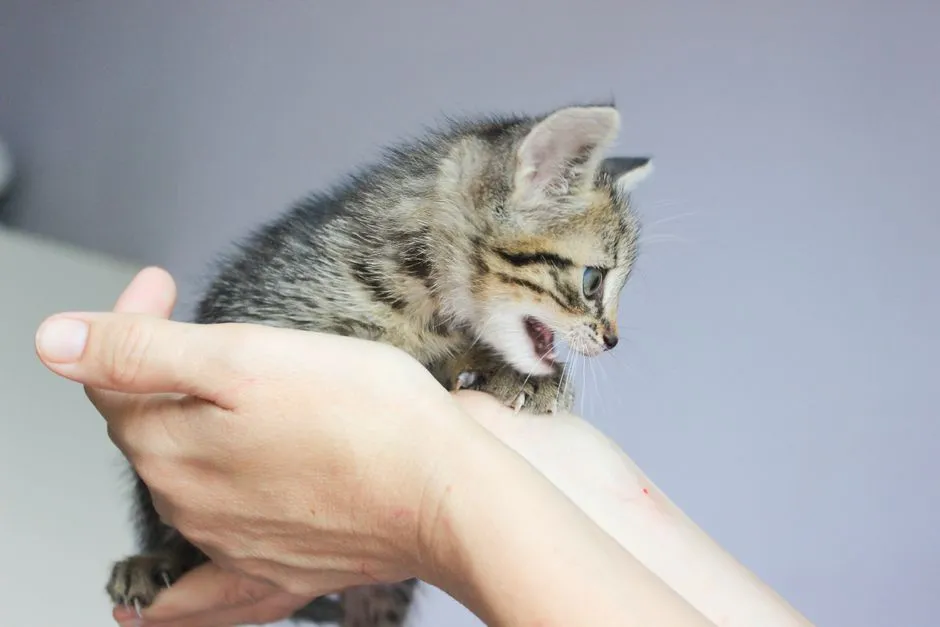
Most people think affection means cuddles and purring. With cats, one of the biggest quiet signs of trust is the opposite – they stop performing around you entirely. They yawn wide enough to show every tooth. They scratch, grumble, spiral into zoomie meltdowns, over-groom, or sulk right out in the open where you can watch it happen.
A cat has absolute emotional honesty: human beings, for one reason or another, may hide their feelings, but a cat does not.
Ernest Hemingway
This matters because in the wild, and even in multi-cat households, showing weakness is risky. Cats hide when they feel vulnerable, full stop. So when your cat chooses to be visibly chaotic, miserable, or ridiculous in front of you instead of disappearing to deal with it alone, they’re telling you they don’t need to mask anything around you. If your cat saves their unfiltered self for you, you’re not a guest in their life. You’re home.
#1 – In a Crisis, They Instinctively Run Toward You
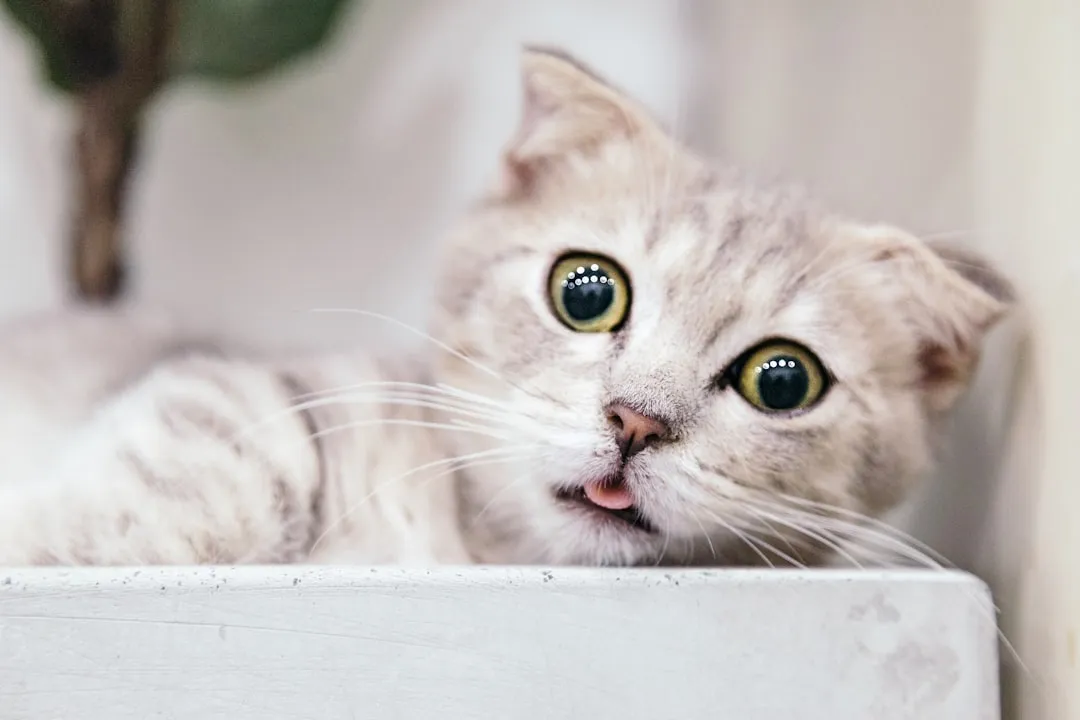
Every other sign on this list is subtle. This one isn’t. When something genuinely startles your cat – a dropped pan, a clap of thunder, a stranger raising their voice – the direction they run tells you everything. If they sprint toward your room, your chair, your legs, in that split second of pure panic, that’s as loud as a cat can possibly say: you are my safest place on earth.
It doesn’t always look like clinging to you physically. Sometimes it’s diving under the bed you happen to be sitting on, wedging behind the couch near your feet, or pressing into a blanket where your hand rests. The common thread is that in raw panic, their brain files “near you” as the safest location available, full stop. You can’t fake that or train it in the moment – it’s built from every slow blink, every shared nap, every boundary you respected along the way. When instinct sends them your direction instead of away from you, the decision was already made a long time ago.
At a Glance
- Loud noises, strangers, or sudden movement can trigger a cat’s instinctive flight response.
- In panic, cats run toward whatever location feels safest to them in that instant.
- For a bonded cat, that “safest location” is often wherever their chosen person happens to be.
- This response can’t be trained or faked. It’s built from months of consistent trust.
The Bottom Line
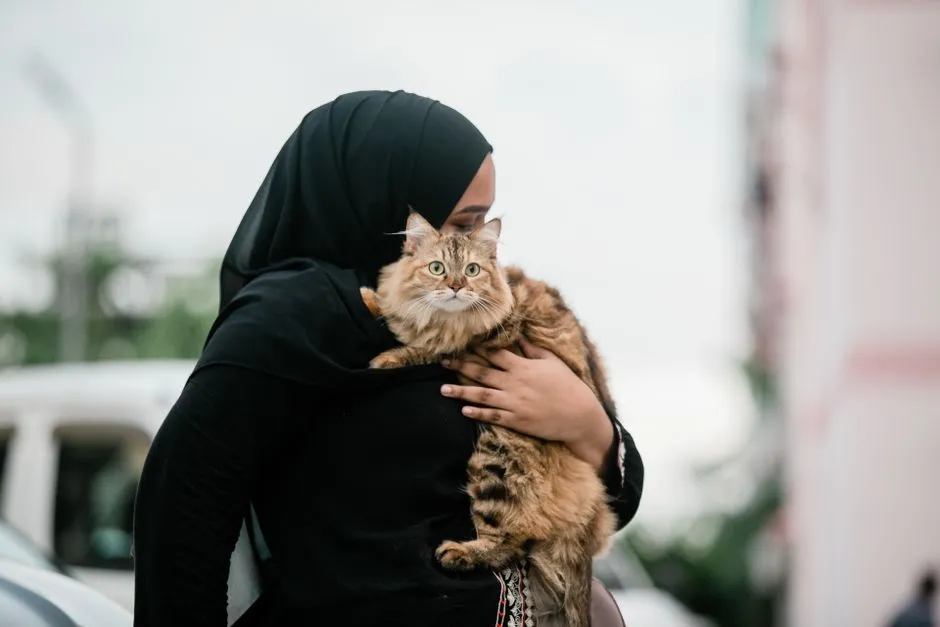
Most people measure a cat’s love by how often it climbs into their lap. The truth is harsher, and better. Cats show their deepest loyalty in quieter, far less Instagram-friendly ways: where they sleep, who they check on, whose energy they mirror when things go sideways.
If your cat orbits you, trusts you with their sleep, relaxes their rules for you, and runs toward you when scared, you’re not being “tolerated.” You’re the chosen one.
Here’s the uncomfortable part: some owners will never see it, because it doesn’t look like dog love, and they’ve decided that’s the only kind that counts. That’s their loss. Cats were never built to perform affection on command – theirs is quieter, harder-earned, and honestly a lot more honest than a wagging tail. Once you learn to read it, you can’t unsee it.
Did we nail your cat’s secret tells, or completely miss the mark? Be honest – which of these does your cat actually show you?
