

You know that moment when you whisper something totally random to your dog, and they still tilt their head and wag like you just offered them a lifetime of treats? That is not you imagining things. Modern animal cognition research suggests dogs are surprisingly good at picking up how we say something, even when the actual words mean nothing to them.
This changes the way we think about communication with animals. Dogs may not be secretly fluent in English, but they are constantly reading our emotional tone like a social radar. Once you see your dog this way, it becomes almost impossible to treat them as “just a pet” again.
The Science Behind Dogs and Emotional Tone

Over the last few decades, scientists have been testing what dogs really understand when we speak to them. One big takeaway is that dogs respond differently when the same word is said in a cheerful, angry, or neutral voice, even if they have never been trained on that word at all. In other words, the melody and energy of your speech often matter more than the dictionary meaning.
Brain imaging studies have even shown that dogs process human speech in ways that look loosely similar to how we do, with some brain areas being more sensitive to tone and others more to familiar words. But the emotional quality of a voice tends to get a fast, powerful reaction, especially if it signals safety, threat, or excitement. That means your tone is not just background noise to your dog; it is core information.
Prosody: Why How You Say It Matters More Than What You Say

Scientists use the term prosody to describe the rhythm, pitch, and musicality of speech. Dogs are highly tuned in to prosody, probably because, as social animals, they evolved to pay attention to signals like growls, whines, and playful barks long before they ever met humans. When you talk to your dog in that high, sing-song “pet voice,” you are basically tapping into an ancient communication system their brain already understands.
That is why you can say something completely meaningless in a warm, upbeat voice and your dog will wag happily, while the same sentence delivered in a harsh or flat tone can make them shrink back. Your dog is essentially asking: is this safe, is this friendly, and should I move toward or away from this sound? Words are optional; emotion is not.
Understanding Emotional Tone Without Understanding Vocabulary

Most dogs only learn the actual meaning of a small handful of words, usually things like their name, “sit,” “walk,” or “treat.” Yet they react instantly to thousands of phrases they have never heard simply because they can hear the emotional tone. That means a dog can be frightened or comforted by speech they do not actually understand in a human sense.
Think of it like listening to a foreign language that you do not speak. You can still tell if the speaker is angry, relaxed, scared, or joking, just from the sound of their voice. Dogs live in that emotional space with us most of the time. They surf the waves of our mood and vocal energy, even when the specific words stay fuzzy or unknown.
Dog Brains Are Built to Read Social Cues

One reason dogs are so good at this is that their entire evolution has pushed them toward cooperating with humans. Over many generations, dogs that could better read human faces, gestures, and voices had a survival advantage, because they got more food, protection, and care. Emotional tone became a kind of shortcut for understanding human states without needing a full vocabulary.
On a brain level, that shows up as strong sensitivity to sounds that carry social or emotional meaning. A sharp, loud tone might trigger alertness or stress, while a soft, soothing tone helps dogs relax. You see the same thing with body language: a stiff posture and tense shoulders can worry a dog, whereas loose, relaxed movement invites play. Voice and body work together as one big emotional message.
Real-Life Examples: When Your Tone Overrules Your Words

If you have ever laughed while saying something like “you terrible little monster” in a playful voice, you have probably seen your dog wag and bounce instead of acting scared. The content of the sentence does not match your happy tone, and your dog follows the tone every time. The emotional music wins over the literal lyrics.
The opposite happens too. People sometimes call their dog’s name in a frustrated or impatient voice and then wonder why the dog hesitates or hides. To the dog, that emotional edge in your tone says danger or conflict, even though the word itself usually predicts something neutral or good. It is a pretty strong reminder that our voices can accidentally confuse or stress our animals, even when our words sound normal to us.
How This Changes the Way We Should Talk to Dogs

Once you realize dogs are reading your emotions more than your vocabulary, it becomes hard to ignore your tone. If you want a dog to come to you happily and confidently, using a friendly, inviting voice matters as much as any training cue. Keeping your voice light, predictable, and calm helps your dog feel safer and more secure overall.
This also suggests that yelling, even when you are not yelling at the dog, can shape the emotional climate they live in. A home that is loud, tense, or constantly full of sharp voices can keep a dog on edge. On the flip side, a home where people speak with warmth and steadiness makes it easier for dogs to relax, learn, and trust. It is less about being perfect and more about being emotionally consistent.
Beyond Words: Dogs Also Read Faces, Posture, and Context
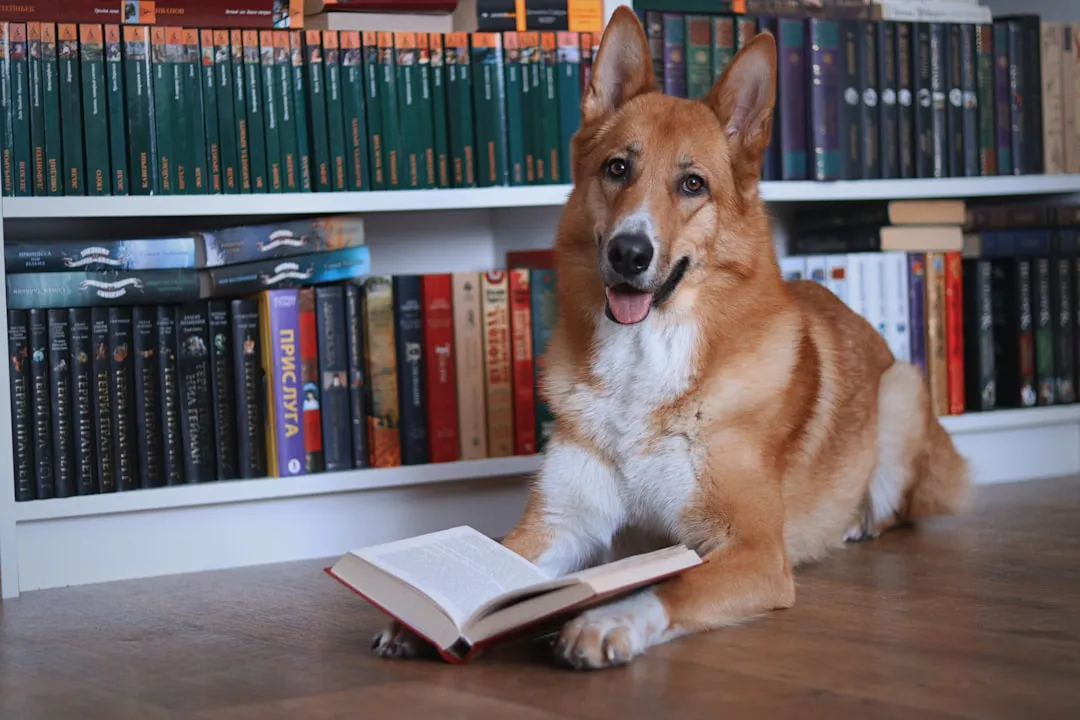
Emotional tone never exists alone. Dogs read your voice together with your facial expressions, body posture, and the situation you are in. A cheerful tone paired with tight, anxious shoulders sends a mixed message, and many dogs will look confused or clingy in those moments. They know something is off, even if they cannot pinpoint why.
Dogs also use context to guess what a tone means. The same excited voice you use before a walk is understood differently if you use it while loudly arguing with someone. Over time, dogs build patterns: this voice in this room at this time of day usually leads to something good, while that sound in that setting often means stress. They are not mind readers, but they are remarkably good pattern readers.
What This Reveals About Our Relationship With Dogs

To me, the most striking thing about all this research is how it exposes the depth of the dog–human bond. We have created a relationship where another species spends its whole life tracking our emotional weather, often more closely than we track our own. That is both beautiful and a little unsettling, because it means our dogs live inside the ripple effects of our moods.
It also suggests that respect for dogs means more than just food, walks, and vet visits. It means taking responsibility for the emotional signals we beam out through our voices and bodies every day. If a dog can feel loved or threatened by a tone they do not intellectually understand, then the way we talk to them is not a small detail; it is the heart of the relationship.
Conclusion: Words Are Optional, Emotion Is Not

When you strip it all down, the evidence points to a simple but powerful truth: dogs do not need to understand our words to understand us. They are tuning in to the emotional tone beneath the language, and they make real decisions based on that invisible undercurrent. In my view, that makes it almost irresponsible to claim dogs are “just animals” who do not really get what is going on.
We owe it to them to speak as if our tone matters, because for them, it absolutely does. If our dogs are living reflections of our emotional soundtracks, then every calm word, every gentle correction, and every joyful greeting shapes the world they inhabit. The question is not whether they understand the words, but whether we are willing to own the feelings our voices carry – are you?
