

You still picture the same dogs when someone says “family pet” – a Lab sprawled on the porch, a Golden dragging a kid around the yard. That picture hasn’t updated in decades. But the real list of dogs actually living in American homes right now has quietly shifted underneath us, and almost nobody noticed it happening.
These aren’t obscure, never-heard-of breeds. Some of them used to be the default family dog – the ones grandparents had, the ones from old movies and cereal commercials. Now breeders are shrinking, shelters are seeing fewer of them, and entire bloodlines are sliding toward extinction in the average living room. Here’s who’s vanishing, and the surprisingly human reasons why.
#19 – Beagle: The Classic “Family Dog” Fading Out

Once the default image of a kid and a dog in the suburbs, the Beagle is quietly losing its spot on the couch. Families still recognize the name, but they’re choosing doodles and tiny “apartment breeds” instead. Registrations and shelter intakes show fewer purebred Beagles every year in many regions, replaced by mixed hounds or small companion dogs.
The problem is Beagles don’t fit the modern fantasy of a perfectly quiet, hypoallergenic, low-maintenance pet. Most people don’t realize how loud and stubborn a bored Beagle can be. Their hunting background means they follow their nose, not your commands – fine on a big property, a nightmare behind thin apartment walls. Add a love for escape attempts, and stressed owners simply stop choosing them.
Fast Facts
- AKC Group: Hound
- Height: roughly 13–15 inches at the shoulder
- Weight: about 20–30 pounds
- Life expectancy: 10–15 years
- Signature trait: a powerful nose paired with a famously loud bay
#18 – Collie: Lassie’s Legacy Is Vanishing
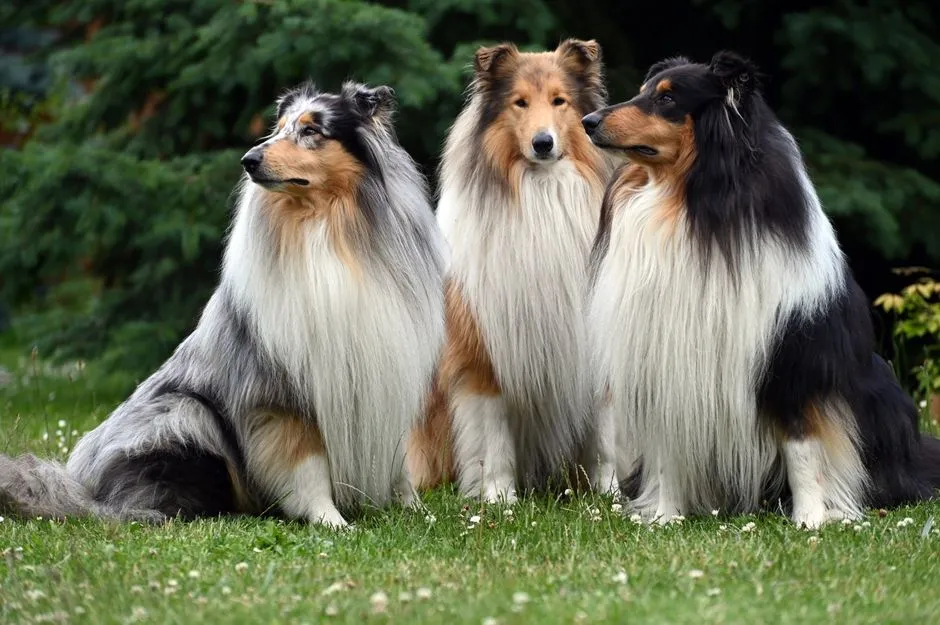
Everyone knows Lassie, but almost nobody under 30 has actually met a purebred Collie in real life. Collies have dropped hard in popularity compared with their mid-20th-century peak, and you can feel it – most suburban neighborhoods don’t have a single one left.
Part of the reason is unfair: people assume all long-haired herding dogs are high-strung “work engines” they can’t handle, so they default to Goldens or doodles instead. The truth is Collies can be gentle, sensitive family dogs, but heavy shedding, regular grooming, and a brain that needs real engagement scare off casual owners. Streaming-era parents want “easy mode,” not herding-breed management, so breeders shrink and the Collie slowly ages out of everyday homes.
#17 – English Cocker Spaniel: Replaced by Its Flashier Cousin
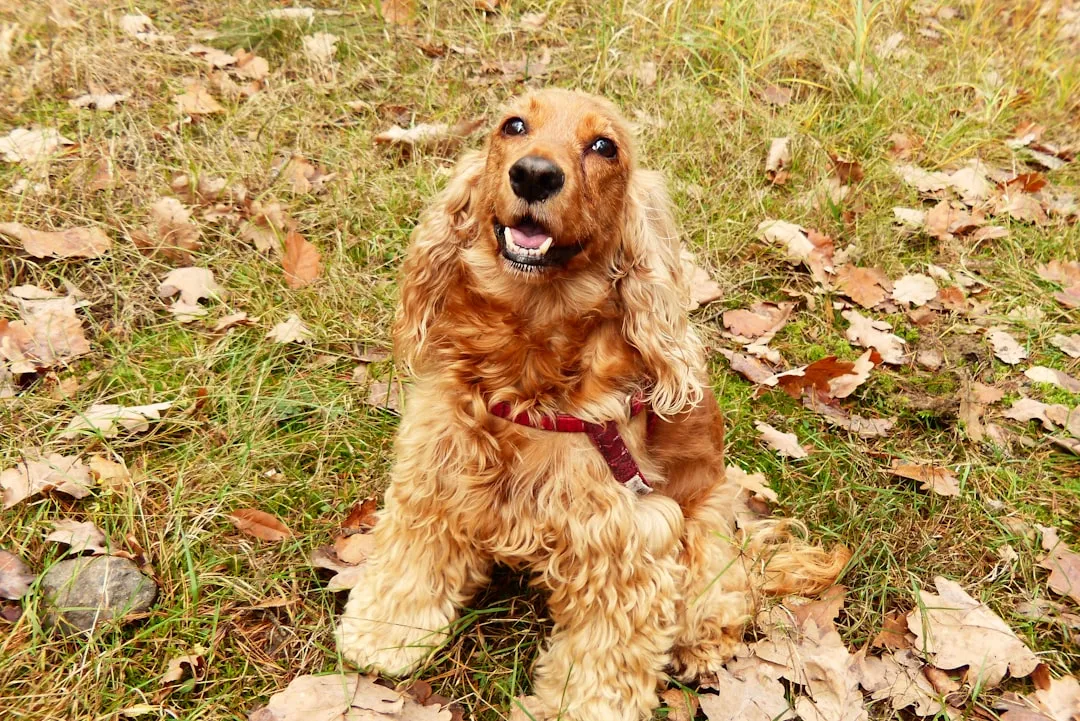
Ask most people to picture a “Cocker Spaniel” and they mean the American version. The English Cocker – the original – is slipping out of family life entirely. It’s still beloved elsewhere in the world, but in U.S. family homes it’s become oddly rare, overshadowed by breeds with more marketing and viral visibility. Even at the dog park, you’re more likely to spot a doodle with “spaniel vibes” than the real thing.
English Cockers need regular grooming, genuine exercise, and clear boundaries – they’re sporting dogs, not plush toys. When mismatched with low-activity families, they develop anxiety and reactivity, which gives the whole breed an unfair “unpredictable” label. Designer mixes promise “same look, less work,” and even though that’s often a lie, the perception is what sticks. As trends favor novelty over heritage, the English Cocker quietly exits the average living room.
#16 – Dalmatian: From Movie Star to Rare Sight
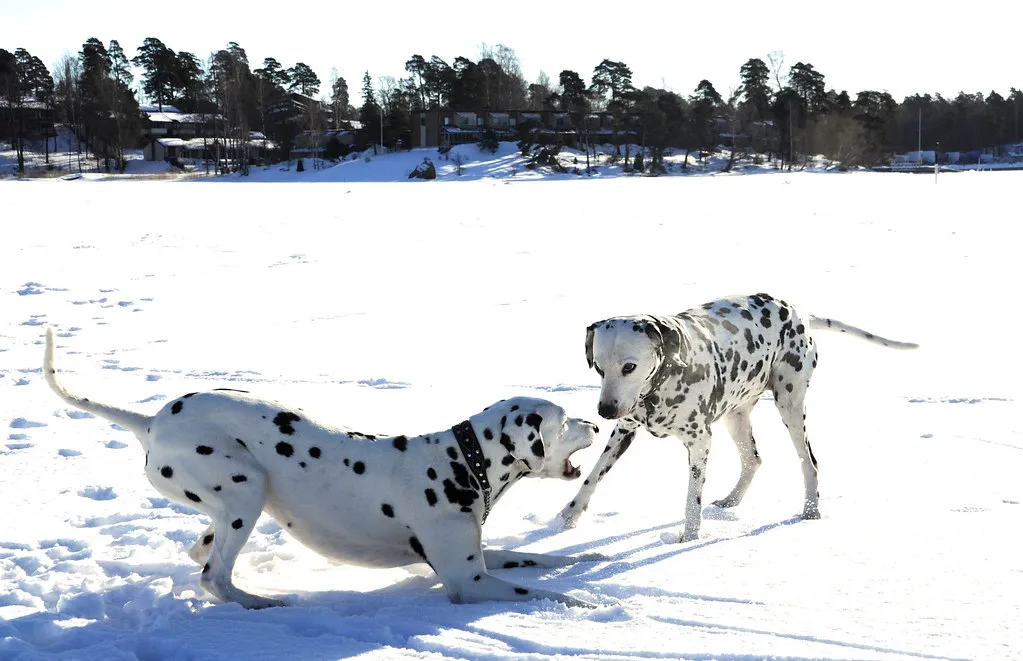
After “101 Dalmatians,” the breed exploded – and then crashed hard. That fallout is still shaping its fate in family homes today. Dalmatians are far less common as family pets than their Hollywood image suggests, and serious breeders are genuinely wary of that kind of mass popularity ever returning.
The truth is they’re high-energy, high-exercise dogs with real genetic baggage, including a strong tendency toward deafness and uric acid issues. Apartment-living, work-from-laptop families rarely have the structure or yard for one, and under-exercised Dalmatians can turn destructive, anxious, and frantic. That reputation sticks even when the real issue is human mismatch, not “bad dogs” – so responsible breeders now screen heavily, keeping the breed healthier but also keeping it out of most typical homes.
#15 – Irish Setter: The Red Beauty That Outruns Modern Families

Instagram thinks it loves an Irish Setter – until it actually lives with one. These deep red, athletic dogs were once aspirational family companions on big properties. Now registrations and breeder numbers have contracted so much that you almost never see one in a typical suburb anymore.
They’re marathoners in a world that wants couch potatoes. Irish Setters need true daily exercise, not a quick leash loop, plus firm training through a slow-to-mature adolescence. When those needs aren’t met, they turn into chaos – jumping, mouthing, “clueless clown” energy that overwhelms families. So owners quietly stop buying them, breeders quietly retire, and energetic families grab sport mixes instead, convinced they’re “easier” – even though the Setter often had the same drive and just got a worse reputation.
#14 – Chow Chow: The Lion-Dog No One Warned You About

Chow Chows used to be a status symbol in some neighborhoods – lion mane, blue tongue, total mystery. That novelty has worn off completely. Today, many trainers rank Chows as one of the least beginner-friendly family breeds, and that reputation is actively pushing them out of average homes.
They’re independent, aloof, and can be sharply suspicious of strangers if poorly socialized. Families expecting a fluffy Golden-style personality in a Chow’s body are genuinely shocked – these dogs often bond with one or two people and couldn’t care less about your kids’ friends. Add heavy shedding, grooming demands, and potential guarding tendencies, and most first-time owners tap out before they even seriously consider one.
Worth Knowing
- Chow Chows are one of the only breeds born with a blue-black tongue
- Their thick double coat “blows” seasonally and needs brushing several times a week
- The Chow Chow stayed at No. 88 in the AKC’s most recent breed popularity rankings, out of roughly 200 recognized breeds
- Life expectancy: 8–12 years
#13 – Basset Hound: The Cartoon Icon Nobody Orders Anymore
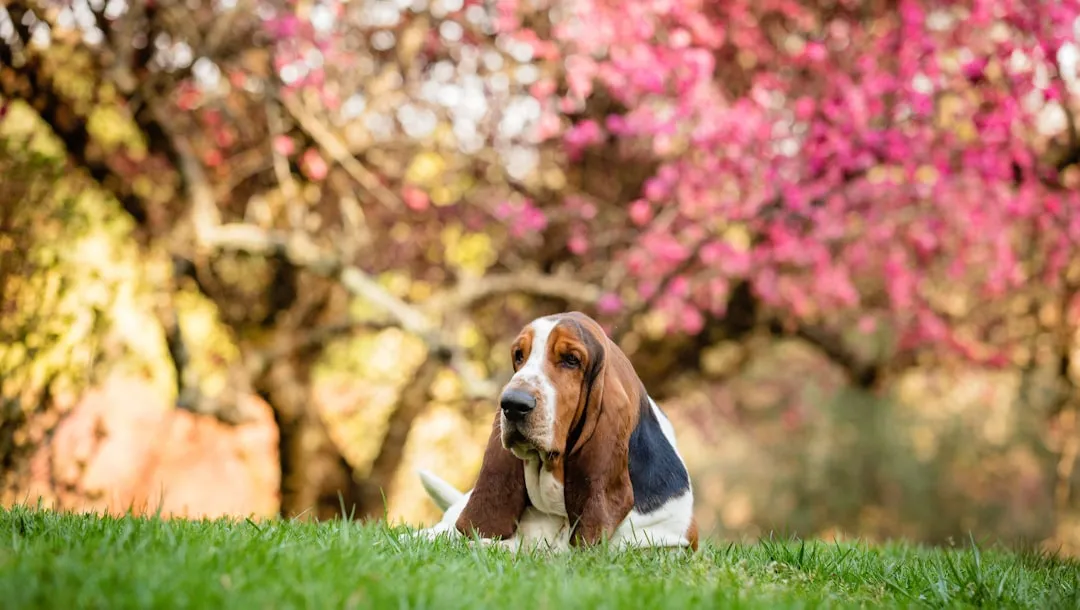
Droopy eyes, long ears, a permanently tragic expression – the Basset Hound looks like a living meme. You’d think that would guarantee popularity. Instead, Bassets have been on a long, slow slide out of mainstream family life, largely because the reality doesn’t match the cute photos at all.
They drool, they smell, and they shed far more than people expect from a “low-energy” dog. Health makes it worse: their heavy, low-slung build creates joint and back issues, and families facing repeated vet bills often swear off the breed for good. The bigger myth is that they’re lazy couch potatoes – in truth they’re scent hounds with stubborn minds and surprising stamina, and a bored Basset is loud, destructive, and impossible to recall off a trail. Once that word gets around a community, future families quietly look elsewhere.
#12 – Shar-Pei: The Wrinkled Trend That Aged Out Fast

There was a stretch in the ’80s and ’90s when Shar-Pei puppies were everywhere – wrinkles alone sold the breed. That micro-wave of popularity has completely cooled. Today, Shar-Peis are rare in most American suburbs, and many vets see only a handful of them all year.
The reasons are obvious to insiders but rarely explained honestly to buyers. Shar-Peis can be strong-willed, territorial, and suspicious of strangers, and that comes paired with real health concerns – skin issues, entropion, ear problems – that demand above-average money and commitment. Sensible breeders have tightened up around serious homes only, while impulse buyers scrolling cute-puppy videos get sold on “low-shedding” doodles and Frenchies instead. The Shar-Pei’s moment in the average living room is basically over.
#11 – Old English Sheepdog: The Shaggy Nanny Nobody Maintains
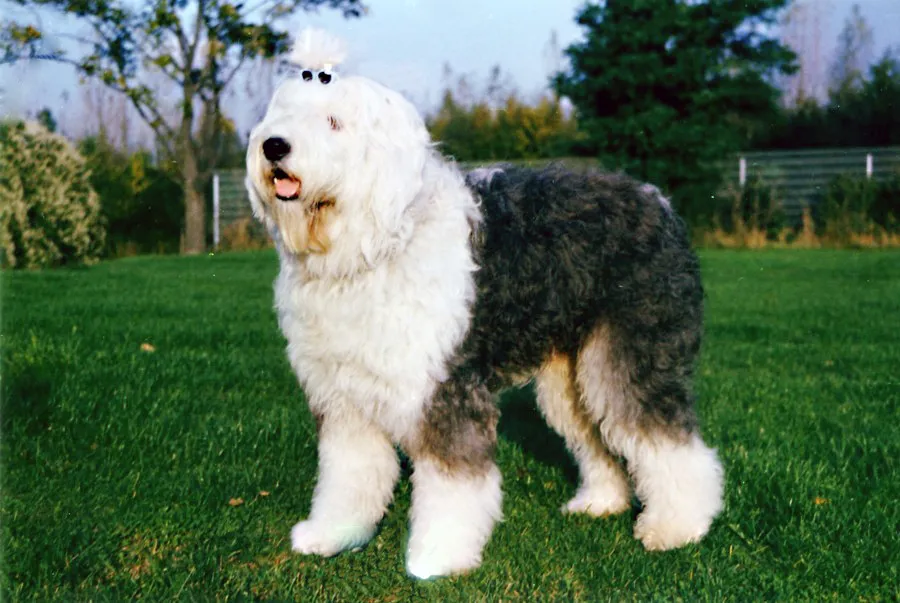
The Old English Sheepdog used to be baked into pop culture as the lovable, shaggy babysitter of family films. In reality, the grooming burden alone has pushed this breed out of regular households. That iconic coat mats easily, traps dirt, and demands serious grooming time or professional help – both of which modern families are short on.
Under the hair is a clever, sensitive herding dog with strong instincts, including heel-nipping, and a real need for mental work rather than just cuddles. Combine a working brain with high-maintenance hair, and average owners check out fast. Many families don’t even know the purebred still exists – they just call anything shaggy a “sheepadoodle” and move on, effectively voting the real thing out of typical living rooms.
#10 – Bullmastiff: The Gentle Giant Families Don’t Risk Anymore

Bullmastiffs were once quietly popular as calm, low-drama guardians on bigger properties. They’re not naturally hyper or noisy, and a well-bred Bullmastiff can be remarkably gentle indoors. But the combination of massive size, insurance fears, and vet costs is driving them out of family homes anyway.
Many landlords and insurers lump them in with “bully breeds,” fairly or not, and even with rock-solid temperament, a 120-plus-pound dog with a short life expectancy is a hard sell for parents. Orthopedic issues, bloat risk, and sheer food intake make ownership expensive in ways you never see on Instagram – only on vet invoices. Families wanting a “guardian vibe” now drift toward Cane Corsos and shepherd mixes, leaving the Bullmastiff to enthusiasts and quiet corners of the dog world.
Quick Compare
- Bullmastiff: 100–130 lbs, 7–9 year lifespan, lower exercise needs but high food and vet costs
- Labrador Retriever: 55–80 lbs, 10–12 year lifespan, moderate-to-high exercise needs, widely available and easier to insure
#9 – Newfoundland: The Water Rescue Dog Drowning in Modern Costs

Think “Newfie” and you picture a drooling teddy bear pulling children out of lakes. In reality, Newfoundlands are disappearing from everyday households because they’re brutally expensive and logistically difficult to keep. They shed heavily, drool on everything, and take up more space than most apartments can offer.
Health is the real deal-breaker – giant-breed orthopedic problems, heart issues, and heat intolerance mean high lifetime costs and hard limits on where they can comfortably live. Climate change and shrinking yards don’t help; a thick-coated water dog is miserable in modern suburbs without AC and access to cool water. Families who genuinely research the breed often talk themselves out of it, leaving Newfoundlands to a small circle of die-hard fans instead of typical parents with two kids and a minivan.
#8 – American Cocker Spaniel: From #1 Darling to “Too Much Work”

Baby boomers remember when the American Cocker Spaniel was everywhere – arguably overbred and over-hyped in its heyday. That boom has faded hard, and the breed’s popularity has dropped significantly since its peak; many younger families don’t even put it on the list anymore.
Grooming is the first deterrent – that silky coat mats fast, and professional grooming isn’t cheap. Add in the fallout from decades of irresponsible breeding, including eye problems, ear infections, and temperament issues, and word of mouth got rough. Plenty of Cockers today are lovely, stable companions, but the old “biting Cocker” stereotype lingers while trend-chasers get sold on Cavapoos instead. The breed didn’t stop working in family homes – it just stopped being marketed there.
#7 – Saint Bernard: The Mythical Nanny Dog That Doesn’t Fit the House
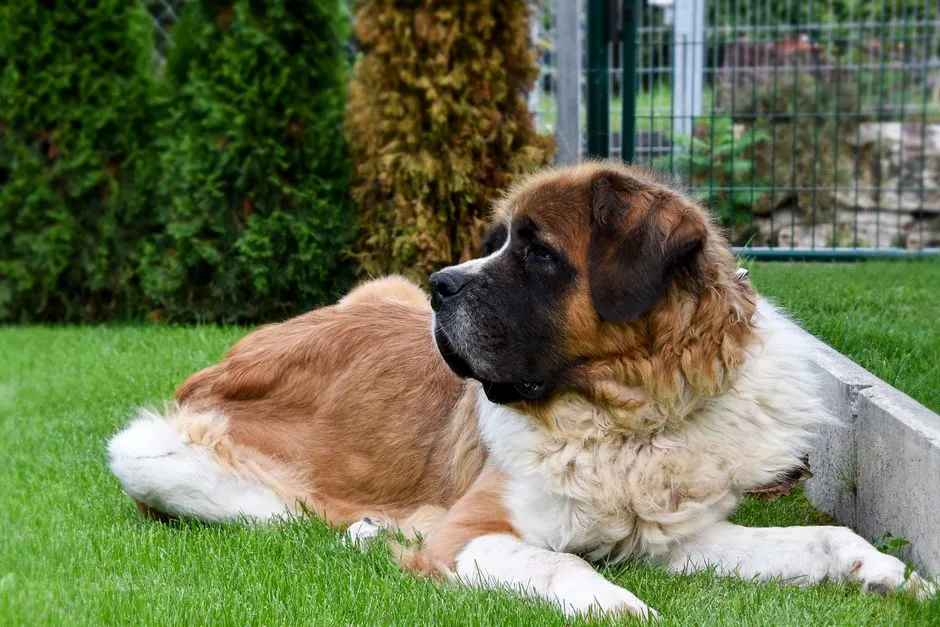
Everyone grew up with the image of a Saint Bernard carrying a barrel to lost travelers. The modern reality is that they barely fit into average homes – physically or financially. Saints are enormous, drooly, and short-lived, and orthopedic disease, bloat, and heat stress are common concerns.
Parents who do even basic research realize they’re signing up for a loveable, expensive heartbreak on a 7-to-9-year timeline. Saints also clash hard with tiny apartments and walk-up buildings, and with very hot climates that are only becoming more common. Fewer breeders are willing to place them casually with novice families, and responsible rescue now requires serious screening – turning the Saint Bernard into something you see at a dog show, not at elementary school pickup.
#6 – Bloodhound: The Tracking Legend Families Can’t Live With

If you believe TV, a Bloodhound is a floppy-eared sweetheart that follows bad guys through swamps. In a normal neighborhood, that same nose makes them nearly impossible for casual owners to manage. Once a Bloodhound catches a scent, they’re gone – body and soul.
Fences get tested, leashes get ripped from hands, and “recall” becomes a joke. They also drool, smell distinctly hound-y, and can be surprisingly destructive indoors if under-stimulated. Law enforcement and search-and-rescue groups still value the breed deeply, but ordinary families don’t have the space, the time, or the patience for industrial-strength training – which is exactly why breeders now target working homes instead, and you almost never see a Bloodhound at a dog park.
#5 – Samoyed: The Smiling Snow Dog Colliding with Real Life

Online, Samoyeds look like clouds with smiles. In real life, they’re shedding machines with big voices and bigger exercise needs, and that gap is pushing them off mainstream family lists fast. Their double coat was built for arctic work, not air-conditioned apartments in warm cities.
When that coat “blows,” you get drifts of hair that clog vacuums and test marriages. People also underestimate how vocal and busy a working Spitz can be – Sammies were bred to pull, herd, and stay engaged with humans all day, and left bored and alone, they turn to barking, digging, and creative destruction. The more honest owners speak up online, the more cautious serious families become, and many chase “Samoyed-adjacent” looks in smaller mixes instead, often ending up disappointed anyway.
#4 – Akita: The Powerful Guardian Quietly Exiting Suburbia
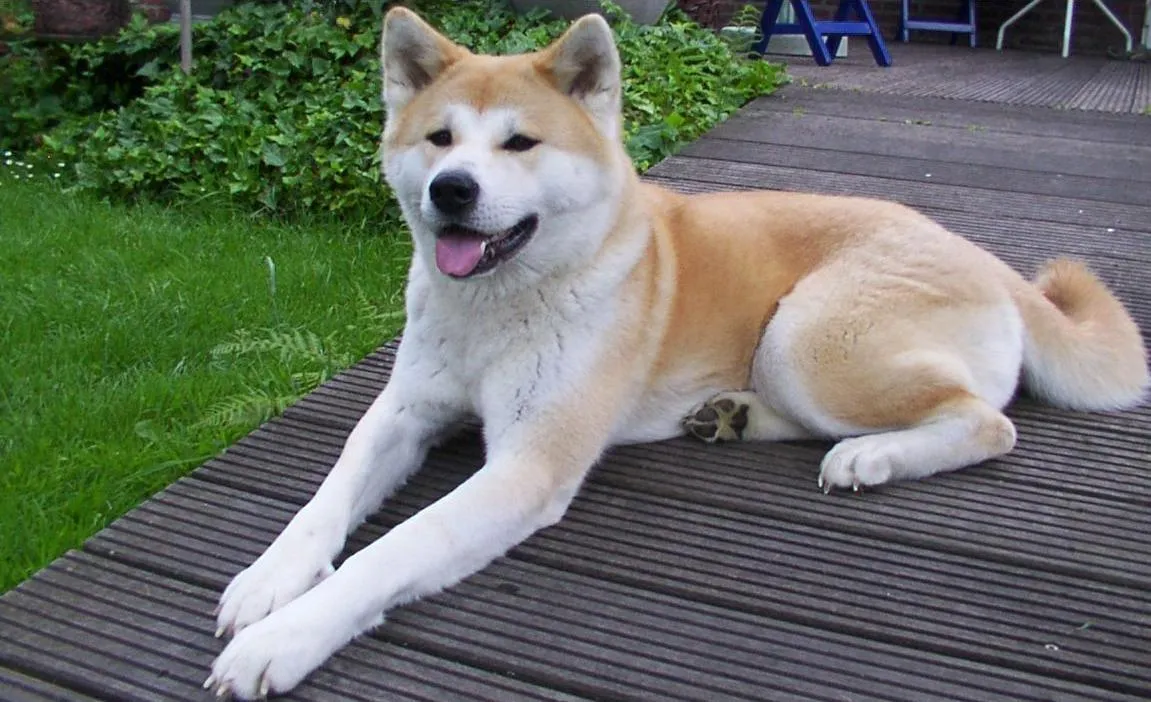
The Akita has an almost mythic, loyal-to-one-person reputation. That’s exactly why responsible breeders and trainers quietly warn against placing Akitas in average, busy family homes. They’re large, strong, and often same-sex dog-aggressive, and socialization has to be intentional and relentless – even then, they’re not Labrador-style social butterflies.
Most modern families don’t want to manage a serious guardian breed, and don’t have the consistency to prevent problems before they start. Insurance issues and landlord restrictions do the rest – as bully-type bans expand, Akitas get lumped into “scary, powerful dog” categories even when the individual dog is solid. Trend-chasing owners drift toward Huskies and Malamute mixes instead, leaving the Akita to fade from everyday neighborhood walks.
#3 – Great Pyrenees: The White Guardian That Doesn’t Belong on the Sofa

On social media, Great Pyrenees dogs get marketed as giant, fluffy therapy animals. In reality, they’re livestock guardians first and couch dogs a distant second, and that mismatch is quietly removing them from family homes. These dogs are wired to patrol, bark at anything remotely suspicious, and make independent decisions without asking permission.
In a rural setting, that instinct is gold. In a cul-de-sac with an HOA, it’s a nightmare. Chronic barking complaints, fence-testing, and stubborn independence push many families to rehome them, and word spreads fast: “Pyrs are beautiful, but not for us.” Responsible rescues now insist on farm or large-property placements only, effectively removing them from the standard “kids and dog” lifestyle – even as social media keeps mis-selling them.
At a Glance
- Weight: roughly 85–100+ lbs, built to guard livestock overnight, not lounge indoors all day
- Other big dogs have moved down as well; the Neapolitan Mastiff and Great Pyrenees are both down 10 spots in the AKC’s most recent annual rankings
- the Great Pyrenees dropped from last year’s number 64 down to 74 in that same registration data
- Bred to bark through the night to ward off predators – a trait that clashes hard with quiet, close-set neighborhoods
#2 – Boxer: The Clownish Athlete Aging Out of the Family Market

There was a time when Boxers were absolutely everywhere – goofy, kid-friendly, always wiggling. They’re still beloved by loyal fans, but their share of the mainstream “family dog” market is shrinking fast. Part of it is health: short muzzles, heart issues, and cancer mean too many families watch a Boxer suffer young, then decide never again.
The other issue is energy. Boxers are high-octane athletes in a world that’s increasingly sedentary, and people want the clown personality without the daily runs and training that come with it. Instead, they’re buying lower-maintenance mixes or softer-tempered retrievers. Younger breeders are shifting toward more moderate builds and better health testing, but that hasn’t reversed the broader trend – for many millennial parents, the Boxer is “something my parents had,” not something they’d bring into a small house with long workdays.
#1 – German Shorthaired Pointer: The Ultimate Working Dog Mis-Sold as a Pet

Ask any serious trainer which breed is being quietly ruined by lifestyle mismatch, and the German Shorthaired Pointer tops the list. They exploded in popularity thanks to “outdoorsy” social media – but they’re working gun dogs, not aesthetic props. Under that sleek coat is a high-drive athlete bred to run, hunt, and think for hours every single day.
In a normal family home, that becomes destructive boredom, neurotic pacing, and explosive reactivity when the needs aren’t met. Rescues in many areas are now flooded with young GSPs whose owners simply couldn’t keep up. Breeders who actually hunt with their dogs are brutally honest about it: these are not plug-and-play family pets. As word spreads, smart families quietly cross them off the list, trend-chasers move on to the next “sporty” look, and the GSP retreats back toward serious working and sport homes. That’s exactly what “disappearing from family homes” looks like in real time.
The Bottom Line

Zoom out and a pattern jumps out fast: the breeds leaving family living rooms aren’t “bad dogs.” They’re dogs that demand more – more time, more space, more grooming, more money, more thought than most modern schedules can spare. In a culture chasing convenience and aesthetics, high-maintenance and high-drive breeds are quietly being voted off the island.
Trends push designer mixes, brachycephalic “couch potatoes,” and low-effort companions instead, often carrying their own serious health issues that just haven’t gone viral yet. Some people will call this natural evolution. I’d call it something closer to a warning label: the gap between what a breed was actually built to do and how we actually live is quietly deciding who gets to stay in our homes – and who gets pushed out the door.
Did we miss a breed you’ve watched vanish from your own neighborhood? Drop your take in the comments.
