
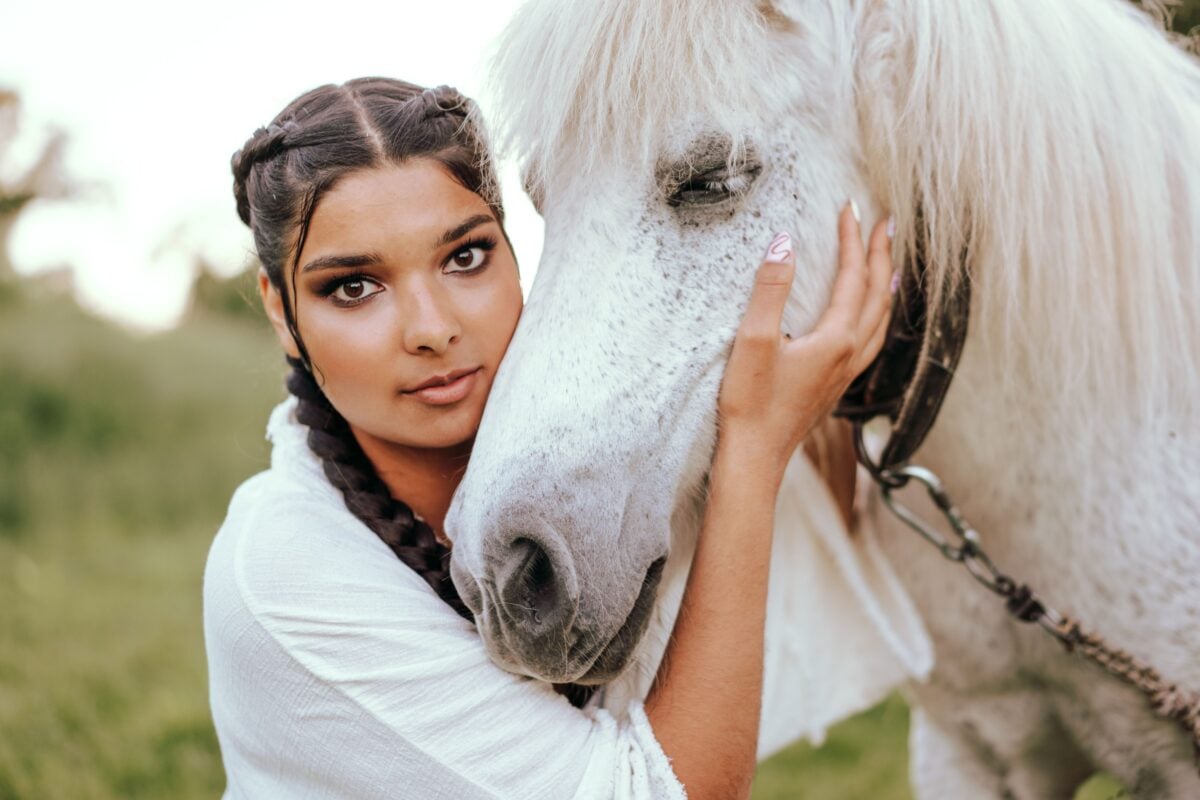
Everyone loves to say their horse “trusts” them. But talk to the people who spend twelve hours a day in the barn, and they’ll tell you most of that is just politeness for a hay bucket.
Real trust, the kind that rewires how an animal survives, looks completely different. It’s narrower, stranger, and far more permanent than anyone expects.
Some horses don’t just prefer one rider. They organize their entire nervous system around that person and quietly decide no one else will ever get the same version of them again. Here’s what that actually looks like once you know where to watch.
#1 – The Horse Watches Only One Person in a Crowd
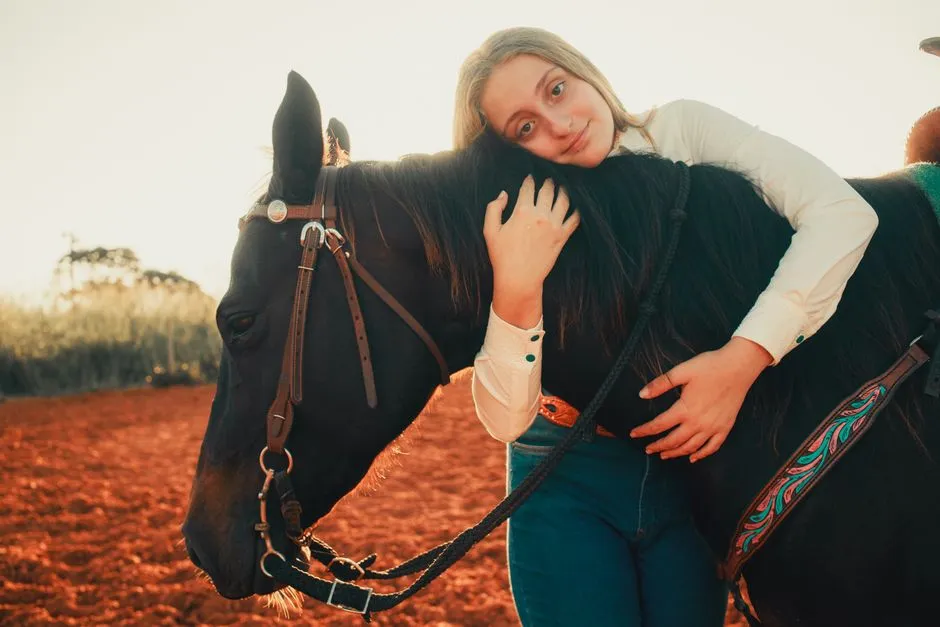
Here’s the first tell: in a busy barn, the horse’s eyes quietly track one specific human and almost no one else. You’ll catch it at shows, clinics, even chaotic lesson barns where treats and voices are flying from every direction.
People walk past with snacks, other riders call its name, but this horse keeps flicking an ear or an eye toward “its” rider. The second that person steps into the arena or down the aisle, the horse’s head lifts, nostrils soften, and the whole body shifts from neutral to “there you are.”
This isn’t just recognition. It’s orientation. That rider becomes the reference point for what’s safe or scary in the entire environment.
- Other handlers may need a lead rope just to get its attention.
- The chosen rider can often simply step into view and get the same result.
When one person becomes the horse’s moving “home base,” that’s more than a casual bond. It’s the nervous system bookmarking one human as its safest answer.
Fast Facts
- A horse’s eyes give it close to a 350-degree field of view, so picking one person out of a crowd is a deliberate choice, not an accident.
- Horses do carry a blind spot right in front of the nose and another directly behind the tail.
- That wide-angle setup means a horse can track its trusted rider’s every move without ever turning its head.
#2 – The Horse Loads in the Trailer Only for Them
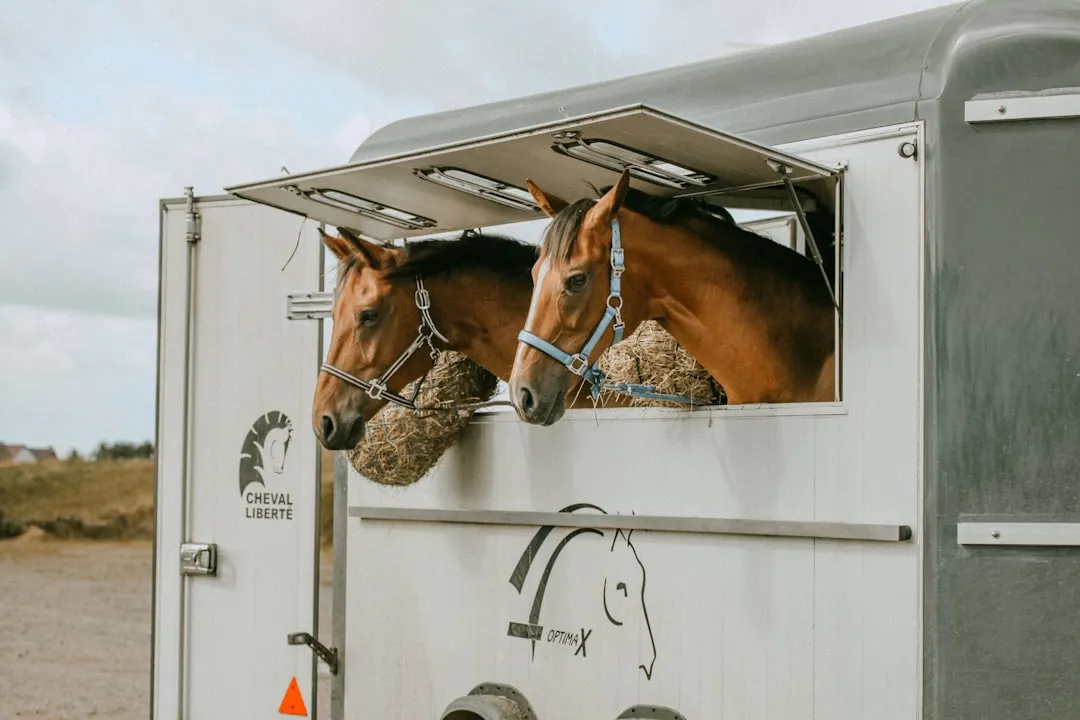
People call it “stubbornness,” but trailer drama is usually trust drama in disguise. If a horse refuses to load, plants its feet, or throws itself backward for everyone else, then calmly walks on the second one rider shows up, that’s not luck.
This is a prey animal agreeing to walk into a dark metal box because one particular human said, “you’re okay.” In some barns, nobody can get the horse to a vet appointment or a show unless that rider is standing at the ramp.
It’s inconvenient, sure. But it’s also a screaming neon sign that this is the only person whose judgment the horse fully believes, especially in one of the most stressful situations a horse can face.
- Trailers rank among the highest-stress environments for horses.
- Choosing to trust one voice in that chaos is a massive psychological leap.
When a horse will walk into its personal nightmare just because that person asks, you’re not dealing with basic obedience anymore. You’re standing in exclusive trust territory.
#3 – It Forgives Clumsy Mistakes From That Rider Alone
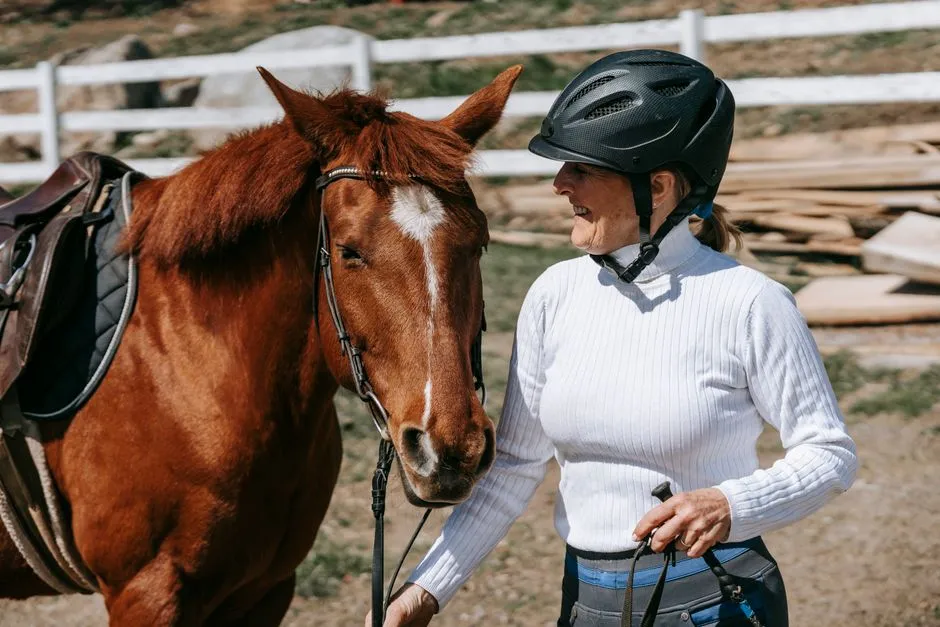
Here’s the part most people miss: a truly bonded horse will forgive “its” rider for mistakes it punishes in everyone else. Watch closely at any barn and you’ll see the double standard play out in real time.
A beginner tugs too hard on the reins, and the horse tosses its head, pins its ears, maybe even bolts. The chosen rider accidentally bumps a rib or clips a rail, and the horse just snorts and carries on like nothing happened.
It doesn’t mean pain suddenly stops hurting. It means the emotional story behind that pain is different, because to this horse, other riders are potential threats while this one rider gets the benefit of the doubt.
- Bad distances to jumps get quietly overlooked.
- Sloppy mounts or messy transitions don’t blow the horse’s mind.
When a prey animal stops holding your errors against you, it’s decided your presence is safer than its own self-protective reactions.
#4 – The Horse Won’t “Switch Off” Its Wary Mode for Anyone Else
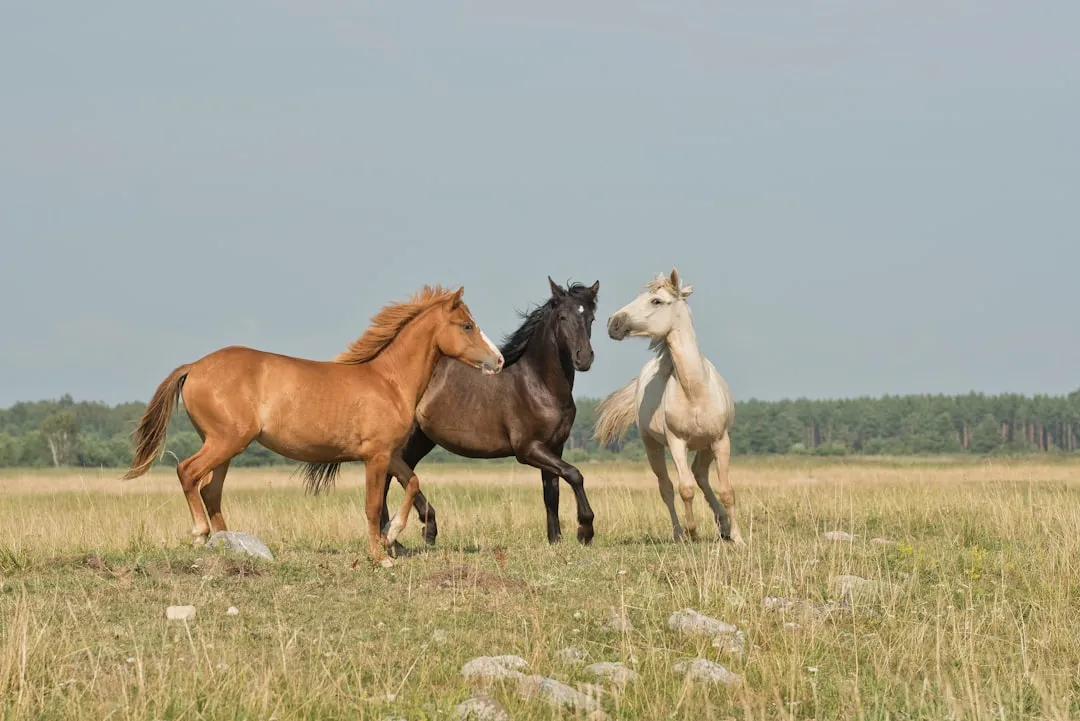
People love to brag that their horse is “bombproof.” Then someone else climbs on, and suddenly that reputation evaporates.
A horse that has handed its trust to one rider often turns into a completely different animal for everyone else: tense back, shorter stride, spooking at objects it ignored five minutes earlier. Trainers call it “testing” or “naughty,” but more often it’s a horse reverting to survival mode the second its trusted interpreter is gone.
The original rider climbs back on, and the transformation is instant. Longer neck, deeper breath, ears soften, like someone finally exhaled.
- Many “difficult” horses are actually highly tuned to one human’s body language.
- With that person they feel safe enough to fully relax; with others, they don’t dare.
So when the horse never seems truly off-guard unless that one rider is there, it’s showing you its default setting is doubt, and only one person can override it.
“Horses have a blind spot about four feet in front of them and directly behind them.”
Dr. Whitaker
#5 – Separation Anxiety Locks Onto a Person, Not the Herd
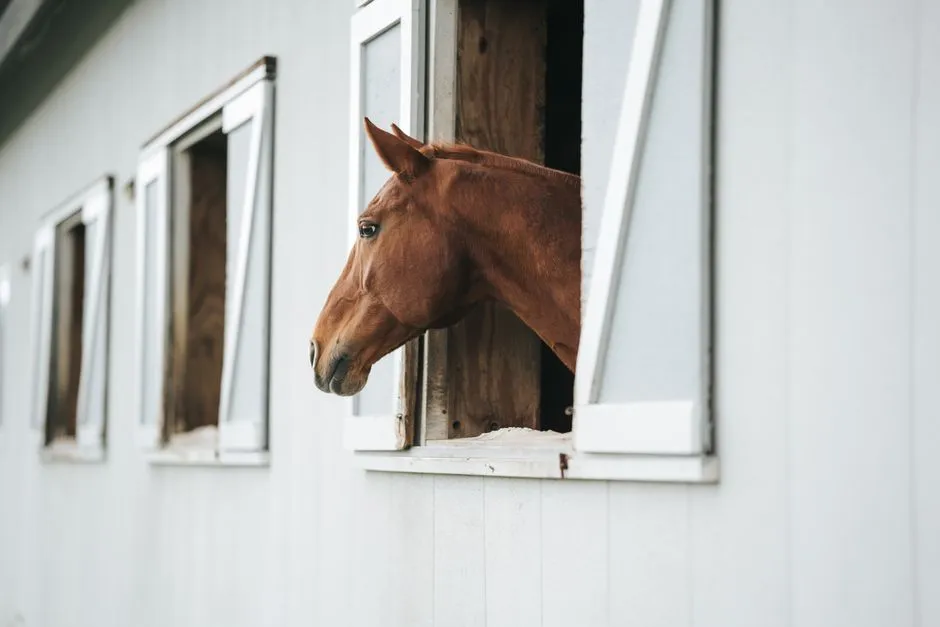
Most riders assume herd-bound behavior is about other horses. Sometimes it’s not, and that mix-up costs people a lot of confused troubleshooting.
If a horse gets visibly distressed when one person leaves the arena, the barn, or just walks out of sight, while staying relatively calm as other horses and humans come and go, that’s a bond that has shifted from the herd to a single human. You’ll see calling, pacing, staring at the driveway, and sudden trouble focusing on work the moment that rider disappears.
This isn’t spoiled behavior. It’s an attachment pattern, and it shows up in specific, repeatable ways.
- The horse settles the instant it hears that rider’s voice again.
- It ignores every attempt from others to comfort, pet, or distract it.
A horse that anchors its emotional stability to one human instead of the herd has already rewritten its own survival rulebook. That kind of attachment doesn’t transfer easily, and often it doesn’t transfer at all.
#6 – It Checks In With Touch, Not With Its Stomach
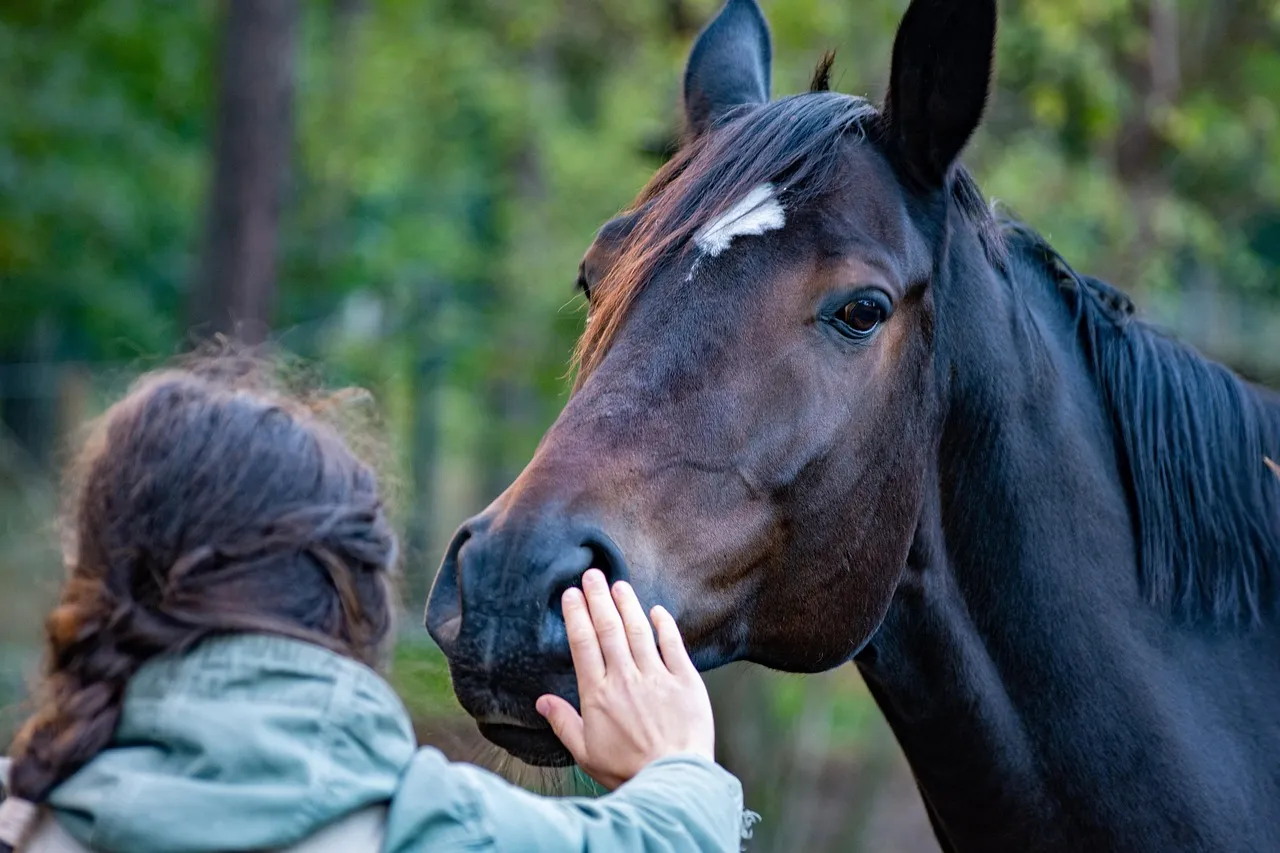
Not all nudging is rude. Some of it is a quiet question the horse is asking without words.
The horse that gently touches one rider’s arm, hip, or back, especially in new or mildly tense situations, without searching pockets or lipsmacking for food, is doing something different. It’s checking that its emotional anchor is still there. This can look like soft muzzle touches, a brief lean of the forehead, or resting its nose against a shoulder and just staying still.
With everyone else, the same horse might be brisk, distant, or completely food-motivated instead.
- With strangers, the horse investigates for snacks first.
- With its person, it seeks contact, then visibly relaxes.
This isn’t cuteness. It’s a regulation strategy, and once a prey animal starts soothing itself by touching one human, you’re well past casual affection and deep into one-way loyalty.
#7 – It Will Leave the Herd for Only One Person
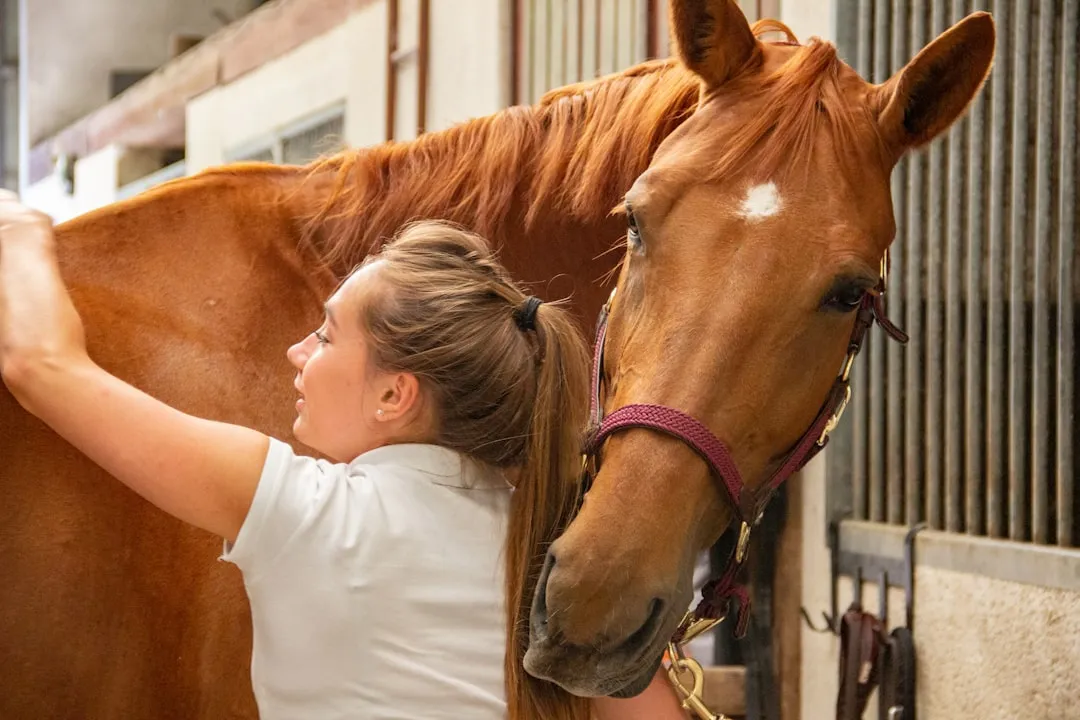
Horses are wired to fear isolation more than almost anything else in their world. So when one calmly leaves the herd on a loose rein with one rider, but resists, plants, or panics for everyone else, that’s not just training.
Watch what happens on the trail. A buddy horse turns back, or the group splits off. With most riders, this horse might whirl, spin, or drag back toward its friends. But when its chosen rider asks, it hesitates for a beat, sighs, and goes on anyway.
That tiny moment is everything. The horse is overriding millions of years of herd instinct because it trusts this one human more than the comfort of the group.
- “He only respects one person,” trainers say, missing the point entirely.
- “She’s being bratty with everyone else,” they add, when it’s really about safety, not manners.
Respect without felt safety is just fear wearing a nice halter. When a horse will walk away from its biological safety net because you said so, that loyalty is rarely transferable.
#8 – It Mirrors That Rider’s Emotions With Eerie Precision
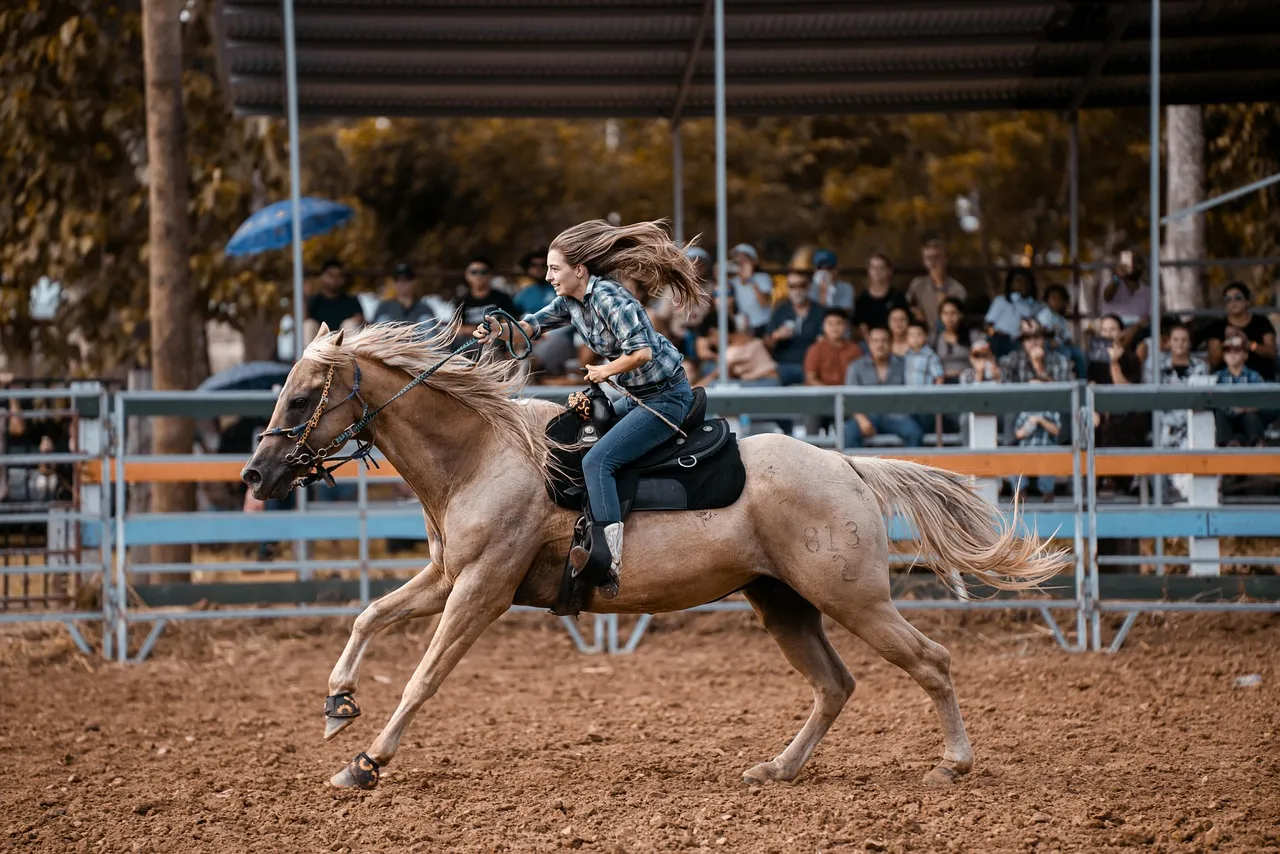
Horses read emotions in general. But some take it to a surgical level with just one person.
You’ll see the horse go from hot and tense to quiet and rhythmic the moment that rider takes a deep breath. Flip it around: if that rider walks into the barn stressed or angry, the horse gets tight, distracted, maybe even reactive, while staying perfectly ordinary around everyone else’s mood swings.
It’s as if this horse has tuned its inner radio to one person’s nervous system and turned the volume all the way up.
- Lesson kids cry nearby, and the horse barely reacts.
- That one rider’s voice cracks, and the horse’s energy shifts instantly.
Is it romantic to say “they feel what we feel”? Maybe. But barn after barn, riders quietly admit certain horses track them more closely than any therapist ever could. When a horse syncs to one heart rate and mostly ignores the rest, that’s attachment, not coincidence.
Worth Knowing
- Research on horse-human pairs has found heart rates syncing up between horses and their familiar handlers during grooming and groundwork.
- Horses tended to stay calmer, with lower heart rates, around someone they knew well compared to a stranger.
- Some researchers think this physiological mirroring is part of why a horse’s mood can flip the instant its person’s mood does.
#9 – It Only Lets Them Touch Its “No-Go” Zones
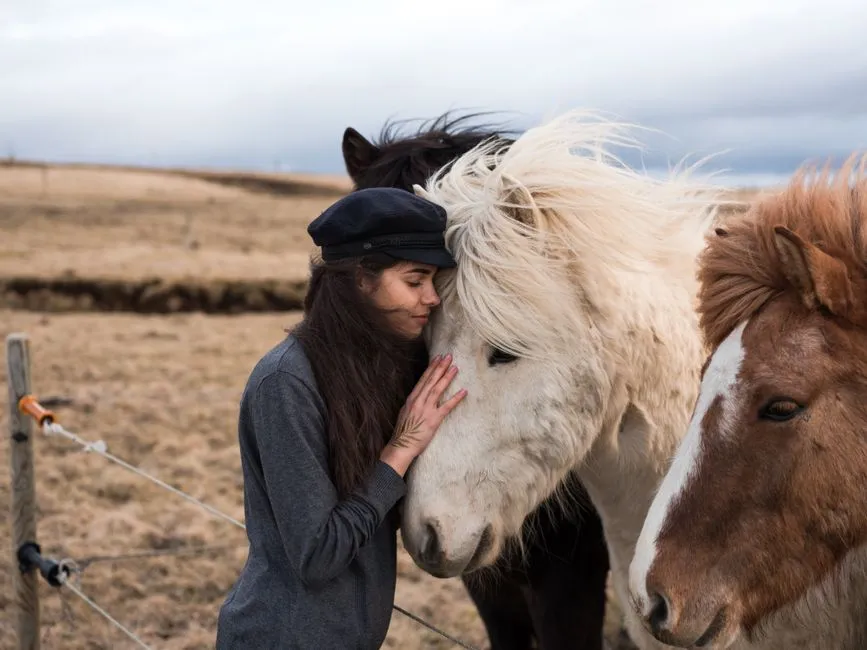
Every horse has boundaries: ears, scars, old injury sites, hind legs, sheath or udder, sensitive belly spots. When one rider can brush, clip, medicate, or inspect those no-go areas with minimal fuss, while everyone else risks a bite, kick, or full-body flinch, that’s evidence of something deeper than generalized comfort with humans.
This is especially striking with rescue horses, stallions, and mares who have plenty of reasons not to trust anyone. The horse has individually vetted one person as safe inside its most vulnerable zones, and it shows.
- The horse still warns others off with pinned ears or a lifted leg.
- For its person, it stands rigid at first, then slowly melts and exhales.
That’s not favoritism. It’s consent, given on a strictly one-person basis. Once an animal that could easily defend itself chooses not to, solely for one handler, you’re watching non-transferable trust in real time.
#10 – It Moves Before the Aids Even Arrive
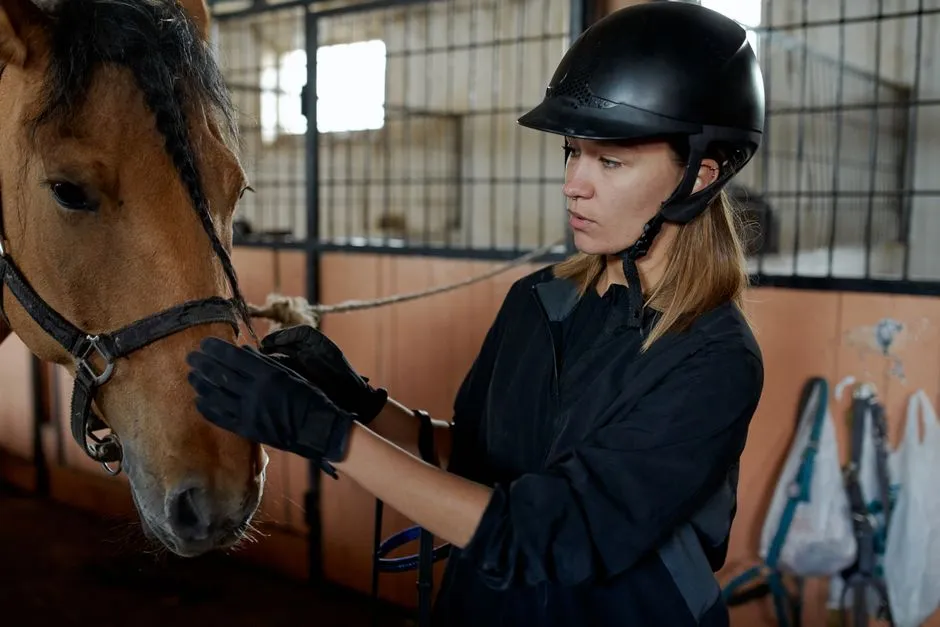
In a true one-rider bond, cues start to look like telepathy. A horse that used to require strong leg, spur, or crop starts stepping forward from a thought-level suggestion the moment its chosen rider asks.
It offers canter transitions, lateral work, or tiny adjustments in stride before the aids even become visible. Then another rider climbs on, and suddenly all that “magic” vanishes, replaced by a horse that looks dull, resistant, or just confused.
This isn’t showmanship. It’s the horse choosing to meet one person halfway, every single time.
- Yes, some of this is genuinely good training and tactful riding.
- But not all well-trained horses offer that same generosity to random riders.
When one specific person can ride mostly on intention while everyone else has to shout with their whole body, the horse has decided: you, I will listen to before you even ask. The rest of you have to prove it first.
#11 – It Chooses Them Over Its Own Terror
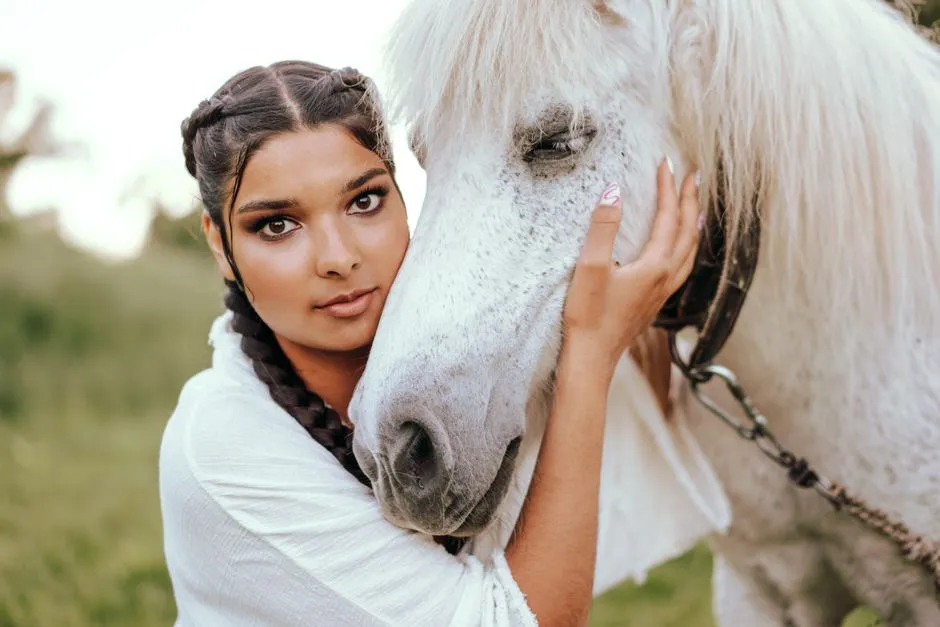
Fear is the moment that reveals what’s real. When a tarp flaps, a dog charges, or thunder cracks, some horses go blind with panic. But watch who they choose in that split second.
A horse that swings its body toward one rider, presses into their space, or even hides its head against that person’s chest is sending a clear message: tell me what to do, and I’ll believe you over my own terror. Then, if that same horse spins and runs through the hands of any other human in a similar moment, the comparison becomes impossible to ignore.
People will say, “he’s dangerous with others.” Really, it’s simpler than that.
- To everyone else, their signals are just more noise on top of the fear.
- With his person, their calm becomes his roadmap out of it.
Once a prey animal decides your presence outranks its instinct to flee, that hierarchy tends to be permanent and very rarely reassigned.
#12 – Rehab Only Goes Smoothly Under That One Person
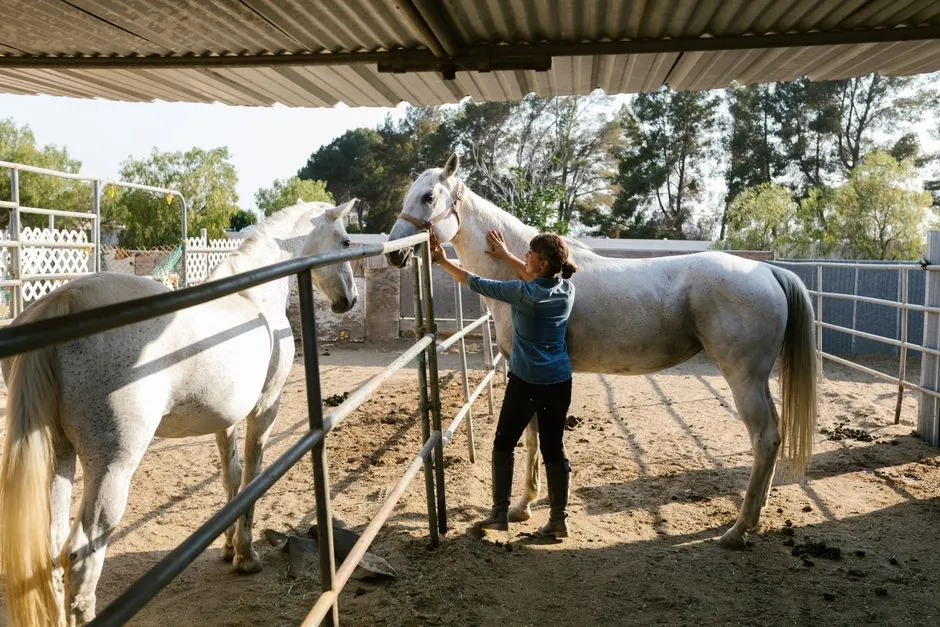
Rehab exposes every crack in a horse-human relationship. Stall rest, hand-walking, slow trot sets: it’s a cocktail of boredom, pain memory, and pent-up energy waiting to explode.
If the horse becomes unmanageable, pushy, rearing, or explosive with most handlers, but drops its head, matches steps, and respects tiny boundaries with one rider, that’s a horse choosing to self-regulate for one specific human. The rules aren’t just learned. They’re emotionally anchored to that one relationship.
- Barn staff dread hand-walking this horse on any given day.
- The primary rider shows up, and the horse suddenly looks like a therapy animal.
This doesn’t mean the horse is spoiled for everyone else. It means trust was built over a thousand small, uneventful, consistent days that nobody was around to see, and you don’t erase that with a new saddle and a different voice.
#13 – It Physically Guards That Rider From Other Horses
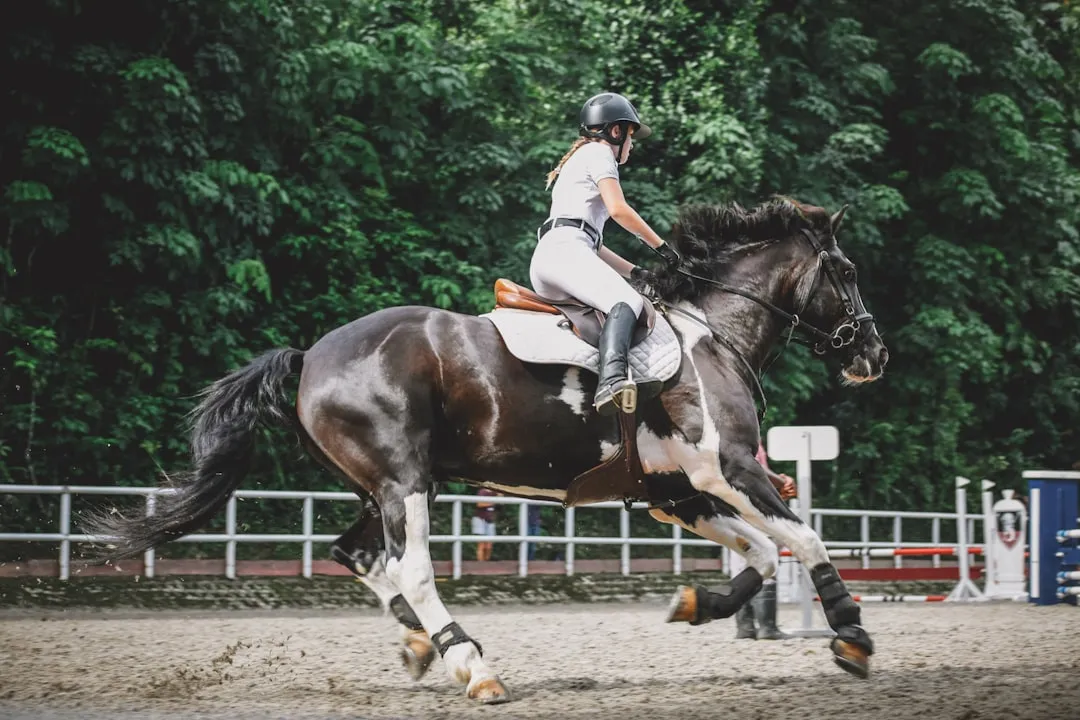
Some people misread this as jealousy. It’s more complicated, and more protective, than that.
A horse that physically steps between “its” person and another horse, snakes its neck, pins its ears, or subtly blocks approach isn’t just being possessive. It’s trying to protect the bubble where it feels safest in the entire world.
This can get controversial, because it isn’t always welcome behavior, and good handlers are right to correct dangerous crowding or aggression. But if the horse only shows that guarding instinct around one rider and stays socially neutral around everyone else, the pattern speaks for itself.
- It cuts off pushy pasture mates near the gate the moment its rider is present.
- It gives a subtle swing of the hindquarters to keep others away from the grooming area.
Is it ideal? No. Is it revealing? Absolutely. When a horse takes responsibility for keeping you safe in its own awkward way, it’s admitting it feels safer with you than anywhere else, and it doesn’t plan on sharing.
#14 – Its Eyes Only Go Soft Around Them
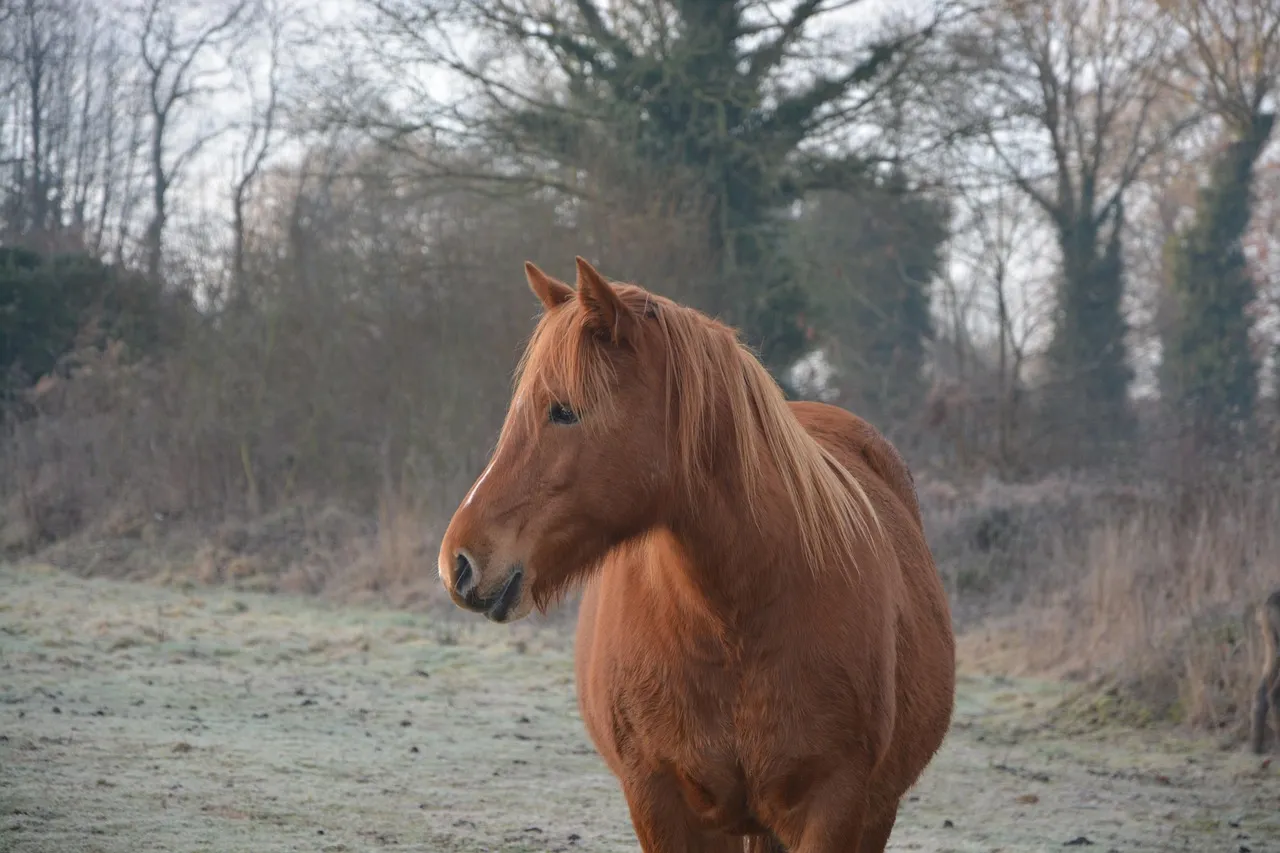
Horse people talk about “soft eyes” the way wine people talk about tasting notes. But the difference here is visible from across the barn aisle.
In cross-ties, turnout, or under saddle, some horses carry a hard, distant, scanning gaze with most humans: whites of the eyes showing, rapid blinking, a fixed stare at the exits. Then the one rider arrives, and everything shifts. Eyelids lower, the muzzle loosens, the lower lip droops, and the gaze turns heavy and almost sleepy.
That’s a horse dropping out of hypervigilance because one specific nervous system just walked into range.
- The horse naps while tied when that rider is nearby, but fidgets with everyone else.
- It dozes between classes at shows only if that person is within sight or smell.
Soft eyes aren’t cosmetic. They’re a nervous system status report, and if one human flips the switch from scanning to safe, that’s as close as a prey animal gets to saying, “I trust you with my life.”
Quick Compare
- With a stranger: whites of the eyes show, ears flick constantly, muzzle stays tight.
- With their person: eyelids droop, lower lip hangs loose, breathing slows.
- With a stranger: the horse stays on alert even in a familiar space.
- With their person: the horse can doze standing up, fully off guard.
#15 – It Only Has a “Home” Rhythm With That Rider
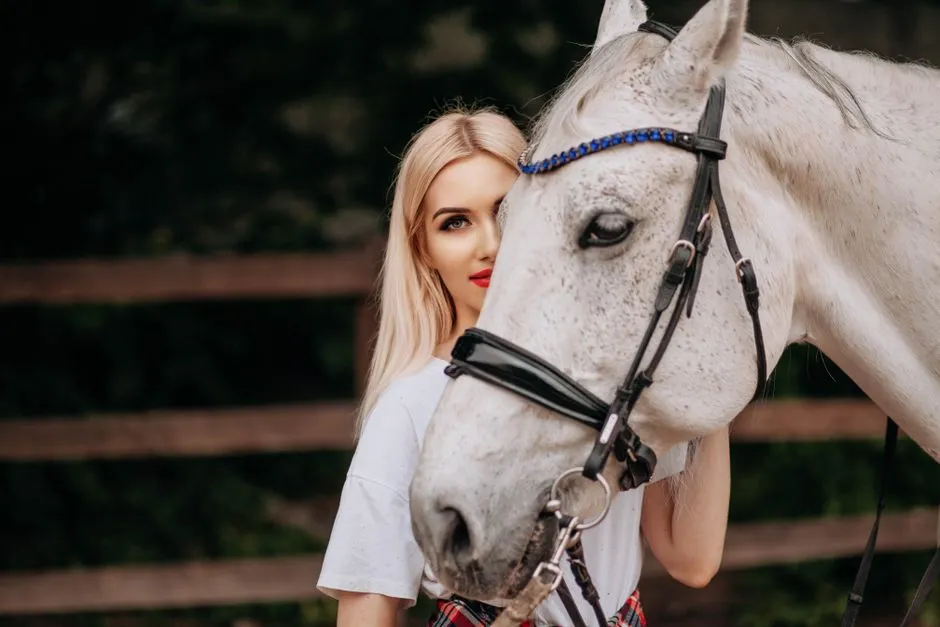
Some horses have a specific place they return to mentally: a cadence, a posture, a way of going that basically means “this is me when I’m okay.” For a one-human horse, that home base only appears under one seat and one set of hands.
With others, it’s inconsistent: maybe rushy, maybe shut down, maybe robotic and mechanical. But when its rider is up, the horse falls into a familiar rhythm, with swinging back, consistent contact, balanced turns, the same breathing pattern every single time.
It’s like watching someone exhale into their favorite chair after a long, hard day.
- “He only goes like that for you,” trainers say, half-amazed.
- “She’s a totally different horse when you’re riding,” they add, and they mean it literally.
That’s not about talent alone; plenty of talented riders never get that version of the horse. It’s about a horse choosing one rider as the one place it can finally be itself without bracing for something bad.
#16 – It Grieves Tangibly When That Rider Disappears
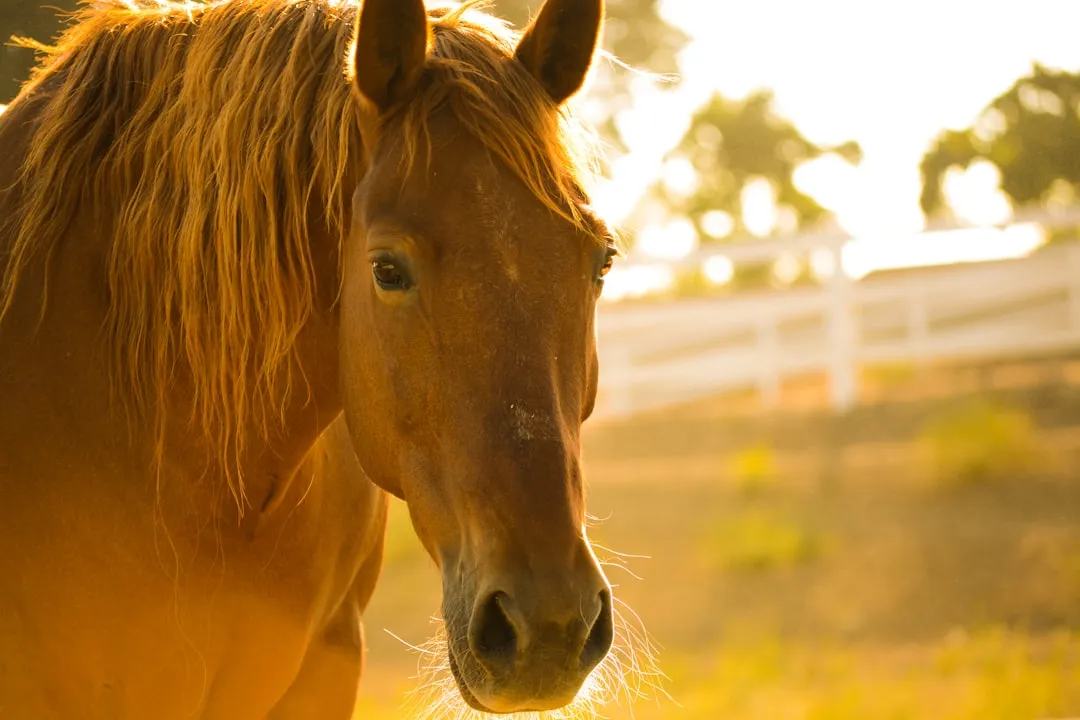
No one likes to talk about this part, but it’s real. When a horse has given its whole trust to one rider and that person moves away, sells it, or passes away, the horse often doesn’t bounce back quickly, if at all.
Some stop eating well. Others stand at the gate at specific times, searching driveways or arena doors for a shape that isn’t coming. Work with new riders can feel flat, mechanical, or explosively resistant, and people label them dangerous, broken, or “ruined,” when in reality they’re grieving a lost attachment figure.
Yes, horses can and do build new bonds eventually. But some never fully hand over that same depth of trust again.
They may become perfectly functional with another human, yet never offer the same softness, forgiveness, or voluntary vulnerability twice. When a horse’s best self seems to have left with one rider, you’re looking at the end result of everything on this list: trust so complete it imprinted on a single person, not the species.
The Bottom Line
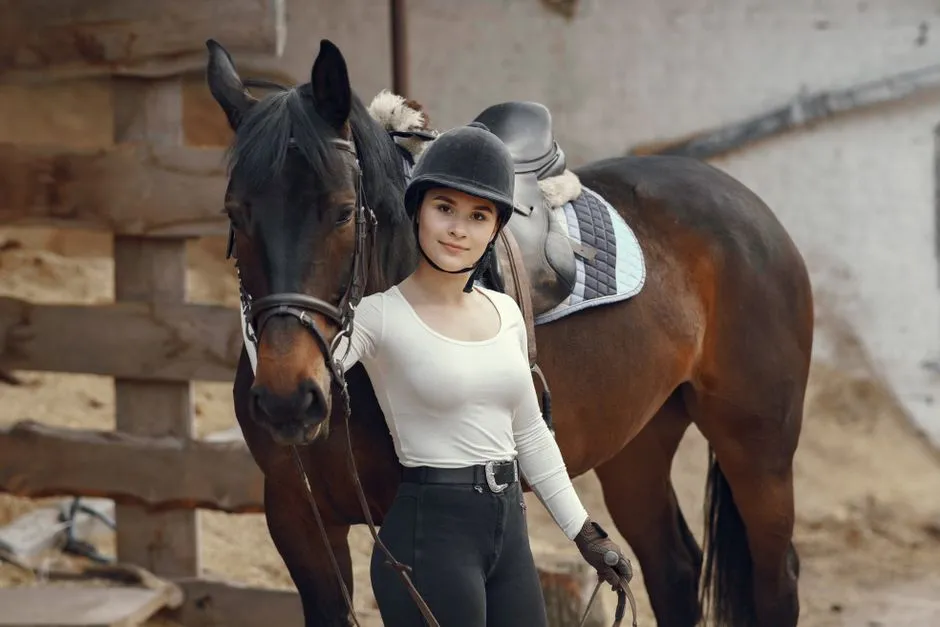
Most people want to believe any horse can be won over with the right treats, gear, or training method. The reality is not that tidy.
Some horses hand their entire trust, safety, and sense of self to one rider, then quietly decide that’s the only human who will ever get that version of them. You can call it inconvenient or you can call it romantic, but it’s real, and barns everywhere have one or two horses that prove it.
Here’s the hard truth: you can train skills into almost any horse, but you can’t mass-produce this kind of loyalty. It’s built over years of boring consistency, fair corrections, and being the one person who never lies about what comes next.
Did we miss a sign your own one-person horse shows only for you? Drop it in the comments and tell us what the rest of the world doesn’t see.

- 17 Plants Experienced Gardeners Say They Wish They Had Put In Years Before They Finally Did - August 1, 2026
- 16 Signs a Horse Has Handed Its Whole Trust to One Rider and Will Never Transfer It - August 1, 2026
- 20 Strange Hummingbird Behaviours Researchers Say Look Like Nothing Else Anywhere in the Entire Bird World - August 1, 2026