
Ask a gardener with twenty years of dirt under their nails what they regret, and you won’t hear about a plant that died. You’ll hear about a plant that lived – one they waited far too long to put in the ground.
The pattern is almost eerie once you notice it. The same handful of plants keep showing up in these confessions, again and again, from gardeners who’ve never met each other. Here are the 17 they name most – and the quiet reasons each one still stings a little.
#1 – Hydrangeas (Especially Panicle & Smooth Types)
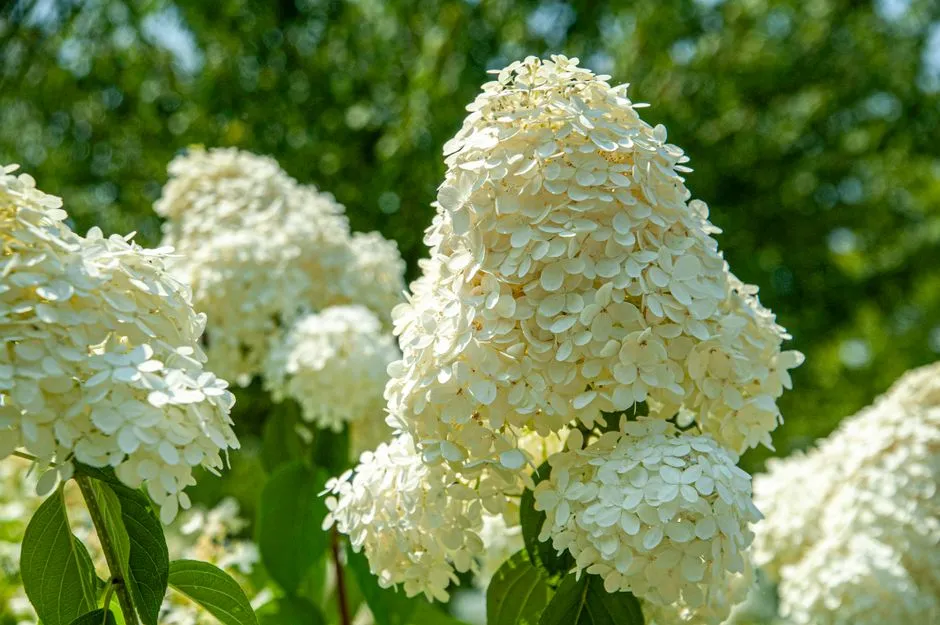
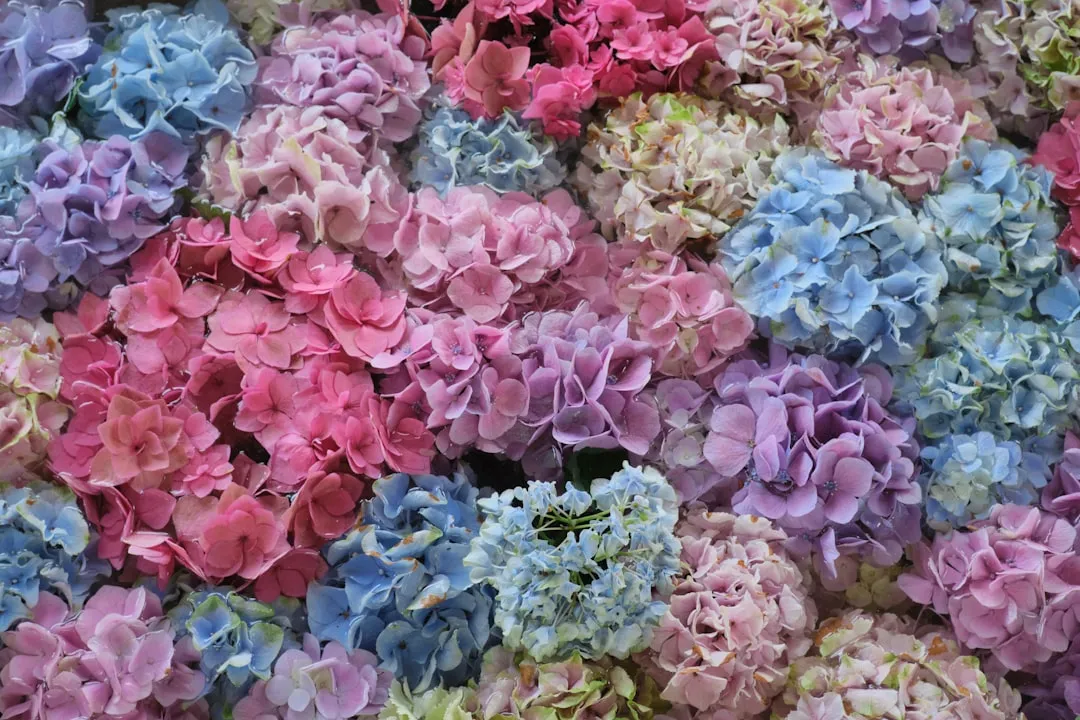
Hydrangeas are the plant almost every seasoned gardener says they “finally caved on,” then immediately regretted waiting so long. The right types – panicle (like ‘Limelight’) and smooth (like ‘Annabelle’) – are shockingly forgiving compared to the fussy bigleaf kinds people kill over and over. They handle cold, bounce back from bad pruning, and still shower the yard in huge summer blooms that dry into winter decorations.
What most beginners don’t realize is how much design work hydrangeas quietly do for them. They blur ugly fence lines, anchor beds so annuals don’t have to carry the whole show, and hold their color for months instead of days. Many experienced gardeners admit that if they’d planted a hydrangea hedge ten years earlier, they’d have saved a small fortune on filler plants that never earned their keep.
Fast Facts
- Panicle hydrangeas bloom on new wood, so they can be cut back hard in late winter without losing next season’s flowers.
- Smooth hydrangeas like ‘Annabelle’ tolerate full sun in cooler climates but appreciate afternoon shade in hot regions.
- Bigleaf hydrangeas bloom on old wood, which is why a late frost can wipe out an entire season’s flowers.
- Dried hydrangea blooms hold their shape and color for months, making them a favorite for wreaths and indoor arrangements.
#2 – Peonies
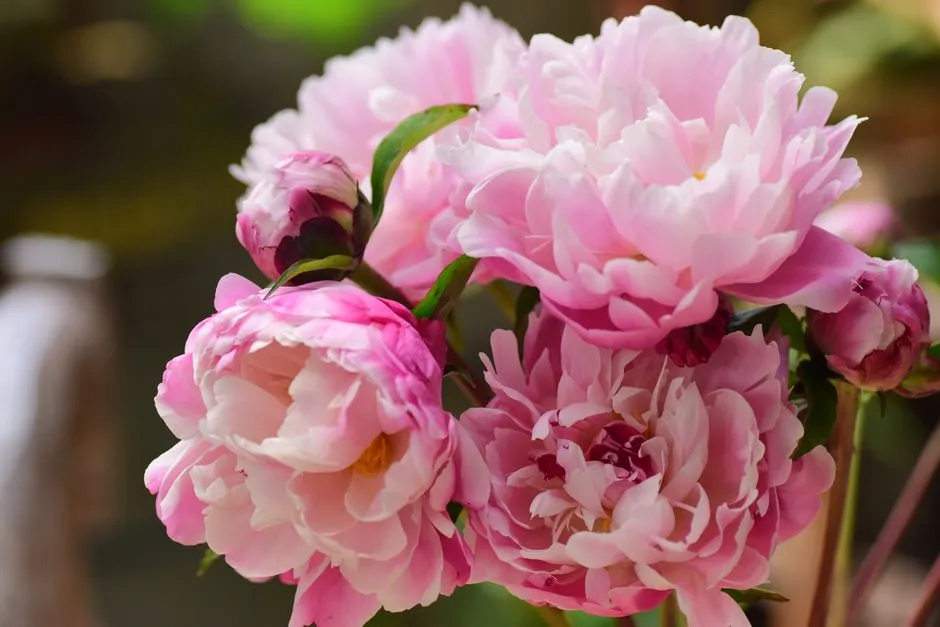
Peonies are the plant people assume are “too fancy,” until they see how little effort they actually require. Once established, these things can live for decades in the same spot and still deliver armloads of spring flowers every single year – no fussy digging, no constant dividing, just a reliable explosion of blooms that look like they belong in a florist’s cooler.
The real secret is patience: peonies might sulk the first year or two, then switch into set-and-forget mode for good. They’re deer-resistant in many areas and shrug off winters that kill more fragile plants outright. The regret most gardeners share isn’t that they planted peonies – it’s that they didn’t plant way more of them the first year they had the chance.
#3 – Berry Bushes (Blueberries, Raspberries, Blackberries)
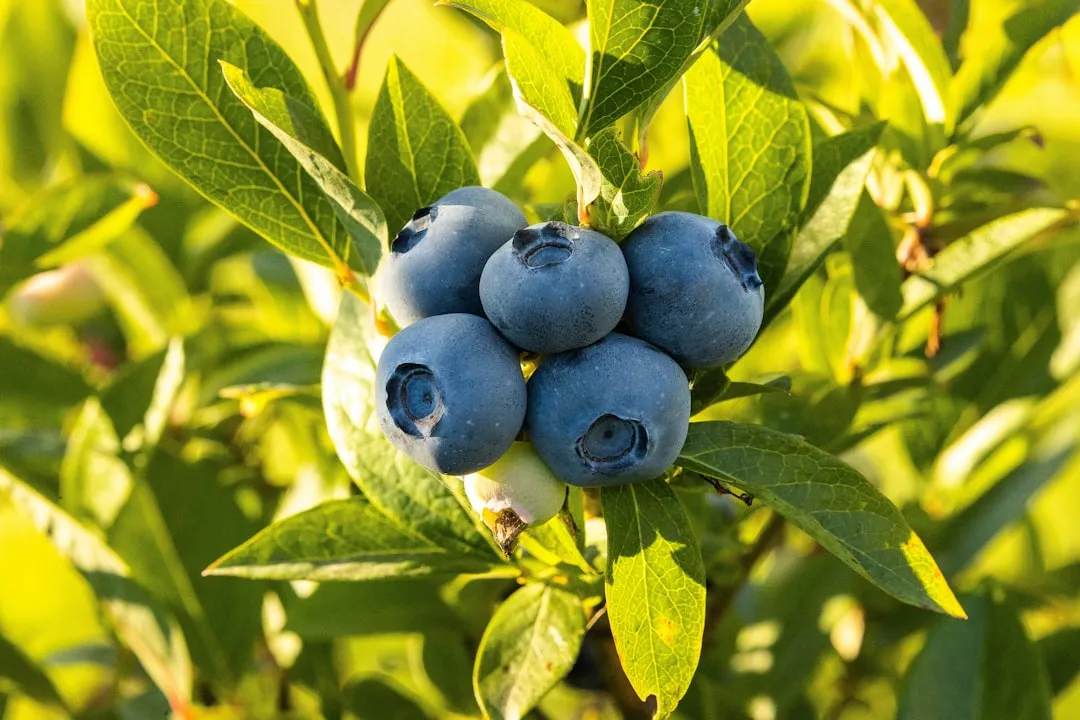
Almost every long-time gardener has the same story: “I thought berries were too much work, then I finally planted them and realized I could have been harvesting for years.” The punchline is that most modern varieties are far easier and cleaner than people assume. Blueberries double as ornamental shrubs with fiery fall color, while raspberries and blackberries turn boring fence lines into productive hedges.
Instead of buying pricey little clamshells at the store, suddenly there are bowls of fruit from plants you barely touched. These shrubs settle in and get better every year, especially with disease-resistant varieties, and they’re a sneaky way to get kids excited about the garden. Yes, you’ll need basic pruning and some bird protection, but once you’ve eaten your own sun-warmed blueberries, you’ll wonder why you waited.
#4 – Ornamental Grasses
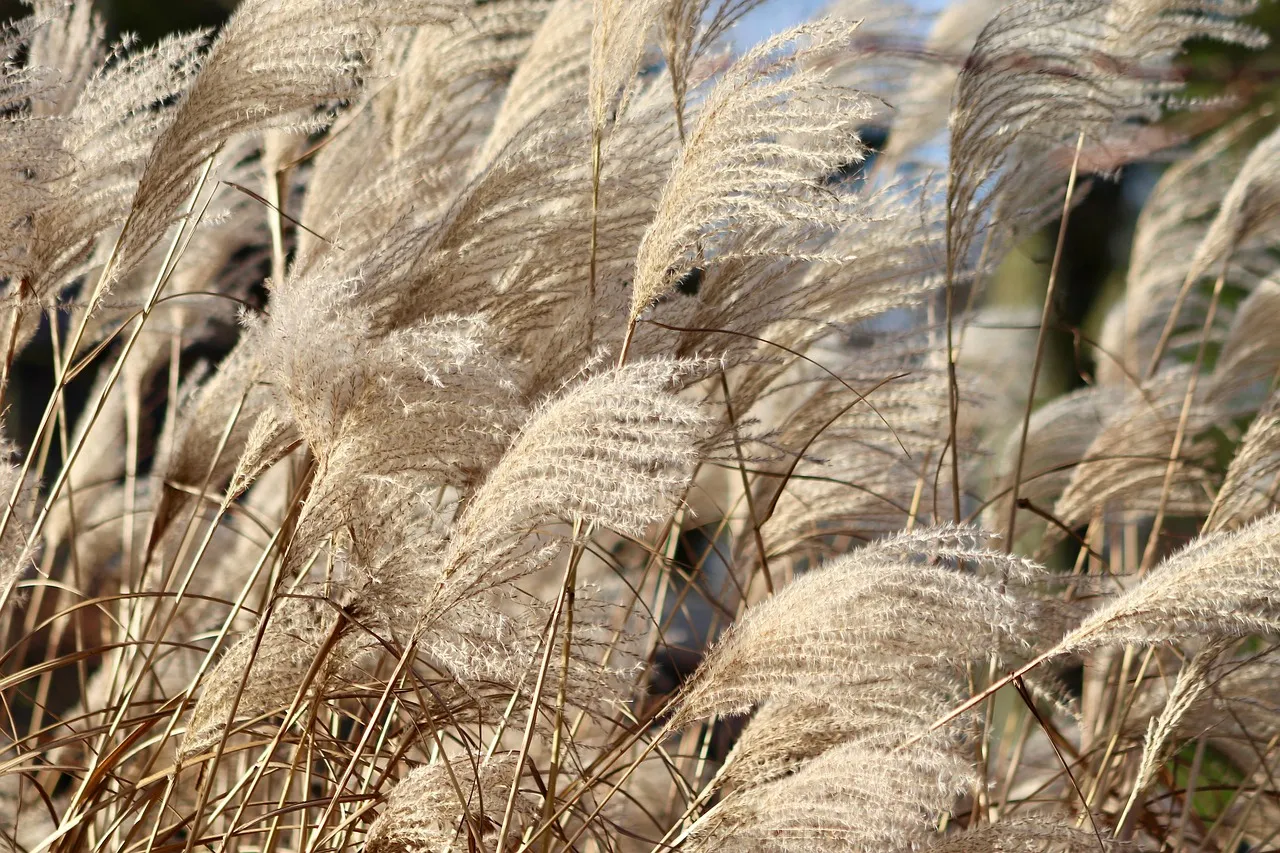
Many gardeners dismiss ornamental grasses as “just green stuff” until they finally plant a few and realize they change the entire feel of a yard. Grasses add movement, sound, height, and a modern texture most flower beds quietly lack. The irony is they’re often the lowest-maintenance plants in the whole garden – cut them back once a year, water a bit while young, and let them do the rest.
Experienced gardeners also rave about their year-round presence. In summer they soften hard edges and hide leggy stems; in fall and winter, their seedheads catch frost and snow and give structure when everything else is dead sticks. Some now say a border without grasses looks unfinished to them – proof that the plant they once ignored became the backbone everything else leans on.
#5 – Native Milkweed (For Monarchs & Pollinators)
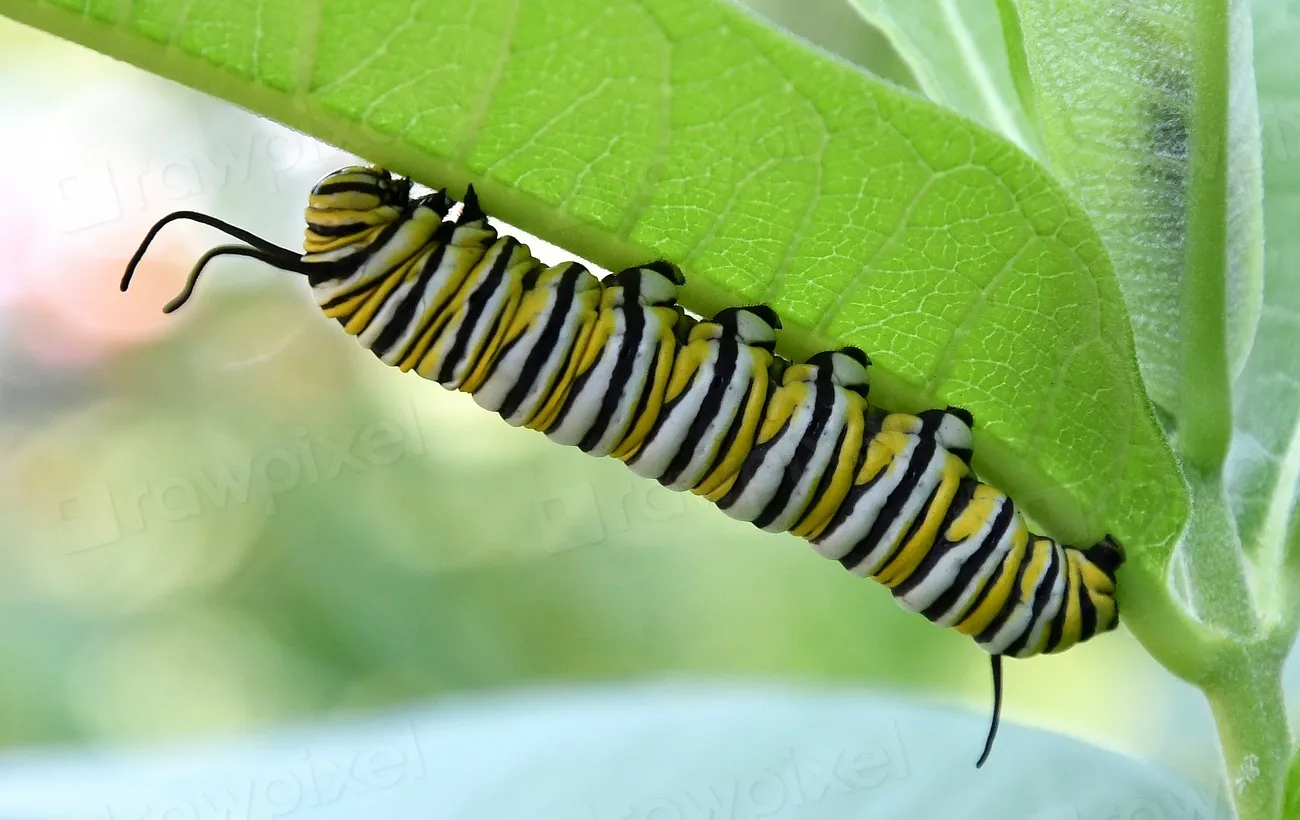
Milkweed is the plant many gardeners avoided for years because they thought it looked “weedy.” Then they finally planted native species like swamp milkweed or butterfly weed and discovered they’d been missing out on a front-row seat to butterfly life. Once you watch monarch caterpillars munching on your plants, you never look at your yard the same way again – it stops being decoration and starts being habitat.
Beyond the emotional pull, milkweed does real design work. Butterfly weed offers bright orange pops of color, swamp milkweed brings height and fragrance to damp spots, and even the seed pods add interest in fall. A couple of intentionally placed clumps look nothing like an unkempt ditch, and as pollinator gardening shifts from trend to basic responsibility, plenty of veteran gardeners quietly admit they feel late to the party.
#6 – Culinary Herbs (Thyme, Rosemary, Chives, Oregano)
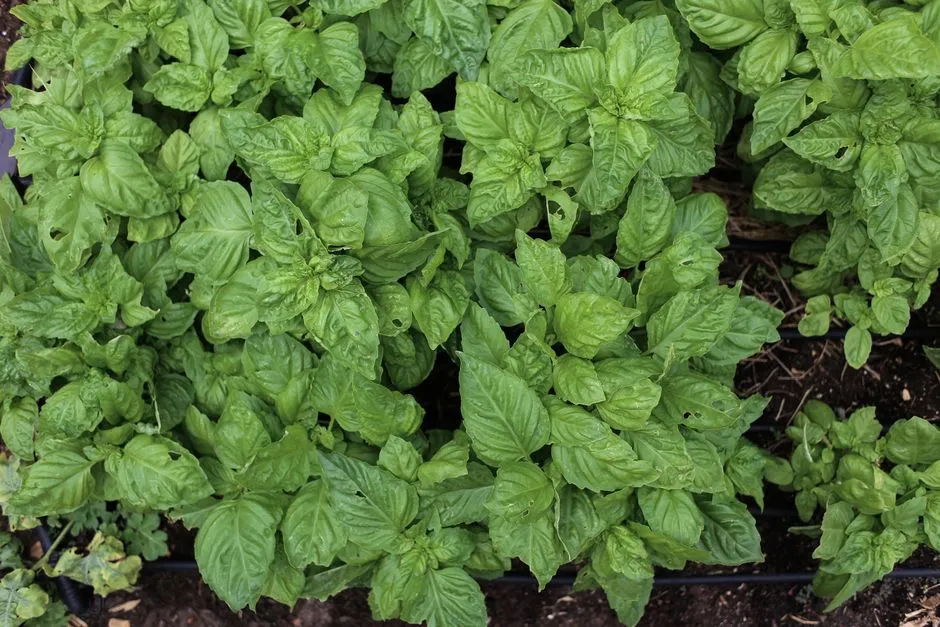
Ask almost any long-time gardener and they’ll tell you: “I can’t believe I used to buy herbs in plastic clamshells.” Hardy culinary herbs are ridiculously productive for the space they use, and often tougher than half the ornamental plants people pamper. Thyme spills over walls, chives make easy clumps, and oregano quickly forms a fragrant groundcover in the right spot.
The other mistake was keeping herbs boxed into “just the veggie bed.” Savvy gardeners now weave chives and their purple blooms through spring bulbs, tuck rosemary and thyme into rock gardens and containers, and let the fragrance spill into everyday paths. Once you start stepping outside to snip fresh herbs instead of driving to the store, you understand exactly why so many gardeners feel robbed of the years they didn’t do it.
#7 – Serviceberry (Amelanchier)
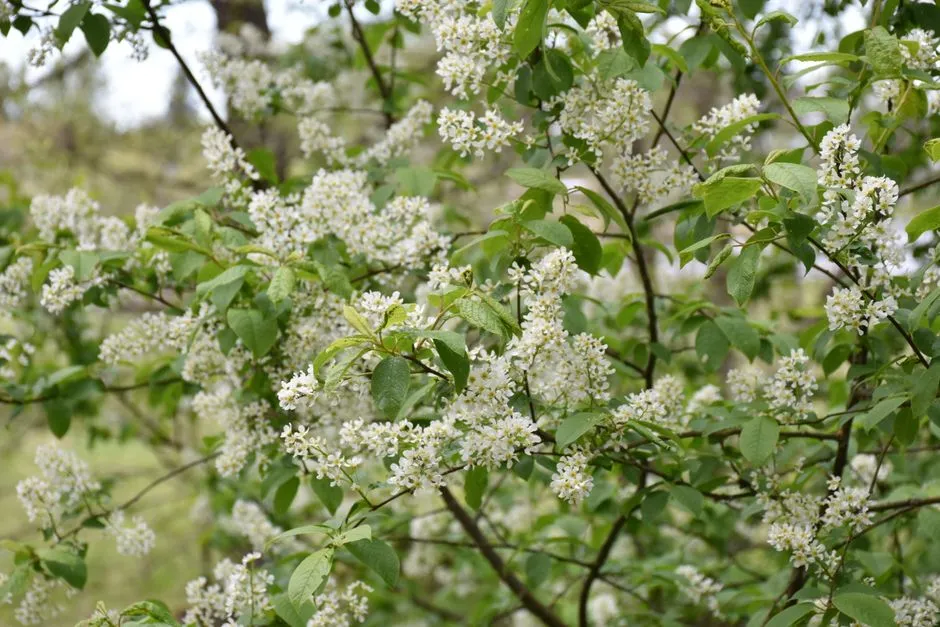
Serviceberry is the small tree most beginners walk right past at the nursery because it doesn’t scream for attention in a pot. Experienced gardeners talk about it like a secret they almost don’t want to share, because one plant delivers spring flowers, edible berries, fall color, and graceful structure – four seasons of interest in a size that actually fits a normal yard.
What shocks people once they finally plant one is how wildlife responds almost immediately. Birds flock to the berries, bees hit the blossoms, and the tree quietly stitches the whole yard into the local ecosystem. More than one gardener has said that if they’d known they could swap a boring ornamental pear for a serviceberry, they’d have done it decades ago.
Why It Stands Out
- Blooms in early spring, often before other flowering trees, giving pollinators one of the season’s first nectar sources.
- Berries ripen in early summer, ahead of most other fruiting shrubs and trees in the yard.
- Fall foliage can turn shades of gold, orange, and red depending on the variety.
- Most varieties stay under 25 feet tall, making them a realistic fit for smaller residential lots.
#8 – Hellebores (Lenten Roses)
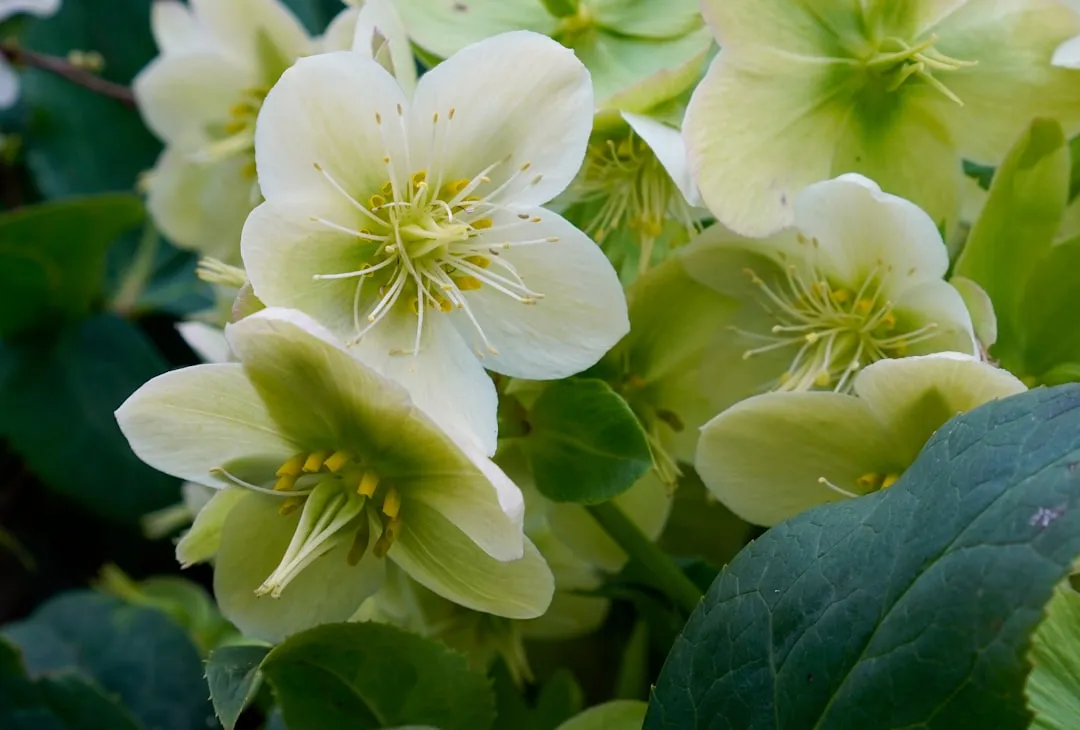
Hellebores are the plant many gardeners think are “for plant nerds” until they tuck a few into the shadiest, gloomiest corner of the yard – and realize they’ve been missing winter and early-spring color for years. These perennials push up nodding, rose-like flowers when everything else is still asleep, sometimes blooming for months while the rest of the garden looks completely dead.
The best part is how little they ask for in return. They’re evergreen or semi-evergreen in many regions, tolerate deep shade that defeats flashier plants, and are generally left alone by deer and rabbits. Once people plant one, they often start collecting varieties – because a shade garden without hellebores starts to feel, to them, permanently unfinished.
#9 – Climbing Roses (The Tough, Old-Fashioned Types)
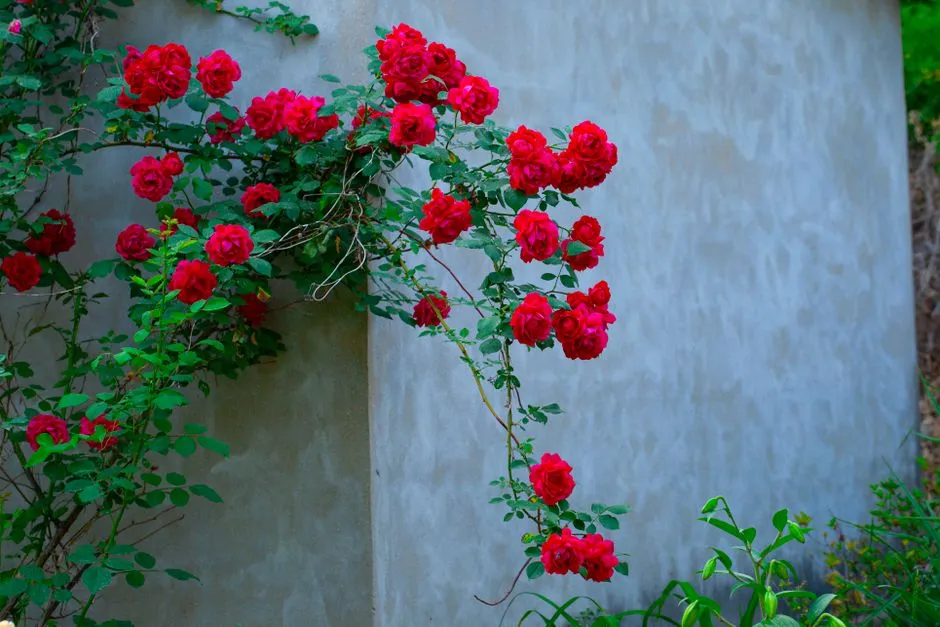
Most beginners either avoid roses entirely because they seem “too fussy,” or buy the wrong kind – tiny patio roses that do nothing for structure. Experienced gardeners eventually discover the magic of rugged, climbing or rambling roses, and then instantly regret not putting one in when their fence or archway was first built. A single well-chosen climber can cover an eyesore, frame a doorway, or turn a plain shed into the most photographed part of the yard.
The crucial detail is choosing disease-resistant, vigorous types suited to your actual climate, not whatever looks pretty in a catalog. Once established, many climbers require less work than fussy hybrid teas and produce spring flushes so dramatic they redefine the whole property. Pair one with clematis and you’ve created a vertical “room” that feels old-world and intentional – the kind of thing gardeners wish they’d started building years sooner.
#10 – Hostas (Yes, Even If You Thought They Were Boring)
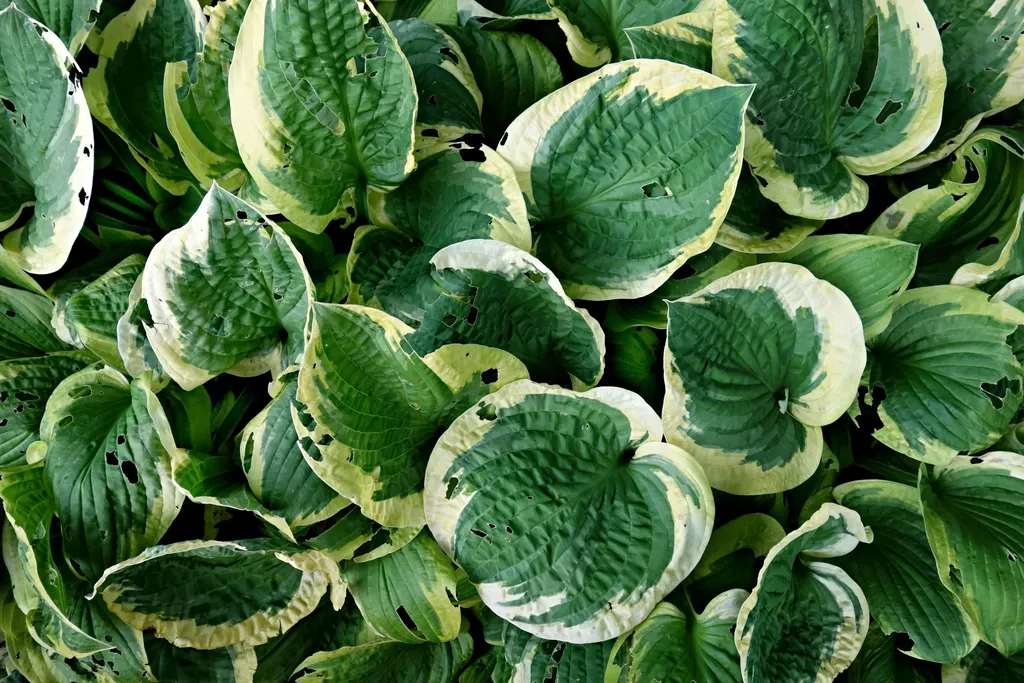
Hostas are probably the most unfairly judged plants in gardening. Many people dismiss them as “basic shade filler” and spend years fighting to make sun-loving flowers survive in dark corners, before finally trying a few hostas and realizing foliage can be more dramatic than flowers. Giant blue varieties, tiny variegated ones, and everything in between turn dead spaces under trees into lush, layered tapestries with almost no effort.
Long-time gardeners also love how forgiving hostas are of division and relocation. Once you have a few established clumps, you can carve off pieces and spread them around, effectively printing free plants across your yard. Pair them with ferns, hellebores, and bulbs, and that once-hopeless problem area becomes the most calming, reliable part of the whole garden.
#11 – Dwarf Conifers and Upright Evergreens
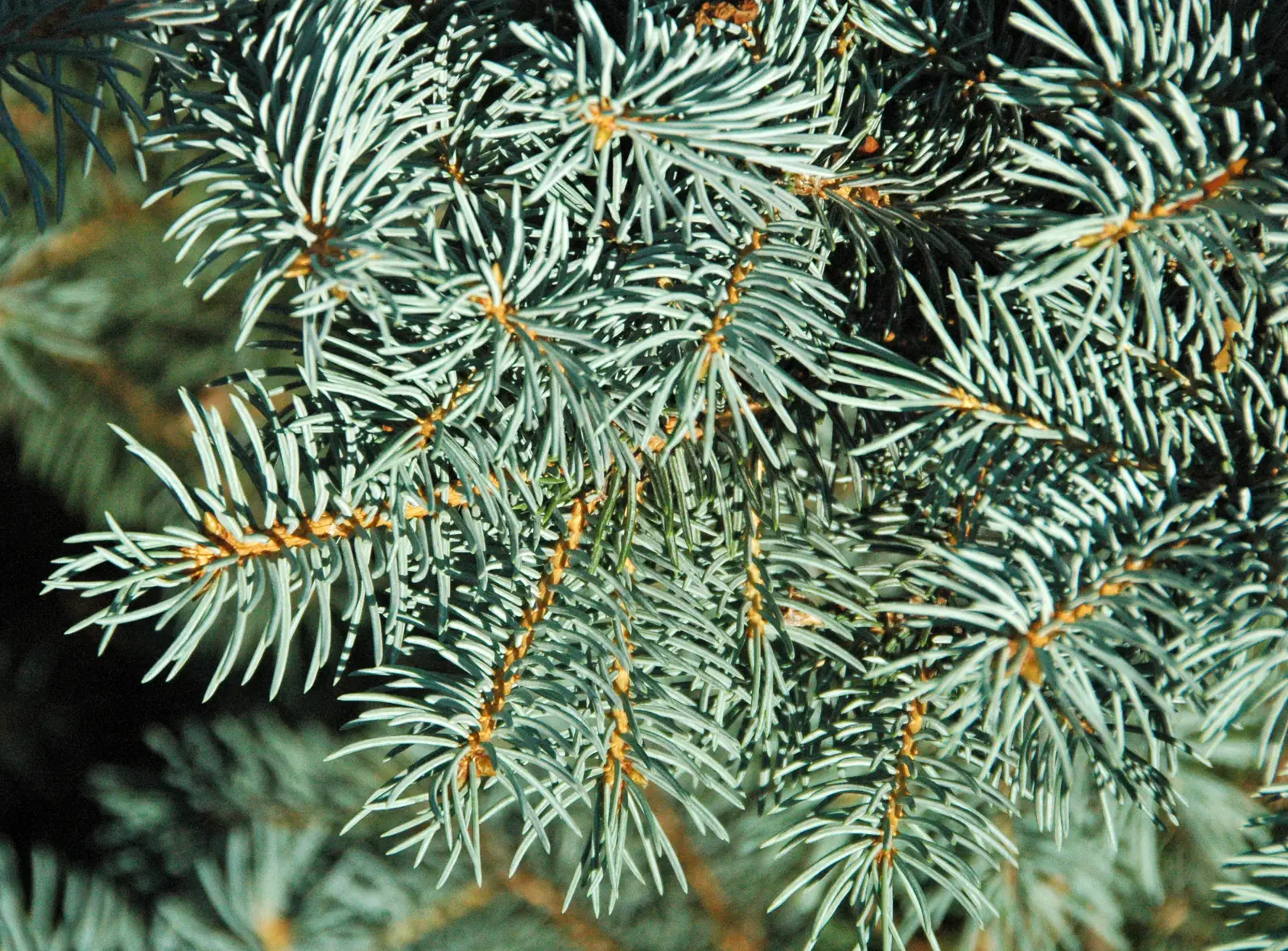
Most newer gardeners over-plant perennials and annuals, then panic every winter when the yard turns into a brown, empty lot. Experienced gardeners talk about their “evergreen bones” the way architects talk about good framing. Dwarf conifers and upright evergreens – columnar junipers, arborvitae, small pines – give year-round structure that makes everything else look intentional instead of accidental.
Some gardeners still avoid evergreens because they associate them with boring foundation plantings from the 1980s. The trick is choosing shapes carefully – columns for height, mounds for anchors, weepers for drama – so the design holds together while flowers and grasses cycle in and out. Gardeners who add them late in the game often say the same thing: “I basically rebuilt my entire garden around these.”
Quick Compare
- Columnar shapes (junipers, arborvitae): best for privacy screens and vertical accents along fences or property lines.
- Mounding shapes (dwarf globe spruce, boxwood-style conifers): best for anchoring corners and softening straight bed edges.
- Weeping shapes (weeping blue atlas cedar, weeping pines): best as a single dramatic focal point rather than in groups.
#12 – Lavender
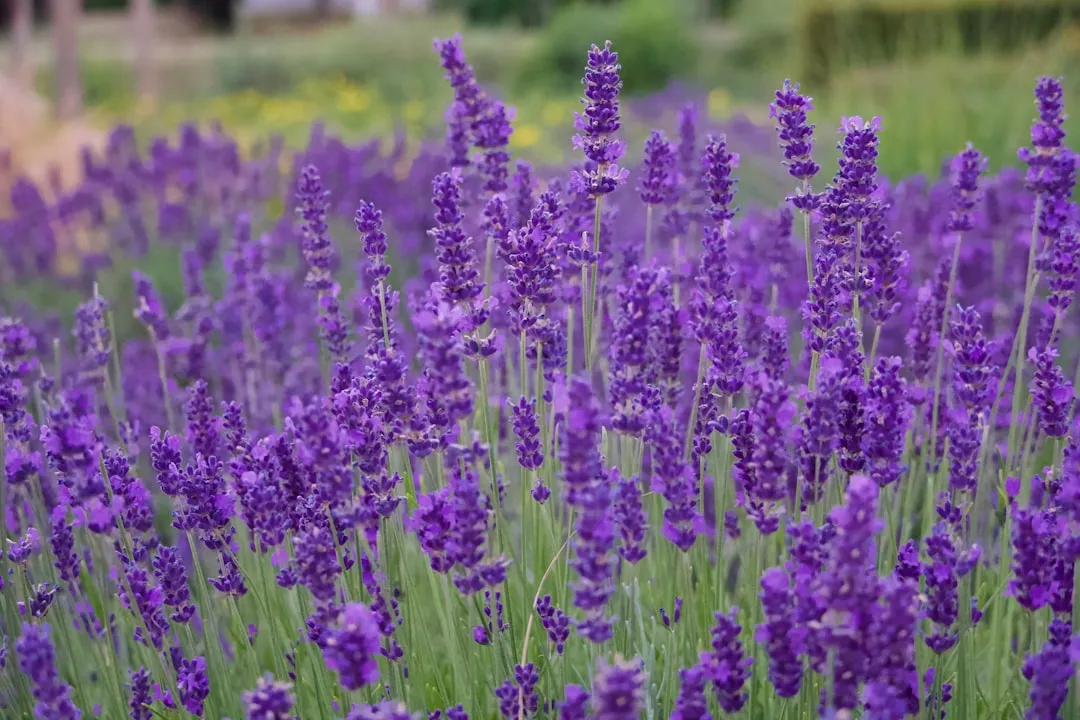
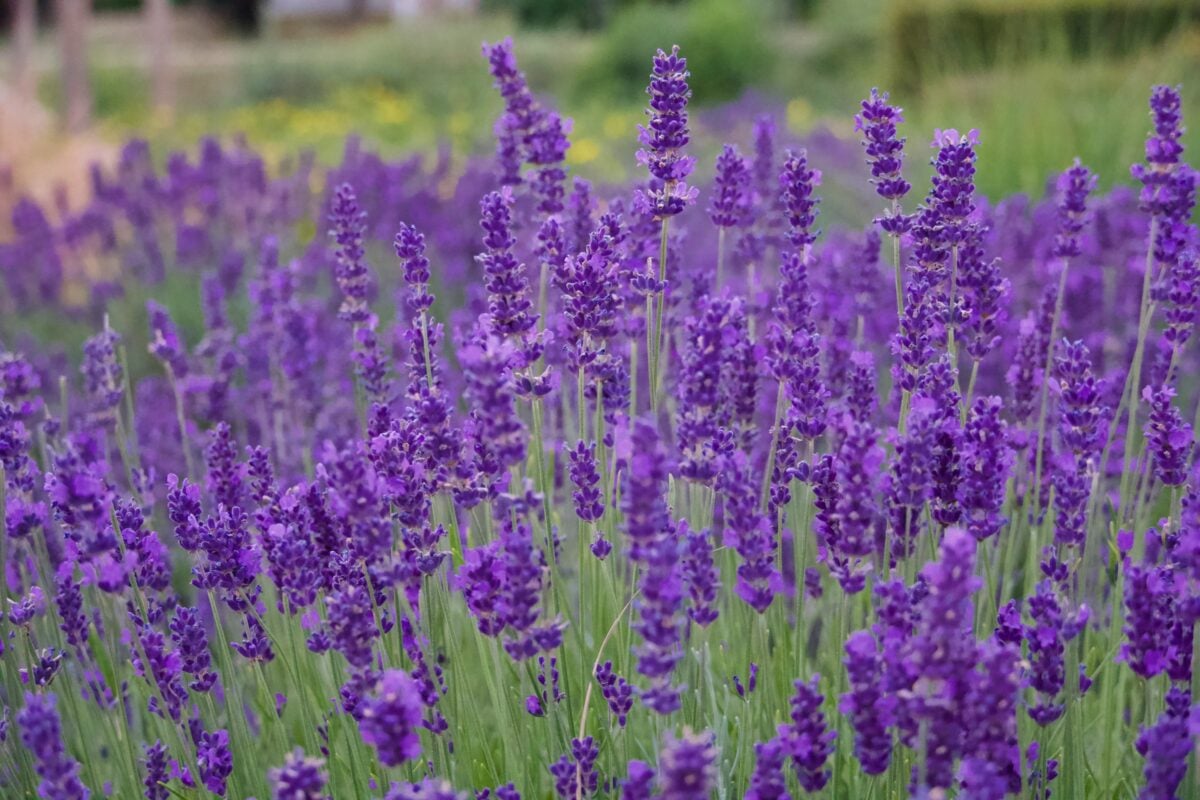
For years, many gardeners are convinced lavender “doesn’t like” their yard, because they stick it in rich, overwatered soil next to thirsty plants that need constant attention. Much later, they discover the truth: in the right conditions, lavender is almost absurdly low-maintenance and looks good most of the year. All it asks for is sun, drainage, and a little space to breathe.
The kicker is how many roles lavender can play at once. It works as a small hedge along paths, in gravel gardens, in pots near seating areas, or mixed into sunny borders to break up solid blocks of green. Veteran gardeners often admit they wasted years babying plants that constantly died, when they could have planted lavender once and enjoyed it for seasons on end.
#13 – Sedums (Especially Autumn Joy-Type Stonecrops)
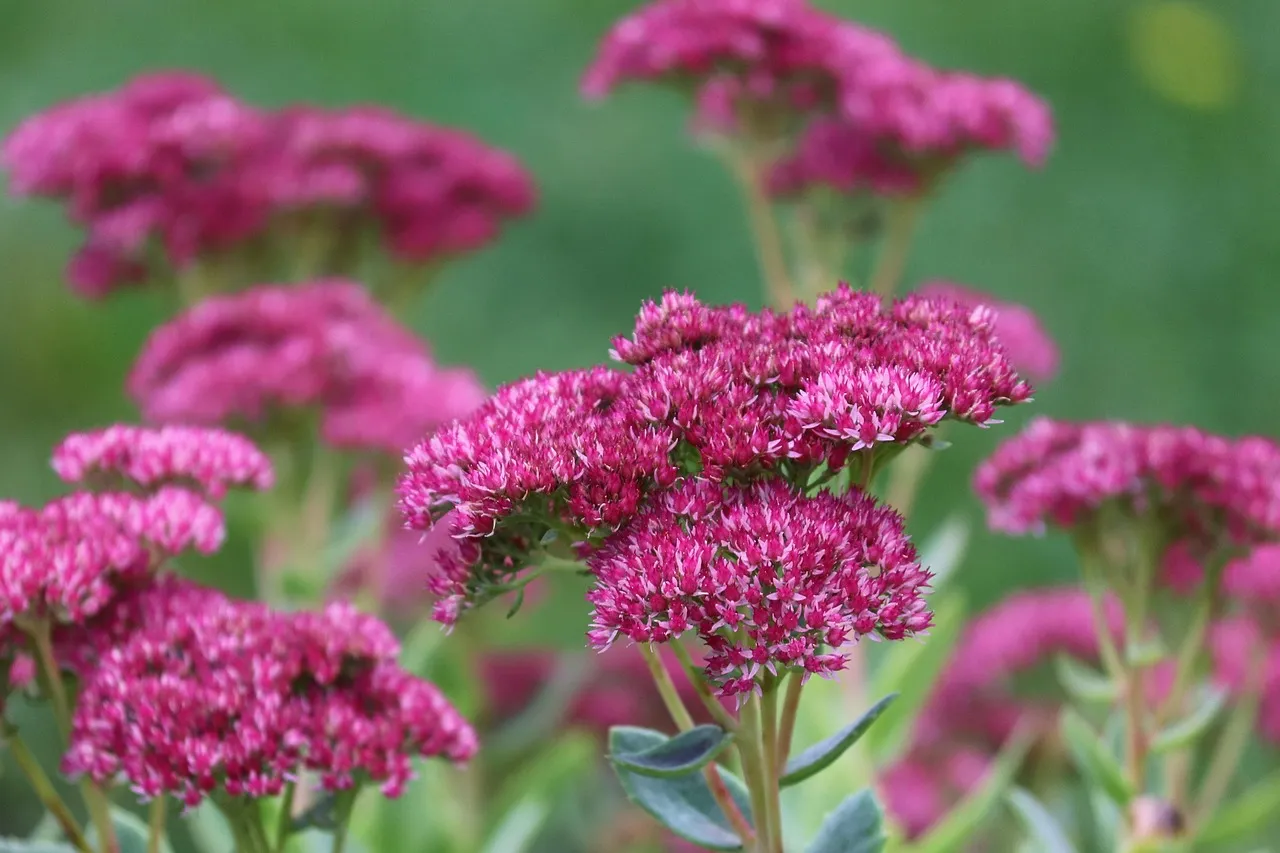
Sedums are the plants many gardeners only “discover” through a neighbor’s yard, then immediately ask, “What is that, and why don’t I have ten of them?” Upright varieties like ‘Autumn Joy’ or ‘Autumn Fire’ provide chunky, architectural foliage all summer, then explode into massive late-season flower heads that bees absolutely mob.
They don’t flop easily, they handle poor soil, and they tolerate drought better than many popular perennials people lovingly over-water. The flower heads age gracefully from pink to dusky rust, carrying the garden into fall when everything else is fading. Many experienced gardeners admit they spent far too long babying divas instead of stuffing the garden with these indestructible workhorses.
#14 – Flowering Bulbs (Daffodils, Alliums, Snowdrops, Etc.)
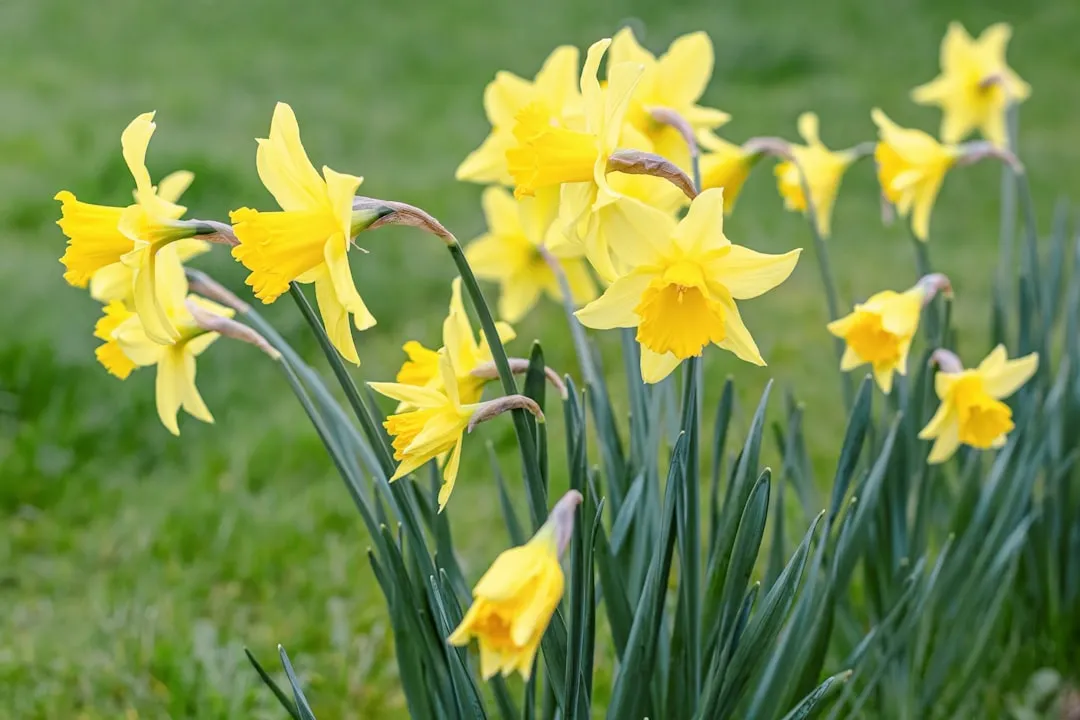
Bulbs are the closest thing gardening has to a legal cheat code, yet a lot of people avoid them because they require thinking months ahead. Experienced gardeners almost unanimously say they wish they’d started a bulb habit years earlier – planting a few hundred every single fall – because bulbs quietly build a layered, dependable spring show that returns with almost no effort.
The smarter play is mixing them into existing beds instead of clumping them in lonely rows: tuck daffodils among shrubs, scatter small bulbs through the lawn, drop alliums among perennials for sculptural height. Gardeners who delayed usually say the same thing once they finally start: “I thought they were a hassle. Now I realize they’re my easiest plants.”
At a Glance: Bulb Bloom Order
- Snowdrops: earliest to bloom, often pushing through late-winter snow cover.
- Daffodils: early to mid-spring, and generally left alone by deer and rodents.
- Alliums: late spring, adding architectural height above lower perennials.
- Summer bulbs like lilies: can extend the flower show well past the spring rush.
#15 – Witch Hazel
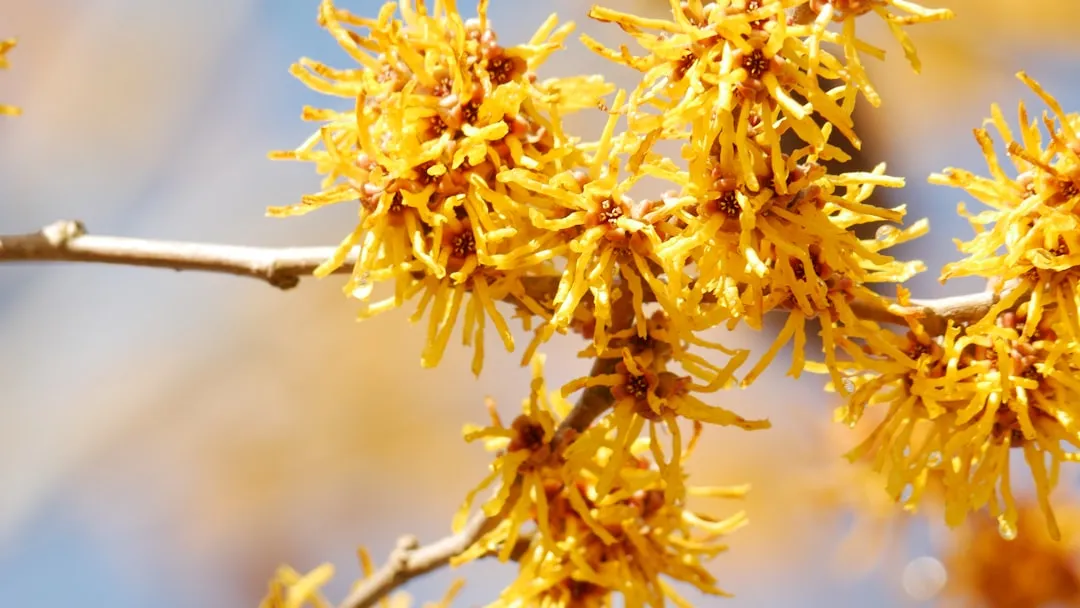
Witch hazel is one of those shrubs you never miss – until the first year you see it blooming in February, when everything else is dull, gray misery. The spidery, scented flowers appear on bare branches in the coldest part of the year, exactly when gardeners are most desperate for a sign of life. Many long-time gardeners stumble across it in a botanical garden and immediately wonder why nobody told them to plant it sooner.
Beyond the winter show, witch hazel offers solid fall color and a graceful, open form that works in both naturalistic and formal settings. It’s not a flashy “look at me” plant sitting in a pot at the big box store, which is exactly why beginners skip it and suffer through empty winters instead. Gardeners who finally add it often describe it as a mood stabilizer – the plant that drags them outside in February, coffee in hand, just to breathe for a second.
#16 – Viburnums (The Underrated Power Shrubs)
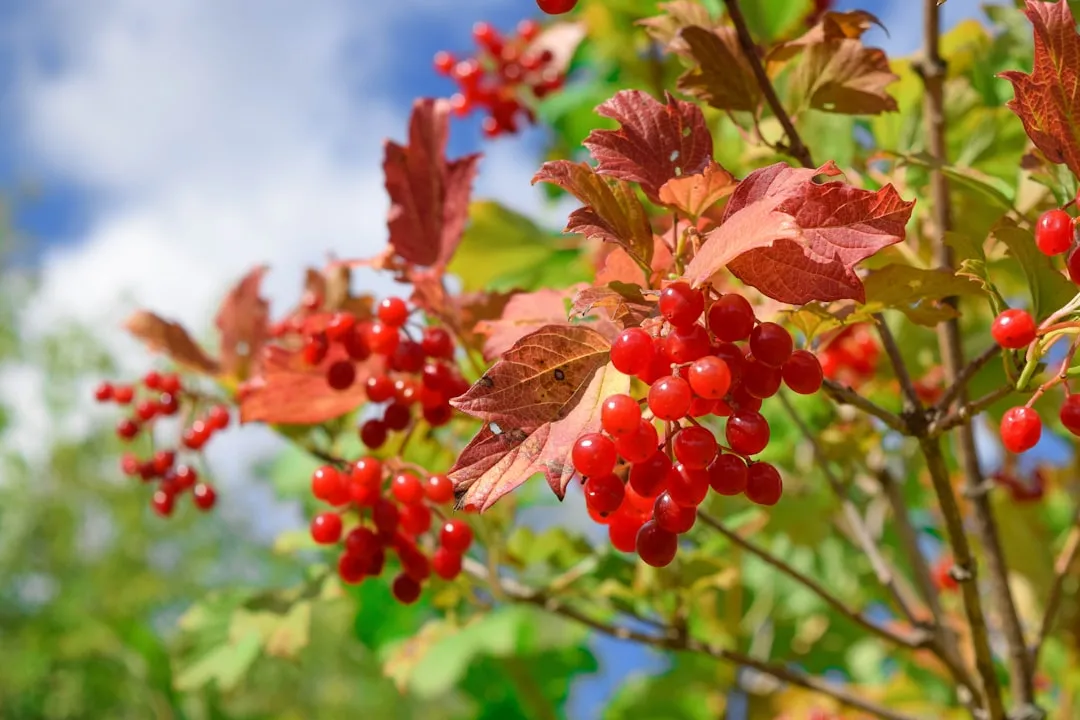
Ask plant people to name a shrub category they wish they’d explored sooner, and viburnums come up constantly. These are multi-tasking machines – spring flowers, summer berries, fall color, and solid year-round structure, all in one plant. Some varieties perfume the entire yard; others feed birds or form privacy hedges that don’t look like every other hedge on the block.
Because they’re not marketed as heavily as hydrangeas or roses, newer gardeners often don’t realize how versatile they are – there’s a viburnum for sun, shade, windbreaks, screening, or a standalone specimen. Once gardeners start using them, they often replace weaker, one-season shrubs entirely, building whole borders around a viburnum backbone instead of redoing beds every three years.
#17 – Trees (Shade, Structure, and the One Thing You Can’t Rush)
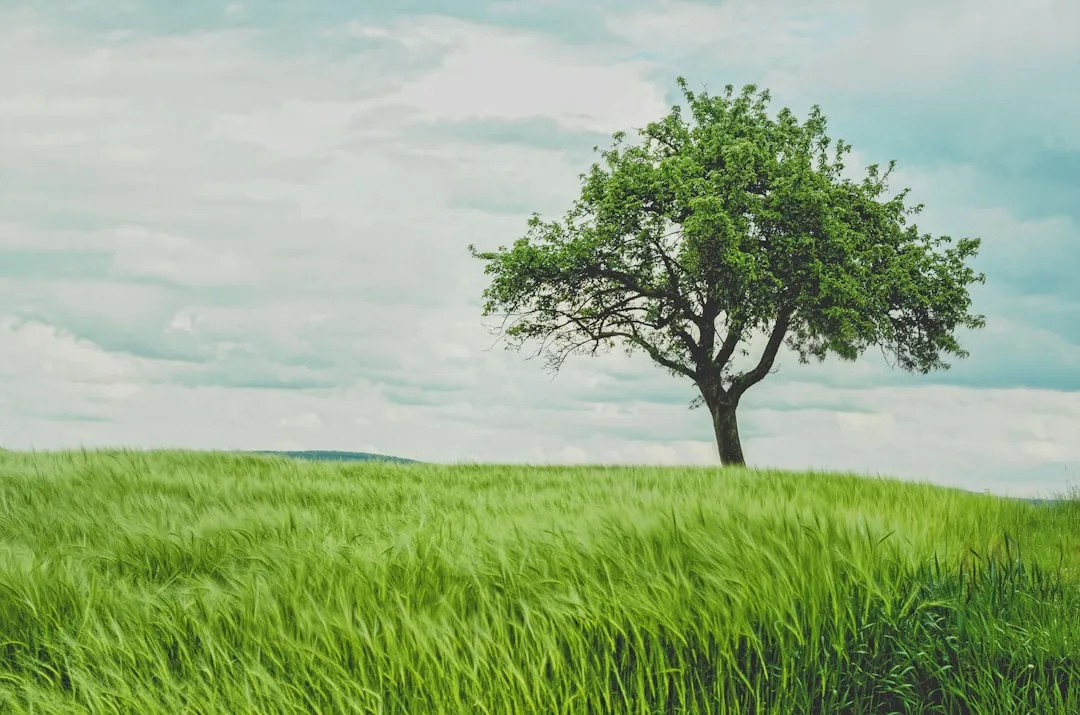
If there’s one universal regret among experienced gardeners, it isn’t a specific variety – it’s not planting trees earlier. Shade trees, small ornamental trees, even fruit trees all share one cruel rule: you cannot rush maturity. Every year you wait is a year you delay cooler summers, better soil, bird habitat, privacy, and that “this place has been loved for a long time” feeling.
You can buy instant color in a single weekend at the garden center. You cannot buy the feeling of a 20-year-old tree without, well, 20 years. A well-placed tree transforms not just a bed, but the entire microclimate and mood of a property – it casts shade for kids, frames views, and anchors everything else you plant around it.
The best time to plant a tree was 20 years ago. The second best time is now.
Chinese Proverb
The Bottom Line
Listen to people who’ve gardened in the same spot for decades and a pattern jumps out fast. They don’t rave about the trendy annuals they chased, or the expensive rare plant they killed twice. They talk about the workhorses and the anchors – the hydrangeas and peonies, the evergreens and berries, the bulbs and trees – that quietly rewired how their entire garden functioned.
The real regret was never missing a fad plant. It was postponing the things that get better and cheaper, per year, the longer they sit in the ground. This list isn’t “nice ideas someday.” It’s a correction – the plants that actually earn their keep, season after season, whether you’re watching or not.
So which one do you wish you’d planted ten years ago? And more importantly – which one are you finally going to stop putting off this spring?

- 17 Plants Experienced Gardeners Say They Wish They Had Put In Years Before They Finally Did - August 1, 2026
- 16 Signs a Horse Has Handed Its Whole Trust to One Rider and Will Never Transfer It - August 1, 2026
- 20 Strange Hummingbird Behaviours Researchers Say Look Like Nothing Else Anywhere in the Entire Bird World - August 1, 2026