

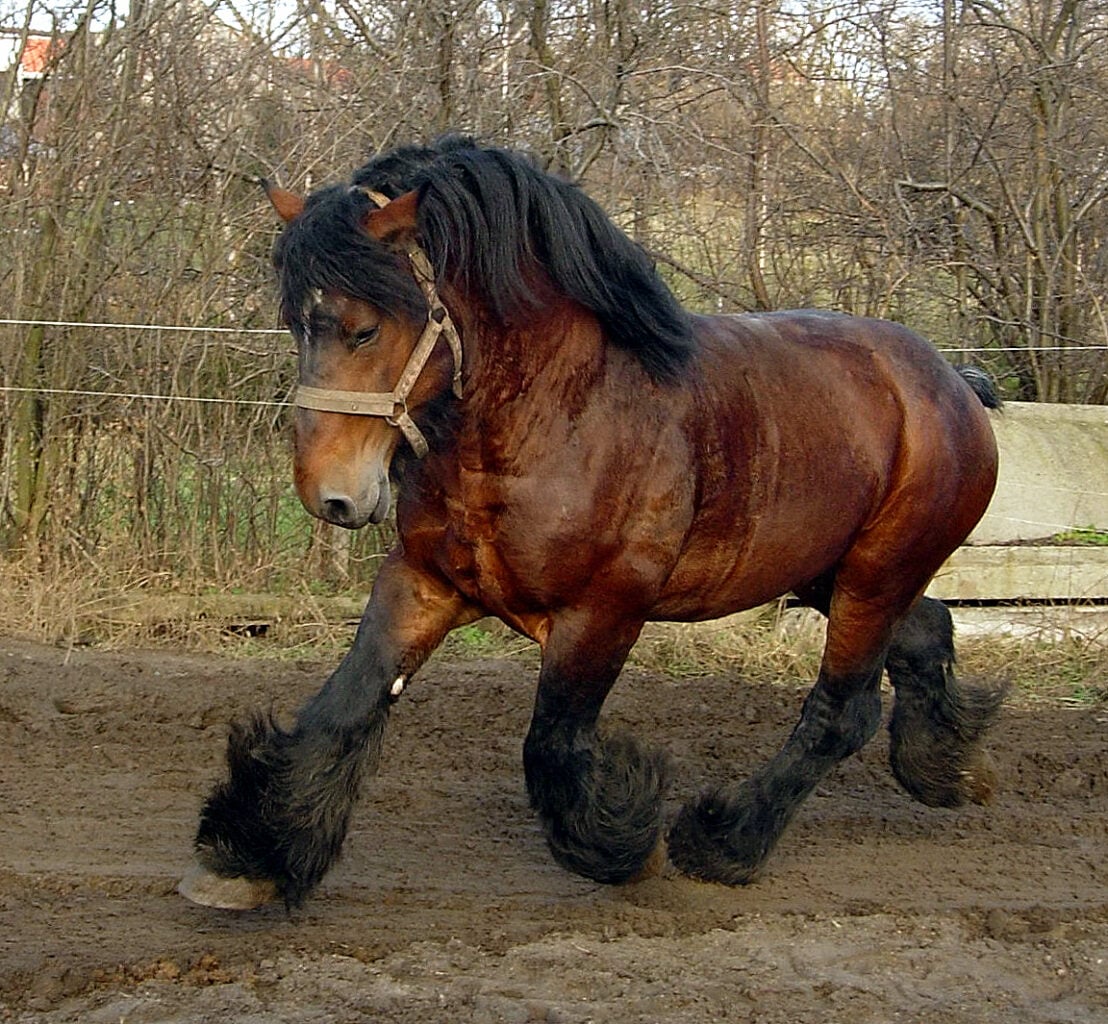
Ask most people why they picked a certain horse breed and they’ll talk about color, size, or a bloodline that sounded impressive at the barn. Vets have a very different conversation happening in exam rooms – one that rarely makes it into the sale ad or the breeder’s pitch.
Certain breeds carry genetic time bombs that no amount of good care, love, or money can fully undo. From sudden-death heart conditions in horses that looked perfectly healthy the day before, to lifelong pain no supplement or vet bill can fix, some bloodlines have quietly fallen out of favor behind closed clinic doors. Breeders rarely bring it up. Vets are starting to. Here’s what they’re actually telling families – breed by breed.
#1 – Miniature Horses: The “Cute” Factor Hides a Painful Truth
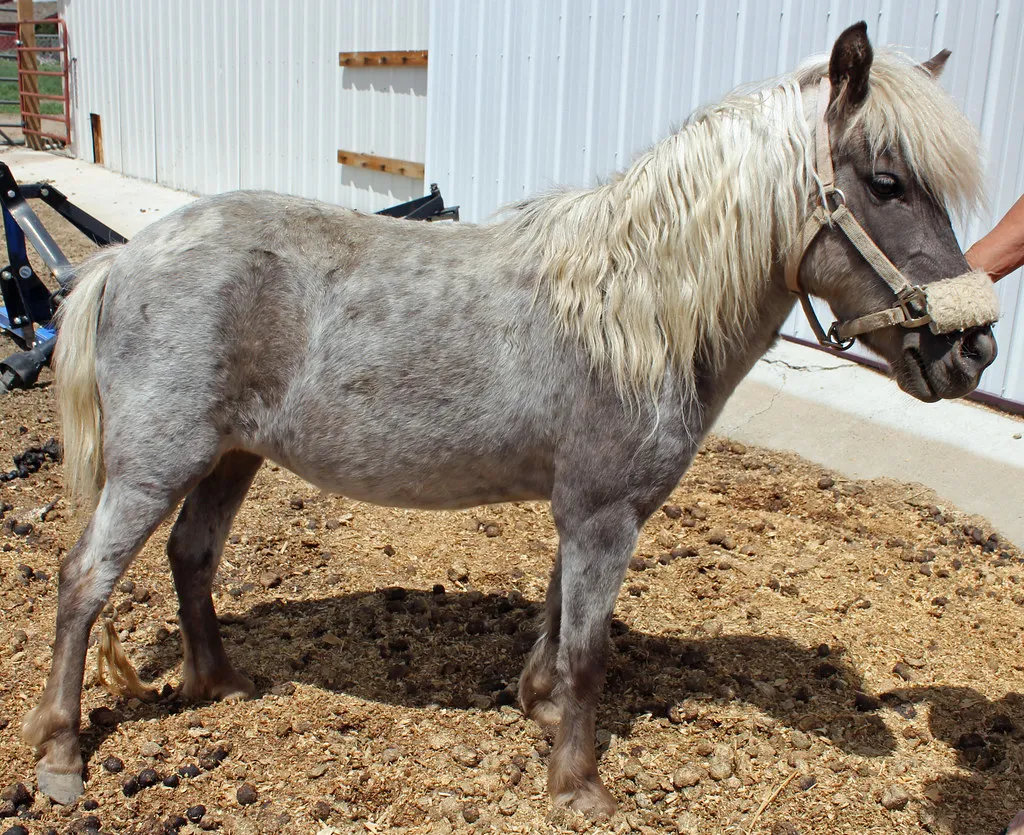
Miniature Horses are marketed as the perfect low-maintenance companion animal, but that reputation is starting to crack.
Their small stature comes from selective breeding for dwarfism-adjacent traits, and that same genetic package causes chronic dental overcrowding – a full-size set of teeth forced into a miniature jaw. Many Minis also carry the gene for Multiple Congenital Ocular Anomalies (MCOA), an inherited eye disorder tied to the breed’s lineage in genetic testing databases. Add in a tendency toward hyperlipemia, a metabolic crisis triggered by stress or reduced feed intake, and the “easy” companion horse becomes anything but. Vets now recommend eye and dental screening before purchase, not after the problems show up.
#2 – Shetland Ponies: The Metabolic Trap Nobody Warns You About
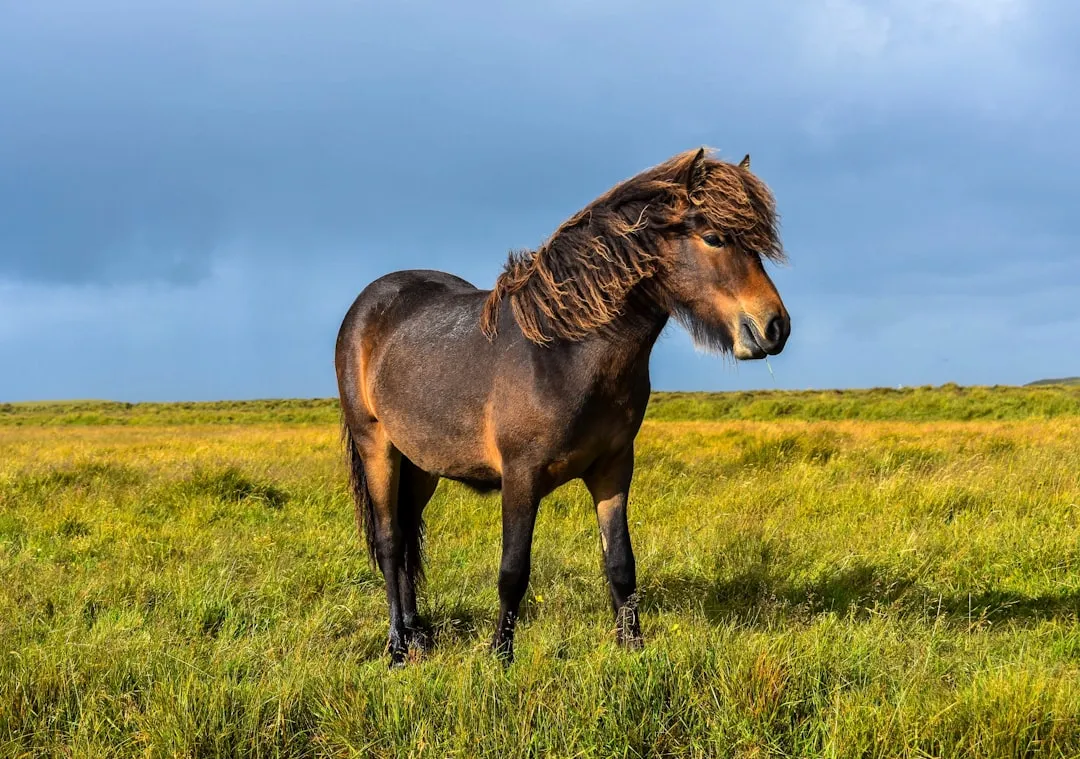
Shetland Ponies were bred for centuries to survive on almost nothing, and that survival advantage has become a modern-day liability.
Their bodies store fat with brutal efficiency, which means even moderate grazing can trigger laminitis – a painful, sometimes career-ending hoof condition. Owners who treat Shetlands like grass-fed pasture pets are often unknowingly setting them up for metabolic syndrome. Vets now flag Shetlands as one of the highest-risk breeds for hyperlipemia during any illness or feed restriction, because their fat metabolism reacts violently to stress. This isn’t bad luck or bad training – it’s baked into the breed’s biology.
Fast Facts
- Bred for centuries on the harsh, sparse Shetland Islands
- Extremely efficient fat storage makes them prone to weight gain
- Even short-term illness or stress can trigger a metabolic crisis
- Laminitis risk rises sharply with unrestricted grass access
- Vets recommend grazing muzzles and routine metabolic bloodwork
#3 – Welsh Ponies and Cobs: Adorable, But Built for Trouble
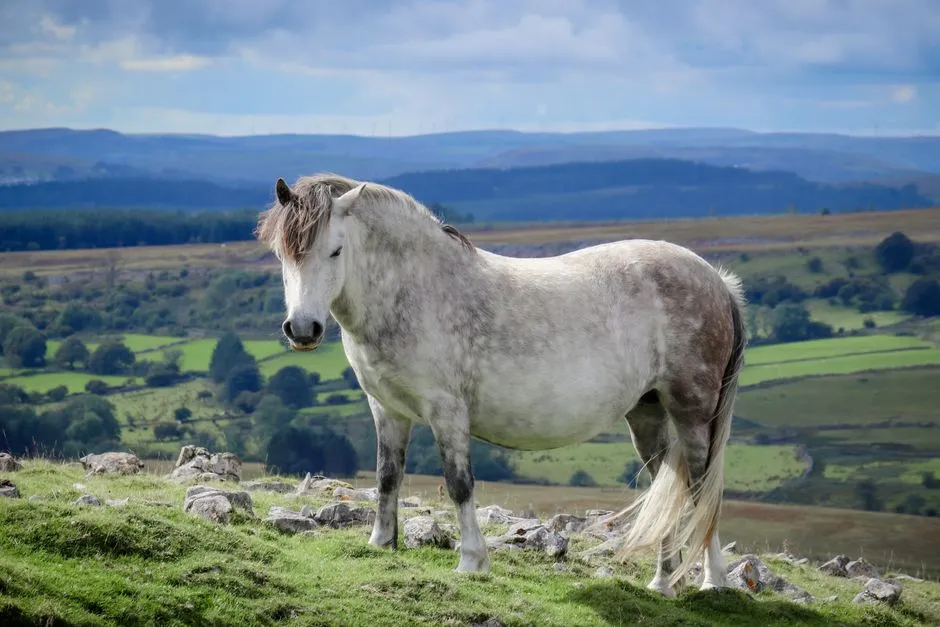
Welsh Ponies and Cobs are frequently marketed as the ideal first horse for kids, but their “easy keeper” metabolism tells a different story.
Like many native pony breeds, Welsh types evolved to survive on sparse mountain forage, which means today’s rich pastures and high-calorie feed regularly overwhelm their systems. The result is a documented spike in obesity-linked laminitis and insulin dysregulation – conditions that can permanently alter a pony’s soundness. Many vets now insist on strict grazing muzzles and metabolic bloodwork before these ponies are even sold as family horses. What used to be praised as “hardy” is now recognized as a chronic management burden most new owners never see coming.
#4 – Icelandic Horses: A Breed Nature Never Prepared for Export
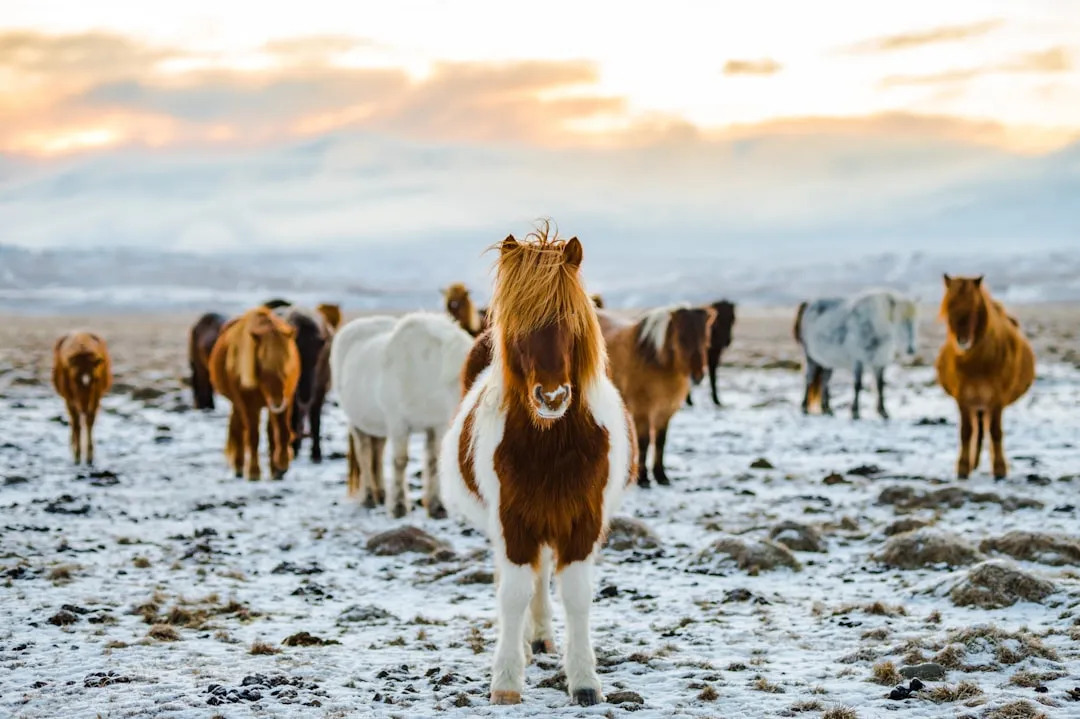
Icelandic Horses evolved in near-total isolation, and that isolation is exactly what makes them so fragile once they leave home.
Because Iceland has essentially no biting midges, Icelandic Horses develop zero natural immunity to Culicoides insects. When exported to countries where these bugs are common, many develop severe insect bite hypersensitivity – an intensely itchy, skin-damaging allergic reaction that can take years to manage. Vets outside Iceland now routinely warn buyers that imported Icelandics face a dramatically higher risk of this lifelong skin condition than domestically raised horses. It’s a strange irony: a breed praised for toughness back home becomes one of the more medically demanding imports abroad.
#5 – Standardbreds: The Silent Cost of Speed Breeding
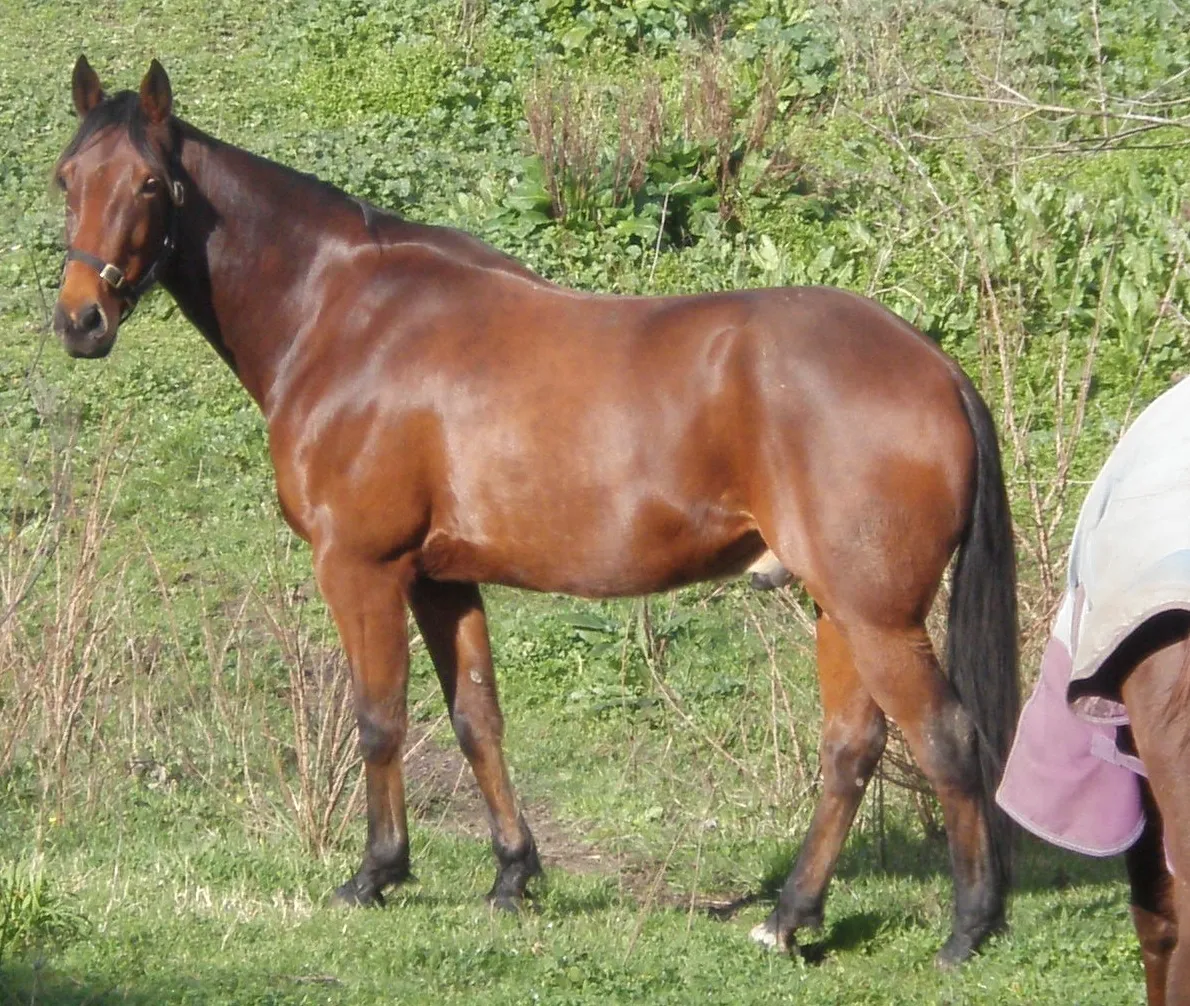
Standardbreds power harness racing, but their breeding pipeline carries risks that rarely make headlines.
Because Standardbreds share ancestry and outcrossing history with Thoroughbreds, they’re now recognized as carriers of a serious connective tissue mutation – one also present in any breed with Thoroughbred blood, including Quarter Horses and Morgans. When inherited from both parents, it produces foals with skin so fragile it tears on contact. Most affected foals never survive infancy. Add in the repetitive strain injuries common to a harness racing career, and vets have grown far more cautious about recommending Standardbred breeding stock without genetic screening first.
#6 – Thoroughbreds: Built for Speed, Not Longevity
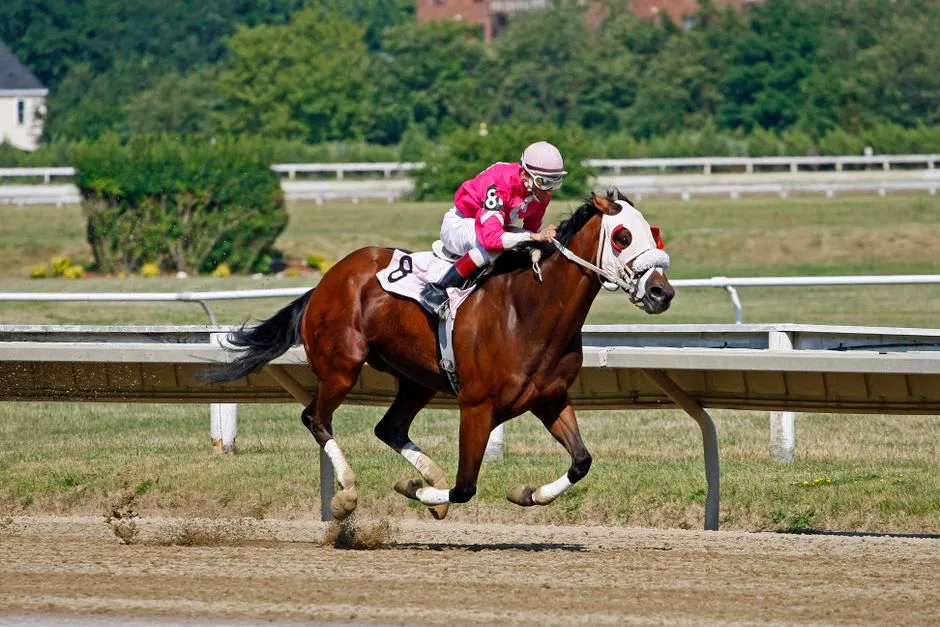
Thoroughbreds are the face of racing glamour, but vets have quietly grown skeptical of the breed’s long-term durability.
Decades of selective breeding for speed have produced a body with famously thin, fragile leg bones relative to the enormous forces racing puts on them. Add chronic gastric ulcers from high-grain diets and stall confinement, and many retired Thoroughbreds enter their teenage years already carrying permanent damage. Thoroughbreds are also among the breeds carrying the connective tissue mutation linked to fragile foal syndrome. While the racing industry still celebrates speed above everything, more equine vets are arguing that soundness – not speed – should be the priority trait.
#7 – Warmbloods: Europe’s Prized Athletes Have a Hidden Flaw
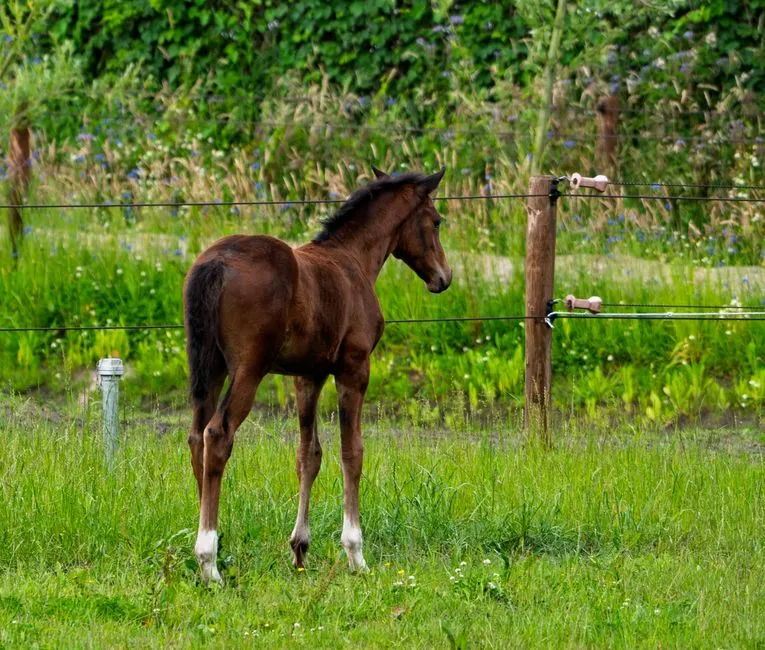
Warmbloods dominate show-jumping and dressage, but their genetics carry a defect breeders spent years trying to keep quiet.
Known as Warmblood Fragile Foal Syndrome, this recessive disorder produces foals with severely thin, tear-prone skin and joint hyperlaxity – foals that are naturally aborted, stillborn, or euthanized. Roughly 9 to 11 percent of Warmbloods carry the mutation, according to genetic testing data, with lower carrier rates showing up in Thoroughbreds and Knabstruppers. Because carrier horses look completely normal, many breeders have unknowingly paired two carriers together – something vets now say should never happen without testing first.
#8 – Akhal-Tekes: The Shimmering Coat With a Devastating Secret
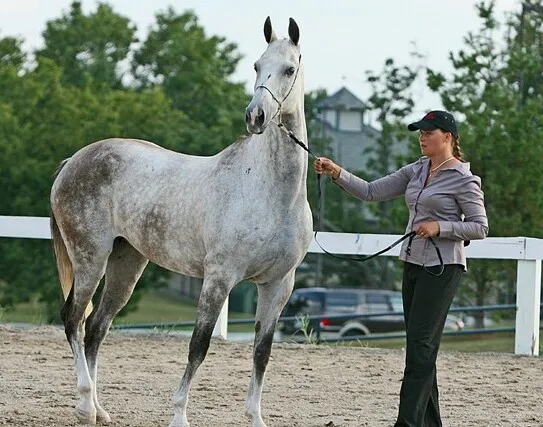
Akhal-Tekes are famous for their metallic, glowing coats, but that same gene pool hides one of the more heartbreaking conditions in the horse world.
Naked Foal Syndrome causes affected foals to be born with almost no hair and a mild form of ichthyosis, a skin-scaling disorder. Affected horses typically die between a few weeks and three years of age, and the exact cause of death is still unclear. Foals can look relatively normal for their first weeks, only to decline suddenly months later. Because the trait is recessive and carriers show zero symptoms, the syndrome has quietly persisted in bloodlines for decades.
#9 – American Saddlebreds: A Show-Ring Legacy With a Genetic Catch
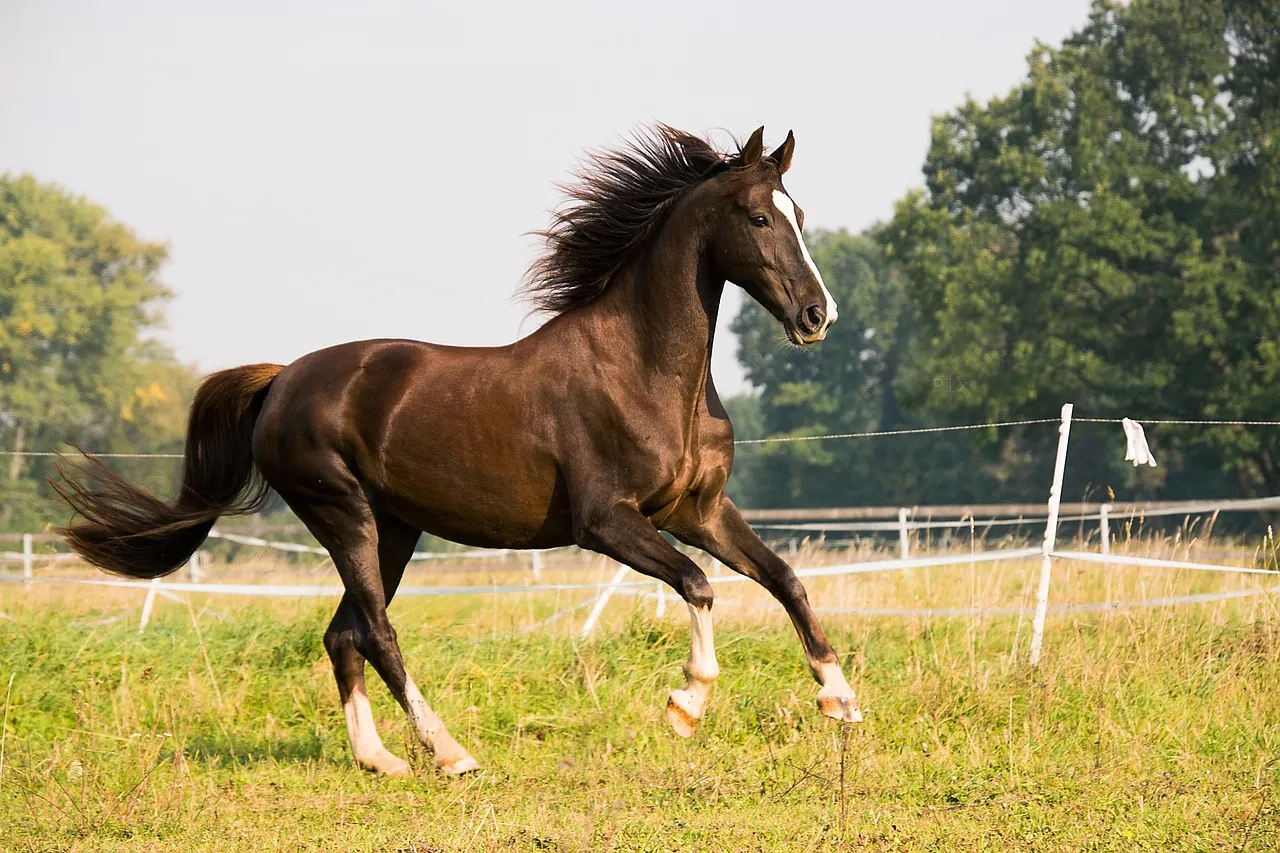
Saddlebreds are prized for their animated gaits and show-ring presence, but a specific skin disorder has vets rethinking certain bloodlines.
Junctional Epidermolysis Bullosa is a severe skin-fragility disease caused by a mutation affecting the skin’s basement membrane. A diagnostic test found that 9 of 175 randomly selected American Saddlebreds born in 2007 were carriers – a meaningful rate for a fatal recessive condition. Foals born with two copies of the mutation don’t survive. The disease is genetically different from the version found in Belgian drafts, but the outcome is identical: devastating skin loss and early death. Vets now push hard for pre-breeding genetic panels in this breed specifically.
#10 – Tennessee Walking Horses: A Breed Shaped by Controversial Practices
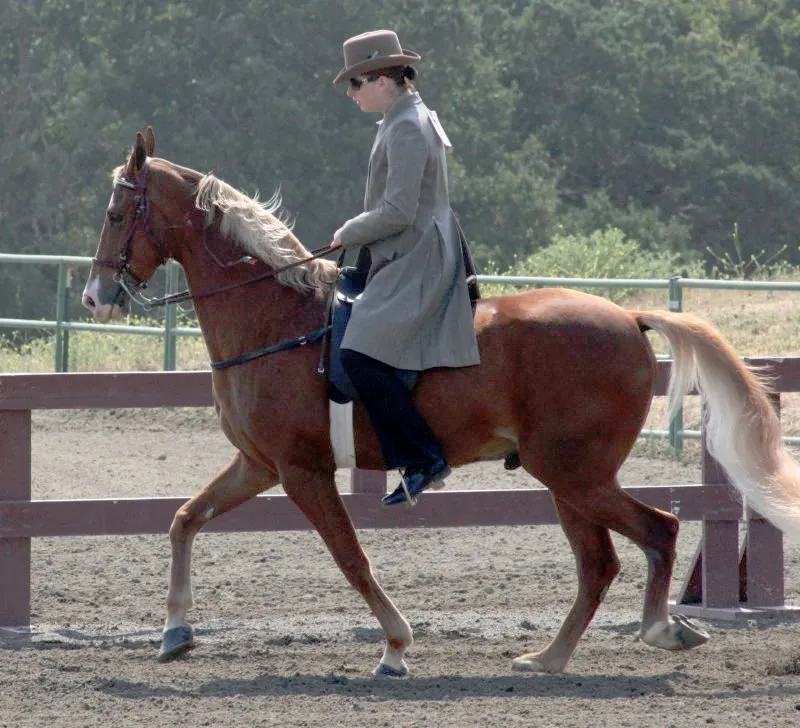
Tennessee Walking Horses are known for their smooth, signature gait, but decades of show-ring practices have left a painful legacy.
The industry term “soring” – using chemical or mechanical irritants on the lower legs to exaggerate the gait – has been documented within segments of this breed’s competitive circuit for years, prompting federal legislation to try to curb it. Separately, geneticists recently identified a night-blindness mutation specific to the breed, with the causative allele appearing at a frequency of 10 percent. One in ten Walking Horses may carry a mutation that leaves them functionally blind after dark. The gait remains popular in the show ring, but many vets argue the competitive pressure behind it has cost this breed more than praise.
Worth Knowing
- “Soring” involves irritants applied to the legs to exaggerate the signature gait
- Federal law has targeted the practice for decades, yet enforcement gaps remain
- A separate, unrelated mutation causes congenital stationary night blindness
- About 10 percent of the breed carries the causative night-blindness allele
- Vets recommend asking breeders directly about night-vision genetic testing
#11 – Kentucky Mountain Horses: A Gentle Breed With a Genetic Blind Spot
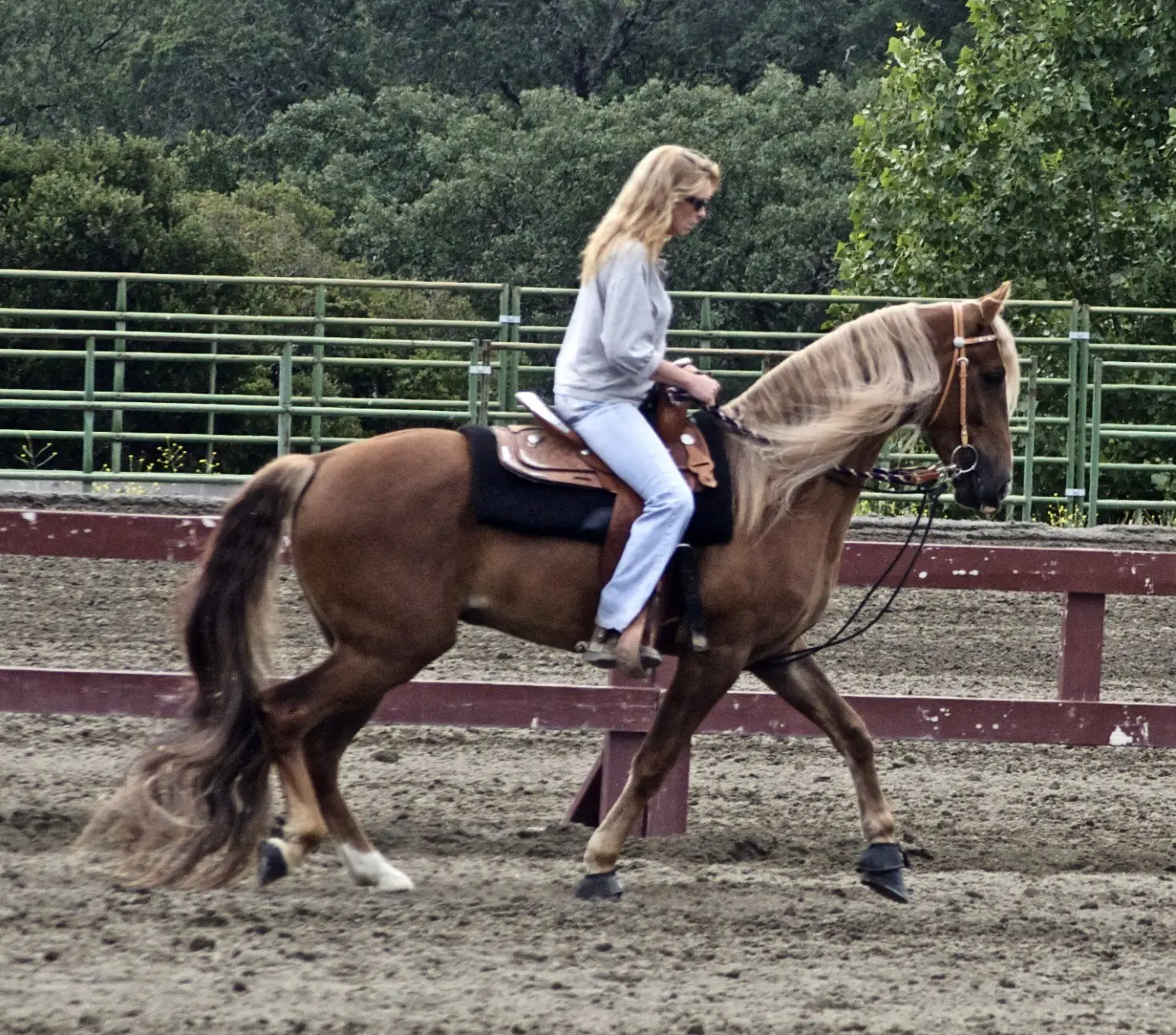
Kentucky Mountain Horses are beloved for their calm dispositions, but their genetic pool carries an eye condition that’s easy to miss until it’s serious.
This breed appears on the confirmed list of populations carrying Multiple Congenital Ocular Anomalies, tied to the silver dilution gene common in gaited mountain breeds. Horses with two copies of the affected gene often develop more severe cysts, abnormal drainage angles, or vision-impairing structural defects. Many owners never notice symptoms until a routine eye exam reveals permanent structural changes. Because the trait rides along with a popular coat color, breeders have historically prioritized looks over ocular screening. Vets are now pushing to reverse that order.
#12 – Rocky Mountain Horses: The Same Eye Risk, a Different Name
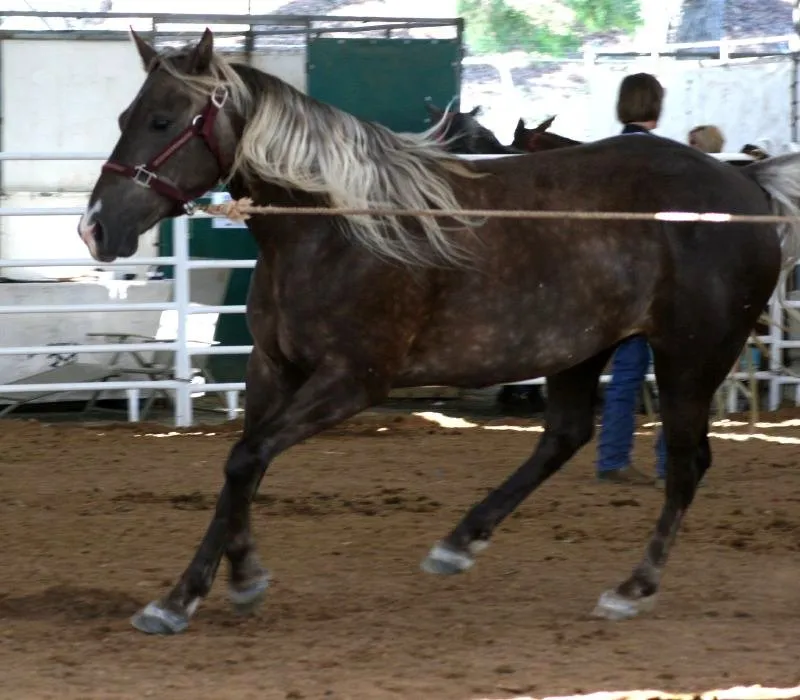
Rocky Mountain Horses share a close genetic relationship with Kentucky Mountain Horses, and unfortunately, they share the same ocular vulnerability.
This breed is also listed among the confirmed carriers of Multiple Congenital Ocular Anomalies, tied to the silver gene shared across several gaited breeds. Horses with the more severe genotype can develop cysts, cornea abnormalities, and reduced vision that worsens with age. Because early signs are subtle, many horses aren’t diagnosed until well into adulthood. The breed’s silver-dapple coat – one of its most marketable traits – is directly linked to this risk, creating an uncomfortable tension between show appeal and long-term eye health.
#13 – Haflingers: The “Family Pony” With a Muscle Time Bomb
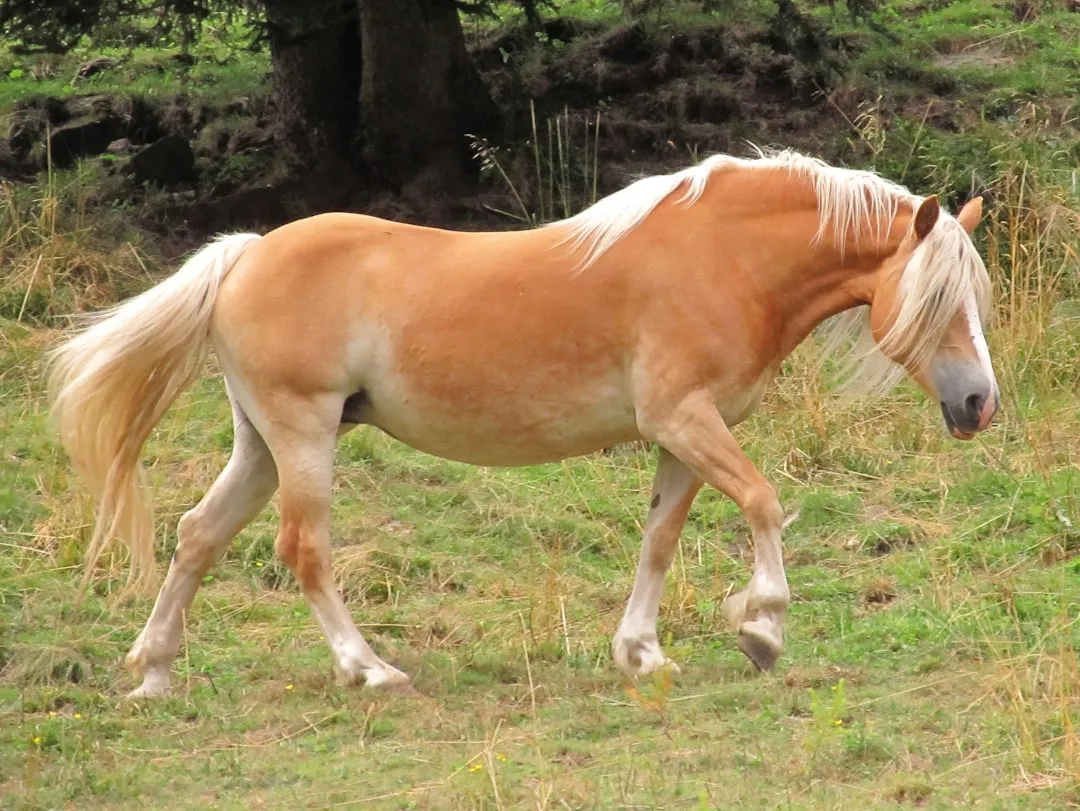
Haflingers are marketed as gentle, versatile family horses, but their muscle biology tells a more complicated story.
This breed is routinely tested for Polysaccharide Storage Myopathy, a muscle disorder where abnormal complex sugars accumulate in skeletal muscle and cause fiber breakdown. Affected horses can experience painful muscle cramping simply from normal turnout or riding. Because symptoms often mimic laziness or poor training, many PSSM-positive Haflingers go undiagnosed for years while owners battle what looks like a behavioral problem. Vets now recommend genetic testing before symptoms even appear.
#14 – Gypsy Vanners and Cobs: Gorgeous Feathers, Hidden Costs
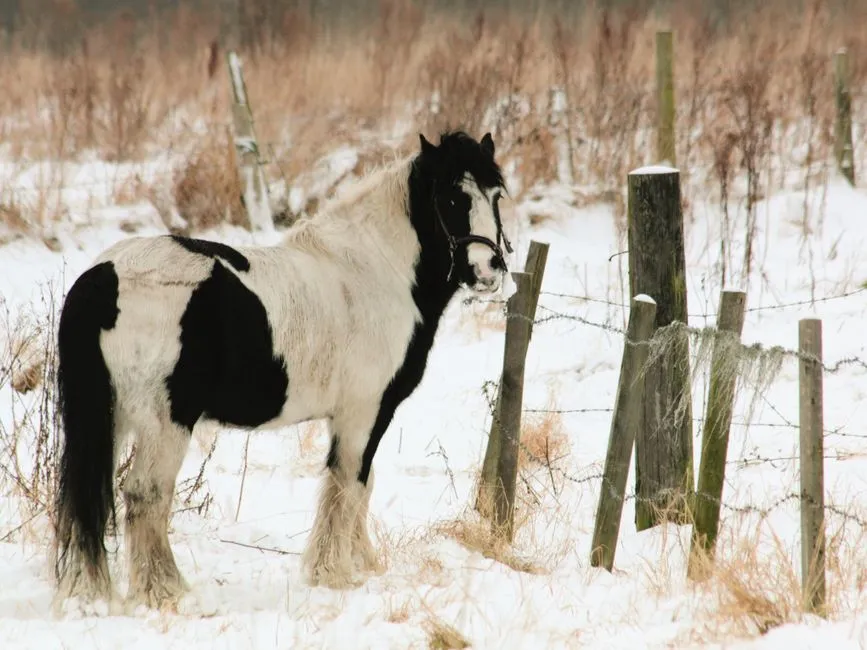
Gypsy Vanners are adored for their flowing leg feathers, but that same feature creates a perfect storm for chronic skin disease.
This breed appears on the confirmed carrier list for Multiple Congenital Ocular Anomalies, alongside other feathered breeds sharing the silver gene. On top of the eye risk, thick pastern feathering traps moisture and bacteria against the skin – a known trigger for chronic pastern dermatitis in feathered breeds. The same trait breeders select for cosmetically can quietly set up decades of skin infections. Owners who skip regular feather-clipping and drying routines often don’t realize they’re accelerating a condition that, in severe cases, becomes permanent and disfiguring.
#15 – Percherons: Gentle Giants With a Painful Inheritance
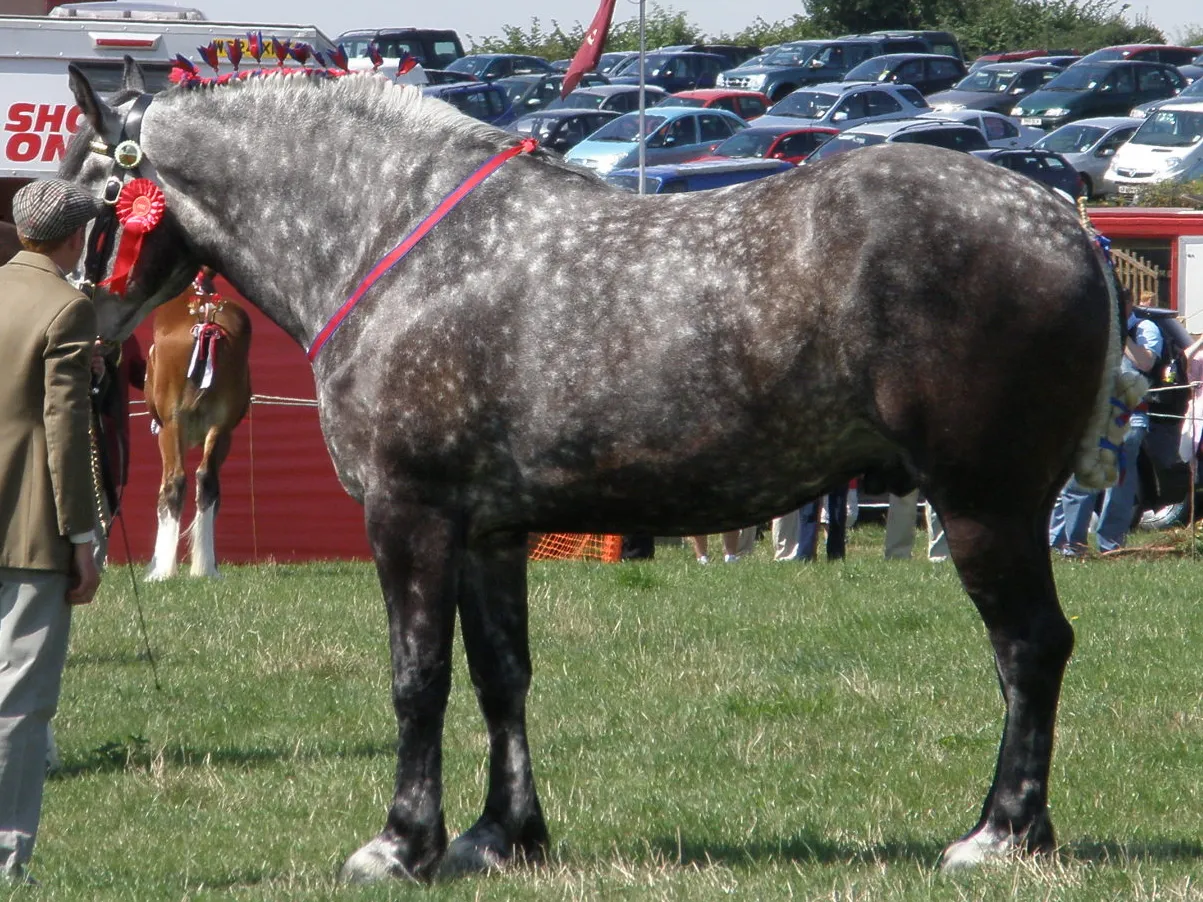
Percherons are among the most recognizable draft breeds, but their sheer size hides two separate genetic vulnerabilities.
This breed is tested for the same muscle-storage disease found in Haflingers, meaning painful post-exercise stiffness is a real risk. Separately, chronic progressive lymphedema causes progressive swelling of the lower legs that worsens with age and has no cure. Once lymphedema sets in, the swelling and skin damage typically never reverses. Because Percherons are often kept working into old age, vets say the combination of joint strain and progressive limb disease makes long-term soundness a real concern.
#16 – Clydesdales: The Iconic Feathers Are Doing More Harm Than Good
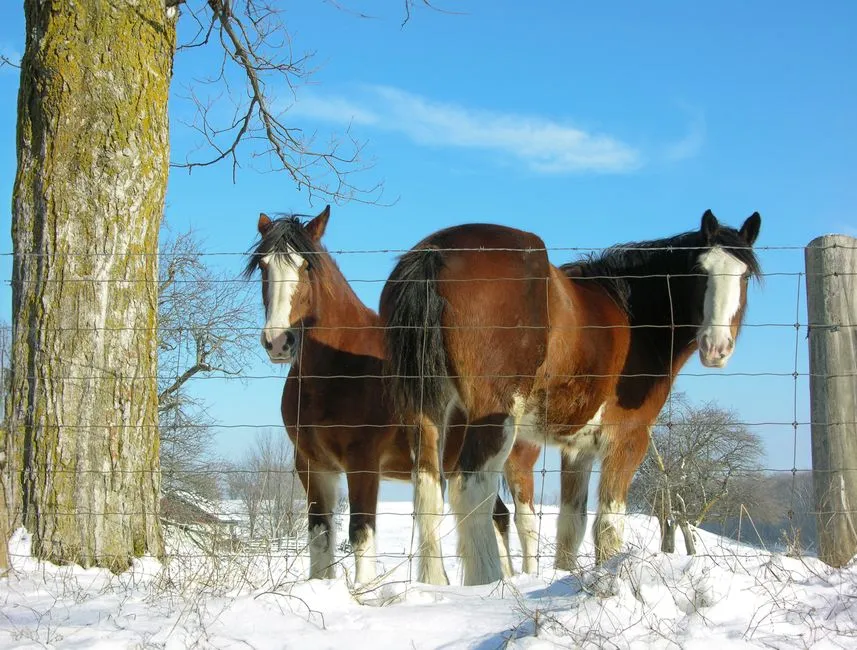
Clydesdales are instantly recognizable by their feathered feet, but that signature look is directly tied to one of the most debilitating conditions in the draft horse world.
Clydesdales are named among the specific draft breeds with varying severity rates of chronic progressive lymphedema – a disease marked by progressive swelling, thickened skin, and scarring of the lower limbs that starts early and worsens for life. The condition eventually leads to disfigurement and premature death in many affected horses. Because early symptoms look like ordinary “scratches,” many owners don’t realize they’re dealing with a lifelong progressive disease until the damage is already severe.
#17 – Shires: The Tallest Breed Carries One of the Heaviest Health Burdens
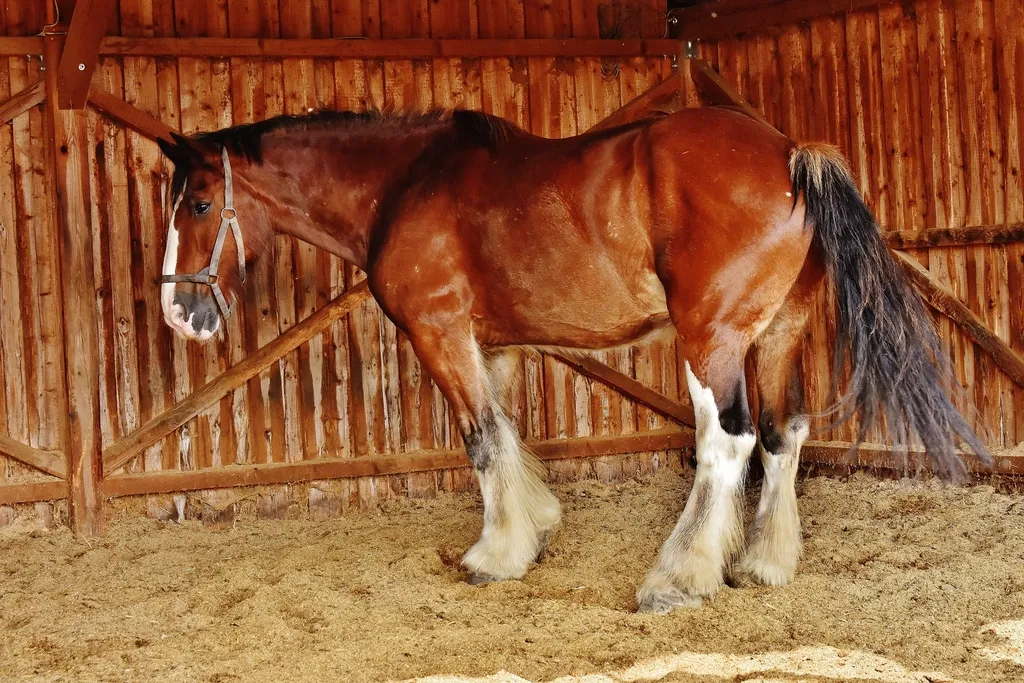
Shires are among the largest horses on the planet, but their size doesn’t protect them from a devastating limb disease that disproportionately affects their breed.
Shires appear repeatedly alongside Clydesdales and Belgians as high-risk carriers of chronic progressive lymphedema. Management requires lifelong diligence – feathers clipped short, secondary infections treated, daily exercise and skin care, even hydrotherapy and manual lymph drainage. Even with perfect care, the disease still tends to progress over a horse’s lifetime. Vets increasingly warn prospective Shire owners that this isn’t a manageable inconvenience – it’s a chronic, worsening condition that will shape the horse’s entire quality of life.
#18 – Belgian Draft Horses: The Breed With the Highest Documented Risk
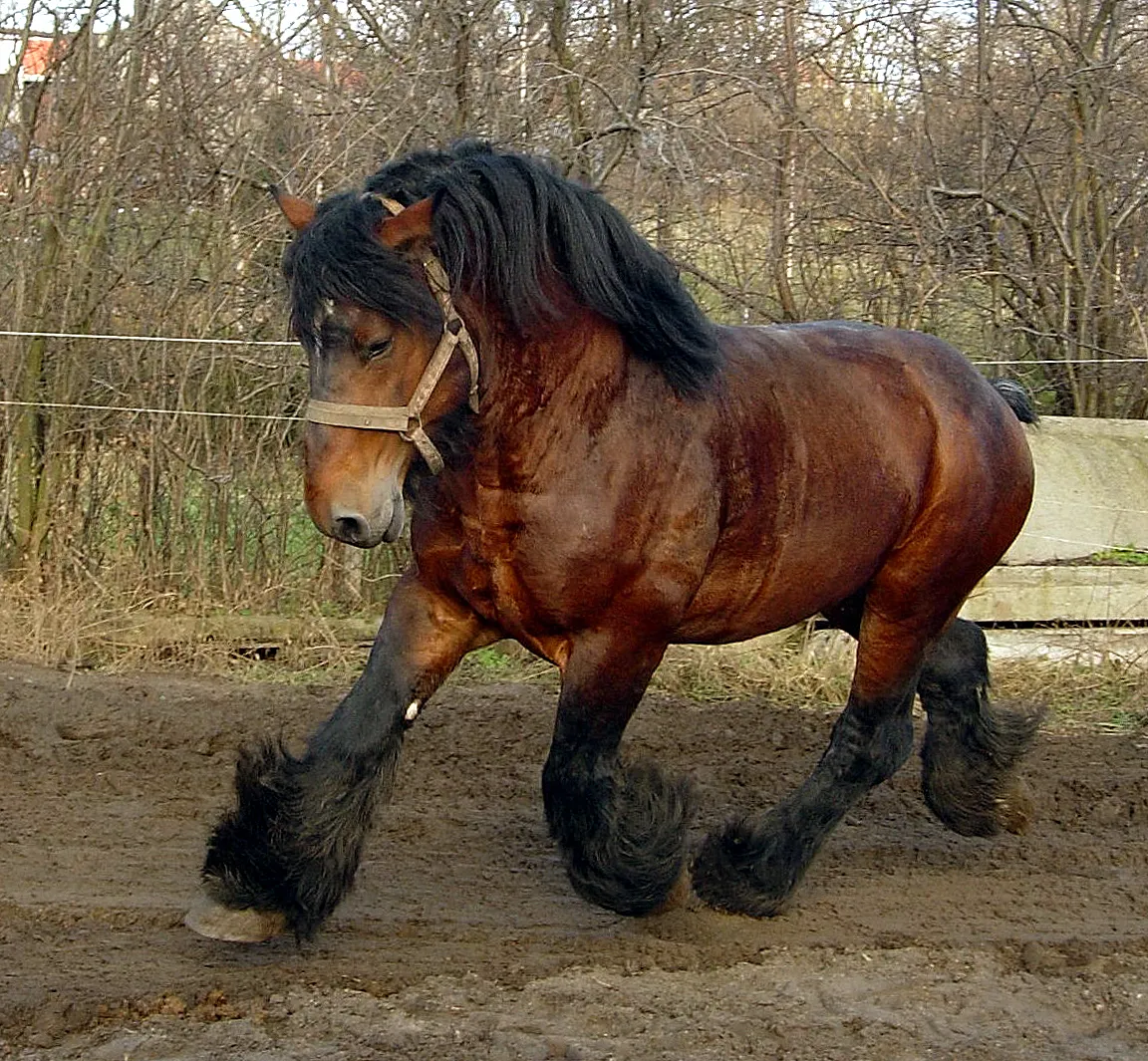
Belgian Draft Horses may carry the single most alarming statistic in this entire list, and it’s one most buyers have never heard.
Research shows chronic progressive lymphedema has a prevalence of up to 85.86 percent in Belgian drafts, meaning the overwhelming majority of Belgians may eventually develop this incurable limb disease. Due to the disease’s progressive and incurable nature, affected horses are often euthanized prematurely. Belgians also carry a distinct form of Junctional Epidermolysis Bullosa, caused by a different gene than the one in Saddlebreds, stacking a second fatal skin condition onto the breed’s risk profile. Given how common CPL is in this breed specifically, many vets now consider Belgian Drafts one of the highest-risk breeds in the entire draft category.
#19 – Appaloosas: Their Signature Spots Come With a Dark Trade-Off
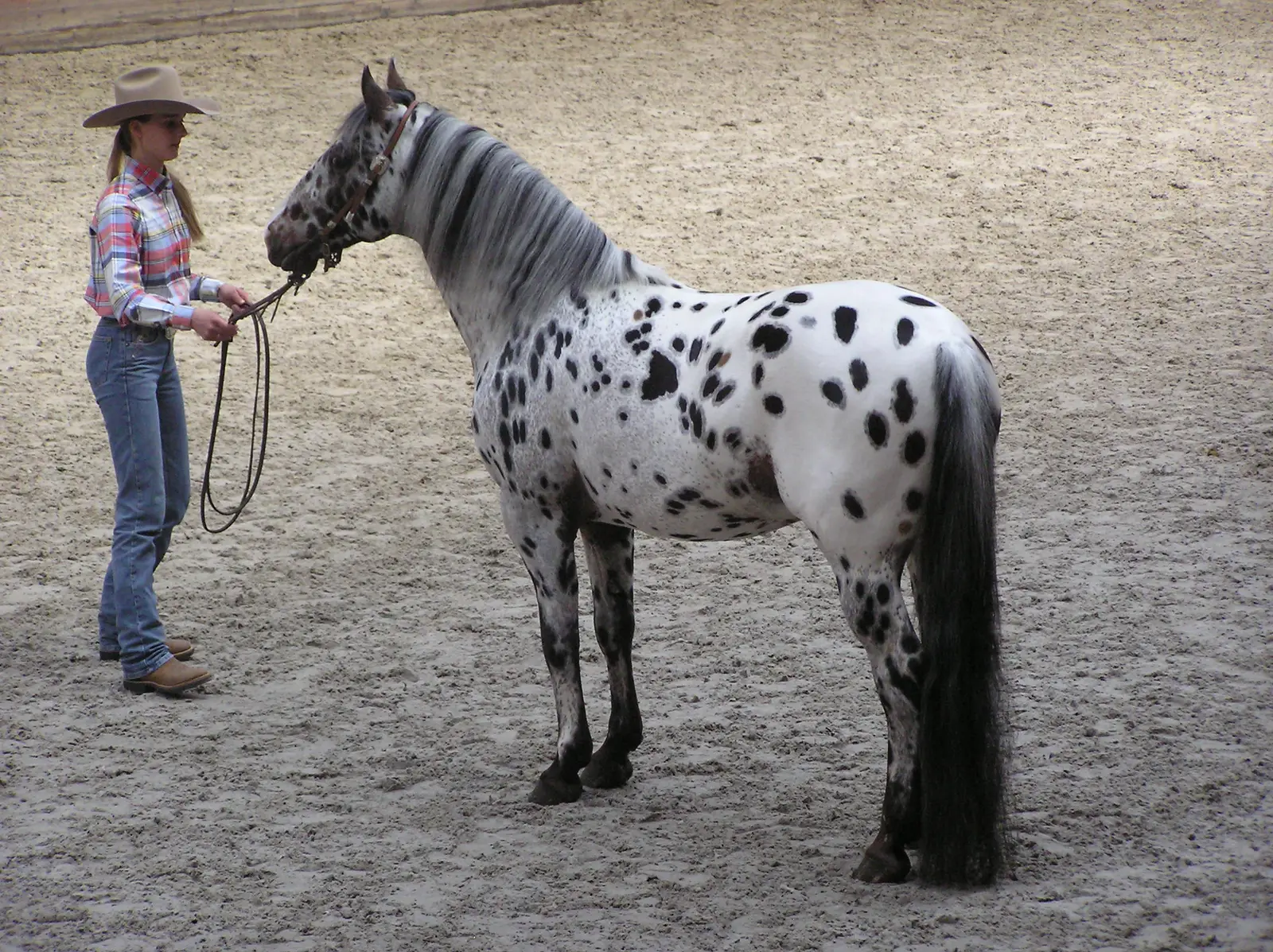
Appaloosas are famous for their leopard-spotted coats, but the same gene responsible for that pattern is directly tied to two serious eye diseases.
Appaloosas are genetically predisposed to equine recurrent uveitis, the leading cause of blindness in horses, with prevalence reported as high as 25 percent in the breed. On top of that, horses with two copies of the leopard complex spotting allele can develop congenital stationary night blindness. One in four Appaloosas may be at risk of going blind from a condition directly tied to their coat pattern. Researchers have found that 15 to 53 percent of studied cases were euthanized as a direct result of this eye disease. Vets now treat spotted coat patterns as a genetic red flag, not just a cosmetic bonus.
At a Glance
- Uveitis prevalence in Appaloosas: as high as 25 percent
- Uveitis remains the leading cause of blindness in horses overall
- Leopard-spotting gene also linked to congenital stationary night blindness
- 15 to 53 percent of studied uveitis cases ended in euthanasia
#20 – Arabians: The World’s Oldest Breed Hides Some of Its Darkest Genetics
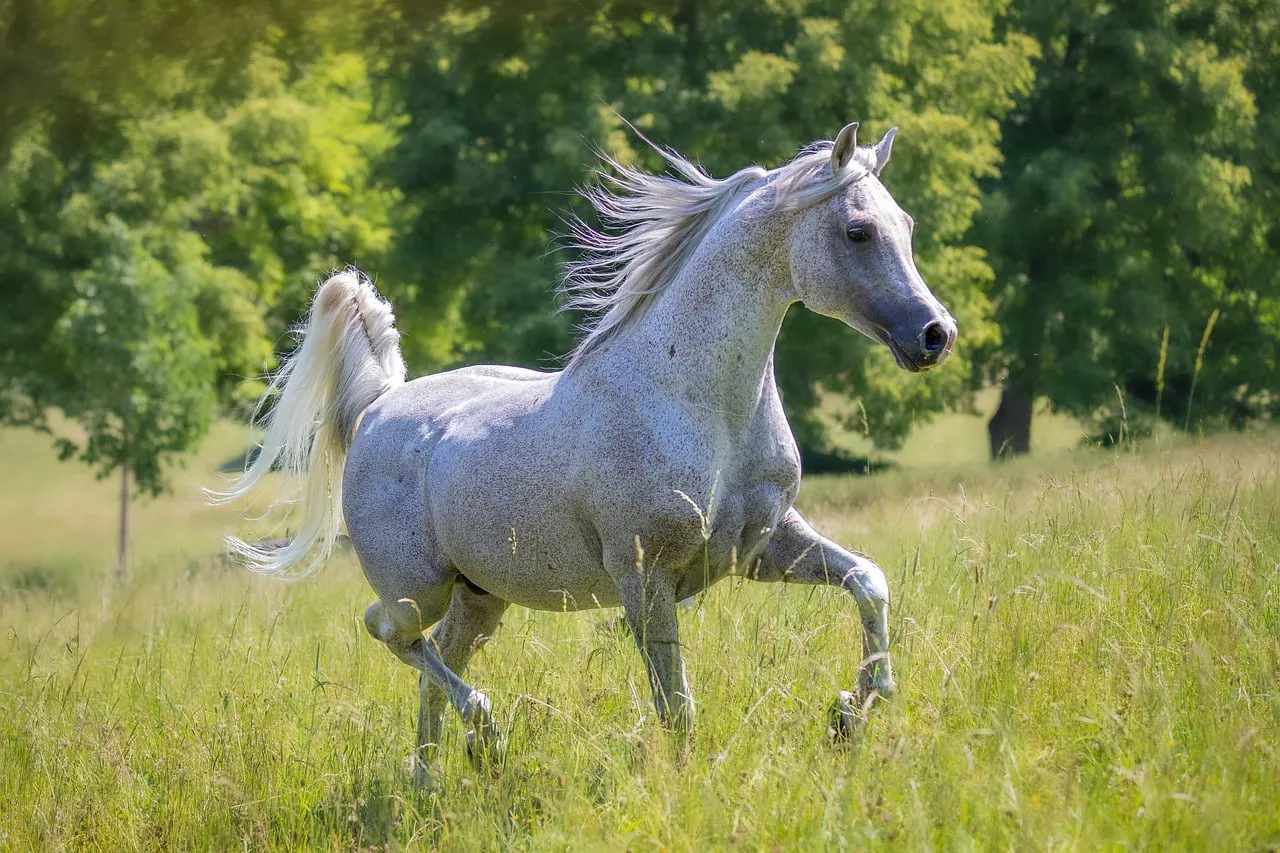
Arabians are celebrated as one of the purest and oldest horse breeds, but that same purity has come at a steep genetic cost.
Decades of tight, selective breeding have concentrated at least three serious inherited disorders in the breed: Cerebellar Abiotrophy, Severe Combined Immunodeficiency, and Lavender Foal Syndrome. This kind of intense inbreeding causes documented inbreeding depression, and the economic toll on breeders is significant. Foals born with Lavender Foal Syndrome typically don’t survive, and there are currently no known treatments. SCID is especially insidious – but careful testing can prevent tragedy entirely, since matings between clear and carrier animals will never produce an affected foal. Many vets say too few breeders still bother.
#21 – American Paint Horses: A Beautiful Coat With a Deadly Recessive Gene
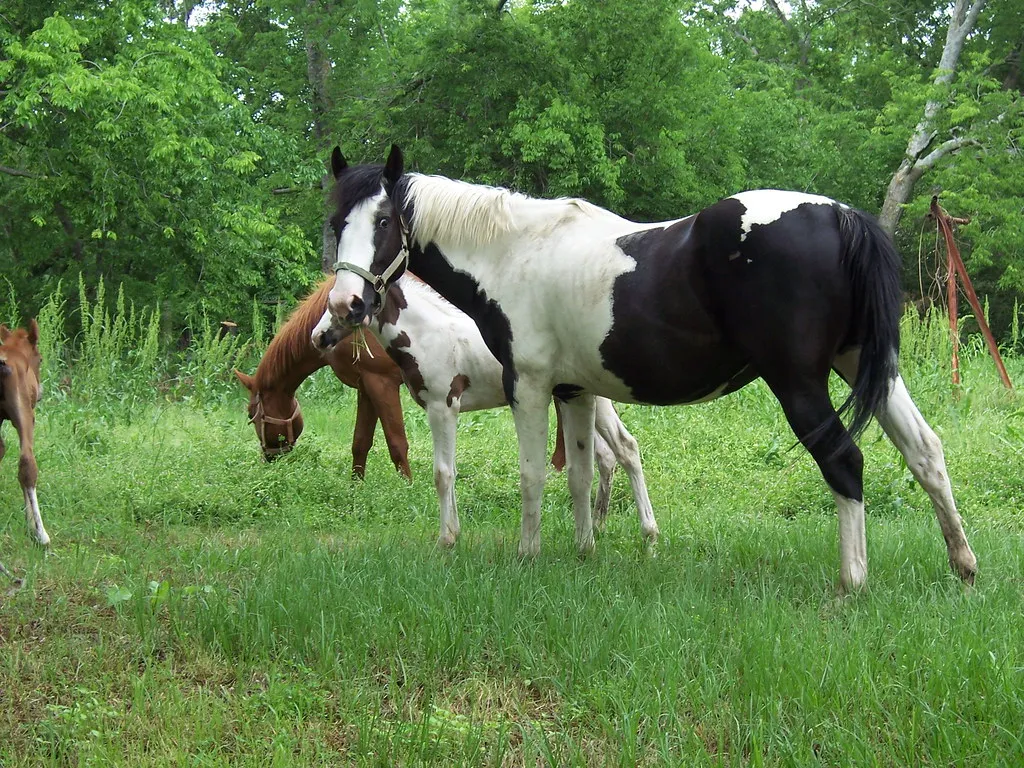
American Paint Horses are prized for their bold, patchwork coats, but the overo coloring pattern hides one of the most tragic genetic conditions in the horse world.
Lethal White Syndrome occurs when two carriers of the overo pattern are bred together, producing foals born white, blind, and unable to pass manure due to an underdeveloped digestive tract. These foals do not survive, regardless of veterinary intervention. Breeders can unknowingly produce a Lethal White foal simply by pairing two visually stunning overo horses. Researchers note the mutation can also surface in Quarter Horse mares bred to Paint stallions, which is why vets increasingly insist on genetic testing before any overo-to-overo pairing.
#22 – American Quarter Horses: America’s Favorite Breed Has a Genetic Skeleton in the Closet
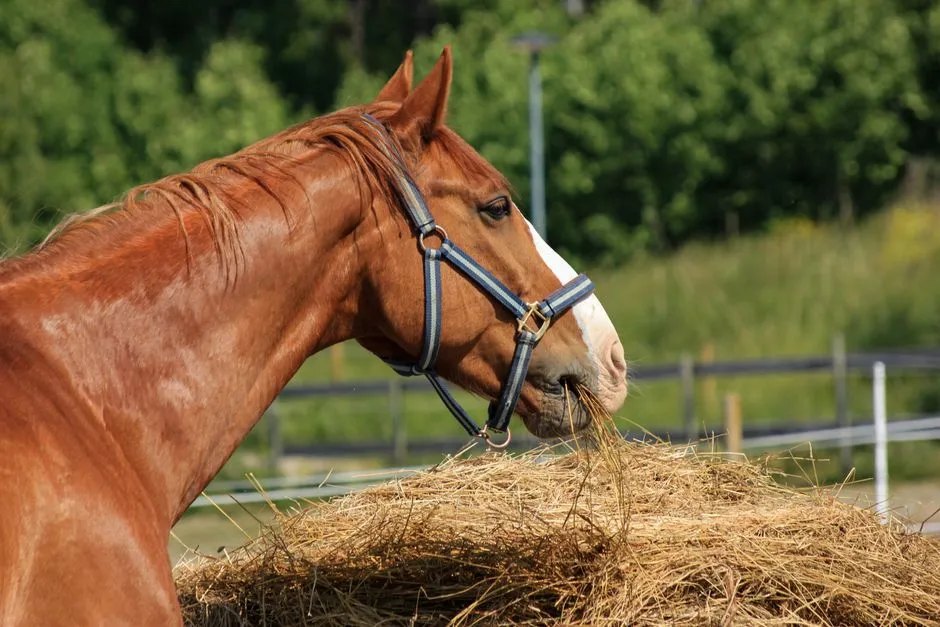
The Quarter Horse is the most popular breed in North America, but its show-ring success has quietly bred in a cluster of dangerous genetic diseases.
Researchers found the highest incidence of PSSM and GBED in the breed overall, with about 11 percent of individuals testing positive, alongside lower but still meaningful rates of HERDA (3.5 percent) and HYPP (1.5 percent). Halter-line horses are especially affected: 56 percent carried the genes for HYPP and 28 percent carried the genes for PSSM. More than half of competitive halter Quarter Horses may carry a mutation that causes sudden muscle paralysis or collapse. HYPP itself ranges from a few muscle tremors in mild cases to cramping, paralysis, collapse, or sudden death in severe ones. Vets now openly question whether the “ideal” heavily-muscled halter physique is worth the genetic price.
Quick Compare
- PSSM/GBED overall: about 11 percent of Quarter Horses
- HERDA carriers overall: about 3.5 percent
- HYPP carriers overall: about 1.5 percent
- Halter-line HYPP carriers: 56 percent
- Halter-line PSSM carriers: 28 percent
#23 – Friesians: The Breed Vets Worry About the Most
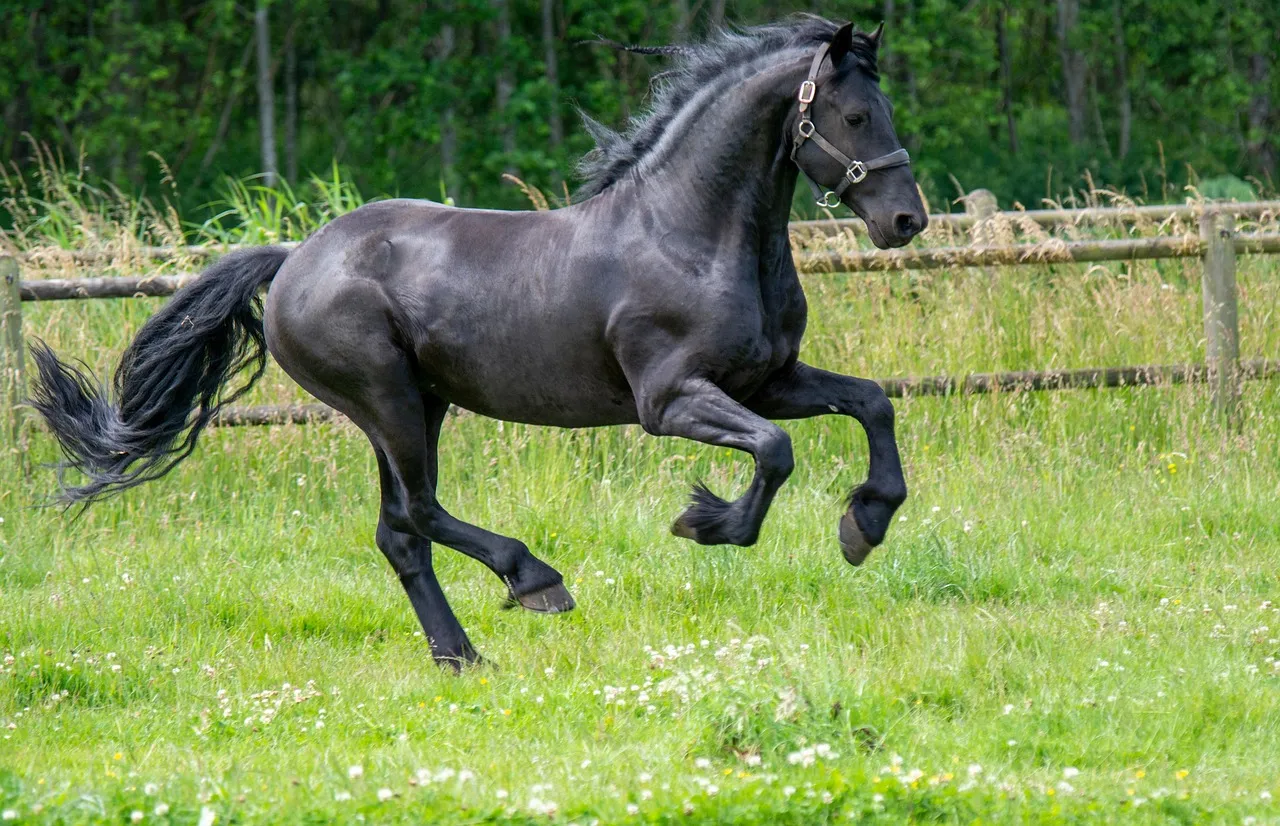
If there’s one breed that has genuinely shifted how vets talk to clients, it’s the Friesian – and the reason is heartbreaking.
Mechanization nearly ended the breed entirely, and by 1913 only three purebred stallions remained – meaning every Friesian alive today descends from those three horses. That bottleneck now manifests as sudden, unpreventable death: aortic rupture, usually at the aortic arch, believed to be caused by a connective tissue disorder specific to the breed. Tragically, the average age of aortic rupture is just four years old – meaning young, seemingly healthy horses can collapse and die with no warning at all.
The same narrow gene pool also produces dwarfism, hydrocephalus (excess spinal fluid causing a dome-shaped, oversized head), and megaesophagus. One Dutch veterinarian who reviews these cases regularly has said he sees Friesians make up about 30 percent of his caseload, and that the connective tissue problem is what worries him most. It’s the clearest example on this entire list of a breed where beauty and popularity have outpaced genetic health – and exactly why so many vets now hesitate before recommending it to unsuspecting families.
The Bottom Line
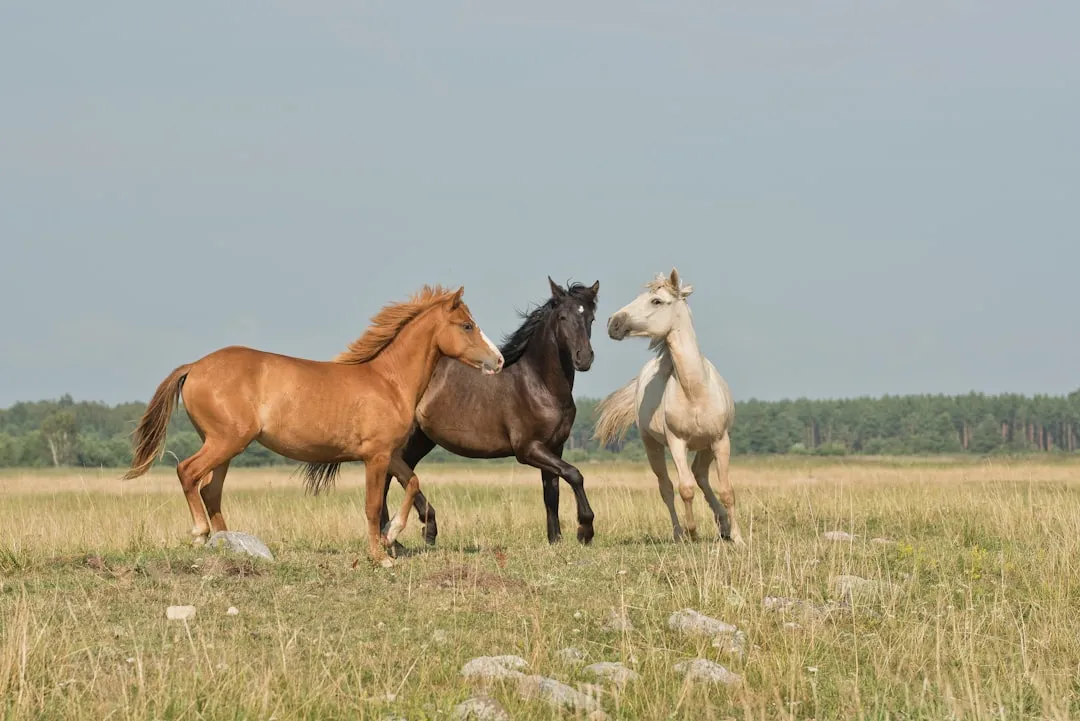
After looking at the evidence, one thing is impossible to ignore: breed popularity and breed health are not the same thing. From Friesians collapsing from unpreventable heart ruptures to Appaloosas facing a one-in-four blindness risk to Belgian Drafts carrying an 85 percent disease prevalence, these aren’t rumors whispered at the barn – they’re documented, researched, breed-specific patterns that vets see over and over again.
Quick Compare: Documented Risk by Breed
- Belgian Draft – up to 85.86 percent chronic progressive lymphedema prevalence
- Appaloosa – up to 25 percent equine recurrent uveitis prevalence
- Halter Quarter Horse – 56 percent HYPP carrier rate
- Friesian – average age of fatal aortic rupture is just 4 years old
- Tennessee Walking Horse – roughly 10 percent carry a night-blindness allele
Here’s the part that should actually change how people shop for a horse: most of these conditions can be screened for, managed, or avoided entirely with genetic testing before breeding ever happens. The real failure isn’t the breed itself – it’s how often that testing gets skipped in favor of a pretty coat, a famous bloodline, or a “good enough” gut feeling. Buy the breed you love. Just do it with your eyes open, because the horse can’t ask the hard questions for itself.
