
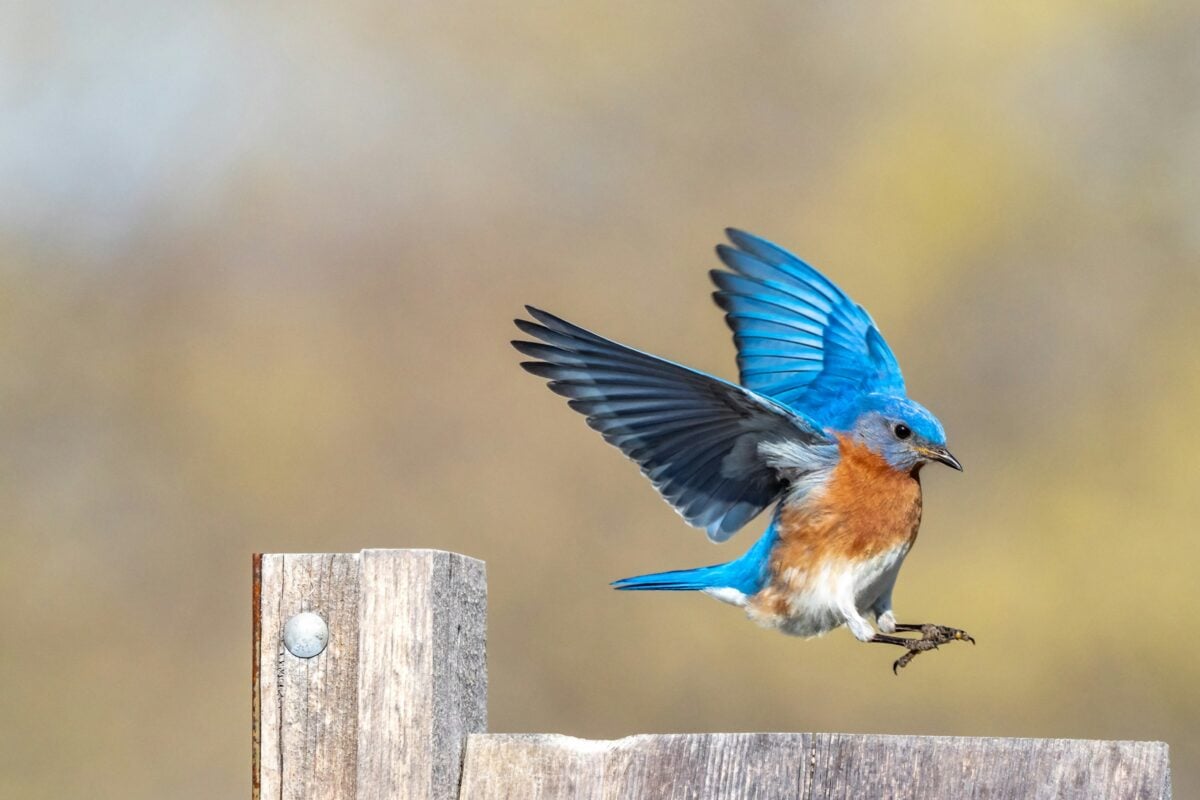
If you’ve put up a pretty bluebird house, crossed your fingers, and still end every spring staring at an empty box, you’re not alone. Lots of people try to attract bluebirds and end up attracting…absolutely nothing, or worse, aggressive species that chase the bluebirds away.
The good news is that bluebirds are actually pretty simple in what they want. The bad news is that they’re also picky, and a few small mistakes can quietly turn your yard into a place they’ll just fly past. Let’s walk through the most common missteps that push bluebirds away and how you can fix them, one practical change at a time.
#1 Using the Wrong Nest Box Design
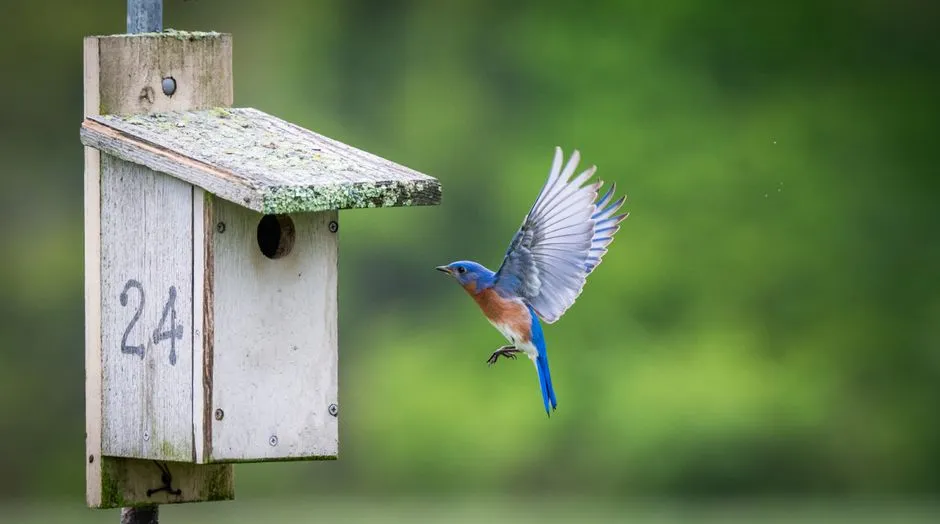
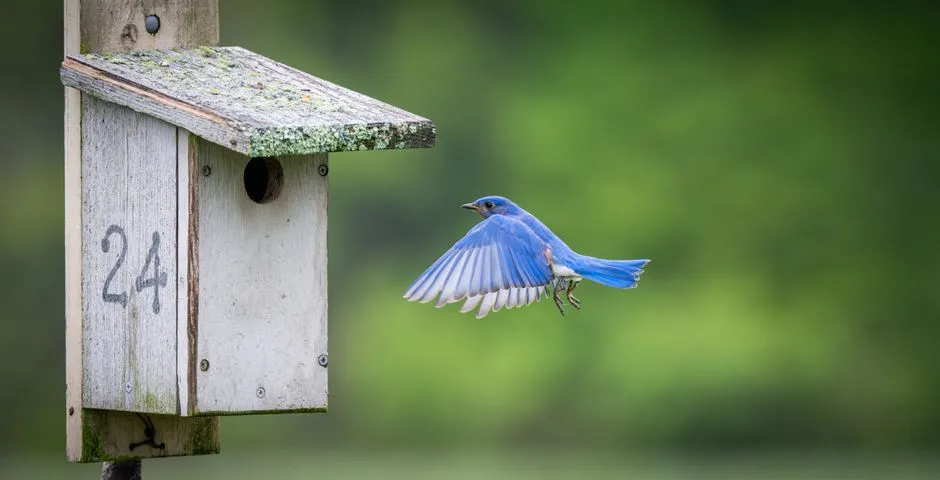
One of the fastest ways to lose bluebirds before they ever move in is to give them a “cute” house instead of a functional one. Many decorative birdhouses sold in garden centers are more art piece than habitat: they have perches (which bluebirds don’t need), wide openings, shallow floors, or roofs that leak. Bluebirds look for a snug, well-proportioned cavity with the right entrance size and depth for safety from predators and weather.
A proper bluebird box usually has an entrance hole about one and a half inches across, no perch, a floor roughly about four inches square, and enough depth from the entrance to the floor to protect the nest. I learned this the hard way when my first box looked adorable but might as well have had a “for sparrows only” sign on it. Once I swapped to a simple, plain wooden box built to bluebird specs, they showed up within one season as if they had been waiting on me to get it right.
#2 Placing Boxes in the Wrong Location
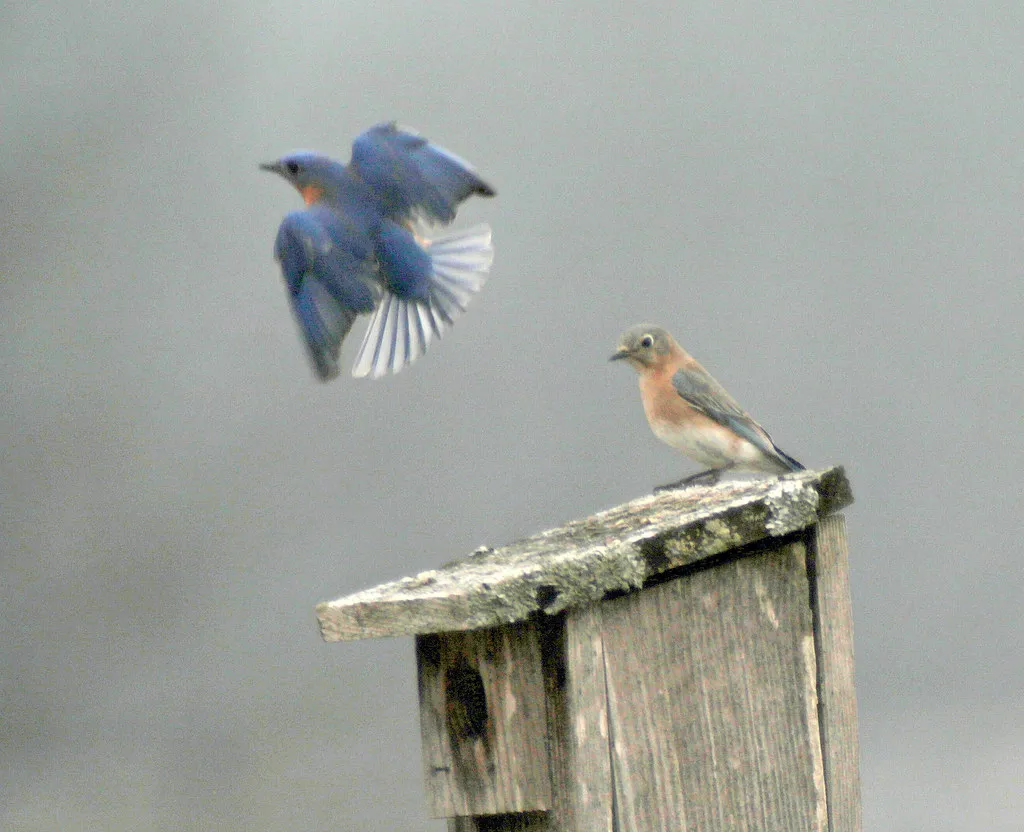
You can have the perfect box and still strike out if you hang it in the wrong spot. Bluebirds are open-country birds; they like short grass, scattered trees, and a relatively open view so they can spot insects and watch for predators. A box tucked deep in wooded shade or crammed on a busy deck post next to the grill feels risky, noisy, and awkward for them.
Ideally, place the box facing an open area like a lawn, meadow edge, or pasture, with a clear flight path and a perch spot nearby such as a fence post or low branch. Mount the box on a sturdy pole at about five feet off the ground and avoid putting it on trees or fences where predators can easily climb. When I moved my own box just twenty feet – from a shaded fence line to a more open patch facing the yard – the bluebirds seemed to notice almost immediately, and it finally looked like the yard matched what they were built for.
#3 Ignoring Predator and Competitor Protection
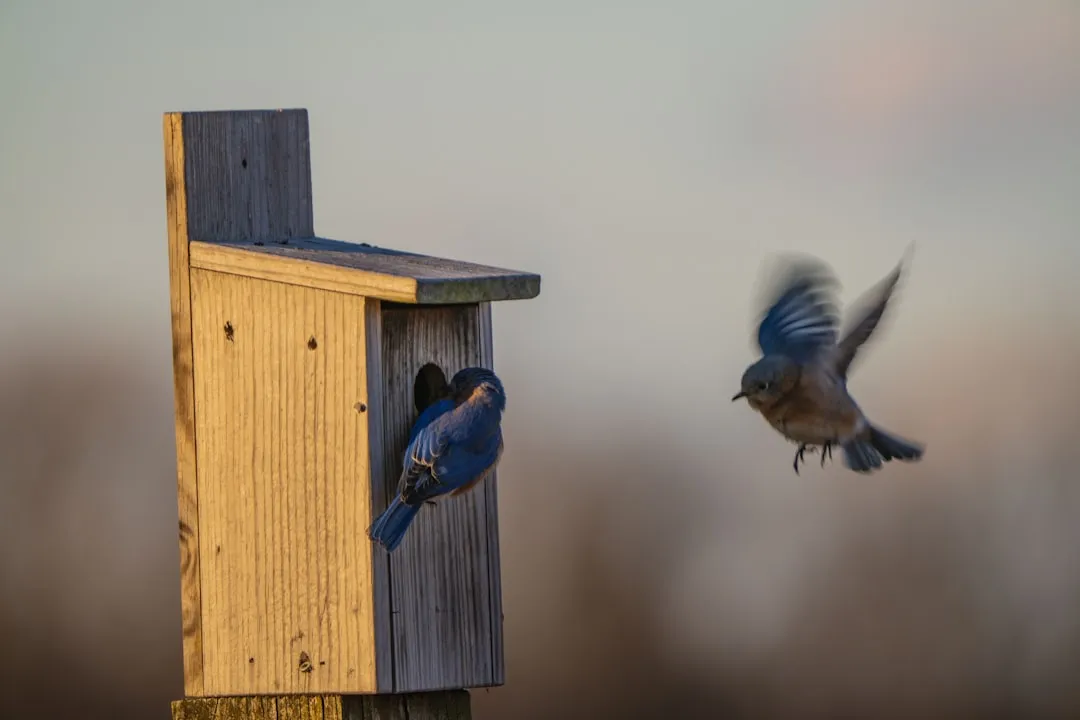
Even if a pair of bluebirds starts to investigate your box, they might abandon it if they sense too much danger. Raccoons, snakes, cats, and even squirrels can raid nests quite easily if the box is mounted without any protection. On top of that, aggressive birds like house sparrows or European starlings can take over boxes, destroy eggs, or harass adult bluebirds until they give up and leave.
To give bluebirds a fighting chance, use a predator guard on the mounting pole, such as a smooth metal baffle that makes it hard for climbers to reach the box. Make sure the entrance hole is small enough to exclude larger competitors and never add a perch that allows bullies easy access. Managing invasive species, keeping cats indoors, and placing boxes away from thick brush where snakes hide all add up: the box stops feeling like a fast-food stop for predators and starts feeling like a safe nursery for baby bluebirds.
#4 Letting the Box Get Dirty, Moldy, or Infested
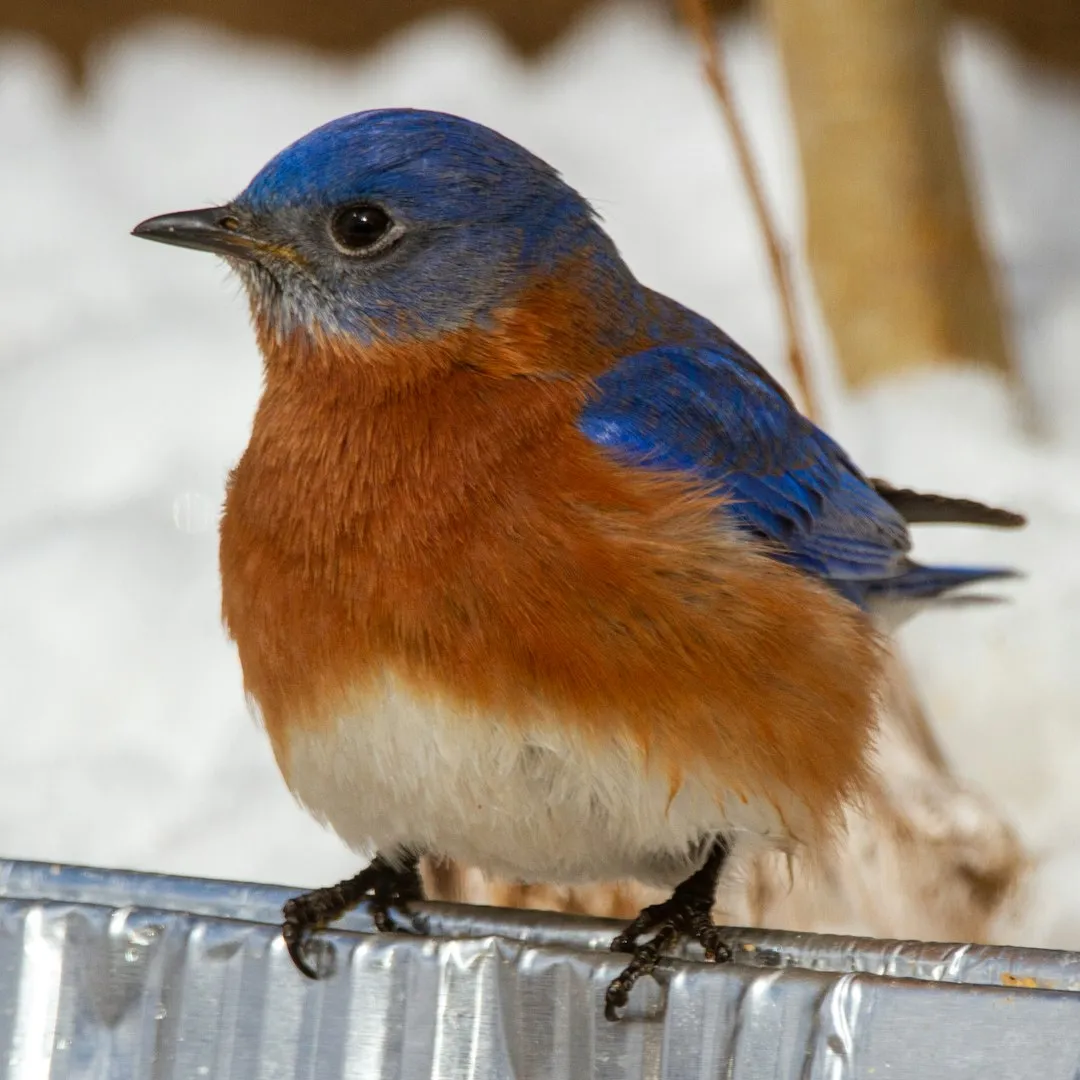
Bluebirds are drawn to clean, dry cavities, not dusty old boxes full of last year’s debris. Old nests can harbor mites, blowflies, or other parasites that weaken chicks and stress adults. If a pair has a rough experience with parasites or damp conditions in one season, they might not return to that box the next year, even if the exterior looks fine.
At least once after each nesting attempt – and definitely at the end of the breeding season – open the box and gently remove old nesting material, then brush out loose debris. Check for signs of mold, warped wood, or leaks, and repair or replace boxes that stay damp inside after rain. A quick clean-out can be the difference between a box that bluebirds treat like a one-time rental and one they come back to as a reliable home base year after year.
#5 Forgetting About Food and Water Nearby
We like to think that putting up a nest box is enough, but bluebirds also need a reason to hang around the neighborhood. They mainly eat insects during the nesting season – beetles, caterpillars, spiders, and other small prey they can spot from a perch and grab in short flights. A yard that’s all chemicals, synthetic turf, and no life in the soil may look tidy to humans but can feel like a food desert to bluebirds.
You can make your yard more inviting by reducing pesticide use, allowing some areas of short natural grass, and planting native shrubs or small trees that support insect life. A shallow birdbath or dripper placed within easy sight of the box gives adults a place to drink and bathe between feeding trips. In cold snaps or early spring, adding mealworms in a dedicated feeder can be a game-changer, giving bluebirds the calories they need to stick around when natural insects are still scarce.
#6 Creating Too Much Human Noise and Activity
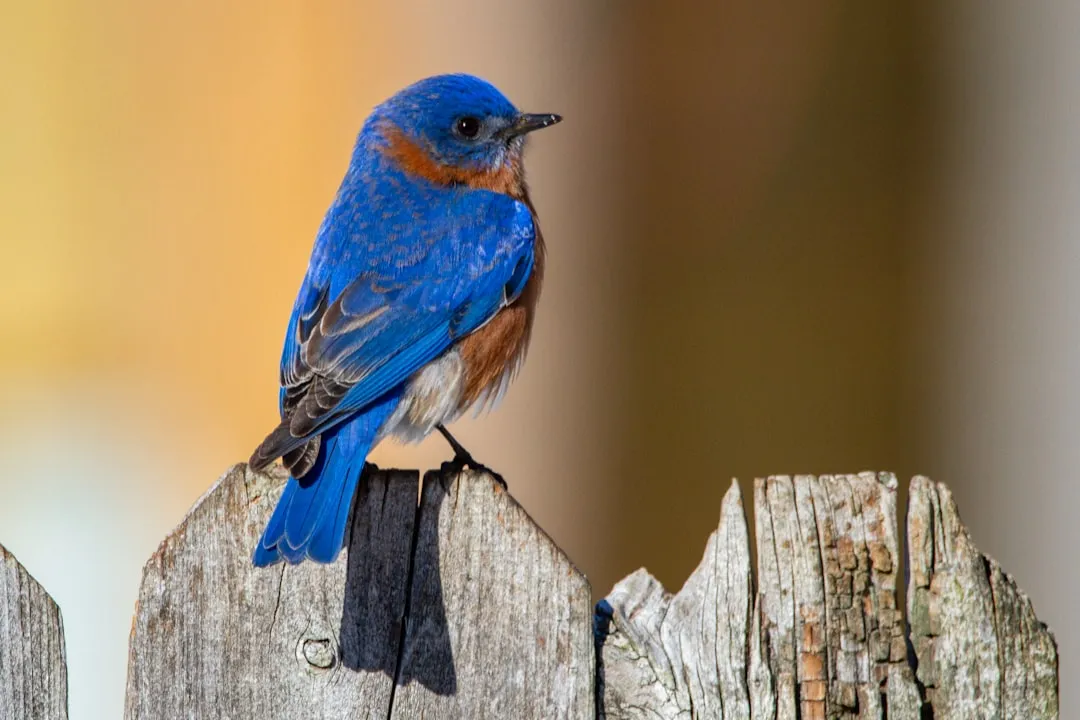
Bluebirds will tolerate a calm human presence, but they do not want to raise young in the middle of constant chaos. A box mounted on a busy play structure, next to a blaring speaker, or beside a door that slams twenty times a day sends the message that this spot will never be quiet. Repeated loud noises or people lingering right in front of the box can cause parents to hesitate, delay nesting, or abandon a site that otherwise looks suitable.
It helps to think of the area around the box as a little privacy bubble. You can still enjoy watching them, but give them some space: observe from a distance with binoculars, keep pets away from the box area, and limit how often you walk directly underneath it. I’ve noticed that when I treat the nesting area like a “do not disturb” zone rather than the centerpiece of the patio, the bluebirds seem far more relaxed, hopping in and out of the box instead of nervously chattering from a tree across the yard.
#7 Hovering, Over-Managing, or Constantly Opening the Box
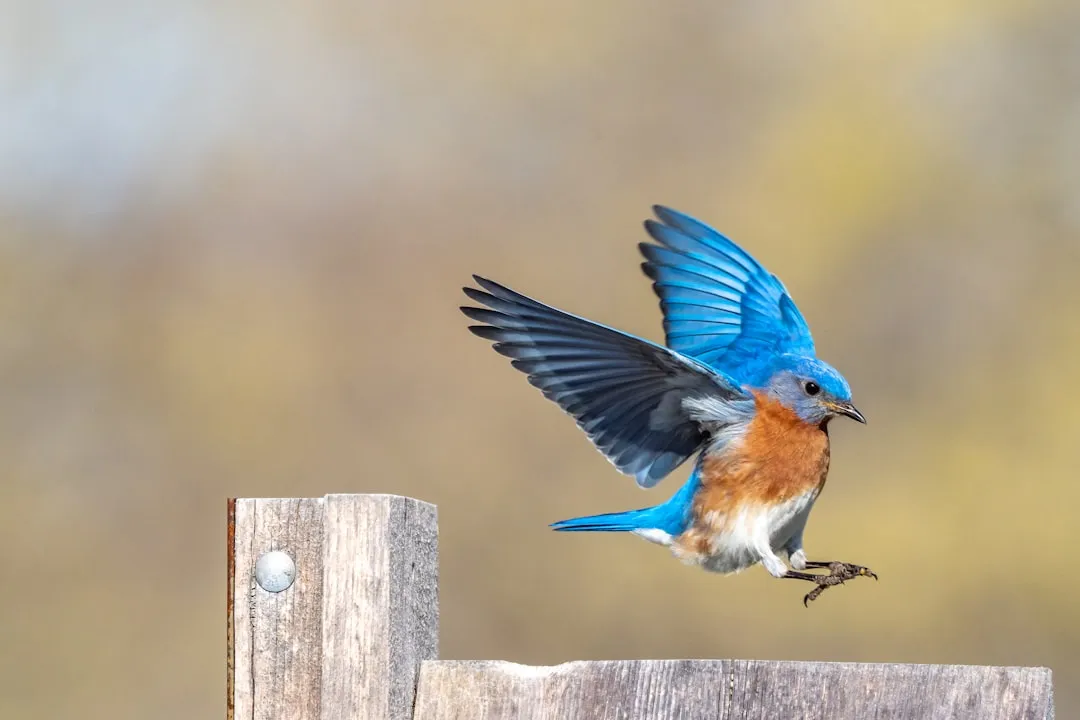
There’s a fine line between responsible monitoring and helicopter parenting – yes, even with birds. Checking a bluebird box occasionally is a good thing; it helps catch problems early and lets you clean up after a failed nest so they can try again. But opening the box every single day, tapping on it, or lingering right in front of the entrance can feel like constant intrusion to the adult birds.
A sensible approach is to limit quick checks to once every several days during active nesting, and avoid opening the box at all near fledging time so youngsters are not startled into leaving too early. If you notice the adults scolding, fluttering around you, or hesitating to come to the box while you’re there, that’s a sign you may be overdoing it. Bluebirds are far more likely to nest successfully when we act like quiet caretakers instead of impatient landlords forever peeking through the door.
Conclusion: Turning Your Yard Into a True Bluebird Haven
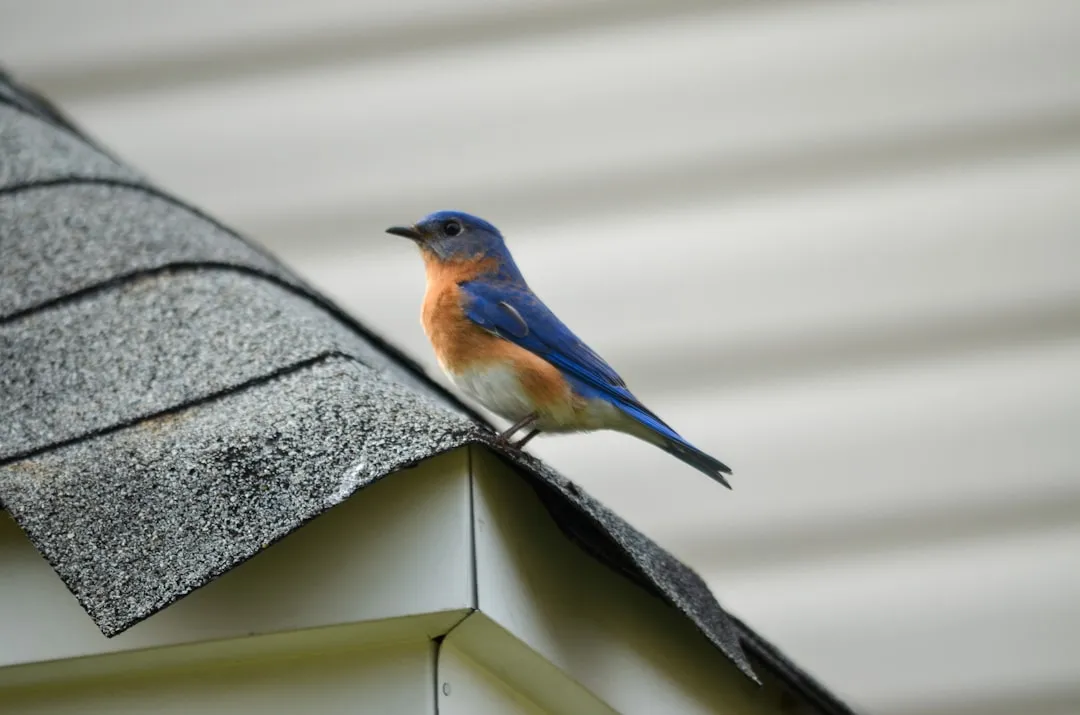
When you zoom out, a pattern appears: bluebirds are not asking for anything fancy, just a safe, clean, quiet place in a landscape that still feels alive. The real mistakes that keep them away are usually subtle – an oversized entrance, a box in deep shade, a pole without a predator guard, or a yard that’s so manicured it no longer supports bugs. Fixing those issues can feel almost too simple, yet season after season, the people who make these small changes are the ones who suddenly wake up to a blue flash on the fence and the soft calls of parents feeding chicks.
My own opinion is that bluebirds are a kind of honesty test for how welcoming our yards really are to wildlife. If you get them nesting, it usually means you’ve created a space that works for a whole web of living things, from beetles in the soil to berries on native shrubs. So as you tweak box designs, move poles, and cut back on chemicals, you’re not just trying to lure in a pretty bird – you’re rebuilding a small piece of healthy habitat. With that in mind, which of these seven mistakes are you going to tackle in your yard first?

- 8 Signs Your Rabbit Trusts You Completely - August 1, 2026
- 10 Most Beautiful Buildings In New York City - August 1, 2026
- How Can You Attract More Butterflies to Your Texas Garden - August 1, 2026