
If you’ve ever looked at your cat sprawled in a sunbeam and thought, “You have the perfect life,” you’re only seeing half the story. Indoor cats do enjoy safety and comfort, but many of the things we do in our homes – often with the best intentions – quietly crank up their stress levels.
Chronic, low‑grade stress in cats is sneaky. It can show up as “random” vomiting, peeing outside the litter box, over-grooming, hiding, or suddenly swatting at you for no obvious reason. Once I realized how many of my own daily habits were stressing my cat out, I had to admit the problem wasn’t her “attitude” – it was me. Let’s unpack seven everyday routines that silently rattle indoor cats, and what you can do differently instead.
#1 Free-Feeding And Random Treats All Day Long
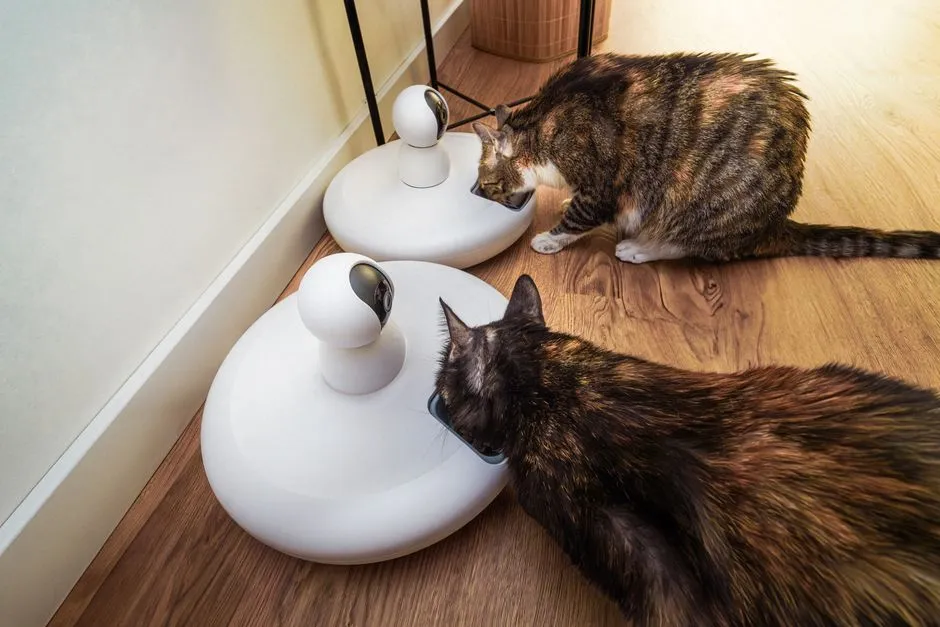
Leaving the food bowl full all day feels kind and convenient, but for many cats it quietly keeps them on edge. In nature, cats have a clear cycle: search, stalk, pounce, eat, groom, sleep. An always-full bowl blurs that rhythm, removes the “hunt,” and turns food into background noise, which can lead to boredom, weight gain, and subtle anxiety around feeding.
On top of that, random treats whenever they meow can create confusion and food-anticipation stress. Some cats start pestering constantly because they never know when the next snack is coming, so their brain is stuck in low-key “food watch” mode. A more cat-friendly approach is set meal times, maybe two to four small meals a day, occasionally using puzzle feeders or tossing a few kibbles to “hunt.” It gives structure, taps into their natural instincts, and calms that constant food tension.
#2 Litter Boxes That Work For You, Not For Them
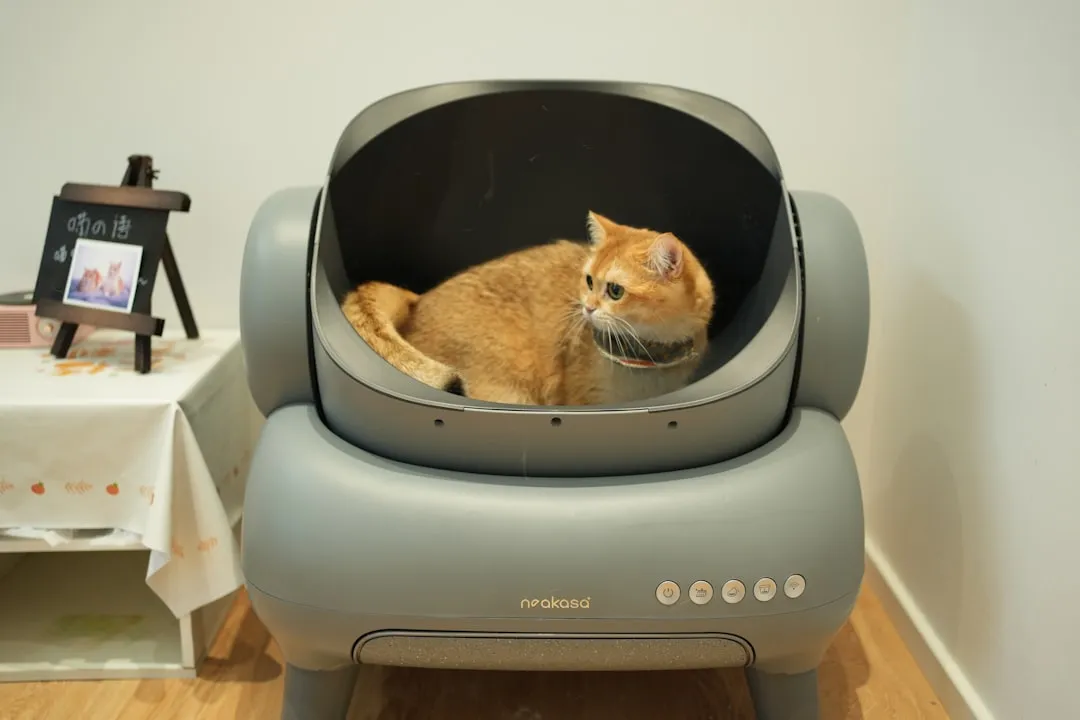
Litter box issues are one of the biggest red flags of a stressed cat, and yet most owners unintentionally design bathrooms they themselves would hate. Covered boxes, scented litter, and boxes tucked in noisy laundry rooms or next to a slamming door might look tidy to us, but they can feel like a trap to a cat. Many cats prefer open boxes where they can see threats coming and escape easily, especially in multi-pet homes.
Another secret stressor is scarcity and competition. In homes with more than one cat, a single shared box can become a silent battleground, even if nobody is overtly fighting. A good baseline is one box per cat, plus one extra, placed in different parts of the home, not lined up in a single room. Think of litter boxes as safety stations, not storage bins to hide in a corner – when they feel safe to pee and poop, they feel safer in life, period.
#3 Constant Noise, Chaos, And Unpredictable Human Routines
Indoor cats live in a world where they cannot escape the soundtrack. Loud television, sudden yelling, kids roughhousing, frequent visitors, or late-night vacuuming all stack up as background stress. Unlike dogs, who often bounce toward the commotion, many cats internalize it. They might look “fine,” but their body is on alert for the next slam, shriek, or blender roar.
Cats are also creatures of routine, and wildly inconsistent human schedules can rattle them. If one week you come home at 5 p.m., the next at midnight, and sometimes not at all, the anchor points of their day – feeding, play, cuddles, quiet time – float around unpredictably. You do not need a perfectly regimented life, but having a rough daily rhythm, plus a couple of calm “no loud appliances” windows each day, can do more for your cat’s nervous system than any expensive toy.
#4 Too Much Touch, The Wrong Kind Of Play, And Zero Consent
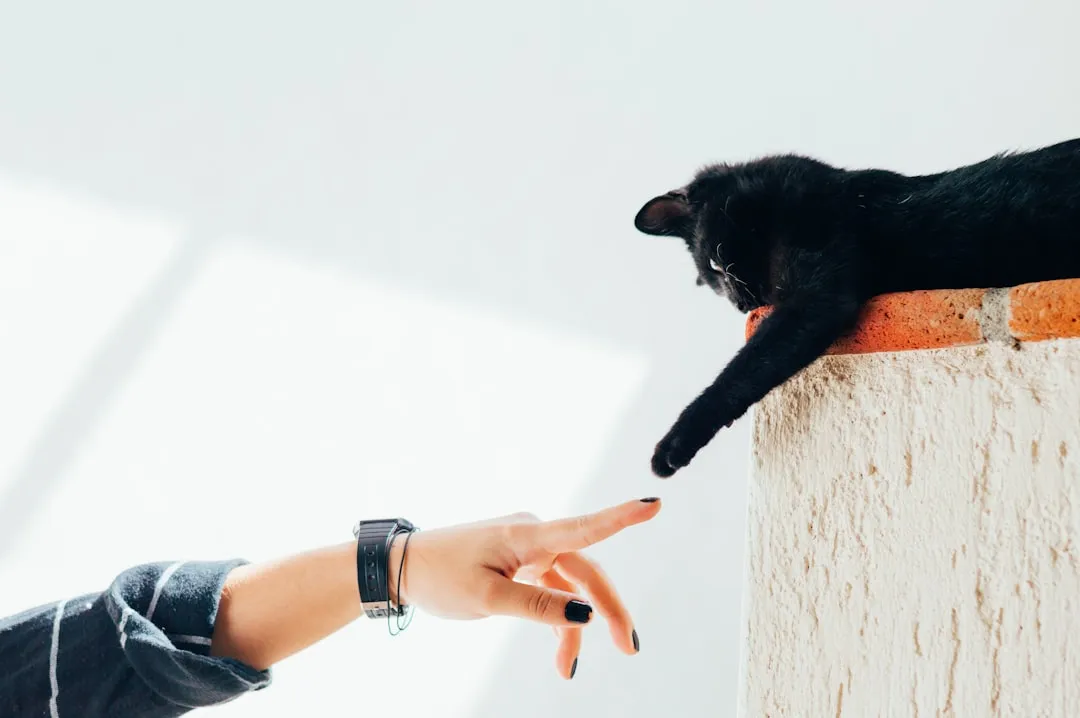
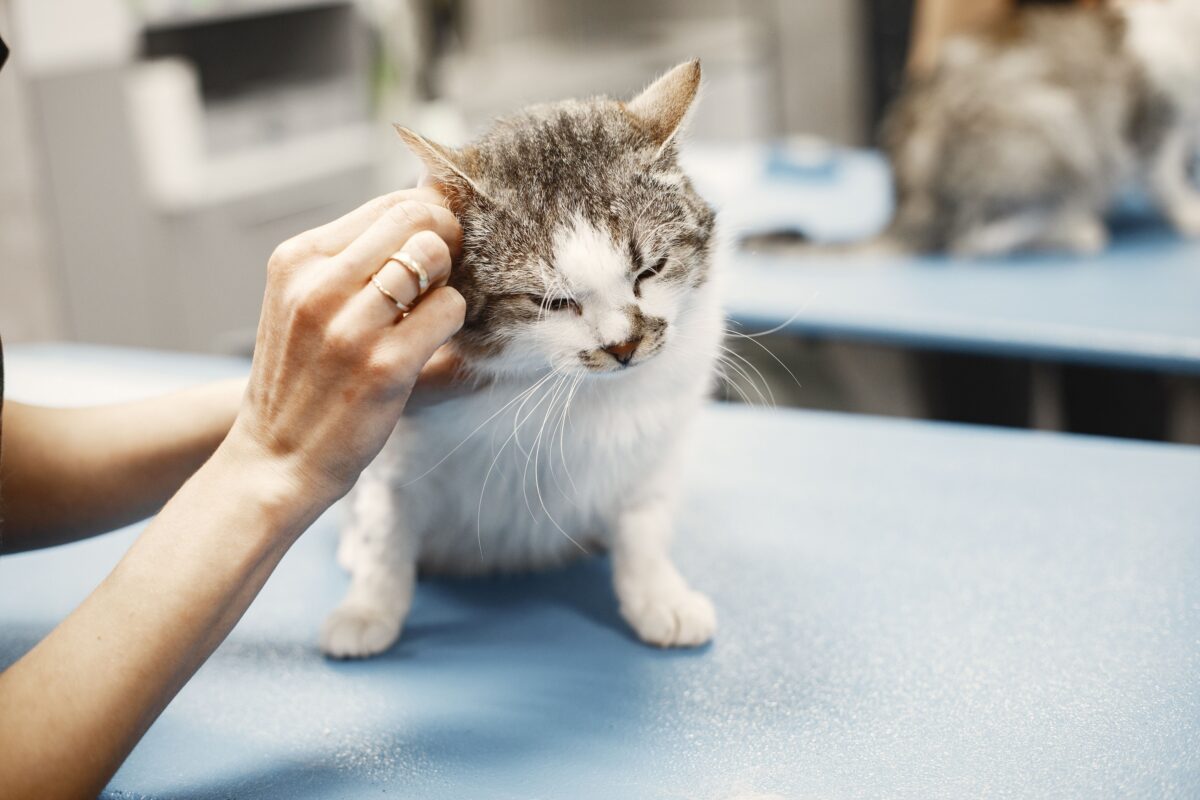
Many cats tolerate things they deeply dislike simply because they have no real choice. Being scooped up constantly, hugged tightly, or petted in sensitive areas like the belly or tail base can be genuinely stressful. Some learn to go still and stiff, which people mistake for enjoying it, when in reality the cat is shutting down. Over time, this kind of forced affection can show up as sudden swats or bites “out of nowhere.”
Play can be stressful too when it is all hand-grabbing, wrestling, or roughhousing that teaches the cat that human skin is a toy. That keeps them in a hyper-alert state where they never know if your hand is for petting or attacking. Switching to wand toys, letting the cat initiate contact, and learning to read early “I’ve had enough” signals – tail flicks, ears turning sideways, skin twitching – turns touch into something predictable and safe. When a cat trusts that you will stop when they ask, their whole body language softens over time.
#5 A Boring, Flat Environment With Nothing To Do
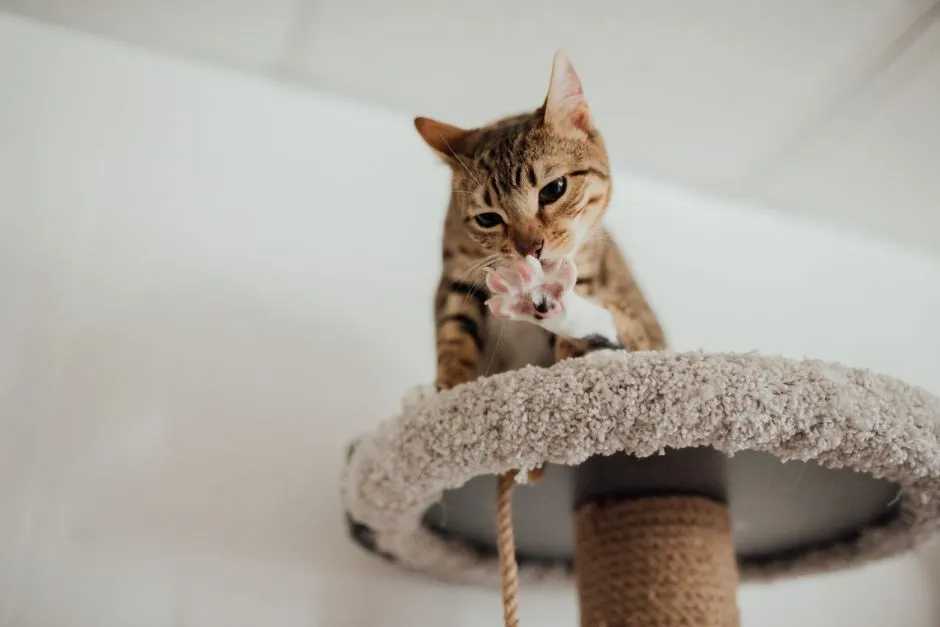
One of the most underrated cat stressors is sheer boredom. Indoor cats often live in pristine, minimal spaces that are beautiful to humans and utterly empty to feline brains. No high places, no scratch posts they actually like, no window perches, no hiding nooks – just floors, couches, and maybe a single sad scratching post in the wrong corner. With nowhere to climb, scratch, hide, or watch the world, their natural behaviors have nowhere to go but inward.
That chronic under-stimulation can morph into anxiety, over-grooming, night zoomies, or picking fights with other pets. You do not need to turn your living room into a jungle gym, but even a couple of well-placed vertical shelves, a sturdy scratching post near where you sit, and a window bird feeder can transform their mental world. Think of “catifying” your home less like decorating for an animal and more like building a layered city for a tiny, silent acrobat who also happens to be a predator.
#6 Sudden Changes In Smell, Furniture, Or Household Members
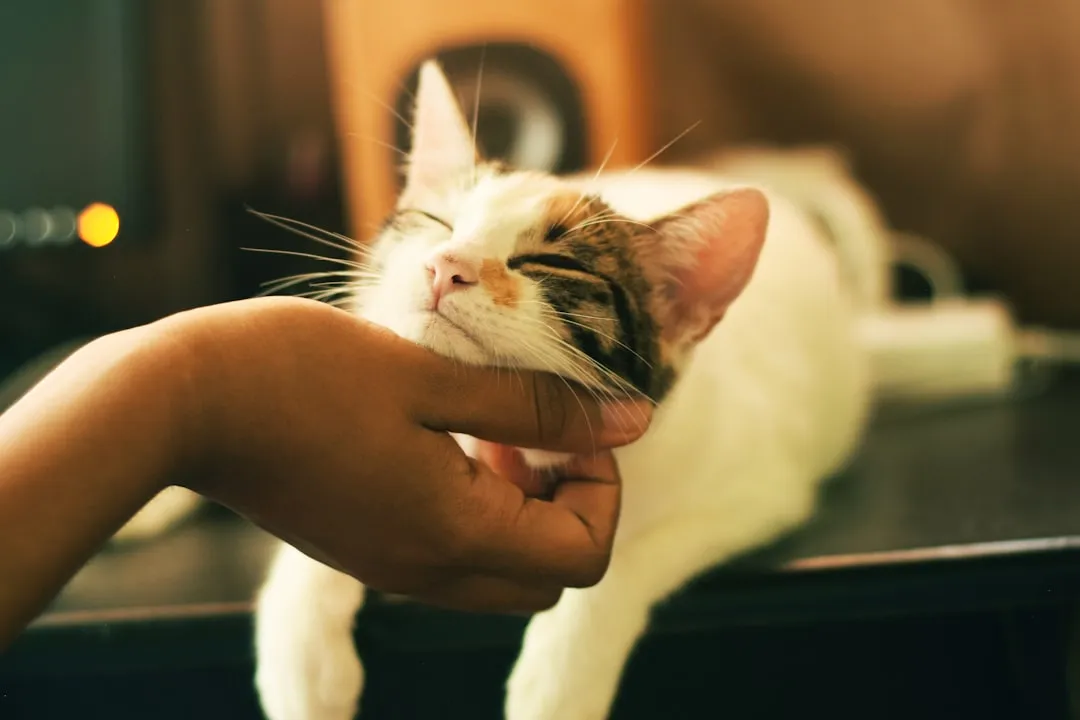
Cats experience their world heavily through scent, so every new detergent, air freshener, or essential oil is a massive shift in their reality. Strongly scented cleaners or plug-ins can be overwhelming, and some fragrances even contain compounds that are irritating or unsafe for cats. On top of that, constantly washing or replacing items that hold familiar scent – bedding, rugs, their favorite blanket – can erase the comforting smell-map they rely on.
Big life changes add another layer: a new baby, a visiting relative, a roommate moving in or out, furniture rearranged overnight, or a new pet suddenly appearing. Humans tend to adapt fast to visual changes, but cats need time and gradual adjustment. When you know a big shift is coming, creating safe zones that stay consistent – same bed, same blanket, same hiding spot – and giving them slow, calm introductions can keep their stress from boiling over into behavior problems or health issues.
#7 Under-The-Radar Health Problems That Go Untreated
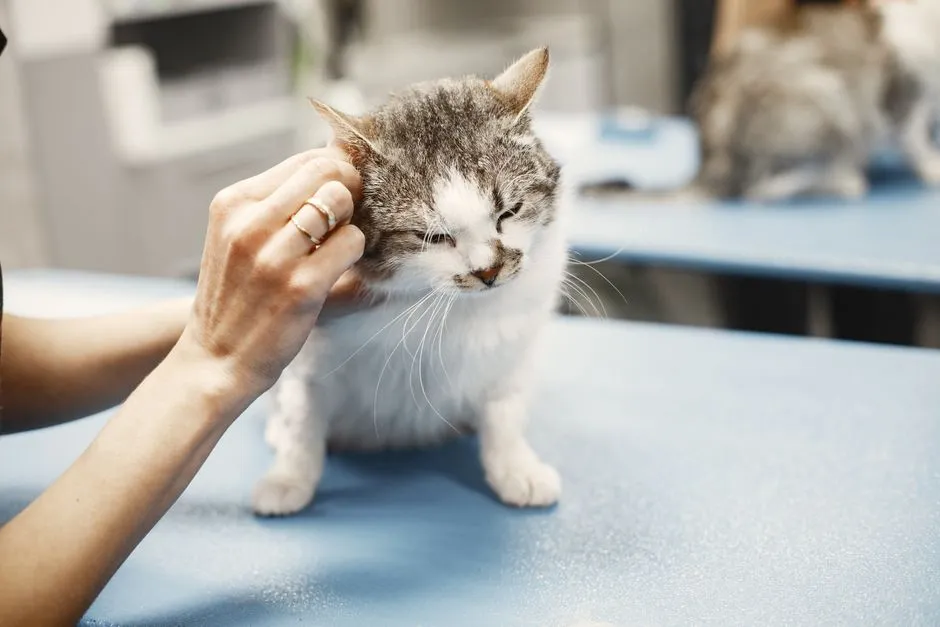
One of the most unfair sources of stress for indoor cats is undiagnosed pain or illness that humans mistake for “quirks.” A cat who suddenly hides more, stops jumping to high places, avoids the litter box, or becomes “grumpy” might actually be dealing with arthritis, dental pain, urinary discomfort, or digestive issues. Indoor cats tend to mask pain until they cannot anymore, and the constant discomfort keeps their stress hormones elevated in the background.
Because their world is so small, any physical problem echoes loudly through their behavior. That is why seemingly “behavioral” issues can sometimes only resolve once a vet addresses the medical root. Regular checkups, especially as cats hit middle age and beyond, plus taking subtle changes seriously instead of brushing them off, can dramatically improve their emotional life. A comfortable body is the foundation for a calm mind – for us and for them.
Conclusion: Your Habits, Their Nervous System
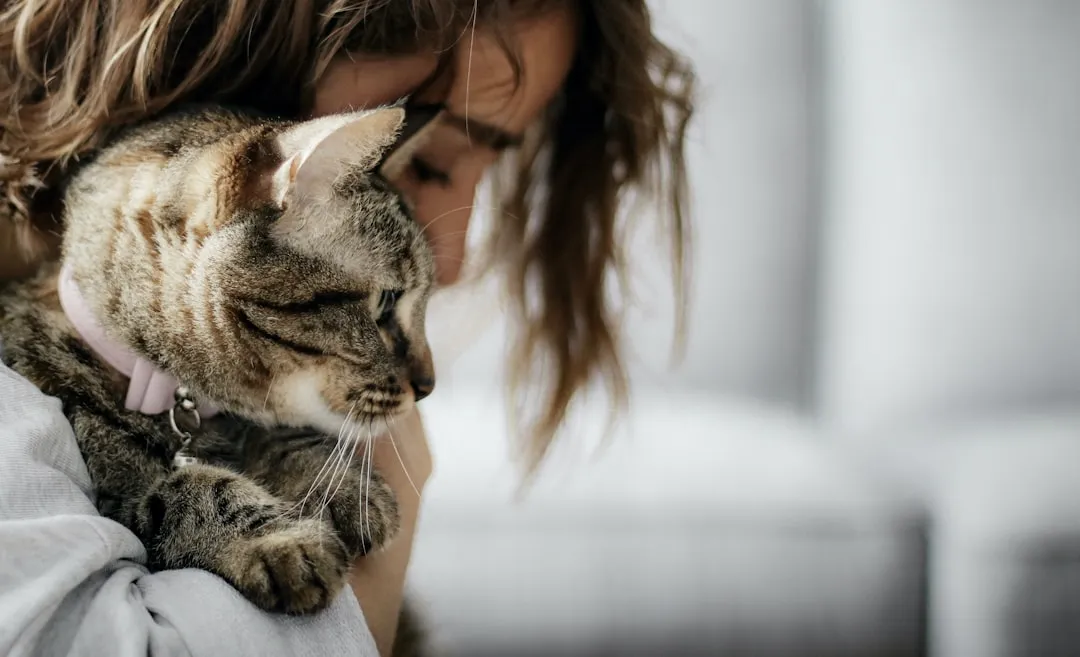
When you pull all of this together, a slightly uncomfortable truth emerges: the main source of stress for many indoor cats is not the apartment, the weather, or mysterious “cat moods” – it is us. Our noise, our schedules, our decorating choices, our impatience with their litter preferences, and our urge to squeeze them like plush toys all add up. The good news is that the same daily habits that cause stress are exactly where we have the most power to change things.
I used to think my own cat was “dramatic” until I started redesigning the environment around her instincts instead of my convenience. The shift in her behavior was humbling – and honestly, a little guilt-inducing. But that guilt can be useful if it motivates you to tweak feeding routines, rethink the litter setup, soften the noise, and add safe places to climb and hide. Your cat cannot tell you they are stressed in words, but they are already telling you with their behavior; the real question is, are you ready to listen differently now?

- 13 Odd Hummingbird Habits Ornithologists Say Still Puzzle Them After More Than Four Decades of Study - August 2, 2026
- 18 Dog Breeds Older Vets Remember Treating Constantly That Younger Vets Have Never Once Seen - August 2, 2026
- 17 Small Things Your Old Cat Starts Doing When It Knows the End Is Coming Closer - August 2, 2026