
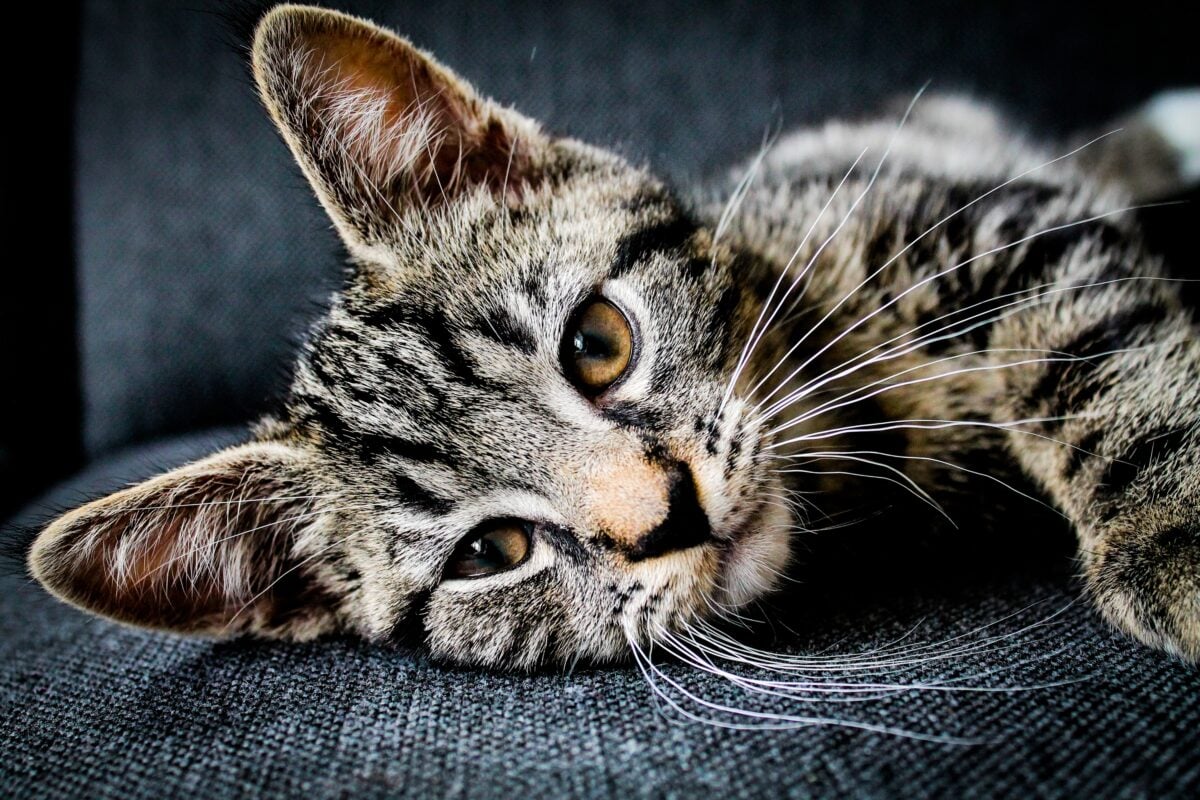
Most people picture one unmistakable moment – a clear “it’s time” sign that tells them exactly when to worry. That’s not how it usually goes. The truth is messier and quieter: an old cat rarely announces anything. Instead, it leaves a trail of small, easy-to-explain-away changes that only make sense once you know what you’re looking at.
Some of these signs are physical. Some are behavioral. A few are so subtle that owners only recognize them weeks later, looking back with a mix of grief and “how did I miss that.” Veterinarians and longtime cat guardians see these patterns again and again – and once you know them, you’ll never look at a senior cat’s quirks the same way.
#1 – Sleeping In Odd, Hidden Places
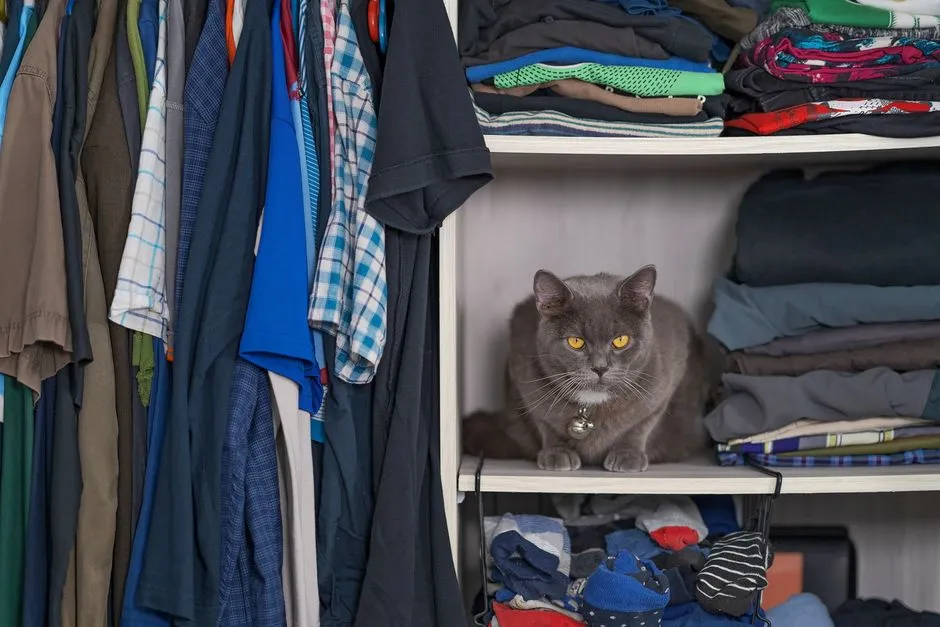
When an old cat suddenly trades its usual sunny chair for the back of a closet, it’s not being quirky. Senior cats near the end often seek darker, quieter spots to be undisturbed – a behavior rooted in how sick or dying animals in the wild hide to feel safer. You might find your cat squeezed behind the couch, under the bed, or inside a closet it never once cared about.
This can be heartbreaking when the same cat used to sleep on your chest every night. It’s not always about “rejecting” you – bright light, noise, and movement simply become overwhelming when a cat is in chronic pain or deeply fatigued. If this starts happening, don’t drag them back to their old spots. Move soft bedding, water, and a litter box closer to the corner they’ve chosen instead.
#2 – Drinking Way More… Or Almost Not At All
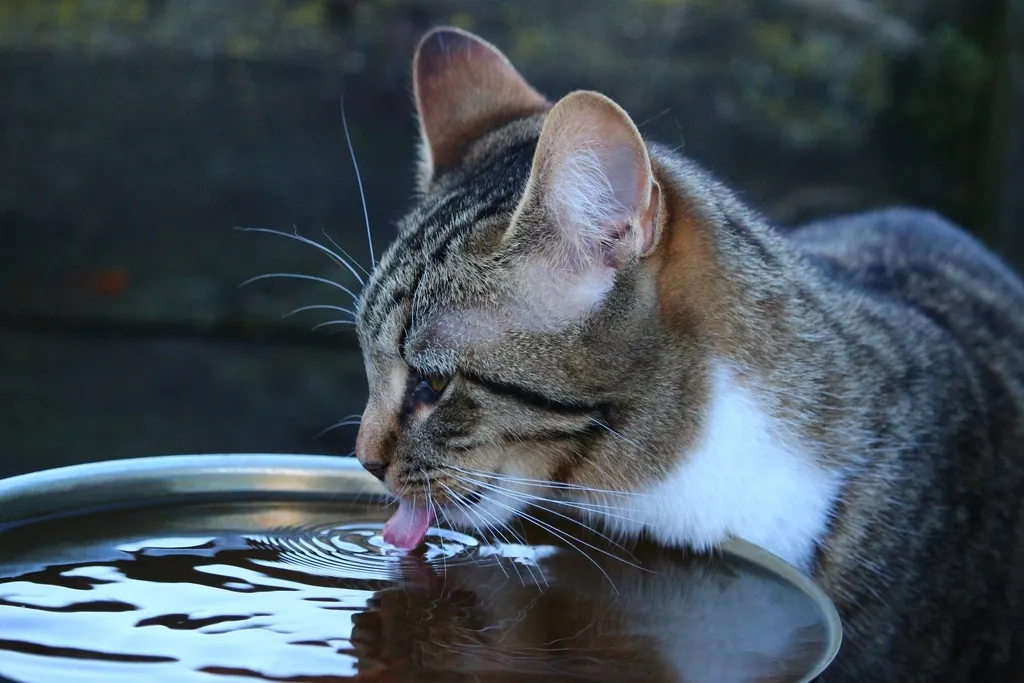
Most people shrug off water changes as “hot weather” or “a new bowl,” but a drastic shift in an older cat’s thirst is one of the clearest late-stage red flags. Kidney failure, diabetes, and hyperthyroidism can all push a cat to drink bowl after bowl, and you’ll notice the dish is constantly empty or they’ve become obsessed with faucets and toilets.
On the flip side, some cats near the end barely drink at all – the body is shutting down, and the drive to stay hydrated simply fades. Both extremes matter. If you’re refilling the bowl twice a day, or not at all because they’ve stopped going near it, you’re not overreacting by calling the vet. In late life, water patterns are a very big deal.
Quick Compare
- Drinking too much: Often tied to kidney disease, diabetes, or an overactive thyroid
- Drinking too little: Can signal the body slowing down or nearing organ shutdown
- Either extreme: Worth a same-week vet check, not a wait-and-see approach
#3 – Turning Their Nose Up At Even Their Favorite Food
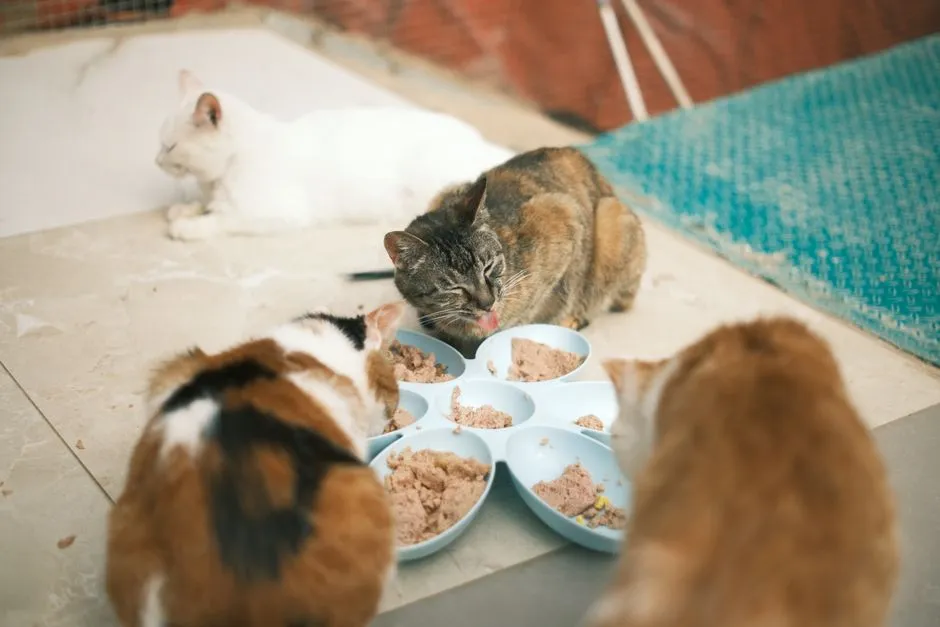
When a cat who once tackled their bowl like a tiny lion suddenly walks away from it, that’s not pickiness. A sustained loss of appetite in a senior cat is one of the most serious end-of-life clues there is. You might watch them sniff the food, lick it once, and walk off, or sit in front of the bowl clearly interested but unwilling to eat.
Nausea from kidney or liver disease, dental pain, or a general decline in the body’s systems are usually behind it. In the very late phase, many cats stop eating for days at a time. People online love to suggest “try tuna” or “warm it up,” but that’s a band-aid, not a fix – a vet visit and an honest quality-of-life conversation matter far more than a new flavor.
#4 – Getting Clingier… Or Strangely Distant
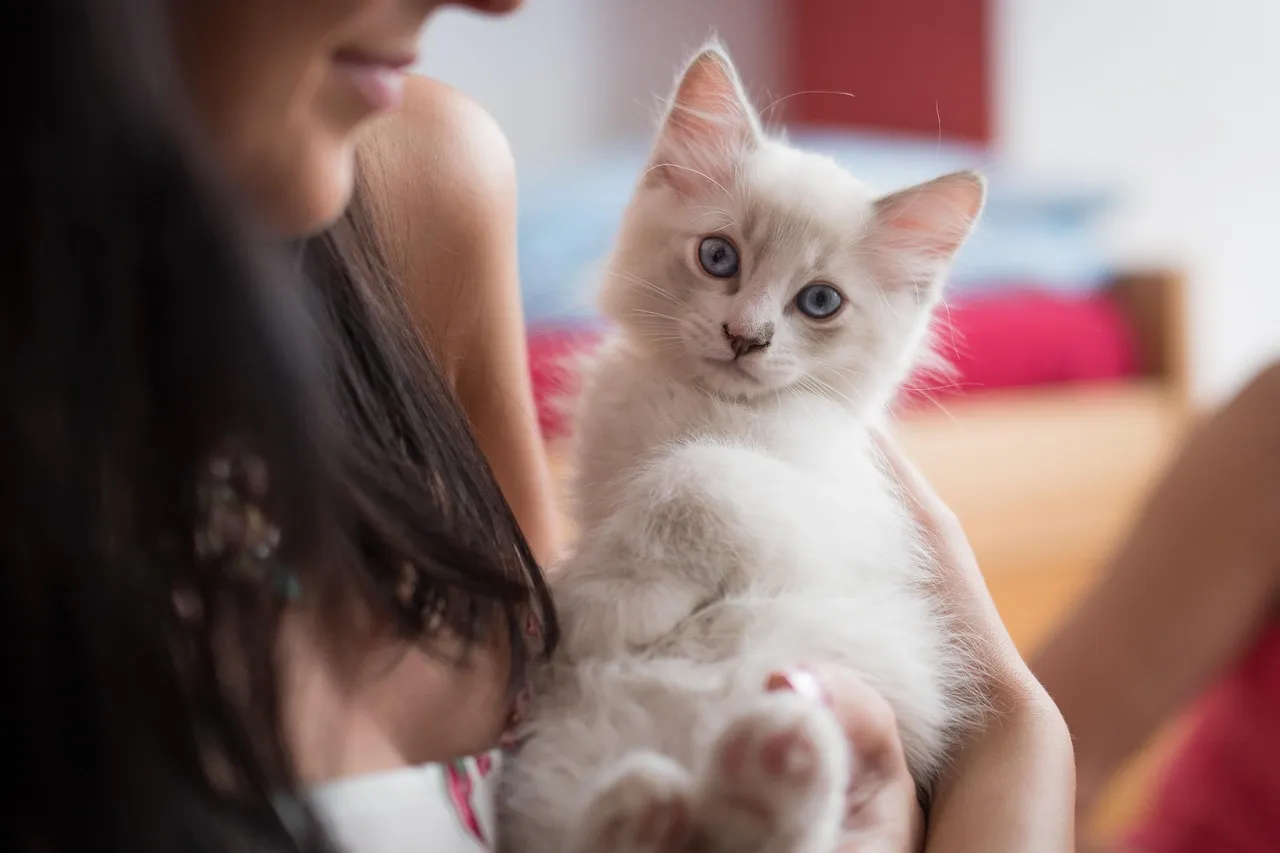
This is where things get emotionally messy. Some cats near the end become shockingly affectionate, following you room to room and demanding to be held in ways they never did before. Others do the opposite – pulling away, hiding, avoiding touch even from their favorite person. Both patterns are normal, and both can gut you if you’re not expecting them.
Pain, confusion, and sensory changes can make a cat crave constant reassurance, or make touch feel unbearable. A cat in discomfort might dodge petting because it genuinely hurts, while a vulnerable cat might finally “let you in” for the first time in years. Neither response means more or less love – it’s their failing body talking. Let their behavior guide your contact, not your own need for comfort.
#5 – Moving Like Every Step Is A Decision
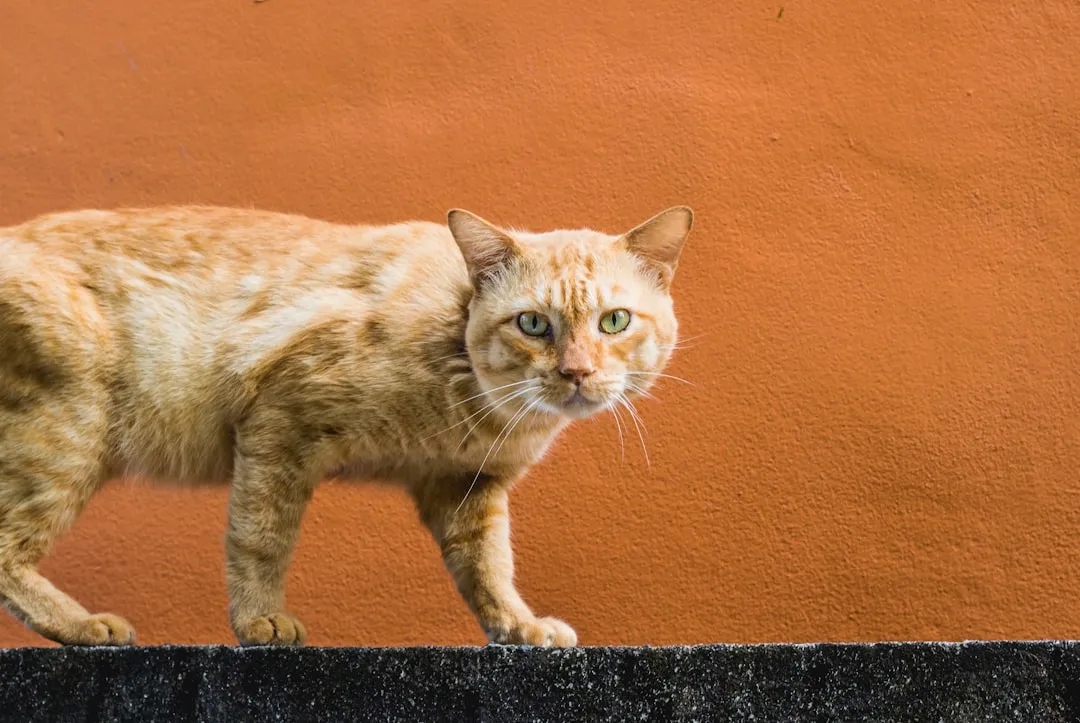
You’ll notice it first on stairs, couches, and beds. The smooth, springy jumps of youth disappear, replaced by slow, calculated movements where every step looks planned. Your cat may sit at the base of the couch and stare up at it, visibly weighing whether the jump is worth the effort, before quietly giving up.
This isn’t just “old bones.” Chronic arthritis, muscle wasting, and general weakness often accelerate sharply near the end of life, and you may hear grunts or see flinching when you touch their hips or back. Low-entry litter boxes, ramps, and soft warm beds help for a while. But when even those supports stop easing the struggle, it’s often a sign the end is closer than anyone wants to admit.
#6 – Breathing That Just Doesn’t Look Right Anymore
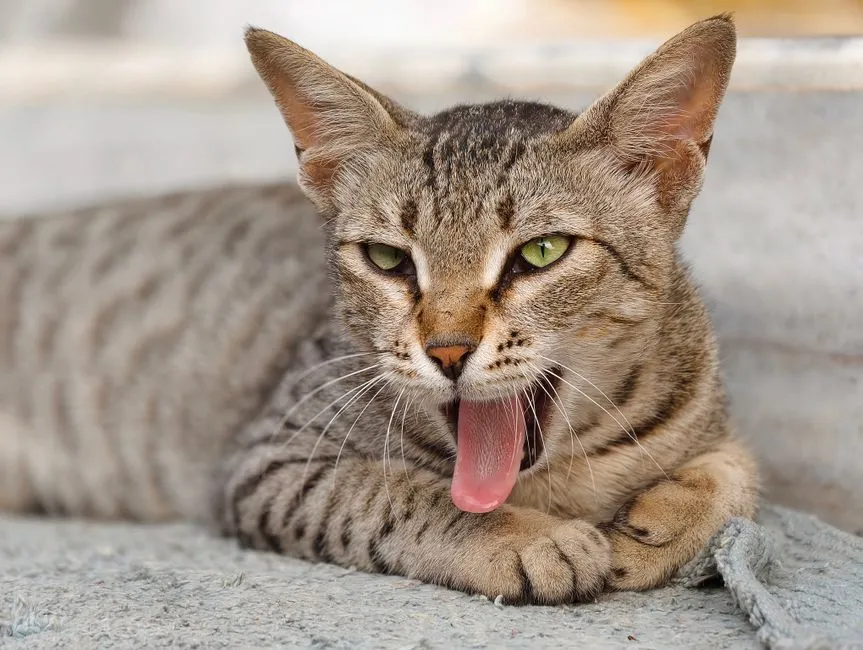
Most people never really watch their cat breathe until something looks off. End-of-life cats can start breathing faster, shallower, or with a strange rhythm, especially when heart or lung disease is involved. Their sides may move more dramatically, you might hear soft wheezing, or notice pauses between breaths. Open-mouth breathing in a cat is almost always serious.
In the very late stage, you may see long gaps between breaths or a kind of gasping pattern called agonal breathing – a sign the body is shutting down. Labored breathing in a senior cat is not a “wait and see till Monday” problem. It’s an emergency, and sometimes the moment that opens a compassionate euthanasia conversation. Denial here can cause real suffering.
Fast Facts
- A healthy resting cat typically breathes around 15 to 30 times per minute
- A resting rate that consistently creeps above 30 is considered a warning sign
- Open-mouth breathing at rest, or long pauses between breaths, calls for urgent vet attention
#7 – Stopping Grooming… And Letting The Coat Go
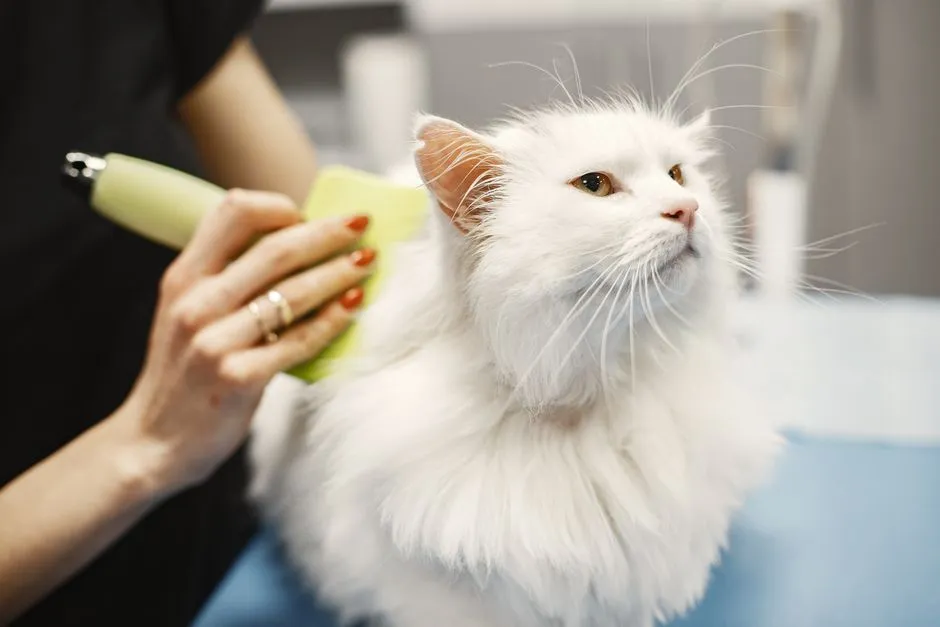
Cats are famously clean, so a once-tidy cat letting their coat mat, grease up, or smell bad is rarely just laziness. As energy drops and joints ache, self-grooming is often the first habit to go. You’ll notice dandruff, tangled fur along the back and hindquarters, or a musty odor that never used to require a bath.
Around the rear end, fur may stay dirty because they simply can’t reach anymore. This decline often shows up weeks or months before the very end and tracks with worsening arthritis or organ disease. Gentle brushing can be soothing, but forcing a full “makeover” on a dying cat is often more about our own discomfort than theirs. The goal is reducing mats and mess that actually bother them – nothing more.
#8 – Litter Box “Accidents” They Never Would Have Had Before
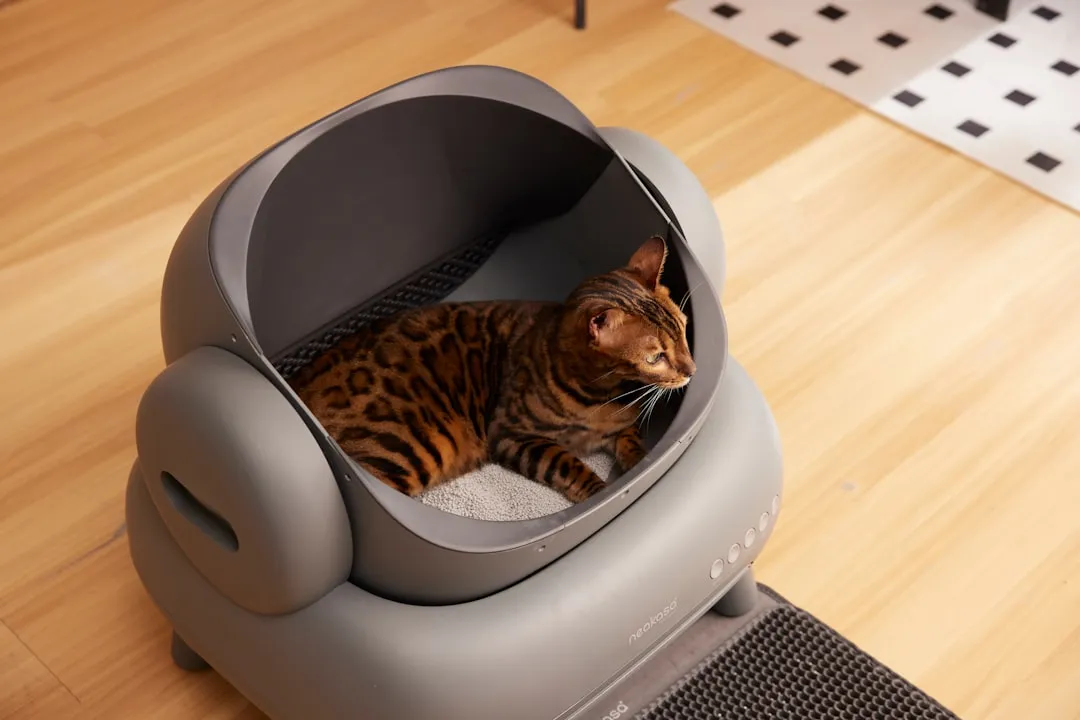
If your cat has been perfect with the litter box for twelve years and suddenly starts peeing on the rug, that’s a message, not misbehavior. Older cats near the end may lose strength, bladder control, or the ability to climb into their usual box. Cognitive decline plays a role too – they may simply forget where the box is or get confused halfway there.
- Urine spots near, but not in, the box
- Poop left just outside the box edge
- Soaking wet bedding where they sleep
Many owners jump straight to frustration, but late-life accidents should be read as a medical and mobility red flag, not spite. Lower, larger boxes and extra boxes closer to their resting spot can help for a while. But when accidents become constant and your cat is soiled more often than not, their quality of life is already being compromised.
#9 – Acting “Lost” In Their Own Home
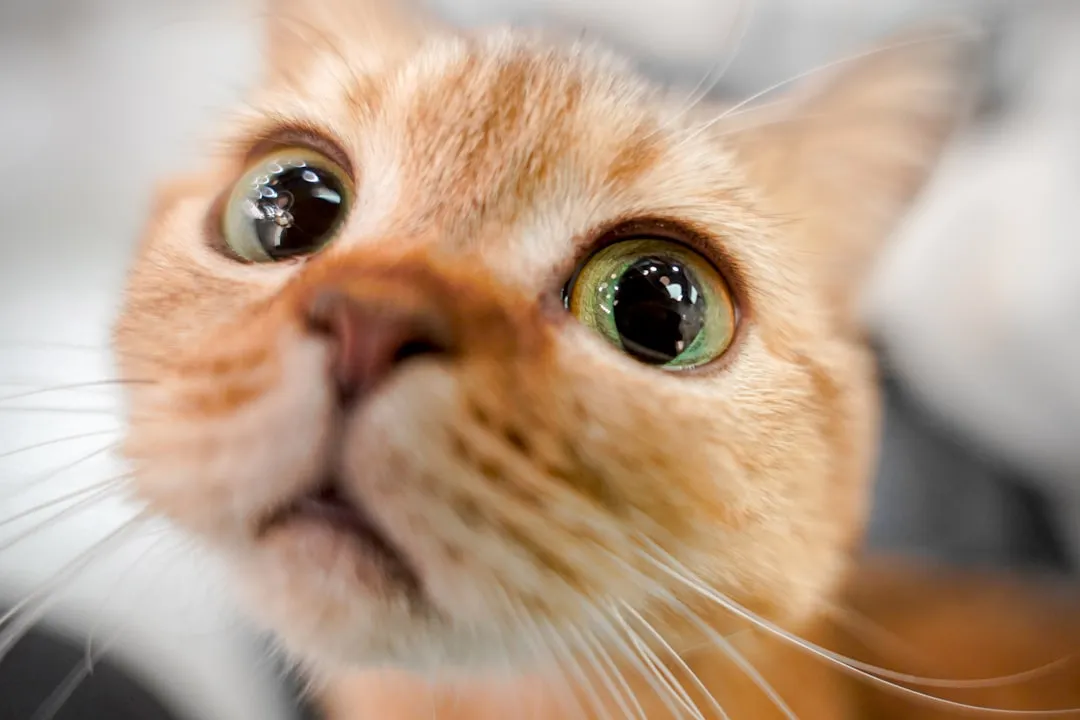
End-of-life isn’t just physical – the brain changes too. Some senior cats develop feline cognitive dysfunction, a dementia-like condition where they seem confused in rooms they’ve lived in for years. You might see them walk in and stare at a wall, get “stuck” in a corner, or meow loudly at night for no obvious reason.
This lost, disoriented behavior often builds gradually before becoming impossible to ignore. Leaving lights on at night, keeping routines calm, and avoiding rearranged furniture can help them navigate a little easier. Many vets now argue that unaddressed cognitive decline causes far more quiet suffering than people realize, and deserves a real place in end-of-life decisions instead of being brushed off as “quirky old cat stuff.”
#10 – Sudden, Unexplained Weight Loss
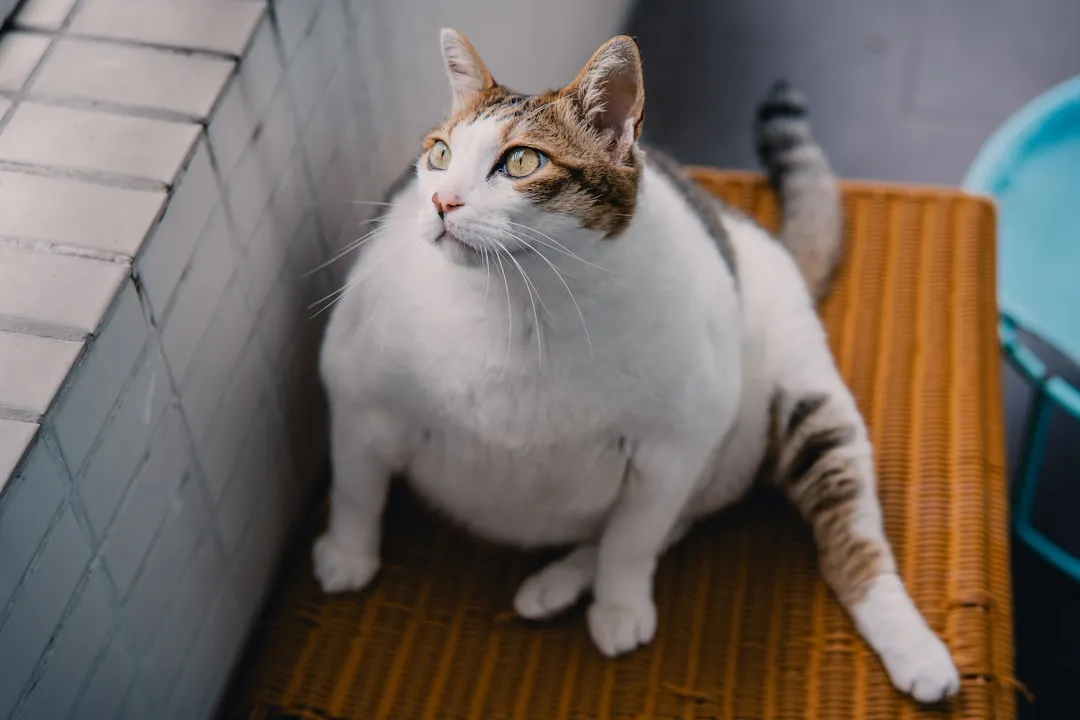
A chubby cat slimming down might sound healthy to some owners, but in seniors it’s usually the opposite. Noticeable weight loss in an older cat – especially muscle loss over the back and hips – is often a quiet emergency, even when the cat is still eating decently. You may start feeling more spine and ribs, or notice their head looking bonier than it used to.
Chronic kidney disease, hyperthyroidism, cancer, and GI problems are the usual suspects, and in the final stretch, the body starts breaking down its own tissue just to keep going. Here’s the cruel twist: most people only react once the cat looks visibly skinny, but by then the underlying disease is already advanced. Regular weigh-ins at home can give you a much earlier warning than your eyes alone.
Worth Knowing
- A simple monthly at-home weigh-in can catch decline before it’s visible to the eye
- Muscle loss over the spine and hips can happen even while a cat is still eating
- Kidney disease, hyperthyroidism, cancer, and GI disorders are the most common causes
#11 – Strange New Sounds: Yowling, Crying, Or Going Quiet
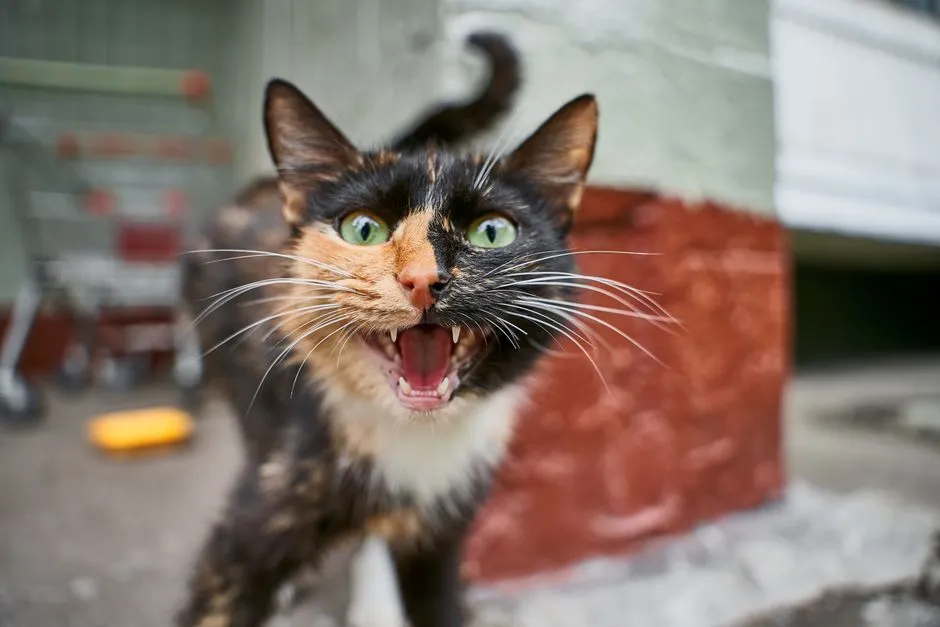
You know your cat’s normal voice, so when they’re suddenly yowling at 3 a.m., crying when they move, or weirdly silent, pay close attention. Pain, confusion, and anxiety can all reshape vocal patterns near the end. Some cats develop long, eerie howls tied to pain, high blood pressure, or dementia. Others meow more insistently when they feel unsettled or can’t find you.
In contrast, a once-chatty cat may grow almost completely quiet, which can be energy conservation – or a sign that breathing and vocalizing have simply become too much effort. Facebook loves to romanticize nighttime yowling as “they’re talking to spirits,” but the truth is usually simpler and harsher: they’re uncomfortable. Pain meds and environmental changes can help, but unrelenting vocal distress is a welfare issue, not a personality quirk.
#12 – Fluctuating “Good Days” And “Bad Days” Getting More Extreme
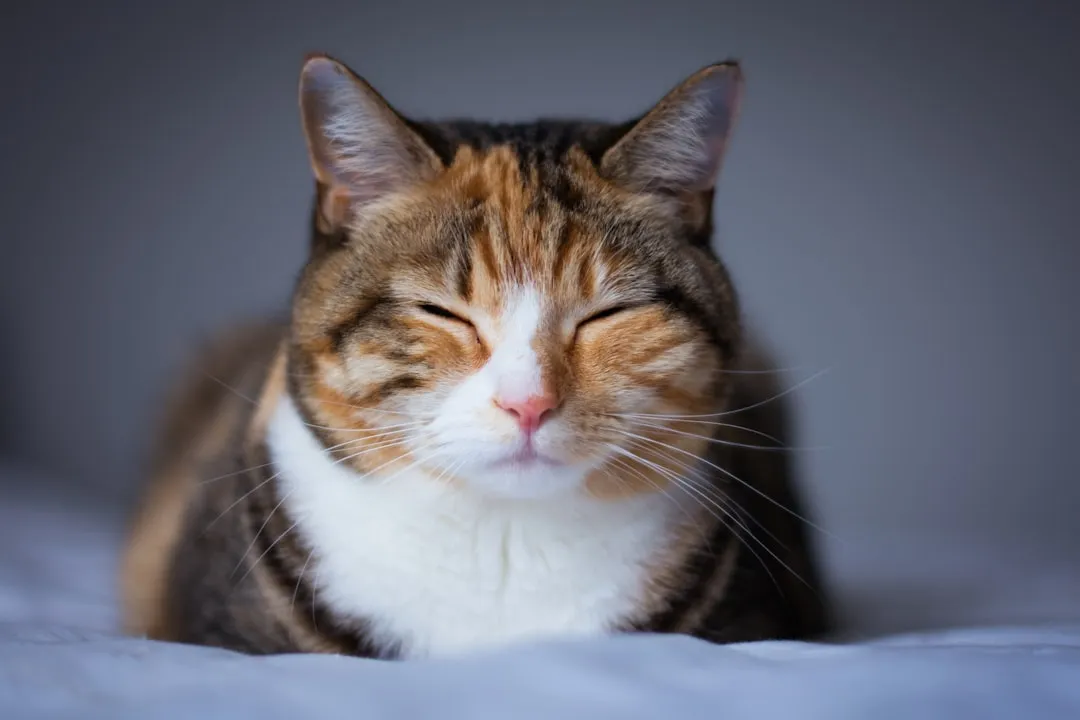
One of the most confusing late-life patterns is the roller coaster. One day your old cat eats, purrs, and wanders around like their old self. The next, they barely move and refuse food entirely. As the end nears, these swings between “almost normal” and “really not okay” get closer together and far more dramatic.
Owners cling to the good days as proof that “it’s not time yet,” but that’s often denial, not data. Vets sometimes suggest simply writing down good days versus bad days for a few weeks – when the bad days clearly start winning, it becomes much harder to look away from the truth.
We take an unconscionable amount of light from this world before we’re finally called to give it back.
Alan Moore
#13 – Sudden Avoidance Of Being Picked Up Or Touched
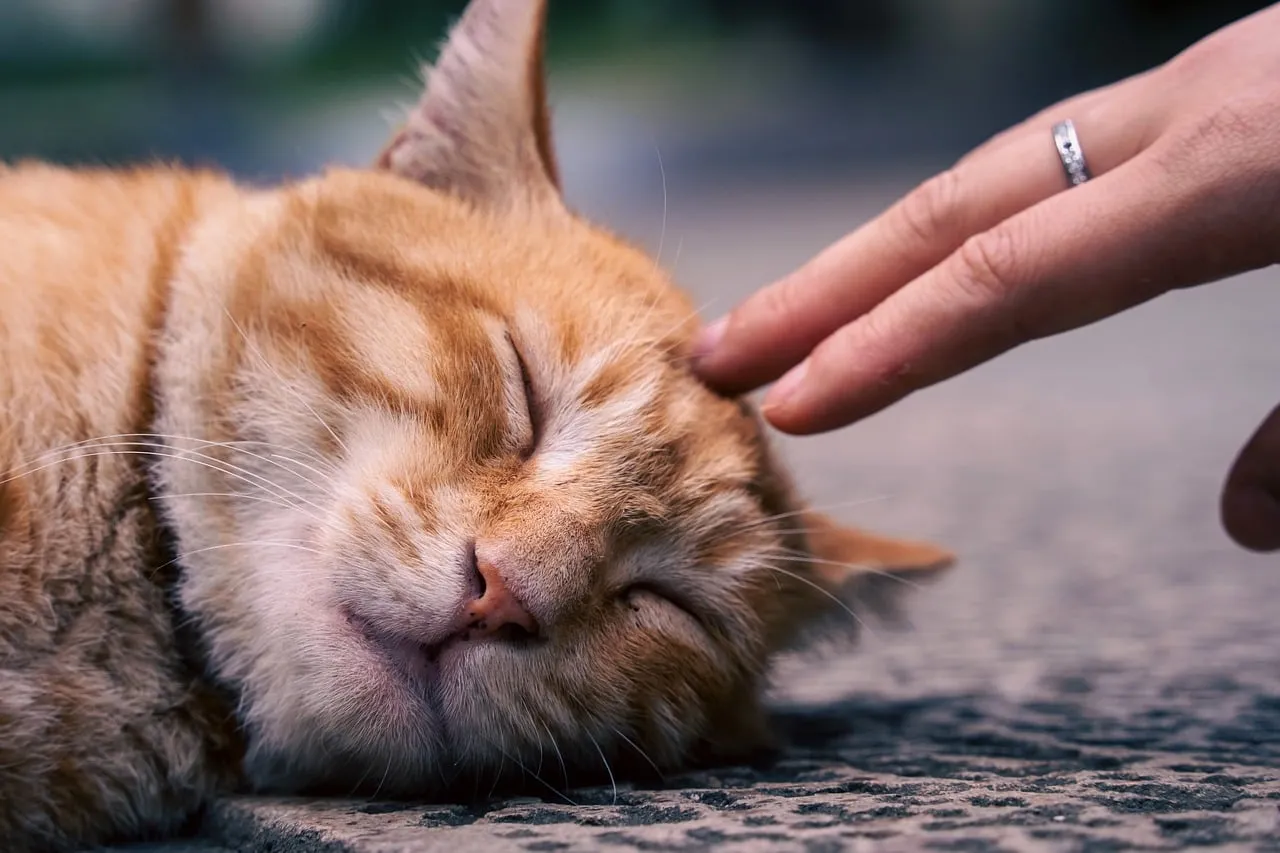
If your cat tolerated being held for years and now suddenly flinches, growls, or moves away from your hand, that’s often pain talking. Arthritis, organ pain, or even small tumors can make normal petting feel unbearable, and you’ll notice them tense up when you touch their belly, back, or hips.
What looks like “grumpiness” is often a cat trying to protect a fragile, hurting body. The mistake many owners make is doubling down on affection right then – “I just want to comfort them” – when what the cat actually needs is gentle, minimal handling and real pain management. If medication and softer handling don’t meaningfully help, the refusal of touch becomes one more quiet sign that their body is done.
#14 – Eyes That Look Different: Dullness, Sunkenness, Or Odd Pupils
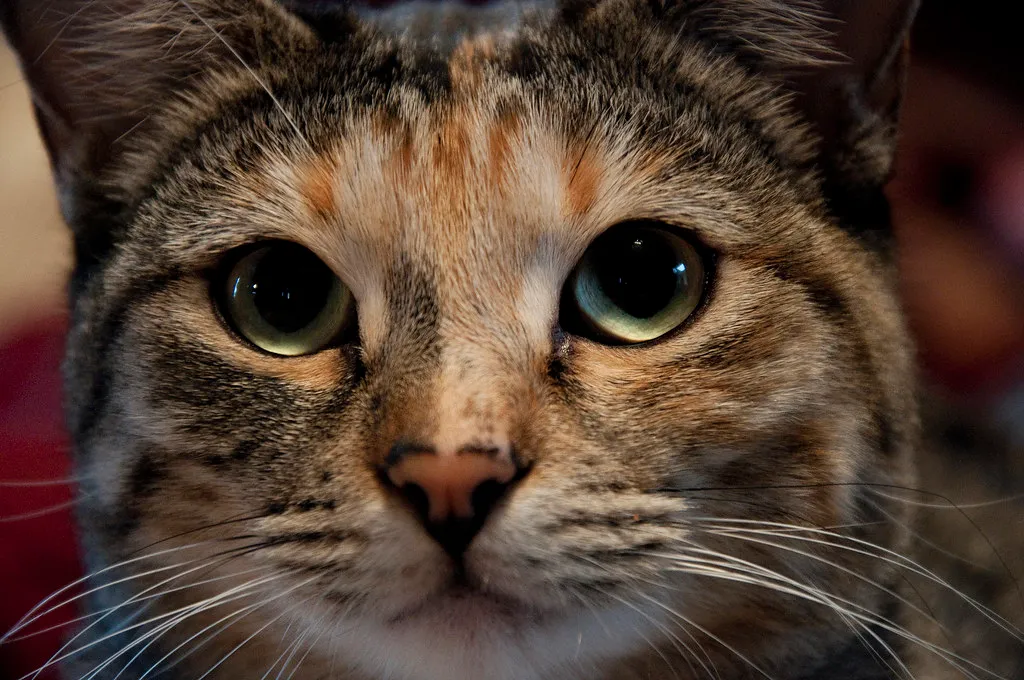
Most people only notice cat eyes when they’re cute, not when they’re changing. Near the end, you may see dull, cloudy, or sunken eyes, or pupils that no longer respond normally to light. Severe dehydration can make eyes look sunk into the skull, while high blood pressure can cause dilated pupils that won’t shrink even in bright light.
These changes are rarely standalone – they usually reflect what’s happening deeper in the body: kidneys failing, blood pressure spiking, circulation dropping. Some owners describe a haunting, distant look in their cat’s eyes in the final day or two, as if they’re not fully there anymore. It’s physiology, not mysticism, but it hits just as hard either way.
At a Glance
- Sunken eyes often point to severe dehydration
- Dilated pupils that won’t shrink can signal high blood pressure
- A dull, “distant” look usually ties back to declining circulation, not just age
#15 – Losing Interest In Play And Territory Patrol
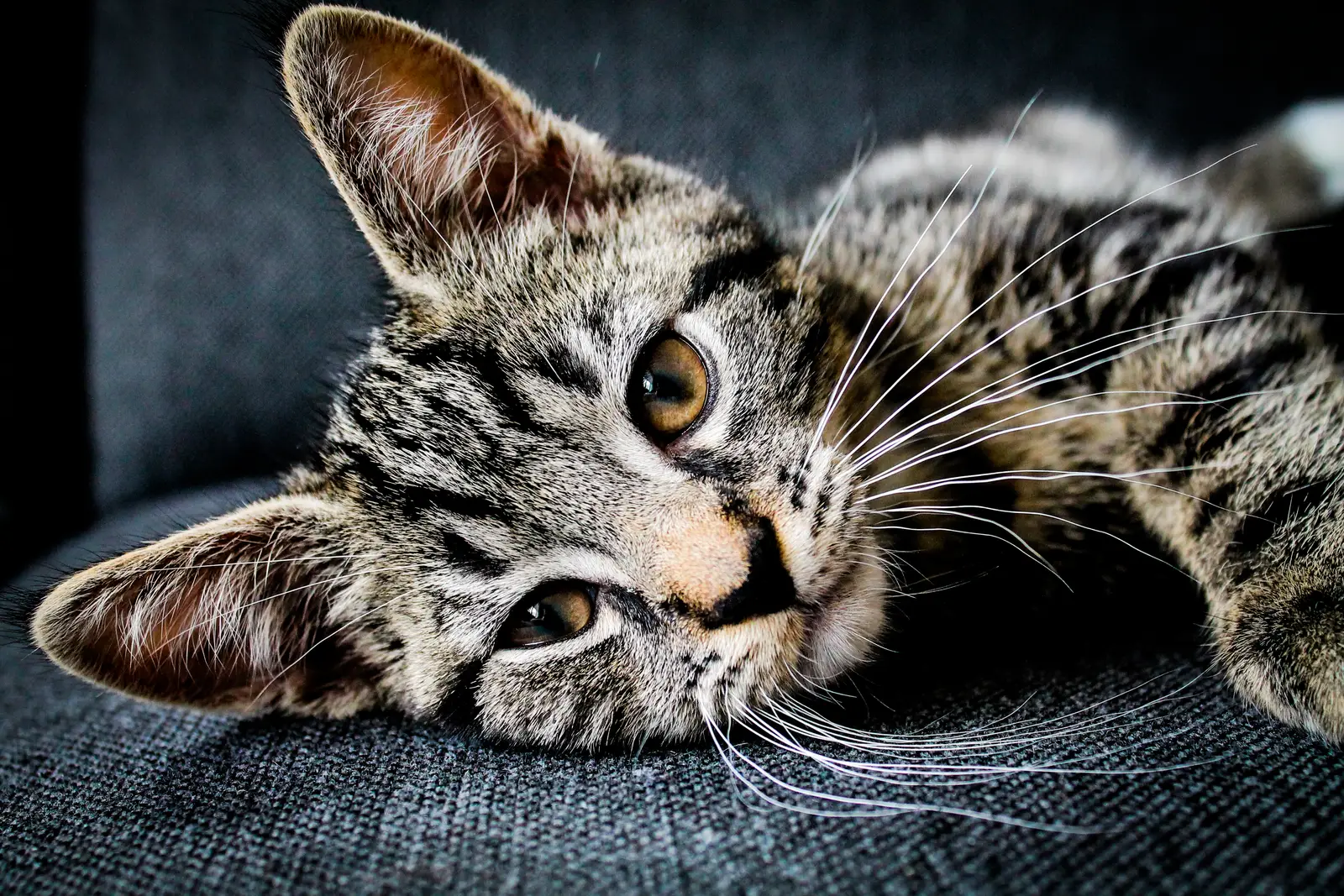
Cats are natural patrol officers. Even lazy ones usually run a daily loop – window check, food check, litter check. When that fades, and your cat stops doing nearly every voluntary activity except lying down, you’re not watching “a chill senior vibe.” You’re watching withdrawal from life itself.
Toys go untouched. Favorite windowsills gather dust. They might still shuffle to the bowl and box, but the rest of their world quietly shrinks to a bed and a corner. Sure, older cats nap more – but there’s a threshold where napping becomes existing instead of living, and vets’ quality-of-life scales rank “interest in surroundings” high for exactly this reason.
#16 – Sudden Bursts Of Energy Or “One Last Good Day”
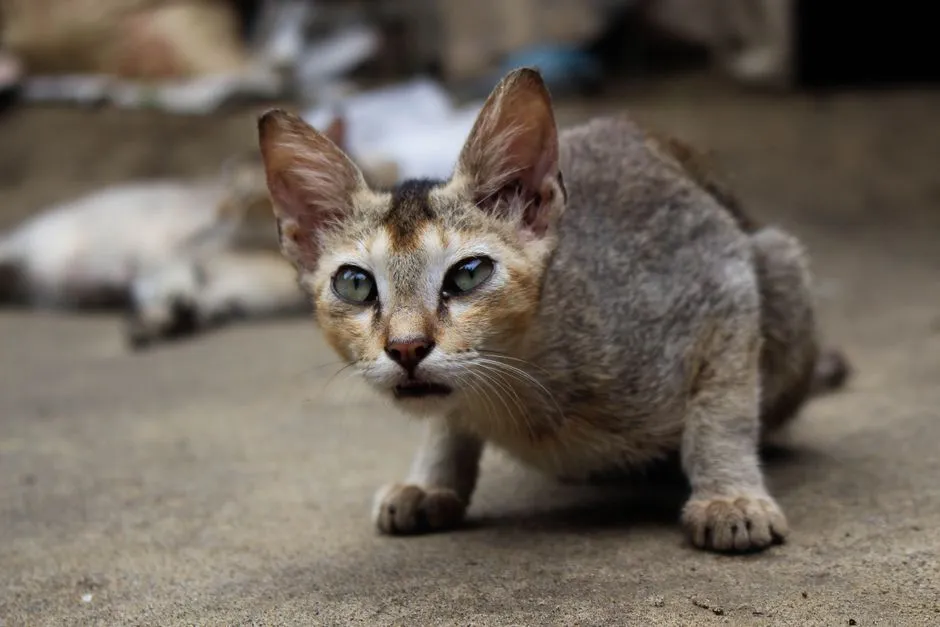
Here’s the part nobody warns you about: some cats have a brief, surprising rally shortly before the end. They eat better, move more easily, even return to a favorite spot they’d abandoned weeks earlier. People call it a miracle, or proof that whatever change they just made “worked.”
Then, a day or two later, the cat crashes harder than before – or passes naturally soon after. This so-called last good day is believed to come from a short-lived hormonal and adrenaline surge, and it’s cruel because it tricks owners into thinking they have more time. Honestly, this is the day to cancel plans and simply be with them, not to start new treatments or delay hard choices. If anything, that golden day can be the kindest possible time to say goodbye.
#17 – Quietly Letting Go Of Routines You Shared Together
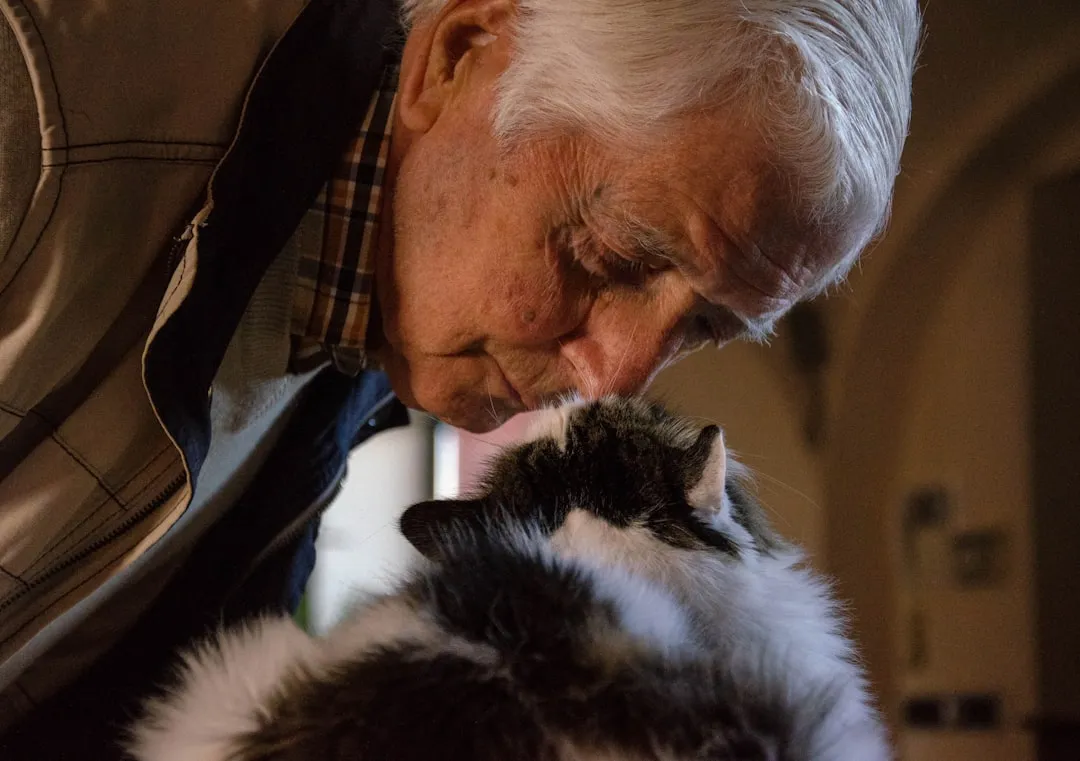
The most devastating signs are often the quietest. An old cat who always greeted you at the door may stop getting up. The one who insisted on sleeping on your pillow might shift to the foot of the bed, then the floor, then another room entirely. They begin releasing the small rituals that defined your relationship, not dramatically, but one quiet withdrawal at a time.
Maybe they stop coming for their evening brush, skip the window they loved at sunrise, or no longer react when you open the treat bag. These small absences are easy to write off as “getting old,” but together they mean something much bigger: your cat is transitioning away from daily life with you. This is the hardest, most human part – understanding that love sometimes means choosing a gentle ending before pain, confusion, or fear erase every one of those shared routines for good.
The Bottom Line
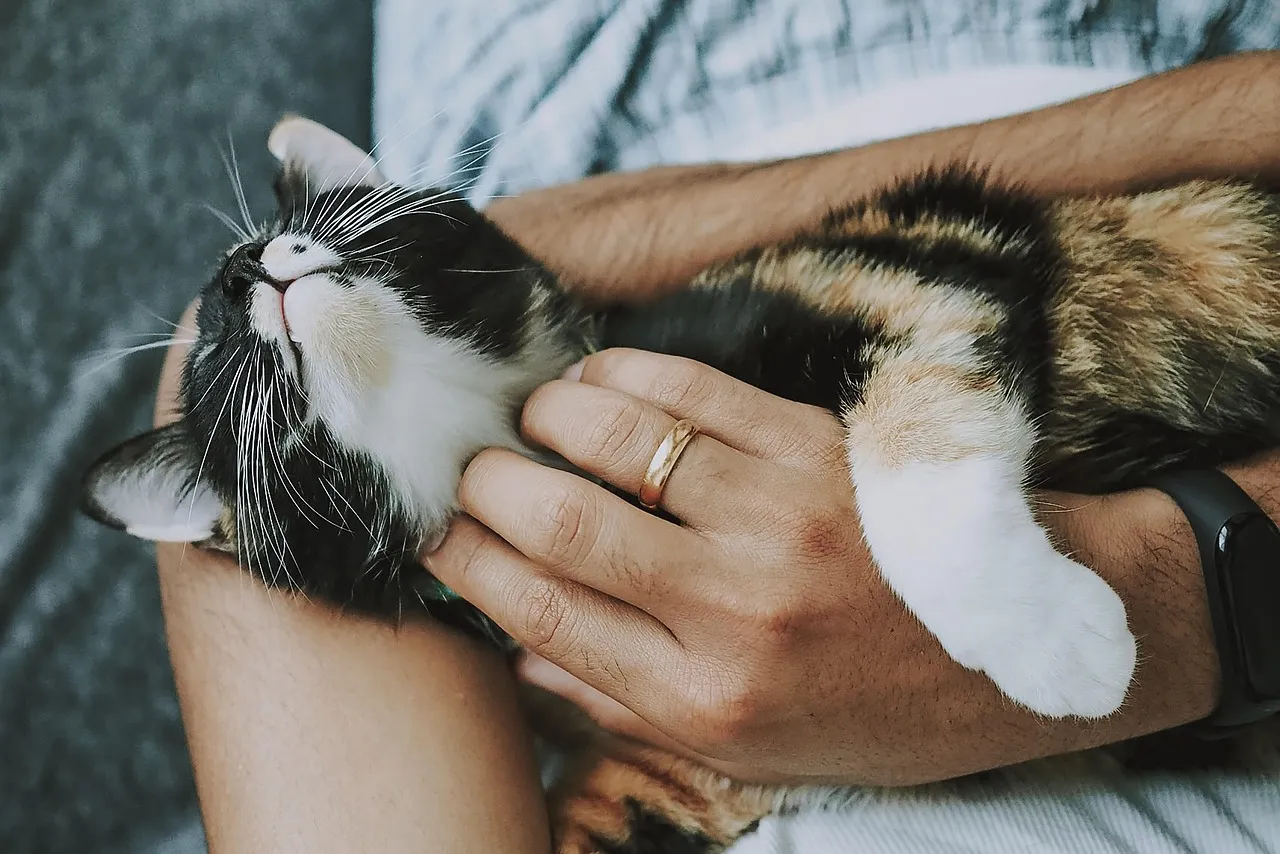
The truth most people don’t want to hear is this: old cats rarely give you a single cinematic “it’s time” moment. Instead, they hand you a mosaic of small changes – eating less, hiding more, missing the box, moving like every step hurts, breathing differently, quietly pulling away from the life you built together. By the time it looks obvious, they’ve usually been telling you for weeks.
Pretending every sign is “just old age” isn’t kindness – it’s avoidance dressed up as hope. You don’t owe your cat a perfectly timed, fully natural death. You owe them a death with as little fear and pain as possible, even if that means making the call a little earlier than your heart is ready for.
Did we miss a small, heartbreaking change your old cat showed you near the end? Drop it in the comments – your story might be exactly what another guardian needs to see tonight.

- 13 Odd Hummingbird Habits Ornithologists Say Still Puzzle Them After More Than Four Decades of Study - August 2, 2026
- 18 Dog Breeds Older Vets Remember Treating Constantly That Younger Vets Have Never Once Seen - August 2, 2026
- 17 Small Things Your Old Cat Starts Doing When It Knows the End Is Coming Closer - August 2, 2026