
Ask a vet who’s been practicing since the 70s or 80s what’s changed, and most won’t talk about new vaccines or fancy imaging equipment. They’ll talk about the dogs themselves – entire breeds that used to fill the waiting room every single week and have now simply stopped showing up. Not gone extinct. Just gone from everyday life.
Younger vets can diagnose a doodle’s allergies in their sleep, but hand them a breed that was once as common as a Labrador and watch the confusion set in. This isn’t nostalgia talking. It’s a real, documented shift in what “normal” looks like on an exam table – and the list of vanished regulars is longer, and stranger, than you’d expect.
#18.Dandie Dinmont terrier

Old-school vets remember Dandie Dinmonts as the quirky little terriers who always had back problems and skin flare-ups. They were never as common as Yorkies, but they showed up just often enough that older practitioners learned their silhouette by heart – long body, big topknot, stubborn little face. Many still recall the steady stream of chronic ear infections and allergic dermatitis that owners simply chalked up to “normal for the breed.”
Younger vets can finish an entire internship without ever laying eyes on one. Registrations have dropped so sharply that in most clinics, the only “encounter” is a faded photo in a breed textbook. A lot of modern techs honestly mistake them for mixed-breed oddities when one does wander in. While pet owners chase designer mixes, this once-familiar terrier has quietly slipped into rarity – and #17 is even harder to find.
#17. Sealyham Terrier
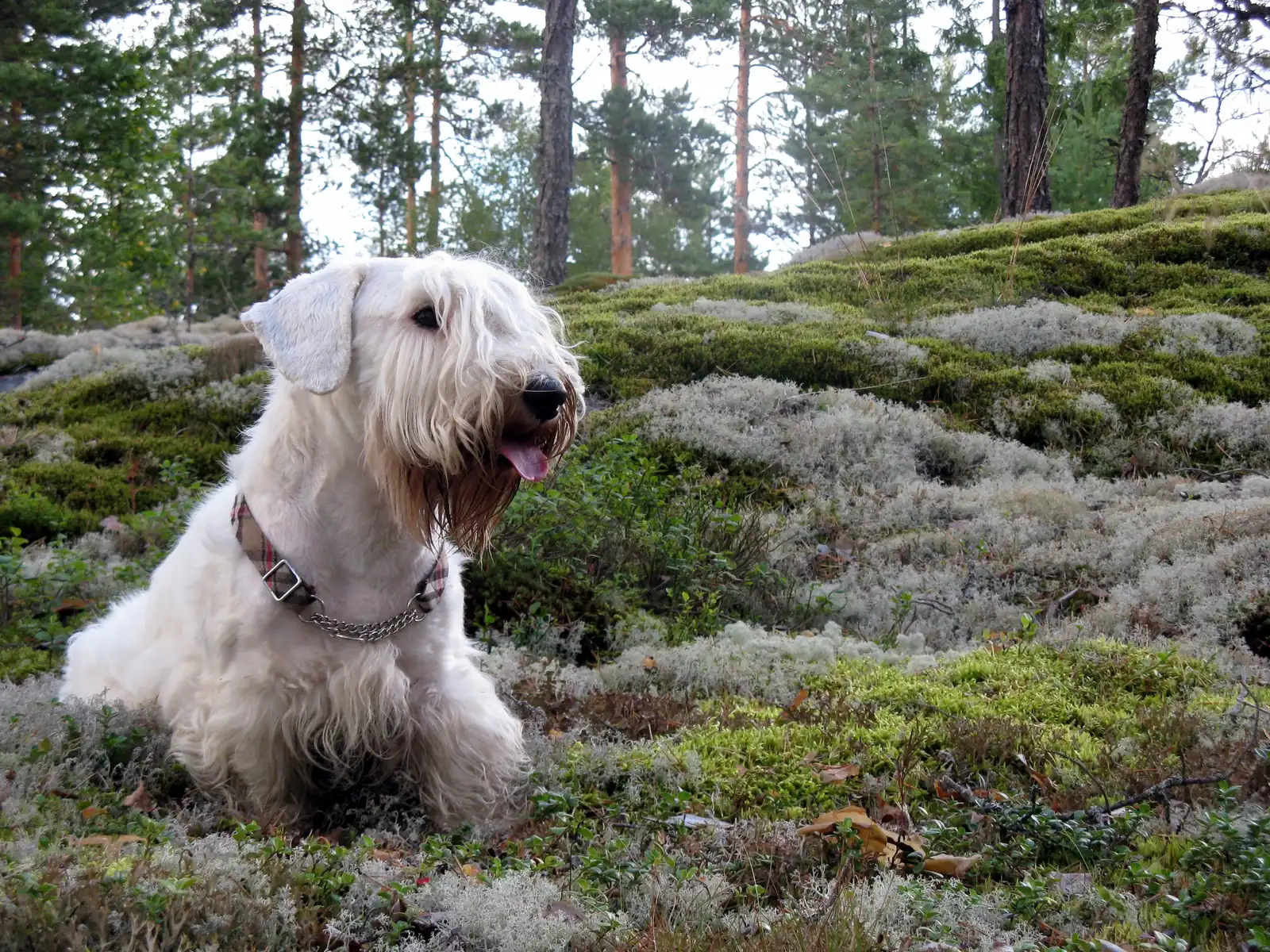
Ask a vet who practiced in the 80s, and they’ll tell you Sealyham Terriers were the neighborhood’s “sturdy white clown,” always coming in for eye stains, allergies, and a few extra pounds. They were the classic overfed, over-loved terrier, pampered in suburbia with more snacks than exercise. Older vets can still describe the personality without missing a beat: bold, stubborn, and a little too fearless for their own good.
Today, some younger vets will go their entire career and only ever see a Sealyham at a dog show – never on a clinic schedule. Registries now list them among the rarest terrier breeds on earth, and seasoned practitioners say they haven’t written a vaccine record for one in a decade. Most millennial vets have studied Sealyhams for board exams but never actually pressed a stethoscope to a real one. That gap only gets stranger at #16.
#16. Skye Terrier
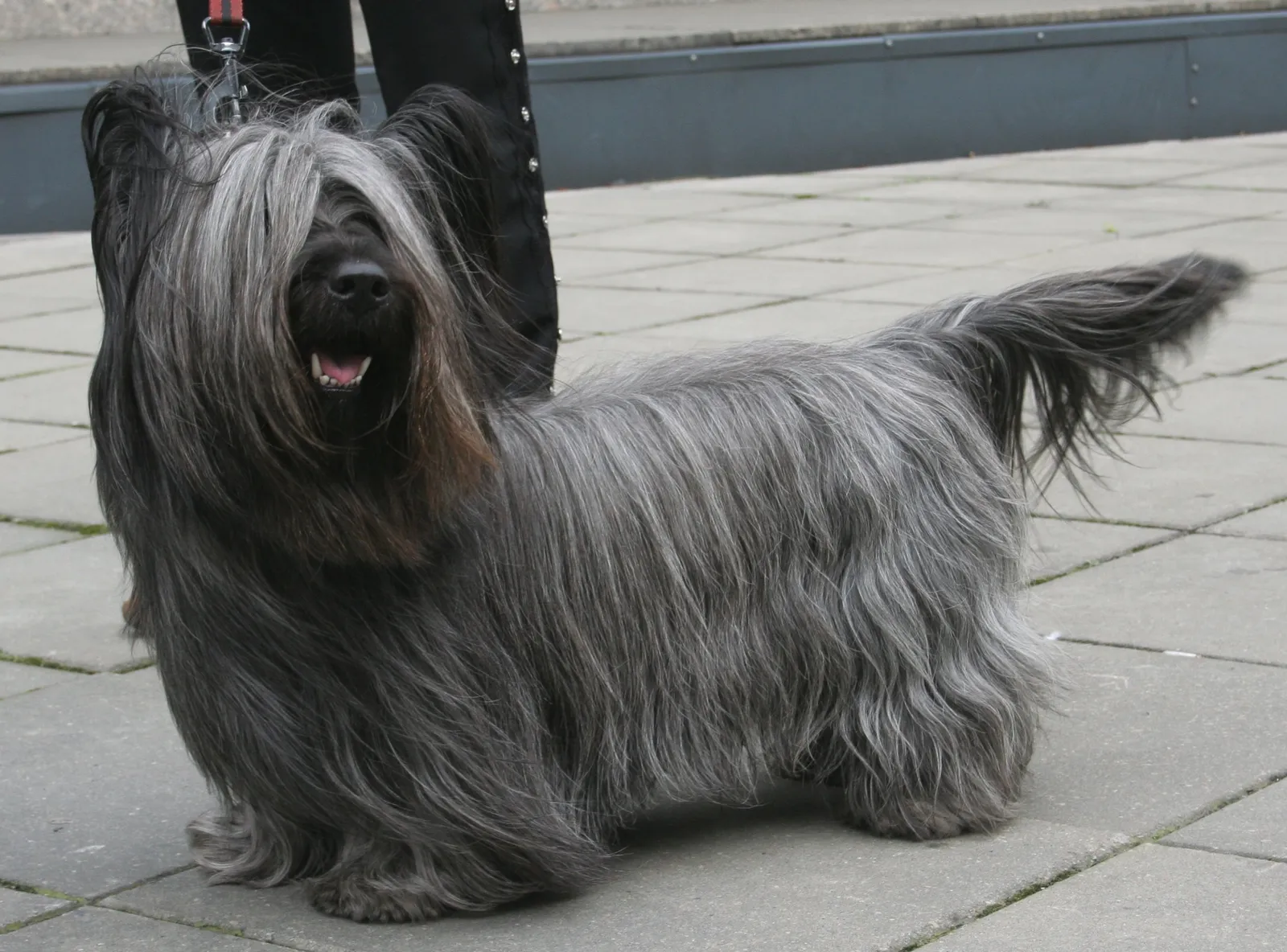
Older vets remember Skye Terriers as regulars for chronic back pain, luxating patellas, and grooming-related skin infections. Their long, flowing coat looked glamorous, but it trapped moisture and debris, turning minor skin issues into recurring infections the moment owners got lazy with brushing. Many clinics had “that one Skye” client who showed up like clockwork for arthritis meds and coat advice.
Younger vets, especially in North America, can go years without seeing a single Skye in general practice. What used to be an unmistakable silhouette is now a trivia question in board exam prep. Older vets talk about them the way people talk about rotary phones – once everywhere, now practically a novelty. While everyone chases compact, apartment-friendly doodles, the long-bodied Skye has quietly dropped off the roster entirely, and #15 disappeared even faster.
#15. Otterhound
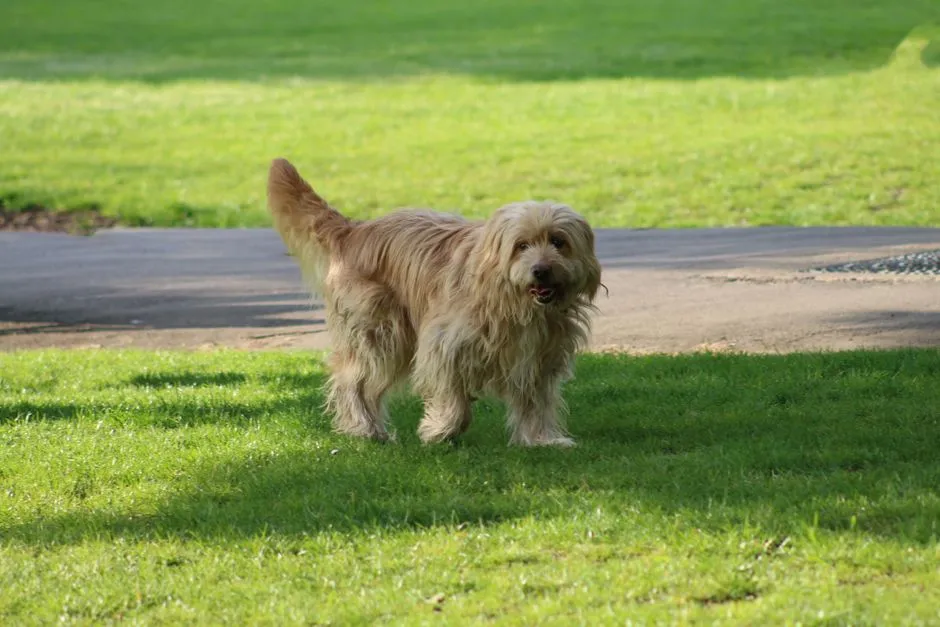
To older vets, Otterhounds were the big, messy scent hounds that always smelled like a wet beach towel and came in with ear problems and joint issues. Their deep chests, floppy ears, and rough coats guaranteed a predictable list of complaints – chronic otitis, bloat concerns, and arthritis from years of pounding through muddy fields.
Younger vets sometimes finish entire residencies without seeing one in person, even at busy referral centers. In some countries, the population is so small that a single breeding decision can shift the breed’s global genetics. Plenty of new graduates have never had to counsel an Otterhound owner about bloat precautions, simply because they’ve never had one in the room. To older practitioners, that’s almost unthinkable – these dogs were weird, sure, but never rare. Wait until you hear about #14.
Fast Facts: Otterhound
- The Otterhound’s dwindling population is estimated to be around 600 in the entire world, classing it as a ‘Vulnerable Native Breed’, and it’s often called more rare than the Giant Panda.
- This scarce breed is known for his dense shaggy coat, webbed feet, acute sense of smell, and affinity for swimming, all built for chasing otters through rivers.
- Even veteran breed clubs describe the Otterhound as one of the toughest purebreds to find a breeder for anywhere in the country.
#14. Irish Red and White Setter

Older vets in rural or hunting areas remember Irish Red and White Setters as the “other” Irish setter that came in covered in burrs, mud, and minor field injuries. Before the all-red show dog took over, these bicolors were regulars for soft tissue wounds, cut-related infections, and tick-borne disease screenings – working gundogs through and through.
Younger vets are far more likely to see an all-red Irish Setter, or neither variety at all. The Red and White remains so uncommon that many practitioners can only recognize it from exam questions, not from live patients. Some emergency vets report seeing more wolfdog mixes than true Irish Red and Whites in an entire decade. As hunting culture shifts and pets go urban, the hardworking field dog older vets knew is fading fast – and #13 is fading right alongside it.
#13. Glen of Imaal Terrier
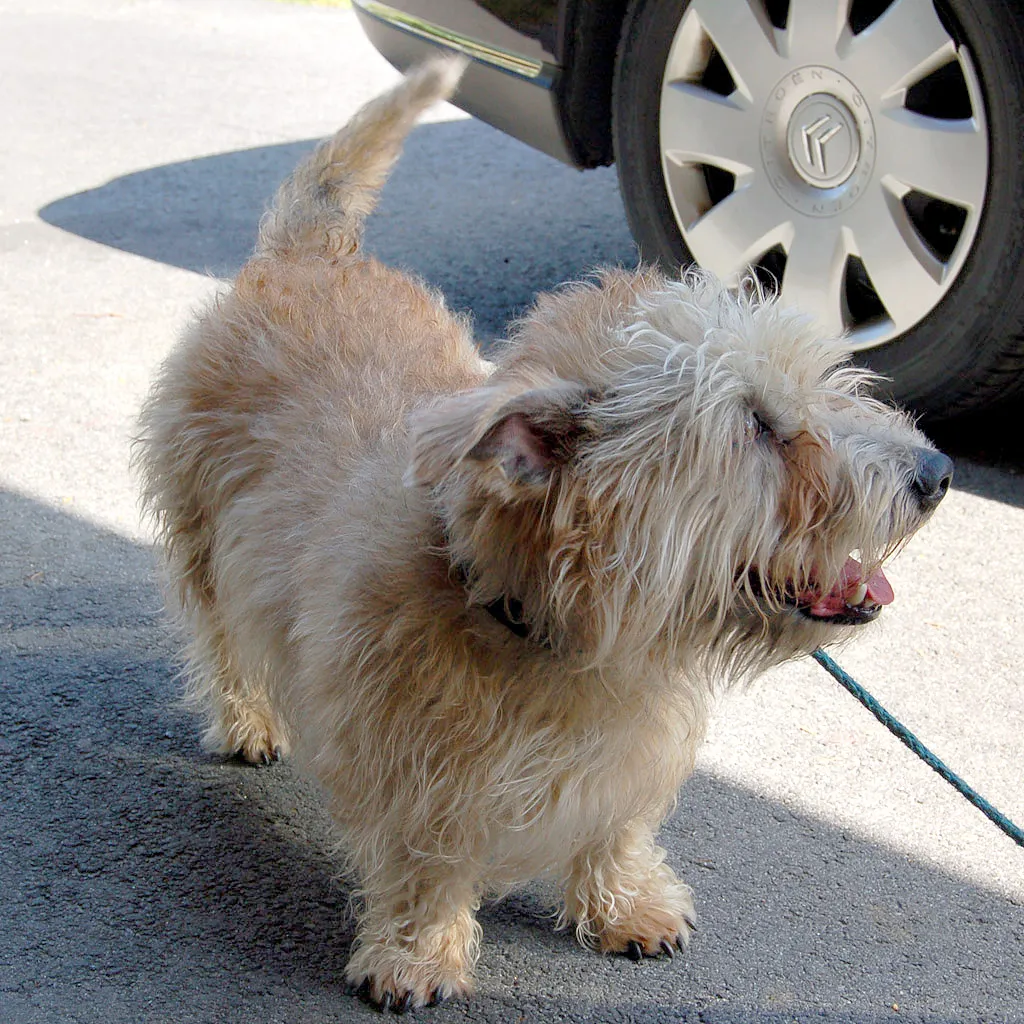
For older vets, Glen of Imaal Terriers were the low-slung Irish scrappers who came in for orthopedic issues and the occasional scuffle wound. Tough little dogs, and with that toughness came cruciate ligament tears, luxating patellas, and middle-aged arthritis that vets of the time could practically diagnose from the doorway.
Young vets today may only know the Glen from a flashcard: long body, bowed front legs, wiry coat. In practice, many have never vaccinated one, let alone managed a lifetime of joint disease in the breed. Even in cities with “every breed under the sun,” Glens remain so scarce that older vets sound almost wistful describing how often they once saw them. Ironically, as bully mixes fill the waiting room now, this historic earth terrier has become a clinical rarity – and #12 tells a similar story.
#12. Sussex Spaniel
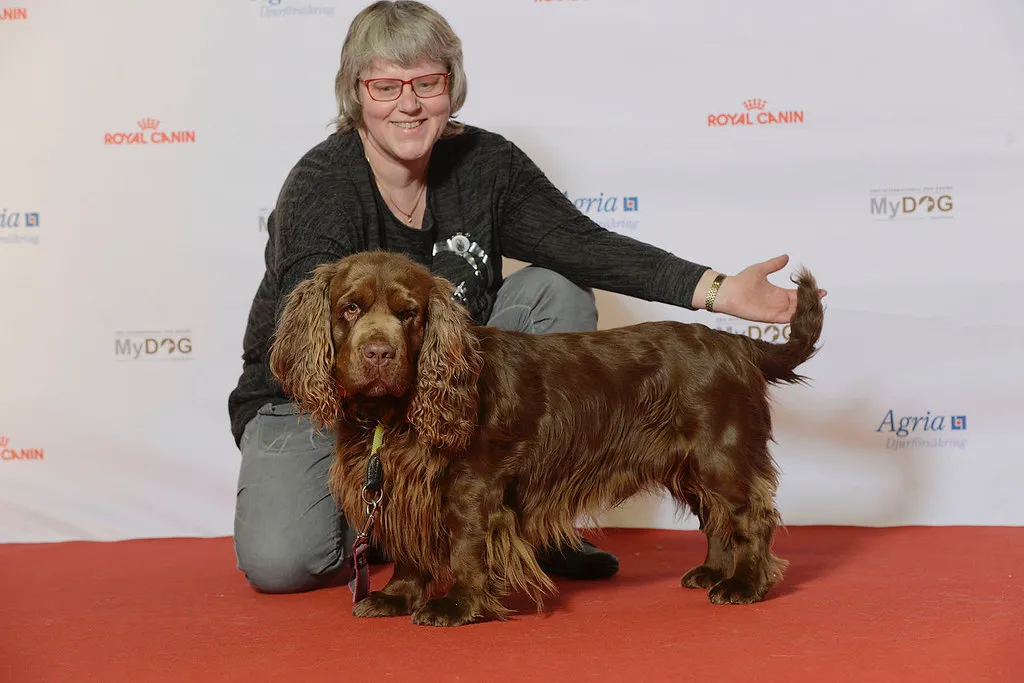
Older practitioners remember Sussex Spaniels as slow, solid spaniels with hearts and backs that kept them on the schedule. They were frequent flyers for heart murmurs, obesity-related problems, and ear infections. Many vets still recall “that one Sussex” who rattled when he breathed and still wagged his entire body with joy every visit.
Younger vets often meet their first Sussex through a cardiology case study slide, never on an actual exam day. Breed numbers are so low that most modern clinics simply don’t have one in their active client base. A lot of today’s staff would assume they were looking at a strange Cocker mix if a Sussex walked through the door. Show circles keep the breed alive, but general practice has moved on entirely – and things get even quieter at #11.
#11. Field Spaniel
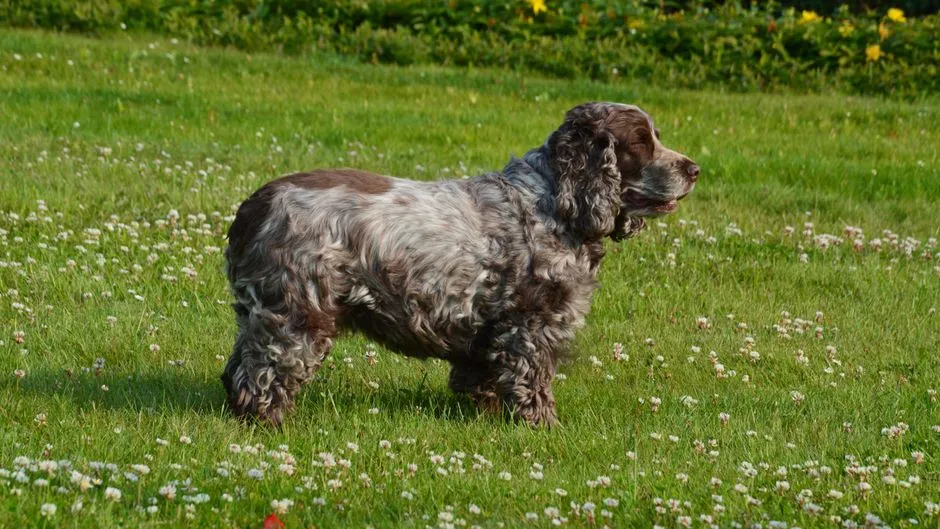
To older vets, Field Spaniels were the workmanlike cousins of the Cocker and Springer crowd, showing up muddy, happy, and riddled with minor injuries or chronic ears. Long ears and heavy feathering made yeast infections, hotspots, and foreign bodies between the toes almost guaranteed at every annual visit.
Today’s younger vets, even in active sporting-dog regions, report seeing far fewer Fields than Cockers or Springers – sometimes none at all. Their numbers never boomed like their relatives’, and as hunting styles changed, demand slipped even further. Many modern practitioners will see a dozen designer spaniel mixes before they ever meet a single purebred Field Spaniel. For the generation who treated them from puppyhood through arthritic old age, that absence is glaring. And it’s nothing compared to #10.
#10. Norwegian Lundehund
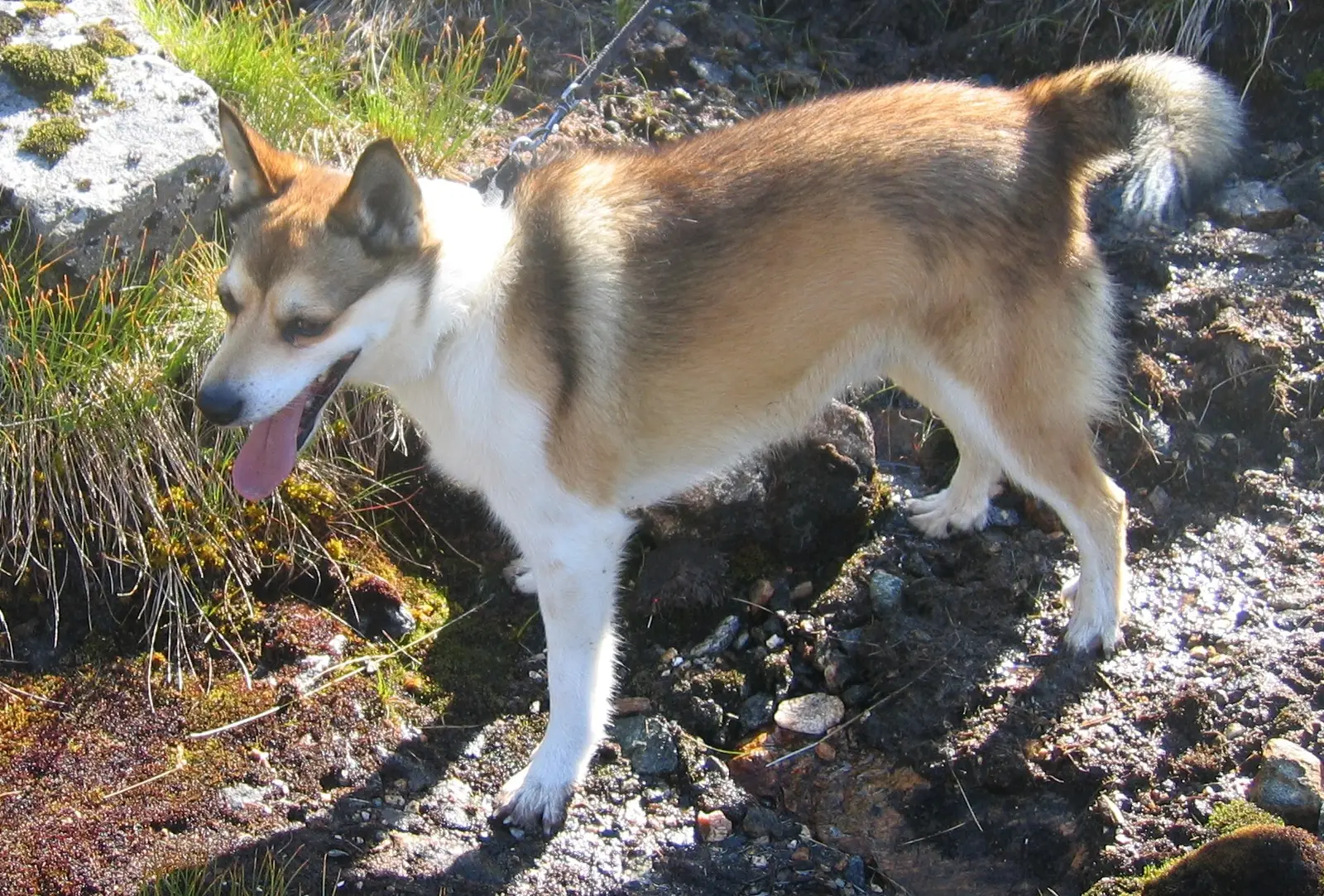
Older vets near dedicated fanciers remember Lundehunds as walking case studies in digestive and orthopedic trouble. They’re famously prone to a severe intestinal disorder that causes chronic vomiting, diarrhea, and malabsorption, and managing these dogs required patience along with a genuinely committed owner. Their extra toes and unusually flexible joints added a whole other layer of musculoskeletal quirks.
Younger vets may have read about “Lundehund syndrome” in school but never touched a real case. In many areas, the population is so tiny that even referral internists can count their lifetime Lundehund patients on one hand. For a breed with such dramatic, textbook-worthy disease, it’s striking how many recent grads have never seen one outside exam prep. To older vets, they were niche but real. To younger ones, they’re practically mythical – and #9 isn’t far behind.
Worth Knowing: Norwegian Lundehund
- Instead of the normal four toes per foot, the Lundehund normally has six toes, all fully formed, jointed and muscled – a trait built for climbing sea cliffs.
- Dogs of this breed are able to bend their head backwards along their own spine and turn their forelegs to the side at a 90-degree horizontal angle to their body.
- The rarest dog breed in the United States is the Norwegian Lundehund, moving to the No. 1 spot this year in AKC registration rankings.
#9. Kuvasz
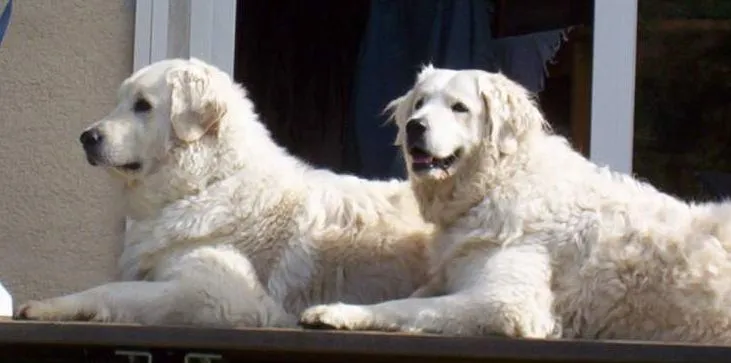
For older vets in rural or farm-heavy regions, Kuvaszok were the big white livestock guardians that came in for bite wounds, orthopedic problems, and the occasional temperament consult. These were serious working dogs, and with that came cruciate tears, hip dysplasia, and injuries from predator encounters or fence fights. Managing one required real respect – they weren’t golden retrievers in a white coat.
Younger vets now default to Maremmas or Great Pyrenees when they think “livestock guardian,” while the Kuvasz has essentially vanished from everyday rosters. Some emergency clinicians admit they’ve never sedated one in their entire career. Older vets note that the “guardian dog literacy” in younger colleagues is almost gone, simply because they never see the breed. As farms consolidate, this once-familiar guardian slips further into obscurity – and #8 fades for entirely different reasons.
#8. Briard
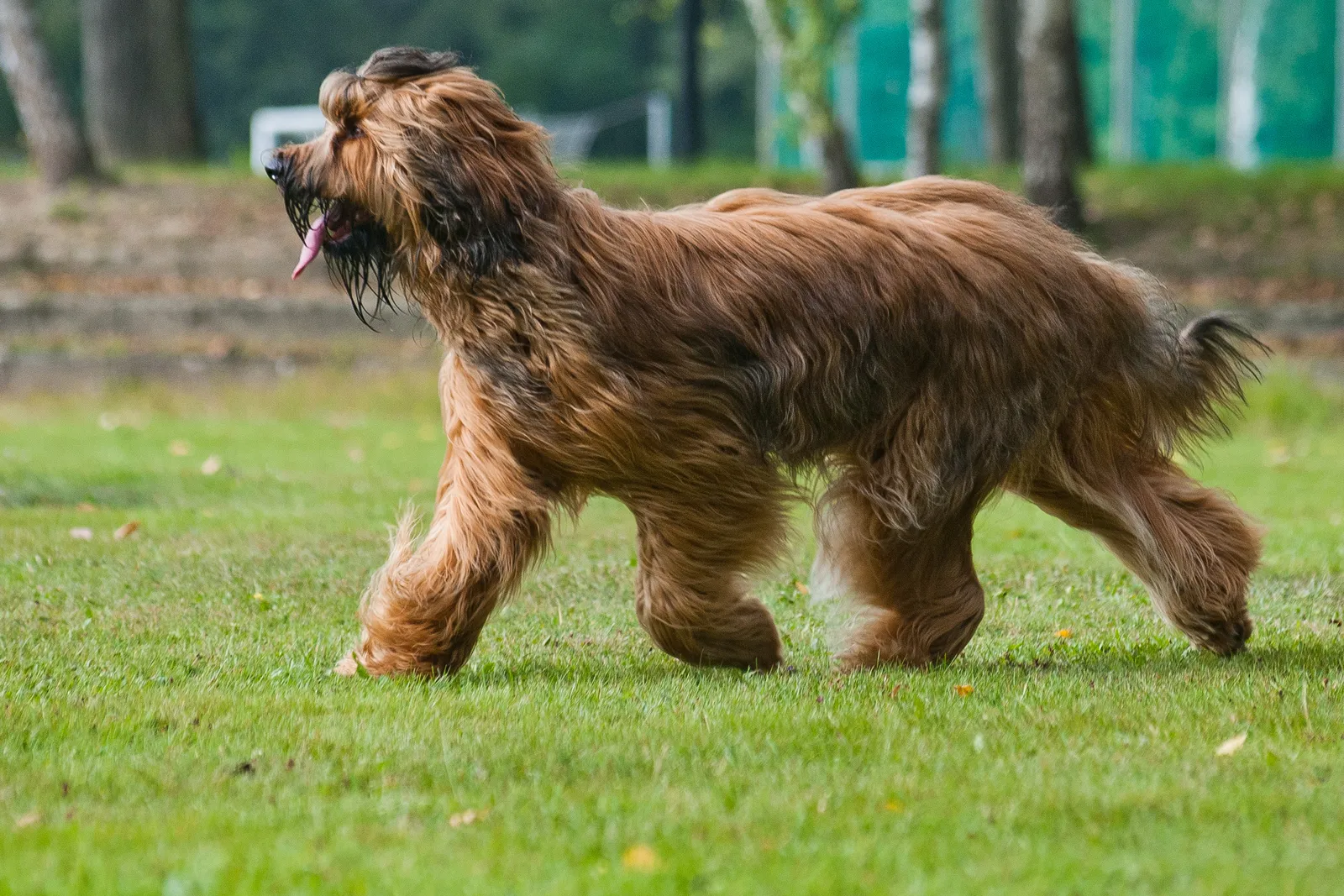
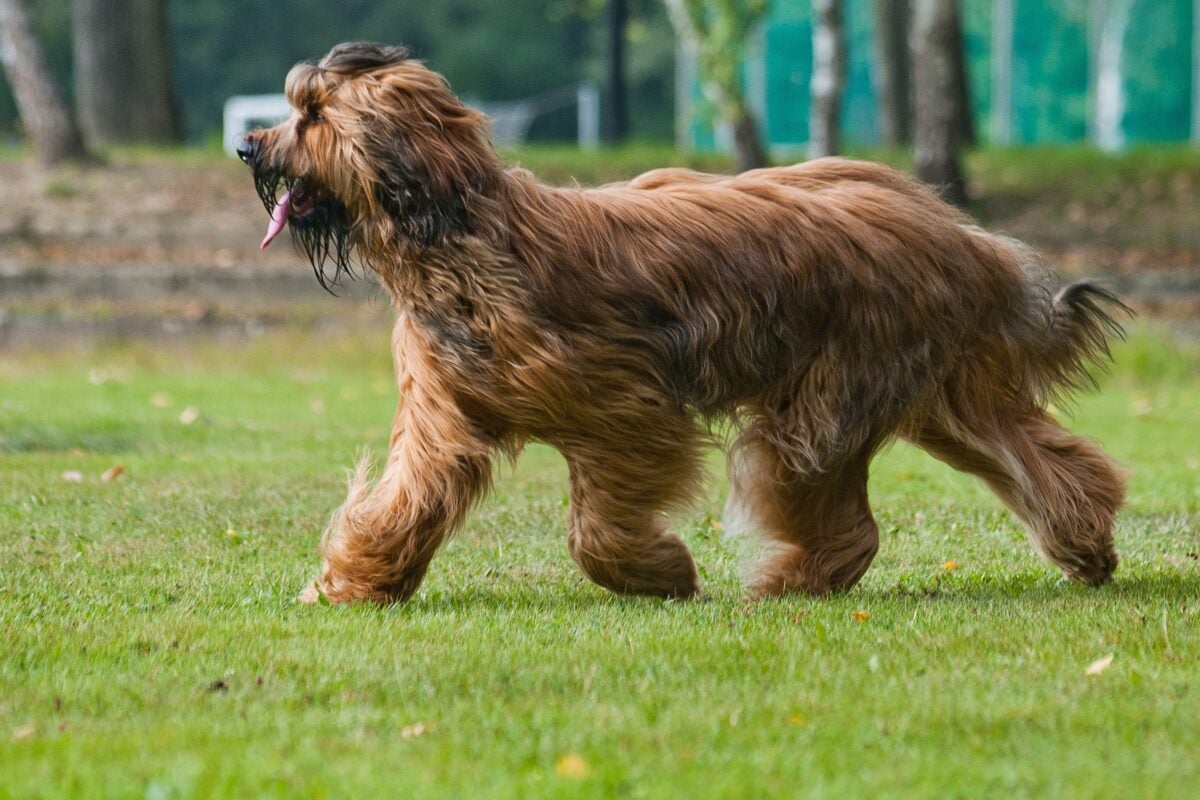
Older vets remember Briards as the shaggy herding dogs with more eye and orthopedic problems than their owners ever expected. That heavy coat could hide skin infections, foxtails, and even small lacerations until things turned serious. Add hip dysplasia and inherited eye issues, and Briards became repeat visitors, especially in active herding or sport homes.
Many younger vets, even in busy urban specialty centers, can’t recall treating a single Briard. If they see one at all, it’s usually in neurology or orthopedics for advanced imaging – not for routine puppy shots. Their numbers never exploded like German Shepherds’, and fashion trends moved on long before Instagram could romanticize them. For older vets, they were distinctive regulars. For younger ones, they’re a vintage breed poster that occasionally walks in. Which brings us to #7.
#7. Clumber Spaniel
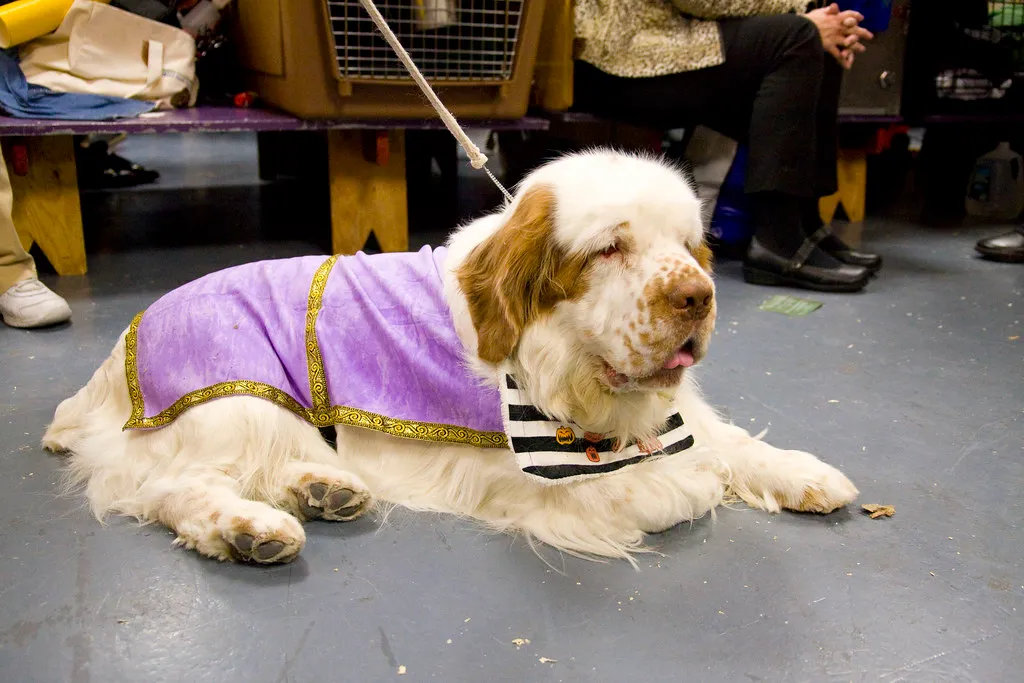
Ask an older vet, and they’ll describe Clumber Spaniels as heavy-boned, slow-moving spaniels with chronic orthopedic and ear problems that kept them on file for years. These dogs loved food and not always exercise, which led to weight issues, cruciate tears, and back strain. Add those droopy eyes and ears, and you had a near-permanent otitis and conjunctivitis patient.
Younger vets can easily spend years in general practice without seeing a Clumber at all. When one does appear, it’s memorable purely because the breed has become so rare in exam rooms. Some newer clinicians say they’re more likely to mislabel a Clumber as a basset mix than recognize it outright. Show rings still prize them, but mainstream ownership has drifted elsewhere, leaving older vets with stories younger colleagues simply can’t match – and #6 disappeared for reasons that feel almost historical.
#6. English Foxhound
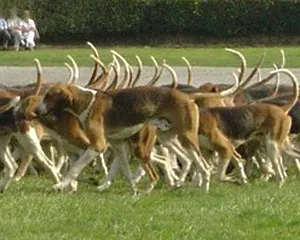
For older mixed-animal vets, English Foxhounds were working dogs first, patients second, often arriving as part of a pack rather than a pampered pet. They came in for lacerations, kennel-wide respiratory outbreaks, and the orthopedic wear-and-tear of hard hunting seasons. Vaccinating and deworming an entire pack was just routine spring work.
Younger vets in small-animal-only clinics might never see a true English Foxhound in their entire career – just foxhound-type rescue mixes. Organized pack hunting has declined or changed dramatically, and with it, the Foxhound’s routine presence in practice. Now, even experienced clinicians can go decades treating beagles and coonhounds but never a documented English Foxhound. For older vets, they were a seasonal inevitability. For younger ones, a historical footnote. And #5 hides a disease most new grads only know from a textbook diagram.
#5. Bedlington Terrier
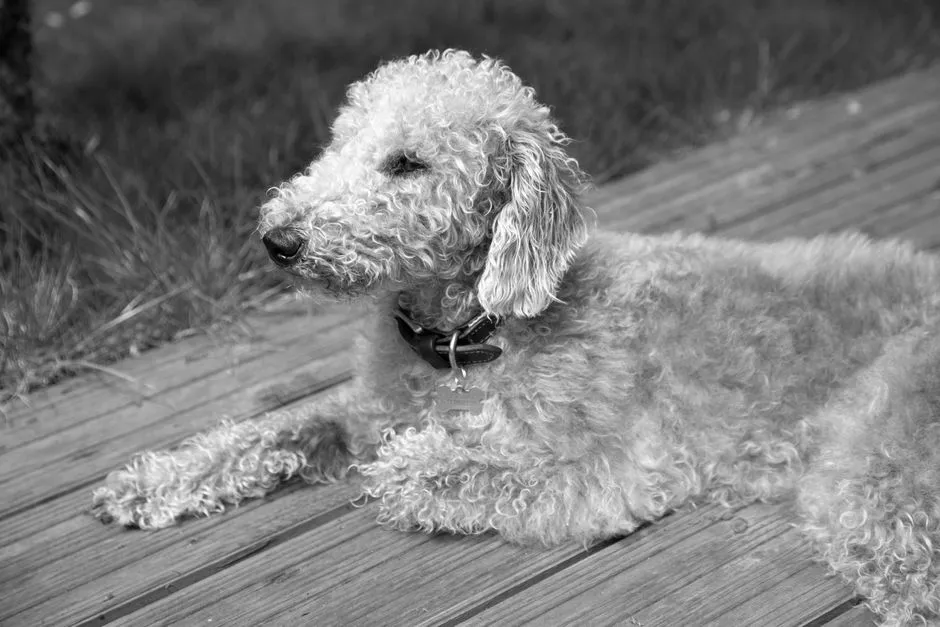
Older vets frequently saw Bedlington Terriers for skin issues, copper-related liver disease, and the occasional grooming injury. That lamb-like coat wasn’t just cosmetic – improper grooming could hide or worsen dermatologic problems. Some lines carried a serious copper storage disorder, making these dogs a regular topic in internal medicine rounds long before anyone could just Google it.
Younger vets may have memorized “Bedlington equals copper liver disease” for an exam but never actually treated one. In many regions, Bedlingtons are so rare that even large practices don’t have a single active patient. That disconnect – high exam relevance, almost zero real-world presence – genuinely surprises new grads when older vets describe seeing them every year. While doodles dominate the curly-coat category now, the original lamb-look terrier barely registers. #4 is arguably even more forgotten.
#4. Manchester Terrier (Standard)
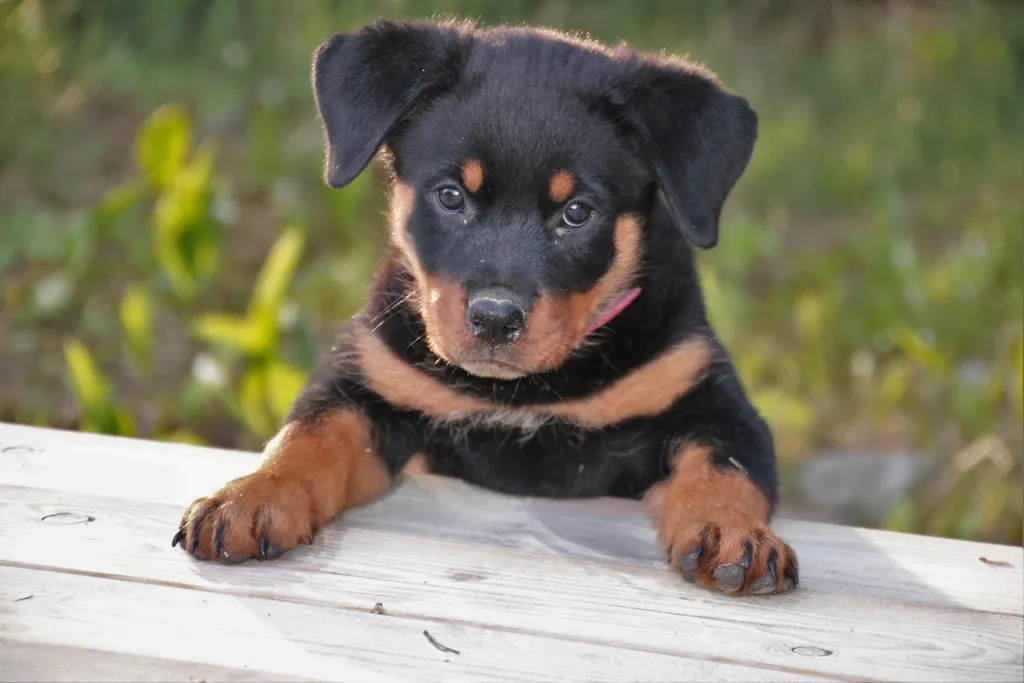
Older vets recall Manchester Terriers – especially the standard variety – as sleek, nervous little athletes prone to dental problems, patellar luxation, and anxiety-driven stomach upsets. They were never numerically dominant, but they showed up often enough that most clinics had at least one “old-school Manchester” on the books.
Younger vets tend to see Toy Manchesters occasionally, but standard Manchesters? Many never do at all. Their popularity declined quietly while other small black-and-tan breeds and designer mixes filled the niche. Plenty of new practitioners have treated dozens of Min Pins and Chihuahua mixes but can’t recall a single purebred standard Manchester. For older clinicians, they were nearly as recognizable as a Beagle. For younger ones, they’re a name in the breed atlas that never walks through the door. #3 is a bigger, more surprising vanishing act.
#3. Gordon Setter
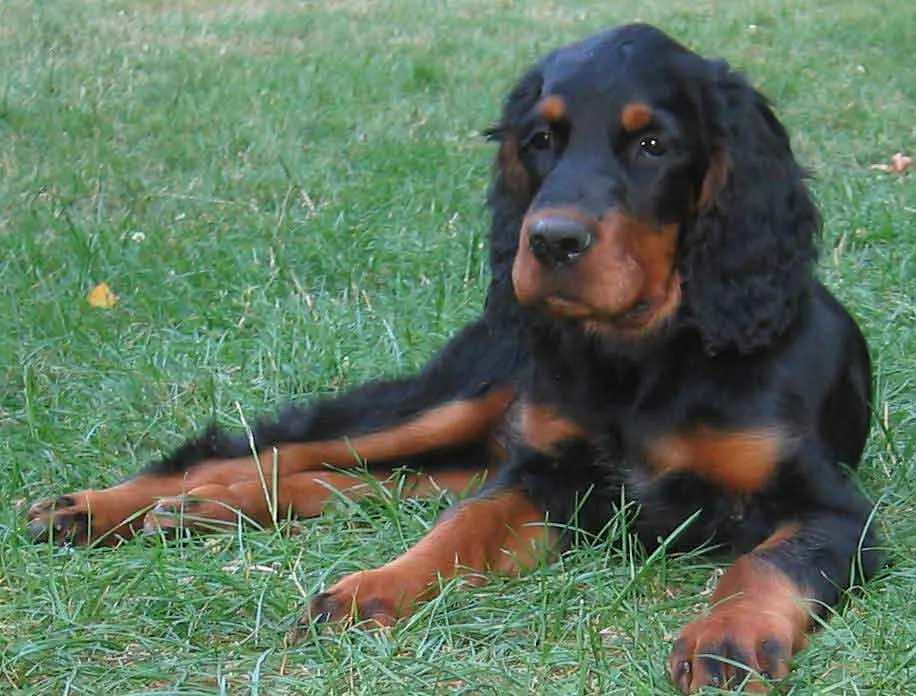
Older vets remember Gordon Setters as solid, serious hunting dogs who came in for classic sporting-breed problems: hip dysplasia, ear infections, and soft-tissue injuries from the field. Many rural practices followed entire family lines of Gordons from puppy visits through geriatric care, often “knowing” which orthopedic issues were coming years before they showed up.
Younger vets now see far more Labs, German Shorthaired Pointers, and Weimaraners than Gordons. In urban clinics, some have literally never seen one, despite years in practice. Even in hunting communities, the black-and-tan setter has been overshadowed by flashier, more widely bred gun dogs. For older vets, they were a fixture of every autumn appointment book. For newer grads, they’re a breed they might only recognize from an exam photo. But #2 is stranger still.
#2. Pharaoh Hound

Older vets in certain urban and show-heavy regions remember Pharaoh Hounds as sleek, exotic sighthounds that turned bright pink when excited and showed up for digestive sensitivity and minor injuries from wild backyard zoomies. Their thin skin, lean build, and high energy meant cuts, scrapes, and occasional fractures were far from unusual – and many older clinicians can still describe those distinctive blushing ears without hesitation.
Younger vets, even those in large referral hospitals, rarely encounter a Pharaoh Hound at all. The breed never truly broke into mainstream pet ownership, and newer exotic-looking breeds have stolen the spotlight since. Some recent grads admit they’ve seen more Pharaoh Hound X-rays in textbooks than real, live patients in an exam room. Older vets saw them as a regular oddity. Younger ones barely see them at all – and that’s still nothing compared to what long-time vets say about #1.
Why It Stands Out: Pharaoh Hound
- One of the unique traits of the Pharaoh Hound is its ability to blush – when excited or happy, their nose and ears turn a deep rose color due to their lack of black pigment in the skin.
- Originally from Egypt, they were brought to Malta by Phoenician traders and are now the national dog of Malta.
- The American Kennel Club notes that out of 201 registered breeds, the Pharaoh Hound ranks 174th in U.S. popularity.
#1. Harrier
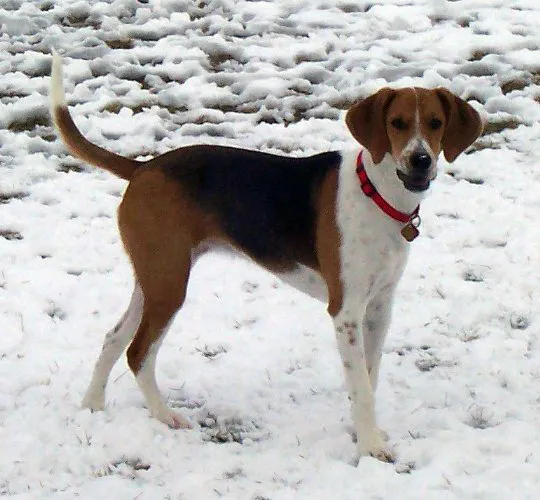
Ask almost any older vet who practiced in rural or hunting communities, and they’ll tell you the same thing: Harriers used to be everywhere in working packs, and now they’re almost ghosts in modern clinics. These mid-sized hounds – essentially “Beagles on stilts” – came in for torn pads, kennel cough outbreaks, parasite control, and the usual wear-and-tear of a dog that actually worked for a living. Older practitioners vaccinated entire Harrier packs twice a year without a second thought.
Younger vets, even those in robust small-animal practices, often go their entire career without knowingly treating a single purebred Harrier. Many confuse them with oversized Beagles or generic hound mixes on the rare occasion one appears. For a breed once considered a totally standard working dog, that near-total disappearance from everyday medicine is staggering. To older vets, the Harrier wasn’t exotic at all – it was just another routine Tuesday patient. That’s exactly what makes its absence today feel so unsettling.
At a Glance: Harrier
- The Harrier is frequently mistaken for a small English Foxhound or a large Beagle, but it’s a distinct breed used to hunt fox and hare.
- Despite their lack of popularity, they’ve been part of the American Kennel Club since its beginnings, being the 13th breed recognized, back in 1885.
- Harriers went from No. 18 to No. 4 on the AKC’s rarest-breed rankings in a single year – a sign of just how thin the modern population has become.
The Bottom Line
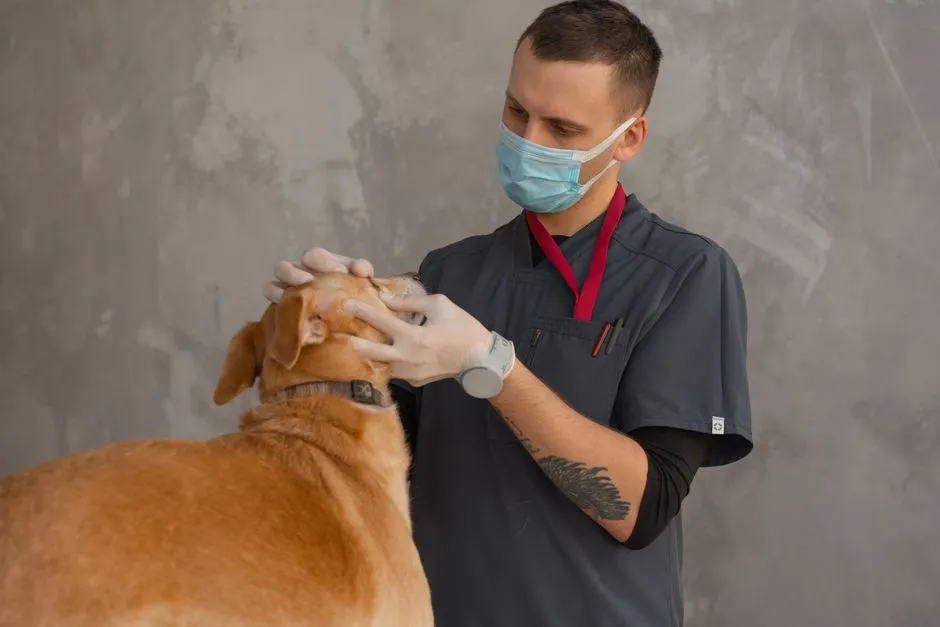
Listen to enough older veterinarians and a strange pattern emerges: entire breeds that once filled their appointment books are now, for younger vets, little more than exam questions and show-ring curiosities. These dogs didn’t go extinct – most still exist on paper and in small, devoted enthusiast circles. But they’ve quietly vanished from the average neighborhood clinic, pushed out by designer mixes, shifting lifestyles, and the slow collapse of traditional working and hunting roles.
Some owners will insist these breeds were “never common anyway.” Seasoned vets will just as firmly insist they saw them constantly, year after year, like clockwork. That tension is really the whole point – our idea of what counts as a “normal” dog is shifting faster than most of us realize, one generation of vets at a time.
Did we leave out a breed your old vet swears they treated every week, but your new vet has never laid eyes on? Drop it in the comments and make your case – the old-timers are probably right more often than you’d think.

- 13 Odd Hummingbird Habits Ornithologists Say Still Puzzle Them After More Than Four Decades of Study - August 2, 2026
- 18 Dog Breeds Older Vets Remember Treating Constantly That Younger Vets Have Never Once Seen - August 2, 2026
- 17 Small Things Your Old Cat Starts Doing When It Knows the End Is Coming Closer - August 2, 2026