
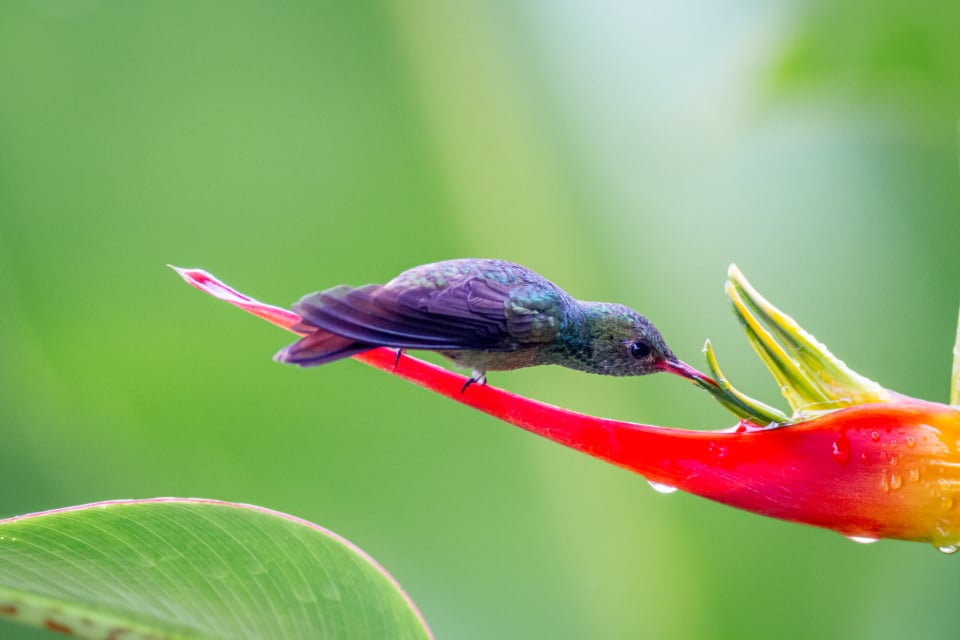
Most people think hummingbirds are simple little machines: drink some sugar water, flap like mad, zip off. Ask the scientists who have spent entire careers watching them, and you’ll get a very different answer.
These birds shut their bodies down at night like they’re dead. They pick fights they have no business winning. They may even see colors that don’t exist anywhere in human experience. After more than 40 years of dedicated research, some of the most basic questions about hummingbirds still don’t have clean textbook answers – and the deeper the scientists dig, the stranger the story gets.
#1 – The “Fake Death” Night Mode (Torpor)
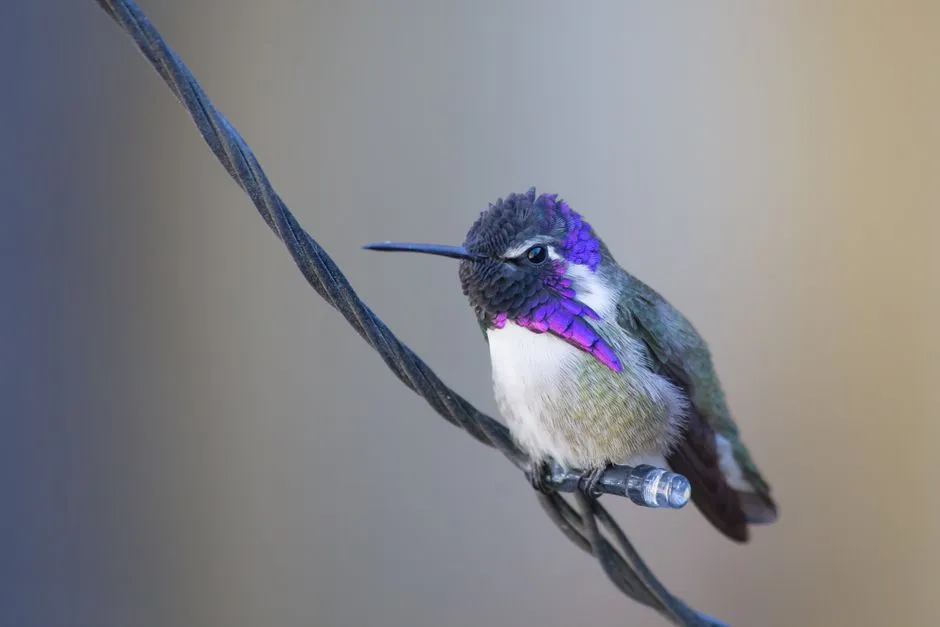
Hummingbirds don’t just sleep – they basically power down. At night, many species drop their body temperature and slow their heart rate from hundreds of beats per minute to just a handful. Find one in this state and you’d swear it was gone: eyes shut, body limp, sometimes hanging upside down from a twig.
Researchers understand the broad why. These birds burn energy faster than almost any other vertebrate alive, so this nightly shutdown is what keeps them from starving before sunrise. What still isn’t clear is how that rice-grain brain survives such extreme cooling and rewarming, night after night, without frying itself. Is there some kind of neurological reset switch? Do certain birds handle it better than others? Nobody’s cracked it yet.
Fast Facts
- Waking heart rate can top 1,000+ beats per minute during flight, but in torpor it can fall to roughly 50-180 beats per minute.
- Body temperature can drop from around 104°F to near 50°F overnight in some species.
- Overall metabolic rate may plunge by up to 95% during deep torpor.
- A bird can go from apparently lifeless to fully alert again in a matter of minutes come sunrise.
#2 – Aggression That Makes No Evolutionary Sense
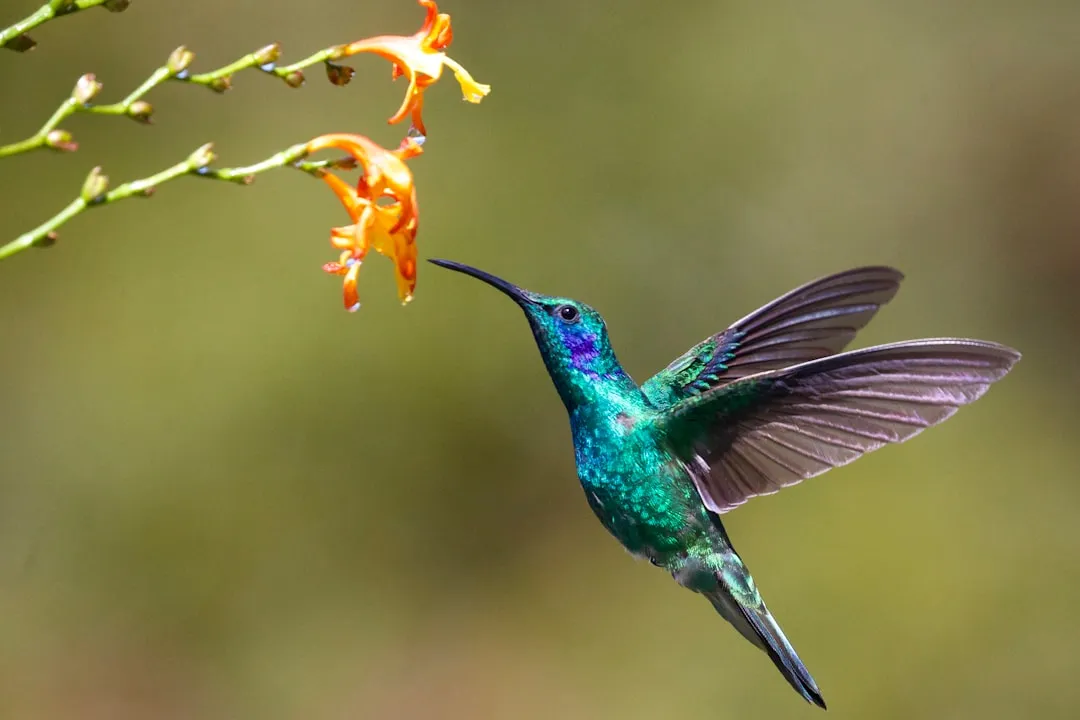
For a bird lighter than a nickel, hummingbirds are absurdly violent. They don’t just guard a flower patch – they’ll burn wild amounts of energy chasing off anything nearby, including insects and birds that never touch nectar in the first place.
Researchers watch these aerial dogfights and quietly ask themselves how the math could possibly work out. Protecting food makes sense. Chasing a butterfly that poses zero threat doesn’t. Males will sometimes go after females for no apparent reason at all. Some scientists blame misdirected territorial instinct, others point to sexual selection spiraling out of control, but nobody has a model that reliably predicts when a hummingbird will tolerate a neighbor – and when it will explode.
#3 – Their Almost Alien Color Vision
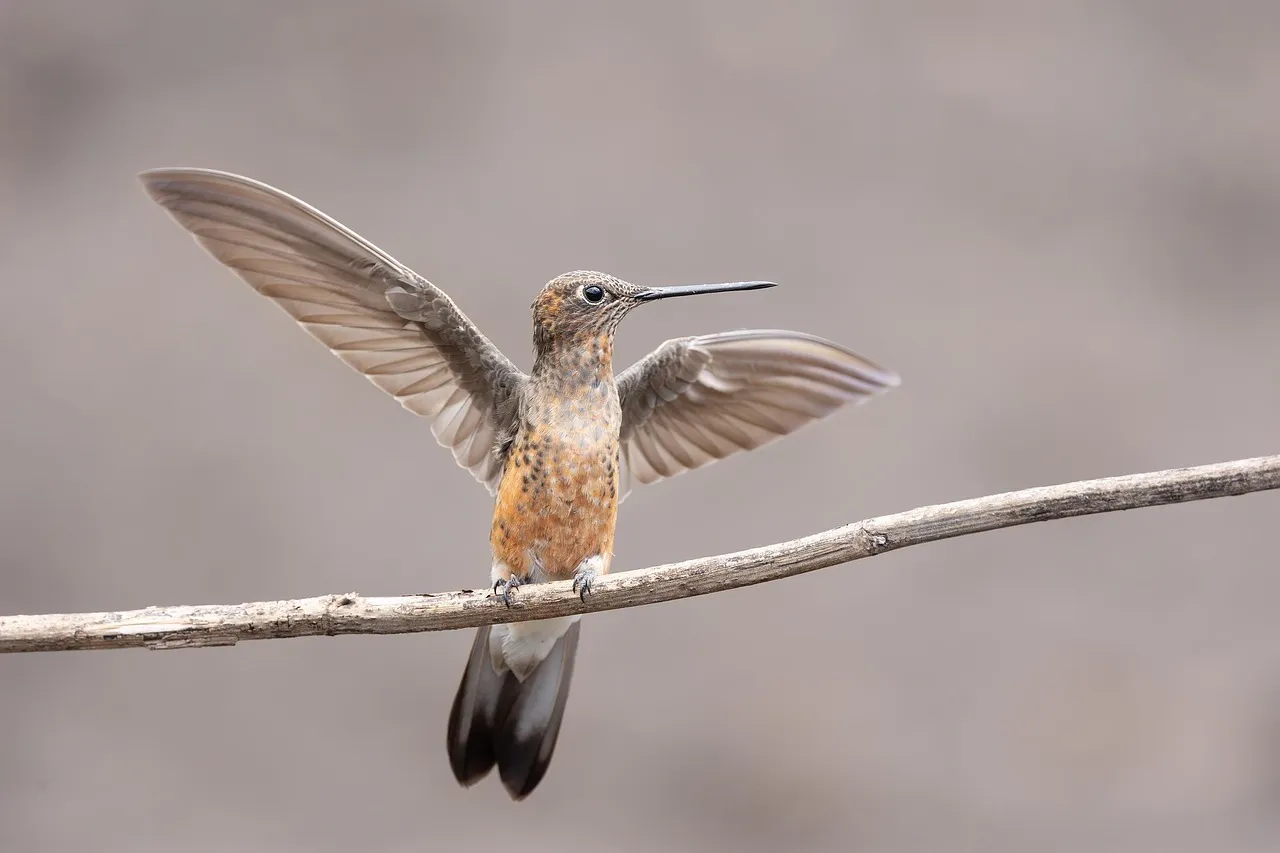
Hummingbirds don’t just see colors more vividly than we do. Thanks to an extra cone type in their eyes, they can perceive combinations like UV-green and UV-red that simply have no equivalent in human vision. We’re not talking about brighter reds and blues – we’re talking about entire colors our brains have no way to picture.
Scientists have proven in experiments that hummingbirds can tell these invisible colors apart. What’s still murky is how much this shapes life in the wild. Are flowers signaling to them in a visual language we can’t even perceive? Do males look dramatically different to females under UV light, even when they look identical to us? We know the hardware exists. Nobody fully understands the software running on it.
#4 – The Bizarre Memory They Use to Map Flowers
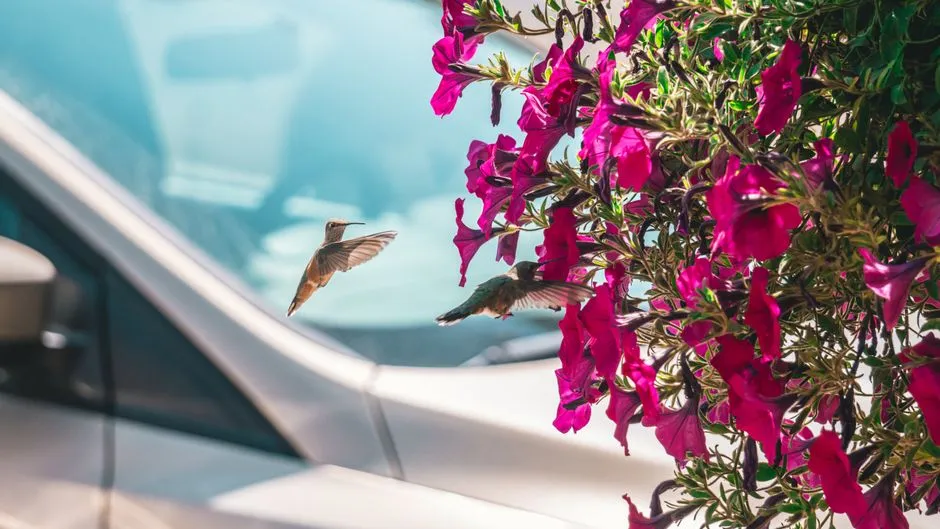
It looks like random flitting from the outside, but long-term tracking says otherwise. Individual hummingbirds remember exactly which blossoms they’ve already visited and roughly when each one will refill. Many follow near clock-like daily circuits called traplines, hitting the same flowers in the same order at almost the same time.
What throws researchers is the sheer precision coming out of a brain the size of a grain of rice. That brain is tracking hundreds of shifting nectar sources at once – location, timing, quality, and who else is currently defending each spot. In lab tests, hummingbirds have recalled feeder locations and refill schedules days later, sometimes beating mammals at the same task. Is it a mental GPS, an internal calendar, or something we don’t even have a name for yet? Nobody’s sure.
#5 – Gravity-Defying Flight Physics
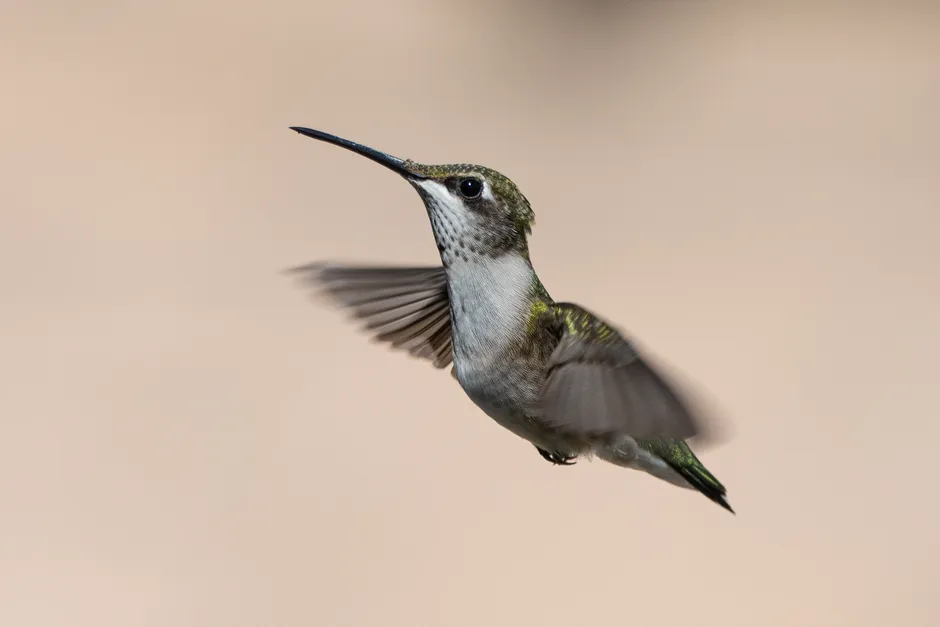
Everyone knows hummingbirds hover. What still bothers aerodynamicists is how they pull it off. Their wings don’t flap up and down like a normal bird’s – they trace a tight figure-8, generating lift on both the down and the upstroke.
That part scientists can explain. What they can’t fully explain is how the birds keep such fine control at wingbeat speeds up to 80 beats per second, decade after decade, without shredding their own muscles and joints. High-speed cameras catch micro-adjustments in wing angle that let them pivot, reverse, and even fly upside down for short bursts. When researchers try to model the airflow at those speeds, tiny vortices form and collapse in ways that resist prediction. Something about how these birds cheat the air is still not fully understood.
At a Glance
- Typical wingbeat rate ranges from about 50 to 80 beats per second depending on species and activity.
- The wing rotates nearly 180 degrees at the shoulder, enabling the signature figure-8 stroke.
- Hovering is one of the most energy-expensive forms of locomotion in the animal kingdom relative to body size.
- Some species can briefly fly backward and even upside down during evasive maneuvers.
#6 – Their Eerie Sense of Time
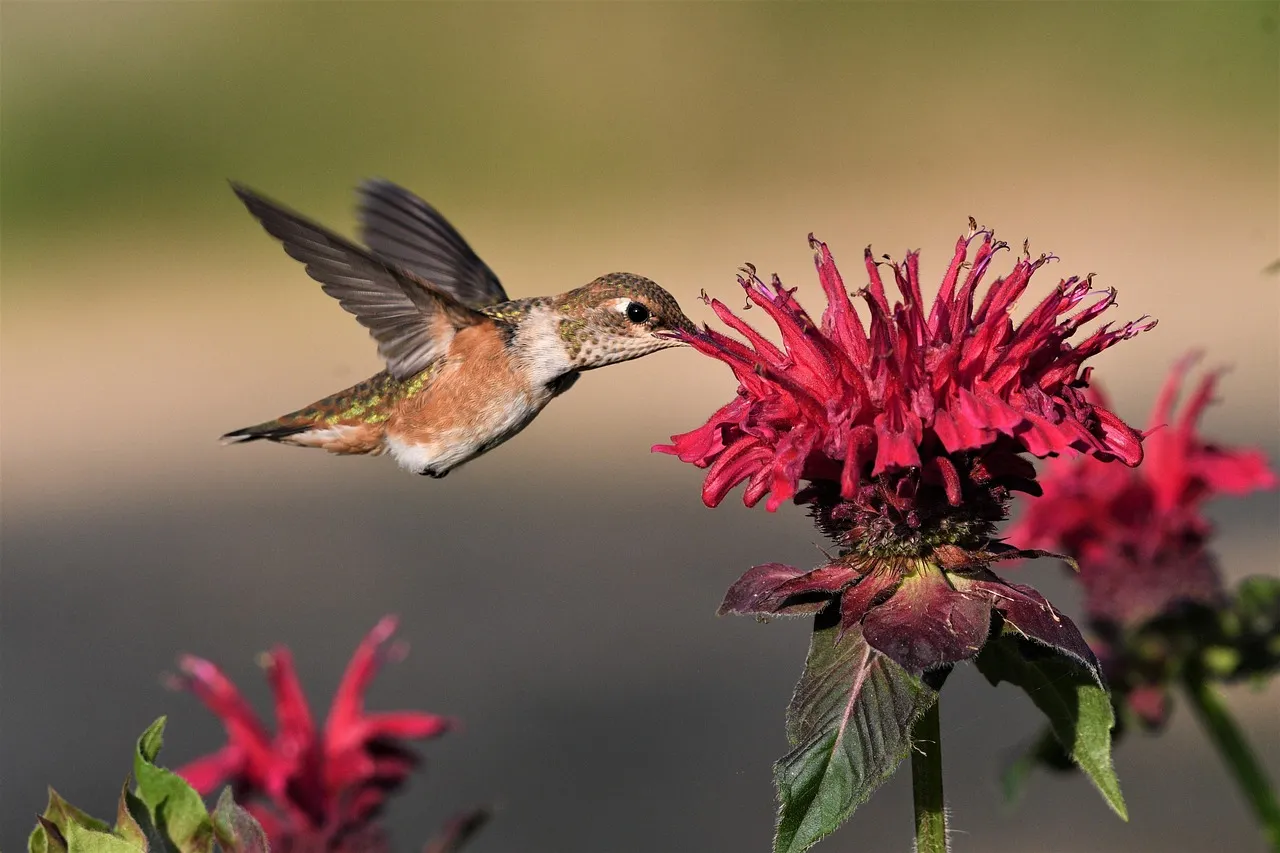
Hummingbirds don’t just remember where flowers are – they seem to know exactly when each one is worth revisiting. Studies show birds timing their return to specific blooms almost in sync with how fast that flower refills its nectar. A patch they just drained gets skipped. A patch that’s “due” gets visited right on schedule.
Nobody fully understands how they’re tracking this. Is each bird running a private countdown clock for every single feeding spot it uses, or working off broader mental blocks like “morning patch” and “afternoon patch”? When scientists deliberately mess with refill schedules in experiments, the birds adjust fast, which suggests a flexible, high-resolution internal clock. For a creature living one missed meal away from disaster, that kind of timing borders on uncanny.
#7 – Why They Sometimes Ignore “Better” Flowers
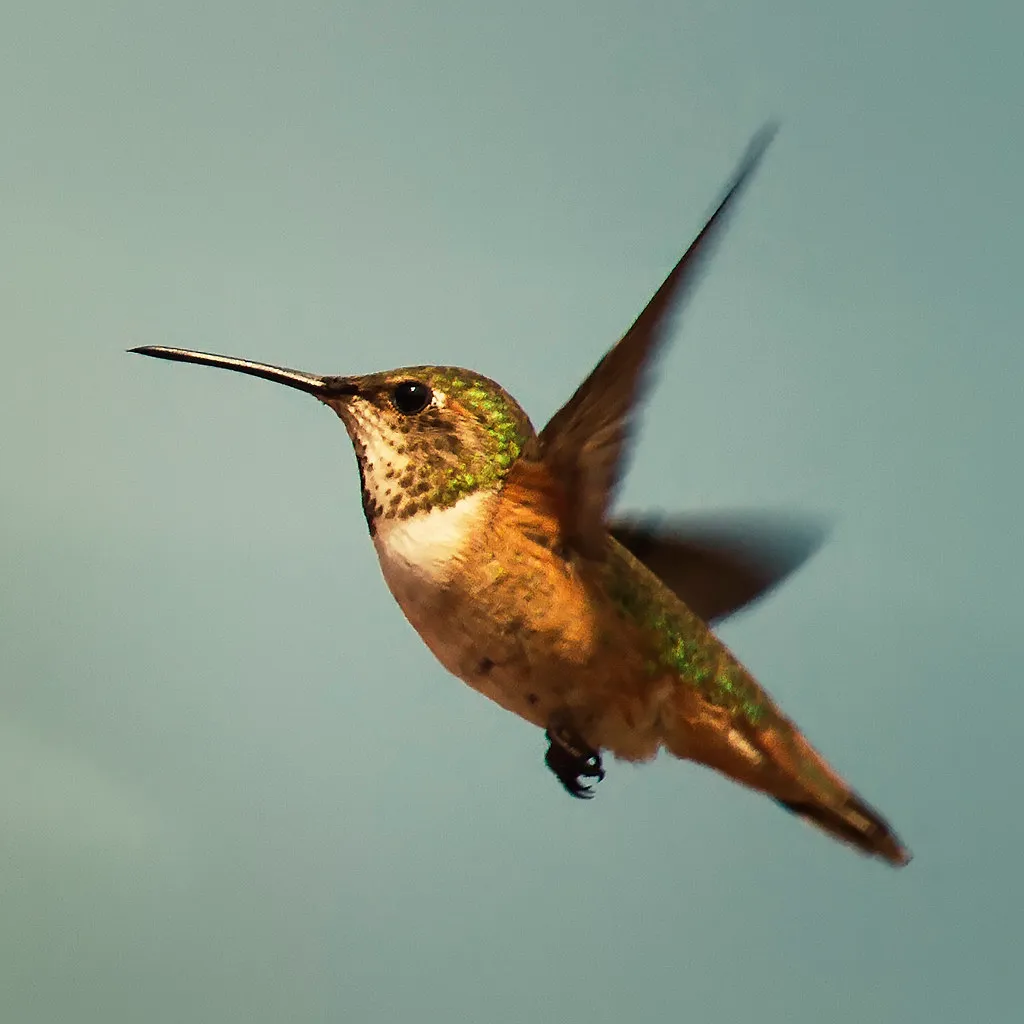
If hummingbirds are such sharp foragers, why do field biologists keep catching them sticking to mediocre flower patches while a richer feeder sits ignored just a few feet away? There are theories – fear of predators, territorial risk, plain habit – but none of them fully explain what’s actually happening.
In controlled experiments, hummingbirds will sometimes choose a lower-reward feeder they already know over a better one they just discovered. That hints at something like a psychological cost to switching, or a built-in preference for the familiar over the optimal. Some researchers now argue we’ve been oversimplifying hummingbird decision-making by cramming it into pure energy math, when social rules, memory of past danger, or even individual quirks might be steering the choice instead.
#8 – The Bone-Rattling Courtship Sounds
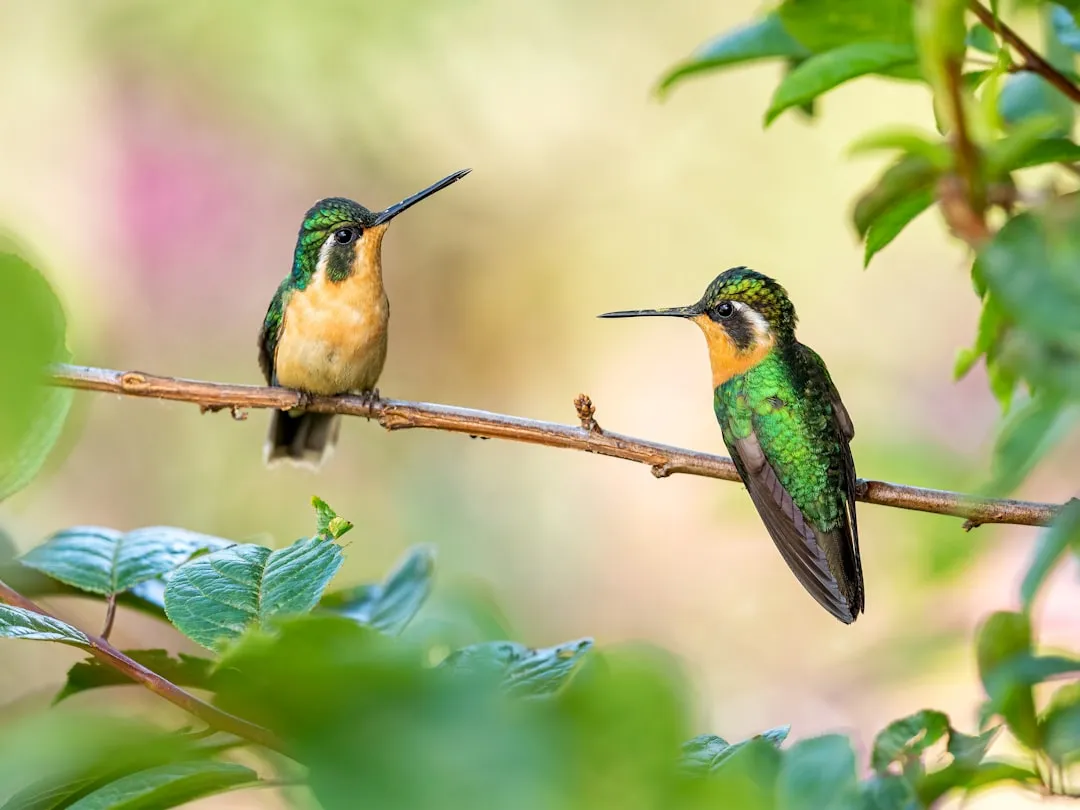
Those sharp, almost electronic shrieks you hear during a hummingbird display often aren’t coming from the bird’s throat at all. In several species, males dive at extreme speed and pull up hard, forcing air through specially shaped tail feathers to produce explosive whistles and buzzes – essentially playing their own bodies like an instrument.
The strange part is how finely tuned these feather instruments are, and how oddly specific each species’ sound has become. In some lineages a single feather is reshaped for the job; in others, several feathers combine to layer the sound. Some males even seem to fine-tune the pitch through molt timing, almost like maintaining an instrument. Yet not every female responds the way the textbooks predict, and some populations seem to shrug off sounds that should, by all accounts, be irresistible.
#9 – Their Cooperation-That-Isn’t-Quite-Cooperation
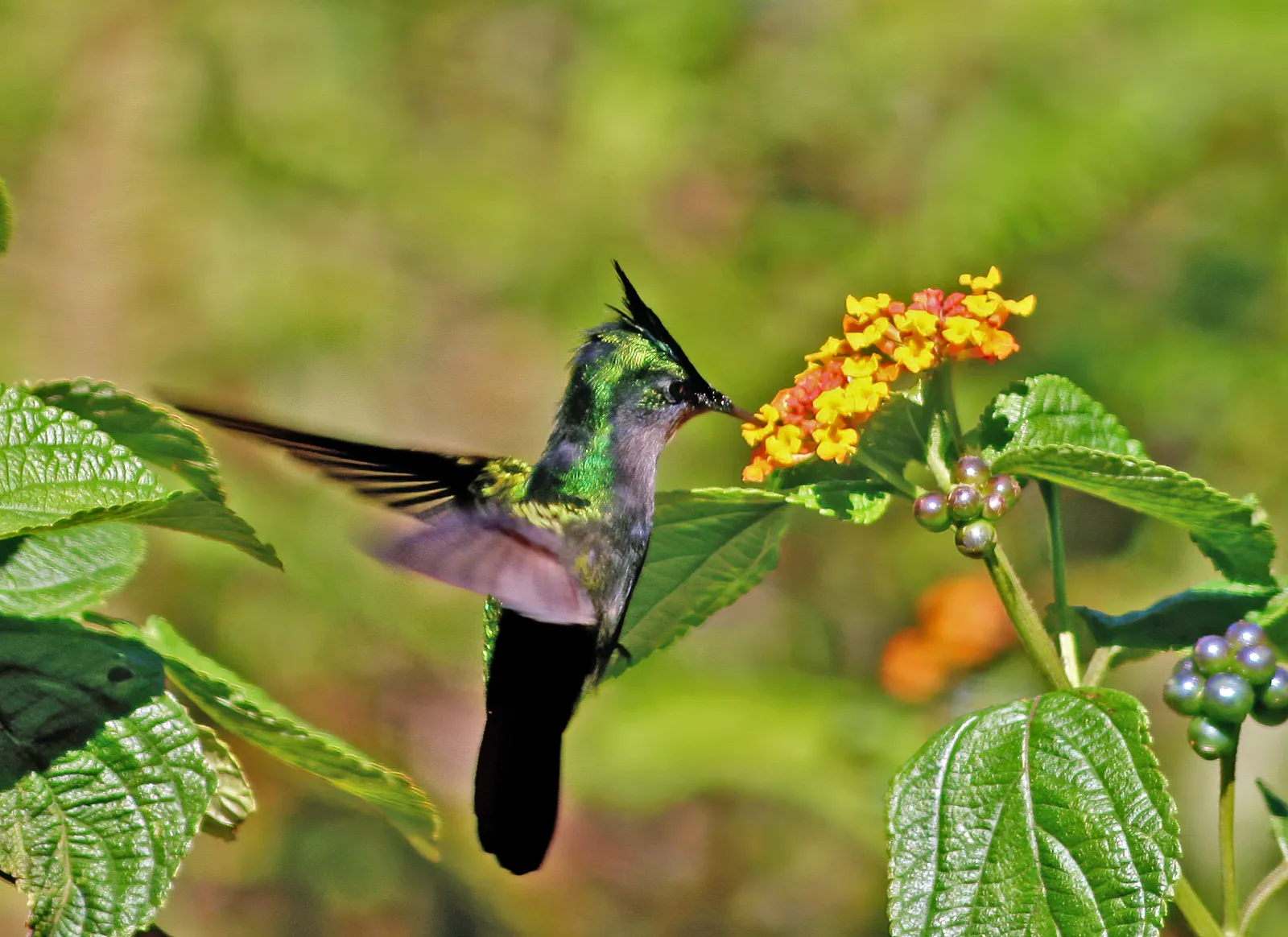
Textbooks like to paint hummingbirds as strict loners, but long-term observation tells a messier story. At rich food sources, you’ll sometimes see something that looks almost like cooperation – multiple birds sharing an area with less aggression than you’d expect, or seeming to take informal turns at a feeder.
Here’s the problem: it doesn’t behave like real cooperation either. These loose little truces can collapse instantly into all-out war the moment resources dip even slightly. Some birds seem to tolerate certain neighbors while attacking others with no obvious difference between them. Scientists suspect there’s a subtle social code at work – built from past run-ins, body posture, maybe even vocal cues – that four decades of data still haven’t managed to decode.
#10 – Their Obsession With Red (That Isn’t Really About Red)
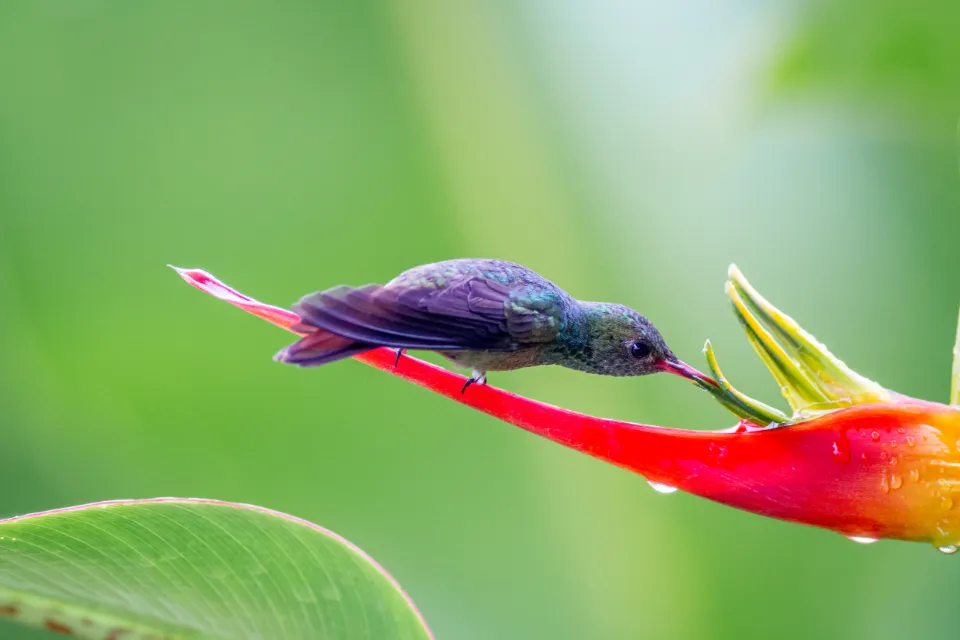
Everyone “knows” hummingbirds love red. So why do controlled studies keep showing them choosing non-red options when sugar concentration is held steady? The old story is quietly falling apart.
Researchers now believe hummingbirds are reading several cues at once – contrast against the background, shape, nectar payoff, and yes, sometimes color. In the wild, birds will repeatedly visit pale, unremarkable blooms while ignoring screaming-red ornamentals a few feet away. Some ornithologists now suspect the whole “red rule” came from watching backyard feeders instead of real ecosystems. After decades of study, the truth looks stranger than the cliché: red is a clue, not a command, and hummingbirds are running a far more complicated visual calculation than any field guide admits.
Quick Compare
- Old assumption: hummingbirds are hardwired to chase red above every other color.
- What field data shows: color preference shifts depending on nectar reward, not hue alone.
- Old assumption: red feeders always outperform other colors.
- What field data shows: birds will pick a duller bloom if the payoff is better.
#11 – Their Strange Relationship With Insects
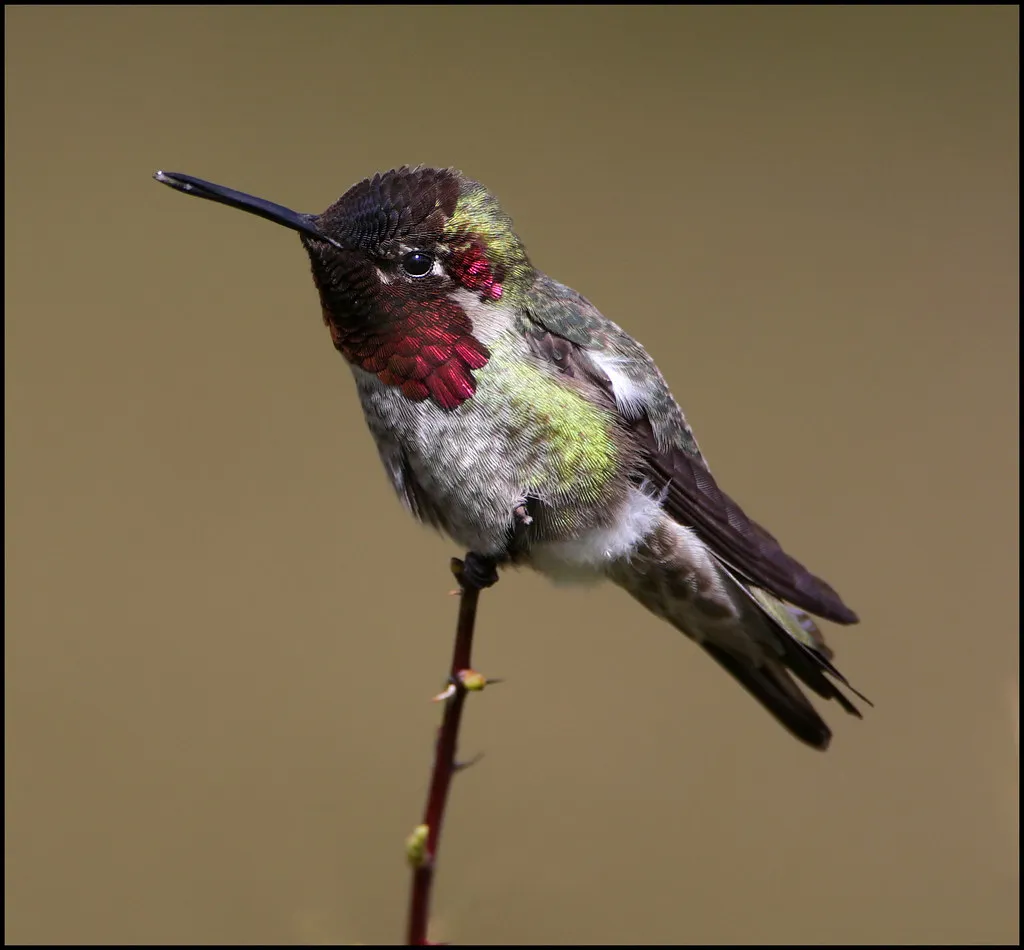
Most casual birders assume hummingbirds live on nectar alone. In reality, they eat a surprising amount of tiny insects and spiders, especially while raising chicks – and watching one snatch midges out of midair is genuinely impressive.
What confuses scientists is the pattern behind it. Some individuals seem to patrol invisible “insect zones” in the air, returning to the same patch of empty sky over and over, almost as if it were mapped the same way flower patches are. Others pick bugs directly off spider webs or leaves in ways that don’t track neatly with how much nectar is available. Nobody has pinned down exactly how much protein these birds actually need, or whether insect-hunting shifts with age, sex, or season – the wild data is too patchy and lab conditions can’t fully mimic a real swarm.
#12 – Migration Routes That Defy Logic
Some hummingbirds fly nonstop across the Gulf of Mexico, fueled by fat reserves that can nearly double their body weight before takeoff. That feat, extreme as it sounds, is now well documented.
What still puzzles ornithologists are the routes that don’t make obvious sense. Tracking data sometimes shows birds following a coastline, then suddenly cutting inland for hundreds of miles, or skipping what looks like perfect habitat to reach a nearly identical spot much farther away. There are hints of deeply ingrained, population-specific traditions – routes passed down or reinforced across generations. We know where these birds end up. After decades of banding and satellite tracking, we’re still not entirely sure why they choose the path they do to get there.
Fast Facts
- A nonstop crossing of the Gulf of Mexico covers roughly 500 miles of open water.
- That flight can take somewhere in the range of 18 to 22 hours without a single stop to rest or feed.
- Pre-migration fat reserves can nearly double a bird’s normal body weight before departure.
- Round-trip migration distances for some populations can exceed 2,000 miles a year.
#13 – Individual “Personalities” Nobody Can Quite Model
Ask a field biologist who’s followed the same hummingbirds for years, and many will admit it quietly: these birds act like they have distinct personalities. Some are reckless bullies that attack anything that moves. Others are cautious opportunists that sneak in only when the coast is clear. A few are strangely tolerant, letting rivals get closer than any “proper” territorial model would predict.
Behavioral ecologists try to sort these differences into tidy traits – boldness, shyness, aggression – but the patterns won’t hold still. A hummingbird that dominates its territory one season can turn oddly passive the next, even while healthy and living in the exact same spot. Age, hormones, learning, subtle shifts in environment – probably some mix of all of it, and more we haven’t identified. After four decades of close observation, hummingbirds still behave more like unpredictable individuals than clean data points, and the models keep lagging behind the reality.
The Bottom Line
For all the slow-motion video, brain scans, and satellite tags, hummingbirds still get the last laugh. They shut their bodies down at night without frying their own brains, see colors we can’t even picture, map flowers and insects with almost surgical precision – and then blow it all up by making “irrational” choices and flying migration routes that defy our best logic.
We’ve spent more than forty years studying them and still can’t fully explain why a two-gram bird will fight to exhaustion over a feeder one day, then quietly share it the next. Maybe that’s the real lesson here: in a world obsessed with tidy answers, hummingbirds are proof that nature doesn’t owe us one.
Which of these thirteen habits do you think is the strangest – or have you spotted something at your own feeder that even the experts haven’t explained? Drop it in the comments and let the argument begin.

- 13 Odd Hummingbird Habits Ornithologists Say Still Puzzle Them After More Than Four Decades of Study - August 2, 2026
- 18 Dog Breeds Older Vets Remember Treating Constantly That Younger Vets Have Never Once Seen - August 2, 2026
- 17 Small Things Your Old Cat Starts Doing When It Knows the End Is Coming Closer - August 2, 2026