
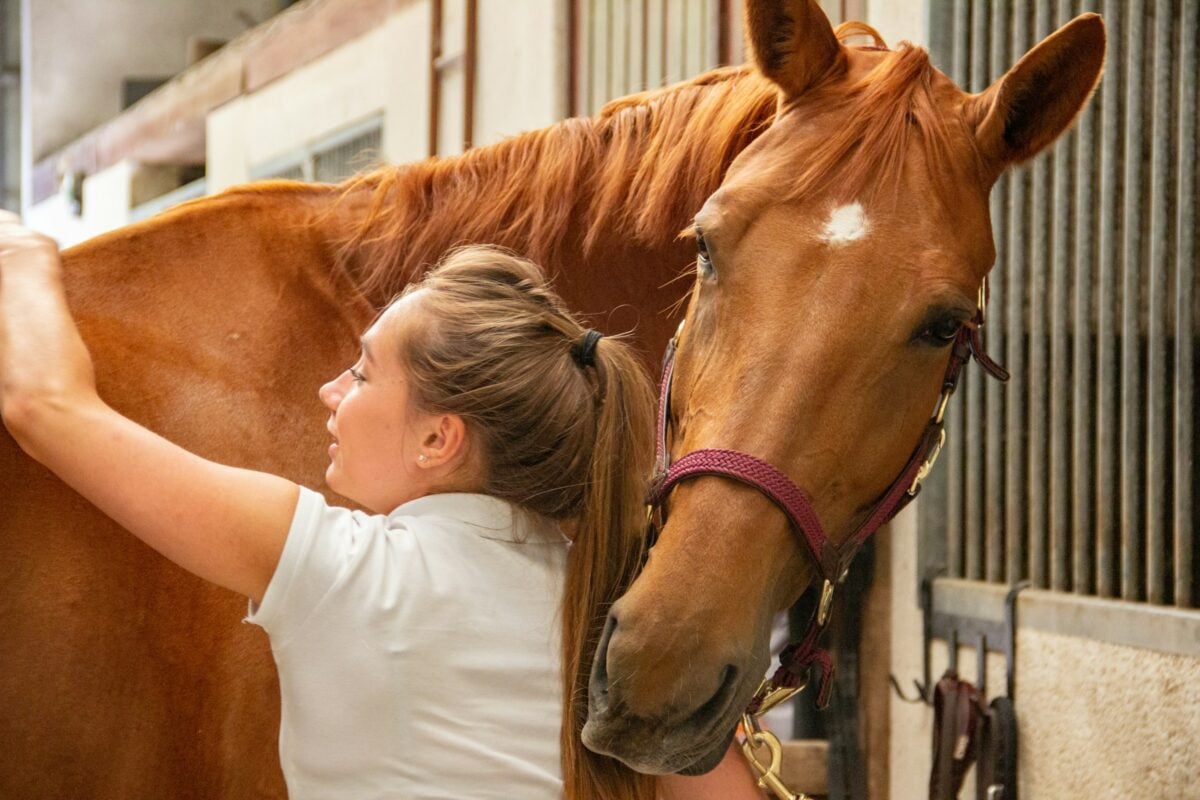
Most people assume a “bonded” rescue horse is the one striking cute poses for selfies, letting anyone hug its face, doing little tricks for treats on camera. That’s the fantasy version. The real thing is quieter, stranger, and a lot more moving once you know what to actually look for.
Rescue horses don’t hand out trust like candy. They ration it like it’s the only currency they have left, because for a long time, it was. So when one of them finally picks a single human out of an entire world of safer options, it doesn’t announce itself with fireworks – it shows up in a flicked ear, a slower exhale, a foot offered without flinching. Here are the 20 signs experienced trainers and longtime rescuers say actually mean a rescue horse has given its heart away, and most of them have nothing to do with cuddles.
#20 – They Stop Watching the Exit and Start Watching You
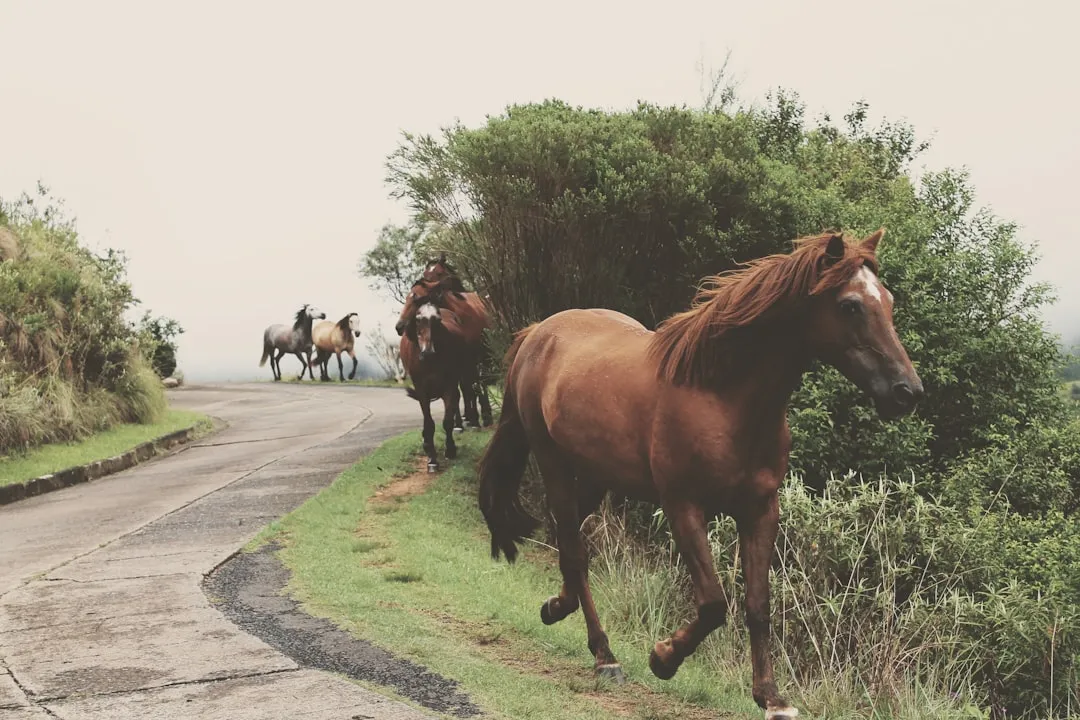
The clearest early tell isn’t affection at all. It’s where their eyes go. Most rescue horses stand like sentries, scanning doors, fences, and other horses more than any human in the arena, because they’re tracking escape routes, not relationships.
When one quietly pivots and starts tracking you instead, head slightly turned, ear locked, soft eye following your steps, you’re watching their internal alarm system reprogram in real time. They’ve stopped asking “How do I get away?” and started asking “Where is my person going?”
- In new environments or crowded barns, they check you before anything else.
- When other people walk in, the horse only shadows you.
They might still be jumpy, they might still spook, but their radar points to you first. That’s the quiet beginning of everything else on this list.
#19 – They Choose Your Voice Over the Herd’s Energy
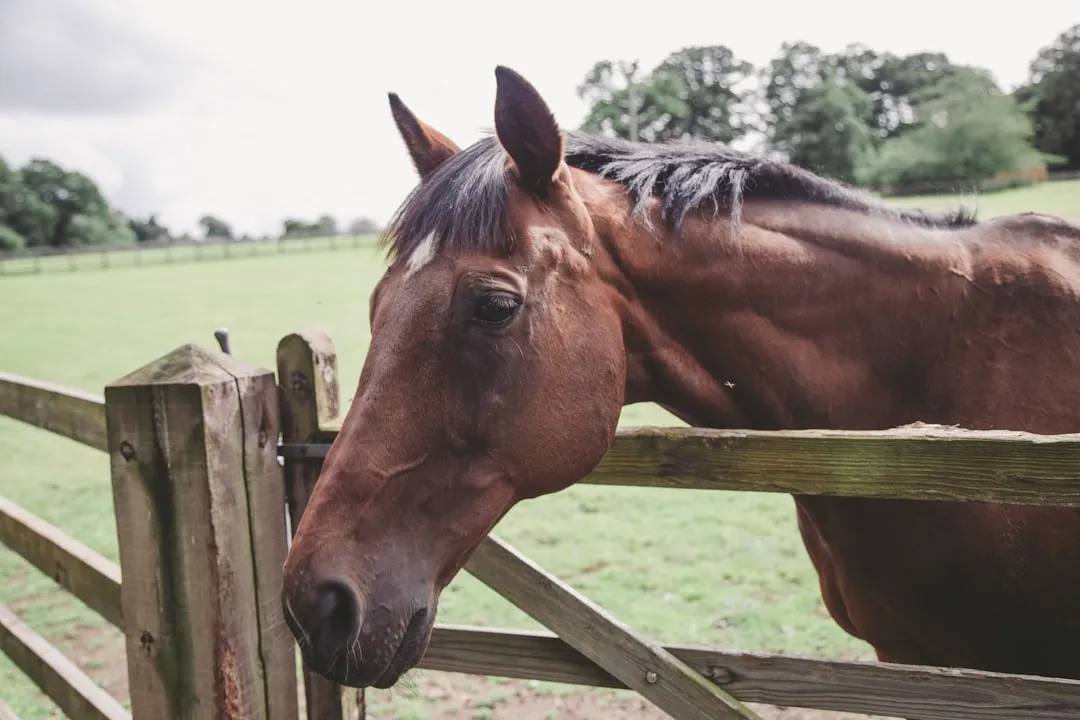
Every horse can hear you. A bonded rescue actually listens. In a busy barn, most rescues default to herd energy: they whirl when others whirl, bolt when others bolt, eat when others eat.
The turning point is when they flick an ear toward your voice and hesitate, even when the herd says “go now.” That half-second pause is enormous. It means your cue has started to outweigh the primal safety of blending into the crowd, which is an almost unreasonable level of trust for a prey animal that has learned people are dangerous.
Fast Facts
- Horses can rotate each ear up to 180 degrees independently to pinpoint sound.
- Their field of vision spans nearly 350 degrees, but they have blind spots directly ahead and behind.
- Herd animals often move as a single unit as an instinctive defense against predators.
People romanticize the idea of a horse running free in an open field. The real intimacy is smaller than that: it’s your voice becoming the safer option than the herd.
#18 – They Walk Past the Treat Lady to Stand by You
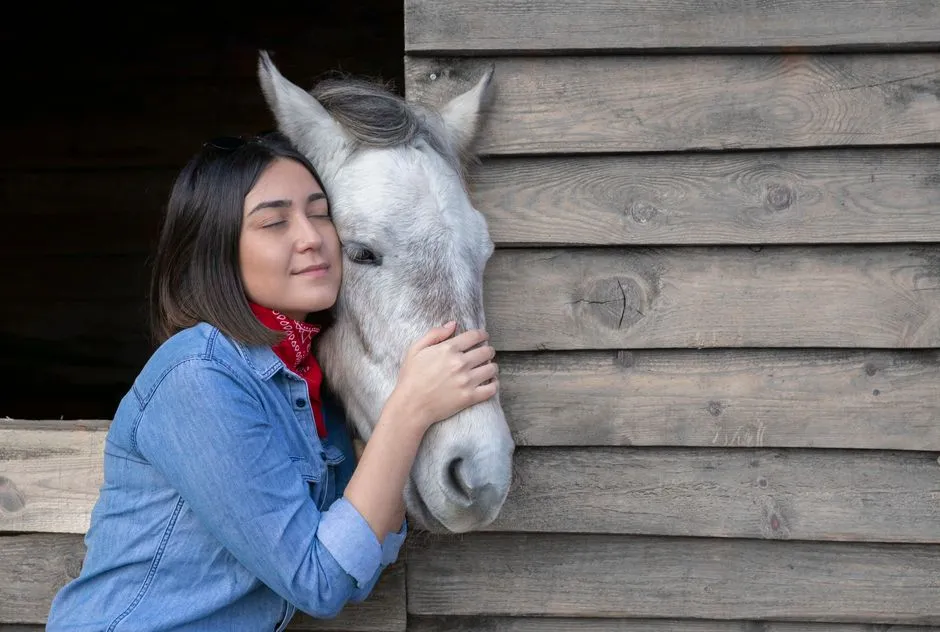
Food gets attention. Attachment overrides it. In most barns, there’s a “treat person,” the one horses mug pockets for. A rescue still in survival mode will gravitate to whoever has the feed bucket, not whoever has their back.
When that same horse one day walks away from a rustling bag of carrots, drifts past an outstretched hand, and quietly parks its body next to you instead, you’re watching its priorities rearrange in real time. This isn’t about forced respect or banning treats. It’s about the horse feeling more regulated with your body beside theirs than with food in their mouth.
- They choose your presence as the reward, not just the sugar hit.
- They still love snacks, but the choosing itself has changed.
When they tuck their nose into your shoulder instead of rifling through your pockets, they’re saying, in horse language, “You are safer than the bribe.”
#17 – They Relax Faster After a Spook When You’re There
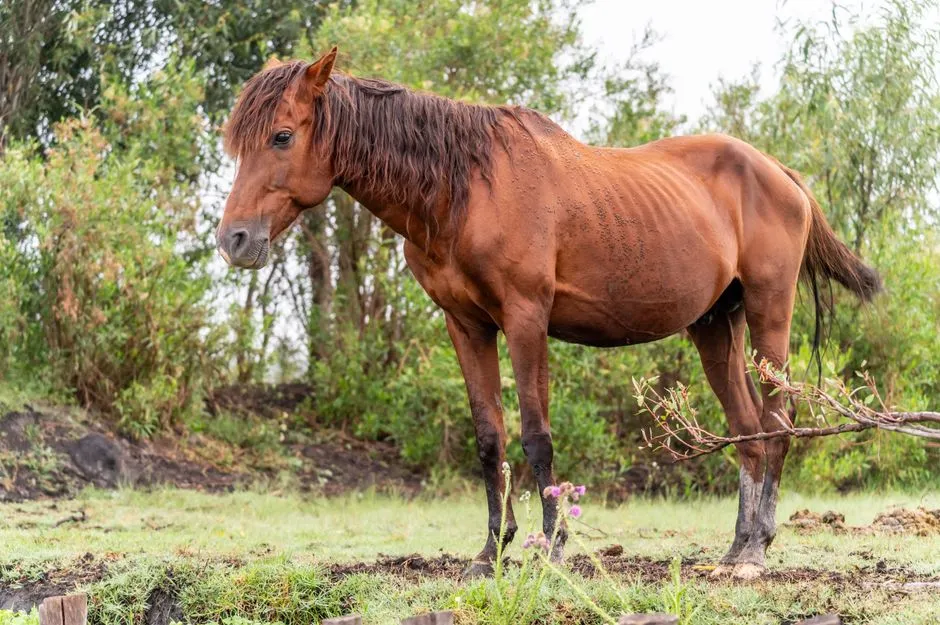
Fear never fully disappears in a traumatized horse. Trust just changes the recovery time. Most rescues spook hard and stay stuck there, tense, tight-lipped, eyes bugged, neck like a board for way too long. That’s not bad behavior. That’s a nervous system marinated in chaos.
The real shift isn’t that they stop spooking. It’s that they start scanning for you immediately afterward, then melt ten times faster once they find you. When you become their emotional home base, your presence literally rewires their recovery loop.
- A quick glance to you after a startle, instead of wild, aimless panic.
- Their breathing slows the moment your hand lands on their neck or your voice cuts through.
They don’t need you to erase every scary thing in the world. They just need you to help them come back from it faster than they ever could alone.
#16 – They Let You Into Their “Protected” Spots
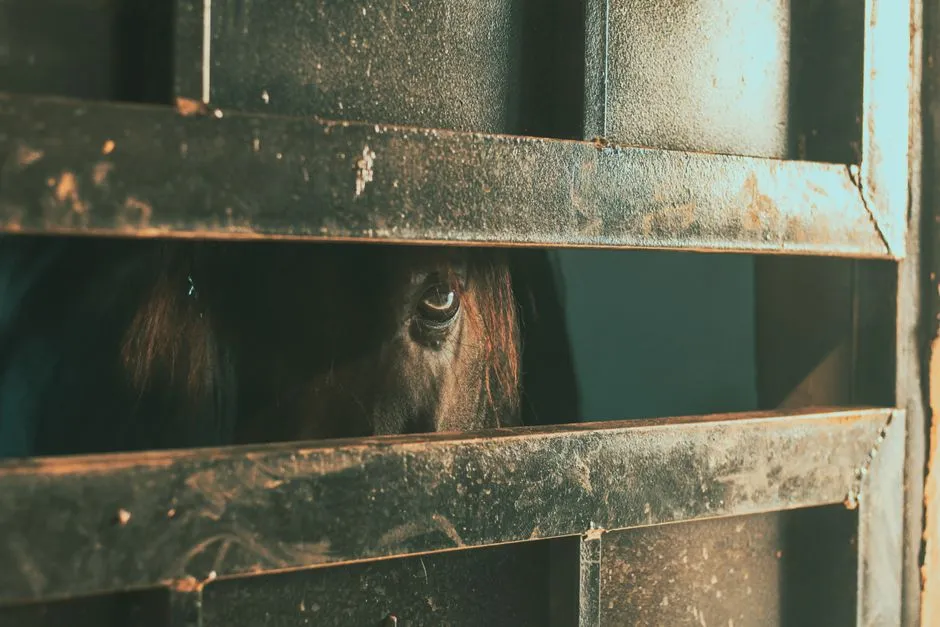
Every traumatized horse has no-go zones. For some it’s the ears, for others the hind legs, the belly, the poll, or just the right side of their body. Early on, those areas trigger instant defensiveness: tail swishing, pinned ears, outright fear.
The quiet milestone is when they start offering you those exact spots without bracing. They’ll shift their weight so you can pick up the foot they used to snatch away. They’ll lower their head so you can scratch the poll that once made them flinch.
- They stay loose and blinking instead of freezing while you handle those zones.
- They seek contact there, backing their itchy rump toward you or nudging their head into your hand.
They’re not just tolerating touch at this point. They’re handing you the parts of themselves they used to guard the hardest.
#15 – They Get “Jealous” in a Way Only You See
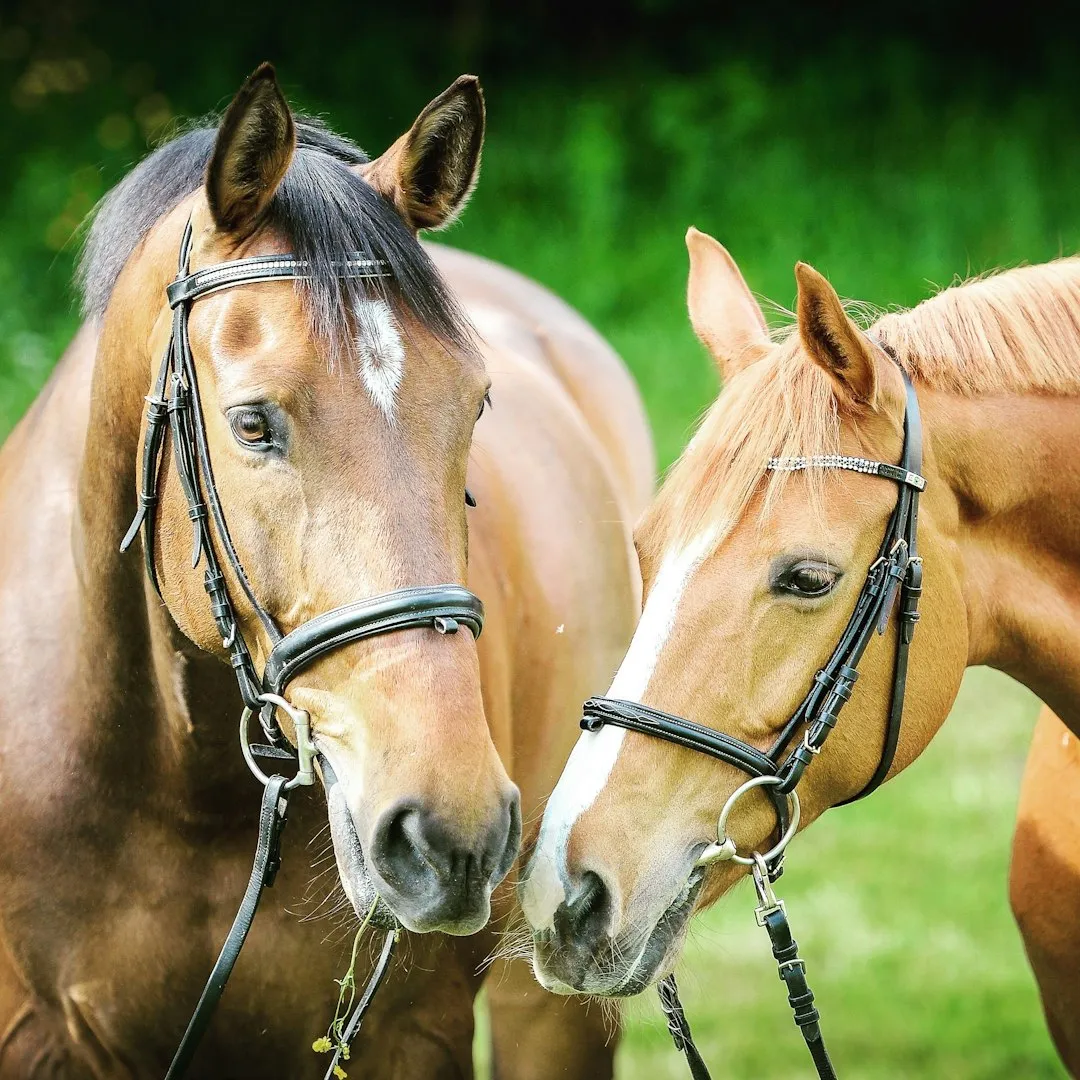
No, it’s not human jealousy, but it’s uncomfortably close. A rescue attached to one person will sometimes insert themselves when that person touches other horses. It might be subtle: a side-step between you and the other horse, a soft blow on your arm, a pointed look any horse person immediately recognizes.
Some horses swish their tails harder, others just fix an eye on you like, “Excuse me, we had plans.” It’s worth naming clearly, though: this isn’t cute if it turns into resource guarding or aggression, and that needs real training to correct.
- The base emotion, wanting to keep their human’s focus, is a strong signal of deep attachment.
- Barn people argue over this constantly, but longtime rescue owners see the pattern repeat.
Some horses simply pick a favorite person and quietly, stubbornly guard that relationship.
#14 – They Stop Testing Every New Human the Same Way
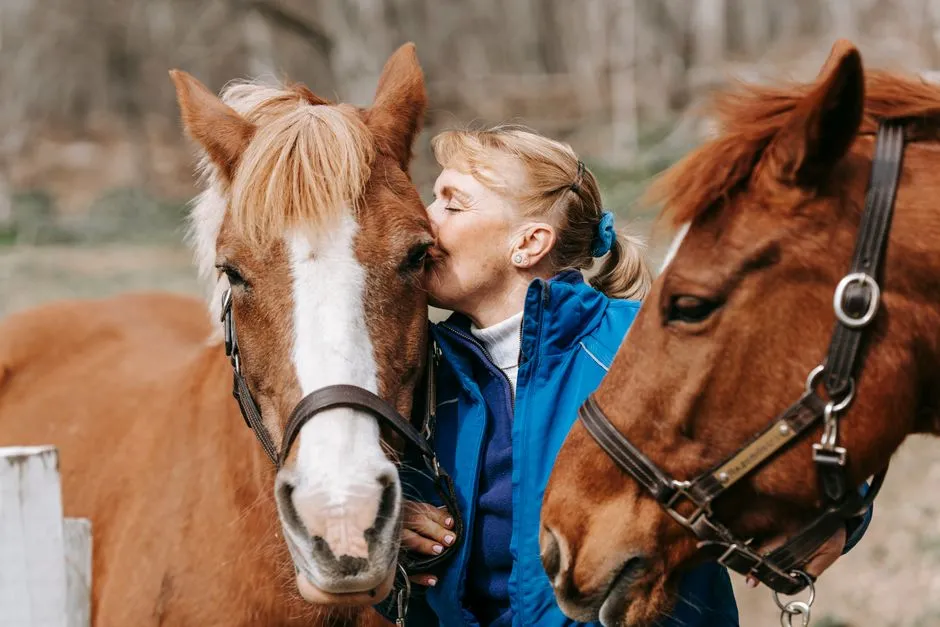
A truly bonded rescue gets selective. In the beginning, many rescues run the same script on every person: push, flee, brace, or shut down. Once they’ve given their heart to one human, that script often changes, but not evenly.
They’ll obey your lightest cue and then seem to “forget” the basics with someone else. It’s not that they’ve suddenly gone untrained. It’s that their willingness is tied directly to attachment, not just repetition.
- They load calmly for you but plant their feet with another handler.
- They accept fly spray or clippers when you hold them, but spin away from a stranger.
Trainers sometimes call this a problem. Bonded owners quietly recognize it as proof. The horse isn’t being naughty; it’s showing you exactly how specific its trust really is.
#13 – They Use You as a Shield, Not Just a Leader
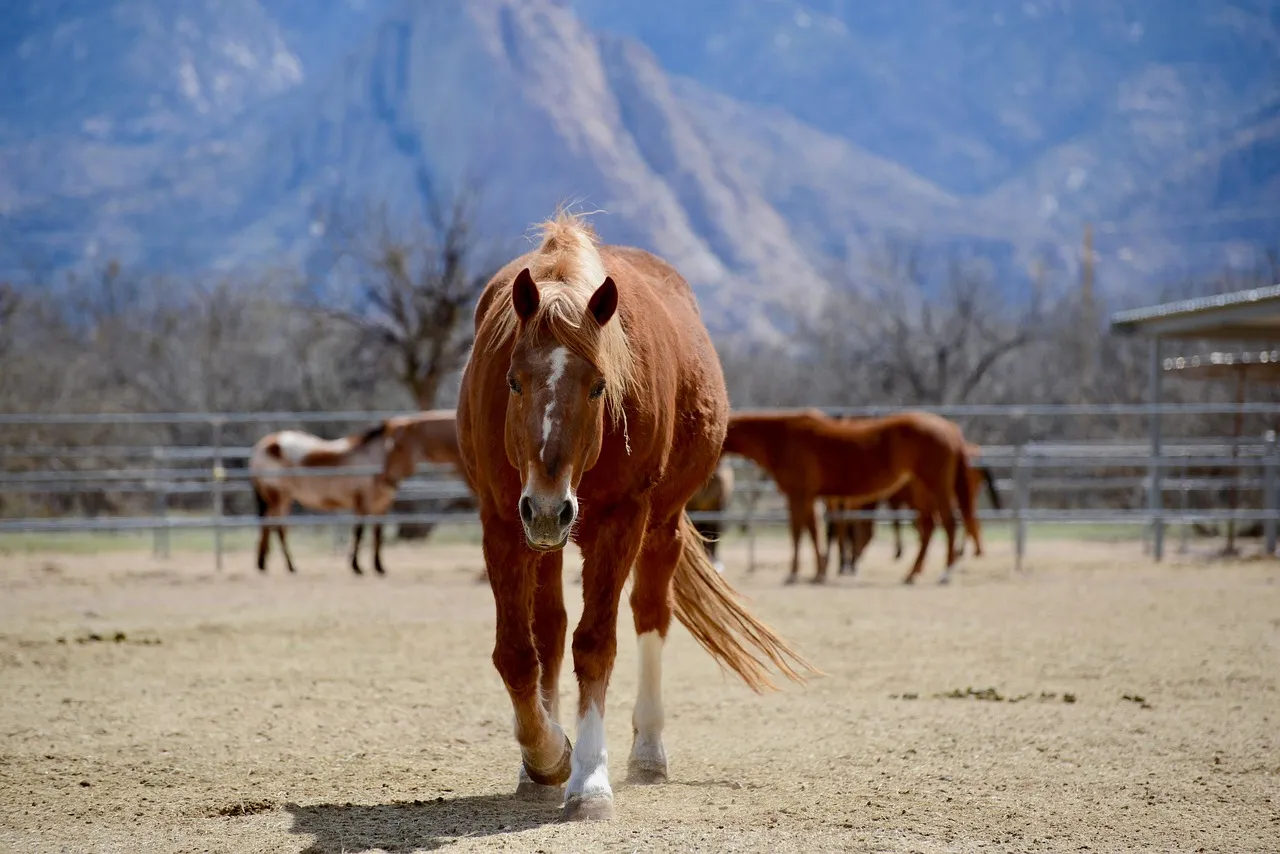
Leadership is one thing. Being chosen as protection is another. A bonded rescue will literally place your body between themselves and whatever they don’t understand. In a new arena, they might walk slightly behind and to your side, using your shoulder as a physical buffer.
In turnout, they may circle to your far side the moment a pushy horse approaches, essentially saying, “You handle this. Your presence is safer than my flight.” Most people underestimate how massive this is for a prey animal built entirely around speed and self-preservation.
- They glue closer, not farther, when a tractor passes, dogs bark, or something flaps.
- Their ribcage subtly curves around you, like they’re orbiting a safe planet.
That’s not training alone. That’s genuine emotional reliance on one fallible human being.
#12 – They Mirror Your Mood, for Better or Worse
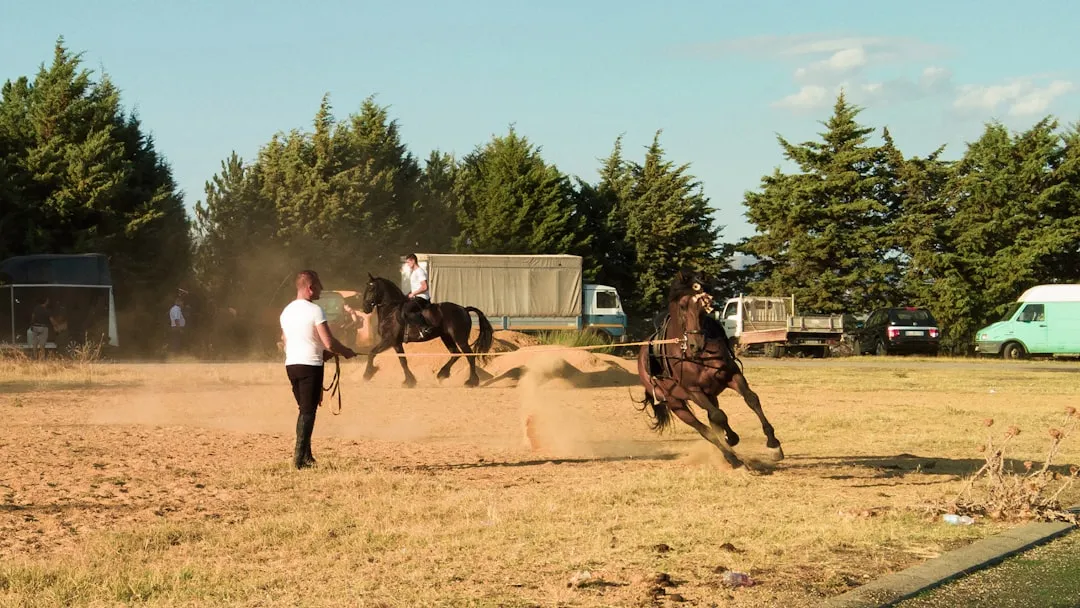
Here’s the uncomfortable part: your mental state actually matters to them. Once a rescue horse has given their heart, they start syncing to your energy in ways that make non-horse people roll their eyes, until they see it happen firsthand.
You show up wired and angry, and they get hot, fussy, impossible to settle. You arrive grounded and slow, and they blow out, lick, chew, and drop their head within minutes. The bond acts like an emotional Wi-Fi signal: the stronger the attachment, the stronger the connection.
- It’s magical when you’re calm and consistent.
- It’s brutally exposing when you’re anxious or checked out, because they will show it for the whole barn to see.
Plenty of riders resent this mirror effect. But a rescue that’s truly bonded becomes a living barometer of your inner weather, and that sensitivity is proof of trust, not a flaw.
#11 – They Develop “Private” Signals Only You Notice
Every bonded pair builds a secret language outsiders miss completely. With time, a rescue horse starts responding to cues so small they barely register as aids to anyone watching. A shift of your hip, a sigh, even a glance becomes a full conversation.
You think “back up” and they quietly rock their weight before you’ve moved a muscle. You raise an eyebrow at the gate and get a soft nicker back. No clinic teaches this. It’s built from thousands of boring, consistent, unremarkable interactions stacked on top of each other.
- Movements no one else sees, but your horse reads like a paragraph.
- Repeated “coincidences” where they seem to act on your thoughts before you speak.
Skeptics will call it anthropomorphizing. Riders who’ve lived with one horse for years know the difference: the animal isn’t just trained, it’s tuned in, and that level of attunement never happens without real emotional buy-in.
#10 – They Sleep Deeper When You’re Around
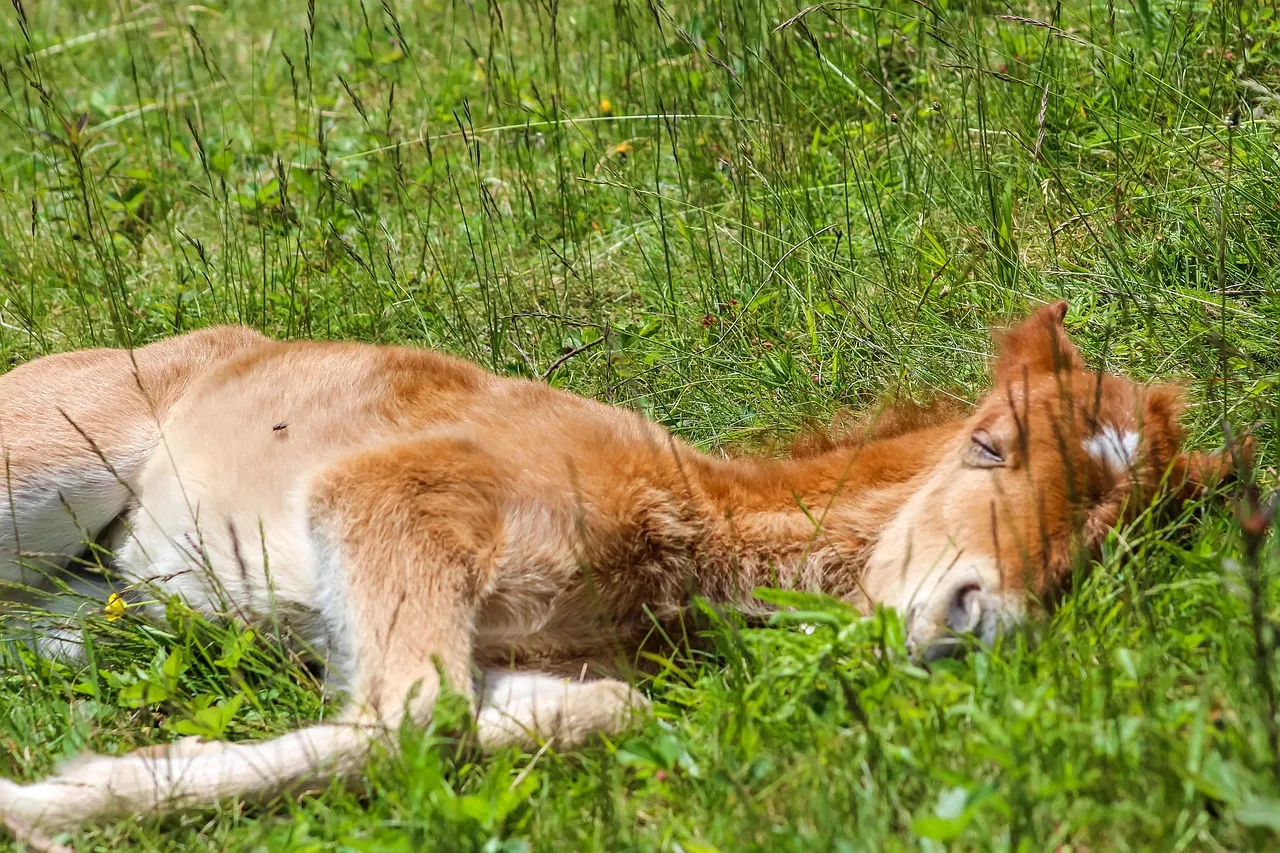
Prey animals don’t sleep deeply unless they feel genuinely safe. Full stop. Watch a rescue in the early days and you’ll notice they’re always half-awake, dozing with one ear spinning, rarely hitting that full-body, head-drooped, lip-flopped snooze in front of people.
The day they stretch out flat on their side, sigh loudly, and zonk out while you’re quietly cleaning the paddock? That’s not laziness. That’s trust with its guard fully down.
Worth Knowing
- A built-in “stay apparatus” lets horses lock their legs and doze standing up.
- True REM sleep only happens lying down flat, which most horses won’t risk unless they feel secure.
- In a herd, horses often take turns lying down while others stay upright on watch.
- They’ll often lie down when you’re in the space but not hovering, just existing nearby.
- They might pop up around strangers but stay down and blink slowly around you.
Horses are brutally honest with their bodies. They won’t risk deep sleep if they think you’re a threat, so when your presence lowers their survival guard enough for real rest, that’s their heart talking louder than their fear.
#9 – They Come to You First in a Crowd, Even at Liberty
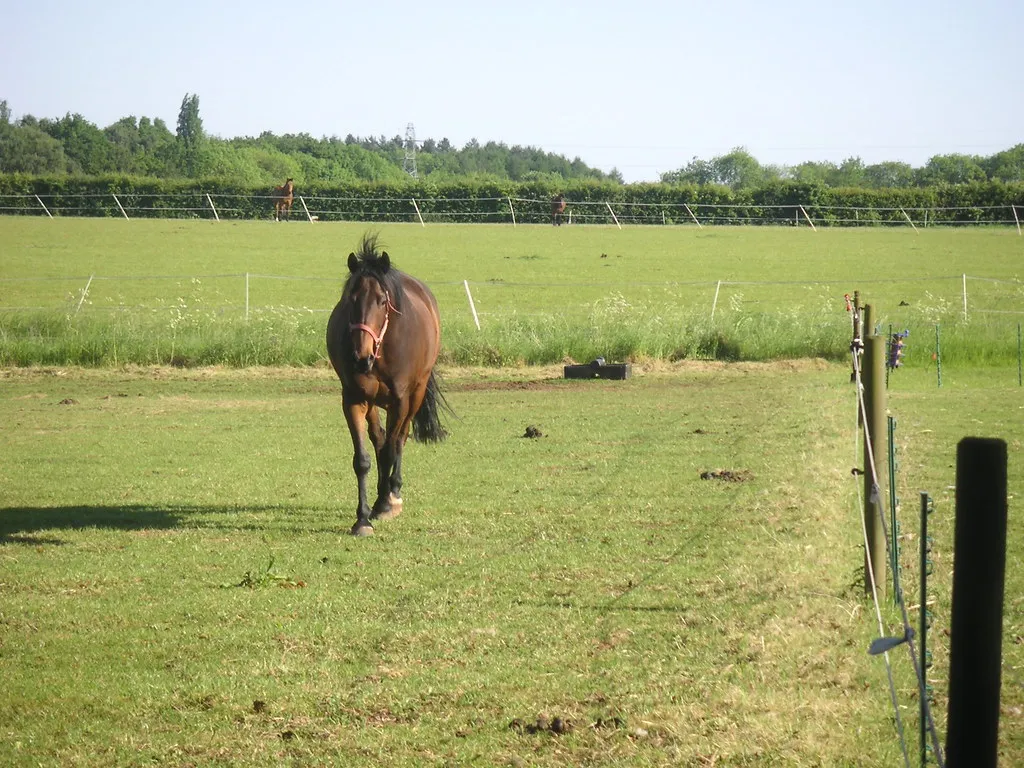
Forget the Instagram liberty tricks. This is the real litmus test. Turn your rescue out with a group, then step into the field with no halter, no bucket, no grain. A horse still operating in survival mode will stay tucked into the herd or avoid you completely.
A horse who’s handed you their heart will peel off, arc toward you, and quietly offer their body for connection with nothing to gain from it. You’ll recognize it by the way they lock on from a distance and then commit fully to the approach, neck relaxed, eye soft, no rushing or mugging for treats.
- They might still drift back to their buddies afterward, and that’s completely fine.
- The point isn’t replacing the herd. It’s being promoted into their inner circle of safety alongside it.
Watching a rescue choose you over an entire herd, with nothing but curiosity as the reward, is one of the quietest, most powerful moments a rescue owner ever gets.
#8 – They Accept Correction Without Crumbling
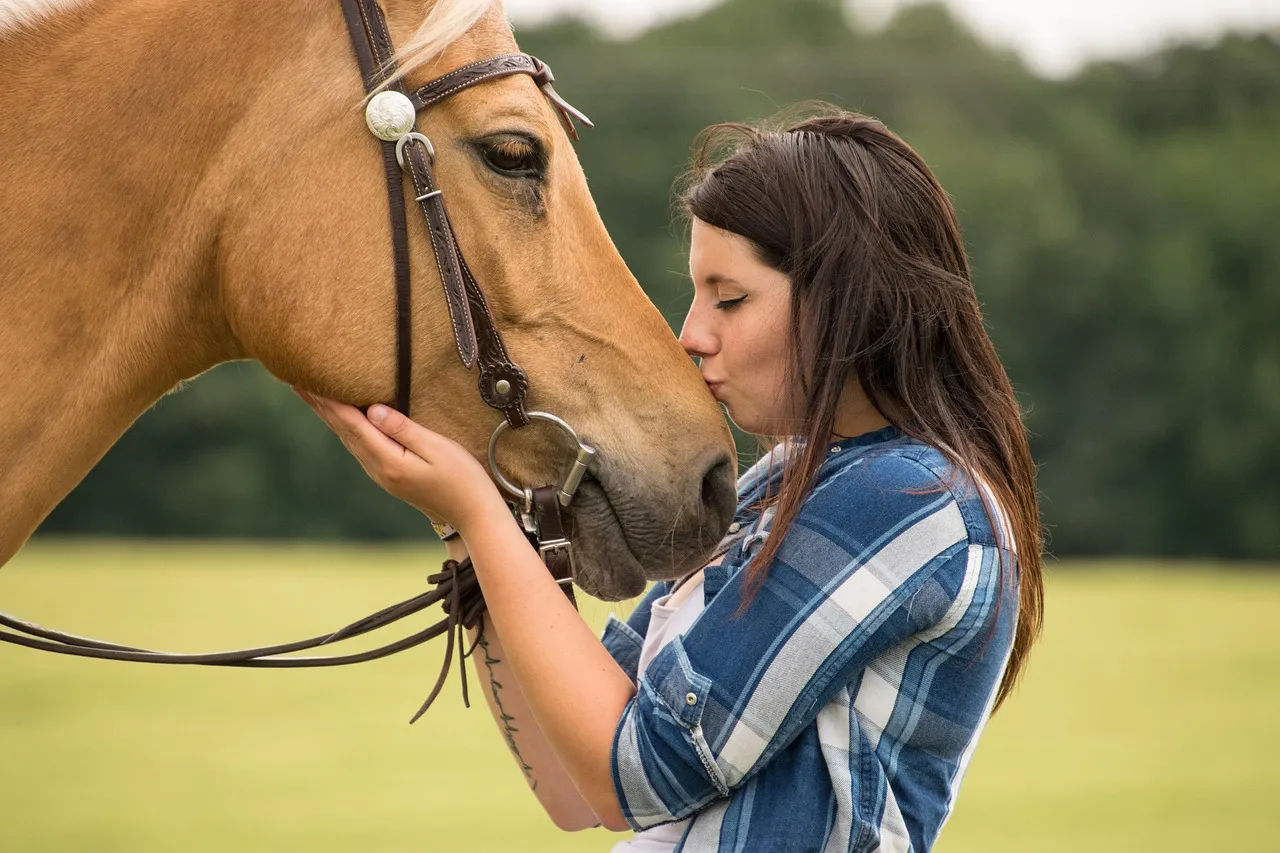
Traumatized rescues often read every correction as danger. Early on, a sharp “hey” or a firmer aid can trigger full shutdown or panic. They’re not being dramatic. They’re reliving old patterns where pressure meant pain.
When they’ve truly attached, something fundamental shifts: you can say “no” without shattering them. They may brace for a second, but then you see the exhale, the lick, the ear flicking back toward you like an apology accepted on both sides.
- Quick emotional recovery after a mistake instead of a spiral into fear.
- Stepping right back into the work, still present, instead of mentally leaving the scene entirely.
This isn’t permission to be harsh. If anything, it raises the bar, because a horse that trusts you enough to survive your bad days deserves your best ones too.
#7 – They Check On You When You’re Not Okay
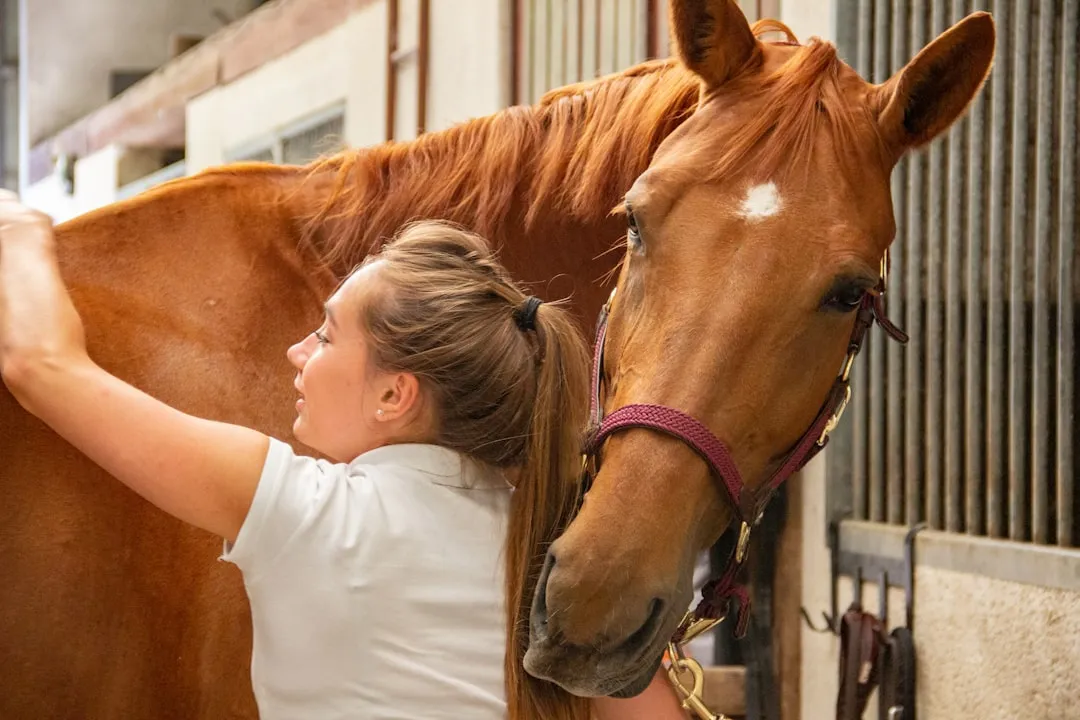
Here’s where even hardened skeptics start to soften. There are countless stories of bonded rescues who stop eating, lift their head, or walk over the moment their person cries, stumbles, or simply sits differently than usual.
It isn’t movie magic. It’s an animal hyper-attuned to patterns noticing a broken one, and instead of fleeing like instinct usually tells them to, they investigate.
At a Glance
- Nudging a shoulder when their person sits down and goes quiet.
- Standing guard instead of wandering off when someone is sick or injured.
- Lowering their head close to a person who’s crying or upset, without being asked.
- Breaking from normal grazing or herd behavior to stay near a struggling human.
Is every story scientifically tidy? No. But across barns and rescues, the same pattern repeats: the horse that once avoided humans entirely now seeks out one human the moment that human’s energy drops. That’s not training. That’s attachment doing what attachment does.
#6 – They Allow Themselves to Be Vulnerable Only With You
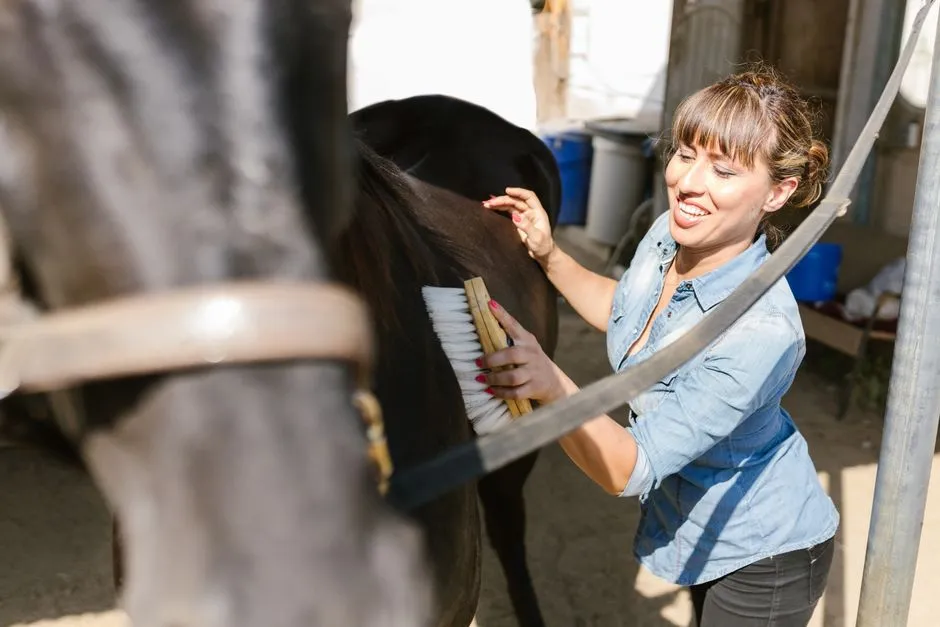
Watch how selectively soft they become. A rescue that’s finally bonded will start showing behaviors with you that they never offer anyone else: deep, rib-expanding sighs, heavy head rests, eyes closing in your space while they stay hyper-vigilant around everyone else.
They might groom other horses, sure, but they groom you with a different intensity, a different kind of care. They present their muzzle for slow, deliberate scratches and melt in a way barn staff never see.
- They “park” next to you and fully zone out, even if they’d stay braced for a stranger.
- They often snap back into guarded mode the second another human enters the picture.
That contrast, soft with you, armored with everyone else, is the loudest declaration a horse can make: “I am only this vulnerable with you.”
#5 – They Forgive Your Mistakes, Even Big Ones
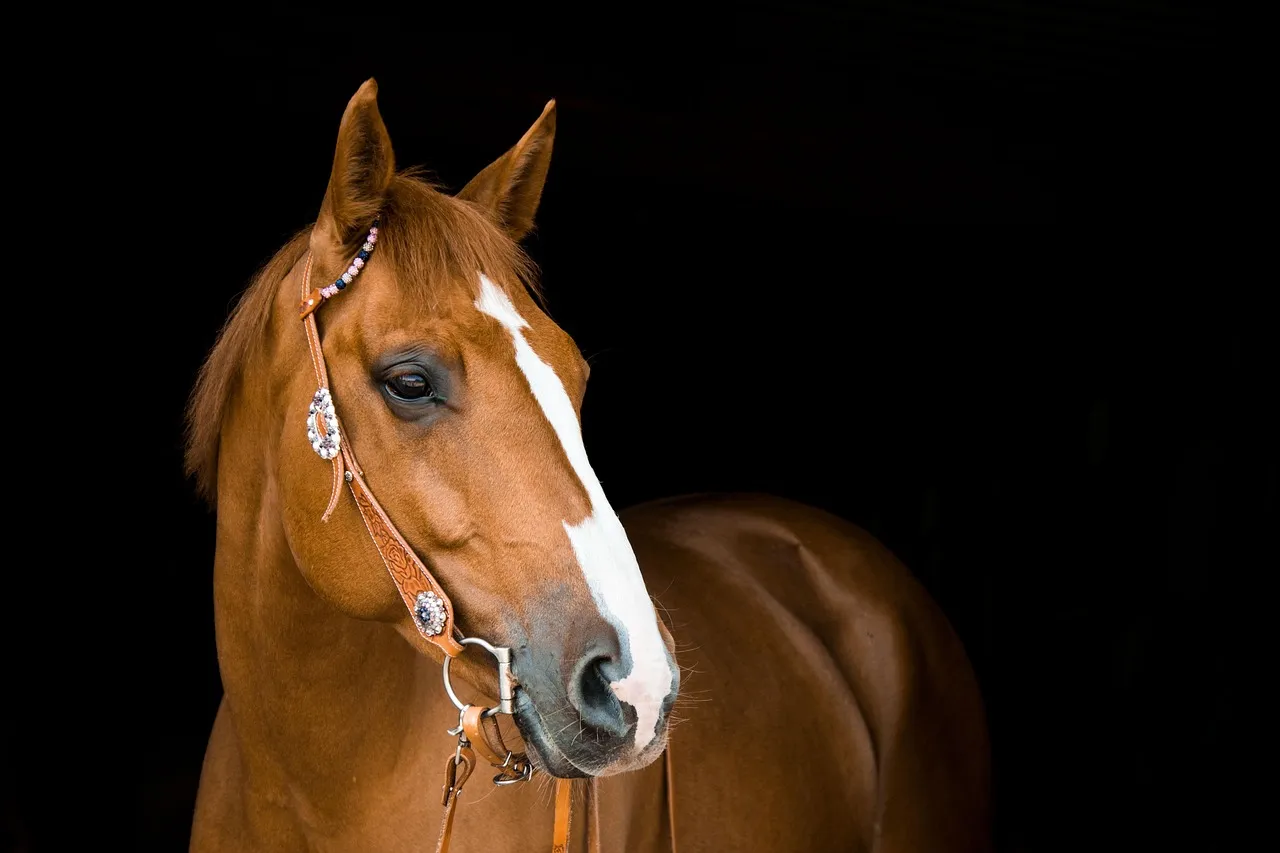
Bonded horses don’t need you to be perfect. They need you to be consistent and honest. Every horse person has that nightmare moment: you flub a distance, you lose your temper, you drop them into a scary situation they weren’t ready for.
A traumatized rescue in the early days will often file that under “humans are unsafe” and regress hard, sometimes for weeks. A horse who’s truly given you their heart will process it, get worried, maybe hesitate, and then come back to you anyway.
- How quickly they offer the same task again, even after a bad experience with it.
- Their willingness to walk back into the trailer, arena, or space where things went sideways, as long as you’re the one asking.
Call it forgiveness or call it something else entirely. But a prey animal choosing to risk another try with the same person who scared them says more than any cuddle photo ever could.
Horses lend us the wings we lack.
Pam Brown
#4 – They Start “Arguing” With You Instead of Shutting Down
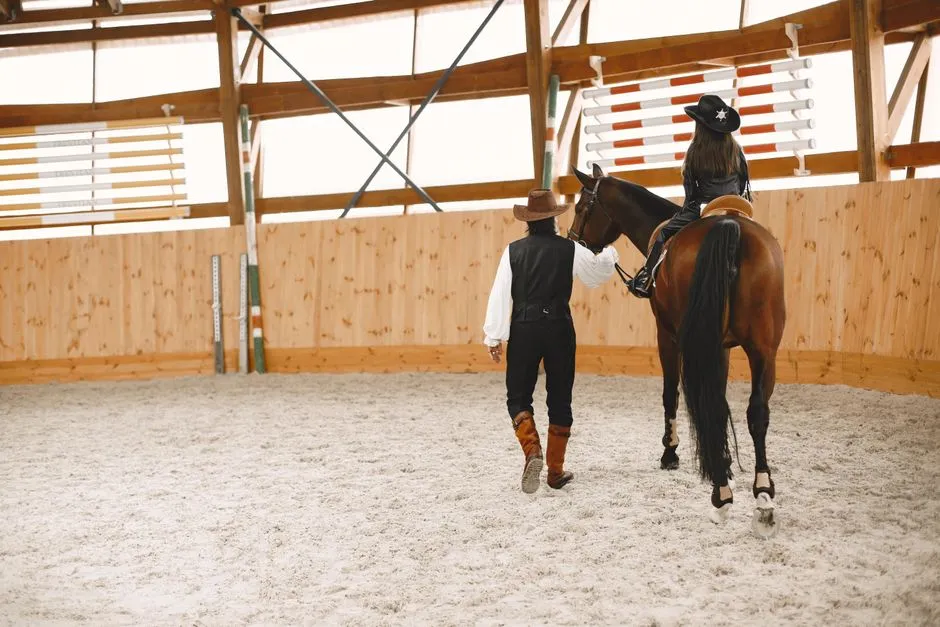
Believe it or not, pushback can be a sign of safety. In the beginning, many rescues go one of two ways: explosive or robotic. The robotic ones worry experienced handlers the most, because they comply with dead eyes, zero opinions, and no real presence behind them.
When a previously shut-down horse suddenly starts expressing preferences, refusing a saddle that pinches, pinning ears at a pace they can’t handle, that’s not them getting naughty. That’s them finally feeling safe enough to have a voice again.
- Clearer, more honest feedback about pain, confusion, or overwhelm.
- Less dissociation, more real-time communication, even when it’s inconvenient for you.
A horse that argues is a horse that believes someone is actually listening. With a bonded rescue, that someone is you, and the day they’d rather negotiate than disappear is the day everything has changed.
#3 – They Greet You Like You’re Their Favorite Part of the Day
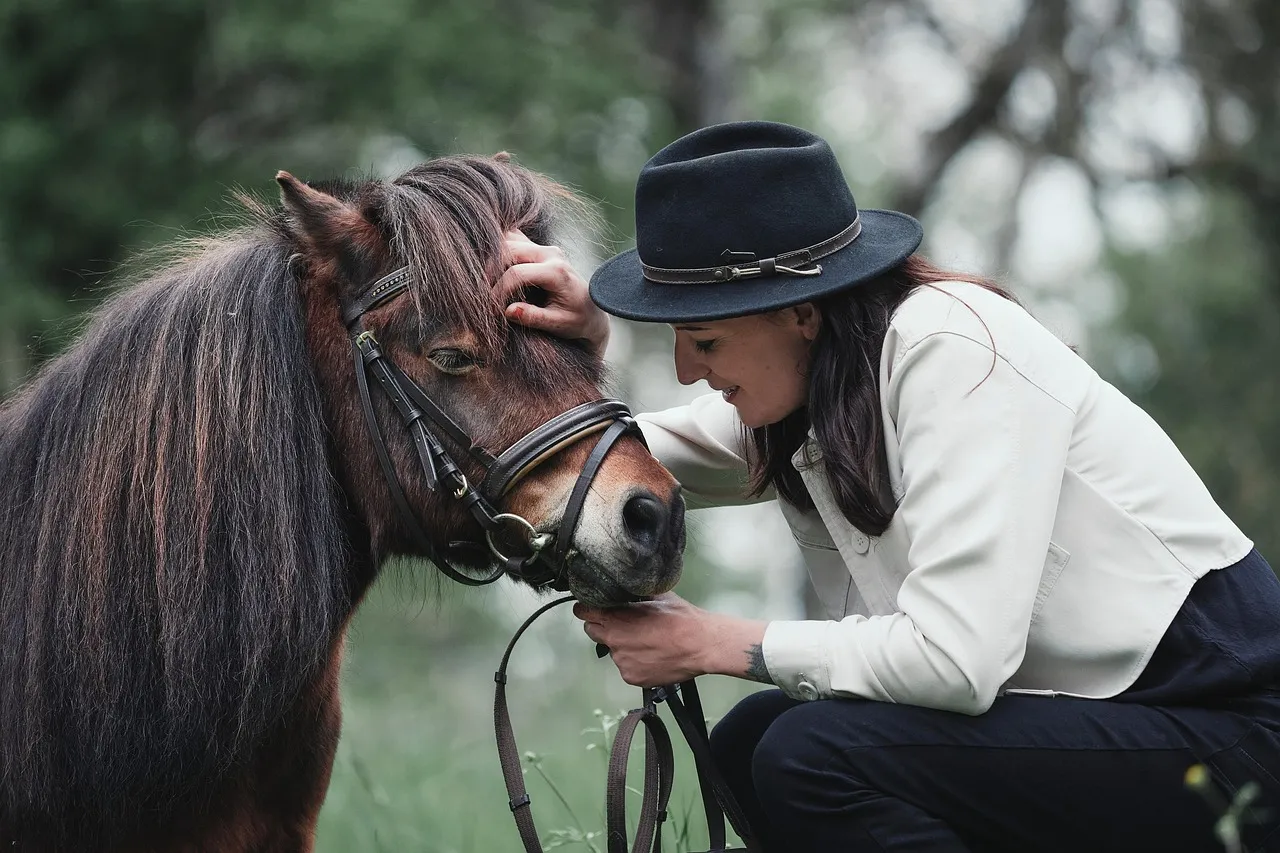
Most horses walk over for food. A bonded rescue walks over for you. You know this one the moment you see it: you step into the barn and their head pops up, ears lock forward, and they give a specific low nicker they don’t offer anyone else.
Or they hustle to the gate, pacing with an energy that isn’t frantic but eager, following you along the fence line as if to say, “Hurry up, we’ve got things to do.”
Quick Compare
- Routine barn horse: perks up for the feed cart, ignores footsteps that aren’t carrying a bucket.
- Bonded rescue: perks up for your specific footsteps, car door, or voice, bucket or not.
- Routine barn horse: nickers at feeding time, on schedule, for whoever shows up.
- Bonded rescue: nickers the second they recognize you, regardless of the clock.
Critics will say it’s just routine or expectation, and maybe some of it is. But ask any longtime rescue owner, and they’ll tell you there’s a world of difference between “Oh good, hay” and “Thank god, my person is here.”
#2 – They Trust You Enough to Let You Lead Them Into the Unknown
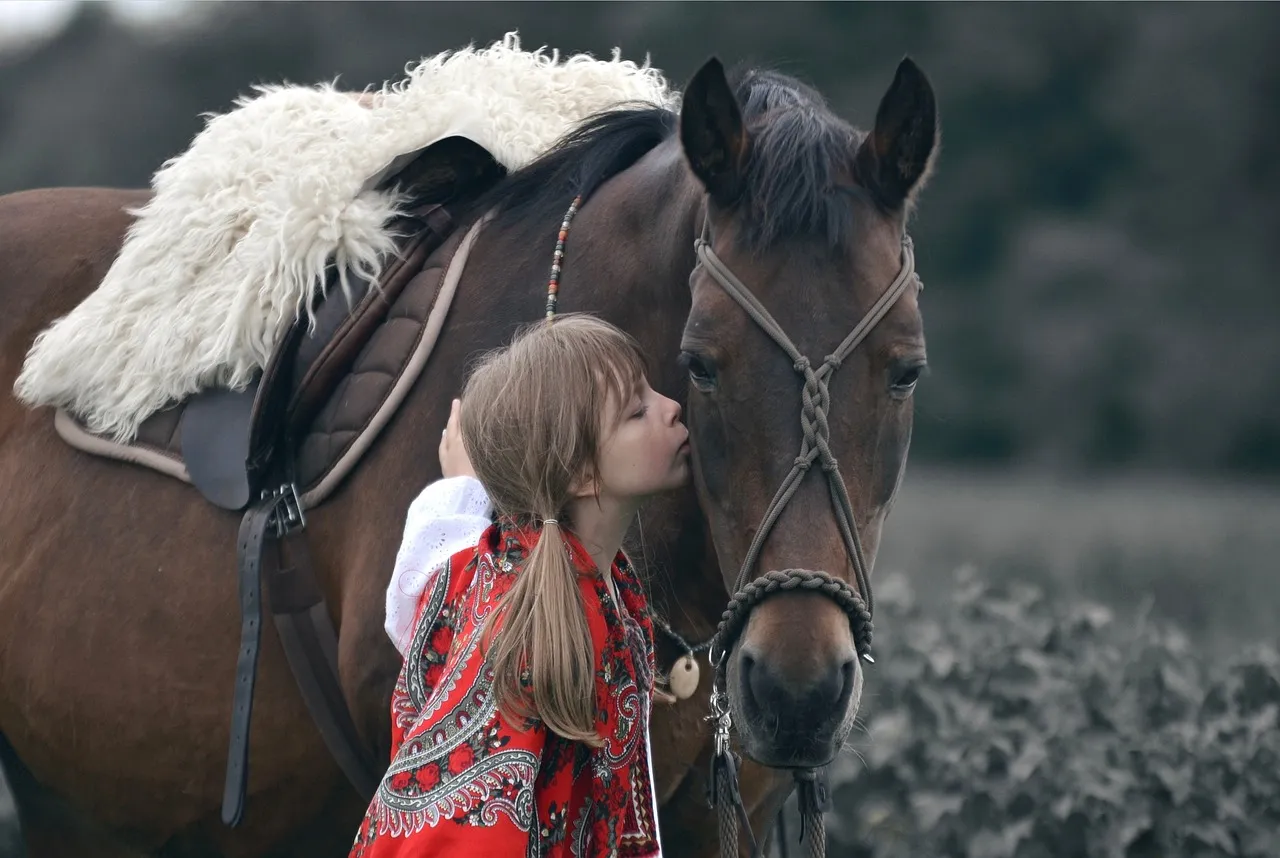
The deepest bonds show up when you ask for something new and genuinely scary. Loading in the dark. A first show. Walking past the flapping tarp that used to send them spinning across the arena.
A horse who’s truly attached will still hesitate, that fear never fully vanishes, but then you’ll see them take a literal breath and choose to step forward simply because you asked. That moment, hoof lifting toward fear, eye locked on you, is the purest picture of trust you will ever get from a prey animal.
- They stay mentally with you instead of mentally leaving their body.
- When they spook, they come back to your cues instead of going fully feral.
You cannot fake this with gimmicks or shortcuts. It’s the long-term dividend of years of showing up, being fair, and not bailing on them when things got hard.
#1 – When Everything Goes Wrong, They Run to You Instead of Away
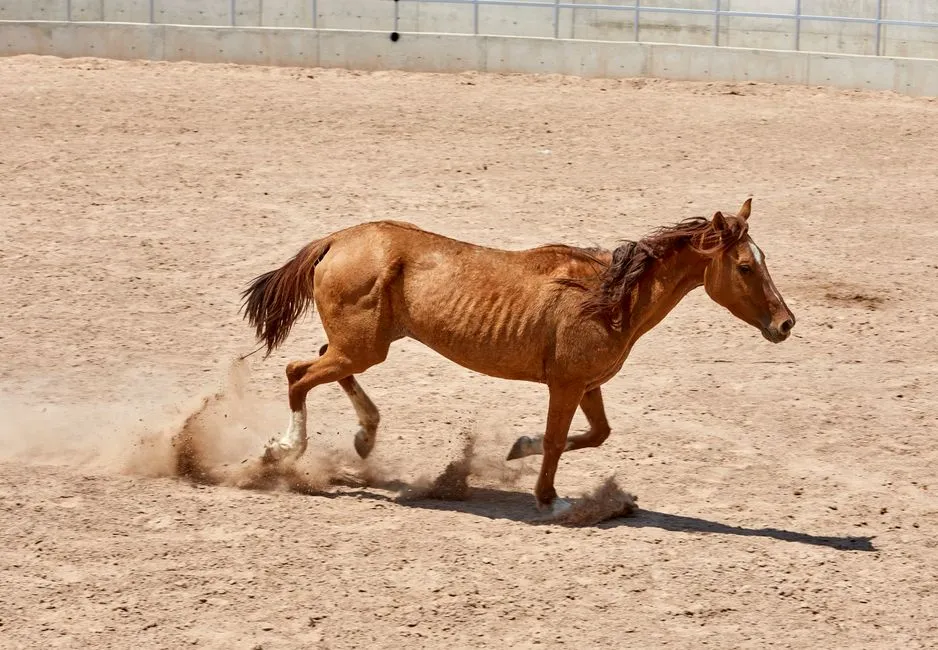
This is the moment every rescue owner remembers for the rest of their life. A gate is left open. Something truly terrifying happens. The herd erupts into chaos, hooves everywhere, dust and noise and panic.
A horse that still sees humans as danger will vanish with the others, eyes wild, brain completely gone to instinct. A horse that has given its heart to one person will do something radically different: they’ll look for that person, and if they possibly can, they’ll run toward them instead of away.
Maybe it’s the loose horse in the arena who beelines straight for your voice through the chaos. Maybe it’s the trail spook where they spin, then stop, because your hands are on the reins and your seat is saying “I’m here.” In the worst moments, their survival brain still screams run, but a louder instinct answers back: find my human.
That’s not training. That’s faith, plain and simple, and it’s the whole reason this list exists.
The Bottom Line
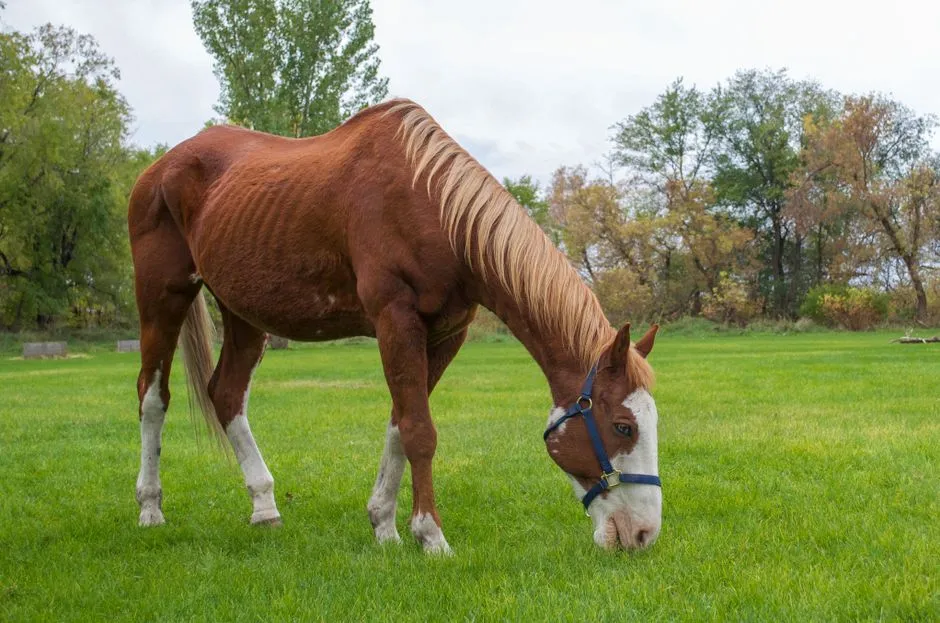
Rescue horses don’t give their hearts lightly, and honestly, they shouldn’t. Most of them have every reason in the world to keep doubting us. The signs we romanticize, the cuddles, the selfies, the cute tricks, are actually the least reliable indicators of a real bond.
The truth is quieter and far less Instagram-friendly than any of that: where they point their feet when they’re scared, how quickly they calm down in your space, which parts of their body they hand over without flinching. That’s the stuff that actually matters, even though nobody posts it.
Some people will insist horses don’t love in a person-specific way, that it’s all conditioning and food association dressed up as sentiment. Maybe they’re right. But thousands of rescue owners keep watching the exact same pattern play out: out of a whole world of safer, easier, less complicated options, one horse keeps choosing one human, over and over, for no reason a spreadsheet could ever explain. Call that whatever you want. We’re calling it a heart, given on purpose.

- The 20 Ways a Rescue Horse Shows It Has Finally Given Its Heart to One Single Person - August 3, 2026
- 16 Choices Experienced Dog Owners Say They Would Undo If They Could Start All Over Again - August 3, 2026
- 16 Surprising Things a Single Hummingbird Does Every Day That Most Gardeners Would Simply Never Believe - August 3, 2026