
Watching a cat grow old is strangely beautiful and quietly devastating at the same time. One day they’re leaping onto the fridge like it’s nothing, and then, almost overnight, you realize they’re calculating every jump, every move, every breath. Most people expect the obvious signs of aging: more naps, gray hairs, maybe some weight loss. What almost no one is prepared for are the subtle, almost whispered changes that signal a cat is entering its final season of life.
Vets see these patterns all the time, but in the blur of daily life, many owners miss them until they look back and think, “Oh… that was the moment.” I still remember my own senior cat suddenly choosing to sleep at the foot of the bed, not right against my chest like she always had. At the time, I shrugged it off. Only later did I realize how much her body had been trying to tell me. This article walks you through the quiet signals vets wish every cat guardian knew, so you can recognize them early, respond with compassion, and make your cat’s final season softer, gentler, and deeply loved.
#1: That Slightly “Different” Sleep Pattern You Keep Dismissing
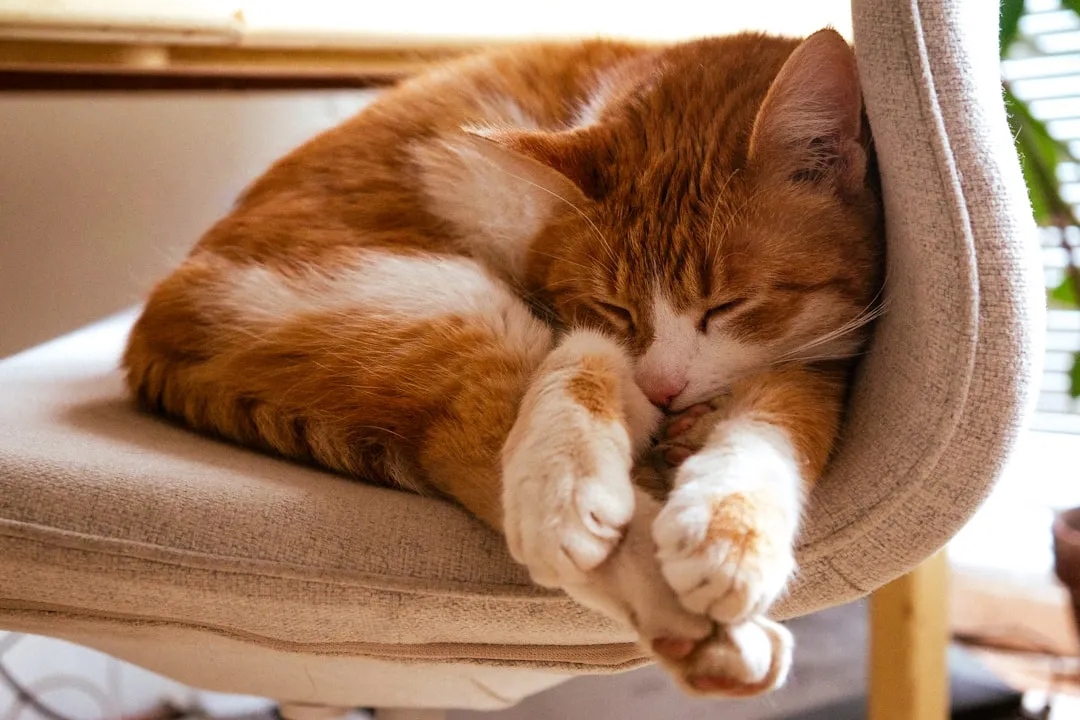
We all know cats sleep a lot, but with a senior cat in its final season, the sleep pattern often changes in a way that feels subtle but is actually significant. Instead of just “a lot of naps,” you might notice your cat is harder to wake, seems disoriented when it first gets up, or shifts its favorite sleep spots more frequently. Many owners assume this is just “old age,” but vets often see it as a sign of deeper physical exhaustion, pain, or organ decline.
You may also notice your cat starts sleeping in quieter, hidden areas instead of the social hot spots it loved for years. This can be a self-protective instinct, the way a fragile body looks for safety and calm, or even a response to mild confusion or anxiety. When your cat moves from your pillow to the back of the closet, it is not necessarily rejecting you. More often, it’s adapting to a body that can’t handle noise, drafts, or frequent movements quite as well anymore.
#2: The “I’m Fine” Grooming Shortcut That Isn’t Fine At All
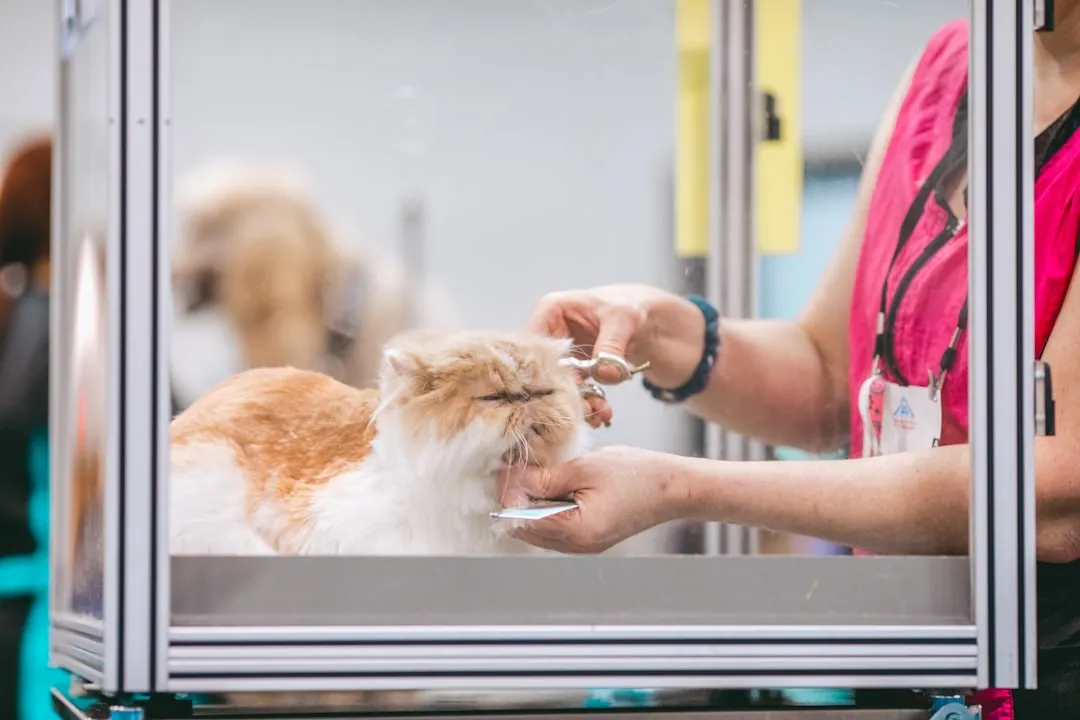
One of the most heartbreaking changes is in grooming, because it’s so easy to misread. Senior cats often quietly reduce how thoroughly they groom certain parts of their body, especially the lower back, hind legs, and around the tail. To an untrained eye, the fur just looks a bit messy or clumped. To a vet, that patch of unkempt coat screams pain, stiffness, or serious fatigue.
Some cats do the opposite: they over-groom one specific area, creating thin patches or even bald spots. This can be their way of coping with chronic discomfort, itchiness from kidney or thyroid disease, or stress as their world narrows. Owners may brush it off as “just a little fussiness” or allergies, but in the last season of life, grooming changes are rarely random. They’re often one of the very first signals that the cat’s body is losing the energy to keep up appearances.
#3: The Slow, Almost Invisible Change in How They Use the Litter Box
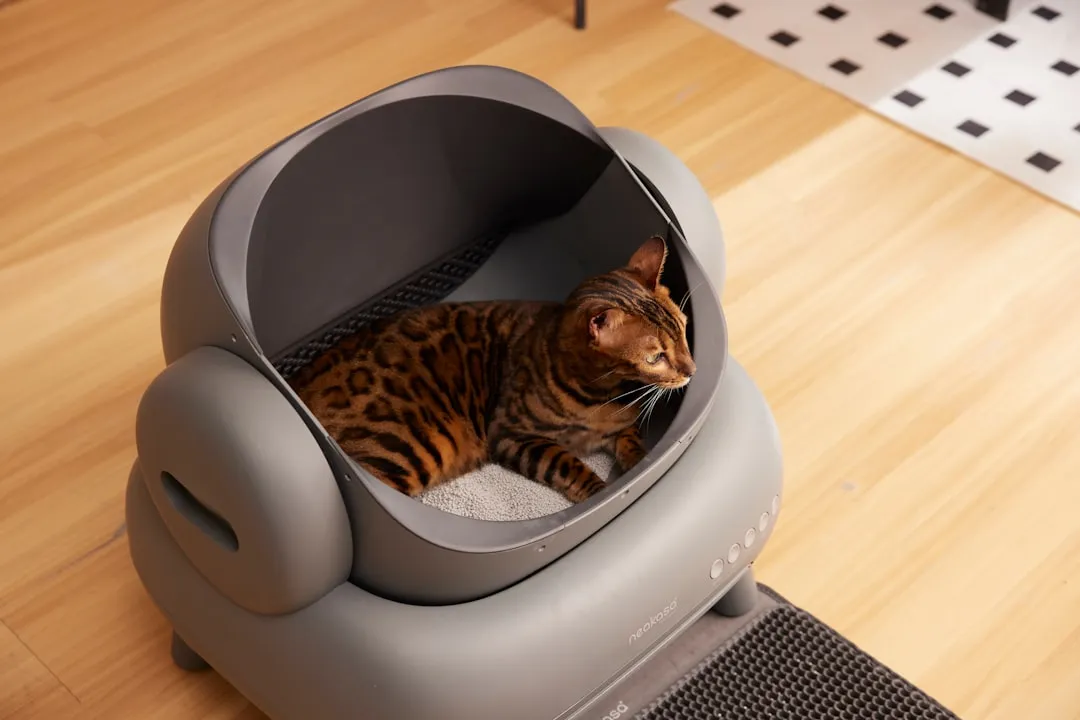
Litter box issues are usually blamed on bad behavior, but for senior cats in decline, they’re almost always a medical or physical problem. A cat that suddenly starts urinating just outside the box, sitting in it longer than usual, or hesitating before stepping in may be struggling with arthritis, weakness, or kidney and bladder issues. Because the box is usually tucked away, owners might only notice the occasional “accident” and not the careful way the cat is maneuvering its body.
You might also see that your cat is not burying waste as thoroughly or seems to wobble slightly while squatting. That little wobble is often not “clumsiness” but a sign that the hind legs no longer have the strength or stability they once did. In the final season, many cats are still determined to be “good” about the litter box, and they work incredibly hard to keep up appearances. When you notice even small changes, your cat is probably already pushing itself more than you realize.
#4: The Subtle Shift in How Your Cat Greets You
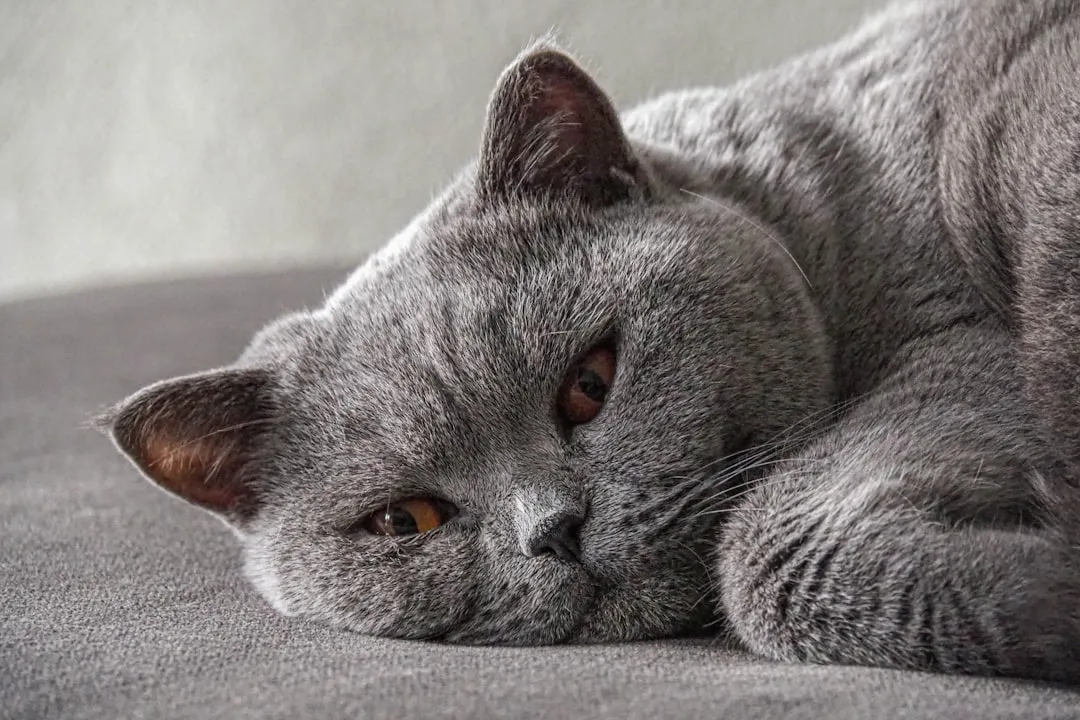
People love to talk about the dramatic moments – when a cat suddenly stops eating or hides all day. But some of the most telling changes are in the everyday rituals, like how your cat greets you at the door or hops onto the couch. A cat who always rushed over with tail up might start walking more slowly, choosing to stay put and just watch you instead. It looks like laziness. Often, it’s fatigue plus pain management.
Vets frequently hear owners say, after the fact, that the cat became “quieter” or “less demanding” in the last months. The truth is usually more painful: the cat wanted to greet you like before, but its joints, heart, or breathing simply could not keep up. When your cat greets you from across the room instead of leaping into your lap, it might be trying to preserve its limited energy while still staying emotionally close.
#5: That Strange, Soft Change in Meow That No One Talks About
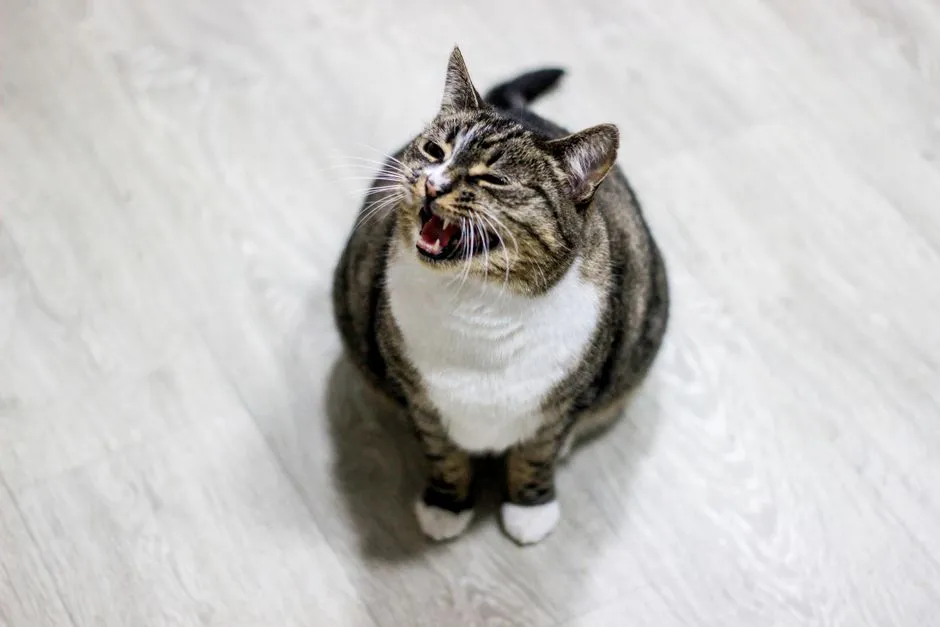
Voice changes in senior cats are seriously underappreciated. A once-chatty cat may go quiet, or a quiet cat may start vocalizing more, especially at night. When a meow becomes hoarser, weaker, or oddly different in pitch, it can be related to pain, cognitive decline, or even underlying organ disease. Owners often notice the change, but they write it off as “just getting old,” not realizing it may be one of the clearest early flags.
Sometimes the sound itself is less important than the context. A cat who yowls at night or cries in new situations may be feeling disoriented, anxious, or uncomfortable in its own body. Think of it less as “being annoying” and more as an elderly person calling out when their joints lock or they wake up confused in the dark. In the final season, your cat’s voice often carries more information than its body language – if you’re willing to really listen.
#6: The Tiny Appetite Changes That Add Up to Something Bigger
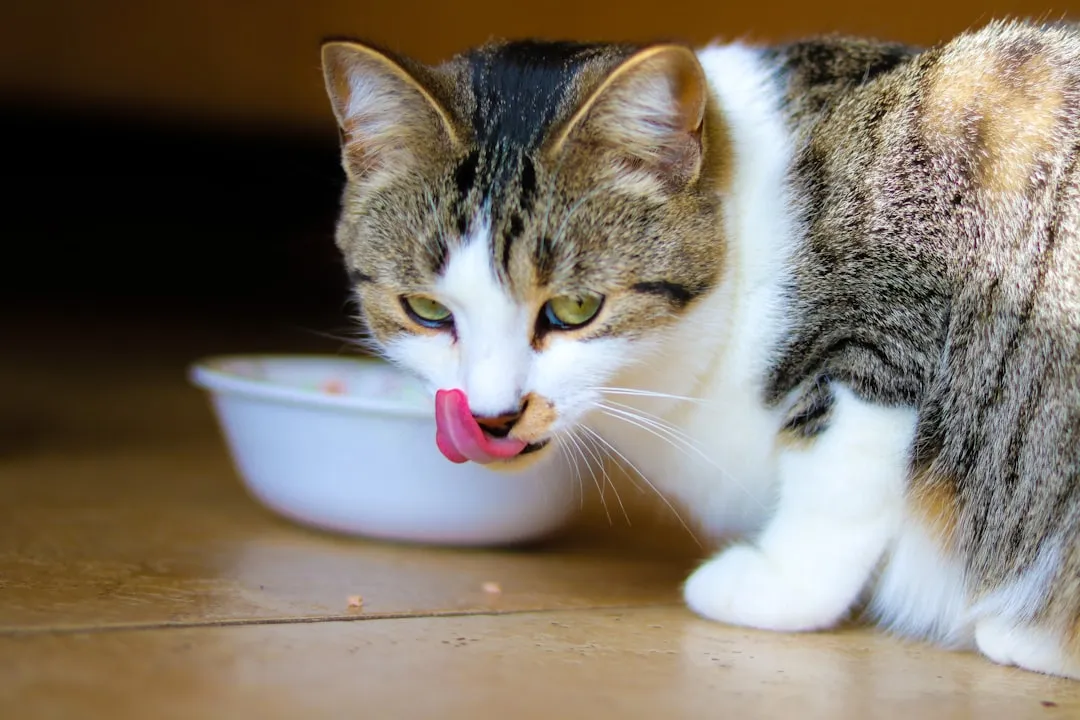
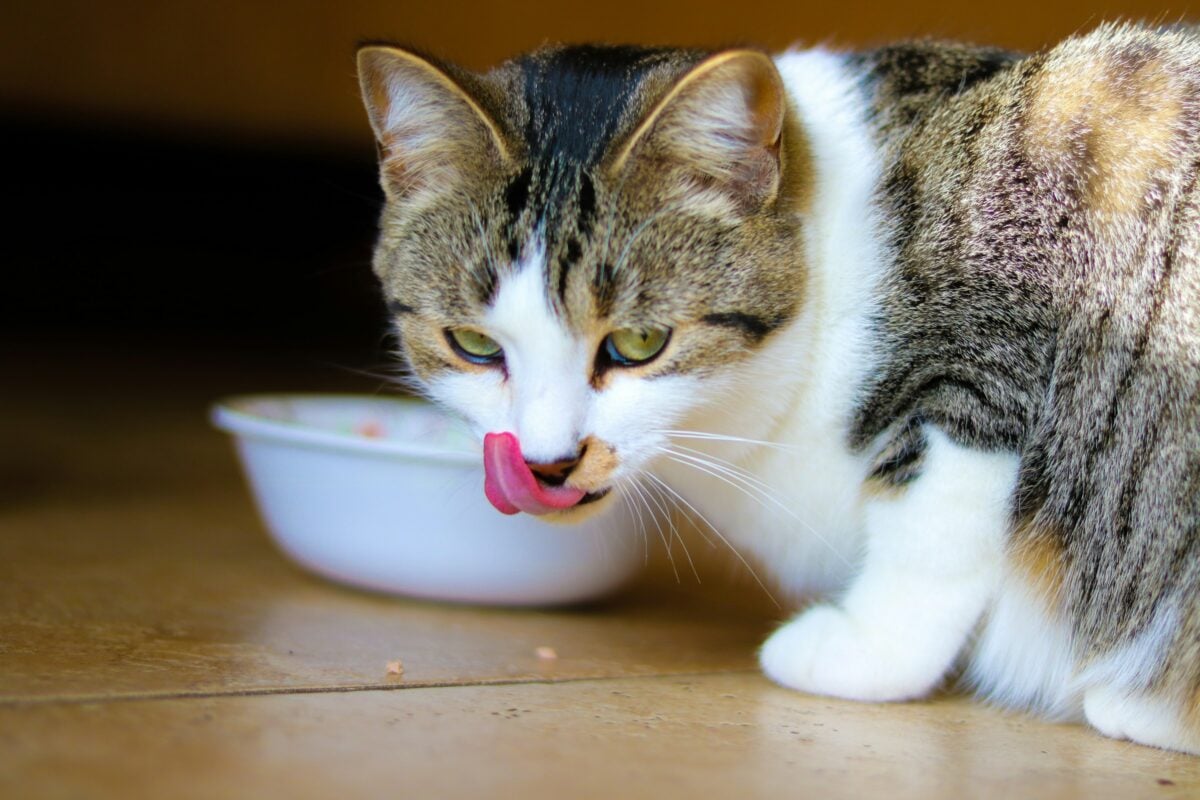
People watch for dramatic appetite loss, but the earlier, more telling sign in a cat’s final season is subtle, consistent change. Maybe they still come to the bowl, but they walk away faster. Maybe they lick the gravy but leave the chunks behind, or they only eat if you sit with them. Those are not just “quirks” – they often signal nausea, dental pain, or the sheer exhaustion of eating when you feel unwell.
You may also see a shift in preferences that seems random: rejecting long-loved foods, demanding something fresher, or suddenly preferring very soft textures. Senior cats often instinctively seek out food that’s easier to smell, chew, and digest, especially if organs like the kidneys or liver are struggling. As the final season progresses, eating can become more of a negotiation than a routine. When that negotiation starts, it’s time to pay attention, not brush it off as fussiness.
#7: The Unexpected “Clingy but Distant” Phase
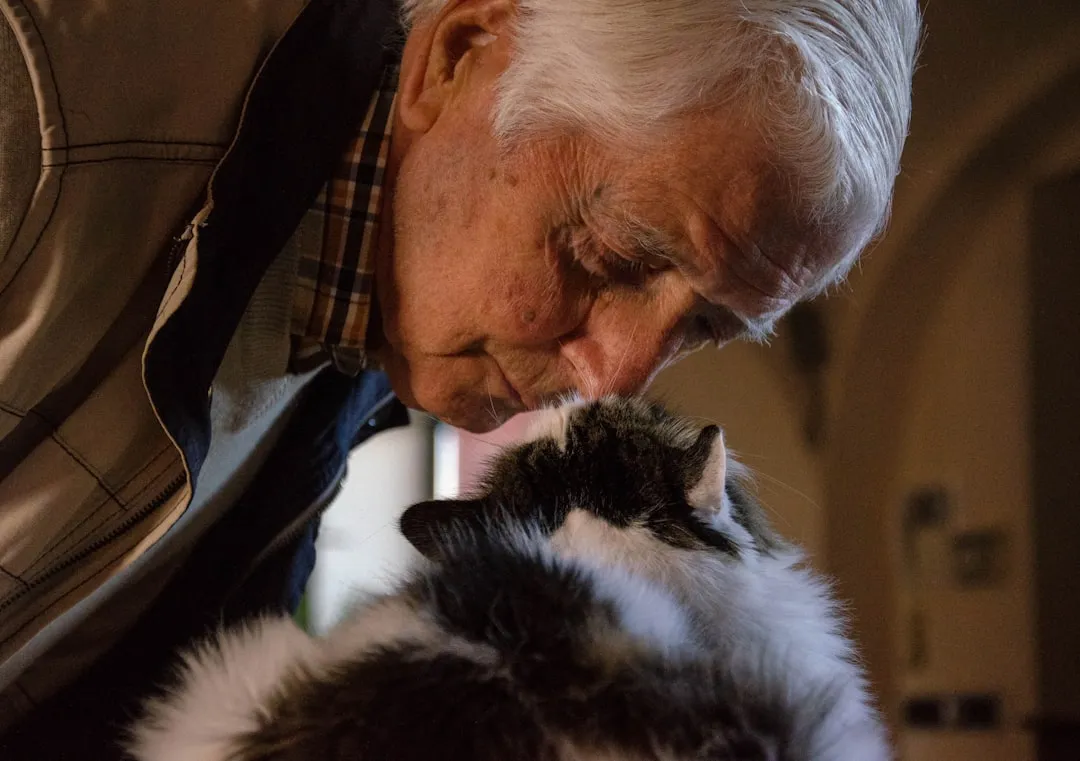
One of the most confusing patterns owners describe is a cat that becomes emotionally clingy but physically less interactive. They want to be in the same room as you, follow you around, and keep you in sight, yet they resist being picked up or held the way they used to. This can feel like mixed signals, but for many seniors in decline, it’s perfectly logical: they crave connection but their body no longer tolerates rough handling, pressure, or sudden movement.
In their final season, a lot of cats become what I think of as quiet companions. They lie nearby, maybe touching you with just a paw or the side of their body, instead of curling tightly in your arms. Vets often point out that this is an emotional need trying to coexist with physical limits. If you misread it as rejection or “moodiness,” you can miss a chance to give them the gentler, slower affection they are asking for.
#8: The Awkward Little Missteps You Laugh Off
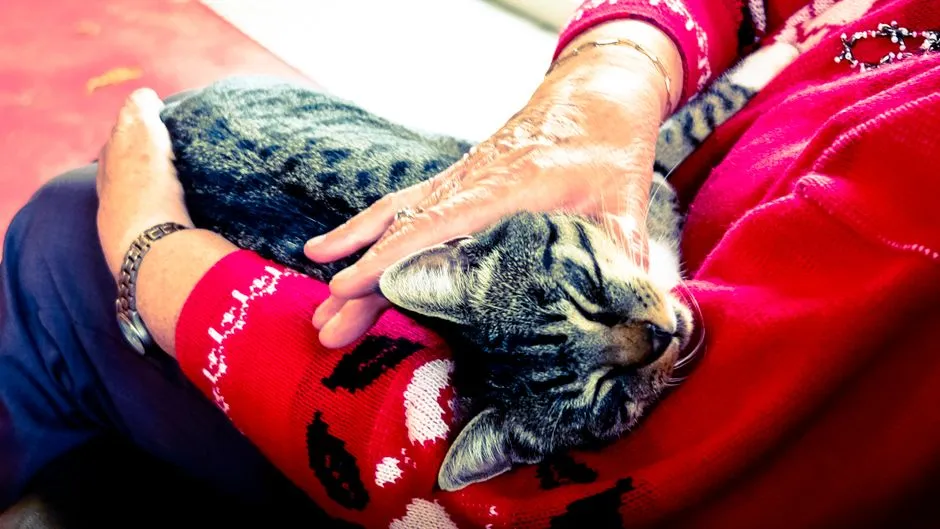
Slipping off the back of the couch, misjudging a jump, or slightly missing the edge of the bed can look harmless or even funny. But in a cat’s final season, those missteps usually mean something. They might signal declining vision, slower reflexes, or the beginning of neurological or muscle weakness. A healthy young cat almost never miscalculates. An older body, on the other hand, starts to fall half a second behind the brain.
If you start to notice that your cat chooses ramps, stairs, or the low route instead of the old daring leaps, it’s adapting to these limitations. Many owners put this down to “being cautious in old age,” but vets see it as a coping strategy. This is your cue to adjust the environment – lower perches, add soft landings, bring food and water closer – before those little slips turn into real injuries or deep fear of moving around.
#9: The Quiet Withdrawal From Play and Hunting Games
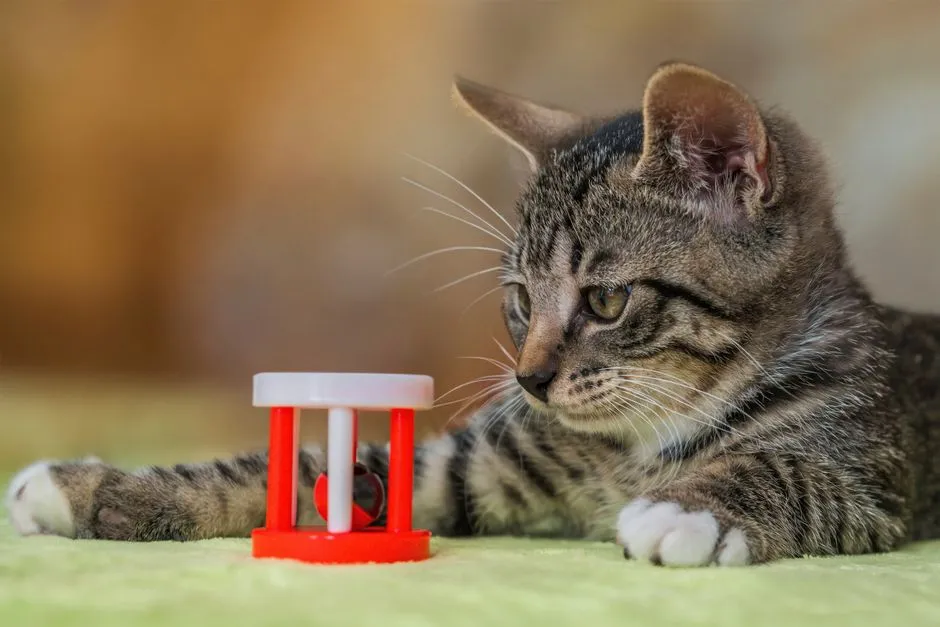
For cats that grew up obsessed with toys, feathers, or chasing shadows on the wall, a sudden or gradual retreat from play can be emotionally jarring for owners. The natural reaction is to assume the cat “outgrew” it. In reality, losing interest in play, especially interactive play, is often one of the clearest emotional and physical indicators that a cat is nearing the end of its energy reserves.
What makes this tricky is that many senior cats will still have short bursts of engagement – batting at a wand toy for a few seconds, watching a bug with mild interest – but then fatigue quickly. Those tiny flashes can give owners false reassurance that everything is fine. Vets know that when a once-passionate hunter starts choosing the couch over the chase, the body is quietly saying: I cannot afford to waste energy anymore.
#10: The Slightly “Off” Breathing You Only Notice in Silence
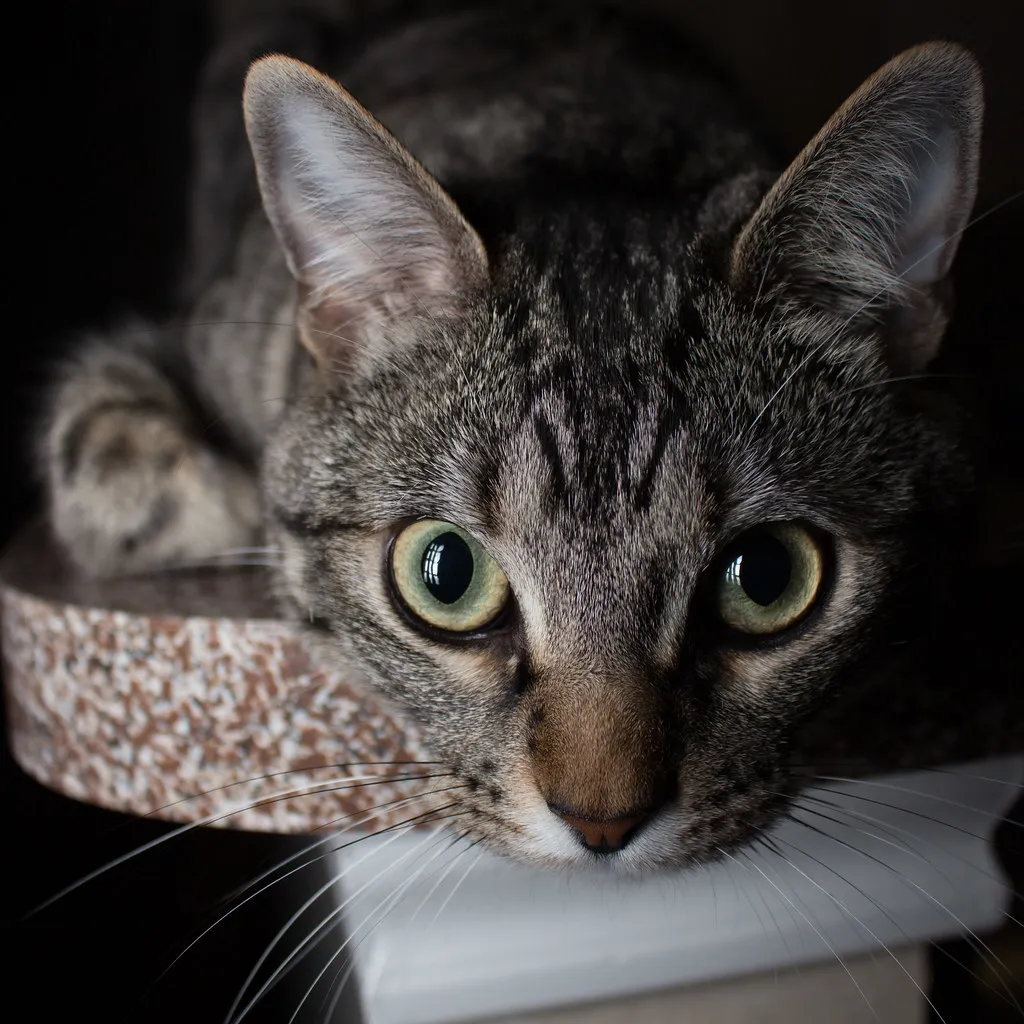
Changes in breathing are among the most serious, but they’re also some of the easiest to miss. In a quiet room, you might notice your cat breathing a bit faster even at rest, or see the sides of the chest working harder with each inhale. Sometimes, breathing becomes shallow and a little open-mouthed after mild exertion, like walking up stairs or hopping onto the couch. Many owners chalk this up to heat, anxiety, or “just old lungs,” but it can be a sign of heart or respiratory issues.
In the final season, a cat’s organs often cannot keep up with demands the way they used to. That means even small activities can leave them slightly winded. If you find yourself watching your cat’s chest rise and fall and thinking, “That looks a bit odd,” take that instinct seriously. Vets often wish people would come in the moment they sense breathing is different, not weeks later when it has become an undeniable crisis.
#11: The Sudden Preference for Quiet Corners and Low Light
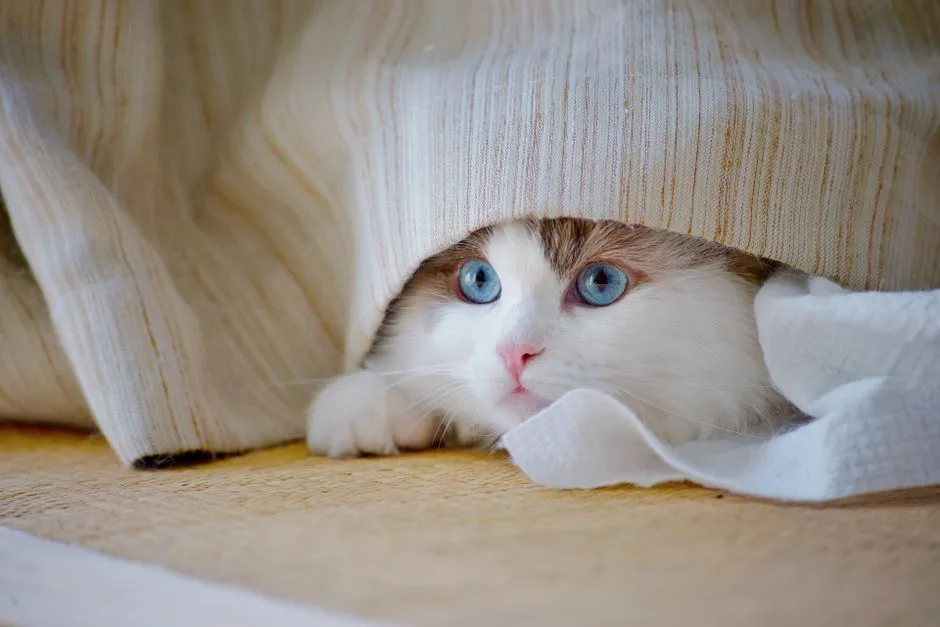
Hiding is usually talked about as a last-stage sign, and yes, deep hiding can mean a cat is close to the end. But there is a quieter, earlier version that often goes completely unnoticed: a growing preference for dim, quiet, low-traffic areas. Your cat might still be present, just not in the middle of the hustle. Instead of the sunny window ledge, they choose the shadowed armchair. Instead of the kitchen hub, they sleep in the hallway or under the coffee table.
This isn’t always pure “hiding.” It can be sensitivity to noise, light, and sudden movement as the nervous system and senses age. It can also be the animal version of an elderly person choosing a calm room over a crowded party. When your once-social cat starts quietly opting out of the action, it may be telling you that stimulation feels more draining than enjoyable. That shift is easy to shrug off until, one day, they truly disappear under the bed – and by then, the final season is often very far along.
#12: The Almost Invisible Changes in Body Shape and Muscle
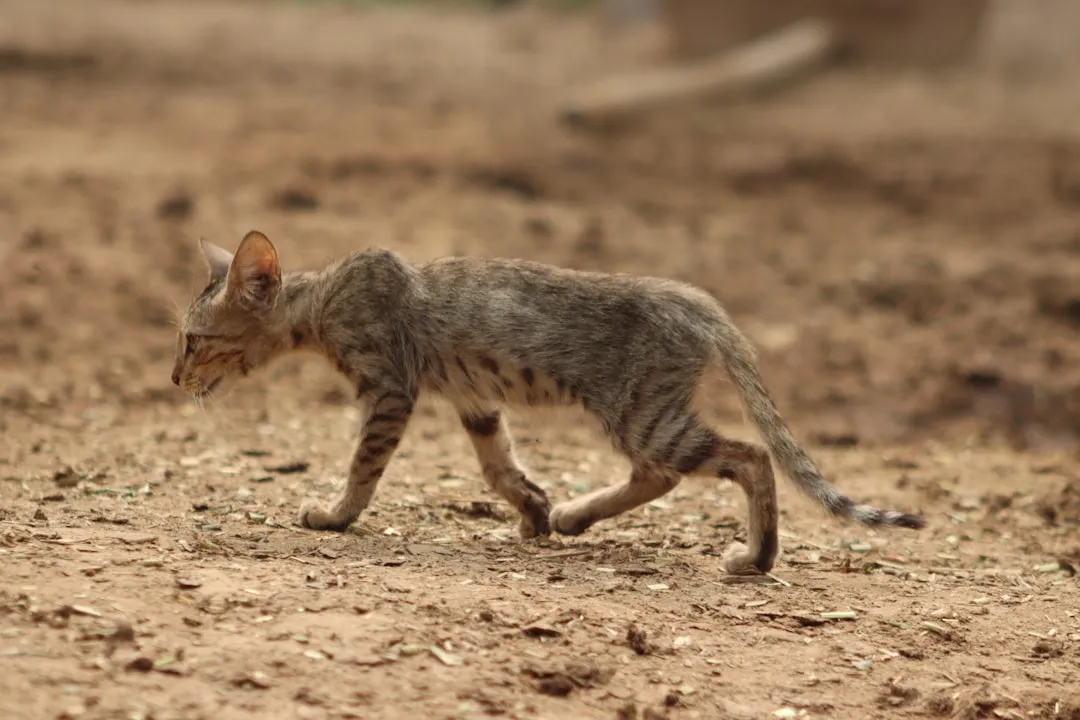
Most people notice weight loss only when it is dramatic. But in a cat approaching the end of life, the earliest physical red flag is often muscle loss along the spine, hips, and shoulders. You might not see it under the fur, but you can feel it if you gently run your fingers along the back: more bony ridges, less cushioned muscle. Owners often call this “getting skinny with age,” but vets know it frequently reflects chronic disease, poor nutrient absorption, or the body slowly using muscle as fuel.
At the same time, the belly may appear rounder even as the spine thins out, especially if there is fluid buildup or organ enlargement. That strange combination – bony back, softer belly – is easy to miss visually but incredibly loud medically. You do not need to obsessively weigh your cat every day, but familiarizing your hands with their body shape is one of the kindest habits you can build, particularly in their final season.
#13: The Subtle Personality Tilt That You Can’t Quite Name
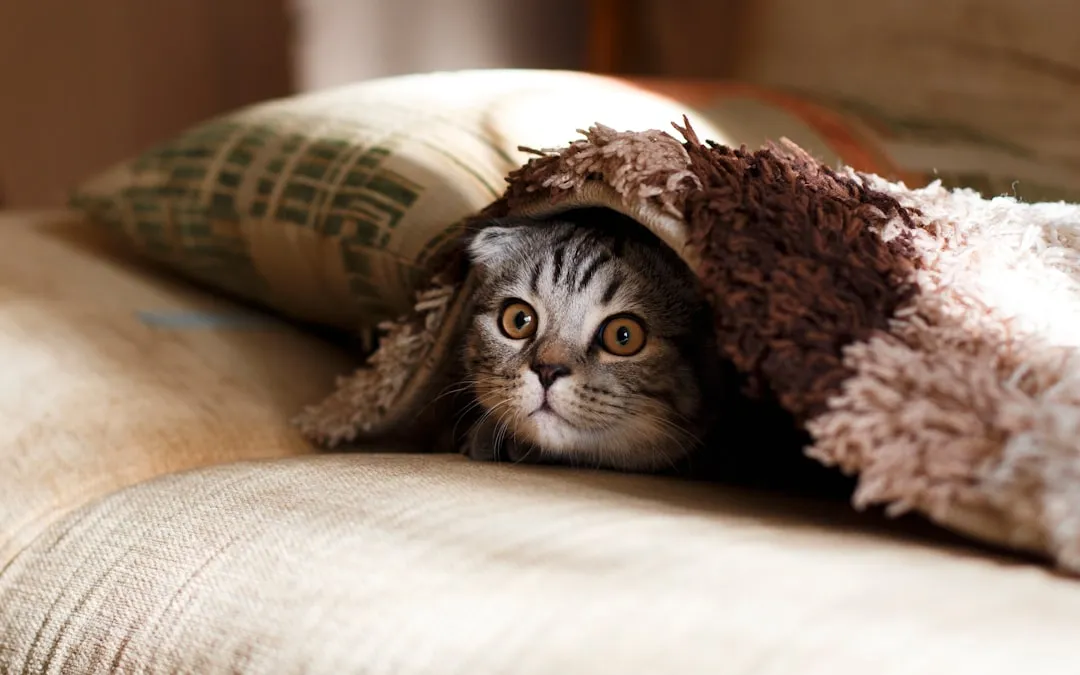
One of the most upsetting parts of a cat’s final season is a vague sense that “they just aren’t themselves.” Maybe the fearless one becomes cautious, the grumpy one gets oddly gentle, or the affectionate one seems emotionally flat. These shifts can be the result of chronic pain, cognitive decline, or the emotional strain of feeling physically unwell for a long time. Because it happens gradually, owners may only recognize it in hindsight.
I remember realizing, much too late, that my own cat had stopped pushing boundaries months before her final appointment – no more stealing food, no more dramatic protests. At the time, I was secretly relieved that she was “easier.” Now I see it for what it was: her energy being quietly siphoned away by illness. When vets talk about listening to your gut, this is what they mean. If you have a nagging feeling that your cat’s soul feels dimmer, it’s worth taking seriously.
#14: The Gentle Way They Start Saying Goodbye Long Before You Do
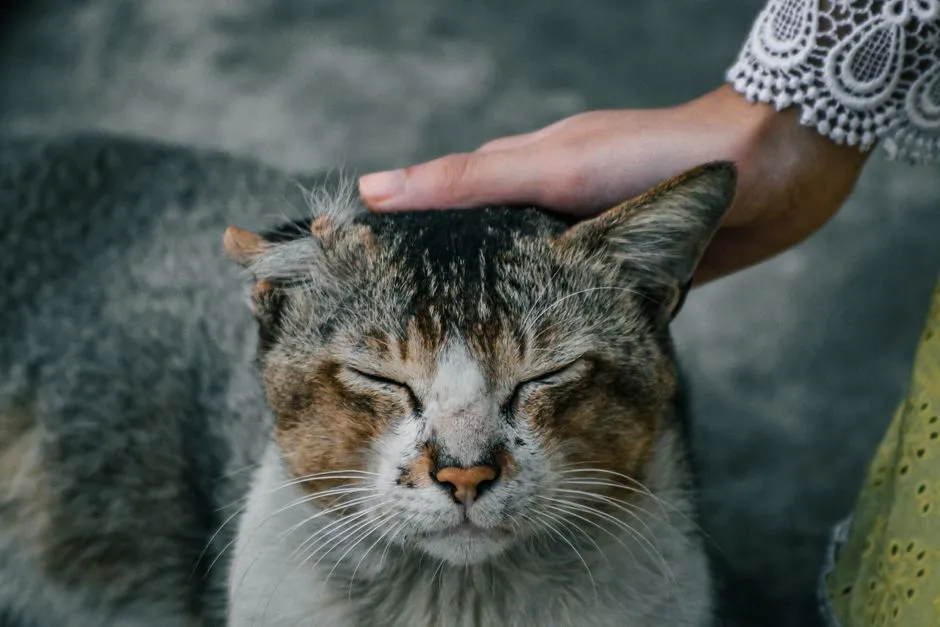
Here is the part no one prepares you for: many cats begin a kind of soft, quiet goodbye weeks or months before their final day. They might start spending more intentional time near you, simply lying close with their eyes half closed, as if soaking you in. They may return to old habits from kittenhood – sleeping in a particular spot, kneading a favorite blanket, or seeking out one special person repeatedly. Owners often interpret this as “getting sweeter with age,” and in a sense, it is. But it may also be an animal’s way of anchoring itself to what feels safe in a failing body.
Vets who work with palliative and hospice cases often see these patterns over and over: a slow narrowing of the cat’s world down to its core person, a few chosen spots, and a handful of rituals. It can be unbearably tender and deeply bittersweet. Recognizing it does not mean giving up; it means accepting that your cat is living in a smaller, more fragile reality and choosing to meet them there with presence, patience, and kindness.
Conclusion: Seeing What Your Cat Has Been Trying to Tell You All Along
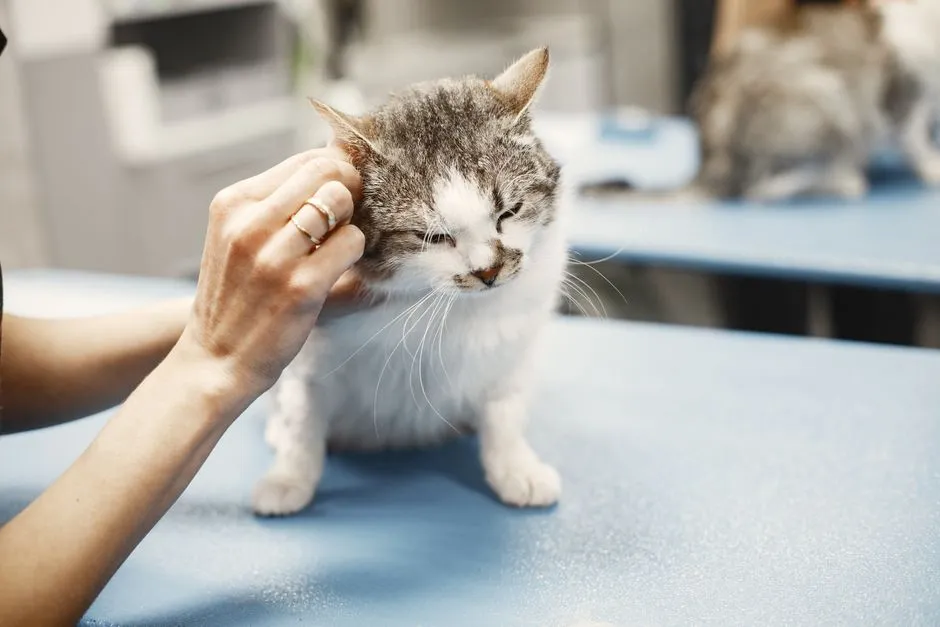
Senior cats rarely shout their needs; they whisper them. The final season of a cat’s life is usually not defined by one dramatic moment, but by a series of tiny changes – sleeping somewhere new, skipping one jump, breathing a bit harder, grooming a bit less. Vets see these patterns and wish more owners understood that “just getting old” is not a diagnosis; it is a stage that deserves as much attention and care as kittenhood ever did.
My personal opinion, after going through this myself, is that the real act of love is not pretending they are young forever, but having the courage to see the truth early enough to actually help. That might mean more vet visits, pain relief, environmental tweaks, or, when the time comes, making a compassionate end-of-life decision before suffering spirals. The hardest part is noticing the quiet signs while there is still time to act. Now that you know what many people miss, will you look at your senior cat the same way tonight?

- 14 Things Your Senior Cat Does in Its Final Season That Vets Say Owners Rarely Ever Recognise - August 3, 2026
- 17 Dog Breeds That Get Easier With Every Year and 9 That Get Considerably Harder - August 3, 2026
- 14 Quiet Things a Horse Only Ever Does Around the One Person It Has Truly Bonded With - August 3, 2026