
You didn’t imagine it. The dog that seemed to live on every single block in 1978 – the one in your family photos, your neighbor’s yard, every sitcom rerun – really did disappear. Not overnight, and not because of some single scandal. Families just quietly stopped choosing it, one adoption at a time, until an entire breed slipped off the map without anyone announcing it was happening.
Some of these dogs got taken down by their own fame, bred so hard for a look that health and temperament collapsed underneath the fur. Others got blindsided by a Disney movie, a lifestyle shift, or a rival breed that simply did the job easier. A few are still alive today, but just barely – kept going by a stubborn handful of breeders who refuse to let them vanish completely. Here are the 17 breeds that used to be everywhere, and the surprisingly human reasons nobody wanted them anymore.
#1 – Irish Setter
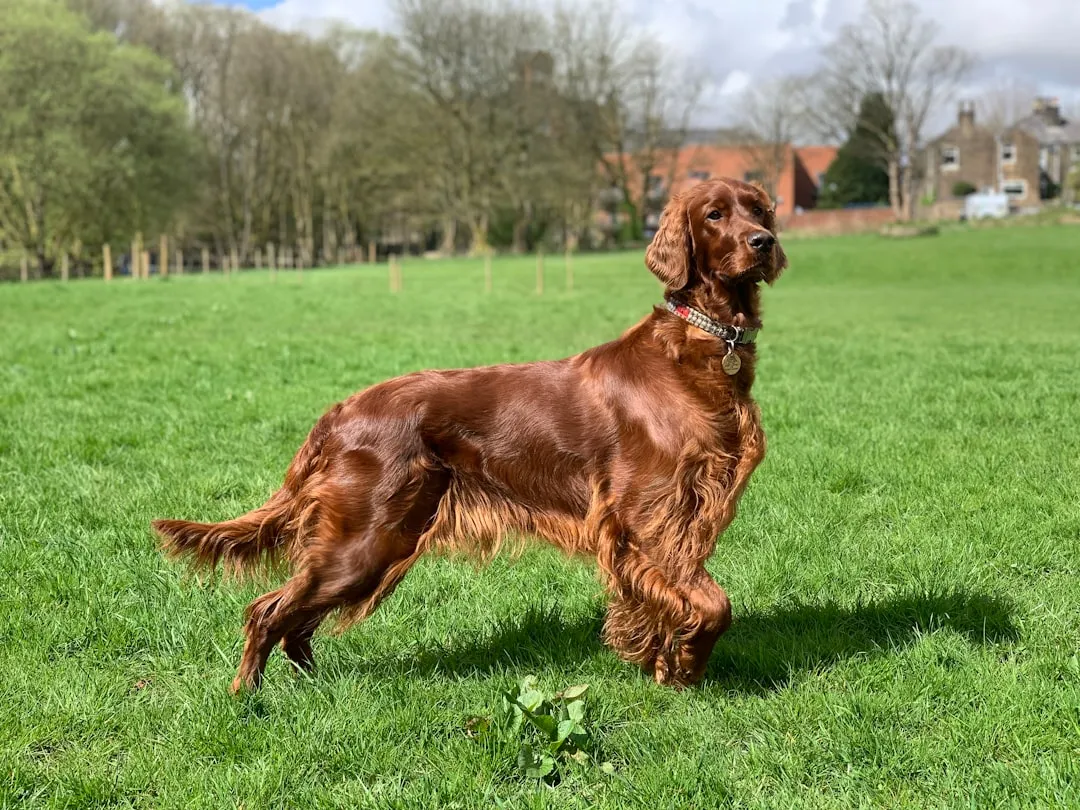
Once a staple of 1970s family life, the fiery red Irish Setter was everywhere – on TV, in movies, in kids’ books. Then it basically vanished from suburban backyards.
Overbreeding did the damage. When a dog becomes “it” for a decade, careless mass breeding follows, and temperaments got flightier, focus dropped, and health issues crept in. Families who wanted an easy, plug-and-play pet suddenly found themselves managing a hyper, easily distracted hunting dog in a small house.
At the same time, Labs and Goldens muscled in and stole its family-dog crown. They were easier to train, more forgiving, and didn’t carry the “high-strung” label. The Irish Setter never fully recovered its reputation outside hunting circles, and today you’re more likely to see one in an old photo album than at the dog park.
#2 – Collie
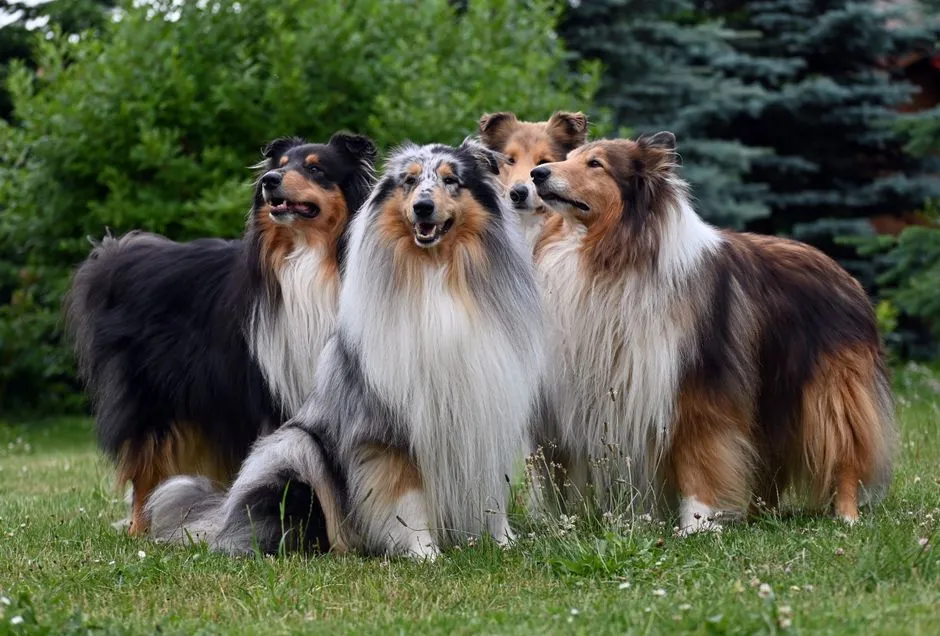
Lassie made the Collie the ultimate American family dog for decades. If you grew up mid-century, it felt like every other kid’s house had one.
But image killed the Collie. Breeders leaned so hard into elegant looks – massive coats, long narrow heads – that everyday owners simply couldn’t keep up. Grooming became a full-time job, and some lines developed eye issues and nervous temperaments that didn’t match the heroic TV legend.
Meanwhile, lower-maintenance herding breeds like Border Collies and Aussies shifted demand. Families still wanted smart, loyal dogs, just without all the fur and old-fashioned flair. Registrations slowly plunged until most people under 30 had never even met a purebred Collie in person – the dog that once symbolized loyalty and courage is now mostly a trivia answer.
#3 – Cocker Spaniel (American)
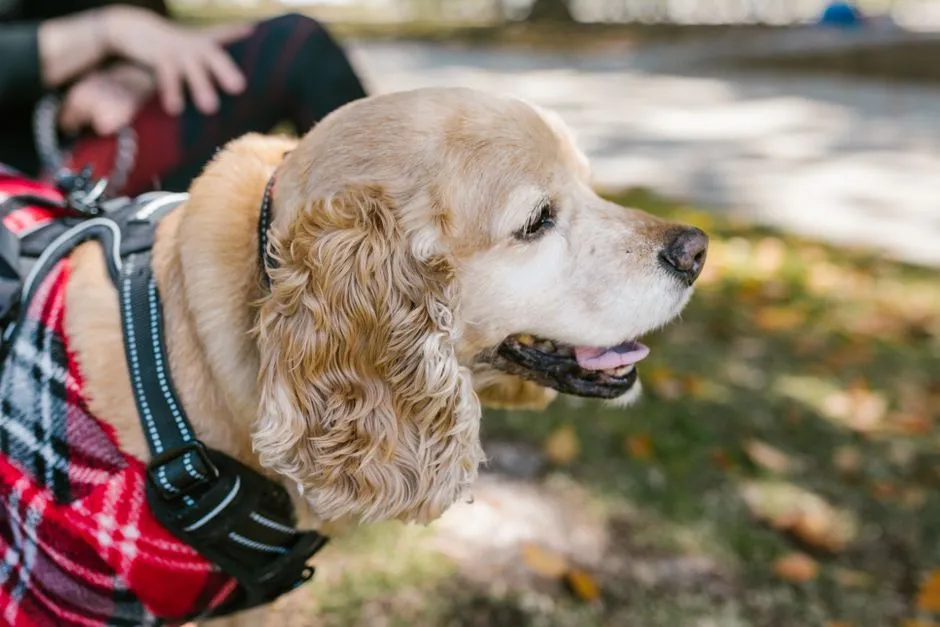
From the 1950s through the 1990s, American Cocker Spaniels were practically standard issue in U.S. suburbs. They were on greeting cards, in Disney movies, in every “perfect family” ad spread. Then reality set in.
Bad breeding for “cute” faces created serious eye, ear, and skin problems, plus some very uneven temperaments – everything from clingy to snappy, especially around kids. Word-of-mouth killed what advertising had built.
As vet bills climbed and stories spread about “bitey Cockers,” families quietly shifted to Labs, doodles, and pugs. Grooming didn’t help either, since those silky coats mat fast. The breed didn’t vanish – show lines still sparkle – but the everyday, middle-class Cocker nearly did. Ask most groomers which breed dropped off their client list the fastest, and this one still comes up a lot.
Quick Compare
- American Cocker Spaniel (peak era): Iconic silky coat and family-friendly image, but ear, eye, and skin problems piled up in poorly bred lines.
- Labrador Retriever: Simpler grooming and a steadier temperament made it the safer default pick.
- Doodle mixes: Marketed as low-shedding and kid-friendly, pulling families away from purebred spaniels.
- Pug: Smaller footprint and low grooming demands made it an easy trend replacement.
#4 – Old English Sheepdog
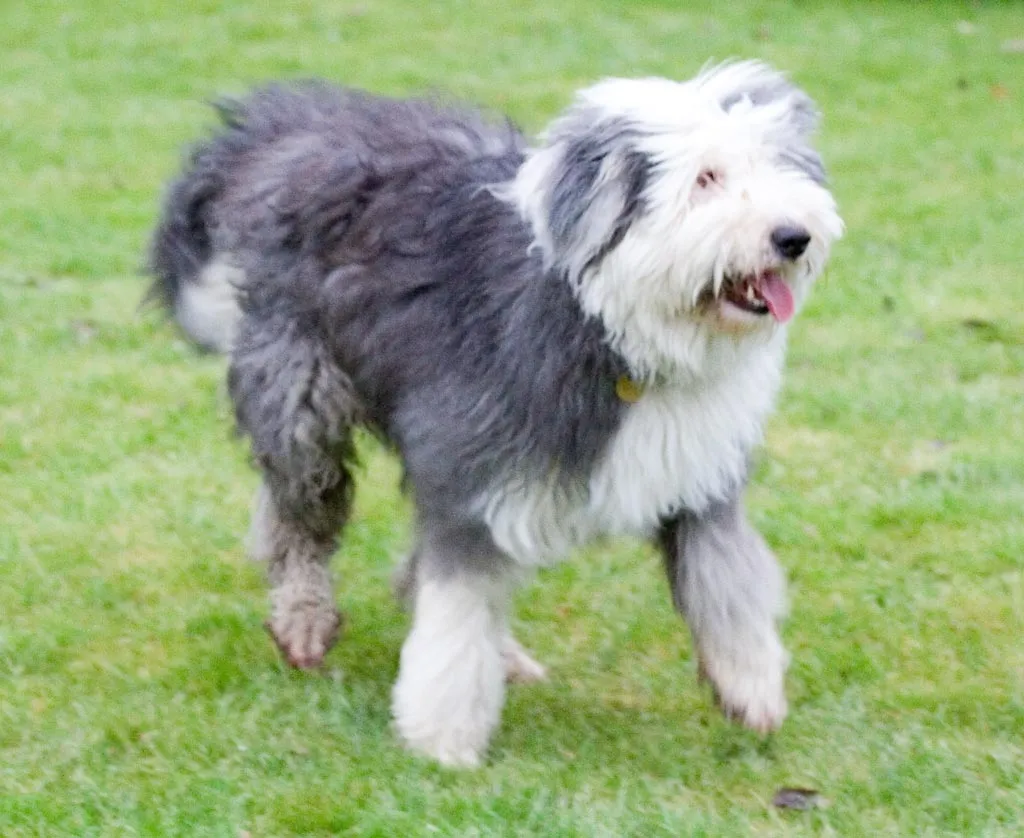
You used to see Old English Sheepdogs everywhere – commercials, cereal boxes, kids’ movies. That shaggy, walking mop look was considered peak “fun family dog.” Then people actually lived with them.
Under that fluff is a big, powerful herding dog bred to move cattle, not nap on a couch. They shed, mat, drool, and need hours of grooming or expensive salon visits, and most owners were stunned by how much day-to-day work they required.
As 1980s and 1990s lifestyles got busier, this breed became wildly impractical. Breeders scaled back, and shelters saw poorly matched OES end up surrendered because the “cute mop” image never matched their working-dog intensity. Some trainers will quietly admit they’re relieved this one faded from mass popularity, because it was so often a mismatch.
#5 – English Setter
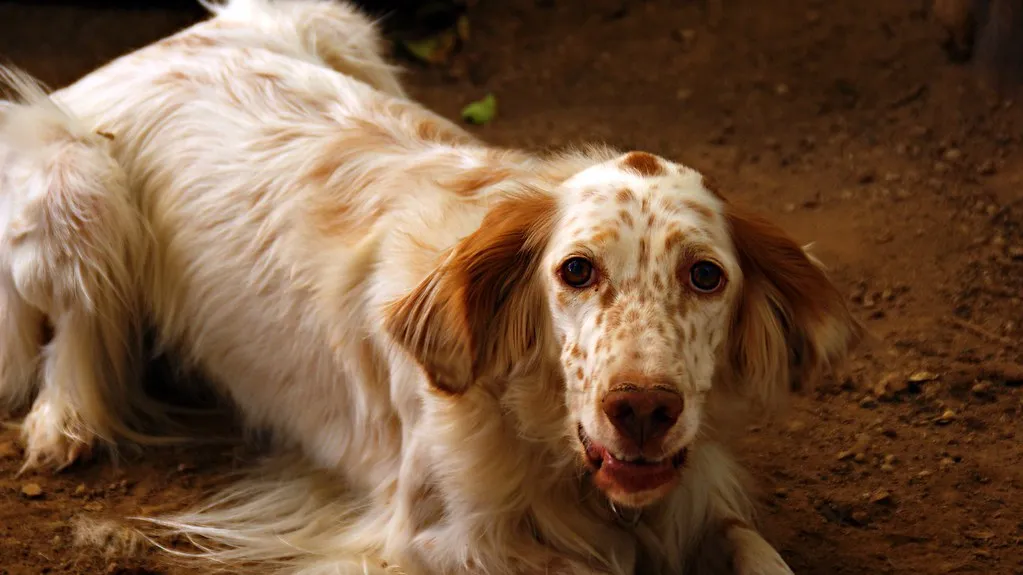
There was a time when bird hunters and rural families both had English Setters on their property. They were stylish, speckled, and endlessly featured in sporting magazines. Then bird hunting culture shrank.
Suburbs grew, land access tightened, and “weekend warrior” dog owners didn’t have time for a dog engineered to run all day after game birds. Without large fields and birds, an English Setter becomes restless, bored, and destructive.
Unlike Labs, which adapted smoothly into family life, English Setters stayed “too much dog” for most living rooms. Popularity slid quietly rather than dramatically, so most people never noticed it happening. Ironically, their mellow indoor side makes them fantastic if you can meet their exercise needs – hardly anyone gives them that chance anymore.
#6 – Afghan Hound
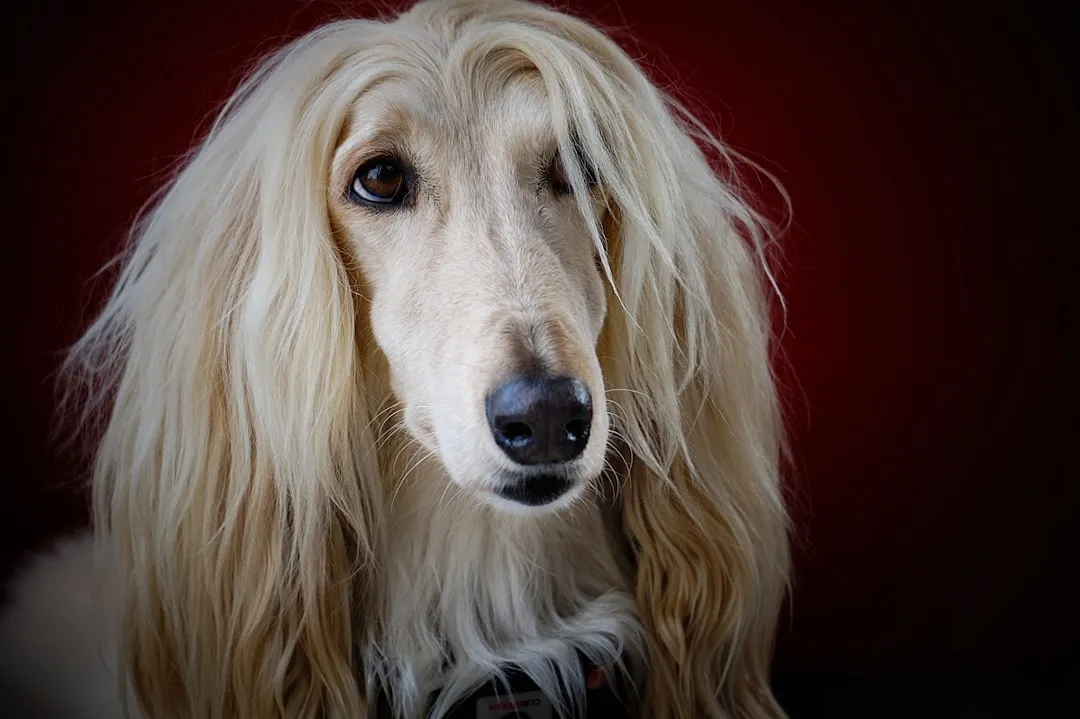
There was a period when Afghan Hounds were the high-fashion dog: long flowing coat, aristocratic face, runway energy. Magazines loved them. Regular people, not so much – at least not long-term.
Underneath the glamour is a sighthound: independent, aloof, and extremely fast. Many families expected a clingy lapdog and instead got a cat-like dog who didn’t care what they thought half the time. Then there’s the coat – daily brushing, constant bathing, professional grooming became a part-time job.
As soon as the novelty wore off, demand cratered. Afghans went from status symbol to rare curiosity in just a couple of decades, and most millennials and Gen Z have never seen one outside a dog show. Fashion moved on to smaller, more portable “handbag” breeds, and the Afghan quietly stepped off the stage.
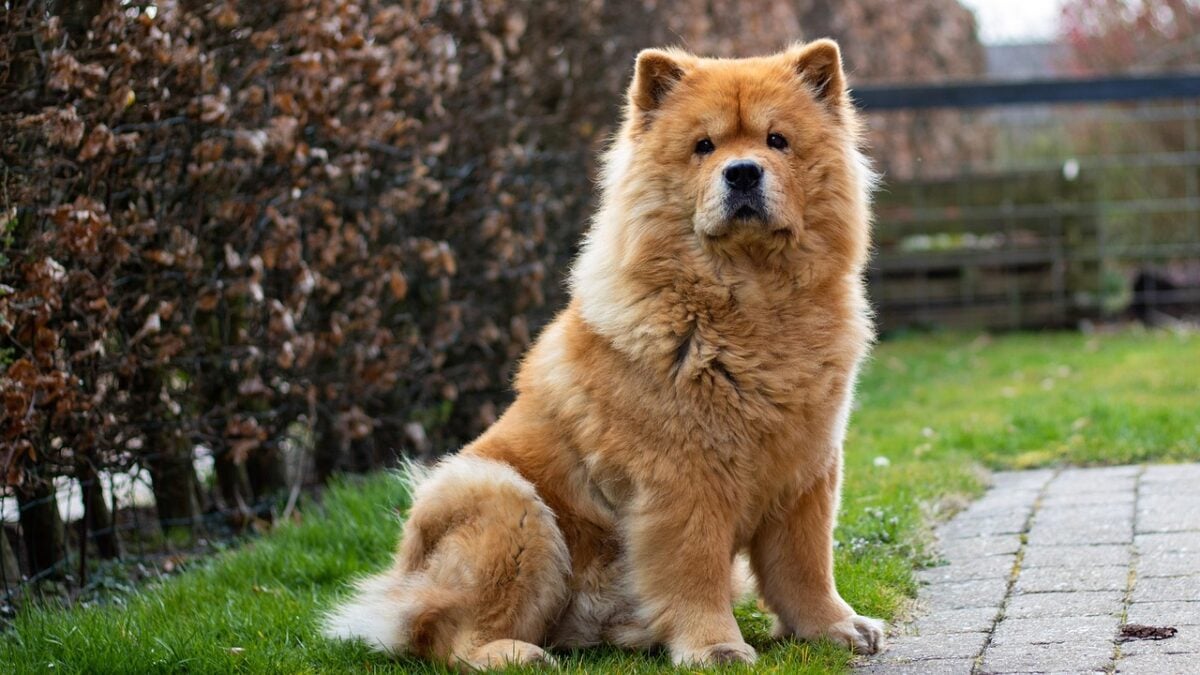
#7 – Chow Chow
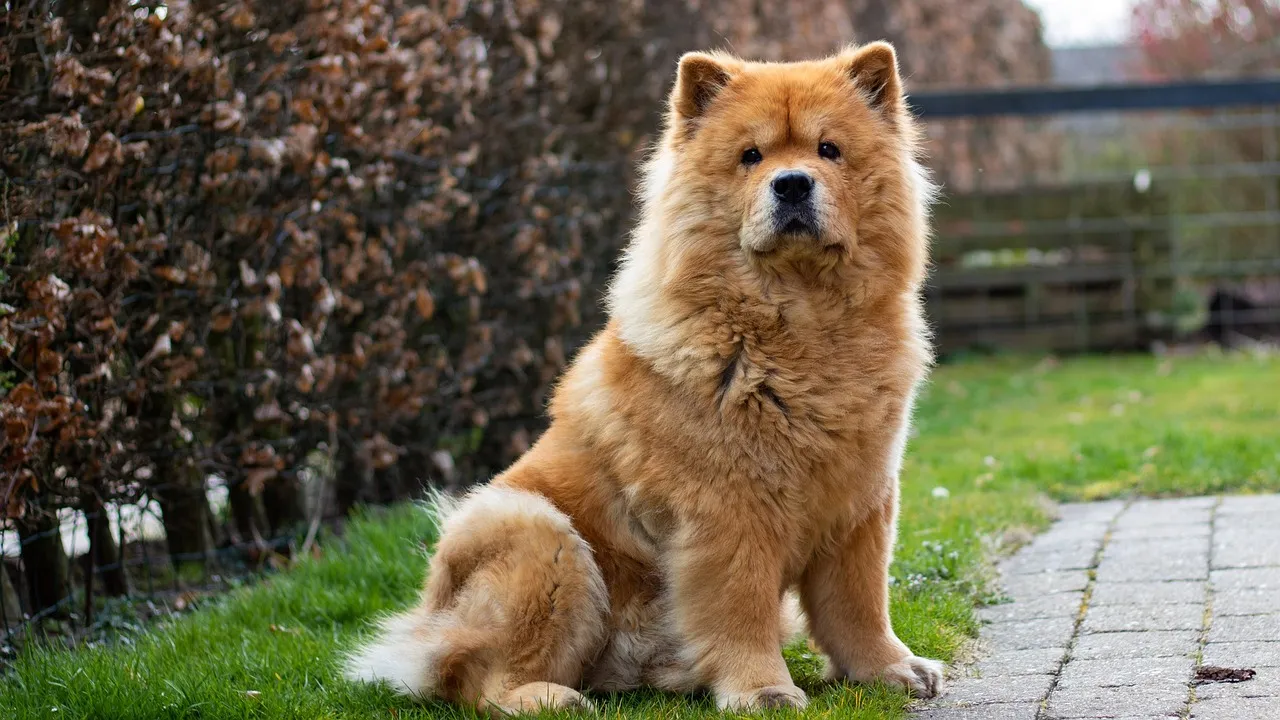
Chow Chows had a serious moment. The blue-black tongue, lion mane, and teddy-bear cub look made them explode in popularity. Then the reality checks rolled in.
Chows are an ancient guard breed, not a plush toy. Many are naturally suspicious of strangers, stubborn, and intolerant of rough handling – that “stuffed animal” exterior hid a dog that needed experienced, consistent training and early socialization, and a lot of families never got that memo.
Incidents with bites, possession issues, and “unpredictable” behavior started stacking up in the 1980s and 1990s, and their reputation took a hit. Add in intense grooming needs and common orthopedic and eye issues, and the dog that once felt like a trend suddenly seemed like a liability. Serious enthusiasts still adore them, but the days of “every neighborhood has one” are long gone.
#8 – Dalmatian
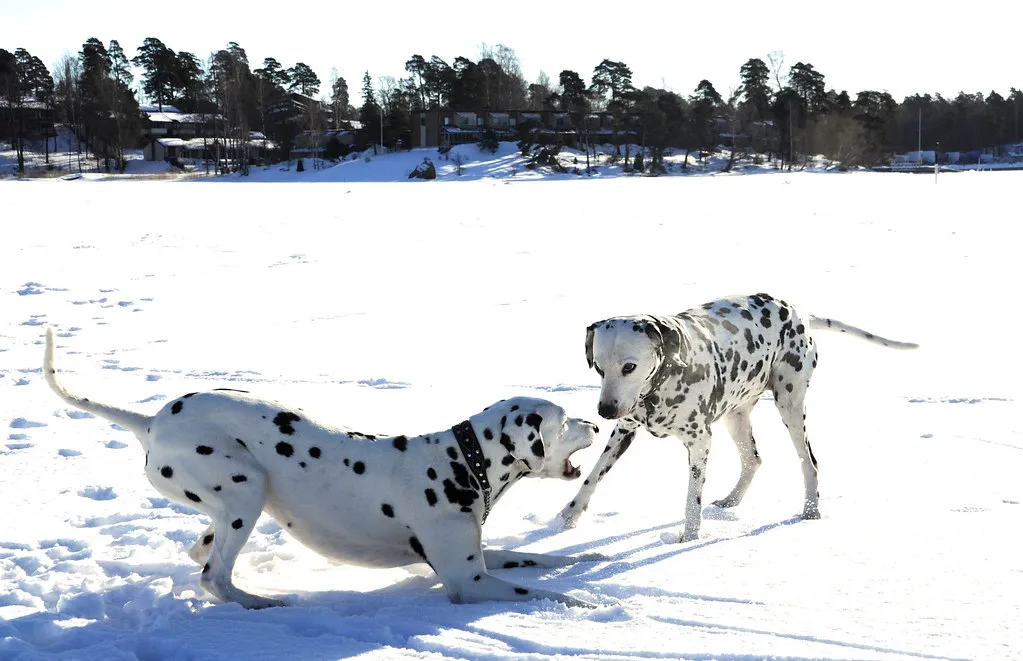
After “101 Dalmatians” – both animated and live-action – ownership exploded. Pet stores, backyard breeders, and clueless buyers all jumped in. The outcome was predictable and ugly.
The Dalmatian is a high-energy working dog bred to run alongside horses, not lounge with toddlers. Overbreeding without temperament checks led to hyper, skittish, and sometimes aggressive dogs ending up in family homes that weren’t prepared, and the breed’s well-known tendency toward deafness and urinary issues piled vet bills on top.
Public perception crashed hard. Shelters saw waves of surrendered Dalmatians in the late 1990s and early 2000s, and once that story spread, families moved on to “safer” trend dogs. The Dalmatian never fully recovered mainstream trust – it might be the clearest case of a Disney-fueled boom-and-bust in dog history.
Fast Facts
- Demand spiked hard after the live-action “101 Dalmatians” hit theaters in the mid-1990s.
- Shelters reported surrender waves through the late 1990s and into the early 2000s.
- The breed carries a well-documented risk of hereditary deafness and urinary stones.
- Originally bred to run alongside carriage horses, not to sit quietly in a living room.
#9 – Basenji
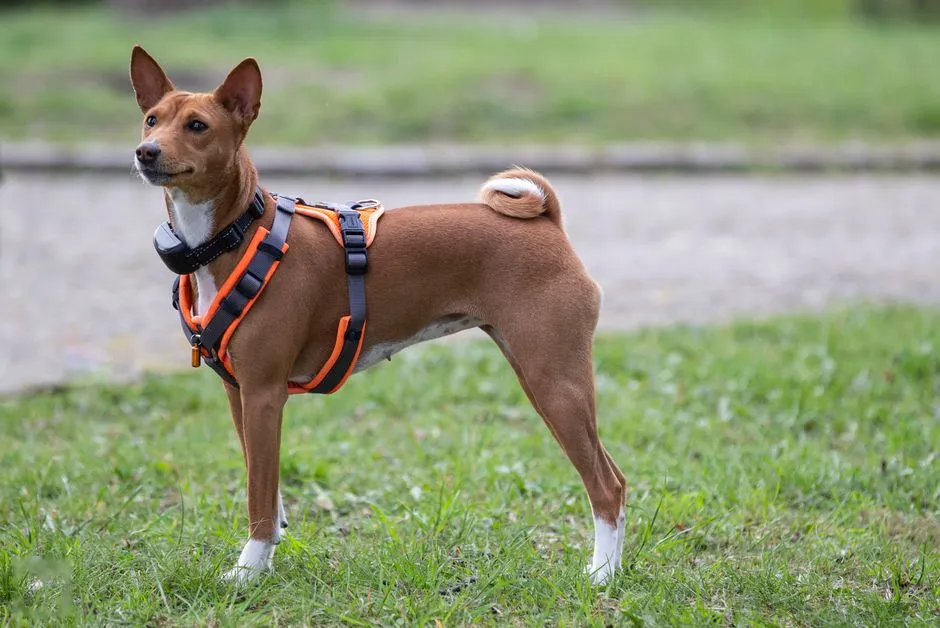
There was a time in the 1980s and 1990s when “the barkless dog” fascinated everyone. Basenjis popped up in magazines and TV segments as a quirky, exotic choice, sold as small, clean, cat-like, and quiet.
People did not love the reality: independent, escape-artist, high-prey-drive athletes who don’t bark but absolutely yodel, scream, and shriek when unhappy or excited. Many first-time owners assumed they were getting a compact Golden Retriever. Instead they got an ancient African hunting dog who opened baby gates, shredded couches out of boredom, and made apartment life a circus.
Interest cooled fast. These days they’re adored by a small cult following that genuinely “gets” them, but the mass-market appeal is gone for good. Ask any Basenji person – they’ll tell you that’s probably for the best.
#10 – Lhasa Apso
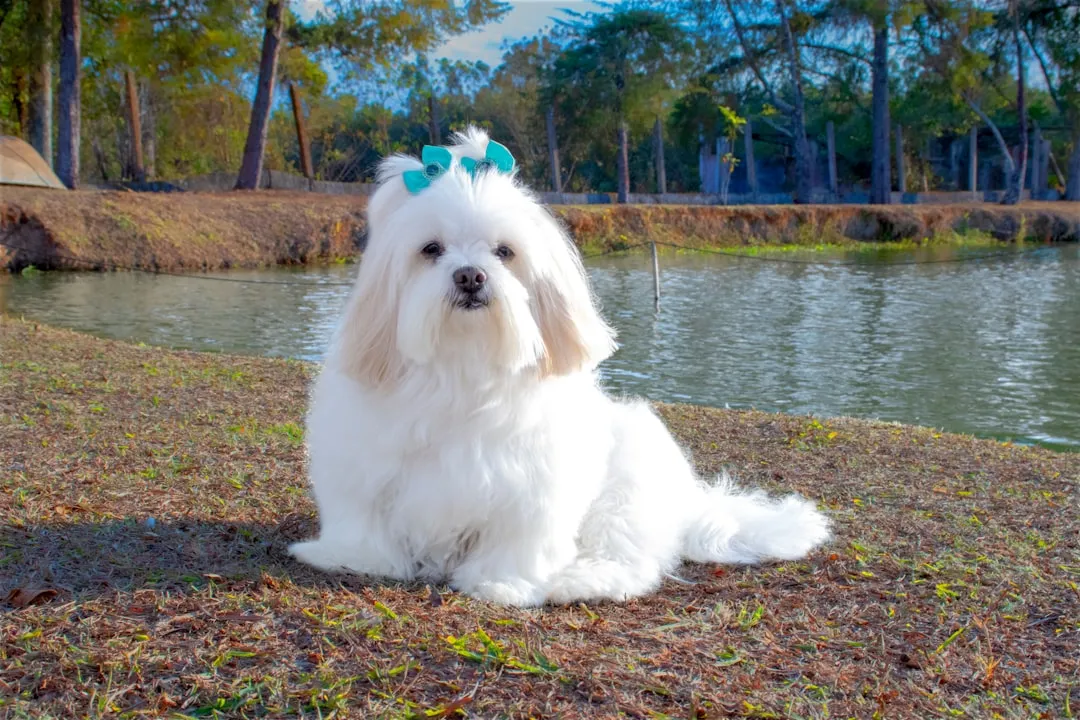
Before Shih Tzus took over as the go-to lap dog, the Lhasa Apso was the little lion everyone seemed to have. They guarded monasteries in Tibet, then American living rooms. But as grooming trends shifted and “cute over fierce” became the priority, Lhasas got pushed aside.
They tend to be more stubborn, more guardy, and less universally social than the ultra-marketable Shih Tzu, and that edge didn’t play well in crowded urban life. Health and grooming didn’t help either – that long coat mats quickly, and many lines developed eye and skin issues.
Families realized they could get the same “small fluffy” vibe with friendlier reputations and easier temperaments elsewhere. In most pet stores and rescues, Shih Tzu mixes completely eclipsed Lhasa mixes. The dog that once defined “little house guardian” is now a rare sight outside hardcore devotees.
#11 – English Cocker Spaniel

In Europe, English Cockers still have a loyal following, but in the U.S., they quietly slipped into the background. For a while, they were the more “sporting, serious” cousin of the American Cocker, popular with hunters and active families. Then specialization kicked in.
Field-bred English Cockers became intense working dogs; show-bred lines went fluffy and fancy. That split confused buyers and diluted their image as a general-purpose family pet. Compared with Labs and versatile spaniel mixes, the English Cocker started to feel like a niche choice, and owners who remembered the Cocker name attached to ear infections and grooming headaches simply avoided it.
Registrations dwindled, and most younger dog owners now lump them together with “some kind of spaniel.” The breed didn’t implode like its American cousin, but it absolutely faded from everyday visibility.
#12 – Brittany (Formerly Brittany Spaniel)
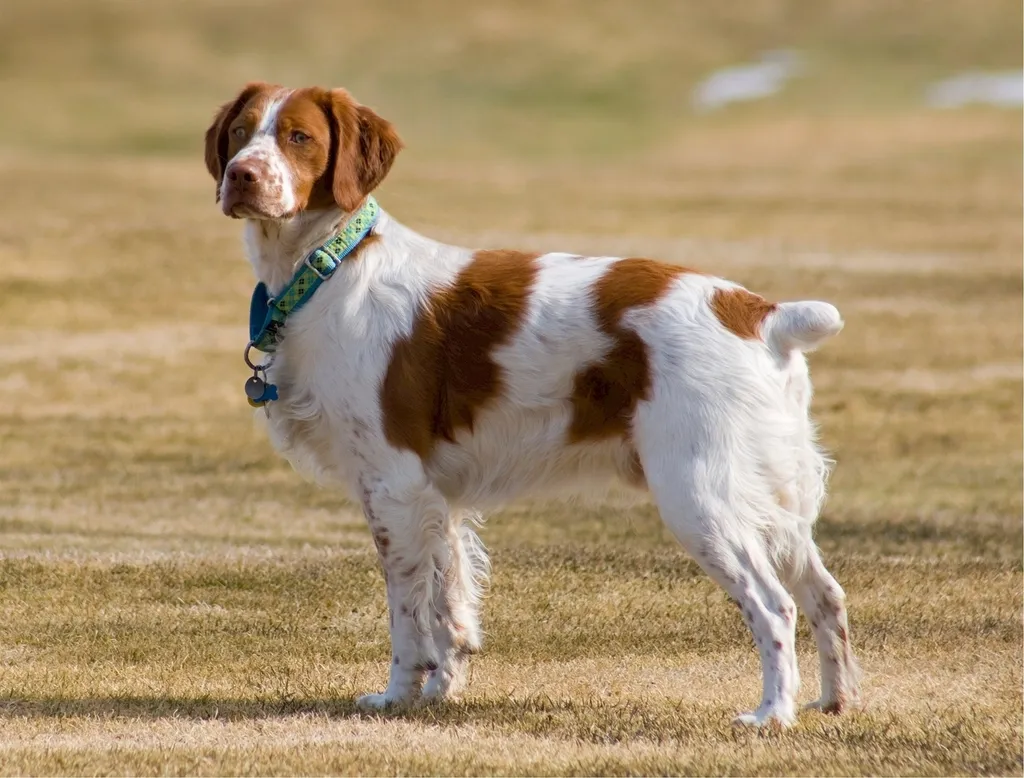
There was a time when the Brittany was the default bird dog for middle America – compact, energetic, and great in the field. Back then, “Brittany Spaniel” was on every hunter’s radar. Then hunting culture shifted hard, and upland bird hunting declined for the average family.
A dog wired to hunt all day doesn’t mesh with 45-minute-leash-walk lifestyles. Owners started describing them as “too much caffeine in a fur suit.” The breed’s branding didn’t keep up either – the word “Spaniel” was quietly dropped from the official name, but the public mostly missed that update.
Labs, GSPs, and versatile doodles gobbled up the athletic-dog market. The Brittany stayed beloved in small sporting circles but slipped off the family-dog popularity charts, and today, when people see one, they often assume it’s a random mix rather than a once-popular pure breed.
#13 – Great Pyrenees (as a Suburban Family Dog)
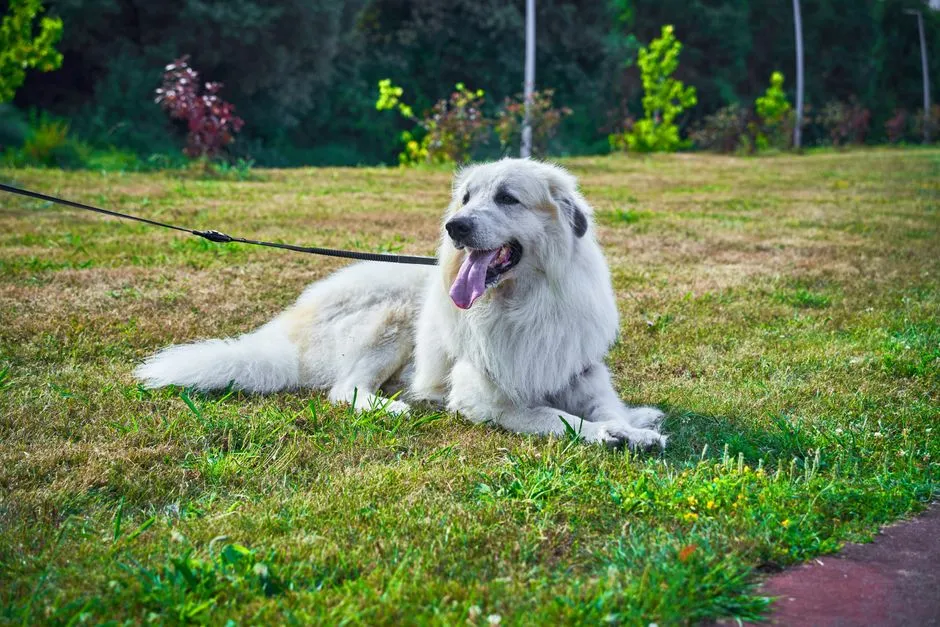
Livestock guardians like the Great Pyrenees had a weird boom as suburban families fell in love with “giant white floofs.” For a while, you saw them in cul-de-sacs and condos, wildly out of their element. Then the problems exploded.
These dogs are hardwired to patrol, bark at anything unusual, and think for themselves. A bored Pyrenees in a fenced yard will bark all night, dig craters, and scale fences like an escape artist. As noise complaints, neighbor conflicts, and surrender rates climbed, the breed’s popularity outside farms slumped hard.
Serious homesteaders and ranchers still rely on them, but the experiment of “Great Pyrenees as regular pet” largely failed. Many rescues now quietly beg people not to adopt them into apartments or tiny yards. What looked like a gentle giant nanny dog in photos turned out to be a working professional unsuited for HR-approved suburb life.
Worth Knowing
- Bred for centuries as independent-thinking livestock guardians, not passive companions.
- Natural instinct to bark at anything unfamiliar makes them a tough fit for close neighbors.
- Many rescues now actively discourage placing them in apartments or small fenced yards.
- Still thrive on farms and ranches, where their guarding instincts finally have a real job.
#14 – Shar-Pei
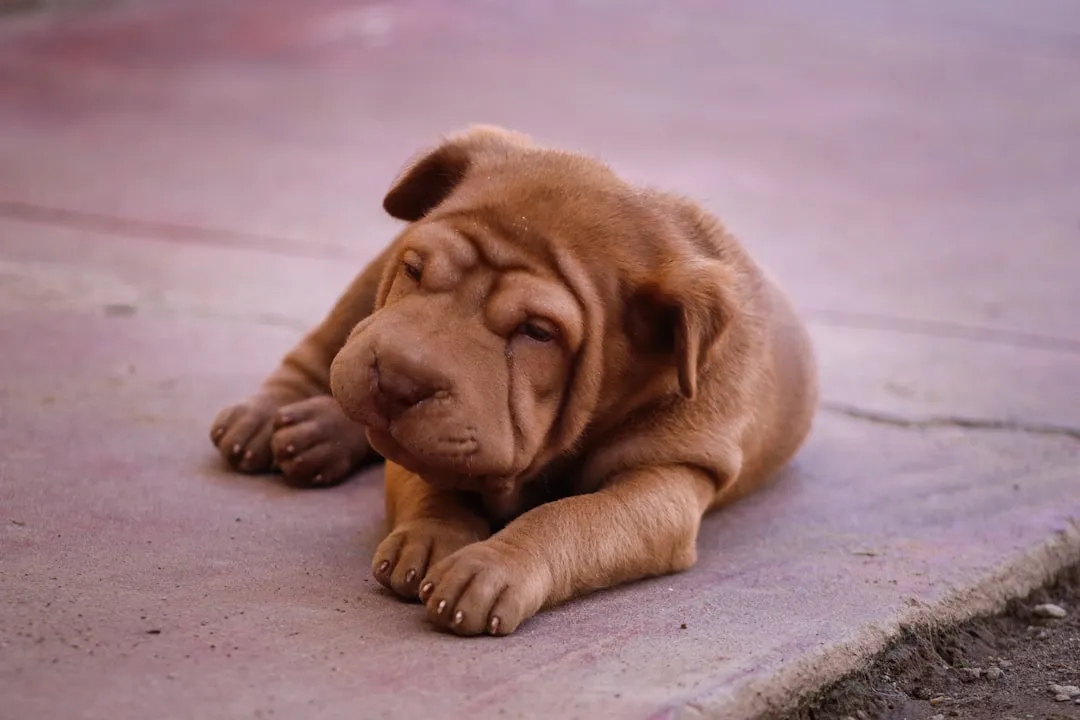
In the 1980s, Shar-Peis were marketed as the rarest dog in the world, and those wild wrinkles made them instant status symbols. Prices soared – people paid thousands for puppies that looked like living towels.
But that exaggerated wrinkling came with a heavy cost: chronic skin infections, eye issues, and a host of immune-related problems. Vet bills were staggering, and many owners weren’t prepared. Temperament didn’t always help either – true Shar-Peis are guardy, independent, and can be dog-selective, and combined with pain from untreated health issues, behavior problems weren’t rare.
As the novelty cooled and stories of medical nightmares spread, demand collapsed. Breed enthusiasts have worked hard to moderate extreme wrinkles and improve health, but the mainstream public had already moved on. The Shar-Pei went from “everyone wants one” to “wait, are those still around?” in record time.
#15 – Skye Terrier
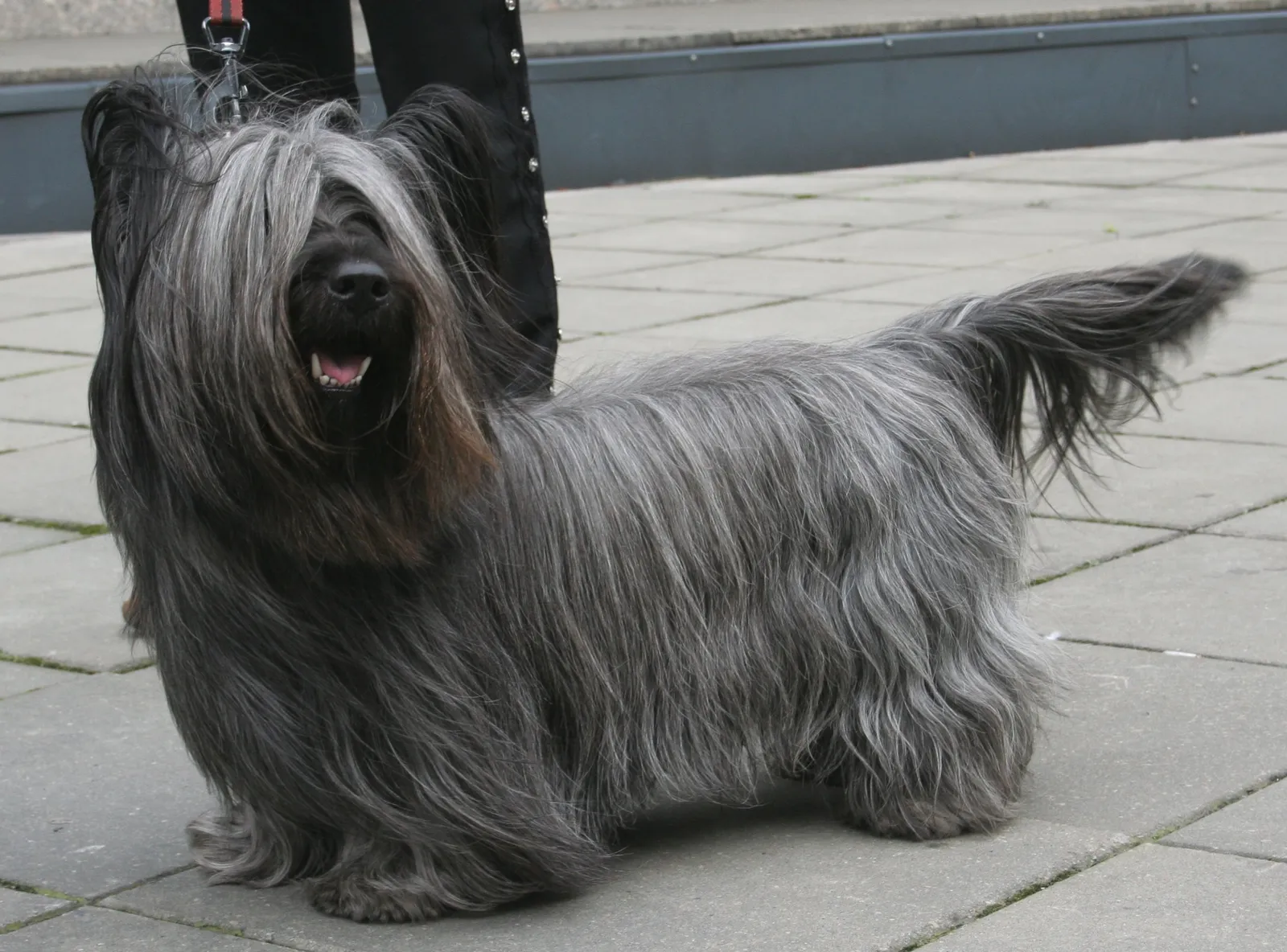
You’ve probably never seen a Skye Terrier in person, and that’s exactly the point. A century ago, they were beloved in Britain – Queen Victoria famously owned them, and they trotted through city streets as trendy companions. Then time passed them by.
They’re long, low, heavily coated, and – let’s be honest – visually out of sync with modern tastes. Instagram favors sleek, athletic, or ultra-cute dogs, and the Skye looks like a Victorian relic. They’re also loyal to a fault, often reserved with strangers, and require careful coat management – not bad traits, just not what the average 2020s family is shopping for.
As other terriers took the spotlight – Yorkies, Westies, Cairns – the Skye simply slipped off the stage. Today, multiple kennel clubs label them as threatened or vulnerable, with tiny litter numbers each year. Without intentional preservation, they may become a historical footnote within a generation or two.
#16 – Gordon Setter
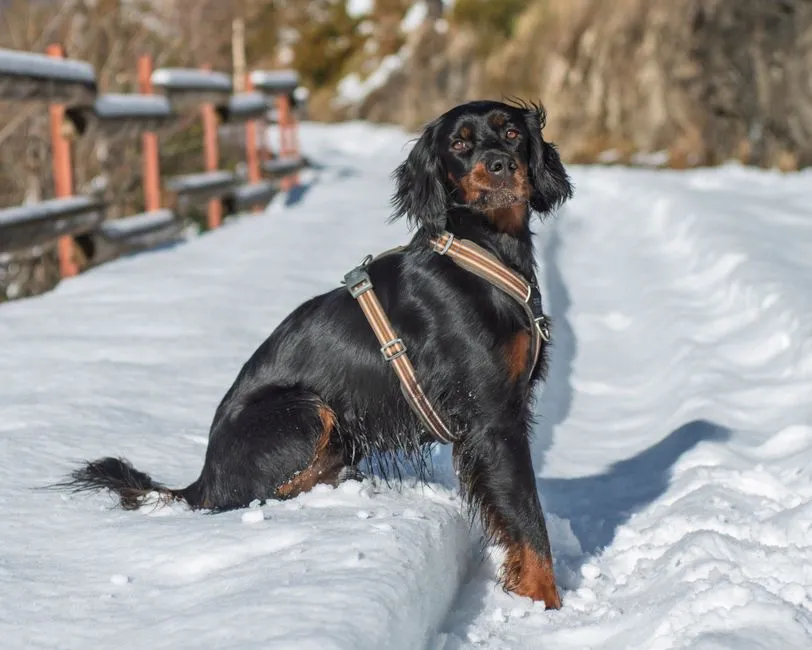
The Gordon Setter was once the serious hunter’s setter – larger, black-and-tan, and known for stamina in rough terrain. They had a quiet heyday among sportsmen and country families who wanted both a bird dog and a home companion. But as upland hunting waned and city living surged, the Gordon’s niche shrank fast.
They’re substantial dogs that need space, training, and mental work, and apartment life with sporadic park visits just doesn’t cut it. On top of that, Labs bulldozed through the market as the single do-it-all sporting breed, and the Gordon never marketed itself effectively as a family dog. Its dark coat and heavier build made it less visually “marketable” than red or speckled cousins.
In many countries, annual puppy registrations are shockingly low – sometimes in the double digits. A breed that was common in old hunting photos now teeters on the edge of obscurity.
At a Glance
- Larger and heavier-built than most other setter breeds, engineered for stamina over rough terrain.
- Needs significant space, structured exercise, and mental stimulation to stay balanced.
- Annual puppy registrations in some countries sit in the double digits.
- Darker coat color made it less “photogenic” than red or speckled hunting cousins.
#17 – Wire Fox Terrier
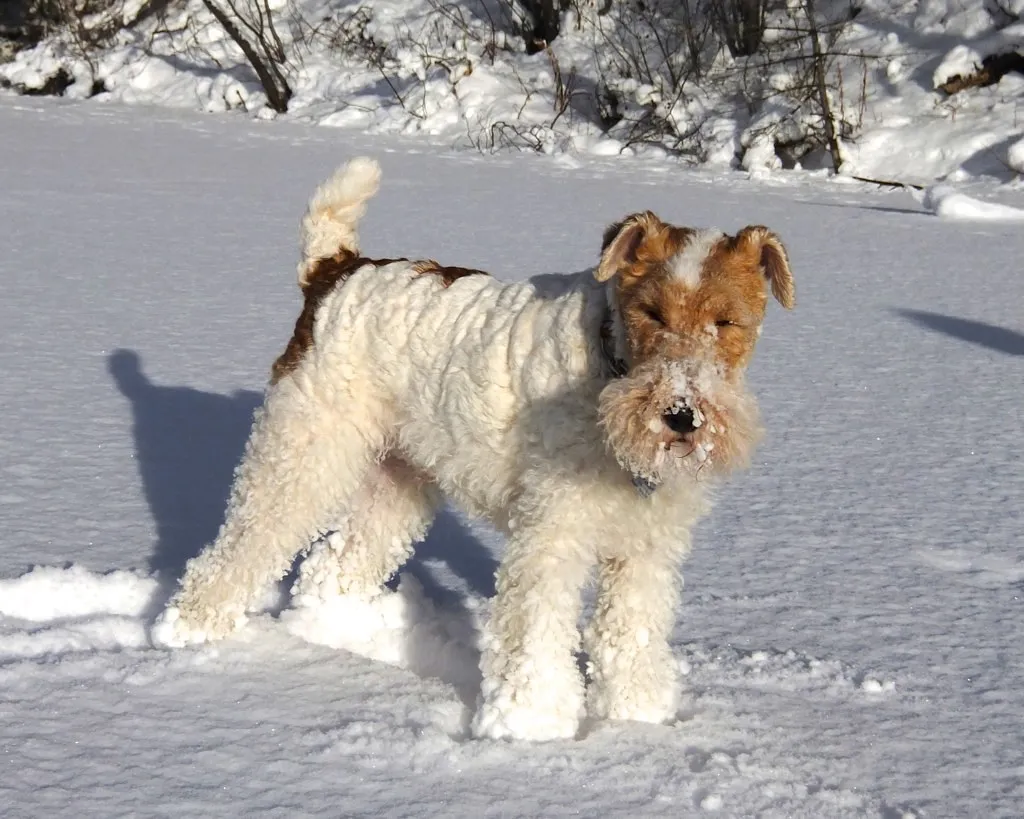
If you flip through old photos from the early 1900s, you’ll see Wire Fox Terriers everywhere – on leashes in cities, in portraits with kids, even in ads. They were the classic “gentleman’s dog”: smart, bold, endlessly busy. Today? They’ve practically vanished from everyday life.
The reason is simple: they’re a lot. High-drive, intense, and bred to go after vermin, they don’t turn off easily, and apartment dwellers found themselves overwhelmed by the constant motion and sharp minds. Meanwhile, the public fell in love with softer, rounder, less-demanding small breeds – Frenchies, Cavapoos, pugs.
Grooming is another factor, since that crisp hand-stripped coat is labor-intensive and expensive to maintain correctly. As fashion, energy preferences, and housing types changed, the Wire Fox Terrier quietly slipped from “everywhere” to “only at dog shows and with a few purists.” It might be the most dramatic disappearing act on this whole list.
The Bottom Line
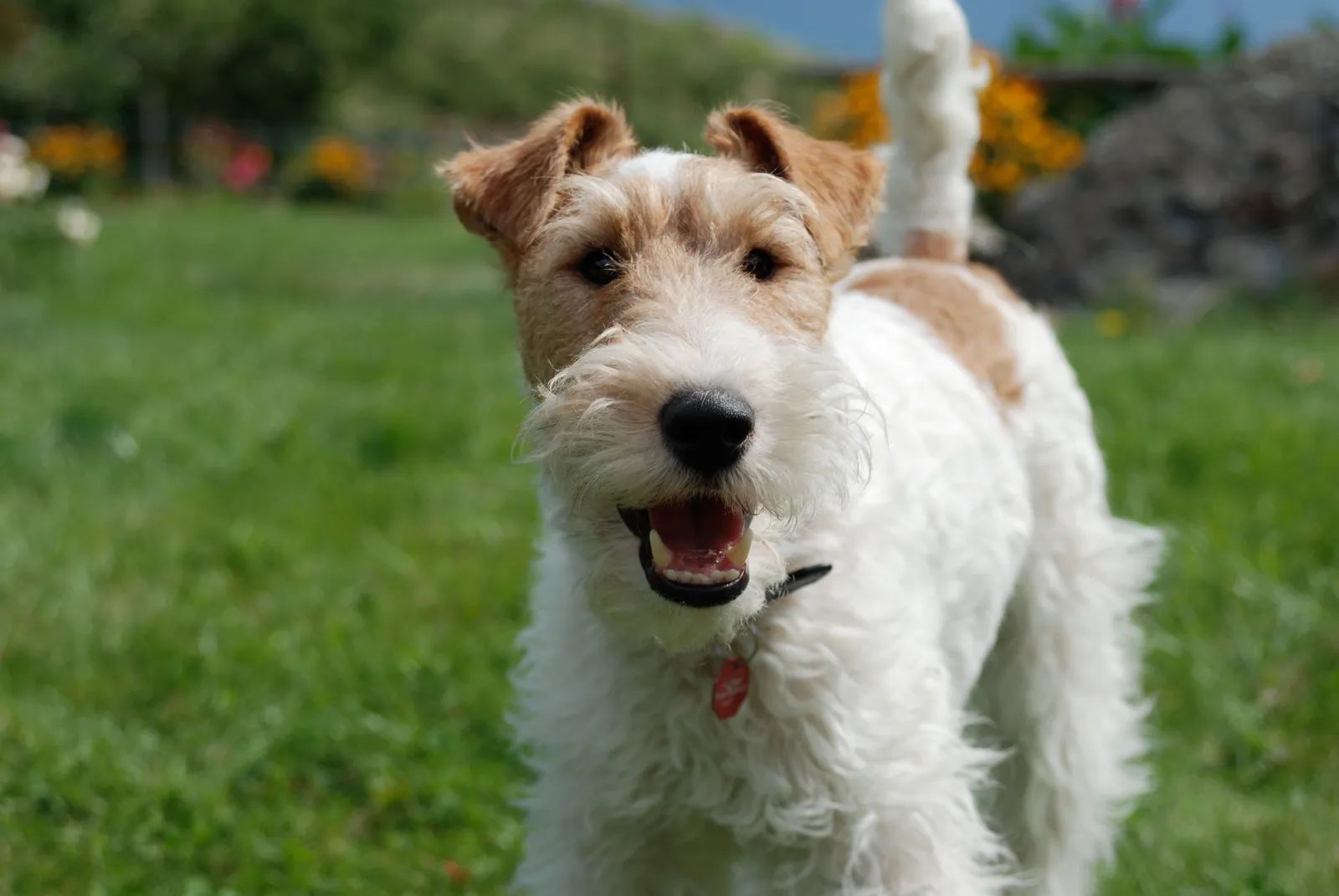
Zoom out and a pattern jumps out fast: the breeds that disappeared weren’t bad dogs, they were bad matches for how people actually live now. High grooming needs, intense work drives, guardy temperaments, or serious health baggage collided with smaller homes, busier schedules, and a lower tolerance for inconvenience. In their place, we elevated easier, trendier, and often more “Instagrammable” breeds and mixes.
Some of these fading dogs – the Wire Fox Terrier, the Skye Terrier, the Gordon Setter – are now on a quiet life-support system kept going by a few obsessives who refuse to let them go. Whether that’s tragic or just realistic depends on how much you value preserving history over living within your actual lifestyle.
My honest take: a handful of these deserve a real second chance – especially the ones that faded from bad breeding and bad press rather than any real flaw in the dog itself. Which of these disappearing breeds do you think truly deserves a comeback, and which should stay rare? Drop your take in the comments.

- What Happened to the Dog Breeds Everyone Once Owned: 17 That Quietly Disappeared - August 3, 2026
- What a Horse Does When Its Favourite Person Walks Into the Yard: 14 Signs Riders Rarely Notice - August 3, 2026
- 18 Things a Horse Does for Its Chosen Rider That It Will Never Do for Anyone Else - August 3, 2026