

The nesting hush: protecting eggs and young
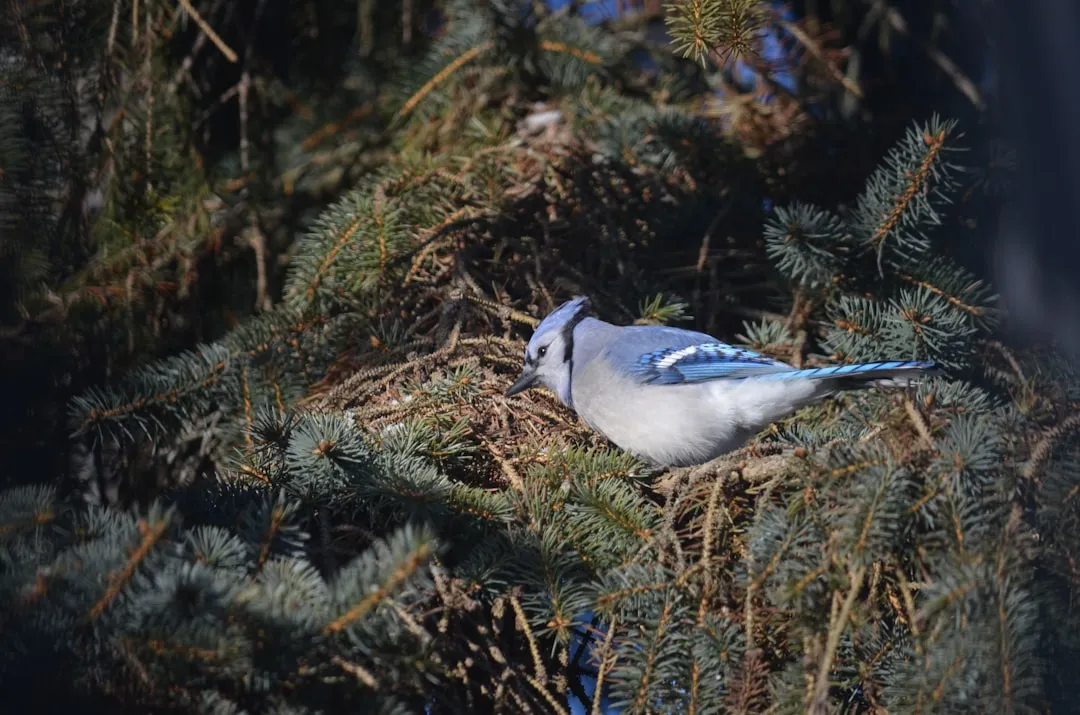
During the height of nesting season, adult blue jays often go through a dramatic personality shift. Adult blue jays become dramatically quieter than usual, almost unrecognizable to backyard birders used to their vocal presence. This isn’t a coincidence or a seasonal mood swing.
This behavioral suppression is intentional predator avoidance, and if resident jays go silent, there is often a nest within 200 feet. A pair sitting together without calling is likely coordinating quietly, aware that every loud note could draw a hawk or a raccoon straight to their eggs.
Watchful waiting: the silent sentinel instinct
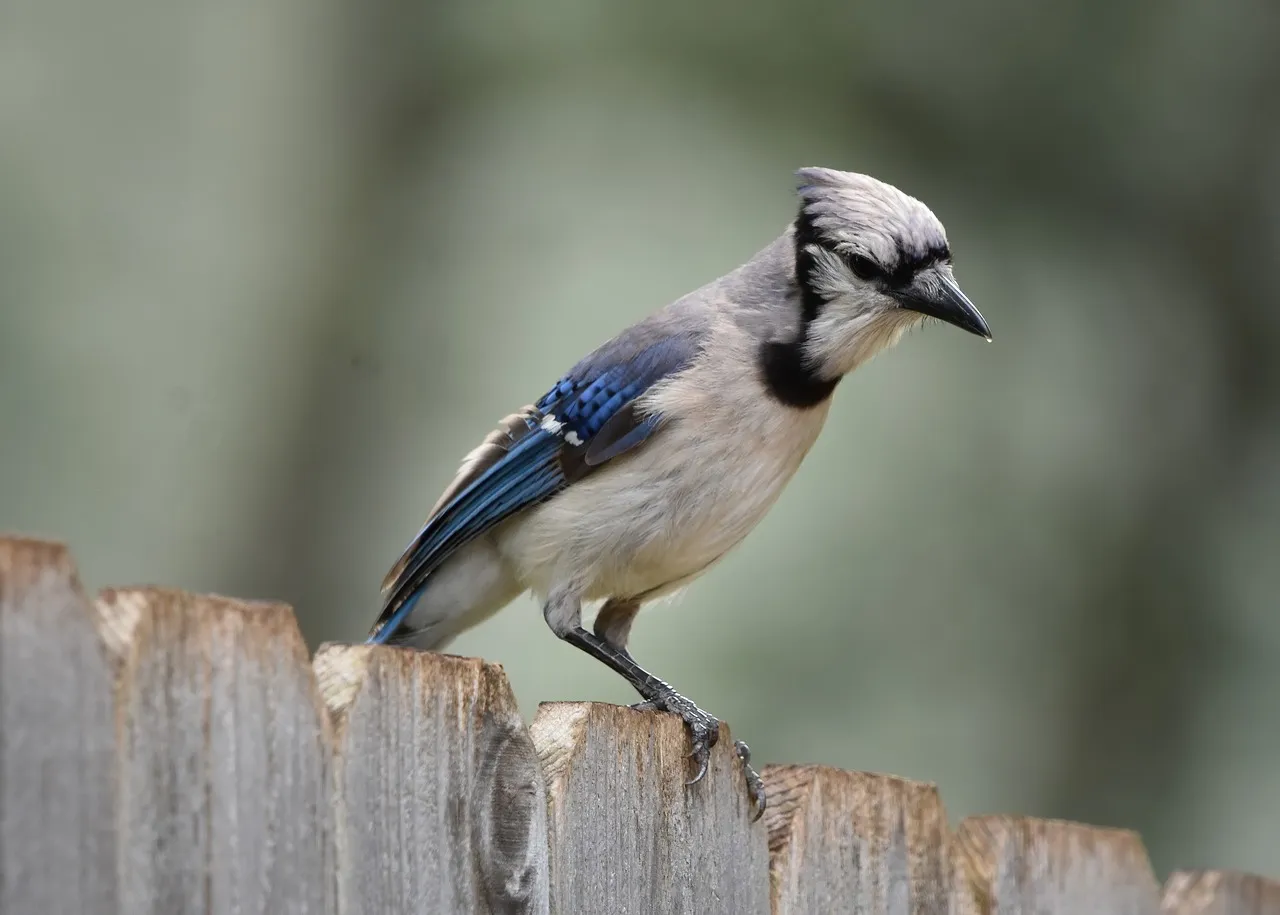
Long before jays ever raise an alarm, they spend a remarkable amount of time simply watching. Few birds seem to spend so much time silently looking as jays do, acting as alert sentinels much like a flock of quail posting a lookout for threats. A gathering of jays sitting motionless isn’t idle; it’s active reconnaissance.
A jay knows how to become passive and let nature disclose her secrets, and especially during nesting time, watchful waiting becomes the winning policy, with the bird posting itself in a conspicuous spot like a treetop or wire and simply looking and looking. This quiet vigilance often comes right before a loud, coordinated response, so silence in these moments is really the calm before a decision gets made.
Reading body language instead of words
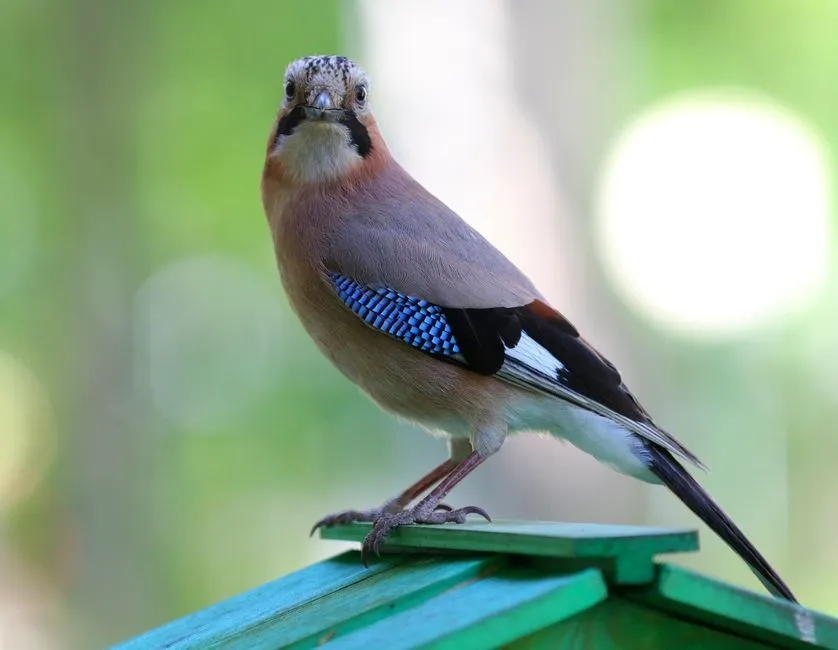
Jays don’t rely on sound alone to stay in sync with one another. A raised crest paired with jeer calls signals aggression or alarm, while a flattened crest combined with soft contact calls suggests relaxation and social bonding, with body language and sound working together as one unified signal system. When a group is quiet, watching their posture tells you far more than listening ever could.
During their vocalizations, blue jays display physical behaviors such as posing, quivering, and crest-raising and lowering, adding visual signals to their already complex communication. A relaxed, low crest among a silent group usually means the birds feel safe with each other, simply keeping company rather than broadcasting anything to the wider world.
Whisper songs and private family moments
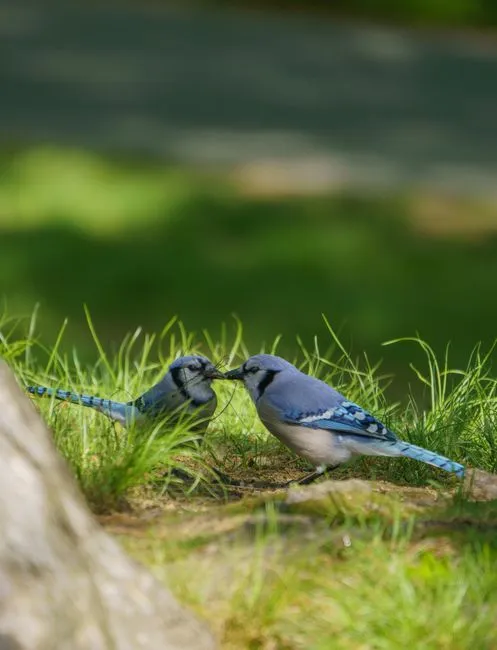
Not every jay sound is meant to travel far. The vocalization most often considered a song is the whisper song, a soft, quiet conglomeration of clicks, chucks, whirrs, whines, liquid notes, and elements of other calls, and a singing bout may last longer than two minutes. To a human standing nearby, this can sound like near total silence.
When making intrapair contact calls, blue jays produce low volume guttural clicking noises, emitted while paired jays are nest building, foraging, or interacting with another pair. A gathering that looks silent from a distance may actually be full of these hushed, intimate exchanges that simply don’t carry beyond a few feet.
Establishing the pecking order in winter flocks

Cold weather brings jays together in larger numbers, and with that comes a need to sort out who answers to whom. A winter flock of blue jays is likely to have a dominance hierarchy, or pecking order, that determines who gets first access to food. Sorting this out doesn’t always require noise.
Once social rank is established, conflict among individuals and the energy devoted to squabbling is reduced. A quiet cluster of jays at a feeder or perch may simply be a group that has already settled its hierarchy, coexisting calmly because the arguing has already been done.
Quiet foraging and the secrecy of food caching
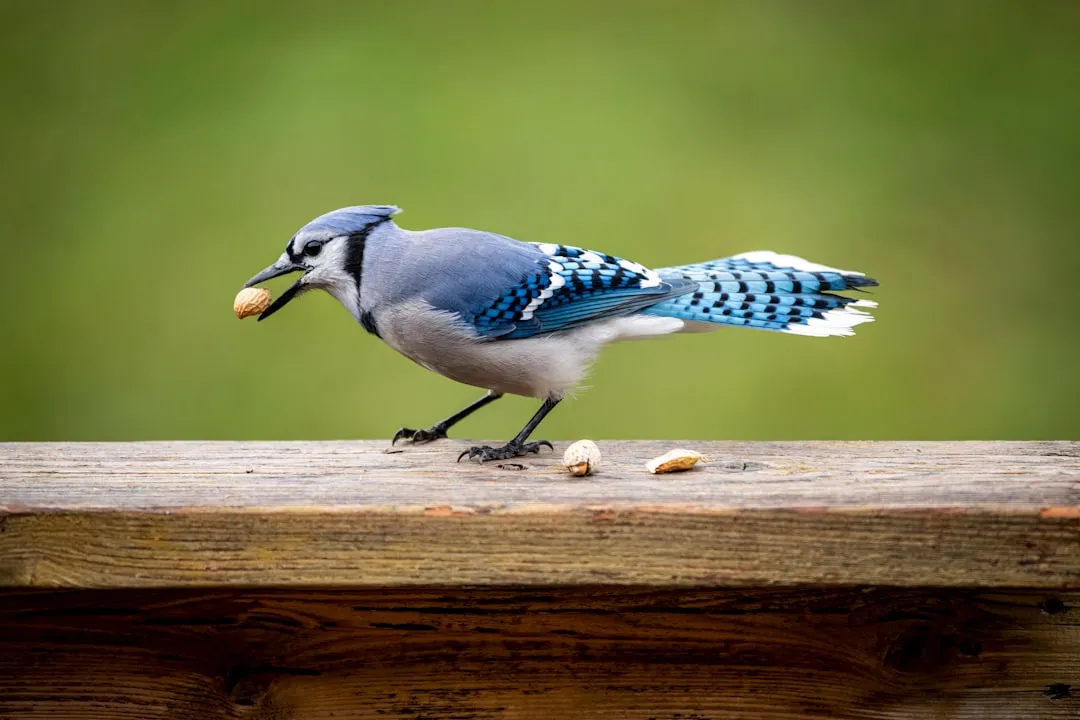
Blue jays are notorious hoarders, tucking away food for leaner months, and this habit rewards discretion. Blue jays are natural planners that bury acorns to store for winter, and many of those forgotten seeds eventually grow into oak trees, meaning the birds help forests grow without ever intending to. A silent gathering near a stash of food is often less about togetherness and more about not drawing attention to a valuable cache.
Their behavior at a novel or especially valuable food source can differ from their usual tolerance around more common foods. Staying quiet while caching or retrieving food keeps rivals, including other jays, from noticing exactly where the good stuff is buried.
Learning to trust: silence around familiar and unfamiliar faces
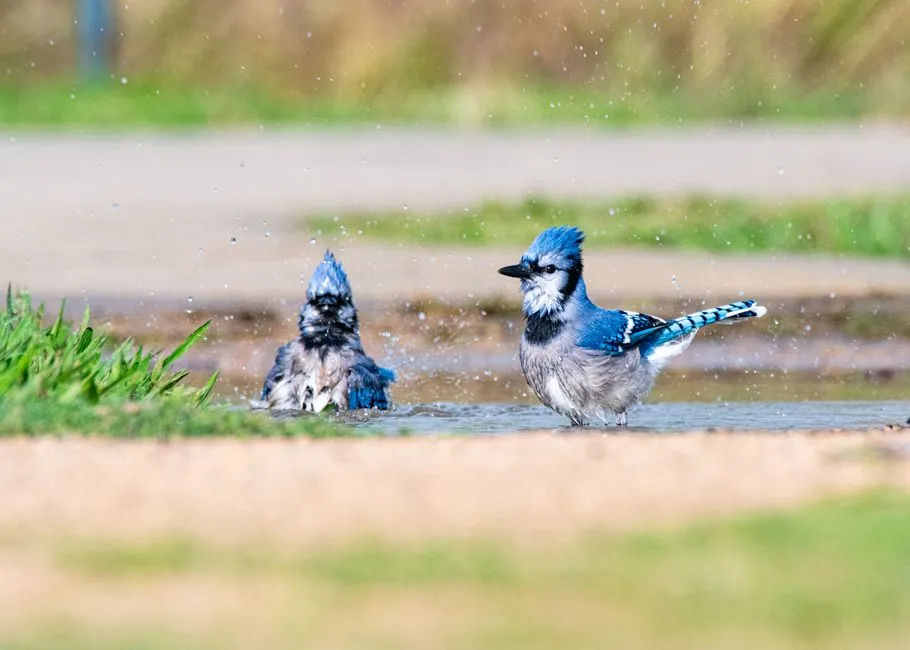
Jays are known for recognizing individual humans, and their vocal response often depends on who’s watching. A jay that has learned to expect food from one neighbor might greet that person with a series of rapid notes, while staying silent or moving away from strangers. A quiet gathering near a familiar face can actually reflect comfort rather than alarm.
Jays that receive consistent handouts tend to become bolder, sometimes following the same individual, while those with only neutral or negative experiences keep more distance and use louder warnings. In this light, silence isn’t avoidance so much as a sign the birds have decided there’s nothing worth announcing.
Final thoughts

- The Profound Impact Your Voice Has on Your Dog’s Emotional Well-being - August 4, 2026
- 12 Amazing Ways Dogs Sense Human Emotions Before We Do - August 4, 2026
- What It Means When Blue Jays Gather Without Making Any Calls - August 4, 2026