
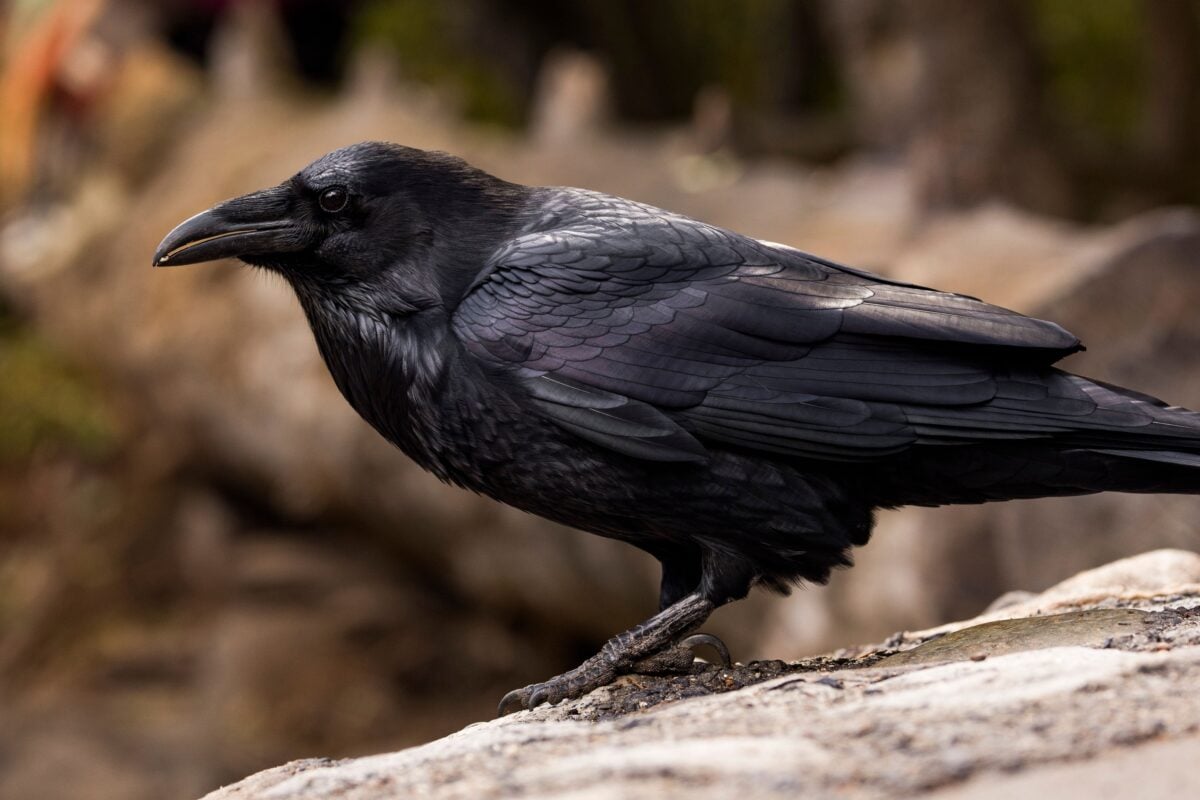
If the only raven you know is the gloomy bird from a certain famous poem, you’re missing the most fascinating part of its story. Across much of Indigenous North America, ravens were not symbols of doom hovering over graveyards, but powerful creators, tricksters, shape-shifters, and teachers.
In many Native traditions, the raven did not just witness the birth of the world – it helped make it happen. That completely flips the usual Western image of the bird on its head, and once you see the raven through that lens, you never really look at it the same way again.
The Surprising Shift: From Grim Omen To World-Maker
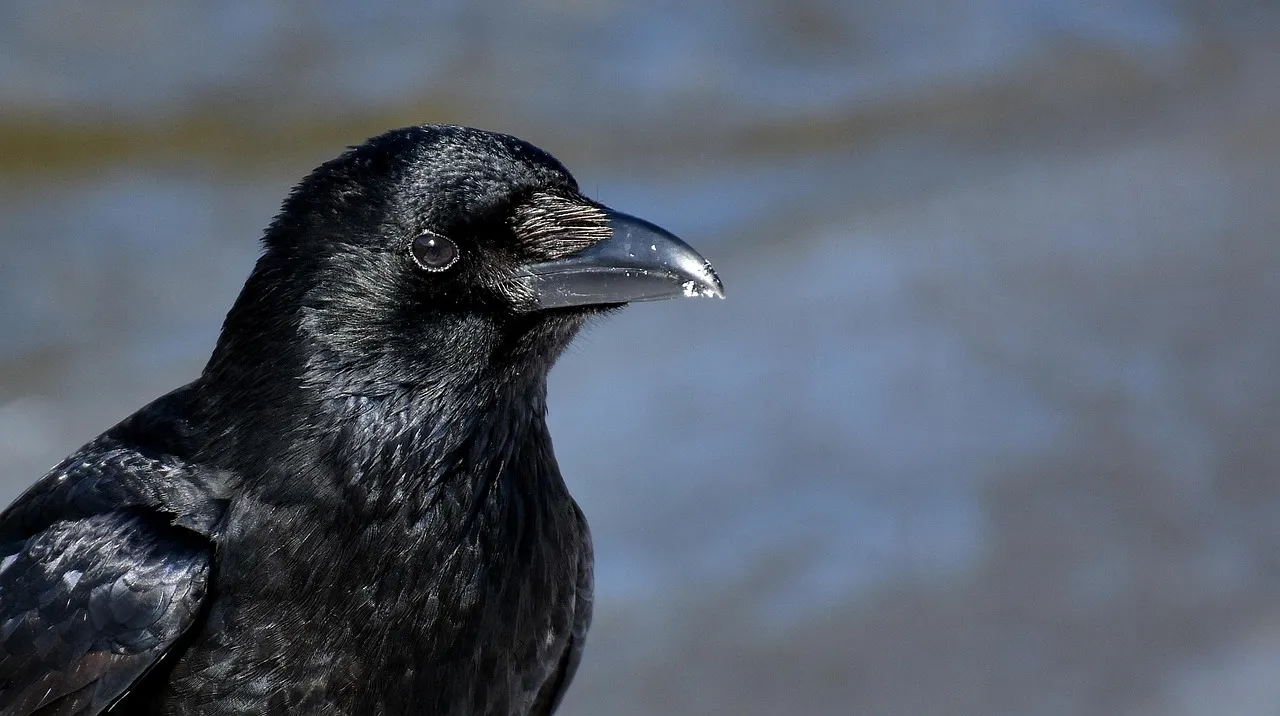
It can be genuinely shocking to realize that the bird so often cast as a sign of bad luck in horror movies is, in many Native American traditions, a bringer of light, life, and possibility. Instead of circling battlefields and graveyards, the raven shows up in sacred stories at the moment when the world is taking shape, curious and restless, poking at the edges of darkness.
In the popular imagination shaped by European folklore and later pop culture, ravens often carry a kind of built‑in dread. By contrast, in several Indigenous cultures of the Pacific Northwest and Arctic, raven appears at the very beginning of things, stealing the sun, freeing the stars, or pulling land from the depths of the sea. You go in expecting a villain and discover a creator, a trickster, and sometimes the closest thing to a cosmic engineer.
Raven As Creator And Shaper Of The World
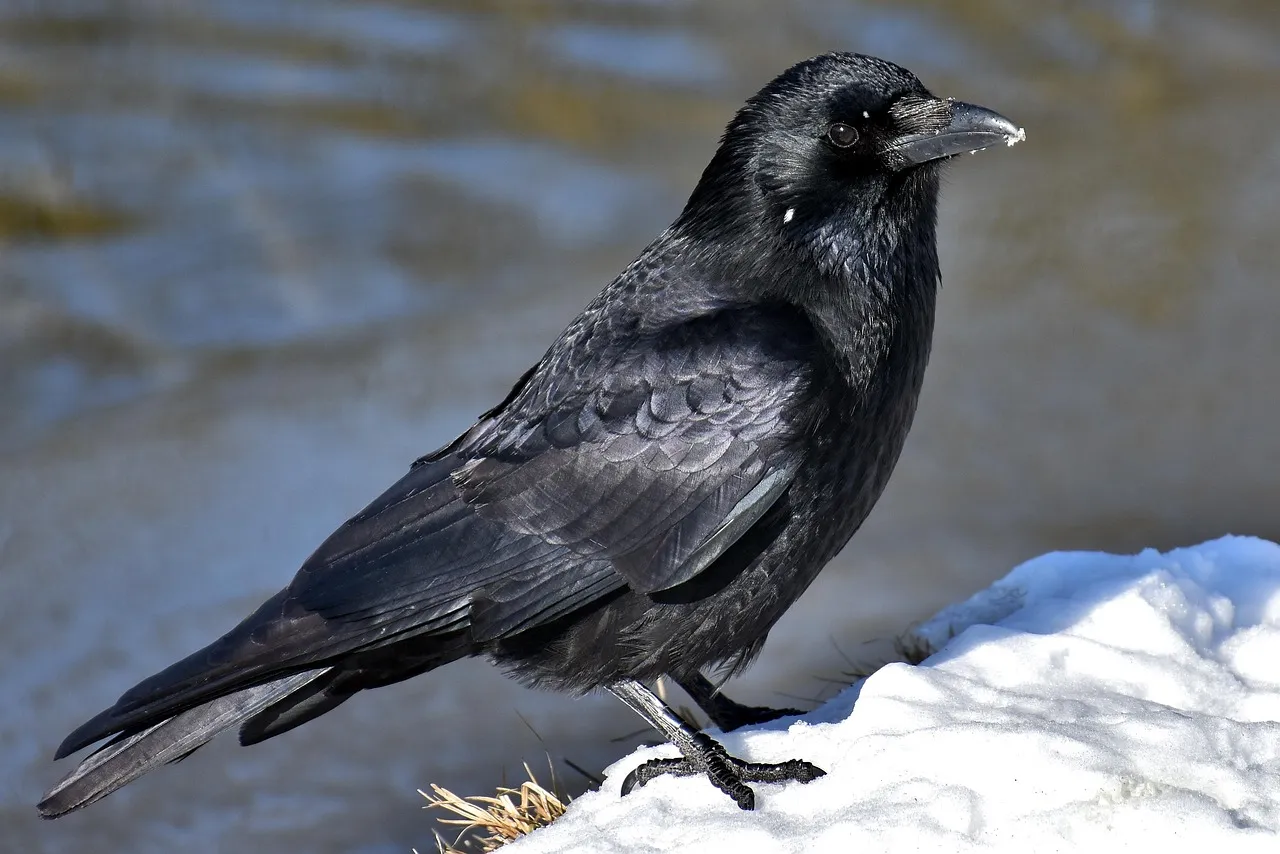
Among many peoples of the Northwest Coast, such as the Tlingit and Haida, raven is a central figure in creation stories, not a side character lurking in the shadows. Raven may arrive in a world of water and darkness and, through a mix of curiosity, mischief, and determination, help bring about the world as humans know it: land, light, fresh water, even the first people themselves in some tellings.
Raven does not create in the calm, orderly way of a distant architect; instead, it creates through action and experiment. One story might describe raven coaxing land from a seashell or a tiny speck of earth, while another shows raven opening a box to release the sun into the sky. These stories are not bland legends; they feel like dynamic, living dramas that explain why the world is both beautiful and a bit chaotic.
Not One Story, But Many: Cultural Diversity Behind “Raven”
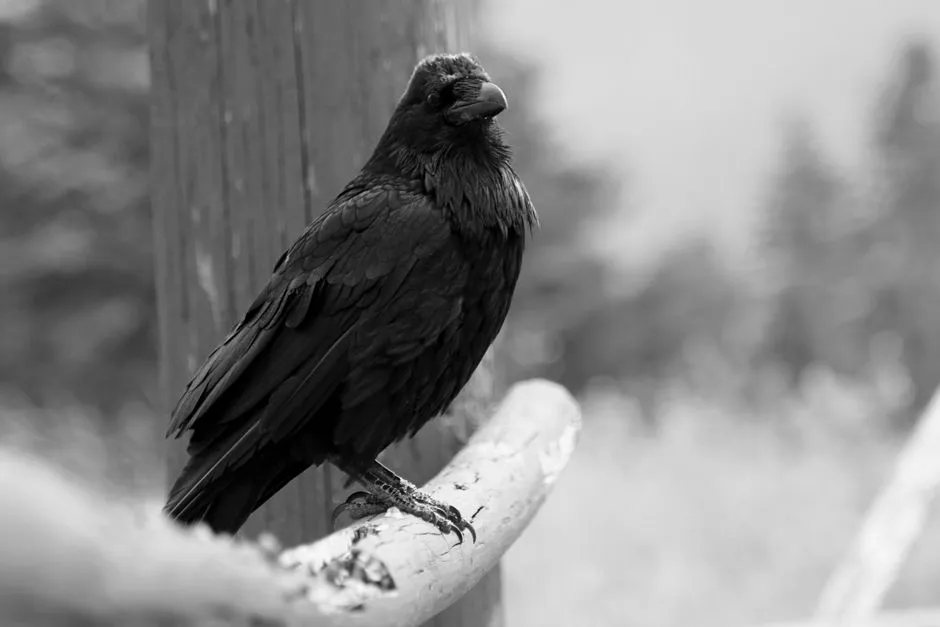
When we say “according to Native American tradition,” it can sound like there is a single unified belief system, but there are hundreds of distinct Indigenous nations, languages, and story cycles across North America. Ravens appear in the traditions of many of them, but they do not mean exactly the same thing everywhere. In some nations, raven is the main world‑creator; in others, raven shares the creative stage with other powerful beings like coyote or specific cultural heroes.
On the Northwest Coast and into Alaska, raven is especially prominent as a culture hero and creator figure. Among some Inuit groups, raven is associated with the creation of the world or of particular animals and features of the landscape. In parts of the Plains and Southwest, ravens and crows can be messengers or powerful birds connected with war, prophecy, or transformation. The recurring thread is that these birds are never just background scenery; they are active, intentional presences in the stories people tell about how the world came to be.
Why Western Culture Turned Raven Into A Bad Omen
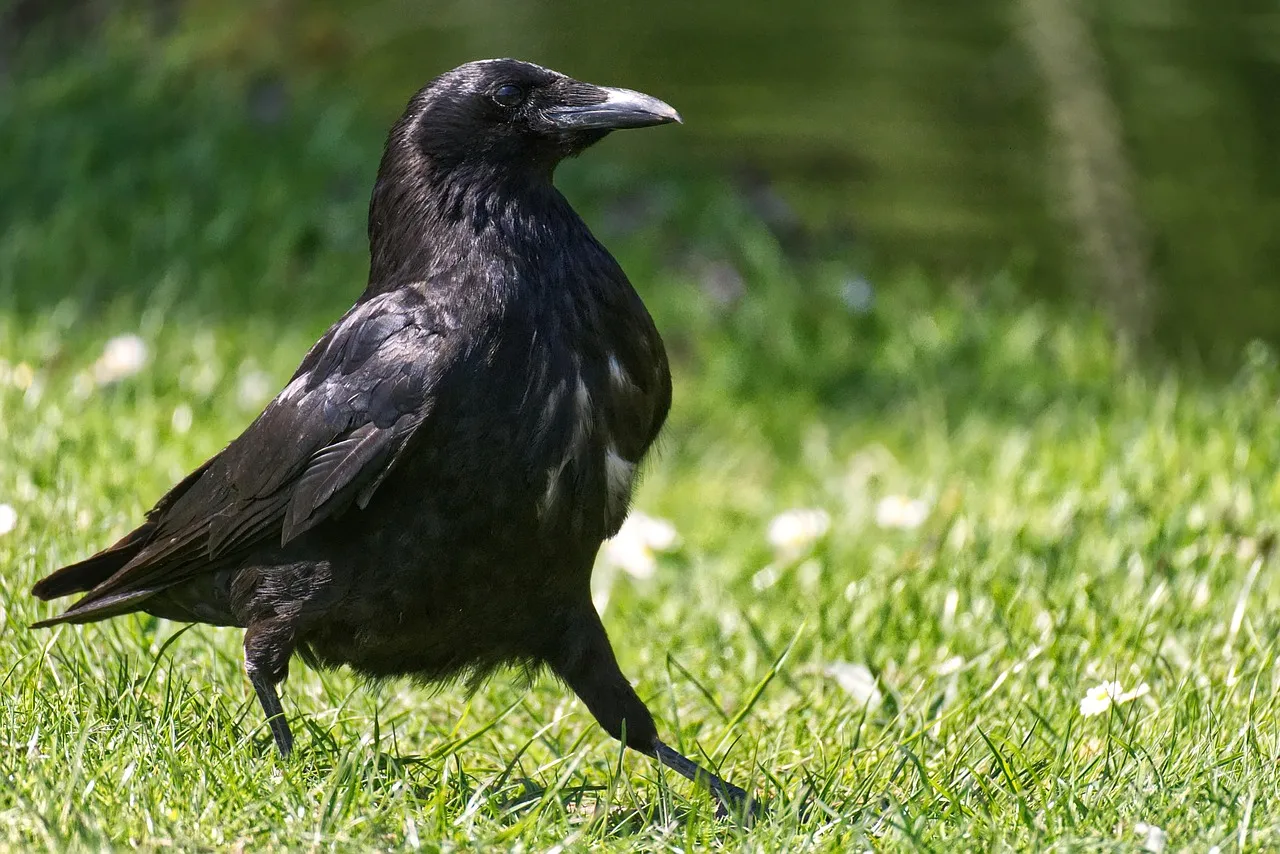
The clash between raven as creator and raven as an omen of death has a lot to do with which cultural lens you are looking through. European folklore, biblical imagery, and later Gothic literature leaned into the bird’s dark feathers, harsh call, and habit of scavenging around human violence to frame it as a symbol of loss, judgment, and the supernatural. Once those stories spread through art and literature, they shaped how many people automatically feel about ravens before they ever read a single Indigenous story.
That history matters, because colonization did not only seize land and resources; it also tried to overwrite existing ways of understanding animals, landscapes, and the cosmos. When Europeans arrived in North America, they brought their own symbolic baggage with them, and over generations that overshadowed – at least in mainstream culture – older Indigenous views that saw raven as a maker and a teacher rather than a simple harbinger of doom. Re‑centering Native traditions puts a crack in that inherited fear and lets a more complex bird step into view.
Raven The Trickster: Chaos With A Creative Purpose
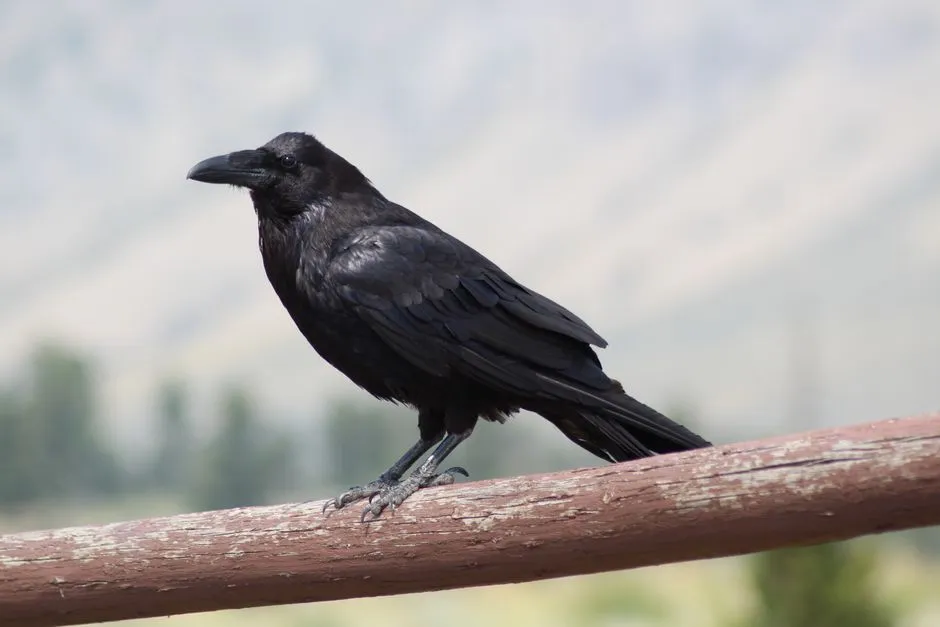
Even in the traditions where raven is a creator, it is rarely a tidy, well‑behaved one. Raven often fits into the broader Native figure of the trickster, a being who bends rules, makes mistakes, and sometimes acts out of selfish motives, but still ends up bringing essential gifts to humanity. That might sound contradictory, but it reflects a deep understanding that creativity and chaos are often tangled together.
Raven may trick a powerful chief into giving up the sun or steal fire from another being who hoards it, suffering burns or changes in appearance as a result. These stories do not present raven as morally perfect; instead, raven’s flaws and impulsiveness are exactly what allow big changes to happen. It is a lot like how real‑world breakthroughs can grow out of stubbornness, curiosity, and a willingness to break the old pattern, even at some cost.
Symbol Of Intelligence, Adaptation, And Moral Ambiguity
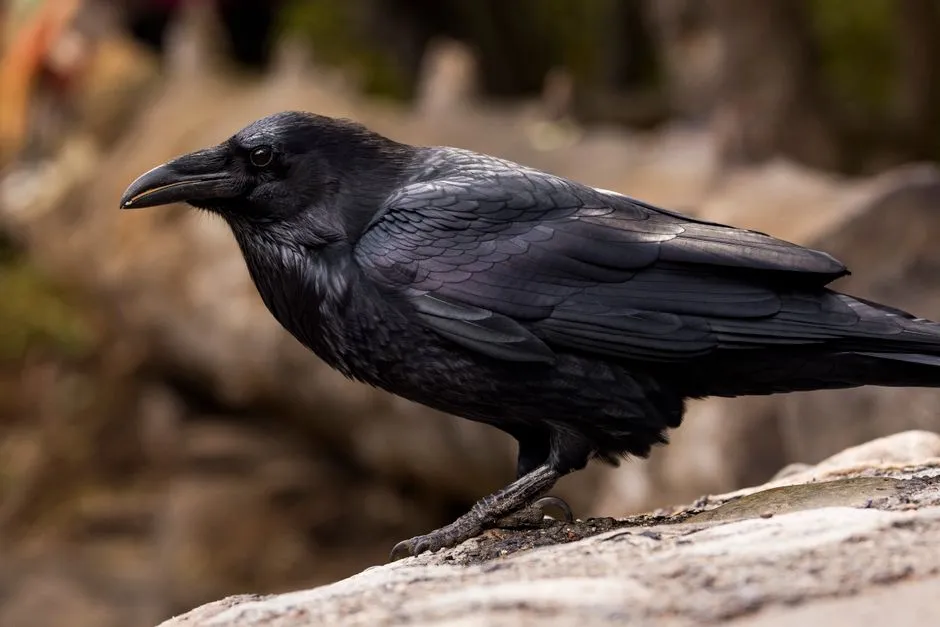
Modern science has caught up with something traditional storytellers have been saying in their own way for a long time: ravens are extremely intelligent. Studies have shown that ravens can solve complex problems, use tools in flexible ways, and remember specific people over long periods of time. In a way, the old stories that portray raven as a schemer, planner, and world‑shaper line up well with what biologists now observe in the field and the lab.
But the stories go beyond intelligence; they lean into moral ambiguity. Raven can be greedy and generous, foolish and wise, destructive and creative, often in the same tale. That makes raven feel oddly human, and it turns the bird into a kind of mirror for our own choices. Instead of a simple sign of death, raven becomes a symbol of how messy and powerful it is to act in the world, to want things, to make mistakes, and still sometimes bring something new and good into being.
Ravens, Place, And Relationship To The Land
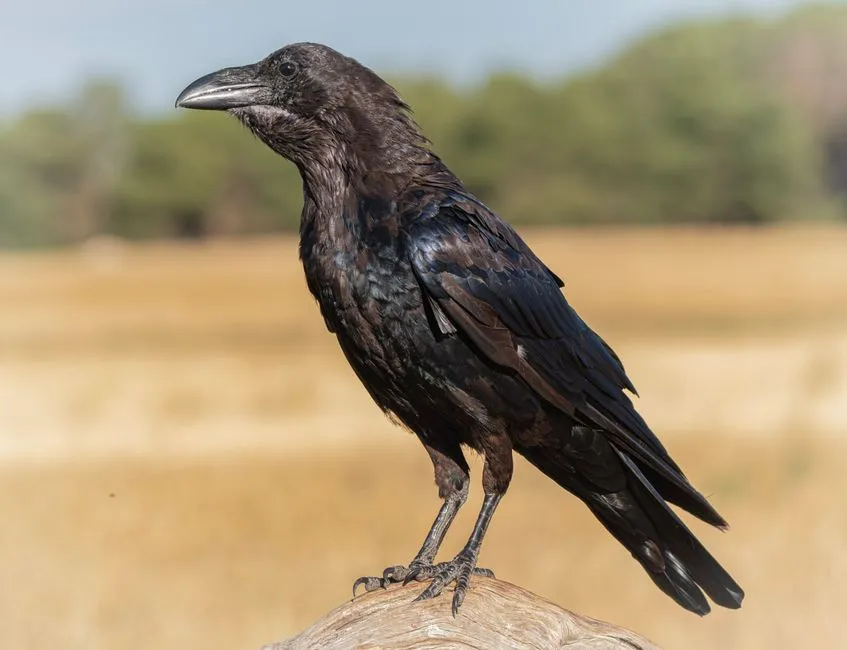
In many Indigenous worldviews, you cannot really separate a being’s meaning from the land it inhabits. On the storm‑lashed coasts and dense forests of the Pacific Northwest, ravens are constant companions to everyday life: calling from the treetops, following fishing boats, raiding camps, and watching with that uncanny sideways stare. It makes sense that a bird so visibly present and clever became woven into stories about how mountains, rivers, and seas came to be.
Raven stories are not just ancient myths filed away in the past; they continue to be part of how many Native communities think and talk about environmental change, respect for animals, and responsibility to future generations. When a raven shows up on a carving, a mask, a totem pole, or modern artwork, it is not just decorative. It signals ties to a living landscape and an ongoing relationship between human communities, their histories, and the more‑than‑human beings that share their worlds.
Seeing The Raven Anew: What These Stories Ask Of Us
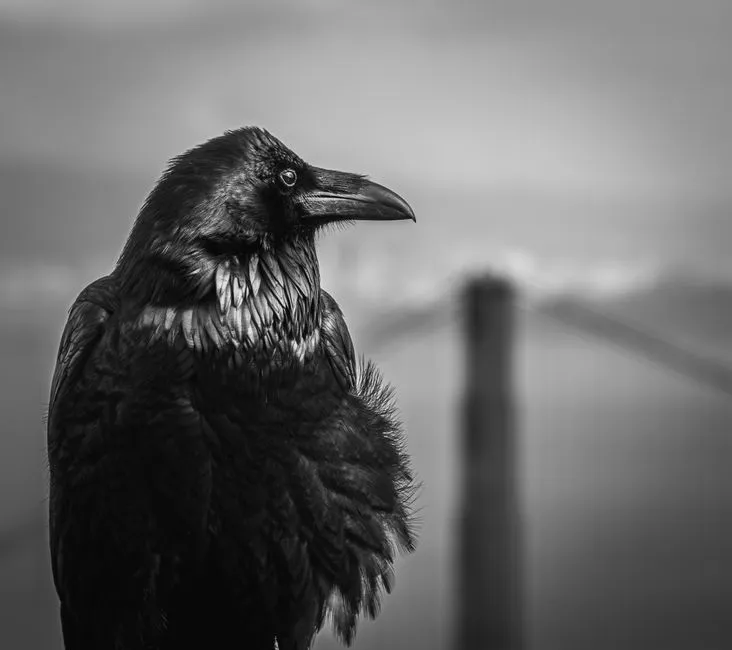
Once you know that in many Native American traditions ravens helped build the world rather than haunt its end, it is hard to look at a black bird on a telephone wire the same way again. You start to wonder what other animals have had their meanings flattened or flipped by whichever culture happened to end up writing the textbooks and making the movies. For me, that realization feels a bit like having the lights turned on in a room I thought I already knew.
Re‑centering Indigenous ways of understanding ravens is not just about getting the symbolism “right”; it is about accepting that there are many different, equally serious ways of seeing the world and our place in it. Personally, I find the creator‑trickster raven far more interesting and honest than the one‑note omen of death, because it admits that change is messy and that even flawed beings can bring light and land into being. The next time you hear that rough croak overhead, will you think of doom, or of a restless world‑maker still at work?

- According to Native American Tradition, Ravens Were World-Creators Rather Than Omens of Death - August 5, 2026
- According to Native American Tradition, Eagles Were Divine Messengers Rather Than Just Birds of Prey - August 5, 2026
- 10 Discoveries Found Accidentally While Researchers Were Looking for Something Else - August 5, 2026