
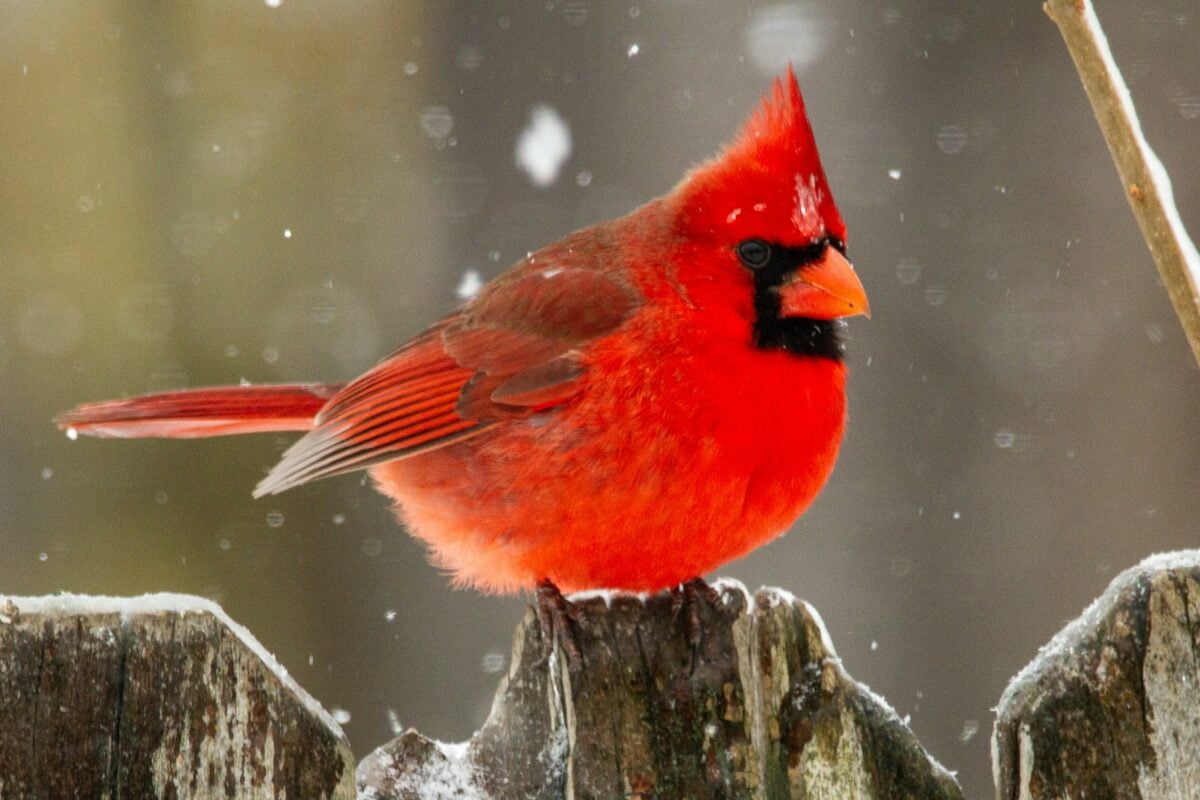
Most people today see a bright-red cardinal on snow and think “cute winter bird,” or maybe “that’s a sign from Grandma.” It gets a smile, a phone picture, and nothing more.
But in the old mountain hollers of Appalachia, that flash of red against white wasn’t decoration at all. It was treated like a breaking-news alert from the spirit world – a warning, a blessing, or sometimes a flat-out message about the weather, the dead, or the living. Social media has softened almost all of that down to a greeting-card sentiment. Here’s what the old stories actually said, before anyone put them on a throw pillow.
#1 – The Red Bird That Broke the Winter Silence
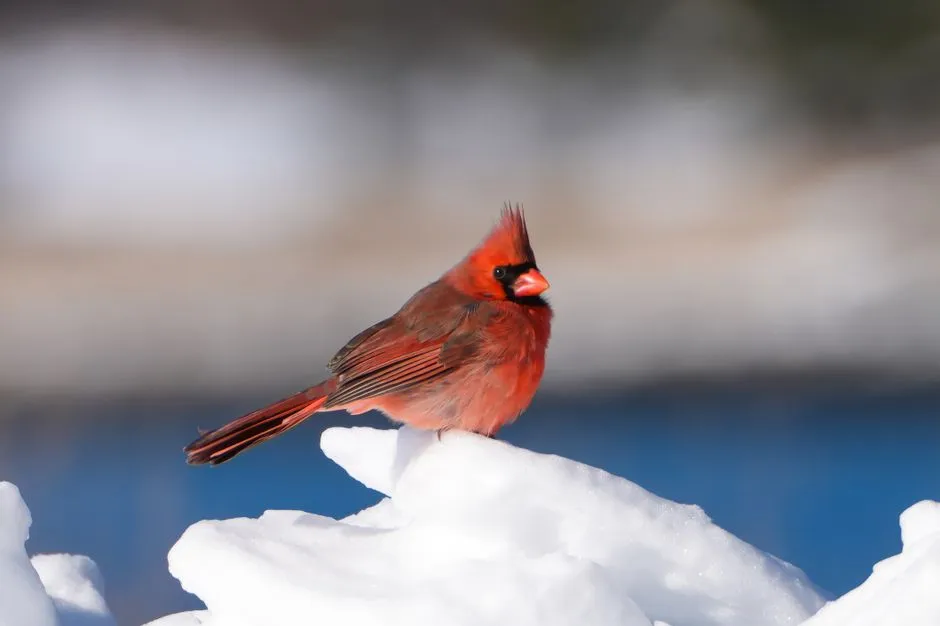
In old mountain communities, winter wasn’t cozy. It was quiet in a way that felt dangerous – food was low, roads turned to mud or ice, and nights stretched on forever. When a cardinal showed up against the snow, it snapped that silence like a shout, and people noticed.
Elders in some hollers called them “snow-talkers” or “winter redbirds,” believing they carried hints about what the season still had planned. The logic wasn’t complicated. Everything else looked dead or asleep, but the cardinal was loud, bright, and moving – that alone made it feel like a messenger.
Fast Facts
- The northern cardinal is not actually a migratory bird, and it does not have a separate breeding range and wintering range that it travels between seasonally.
- Cardinals spend their entire lives within roughly a mile of where they hatched.
- Males show off vibrant red plumage, while females wear a duller reddish-olive color.
- The northern cardinal is the official state bird of seven states, more than any other species.
If the bird showed up at odd hours, perched too close for comfort, or kept coming back to the same spot in the yard, nobody shrugged it off as chance. Someone in the house would say it plainly: something’s trying to tell us something.
#2 – Signs from the Dead on Snowy Mornings
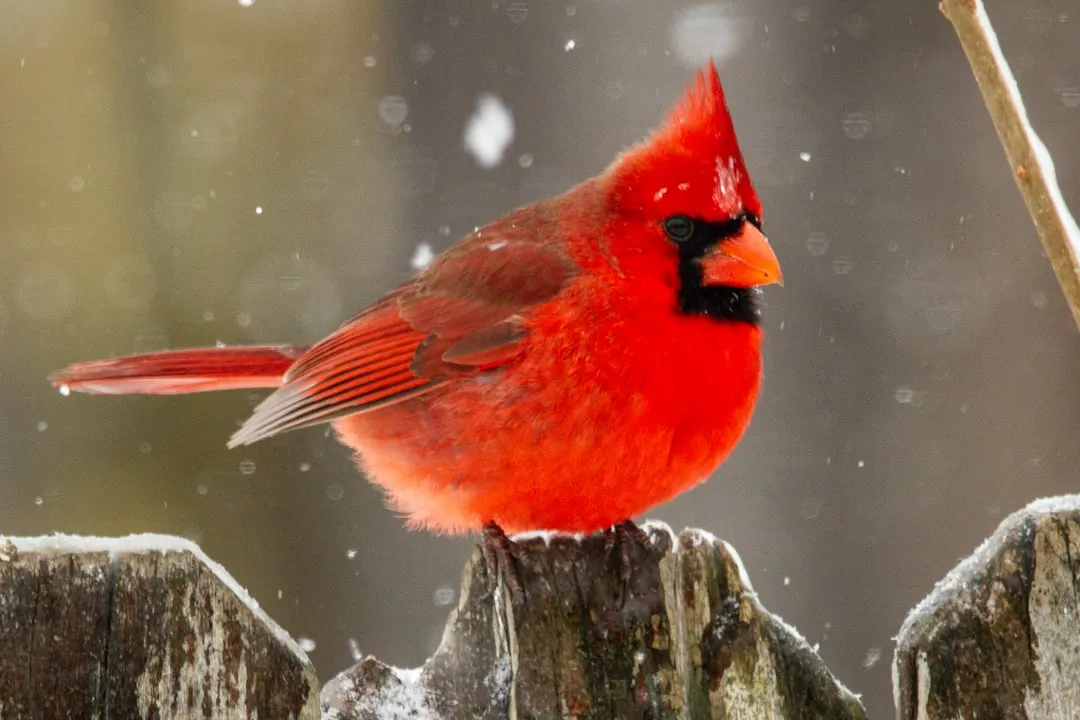
Ask around older Appalachian families and you’ll hear some version of this line: “When a cardinal appears, an angel is near.” That’s the cleaned-up, modern version of a much rougher folk belief – that cardinals in winter were sometimes the restless dead, checking in on the living.
Not in a horror-movie way. More like a message delivered, quietly, through the glass.
If one landed on a porch rail and stared inside, families didn’t just move along with their day. Many mapped specific cardinals to specific relatives – “that’s Daddy, come to see about us.” A visit right after a funeral, or during a hard stretch of sickness or worry, felt like confirmation: you’re seen, you’re not alone, keep going.
Skeptics call it superstition. Believers call it proof. Either way, the thread tying redbirds to the dead runs deep and old in these mountains.
#3 – Weather Warnings Hidden in Red Feathers
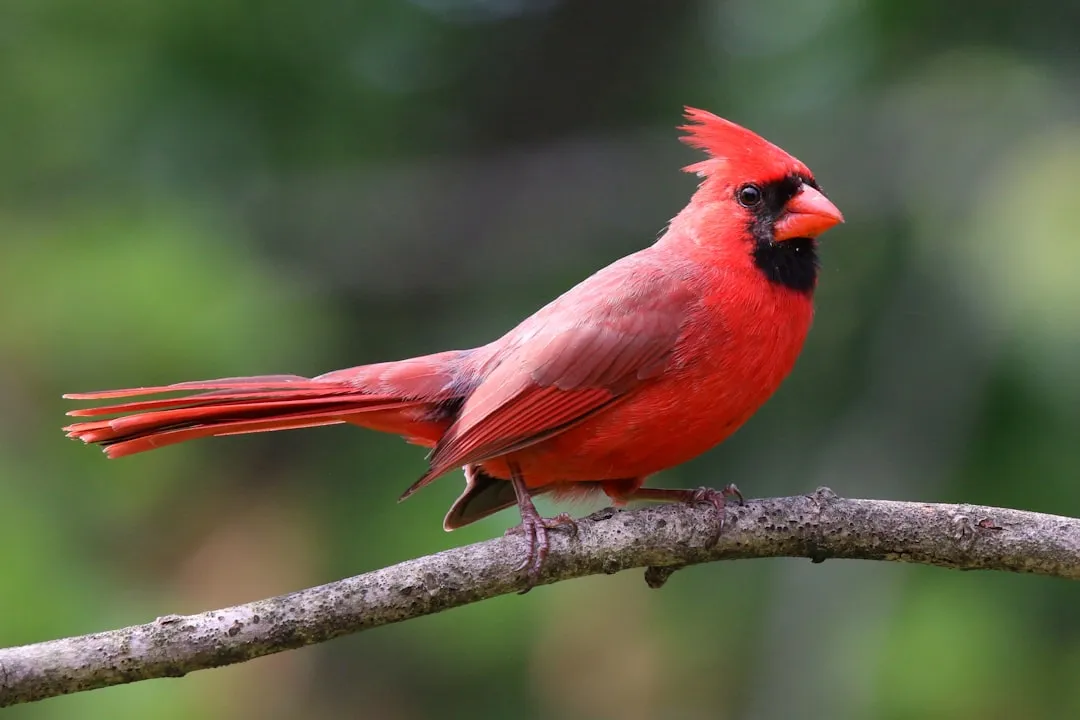
Folklore usually grows out of long, patient observation, not random guessing. In Appalachia, people noticed that cardinals changed their behavior right before harsh weather hit – feeding more frantically, staying closer to homes, singing at odd hours. Folks turned that into a kind of homemade forecast.
You’ll still hear older residents say it plainly: “Redbird’s fattenin’ up – snow’s not done with us yet.” A sudden burst of cardinal activity was often read as another cold snap on the way, or proof that a warm stretch was really just a “false spring” in disguise.
Others read it differently. A cardinal that held its ground through brutal wind or ice wasn’t a warning at all – it was a reminder. Winter’s not over, but neither are you.
Science would chalk all of this up to ordinary survival behavior. But mountain people didn’t have Doppler radar. What they had was careful watching, and folklore turned that watching into a system nobody could buy at a store.
#4 – Love, Loyalty, and the “Mate for Life” Myth
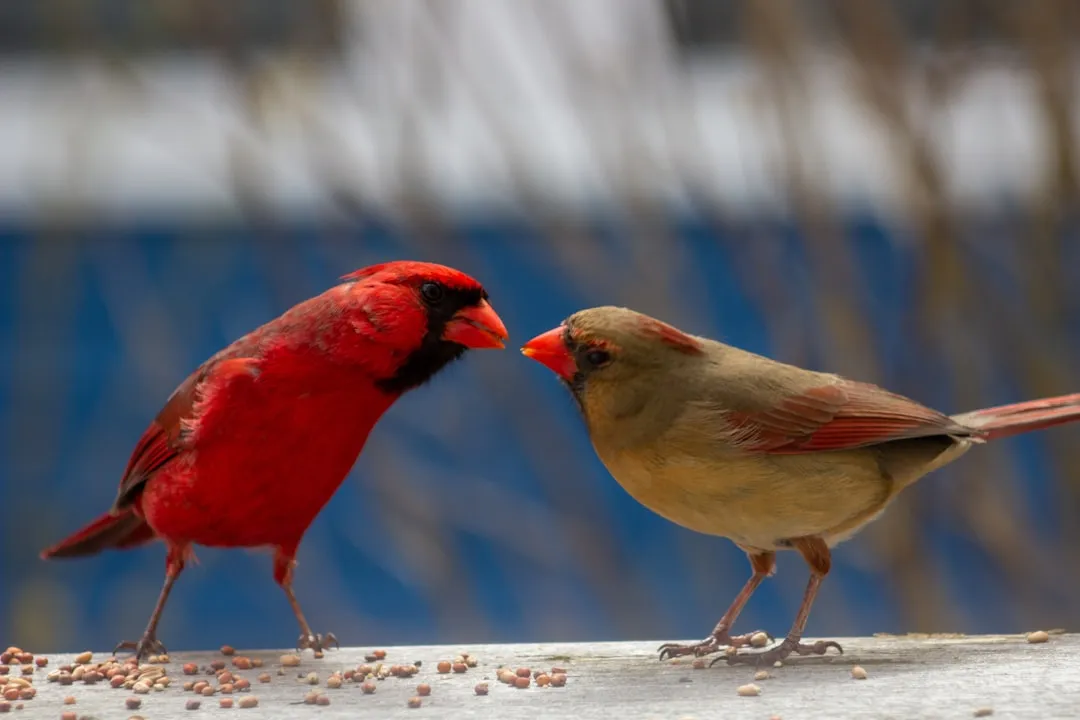
Cardinals show up on greeting cards and tattoos as a symbol of eternal love, and Appalachia helped build that reputation. Locals noticed the birds traveling in pairs, holding the same territory year after year. That observation hardened into the saying that cardinals “mate for life” – not perfectly true in a lab sense, but true often enough from a cabin window that it felt like fact.
In winter, when almost every other creature disappeared from sight, a pair of cardinals sticking around a homestead looked almost defiant. Couples struggling through hard winters – money trouble, grief, plain exhaustion – took real comfort in watching those two small birds tough it out together.
Worth Knowing
- Birds that don’t migrate, like cardinals, are more likely to mate for life than birds that fly south each year.
- During courtship, cardinal pairs go beak-to-beak as the male feeds the female.
- Some pairs stay together for several years or even as long as they both live, with a cardinal’s average lifespan running three to five years.
- If one member of a cardinal pair dies, the survivor will quickly look for a new mate.
Some grandmothers said it outright to their granddaughters: “If you see a redbird in the dead of winter, your love won’t freeze, neither.” Romanticized? Absolutely. But it made brutal seasons feel like something a person could actually survive.
#5 – Omens of Death, or a Warning to Pay Attention
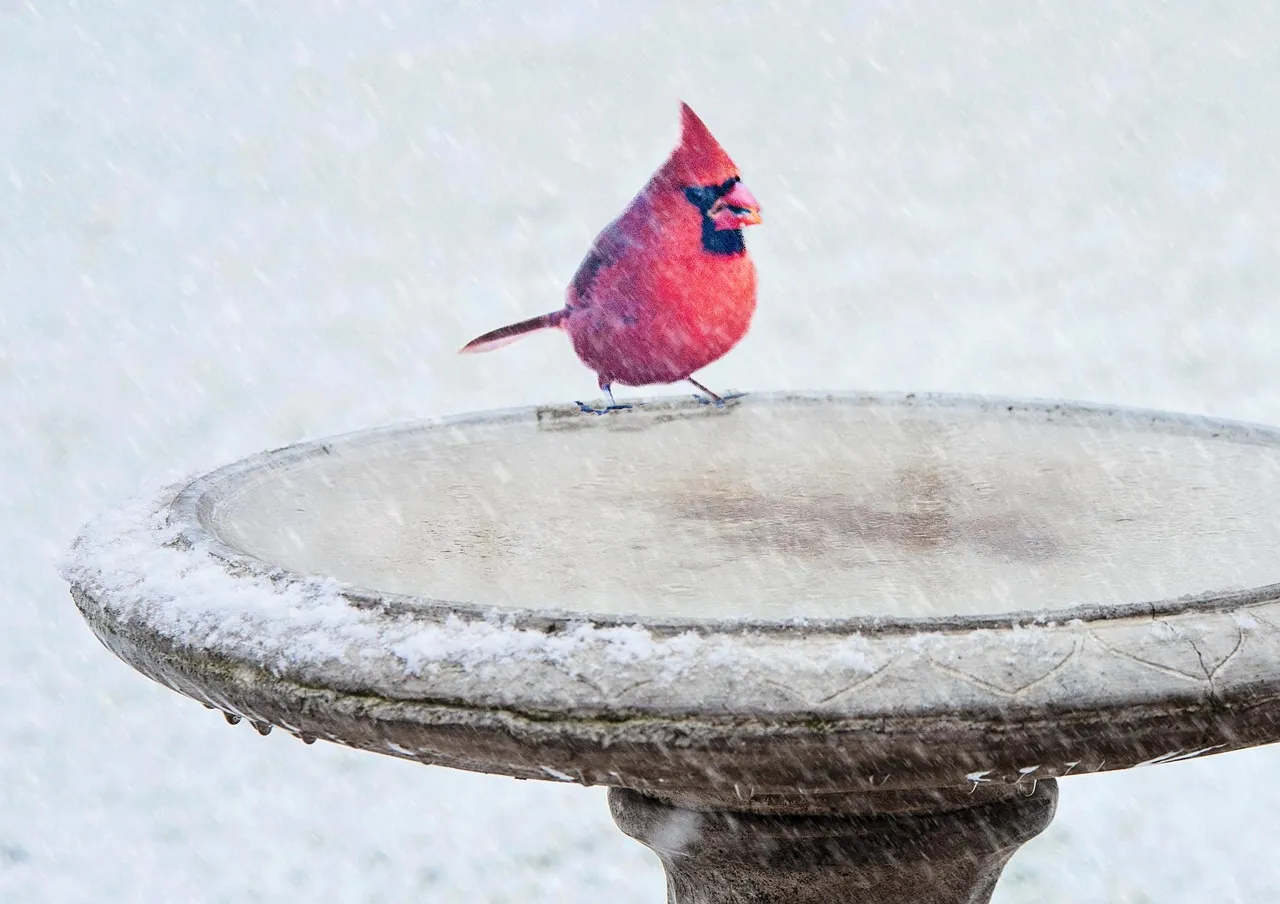
Here’s where the folklore stops being soft. In some Appalachian stories, a cardinal in winter wasn’t a hug from heaven at all – it was a hard warning. If the bird repeatedly struck a window, hovered near a sick person’s room, or circled the same house day after day, people got nervous. Not “aw, cute bird” nervous. “Something’s about to happen” nervous.
Some families told their kids plainly: a frantic redbird at the glass meant death might be close, or at least serious trouble on the way. Was that partly because winter already had everyone on edge, watching for any sign of danger? Probably. When survival is fragile, nobody ignores a pattern.
So a bird’s beak tapping the window became a symbolic knock from fate itself. Most people today call it coincidence. But talk to enough old-timers, and you’ll hear the same story more than once – a cardinal visit that landed right before a funeral, a fire, or a bad accident.
#6 – Sacred, Protected, and Never to Be Killed
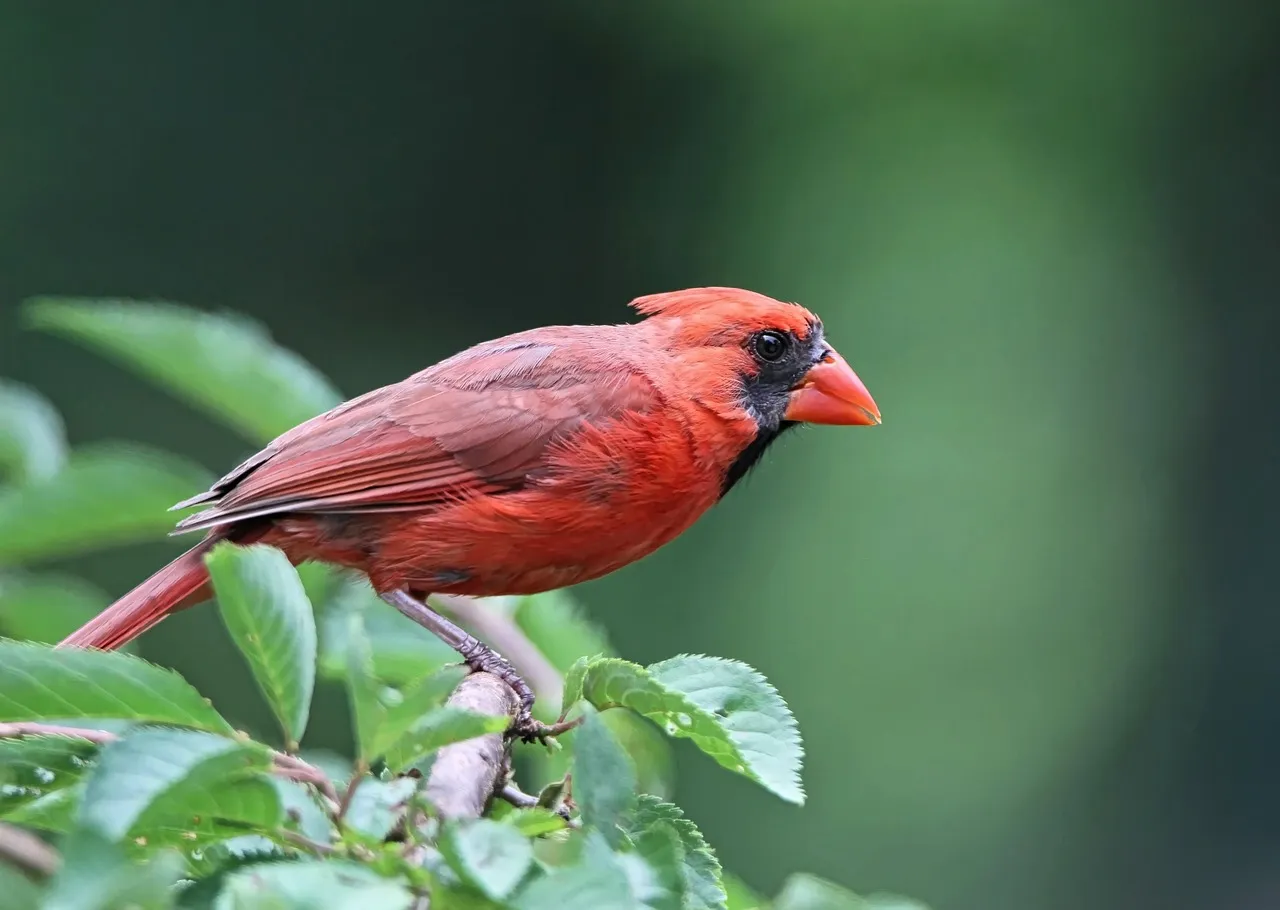
One belief stayed consistent across almost every corner of Appalachia: you do not shoot, trap, or harm a cardinal, especially in winter. Hunters who’d gladly take down turkey, squirrel, or anything else in season treated cardinals with something close to religious caution. A redbird on a branch was hands-off, like a preacher in the pulpit.
The reasons stacked up depending on who you asked. Some said killing a cardinal would “shut heaven’s mouth” and cut off your messages for good. Others believed it invited three winters’ worth of bad luck, or that you’d lose someone you loved before the snow melted.
Why It Stands Out
- Even though the cardinal isn’t a true migratory species, the law has been interpreted to protect any bird that naturally occurs in the United States, migratory or not.
- It’s illegal to possess a cardinal in the US and Canada, unlike some parts of Europe where cardinals are kept in birdhouses.
- Before 1918, it was legal to trap, sell, and keep cardinals as cage birds, until the law ended that trade and let the species expand.
- The cardinal’s global population would need to drop by at least 30% over the next decade to even be considered for endangered status.
Even people who didn’t buy a single ghost story still passed this rule down without question: leave the redbirds alone. Interestingly, modern bird protections and old mountain superstition ended up agreeing on the same conclusion, from two completely different directions.
#7 – From Frontier Folklore to Viral “Signs” Online
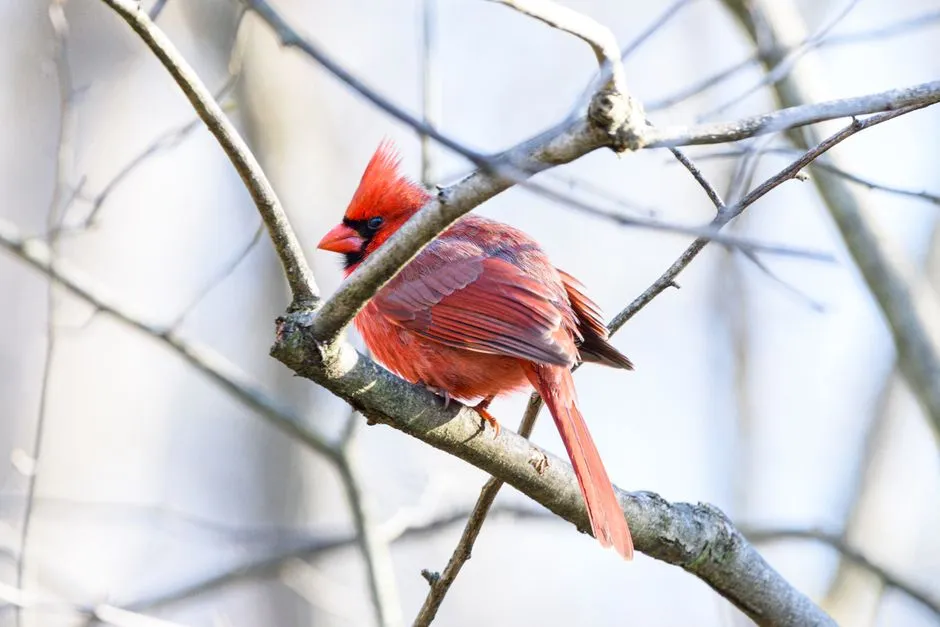
Here’s the twist most people miss entirely. That trendy quote plastered across pillows and Facebook graphics – “Cardinals appear when angels are near” – is basically Appalachian and broader American folk belief, repackaged for Instagram.
The cozy, inspirational cardinal trend didn’t appear out of nowhere. It grew straight out of harsher, older stories told in cabins and coal towns, where the message was rarely pure comfort.
The originals were blunter. Cardinals were messengers, yes, but sometimes of grief, sometimes of danger, sometimes of stubborn hope in a season that could kill you. Social media has sanded off every rough edge and left behind pure sentiment.
That’s not entirely a bad thing, but it’s incomplete. When you see that splash of red against snow today, remember what it once meant: survival, warning, reverence – not just “Grandma saying hi.”
The Bottom Line
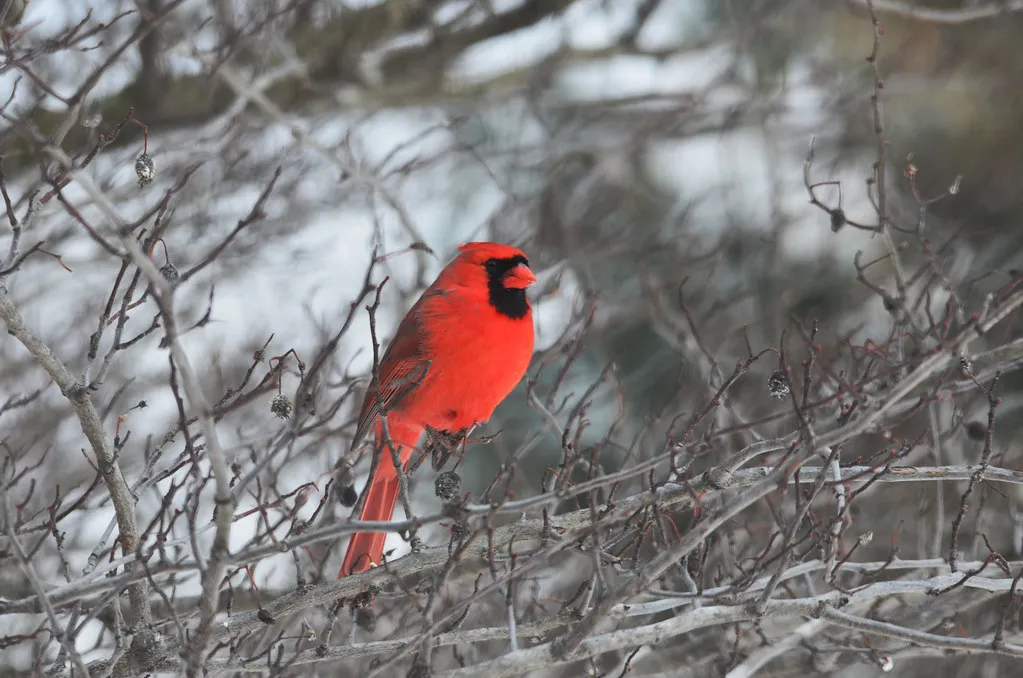
Cardinals in Appalachian folklore were never just “pretty winter birds.” They were active participants in the story of the season – bringing comfort from the dead, signaling dangerous weather, hinting at love that could outlast a hard freeze, and sometimes warning that death itself was circling.
Modern culture cherry-picked the sweetest parts and turned cardinals into feel-good signs from heaven. That strips away the harder truths that made the original beliefs powerful in the first place.
If you ask me, the old mountain view is the more honest one. Winter is risky, life is fragile, and sometimes nature genuinely feels like it’s trying to say something. Whether you see a messenger, an omen, or “just a bird” probably says more about you than it does about the cardinal.
So next time that flash of red cuts through the snow outside your window – what do you think it’s really telling you?

- According to Appalachian Folklore, Cardinals Were Seen as Winter Messengers - August 6, 2026
- 6 Ways Bison In Yellowstone Signal That You Are Standing Too Close - August 6, 2026
- The Wild Animal Each Zodiac Sign Would Become Under Pressure - August 5, 2026