
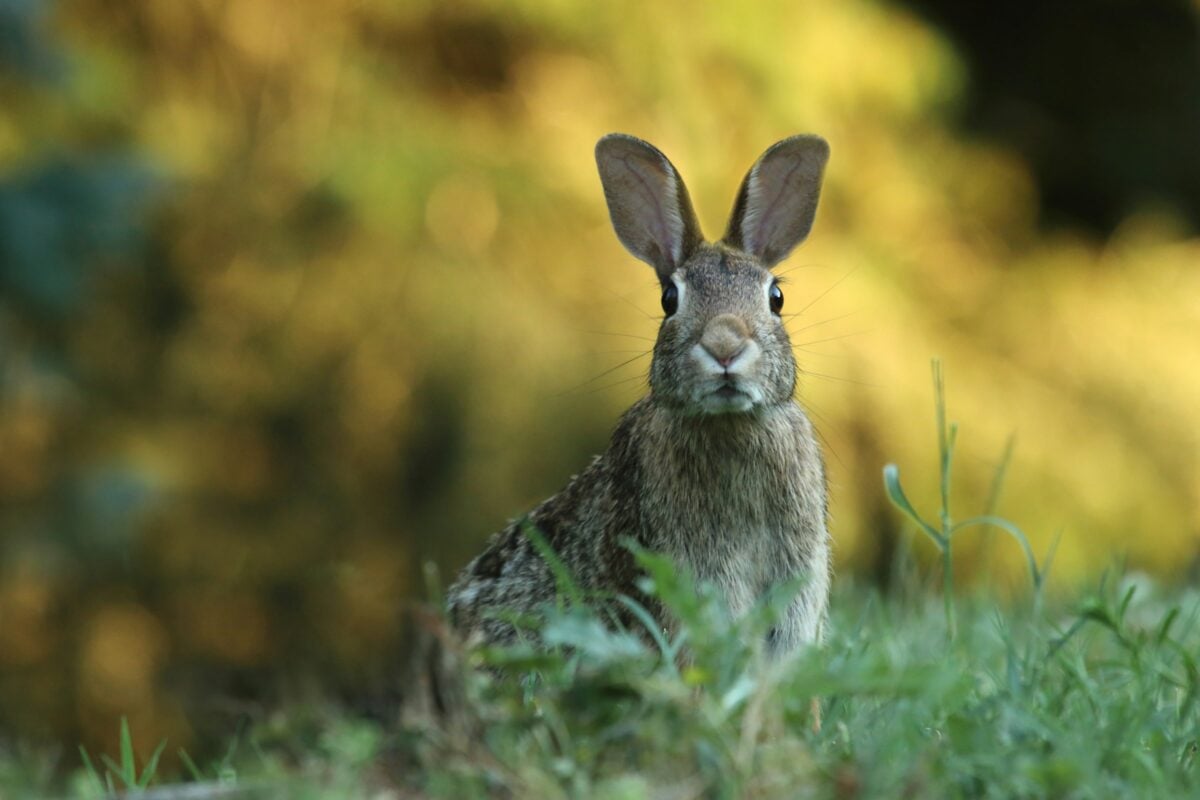
#1 Install a Low Fence With an Underground Lip
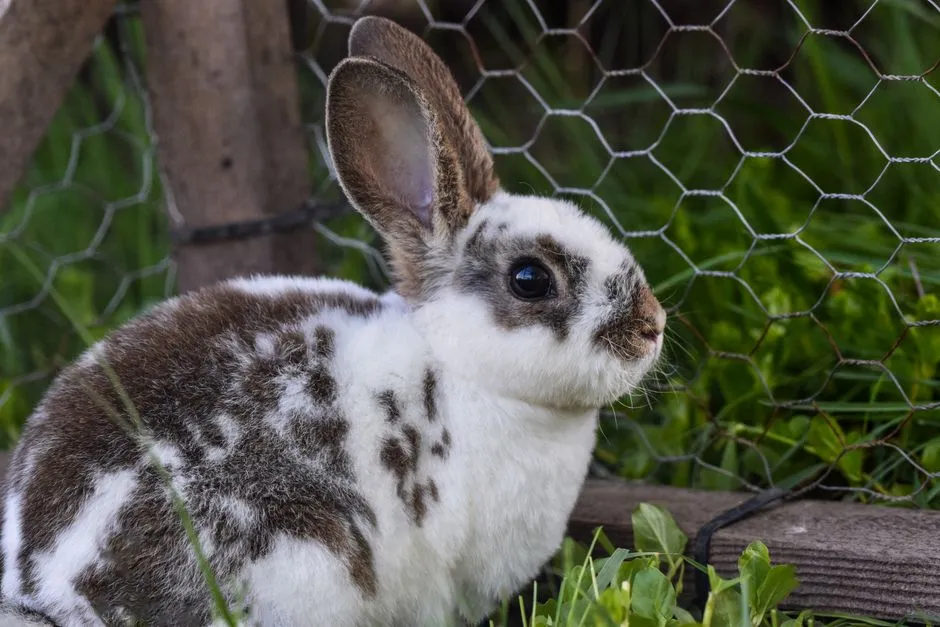
Fencing remains the single most reliable method because it removes the guesswork entirely. Rabbits are not great jumpers compared to deer, so a fence around two to three feet tall is usually enough to stop them, provided there are no gaps at ground level. Chicken wire or hardware cloth with openings no larger than one inch works well, since rabbits can squeeze through surprisingly small spaces if the mesh is too wide.
The part gardeners often skip is burying the bottom few inches of the fence, and that’s usually where the whole plan falls apart. Rabbits are diggers, and a fence that simply sits on top of the soil gives them an easy way underneath. Bending the bottom section outward into an L shape before burying it makes digging under the fence far less rewarding, since the rabbit hits mesh instead of open ground.
#2 Use Motion Activated Sprinklers
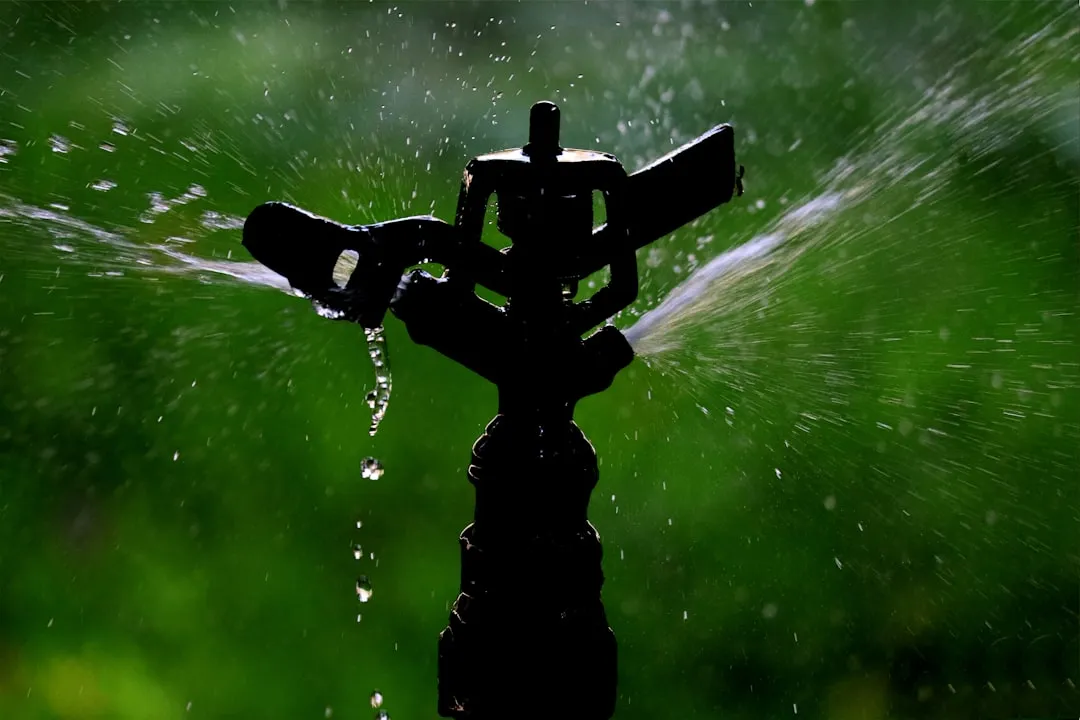
Rabbits rely heavily on caution to survive, and sudden bursts of water tend to override their curiosity almost instantly. Motion activated sprinklers detect movement and release a short, startling spray, which is usually enough to send a rabbit bolting for cover. Over repeated encounters, many rabbits begin avoiding the area entirely rather than risk another surprise.
This method has the added benefit of working on other visitors too, including squirrels, raccoons, and neighborhood cats. Placement matters quite a bit, since the sensor needs a clear line of sight to the bed without being triggered constantly by wind blown plants. Gardeners in drier climates sometimes worry about water waste, though most units use only a quick burst per trigger rather than continuous flow.
#3 Plant a Border of Rabbit Resistant Herbs
Rabbits are guided largely by scent, and strong smelling herbs can make a bed far less appealing before an animal ever gets close enough to taste anything. Lavender, rosemary, sage, and marigold are commonly planted along the edges of vegetable beds for this reason. The idea isn’t that these plants are poisonous or harmful, simply that rabbits tend to prefer softer, milder foliage when given a choice.
This approach works best as a supplement rather than a standalone fix, since a determined or hungry rabbit will sometimes push through anyway. Still, a thick border planting adds a layer of hesitation that buys time and reduces overall browsing pressure. It also happens to look attractive, which is more than can be said for netting or wire.
#4 Try Natural Scent Deterrents Like Predator Urine or Garlic Spray
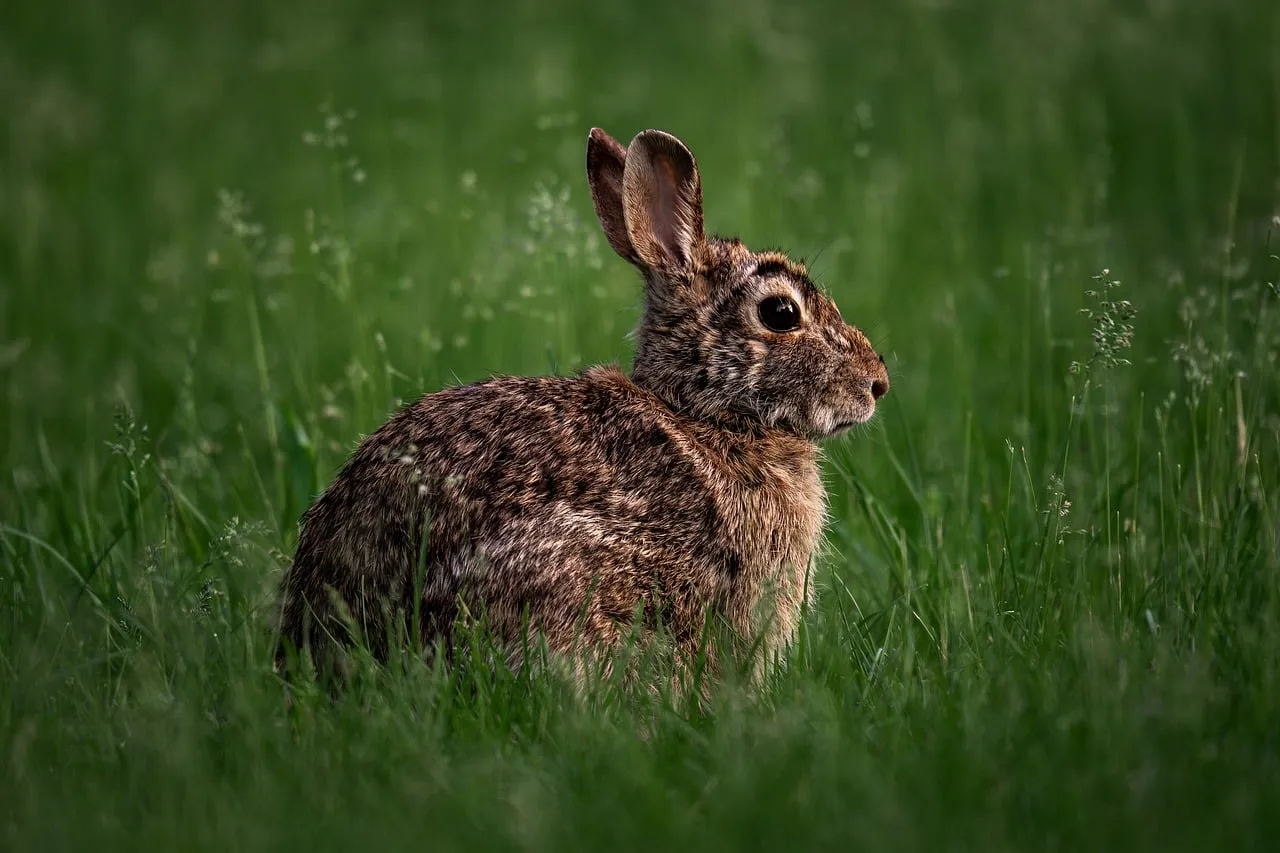
Rabbits are prey animals through and through, and scent cues tied to predators can trigger avoidance behavior almost automatically. Commercial repellents containing coyote or fox urine are widely sold for this purpose, and many gardeners report noticeable results, particularly early in the season before rabbits become too comfortable in an area. Garlic and chili based sprays work through a different mechanism, relying on taste and smell rather than fear, and need to be reapplied often since rain and watering wash them away quickly.
No scent based deterrent is permanent on its own, since rabbits can eventually habituate if the smell isn’t reinforced or paired with other barriers. Rotating between a few different scent types tends to outperform relying on just one, since rabbits seem to grow suspicious of unfamiliar smells more than familiar ones. It’s a low effort method, but it works best as part of a layered strategy rather than a complete solution.
#5 Encourage Natural Predators Around the Garden

Gardens that support a healthy mix of wildlife often end up with fewer rabbit problems simply because rabbits sense risk and adjust their behavior accordingly. Hawks, owls, foxes, and even domestic cats and dogs can all play a role in keeping rabbit populations in check without any direct intervention from the gardener. Installing an owl box or leaving a few tall perches nearby can make a yard more attractive to birds of prey that hunt rabbits regularly.
This method takes patience, since predator populations don’t shift overnight and results vary depending on location and surrounding habitat. It’s not something that offers immediate protection for this season’s tomatoes, but over a year or two it can meaningfully reduce how comfortable rabbits feel settling near a property. Encouraging predators also supports a more balanced backyard ecosystem overall, which tends to benefit gardens in ways beyond just rabbit control.
#6 Use Raised Beds With Wire Mesh Bottoms
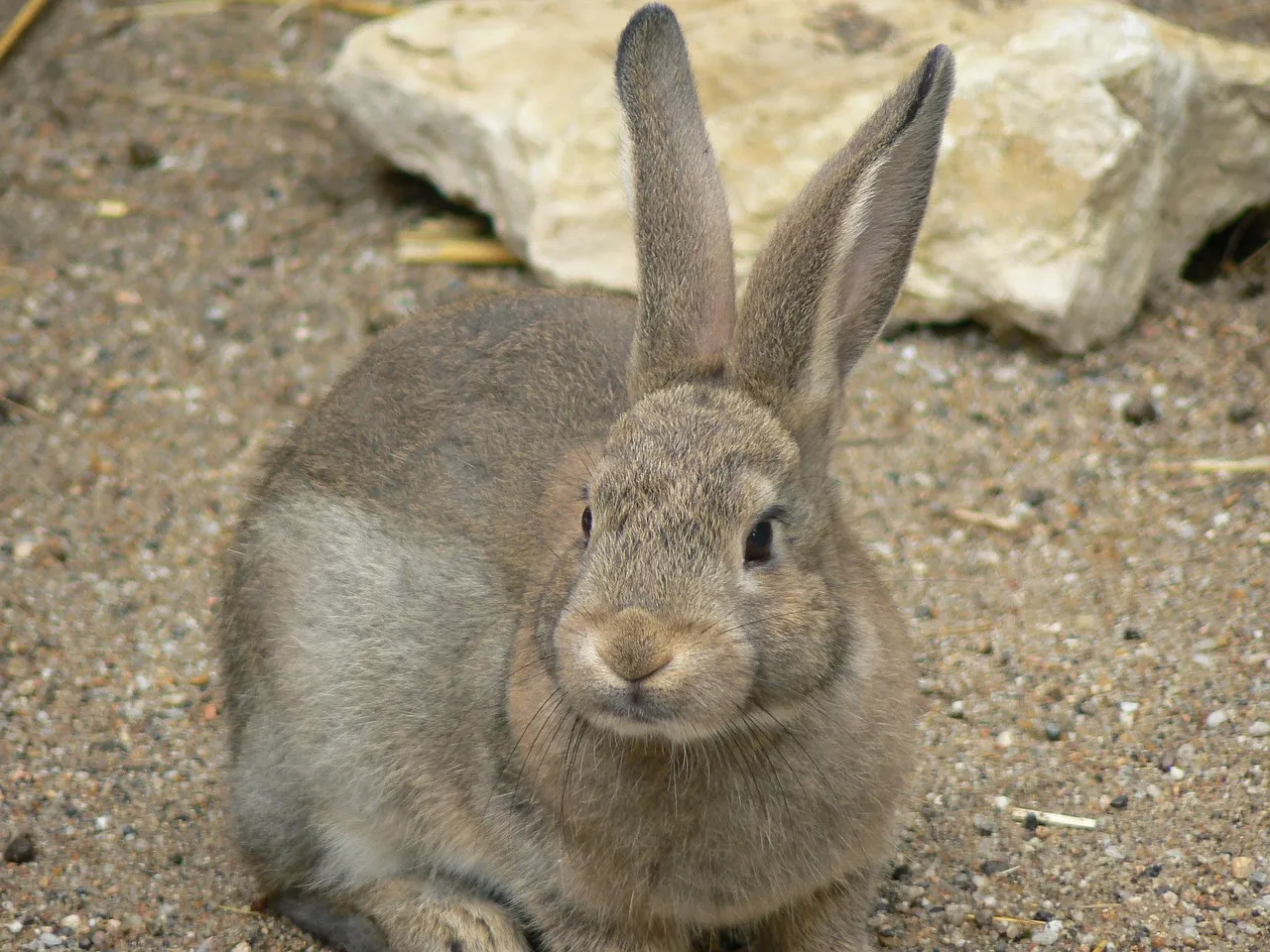
Raised beds already offer some natural protection simply because of their height, but adding a wire mesh barrier underneath and around the sides closes off the remaining vulnerabilities. Rabbits that can’t dig under a bed and can’t squeeze through the sides are left with very few options for getting in. Hardware cloth stapled to the frame before soil is added is a common approach, and it holds up for years without needing much maintenance.
The height itself matters too, since beds around eighteen to twenty four inches tall put plants slightly out of easy reach, especially for young or smaller rabbits. This method requires more upfront work than a simple fence, but it tends to be one of the most permanent solutions available. Many gardeners find that once a raised bed is properly sealed, rabbit damage drops to nearly nothing for the life of the structure.
#7 Remove Nearby Shelter and Hiding Spots
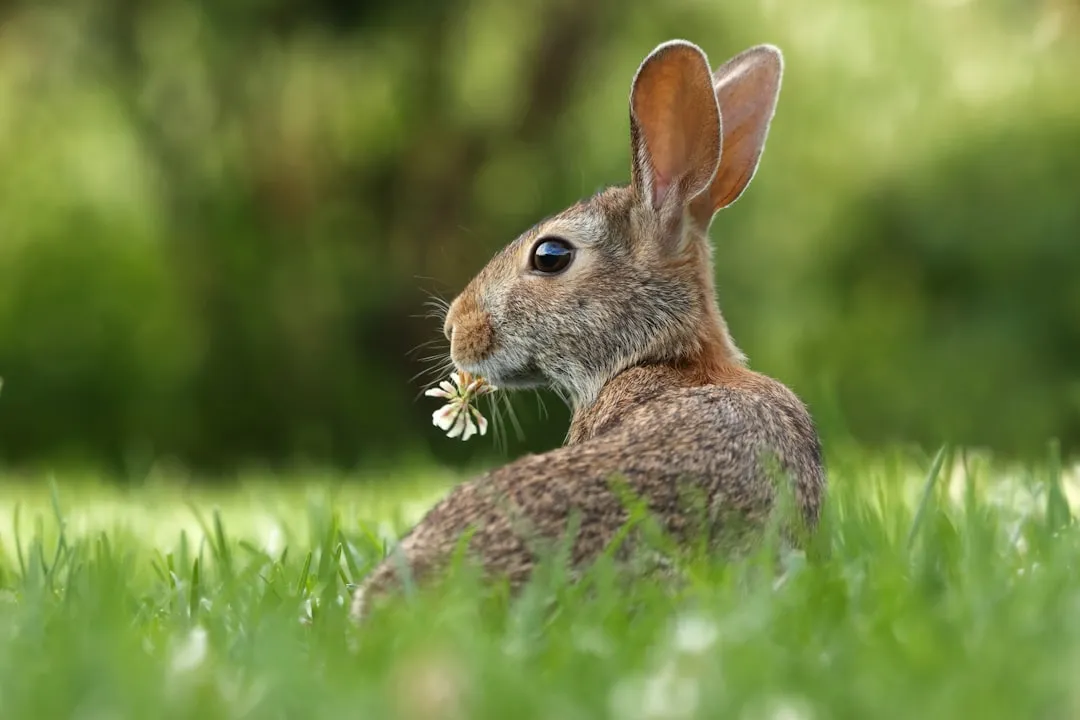
Rabbits feel safest when they have quick access to cover, and dense brush piles, tall weeds, or gaps under sheds near a garden essentially function as staging areas. Clearing this kind of shelter within a reasonable perimeter of the vegetable beds makes the area feel more exposed and less appealing to settle near. Rabbits are far less likely to forage in open spaces where they’d need to cross visible ground to reach cover again.
This doesn’t mean stripping a whole yard bare, since that would affect other wildlife too, but it does mean being intentional about what grows immediately around a garden’s edges. Stacked firewood, overgrown shrubs, and gaps beneath decks are common offenders that often go unnoticed until a rabbit problem is already underway. A little bit of tidying, done consistently, can make a surprisingly large difference in how often rabbits linger nearby.
#8 Cover Young Seedlings With Floating Row Covers
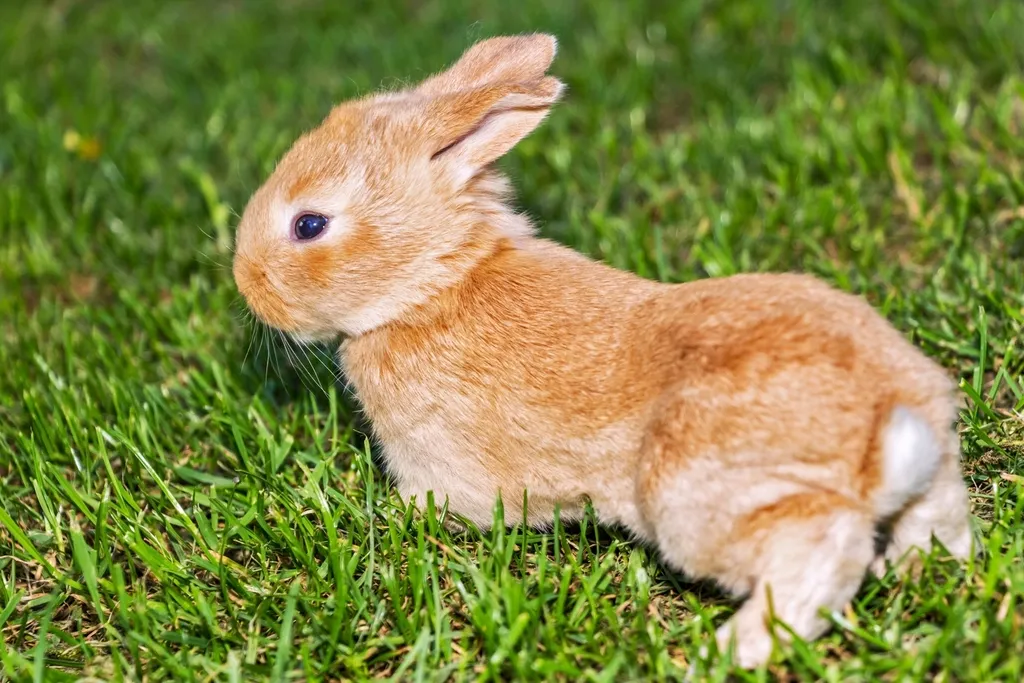
Young seedlings are the most vulnerable stage of any vegetable garden, since a single rabbit can wipe out a newly planted row in one visit. Floating row covers, which are lightweight fabric sheets draped directly over plants, create a physical barrier while still allowing light, air, and water through. They’re inexpensive, easy to remove for weeding, and simple to secure at the edges with soil, rocks, or garden staples.
This method is especially useful during the first few weeks after planting, when leaves are tender and rabbits find them most appealing. Once plants mature and develop tougher stems, some gardeners remove the covers, though leaving them on a bit longer rarely causes harm. It’s one of the least labor intensive options on this list, which makes it a practical starting point for anyone dealing with a rabbit problem for the first time.
Final Thoughts
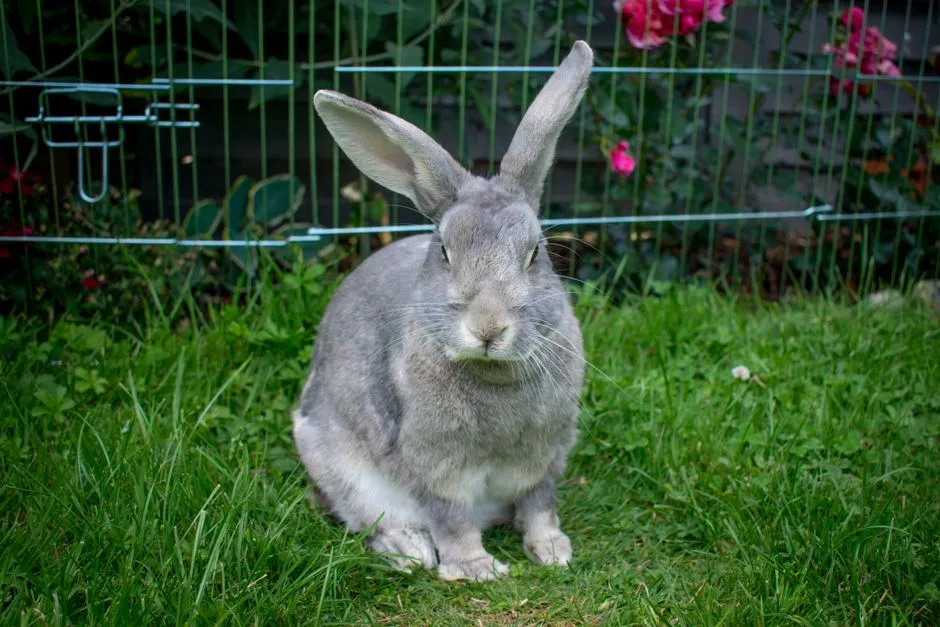
None of these methods work as a single magic fix, and anyone expecting one is likely to be disappointed. The gardens that fare best against rabbits tend to combine a physical barrier, like fencing or mesh, with at least one behavioral deterrent, whether that’s scent, sprinklers, or simply removing nearby shelter. Layering a few approaches together consistently outperforms relying on just one, no matter how promising that single method might sound.
If there’s an opinion worth stating plainly, it’s that lethal control is rarely necessary and often less effective than people assume, since new rabbits tend to move into vacated territory anyway. A well fenced, thoughtfully planted garden solves the problem at its root rather than treating symptoms. Patience and a bit of upfront effort go a long way here, and most gardeners find that once the right combination clicks, the rabbits simply move on to easier ground elsewhere.

- 8 Humane Ways to Keep Rabbits Out of Vegetable Beds - August 6, 2026
- 7 Hidden Conditions That Invite Termites Into Your Walls - August 6, 2026
- These Zodiac Signs Are Most Drawn to Storms, Thunder, and Heavy Rain - August 6, 2026