
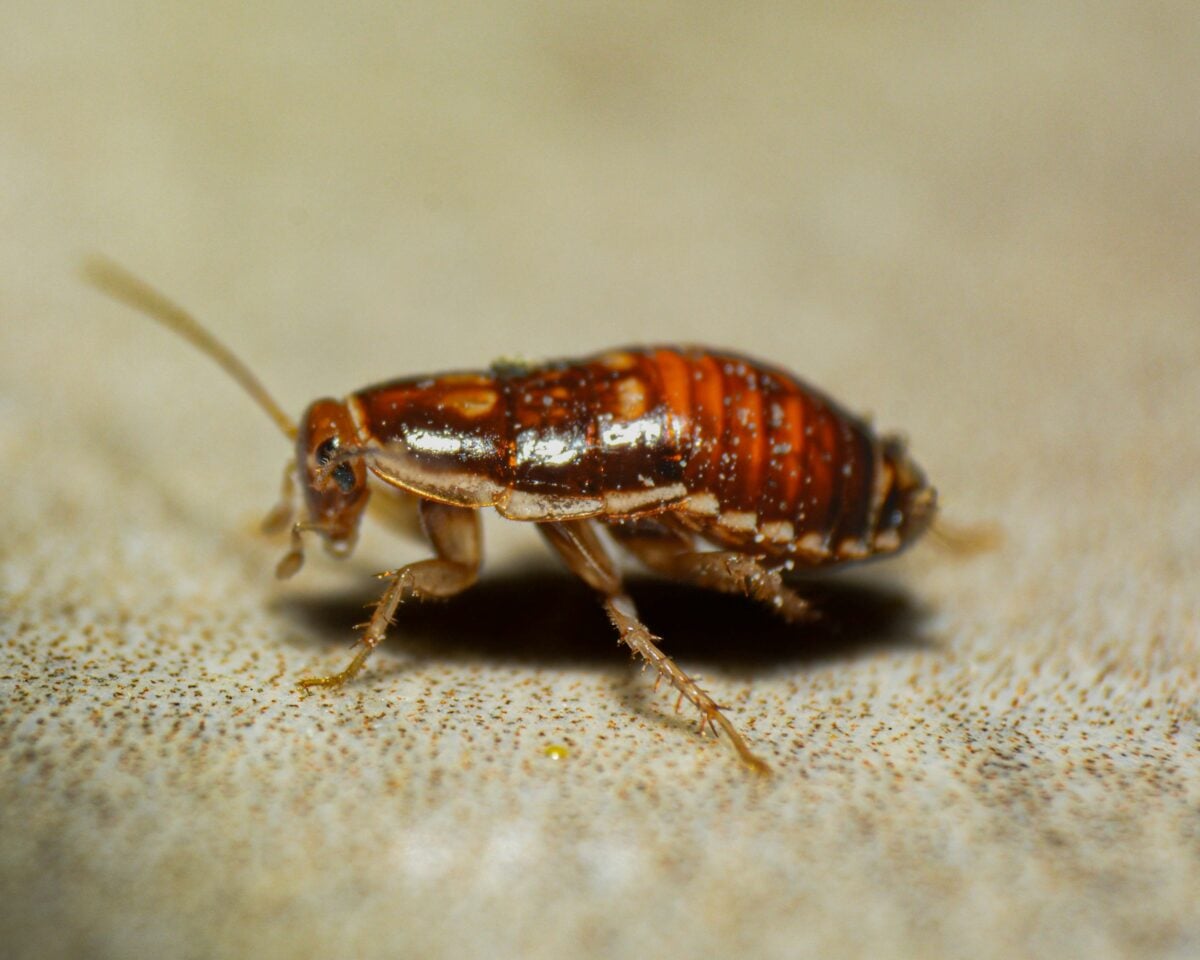
If you have walls, you have something termites would happily turn into an all‑you‑can‑eat buffet. The scary part is that they usually start quietly, behind paint and plaster, while everything still looks perfectly normal on the surface. By the time you see obvious damage, they may have been at work for years. That is why the small, boring details of your home’s environment matter far more than most people realize.
Termites do not just wander in at random. They are drawn in by a handful of very specific conditions that signal food, moisture, and safety. The good news is that once you know what those signals are, you can remove or reduce them and make your home a far less attractive target. Let’s break down seven sneaky conditions that invite termites right into your walls, and what you can do – practically, realistically – to shut down the invitation.
1. Constant Moisture Around Foundations and Walls
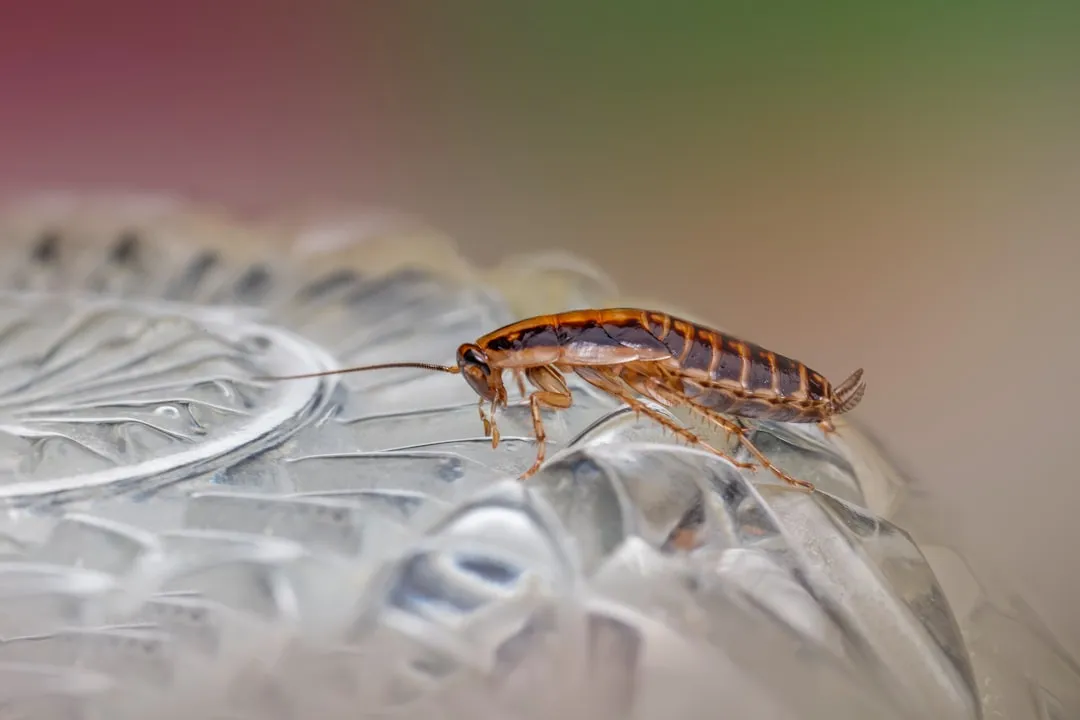
Termites are obsessed with moisture. Their bodies dry out easily, so they are magnetically pulled toward damp soil, wet wood, and areas where water quietly collects. A foundation that stays damp after every rainstorm or a wall that is always cool and slightly clammy on the inside is basically a flashing welcome sign for termite colonies underground.
Common culprits include leaking outdoor taps, air conditioner condensate lines that drip directly onto the soil, broken gutters, or downspouts that dump water right next to your slab. Over time, that moisture soaks the soil and the lower portions of walls, softening wood, weakening paint, and giving termites a safe, humid runway to start building mud tubes and pushing deeper into your home’s structure.
2. Wood-to-Soil Contact at the Base of the House
Imagine handing termites a wooden bridge that goes straight from the yard into the soft underbelly of your home. That is exactly what wood-to-soil contact does. When siding, wooden steps, deck posts, fence posts, or landscaping timbers sit directly in the dirt, termites can move from the ground into that wood with almost no barriers at all.
From there, they quietly travel inside the wood, up into the walls, and spread out through framing, baseboards, and even door frames. This is one of the most avoidable risk factors, but it is also extremely common because it often looks harmless – like that one piece of trim that happens to touch the garden bed. Lifting wood off the ground with concrete supports, metal brackets, or even just a few inches of clearance can dramatically cut off one of their easiest routes in.
3. Hidden Plumbing Leaks and Condensation Inside Walls

The most dangerous moisture is the kind you cannot see. A tiny pinhole leak in a pipe inside a wall, a sweating cold-water line in a poorly ventilated cavity, or a slow drip under a shower can all create a permanently damp pocket. To termites, that pocket is the perfect micro‑climate: dark, humid, protected, and already inside your house.
Over weeks and months, that moisture breaks down wood fibers and drywall paper, making them easier for termites to chew and tunnel through. Homeowners typically notice it late – maybe as a faint stain, peeling paint, or a baseboard that feels soft when you press it. By then, the combination of plumbing issues and termite feeding can mean you are fixing both water damage and structural damage at the same time, which is as stressful as it sounds.
4. Untreated or Aging Wood in Structural and Decorative Elements
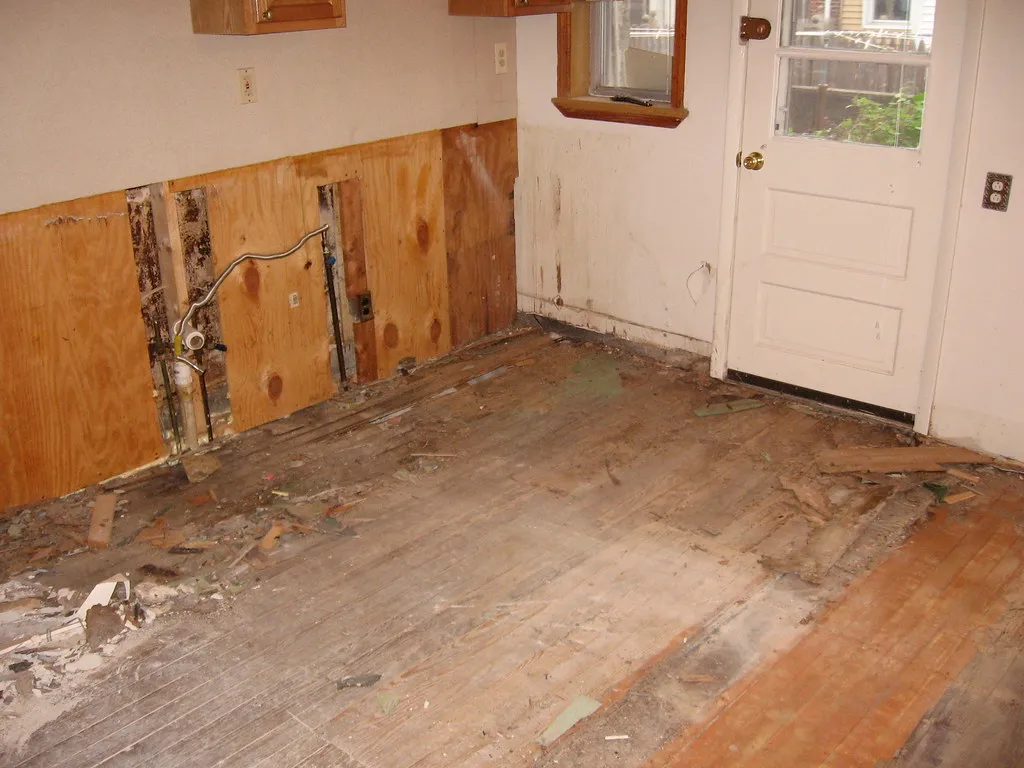
Termites feed primarily on cellulose, and plain, untreated wood is one of the easiest forms for them to digest. When framing lumber, old window and door frames, fascia boards, and decorative trims are never sealed properly – or the paint and sealant have been peeling for years – the wood starts to act like a dry sponge, ready to absorb both moisture and insects. To a termite, old, cracked paint is less a protective shell and more like a broken fence around free food.
Outside, weathered wooden railings, pergolas, patio covers, and even older play structures can become stepping stones that lead termites closer and closer to your main walls. Inside, unsealed attic wood, crawl space beams, and old subfloors can invite termites to settle in and spread unnoticed. Keeping wood protected with quality paint, stain, or sealant does not make it termite‑proof, but it significantly raises the effort required for them to attack.
5. Cluttered Crawl Spaces, Basements, and Attics
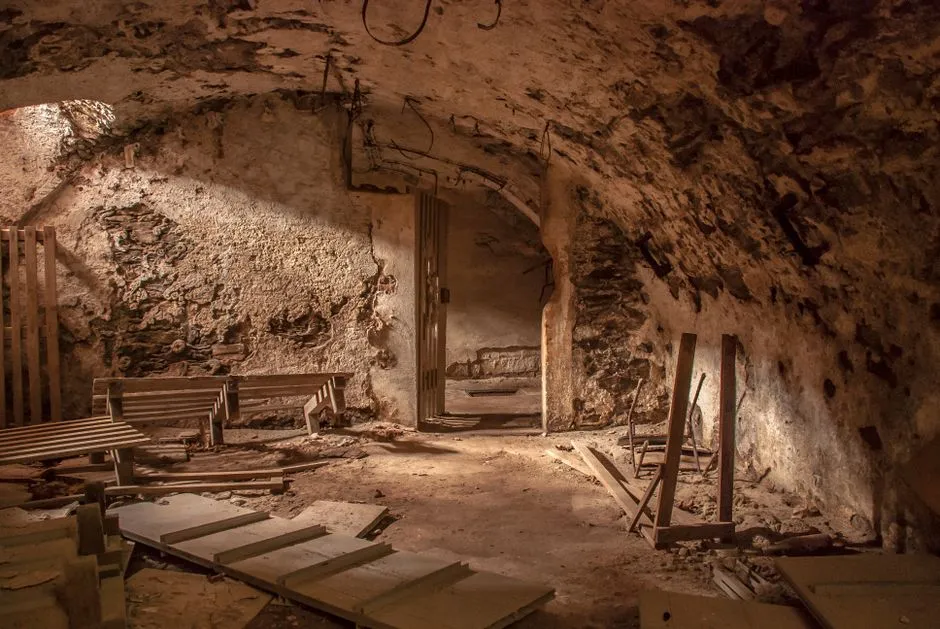
Termites love places people rarely bother to check. Crawl spaces, basements, and attics often become dumping grounds for cardboard boxes, paper, old furniture, and random wood scraps. When those areas are also poorly ventilated and a bit damp, you have almost the perfect indoor ecosystem for termites: food, shelter, and privacy.
Those forgotten cardboard boxes stacked against a foundation wall or wooden shelves pressed right up against a masonry surface can act like bridgeheads. Termites can move from the soil into those materials, feed quietly, and gradually work their way into structural wood nearby. Keeping these spaces decluttered, dry, and bright makes it much harder for a hidden colony to establish and spread without you noticing.
6. Landscaping That Presses Soil and Mulch Against the House

Landscaping can either protect your home or unintentionally hide termite highways. When mulch, soil, or decorative bark is piled right up against the exterior walls, it creates a soft, damp layer that termites can travel through without exposure to sunlight or predators. From there, they only need a small crack in the foundation, a gap at the slab edge, or a hidden joint in the siding to start moving into your walls.
Thick shrubbery and plants growing tightly against the house also trap moisture and block airflow, turning that area into a permanent shady, humid corridor. While it looks lush and cozy from the outside, underneath the leaves and mulch, termites may be quietly exploring, building tubes, and testing weak spots. Keeping mulch a little lower, pulling it back a few inches from the foundation, and trimming plants away from walls can help break up that hidden shelter zone.
7. Cracks, Gaps, and Unsealed Entry Points in the Building Envelope
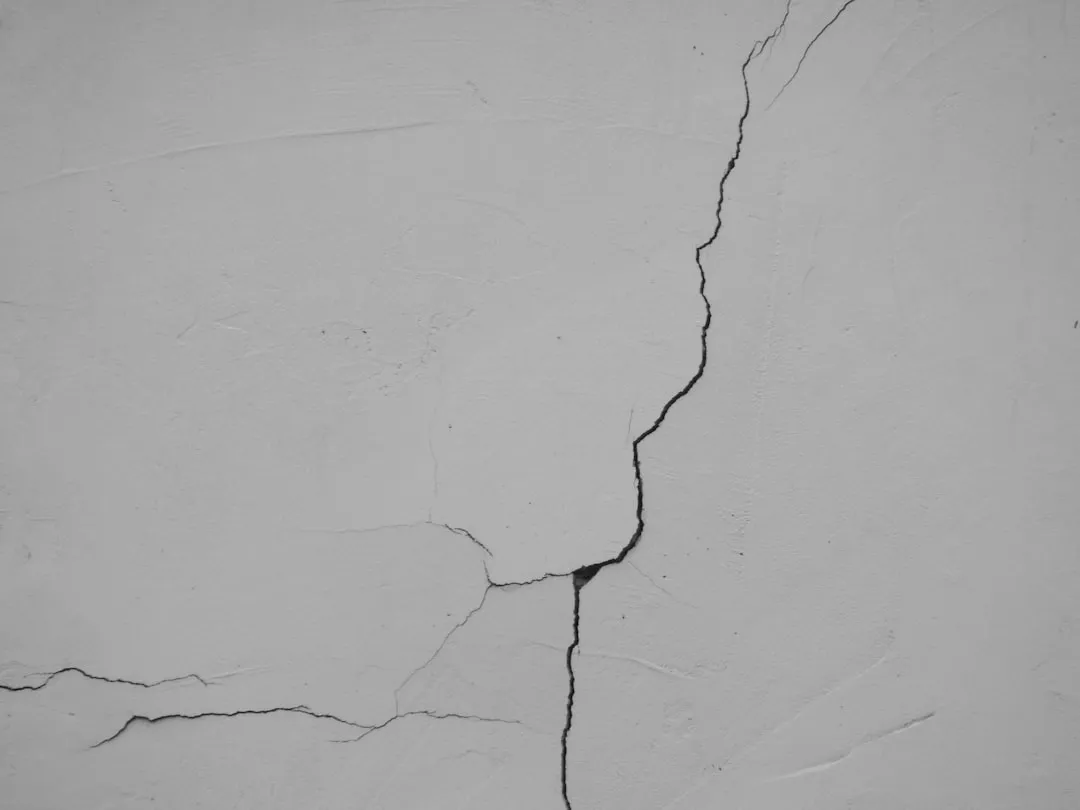
Termites are small, patient, and extremely good at finding tiny imperfections. Hairline cracks in foundation slabs, gaps around utility lines, unsealed expansion joints, and poorly fitted door or window frames can all serve as subtle entry points. You might not think twice about a small line in the concrete or a narrow gap where a pipe goes through the wall, but for termites, that is a ready‑made tunnel that requires almost no construction effort.
Over time, they can expand and reinforce these routes with their mud tubes, using the tiny voids as scaffolding. Once inside, they can move through wall cavities, along studs, and behind insulation with almost complete freedom. Regularly sealing and maintaining these weak spots does not just help with energy efficiency; it is one of the most underestimated defenses against termites turning your walls into hidden highways.
Conclusion: Your Walls Are Talking – Are You Listening?
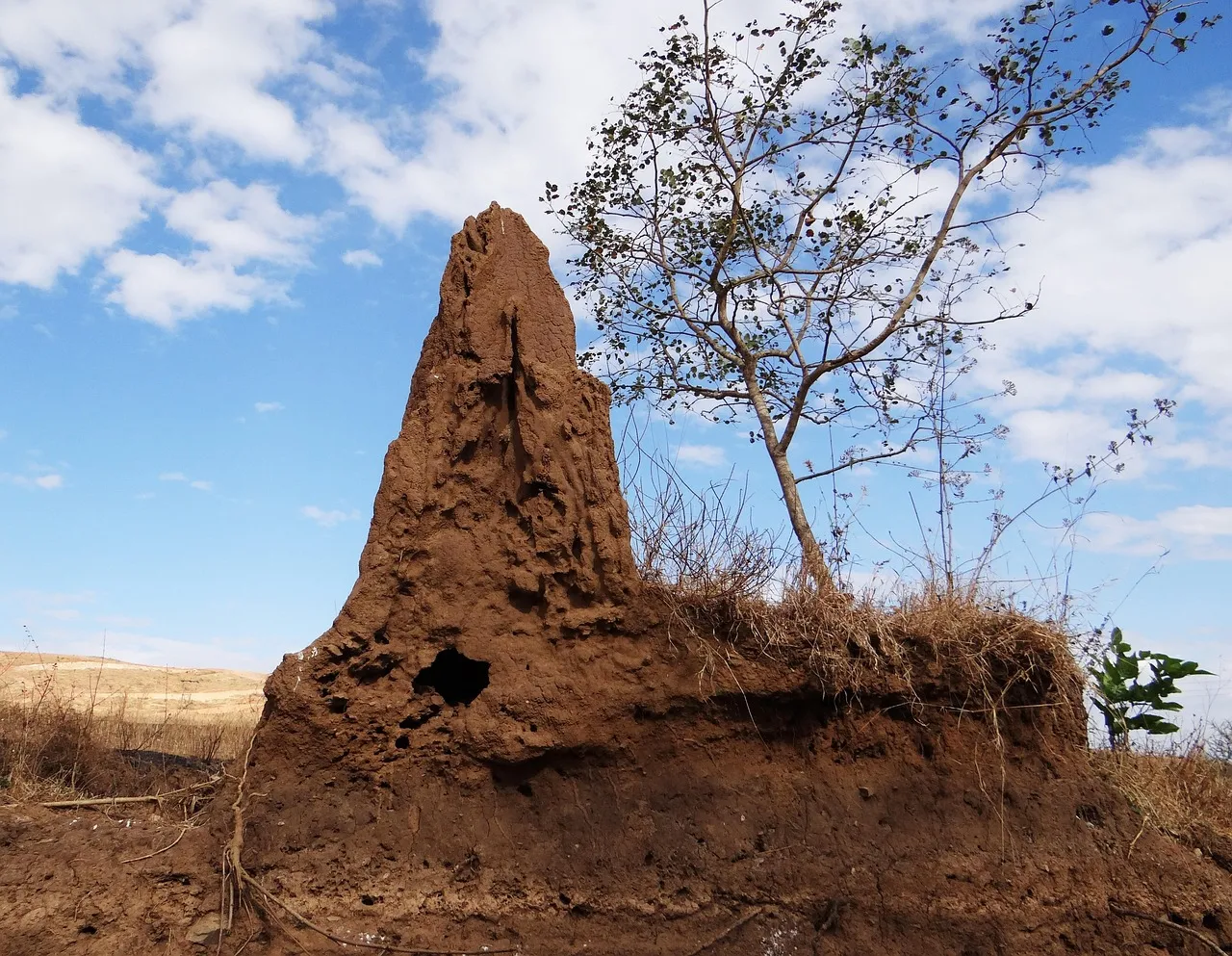
The uncomfortable truth is that termites are usually a symptom, not the root problem. Moisture that never dries, wood that touches soil, aging materials, cluttered hidden spaces, dense landscaping against the house, and unsealed cracks all work together to create the kind of environment termites were built to exploit. If those conditions are in place, simply spraying or baiting without fixing the underlying issues is like mopping up water while a pipe keeps leaking behind the wall.
From my own experience in older houses, the biggest mindset shift is realizing that “small” maintenance tasks – like redirecting a downspout or pulling mulch away from the siding – are actually structural protection, not cosmetic chores. When you start seeing your home the way termites “see” it, you take back control. So if your walls could tell you how inviting they look to insects right now, would you be comfortable with the answer, or is it time to quietly change the conditions before the termites do it for you?

- 7 Hidden Conditions That Invite Termites Into Your Walls - August 6, 2026
- What It Means When Hummingbirds Return on Nearly the Same Date Every Year - August 6, 2026
- What It Means When a Dog Refuses to Enter a Room It Once Loved - August 6, 2026