
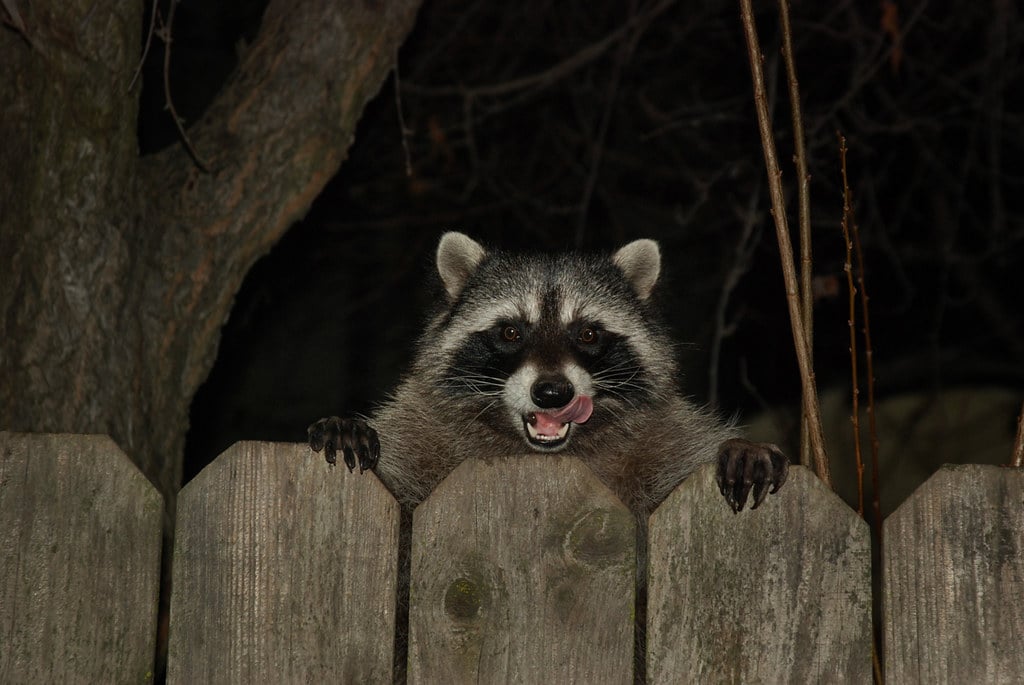
#1 Leaving trash cans unsecured
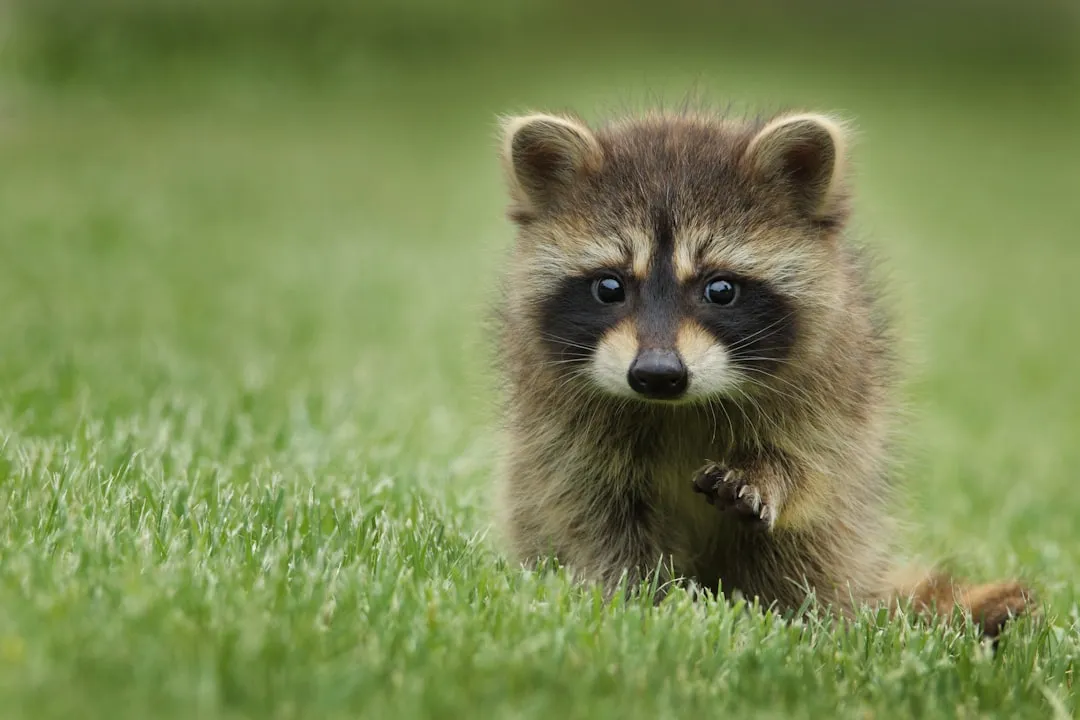
Of all the things that pull raccoons into a yard, an unsecured garbage bin is probably the biggest offender. Kitchen waste includes lots of items that are appealing to raccoons, especially meat and fish scraps. Raccoons have a keen sense of smell, and a bin that isn’t sealed tight is basically a dinner bell ringing every evening.
Once a raccoon successfully raids a bin, it remembers. Trash cans without tight lids are one of the biggest raccoon magnets, since these animals have nimble paws that can pry open containers and tear through plastic bags. A single successful night can turn into a recurring visit, and often the raccoon brings company the second time around.
#2 Feeding pets outside without a cleanup routine
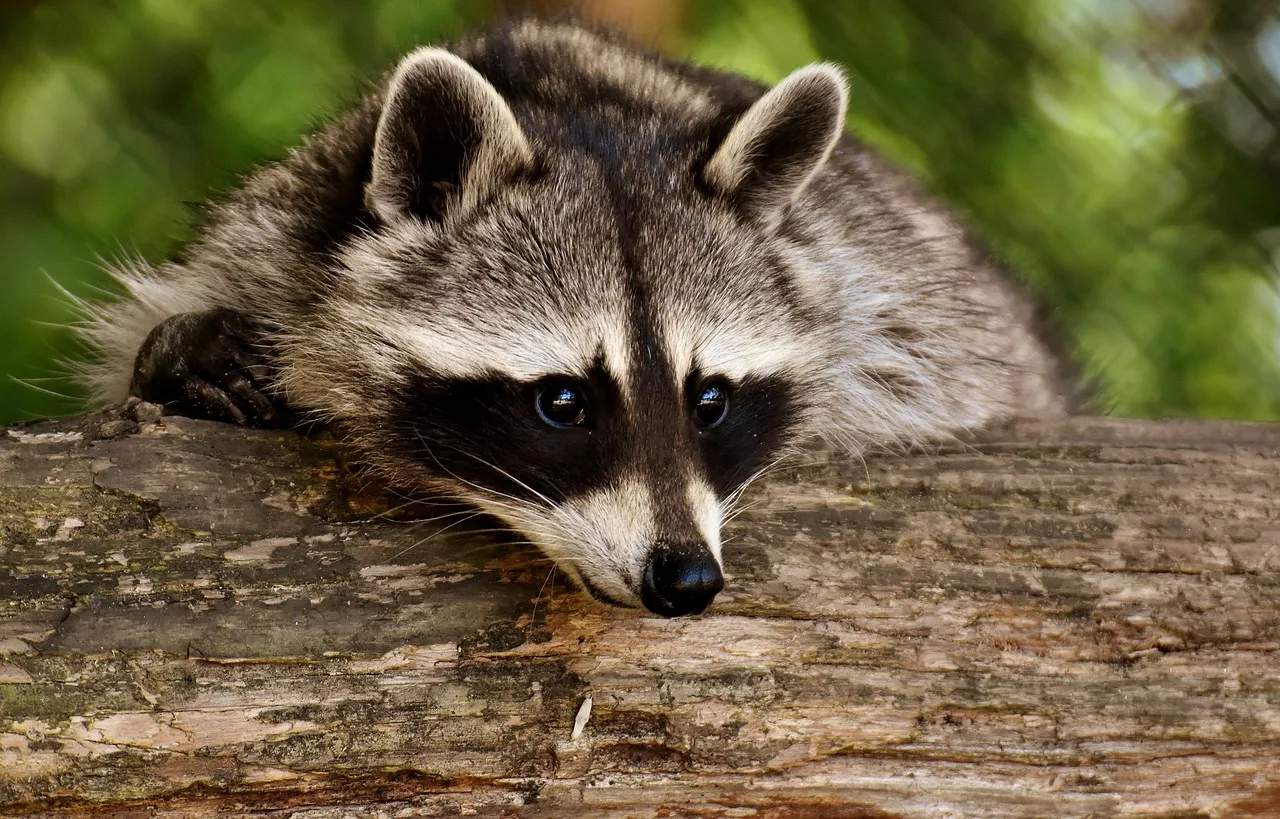
Leaving a bowl of kibble on the porch overnight feels harmless, but it’s one of the more reliable ways to bring raccoons close to the house. Pet food, both dry kibble and wet varieties, has strong odors and is packed with calories, making it a favorite for hungry raccoons, and many homeowners leave bowls out overnight for convenience, unknowingly sending an open invitation. It doesn’t take much to catch their attention.
Even small amounts left behind matter more than people expect. Even a few pieces left behind can bring raccoons back regularly, since they quickly learn which yards offer snacks and return night after night until the food source is gone. Sticking to a feeding schedule and clearing the bowl right after mealtime removes that temptation almost entirely.
#3 Running an unprotected bird feeder
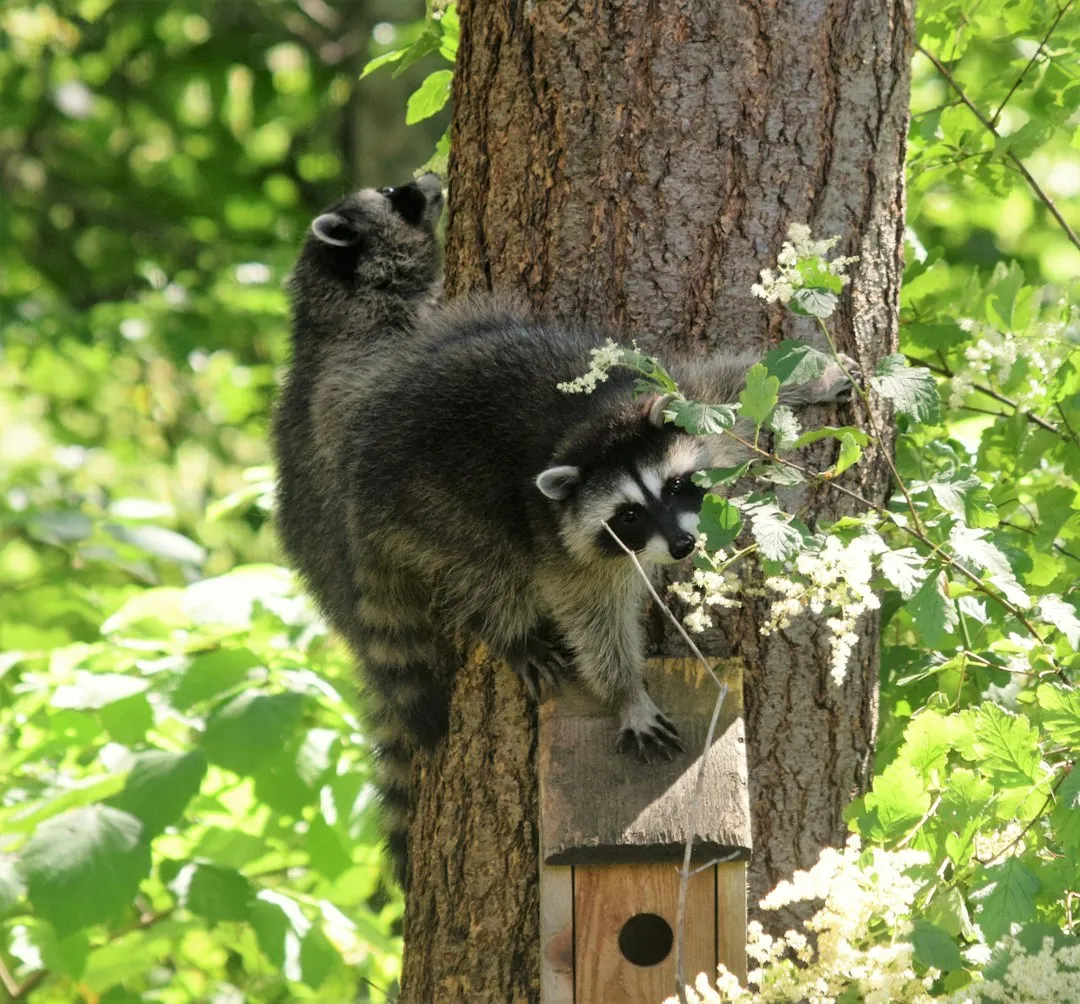
Bird feeders are meant for cardinals and chickadees, but raccoons see them differently. Bird feeders may be designed for feathered friends, but raccoons are happy to crash the party, climbing poles or hanging from branches to shake out the contents and often spilling seed all over the ground. What starts as songbird entertainment can quietly become a nightly feast for something with a much less charming reputation.
The scattered seed on the ground is often the real problem, not just the feeder itself. Once the seed hits the grass, it becomes an easy and reliable snack that raccoons won’t pass up, and if they find a feeder that gets refilled regularly, they’ll keep coming back for more. Placing feeders on slick metal poles away from fences or overhanging branches makes it considerably harder for raccoons to reach the source.
#4 Managing compost carelessly
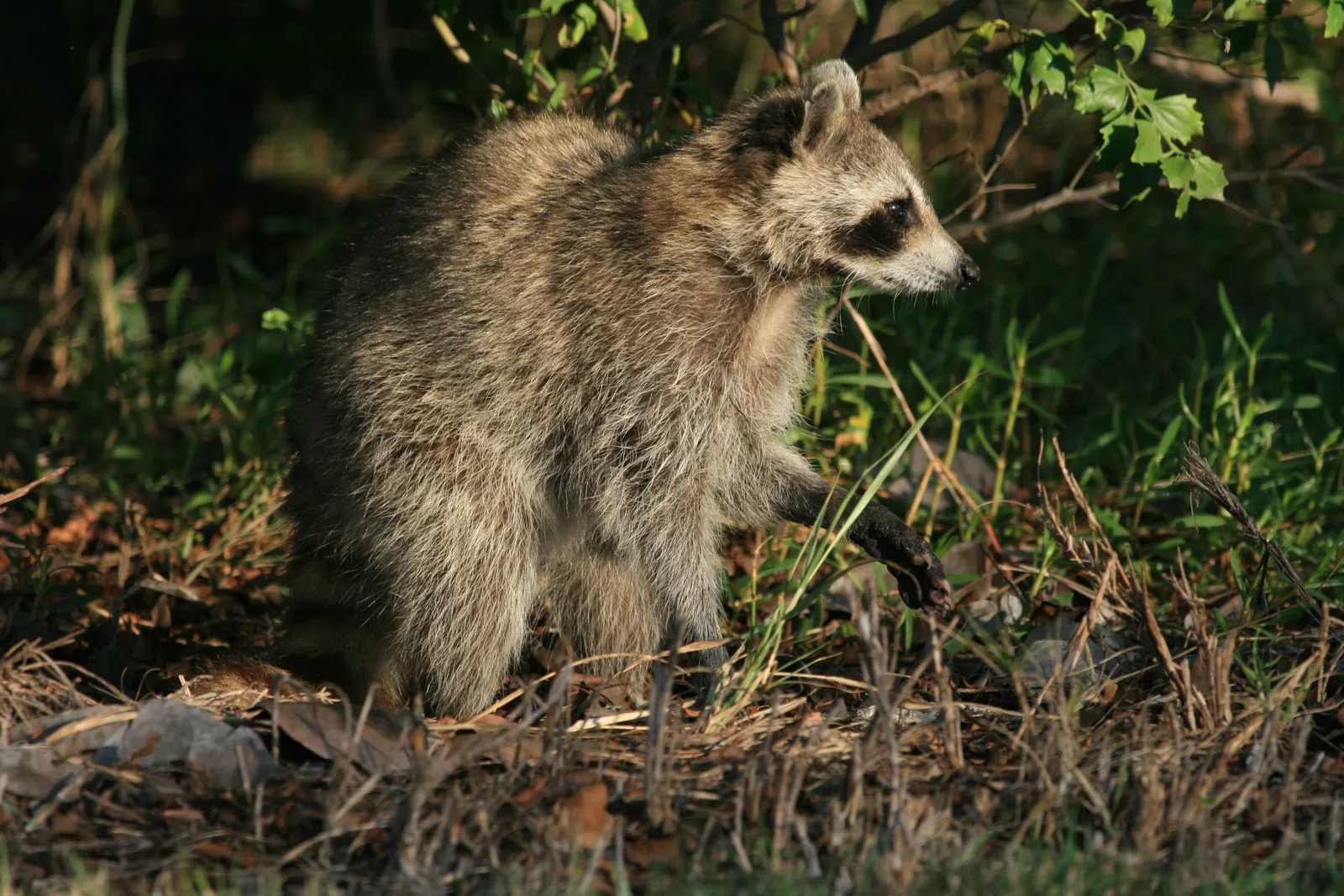
Composting is a genuinely good habit for the garden, but an open or loosely covered bin sends out a scent trail raccoons find hard to resist. While composting is great for the environment, it needs to be managed properly to avoid attracting unwanted visitors. Food scraps decomposing in the open air are exactly the kind of low-effort meal these animals are wired to seek out.
The fix isn’t to give up composting, just to make it less accessible. Switching to a bin with a locking or animal-resistant lid, and avoiding meat or dairy scraps in the mix, cuts down on the smell significantly. A little extra structure keeps the compost working for the garden instead of working as a raccoon feeder.
#5 Leaving water sources exposed overnight
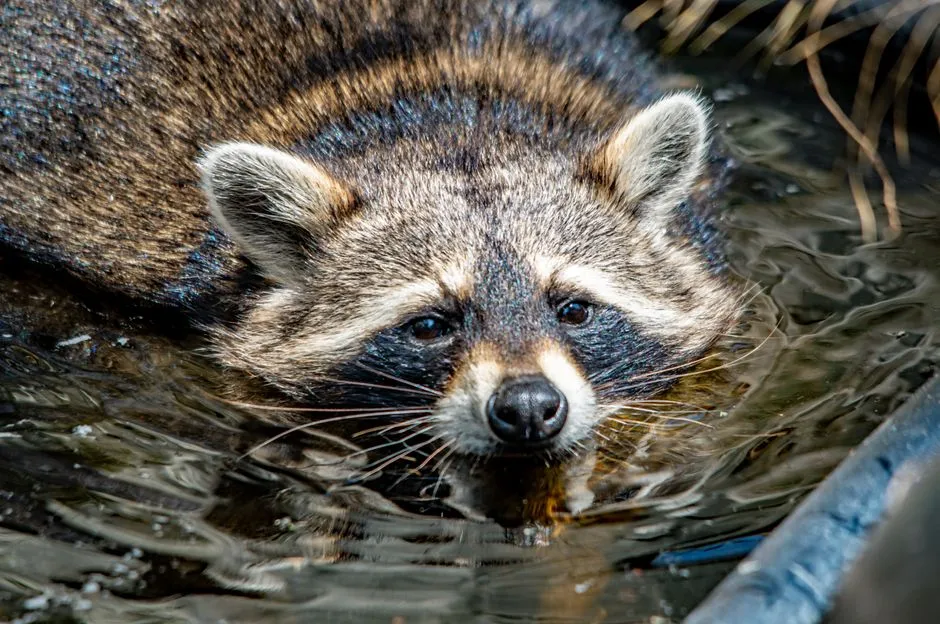
Food gets most of the attention, but water is just as important to a raccoon’s decision to stick around. What attracts raccoons to your yard is all about convenience and easy access to the three things food, water, and shelter. A birdbath, an uncovered koi pond, or even a leaky spigot can quietly double as a raccoon’s personal drinking station.
Raccoons also use water for something a bit more unusual than drinking. Raccoons need water not just for drinking but also for rinsing food, a quirky behavior they’re known for, and birdbaths, fountains, and uncovered water bowls left outside become consistent hydration stations. Emptying bowls and birdbaths before dark, and fixing that dripping faucet you’ve been ignoring, removes one more reason for them to linger.
#6 Letting the yard grow cluttered and overgrown
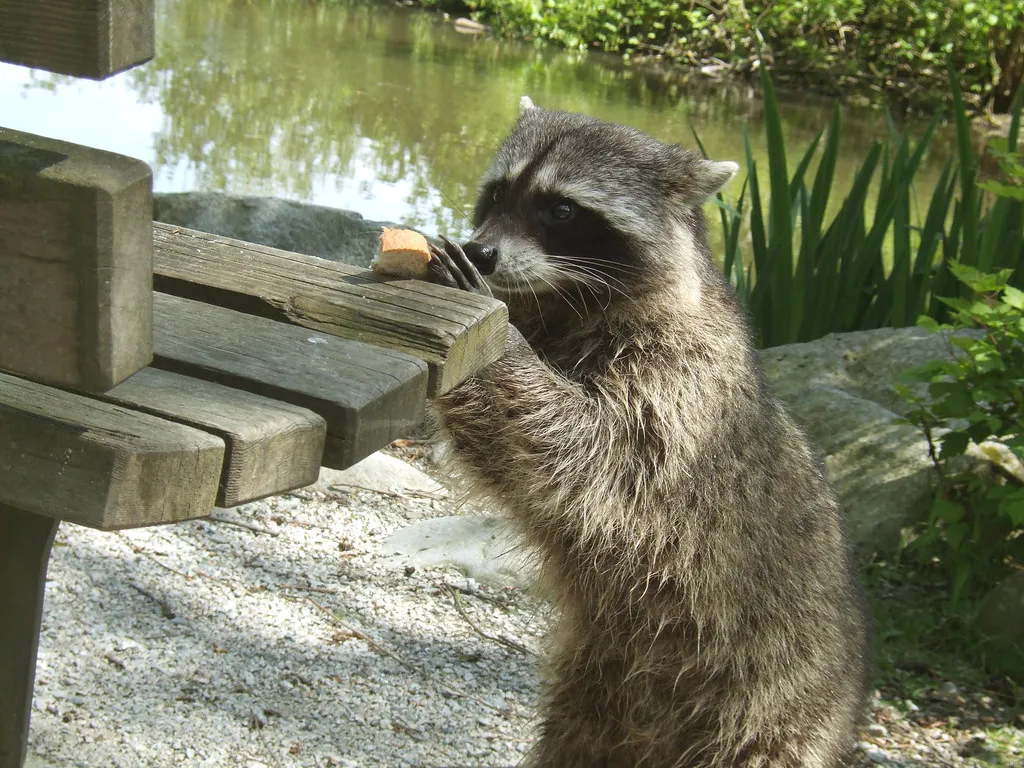
A tidy yard is a much less appealing hiding spot than a messy one. Overgrown shrubs, vines, and piles of wood or debris provide raccoons with excellent hiding spots, and a yard that offers a lot of cover could be attracting them. Dense brush and forgotten woodpiles give raccoons exactly what they’re looking for during daylight hours, which is somewhere quiet to sleep undisturbed.
Unmaintained trees near the house add another layer of risk beyond just shelter in the yard. Trees near the roof matter because raccoons can use long tree branches to reach the chimney, and chimneys are a perfect place for a raccoon to hide out during nesting season. Trimming branches back from the roofline and clearing brush piles takes away both the cover and the climbing access that make a yard feel safe to a raccoon.
#7 Skipping outdoor lighting after dark
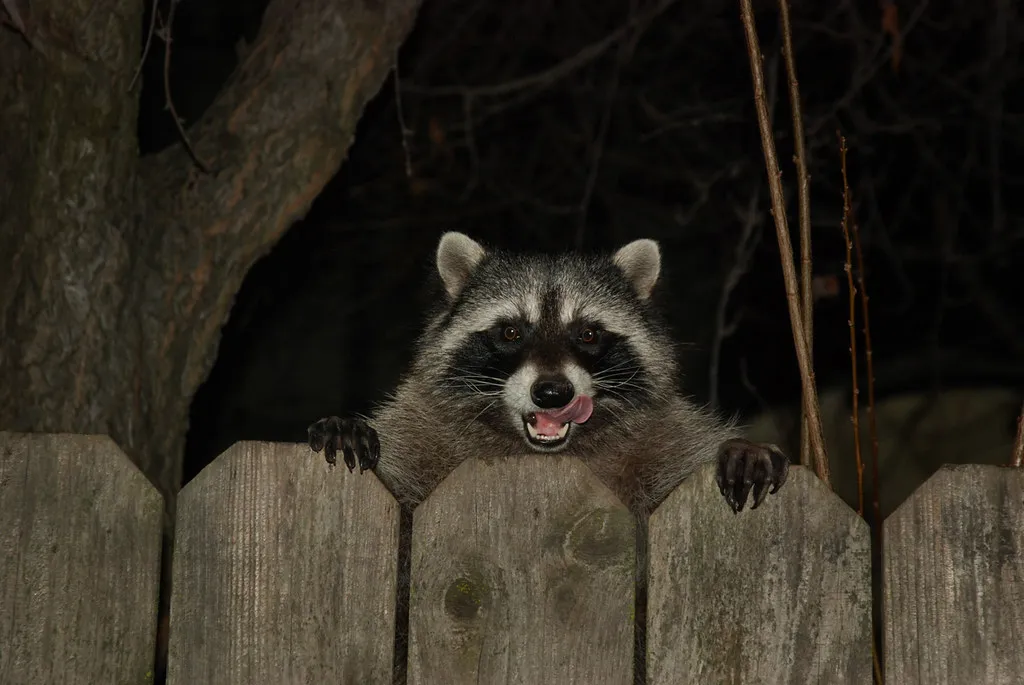
It’s easy to overlook, but a dim, poorly lit backyard is quietly working in a raccoon’s favor. Even poorly lit areas can play a role in attracting raccoons, since they are nocturnal and feel safer in the cover of darkness, and dimly lit backyards give them more confidence to explore and scavenge. Darkness essentially lowers the risk for them, making the whole yard feel safer to explore.
The good news is this is one of the simplest habits to fix. Installing motion-activated lights around the yard and using lights designed for outdoor use to brighten dim areas removes the darkness raccoons prefer, making them less likely to see the yard as a safe and appealing space. It’s a small investment of time for a noticeable drop in nighttime visitors.
Final thoughts
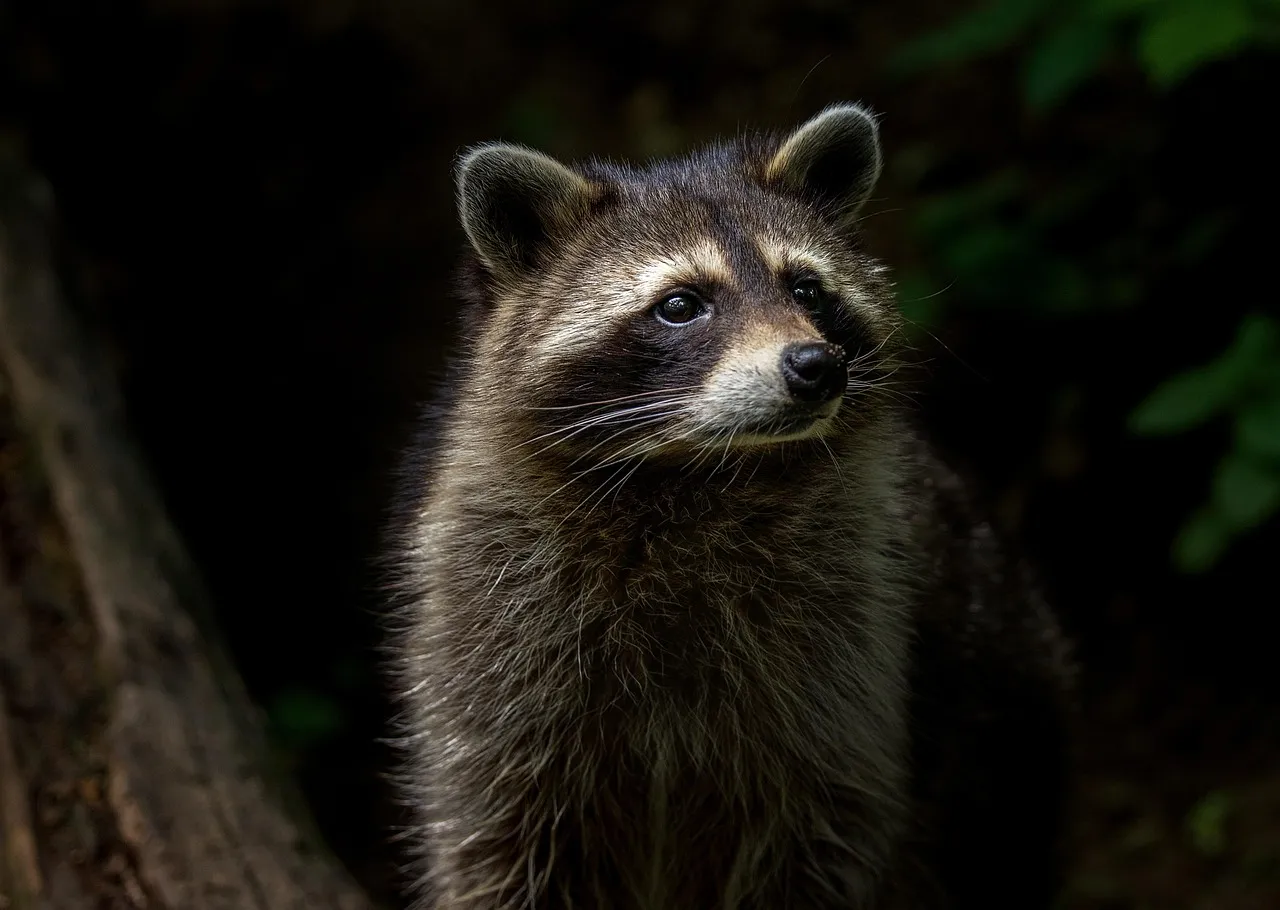
None of these seven habits are dramatic on their own. A bird feeder here, a compost bin there, a porch light left off out of habit rather than intention. Yet raccoons are patient, observant animals, and it rarely takes more than one or two of these conditions lining up before they decide a yard is worth returning to on a regular basis.
My honest take, after digging through how wildlife professionals describe this behavior, is that most raccoon problems are really human habit problems wearing a disguise. The animals aren’t doing anything unusual. They’re just following an easy trail we’ve left out for them, sometimes without noticing we did it. Tightening up trash lids, managing pet food and compost, clearing brush, and adding a bit of light after dark won’t guarantee a raccoon-free yard forever, but it removes most of the reasons they’d choose your property over the one next door. That’s a fair trade for a few small changes.

- 7 Backyard Habits That Attract Raccoons - August 6, 2026
- 8 Humane Ways to Keep Rabbits Out of Vegetable Beds - August 6, 2026
- 7 Hidden Conditions That Invite Termites Into Your Walls - August 6, 2026