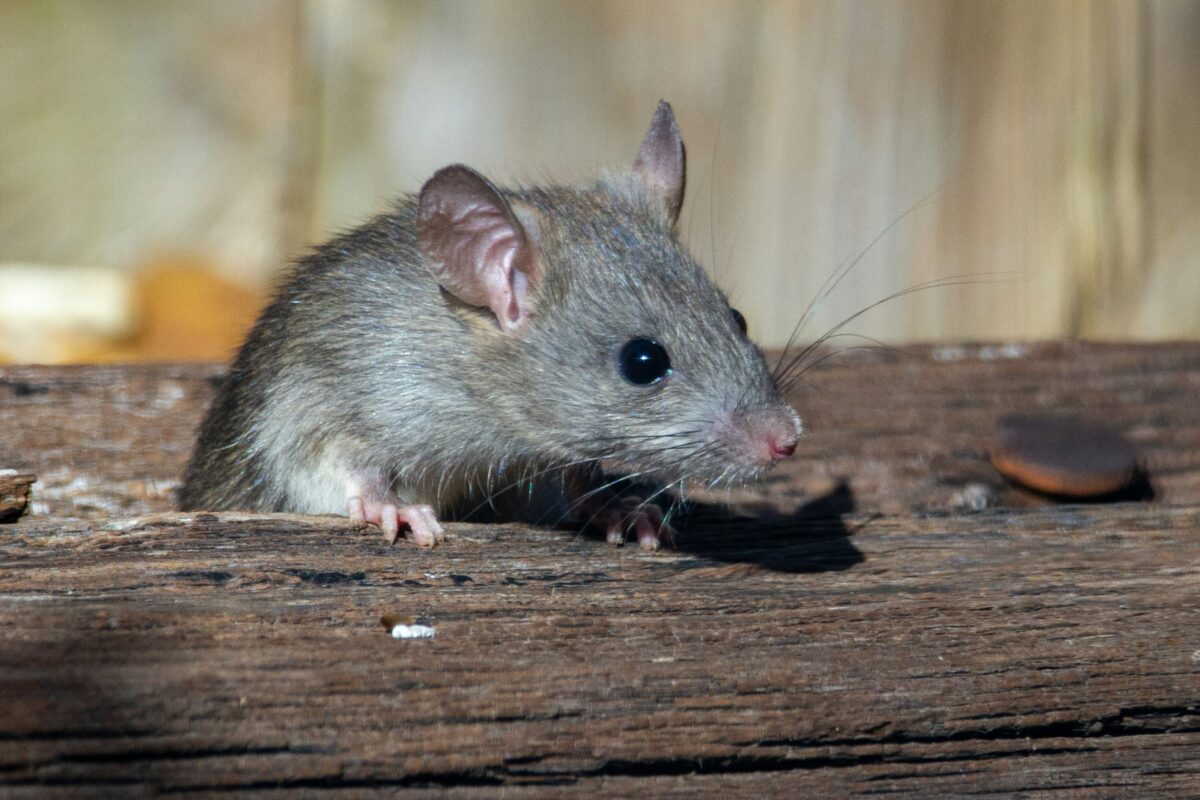
Rodents have one of the sharpest noses in the animal kingdom, and that sensitivity is exactly what pest control experts try to exploit when recommending scent-based deterrents. Long before anyone worried about mice sneaking into pantries, these creatures relied on smell to detect predators, spoiled food, and unfamiliar territory. That same instinct is why certain everyday scents can make a mouse or rat think twice before crossing your kitchen floor.
What’s less commonly discussed, though, is how much variation exists in the research behind these claims. Some scents have real laboratory backing, others are mostly anecdotal, and a few sit somewhere in between. Understanding which is which can save you time, money, and the frustration of relying on a remedy that sounds convincing but does very little in practice.
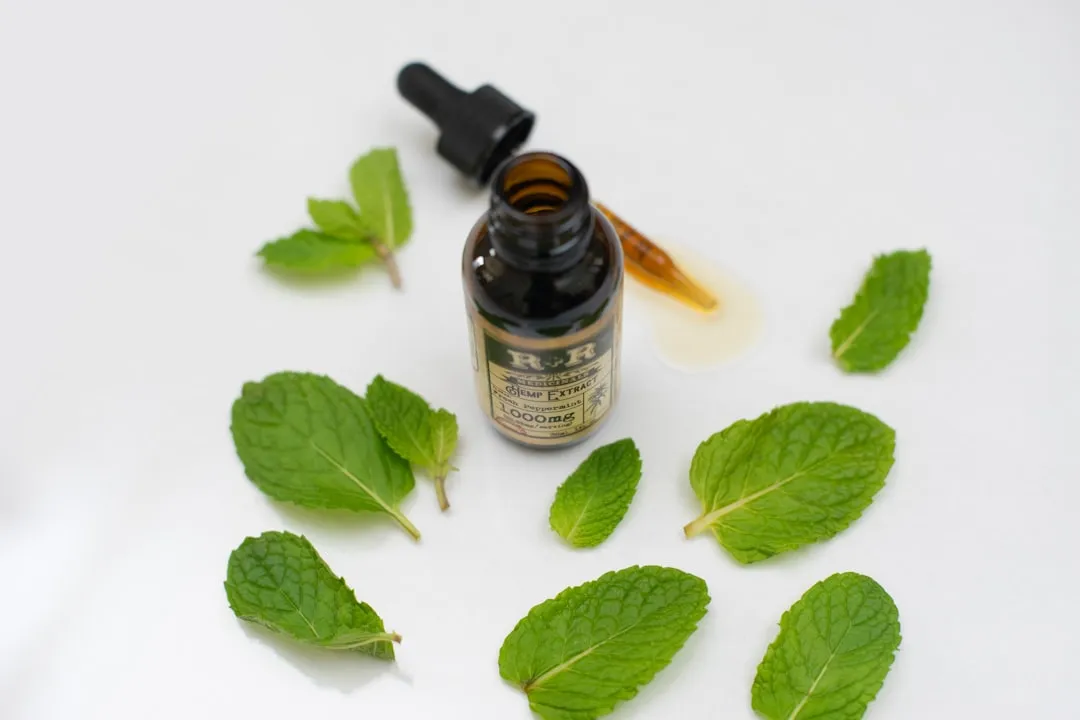
1. Peppermint oil
1. Peppermint oil (Image Credits: Unsplash)
Peppermint is probably the most talked about rodent deterrent, and for good reason. Peppermint oil contains a compound called menthol, which is responsible for the cooling sensation it provides when applied to the skin, and menthol is also a powerful irritant to rodents, causing discomfort in their nasal passages and deterring them from entering treated areas. A 2010 study out of Thailand even found that rats spent significantly less time hanging around in places where the scent of peppermint lingered.
That said, the effect tends to fade quickly. The strong minty smell may help make those areas less attractive to rodents, but peppermint oil alone isn’t enough if mice are already nesting in your walls. Researchers testing multiple herbal oils on mice also noted something worth flagging: only peppermint oil and menthol failed to maintain their repellent activity in the long-term effect, meaning it works better as a short-term nuisance than a permanent solution.
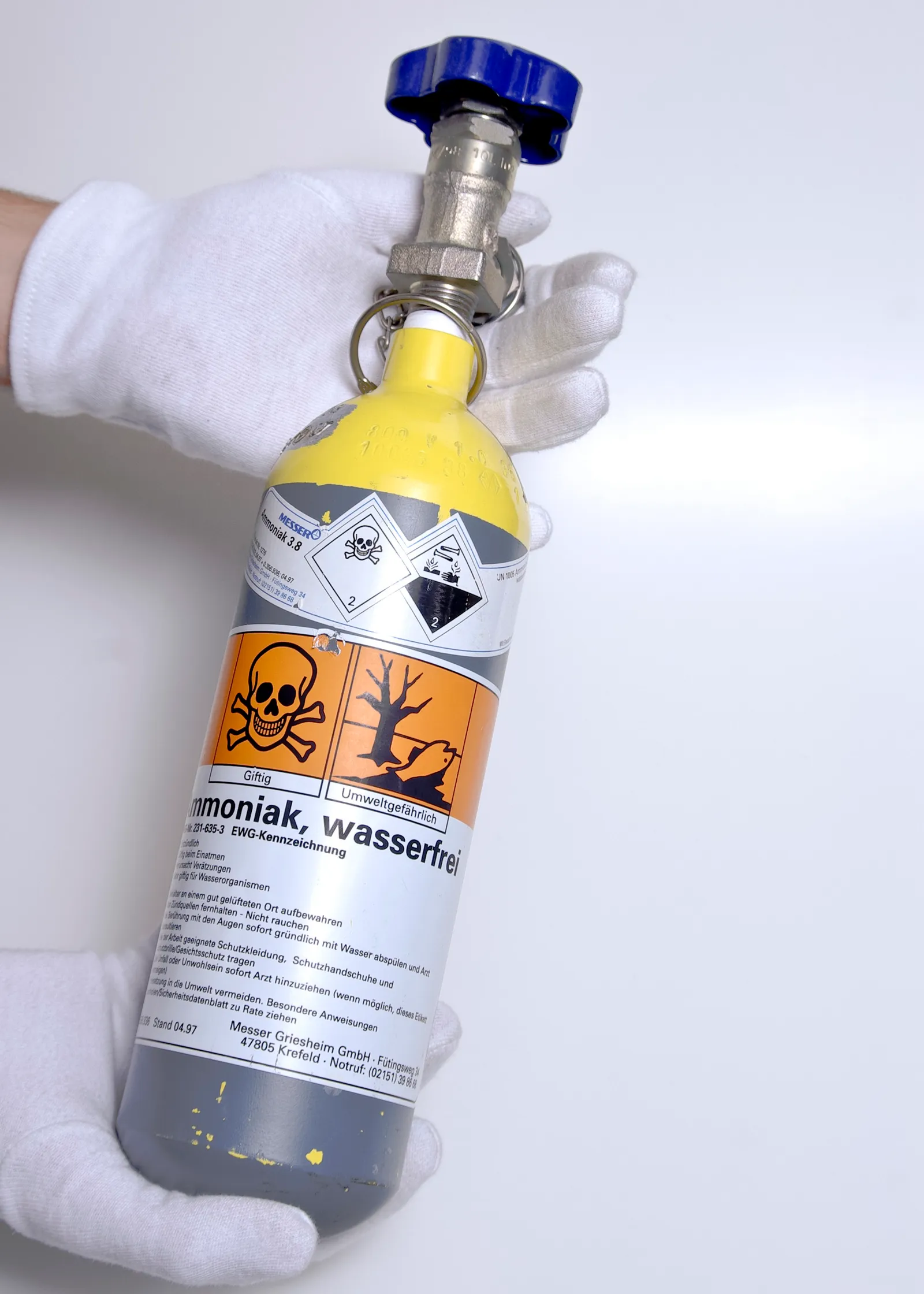
2. Ammonia
2. Ammonia (Own work
(dzięki współpracy ze szkołą fotograficzną – Fotoedukacja /
in cooperation with the school of photography – Fotoedukacja), CC BY-SA 3.0)
Ammonia has a chemical logic behind it that other scents lack. Ammonia mimics the smell of predator urine, triggering an instinctive fear response in rats that causes them to flee immediately, tapping into their survival instincts. The theory is straightforward: rodents associate that sharp, acidic smell with a nearby threat, so they avoid it out of self-preservation rather than simple discomfort.
The catch is safety. While effective, ammonia presents drawbacks including its unpleasant odor for humans and potential health hazards with prolonged exposure, so it’s better suited to outdoor applications or well-ventilated spaces rather than enclosed living areas. Some pest control sources are more skeptical altogether, noting that chili powder, ammonia, mothballs, and peppermint oil are commonly used to repel mice, but studies have shown that they are ineffective as standalone, long-term solutions. It’s a reminder that a scent working in a lab setting doesn’t always translate to a cluttered basement with a dozen other competing smells.
3. White vinegar
3. White vinegar (Image Credits: Pexels)
Vinegar is the low-cost, low-risk option most people already have under the sink. The acetic acid in vinegar acts as a barrier that repels mice, and it does so without the toxicity concerns that come with ammonia or mothballs. Its sharp, sour smell overwhelms a rodent’s nose in a way that feels foreign and unwelcoming.
The tradeoff is durability. Vinegar has a sharp odor that can be unpleasant for rodents, which is why it’s sometimes used as a smell to keep mice away, but it must be reapplied often because vinegar evaporates quickly. If you’re going this route, plan on refreshing cotton balls or sprayed areas every couple of days, especially near obvious entry points like baseboards or vents.
4. Eucalyptus and tea tree oil
4. Eucalyptus and tea tree oil (Image Credits: Pixabay)
These two often get grouped together because they share a similar sharp, camphor-like profile that rodents seem to find genuinely off-putting. Eucalyptus and tea tree oils both contain strong natural compounds that repel rodents, and they’re also known for their antibacterial and disinfectant properties, making them an excellent choice for cleaning areas affected by rodent activity. That dual purpose is part of why pest control companies frequently recommend them over single-use options.
Application matters here too. Mixing a few drops of these oils with water and spraying them along walls, skirting boards, or cupboards can help prevent rats and mice from entering, and they are especially effective in garages, attics, and garden sheds where rodents often nest. Eucalyptus in particular has a chemistry-backed reason for its reputation, since its sharp, camphor-like aroma that rodents find offensive comes from its active compound cineole, also known as eucalyptol.
5. Cinnamon and clove
5. Cinnamon and clove (Image Credits: Unsplash)
Warm kitchen spices don’t seem like an obvious rodent deterrent, but both cinnamon and clove show up repeatedly in pest control literature. Cinnamon’s strong aroma is known to effectively repel mice, while clove oil’s pungent scent is a natural deterrent for mice as well. The compound responsible for clove’s effect has actual scientific pedigree behind it.
Clove oil is one of the most effective essential oils for indoor and outdoor pest control, with its insecticidal properties recognized even over 100 years ago, and the secret behind its effectiveness is its main active compound, eugenol. These spices are easy to work with since most households already stock them, and unlike ammonia, there’s no real safety concern with using them indoors near family or pets.
6. Bergamot oil
6. Bergamot oil (Image Credits: Unsplash)
Bergamot doesn’t get nearly as much attention as peppermint, but it may actually have the stronger research base. Research in the journal Environmental Science and Pollution Research International found that bergamot essential oil showed strong repellent abilities on house mice, making it a promising way to keep these rodents out of the home. Scientists believe the mechanism is a bit different from other scents on this list.
Its key compounds, including linalool and other monoterpenes, appear to have a mild sedative effect on mice, making them less alert, which may help explain why they tend to avoid it. Interestingly, bergamot seems to work even better when paired with something else. One study noted that combinations involving bergamot, such as peppermint oil with bergamot, wintergreen oil with chili, and bergamot oil with geranium were particularly effective at keeping rats away.
7. Capsaicin and chili powder
7. Capsaicin and chili powder (Image Credits: Pixabay)
If a scent works by causing physical discomfort rather than psychological unease, capsaicin is the clearest example. Capsaicin, the compound responsible for pepper’s heat, creates an intensely unpleasant sensation for rats when encountered, irritating the mucous membranes in rodent noses and mouths, causing them to avoid treated areas instinctively. Unlike a scent a rodent can simply learn to tolerate, that burning sensation triggers a more immediate and consistent avoidance response.
Chili powder is often mentioned in the same breath as peppermint and ammonia in pest control guides, though it comes with its own tradeoffs. Rodents avoid spicy smells and tastes, and using chili powder near entry points or nesting areas can create an unpleasant environment that discourages them from staying. Just be mindful of where you sprinkle it, since capsaicin dust can irritate human sinuses and pet paws almost as effectively as it does a mouse’s nose.
Final thoughts
Final thoughts (Image Credits: Unsplash)
After digging through the research, my honest take is that scent-based rodent deterrents deserve a place in your home defense plan, but they should never be the whole plan. The evidence for peppermint, bergamot, and clove is genuinely encouraging, yet even the most optimistic studies describe short-term effects rather than lasting solutions. Ammonia and mothballs, meanwhile, carry health risks that probably outweigh their modest benefits for most households.
If you’re dealing with an occasional scout mouse rather than an established nest, these smells can absolutely make your home less appealing and buy you time. But if you’re hearing scratching in the walls or finding droppings in the pantry, no essential oil is going to solve that on its own. Pair these scents with sealed entry points, tidy food storage, and, if things have already gotten out of hand, a call to a professional. Smell can discourage a rodent from moving in, but it won’t evict one that’s already settled.
Did you find this helpful? Share it with a friend who’d love it too!
Gargi is an MA in History and a B.Ed graduate from India, with a deep passion for animals and wildlife awareness. As an article writer and editor at Animals Around The Globe, she combines her love for storytelling with her dedication to educating readers about animals, conservation, and responsible pet care. A devoted dog lover, Gargi enjoys creating engaging and informative content that inspires compassion and awareness toward the natural world.