#1. The slow blink aimed directly at your child
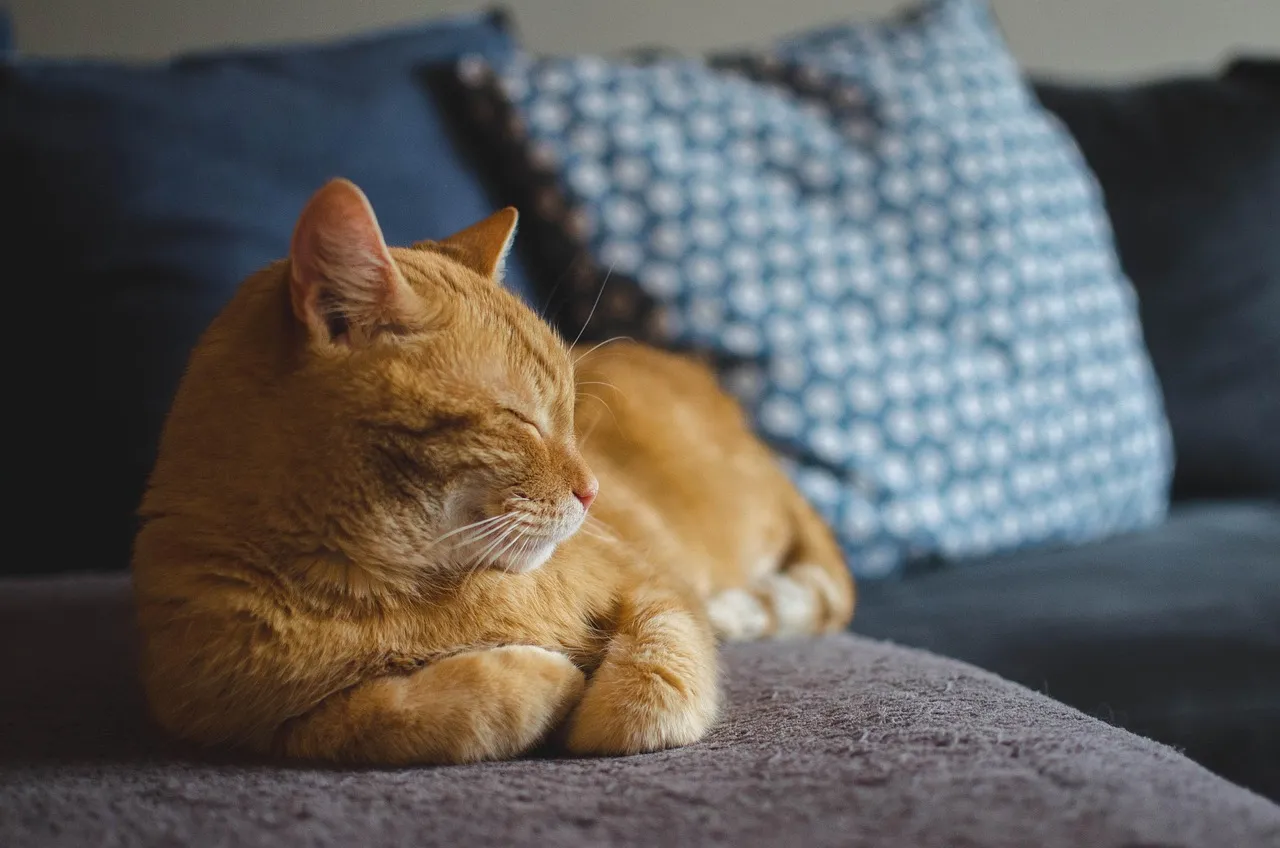
If you’ve ever caught your cat gazing at your child with heavy, half-closed eyes, you were watching one of the clearest trust signals in the feline repertoire. The slow blink is a deliberate, unhurried closing and reopening of both eyes directed at another cat or at a human, and it’s the cat’s way of communicating that it is relaxed, non-threatening, and comfortable in the presence of the person it is looking at. Researchers at the University of Sussex found something even more telling: the foundational research on the slow blink was conducted by Dr. Tasmin Humphrey, whose team found that cats are significantly more likely to approach a previously unfamiliar human after a slow blink interaction with them, compared to control conditions with a neutral expression.
This matters for families because kids often engage in exactly the kind of calm, low-pressure eye contact that invites a slow blink response, especially once they’ve learned not to stare a cat down. If your child sits quietly and the cat responds with that dreamy, drawn-out blink, it’s a genuine signal of comfort, not coincidence. Some cats will even reserve this gesture almost exclusively for the person in the house they feel safest around, and increasingly, researchers note that person is sometimes a child rather than a parent.
#2. Kneading on your child’s lap
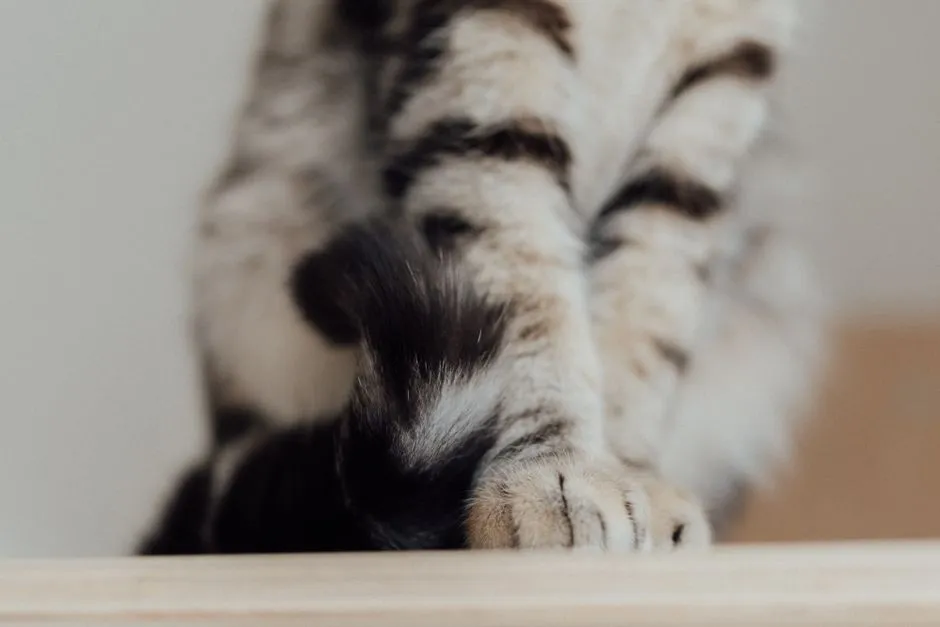
Watching a cat “make biscuits” on a child’s legs is one of those small moments that tends to make parents smile, and there’s real biology behind it. Kneading originates in kittenhood, where it serves a specific functional purpose: the motion stimulates milk production in a nursing mother. The behavior doesn’t disappear once cats grow up; instead, it gets carried forward as a comfort ritual. Domestication research has consistently found that domestic cats retain a significant number of juvenile behaviours into adulthood, a process called neoteny, and a cat that kneads on you is in a neurological state associated with deep comfort, safety, and positive attachment.
What makes this sign particularly interesting for families is the physiological angle. The behaviour is linked to elevated oxytocin levels and is not merely a habit or a reflex; it’s a reliable physiological indicator of a profoundly relaxed state. A cat doesn’t knead on someone it’s wary of, so if your child regularly becomes a kneading surface during quiet moments, that’s genuine trust talking, not just a soft blanket-like lap.
#3. Exposing the belly during calm moments
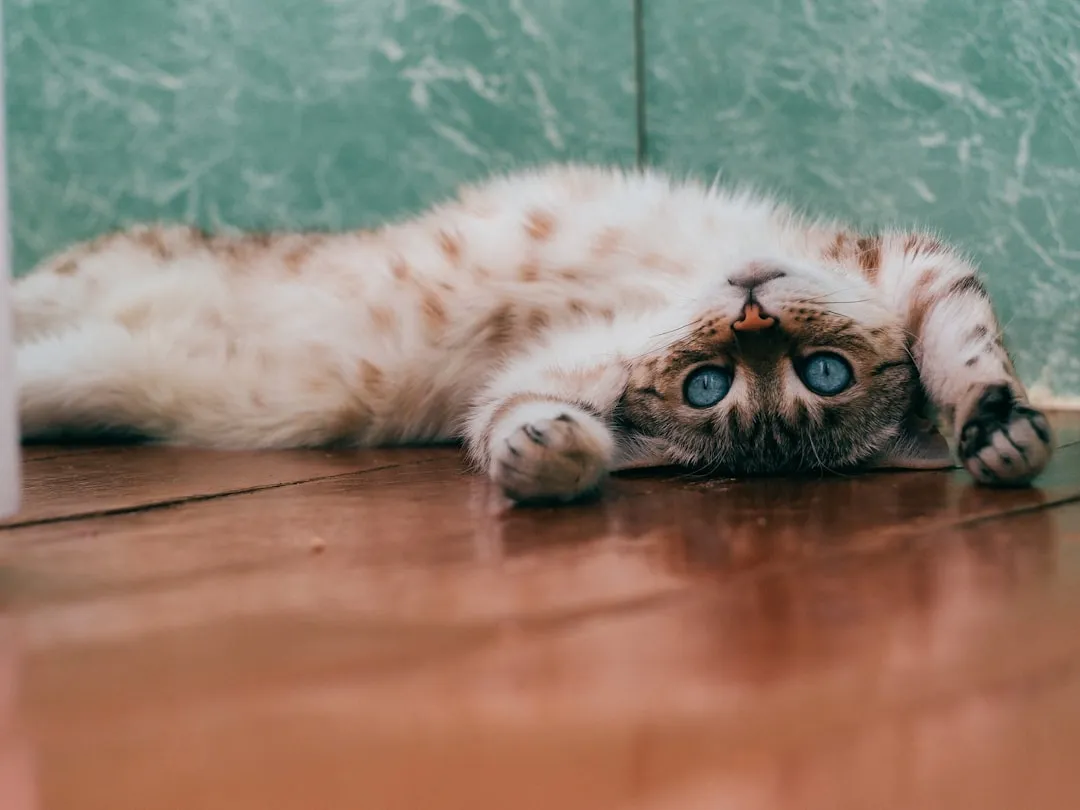
The belly-up pose is often misread as an invitation for a rub, but cat behaviorists are careful to clarify what it actually signals. The correct interpretation of belly exposure is trust display, not touch invitation. A cat’s underside is its most vulnerable area, so choosing to expose it around a specific person, especially during lounging rather than play, is a meaningful gesture of confidence in that person’s presence.
If your cat rolls onto its back near your child while dozing on the carpet or during a lazy afternoon, it’s essentially saying it doesn’t feel the need to protect itself. This is one of those signs that can catch parents off guard, because the cat might tense up or dart away if an adult reaches for the same pose. Children, especially ones who’ve learned to sit calmly rather than lunge in for a belly rub, sometimes earn this display more consistently simply because their energy reads as less threatening to a cat.
#4. Choosing to nap near your child instead of you
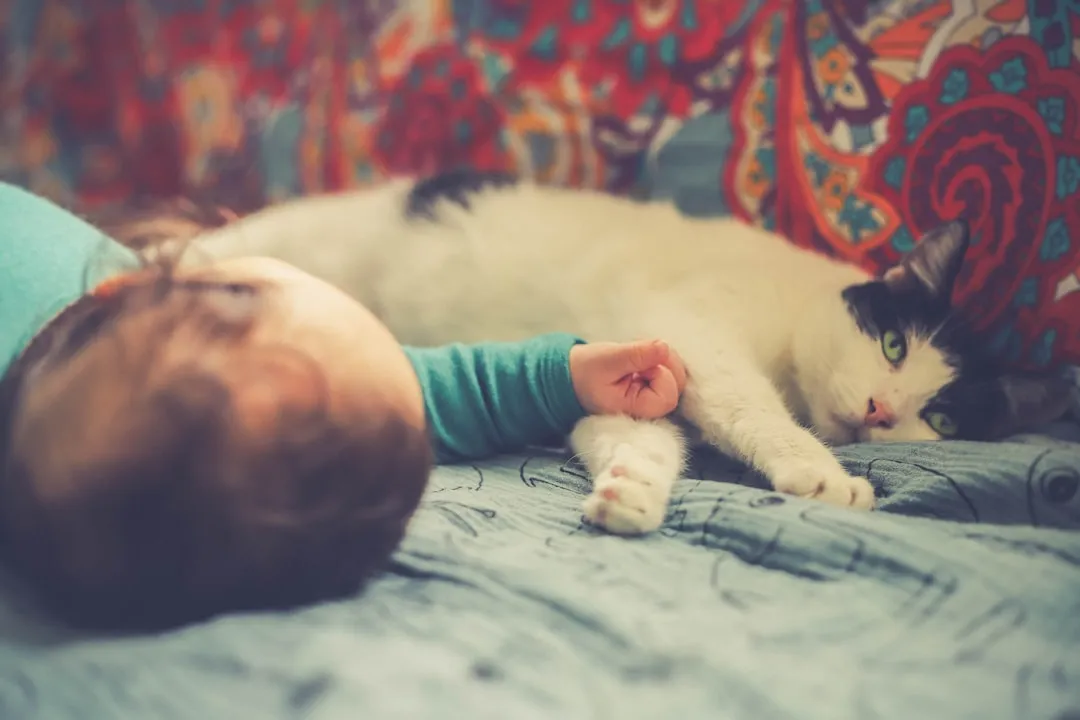
Sleep is when cats are at their most defenseless, which is exactly why where they choose to nap says so much. The ultimate compliment is if they want to sleep on you, since being close to you when they are at their most vulnerable is a definite sign that you have earned your cat’s trust. When a cat consistently picks a child’s bed, blanket, or lap over anyone else’s in the house, that preference is worth paying attention to.
This pattern often develops gradually rather than overnight. A cat might start by napping in the same room as a child, then move closer over weeks or months until it’s curled up directly against them. Parents sometimes assume this is just about warmth or a comfortable spot, but cats are notoriously particular about who they let their guard down around during sleep, and a child who’s earned that spot has usually done something right, whether it’s a gentle voice, predictable routines, or simply spending more one-on-one time with the animal.
#5. Bringing “gifts” specifically to your child
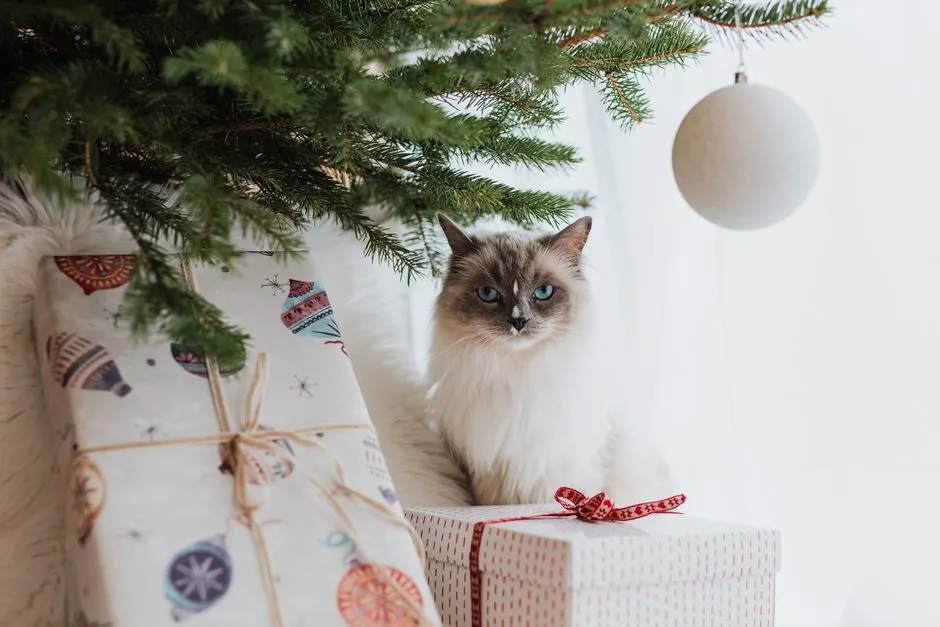
It’s not the most glamorous sign of affection, but it’s one of the most socially significant ones. Bringing “gifts” like dead mice or toys may seem odd, but they reflect inclusion in the cat’s social circle. This behavior taps into a cat’s instinct to share resources with members of its trusted group, a group that historically would have included its own kittens or close companions.
When a cat starts leaving toys, feathers, or the occasional unfortunate bug specifically at a child’s feet, it’s treating that child as part of its inner circle rather than a passing houseguest. It’s worth noting this isn’t necessarily about hunting skill or maternal instinct in every case. Some cats simply learn that a particular person reacts with excitement or attention when they show up with an offering, and that positive feedback loop reinforces the behavior over time, especially with kids who tend to react enthusiastically to almost anything a pet does.
#6. Letting your child groom or handle them without protest
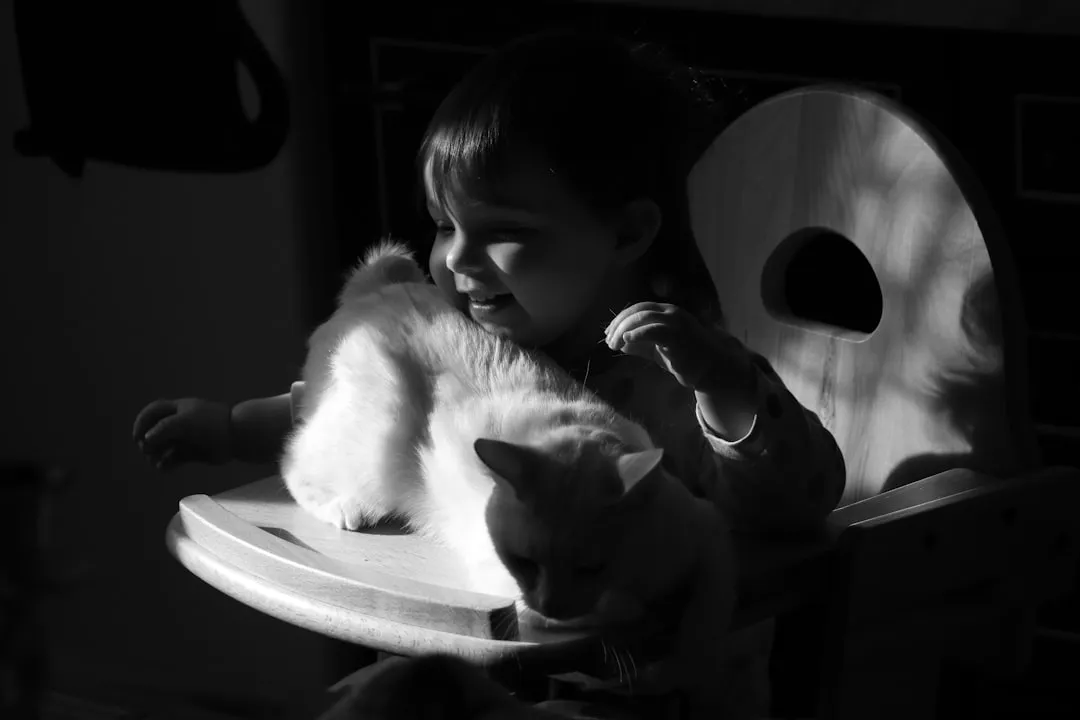
Grooming is a two-way trust exercise in the cat world, and it doesn’t stop at cat-to-cat relationships. If your cat trusts you, they might like to sleep with you, spend time with you, knead you, or groom you. A cat calmly allowing a child to brush its fur, hold its paws, or pet it for extended stretches without flattened ears or a swishing tail is showing a level of patience that isn’t automatic.
Children are often less predictable in their movements than adults, so a cat tolerating that unpredictability calmly is actually a bigger trust signal than it might first appear. This doesn’t mean every interaction should be unsupervised, since even trusting cats have limits. Still, a cat that stays loose and relaxed through a child’s clumsier handling, rather than tensing up or retreating, is communicating a level of comfort that many adults in the household might not receive.
#7. Head bunting and cheek rubs directed at your child
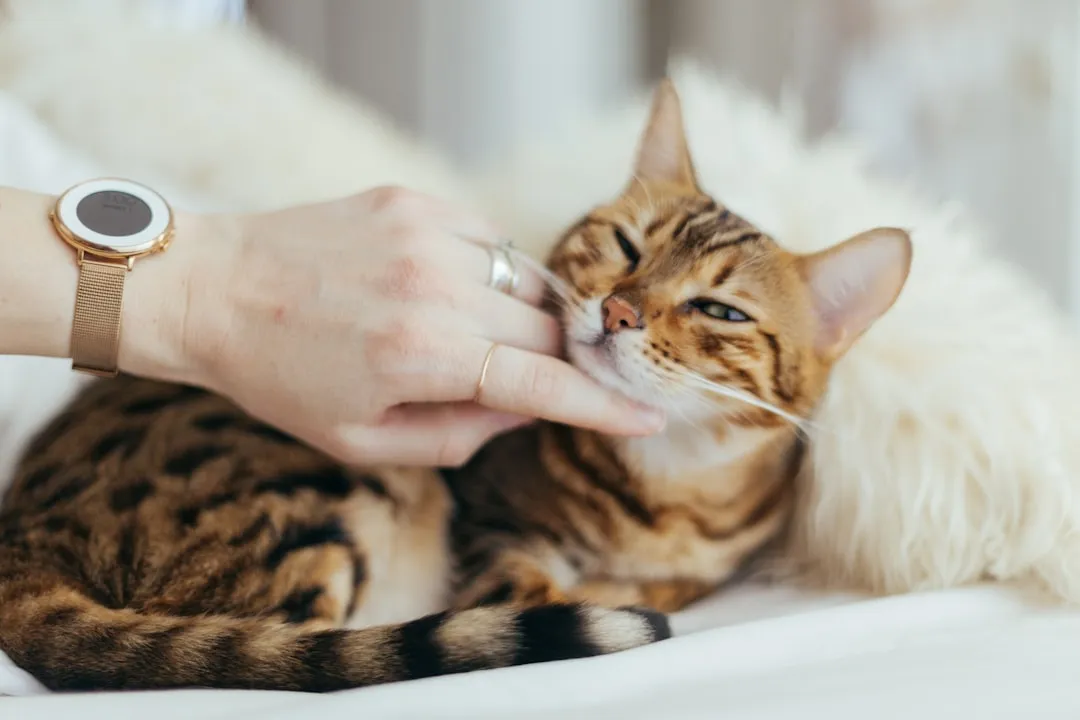
There’s a particular kind of affection in a cat pressing its forehead or cheek against someone, and it’s more than just a cute gesture. When a cat presses its head against your face or hand, or rubs its cheek along your leg, it is depositing scent from its facial glands, and cats have scent glands in the cheeks, chin, forehead, and around the mouth that produce a secretion used to mark objects and individuals as familiar and safe. In essence, the cat is claiming that person as part of its territory and social group.
When this behavior is aimed at a child specifically, and repeated over time rather than being a one-off, it suggests the cat has folded that child into its trusted circle in a lasting way. Some cats develop this habit with a child before ever extending it to the parents, particularly if the child spends more relaxed, low-key time with the animal. It’s a small gesture, but in cat language, it’s a fairly loud declaration of familiarity and safety.
Final thoughts on cats and childhood bonds