
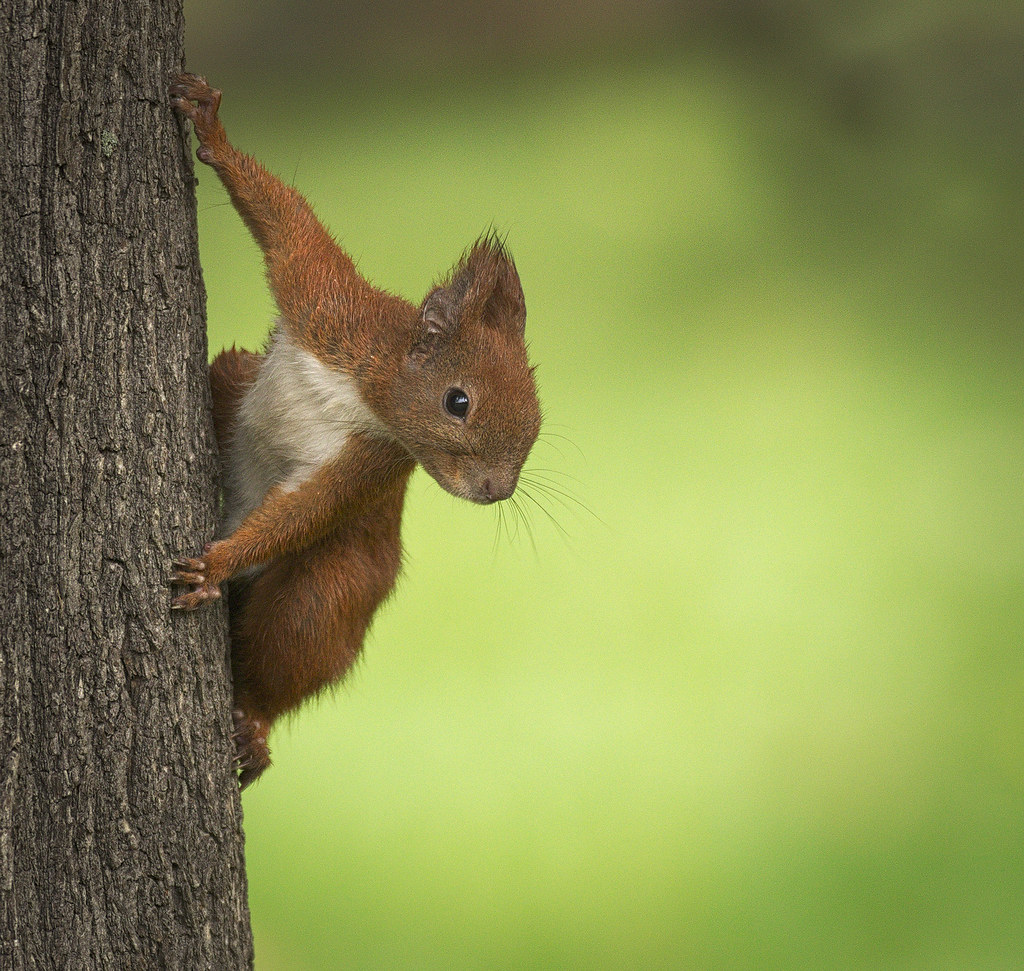
#1. The spiraling chase is a territorial broadcast
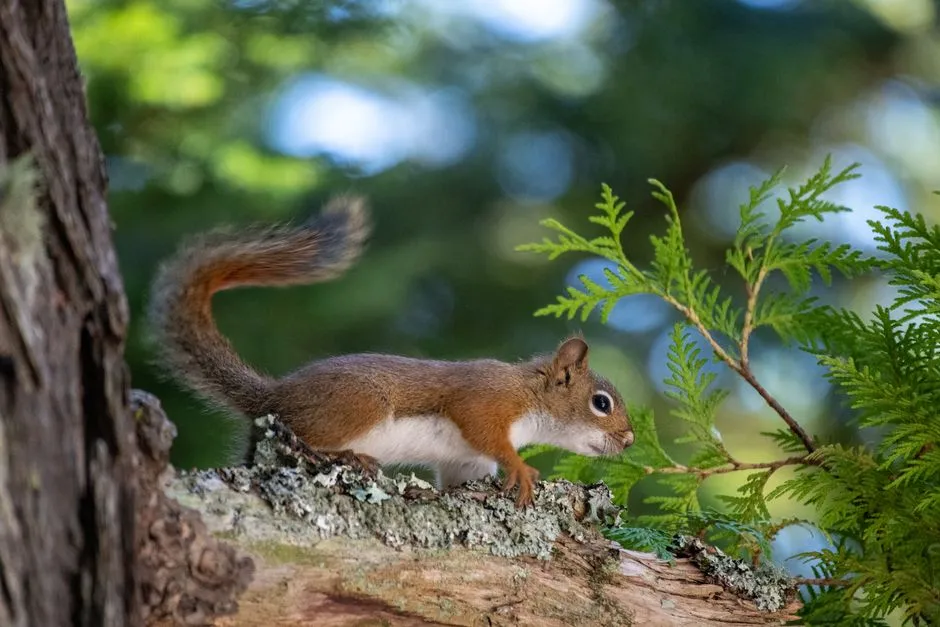
When a squirrel wraps itself around a trunk in tight, fast loops, it’s rarely playing a game. The up-and-down spiraling pattern around a tree displayed during some chases is a sure sign of a territorial dispute. That pattern shows up across several species, not just one particular type of squirrel.
Many species of squirrels are territorial, including northern flying squirrels and American red squirrels. The trunk itself becomes part of the message. A resident squirrel isn’t just running for the sake of it, it’s using the vertical surface to physically block an intruder from reaching a stash of food or a nesting hollow.
#2. Dominance hierarchies decide who chases whom
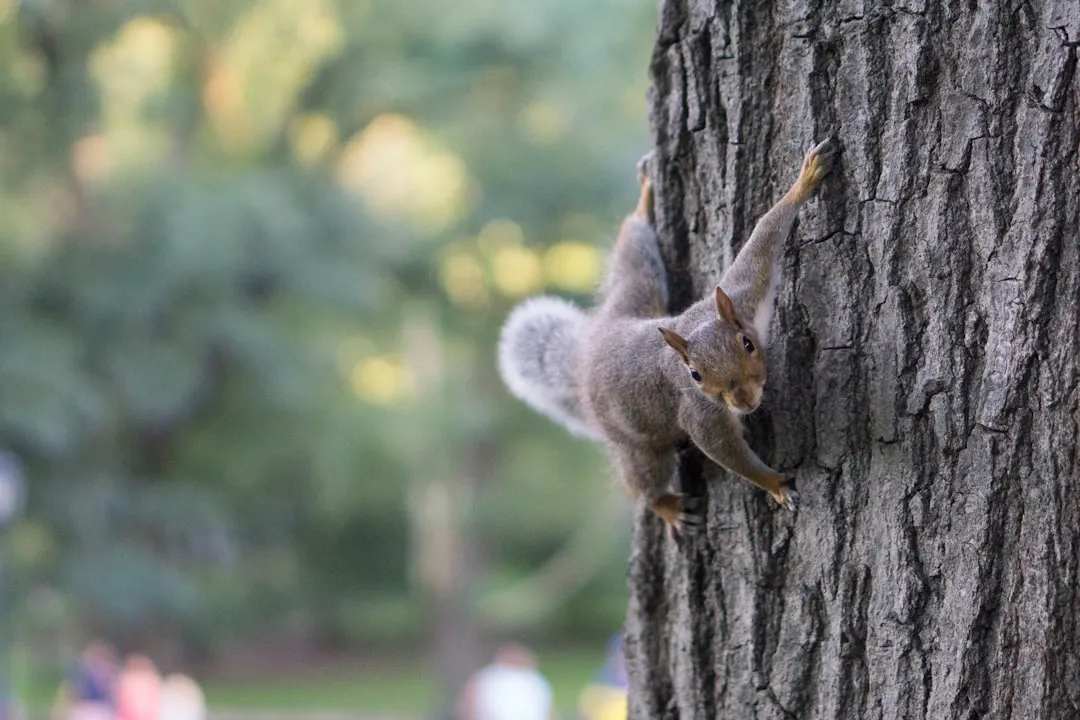
Not every species defends a strict plot of land, but almost all of them care deeply about rank. Eastern gray squirrels are not territorial but do form dominance hierarchies in which they establish dominance over each other, and establishing dominance involves aggression and chasing, according to Michael Steele of Wilkes University, who has studied squirrel behavior. That single detail reframes a lot of backyard drama.
The chase, in this context, works like a running scoreboard. Squirrels will chase or nip at other squirrels that are feeding in their territory. The squirrel doing the chasing usually isn’t trying to seriously injure the other, it’s reinforcing a pecking order that gets tested again and again throughout the year.
#3. Mating season turns the chase into a fitness test
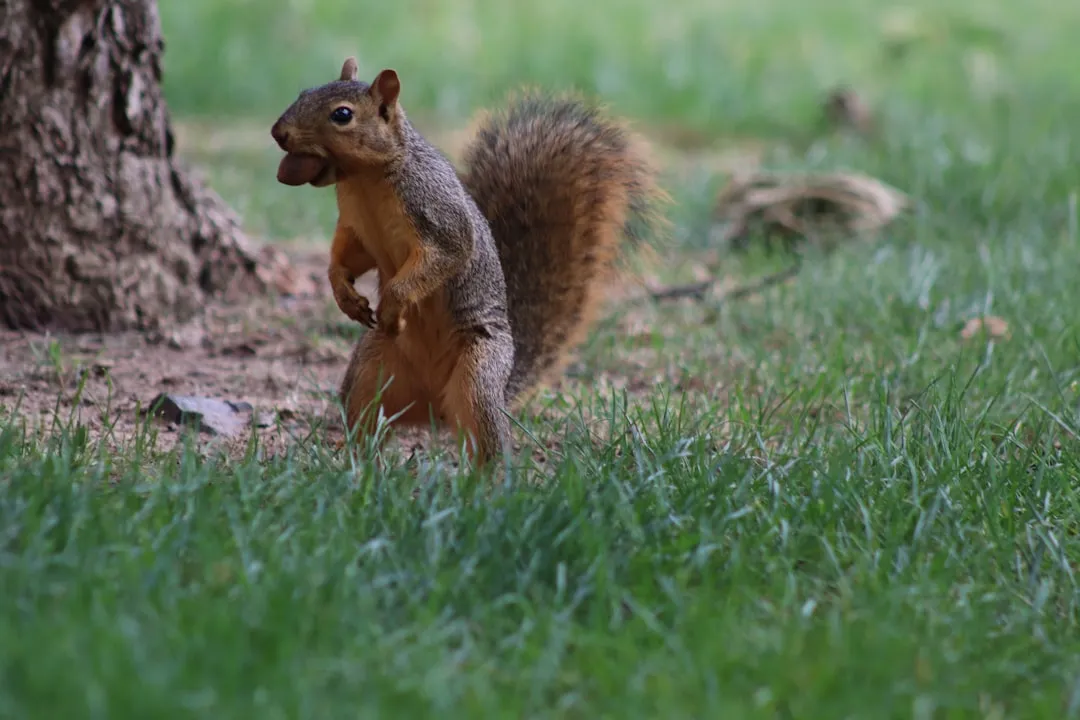
Twice a year, the tone of these chases shifts completely. From January to February and again from May to June, everything in squirrel society seems to be in an uproar, as males can smell which females are fertile and begin to chase them. The energy in these pursuits feels different from a territorial spat, faster, longer, and often involving more than two animals.
A female’s ability to outrun her suitors isn’t incidental. The female’s ability to evade her pursuer is her way of ensuring she’s selecting a strong, healthy mate, the chase isn’t just excitement, it’s a fitness test. Only the squirrels with enough speed and stamina end up close enough to have a shot at mating, which quietly filters for physical condition.
#4. Scent and pheromones set the whole thing in motion
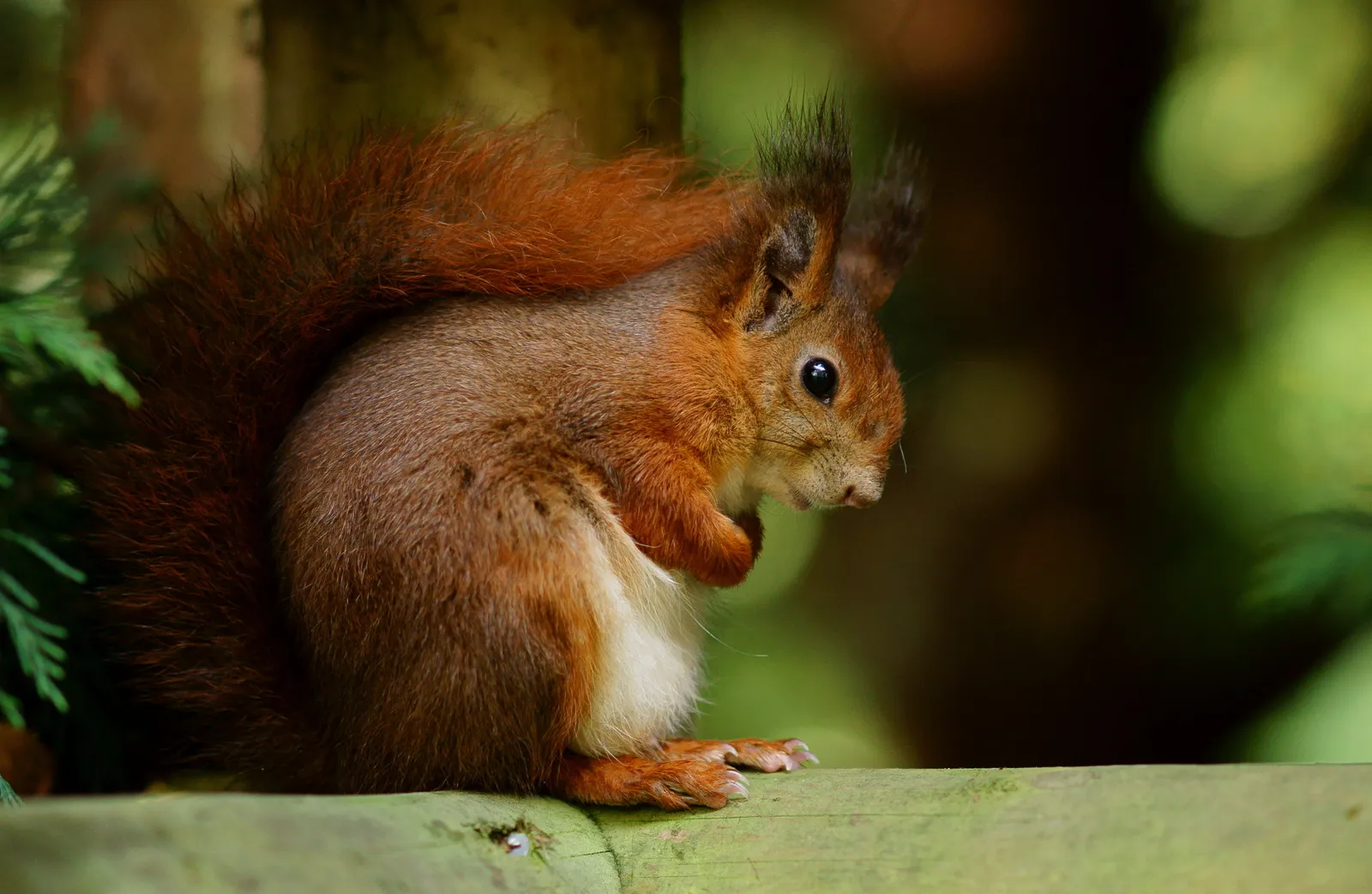
Long before any visible chase begins, chemistry has already done its work. During the breeding windows, females enter estrus for just a few hours, and when a female is ready to mate, she releases pheromones detectable by nearby males. That narrow biological window explains why the behavior can seem to erupt out of nowhere.
Once a male picks up that scent, the pursuit can pull in a small crowd rather than a single rival. This triggers a pursuit involving multiple suitors, often three to five males, who race after the female in rapid succession. Field researchers studying gray squirrels have described similar group sizes trailing a single female during peak breeding weeks.
#5. The trunk itself works like a strategic battleground
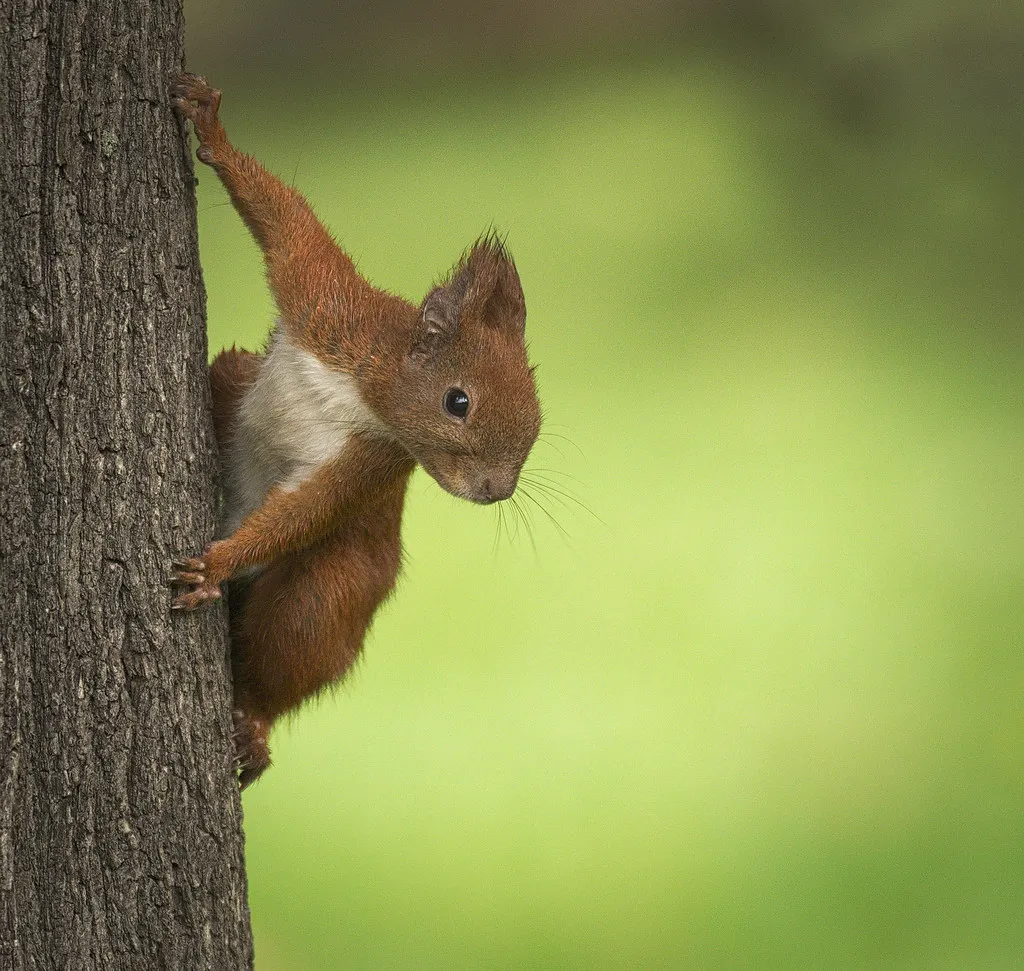
Trees aren’t just scenery in these encounters, they’re tools. The tree itself becomes a kind of battleground tool, and in territorial disputes, the defender uses the trunk to block access, keeping the intruder from advancing by staying between them and the resource they’re protecting. That’s why chases so often circle rather than run in a straight line across open ground.
The vertical surface gives the defending squirrel an advantage in both visibility and control. A dominant squirrel will pursue an intruder up a tree, around the trunk, and sometimes back down, using height and speed to assert superiority. It’s a compact, efficient way to settle a dispute without wasting energy chasing across an entire yard.
#6. Juvenile squirrels chase purely to learn and play
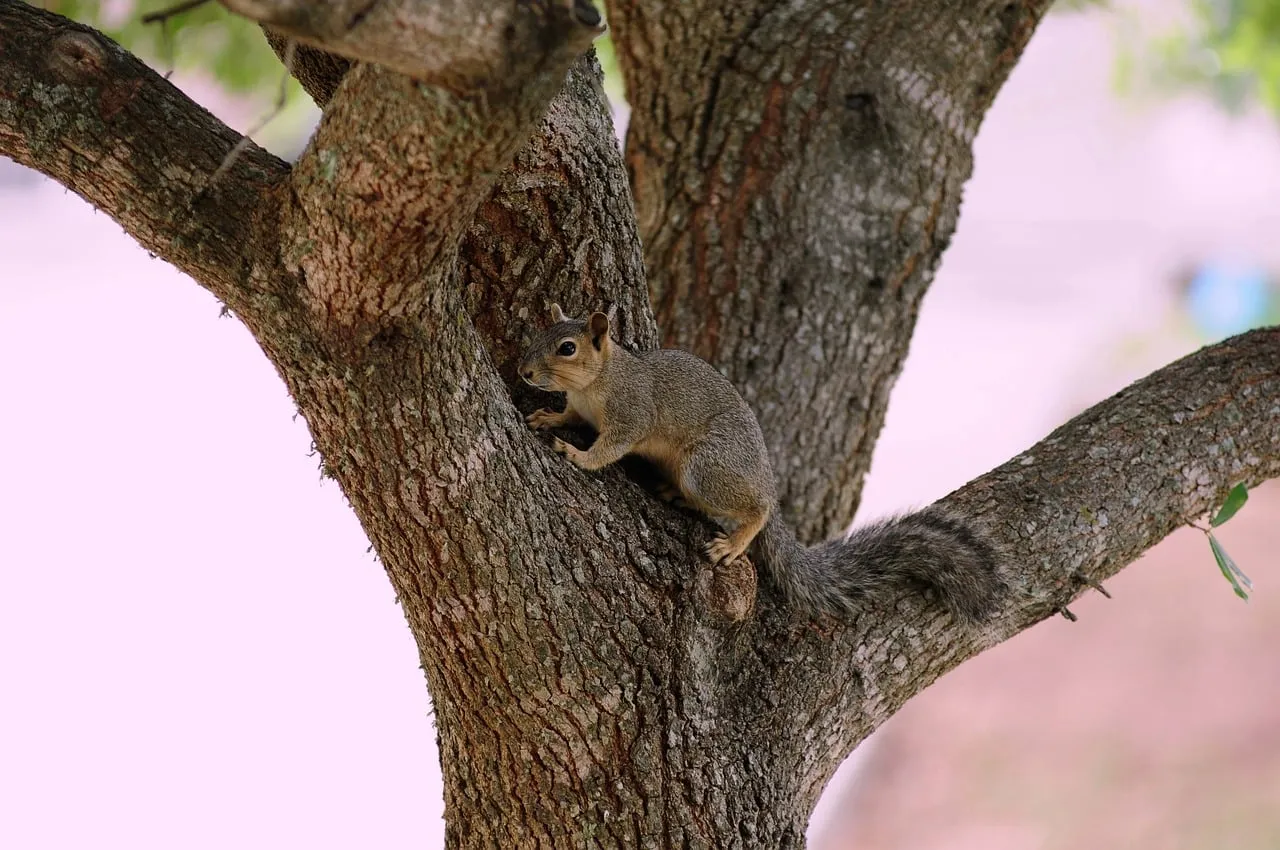
Young squirrels bring a completely different motive to the same spiraling behavior. The final kind of chasing behavior is seen in young squirrels, who happily chase each other around in the same way that puppies and kittens play act fighting, as they try to develop coordination, strength, and skills, and perhaps just for fun. There’s no resource at stake here, just practice.
These play chases tend to look lighter and more erratic than adult disputes, with frequent pauses and role swapping. These types of playful chases won’t result in fights after the squirrels catch each other, though they do sometimes playfully nip at each other. It’s the squirrel equivalent of siblings roughhousing in a backyard, low stakes, high energy.
#7. Body language and sounds reveal what’s really happening
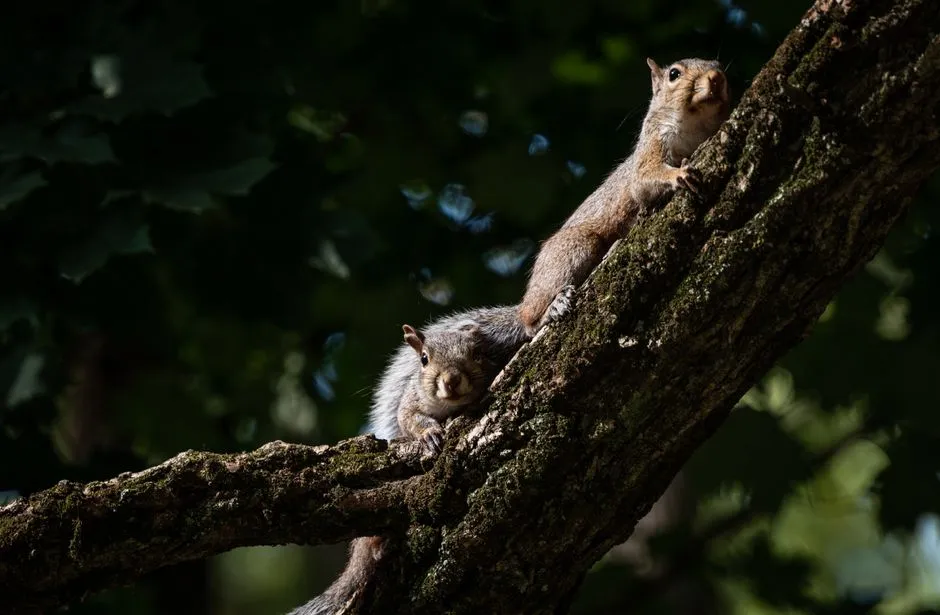
A chase rarely happens in silence, and the accompanying signals often say as much as the sprint itself. Squirrels also use body language, sounds, and scents, and when a squirrel quickly flicks its bushy tail, it’s like sending a warning signal that can show they feel annoyed, threatened, or want to assert dominance. Watching the tail alongside the footwork gives a much clearer picture of intent.
Mating pursuits often come with their own distinct soundtrack. What has actually been captured is often mating chases, which can look very similar to play behaviour, squirrels chasing one another back and forth through the branches, often with excited chittering, though play is far from the object. That chittering, paired with a female darting between branches, is a strong hint you’re witnessing courtship rather than a scuffle over turf.
#8. Why humans often misread the behavior as harmless fun
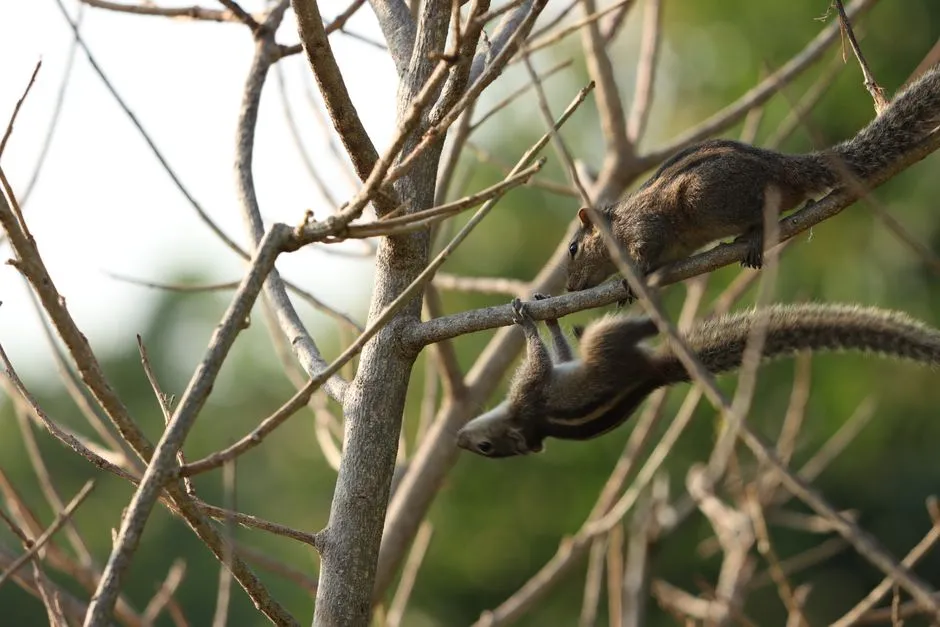
It’s an easy mistake to make. Two squirrels racing around a trunk at full speed looks like a game, and our brains default to the most charming explanation available. Squirrels playing tag around the trunk of a tree in the garden is often more than these cheeky creatures having fun, and squirrels will do this as part of territorial disputes where the dominant animal catches the subordinate to show them who’s boss.
Even researchers who study this closely admit the confusion is common, since the outward motion of dominance chases, territorial disputes, and courtship pursuits can look nearly identical to a casual observer. The real differences show up in details like season, group size, and vocalizations, not just speed or enthusiasm. Once you start noticing those cues, the backyard soap opera becomes a lot easier to follow.
The takeaway
Squirrels don’t waste motion. Every loop around a trunk, every burst of speed across a lawn, is doing some kind of biological work, whether that’s settling rank, chasing off a rival, testing a potential mate, or simply teaching a young squirrel how its own body moves. I’ll admit there’s something a little humbling about that. What looks like the most trivial backyard entertainment turns out to be one of the more efficient survival strategies in the animal world, and it’s been playing out in trees long before anyone was watching from a window with a coffee in hand.

- 11 Ways Your Cat Is Secretly Protecting You Every Day - August 14, 2026
- 10 Mistakes People Make When Camping in Wolf Country - August 14, 2026
- 8 Dog Breeds That Form the Strongest Bond With One Person - August 14, 2026