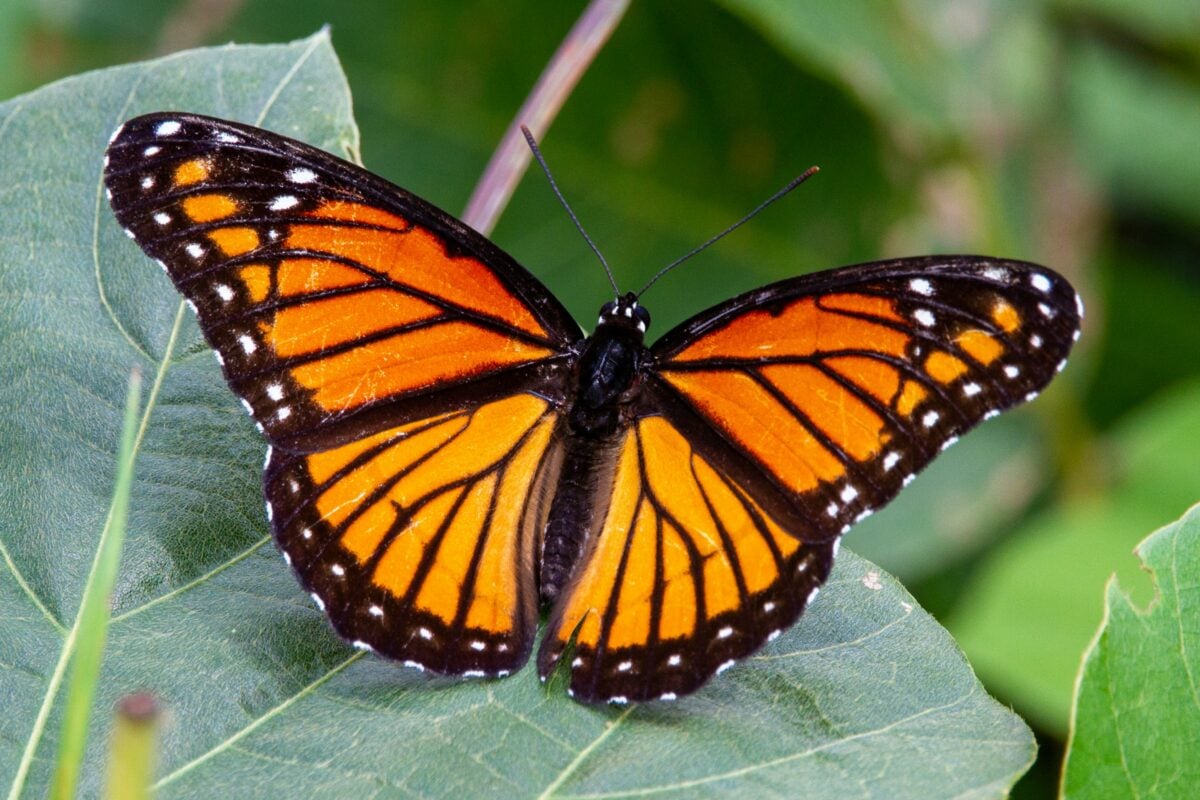
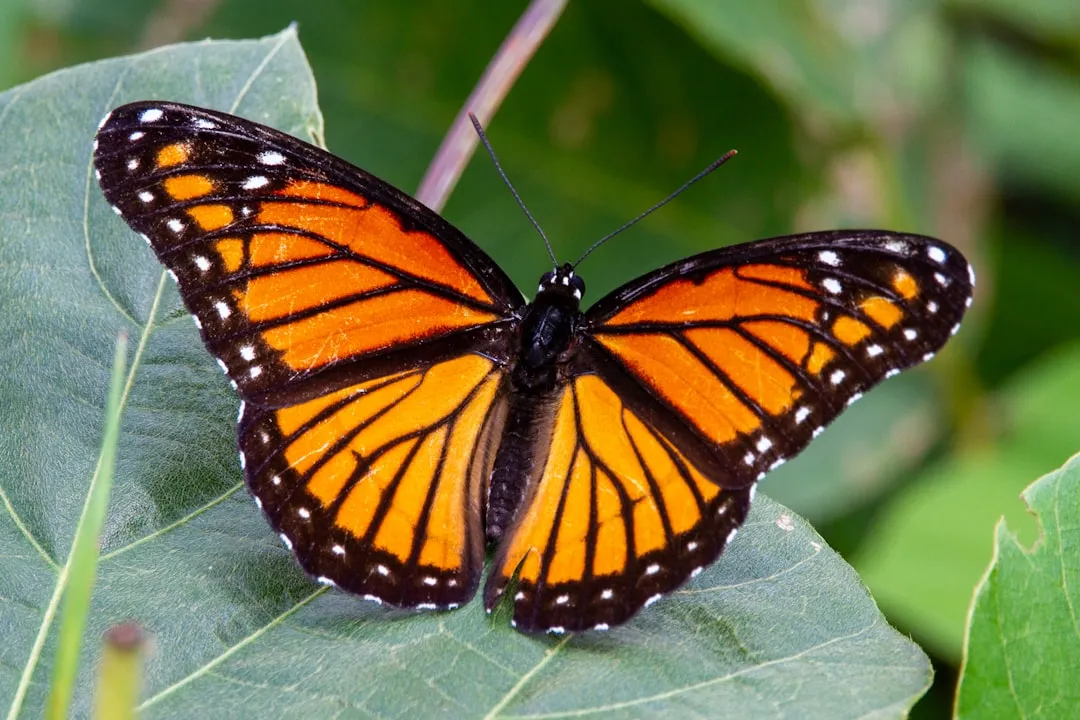
There’s a particular kind of quiet thrill that comes from spotting a monarch butterfly drifting through a backyard garden. It’s not just luck. Every landing, every slow unfurling of that orange and black wing, is the result of a specific relationship between the butterfly and the plants it needs to survive.
Monarchs don’t just show up randomly. They’re following chemical cues, seasonal bloom patterns, and generations of evolutionary programming that ties them to a fairly specific list of native plants. Knowing which flowers actually make that list, rather than just look pretty in a catalog, can turn an ordinary garden into a genuine waystation for one of North America’s most recognizable, and increasingly vulnerable, insects.
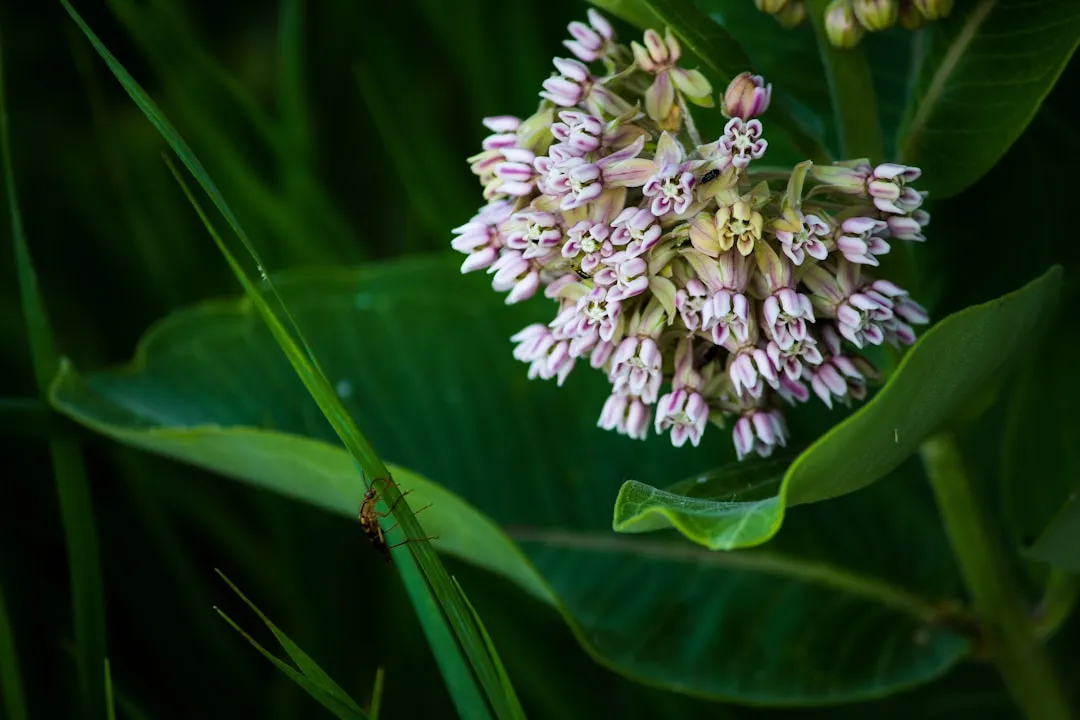
#1 Common Milkweed (Asclepias syriaca)
#1 Common Milkweed (Asclepias syriaca) (Image Credits: Unsplash)
Common milkweed is the plant most people think of first when monarchs come up, and for good reason. While most butterfly species can feed on a variety of host plants, monarch caterpillars can only survive on a diet of milkweed. That single fact makes this species, and its relatives, non negotiable for anyone serious about supporting the monarch life cycle rather than just admiring adults passing through.
That said, common milkweed isn’t without its quirks. Not every kind of milkweed plant will be suitable for your garden. One big mistake many home gardeners make is reading about the importance of milkweed and then planting common milkweed without checking whether it fits their region, since it spreads aggressively by rhizomes and can take over smaller beds. It’s a plant that rewards patience and a bit of space, and gardeners who give it room are usually glad they did once the eggs start showing up on the leaves.
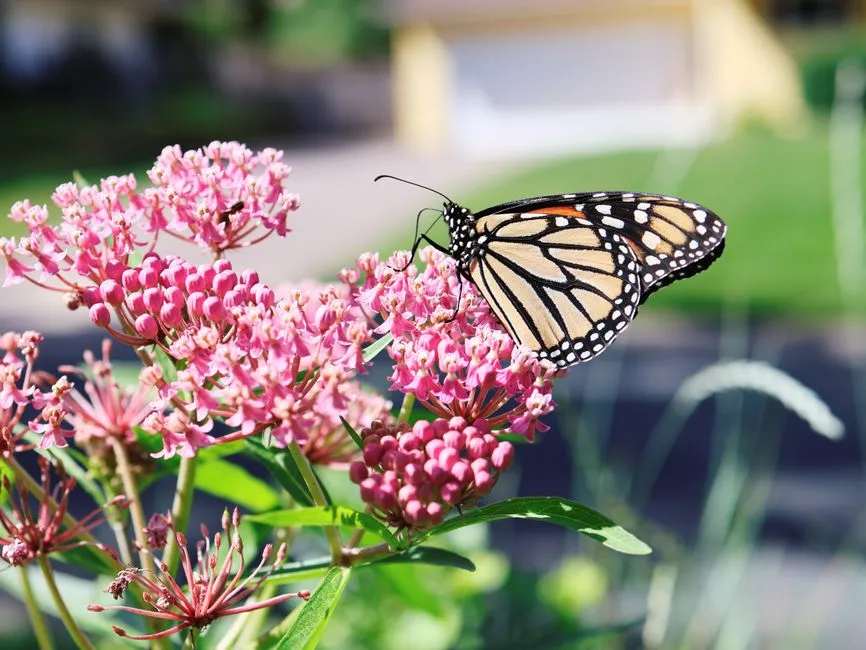
#2 Swamp Milkweed (Asclepias incarnata)
#2 Swamp Milkweed (Asclepias incarnata) (Image Credits: Pexels)
Swamp milkweed has earned a reputation as the friendlier, more manageable cousin in the Asclepias family. Don’t let the common name of this milkweed fool you, just because “swamp” is in the name, doesn’t mean this species of milkweed requires wet conditions. In fact, swamp milkweed does grow in saturated soils, but it also grows just fine in well-drained garden soil. That flexibility makes it one of the more forgiving choices for home gardeners who don’t have a boggy corner to spare.
Its clumping growth habit is another point in its favor. It’s clump forming, so unlike some other milkweed species, it doesn’t take over the garden with spreading roots, which means it plays nicely with neighboring perennials instead of muscling them out. Monarchs seem to appreciate the clusters of pink blooms just as much as gardeners do, and it’s frequently cited as one of the two milkweed species worth prioritizing if space or time is limited.
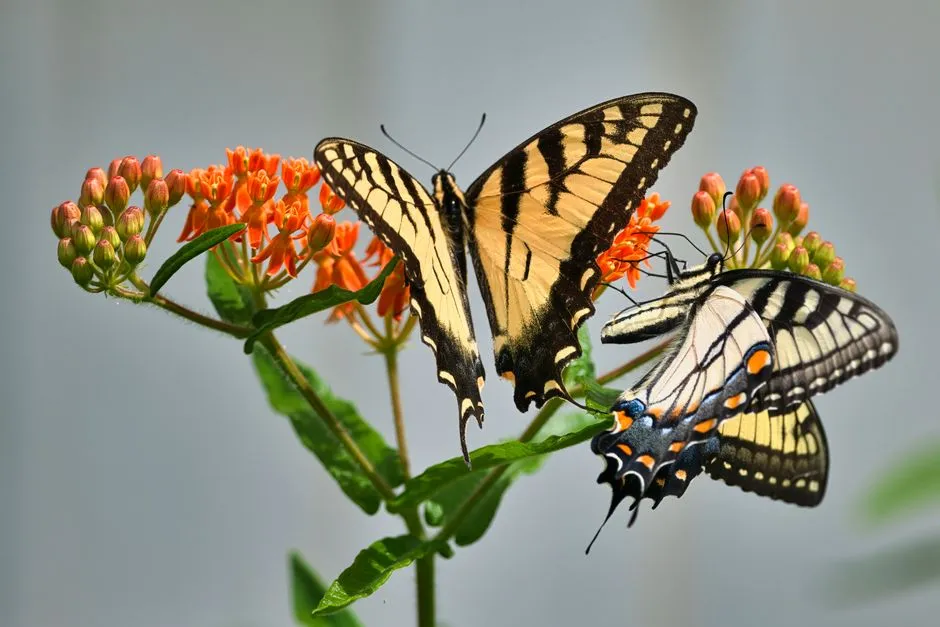
#3 Butterfly Weed (Asclepias tuberosa)
#3 Butterfly Weed (Asclepias tuberosa) (Image Credits: Pexels)
Butterfly weed brings a splash of brilliant orange to the monarch garden, and it does so with a bloom time that’s particularly useful for early season breeding. Butterfly weed grows throughout most of the monarch’s range and is widely used by migrating spring monarchs to rear offspring, with brilliant orange blooms opening late spring, this showy milkweed is a favorite among butterflies and gardeners alike. Unlike common milkweed, it tends to stay put in a tidy clump rather than wandering across the yard.
Experts who work directly with monarch conservation programs consistently point to this species as a top recommendation. Recommends Asclepias incarnata, swamp milkweed, and Asclepias tuberosa, butterfly milkweed, as easy to find in native plant retail locations, easy to grow and appropriate for all regions. It also tends to tolerate drier, sunnier spots better than its swamp dwelling relative, making it a solid pick for gardeners dealing with lean or rocky soil.
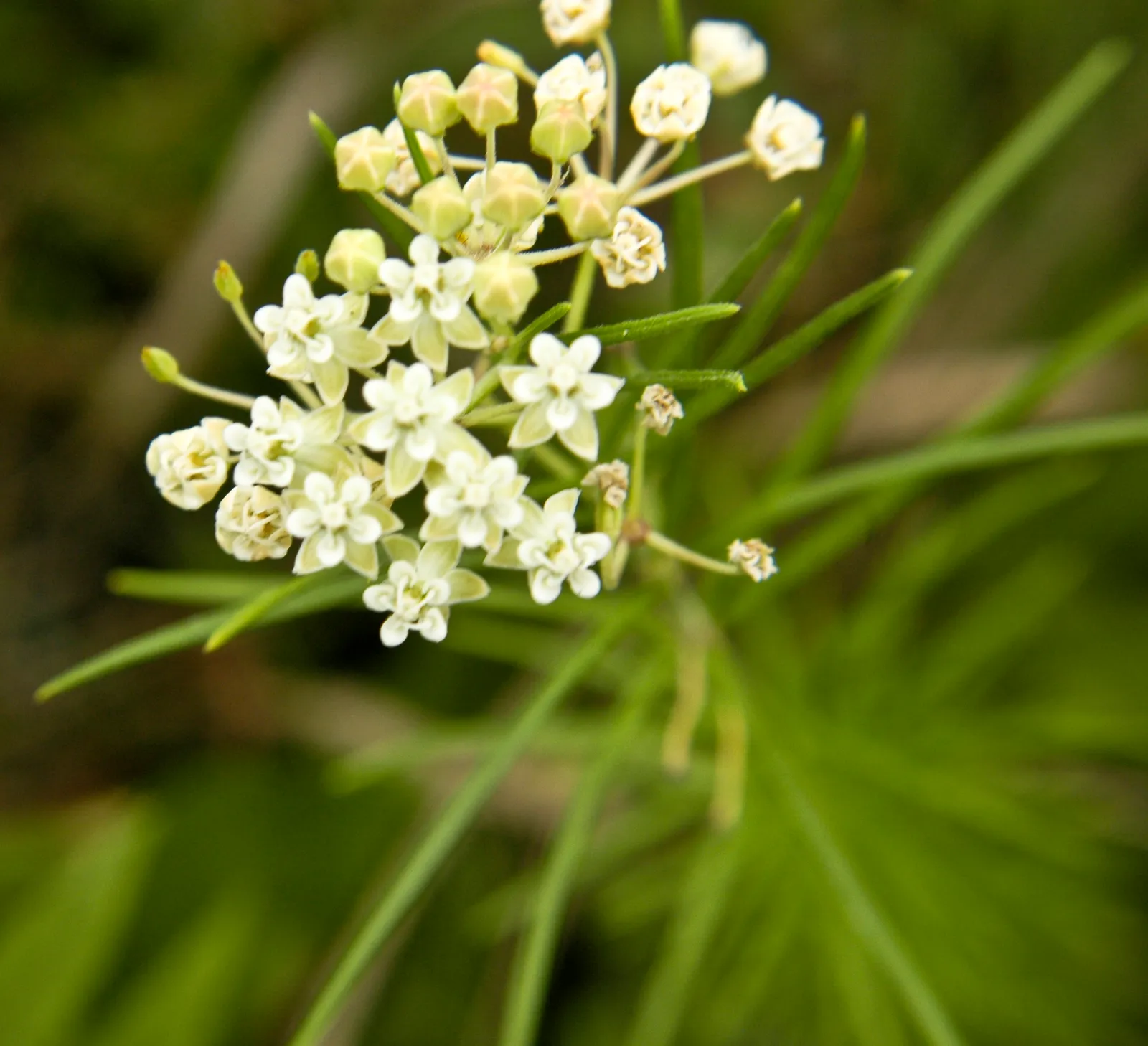
#4 Whorled Milkweed (Asclepias verticillata)
#4 Whorled Milkweed (Asclepias verticillata) (originally posted to Flickr as Asclepias verticillata WHORLED MILKWEED, CC BY-SA 2.0)
Whorled milkweed looks different from the milkweed most people picture, and that’s part of its charm. The slender, needle-like leaves of this monarch butterfly host plant don’t look like many other milkweeds out there. Its feathery, almost delicate appearance makes it a good textural contrast in a garden bed rather than just another broad leafed plant competing for attention.
What makes it especially useful is timing. Whorled milkweed blooms as early as May in southern states and continues to flower all summer, with white blooms that stand atop tall stems and attract a flurry of pollinators to the garden, and monarchs use whorled milkweed as a host plant throughout spring and summer. That long bloom window gives monarchs a reliable egg laying site across multiple generations in a single season, which is more than can be said for some flashier species.
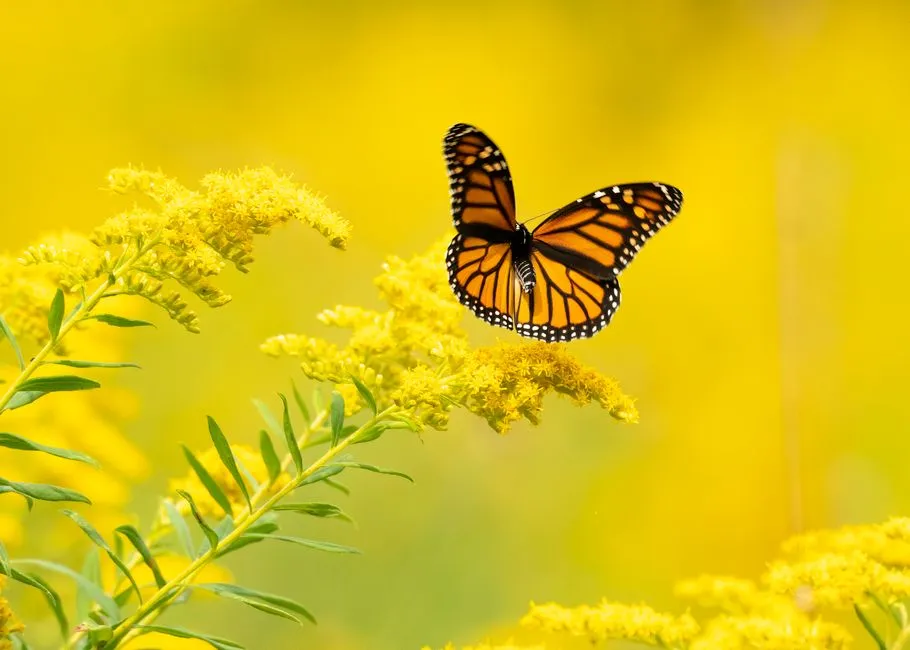
#5 Showy Goldenrod (Solidago speciosa)
#5 Showy Goldenrod (Solidago speciosa) (Image Credits: Pexels)
By late summer, when a lot of garden color has faded, goldenrod steps in as one of the most important nectar sources monarchs will find on their entire migration route. Goldenrod plants, like showy goldenrod, are a top nectar source for monarchs in the fall. It’s a plant that often gets an unfair reputation, mostly because of confusion with a completely different weed.
That confusion has real consequences for pollinators. Often confused with ragweed, goldenrod is not responsible for the infamous allergies people detest, but sadly, they are sometimes blamed and removed. Beyond monarchs, native goldenrods are host plants to over 126 species of butterflies and moths and provide a great food source in the fall, when many summer-flowering plants are losing their flowers for the season. Learning to identify and protect the goldenrod native to a given region can end up supporting far more than just one species of butterfly.
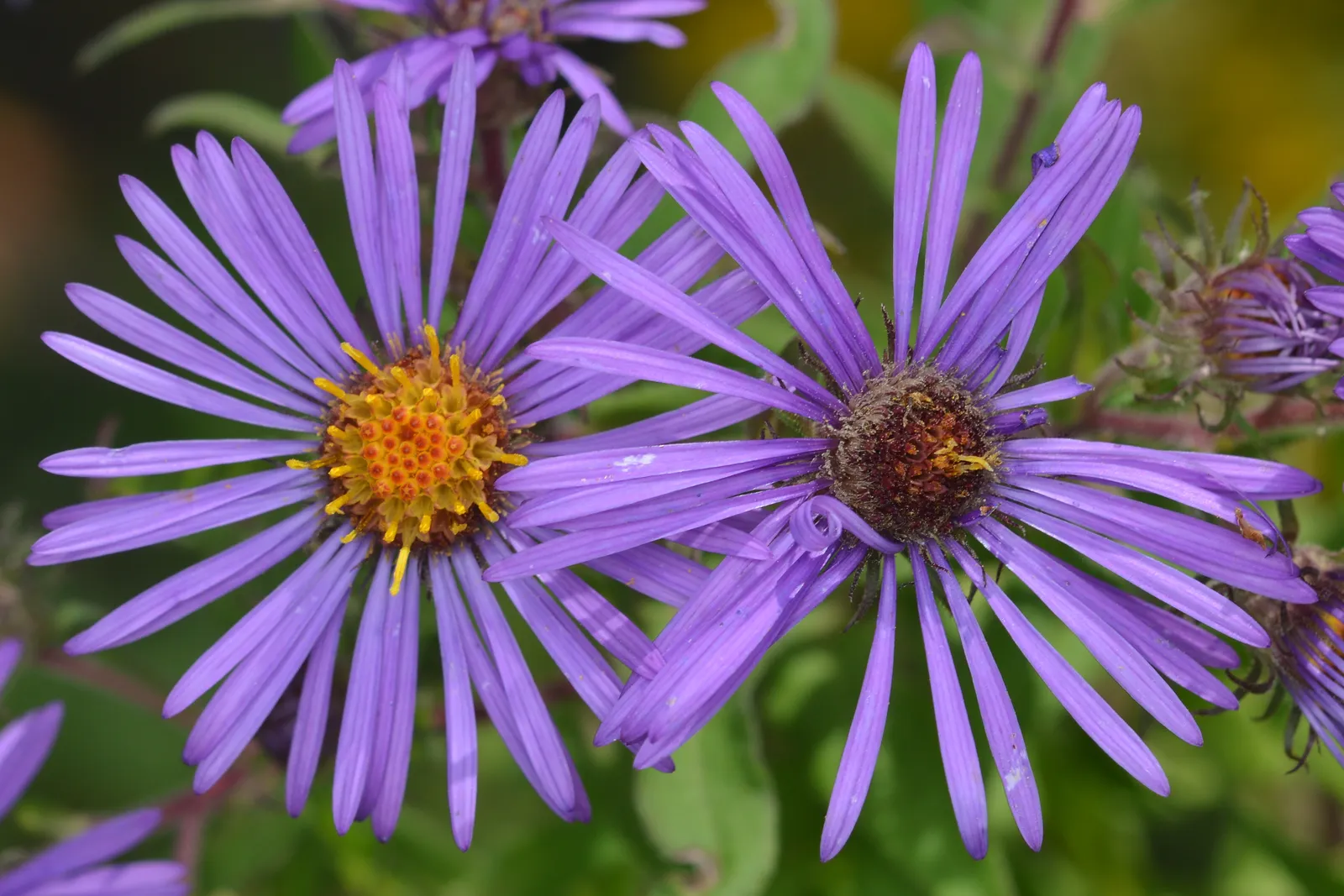
#6 New England Aster (Symphyotrichum novae-angliae)
#6 New England Aster (Symphyotrichum novae-angliae) (By Ryan Hodnett, CC BY-SA 4.0)
Asters are the other half of the classic fall nectar duo that keeps monarchs fueled during their long southward flight. These blue-purple flowers attract a number of important pollinators, and the monarch too, native to eastern and North America, this beautiful plant has blooms that carry through October. That extended bloom time matters enormously, since it lines up almost exactly with peak migration season across much of the eastern United States.
Conservation groups regularly pair asters with goldenrod for a reason. Late season flowers such as asters and goldenrods are important nectar plants, and support the Monarch migration to Mexico in the fall. Planting a mix of both, rather than relying on just one, helps ensure there’s always something blooming as temperatures cool and monarchs push further south toward their overwintering grounds in central Mexico.
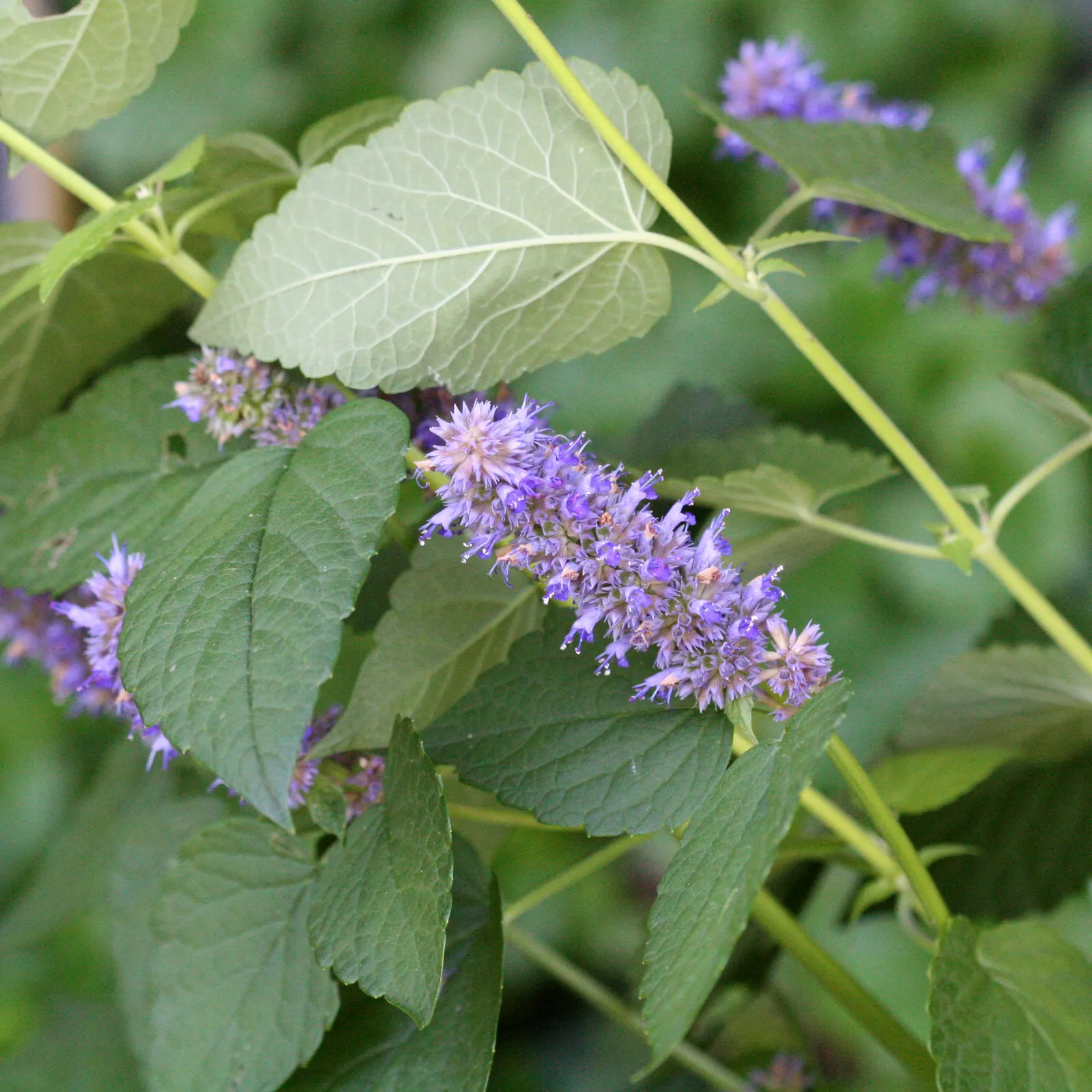
#7 Lavender Hyssop (Agastache foeniculum)
#7 Lavender Hyssop (Agastache foeniculum) (By R. A. Nonenmacher, CC BY-SA 4.0)
Lavender hyssop tends to surprise first time growers with just how much pollinator traffic it generates. Butterflies are drawn like a magnet to the flowers of lavender hyssop, and along with attracting monarchs, hyssop blooms make excellent cut flowers, with plants that are floriferous, producing an abundance of long-lasting, fragrant floral spikes. It’s a plant that pulls double duty, working well as both a garden feature and a genuinely useful nectar station.
Its bloom period stretches impressively long compared to many other native perennials. Plants are floriferous, producing an abundance of long-lasting, fragrant floral spikes early summer through fall. That kind of staying power means it can bridge the gap between spring blooming milkweed and the fall rush of asters and goldenrod, keeping nectar available through nearly the entire growing season.
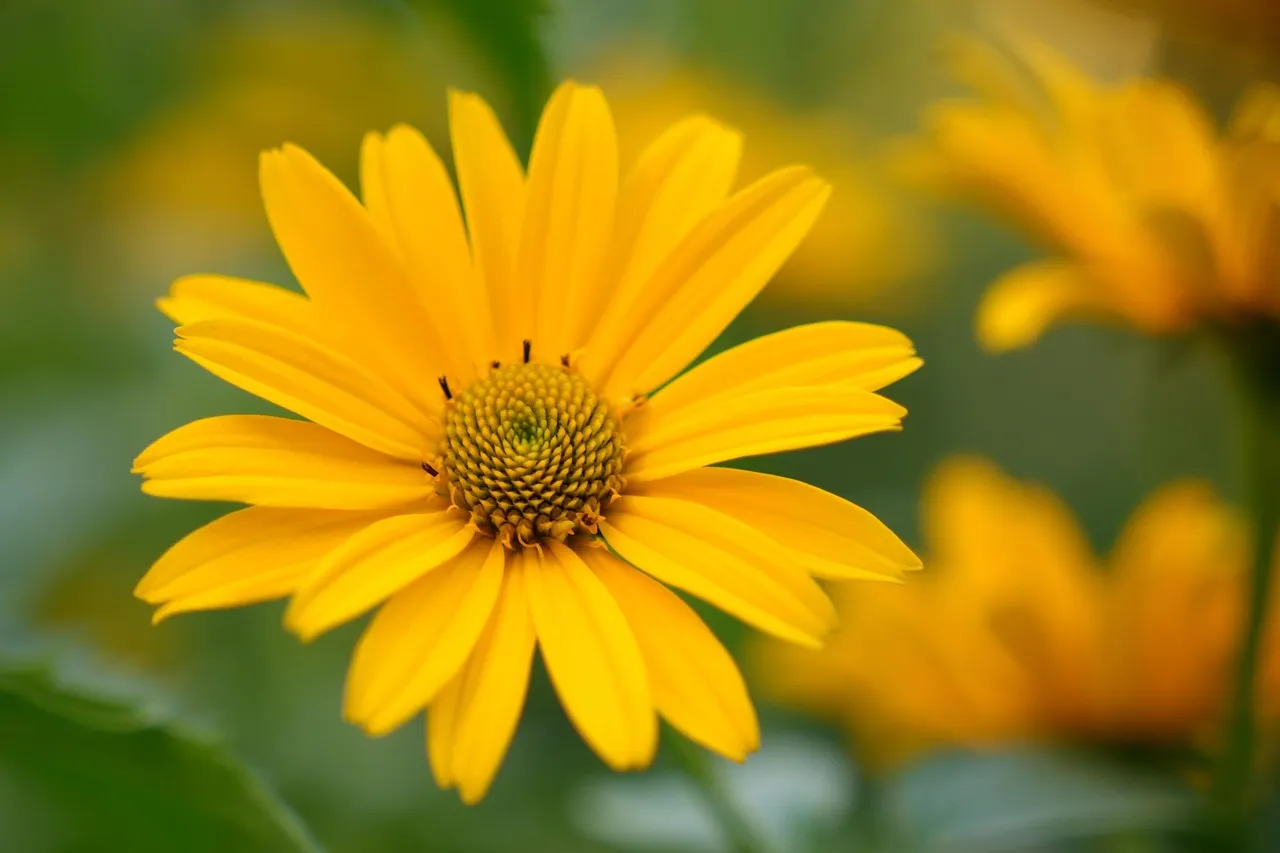
#8 False Sunflower (Heliopsis helianthoides)
#8 False Sunflower (Heliopsis helianthoides) (Image Credits: Pixabay)
False sunflower rounds out the list as a dependable, unfussy nectar source that thrives in conditions many other native flowers find challenging. Another great monarch nectar plant is false sunflower, a tall perennial with golden blooms reminiscent of their namesake. Its cheerful yellow flowers make it easy to spot in a mixed border, and it tends to hold up well through summer heat without much fuss.
It’s often recommended alongside other reliable nectar plants as part of a broader strategy for supporting monarchs through the growing season. Planting milkweed and other native wildflowers, especially late-season nectar plants such as goldenrod and asters, will increase the survival chances of visiting monarchs and other pollinators by providing an energy source, shelter for adults, and host plants for larvae. False sunflower fits neatly into that mix, offering a steady summer nectar supply while the fall specialists prepare to take over.
Final Thoughts
Final Thoughts (Image Credits: Unsplash)
The monarch’s situation is not a minor gardening footnote. In 2022, the International Union for Conservation of Nature listed migratory monarch butterflies as endangered, and growing regional milkweeds and nectar plants can give these butterflies a boost. That listing changes the stakes for anyone deciding what to plant this season.
My honest take is that milkweed gets treated like an optional accessory when it should be treated as the foundation. Nectar flowers matter, but without at least one native milkweed species suited to the local region, a garden can look full of butterflies without ever actually helping the population reproduce. The two jobs, feeding adults and raising the next generation, are not interchangeable, and skipping the second one quietly undercuts the whole effort.
If there’s one practical takeaway worth carrying forward, it’s that variety and native sourcing beat convenience every time. A garden with a mix of milkweed for breeding and staggered blooming nectar plants for spring through fall will do more for monarchs than any single showy flower ever could on its own.
Did you find this helpful? Share it with a friend who’d love it too!
Gargi is an MA in History and a B.Ed graduate from India, with a deep passion for animals and wildlife awareness. As an article writer and editor at Animals Around The Globe, she combines her love for storytelling with her dedication to educating readers about animals, conservation, and responsible pet care. A devoted dog lover, Gargi enjoys creating engaging and informative content that inspires compassion and awareness toward the natural world.