
You think you know the moment your hummingbirds leave. One week they’re buzzing the feeder every ten minutes, the next week the yard is just… quiet. Most people chalk it up to cooling weather and call it a season. But that quiet stretch right before they vanish is actually the loudest, most dramatic chapter of a hummingbird’s entire year – you just don’t know where to look.
Behind the scenes, these tiny birds are gorging like competitive eaters, hunting spiders for protein, bullying rivals off feeders, and reading wind patterns like professional pilots. Almost none of it happens where casual observers glance. Field biologists and dedicated banders have logged 18 of these behaviors, and once you know them, you will never look at your “empty” feeder the same way again.
#18 – They Go on a Sudden Feeding Frenzy
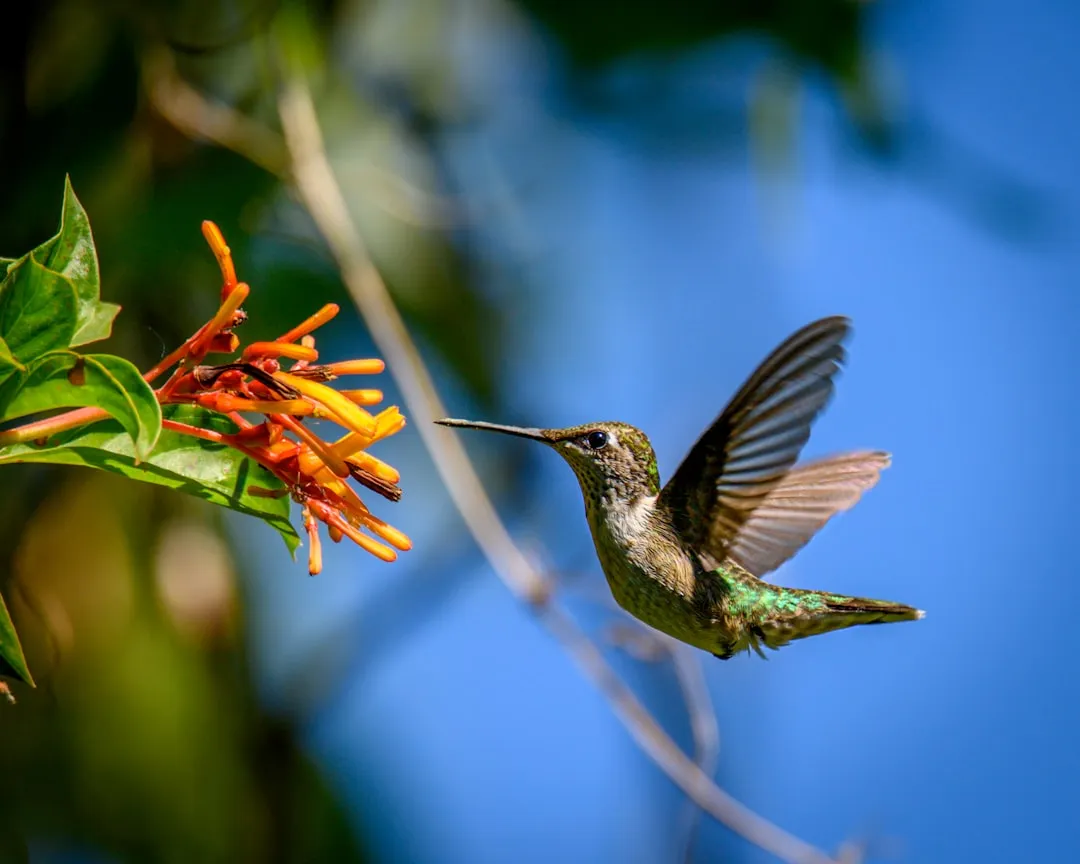
Right before they disappear, hummingbirds don’t just eat a little more. They go into a full-blown frenzy, hitting feeders every few minutes and chasing off anything that gets near their favorite bloom. Watch closely and it looks less like snacking and more like a countdown.
In just a couple of weeks, they can gain 25-40% of their body weight, almost all of it fat. For a bird that weighs about as much as a nickel, that’s the equivalent of you packing on 40-50 pounds and still sprinting a marathon. If you’re seeing them feed before sunrise and after sunset, that’s not random hunger – that’s an emergency refuel with a deadline attached.
Fast Facts
- A hummingbird’s heart can race past 1,200 beats per minute in flight, then idle at 250-500 bpm at rest.
- Some hummingbirds consume up to three times their body weight in nectar every single day.
- Their heart makes up roughly 2.5% of total body weight – one of the largest, proportionally, in the animal kingdom.
- Daily calorie needs sound tiny but are massive relative to size – typically just three to eight calories a day.
#17 – They Quietly Map Every Food Source in Your Neighborhood
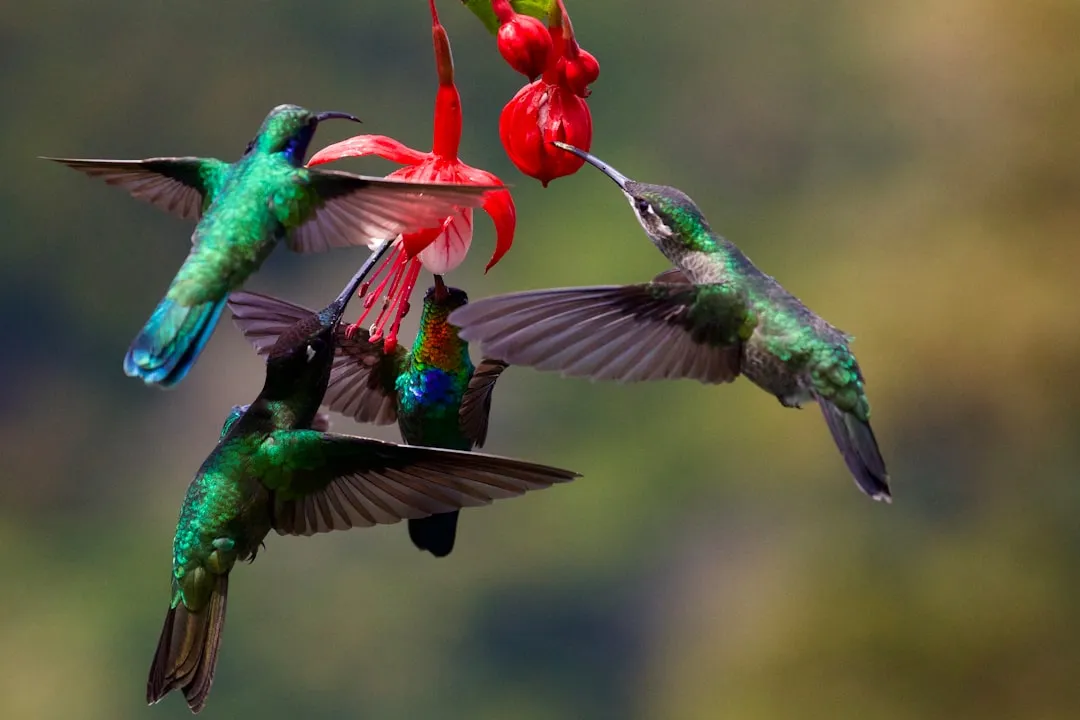
While you’re admiring the one bird at your feeder, it may already be memorizing your entire block. Hummingbirds have startlingly good spatial memory, and in the weeks before migration, many start running quiet loops – your feeder, the neighbor’s salvia, a leaky sap well two yards over.
They can remember the exact location and refill timing of dozens of nectar sources spread across a wide area. This is why a bird can seem to “ghost” your yard for days, then reappear out of nowhere. It isn’t gone. It’s scouting, building a mental map of every refueling stop it can hit on the way south.
#16 – They Start Hoarding Protein, Not Just Sugar
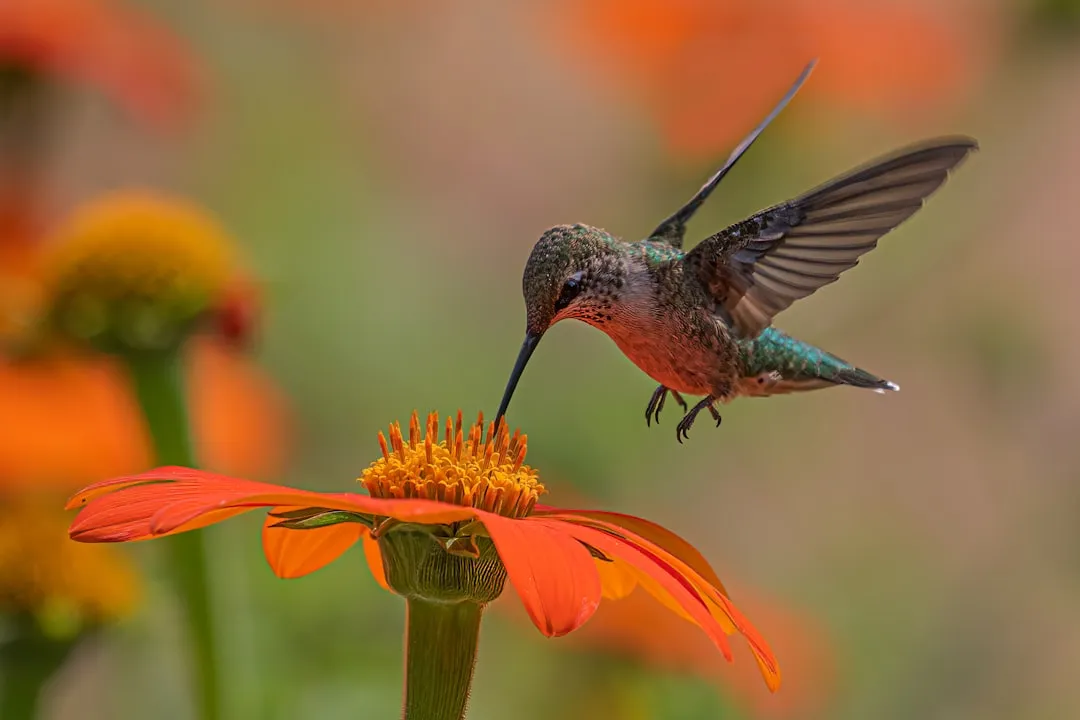
Everyone obsesses over sugar-water ratios and completely misses the other half of a hummingbird’s diet. As migration nears, they quietly ramp up insect hunting – hovering under leaves, darting through clouds of gnats, picking spiders straight out of webs.
Up to half their diet can shift to insects during migration prep, because protein builds and repairs the flight muscles that sugar alone can’t fix. If you’ve ever watched a hummingbird “investigate” a spiderweb and thought it looked confused, it wasn’t confused. It was shopping. Gardeners who spray insecticide everywhere are quietly wiping out that pantry, then wondering why the birds don’t stick around.
#15 – They Turn Into Shockingly Aggressive Bullies
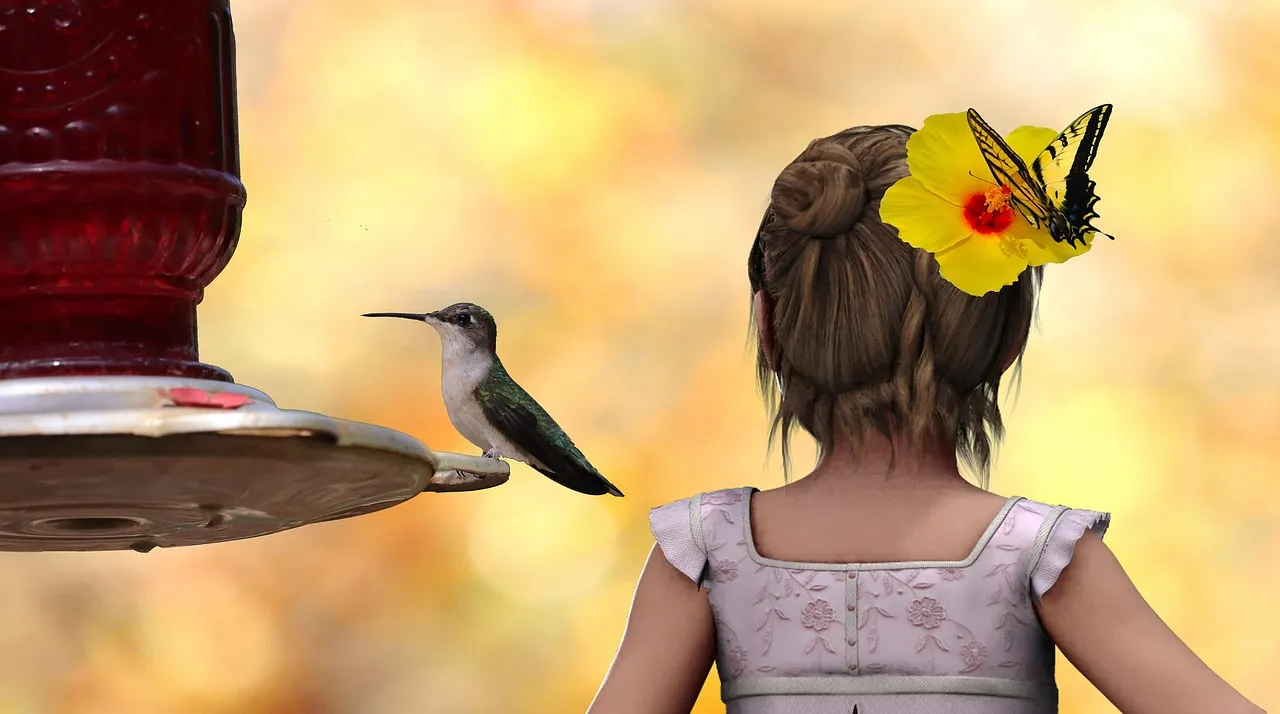
People love calling hummingbirds “sweet.” That’s arguably the biggest myth in backyard birding. As departure gets closer, many turn genuinely vicious at feeders – one bird guarding the whole setup like a dragon on a hoard, dive-bombing anyone who dares sip.
A single dominant bird can lock down an entire feeder, shoving weaker birds toward worse food sources. It’s brutal, but it’s strategy: the bird that hoards the best nectar fattens up faster and leaves in better shape. Some experts now recommend spreading multiple feeders far apart specifically so the bullies can’t monopolize everything – because right now, you’re not hosting a pet, you’re managing a tiny energy war zone.
#14 – They Quietly Practice Long-Distance Flight
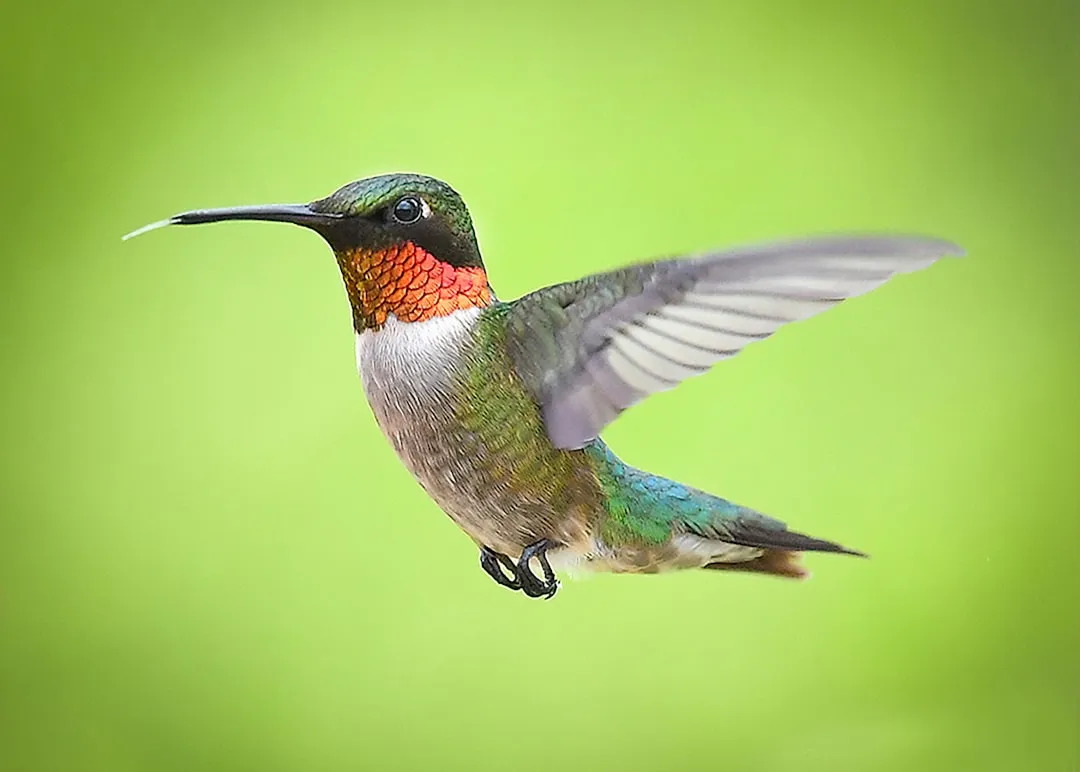
Right before they leave, the way hummingbirds move through your yard actually changes. Watch closely and you’ll notice longer, straighter flights, fewer frantic zigzags, and more time spent cruising at height instead of darting flower to flower.
They’re rehearsing the sustained, efficient flight they’ll need for a multi-hour or even overnight journey. Ruby-throated Hummingbirds are capable of crossing the Gulf of Mexico nonstop – 18 to 24 hours over open water, in a bird lighter than a sheet of paper. Gardeners often assume the birds are “getting lazy.” In reality, they’re switching out of hover-and-feed mode and into migration mode.
#13 – They Claim High, Hidden Perches as Lookout Towers
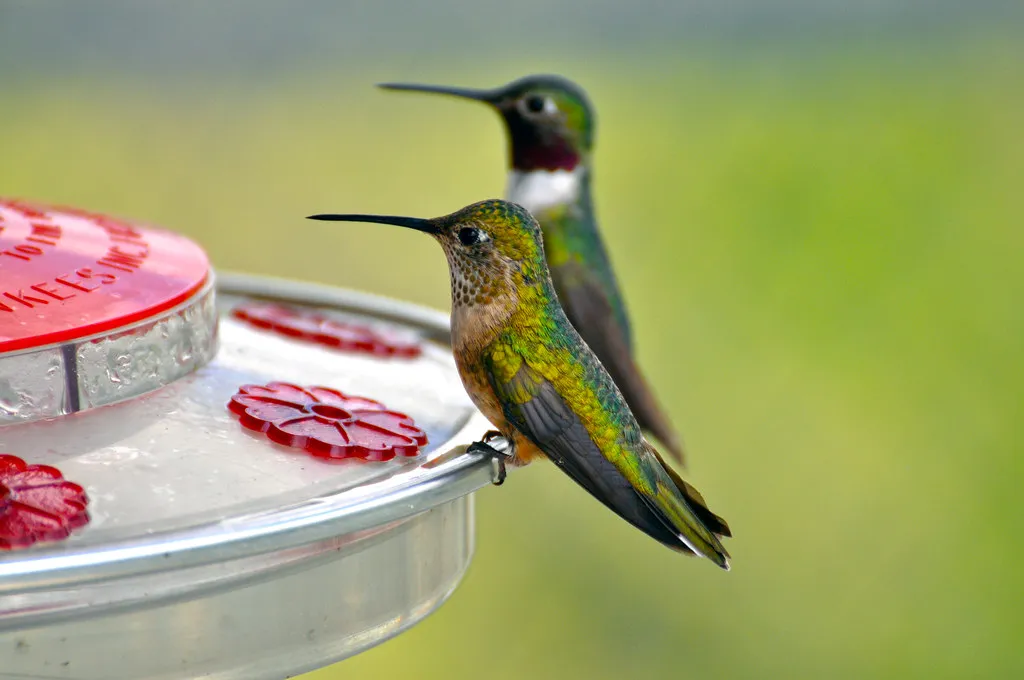
Most people only notice hummingbirds at eye level, buzzing around flowers and feeders. But look up in late season and you’ll often catch them perched high on dead twigs, power lines, or the very tops of trees.
These sentinel perches let them scan for predators, check the wind, and track rivals across several feeding spots at once. A perched hummingbird isn’t just resting – it’s deciding whether to stay one more day to fatten up, or join the invisible stream of migrants already moving overhead. That stillness you mistake for tiredness might be the most important strategy session of its life.
#12 – They Time Their Departure With Weather Windows
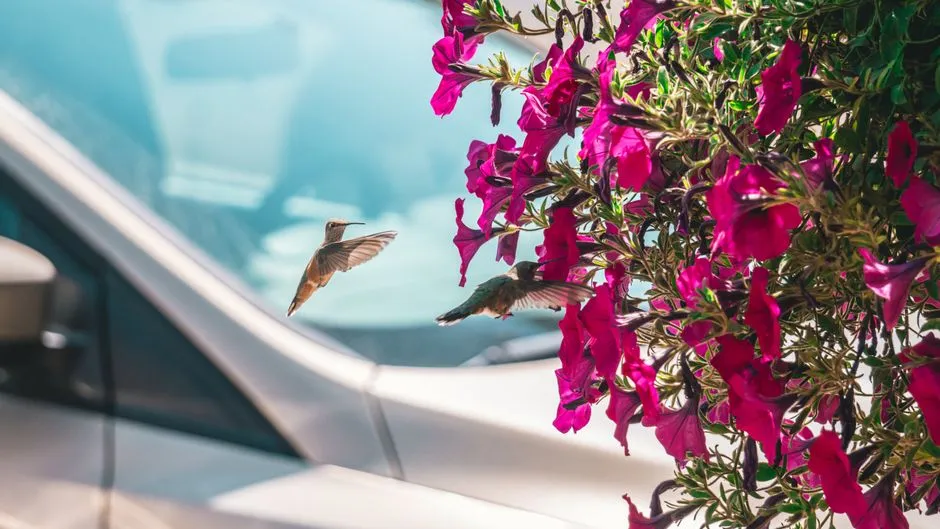
Ask a casual backyard birder why hummingbirds leave and you’ll usually hear “it gets cold.” That’s only part of the story. Hummingbirds pay bizarrely close attention to wind, and they’ll linger for days, feeding hard, apparently waiting for something.
What they’re really doing is grabbing the first good tailwind and dodging incoming storms. A strong north wind can delay them; a favorable tailwind, and your busy feeder is nearly empty by morning. They didn’t forget you – they used your yard like an airport lounge and caught their flight. Gardeners who yank feeders down at the first cool night are ignoring how finely tuned these birds already are to the weather.
#11 – They Slip Into “Torpor” More Often Than You Think
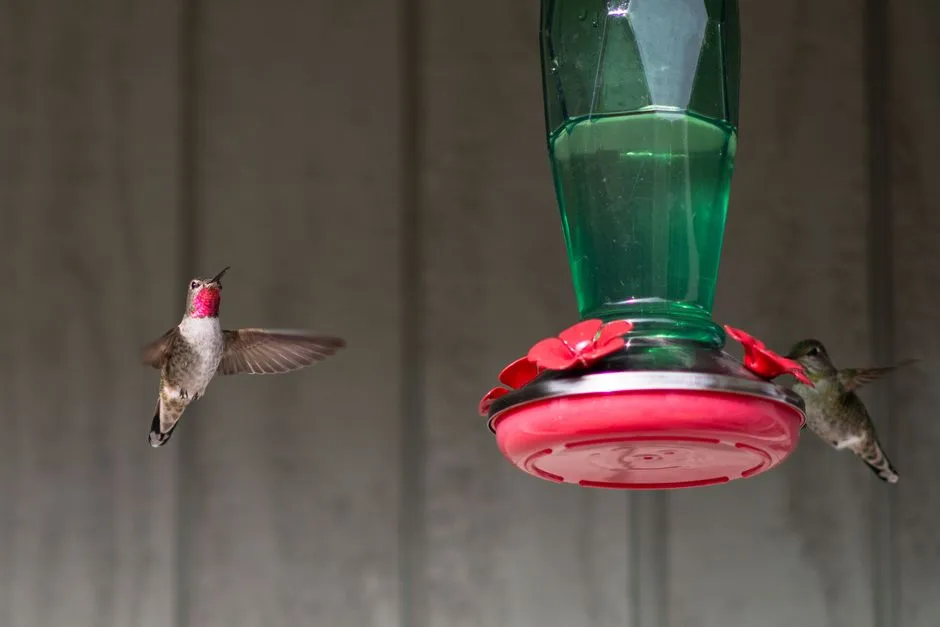
Most people have never seen a hummingbird in torpor, and if they did, they’d probably assume it was dying. Torpor is a deep, overnight energy-saving state where metabolism and body temperature crash dramatically.
Right before migration, birds lean on torpor more often to conserve every last calorie of stored fat. If you spot a hummingbird at dawn, puffed up and eerily still on a perch, it might be coming out of torpor – vulnerable for a few minutes, but hugely efficient. It’s a hidden, nightly ritual that’s part of how something this small pulls off flights this impossible.
Worth Knowing
- Body temperature can plunge by as much as 50°F during deep torpor.
- Heart rate can crash from a flight-time high above 1,200 bpm down to as low as 50 bpm.
- Overall metabolism can slow by up to 95%, turning a hyperactive bird into a near-statue overnight.
- Breathing may pause for short stretches while the bird is in this deep, energy-saving state.
#10 – They Start Ignoring “Pretty” Flowers That Don’t Pay
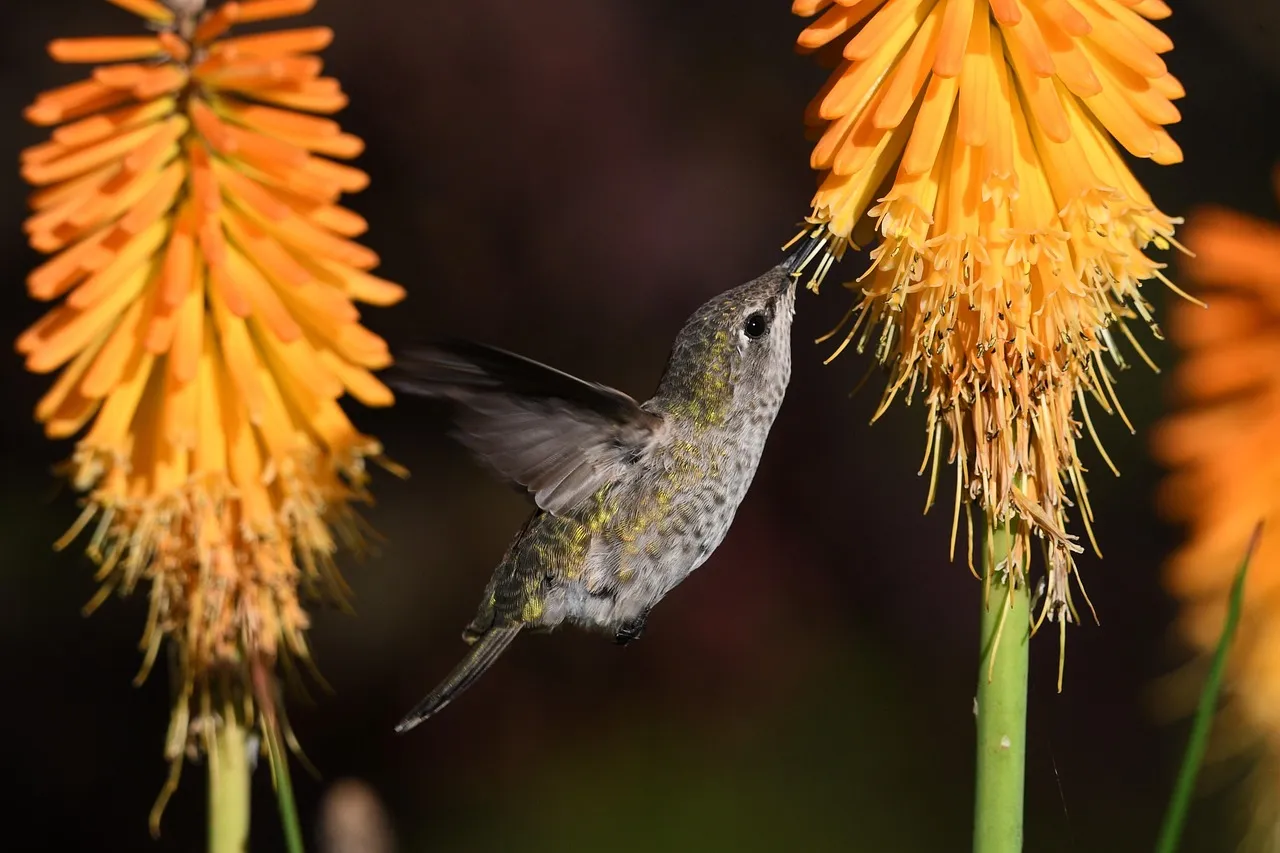
Here’s a controversial one: a lot of popular ornamental flowers are basically useless to hummingbirds. Right before they leave, there’s no time for low-nectar eye candy. You’ll see them hover briefly at a flashy bloom, then zip off like it insulted them.
They quickly learn which flowers are nectar-rich and ruthlessly ignore the rest. This late-season pickiness is a real-time performance review of your garden. Tubular salvias, bee balm, and certain penstemons tend to be heavy hitters, while many double-bloom hybrids sold at big-box stores fail the test spectacularly. Hummingbirds vote with their beaks, and they don’t sugarcoat the results.
#9 – They Use Spiderwebs and Fuzz in a Surprising Late-Season Way
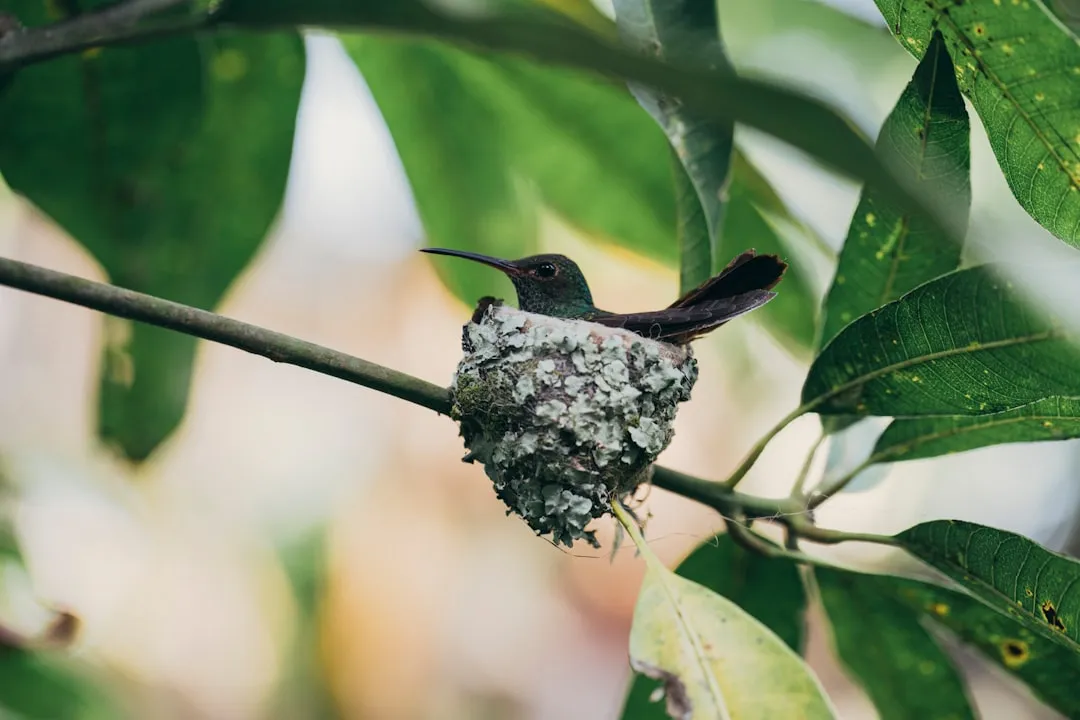
Most gardeners know hummingbirds raid spiderwebs and plant fluff to build nests in spring. Fewer notice that some birds are still collecting these materials late in the season, snagging bits of seedhead fuzz or stealing strands of web.
Sometimes it’s a rare late nest, but often it’s tactical reinforcement of a roost or resting spot. A slightly better-insulated roost on a cool night means less energy burned and more fat saved for the flight ahead – like patching your tent seams before a backpacking trip. Most people assume nesting season is over, so this behavior looks random. It isn’t. It’s home repair with a departure date.
#8 – They Quietly Join a River of Other Migrants Over Your House
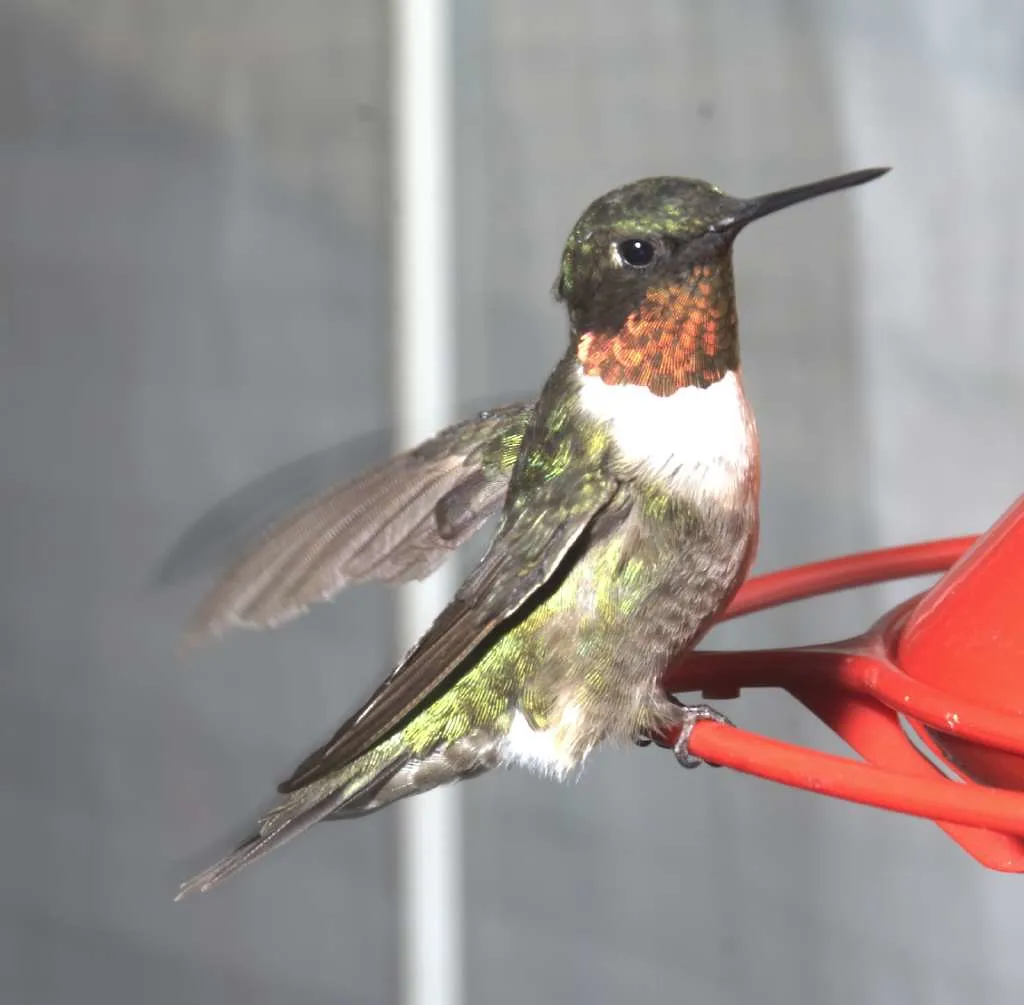
While you’re focused on your one feeder, there may be dozens or even hundreds of hummingbirds passing high overhead that you never notice. Before they disappear, your local birds are quietly merging into a much larger migration stream.
Many follow invisible flyways tied to ridgelines, coastlines, or river valleys you can’t see from the ground. On the right day, experienced birders can stand in one spot and watch a steady trickle of hummingbirds pass at treetop level. That bird tanking up on your patio might be about to join a cross-continental relay linking your garden to forests and deserts thousands of miles away. You’re hosting a traveler, not owning a pet.
#7 – They Test New Routes and Don’t All Go the Same Way
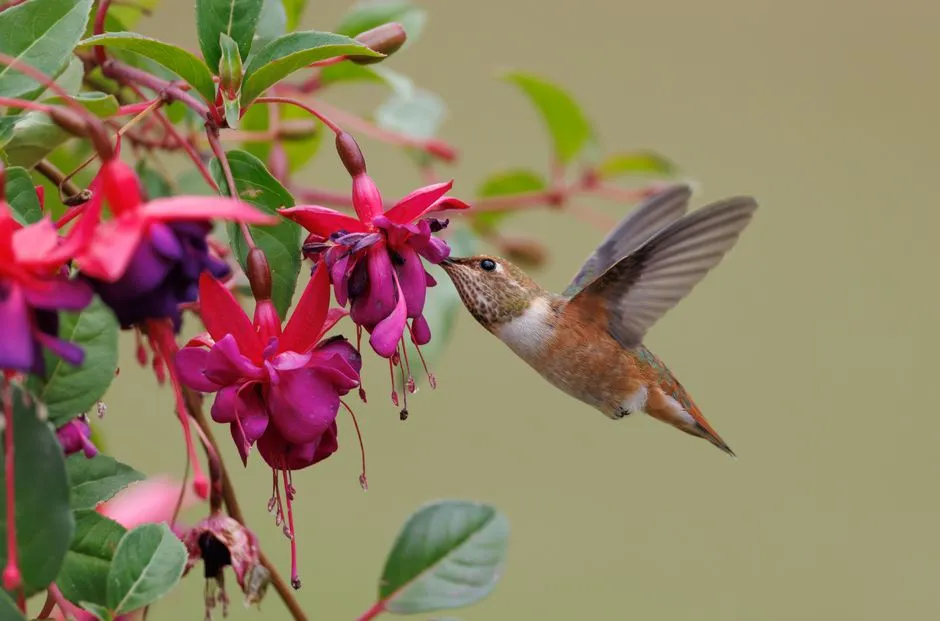
Not every hummingbird from your yard is headed to the same place. Some stick to classic, well-studied routes. Others take more experimental paths, drifting west or east from what “should” happen.
Researchers have found individuals from the same breeding region wintering in entirely different parts of Central or South America. Right before departure, especially younger birds may take exploratory flights to brand-new stopover sites – part of why a “stray” hummingbird sometimes shows up far outside its expected range. Climate, habitat, and food patterns are shifting, and hummingbirds are constantly rewriting the map to match.
#6 – They Make Ruthless Decisions About Who Gets to Survive
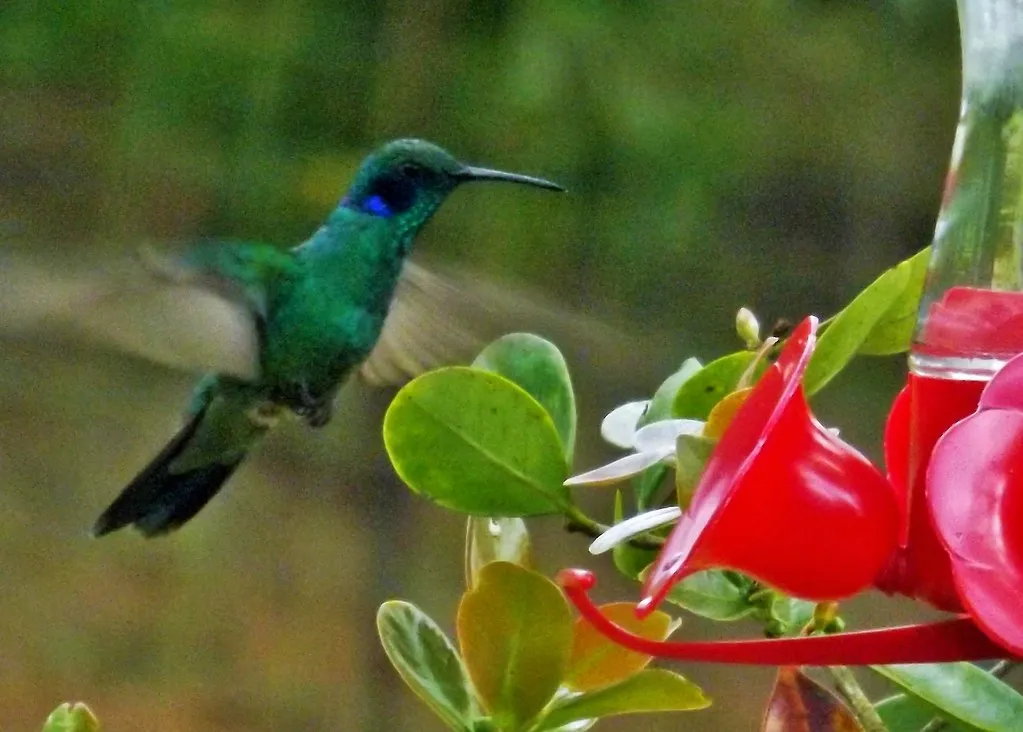
This one tends to spark arguments: hummingbird moms are already done raising this year’s chicks by the time migration looms, and they are not helicopter parents. Young birds have to figure out the entire journey almost entirely on instinct.
Adults don’t escort their offspring south, and older, dominant birds will often outcompete their own young at feeders as the season winds down. It’s harsh, but evolution rewards whoever is strong and clever enough to fend for itself. Gardeners who imagine cozy hummingbird families are usually stunned at just how individualistic – and unsentimental – these birds actually are.
At a Glance
- Juvenile hummingbirds migrate without any parental guidance or escort.
- Their first journey south is guided almost entirely by instinct, not learned experience.
- Adults often out-compete their own offspring for the best feeders late in the season.
#5 – They Shift Their Daily Schedule in Strange Ways
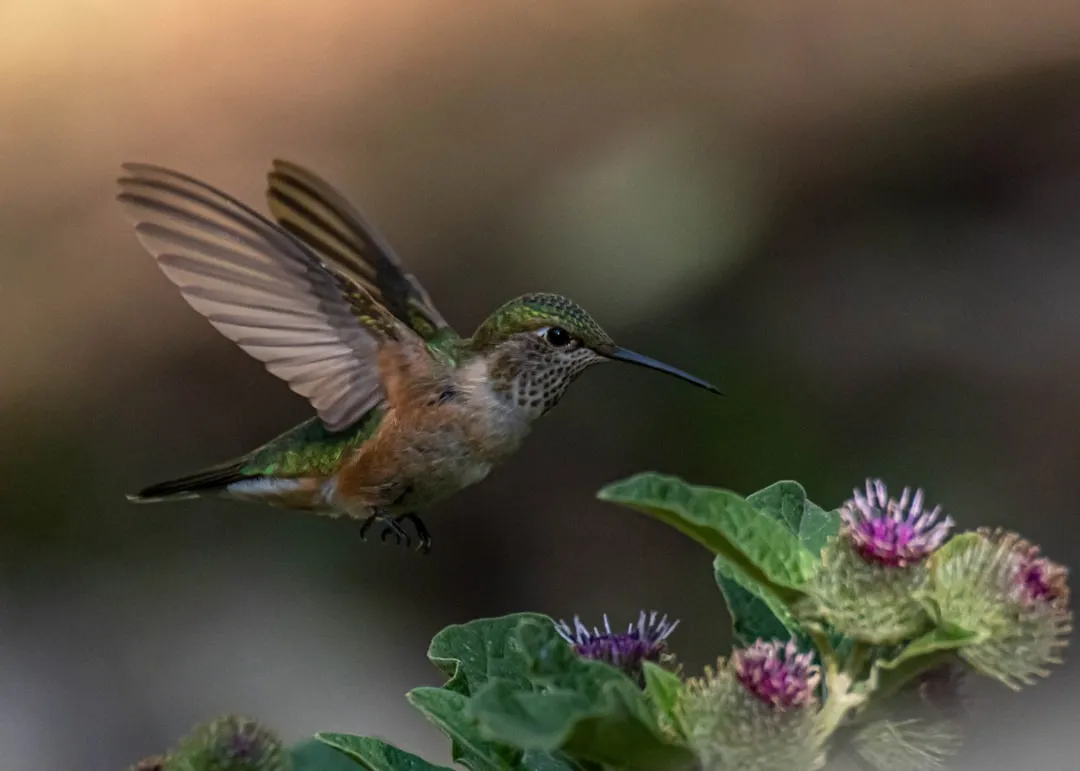
If your hummingbirds start showing up earlier at dawn or lingering in near-darkness as the days shorten, that’s not confusion. It’s calculation.
Many birds stretch their feeding window at both ends of the day as departure approaches, taking advantage of quieter competition and cooler temperatures that reduce overheating. You might also catch quick, intense feeding bursts during brief sun breaks on cool days – a bird “topping off” the second conditions improve. When you’re burning hundreds of calories a day just to stay alive, every extra sip matters.
#4 – They Remember Your Yard… and Judge You Next Year
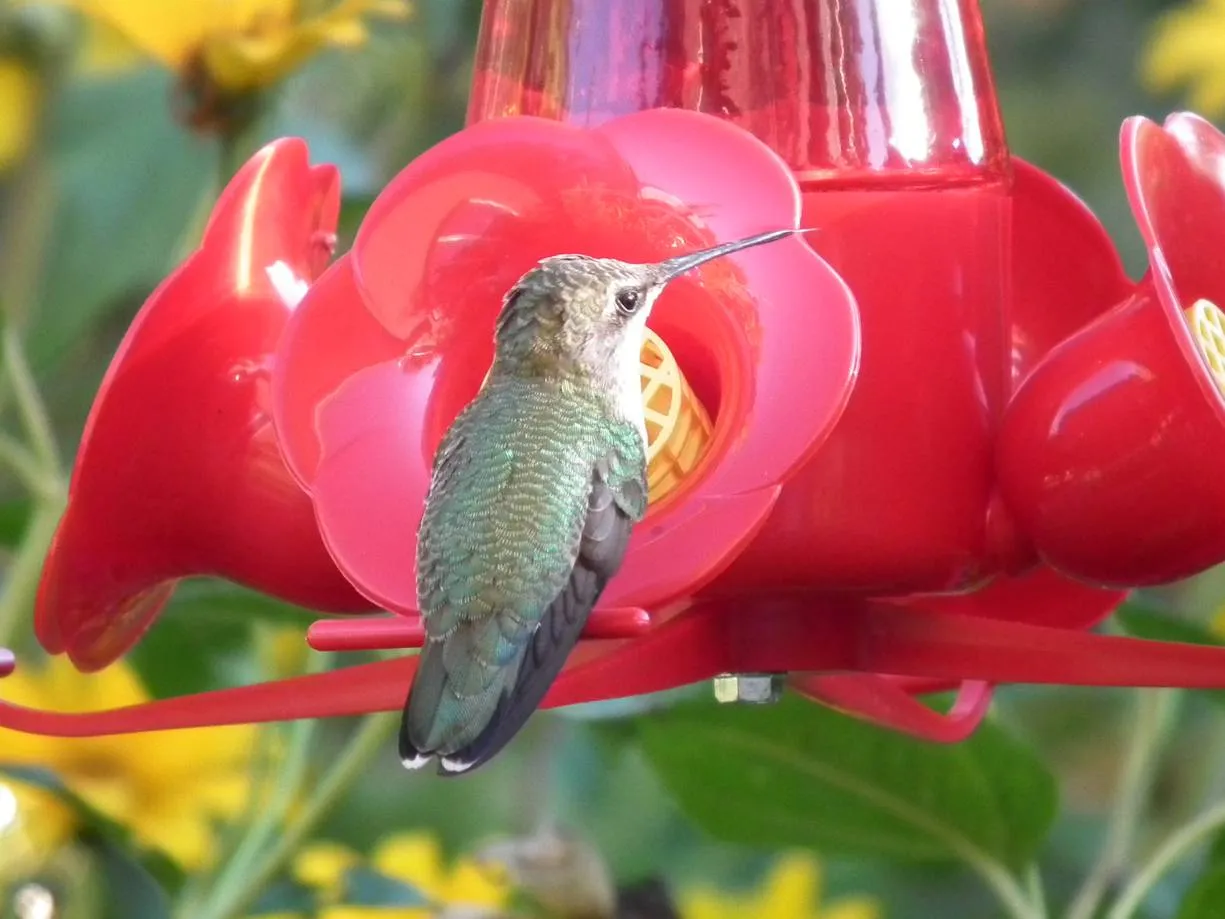
Here’s the part nobody wants to hear: hummingbirds absolutely remember which yards were worth their time. Banding projects consistently show individuals returning to the same stopover sites and breeding territories year after year.
If your yard offered rich food, safe cover, and clean feeders, “your” birds are far more likely to come back. If your feeders stayed grimy or your garden went barren, don’t be surprised when traffic thins out next season. That last busy week before they leave isn’t just a goodbye – it’s a final review. Gardeners love to say they love their hummingbirds, but the truth cuts both ways: the birds are evaluating you too.
#3 – They Lean on Tiny, Overlooked “Backup” Food Sources
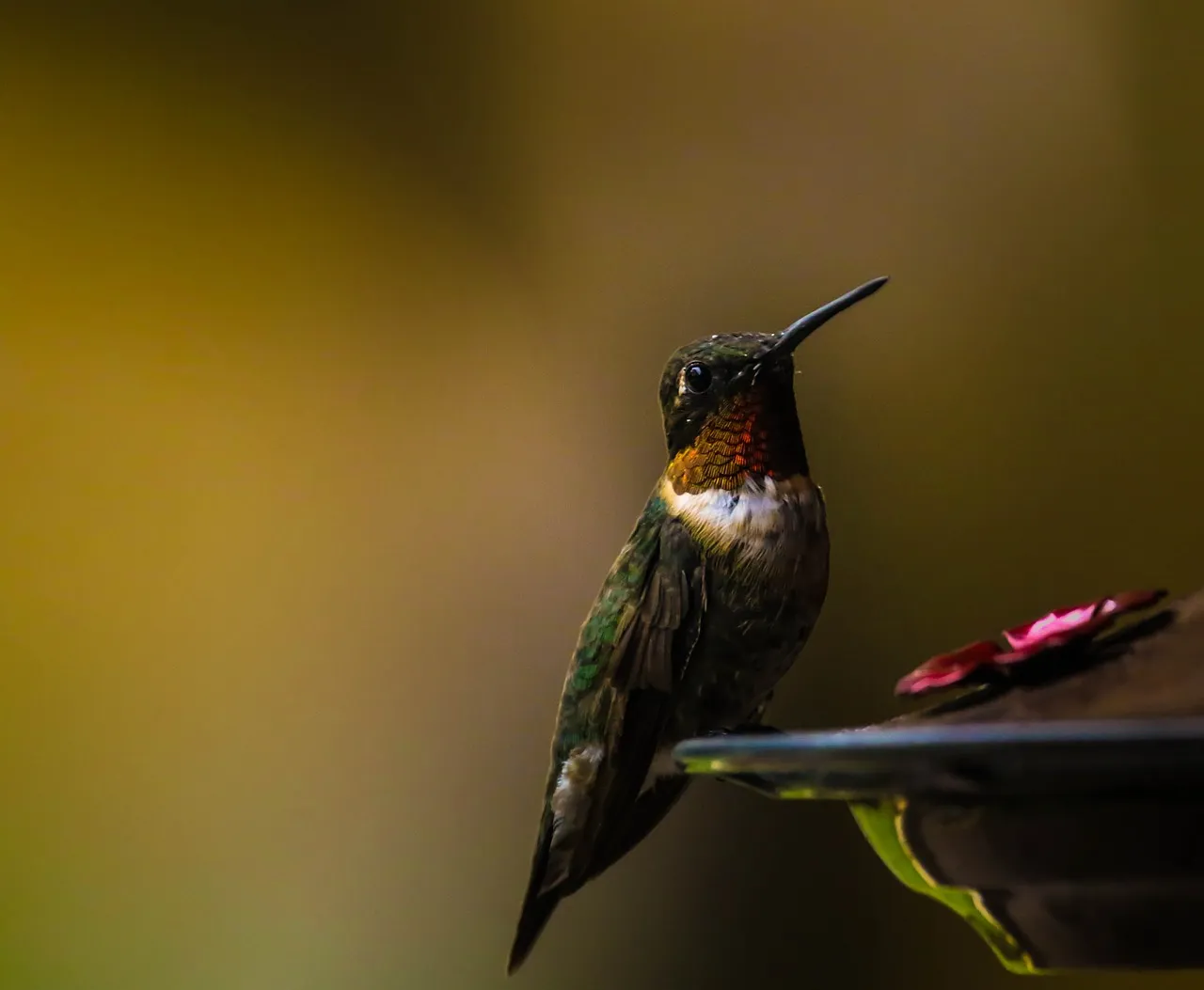
Once flowers fade and feeders get crowded, late-season hummingbirds quietly tap into food sources most gardeners never think to look for – oozing tree sap, the edges of overripe fruit, insects hiding in seedheads and tall grass.
These scrappy, low-profile resources can be the difference between leaving in peak condition and leaving half-prepared. A single sappy wound on a tree trunk can function like a rough nectar bar. Unmowed corners and weedy fence lines harbor swarms of gnats and spiders that a manicured, sterile lawn simply erases. A little bit of mess in your yard is a safety net you didn’t know you were providing.
#2 – They Vanish in Stages, Not All at Once
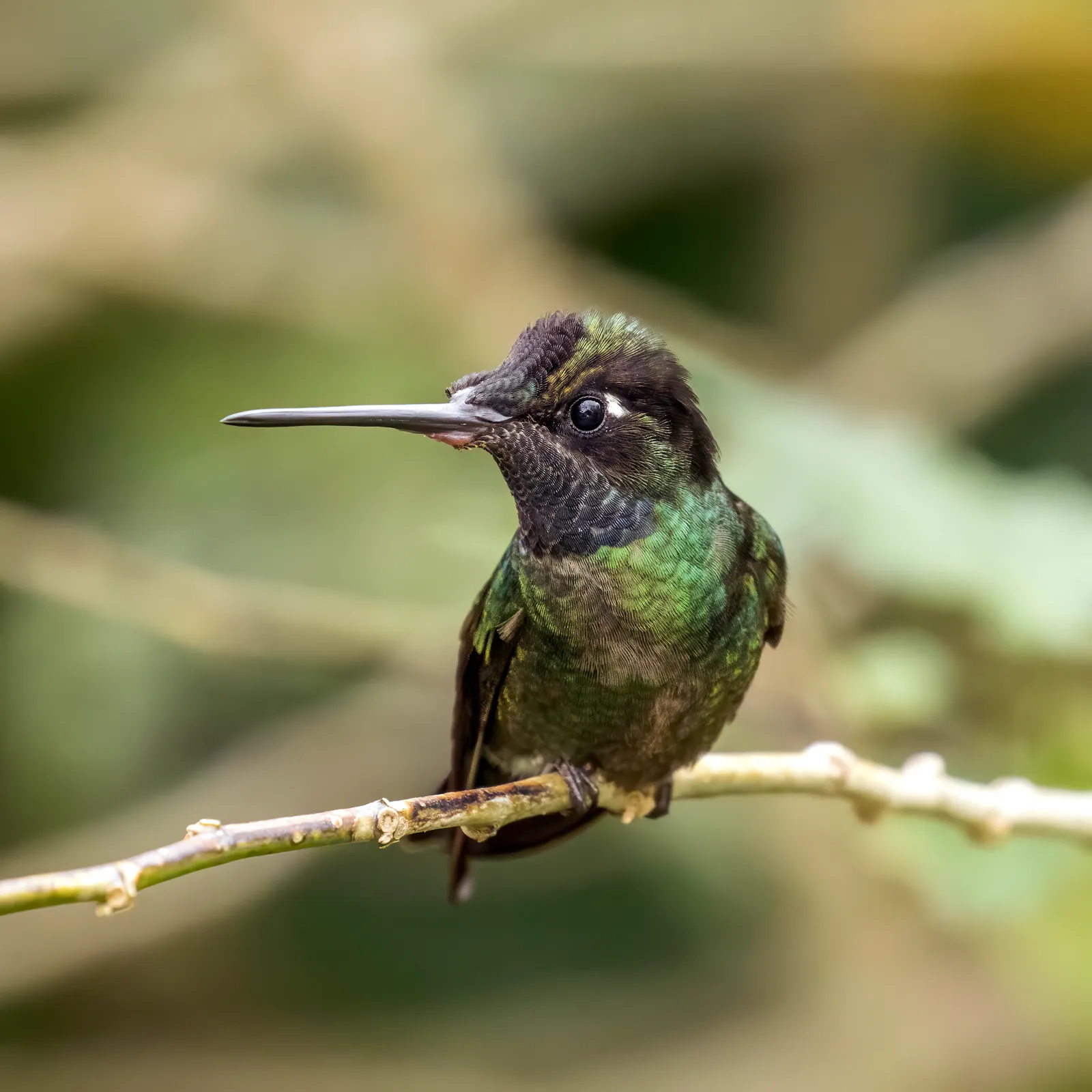
One of the biggest misconceptions is that hummingbirds leave one night, all together, and that’s it. In reality, your local population usually thins out in waves.
Adult males typically leave first, followed by females, and finally the young-of-the-year. To complicate things further, some birds you see late in the season may not be “yours” at all – they could be migrants from farther north just passing through, creating the illusion of a population that lingers. Many gardeners panic and think leaving feeders up is somehow trapping birds. It isn’t. Your feeder is a gas station, not a leash.
Quick Compare
- Adult males – usually the first to head south, often weeks before anyone else.
- Adult females – depart next, once their parenting duties are finished.
- Juveniles – leave last, navigating the entire trip solo on instinct alone.
#1 – They Don’t Actually “Disappear” at All
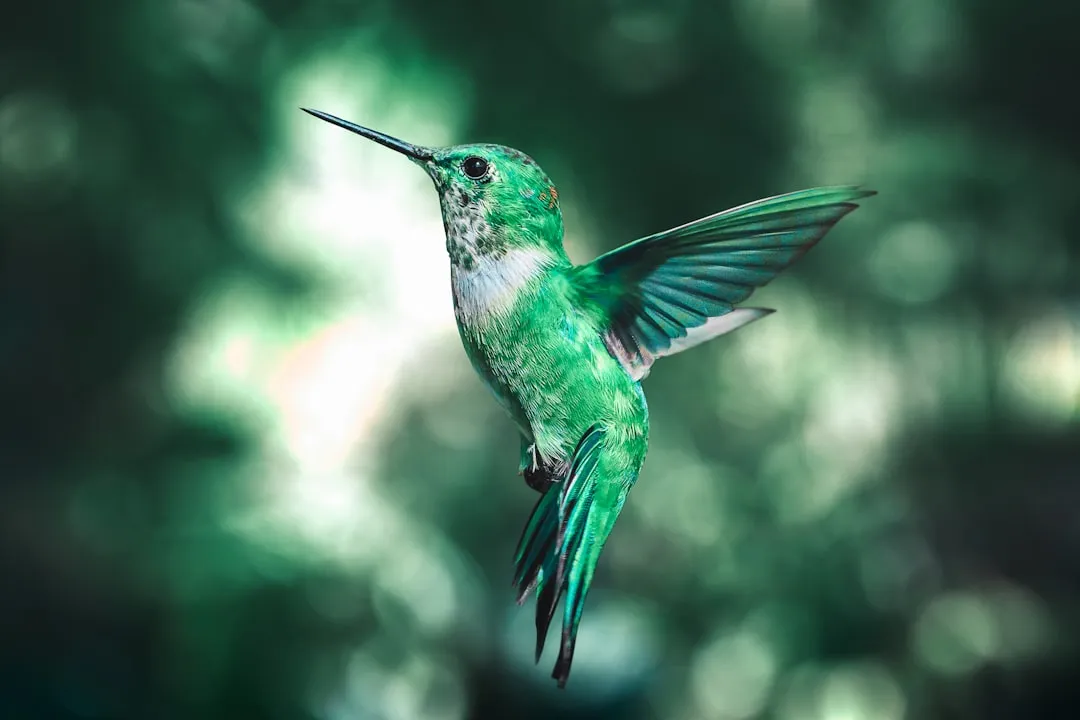
Here’s the uncomfortable truth: hummingbirds don’t disappear. We just stop paying attention once they leave our line of sight. The same bird you watched all summer could be threading mountain passes, crossing deserts at night, or drifting through tropical coffee farms thousands of miles from your patio.
Before they “vanish,” they’ve executed an extraordinarily complex plan – bulking up on your flowers, scouting routes, using torpor like a superpower, dodging storms, and syncing with a massive, mostly invisible migration highway overhead. Gardeners talk about “their” hummingbirds as if the story starts and ends at the backyard fence. The real story is harsher and far more awe-inspiring: we’re a small, optional chapter in a life that never revolved around us in the first place. Once you understand that, you won’t look at the last hummingbird of the season the same way again.
The Bottom Line
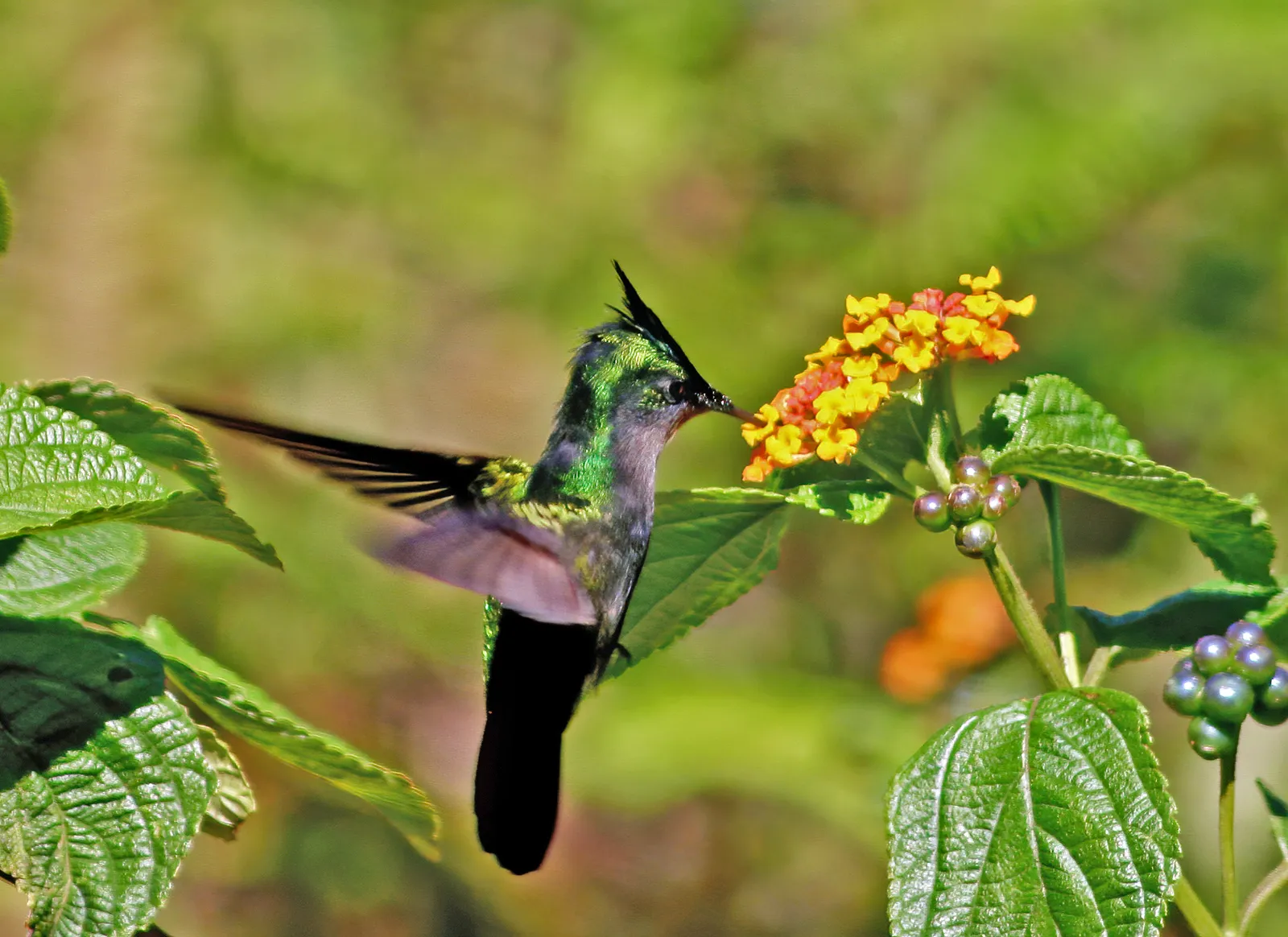
By the time your hummingbirds seem to disappear, they’ve already pulled off a months-long survival heist right under your nose – binge-feeding to nearly double their fat, bullying rivals, gaming the weather, slipping into torpor, and quietly grading your garden on whether it deserves a return visit.
They’re not fragile lawn ornaments. They’re ruthless, hyper-efficient migrants that tolerate us only as long as we’re useful. The hard truth is that plenty of well-meaning “hummingbird lovers” are sabotaging them without realizing it – sterile lawns, decorative but nectar-free flowers, moldy feeders left too long between cleanings – then blame the weather when the numbers drop.
If you actually care about these birds, the weeks before they vanish are your final exam as a host. Did you give them real fuel and real habitat, or did you just enjoy the show and call it love? Be honest with yourself – and maybe with your garden, too.

- What Hummingbirds Do Before They Disappear Will Surprise You 18 Behaviours Most Gardeners Never Notice - August 8, 2026
- What It Means When Wrens Build Several Nests but Use Only One - August 7, 2026
- 6 US States With the Most Javelinas - August 7, 2026