
Everyone assumes you learn dogs the way you learn to parallel park – awkwardly, badly, and then one day you just get it. Ask a lifelong dog owner in private, though, and you’ll hear a very different story. Behind the calm confidence is usually a quiet list of regrets: moments they missed, warning signs they brushed off, lessons that arrived years too late to undo the damage.
These aren’t cute Pinterest tips about matching leashes and bandanas. They’re the uncomfortable truths that surface after a bite, a cancer diagnosis, or a dog who “suddenly changed” for reasons that were never actually sudden. Twenty-three of them, straight from people who’ve loved dogs from wobbly puppyhood to the very last breath – starting with the mistake almost every new owner makes before their puppy even turns one.
#1 – The First Two Years Shape Almost Everything
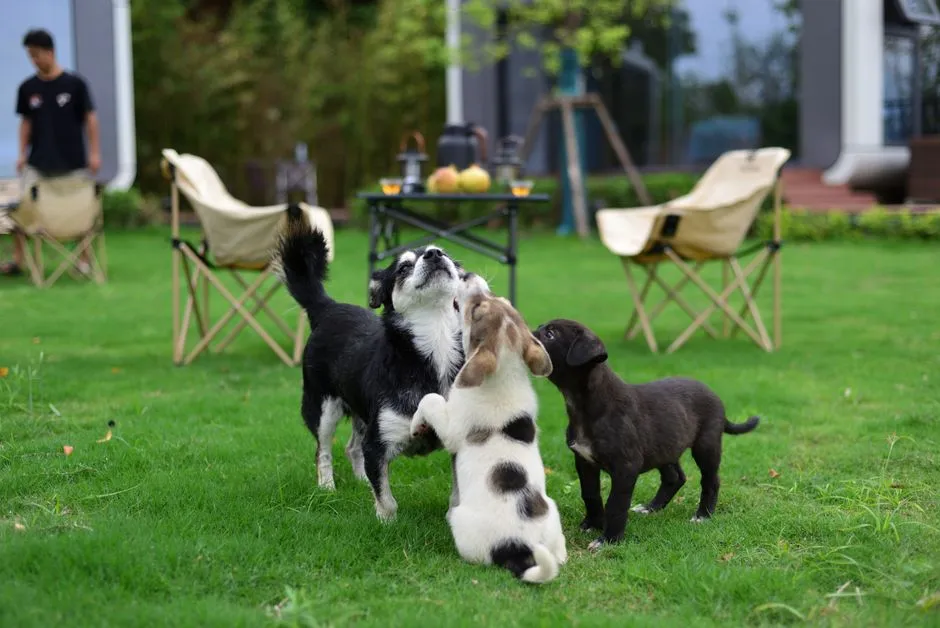
Everyone tells new owners to “socialize the puppy,” but almost nobody explains what that actually means, or how brutal the fallout is when it doesn’t happen. The truth is that the first 18 to 24 months are when you’re wiring your dog’s entire operating system, not just teaching sit and stay.
Puppies who only ever see your living room learn your living room. That’s it. Then at three years old they’re suddenly “reactive,” and everyone acts shocked like it came out of nowhere.
- Different ages, races, and body types of people
- Surfaces, sounds, vehicles, and other animals
Real socialization is systematic exposure, not random hoping-for-the-best. Most lifelong owners admit they treated those early months too casually, and by the time they noticed the gap, it wasn’t prevention anymore – it was rehab. Rehab is slower, pricier, and far more emotionally draining than anyone warns you.
#2 – Training Is About Nervous Systems, Not Commands
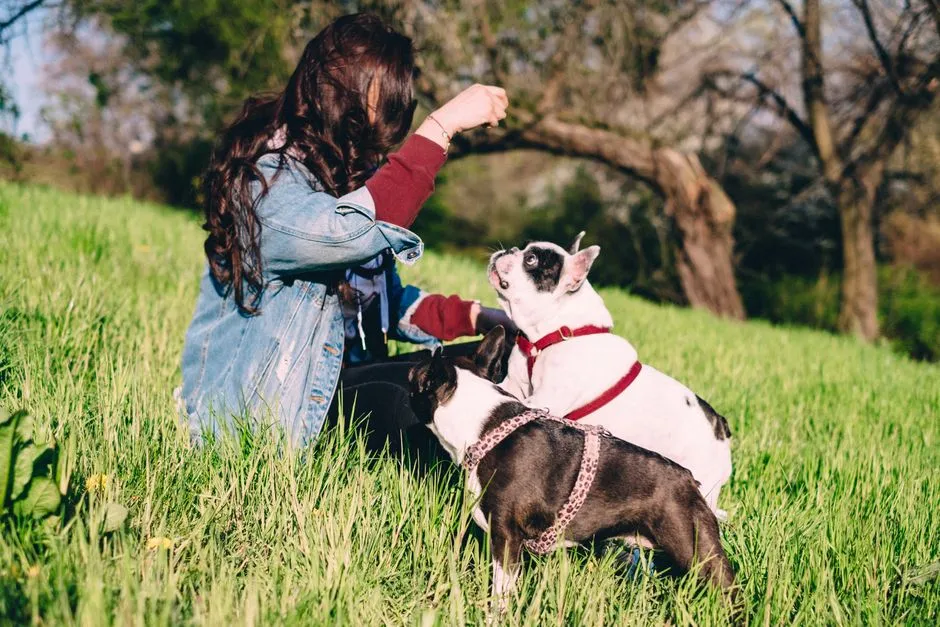
New owners obsess over “Does he know sit?” Experienced owners now ask, “Can he recover when he’s stressed?” Nobody told them that difference matters more than any trick.
A dog who knows twenty commands but can’t self-regulate is a ticking time bomb, not a smart dog. Most longtime owners only learned this after living with an anxious, explosive dog who “knew everything.”
- Can your dog settle on a mat in chaos?
- Can they disengage from a squirrel when their adrenaline spikes?
This is why some scruffy farm dogs look calmer and safer than heavily drilled city pets – they’ve been allowed to learn how to downshift. Obedience without resilience makes pretty Instagram videos and ugly public incidents. Plenty of owners wish they’d dropped half the tricks and doubled the calmness work from day one.
#3 – Most “Stubborn” Behavior Is Actually Pain
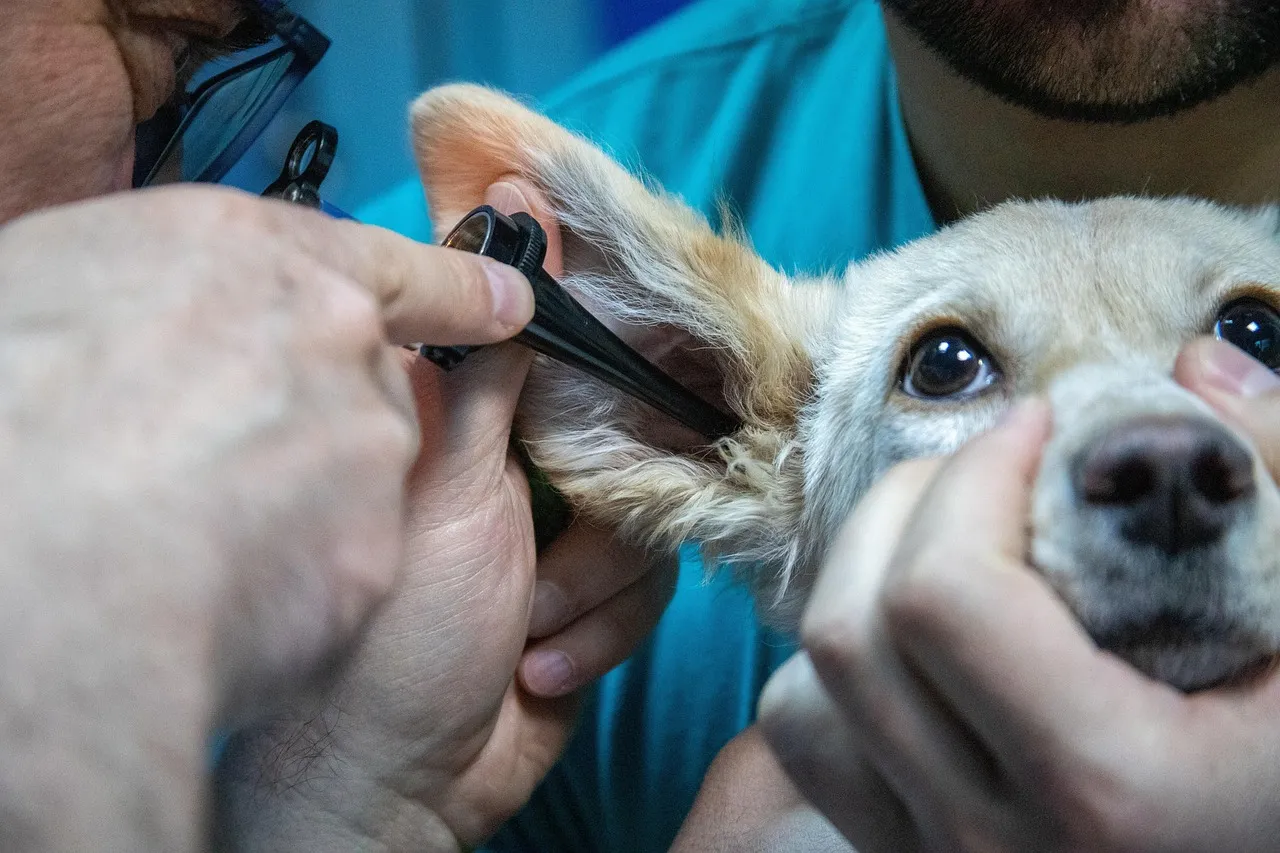
Ask any vet or behaviorist and they’ll say it plainly: an alarming number of “stubborn” or “grumpy” dogs are just hurting. Lifelong owners often look back at the first growl, the sudden refusal to jump in the car, or the flinch from a touch, and realize – it was never attitude.
Here’s the part that stings: dogs don’t limp for mild to moderate pain, they compensate. So instead you get stories that sound like this.
- “He hates kids now” (actually hip pain and fear of sudden touch)
- “She won’t do stairs” (actually spinal discomfort or arthritis)
Most owners wish someone had drilled this into their head early: any sudden or unexplained behavior change is a medical issue until proven otherwise, not the other way around. Correcting a dog for pain-driven behavior is the fastest way to break trust. Early diagnostics are always cheaper than late-stage crises, financially and emotionally.
Fast Facts
- Dogs are hardwired to mask pain – it’s a survival instinct inherited from wild ancestors
- Arthritis, dental disease, and old injuries are among the most commonly missed causes of “attitude”
- Sudden changes in touch tolerance, stairs, or car rides are classic red flags vets check first
- Pain-driven behavior rarely responds to more training – it responds to treatment
#4 – Your Vet Matters More Than Your Trainer

People research trainers obsessively but treat vets like a random necessity down the street. Lifelong owners almost universally regret that choice. A great vet is your dog’s co-pilot for a decade or more, and a mediocre one can quietly cost you years of quality life without you ever noticing.
Most owners don’t realize this until they switch vets and everything suddenly feels different – pain control, diagnostics, even how questions get answered.
- Dismissing your concerns with “That’s just how dogs are”
- Rushing vaccines or procedures without explaining options
- Acting annoyed when you ask about behavior or pain links
You want a vet who says, “Let’s rule out medical causes before calling this training.” Seasoned owners say you’re allowed to get second opinions and interview vets the way you would a pediatrician. Waiting until something catastrophic happens to find a good one is a mistake most people only make once.
#5 – Breed Labels Lie More Than They Help
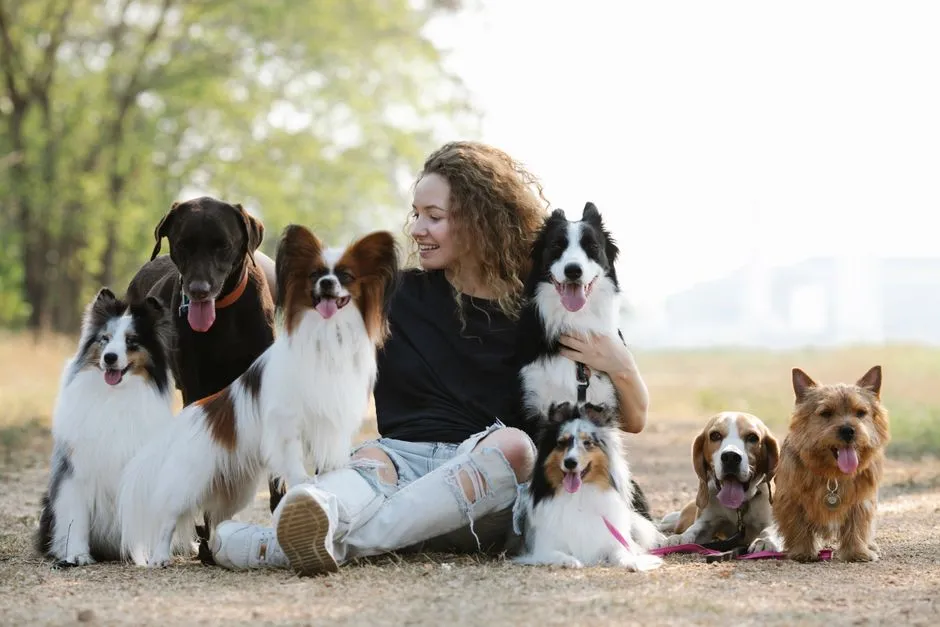
Most first-time owners pick breeds the way they pick cars: on look, vibe, and reputation. Only later do they realize breed stereotypes are marketing, not guarantees. Lifelong owners with “family” breeds that turned reactive, or “tough” breeds that turned into marshmallows, wish someone had told them how messy genetics actually are.
Genetics matter, but not in the tidy way the internet promises.
- A “high energy” Lab can mean a dog who needs three hours of work daily
- A “guarding breed” can mean hyper-vigilant and anxious in the suburbs
- “Low shedding” doesn’t mean low maintenance – it often means expensive grooming
Many veteran owners now care less about breed name and more about breeder ethics and temperament lines, or rescues that actually behavior-test instead of slapping on a hopeful label. The harsh truth is that falling in love with a look, then trying to bend that dog into your lifestyle, is exactly how quiet resentment starts.
#6 – A Bored Dog Will Always Look Like a “Bad” Dog

People still think playtime means throwing a ball twice and a lap around the block. Lifelong owners cringe looking back at that. A huge percentage of nuisance behaviors – chewing, barking, digging, the 9 p.m. zoomies – are just boredom leaking out through the seams.
Dogs are problem-solving scavengers built to work four to eight hours a day. We parked them on couches and handed them Netflix instead.
- Scent work – scatter feeding, snuffle mats, simple nose games
- Decompression walks where the dog sets the pace and direction
- Short training “brain sprints” instead of one long exhausting session
It’s not about exhausting them into a coma, it’s about letting their brain do dog things. The twist nobody expects: frantic fetch with zero mental work often creates adrenaline junkies, not calmer pets. Owners usually only realize this the day they meet a genuinely fulfilled dog and understand, for the first time, that theirs had been restless for years.
#7 – Dog Parks Solve Almost Nothing They Promise
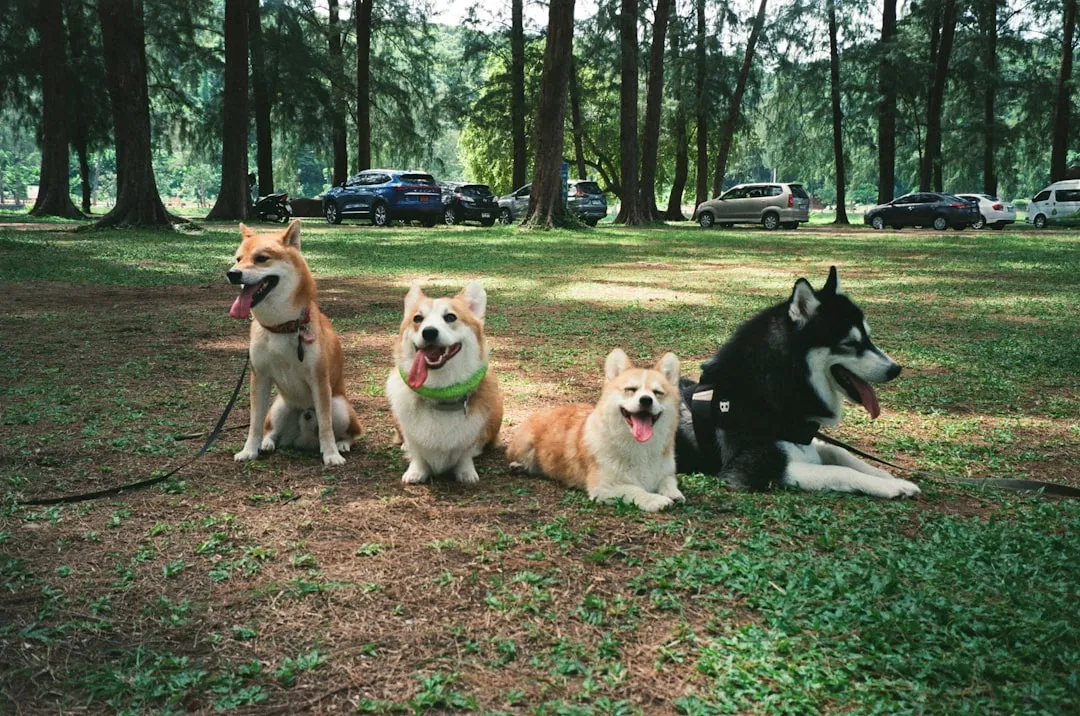
This is the one that makes people defensive. Longtime owners admit it quietly anyway: the dog park caused more problems than it solved. The idea sounds lovely – off-leash freedom and socializing. The reality is unvetted dogs, clueless owners, and no exit for a scared animal. One bad afternoon there can create lifelong reactivity.
Owners only recognize these patterns in hindsight.
- Rough play labeled “he’s just dominant” while the other dog panics
- Over-friendly dogs learning to ignore their humans because the park is chaos
- Subtle bullying dismissed as “they’re fine, tails are wagging”
Many now prefer curated play – one or two known dogs, neutral space, supervision, real exits. Or structured daycare with actual behavior standards instead of a free-for-all. The controversial opinion a lot of older owners hold: if your dog genuinely loves the park and you’ve never had an issue, you’re lucky, not proof it’s a good idea.
#8 – Grooming Is Health Care, Not a Spa Day
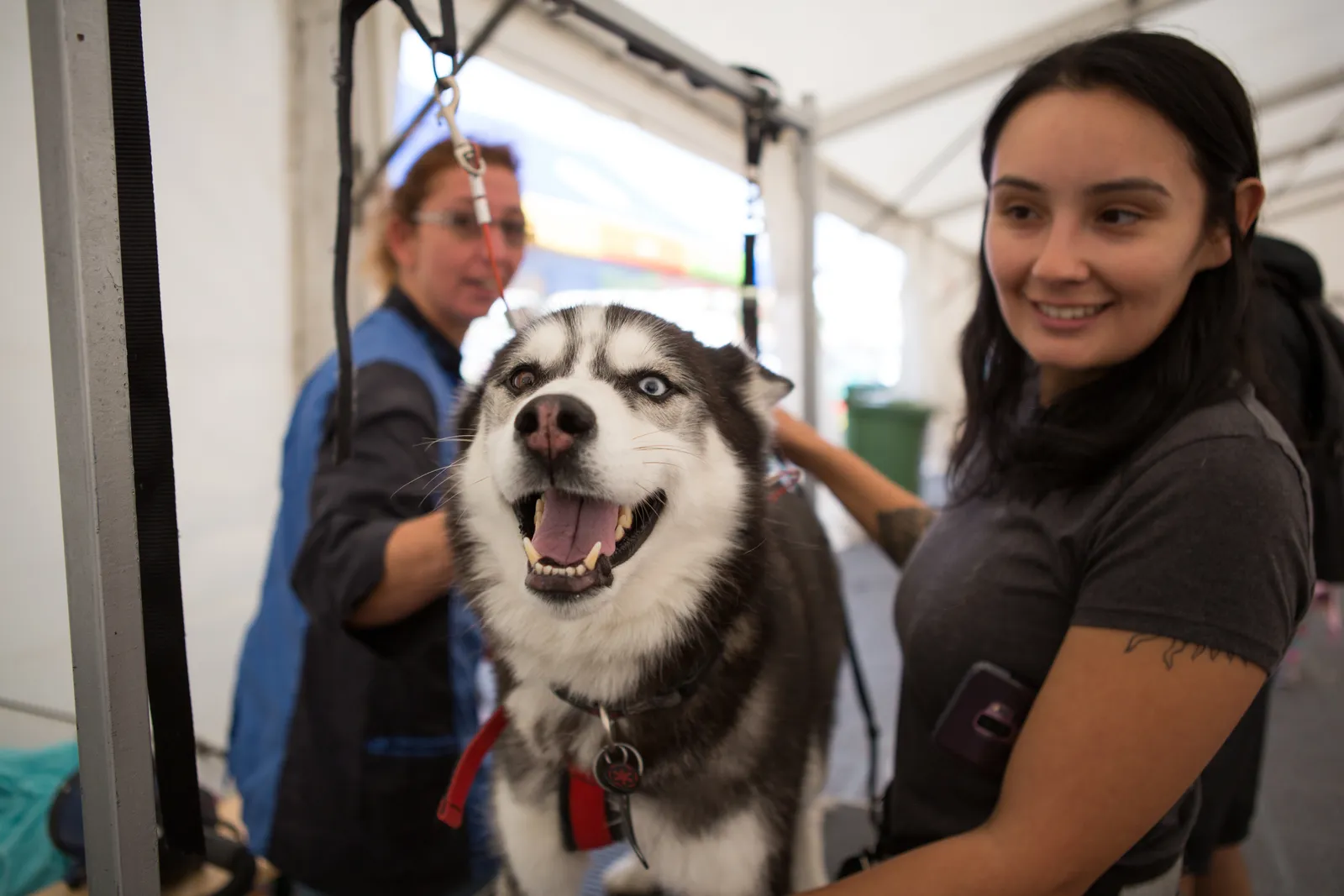
Most new owners treat grooming as optional pampering. Lifelong owners, especially of doodles or double-coated breeds, wish someone had shaken them by the shoulders: mats and neglected coats are medical issues, not aesthetic quirks. Underneath those cute curls can be trapped moisture, skin infections, and painful pulling with every step.
What people learn far too late is unsettling.
- Nails that are “a little long” shift posture and strain joints
- Matted fur makes every movement subtly hurt
- Impacted anal glands often first show up as “sudden aggression” when touched
Several seasoned owners will tell you their “cranky” senior turned sweet almost overnight after a serious grooming overhaul and pain relief. And no, shaving a double coat isn’t cooling them off – it can damage both coat and skin. The real fix is regular brushing, undercoat maintenance, and an honest relationship with a professional groomer, started early.
#9 – Cheap Food Always Gets Paid Back Later
Dog food discourse is a war zone, but there’s one point most longtime owners eventually agree on: rock-bottom kibble gets paid back in vet bills. Not always dramatically – sometimes it’s just a dull coat, chronic itchiness, GI issues, or a dog who always seems slightly “off.”
Many only connect the dots after finally upgrading and watching their dog’s entire energy shift.
- Read labels beyond the front-of-bag claims
- Notice how your dog’s stool, skin, and energy respond
- Accept that some dogs genuinely can’t tolerate certain proteins or fillers
The biggest regret many report is waiting years to try an elimination diet because “the vet said the kibble is fine” while problems quietly simmered underneath. Nutrition isn’t magic, but it’s the background music of your dog’s health – always playing, constantly influencing everything else.
#10 – Walks Are for the Dog’s Nose, Not Your Step Count
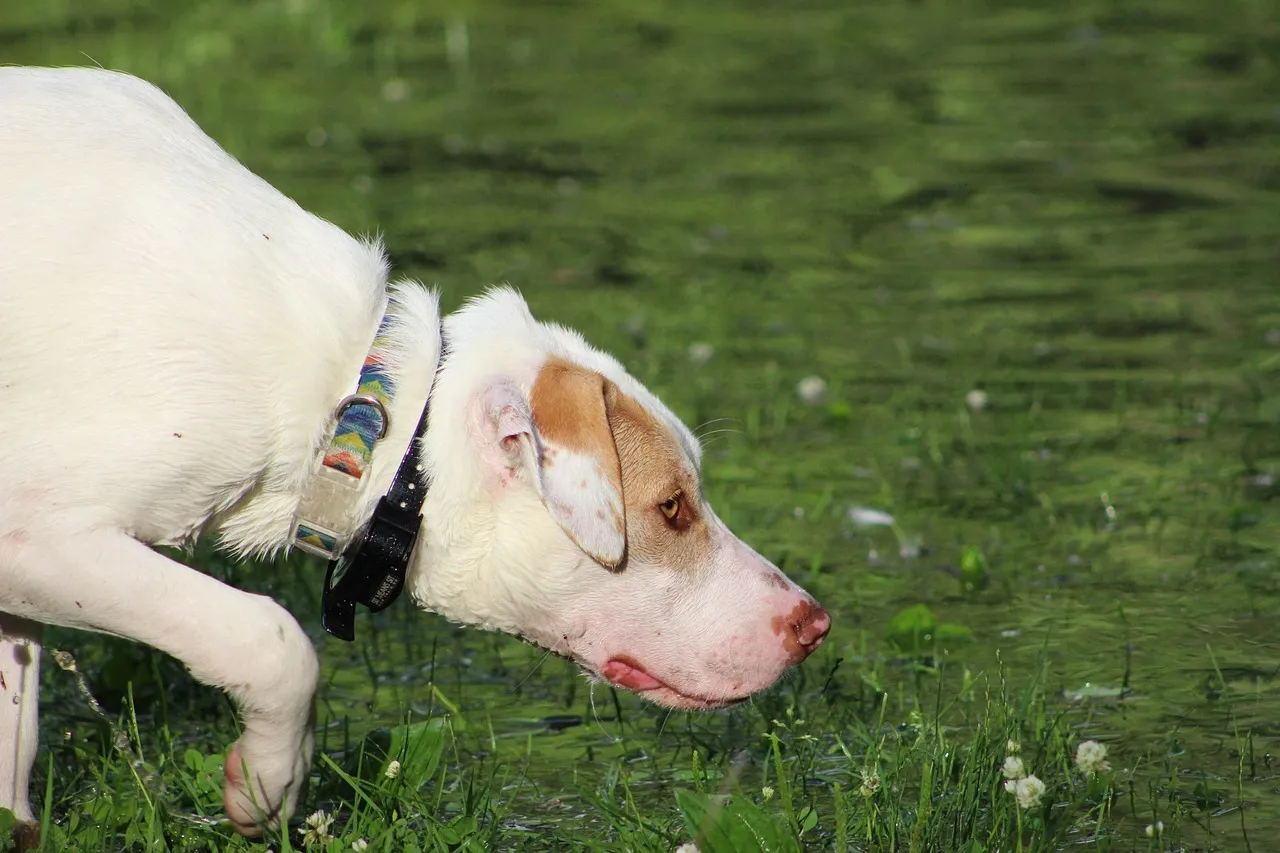
Most owners start out thinking walks are exercise. Seasoned owners think of them as communication. A “good walk” for many dogs means time to sniff, choose routes, and process the world – not marching at your side like a tiny soldier.
Funny twist: a slower, sniff-heavy walk often produces a calmer dog than a brisk, controlled power walk ever does.
- Yanking dogs away from every scent, then wondering why they pull harder
- Treating bathroom breaks like a race instead of reading what the dog is checking
- Confusing constant “heel” practice with an actual walk, leaving no room to decompress
Many older owners say their relationship changed the day they dedicated at least one walk per day entirely to the dog’s preferences – more sniffing, more wandering, more choice within safe limits. It isn’t spoiling. It’s respecting that dogs experience the world through their nose first.
#11 – Dogs Grieve Quietly, and It Can Hollow Them Out
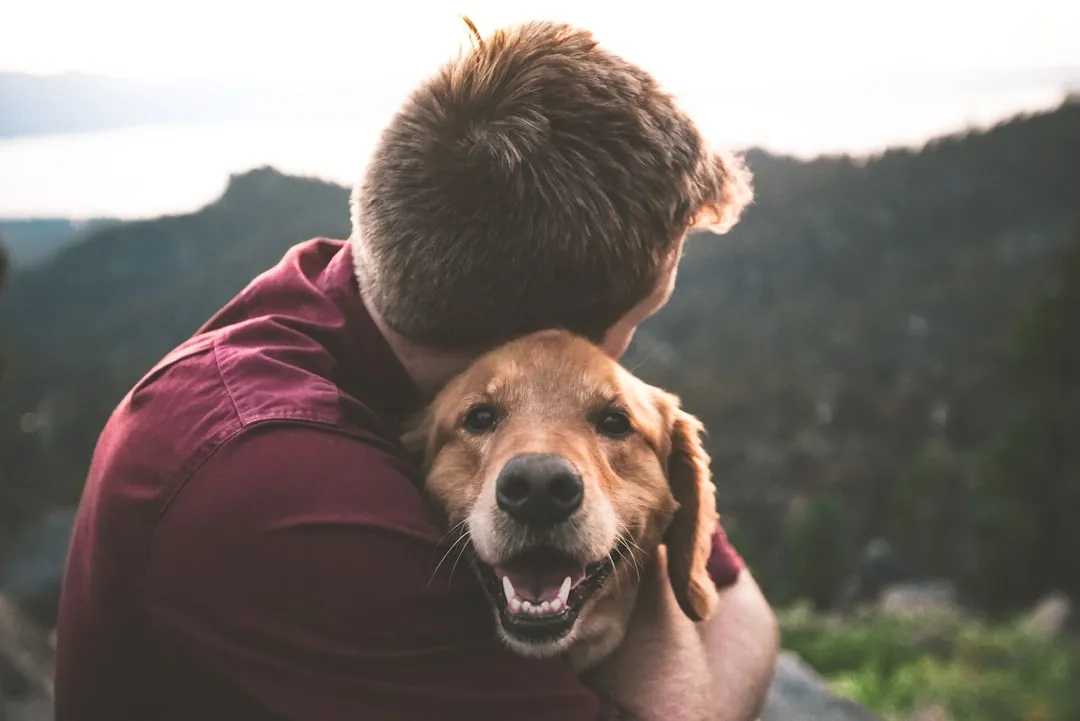
People expect dogs to be sad for a day when another pet or person dies, then bounce back. Lifelong owners who’ve watched a dog lose their bonded person or animal know better: grief can hollow them out for months, not days.
Some stop eating well. Some become clingy. Others shut down entirely or even get physically sick.
- Lying in the deceased person’s spot for hours
- Sudden separation anxiety after a household death or divorce
- Loss of interest in previously loved activities
The ugly truth is that we rush them through it – we get impatient, assume “he’s milking it,” or replace the lost dog too fast and expect instant friendship. Seasoned owners now treat canine grief like human grief: steady routines, gentle stimulation, sometimes mild medical support, and a lot of grace. Ignoring it doesn’t toughen a dog up. It just teaches them the world got smaller and nobody noticed.
#12 – Pet Insurance Feels Excessive Until the Night It Isn’t
Almost every longtime owner has “that” story – the emergency surgery, the surprise cancer, the object swallowed at 2 a.m. The bill is never $300. It’s four figures, sometimes five, and it arrives with zero warning.
Many will tell you flat out they would’ve chosen differently, or sooner, on treatment if they’d had insurance or a dedicated emergency fund.
- Delaying diagnostics because of cost and losing precious time
- Choosing cheaper, less effective options and regretting it
- The quiet shame of even discussing “economic euthanasia”
Is pet insurance perfect? No, some plans are a joke. But seasoned owners either find a decent plan early or auto-transfer money monthly into a dog-only savings account. Future-you will not care about the skipped subscriptions when a $5,000 surgery appears out of nowhere.
Quick Compare
- Average dog insurance premium: roughly $40 to $70 a month, depending on age and coverage level
- Average emergency vet visit: about $800 to $1,500 for a routine crisis
- Complex emergency surgery: often $3,000 to $5,000 or more in a single visit
- A full year of premiums can still cost less than one bad night at the emergency room
#13 – Kids and Dogs Are a High-Risk Combo, Not a Cute Default
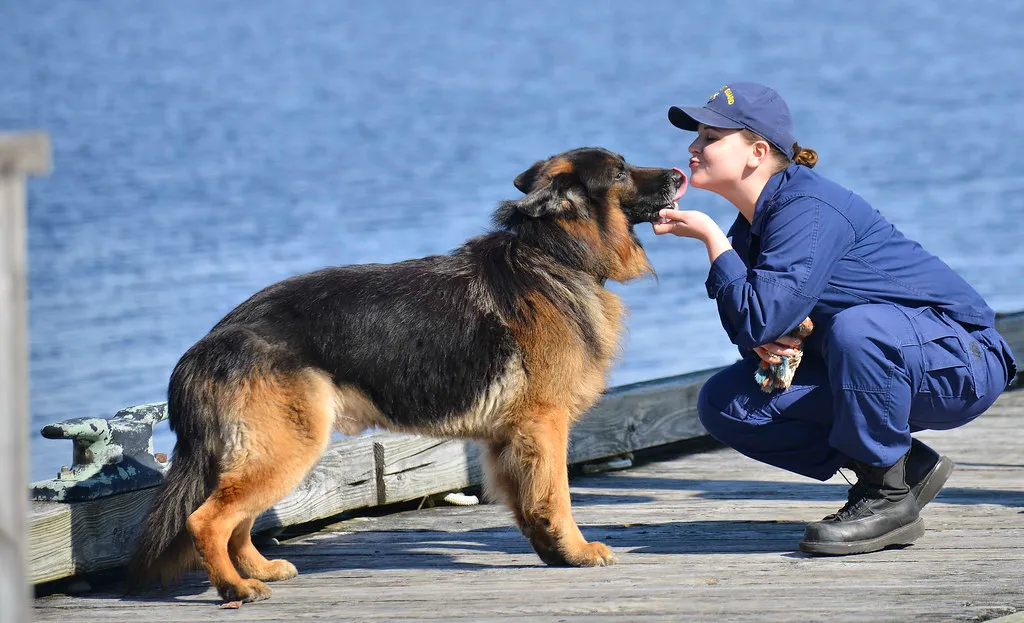
This is where older owners get blunt: we romanticize “family dogs” and massively underestimate the risk to both kids and dogs. Most bites that seem “out of nowhere” weren’t. The dog was whispering with body language for months while adults weren’t listening.
The patterns veterans wish they’d understood sooner are uncomfortable to hear.
- Hugging, climbing on, or cornering dogs isn’t cute, it’s threatening
- Resource guarding around food or toys rarely improves around chaotic kids
- The most tolerant dogs often get pushed hardest, precisely because they tolerate so much
The controversial view many now hold: it’s the adults’ job, not the dog’s, to enforce boundaries. That means teaching kids to respect space, giving the dog a no-kid zone, and being willing to say “no, you can’t pet him right now” even if it upsets someone. The number of good dogs ruined by unmanaged kids is higher than anyone wants to admit out loud.
#14 – “He Loves Everyone” Can Be Its Own Liability
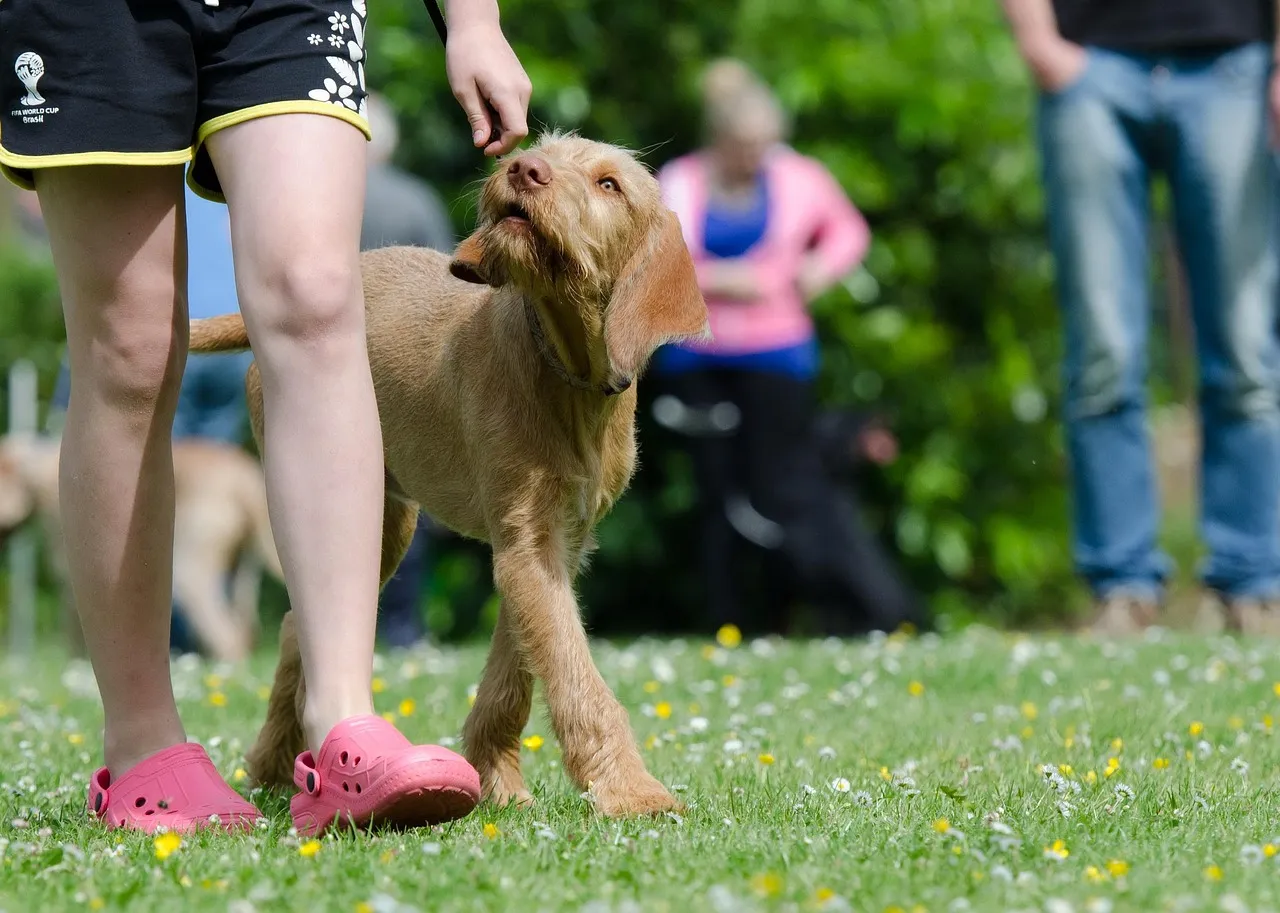
New owners brag when their dog launches at strangers “because he just loves people.” Lifelong owners wince at that now. Over-socialized, under-controlled friendliness can be just as dangerous as fear-aggression, especially in a big dog with no impulse control.
Knocked-over kids, scratched seniors, blown-out knees – it adds up fast, and none of it feels intentional in the moment.
- Teaching impulse control around people is safety, not “being mean”
- Not everyone wants to be approached, and some people are genuinely terrified
- Laws don’t care how friendly your dog is if someone gets hurt
Veteran owners now draw a hard line: polite neutrality is the goal in public. Affection is invited, not demanded. The quiet, steady dog that calmly ignores strangers isn’t antisocial, he’s well handled – and it’s far easier to add permission later than to unwind years of practiced chaos.
#15 – Crate Training Is a Lifeline, Not a Cage
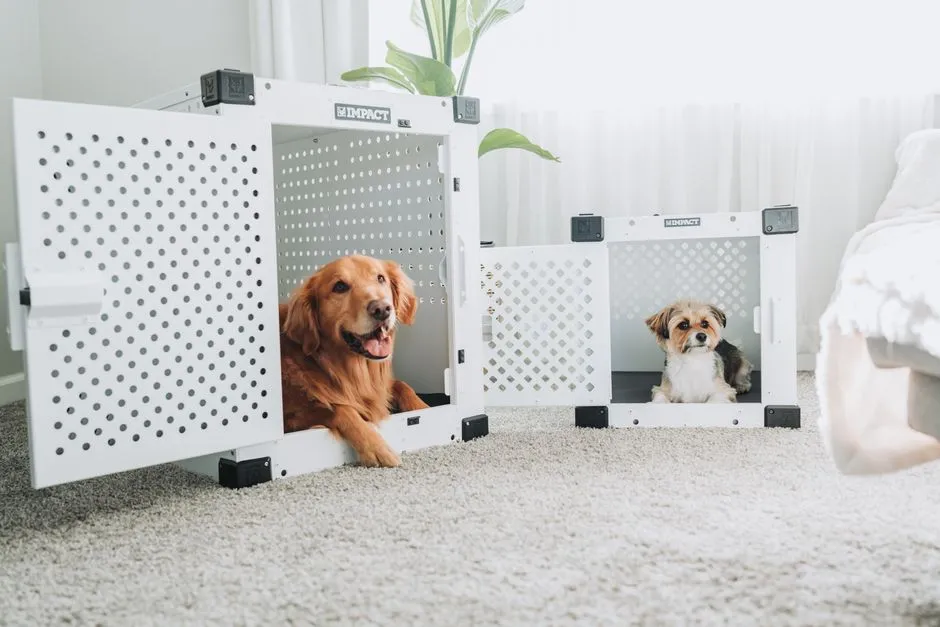
Many people resist crates at first, convinced they’re jail. Ask owners who’ve lived through evacuations, surgeries, or travel nightmares and you’ll hear the opposite: a crate-comfortable dog is easier to protect, treat, and transport. The regret is always the same – waiting until a crisis to start teaching it.
Real situations where this decision suddenly matters more than anything else.
- Post-op recovery when movement must be restricted
- Emergency boarding, flights, or disaster sheltering
- Safety management in multi-pet or kid-heavy homes
The key distinction seasoned owners learned: crates used as punishment create panic, crates used as cozy dens create security. Dogs are den-seekers by nature – the ethics live in the usage, not the tool itself. It’s far more cruel to have a terrified, un-crate-trained dog during a hospital stay than to spend a few calm months building a den that feels safe.
#16 – Senior Dogs Need an Entirely Different Lifestyle

Most people keep living like their dog is still three years old, right up until the dog suddenly can’t. Lifelong owners wish they’d pivoted sooner. Old dogs don’t just slow down – their sensory world and pain levels shift drastically, which means the rules of play, walks, and stairs all need rewriting.
Hindsight has taught a lot of owners hard lessons about aging bodies.
- Slippery floors are silent torture for arthritic joints
- Jumping in and out of cars becomes risky long before any obvious limp
- Cognitive decline can look like stubbornness or “being weird at night”
The dogs who age best usually belong to owners who add ramps and rugs early, shorten and soften walks instead of insisting on old mileage, and check labs to adjust diet for aging organs, not just joints. The real tragedy veterans talk about is watching seniors pushed to “act young” for a photo while their bodies quietly scream. Aging well is an active project, never a passive slide.
Worth Knowing
- Many large breeds are considered “senior” by age 6 or 7, while small breeds often aren’t seniors until 10 or later
- Cognitive decline in older dogs can look identical to plain old “bad behavior” at first glance
- Twice-yearly vet checkups instead of once are standard advice once a dog reaches senior status
- Small environmental tweaks – rugs, ramps, raised bowls – often help more than any supplement
#17 – You Need a Plan for When You Die Before Your Dog Does
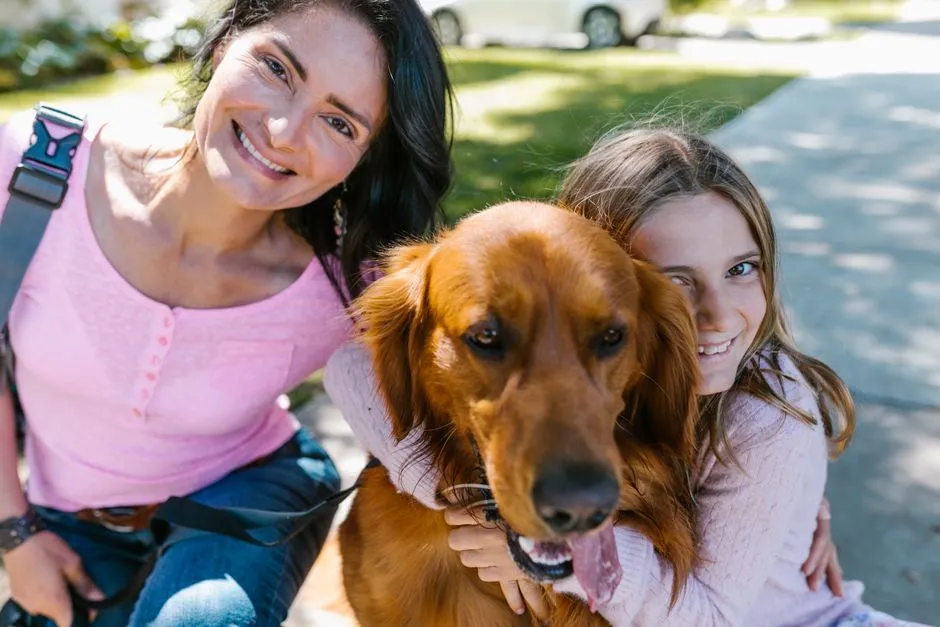
It feels morbid, so people avoid it. Then life does what life does, and dogs end up in shelters because nobody wrote anything down. Lifelong owners will tell you this is the one responsibility almost everyone dodges until it’s too late – and your dog’s entire future hangs on a few sentences you keep putting off.
Here’s what experienced owners now insist on putting in writing.
- A designated guardian who has actually, genuinely agreed to take the dog
- Financial support earmarked specifically for the dog’s care
- Medical history and behavior notes stored somewhere easy to find
Some even state bluntly that if their dog can’t be placed safely, euthanasia is preferable to being bounced around scared and confused. That’s controversial, but it’s honest. Pretending you’ll outlive them anyway is fantasy. Planning for the opposite is love.
#18 – Not Every Dog Actually Wants a Dog Friend
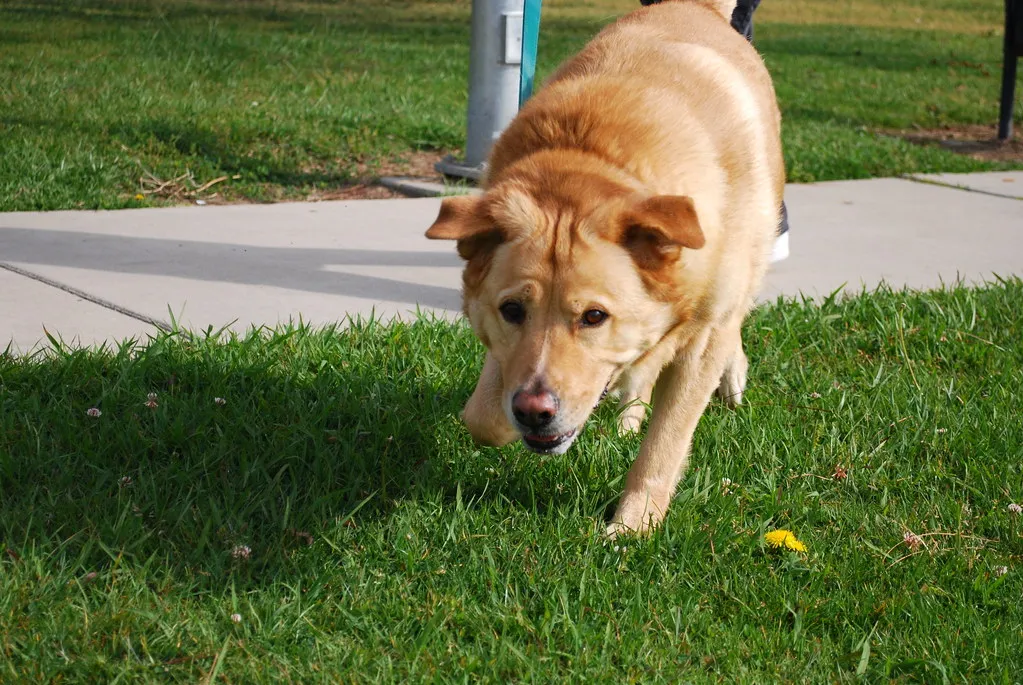
We project our own social needs onto dogs constantly. “He needs a friend” might be the most expensive sentence many owners have ever said out loud. Plenty of dogs are genuinely dog-selective, or simply happier as an only dog, and forcing a second dog into that picture can create years of tension or outright danger.
The hindsight regrets tend to sound eerily similar.
- “I thought a puppy would fix his separation anxiety – it doubled my problems”
- “She tolerated the new dog, but I don’t think she was ever truly happy again”
- “I missed my first dog’s subtle stress signals completely”
Seasoned owners now sit with honest questions before adding another dog: is my current dog genuinely playful, or just polite? Can I realistically separate them long-term if they don’t mesh? Am I doing this for them, or because I’m lonely? The lesson was never “don’t get a second dog.” It’s to stop assuming more dogs automatically means more joy for the dog you already have.
#19 – Social Media Quietly Wrecked Realistic Expectations
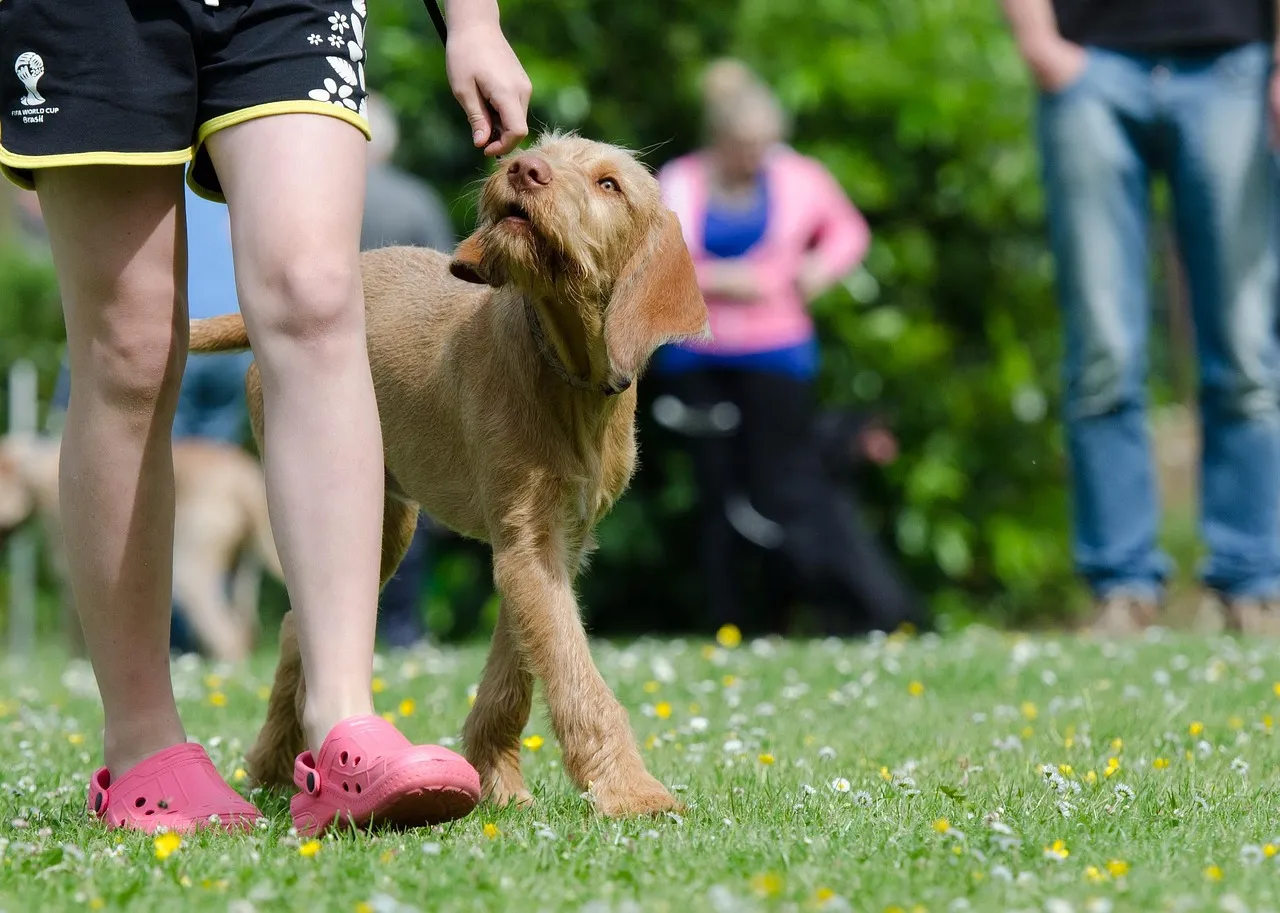
Lifelong owners remember raising dogs before constant comparison existed. Now it’s flawless recall on beaches, spotless couches, and puppies that “never chew.” It’s mostly curated, often staged, sometimes edited – and it quietly convinces normal owners that they’re failing, while pressuring them toward standards that aren’t even fair to the dog.
These are the toxic messages seasoned owners have learned to tune out completely.
- “If you train right, your dog will never pull, bark, or react”
- “My dog is off-leash everywhere, yours should be too”
- “A well-trained dog doesn’t need management tools”
The best dogs many people actually know in real life still wear harnesses or head collars, stay leashed near roads and kids, and carry triggers, fears, or quirks their whole lives. Veteran owners wish they’d tuned out the highlight reels sooner and listened instead to the boring, competent dog people with lived-in houses and imperfect pets.
#20 – Love Without Boundaries Breeds Anxiety, Not Security
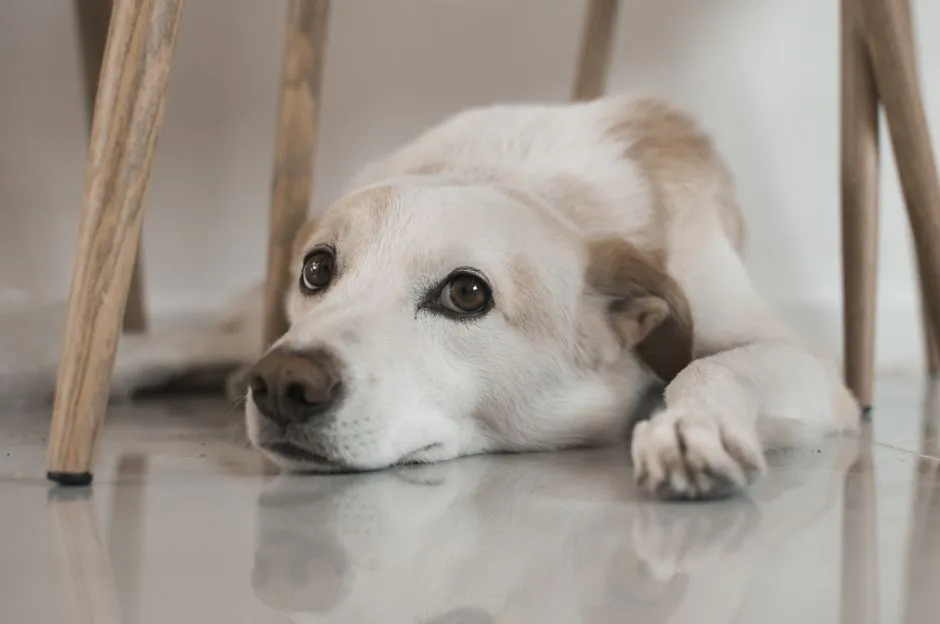
This one hurts. Most longtime owners have had a dog they overloved and underled. Endless affection with zero structure doesn’t produce a secure dog – it produces an anxious one, because dogs crave predictability above almost everything else.
When everything is allowed and nothing is clear, a dog doesn’t feel free. They feel responsible for managing the entire household, which is a job no dog signed up for.
- The dog allowed on all furniture 24/7 who panics when finally asked to move
- The “baby” who screams when left alone because he was literally never taught how
- The sweet dog who resource guards because everything has always simply been his
Boundaries aren’t dominance, they’re clarity. Place commands, gated rest periods, “all done” signals, controlled greetings – none of it is about winning. It’s about relieving your dog of 24/7 decision-making. The dogs who relax the deepest are almost always the ones who know exactly where they fit.
#21 – Your Dog Has Been Training You the Whole Time
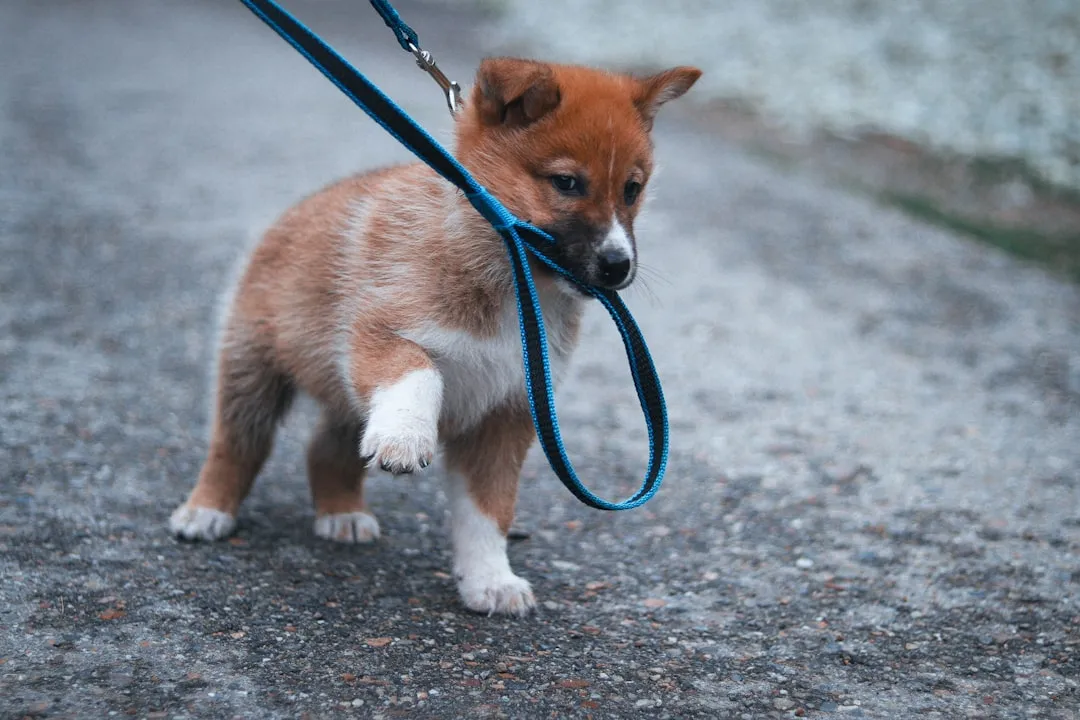
People think they’re training the dog, but the dog is quietly training them right back. Many seasoned owners realize, far too late, that they rewarded the exact behaviors they hated simply by reacting to them. Barking gets attention, whining gets the door opened, pawing gets petting – the dog isn’t manipulative, they’re just observant.
The patterns are subtle until you actually start looking for them.
- A nervous owner tightens the leash, and the dog learns “this is scary”
- An owner only calls the dog for unpleasant things, and recall becomes poisoned
- Bad behavior gets more attention than calm behavior, so chaos quietly wins
The real shift happens when owners start treating their own reactions as part of the training plan – reinforcing what they like, projecting calm when they want calm, rewarding check-ins instead of just commands. When veteran owners say “the more I changed myself, the better my dog got,” they’re not being poetic. They’re describing exactly how it worked.
#22 – The Last Year Deserves As Much Planning As the First
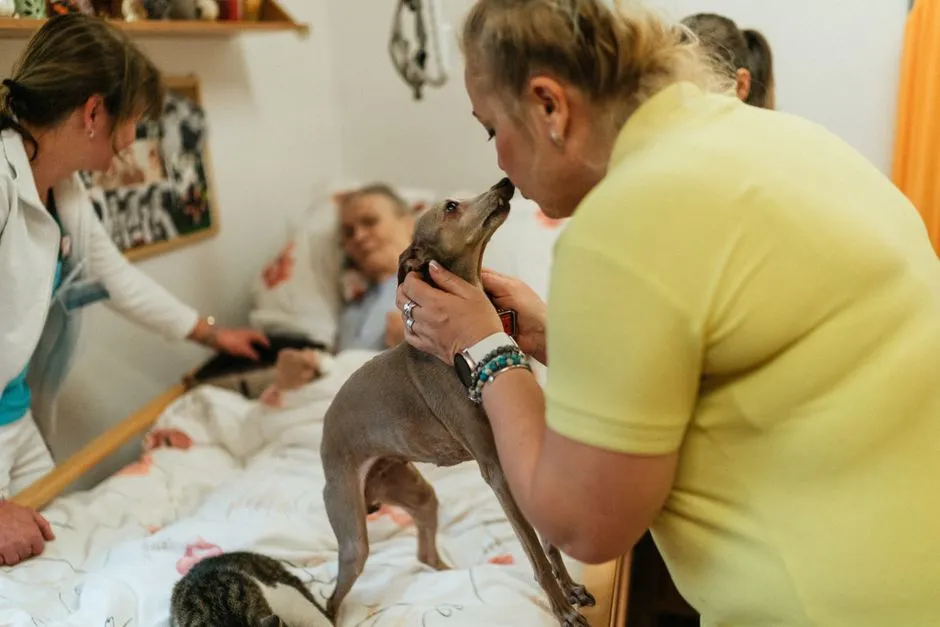
We obsess over puppy supplies and training plans, then wing the entire final chapter. Most lifelong owners say this is their biggest regret of all. End-of-life shouldn’t be a chaotic scramble, it should be an intentional, compassionate project – and waiting until “it’s really bad” is vague enough that, for many dogs, it arrives too late.
Here’s what seasoned owners now insist on planning well ahead of time.
- A quality-of-life checklist agreed upon with a vet
- Mobility aids, pain management, and home adaptations ready before a crisis hits
- Clear preferences about in-home euthanasia versus a clinic, who should be present, how it should feel
The harsh part is that dogs can look “happy” in snapshots while quietly living with grinding, constant pain. Older owners now say it plainly: better a week early than a day too late. We owe them a soft landing, not a heroic, drawn-out decline just because we couldn’t bring ourselves to let go.
At a Glance
- Veterinary quality-of-life scales typically weigh pain, appetite, hygiene, mobility, and overall happiness
- Hospice-style palliative care is increasingly offered by vets for dogs who aren’t ready for the final step yet
- In-home euthanasia services now exist in most major U.S. metro areas, not just clinics
- Writing down preferences in advance takes the hardest decisions off the table during the actual crisis
#23 – You Will Never Feel Ready, and That’s the Price of Doing It Right

Here’s the lesson almost every lifelong dog person reaches with a lump in their throat: loving a dog well guarantees heartbreak. If you attach fully, advocate fiercely, and stay present from puppyhood to old age, you don’t get to walk away unscathed. You’re supposed to be wrecked. That means you did it right.
Dogs are not our whole life, but they make our lives whole.
Roger Caras
Things veteran owners wish someone had told them years earlier still land hard.
- The guilt after euthanasia is normal and almost universal
- Questioning every decision is part of grieving, not proof that you failed
- The empty house will feel wrong for a while, and that’s okay
Dogs compress an entire relationship arc – infancy, adolescence, partnership, caregiving, hospice – into ten or fifteen messy, incredible years. You will make mistakes. You will wish you’d known things sooner. But if your dog was safe, mostly happy, and deeply loved, you did more right than you’ll ever give yourself credit for.
The Bottom Line
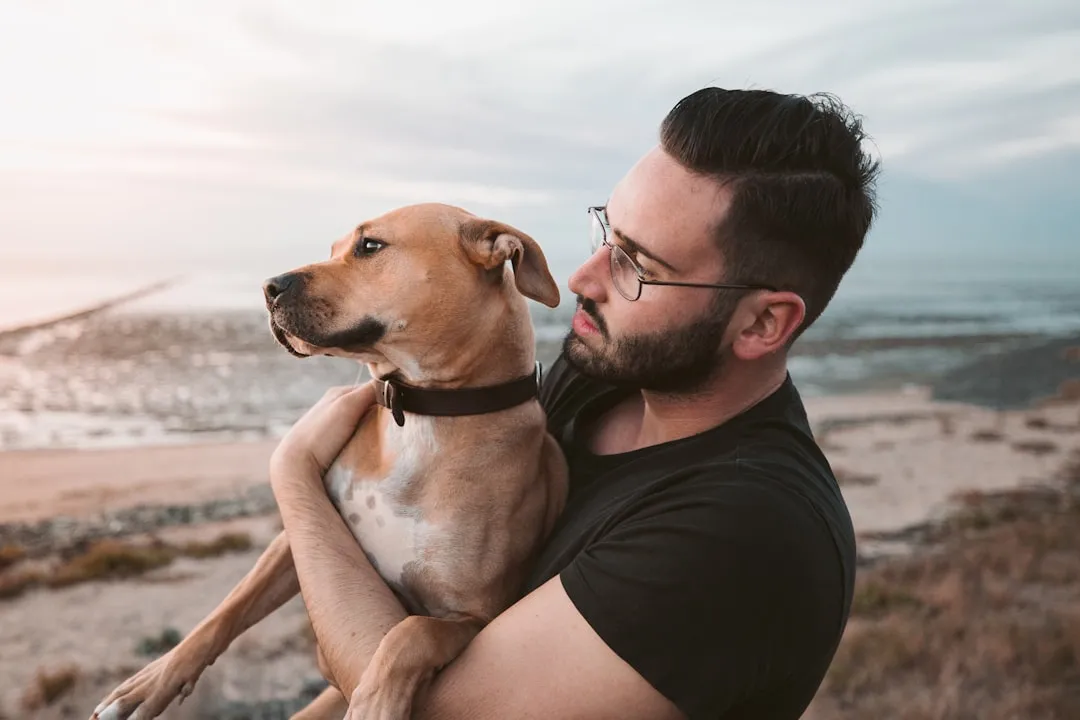
When you actually listen to lifelong dog owners – not the polished version, but the late-night, kitchen-table truths – a pattern shows up fast. The biggest regrets were never about tricks they didn’t teach, brands they didn’t buy, or how fancy the gear was.
They’re about the quiet, unglamorous stuff: missed pain, ignored stress signals, rushed decisions, and pretending dogs are simple when they’re anything but. Most of these 23 lessons could’ve been learned years earlier. We just don’t talk about them enough, because they’re uncomfortable and a little bit humbling.
If you’re reading this with a dog at your feet right now, you won’t implement all of it perfectly. Nobody does. But even one or two changes – a better vet partnership, real rest for a senior, clearer boundaries, an honest end-of-life plan – can rewrite the rest of your dog’s story starting today. Which lesson hit hardest, or which one do you flat-out disagree with? Say it in the comments. That’s exactly the conversation more dog owners need to see.
