
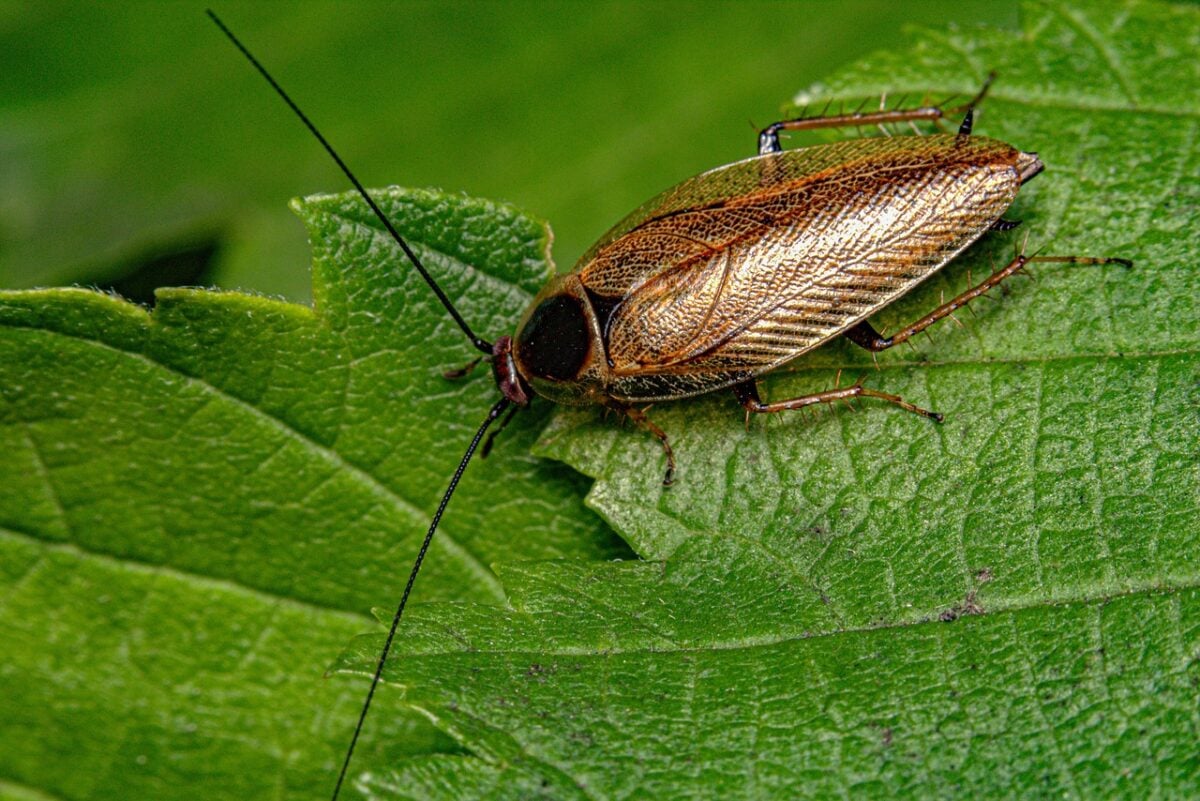
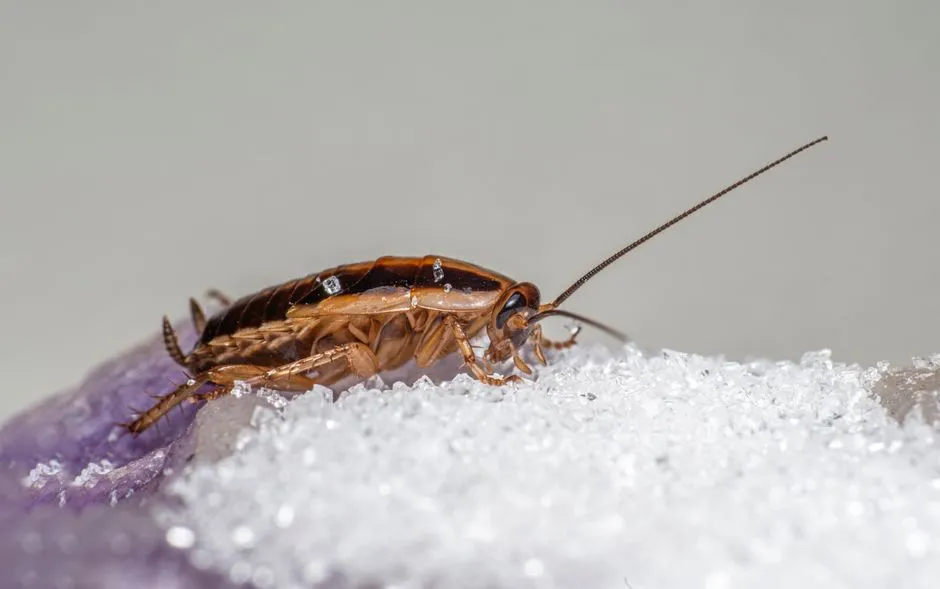
If you have ever walked into your kitchen at night, flipped on the light, and seen a cockroach sprint for its life, you know how instantly your skin can crawl. These insects are not just gross to look at; they are also known to carry germs and trigger allergies, which makes sharing a home with them feel deeply wrong. The good news is, they have a surprisingly sensitive sense of smell, and there are certain scents they really do not like being around.
Now, are smells alone going to replace proper cleaning and sealing up cracks? No, and anyone who promises is overselling it. But used smartly, some natural scents can help nudge roaches away from key areas, make your home less attractive to them, and give you a little extra edge alongside traps and good hygiene. Think of these scents as your invisible, pleasantly scented “do not enter” signs.
Peppermint Oil: Nature’s Minty Warning Sign
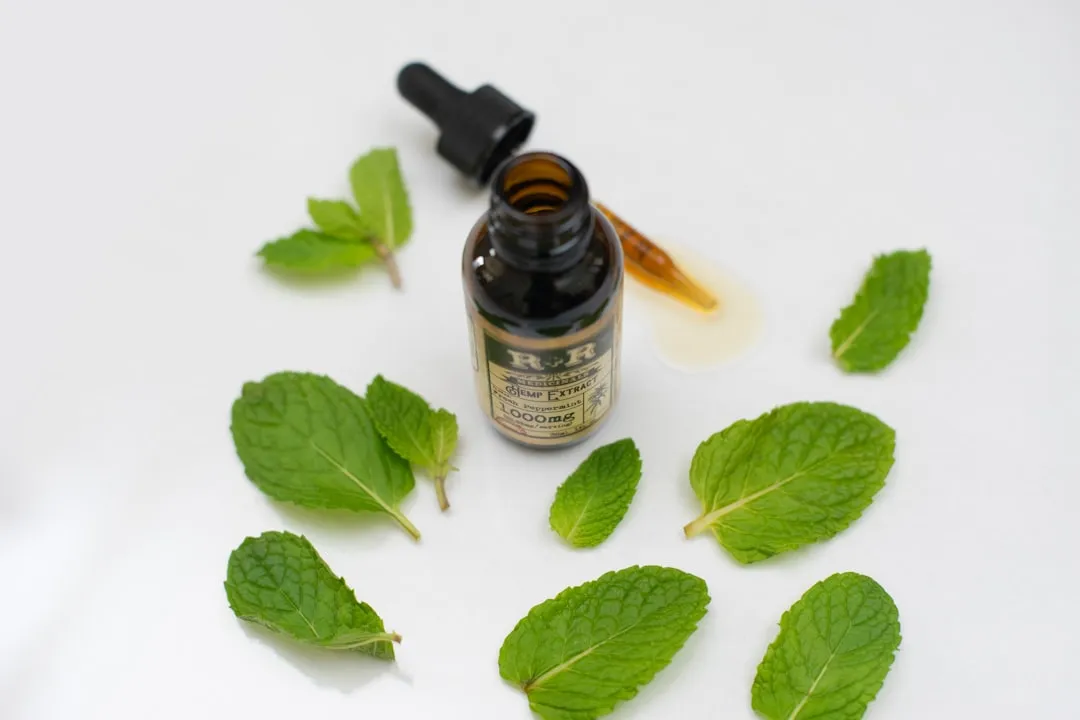
There is something oddly satisfying about the idea that the same fresh, minty scent people love in gum and toothpaste is deeply unpleasant to cockroaches. Peppermint oil contains compounds like menthol that appear to interfere with how roaches navigate and sense their environment, making treated areas less appealing. It will not magically kill an established infestation, but it can act as a deterrent, especially in smaller spaces or as a preventive barrier.
In real life, that looks like mixing a few drops of pure peppermint essential oil with water and a bit of mild soap, then spraying it around baseboards, under sinks, behind the stove, and near entry points. I have done this in an old apartment kitchen, and while it did not replace professional pest control, it noticeably reduced how often roaches showed up by the trash can. The catch is that you need to reapply it regularly; once the scent fades, so does its effect.
Eucalyptus: The Sharp Scent Roaches Avoid

Eucalyptus has that sharp, almost medicinal smell that instantly clears your nose when you inhale. For humans, it is refreshing; for cockroaches, research suggests it is pretty off-putting and can act as a repellent when used correctly. The strong aromatic compounds in eucalyptus oil appear to overload or disrupt their chemical sensing, which they rely on to find food and shelter.
You can use eucalyptus oil much like peppermint: diluted in water as a spray or added sparingly to cotton balls placed in cupboards, under the sink, or in dark corners where roaches like to hang out. I personally like combining a few drops of eucalyptus with peppermint in a spray bottle, partly because the blend smells like a spa and partly because it just feels like overkill in the best way. Just keep in mind that if you have pets or small kids, essential oils should be used carefully and never in concentrated puddles they can lick or get on their skin.
Lavender: Calming For You, Unwelcoming For Them
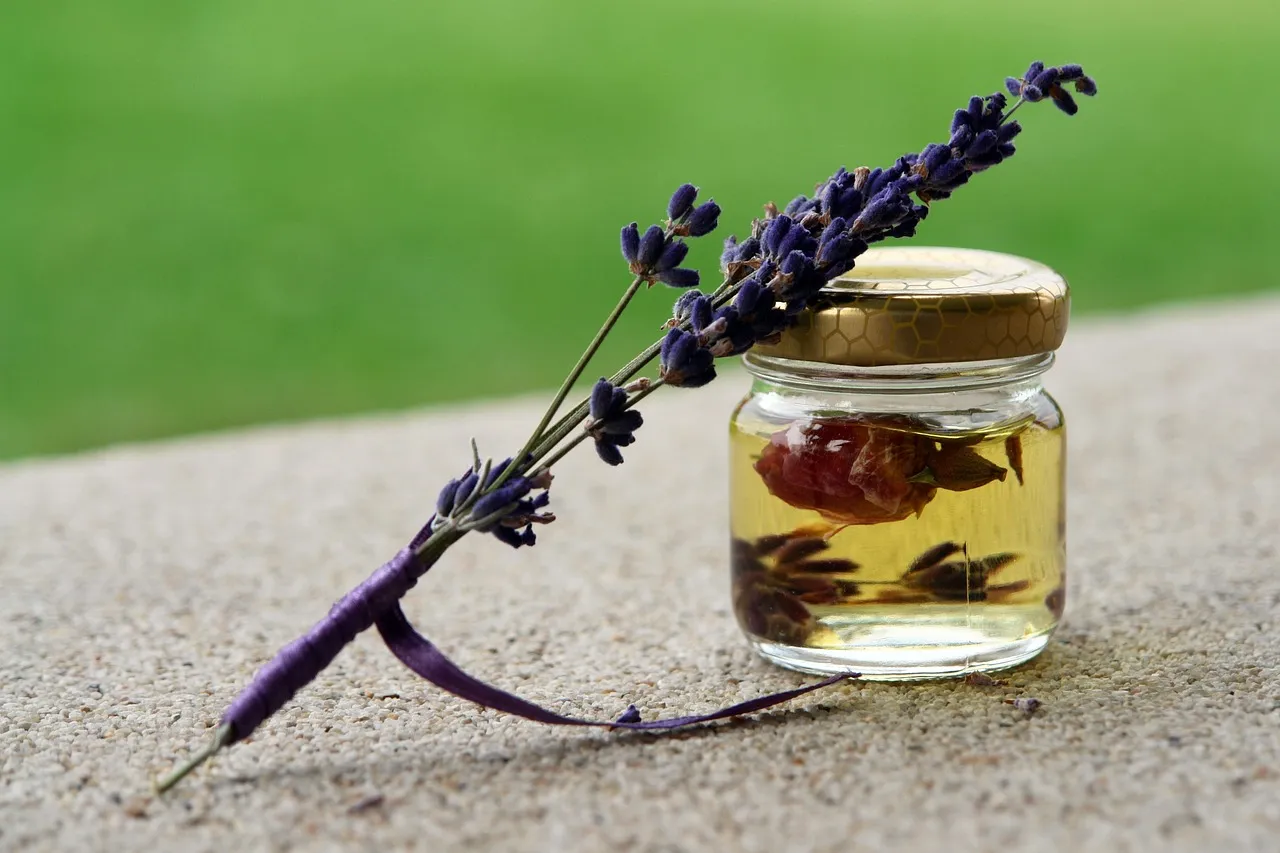
Lavender is one of those scents people reach for to relax, sleep better, or freshen laundry, but for cockroaches it may send a very different message. Some studies and field tests suggest that lavender oil can make treated areas less attractive to certain insects, roaches included. It is not usually the strongest roach repellent compared to mint or eucalyptus, but it earns its place because it helps you, too.
If you are someone who hates harsh chemical smells, lavender is an easy win: a bit of lavender essential oil in a diffuser or sprayed lightly around windowsills, pantry edges, and under cabinets can offer a gentle layer of deterrence. As with all scents, it is not a force field; roaches that are desperate enough may still cross that line. But if you are already using lavender around your home, being strategic about where you place it can turn a relaxing habit into a small part of your pest-control toolkit.
Citrus: Lemon and Orange as “Do Not Disturb” Signs
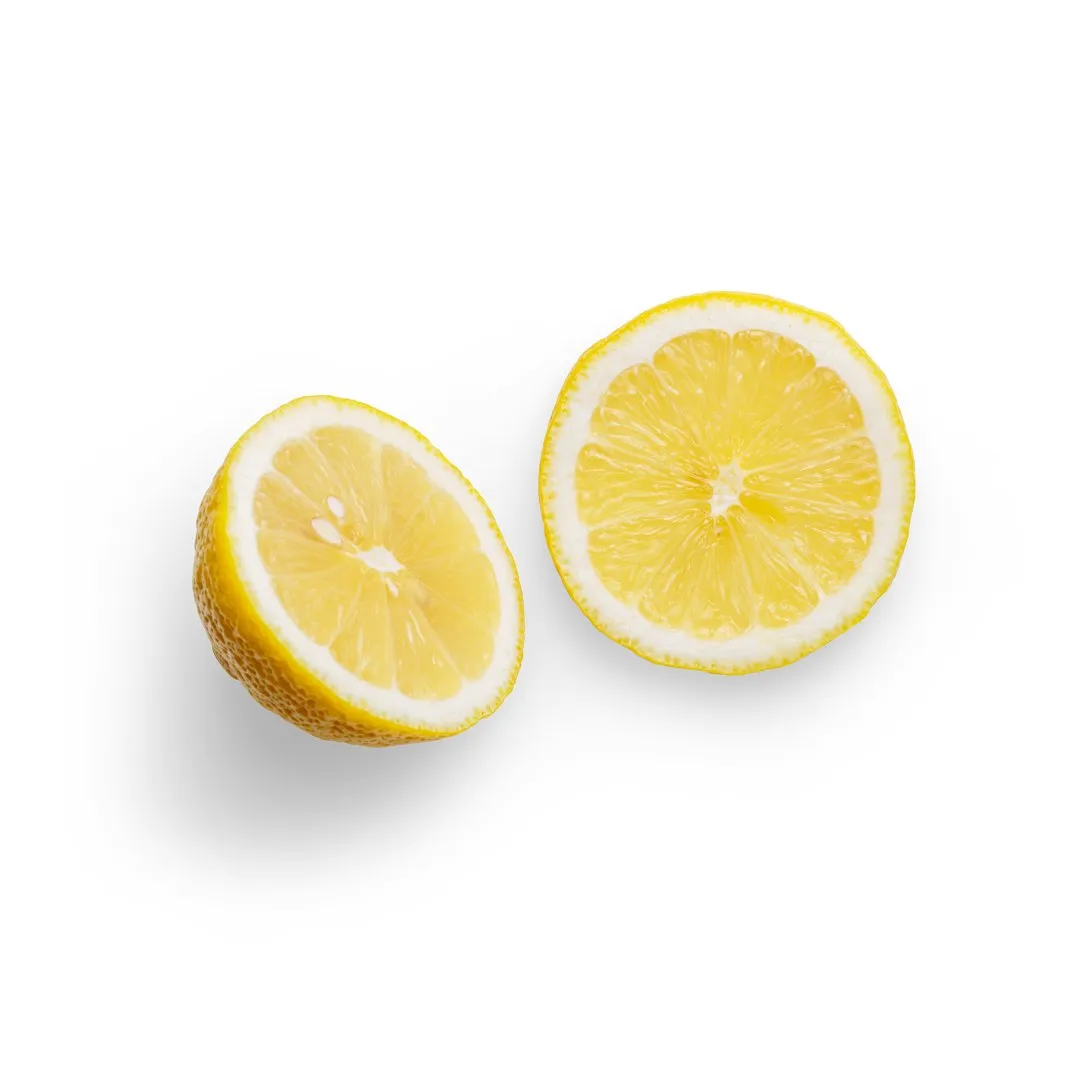
The sunny, clean smell of lemon or orange often signals “this place is fresh” to people, but to cockroaches, citrus can be a turnoff. Many commercial cleaning products use citrus oils not only because they smell good, but because certain citrus components have mild insect-repelling properties. A freshly wiped counter with a lemon-based cleaner is not exactly roach-friendly territory, especially if everything else (crumbs, grease, standing water) has been removed.
You can lean into this by using citrus-scented cleaners for floors, counters, and trash areas, and by saving your lemon or orange peels. Placing dried peels in small breathable sachets in cupboards, under the sink, or near the trash can adds a layer of citrus scent that roaches may prefer to avoid. Is it going to chase out every last bug? No. But combined with cleanliness and fewer hiding spots, citrus works like the polite but firm host that says, “You are not welcome here.”
Cedarwood: The Scent of “Keep Out” in Nature
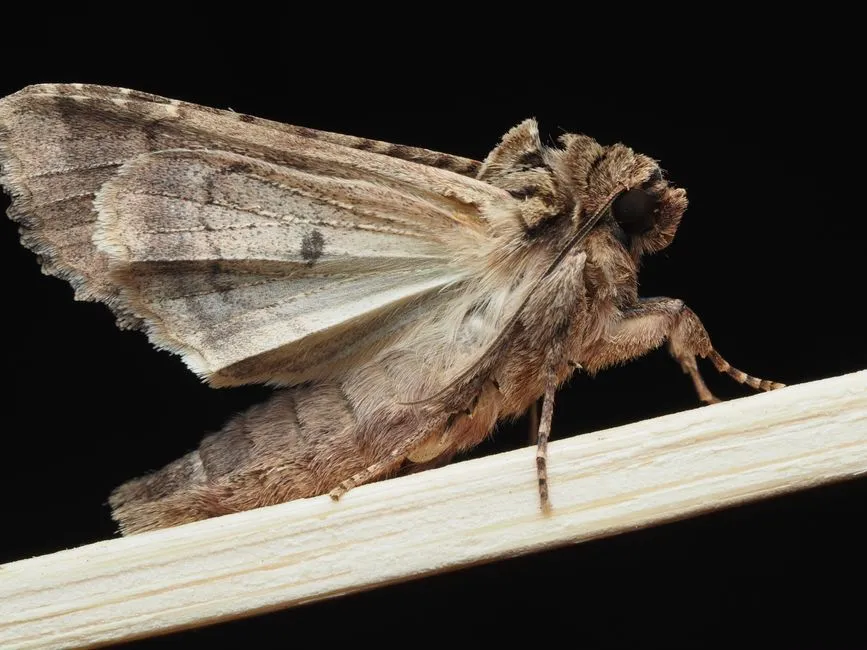
If you have ever opened a cedar chest or walked into a cedar-lined closet, you know that distinct woody, slightly spicy smell. Cedar has been used for a long time to help protect clothes from moths, and some of the same aromatic compounds make life harder for other insects as well, including cockroaches. It does not act like a poison, but more like a confusing, unappealing environment that roaches would rather bypass.
Practical ways to use cedar include cedar blocks or chips in cupboards, closets or storage areas, and cedar-based sprays along baseboards or around trash zones. One thing I like about cedar is that it feels more permanent than a quick spray of essential oil; it lingers longer and also helps with that musty smell in older homes. Still, you will need to refresh or lightly sand cedar blocks over time, because the scent slowly fades and with it the benefits.
Tea Tree Oil: A Potent, Medicinal Barrier
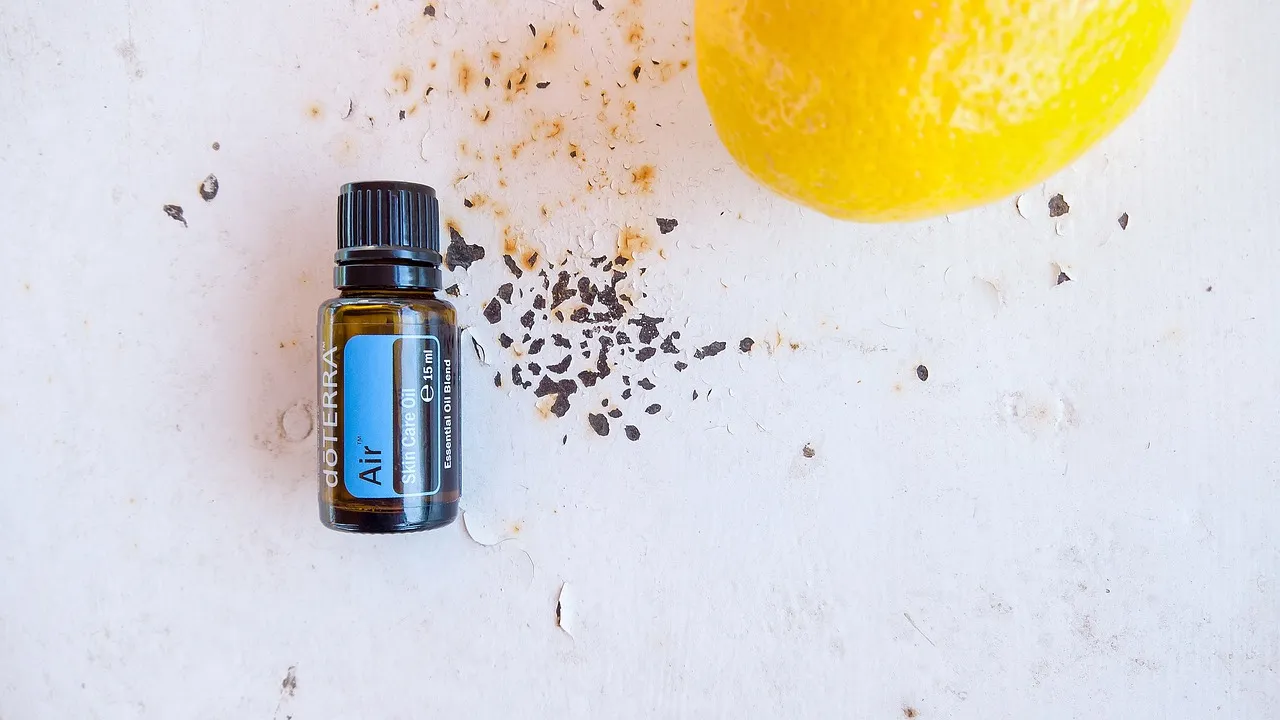
Tea tree oil has a strong, medicinal scent that many people associate with skincare or scalp treatments, and it tends to be a love-it-or-hate-it kind of smell. For cockroaches, it is firmly in the “hate it” category. Lab experiments on insects have shown that tea tree oil can act as a repellent and sometimes even has knockdown effects on certain bugs, thanks to its powerful mix of natural compounds.
Because tea tree oil is potent, you definitely want to dilute it before using it around your home. A small amount mixed with water and a bit of dish soap can be sprayed into cracks, behind appliances, and along the edges of baseboards where roaches like to travel. Personally, I would not use tea tree oil as a whole-house air freshener because it is intense, but as a targeted barrier in problem areas, it can be one of the stronger scents in your anti-roach arsenal.
Catnip (Nepeta): Surprisingly Effective, But With a Catch
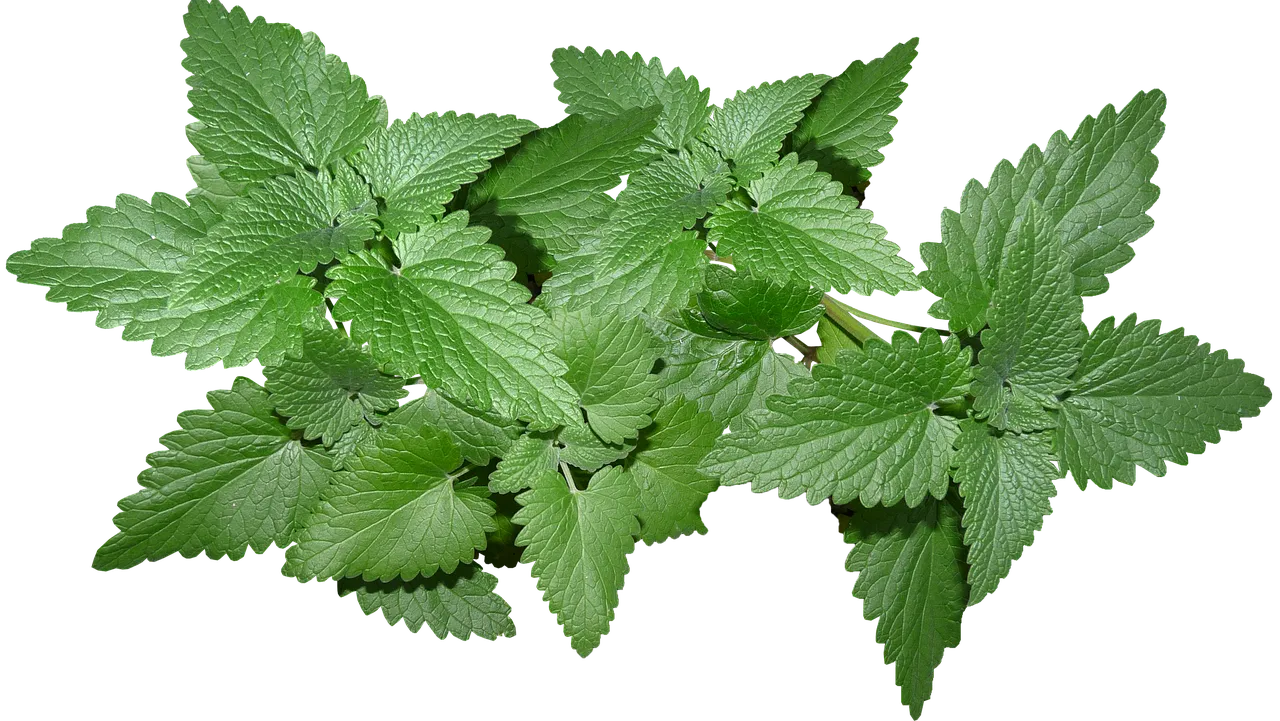
Catnip is famous for sending cats into zoomies mode, but less well known for the fact that its active compound, nepetalactone, can repel certain insects, including cockroaches. Some research has suggested that catnip oil can be surprisingly effective as an insect repellent in controlled conditions. That does not mean throwing a handful of dried catnip on your floor will make roaches vanish, but it does mean the plant is more than just feline entertainment.
If you have cats, this option is both hilarious and practical: you can use small sachets of dried catnip or very diluted catnip oil in cupboards or out-of-the-way corners where roaches slip through. Just be prepared for your cat to discover and possibly redecorate those little pouches. For people without pets, catnip-based products or oils can still be used as part of a multi-scent approach, but they are not as easy to find on store shelves as peppermint or citrus, which is one of the reasons you do not see them advertised everywhere.
Bay Leaves: The Old-School Pantry Trick

Bay leaves show up in a lot of traditional, passed-down advice about keeping roaches out of kitchens and pantries. The idea is that the smell of crushed or fresh bay leaves is something roaches dislike, so sprinkling them in cupboards or tucking them in food storage areas can serve as a gentle repellent. While the hard science on bay leaves and roaches is thinner than for some essential oils, enough people have used this trick over the years that it has earned a kind of folk-pest-control status.
If you want to try it, use fresh or recently dried bay leaves and crush them slightly to release more aroma, then place them in small dishes or breathable pouches in problem spots. At worst, you have a kitchen that smells pleasantly herbal; at best, you make your shelves just annoying enough that roaches wander elsewhere. My honest opinion: bay leaves on their own will not stand up to a serious infestation, but as a low-effort, low-cost add-on to proper cleaning and sealing, they are worth experimenting with.
Why Scents Alone Are Not Enough (And How To Use Them Smartly)
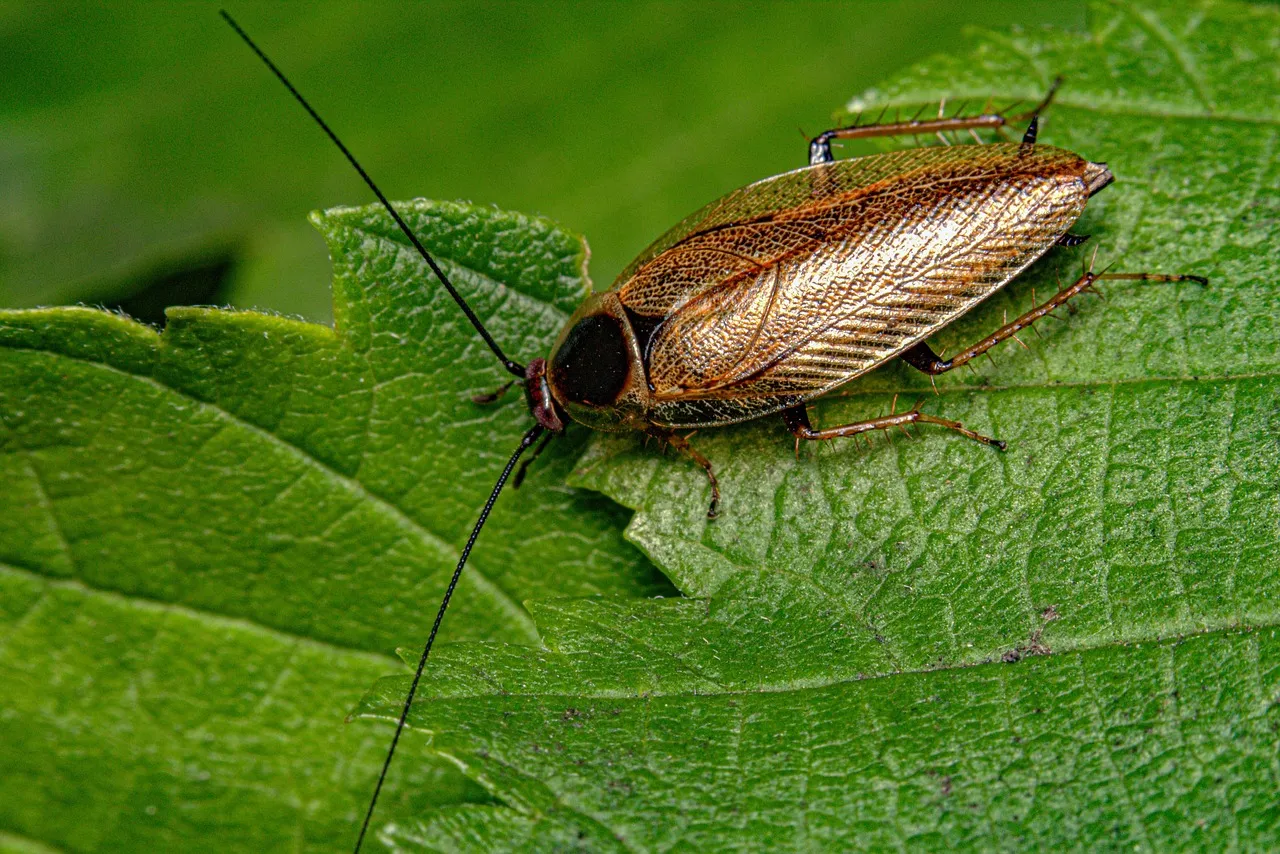
Here is the hard truth: if cockroaches are happily thriving in your walls, deep under your floors, or in a nearby building, you will not scare them all away with pleasant smells. Scents can repel, confuse, or discourage them from hanging out in specific spots, but they do not remove the reasons they came in the first place: food, water, warmth, and safety. It is a bit like putting up a “no loitering” sign in front of a bakery that still gives away free bread in the back alley.
The smartest way to use these scents is as a supporting act, not the headliner. You clean up crumbs and spills quickly, keep trash sealed, fix leaks, seal cracks, and reduce clutter that gives roaches hiding spots, then layer in peppermint, eucalyptus, citrus, cedar, and the rest in strategic areas as an added push. In mild or early stages, this combo can make a real difference; in heavy infestations, you are probably looking at professional pest control plus prevention, with scents as the pleasant finishing touch. In my view, the goal is not to believe in magic oils, but to stack small advantages until your home simply stops feeling like a roach-friendly place to live.
Conclusion: Scent As A Tool, Not A Fairy Tale
There is something deeply satisfying about fighting something as gross as cockroaches with things that smell good to us. Mint, citrus, lavender, cedar, tea tree, catnip, bay leaves, eucalyptus – these are not fantasy solutions; they are tools, each with a bit of science and a lot of practicality behind them. They can nudge roaches away from your kitchen, make high-risk areas less appealing, and give you a sense of control that sprays and poisons do not always provide.
But here is my opinionated take: if you rely on scents alone and ignore cleaning, clutter, moisture, and entry points, you are basically lighting a scented candle in a burning house. Use these smells boldly, enjoy how they make your home feel, and let them work as one part of a broader, grown-up strategy that includes prevention and, when needed, professional help. In the end, the real win is not just that roaches hate these scents, but that you are turning your space into a place that clearly says, in every way possible, they do not belong there. If you had to pick one scent to start with in your own home, which would it be?

- 8 Scents That Cockroaches Hate - August 10, 2026
- 8 Ways Glaciers Carved New York's Finger Lakes - August 10, 2026
- 8 Ways Bobcats Move Through Suburbs Without Being Seen - August 9, 2026