
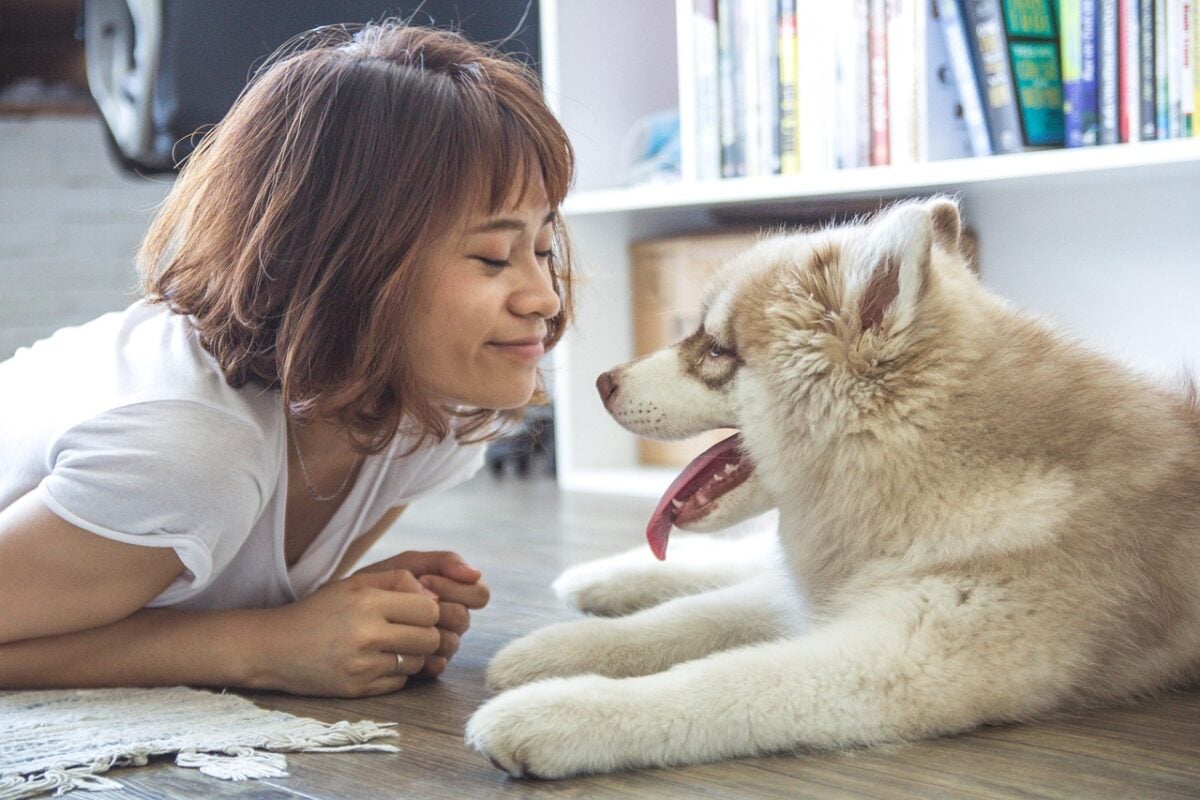
Downsizing sounds so clinical on paper: fewer rooms, less stuff, smaller bills. In real life, it can feel like loss, disruption, and a big question mark about what your next chapter will look like. Yet if there’s one companion that can quietly flip that script from stressful to surprisingly joyful, it’s a dog.
Living smaller with a dog does more than save on mortgage and utilities. It changes how you move, what you notice, and how you connect to the world around you. Let’s walk through fifteen specific, practical ways dogs can turn a big life change like downsizing into something that feels lighter, more meaningful, and a lot more fun.
1. Turning a Smaller Space Into a Cozier Den
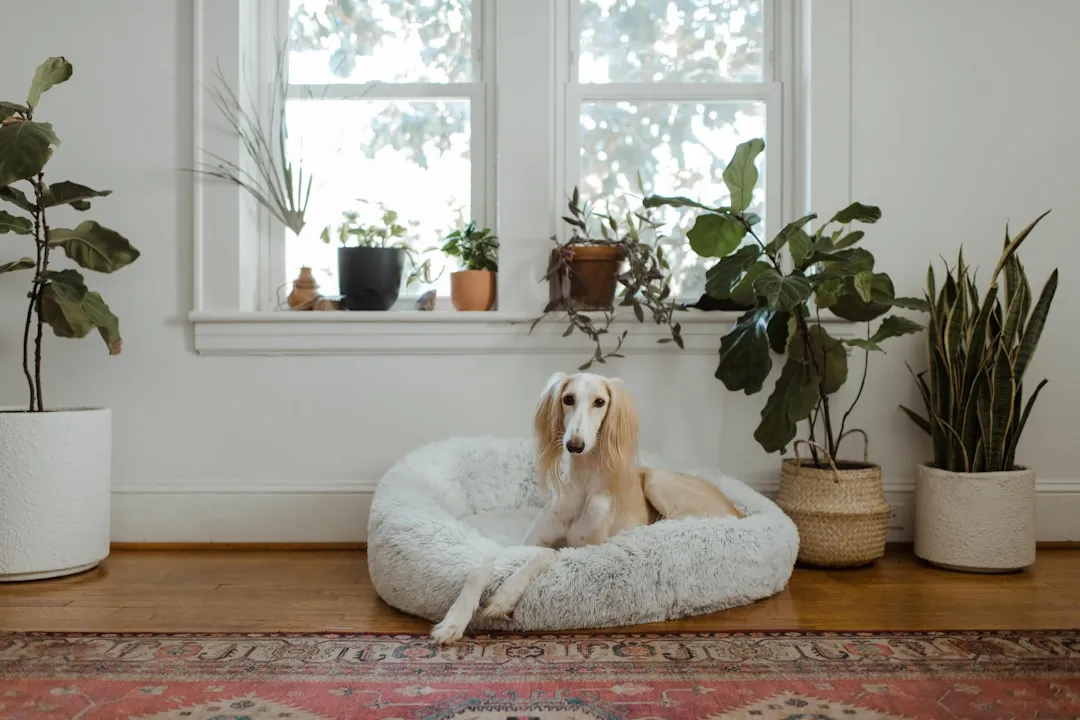
Walk into a small place without a dog and you might notice every missing square foot. Walk into a small place with a dog wagging at the door and suddenly it feels like a den. Dogs are natural experts at making even the tightest corner feel like home; they don’t care about vaulted ceilings, they care about where you sit, sleep, and play together.
There is a real psychological effect here: when you see your dog happily curling up on a modest couch or napping in a sun patch on the floor, your brain starts labeling the space as safe and comforting instead of “less than.” It is like your dog is constantly re-marketing your home to you, selling you on coziness rather than square footage. I’ve moved from a roomy suburban house to a compact apartment, and my dog’s calm routine honestly did more to convince me it was home than any interior design trick.
2. Forcing You to Get Outside Instead of Feeling Trapped
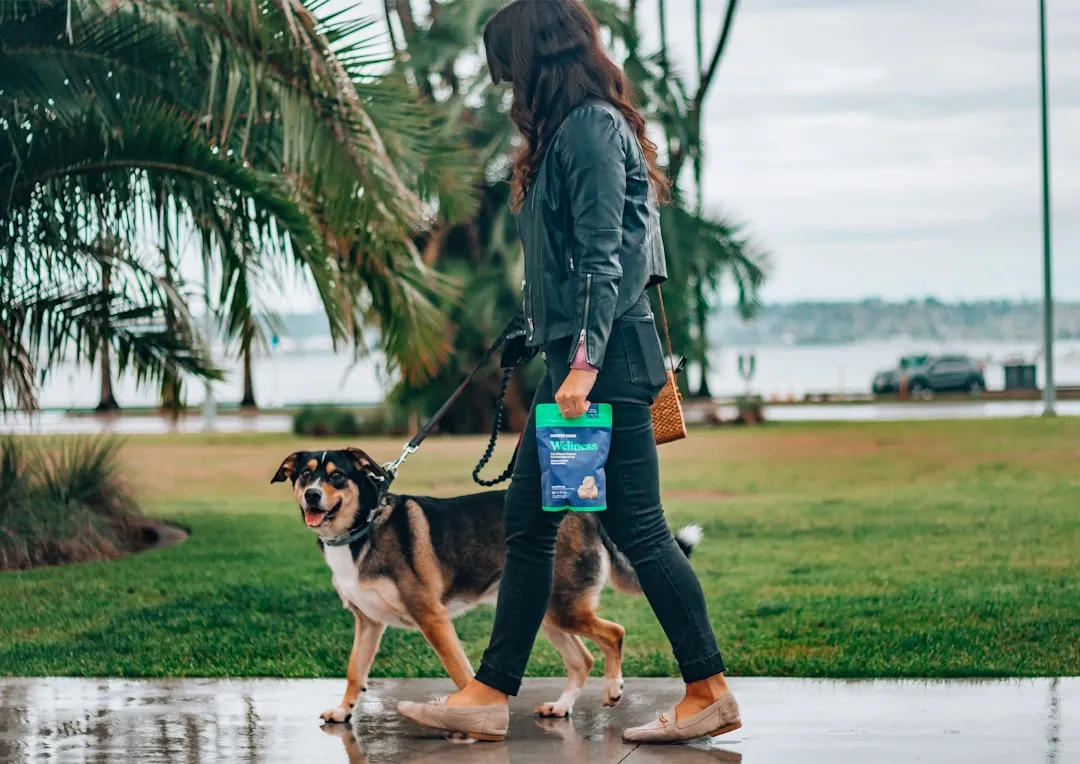
One big fear about downsizing is the idea of feeling boxed in, especially if you are going from a yard to a balcony. Dogs counter that by making outdoor time non-negotiable. Walks, potty breaks, and play sessions pull you out of your head and into the world multiple times a day.
That shift has real health benefits: regular walking has been linked with lower stress levels, better cardiovascular health, and more stable mood over time. Even short strolls around the block give your brain visual novelty and sunlight, which supports circadian rhythm and sleep quality. In a smaller home you might worry about feeling “stuck inside,” but with a dog, it is almost impossible to stay sealed indoors for long.
3. Simplifying Your Belongings Down to What Really Matters
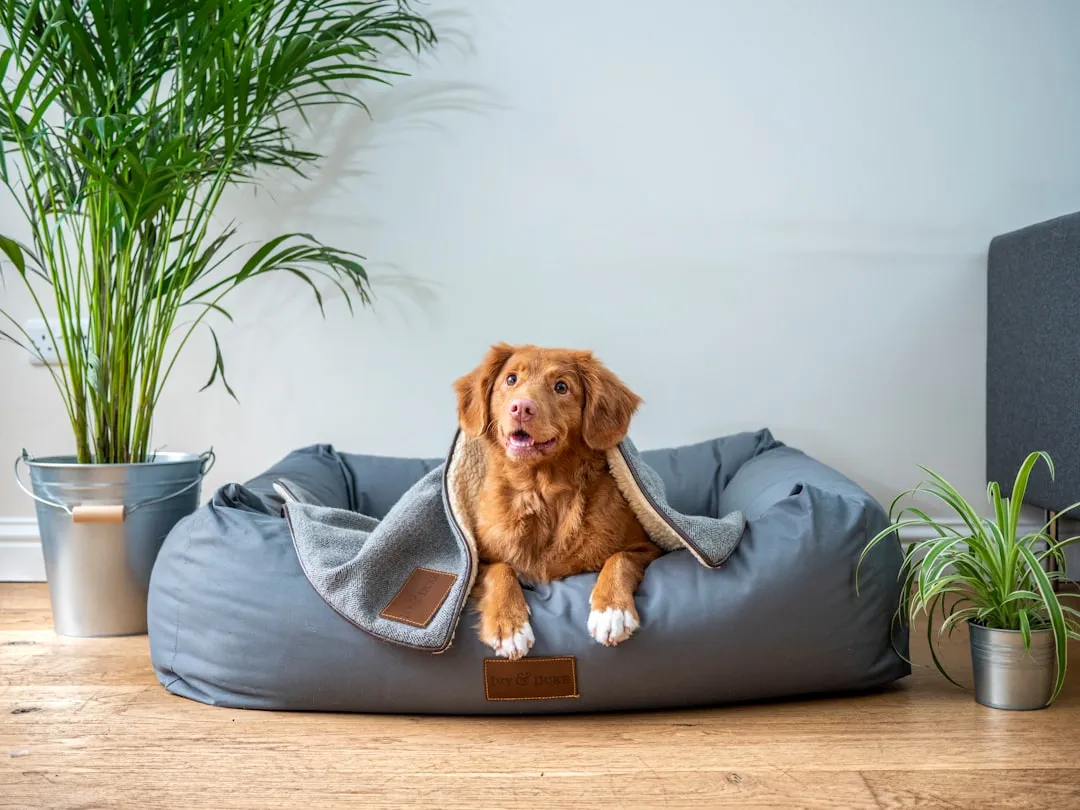
Dogs do not care about your third set of dishes or the boxes of “someday” craft supplies in the closet. What they care about is whether you have time and space for them. That quiet indifference to stuff can be strangely freeing when you are dealing with the emotional weight of letting things go.
When you sort through your belongings with a dog at your feet, you’re subconsciously reminded that memories live in relationships and experiences, not objects. Many people notice that once they make room for a dog bed, a toy basket, maybe a small crate, they’re more willing to release decorative clutter that was never used. Downsizing becomes less about losing possessions and more about gaining space for a life that revolves around living beings instead of storage bins.
4. Making New Routines Feel Comforting Instead of Chaotic
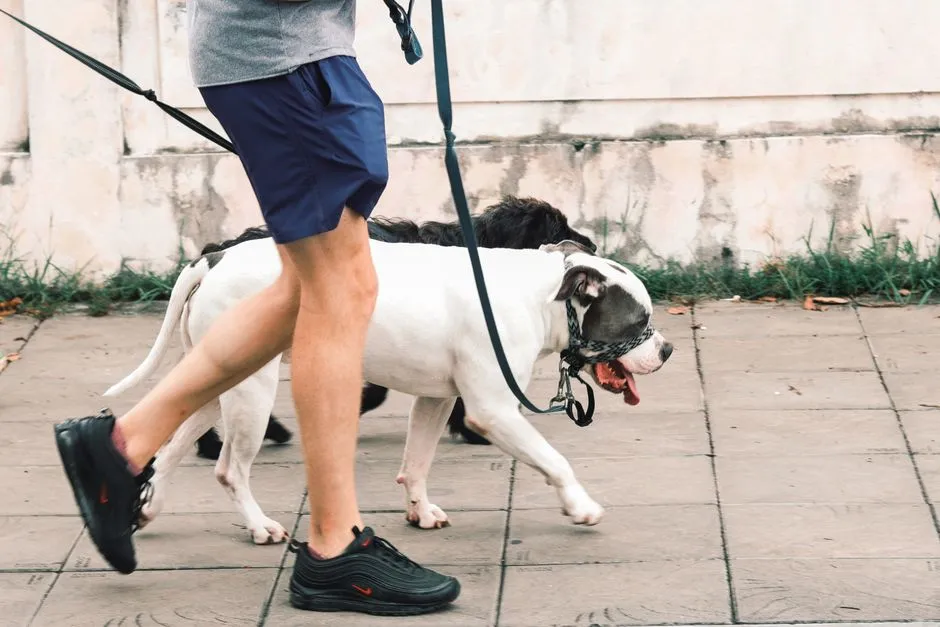
Big life changes usually mean new routines, and our brains do not love that. Dogs, however, thrive on predictable daily patterns: walk, eat, nap, play, repeat. When you move into a smaller home, you end up building your new schedule around your dog’s basic needs, and that structure is surprisingly stabilizing.
Researchers often highlight the mental-health benefits of consistent routines, especially around waking, movement, and meals. A dog naturally anchors all three. Even if everything else is in flux – new neighborhood, new commute, different layout – your dog still expects a morning walk at roughly the same time and dinner in their bowl every evening. That dependable rhythm turns downsizing from disorienting chaos into something more like a new dance you learn together.
5. Easing Anxiety and Grief During a Major Life Shift
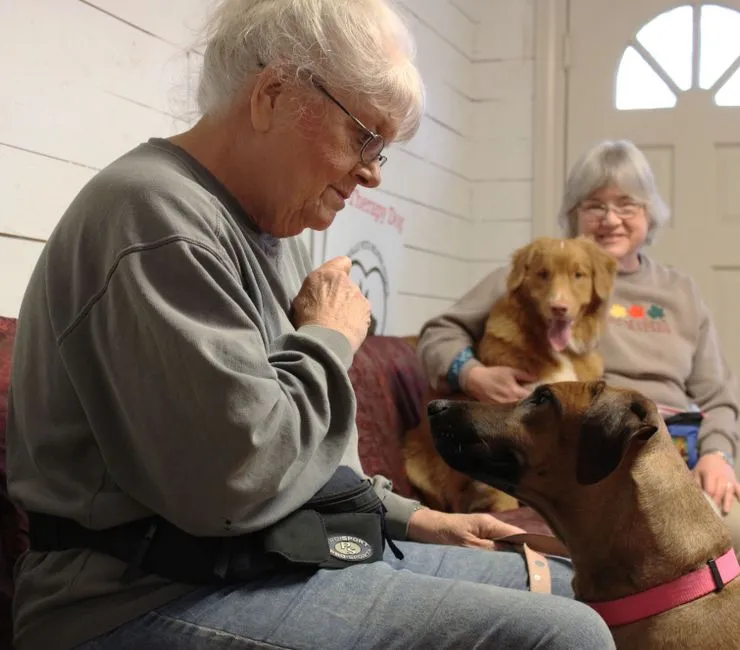
Downsizing is rarely just about space; it often comes tied to divorce, a job change, kids leaving home, or aging. Those transitions can carry grief, and it is easy to underestimate how disorienting that can feel. Dogs cannot fix the root cause, but their presence can soften the edges of anxiety and sadness in ways that are now backed by decades of human–animal bond research.
Interacting with dogs has been shown to lower physiological markers of stress like heart rate and blood pressure, and many people report that simply petting their dog helps them calm racing thoughts. A smaller home means you are physically closer to your dog more often – hearing them breathe at night, feeling them brush against your legs in the kitchen, watching them nap in the same room. That steady companionship acts as an emotional buffer while you process everything that has changed.
6. Turning a New Neighborhood Into a Social Network
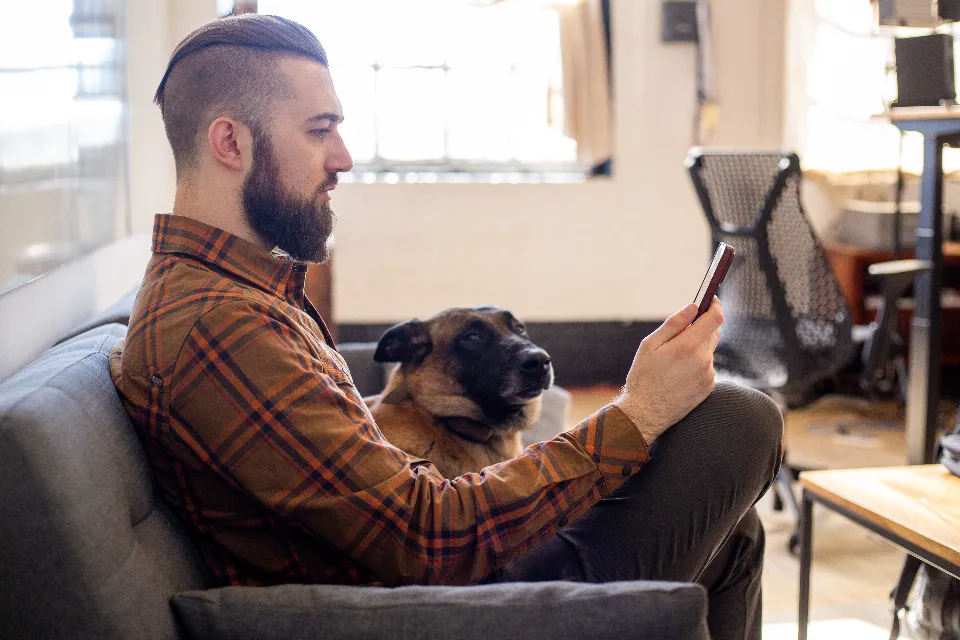
One underrated way dogs transform downsizing: they introduce you to your new world. In dog-friendly areas, people tend to recognize the dog before they remember your name, but that still cracks open the door to community. A five-minute walk can lead to casual chats with neighbors, recommendations for local parks, and the beginnings of real connections.
Social isolation is a risk factor for both mental and physical health problems, especially in later life or after major transitions. Dogs act like low-pressure social magnets; it is easier to talk to someone while you both watch your pets sniff the same lamppost than to knock on a stranger’s door. Over time, those micro-interactions can expand into a sense of belonging that makes your smaller home feel like part of a larger, friendlier world.
7. Helping You Reimagine “Luxury” as Time, Not Space

Before downsizing, luxury might have meant a big kitchen, a guest room, or a sprawling backyard. After downsizing with a dog, luxury starts to look more like slow morning walks, afternoon sunbeams on the floor, and the freedom to throw a ball in the nearby park instead of mowing a huge lawn. Dogs naturally prioritize experiences over square footage, and living alongside them nudges you in the same direction.
Financially, smaller homes often come with lower mortgage or rent, reduced utility bills, and less maintenance. That frees up money and time, and it is very common for people to funnel that into their dogs’ quality of life – better food, training classes, or weekend adventures. The story quietly flips: you gave up some space, and in return you got more bandwidth to actually live, with your dog as the daily reminder of what you gained.
8. Encouraging Daily Movement in Tighter Quarters
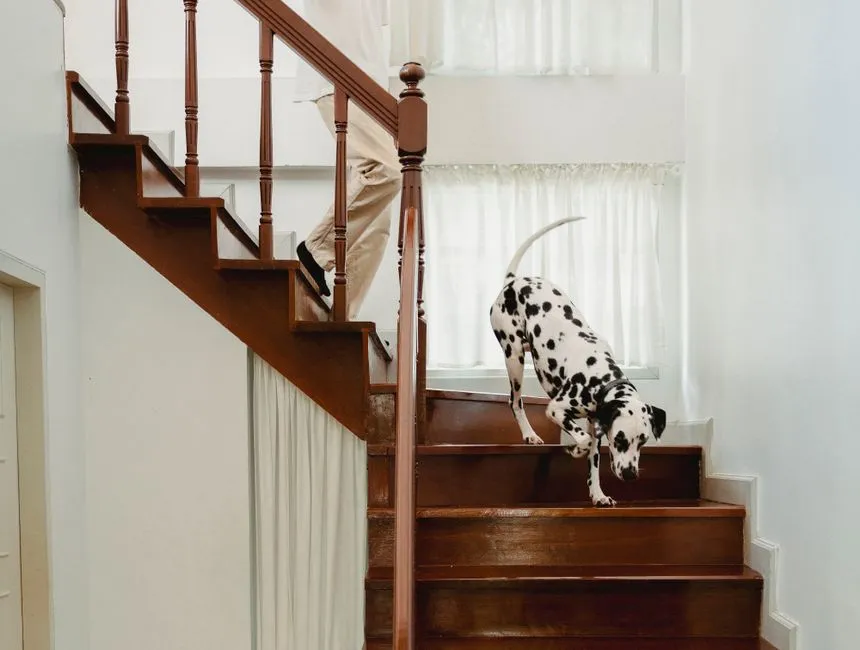
People sometimes worry that a smaller space will make their dog less active, but it often has the opposite effect on the human. Without a yard to rely on, you change from “letting the dog out” to “taking the dog out,” and that subtle shift adds multiple walking sessions into your day. Your dog becomes your accountability partner in the simplest fitness program imaginable.
Even light-intensity movement spread across the day is associated with better metabolic health, joint function, and mood. Short leash walks, indoor fetch in a hallway, or training games in the living room break up long stretches of sitting. Dogs do not need a massive property to be happy; they need consistent exercise, mental stimulation, and contact with you. A small home just makes it harder to pretend you do not need those walks, too.
9. Prompting Creative Use of Every Inch of Space
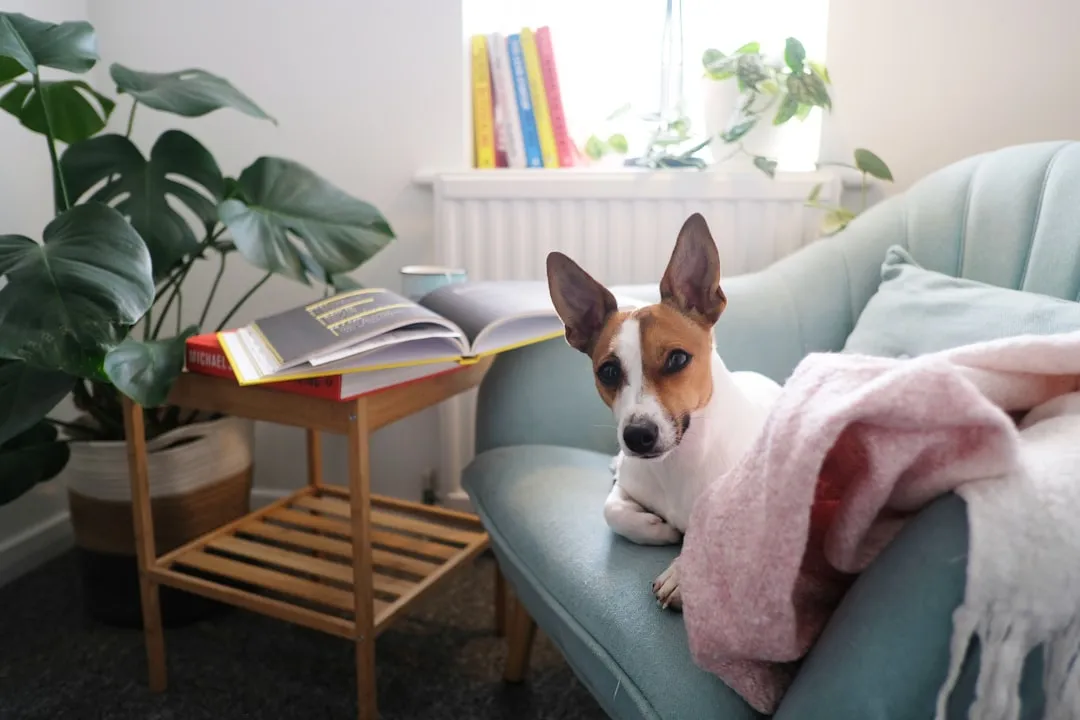
Downsizing with a dog pushes you to become more intentional about layout and storage. You start thinking in terms of zones: a cozy sleeping nook, a toy basket that tucks under a bench, maybe hooks by the door for leashes and poop bags. Instead of seeing a small place as limited, you start seeing opportunities to optimize for real life with a canine roommate.
This mindset shift often spills beyond the dog. You realize that a sturdy ottoman with hidden storage works better than a fragile coffee table; that a slim shelf by the entryway can hold treats, keys, and mail; that a washable rug under the sofa doubles as a play area. Living with a dog in limited square footage teaches a kind of friendly minimalism: keep what earns its space, and make your home work hard for the way you actually live.
10. Keeping You Emotionally Grounded When Everything Else Shrinks
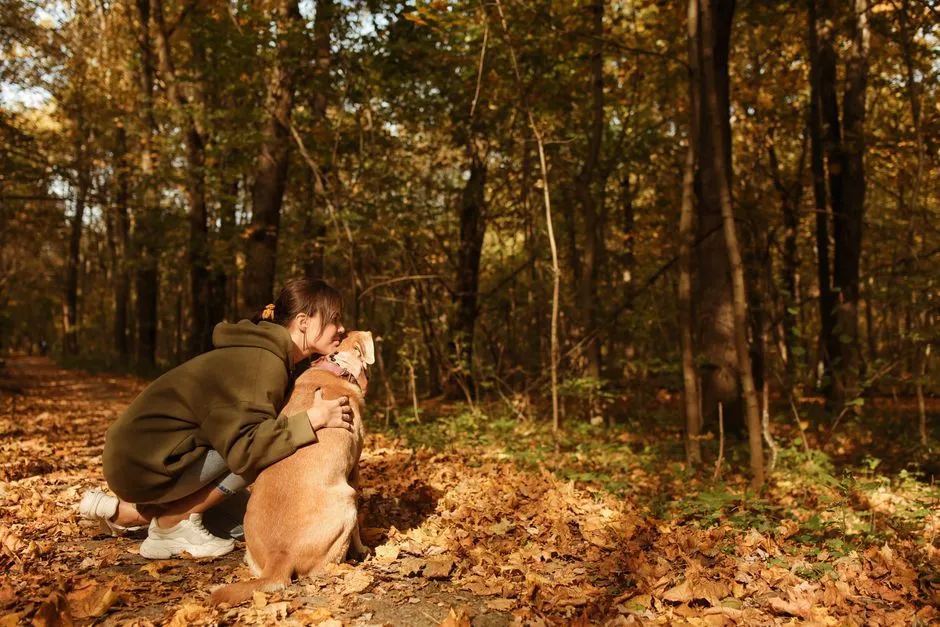
Smaller homes can trigger fears about status, aging, or “going backwards.” When you look around and see less space, it is easy to spiral into harsh self-comparisons. Your dog simply does not participate in that story. They respond to tone of voice, daily rituals, and your presence, not the size of your living room.
That grounded perspective acts as a reality check. To your dog, your studio apartment is not a downgrade; it is the place where their favorite person sleeps, where treats appear, and where they come back after walks. You can lean into that viewpoint: instead of asking whether your home is impressive, you start asking whether it is functional, calm, and full of small moments of joy. Dogs are quietly relentless about steering you toward those priorities.
11. Creating a Sense of Continuity Across Different Homes
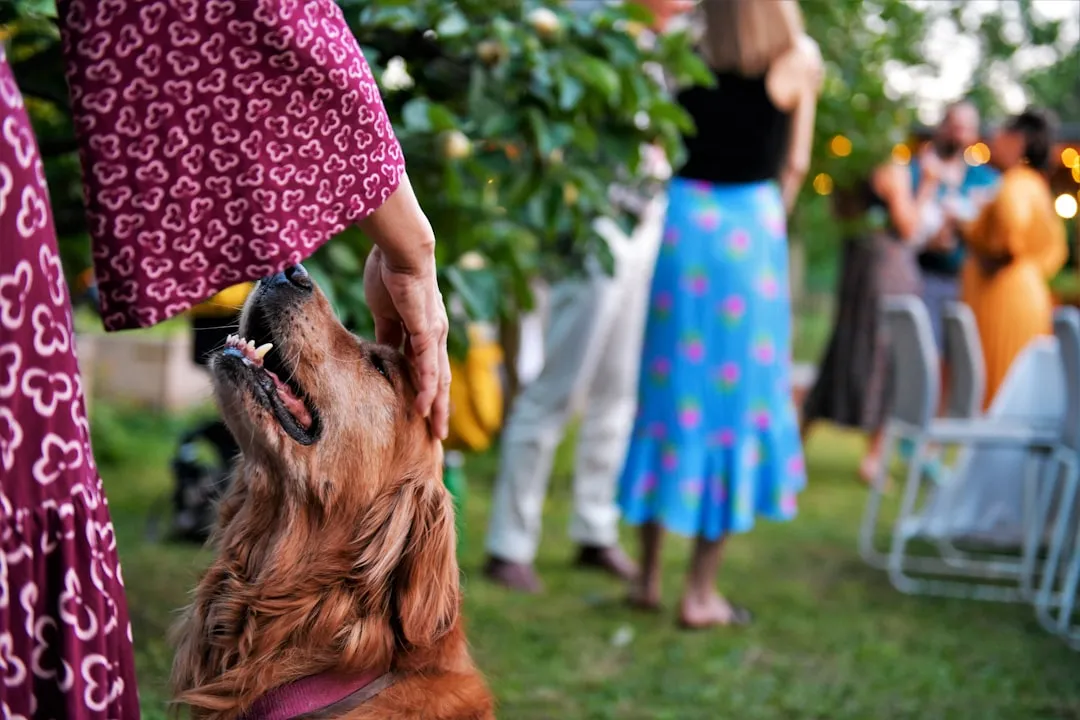
One of the hardest things about downsizing is the feeling that you are leaving a chapter of your life behind. A dog becomes a living thread that ties those chapters together. The couch might change, the street outside might be new, but your dog is still there, nudging your hand for rubs, carrying the same squeaky toy from one place to the next.
That continuity matters more than people often realize. Our brains anchor memories to sensory details; the feel of your dog’s fur, the sound of their paws on the floor, even the jingle of their tags all stay the same from one home to another. Downsizing then feels less like erasing your old life and more like turning the page in a book where the main character – your bond with your dog – remains the same.
12. Turning Cleaning and Maintenance Into Manageable Tasks

Let’s be honest: dogs come with fur, paw prints, and toys that mysteriously migrate under furniture. In a huge home, keeping up with all that can be a full-time job. In a smaller space, the same level of mess is simply more manageable. Vacuuming takes less time, washing floors goes faster, and you can spot-clean accidents or spills without trekking across multiple rooms.
That can noticeably reduce stress. Instead of dreading a massive weekly cleaning marathon, you are more likely to do quick, frequent resets – wipe a counter, sweep a corner, toss a load of blankets into the wash. Your dog may still track in mud, but dealing with it is less overwhelming. A compact home plus a realistic dog-friendly cleaning routine makes “messy chaos” far less likely, which in turn helps you feel more in control of your environment.
13. Reinforcing Training and Good Manners in Everyday Life
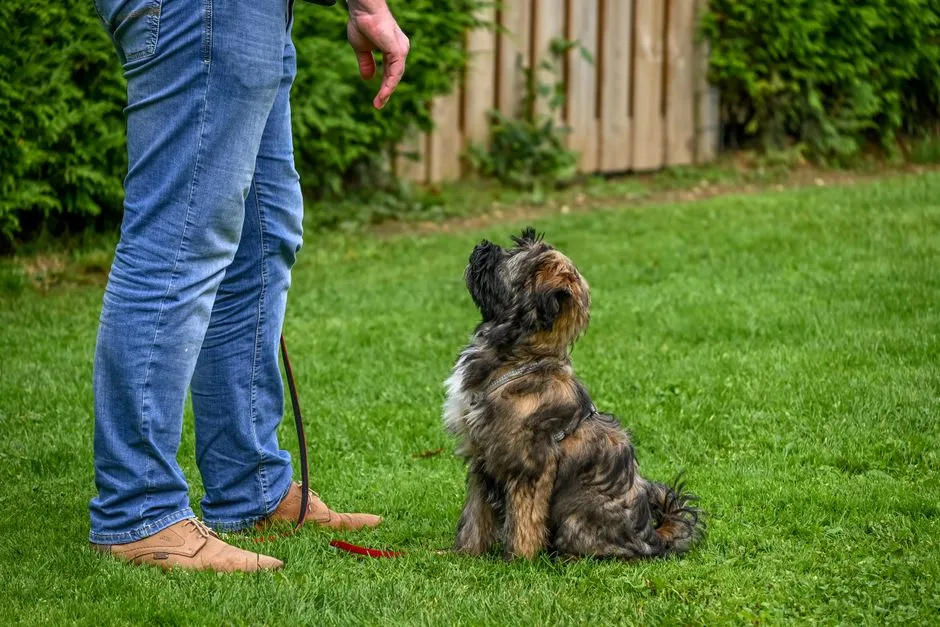
In a small home, behavior issues become more obvious quickly – barking, jumping, guarding spots on the couch. That might sound like a downside, but it actually pushes you to address problems sooner and more consistently. With less space to hide tension, training becomes a normal part of daily life instead of a special project you’ll get to “someday.”
Modern positive reinforcement methods work extremely well in close quarters: you can practice calm greetings at the door, polite waiting before walks, or settling on a mat in the kitchen. Over time, the dog learns that the small home is a place where good manners are rewarded, and that spills over when you go out into the world together. Downsizing can be the moment you and your dog level up as a team, trading chaos for clearer communication.
14. Nudging You Toward Experiences Over Possessions
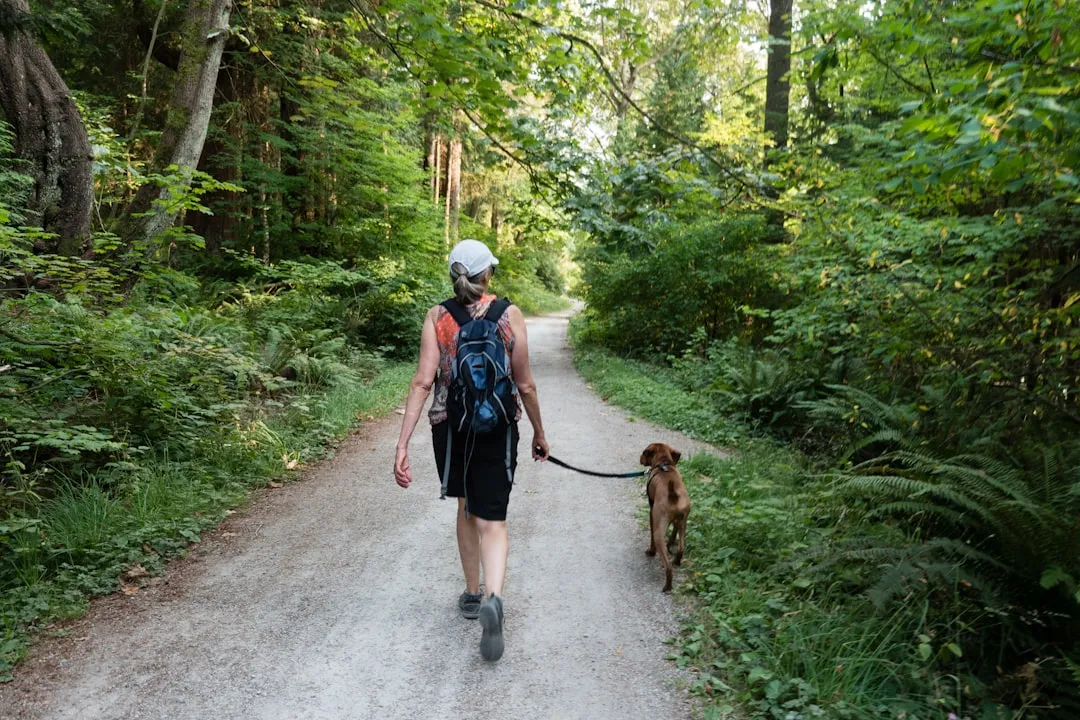
When closet space gets tight, you quickly notice that dog gear and human gear are competing for room. This gently pressures you to choose what you value most. Many people find themselves giving up another decorative item or extra gadget but keeping the hiking leash or the travel water bowl, because they represent time outside with their dog.
That choice shifts your lifestyle. Instead of buying more decor to fill a big house, you might use the money for a pet-friendly weekend trip, a training class, or a new trail to explore. The small home becomes a launchpad rather than a shrine to things. Your dog, without knowing it, becomes your partner in designing a life built around shared moments instead of accumulating belongings that just sit on shelves.
15. Reminding You That Home Is Ultimately a Relationship
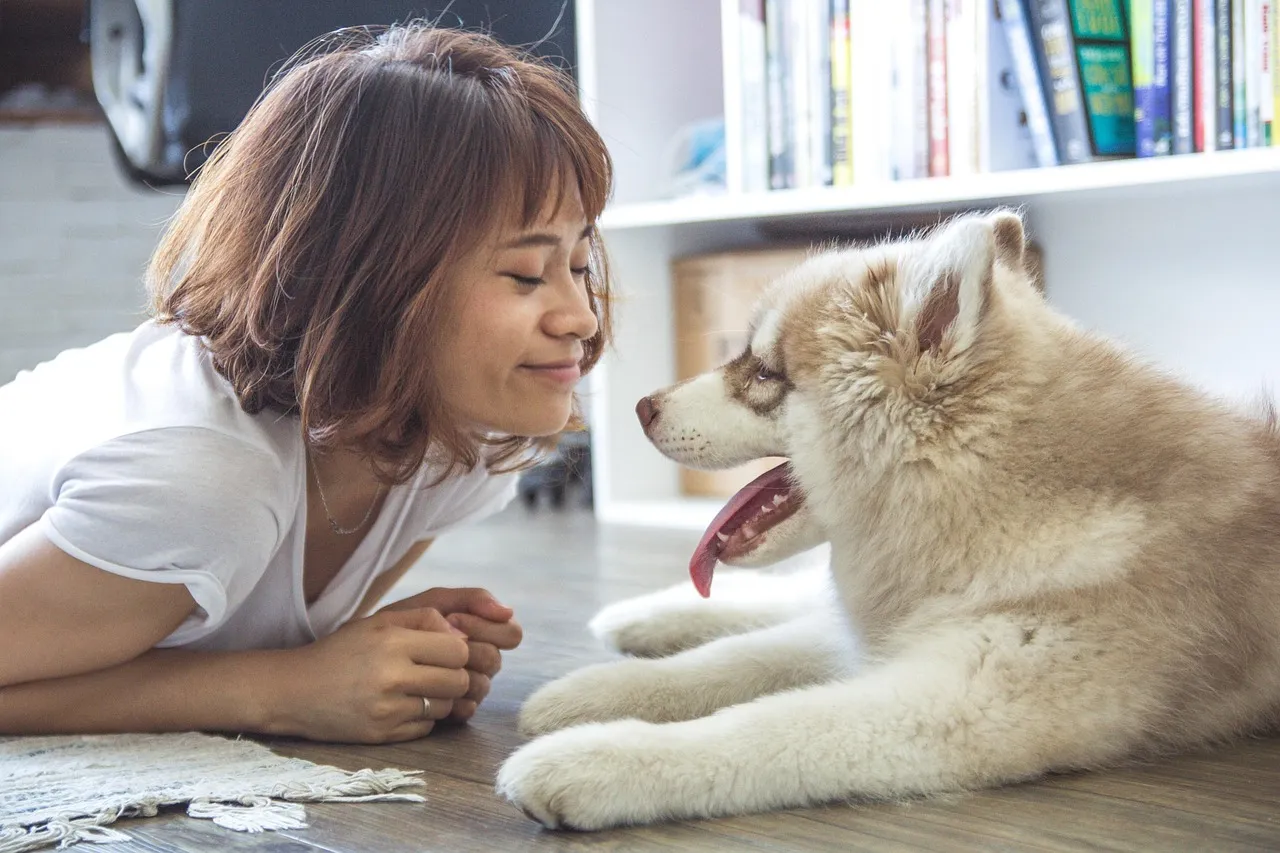
At the end of the day, downsizing can trigger big questions about identity and success. Did I fail? Am I moving backwards? Dogs cut through that noise. For them, home is not a number of bedrooms; it is your voice, your smell, and the routine you share. They judge the quality of home by how safe and loved they feel, and by how much time they get with you.
I am admittedly biased, but I think they are right. A smaller home that supports your health, your finances, and your relationships is a step forward, not backward. If your dog naps contentedly at your feet in this new space, that is real data about what actually matters. Downsizing with a dog can be an unapologetically joyful choice because it strips away a lot of social expectations and leaves you with a blunt question: does this life feel good to live, right here, with this creature beside me?
Conclusion: Downsizing as a Dog-Led Upgrade
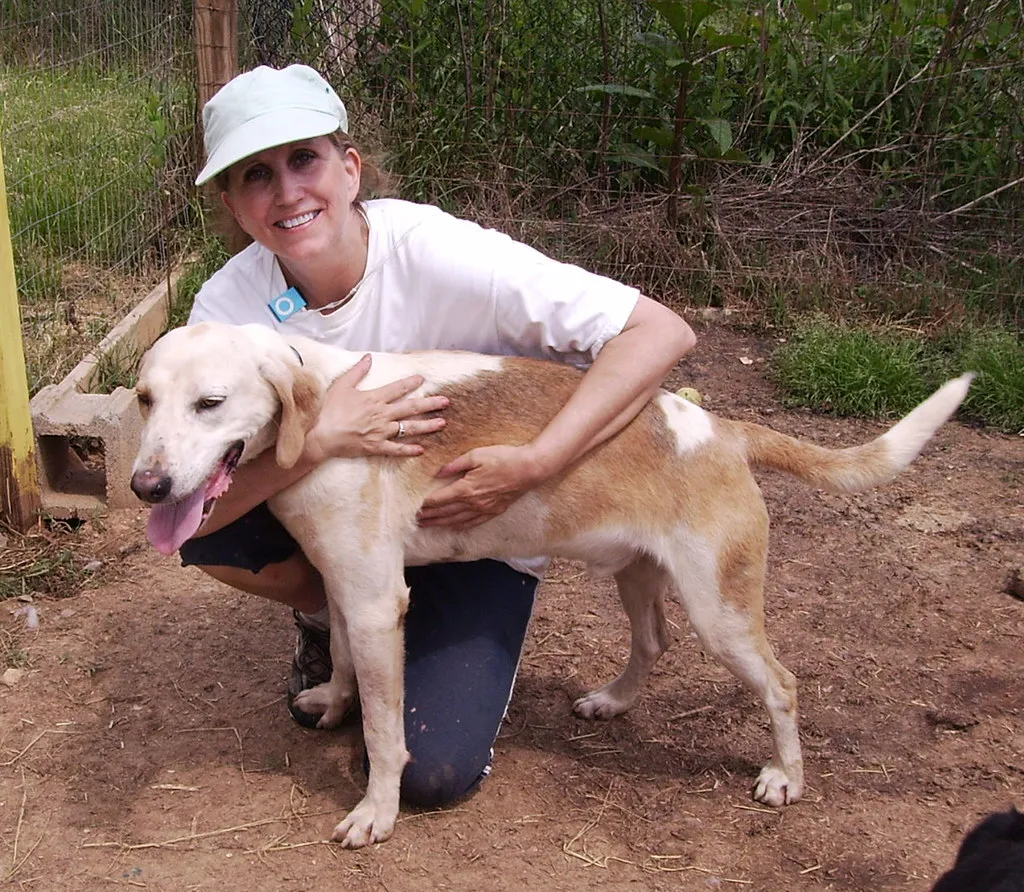
If you look at downsizing only through a real estate lens, it is easy to see it as loss – fewer rooms, less storage, smaller everything. Through a dog’s eyes, though, the picture is very different. What matters is proximity, routine, shared movement, and emotional safety. On those measures, a thoughtfully chosen smaller home can actually be a major upgrade, especially when it frees you from financial strain and endless chores.
In my view, the presence of a dog turns downsizing from a story about shrinking into a story about sharpening. You trim away space you were not really using and double down on the parts of life that genuinely feed you: walks, companionship, calm evenings in a place that feels lived in rather than staged. There is nothing second-rate about that; in many ways, it is what success should look like. When you picture your future, what feels more like home – the square footage, or the dog asleep on your lap while the kettle boils in a kitchen that finally fits your real life?

- 15 Ways Dogs Turn Downsizing Into a Joyful Transition - August 10, 2026
- 18 Astonishing Facts About Human Evolution That Rewrite Our Origins - August 10, 2026
- 15 Signs Your Dog Is the Best Roommate You’ve Ever Had - August 10, 2026