

When most people hear “DNA,” they picture a crime show swab or a cute ancestry pie chart. But the real story of DNA is stranger, more powerful, and frankly a lot more unsettling than that. This tiny molecule quietly shapes how you look, how you age, how you respond to stress, and even how your grandchildren might experience the world.
What blows my mind is how much control DNA has without us ever noticing it. Yet at the same time, it’s not a rigid, unchangeable script; parts of it are more like sliders on a mixing board than lines in stone. As you read through these 15 facts, you’ll probably recognize moments from your own life where DNA has been quietly steering the wheel in the background.
1. Your DNA Is Mostly Not “You” In The Way You Think
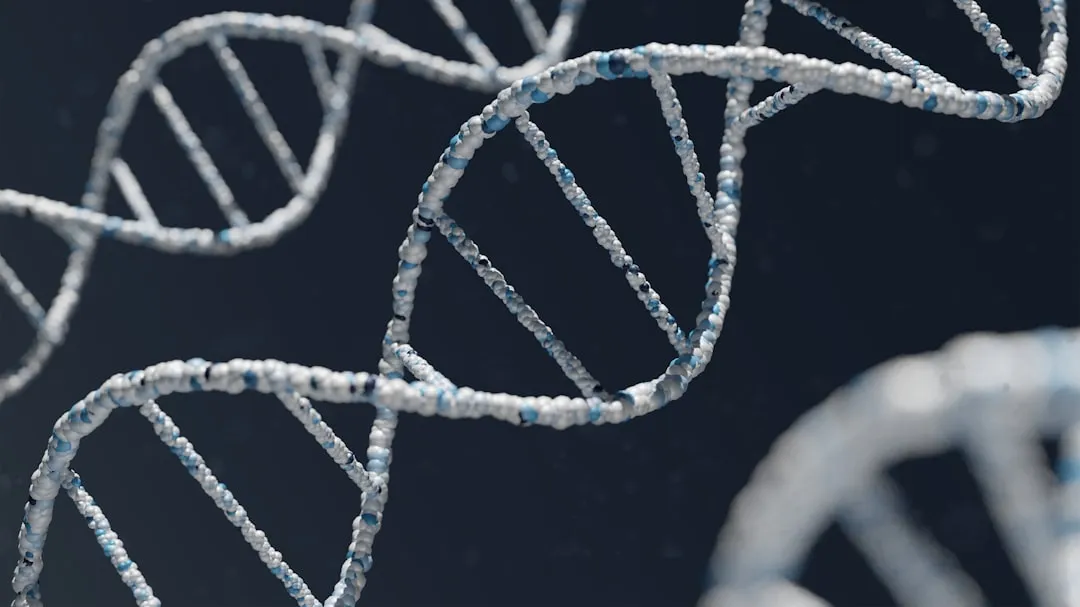
It sounds dramatic, but most of your DNA does not directly code for traits like eye color, height, or hair texture. Only a surprisingly small fraction holds the recipes for proteins, the molecules that do most of the work inside your body. The vast majority of your genome used to be dismissed as “junk,” but that label is slowly falling apart.
Much of this non-coding DNA is involved in controlling when and where genes get turned on or off, like a huge network of switches, dimmers, and timing devices. Some sections act like bookmarks, helping cells find the right instructions at the right moment. Others regulate how tightly DNA is packaged, which changes how readable it is. So even though it doesn’t build your body directly, this “background” DNA quietly choreographs the whole performance.
2. DNA Is Not A Fixed Script – It’s A Dynamic, Reacting System
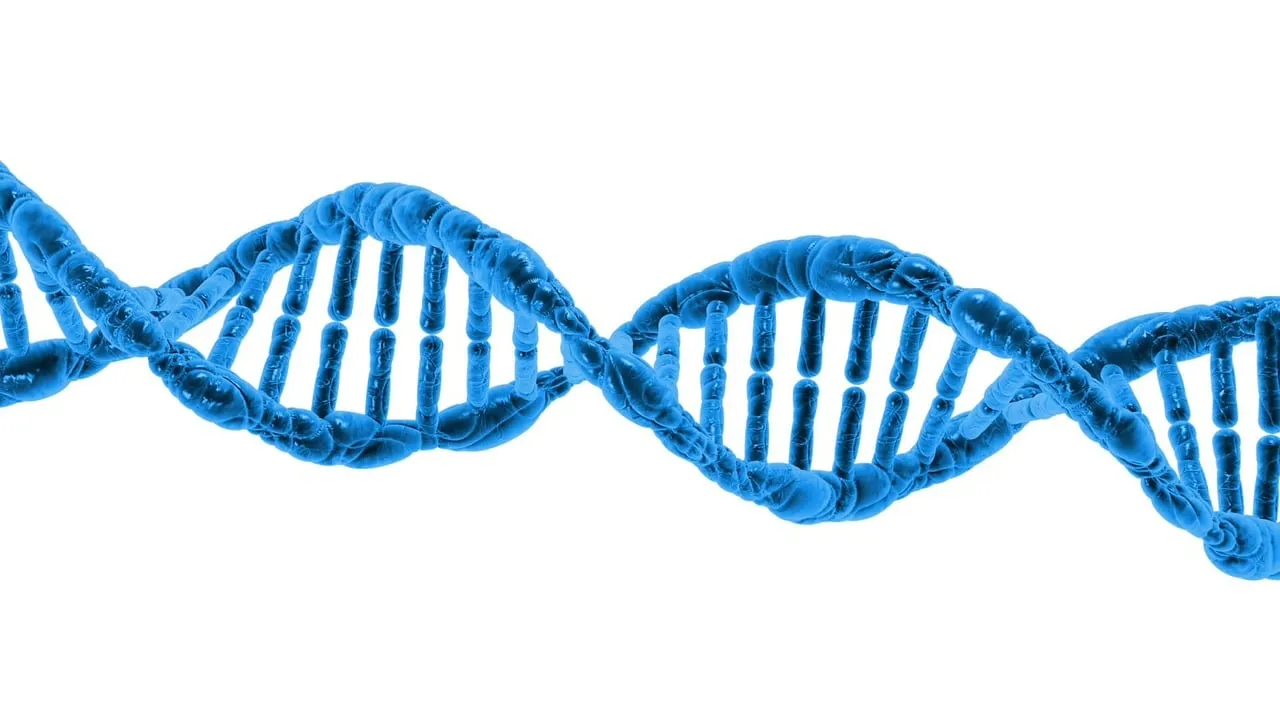
People often talk about DNA as if it’s a life sentence: you’re “stuck with your genes.” The reality is more nuanced and more hopeful. While the sequence of your DNA usually stays the same, its activity changes constantly in response to signals from your environment, diet, sleep, stress, and even your social life.
Think of your genome as a grand piano: the keys themselves rarely change, but the way the music is played can shift from moment to moment. Chemical tags can be added or removed from DNA and its packaging, affecting which “keys” get pressed. This means the way your genes behave at 15, 35, and 75 can be very different, even though the underlying sequence is nearly identical.
3. Epigenetics: The Switchboard That Turns Genes Up Or Down
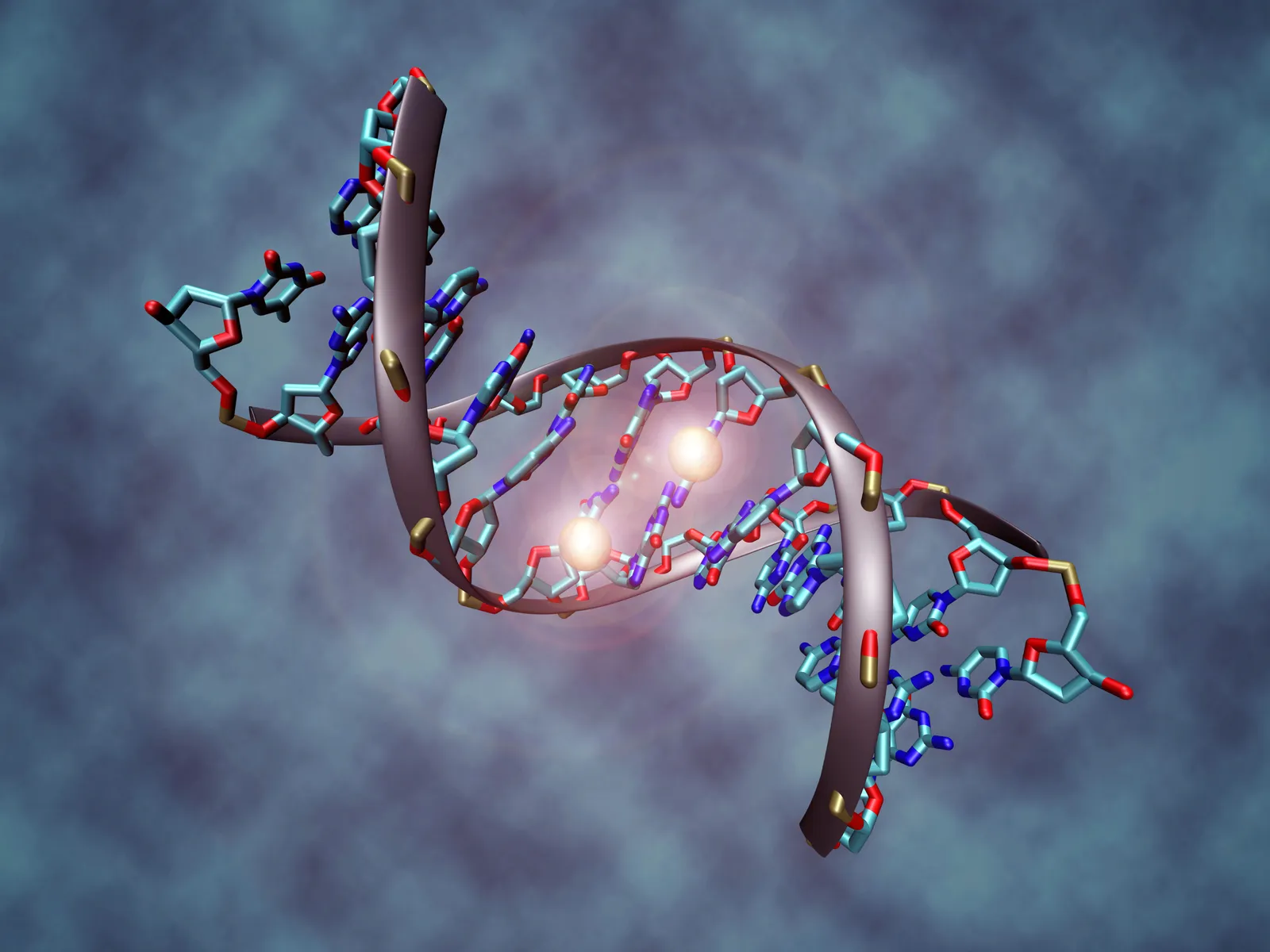
Epigenetics is the name for all those chemical “switches” and “dimmers” that control how active a gene is without changing the letters of DNA itself. These marks can be added to DNA or to the proteins that organize it, making genes more accessible or more hidden. It’s like putting post-it notes on certain pages of a cookbook saying “use this often” or “skip this unless necessary.”
What’s especially wild is that epigenetic changes can sometimes be influenced by your life experiences. Certain stresses, diets, or exposures can leave epigenetic “footprints” in your cells. In some cases, those footprints may even pass to the next generation, meaning your lifestyle could tilt the genetic switchboard your children inherit.
4. Identical Twins Prove DNA Isn’t The Whole Story

Identical twins start life with essentially the same DNA, yet they don’t stay identical in every way. As they age, one might develop an illness the other avoids, or they may have different personalities, weights, or risk profiles. Over time, their epigenetic patterns drift apart, reflecting their different experiences and environments.
Researchers have actually looked at twin DNA and seen this divergence. The longer twins live separate lives, the more their gene activity patterns differ. It’s a powerful reminder that even if your genetic starting point is the same as someone else’s, what happens next depends on far more than the letters you were born with.
5. Tiny Variations In DNA Can Tilt Big Life Outcomes

Between you and the person next to you, your DNA is almost identical; humans share the overwhelming majority of their genome. The differences mostly live in scattered single-letter changes called variants. Many of these tweaks do nothing noticeable, but some subtly nudge how proteins work or how strongly genes are turned on.
Those small nudges can add up across hundreds or thousands of variants. They can slightly raise or lower your tendency toward conditions like high blood pressure, diabetes, or certain mental health disorders. No single variant usually acts like a switch that says “you will get this,” but together they can tilt the odds more than you might think.
6. Your DNA Influences How You React To Food, Sleep, And Exercise

We like to think health advice is one-size-fits-all, but DNA quietly breaks that illusion. Some people naturally process caffeine faster, so a late-night coffee barely touches their sleep, while others lie awake from a mid-afternoon cup. Similar genetic variations affect how efficiently you handle fats, sugars, alcohol, or even certain vitamins.
Exercise is another area where DNA matters more than we admit. Some people’s bodies respond incredibly well to endurance training, while others see bigger changes from strength-focused workouts, partly because their genes prime muscles and metabolism in slightly different ways. The takeaway is not that DNA locks you in, but that your “optimal” choices might not look exactly like your friend’s.
7. DNA Helps Shape Your Brain, But Not Your Destiny
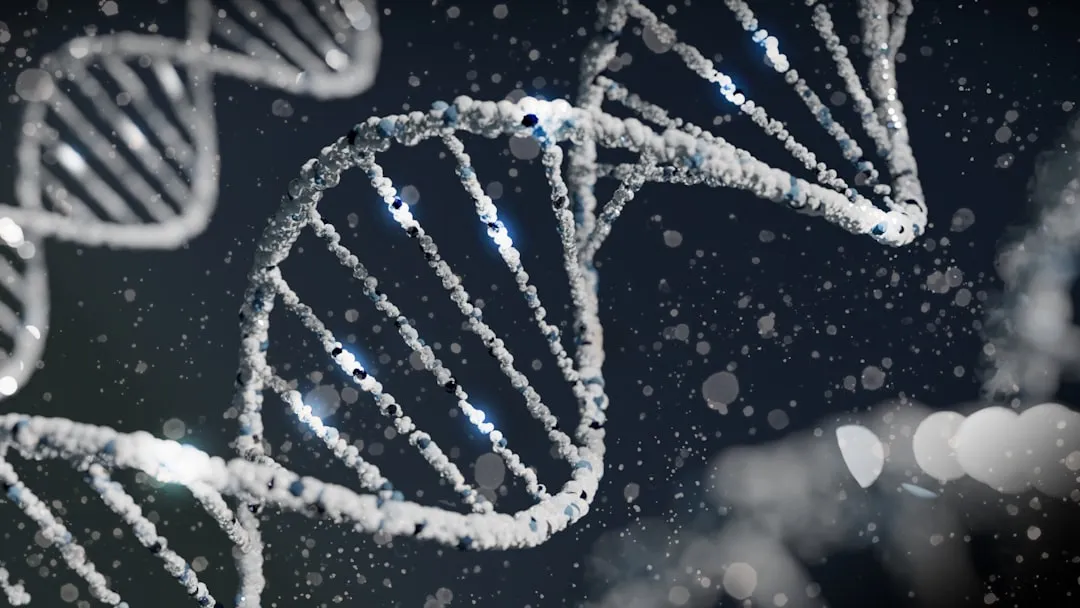
Genes are deeply involved in building the brain, from wiring up neurons to tuning chemical signals between them. Certain genetic patterns can nudge your baseline tendencies in areas like attention span, memory, emotional sensitivity, and even how strongly you react to rewards or threats. That doesn’t mean your personality is pre-written, but it does mean you are not starting from the same template as everyone else.
At the same time, the brain is incredibly plastic. Learning, habits, trauma, therapy, and relationships all feed back into how your brain is structured and how genes in brain cells are expressed. I find it helpful to think of DNA as your brain’s initial design plan, and your life as the ongoing renovation project that never really ends.
8. Some DNA Comes From Ancient Viruses And Still Affects You
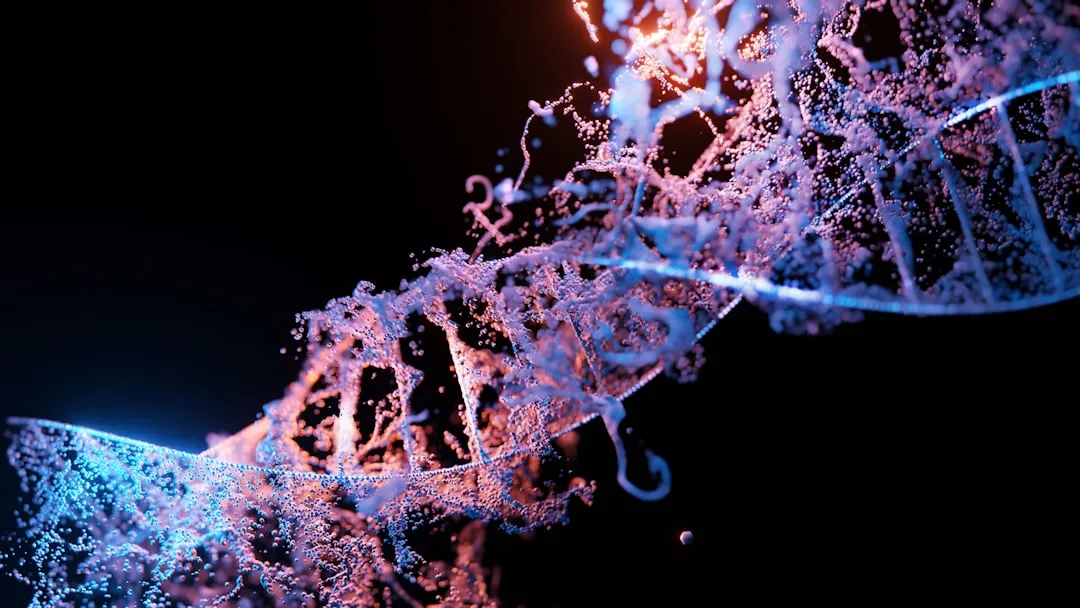
Hidden inside your genome are fragments of ancient viruses that infected our distant ancestors and somehow got stitched into human DNA. Over many generations, those viral leftovers lost the ability to make full viruses, but the sequences never completely disappeared. Today, they make up a surprisingly large share of your genome.
Here’s the twist: some of those viral elements have been repurposed by evolution. They can act as regulatory elements, influencing when nearby genes turn on or off. In a strange way, ancient infections helped shape how modern humans develop and function. Your DNA is not only a story of your ancestors, but also a fossil record of long-forgotten battles with microscopic invaders.
9. Mitochondrial DNA Is A Tiny, Powerful Genetic Side Story
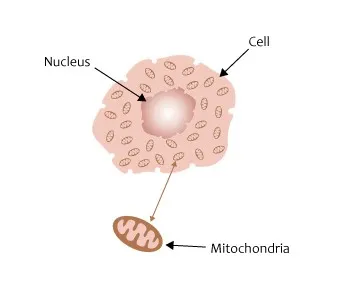
Most of your DNA lives in the nucleus of your cells, but a small, separate stash sits inside mitochondria, the structures often described as cellular power plants. This mitochondrial DNA has its own compact genome, inherited almost entirely from your mother. It helps control how efficiently your cells convert food into usable energy.
Because mitochondrial DNA doesn’t reshuffle the way nuclear DNA does, it can be traced back through maternal lines like a genetic breadcrumb trail. Mutations in mitochondrial genes can affect energy-hungry tissues like muscles and the brain, leading to specific disorders. So while this little genome is tiny compared to your main DNA, it punches far above its weight in terms of impact.
10. DNA Repair Systems Are Constantly Saving Your Life
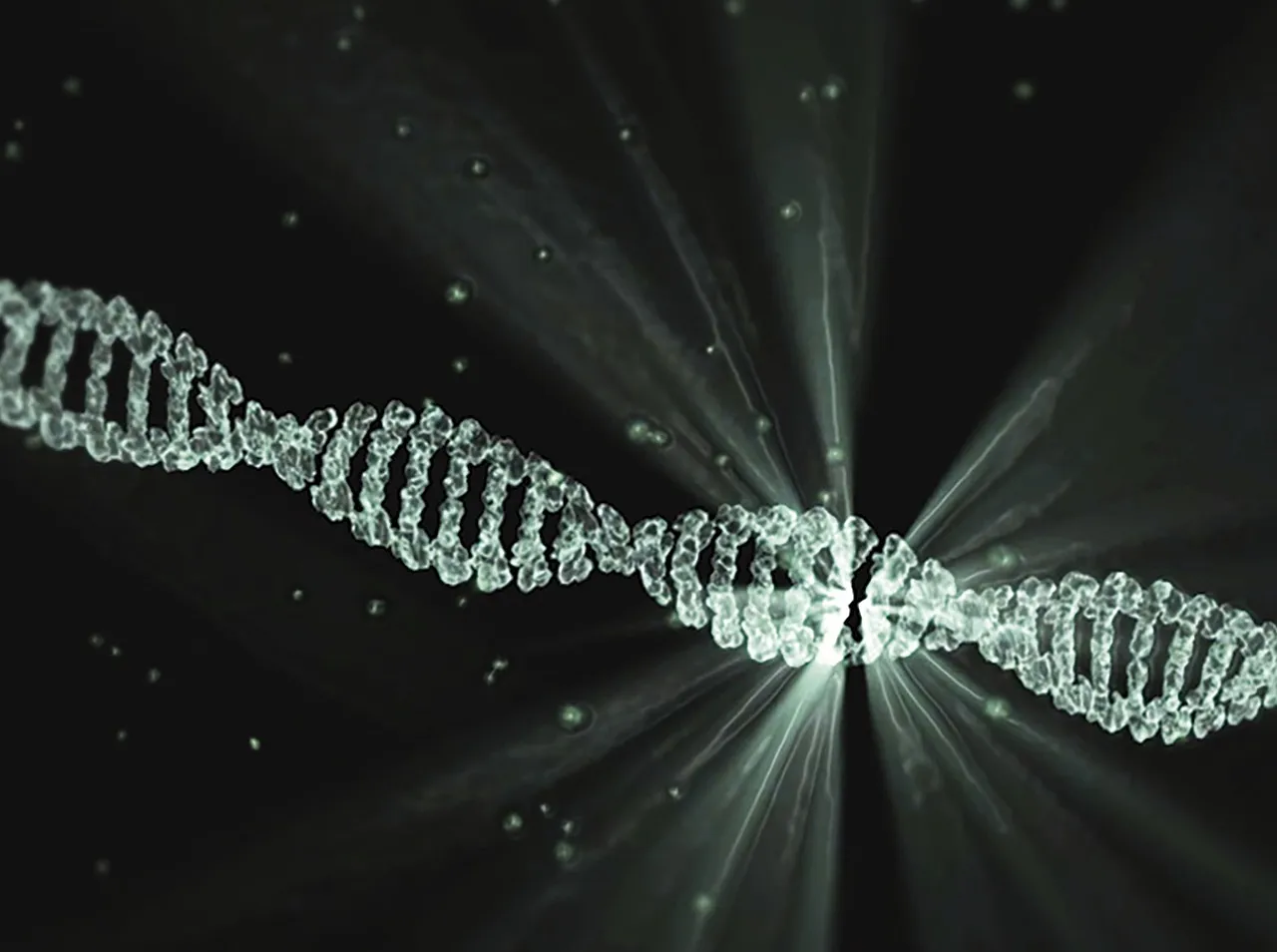
Your DNA is under constant attack from sunlight, chemicals, normal metabolism, and simple copying errors. If nothing fixed this damage, your genome would become chaos surprisingly quickly. Fortunately, your cells are equipped with an impressive toolkit of DNA repair systems that work around the clock.
These repair processes recognize broken or mismatched pieces and patch them up, often in milliseconds. When repair systems fail or get overwhelmed, the risk of cancer and other diseases rises sharply. In a sense, a huge part of staying healthy is really about how well your genetic “maintenance crew” keeps your DNA from falling apart over time.
11. DNA Packing Density Is Almost Impossible To Comprehend
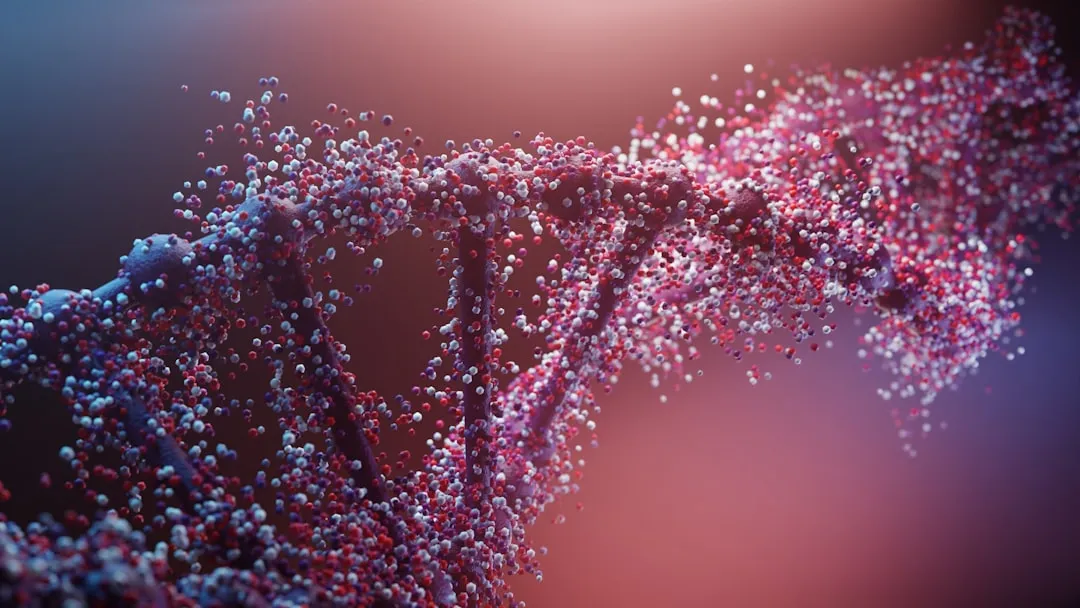
If you stretched out all the DNA from a single human cell, it would measure roughly two meters in length, yet it fits inside a microscopic nucleus. This is possible because DNA is wound around proteins and folded into looping, layered structures that are incredibly compact. It’s the biological equivalent of folding a city map so small it fits inside a matchbox.
But this packing is not random; it affects which genes are accessible and which are buried. Regions that are more loosely packed are easier for the cell to read and use, while tightly wound areas are quieter. So even the physical shape and arrangement of your DNA is another layer of control over how your cells behave.
12. Your Microbiome Talks To Your DNA More Than You Realize
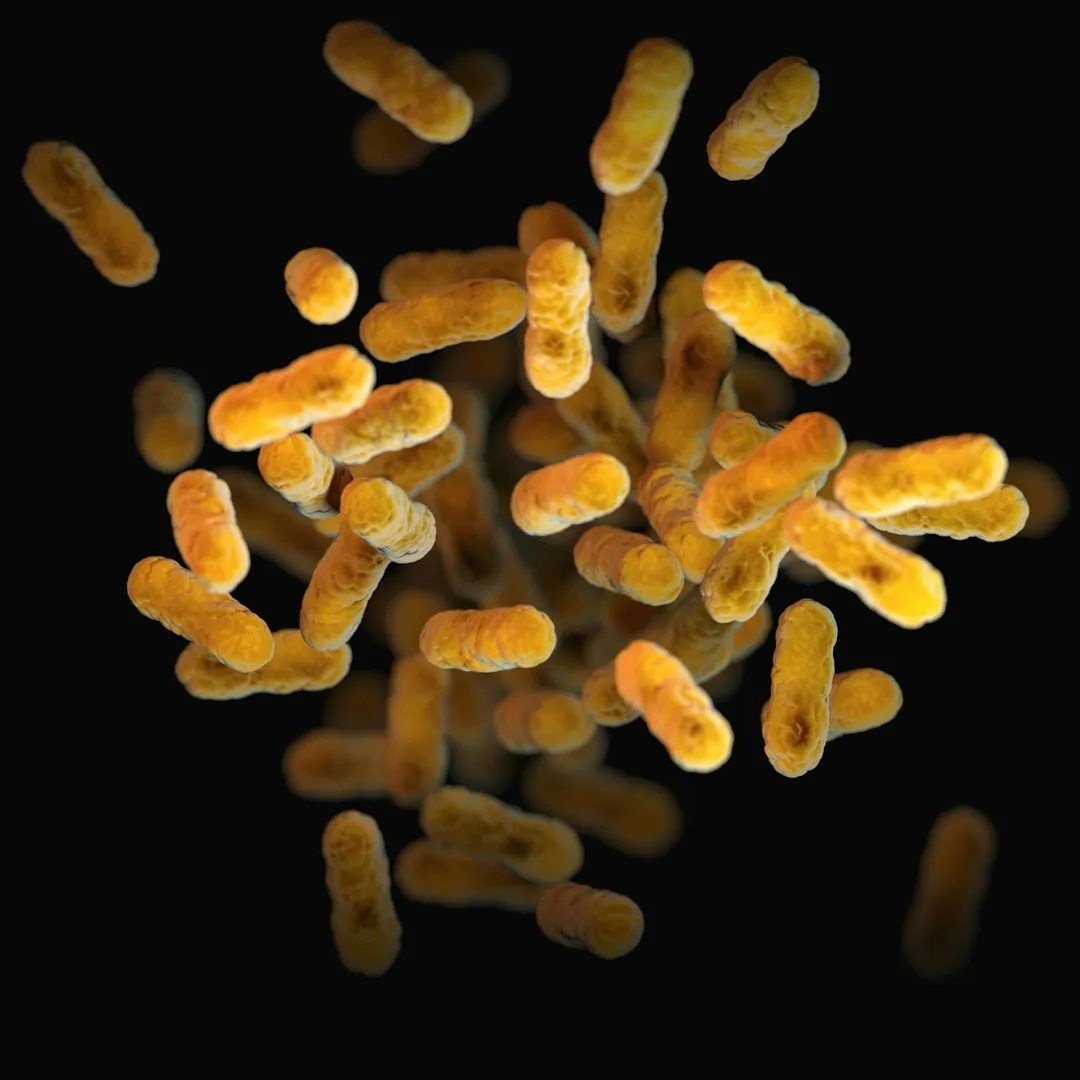
The trillions of microbes living in and on your body are not just passive passengers. They produce molecules that interact with your cells and can influence gene expression in your gut, immune system, and even, indirectly, in the brain. Diet, antibiotics, and lifestyle choices that alter your microbiome can therefore echo into your own genetic activity.
For example, some gut bacteria produce short-chain fatty acids that help regulate inflammation and energy use by influencing gene expression in intestinal cells. It’s a two-way relationship: your DNA shapes which microbes can thrive, and your microbes help decide which genes in your cells will be louder or quieter. You and your microbiome are co-authoring your biology in real time.
13. DNA Plays A Role In How You Age – But It’s Not The Only Author

As you get older, your DNA accumulates damage and small mutations; epigenetic tags also drift in patterns sometimes called an “epigenetic clock.” These changes can alter how cells behave, potentially contributing to age-related decline in tissues and organs. Some researchers are exploring ways to measure biological age based on these DNA-related patterns rather than just counting birthdays.
Still, DNA is just one piece of the aging puzzle. Lifestyle factors like movement, diet, sleep, and social connection can either amplify or buffer the genetic and epigenetic changes that come with time. I think of it like this: your DNA sets the basic rules for how your body ages, but your daily choices decide how strictly those rules are enforced.
14. Gene Editing Shows How Much Control DNA Really Has
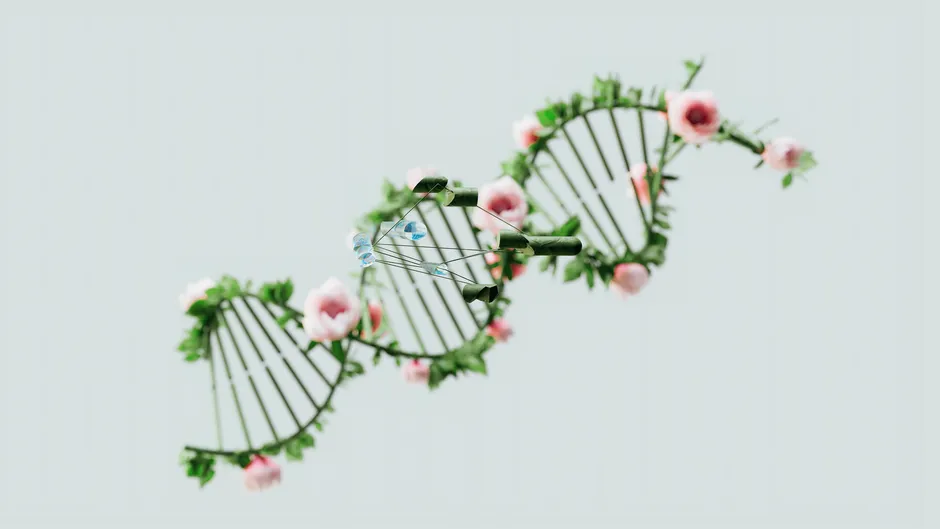
Tools like CRISPR have made it possible, in principle, to change specific letters in DNA with increasing precision. When scientists tweak a single gene and see a major shift in a trait or disease risk, it underscores how powerful even small sections of DNA can be. It’s like changing one line in a massive software codebase and suddenly fixing a bug or introducing a new feature.
At the same time, gene editing has revealed how interconnected the genome is. Altering one gene can have ripple effects on others, sometimes in ways no one predicted. That complexity is a humbling reminder: yes, DNA is in control of a lot, but we are still learning exactly how its many moving parts play together.
15. DNA Even Influences How You Respond To Stress And Emotion
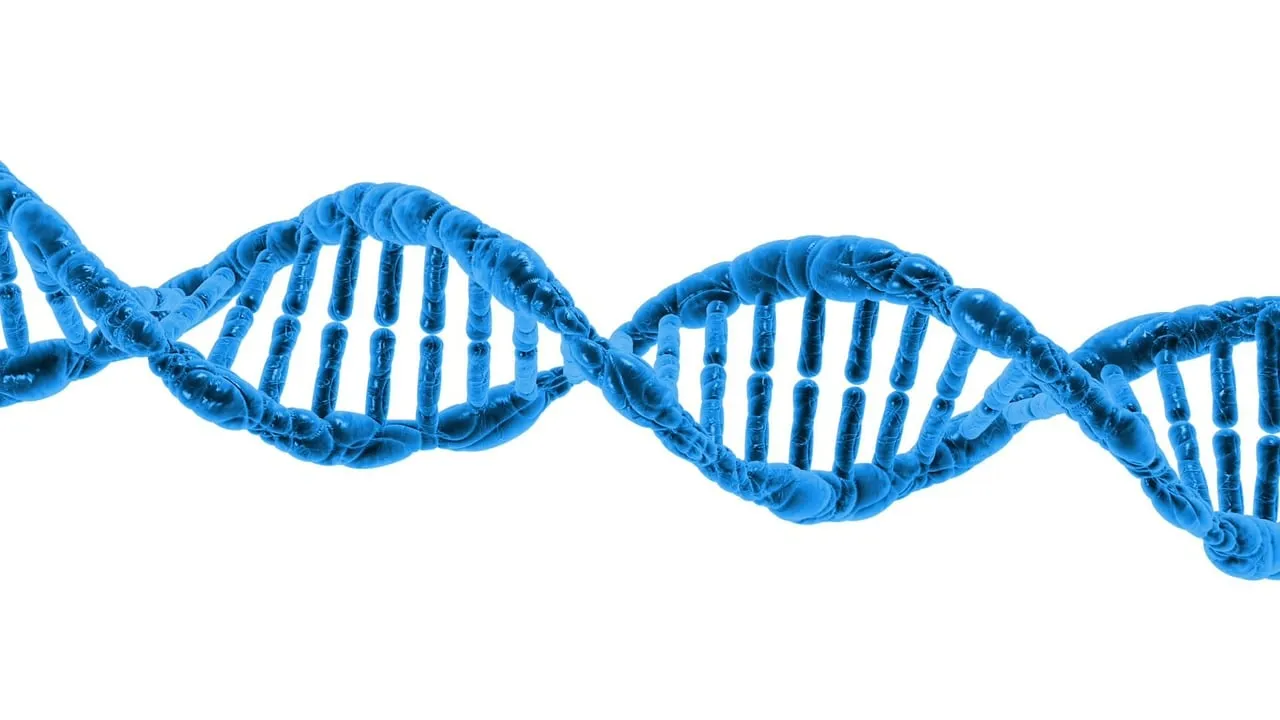
Some genetic variants are involved in how your body handles stress hormones, how quickly you calm down after a scare, or how sensitive you are to emotional experiences. That means two people can live through a similar event, yet their bodies and brains process it very differently, partly due to their DNA. This does not trivialize trauma or mental health, but it does help explain why reactions vary so widely.
Genes tied to neurotransmitters, hormone receptors, and brain wiring can all influence emotional resilience or vulnerability. However, supportive relationships, coping skills, therapy, and environment can dramatically reshape outcomes, often overriding raw genetic tendencies. Your DNA might tune the stress “volume,” but it does not get the final say on the entire soundtrack of your life.
Conclusion: DNA Is Powerful, But It Shouldn’t Get All The Credit

When you put all these pieces together, DNA looks almost terrifyingly powerful. It shapes your body, brain, metabolism, stress reactivity, and how you age, all while quietly responding to your environment in ways you rarely notice. But giving DNA all the credit is like blaming or praising only the script for how a movie turns out, ignoring the actors, director, budget, and even the audience.
In my view, the most honest way to think about DNA is as a deeply influential starting point, not an unbreakable verdict. It controls more than most of us ever realized, yet its influence is constantly negotiated by lifestyle, relationships, culture, and chance. The question that really matters is not “What does my DNA doom me to?” but “Given the hand my DNA dealt me, what can I still shape, protect, and change?”

- 15 Little-Known Facts About DNA That Control More Than You Think - August 10, 2026
- 10 Things Cats Never Forget About Their Owners - August 10, 2026
- 8 Ways Cats Show They're Worried About You - August 10, 2026