
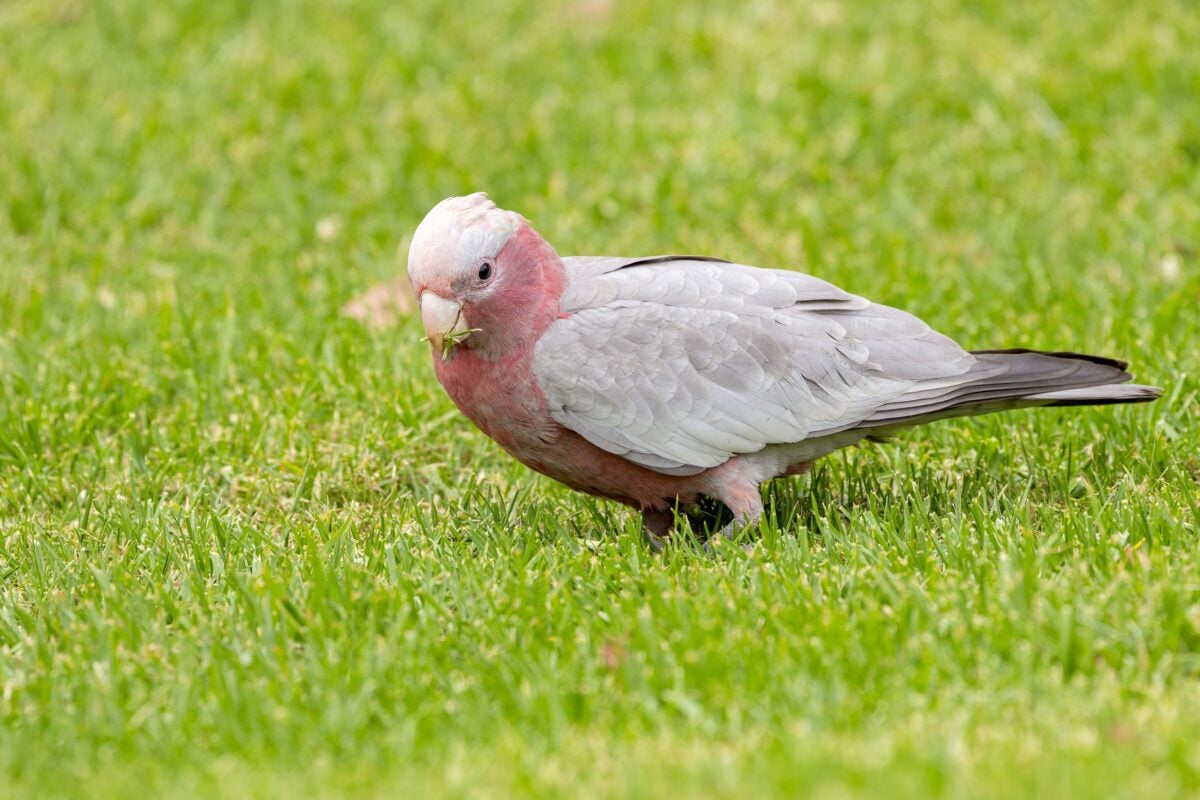
Most people assume birds just show up in spring on some invisible schedule, pick a yard, and settle in. That’s not how it works. Backyard ecologists will tell you the real decision gets made months earlier, quietly, in September, while you’re raking leaves and thinking about pumpkin spice.
The pruning you rush, the leaves you bag, even how “tidy” you keep your lawn right now can be the difference between a spring full of goldfinches and chickadees, or a yard that goes eerily quiet. By the time snow shows up, the winners and losers have already been decided. Here’s exactly what’s happening behind the scenes, and how to make sure your yard wins.
#19: Stop the September “Clean Sweep” Rake Attack
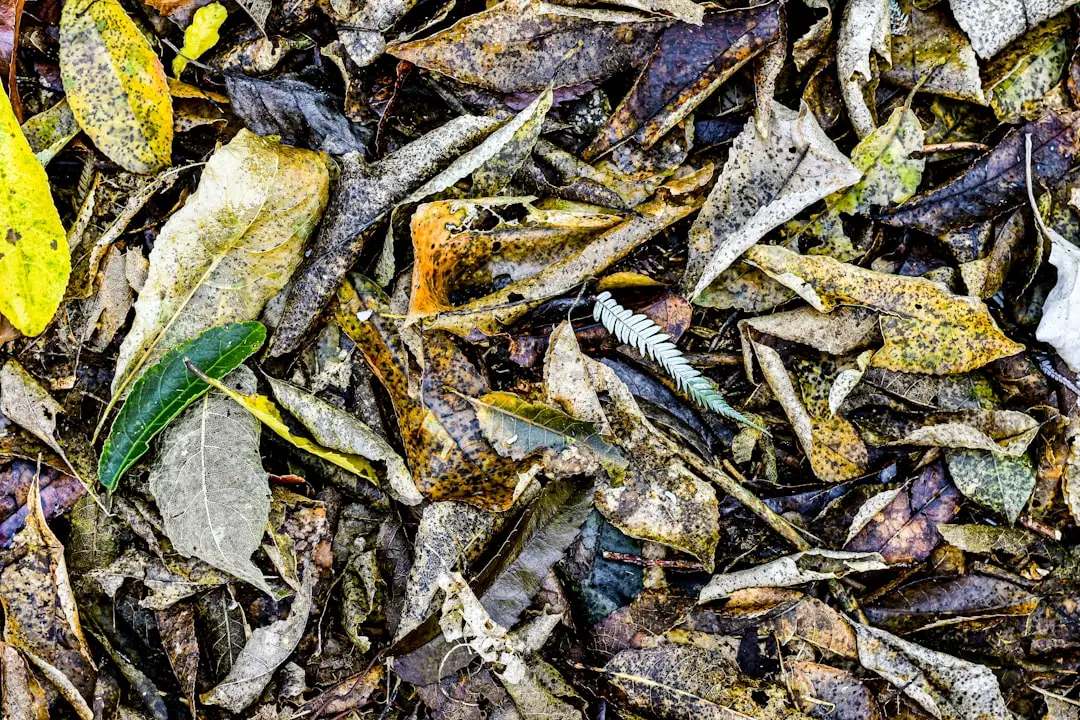
Most people think a spotless fall yard looks responsible. To a bird, it can look like a food desert. When you rake every leaf and clip every stalk in September, you’re stripping out the insects, seeds, and shelter birds need right before migration and winter hit.
Songbirds depend on those messy corners to refuel and hide from predators. Try going “messy on purpose” instead:
- Leave some leaf litter under shrubs.
- Let a few spent perennials stand until late winter.
That thin carpet of leaves holds beetles, spiders, and larvae that overwinter, and birds remember yards that fed them when times got hard. While your neighbor brags about their spotless lawn, their yard may be the one birds quietly skip.
#18: Switch to Native Shrubs That Actually Feed Birds
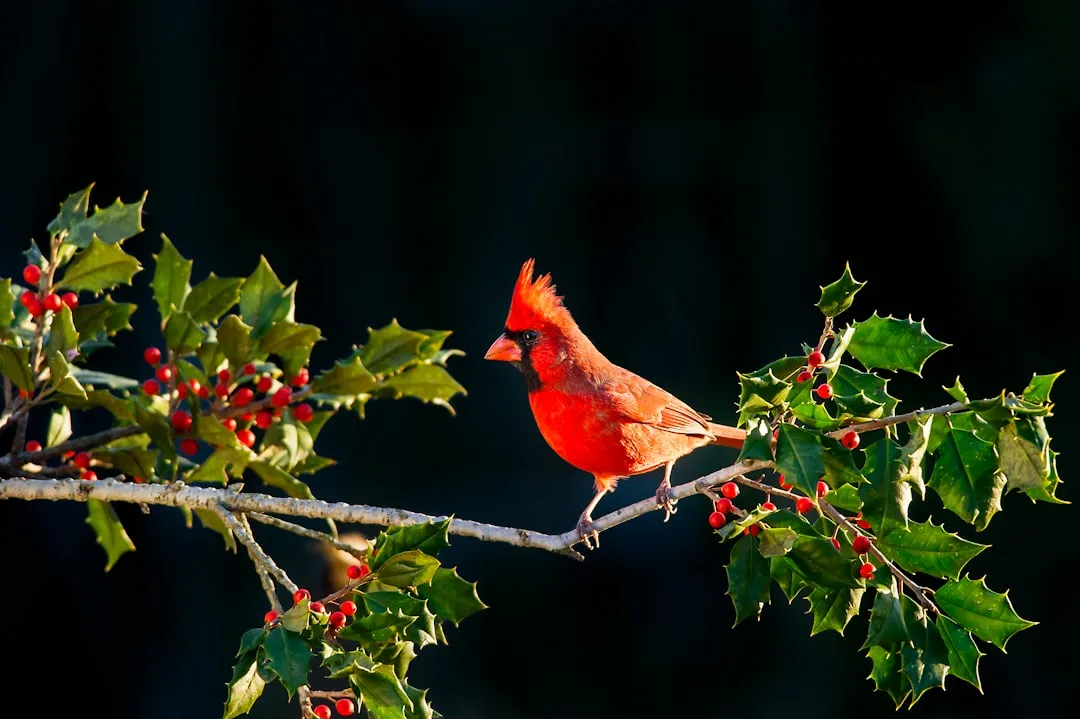
Plant tags rarely admit this, but a lot of trendy landscape plants are basically useless to birds. Highly bred ornamentals can look gorgeous while producing sterile berries and almost zero insects.
Native shrubs, on the other hand, can support up to 10 to 20 times more caterpillars and bugs, which is exactly what birds are hunting for. September is when nurseries discount shrubs and trees, so it’s your moment to swap in native viburnum, dogwood, serviceberry, chokeberry, holly, elderberry, or winterberry. These produce nutrient-rich berries timed to migration and host the caterpillars nestlings need come spring. Birds remember where nesting worked, and yards with real native structure get quietly flagged as “safe and stocked.”
Fast Facts
- Native oaks can host several hundred species of caterpillars, while a non-native ornamental like ginkgo supports only a handful.
- A single brood of chickadee chicks can eat several thousand caterpillars before they ever leave the nest.
- Suburban yards planted heavily with natives have shown noticeably higher numbers of thrushes, towhees, and tanagers than yards dominated by ornamentals.
- September’s cooler soil and fall rains give new shrub roots a head start before next year’s nesting season begins.
#17: Turn Off the Nightlights That Scramble Migration
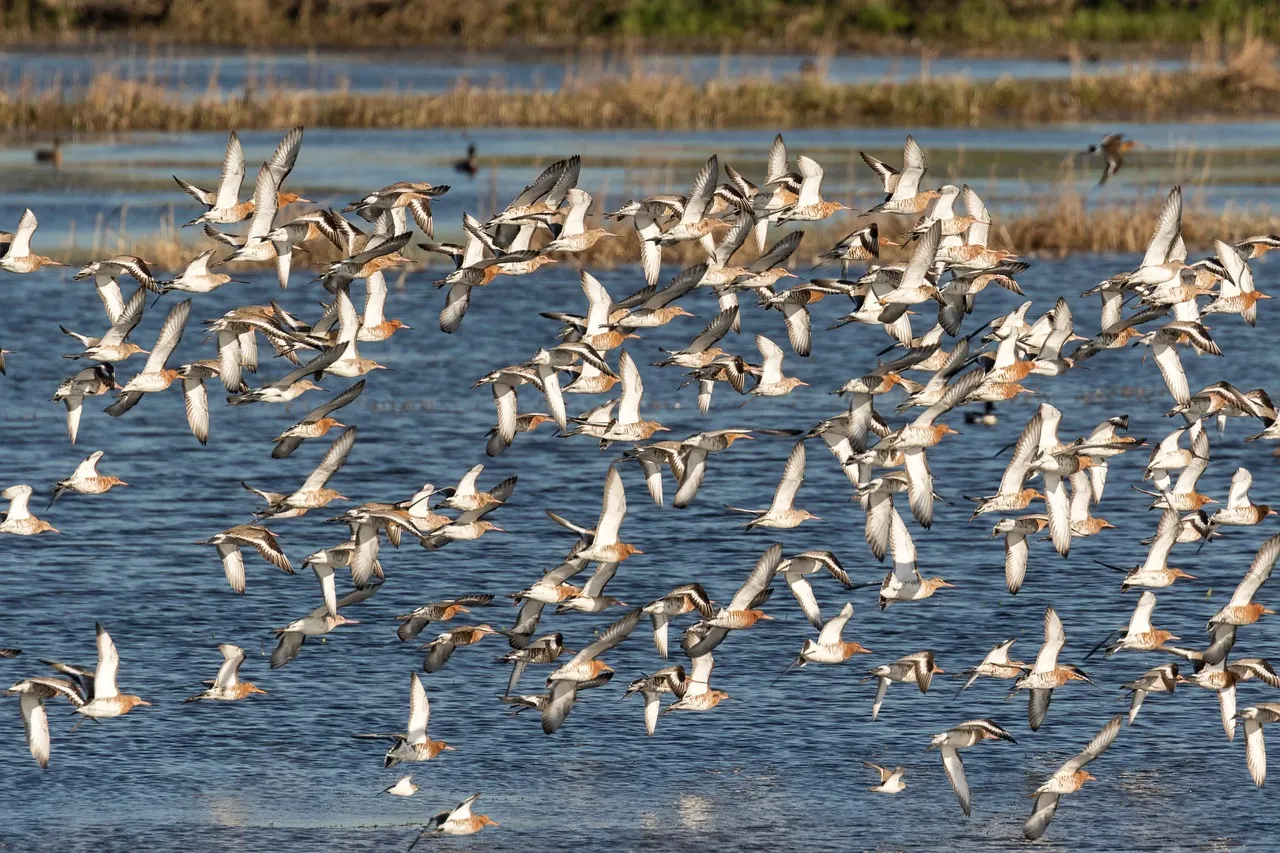
It feels harmless to keep patio and security lights blazing all night. For birds migrating overhead in September and October, that glow is a trap. Artificial light pulls them off course, exhausts them, and dramatically increases window collisions.
Light pollution is now considered a major threat during migration peaks, even from individual homes. Put exterior lights on motion sensors or timers, and close blinds after dark in bright rooms. You won’t see an instant payoff like you would with a new feeder, but this is about which birds even survive the journey to consider your yard next spring. While your neighbor’s floodlit house looks dramatic, it might be quietly killing the very birds they claim to love.
#16: Quit the “Green Carpet” Lawn Obsession
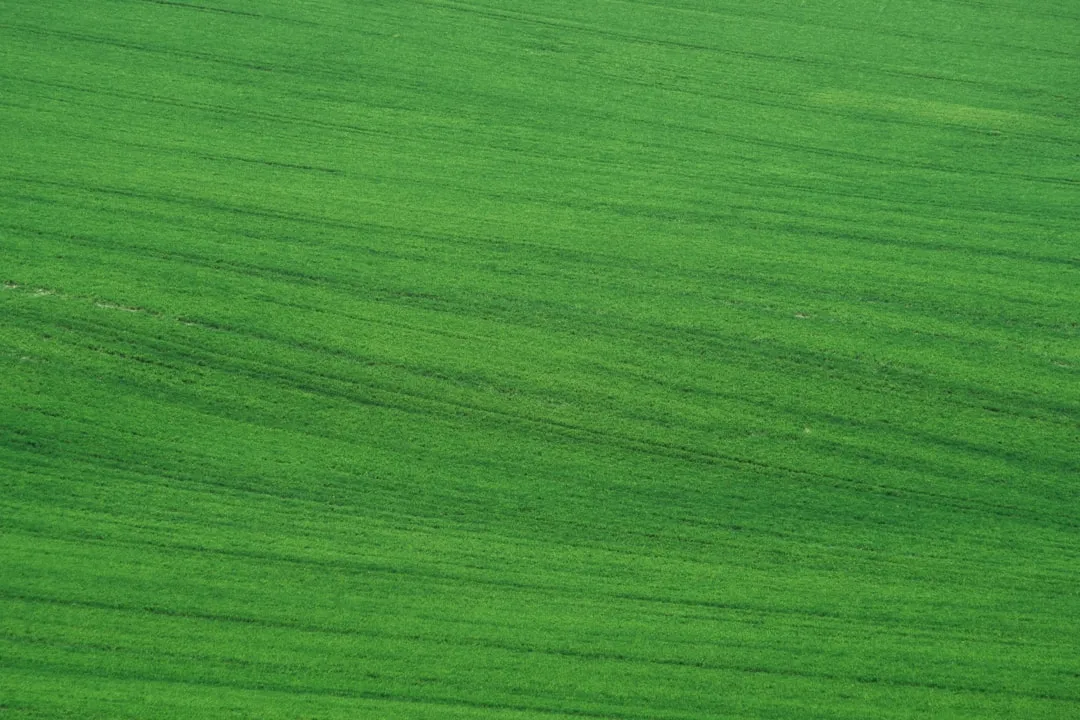
This one stings: that perfect golf-course lawn? Bird experts quietly call it “green concrete.” A weed-free, short-cropped monoculture offers almost no insects, no seeds, and no cover.
Some research suggests intensive lawns support a fraction of the biodiversity found in even a small mixed meadow or clover patch. September is when cool-season grasses and alternatives establish best, so instead of overseeding with more of the same, let clover, violets, and dandelions creep back in, or convert a slice of lawn to a native meadow mix. A slightly “imperfect” lawn hums with beetles, worms, and pollinators that birds track and remember, ironically, the neighbor who complains about your clover might also complain there are no birds anymore, without realizing they mowed the reason away.
#15: Choose Seed Mixes That Aren’t Just Cheap Filler
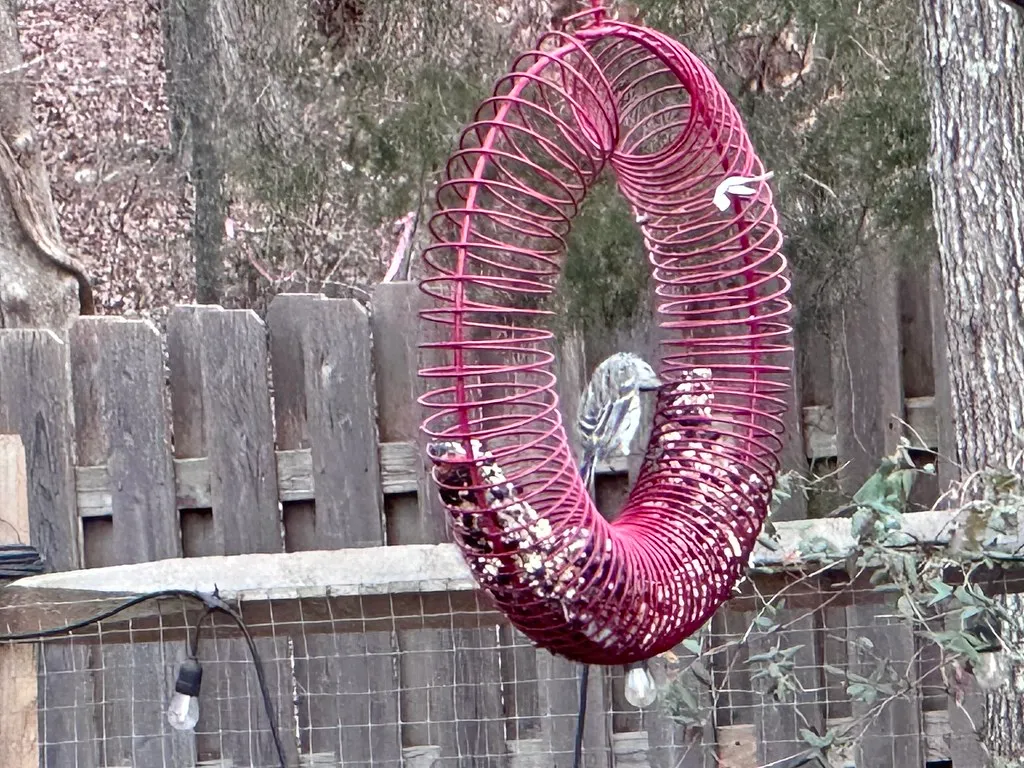
Most people grab the biggest, cheapest bag of birdseed and call it done. What they actually bought is mostly filler like milo, wheat, and mystery grains that most backyard birds barely touch. You can literally watch them kick it out of the feeder onto the ground.
September is the time to upgrade before winter demand spikes. Look for black oil sunflower seed as the main ingredient, nyjer for finches, safflower if squirrels are raiding you, and shelled peanuts or high-quality suet in cold climates. It costs more per pound, but birds pay attention to energy per bite. If your yard consistently offers dense, high-fat food as days get shorter, birds imprint your place as a reliable gas station, not a bargain-bin snack stop.
Quick Compare
- Cheap fillers like milo, wheat, and cracked corn: mostly ignored, often end up moldy on the ground.
- Black oil sunflower: about as close to a universal favorite as birdseed gets.
- Nyjer: a finch magnet, best offered in a mesh or tube feeder.
- Suet and shelled peanuts: dense fat and protein for the coldest stretches of the year.
#14: Keep Water Moving When Everyone Else Lets It Dry Up
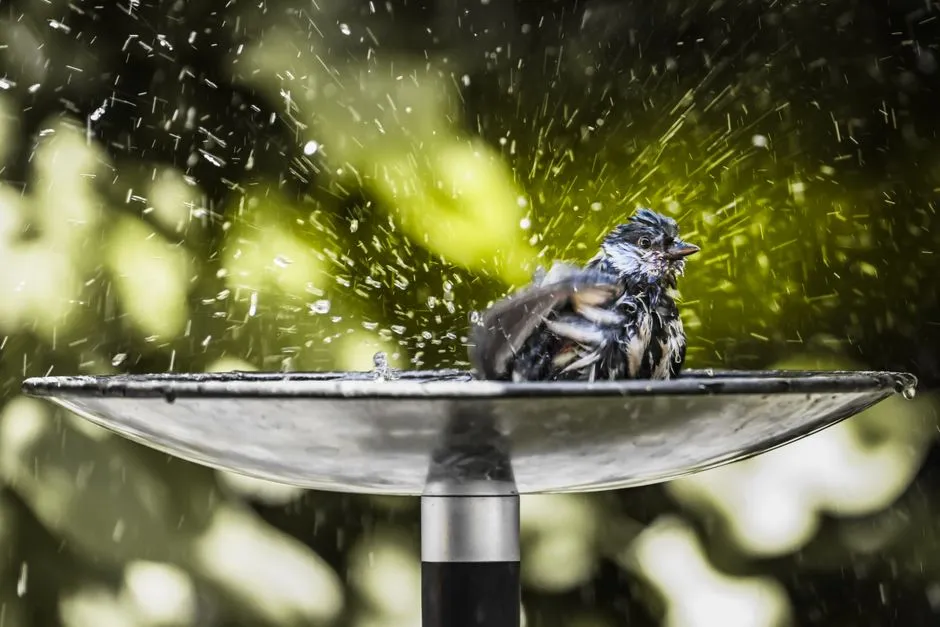
Feeders get all the attention, but migrating birds are often more desperate for clean water. Shallow puddles and natural sources can dry up completely by late summer, right when birds need them most.
A simple birdbath can attract species that would never touch a feeder. In September, scrub out any algae-coated baths and add a small pump, dripper, or solar fountain to create motion. The sound and shimmer act like a beacon from the air, and it keeps mosquitoes and bacteria in check too. Birds remember which yards had safe, reliable water during their toughest weeks, and those are the spaces they come scout for nesting territory next spring.
#13: Delay the Pruning of Berry and Shelter Plants
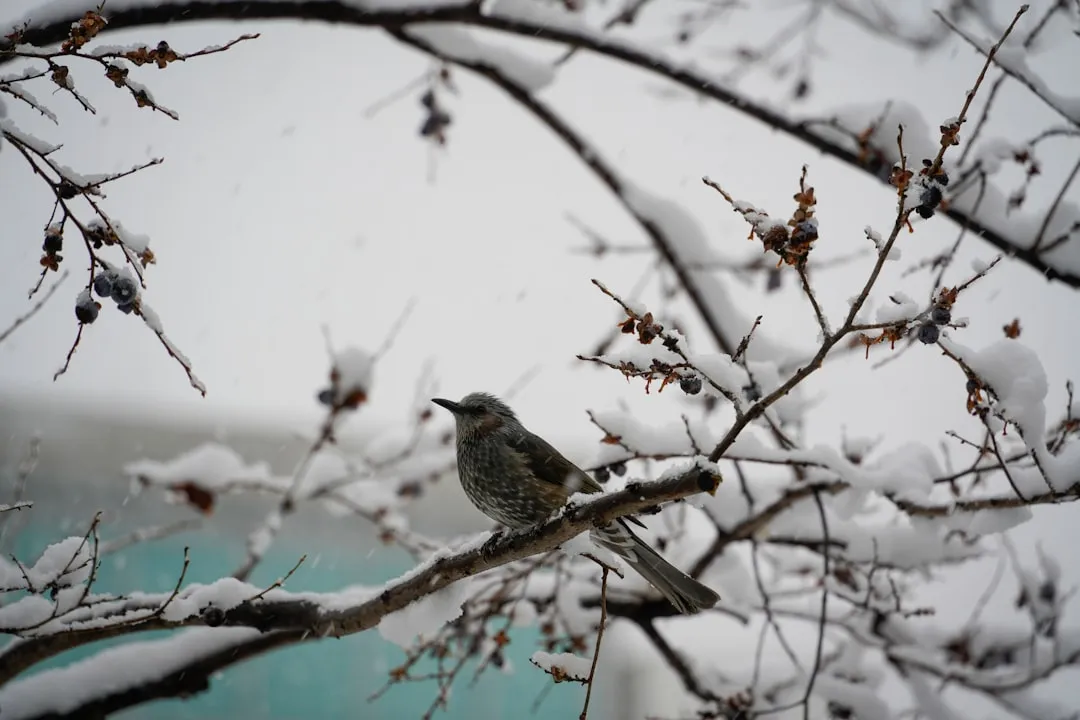
Many gardeners itch to prune everything back the moment nights get cooler. For birds, that’s like slamming the pantry door shut in their face. Late berries on shrubs like dogwood, viburnum, and winterberry can be genuine survival food during a cold snap.
In September, resist “neatening” berry-bearing shrubs, wild grapevines, and the thickets at your yard’s edge. Those dense branches provide roosting cover and quick escape routes from hawks, and birds memorize exactly where they escaped danger. There’s a reason the best bird yards look a little wild at the edges. They’re not sloppy, they’re strategic.
#12: Leave Seed Heads Standing Instead of Deadheading Everything
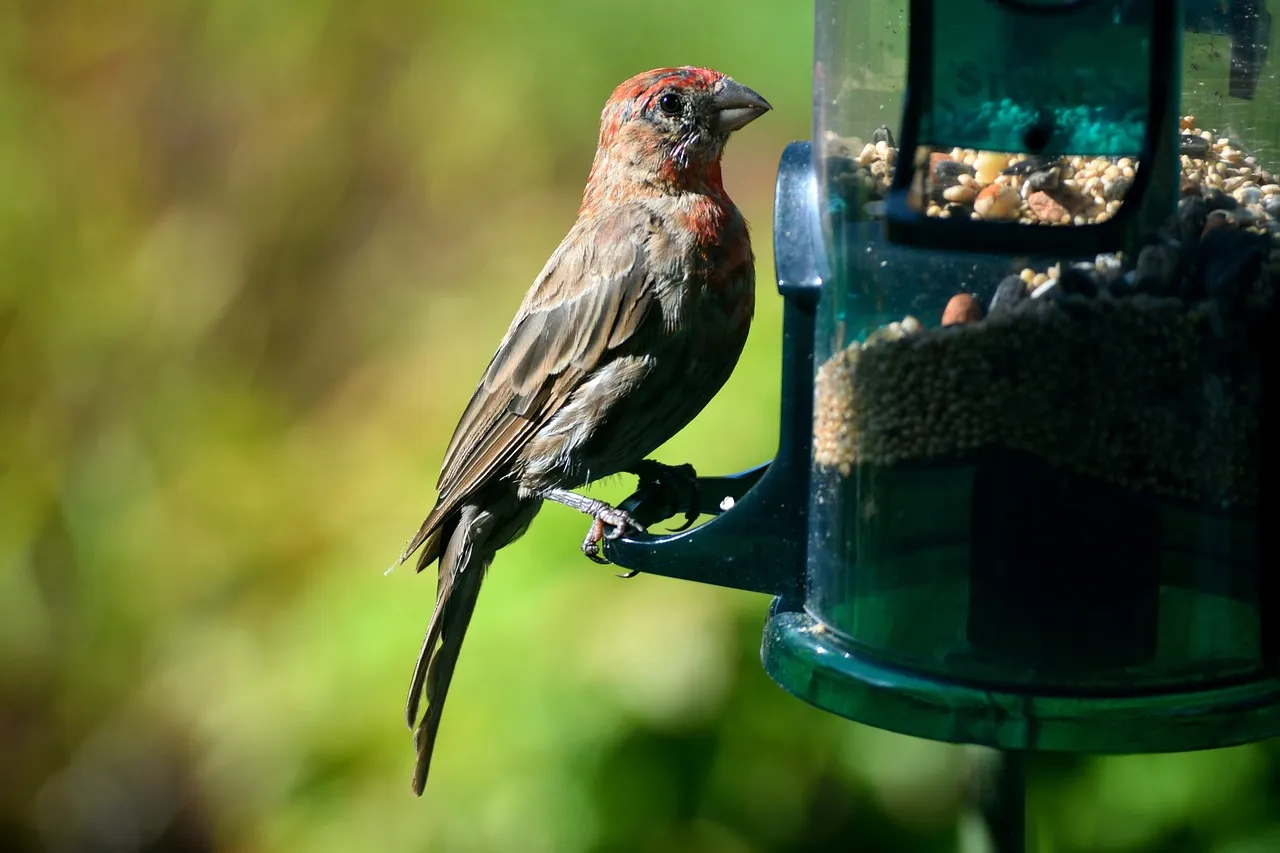
Deadheading is drilled into every gardener: snip off spent blooms for more flowers. To a bird, those spent blooms are a full-service buffet. Coneflowers, sunflowers, rudbeckia, cosmos, and grasses all set seed right when birds need to bulk up fast.
Finches, sparrows, and chickadees will work a single patch of seed heads for weeks, so leave a block of perennials uncut and let ornamental grasses fully plume out. Watching birds cling acrobatically to dried flower stalks beats any feeder show, and it’s teaching them your yard feeds them even when the feeders run low. The neat, scalped perennial border down the street? Looks tidy, feeds almost nobody.
#11: Introduce Real Shelter, Not Just Decorative Plants
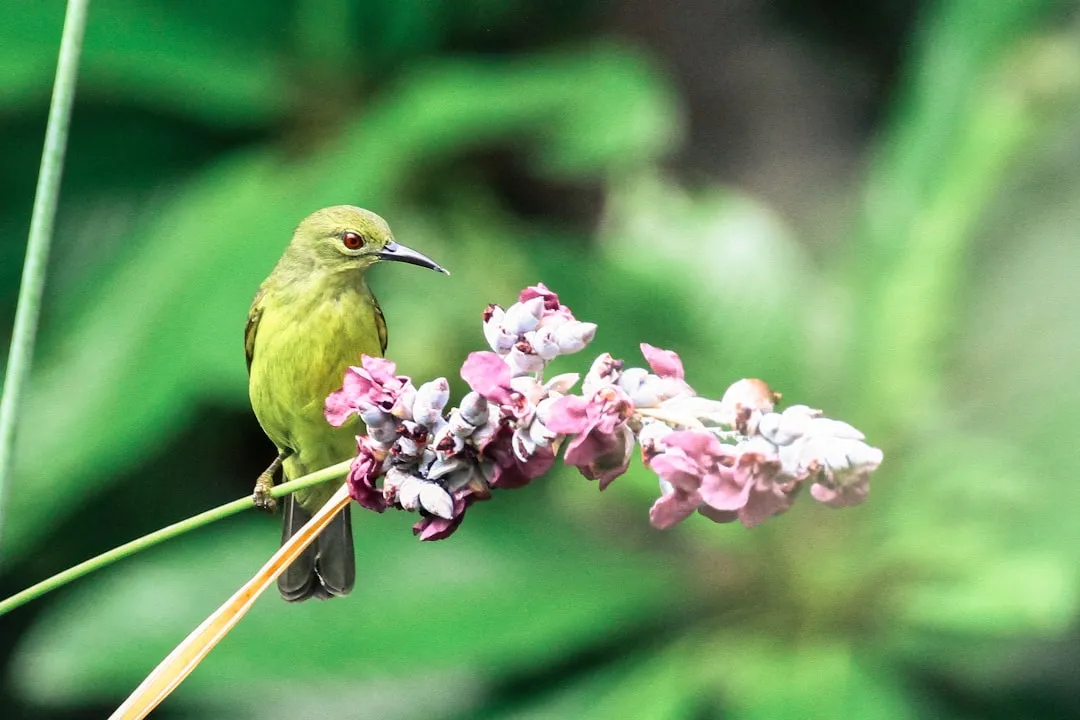
Most suburban yards are a flat lawn with a few lonely shrubs scattered around, no layers, no depth. Birds want something closer to a mini forest: tall canopy, mid-story shrubs, and low ground cover working together.
That vertical structure can matter more than any single feeder you’ll ever hang. While plants are discounted in September, think in layers: one or two small trees like serviceberry, crabapple, or redbud, a band of shrubs beneath them, and leaf litter or low perennials at the base. Birds judge a yard on how fast they can get from open space to cover if a hawk shows up. Build depth now, and by spring your space reads as real habitat instead of just landscaping.
#10: Cut the Chemicals Before They Cut the Food Chain
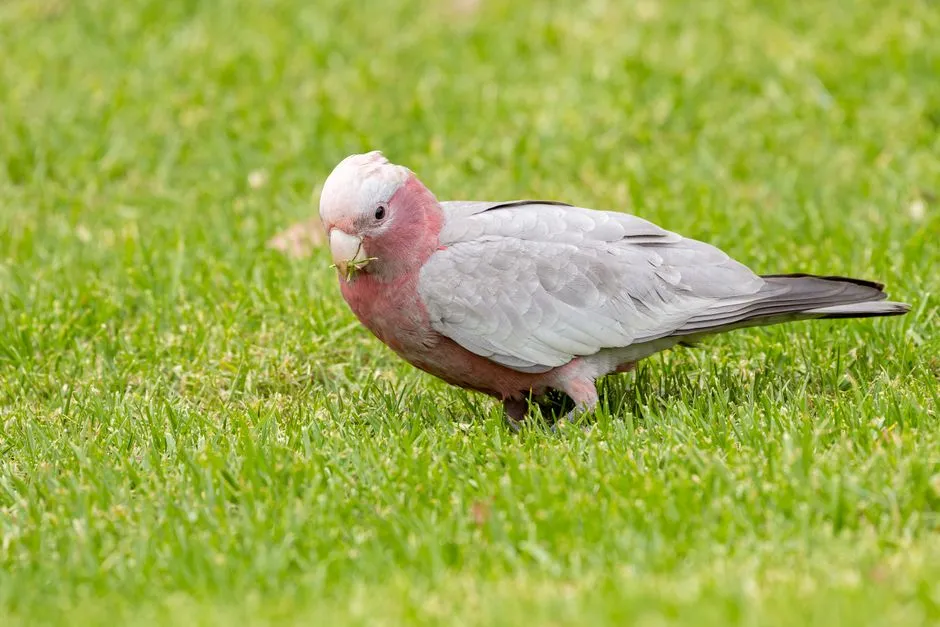
Here’s the part many homeowners don’t want to hear: your “routine” lawn sprays and grub killers don’t just disappear. They move straight up the food chain, and September is a big month for exactly this kind of treatment.
Insecticides and broad-spectrum lawn treatments can drastically reduce the very insects birds need to survive and feed their chicks. Skip non-target insecticides unless you have a true infestation, and hand-pull or spot-treat weeds instead of blanket spraying. Birds remember where they could fill a beak in seconds versus where they foraged for an hour and found nothing. A few chewed leaves are usually the sign of a bird-rich yard, not a neglected one.
#9: Set Up Nest Boxes Now, Not in March
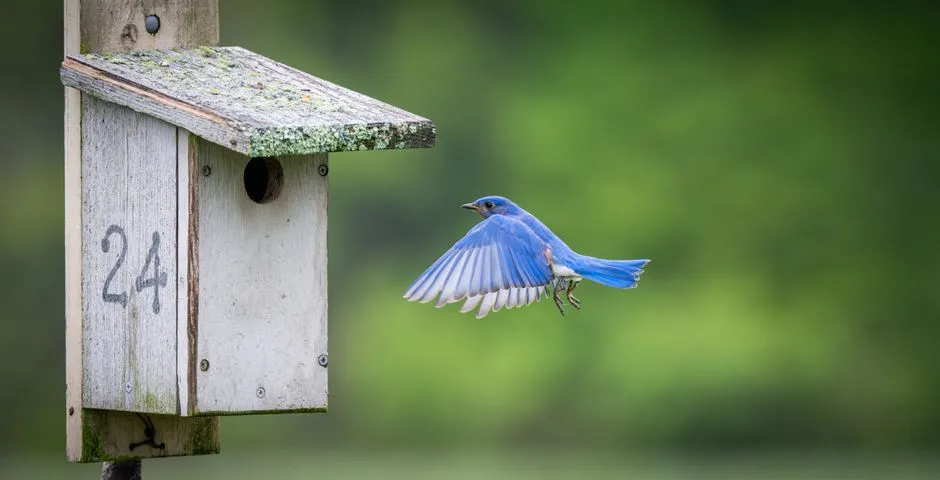
Most people put up nest boxes the moment they spot birds pairing off in spring. By then, you’re already late. Cavity-nesting birds scout territories and safe sites months in advance, and some species start inspecting boxes in late winter, long before casual birdwatchers even notice.
September is ideal for installing properly sized boxes for bluebirds, chickadees, wrens, or tree swallows, mounted at the right height and away from predator perches. Leaving them up over winter also gives birds a place to shelter on brutal nights, something they clearly remember. A box that saved a titmouse from a subzero wind is exactly the box that bird rechecks for nesting come spring.
Worth Knowing
- Eastern bluebirds look for a round entrance hole about 1.5 inches across, mounted roughly five feet off the ground.
- Chickadees and wrens prefer a smaller opening, often just over an inch, which keeps bigger competing birds out.
- Boxes angled away from prevailing wind and facing open ground tend to get scouted first.
- Spacing boxes well apart cuts down on territorial fights between competing pairs.
#8: Create a Real Brush Pile (Yes, on Purpose)
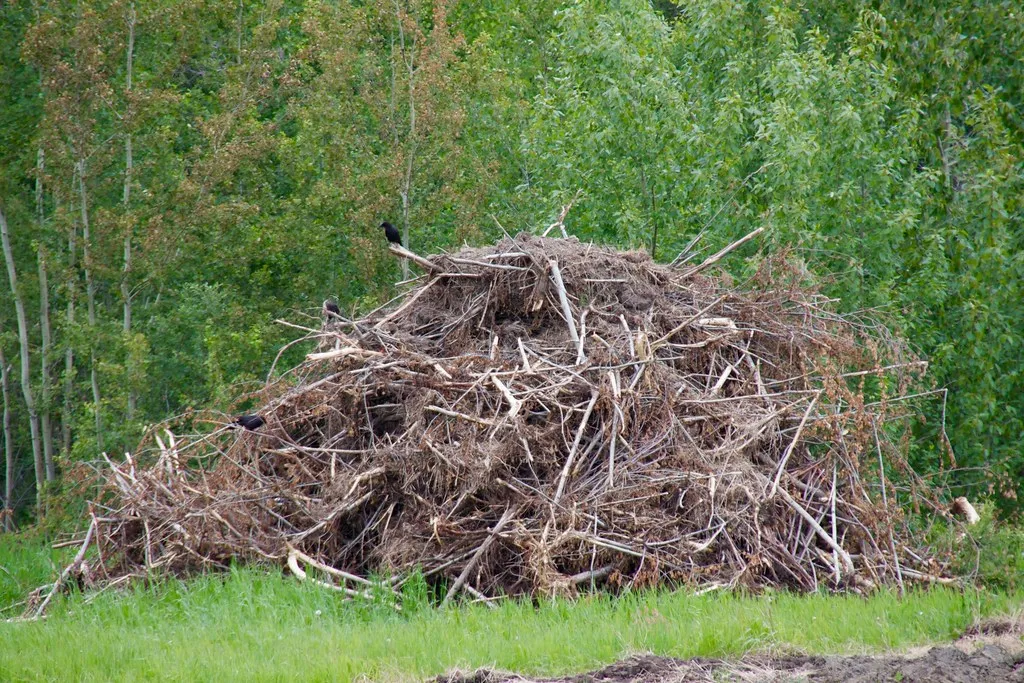
HOAs hate this tip, but birds love it. A well-placed brush pile acts like a fortress: tangled limbs, twigs, and leaves small birds can dive into the instant a hawk or cat shows up.
It’s one of the cheapest, highest-impact structures you can build for wildlife. As you prune and clean up storm damage in September, just stack the branches loosely in a corner instead of hauling everything away. Over time insects move in, fungus breaks it down, and the pile becomes food and shelter at once. Neighbors may call it messy, but plenty of professional wildlife gardeners consider a brush pile non-negotiable.
#7: Fight the Outdoor Cat Problem (Yes, This One’s Touchy)
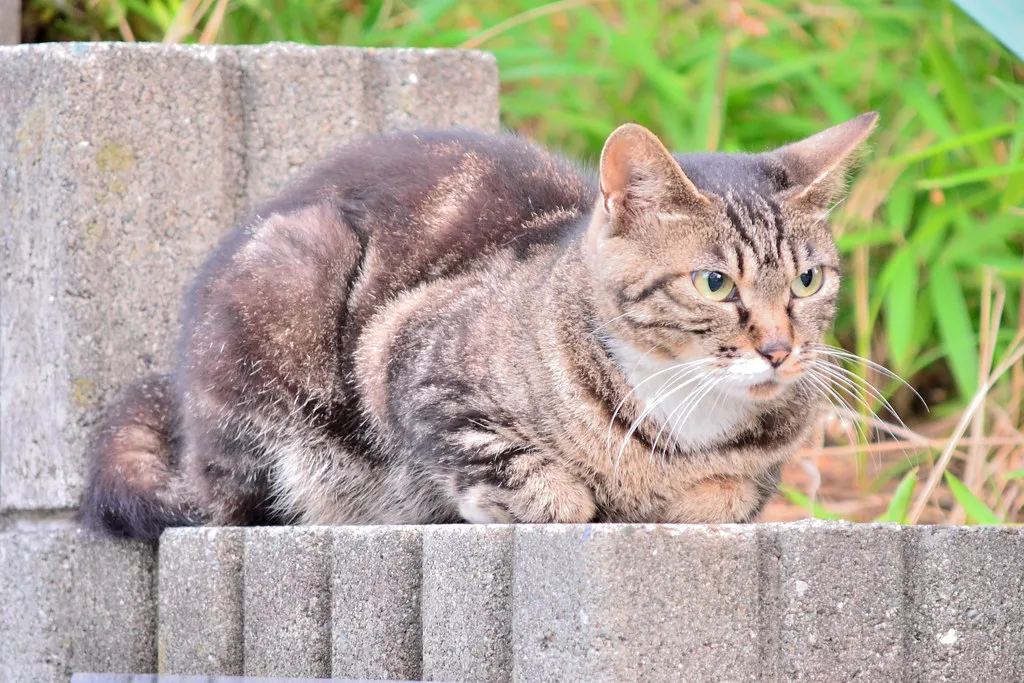
This is where comment sections explode, but it needs saying anyway: free-roaming cats kill staggering numbers of birds every year, and even well-fed pets hunt purely on instinct.
A single outdoor cat can kill dozens to hundreds of birds and small animals annually. September is a good time to transition your own cats to indoor-only or a “catio” setup before winter, and to have a calm conversation with neighbors about keeping cats in during peak dawn and dusk activity. Birds learn quickly where predators lurk, and a yard with obvious cat patrols simply won’t be chosen as a nesting site next spring, no matter how nice your feeders are.
#6: Keep Feeders Clean or Skip Them Altogether
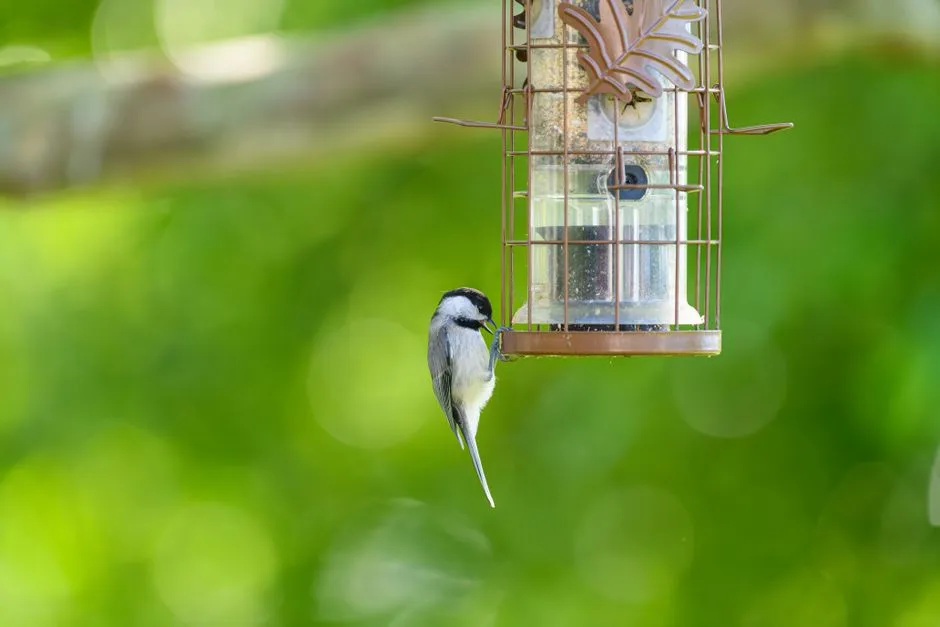
A dirty feeder can quietly do more harm than good. Moldy seed and grimy ports spread diseases like salmonellosis and conjunctivitis, and outbreaks are increasingly traced back to neglected backyard setups.
Make September your reset: dump old seed, scrub feeders with a bleach solution, and commit to cleaning every one to two weeks, more often in wet weather. If you know you won’t keep up with it, it’s actually kinder to offer natural food through plants and seed heads instead. Birds remember where they stayed healthy, just like they remember where flockmates disappeared, and a consistently clean feeding station becomes part of their mental “safe map” for the following season.
#5: Plant for Early Spring Insects, Not Just Fall Color
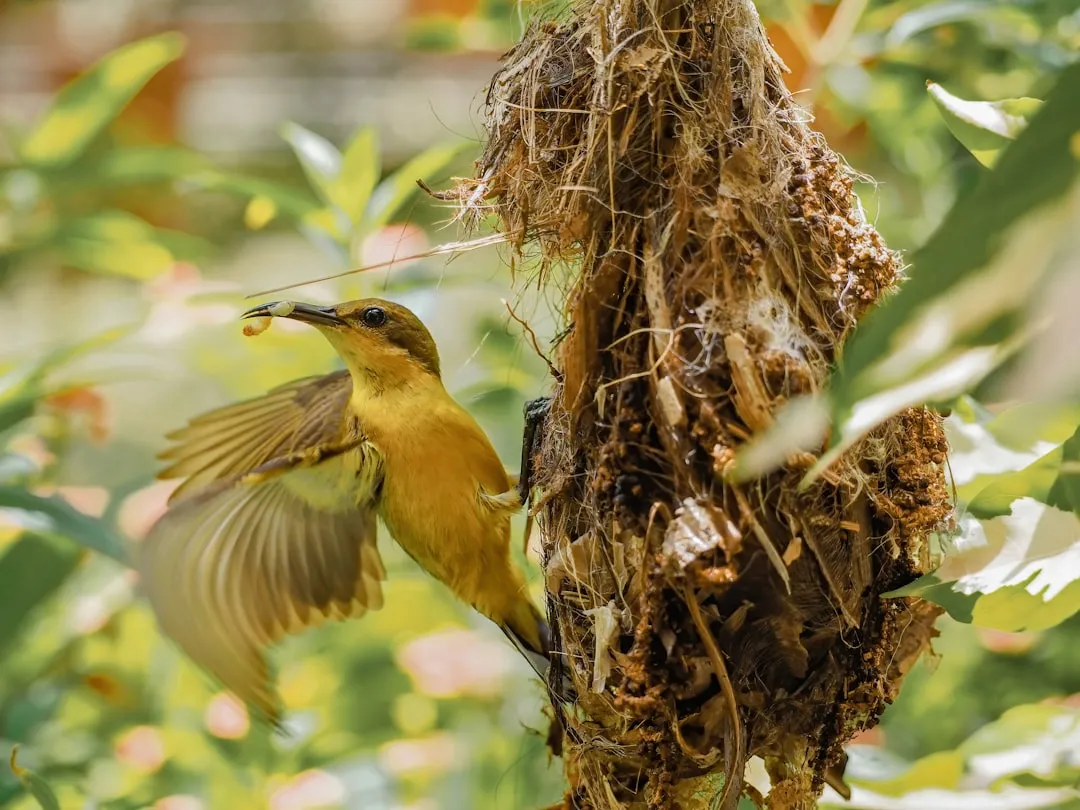
Everyone talks about fall foliage, but birds are already thinking about next April and May. Nestlings don’t eat seeds. They eat soft-bodied insects, especially caterpillars, and lots of them.
If your yard bursts with flowers but has few native trees and shrubs, you’ve built a color show, not a nursery. September is when many woody plants go on sale, so prioritize native oaks, willows, cherries, and maples suited to your region, along with shrubs that leaf out early. These are caterpillar factories, exactly what parents need when feeding babies 50 to 100 times a day. If nesting struggled in your yard last year, birds may simply shift the whole operation to a neighbor with better insect infrastructure.
#4: Stop Bagging Every Leaf, Use Them as Habitat
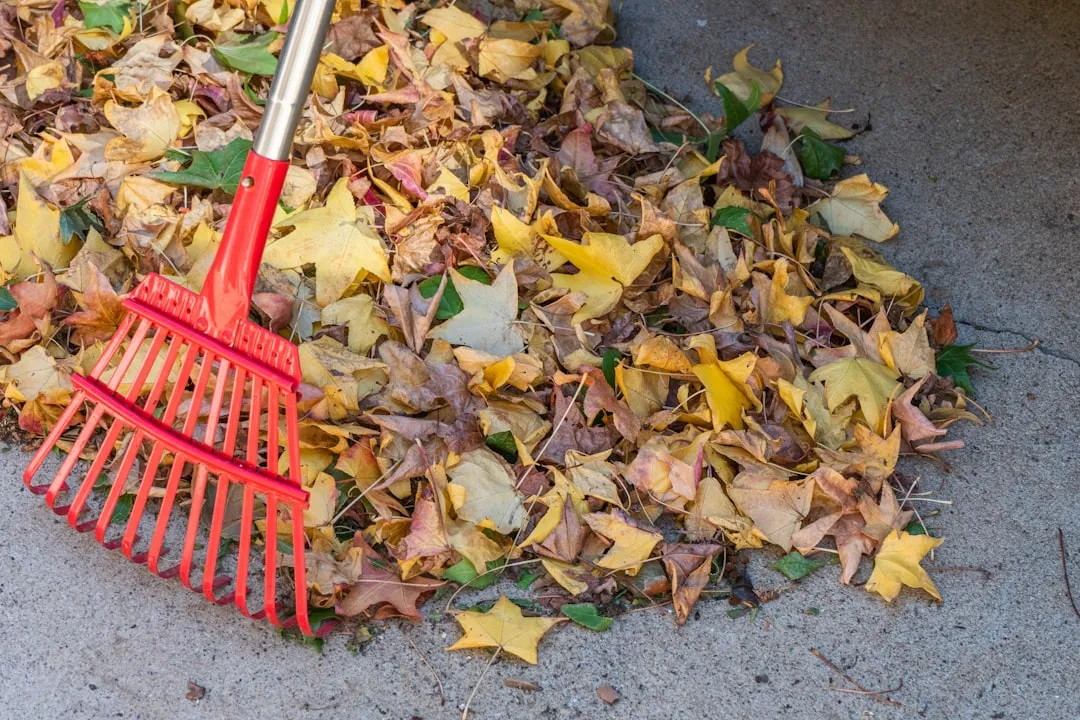
Bagged leaves look tidy at the curb, but they’re also bags of stolen habitat. Moths and butterflies overwinter as eggs, pupae, or adults in leaf litter, along with countless beetles, spiders, and other invertebrates.
When you send those bags away, you’re literally exporting next spring’s bird food. Mulch-mow leaves into the lawn, or rake them under shrubs and trees instead, and designate one quiet corner as a leaf pile rather than bagging everything. By spring, that leaf layer teems with life, and thrushes, towhees, and sparrows will flip through it with laser focus. The ultra-clean yard with bare mulch may impress humans, but to a bird it reads as sterile and risky.
At a Glance
- Many moths and butterflies spend winter as eggs or pupae tucked inside fallen leaves.
- A single undisturbed leaf pile can shelter dozens of insect species by the time spring arrives.
- Ground feeders like towhees and thrushes flip leaf litter specifically to hunt for hidden food.
- Mulched leaves left on the lawn also feed the soil, which feeds the plants, which feed the bugs.
#3: Create Quiet Zones Away From Noise and Foot Traffic
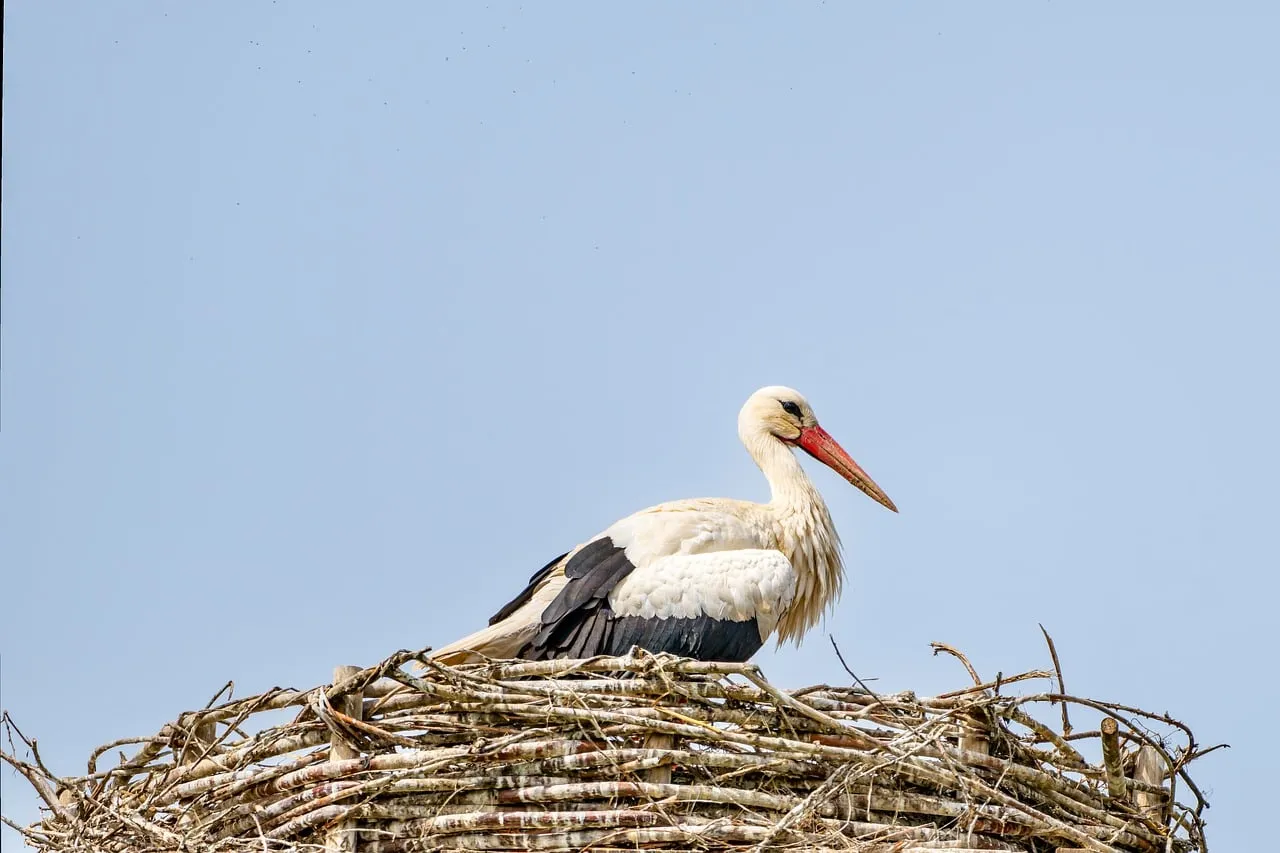
Here’s a factor most people never consider: constant disturbance. Yards with barking dogs, loud music, weekly leaf blowers, and constant foot traffic through every corner just feel unsafe for nesting.
Birds will genuinely choose a slightly less food-rich yard if it’s noticeably quieter and more predictable. September is when routines shift with school and sports starting up, so take stock of where kids and pets run most, and where noisy air conditioners or speakers sit. Plan next spring’s feeders, nest boxes, and dense plantings a bit away from your noisiest zones. Your yard’s traffic pattern this fall is basically a preview of next year, and calm, semi-hidden pockets earn a bird’s trust fastest.
#2: Think in “Migration Corridors,” Not Just Backyard Islands
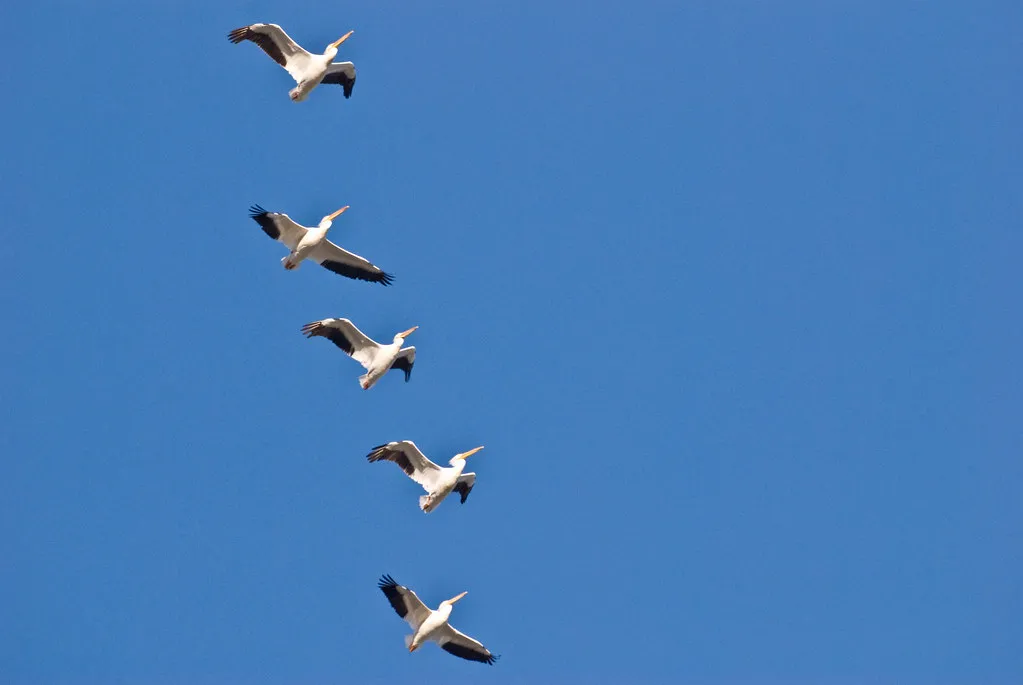
Most people treat their yard like an isolated project. Birds don’t see it that way at all. They move through your entire neighborhood as one continuous landscape, checking dozens of yards in a loose circuit before settling anywhere.
In September, step back and notice where tree lines, hedges, and utility corridors already run, then strengthen those with your own shrubs, natives, and water features. You might not control the whole block, but your yard can become the missing link between two good habitats. Birds that found a safe “bridge” this fall are far more likely to return and defend territory nearby. Ironically, the person with the flashiest standalone yard can lose out to the one who quietly connected their space to a larger green route.
#1: Make a Clear, Consistent “Promise” Birds Can Trust
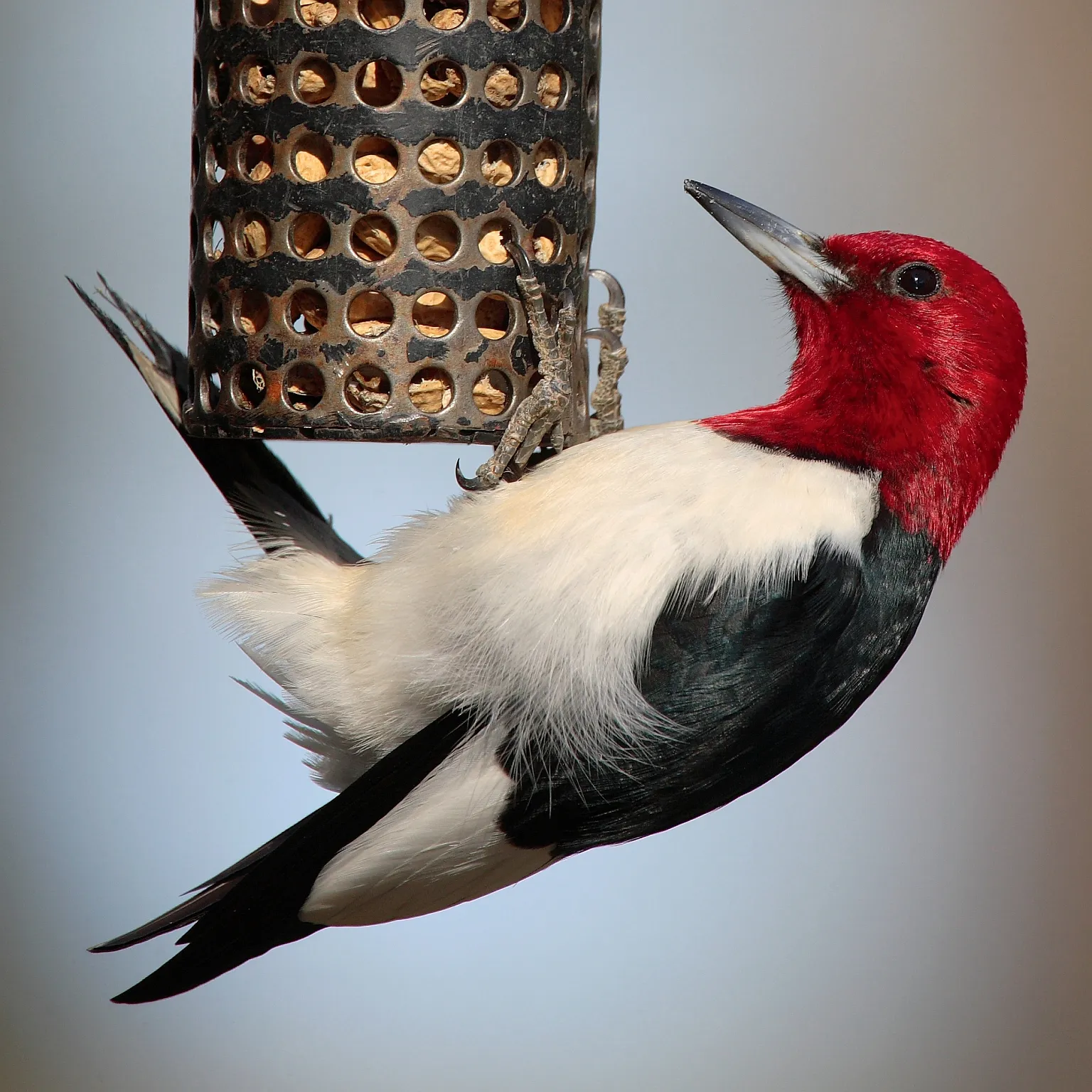
Here’s the uncomfortable truth: birds are pattern experts. They’re not loyal to yards, they’re loyal to reliability. If your September looks like feeders full one week and bone-dry the next, water cleaned once in a blue moon, and pruning done on total random impulse, birds notice the chaos immediately.
The most bird-rich yards aren’t always the fanciest ones. They’re the ones that quietly keep a few stable promises: food that doesn’t vanish for weeks, safe cover that isn’t hacked down the moment it looks a little messy, and minimal surprises from chemicals, predators, or noise. September is when you decide what your promise will be for the next six to eight months, and birds are already taking notes even if you never see them do it.
The Bottom Line
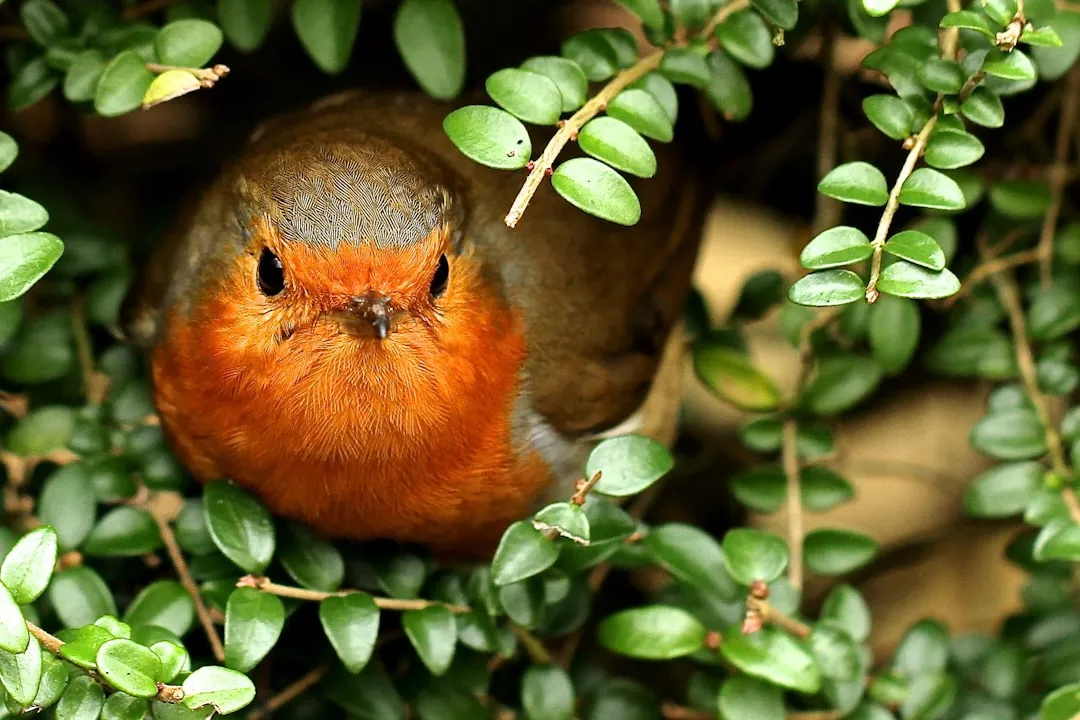
By the time you hear birds singing again in April, their decisions were locked in months earlier, mostly by what you did or didn’t change back in September. The hard truth is that picture-perfect, over-tidied, over-treated yards quietly push birds away, while slightly wilder, better-planned spaces pull them back year after year.
If you treat fall as the season to erase your garden, you’re also erasing next spring’s guests. Lean into native plants, real structure, less poison, more cover, and a bit of strategic mess, and birds will repay you with territory, nests, and fledglings. Some people will hate this advice because it clashes with their idea of a “nice” yard, but it comes down to one honest question: do you want a magazine cover, or a living, returning chorus of birds? Did we miss a change you swear by every fall? Drop it in the comments.

- 19 Garden Changes in September That Decide Which Birds Return to Your Yard Next Spring - August 11, 2026
- 19 Tender Things a Senior Dog Does Only for the One Person It Has Truly Chosen - August 11, 2026
- 19 Gentle Signs an Ageing Cat Is Beginning to Say Goodbye That Most Owners Only Understand Later - August 11, 2026