
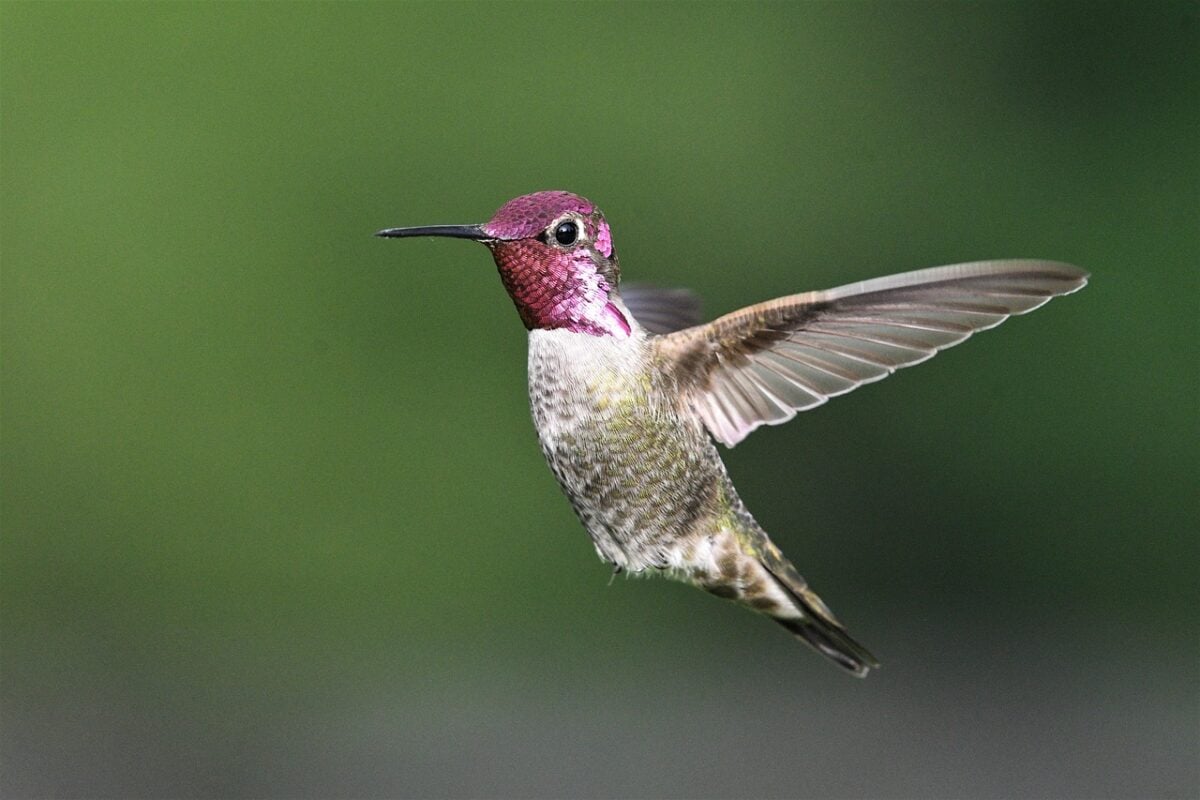
Most people think a hummingbird’s entire life story is “hover, sip, zip away.” That belief is almost embarrassingly wrong.
Field biologists who’ve spent thousands of hours banding and tracking these tiny birds say the real behavior happens in the ten seconds before and after the feeder visit – the exact part every backyard birdwatcher scrolls right past.
Hummingbirds run memorized flight routes, fake their own deaths every single night, recognize your face, and quietly nearly double their body weight without you ever noticing the shift. Here’s what experienced gardeners and ornithologists actually say is happening in your yard right now – starting with the behavior most people mistake for a dead bird.
#1 – They Go Into a Nightly Mini-Hibernation That Looks Like Death
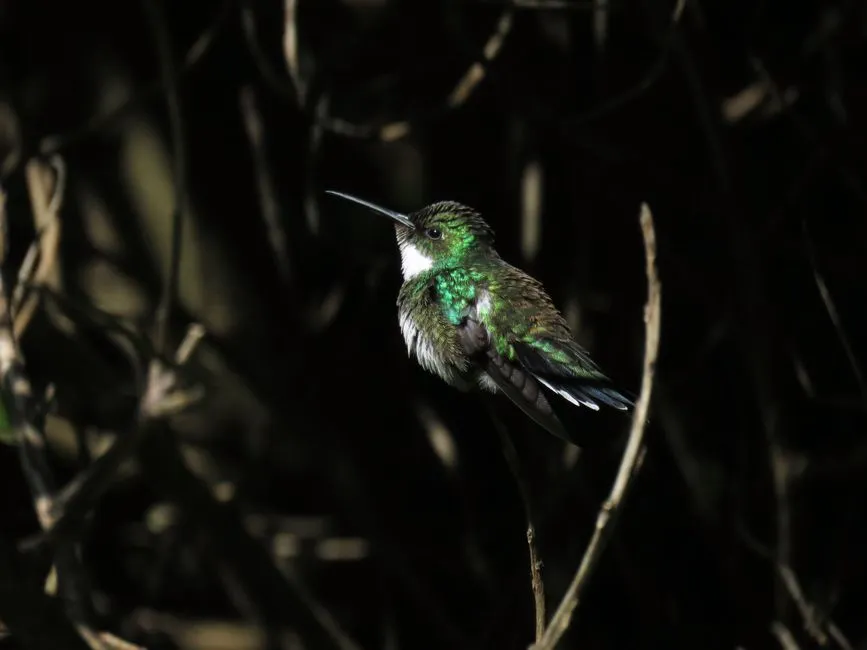
Almost every hummingbird in your garden quietly shuts its body down every single night, and it looks nothing like normal sleep. This state is called torpor. Body temperature drops from about 104°F (40°C) down to as low as 50°F (10°C) or lower, while heart rate crashes from a daytime blur of 1,200 beats per minute to as few as 50.
The metabolic shutdown is so extreme that a bird in torpor can look, and functionally act, lifeless until sunrise. Researchers at George Fox University found that hummingbirds actually toggle between different depths of torpor rather than always dropping to the coldest possible state – they only go that deep when they truly have to survive the night.
Fast Facts
- Body temperature can fall from 104°F to 50°F or lower overnight
- Heart rate drops from roughly 1,200 beats per minute to as few as 50
- Birds adjust torpor depth night to night instead of maxing out every time
- The state happens every single night, not just during cold snaps
#2 – They Run a Memorized “Flower Map” of Your Entire Yard
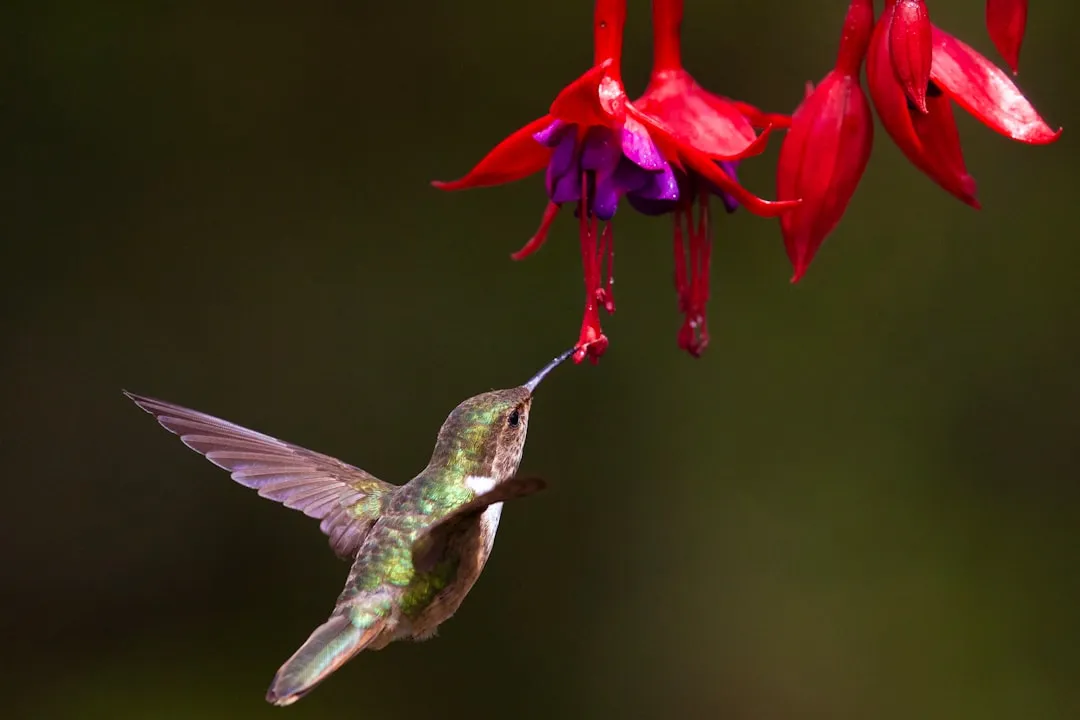
That hummingbird darting past your porch isn’t wandering randomly – it’s flying a route it memorized down to the individual bloom. Researchers call this trap-lining: an individual bird revisits the same sequence of flowers in the same order, sometimes dozens of times a day.
This is calculated energy budgeting, not idle curiosity – a hummingbird that wastes flight time checking empty flowers can starve within hours. Most gardeners assume the bird is just “checking around.” It’s actually running a spreadsheet in its head, cross-referencing nectar refill rates against flight cost. Move a feeder six feet and you’ll often watch the bird hesitate at the old spot first, because its mental map hasn’t updated yet.
#3 – Your Feeder Has an Invisible “Traffic Pattern”
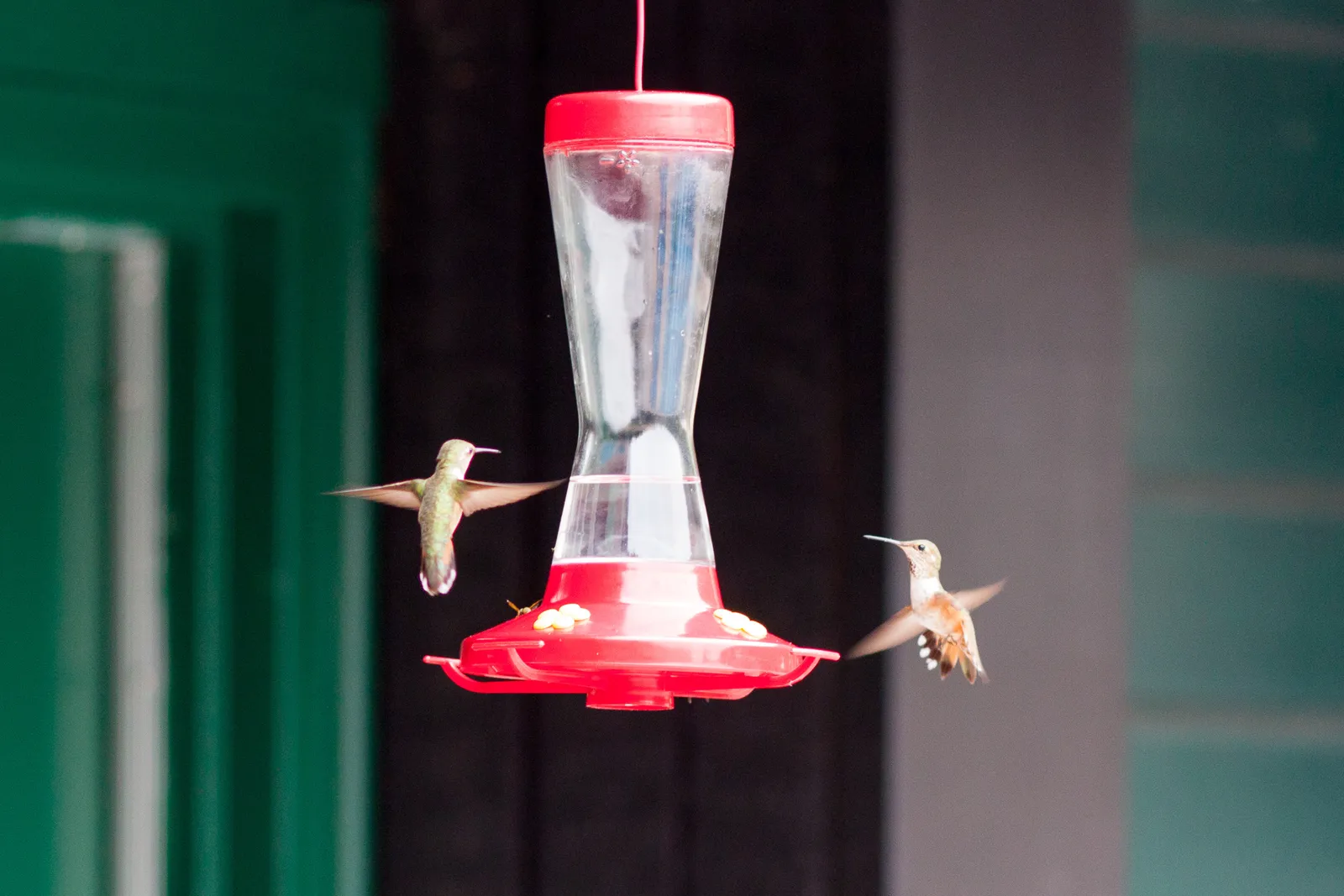
A busy feeder looks like total chaos, birds zipping in from every direction, but the airspace above it behaves more like an airport than a free-for-all. Hummingbirds quietly work out entry and exit lanes over repeated visits.
The same bird will use the same approach angle and the same branch, visit after visit, almost like a pilot flying a familiar landing pattern. Once you notice this, the feeder stops looking random – you can predict exactly where the next bird will appear from, because it isn’t improvising. Gardeners who watch closely enough start recognizing individual birds purely by their entry lane.
#4 – They Recognize Your Face and Will Fly Straight At It
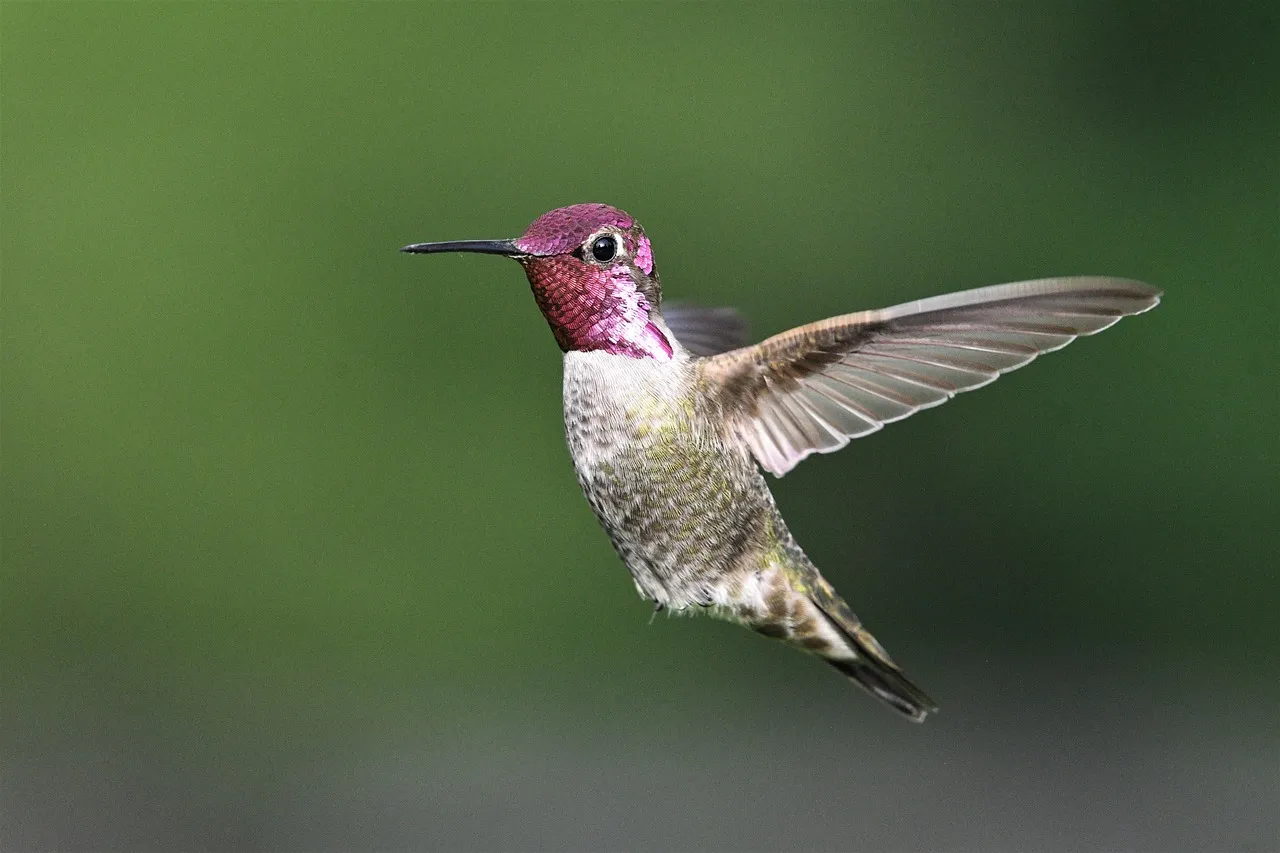
If a hummingbird has ever hovered two inches from your nose, locked eyes with you, and held there for an unsettlingly long moment before darting off, that was not random. Field researchers who track individual birds report that hummingbirds can distinguish specific humans, especially the ones who reliably refill feeders on schedule.
The bird isn’t confused about what you are – it’s confirming who you are. This recognition tends to intensify around whoever maintains the garden, which is why some hummingbirds seem to “check in” on their favorite gardener before ever touching the feeder. It’s less a greeting than a verification pass, confirming the food source is still tied to the same reliable human.
#5 – They’re Secretly Hunting Insects Mid-Air in Your Garden
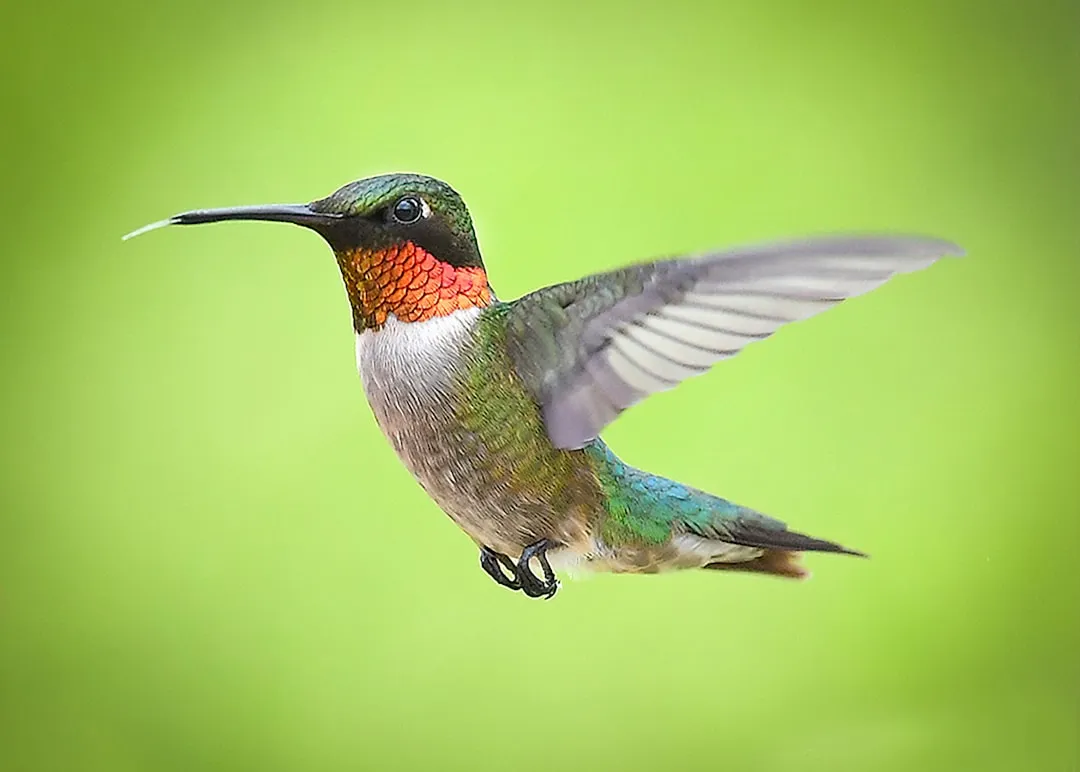
The feeder-focused view of hummingbirds makes it easy to assume sugar water is basically their whole diet. It isn’t – hummingbirds are active hunters of small insects and spiders, snatching them mid-air in a technique called “hawking” or plucking them straight off bark and leaves.
Without this secret protein hunting, hummingbirds couldn’t build muscle, produce eggs, or raise young – nectar alone would leave them malnourished. Most gardeners never catch this because it happens in dense foliage, not at the feeder. Watch closely near spiderwebs or a gnat swarm at dusk, and you’ll catch the “sweet little nectar bird” hunting like a tiny falcon.
#6 – They Deliberately Fly Into Rain Showers to Bathe
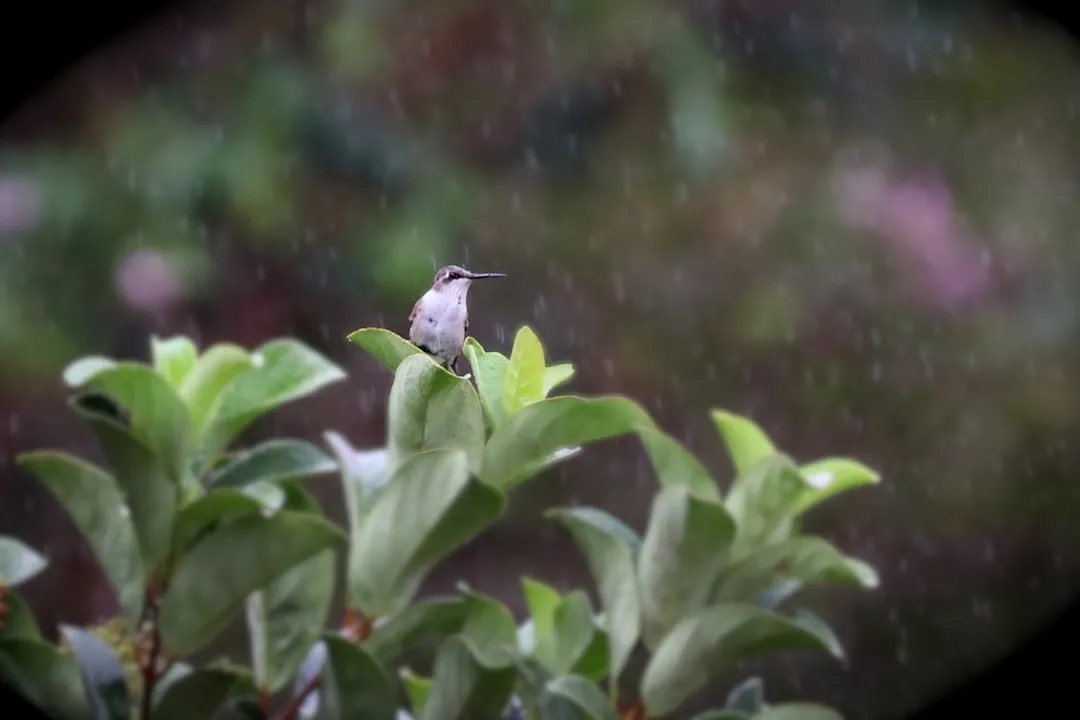
Most people assume hummingbirds avoid rain. Experienced observers know the opposite is often true – rain bathing is a real, active grooming ritual, and birds will seek out a shower on purpose to wash away dirt and parasites instead of waiting for a bird bath.
The behavior almost always happens exactly when nobody is outside watching – right as the sky opens up and everyone runs for cover. During the bath itself, the bird fluffs its feathers and shakes its whole body for a thorough soak. Stand under an awning during a light shower and you might catch what looks less like weather avoidance and more like a deliberate car wash.
#7 – They Sunbathe With Wings Spread Like Tiny Lizards
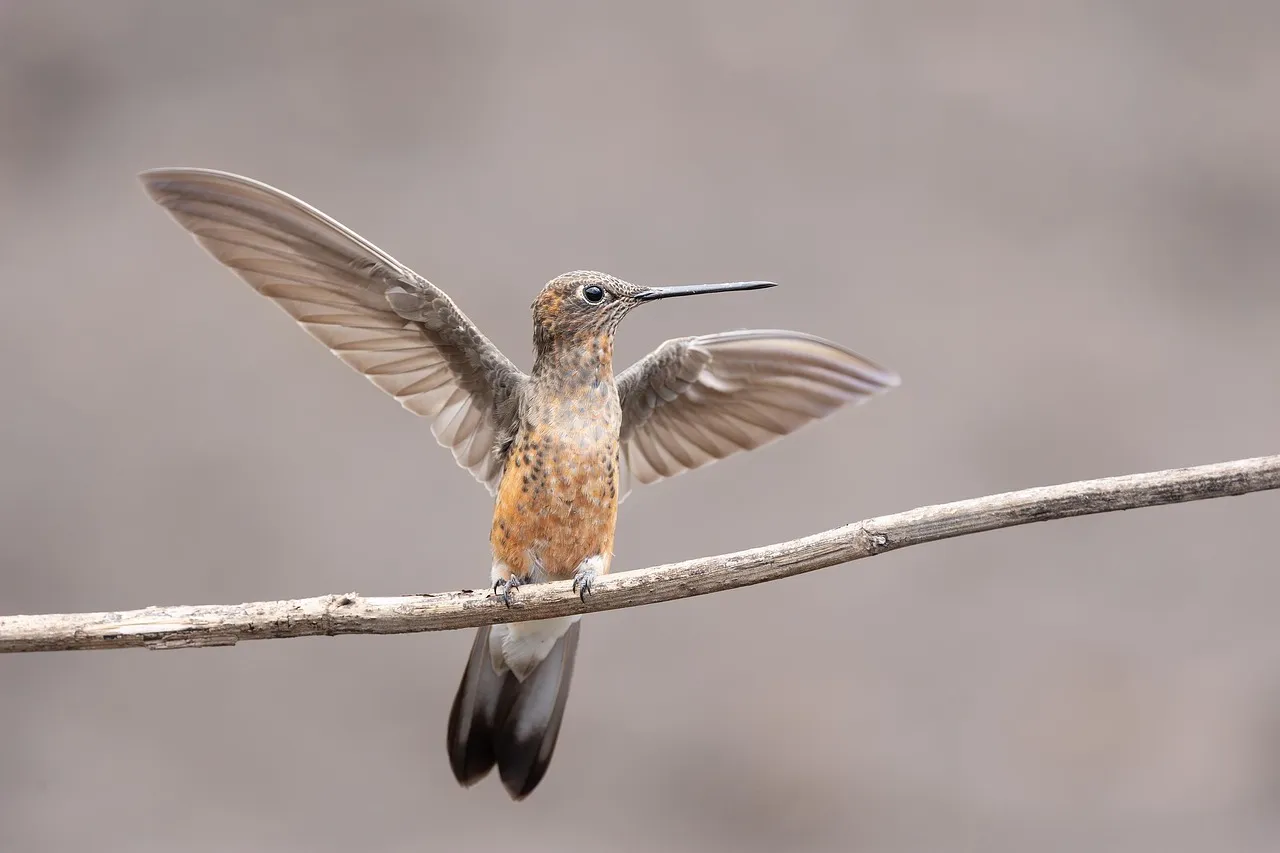
There’s a brief, strange moment in a hummingbird’s day when it stops being frantic and just… poses in the sun. This is real sunbathing behavior, used to regulate body temperature and maintain feather health, often with wings spread and feathers fluffed to maximize exposure.
Most people never catch this because it lasts only seconds and happens on a low, quiet perch, not the flashy feeder. A hummingbird lying flat with wings splayed can look almost injured to an untrained eye, which is likely why so many gardeners misread the moment entirely – mistaking a perfectly healthy bird recharging in the sun for one in distress.
#8 – They Become Ritualistic About Garden Misters
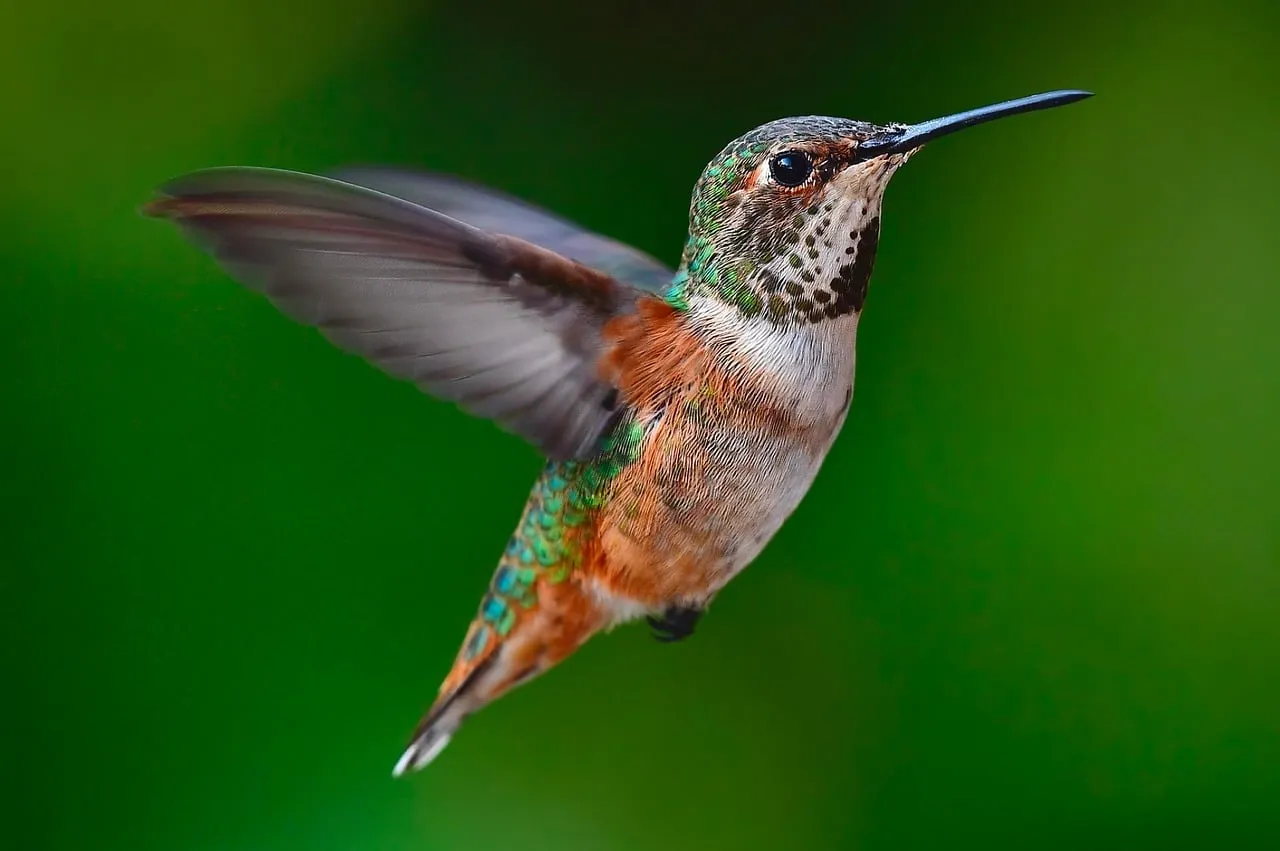
Install a simple garden mister, and something strange happens: hummingbirds start showing up on a schedule. Gardeners who’ve added misting attachments describe birds arriving at predictable times, working through the spray repeatedly, then perching nearby to preen.
A cheap hose mister will often out-perform an expensive fountain, because hummingbirds prefer moving water, mist, or wet vegetation over standing pools – they’re drawn to whatever behaves most like rain, not whatever looks prettiest. Once they find that source, they treat it less like an amenity and more like a fixed daily appointment.
#9 – They Keep Collecting Nest Material Long After Nesting Season Ends
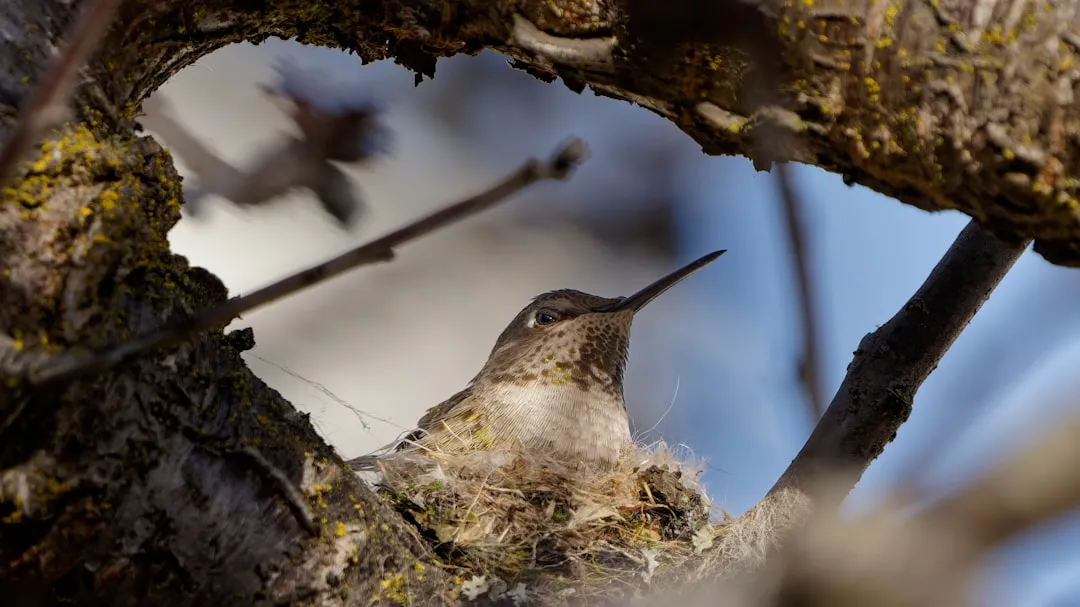
This one throws off even experienced birdwatchers because it looks completely out of season. Most gardeners know hummingbirds raid spiderwebs and plant fluff to build nests in spring, but fewer notice some birds still collecting the same materials much later – snagging seedhead fuzz or stealing strands of web.
Most gardeners assume nesting is done for the year and dismiss the behavior as random. It isn’t – it’s home repair with a departure date. The logic is pure energy math: a better-insulated roost on a cool night means less fat burned and more saved for the migration flight ahead, like patching tent seams before a backpacking trip.
#10 – They Rest Far More Than You’ve Ever Noticed
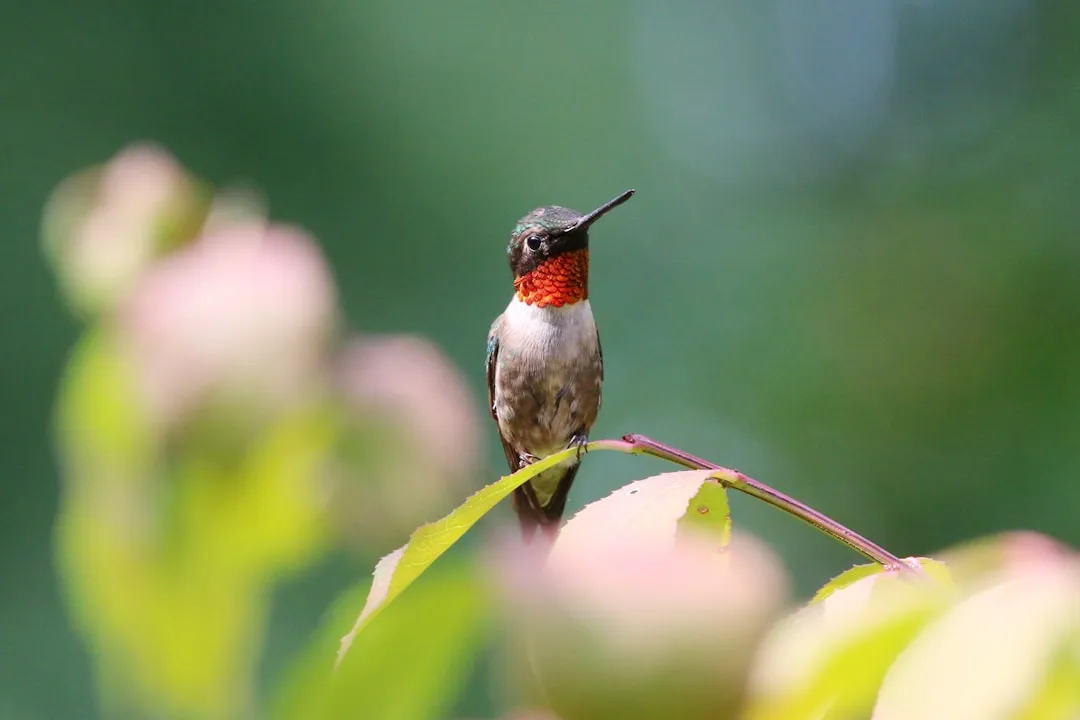
The “always in motion” image of a hummingbird is mostly wrong. These birds sit still for a large chunk of the day, and that resting isn’t idle – they perch on stems, twigs, and wires specifically to scan for insects and conserve energy.
A string of patio fairy lights is prime real estate for a resting hummingbird. Sinking a sturdy branch vertically into the ground as a dedicated perch gives them a place to rest while still surveying their territory. If your hummingbird seemed to vanish for twenty minutes, it likely didn’t go far – it just parked somewhere quiet you weren’t looking.
#11 – Males Guard Territory From a Single Perch Instead of Patrolling
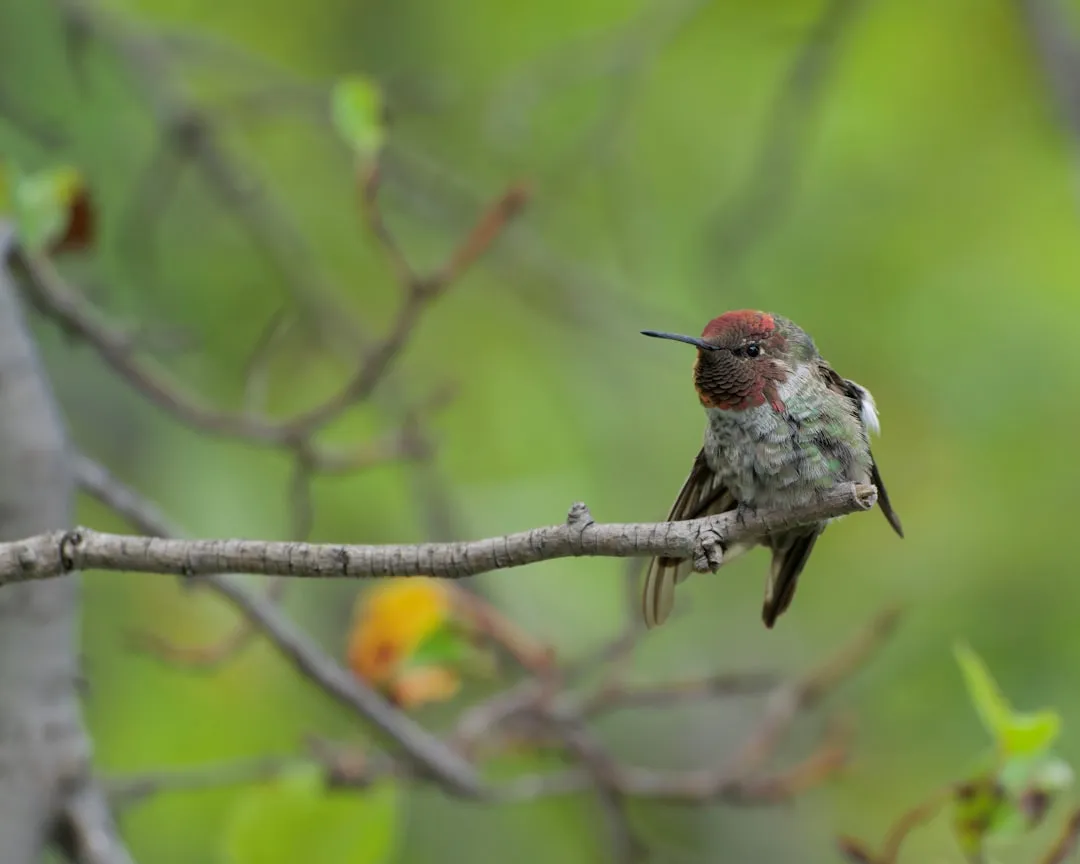
A still male hummingbird sitting high on a branch isn’t relaxing – he’s running a surveillance operation. From that perch he can spot an intruder, launch an interception, and return to his post faster than he ever could by patrolling constantly.
The bird has essentially chosen a control tower over a patrol car, and it works because reaction speed matters more than constant movement in aerial combat. Females run a different version of the same math, perching more while raising young to balance incubation against feeding runs – a still hummingbird is almost always a hummingbird thinking ahead.
#12 – They Quietly Change Feeding Times to Dodge Predators
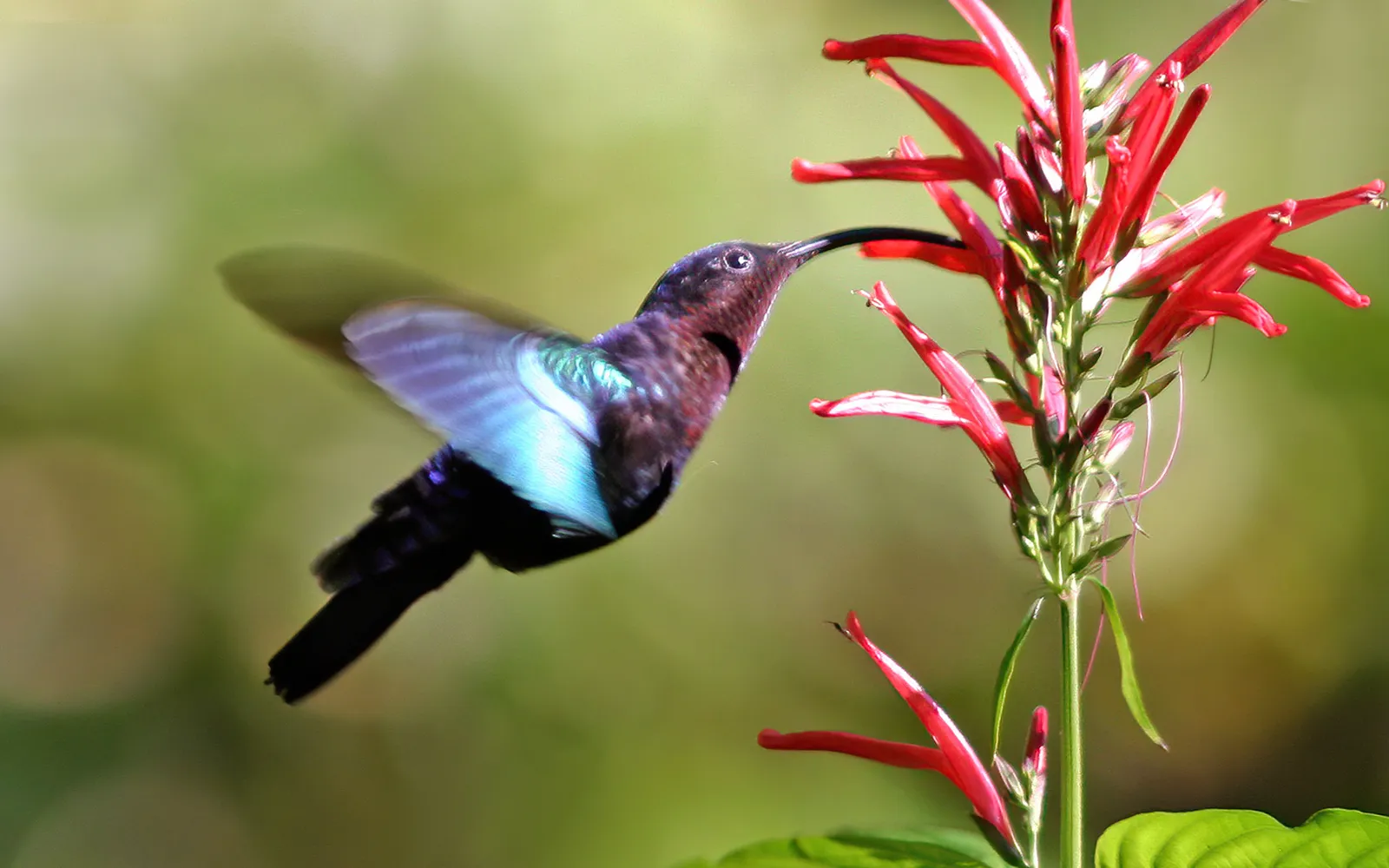
Your feeder routine is more predictable than you think, and local predators have noticed. Sharp-shinned hawks, outdoor cats, and even crows learn when hummingbirds predictably gather – and the birds adapt faster than most people realize.
A single bad attack near the feeder can permanently rewrite the bird’s schedule. If hunting pressure spikes, hummingbirds may shift feeding to earlier dawn or later dusk, bunch visits into short frantic bursts, or only approach from higher, more distant flight paths. Most gardeners never connect a suddenly quiet feeder week to a hawk sighting three days earlier – the bird isn’t gone, it’s recalculated risk.
Worth Knowing
- Sharp-shinned hawks and outdoor cats are two of the most common feeder-side threats
- Crows and other opportunists can learn a feeder’s busy hours over time
- Even large praying mantises hiding near blooms have been documented ambushing hummingbirds
- A schedule shift after an attack can last for days or weeks, not just minutes
#13 – That “Red” Throat Flash Isn’t Actually Red Pigment
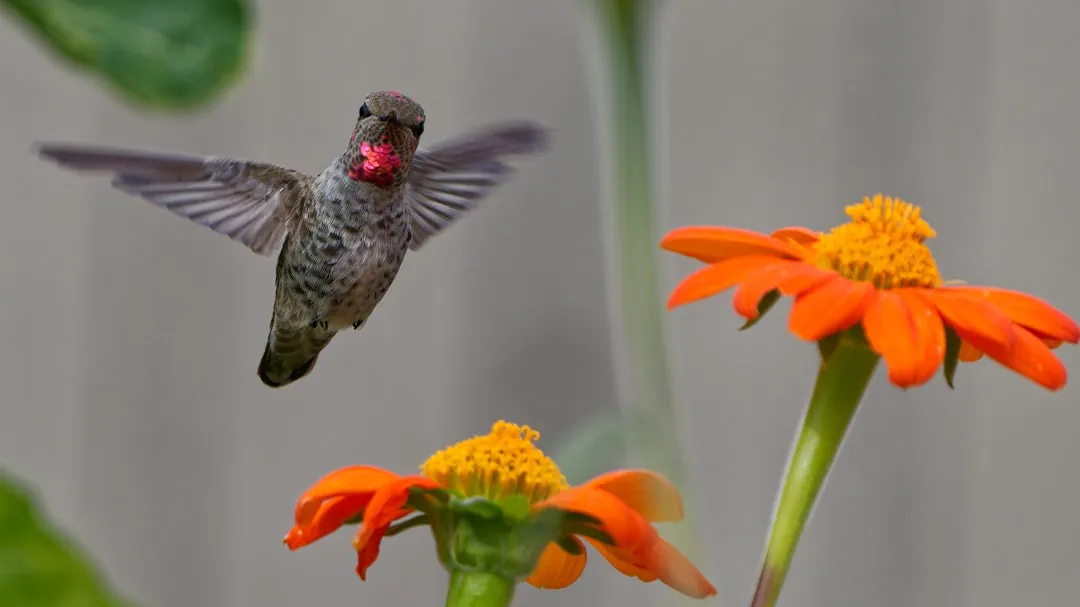
Here’s a detail that surprises almost every backyard observer: the dazzling throat color has nothing to do with pigment at all. This is iridescence – a structural color created by light striking the feather, not a chemical dye.
The color is essentially an optical illusion built from microscopic architecture, not chemistry. Each iridescent feather is packed with microscopic layered structures that only reflect red at a precise angle, which is why the same bird can flash brilliant ruby-red one second and go completely dark the next. Most gardeners assume the bird “turned off” its color – it didn’t, you just lost the angle.
Why It Stands Out
- No red pigment is involved at all – the color is produced entirely by feather structure
- Tiny layered platelets bend light so only certain angles reflect red back to your eye
- The same throat can look black, bronze, or fiery red within seconds depending on your position
- Other feathers on the same bird, like browns and grays, do use true pigment
#14 – They Steal From Spiderwebs for Both Food and Building Material
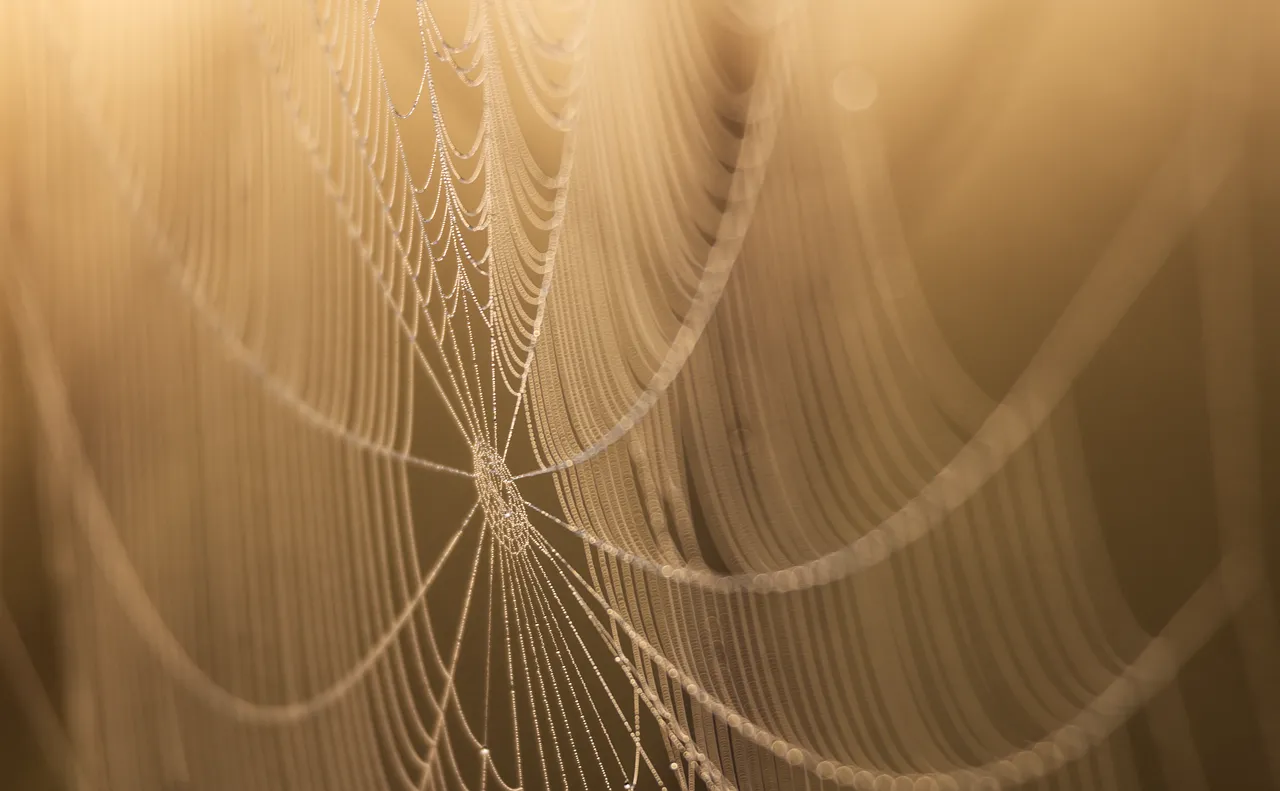
Most gardeners reach for a broom the second they spot a spiderweb near their plants. Experienced hummingbird hosts do the opposite, because the web serves double duty – it’s one of the most important materials for holding a nest together, and it’s also a trap full of insects the bird happily steals.
A single spiderweb is simultaneously a hardware store and a grocery store to a hummingbird. Nests can be as tiny as half a chicken’s egg, built from moss and lichen and held together with the same sticky filaments. Knock the web down, and you may remove both the bird’s construction material and its protein source in one swipe.
#15 – Their “Fights” Are Actually High-Speed Aerial Duels
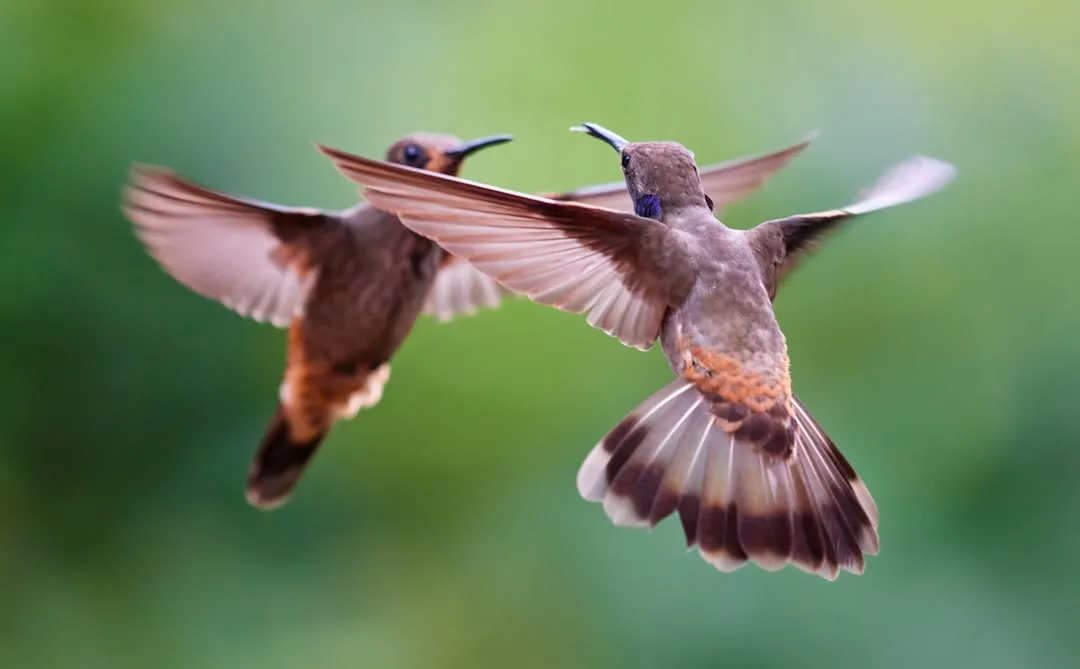
That blur of motion you dismissed as two birds bumping into each other is actually a full combat sequence. They fight, flirt, and flash their throats like neon warning signs, all faster than your eye can follow – blink, and you’ll miss an aerial dogfight.
This isn’t cute squabbling – it’s genuine territorial warfare with real stakes, and losing repeatedly can push a bird out of a food source entirely. Slow-motion footage reveals what your eyes physically can’t catch in real time: bill jabs, body-slams, and chase sequences that would look brutal at normal speed.
#16 – Dozens of Migrating Hummingbirds Pass Over Your House Unseen
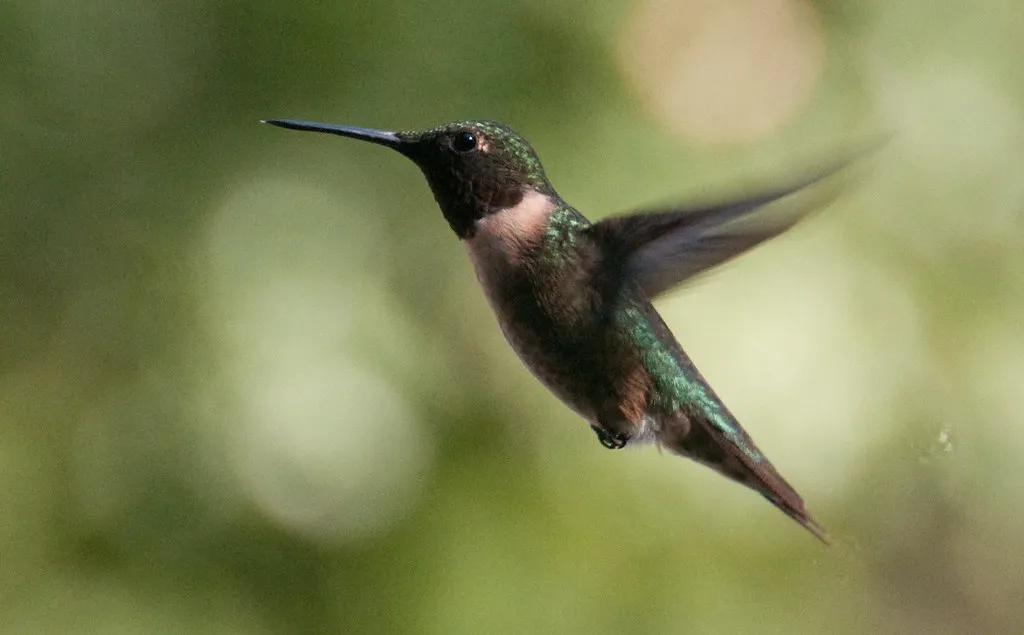
While you’re watching one feeder, an entire invisible migration event may be unfolding directly overhead. Dozens or even hundreds of hummingbirds can pass at altitude no one thinks to check, far above where any backyard observer is looking.
Your single hummingbird is one visible data point in a much larger, mostly invisible movement. Most people chalk a quiet stretch up to cooling weather, but that quiet is actually the loudest chapter of the year happening off-camera – birds gorging like competitive eaters, hunting spiders for protein, bullying rivals off feeders, and reading wind patterns like professional pilots.
#17 – They Nearly Double Their Body Weight Before Leaving
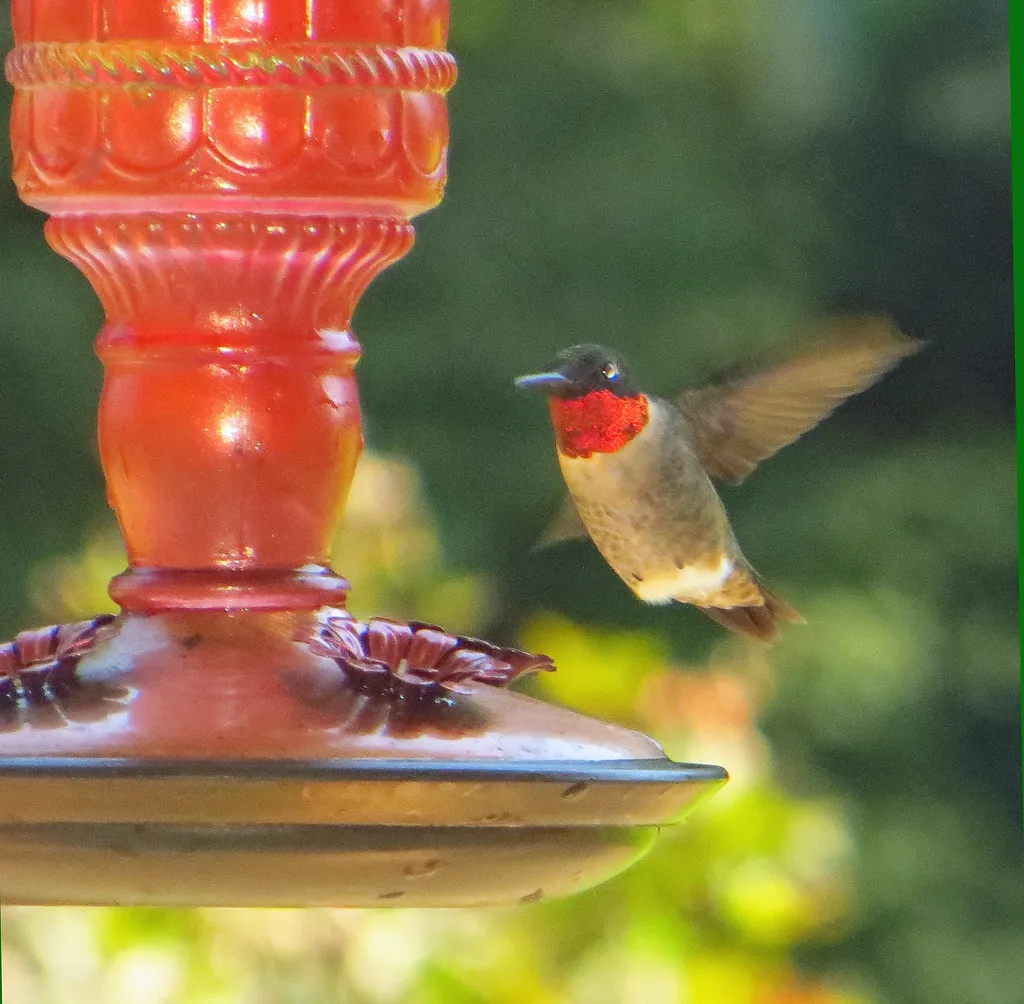
In the days before migration, hummingbirds undergo one of the most extreme physical transformations of any animal on Earth – and it’s happening at your feeder right now if it’s late summer. Ruby-throated hummingbirds routinely double their body weight in fat before departure, some gaining nearly half of that in just four days.
A three-gram bird can pack on nearly its own body weight in pure fat reserve in under a week. That fat fuels a nonstop flight of roughly 500 miles over open water, taking the bird from about 3 grams to almost 6. If your feeder suddenly starts draining faster in late summer, that’s not your imagination – and the birds get so rotund from the gain that they temporarily lose some of their usual aerial agility.
At a Glance
- Starting weight: about 3 grams, roughly the weight of a penny
- Pre-migration weight: nearly 6 grams after fat loading
- Nearly half the total fat gain can happen in just four days
- Flight distance: roughly 500 miles nonstop over open water
#18 – Females Silently Time Their Rest Around Their Chicks’ Survival
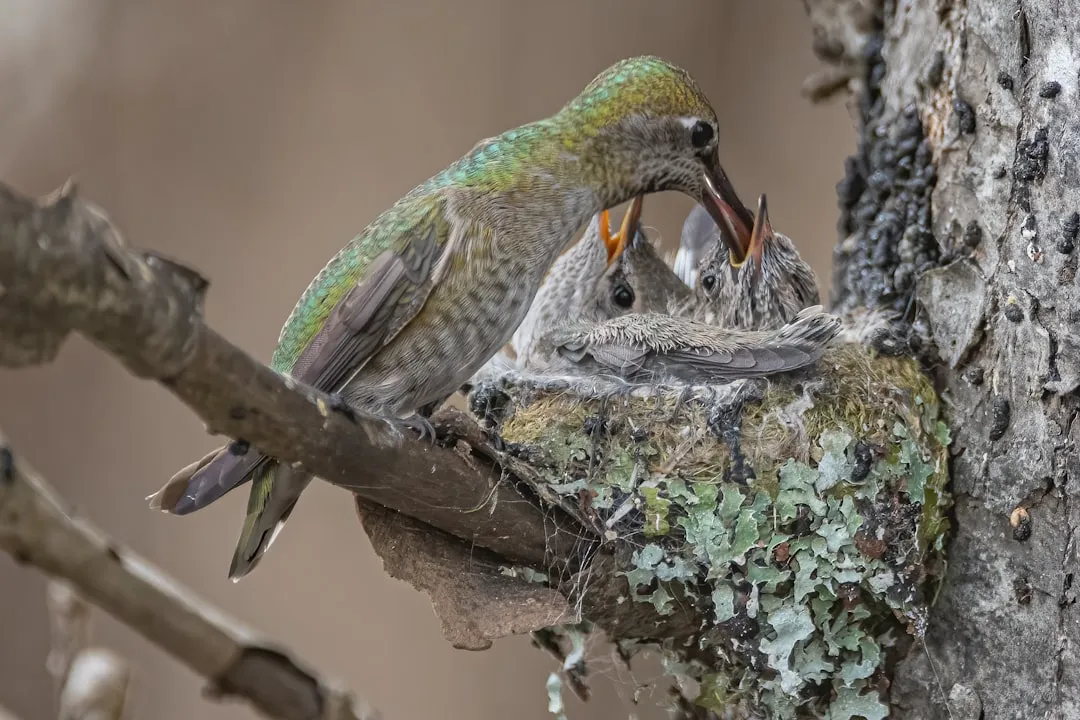
The single most overlooked behavior in any hummingbird garden isn’t dramatic at all – it’s a female quietly rationing her own energy for weeks on end, with no help from a male at any point. She alone decides when to leave the nest, how long she can forage before her eggs or chicks cool down, and when a predator risk outweighs another feeding run.
Every single perch, pause, and flight she takes during nesting season is a calculated trade-off between her own survival and her offspring’s. This is why a female near a nest often looks unusually cautious or slow compared to the frantic energy you expect elsewhere in the garden. She isn’t sick or sluggish – she’s running the most consequential energy budget of any bird in your yard, in near-total silence, from a nest most gardeners never even know exists.
The Bottom Line
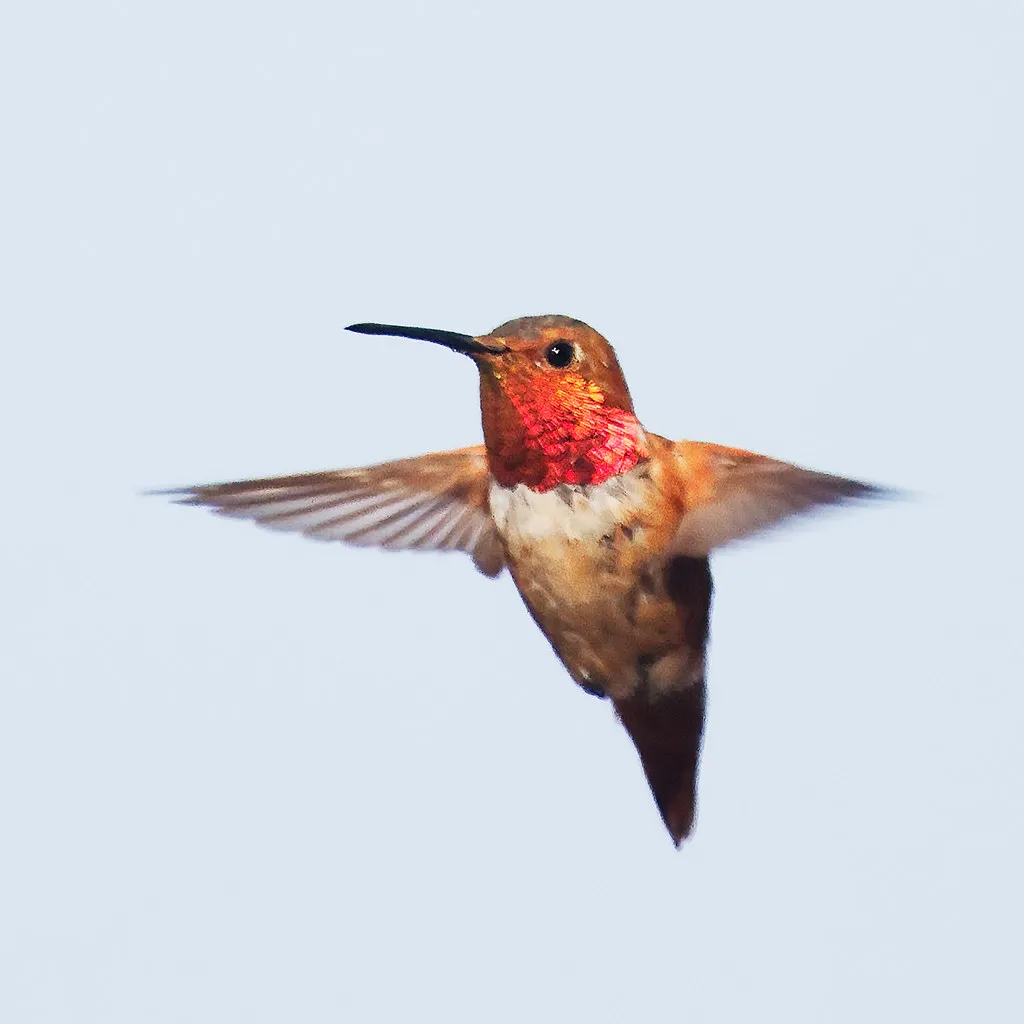
The hummingbird you think you know – a tiny, cute sugar-sipper – barely resembles the bird actually running your backyard. It’s flying memorized routes, waging real aerial combat, hunting insects in near silence, and quietly doubling its body weight before vanishing for the season, almost entirely outside your field of attention.
Here’s the part worth sitting with: most feeder owners are watching the least interesting five percent of the show, and the birds seem almost fine with that. The real performance happens in the gaps – the rainstorm, the empty perch, the ten seconds before the feeder visit – and it doesn’t wait for anyone’s camera. Which of these behaviors have you actually caught happening in your own garden?

- 18 Hummingbird Behaviors Experienced Gardeners Say Almost Nobody Notices Happening in Their Own Garden - August 11, 2026
- 17 Garden Jobs in Early Autumn That Decide Whether Birds Stay Through the Winter - August 11, 2026
- 18 Ways an Old Cat Chooses the One Person It Wants Beside It at the Very End - August 11, 2026