
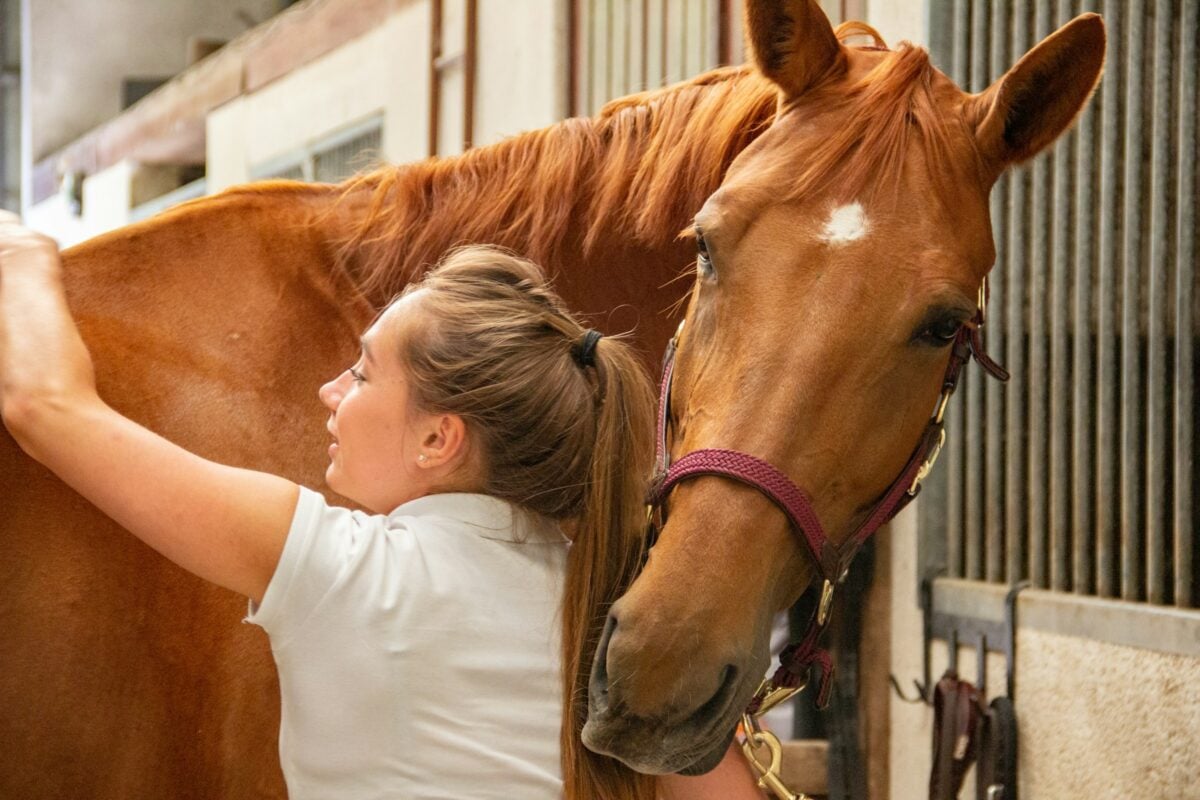
Most horse owners will tell you, without blinking, that nobody knows their horse better than they do. Ask the person mucking stalls at 6 a.m. and you’ll get a very different answer. Stable hands don’t watch your horse for an hour of quality time – they watch it for years, in the boring in-between moments you never see.
That’s exactly why they catch things first. A pinned ear at the stall door, a hesitation at the grain bucket, a horse that suddenly stands a little differently in the paddock – none of it looks like a big deal in isolation. But string enough of these small shifts together and a good barn worker can practically predict the vet call before you’ve noticed anything’s wrong. Here are the 19 things they quietly clock before you ever do.
#1 – How Fast They Clean Up Their Grain
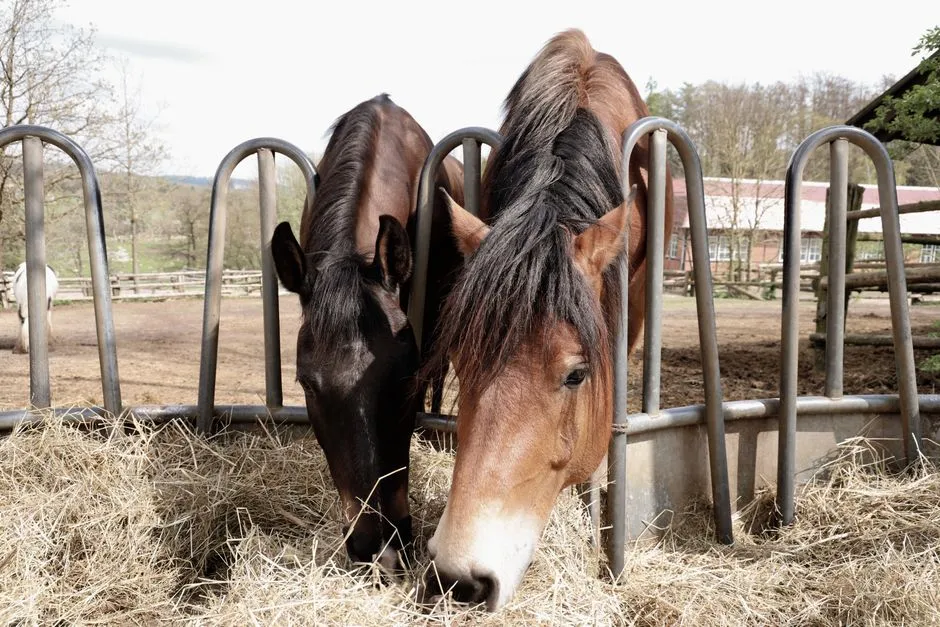
When a normally food-obsessed horse starts dawdling at the feed tub, stable hands take notice immediately. A slowdown at grain time is almost never “just being picky” – it’s usually one of the earliest tells for pain, ulcers, stress, or an illness that hasn’t announced itself yet.
The horse might still finish the bucket, but the urgency is gone. They pause, wander off, guard the bucket instead of actually eating it. Barn staff also flag the opposite pattern: a horse that suddenly eats like it’s starving, which can point to anxiety or not getting enough calories during the day. Either direction, the shift itself is the story.
- How long it takes to finish grain
- Whether leftovers are increasing
#2 – Where They Stand in the Paddock
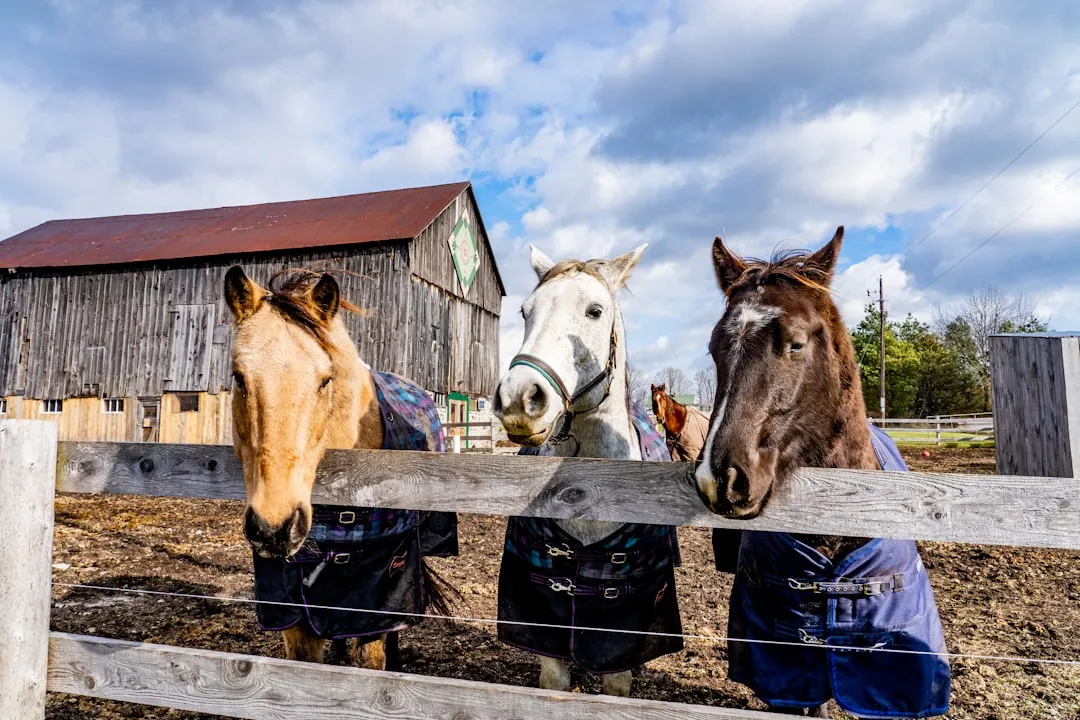
Most owners glance at a horse in the field and think, “He’s outside, he’s fine.” Stable hands track exactly where that horse chooses to stand, because a prey animal’s comfort zone doesn’t shift for no reason.
A horse that suddenly hugs the gate, lingers alone in a corner, or stops patrolling their usual loop is often broadcasting discomfort or social stress. Barn staff notice when the old social butterfly is now pinned to the far edge of the herd, or when the bold herd boss gets pushed off the hay pile without a fight. To an experienced eye, the map of hoof prints tells you more than a five-minute grooming session ever could.
- Joint or hoof pain showing up as avoidance of mud or hard ground
- Social tension or a new bully working the field
#3 – Their Spot in the Herd Pecking Order
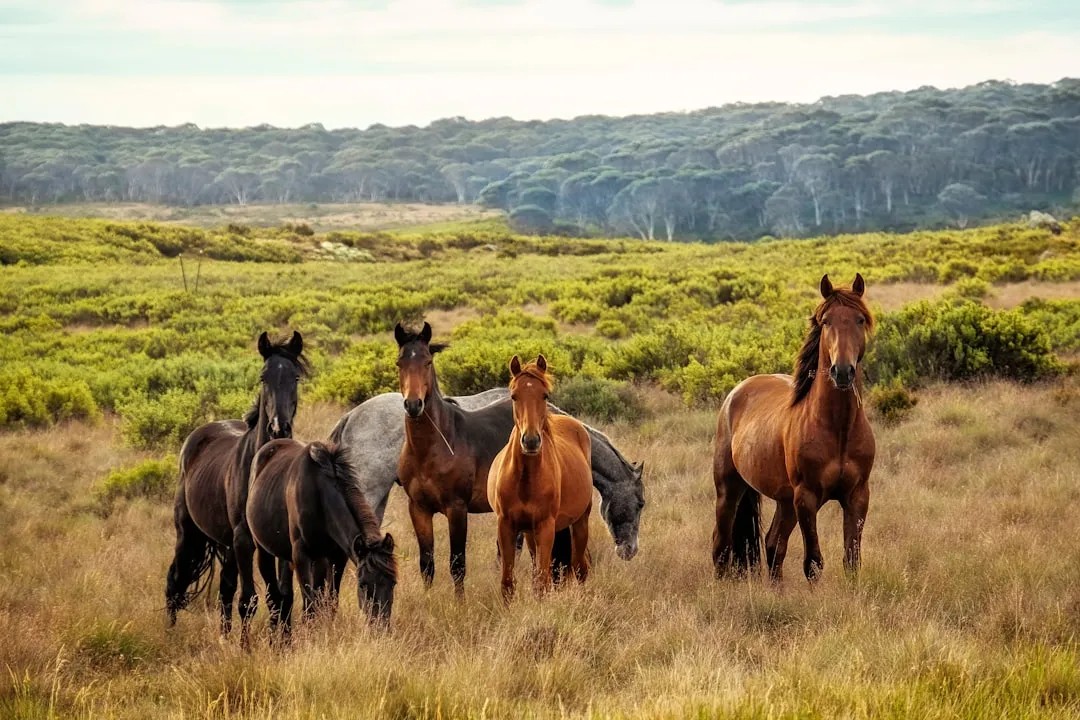
Most people only notice herd dynamics when there’s biting or kicking involved. Stable hands notice the quiet political moments – who moves whose feet, who yields at the hay net, who gets first drink at the trough.
If your once-dominant horse is suddenly letting others push them around, that can be an early sign of pain, fatigue, or depression. Horses don’t decide to drop in rank on a whim; they lose the energy or confidence to defend their space. A normally low-key horse suddenly climbing the social ladder is worth watching too – it can mean a new horse has upset the balance, or that pain is showing up as irritability instead of withdrawal.
- A new horse disrupting the herd balance
- Unmet needs like limited forage or turnout
- Pain or irritation channeled as reactivity
#4 – How They Greet You at the Stall Door
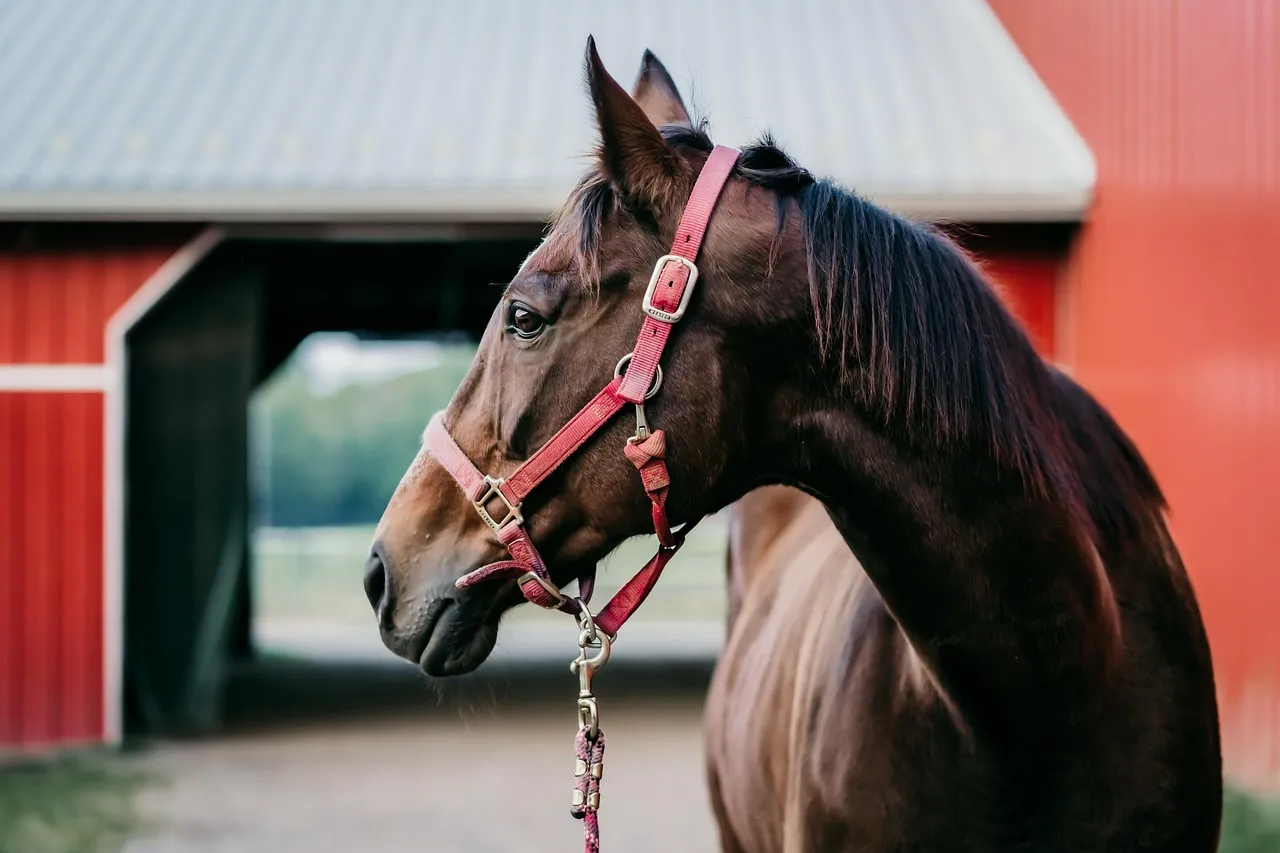
You might chalk it up to a bad mood. A good stable hand files it away as data. Horses run on routine, and a change in stall-door behavior – less interest, ears pinned, or sudden clinginess – often shows up well before an obvious physical problem does.
A withdrawn horse with its head buried in the corner is a huge red flag to anyone who works a barn full-time. So is the opposite: a horse that used to be independent suddenly becoming velcro-attached. That switch can point to separation anxiety, hormonal changes, pain, or boredom from reduced turnout. When the horse that always whickers at breakfast doesn’t even lift its head, nobody experienced calls that “just a bad day.”
#5 – The Way They Hold Their Head and Neck
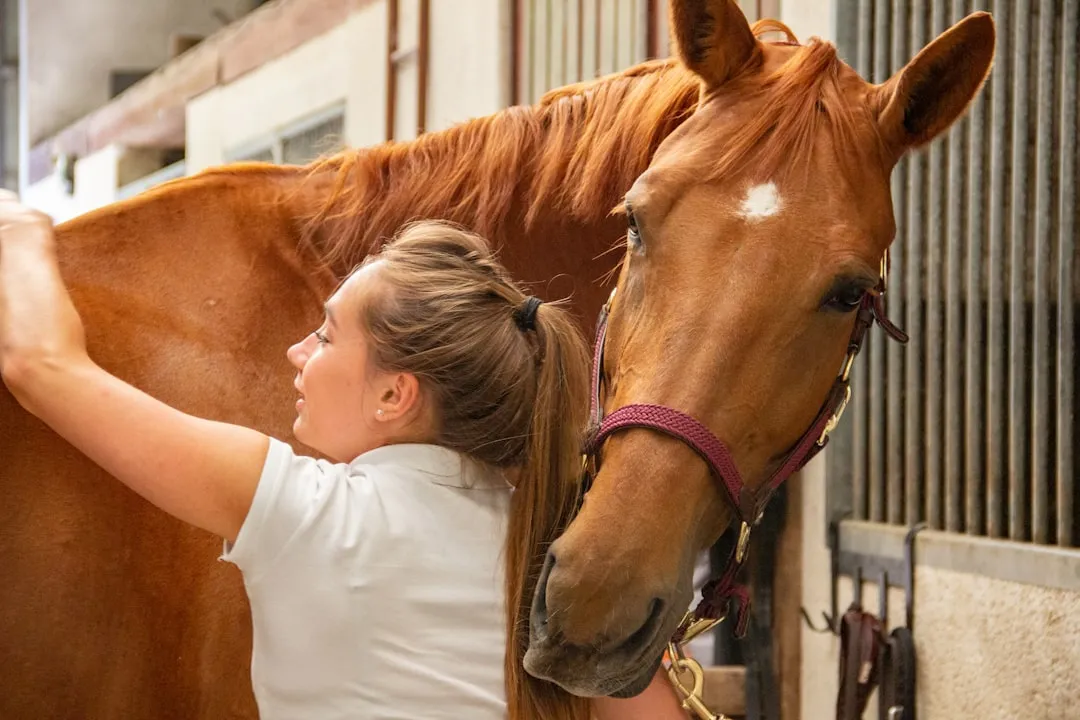
Owners look for a limp. Stable hands look for a neck. Subtle changes in head carriage – lower than usual, braced and high, or tilted slightly to one side – often show up days or weeks before obvious lameness or back trouble does.
A horse that used to move with a soft, swinging neck but now carries it stiffly, nose poked out, is telling you they’re guarding something. Pros also catch tiny asymmetries: one ear consistently forward, one eye half-squinted, a jaw that clenches the second the halter goes on. These shifts are easiest to see in the cross-ties or walking to turnout, when the horse isn’t performing for anyone.
Fast Facts
- A lowered, tense head carriage often signals discomfort before an actual limp appears
- One-sided ear position or squinting can point to dental or vision trouble
- Jaw clenching at haltering time is frequently linked to bit or TMJ discomfort
- Neck stiffness usually shows up first in the cross-ties, not under saddle
#6 – How They Stand Tied
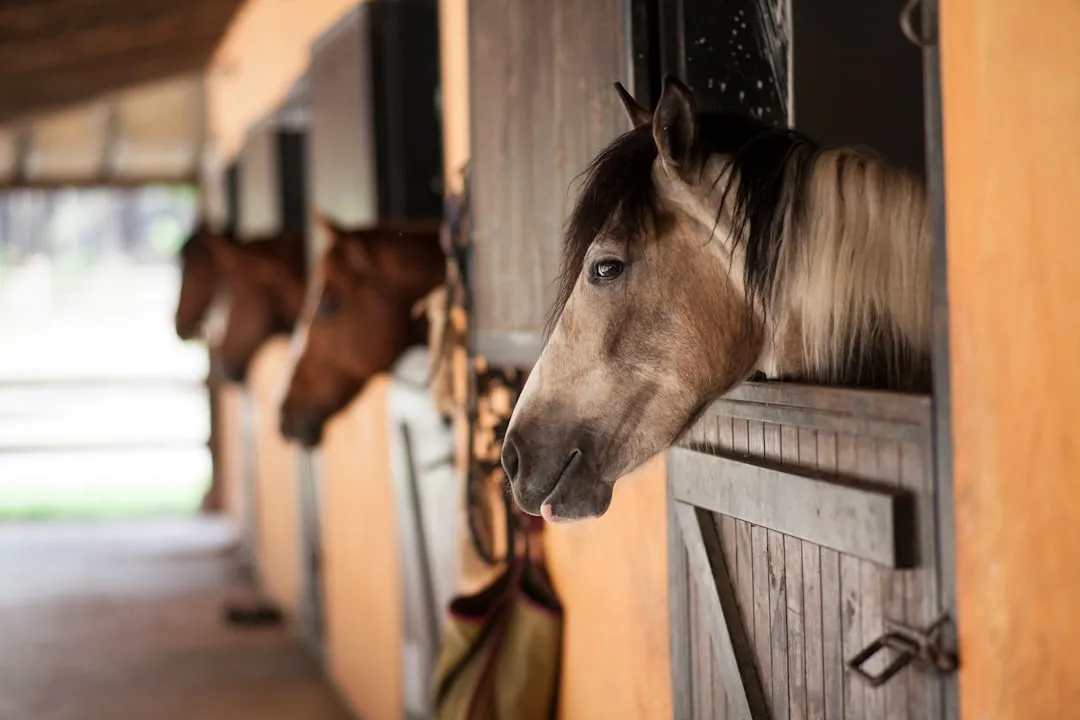
To most owners, tied is tied. To stable hands, the way a horse stands in the aisle is a full diagnostic panel. A horse that suddenly leans on one hip, parks out, or constantly shifts weight is often compensating for hoof, joint, or back discomfort – and that fidgeting is rarely “just impatience” when it’s brand new.
Barn staff notice when a horse that used to stand like a statue turns into a restless spinner, or the reverse – going oddly still and shut down. They know which horses always cock the same hind leg out of habit, and which ones never used to lean on the front rope at all. When that lifelong pattern breaks, the alarm bells start ringing quietly in the background.
- Hoof soreness, brewing abscesses, or laminitic changes
- Sore muscles from a change in work or saddle fit
- Anxiety from new horses, noise, or a changed environment
#7 – Their “Normal” Manure and Urine Patterns
It’s not glamorous, but stable hands are basically poop scientists. Subtle changes – drier balls, looser piles, a stronger smell, or a different number of piles a day – are often caught by whoever’s mucking long before anyone else notices anything.
They’re also watching urination: more or less often, straining, or new wet spots showing up in unusual places. To you, a slightly loose pile might be “he probably ate some new grass.” To someone who’s seen it escalate before, it’s a possible early sign of parasites, diet imbalance, or gut trouble brewing under the surface.
#8 – How They React to Grooming in Familiar Spots
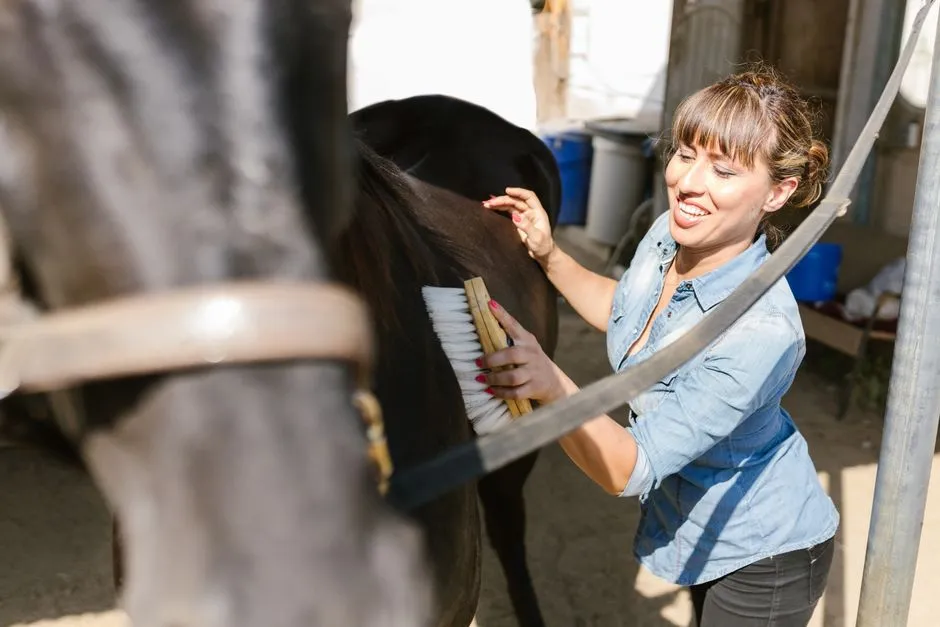
Everyone knows to worry when a horse pins its ears at belly-brushing time. Stable hands go deeper, tracking micro-changes in tolerance on areas that used to be completely fine – the withers, the loin, the girth area.
A slight flinch, a tail swish, a muscle twitch where there never used to be one is a major data point. Over weeks, barn staff build a mental map: this horse used to love a curry on the hindquarters and now tenses up; that mare only swishes her tail when you brush over the ribs on the left side. These quiet protests often show up before saddle-fit problems, kissing spine symptoms, or ulcers ever get loud enough for an owner to notice under saddle.
#9 – Their Energy Level Walking to and from Turnout
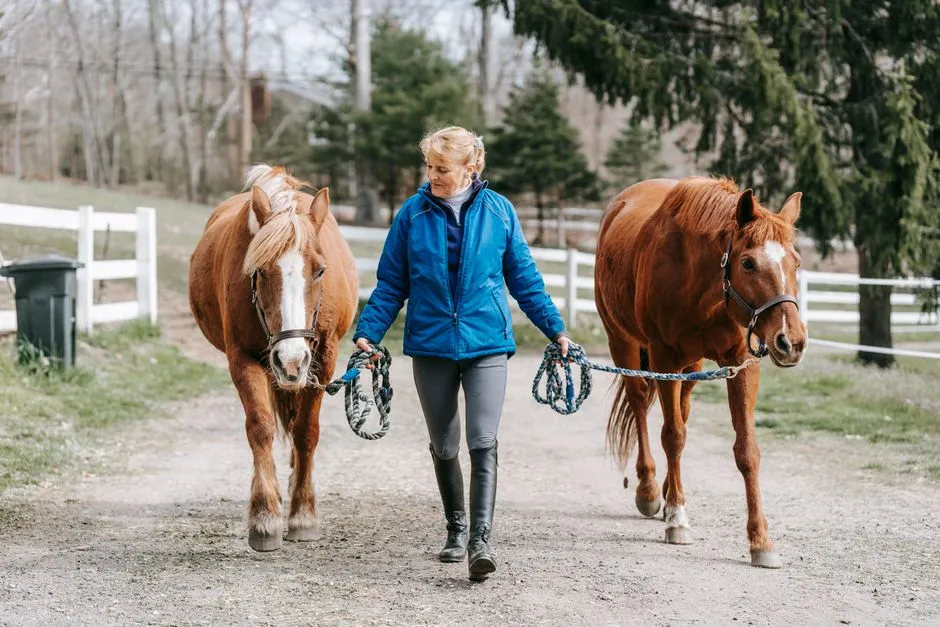
Most owners ride, then leave. Stable hands see the in-between moments – stall to paddock, paddock back to barn. If your horse goes from marching with purpose to dragging behind on the lead rope, that’s rarely just “lazy today” in the eyes of someone who walks that path every single day.
It can be one of the earliest tells for systemic fatigue, low-grade illness, or pain that hasn’t found its way into an obvious limp yet. They also notice the flip side – a typically chill horse suddenly surging ahead, barging, or spooking at things it’s walked past a thousand times. Those changes can point to joint soreness, vision issues, or rising anxiety that hasn’t shown up anywhere else yet.
#10 – Their Interest in What’s Happening Around Them
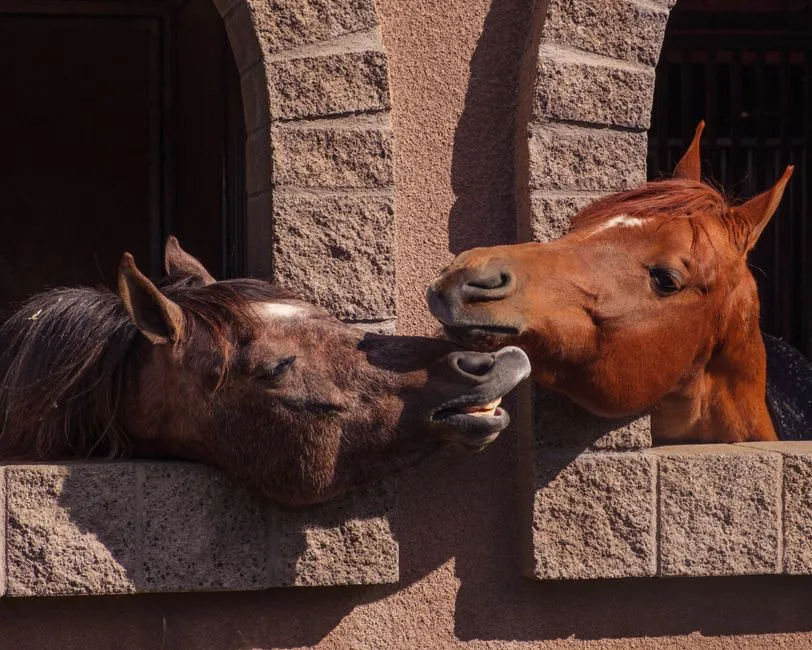
A mentally healthy horse is mildly nosy. Stable hands know this in their bones. When a previously curious horse stops lifting its head for an arriving trailer, another horse’s whinny, or the feed cart rolling by, that flattening of interest is a serious red flag pointing to chronic pain, depression, or significant stress.
On the flip side, a horse that suddenly reacts to every small sound or movement – where it used to be rock-solid – is just as concerning. That kind of hypervigilance can be tied to pain, changes in vision or hearing, or management shifts like less turnout or less forage. Barn staff notice when the sparkle disappears from a horse’s eyes, or when it gets replaced by something too wide and glassy for a normal day at the barn.
Worth Knowing
- A drop in curiosity is one of the most reliable early markers of chronic pain
- Over-reacting to normal barn noise can signal anxiety or a sensory change
- Loss of “barn sparkle” often predates behavioral or performance issues by weeks
- Both under- and over-reacting to surroundings are worth logging, not ignoring
#11 – How They Use the Water Bucket or Trough

You’d be surprised how closely good barn staff watch water levels. A sudden change in how much your horse drinks – more or less – often shows up in the bucket days before it shows up in bloodwork or any obvious symptom.
Stable hands know which horses empty their buckets daily and which ones only sip. They’ll quietly flag a normally thirsty horse leaving water untouched, a casual drinker suddenly soaking bedding, or a horse obsessively dunking hay when it never used to. A lot of owners only notice water intake once colic has already started; barn staff noticed three days earlier, when the water line barely moved.
- A normally thirsty horse leaving water almost untouched
- A casual drinker suddenly emptying buckets and soaking bedding
- Hay-dunking that starts out of nowhere
#12 – The Condition of Their Coat and Sweat Patterns
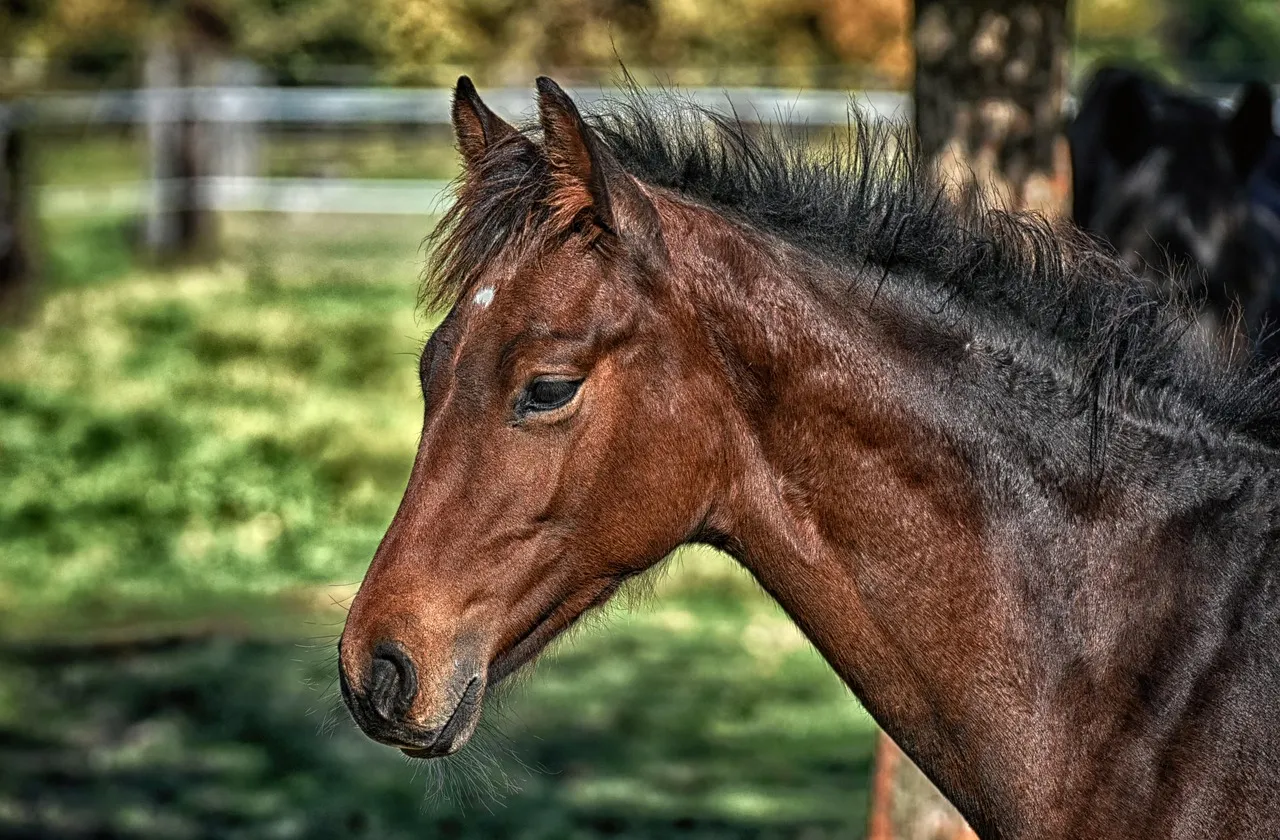
Coat condition changes slowly, but stable hands watch that transition happen in real time, under daylight, every single day. A horse going from glossy to dull, or growing a patchy coat out of sync with the season, can be broadcasting nutritional, metabolic, or parasite trouble long before it’s visible in a photo.
They also watch sweat closely – a horse that stops sweating normally under work, starts sweating heavily from almost nothing, or shows odd localized damp patches at rest. None of that reads as a “quirk” to an experienced eye; it reads as a system running off-balance. Because barn workers handle multiple horses a day, one coat or sweat pattern standing out from the rest jumps at them immediately.
#13 – Tiny Changes in Their Feet and Hooves
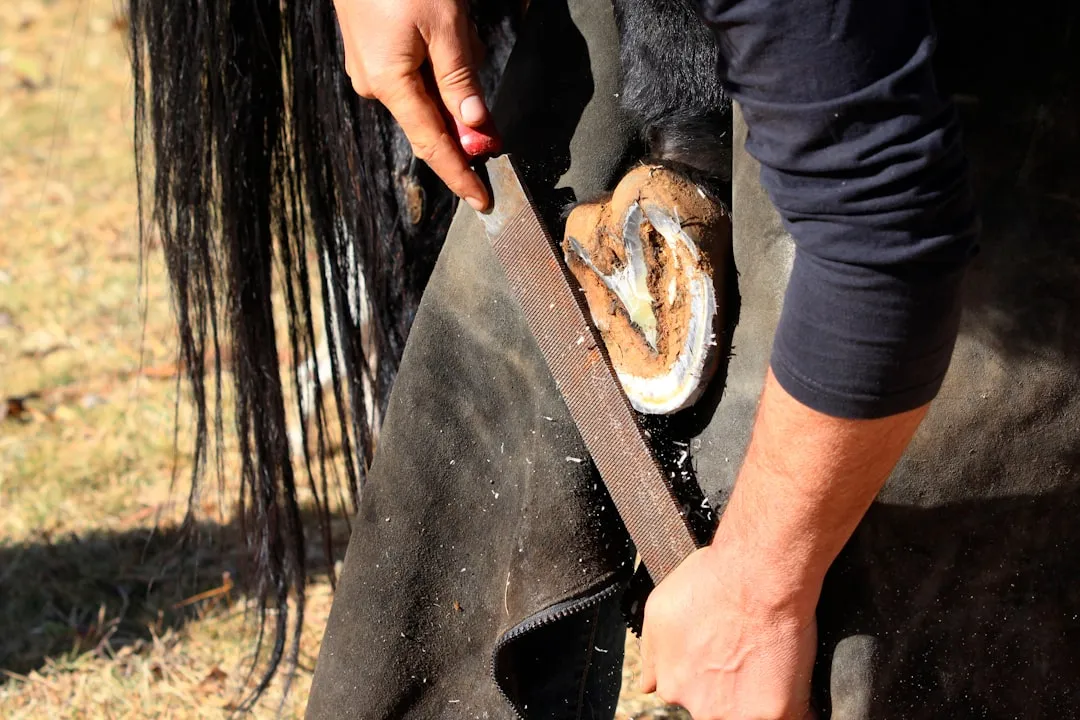
Most owners glance at hooves. Stable hands practically live in them. They feel for heat, check digital pulses, notice a new chip in a place it’s never chipped before, and track how fast or slow a horse’s feet are growing compared to normal.
A subtle rise in heat or pulse might never make it into a text message to the owner, but it’s absolutely noted and watched. They also catch it when a horse that always stood square starts pointing one toe, or gets suddenly touchy on gravel where it used to walk without a care. These shifts often predict abscesses, laminitic episodes, or shoeing problems long before there’s an obvious, head-bobbing lameness to point at.
#14 – Their Reaction to Being Caught
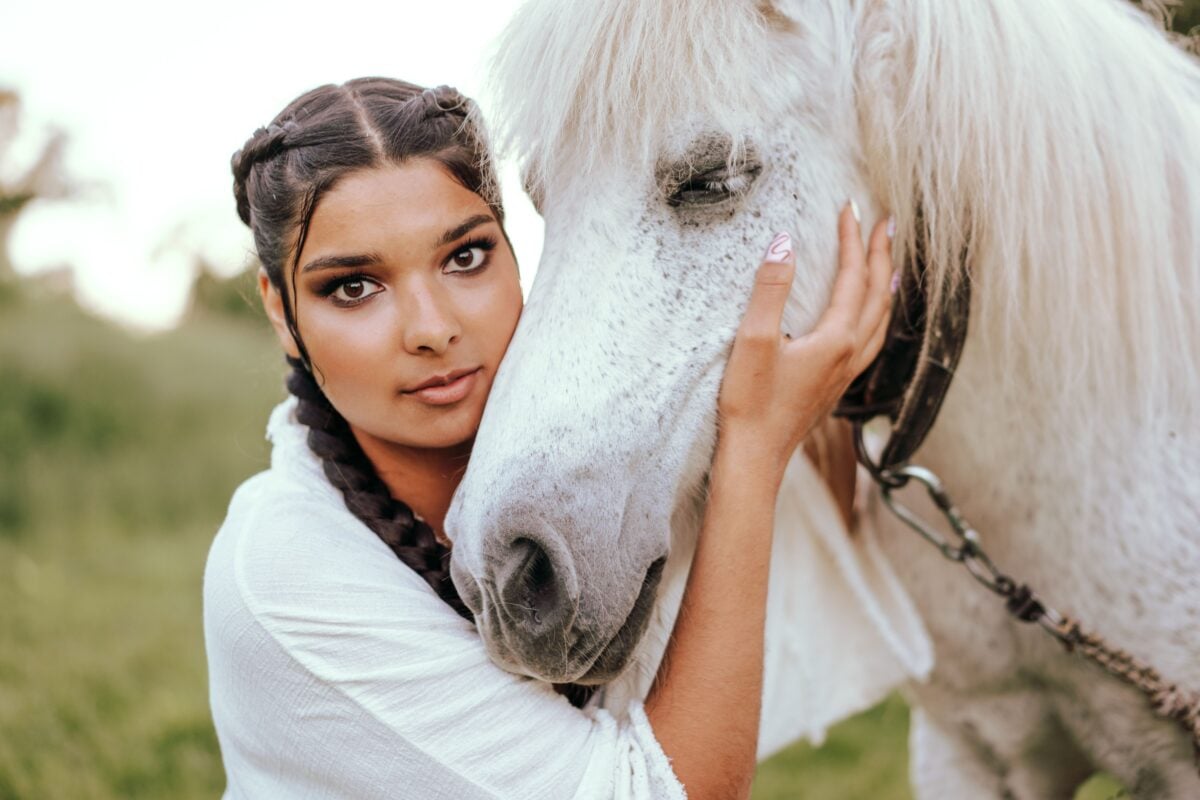
The “hard to catch” label is lazy shorthand, and good barn staff know it. Horses that suddenly start walking away at halter time, or panic and rush the gate, are usually trying to tell you something changed in their work, health, or social world – catching patterns don’t shift without a reason.
Experienced hands keep mental notes: he used to walk right up, now he circles before giving in; she’s met me at the gate every day since that last show. These behaviors can trace back to painful training sessions, uncomfortable tack, herd bullying, or even an owner whose energy swings wildly day to day. To them, your horse’s decision about whether to be caught is basically a referendum on how life feels right now.
#15 – How They Handle Routine Changes
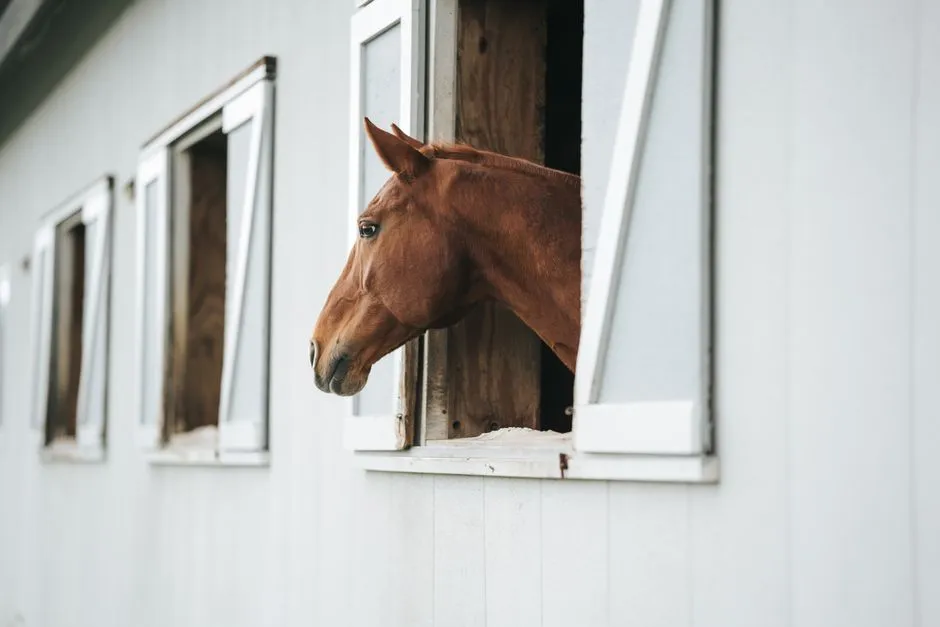
Most barns run on ritual. When something shifts – feed time, turnout order, stall location – stable hands watch closely to see who copes and who quietly unravels. A horse that suddenly gets fidgety, stall-walks, or goes off its feed after a simple schedule change is often more tightly wound than its owner realizes.
They especially notice horses that react dramatically to a new neighbor, freak out when turnout moves by an hour, or only settle when a specific buddy is nearby. These reactions can expose anxiety that was already close to the edge, or management that’s a little too thin – too little forage, too much confinement, not enough mental stimulation. Owners often blame “bad behavior”; barn staff see a horse whose coping bandwidth just ran out.
#16 – Vocalizations That “Aren’t Like Them”
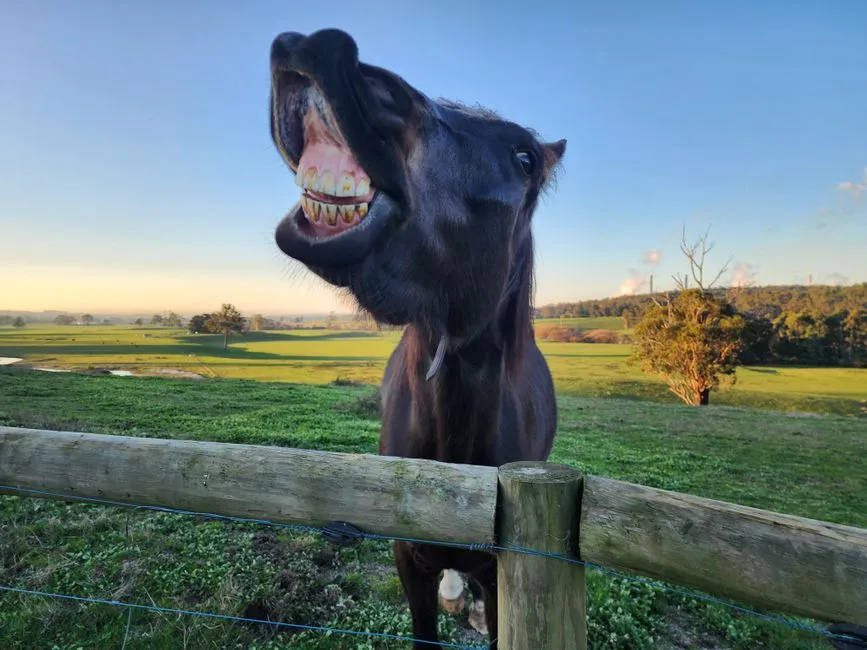
Some horses are naturally talkative; others barely make a sound. Stable hands can tell you exactly which is which, and that’s why a shift in either direction gets their full attention. When a quiet horse starts calling repeatedly, or a normally chatty horse goes eerily silent, that vocal change is taken seriously by people who listen to barns for a living.
They’ve learned to tell food-time nickers from distressed, high-pitched calling; a one-off neigh from constant, anxious screaming; a groan under saddle from a sudden groan at rest. These shifts can be linked to pain, herd separation distress, or respiratory issues. Most owners only clock the loud, embarrassing outbursts – barn staff are already noticing “that’s not his normal whinny” long before it gets that dramatic.
Quick Compare
- Food-time nicker vs. distressed, high-pitched calling
- One-off neigh vs. repeated, anxious screaming
- Occasional groan under saddle vs. groaning at rest
- Normal herd calling vs. sudden, uncharacteristic silence
#17 – The Way They Lie Down and Get Up
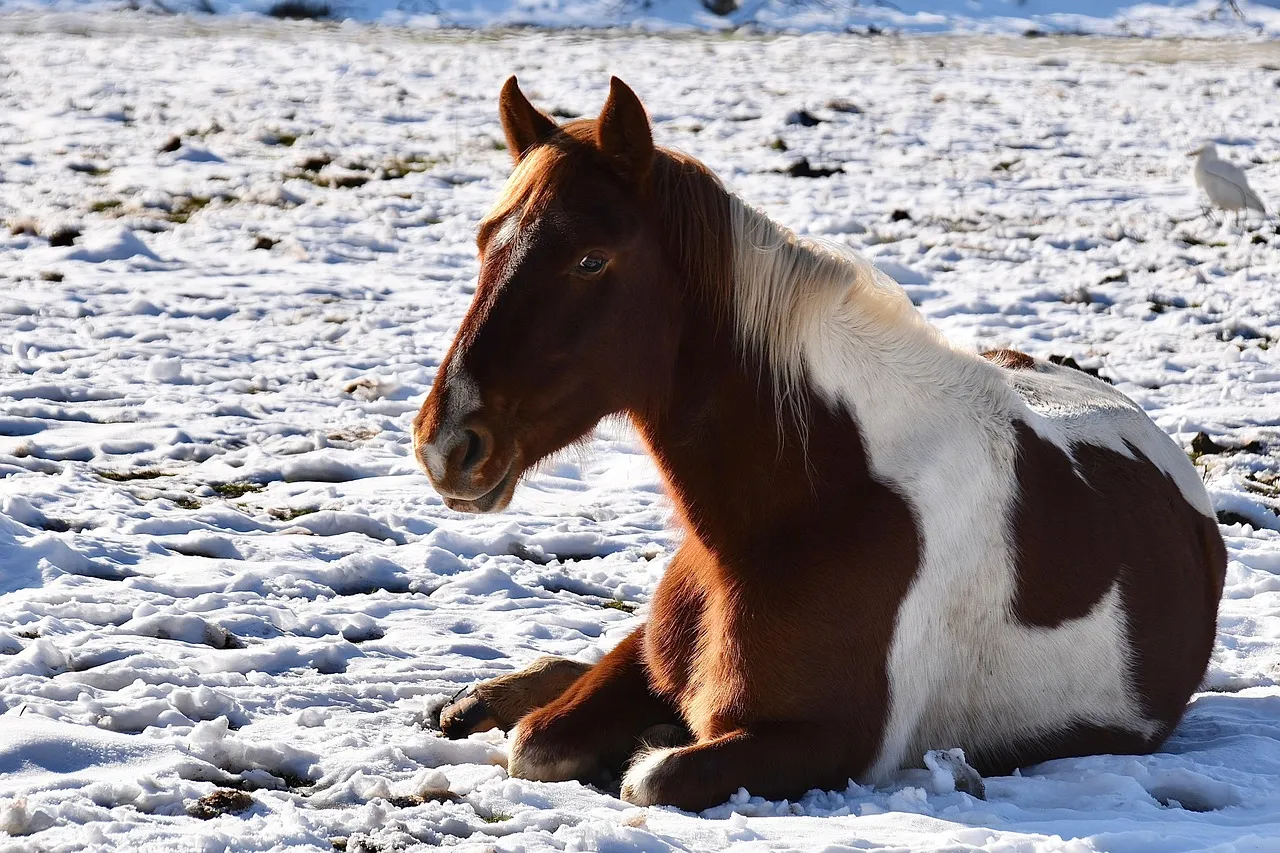
Most owners rarely see their horse lie down at all. Stable hands see the naps, the rolling, and – when something’s wrong – the struggles. A horse that stops lying down, lies down far more than usual, or suddenly struggles to get back up sets off massive alarms for anyone who’s cared for horses long-term.
These are classic early signs of pain, especially through the limbs, back, or abdomen. They remember which horses used to take deep, relaxed naps in the sun and now never do, which ones have started lying in odd spots, and which ones roll, get halfway up, then drop back down again. By the time an owner posts a “weird getting-up episode” video, a stable hand has often been quietly worried for days.
#18 – Micro-Changes Under Saddle (Even Just at the Walk)
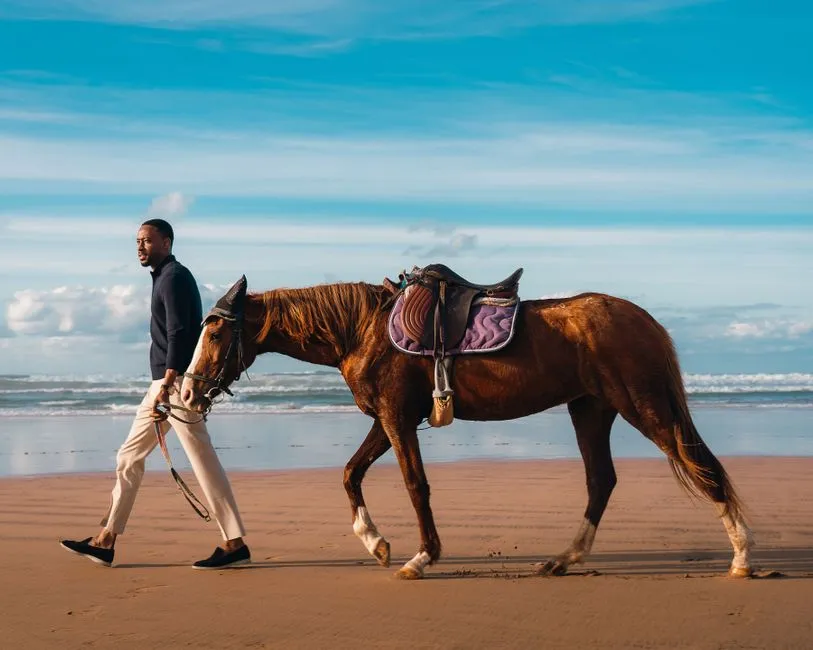
Plenty of owners judge a ride entirely by the trot and canter. Stable hands – especially the ones leading or exercising horses to the arena – pay attention to the walk, because that’s where the truth usually shows up first.
A walk that loses swing, straightness, or willingness to step underneath itself is one of the earliest under-saddle warnings something is wrong. They’ll feel it when a horse stops tracking up behind, starts rushing or sucking back, drifts sideways, or objects to certain turns and surfaces. Many horses tell the truth at the walk long before they “blow up” at faster gaits – and unfortunately, those early signals get dismissed as “lazy” or “fresh” more often than they should.
#19 – Their Eyes: Bright, Hard, or Suddenly Empty
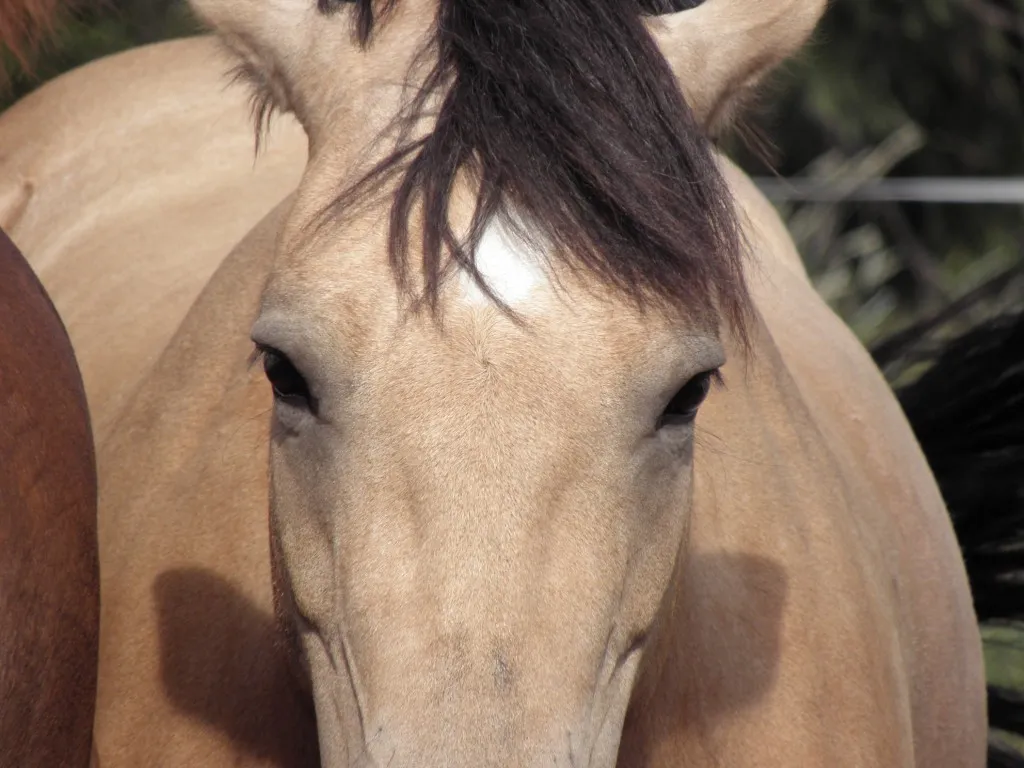
Ask any genuinely good horseman and they’ll tell you the same thing: the eyes tell on everything. Stable hands watch for the smallest shifts – less blinking, a tight and hard stare, or a suddenly empty, checked-out gaze that wasn’t there a month ago.
These changes often appear well before obvious weight loss, lameness, or behavioral blowups. They’ve seen pain turn soft eyes sharp and guarded, watched overworked lesson horses settle into a dull, resigned stare, and noticed anxious horses whose eyes stay constantly wide and overly bright. It isn’t mystical “connection talk” – it’s pattern recognition built from thousands of hours of just watching. A horse whose eyes stop following barn activity, stop seeking contact, or start looking perpetually worried is not okay, no matter what the last vet report said.
At a Glance
- Bright, soft eyes: relaxed and engaged
- Hard, fixed stare: possible pain or guarding
- Dull, resigned gaze: chronic stress or overwork
- Wide, overly bright eyes: anxiety or hypervigilance
The Bottom Line
Most owners wait for the dramatic symptoms – the limp, the colic episode, the meltdown under saddle. By the time those show up, stable hands have usually been quietly clocking warning signs for days, sometimes weeks.
Changes in appetite, posture, herd status, eye expression, and small daily habits aren’t personality quirks. They’re data. Ignoring them is a luxury that tends to end in emergency vet calls and bills nobody wanted to write.
Here’s the uncomfortable part: if your horse has started changing these 19 things, someone at your barn has almost certainly already noticed – and is probably hoping you’ll finally ask. The real question isn’t whether stable hands are paying attention. It’s whether you’re willing to treat those quiet, unglamorous shifts with the same seriousness you’d give a visible injury, before they become one.

- If Your Horse Has Started Changing These 19 Things Stable Hands Notice Long Before You - August 12, 2026
- If Your Garden Has Gone Quiet These 18 Changes Bring the Birds Back Fastest - August 12, 2026
- 16 Cat Breeds That Grow Softer With Age and 16 That Become Far More Particular Instead - August 12, 2026