
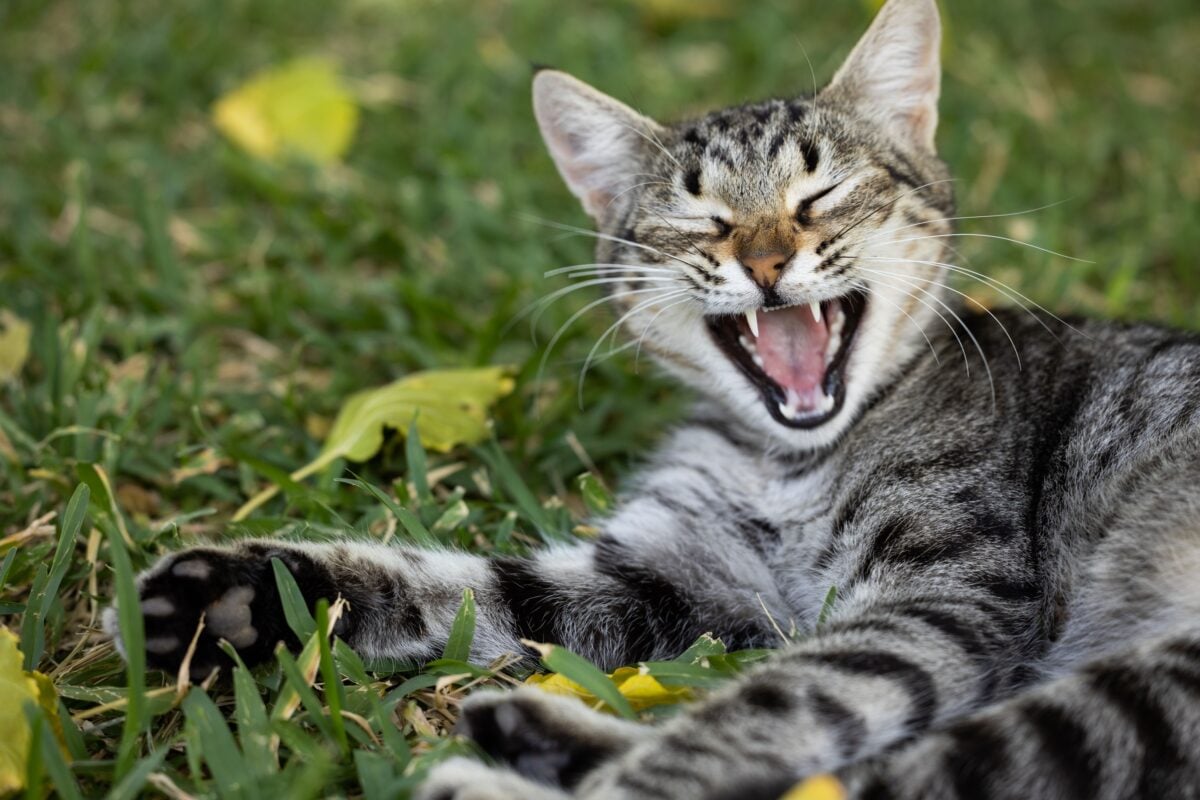
When your cat blows out fifteen imaginary candles, they quietly cross a line that vets take very seriously: the true senior years. One day they’re leaping onto the fridge like a furry superhero; the next, you realize they’re squinting at the couch before jumping, or sleeping just a bit deeper than before. It can feel subtle and slow, but under the surface, your cat’s body and brain are doing a lot of heavy lifting to keep going.
That’s why veterinarians look at fifteen not as “old, but fine,” but as a turning point where small changes suddenly matter a lot. Some shifts are normal aging; others are red flags that something serious is brewing. Learning the difference is powerful. It lets you catch trouble early, protect your cat’s comfort, and honestly, extend the time you get to enjoy their weird, wonderful personality. Let’s dig into the specific changes vets never brush off in a fifteen‑year‑old cat.
1. Noticeable Weight Loss (Even If They’re Still Eating)
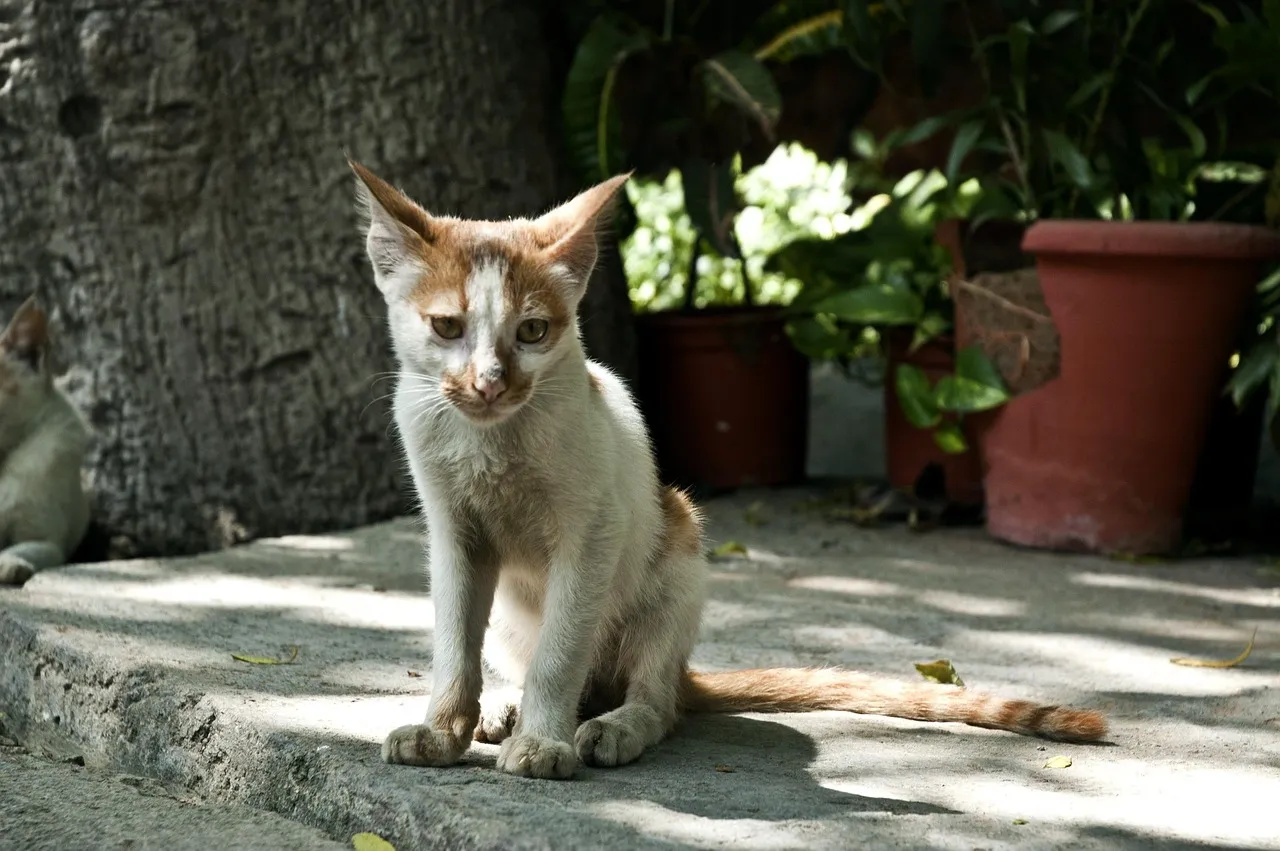
Unexpected weight loss in a fifteen‑year‑old cat is one of those changes vets treat like a siren, not a whisper. Even if your cat is still inhaling food, dropping weight can signal hyperthyroidism, kidney disease, diabetes, intestinal disease, or even cancer. Older cats lose muscle more easily, so a slow, steady “slimming down” may not be charming; it might be a sign their body isn’t absorbing or using nutrients properly.
Run your fingers over their backbone and hips every few weeks; if the bones feel sharper or more “ridge‑like” than they used to, that’s a big clue. Vets do not dismiss this; they’ll want bloodwork, a thorough exam, and often urine tests to figure out what’s going on. Catching weight loss early is often the difference between adjusting diet and medication in time… or having a much sicker cat later on.
2. Drinking and Peeing More Than Before
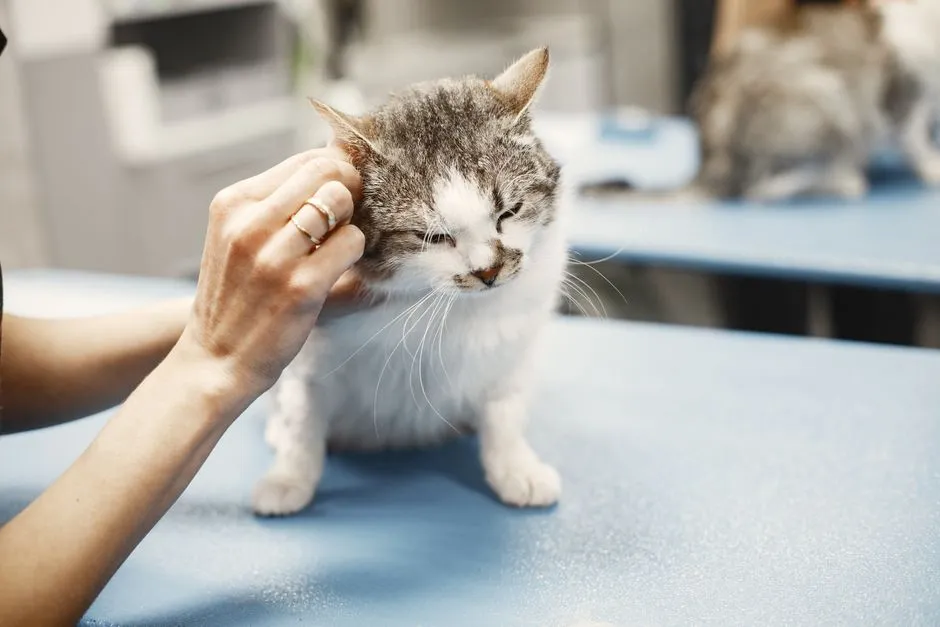
If your fifteen‑year‑old suddenly treats the water bowl like an all‑you‑can‑drink bar, vets perk up fast. Increased thirst and urination can be signs of chronic kidney disease, diabetes, or hyperthyroidism, all of which are common in older cats. You might spot bigger clumps in the litter box, damp spots outside the box, or find yourself refilling the bowl more often.
This is not one of those “it’s just old age” things your vet will shrug off. They’ll want to run basic labs to check kidneys, blood sugar, and thyroid hormones. Early on, these diseases can be managed with diet changes, medication, and careful monitoring, which can add years of good life. Waiting because “she’s just old” is what vets try hard to prevent.
3. Subtle Changes in Appetite or Eating Style
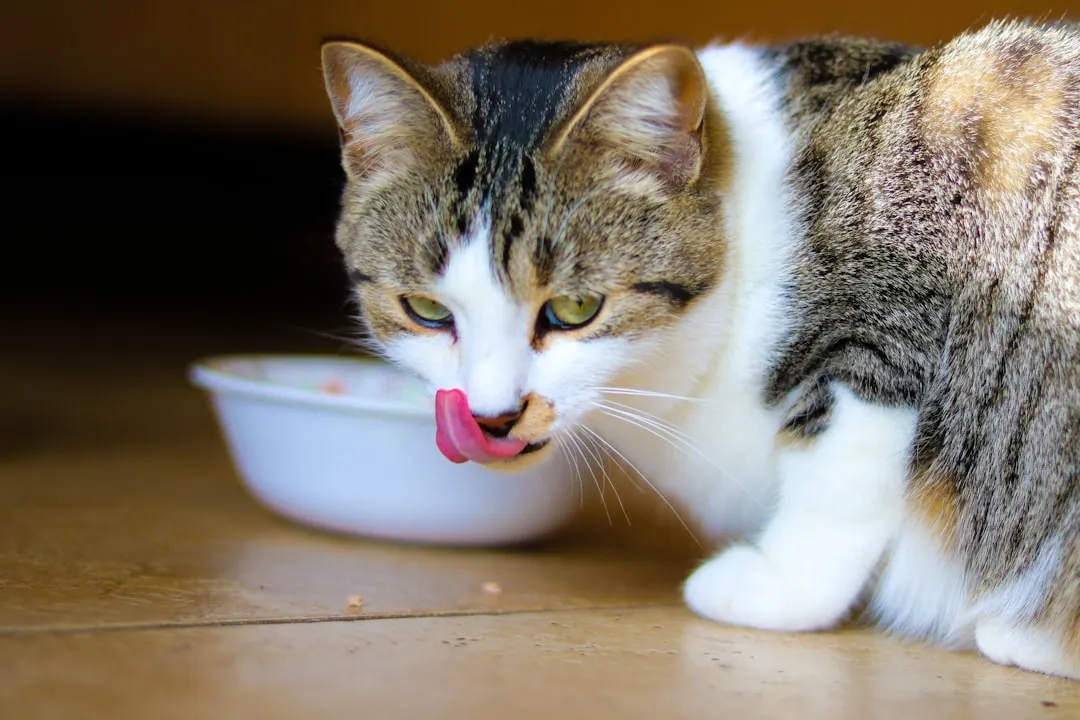
Vets pay close attention when a fifteen‑year‑old cat’s relationship with food changes, even if it seems small. Maybe they’re still eating, but slower. Maybe they start dropping food, chewing on one side, or walking away from the bowl halfway through. This can point to dental pain, nausea, thyroid issues, kidney problems, or even chronic pain making it uncomfortable to stand and eat.
Another red flag is a cat who used to be a steady grazer but suddenly seems restless around food – begging constantly, yet losing weight – or the opposite, becoming disinterested in a favorite meal. These patterns give vets important clues about what system might be failing. They’ll often check the mouth, gums, and teeth carefully, and may suggest bloodwork or imaging if the story doesn’t match a simple dental issue.
4. Hesitating to Jump or Climb (The Arthritis Story)
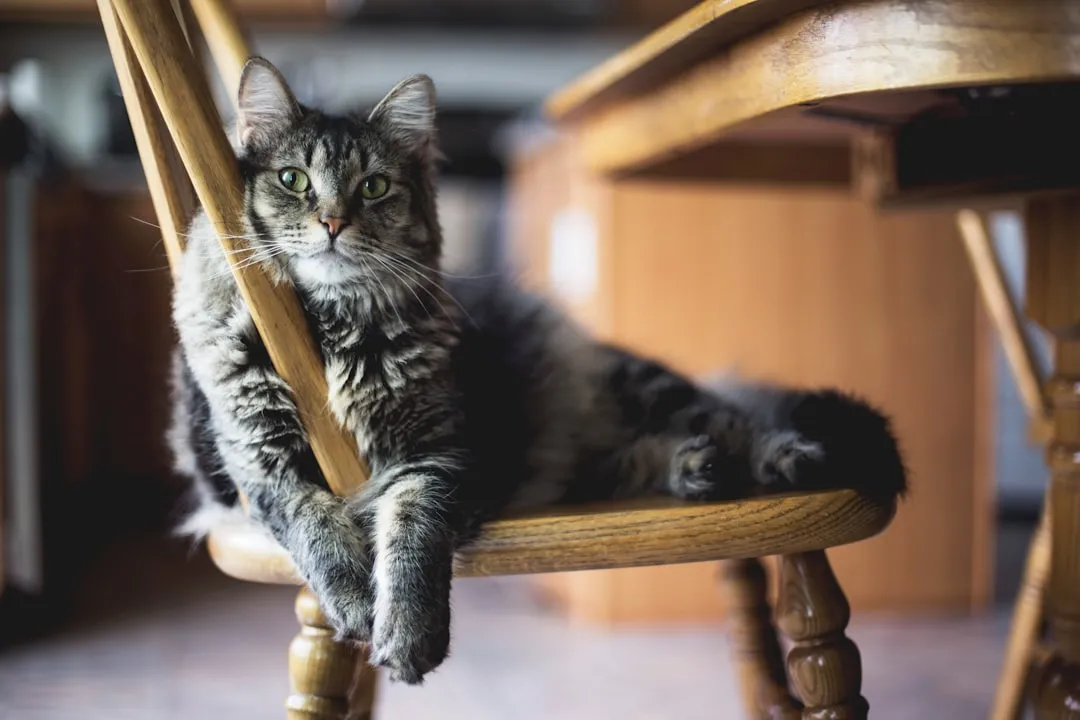
That tiny pause before your cat jumps onto the bed? Vets notice it, and you should too. Arthritis in senior cats is massively under‑recognized, and at fifteen, it’s more common than not. You may see them pulling themselves up instead of springing, choosing lower surfaces, or using a chair as a “step‑stool” to reach their old favorite perch.
Cats are masters of pretending everything is fine, so pain shows up as behavior changes: grooming less, moving less, or being grumpier when handled. Vets never brush off mobility changes at this age. They may recommend pain relief, joint supplements, weight management, and home tweaks like ramps, steps, and softer, warmer beds. When arthritis is addressed, many older cats suddenly act years younger – and that transformation can feel almost magical.
5. Coat Looking Greasy, Dull, or Matted
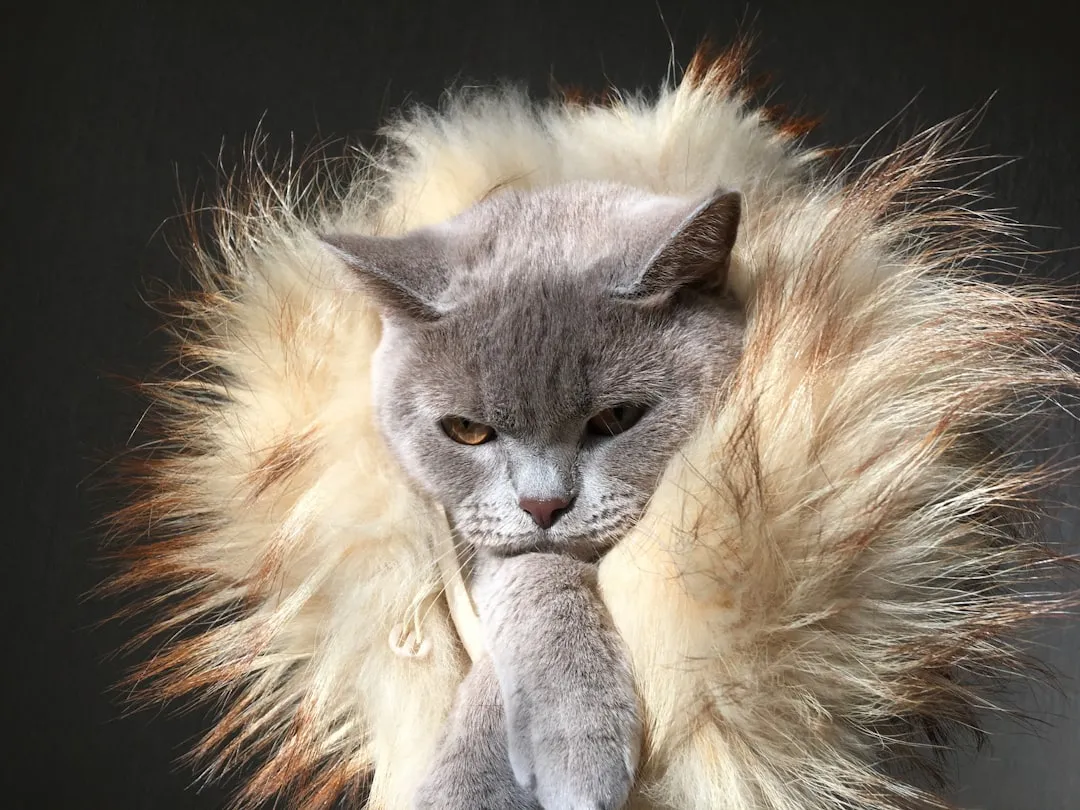
When a previously sleek, well‑groomed cat develops a greasy, dull coat or matted fur – especially along the lower back and hind legs – vets read that as a big clue. Senior cats may struggle to twist and reach certain areas due to arthritis, stiffness, or weakness. They may also feel too unwell or low‑energy to groom properly, which can be tied to kidney disease, dental pain, or other chronic illnesses.
Sometimes owners think the scruffier look is just “old cat chic,” but from a vet’s perspective, it’s a quality‑of‑life snapshot. They’ll often check joints, spine, mouth, and overall hydration, and ask about changes in activity or appetite. You can help by gently brushing or combing your cat more often, but if the coat has changed a lot, the deeper question is always: what made them stop taking care of themselves?
6. New Lumps, Bumps, or “Fatty” Patches
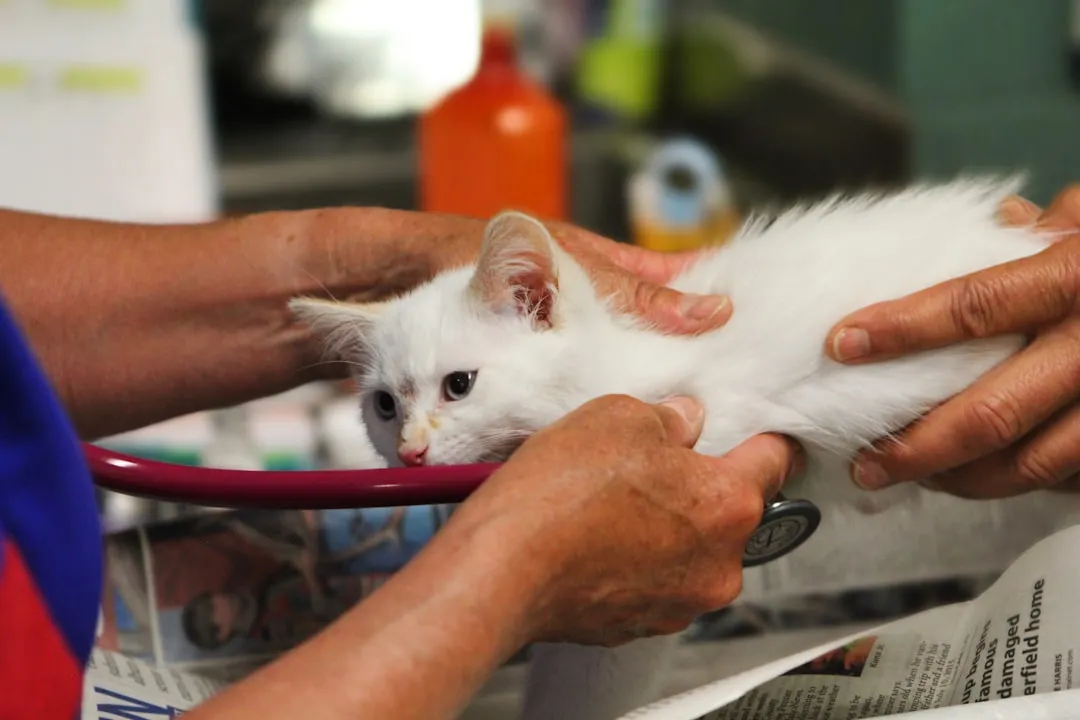
At fifteen, new lumps under the skin are something vets never casually ignore. Some may turn out to be harmless fatty deposits, but others can be tumors that need attention sooner rather than later. The tricky part is they can feel very similar, so guessing at home is risky. Any new bump, or one that suddenly gets bigger, firmer, or changes in texture, deserves a professional look.
Vets will often recommend a quick needle sample to see what’s inside that lump. This sounds scary, but it’s usually fast and minimally stressful. In older cats, early identification can mean the difference between a simple surgical fix and something that’s spread too far. Running your hands over your cat during cuddle time and noting anything new is one of the quietest, most powerful health checks you can do.
7. Eye Changes: Cloudiness, Big Pupils, or Vision Trouble
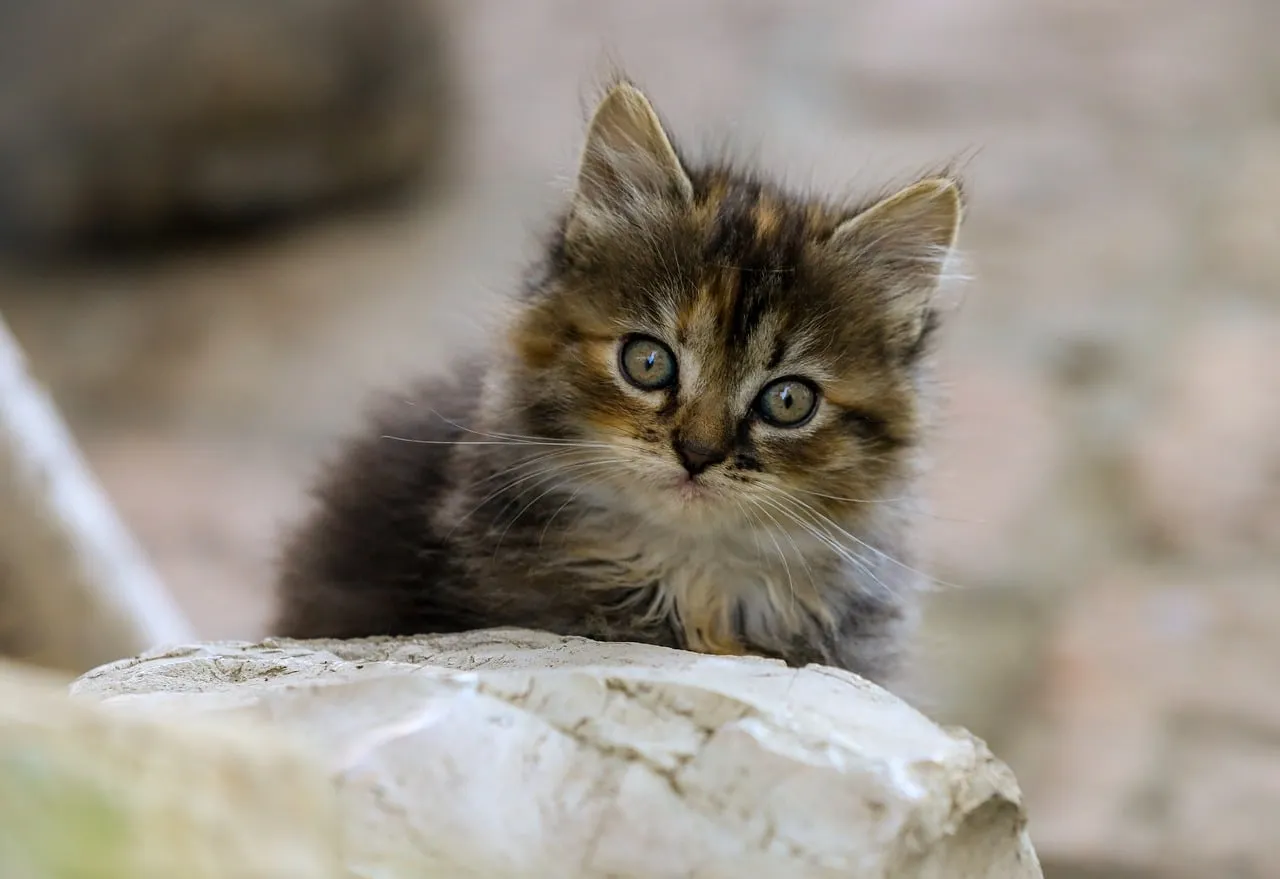
The eyes of a fifteen‑year‑old cat can tell a surprising amount of their health story. Cloudiness can sometimes be a normal aging change, but sudden clouding, redness, or a bluish haze can point to eye disease, high blood pressure, or systemic illness. Permanently enlarged pupils or pupils that don’t match each other in size are especially concerning and can be tied to hypertension or neurological issues.
You might notice your cat misjudging jumps, bumping into furniture, or hesitating in low light. Vets treat these signs seriously and will likely want to check blood pressure, examine the retinas, and run senior blood panels. The goal is not just saving vision (though sometimes that’s possible), but also catching whatever hidden condition is affecting those delicate eye structures.
8. Changes in Sleep Patterns and Daily Rhythm
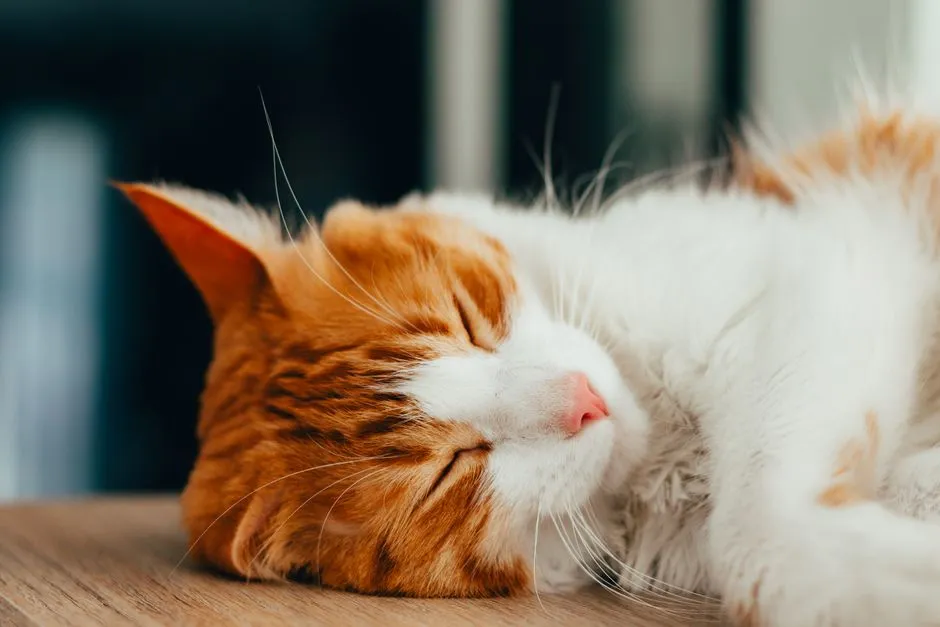
Senior cats do sleep a lot, but a clear shift in how and when they sleep will always get your vet’s attention. If your fifteen‑year‑old used to nap calmly during the day and snuggle at night but now paces, calls out, or seems wide awake at 3 a.m., that’s a red flag. On the flip side, if they seem almost unreachable, extremely withdrawn, or harder to wake, vets start thinking about pain, illness, or even neurological changes.
Sometimes it’s a matter of discomfort – they can’t find a position that feels good, or pain flares at night when the house is quiet. Other times, age‑related brain changes start disrupting their internal clock. Vets may suggest pain control, environmental changes, or even medications and supplements aimed at supporting brain health and better sleep. That “just weird nighttime stuff” can actually be one of the earliest clues that something deeper is going on.
9. Nighttime Yowling, Confusion, or Acting “Lost”
If you’ve ever been jolted awake at 2 a.m. by your fifteen‑year‑old cat howling in the hallway, you know how unsettling it is. Vets take this seriously because it can be linked to feline cognitive dysfunction – essentially a cat version of age‑related dementia. These cats may wander, stare at walls, get “stuck” in corners, or seem to forget where the litter box or food bowl is.
Of course, yowling can also mean pain, high blood pressure, vision loss, or other medical problems, which is why vets don’t just blame it on “old age.” They’ll often recommend a full senior workup before labeling it cognitive. If it is brain‑related, there are ways to help: a predictable routine, night lights, interactive play earlier in the evening, and sometimes specific diets or supplements. It’s not about curing aging, but about softening the rough edges of it – for both of you.
10. Litter Box Accidents or Sudden Changes in Habits
When a fifteen‑year‑old cat starts peeing or pooping outside the box, vets do not chalk it up to bad behavior. They see it as communication: something hurts, something’s hard, or something’s wrong. Painful joints can make climbing into a high‑sided box a struggle. Kidney disease, diabetes, urinary infections, or constipation can all drive a cat to associate the box with discomfort and look for other places instead.
Vets will ask about the type of litter, box style, how many boxes you have, and where they’re located. But they’ll also look closely at hydration, kidney function, and urinary health. Sometimes, simply switching to a low‑entry box, adding an extra box on each floor, or changing litter helps. Other times, it’s a vital clue to a disease that needs real medical attention. Either way, accidents at fifteen are never something a good vet shrugs off.
11. Smelly Breath, Drooling, or Difficulty Chewing
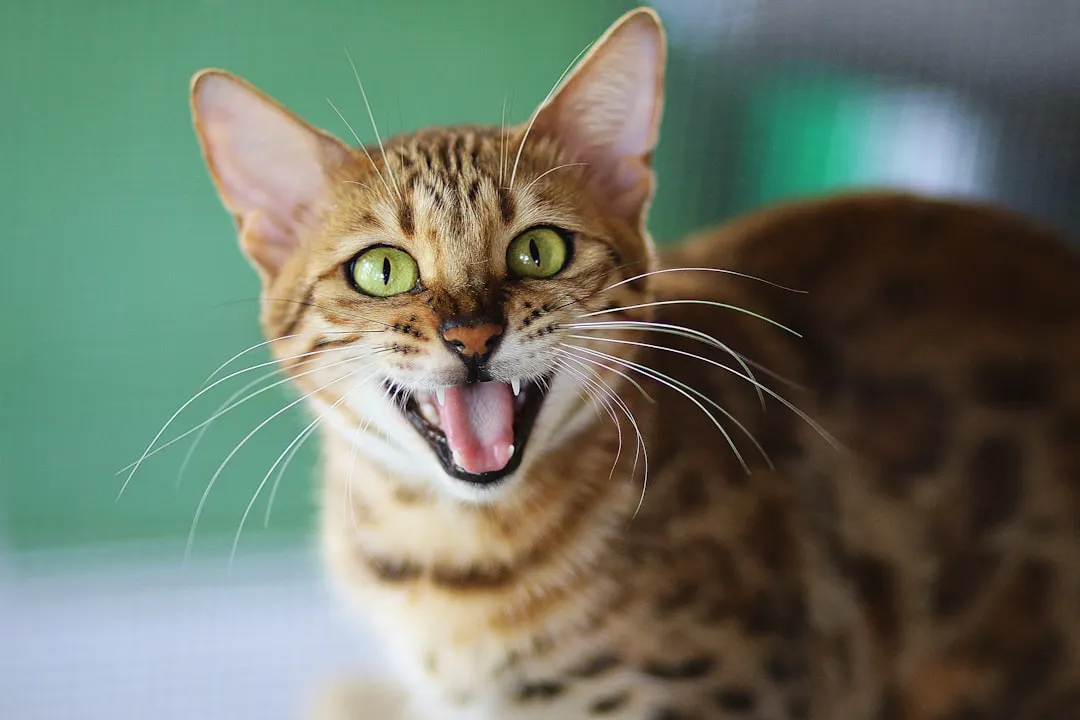
Dental disease is almost a given in senior cats, but at fifteen, new or worsening mouth issues are a big deal. Really foul breath, drooling, pawing at the mouth, tilting the head while eating, or dropping kibble are all warning flags. Vets know painful teeth and infected gums do not just stay in the mouth; they affect the entire body, making chronic diseases like kidney or heart conditions even harder to manage.
Owners sometimes feel torn about dental procedures in older cats, but vets tend to focus on overall risk and comfort, not just age. A painful mouth can cause constant stress, weight loss, and even behavior changes. Addressing dental disease carefully and safely – often with bloodwork and tailored anesthesia protocols – is one of the biggest quality‑of‑life upgrades many fifteen‑year‑old cats can get.
12. Breathing Changes: Faster, Louder, or Effortful
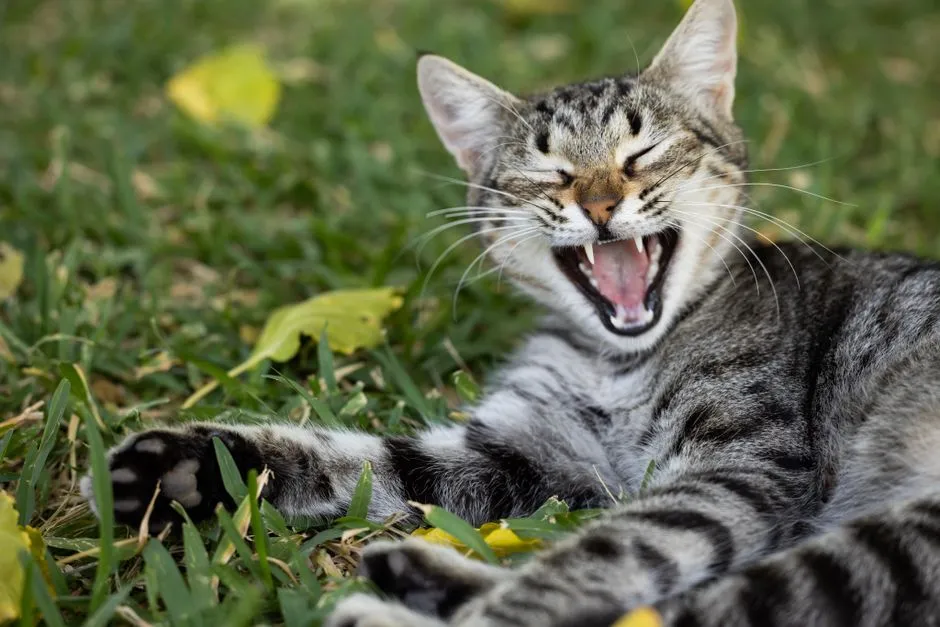
Any shift in how a senior cat breathes goes straight onto a vet’s “do not ignore” list. Breathing that seems faster at rest, louder than usual, or slightly open‑mouthed is not normal for a relaxed cat. You might notice flaring nostrils, belly heaving, or a posture where they sit or sleep with elbows out and neck extended, as if trying to create more space to breathe.
These changes can signal heart disease, asthma, fluid around the lungs, or other serious conditions that tend to show up more often in older cats. Vets may recommend chest X‑rays, heart ultrasounds, or blood pressure checks to figure out what’s going on. This is one of those areas where waiting “to see if it passes” can be genuinely dangerous, which is exactly why vets never dismiss it.
13. Vomiting or Diarrhea That Becomes “The New Normal”
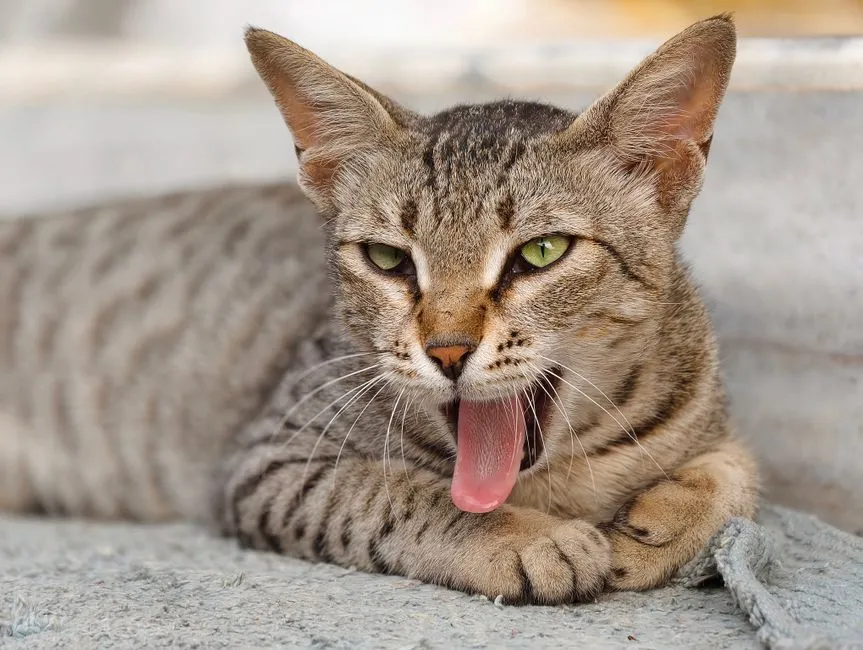
Many cat owners get so used to occasional hairballs or random vomits that they start to ignore them. At fifteen, though, recurring vomiting or ongoing soft stool is a big red flag. Vets see this pattern and think about kidney disease, hyperthyroidism, inflammatory bowel disease, pancreatitis, or even cancers of the digestive tract. A cat that regularly throws up after meals or has persistent diarrhea is not just “sensitive.”
Vets will ask detailed questions about timing (after meals? only at night?), appearance, diet changes, and weight trends. They may suggest diet trials, lab work, or imaging to see what the gut is doing. The goal is not to panic over one upset stomach, but to avoid normalizing a pattern that is quietly tearing down your cat’s health in the background.
14. Behavior Swings: Grumpier, Clingier, or More Withdrawn
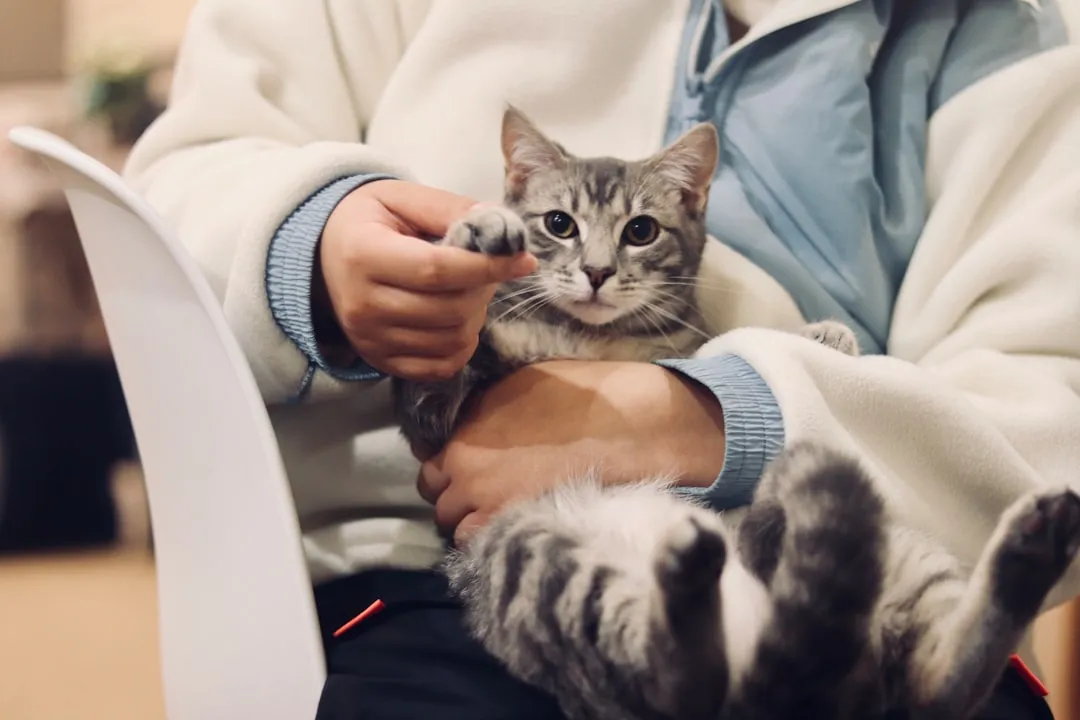
At fifteen, your cat’s personality is usually pretty well‑established, so noticeable behavior changes can be incredibly telling. A previously easygoing cat who starts snapping when touched, hiding under beds, or avoiding family time may be in pain or feeling chronically unwell. On the flip side, a formerly aloof cat who becomes velcro‑clingy or cries when left alone may be anxious, confused, or losing confidence as senses fade.
Vets treat these shifts as data, not drama. Pain, cognitive decline, vision or hearing loss, and chronic disease can all remodel behavior in subtle ways. The more specific you can be – when it started, what triggers it, what else changed – the easier it is for your vet to connect the dots. Cats rarely act “mean” or “needy” for no reason; at fifteen, there’s almost always a story behind it.
15. Hearing Loss and Not Responding to Sounds
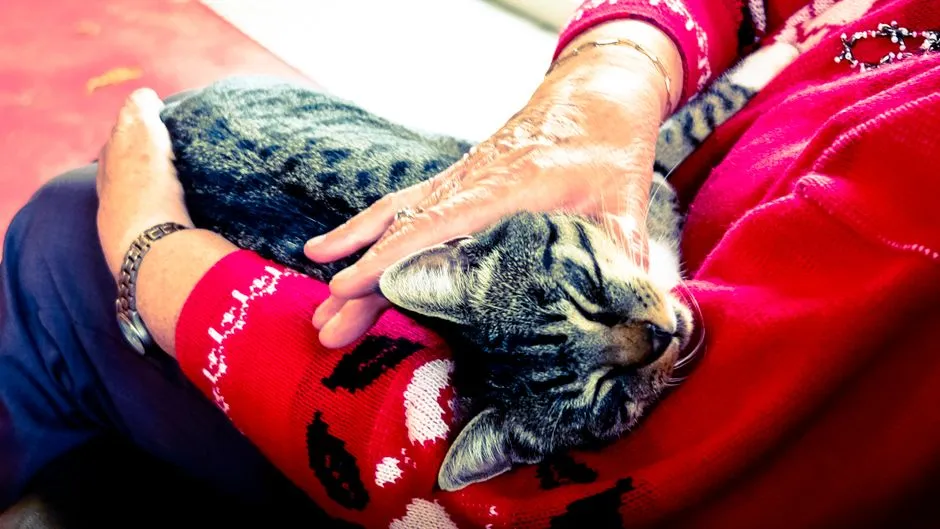
If your fifteen‑year‑old suddenly stops coming when you open a can or no longer startles at loud noises, hearing loss climbs high on the list. Vets don’t shrug at this because it affects how safely and confidently your cat moves through the world. A hard‑of‑hearing cat may be more easily surprised, more vocal (because they don’t hear themselves), or more hesitant in new spaces.
There’s rarely a “fix” for age‑related hearing loss, but vets can help you adjust how you communicate and keep your cat safe. That might mean more visual cues, gentle floor vibrations (like a soft stomp before approaching), and avoiding sudden touches from behind. Many senior cats adapt beautifully when owners realize they’re not ignoring them – they just genuinely can’t hear like they used to.
16. Stiffness or Weakness in the Back Legs
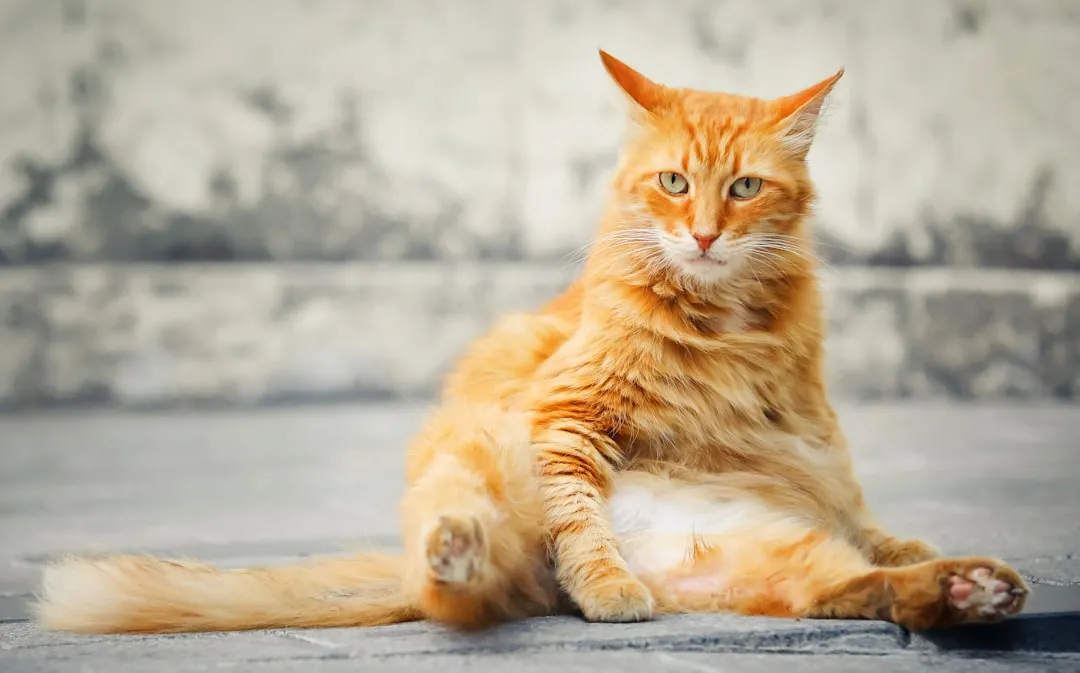
Vets are especially tuned in to back‑leg changes in older cats. Stiffness, unsteady steps, slipping on floors, or occasional dragging of the toes can point to arthritis, nerve issues, or even something more urgent like blood clots in certain heart conditions. While dramatic paralysis is an emergency, even mild ongoing wobbliness is not something professionals wave off in a fifteen‑year‑old.
They’ll often examine muscle tone, joint range of motion, and reflexes, and may want X‑rays or bloodwork. Sometimes the fix is a mix of pain relief, better traction surfaces at home, and joint support. Other times, it uncovers a heart problem or neurological issue that really needs careful management. Either way, watching your cat’s back‑end movement is like having a window into how well their body is holding up overall.
17. That Hard‑to‑Explain “Something’s Off” Feeling
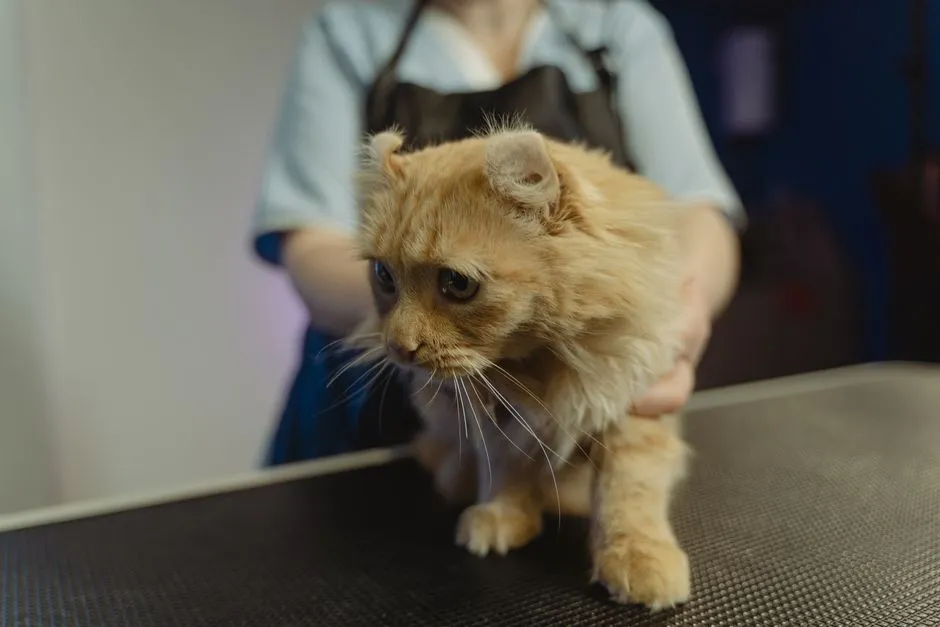
Here’s the change vets respect more than most people realize: your gut feeling. By fifteen, you know your cat’s rhythms better than anyone. When you catch yourself saying, “I can’t put my finger on it, but he’s just… different,” a good vet leans in, not away. Maybe they’re moving slightly slower, greeting you a bit less, staring into space more, or sleeping in odd places.
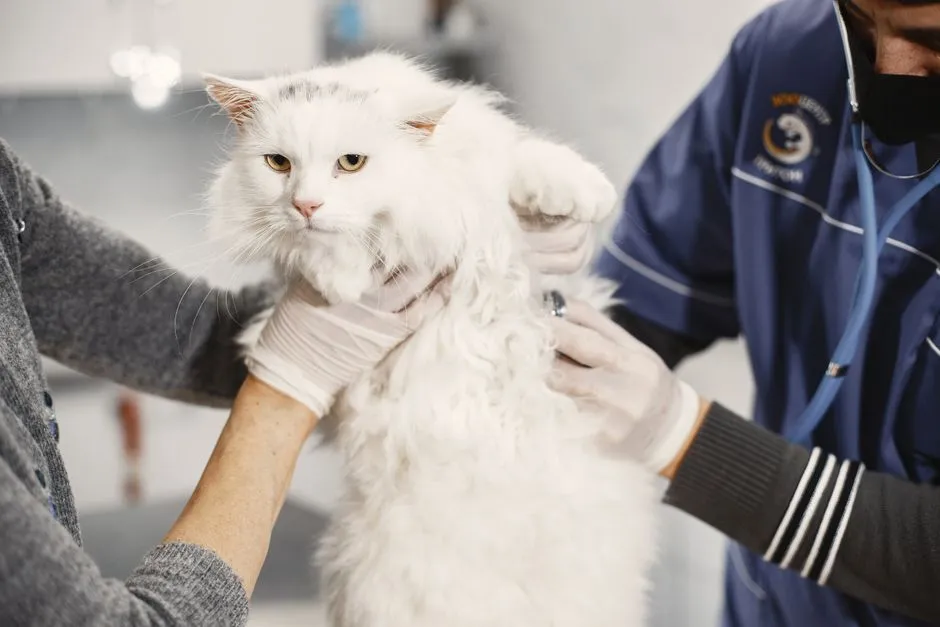
Vets see this pattern all the time: an owner’s vague concern turns out to be the earliest sign of something real. They’ll often suggest a thorough senior checkup, with a physical exam, bloodwork, and urine testing at minimum. Even if everything comes back normal, the peace of mind is worth it. And if it doesn’t, you’ve just given your cat the gift of early intervention, which is priceless at this age.
Conclusion: Fifteen Is Not “The End” – It’s a Warning Light and a Love Letter
In my own experience with senior cats, the scariest moments weren’t the dramatic emergencies; they were the months when I kept telling myself “she’s just old” while brushing off a dozen tiny clues. Vets never dismiss the changes on this list because they’ve seen, over and over, how much difference it makes when someone listens early instead of late. Fifteen is not an expiration date; it’s a signal to pay radical attention.
The real shift is this: you stop caring only about how long your cat lives and start fiercely protecting how well they live. That means not normalizing weight loss, endless vomiting, nighttime yowls, or new lumps as inevitable. It means partnering with your vet, tweaking the home, and treating your cat’s comfort like a non‑negotiable priority. If your cat has turned fifteen, the question isn’t “How much time do we have left?” – it’s “What can I do now to make every remaining day softer, safer, and more deeply loved?”
