

Everyone tells you to be strong for your dog at the end. Vets tell you something different, and most owners never hear it until it’s almost too late.
They’ll tell you the last weeks of a senior dog’s life were never about routines, discipline, or “not spoiling them.” They’re about comfort, and very specific comfort at that. The gap between a dog who spends its final weeks scared and aching, and one who spends them calm and loved, usually comes down to small, unglamorous choices most families never think to make.
Here’s the part that surprises people most: none of it requires money you don’t have or heroics you can’t manage. It just requires knowing what actually matters, which is exactly what vets rarely get time to explain in a rushed appointment. So we asked, and dug, and pulled together the 18 comforts that veterinarians say mean the most to a dog in its last weeks. Some of them will make you rethink things you’re doing right now.
#18 – A Soft, Supportive Bed in the Quietest Corner
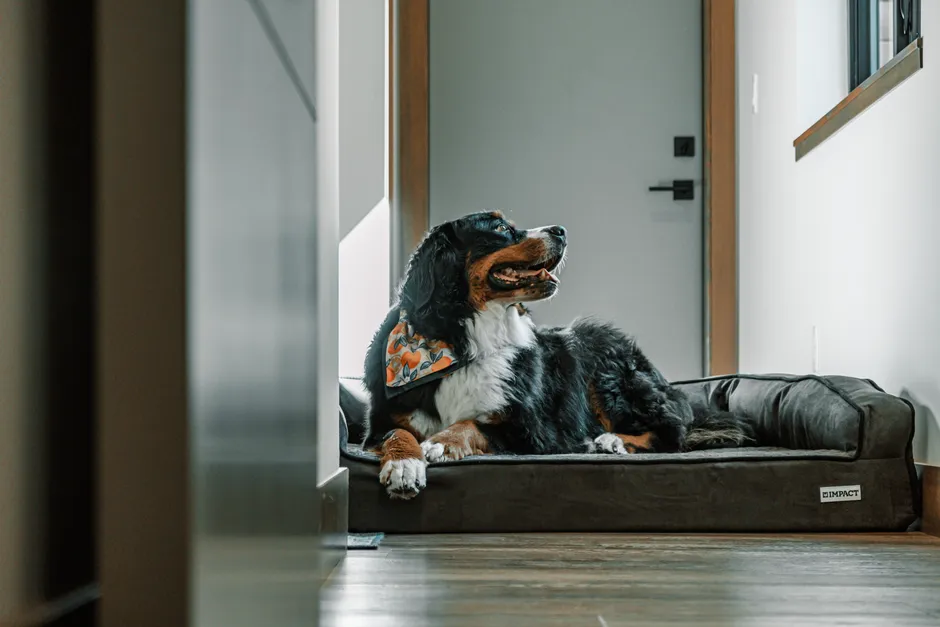
Vets will tell you plainly: hard floors hurt old joints far more than most owners realize, especially in the last weeks. As arthritis, muscle loss, and weakness set in, lying on carpet or tile turns painful fast. Senior dogs shift constantly, pant, or refuse to lie down – not because they’re restless, but because every pressure point aches.
A thick, orthopedic-style bed with egg-crate or memory foam spreads their weight so bony hips and elbows aren’t grinding into the floor. Place it where your dog already likes to rest, not where it looks best to you. Many vets also suggest a washable, waterproof cover for accidents, plus a second bed in whatever room you spend the most time in. The real magic isn’t just softness – it’s pairing that bed with the quietest, draft-free corner of the house, away from slamming doors and constant footsteps.
Fast Facts
- Orthopedic foam distributes weight more evenly than standard stuffed beds, easing pressure on bony hips and elbows
- Washable, waterproof liners make overnight accidents far less stressful for everyone
- Bed placement matters as much as material – quiet, low-traffic corners reduce anxiety
- A second bed in the family’s main living space keeps a dog from isolating itself out of pain
#17 – Slip-Free Floors So Standing and Walking Don’t Hurt
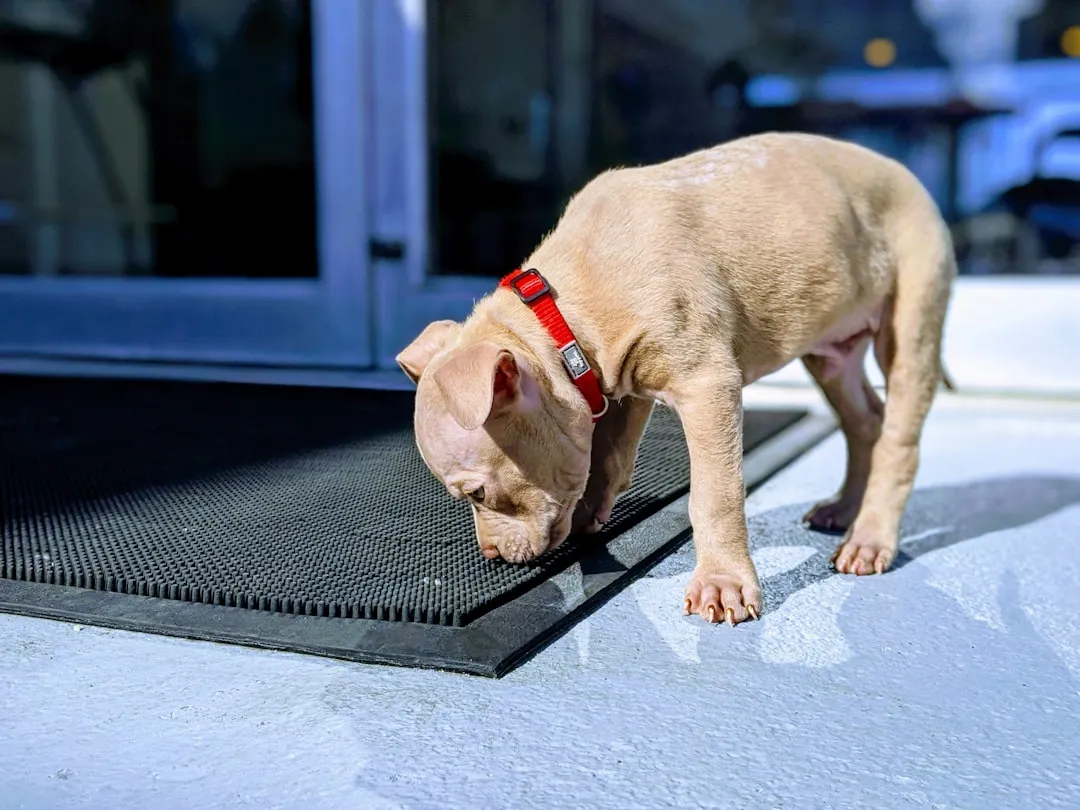
Most people don’t realize how terrifying a slick kitchen floor feels to a dog who knows their legs can give out underneath them. In the final weeks, many senior dogs are already fighting weakness, pain meds, and dizziness. Add slippery hardwood or tile, and every trip to the water bowl becomes a fall risk.
Vets see bruises, strained muscles, and even torn ligaments caused purely by dogs scrambling on bad flooring. The fix is almost embarrassingly simple: lay cheap, non-skid runners from the bed to the door, the water bowl, and any favorite spot. You don’t need to redecorate – just cut a safe “runway” your dog can trust. Some dogs start walking more confidently the moment the rugs go down, because for the first time in weeks, moving doesn’t feel like gambling with their own body.
#16 – Pain Control That’s Actually Aggressive Enough
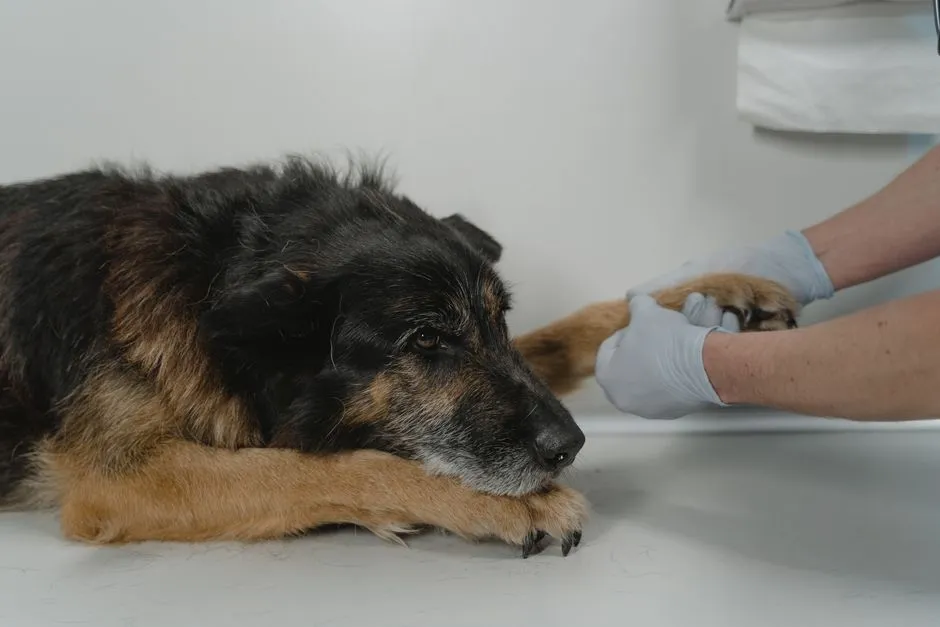
“Old age” isn’t a disease. Uncontrolled pain is – and vets say owners underestimate it constantly. Dogs don’t always whine or cry when they hurt. More often it looks like panting at rest, avoiding stairs, sleeping less, licking at joints, or just seeming grumpy for no obvious reason.
In the final weeks, most vets recommend stepping pain management up, not tapering it down. That might mean combining anti-inflammatories with nerve-pain medication, adding a gentle opioid at night, or trying joint injections and laser therapy. Owners sometimes worry about “too many drugs,” but vets quietly push back on that fear: comfort now matters more than theoretical long-term side effects a dog may never live to experience. The right protocol can turn a miserable, shut-down dog into one who genuinely enjoys short walks and cuddles again.
Worth Knowing
- Panting while completely at rest, not after exercise, is a common hidden pain signal
- Avoiding stairs or hesitating before jumping onto furniture often points to joint pain
- Increased licking or chewing at a specific joint can signal localized discomfort
- Sudden grumpiness or withdrawal is frequently pain, not a personality change
- Trouble settling into a comfortable position, even on a soft bed, is worth mentioning to your vet
#15 – Temperature Control: Never Too Hot, Never Too Cold
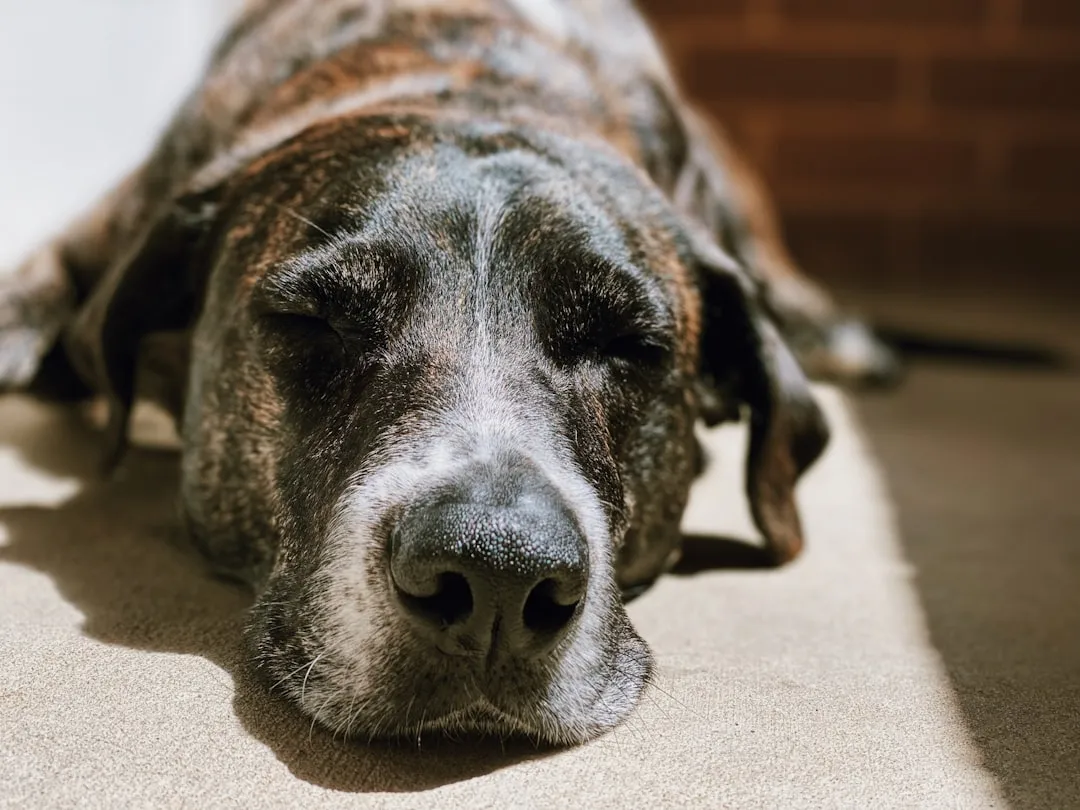
Senior dogs’ bodies become surprisingly bad at regulating temperature, and it makes them far more uncomfortable than owners assume. As they lose muscle and fat, they lose insulation, and circulation worsens with it. A room that feels perfectly fine to you can feel bitterly cold to an old dog lying still for hours.
On the flip side, thick coats and certain medications can make them overheat just as fast. Vets often suggest treating a senior dog almost like a fragile elderly person: a warm, draft-free spot with a light blanket, a heated pad on the lowest setting wrapped in a towel (never left unattended), and no long stretches in hot rooms or direct sun. Nighttime restlessness is often nothing more than a dog who’s simply too cold or too warm – a small thermostat adjustment or a moved bed can calm them dramatically.
#14 – Easy-to-Reach Food and Water, Offered Little and Often
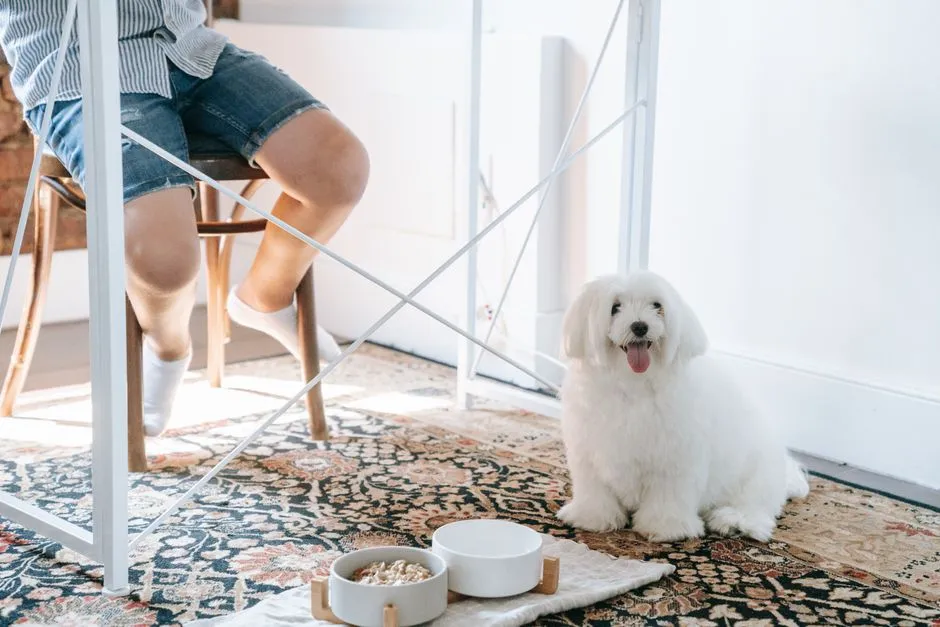
In the final weeks, eating and drinking can start to feel like a chore, and that shift is a red flag vets see constantly. Senior dogs may be nauseous, sore, or simply exhausted, and standing to eat from a low bowl can spike joint pain with every bite.
Vets often recommend elevating bowls slightly so the neck and shoulders aren’t straining, and switching to small, frequent meals instead of one or two big ones. Soft, warmed food that smells stronger, or a little broth mixed in, can tempt a fading appetite back to life. Water should sit close to the bed, but never across a slick floor. Some vets even suggest lightly flavoring water with low-sodium broth when kidneys or medications make plain drinking unappealing. Forcing food almost always backfires – gently offering variety and easy access works far better.
#13 – Gentle Help With Bathroom Breaks (and Zero Shame)
Nobody likes talking about it, but incontinence and accidents are some of the most emotionally distressing parts of the end. A dog who was perfectly house-trained for a decade suddenly starts having accidents indoors, and owners feel confused, frustrated, and heartbroken all at once.
Vets are blunt about this one: it isn’t stubbornness, it’s age, disease, or medication. The kindest thing you can do is remove the shame entirely. That means more frequent, shorter potty trips, belly bands or diapers, waterproof pads on the bed, and a supportive sling if standing has become hard. Many dogs visibly relax once they realize they won’t be scolded or punished for something their body can no longer control. Being accepted even as their body fails them is a comfort most owners underestimate.
#12 – Rides and Outings on Their Terms, Not Yours
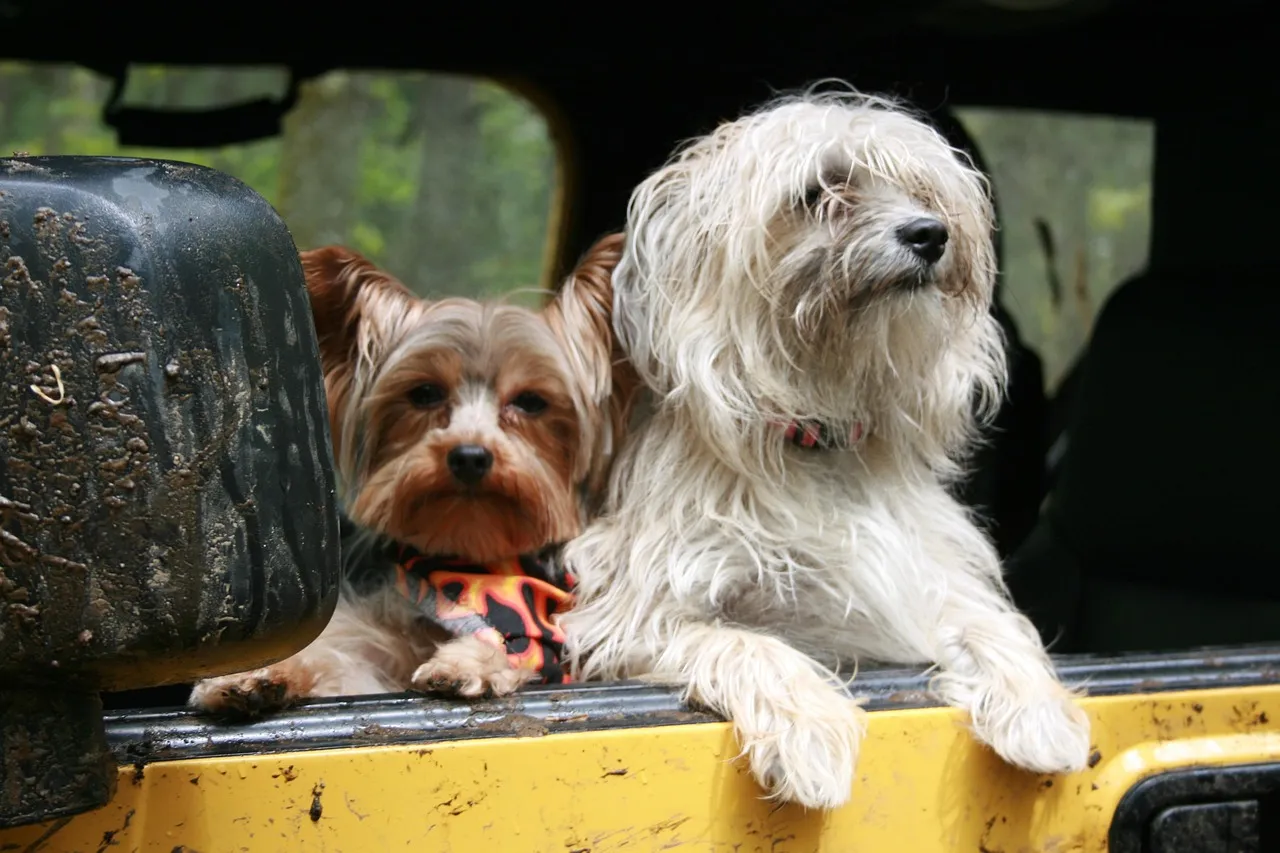
Most owners picture one last big adventure – a beach day, a long hike, a favorite trail. Vets quietly say that instinct is often more for the human than the dog. In the final weeks, long outings, crowds, and noisy dog parks can be exhausting and overwhelming for a body running on empty.
Instead, vets suggest short, controlled outings matched to your dog’s actual energy: a slow car ride with the windows cracked for smells, a few quiet minutes on a park bench instead of a full walk, maybe a drive-thru stop for a vet-approved plain burger. The goal is joy, not mileage. Ten happy minutes sniffing the breeze can outweigh an hour of painful walking. Ask yourself honestly, “Is this outing for them, or for me?” – and let the answer guide you.
#11 – A Predictable, Slower Routine (With Permission to Rest)

Most people cling hard to old routines – same walk times, same routes, same expectations, as if keeping things normal will keep the dog normal too. Vets say the kinder move is to shrink the day down to whatever your dog can genuinely still enjoy.
That might mean shorter, slower walks around the yard instead of the block, more nap time without guilt, and quiet evenings in one room instead of constant back-and-forth. Predictability around meals, meds, and bathroom breaks lowers anxiety more than people expect. But routine also has to come with permission to quit early. If your dog stops halfway down the driveway, that’s the walk for today. Pushing them to “power through” is a human instinct, not a canine need.
#10 – Help Standing, Sitting, and Lying Down Without Hurting
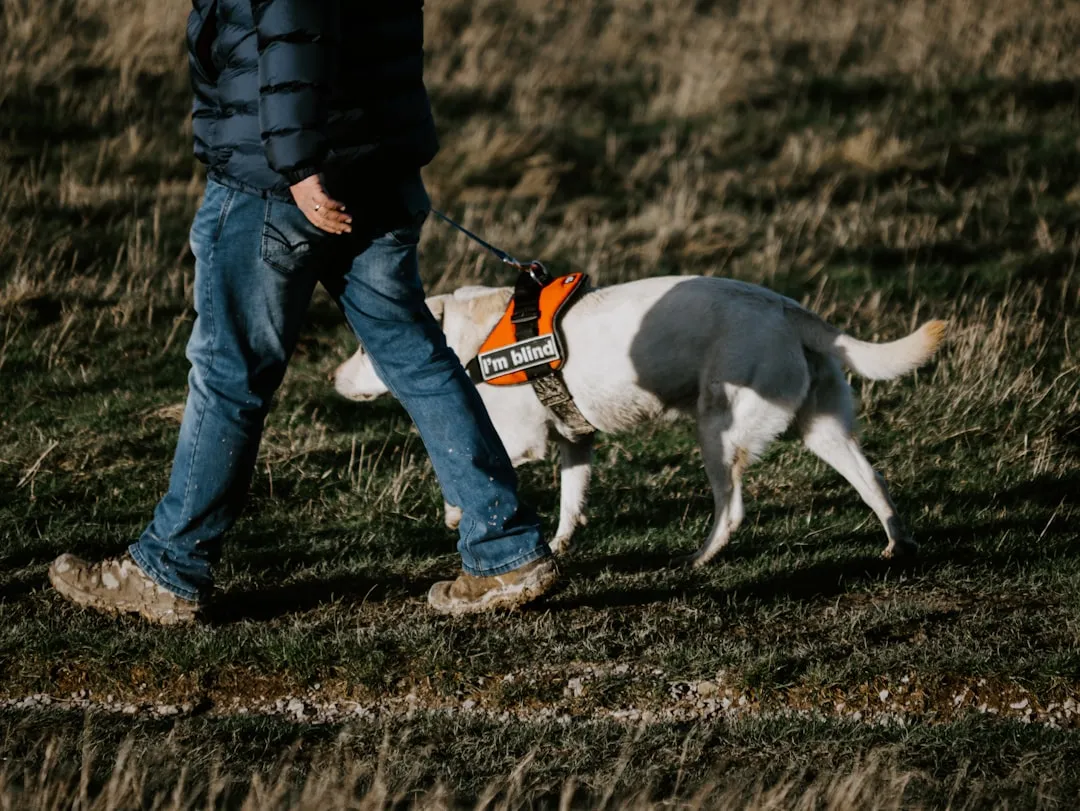
Something as small as changing position can become one of the biggest sources of pain in the final weeks. Vets constantly see dogs who want to get up but freeze halfway, trembling, unsure their legs will hold.
Instead of yanking a collar or lifting under the belly, vets recommend using your hands and simple tools correctly: a rolled towel or purpose-made sling under the belly or hips, even support across the chest and rear when lifting, and slow, one-leg-at-a-time guidance into a lying position. Harnesses with front and rear handles work well for many dogs. Owners often feel guilty reaching for “mobility aids,” but vets see the opposite effect – dogs regain a sense of confidence and independence the moment they trust you’ll help them up safely, every time.
At a Glance
- Rolled towels or purpose-made slings offer quick, low-cost belly and hip support
- Front-and-rear-handle harnesses help with stairs, cars, and slippery entryways
- Non-slip boots or grip socks pair well with runner rugs for extra traction
- Pet ramps can replace stairs for cars, porches, and raised beds
#9 – Calm, Low-Stimulation Evenings Instead of Chaos
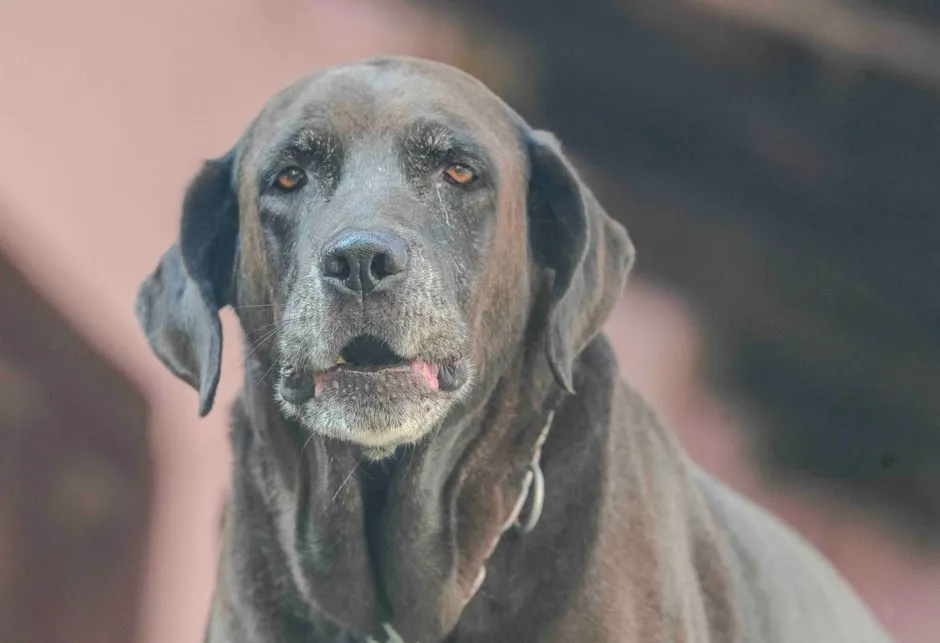
Evenings are when many senior dogs fall apart – panting, pacing, whining, unable to settle no matter what you try. Part of it is pain. Part of it is cognitive decline. And part of it is simple overstimulation: TVs blaring, kids running past, phones buzzing. It’s a lot for a brain that’s already starting to misfire.
Vets often suggest turning evenings into a predictable wind-down ritual – dim the lights, lower the volume, close the curtains, and play soft, consistent background noise like a fan or white-noise machine. A gentle massage or quiet petting in a favorite spot can help too. Some dogs with cognitive dysfunction benefit from specific medications, so it’s worth asking your vet if “sundowning” seems severe. Even without drugs, cutting the sensory noise often means better sleep for the dog – and for you.
#8 – Respectful Touch: Massage, Scratches, and Knowing When to Stop
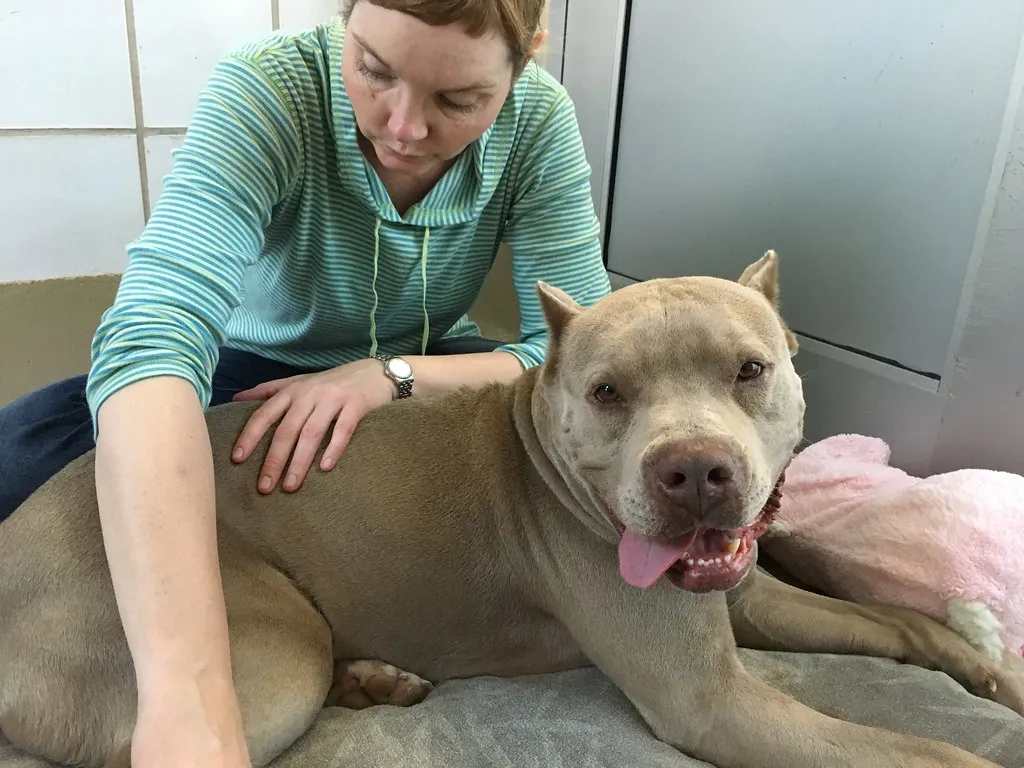
Most people assume dogs always want to be petted. In the final weeks, how and where you touch them matters more than it ever has. Arthritic hips, sore backs, and tender bellies can turn normal cuddling into something genuinely unpleasant.
Vets and rehab specialists often recommend shifting to slow, deliberate, respectful touch: gentle ear rubs, chest scratches, soft strokes along the shoulders, and light massage on muscle – never deep pressure on joints or spine. Watch closely. If they lean in, keep going. If they flinch, stop immediately. One thing that surprises a lot of owners: some dogs prefer simply being near you rather than handled at all – resting their head on your shoe, lying at your feet, having you sit on the floor beside them. Let the dog set the terms of closeness.
#7 – Company at Their Level: Sleeping Nearby, Not Alone
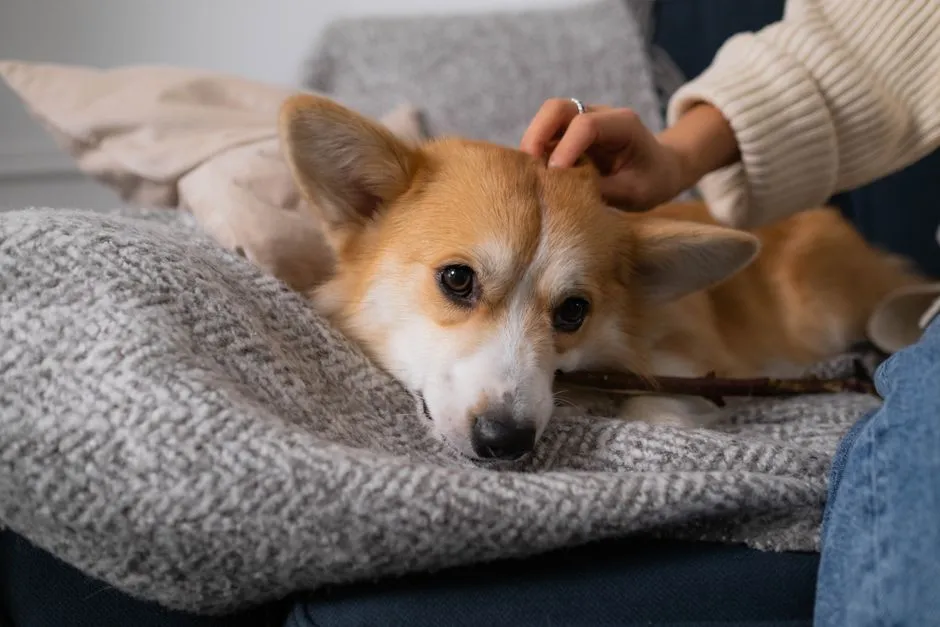
A dog who has slept at your feet for a decade, suddenly shut alone in a laundry room at night? Vets see this and visibly wince. In the last weeks, especially if a dog is anxious, blind, or in pain, being physically close to their person becomes one of the strongest comforts on earth.
That doesn’t mean they need to sleep in your bed, but it might mean moving their bed into your bedroom, sleeping on the couch for a while if stairs are too hard, or leaving a soft night-light on and speaking gently if they wake up confused. Many vets say one of the saddest things grieving owners tell them afterward is, “I wish I’d just slept next to them that last week.” Your presence is a painkiller no prescription can replace.
#6 – Protecting Them From Stressful Guests and Other Pets

Most families want everyone to get a chance to say goodbye. Many vets argue, quietly but firmly, that big gatherings often stress the dog far more than they comfort it. New smells, loud voices, excited kids, well-meaning relatives crowding in – it can overwhelm a dog who just wants to rest. Younger, rowdier housemates can add to that pressure fast.
Vets often recommend limiting visitors to a few calm, familiar people at a time, giving the dog an escape zone no one is allowed to follow them into, and supervising or separating other pets closely. It’s a controversial stance, but some vets will say it outright: your dog doesn’t need a parade of distant relatives in its final days. It needs safety, not a spectacle. Protecting their peace is a deeper form of love than staging a farewell for everyone else’s closure.
#5 – Letting Them Enjoy “Forbidden” Treats… Within Reason
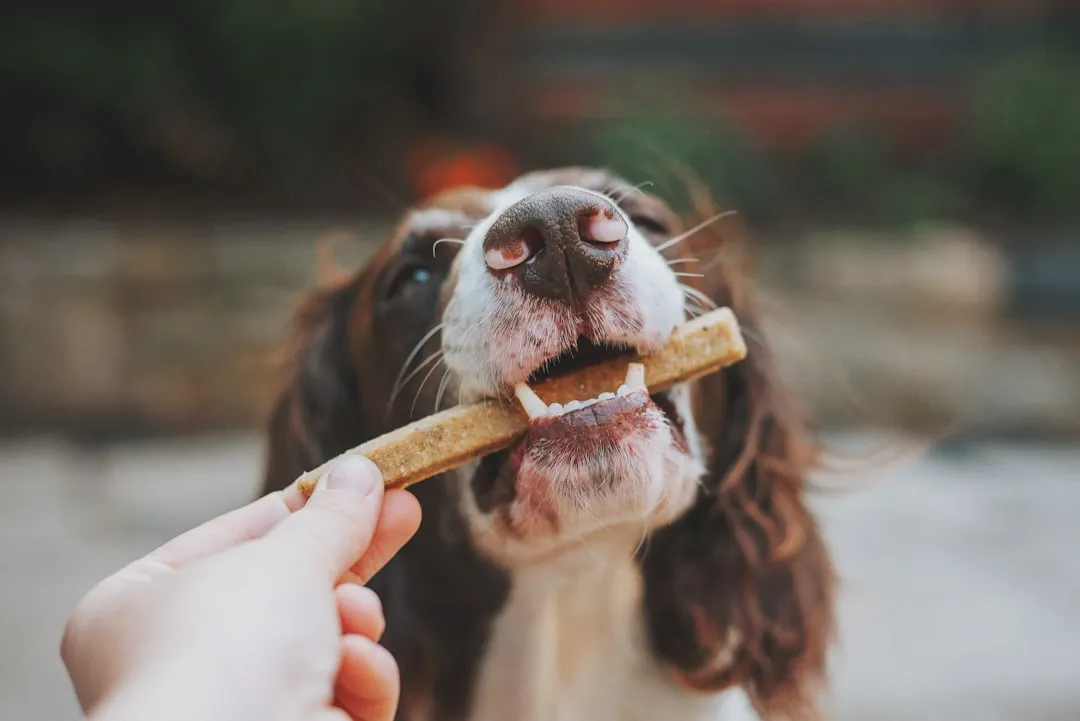
For years, the answer was no. No table scraps, no cheese, no bites off your plate. In the final weeks, many vets quietly change their tune. Unless a condition like pancreatitis or severe kidney failure makes specific foods truly dangerous, a few carefully chosen “forbidden” treats can bring disproportionate joy to a dog with very little joy left to spend.
Think a bit of plain chicken, burger, or cheese, a small lick of ice cream, or a warmed-up treat that smells irresistible. Talk to your vet about what’s safe, but understand the underlying logic: when time is short, quality of life outranks perfect nutrition. “At this point, I’m less worried about his waistline and more about his happiness,” is a line more than one owner has heard from a vet and never forgotten. The goal is simple – bright moments in otherwise hard days.
#4 – Clear, Gentle Communication and a Steady Voice

It sounds almost too simple to matter, but how you talk to your dog shapes their final weeks more than most owners expect. Senior dogs may be hard of hearing or a little confused, yet they still read tone and body language with painful accuracy. Vets notice dogs become visibly more anxious when their owners whisper, sob, or move around them frantically.
The answer isn’t pretending you’re not sad. It’s giving your dog emotional stability anyway – using the same familiar phrases they’ve always known, like “good girl” or “bedtime,” speaking slowly and calmly even during meds or cleanups, and avoiding sudden outbursts or sharp tones after an accident. Many dogs visibly relax the moment their humans do. You’re the emotional thermostat of the house. Radiate panic, and they feel unsafe. Radiate calm, and they rest easier, even on the hardest days.
#3 – Keeping Grooming Minimal, Comfortable, and Dignified
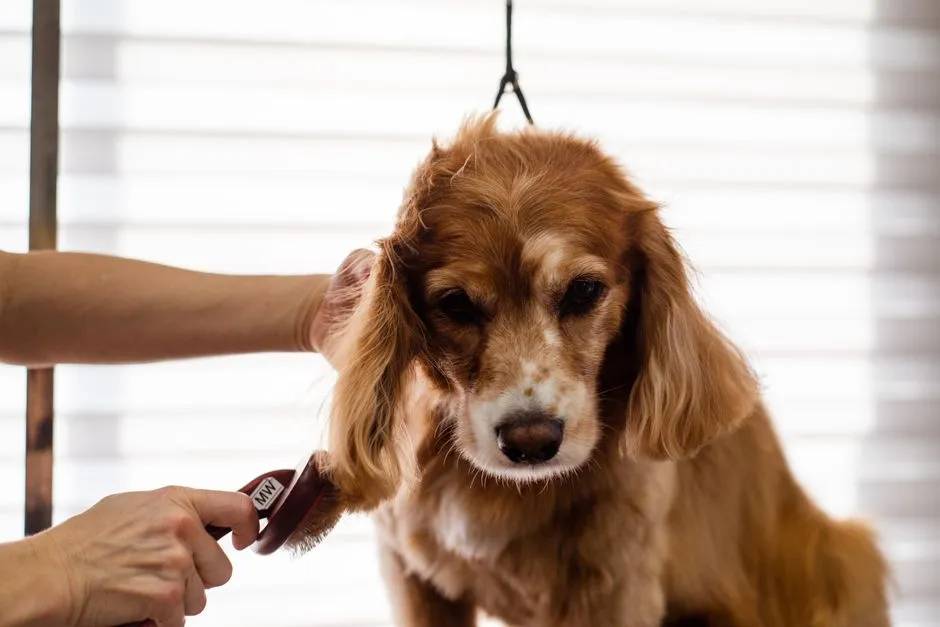
Nail trims, baths, and brushing can quietly slide into torture if you insist on keeping a frail dog “looking perfect” right up to the end. Vets see more harm than good when owners drag exhausted senior dogs to noisy groomers or attempt full spa sessions at home out of habit or guilt.
Instead, the priority should shift from beauty to comfort: short, calm brushing sessions to prevent painful mats, spot-cleaning instead of full baths unless truly necessary, and nail trims done just enough to prevent slipping, with plenty of breaks. If your dog hates the blow-dryer or clippers, skip them entirely. Ask your vet about mild sedation if something must be done for medical reasons. Let go of the idea that they need to look “Instagram ready.” What they need is to feel clean and unbothered – their dignity matters more than your photo album.
#2 – Honest, Early Conversations About Euthanasia Timing
This is the topic almost every owner avoids, and the one vets say matters more than nearly anything else on this list. Waiting “until they tell me” sounds compassionate, but dogs rarely give one single, unmistakable sign. Instead, suffering creeps in slowly – more bad days than good, labored breathing, refusing food, an inability to get comfortable no matter what you try.
Vets consistently say the biggest regret they hear from owners isn’t letting go too soon. It’s waiting too long out of fear or denial. Quality-of-life scales from your vet, a daily log tracking good versus bad days, and scheduling a planned goodbye instead of waiting for a middle-of-the-night crisis can all help clarify a decision that never feels easy. Talking honestly and early with your vet isn’t giving up. It’s protecting your dog from a traumatic, chaotic ending.
Quick Compare
- Good day: eats without coaxing, greets you at the door, moves with only mild hesitation, rests peacefully
- Bad day: refuses food, labored breathing even at rest, can’t settle into a comfortable position, seems disoriented or distressed for long stretches
- Tracking these side by side over a week or two often makes the pattern – and the decision – much clearer
#1 – Being Fully Present for a Peaceful, Pain-Free Goodbye
Vets repeatedly say the single greatest comfort you can give a dying dog is a calm, painless, loving goodbye with you right there beside them. Whether it happens at the clinic or at home, what your dog wants most in those final moments isn’t a fancy blanket or a curated playlist. It’s your presence, your scent, your touch.
That means staying in the room if you possibly can, hands on them, talking the way you always have with familiar words and normal phrases. It means not rushing the process, asking the vet to move slowly and explain each step. Some people step outside because they’re afraid they’ll fall apart, and vets understand that fear completely. But many quietly say the same thing: the dog almost always looks for their person in the end. Showing up fully, even with a breaking heart, is the last and hardest act of love – and for the dog, it eclipses everything else on this list.
The Bottom Line

What senior dogs need in their final weeks isn’t complicated. It’s just uncomfortable, mostly for us. Vets aren’t asking for more photos, stricter routines, or heroic last adventures. They’re asking for less pain, less fear, fewer falls, and more of your actual, physical presence.
Soft beds, safe floors, real pain control, short outings, gentle touch, and honest planning all add up to one thing: a dog who feels protected, not abandoned by its own failing body. Some people will argue that nature should simply take its course. Most veterinarians, after watching thousands of endings, disagree – a peaceful, planned goodbye with you at their side isn’t betrayal. It’s the final, hardest proof of loyalty a dog will ever receive from you.
Did we miss a comfort that meant everything to your senior dog in their last weeks? Share it below – some heartbroken owner reading this tonight needs to hear it.

- 18 Quiet Things a Senior Cat Starts Doing in the Months Before Anyone Realises Anything Has Changed - August 12, 2026
- 18 Comforts Vets Say Mean the Most to a Senior Dog in the Weeks Before It Goes - August 12, 2026
- 19 Changes in an Ageing Cat That Only Ever Show Up Once the Weather Turns - August 12, 2026