
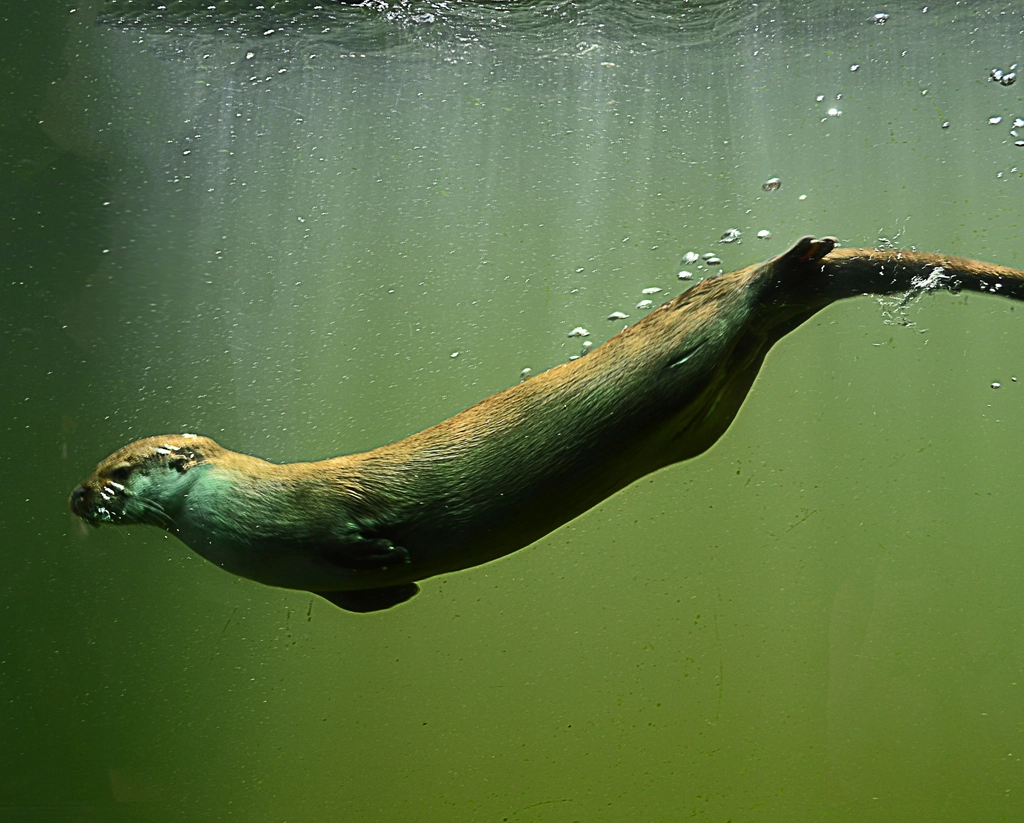
If you have ever watched a river otter sliding down a muddy bank or wrestling with its siblings, you probably felt an odd mix of joy and envy. They look like they are on permanent vacation. But behind that playful chaos, animal scientists are uncovering a clear pattern: otters seem to play the most where one thing is reliably true – the fish are doing just fine.
This simple insight is quietly reshaping how researchers think about animal behavior, stress, and even the health of entire freshwater ecosystems. When fish populations are stable, otters appear to have room in their day for games, social bonding, and risk-taking. When food becomes uncertain, that joyful energy shifts into survival mode. It is a bit like watching the difference between kids on a carefree summer break and kids in a household where nobody knows what is for dinner.
Why River Otter Play Is More Than Just Cute Behavior
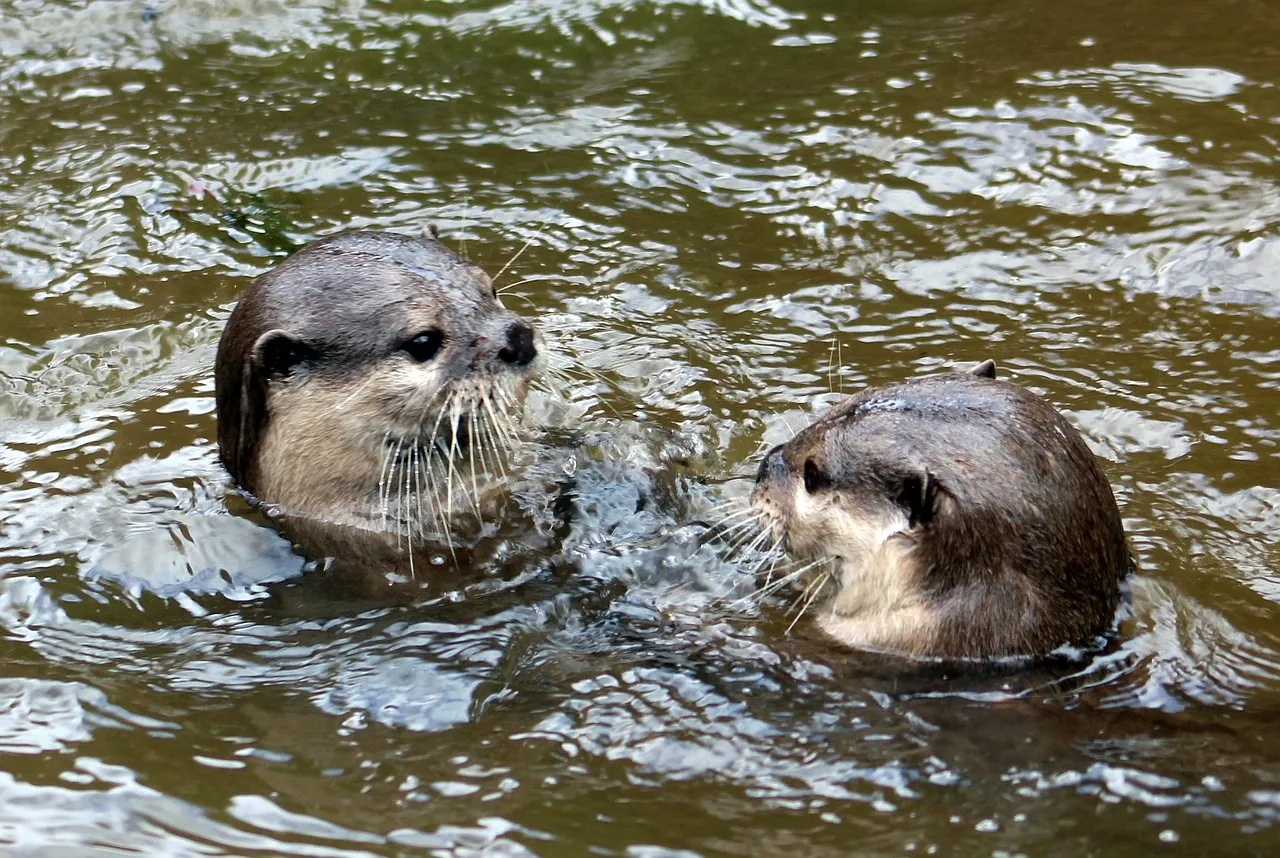
At first glance, otter play looks like pure entertainment: chasing, tumbling, sliding, mock fighting, and flipping in the water. For a long time, many scientists treated it as a sort of quirky side-note in field observations, something that was hard to measure and easy to dismiss. But as ethologists started recording patterns in more detail, the picture became clearer: play was not random, and it seemed tightly linked to the environment.
Play in mammals is often associated with learning and brain development, especially in young animals. River otters use play to practice hunting techniques, refine coordination, and negotiate social hierarchies with minimal risk of injury. When you see siblings wrestling, you are watching a kind of living training simulator. The more secure their world is – including reliable food sources – the more they can afford to spend time in this training mode instead of nonstop foraging.
The Energy Budget: How Stable Fish Populations Free Up Time For Fun
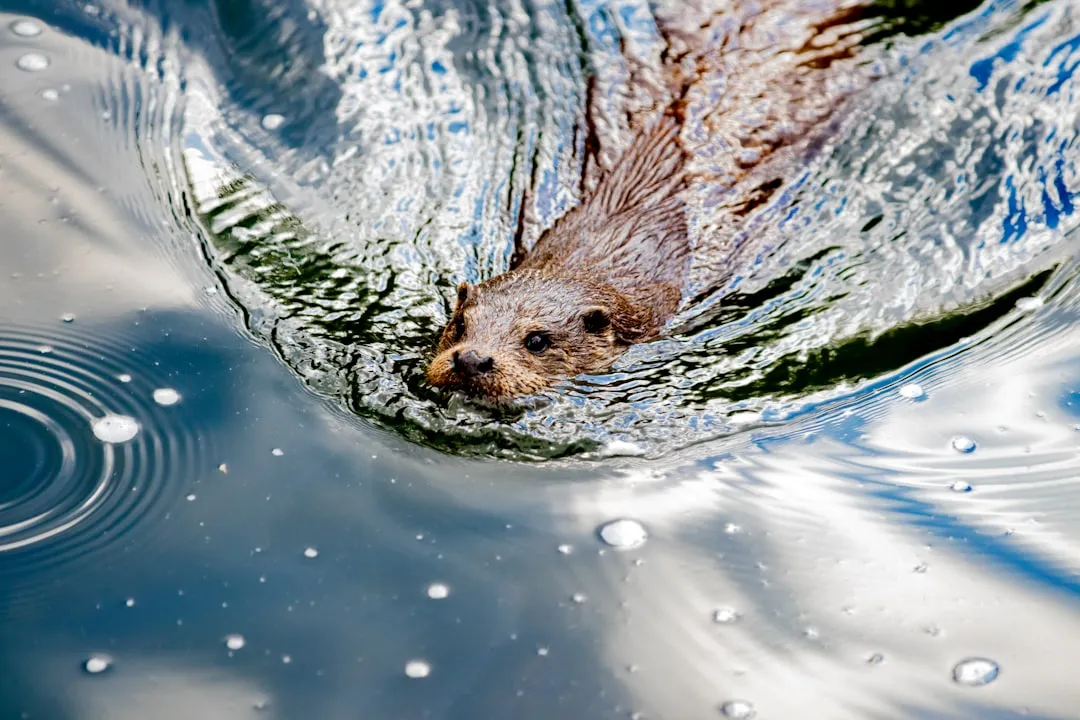
Every wild animal runs on a strict energy budget: calories in, calories out, with almost no room for waste. For a river otter, fish are the main line in that budget, like a paycheck you can count on or constantly worry about. When fish populations are stable, an otter can predictably get enough energy with fewer hunting attempts, freeing up hours for non-essential yet beneficial behaviors such as play, grooming, and extended social interactions.
If fish numbers are low or wildly fluctuating, the math changes fast. Foraging becomes a full-time grind, and risky exploration or lengthy games may become too expensive. In that scenario, an otter that spends energy play-fighting when it should be hunting could fall behind in body condition, especially in colder seasons. So the uptick in play where fish are stable is not just a coincidence; it is a direct reflection of how much life is left over after survival costs are paid.
Play As A Barometer Of Stress And Ecosystem Health
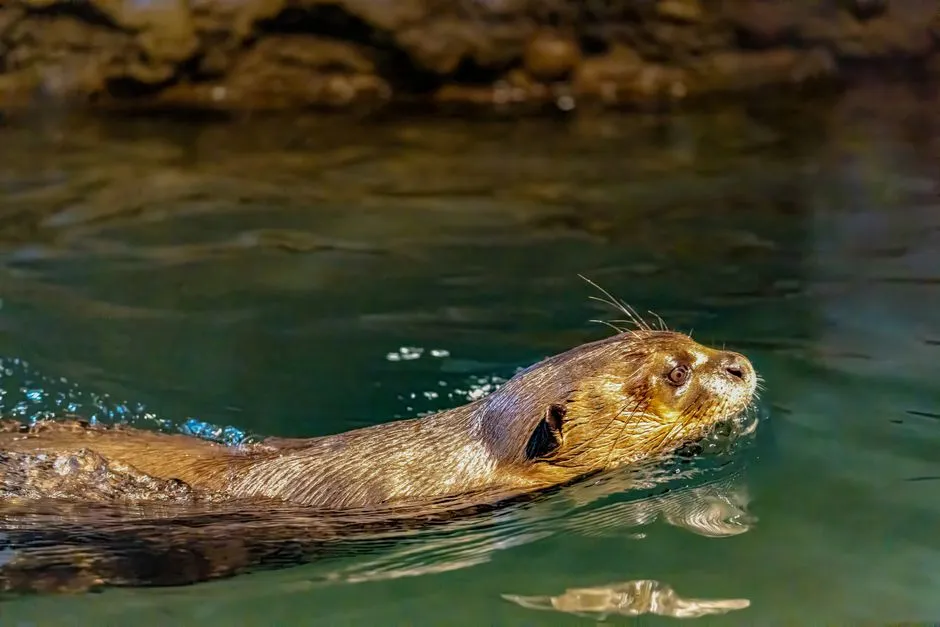
One of the most intriguing ideas to come out of recent animal behavior work is the notion that visible play may act as a barometer for chronic stress. Where environments are degraded, prey is scarce, or human disturbance is intense, many animals shift toward more vigilant, cautious behavior. River otters are no exception: in biologically stressed rivers, observers often see more scanning, more travel, and less of the carefree messing around that people love to film.
Flip that around, and a lively, playful otter group starts to look like a biological compliment to the river itself. Stable fish populations usually mean the food web below them is functioning reasonably well: invertebrates, plants, water quality, and habitat structure are in workable balance. So if you see otters regularly sliding, wrestling, and playing with objects, it may be an unofficial signal that the river is in decent shape. In this way, play becomes an indirect but powerful window into ecosystem health.
Juveniles, Learning, And The Safety Net Of Reliable Food
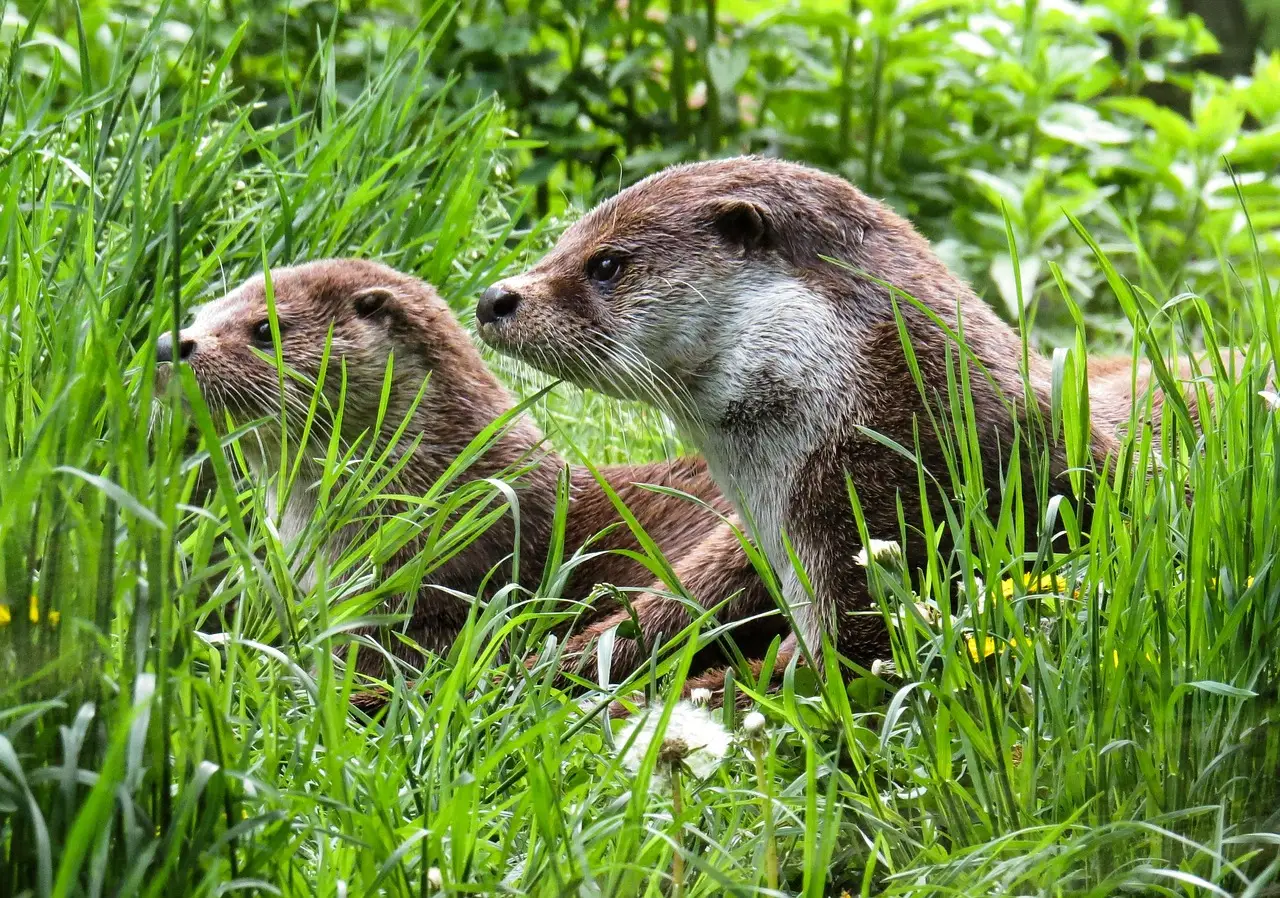
Younger otters are especially famous for their rambunctious antics, and there is a solid biological reason for that. Juveniles need countless repetitions to master swimming, diving, catching fast-moving fish, and navigating complex currents. Play is how they test the edges of what their bodies and minds can do without the high stakes of real predation. The more consistent the fish supply, the safer it is for them to spend part of each day experimenting instead of constantly chasing food.
In rivers where prey is scarce or unpredictable, juvenile otters often have less margin for error. Their playtime may be cut short by the urgent reality of needing to meet basic caloric needs. From a parent’s perspective, that means less room to tolerate long play bouts when every failed hunt matters. So when scientists notice young otters playing more frequently and for longer stretches in certain habitats, it lines up neatly with the idea that those systems are providing a reliable, forgiving safety net of food.
Territories, Competition, And The Role Of Fish Stability
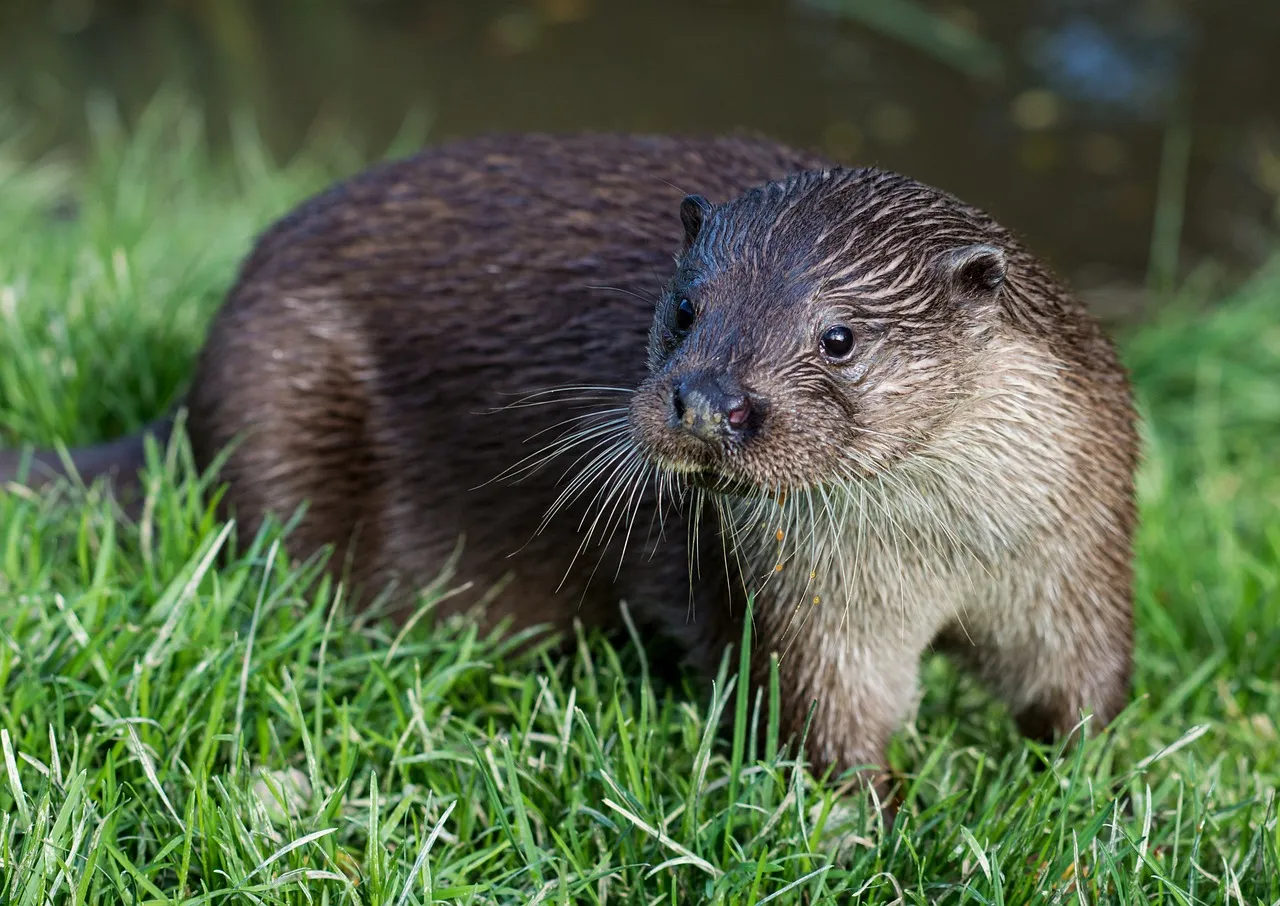
River otters are social but also territorial; where food is scarce, fights over space and access can be more frequent and intense. In areas with rich, stable fish populations, the pressure to defend every patch of riverbank tends to ease a little. That can open the door to more relaxed social interactions, including cooperative play, group traveling, and shared resting sites. In short, when everyone is reasonably fed, there is less reason to escalate conflict and more room for camaraderie.
On the flip side, where fish numbers crash, competition can sharpen fast. Otters may expand or shift territories, spend more time moving, and show more aggressive postures and encounters. In those conditions, the social landscape becomes tense, and open, extended play is harder to sustain. Food security does not just fuel their bodies; it shapes their entire social world, from who shares a resting log to who gets chased out of the best fishing riffles.
Human Impacts: Pollution, Overfishing, And What Happens To Otter Play
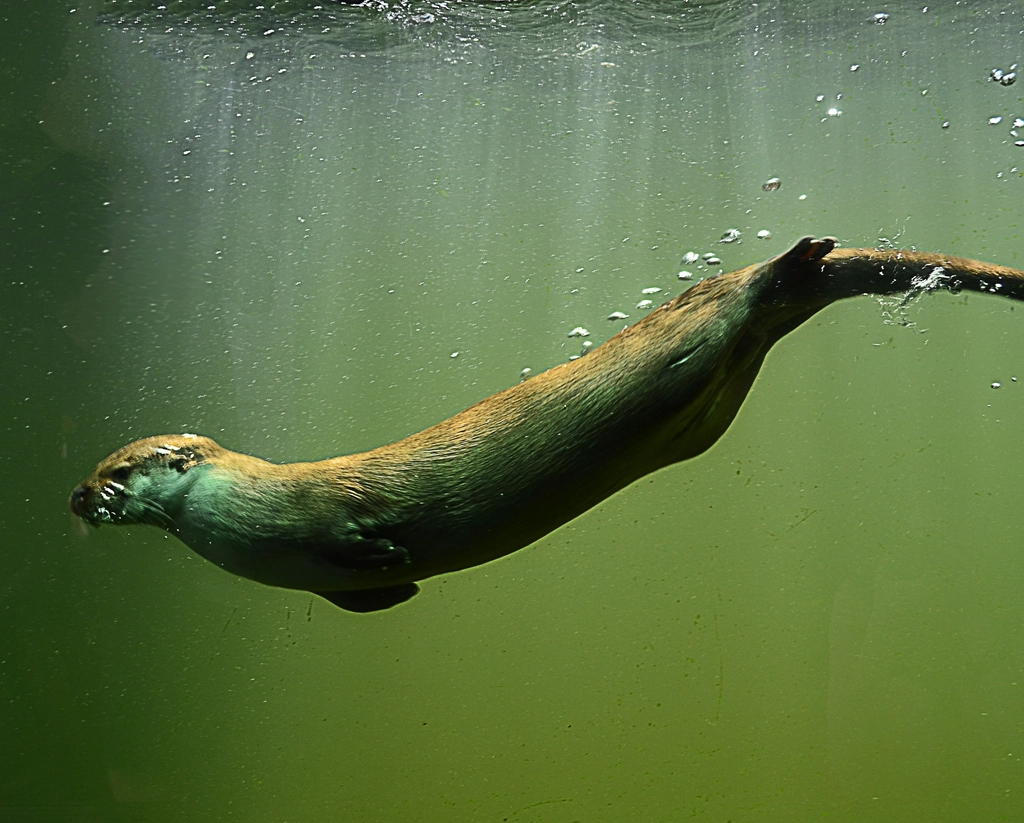
Much of the instability in fish populations today comes from human-driven changes: pollution, habitat fragmentation, dam construction, and overharvesting. These changes ripple upward through the food web to animals like river otters, who did not ask to live in a world of fluctuating water flows and sudden drops in prey availability. When a river’s fish community becomes unpredictable, otters have to hustle harder, and the playful, carefree behavior that people love to see can fade into the background.
I have seen this contrast personally on different rivers: in one stretch with clearer water and stronger fish runs, otters lingered longer and seemed almost theatrical in their play. In another, more heavily disturbed system, they moved quickly and silently, disappearing as soon as they appeared, leaving no time for somersaults and slides. That change is not just about mood; it is a quiet commentary on how our choices upstream and along the banks rewrite the daily lives of wild animals.
Why Conservationists Should Care About Otter Play, Not Just Otter Numbers
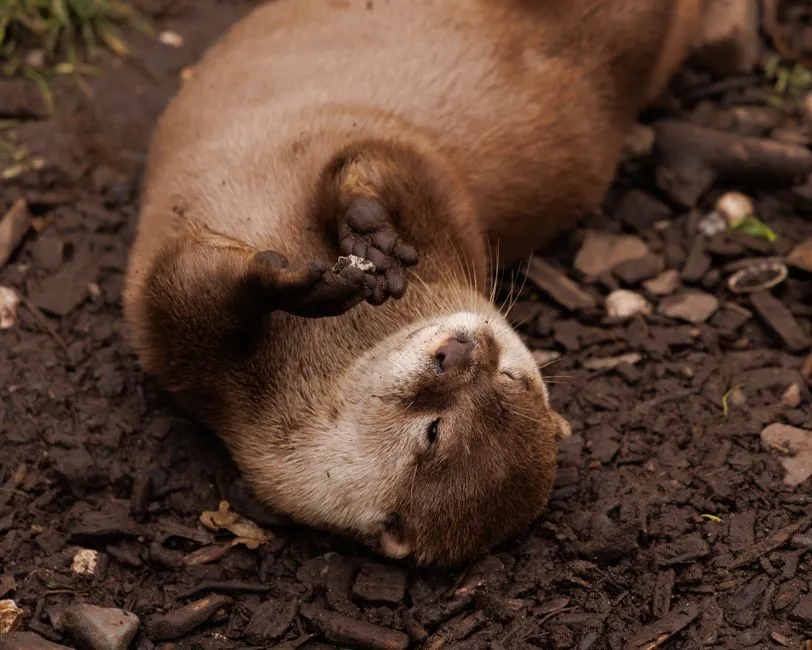
Conservation efforts often focus on population counts: how many otters are present, how many pups are born, how many survive. Those are crucial metrics, but they do not always reveal the quality of life those animals experience. Play offers a subtler but deeply meaningful metric. If otter numbers are holding steady but play behavior is rare, that might hint at ongoing stressors, unstable fish populations, or barely adequate habitat conditions that a simple headcount would miss.
When managers work to restore rivers – improving water quality, reconnecting habitats, and protecting fish stocks – watching for the return of playful otters can serve as a living milestone of success. There is something powerfully symbolic about a once-degraded river finally being home to animals that have enough energy and security to splash, wrestle, and slide for no urgent reason at all. In a way, playful otters are a sign that a river is not only surviving, but starting to thrive again.
Conclusion: Playful Otters, Serious Lessons
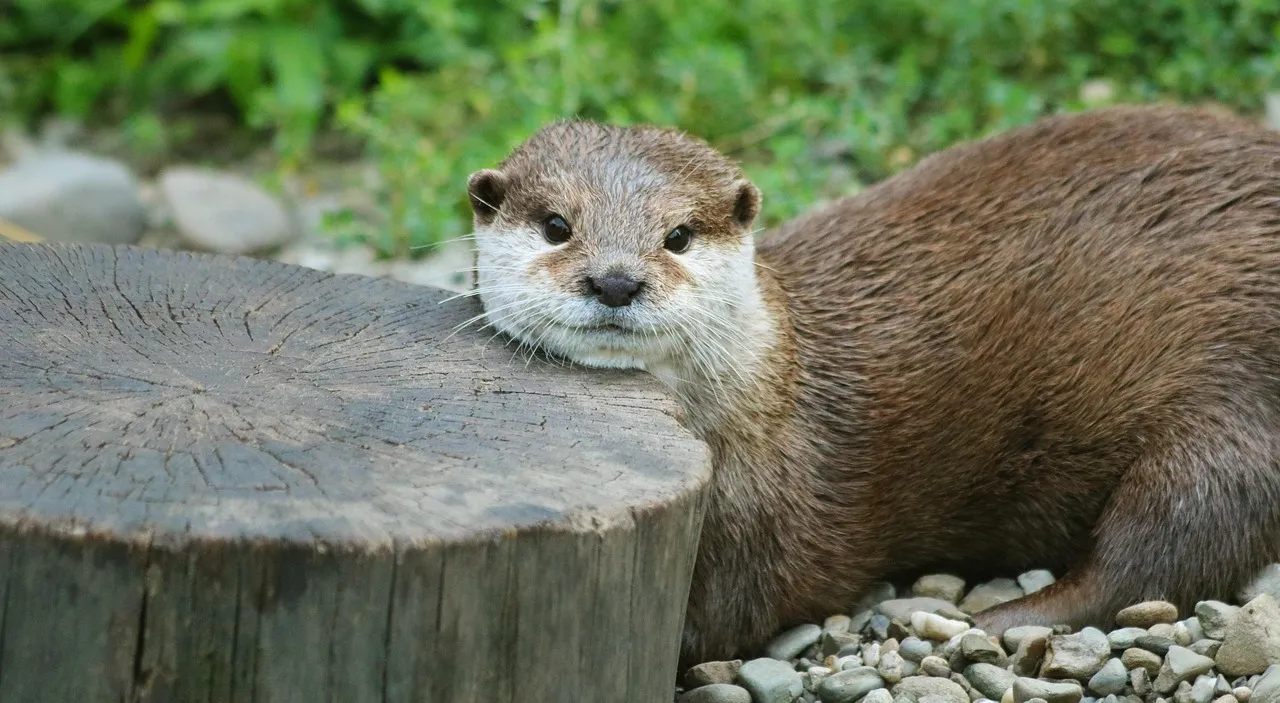
It is tempting to see otter play as nothing more than nature’s entertainment channel, but that sells it short. The growing scientific picture suggests a much more serious message: when fish populations are stable and ecosystems are functioning, river otters get to be exuberant, curious, and social. When those systems wobble, play is one of the first luxuries to go. Personally, I find that both inspiring and a little unsettling, because it means our ability to maintain healthy waterways literally shapes how much joy exists in the daily lives of these animals.
My opinion is that we should treat playful behavior as a non-negotiable conservation goal, not just a feel-good side effect. A river full of silent, stressed predators may technically still be “occupied,” but it is not truly healthy. A river where otters slide, wrestle, and linger is telling us that the deeper machinery of life – from fish to insects to microbes and water flow – is finally in balance. Next time you see a video of otters goofing off, it might be worth asking yourself: are we looking at simple cuteness, or at the visible face of an ecosystem that we have, at least for now, managed not to break?

- Animal Science Says Blue Jays Remember Thousands of Acorn Hiding Places Each Autumn - August 13, 2026
- Animal Science Says River Otters Play More Where Fish Populations Are Stable - August 13, 2026
- The Secret Behind the Smelly Scent of the Civet Cat - August 13, 2026